
APEDA Registration Benefits for Millet Exporters in India
By Saurabh Mittal, Founder, Altus Exports
A millet-specific APEDA RCMC guide covering registration benefits, FSSAI alignment, buyer credibility, documentation, and export readiness.

A millet-specific APEDA RCMC guide covering registration benefits, FSSAI alignment, buyer credibility, documentation, and export readiness.
This guide covers only APEDA-related benefits for millet exporters working with bajra, ragi, jowar, small millets, flours, flakes, and RTE programmes.
APEDA-linked millet promotion rests on India's production leadership—about 42.75% of global output, FY25 ~18.01 million MT on 12.86 million hectares—and a measurable FY25 export book of ~1.21 lakh MT / USD 59.23 million (APEDA citing DGCIS) into UAE, Saudi Arabia, Nepal, USA, Germany, Libya, and Bangladesh.
Key Takeaways
Summary Box
- Treat APEDA RCMC as an export-readiness asset, not a certificate to frame: it supports credibility when the exporter also maintains FSSAI, product specs, HS code notes, and clean documents.
- Keep the product universe millet-only: bajra, ragi, jowar, named small millets, flours, flakes, and RTE millet foods.
- APEDA registration is strongest when paired with FSSAI licensing and precise HS language covering 1008.29/100829xx commercial grain, 1007 sorghum lines, 1102.90, 1104, and 1904.
- India's 42.75% world production share and FY25 18.01 million MT crop base create depth, but the commercial win comes from credibility, documentation readiness, buyer confidence, scheme awareness, and registration return.
- Altus supports millet programs as a merchant exporter, global sourcing partner, and export consulting team.
Executive Summary
Summary Box
Use this summary to brief procurement, compliance, and logistics in one pass before deep-diving the tables below. Read this section through registration ROI, buyer due diligence, and export readiness.
A millet-specific APEDA RCMC guide covering registration benefits, FSSAI alignment, buyer credibility, documentation, and export readiness.
APEDA registration is often discussed as paperwork. For millet exporters, the better question is whether RCMC helps the company answer buyer due diligence faster and approach shipments with a cleaner compliance file.
FY25 millet exports of ~1.21 lakh MT / USD 59.23 million (APEDA/DGCIS) show why registration credibility matters. This page explains how APEDA RCMC, paired with FSSAI and correct HS lines, improves buyer trust during millet onboarding.
Connect APEDA readiness to how to export millet products from India, top millet products exported from India, best countries for Indian millet exports, and source millet products directly from India.
Market Size & Industry Overview
Key Statistics
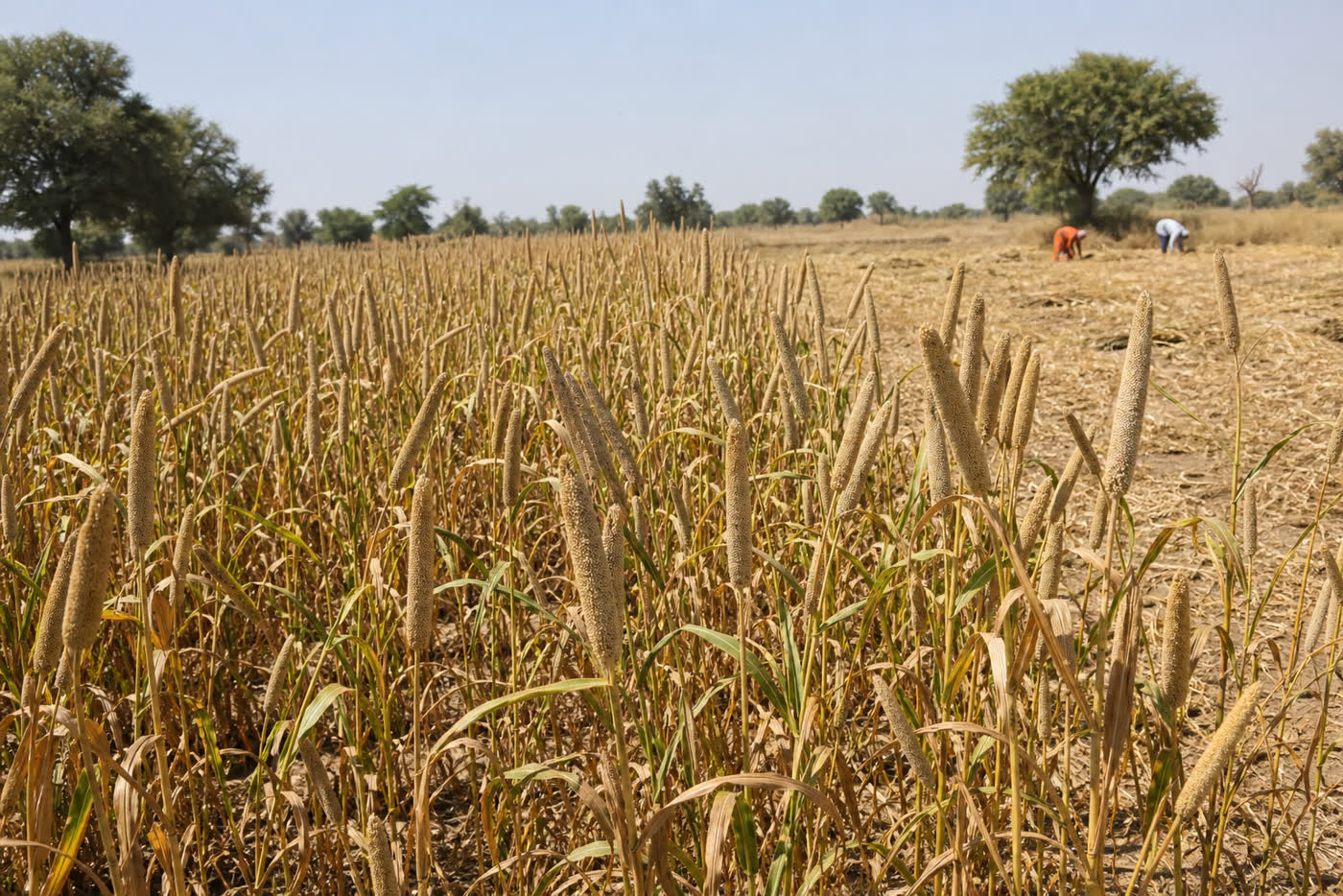
India's millet scale is real — the commercial question is whether your SKU, cluster, and compliance stack can convert that scale into repeatable export lots. Read this section through registration ROI, buyer due diligence, and export readiness.
Market context for APEDA RCMC benefits and registration ROI in Indian millets.
Swipe →
Data table — swipe horizontally on small screens
| Metric | Millet fact | Commercial reading |
|---|---|---|
| India share of world millet production | 42.75% | Deepest origin base for multi-species millet sourcing |
| FY25 crop output | 18.01 million MT | Large supply base for grain and processed products |
| FY25 cultivated area | 12.86 million ha | Broad growing footprint across millet states |
| FY25 export quantity | 1.21 lakh MT | Shows active international movement |
| FY25 export value | USD 59.23 million | Value-added products can improve realization |
Export Statistics
Key Statistics
Treat export figures as planning anchors from APEDA/DGCIS, then split demand by HS form (grain, flour, flakes, RTE) before you set targets. Read this section through registration ROI, buyer due diligence, and export readiness.
Export statistic reading for APEDA RCMC benefits and registration ROI.
Swipe →
Data table — swipe horizontally on small screens
| Destination signal | Millet products to review | Planning note |
|---|---|---|
| UAE | bajra flour, ragi flour, flakes, and mixed millet retail packs | Build the RCMC file around verified importer demand and destination requirements for this market |
| Saudi Arabia | grain, flour, and ready-to-eat millet foods with importer-led label checks | Build the RCMC file around verified importer demand and destination requirements for this market |
| Nepal | regional millet grain and flour movement with shorter logistics | Build the RCMC file around verified importer demand and destination requirements for this market |
| USA | ragi flour, jowar flour, flakes, and RTE millet foods for ethnic and specialty channels | Build the RCMC file around verified importer demand and destination requirements for this market |
| Germany | traceable small millets, ragi flakes, and premium flour packs | Build the RCMC file around verified importer demand and destination requirements for this market |
| Libya | value-oriented bulk grain and flour | Build the RCMC file around verified importer demand and destination requirements for this market |
Import Statistics
Key Statistics
Import-side signals show where buyers already organize channels. Pair each destination with its preferred millet forms and document burden. Read this section through registration ROI, buyer due diligence, and export readiness.
Import data lines to separate before making APEDA RCMC benefits and registration ROI decisions.
Swipe →
Data table — swipe horizontally on small screens
| HS code | What the line can show | Why it matters |
|---|---|---|
| Ragi grain | 10082930 | Check this separately so registration ROI decisions do not mix unlike millet forms |
| Other millet grain | 10082920+ | Check this separately so registration ROI decisions do not mix unlike millet forms |
| Jowar / sorghum | 1007 | Check this separately so registration ROI decisions do not mix unlike millet forms |
| Millet flour | 1102.90 | Check this separately so registration ROI decisions do not mix unlike millet forms |
| Millet flakes | 1104 | Check this separately so registration ROI decisions do not mix unlike millet forms |
| RTE millet foods | 1904 | Check this separately so registration ROI decisions do not mix unlike millet forms |
Product Categories / Variants
Summary Box
Do not buy or sell millets as one line. Separate bajra, ragi, jowar, small millets, flours, flakes, and RTE before pricing or MOQ talks. Read this section through registration ROI, buyer due diligence, and export readiness.
Millet SKU map for APEDA RCMC benefits and registration ROI.
Swipe →
Data table — swipe horizontally on small screens
| Product family | HS code logic | Buyer use |
|---|---|---|
| Bajra / Pearl Millet | HS 1008.29 / India 10082920 | bulk grain, flour programs, distributor bags, and value channels that need steady Indian volume |
| Ragi / Finger Millet | HS 1008.29 / India 10082930 for commercial grain; HS 1102.90, 1104, or 1904 when processed | flour, flakes, ingredient discussions, and premium retail packs where color and fine milling matter |
| Jowar / Sorghum | HS 1007 or India 10082910 (confirm) | food-grade sorghum grain, jowar flour, and cereal ingredient programs that need a separate sorghum specification |
| Foxtail, Little, Kodo, Barnyard, and Proso Millets | HS 1008.29 / India 100829xx commercial grain forms | named small millet assortments, mixed packs, specialty grocery, and careful species-purity claims |
| Flours, Flakes, and Ready-to-Eat Millet Foods | HS 1102.90, 1104, and 1904 | higher-value formats where shelf life, packaging barrier, label data, and batch coding drive buyer confidence |
Bajra / Pearl Millet
- Best control point: connect bajra / pearl millet to the right HS code and product form before quote comparison.
- Buyer proof: sample, specification sheet, packing details, APEDA or FSSAI references, and realistic lead time.
- Commercial caution: do not promise volumes, claims, or shelf life before the supplier has evidence.
Bajra / Pearl Millet should be positioned with its own specification, pack style, and buyer channel. For APEDA RCMC benefits and registration ROI, the exporter should not let this SKU disappear inside a generic millet line because HS 100829 and the intended use change the commercial conversation.
APEDA-registered bajra exporters should still document food-grade controls—moisture, cleaning, species identity, and truthful labels—because RCMC alone does not prove lot quality.
Ragi / Finger Millet
- Best control point: connect ragi / finger millet to the right HS code and product form before quote comparison.
- Buyer proof: sample, specification sheet, packing details, APEDA or FSSAI references, and realistic lead time.
- Commercial caution: do not promise volumes, claims, or shelf life before the supplier has evidence.
Ragi / Finger Millet should be positioned with its own specification, pack style, and buyer channel. For APEDA RCMC benefits and registration ROI, the exporter should not let this SKU disappear inside a generic millet line because HS 1008.29 / India 10082930 for commercial grain; HS 1102.90, 1104, or 1904 when processed and the intended use change the commercial conversation.
For ragi, APEDA credibility helps open buyer doors, but flour and flake shipments still need FSSAI-aligned process controls and honest nutrition/label data.
Jowar / Sorghum
- Best control point: connect jowar / sorghum to the right HS code and product form before quote comparison.
- Buyer proof: sample, specification sheet, packing details, APEDA or FSSAI references, and realistic lead time.
- Commercial caution: do not promise volumes, claims, or shelf life before the supplier has evidence.
Jowar / Sorghum should be positioned with its own specification, pack style, and buyer channel. For APEDA RCMC benefits and registration ROI, the exporter should not let this SKU disappear inside a generic millet line because HS 1007 and the intended use change the commercial conversation.
Jowar exporters listing under APEDA should still maintain a sorghum specification distinct from pearl/finger millet so buyer audits do not mix HS and quality stories.
Foxtail, Little, Kodo, Barnyard, and Proso Millets
- Best control point with APEDA-backed sellers: confirm small-millet HS and form before using registration as a trust signal.
- Buyer proof: sample, specification sheet, packing details, APEDA or FSSAI references, and realistic lead time.
- Commercial caution: do not promise volumes, claims, or shelf life before the supplier has evidence.
Foxtail, Little, Kodo, Barnyard, and Proso Millets should be positioned with its own specification, pack style, and buyer channel. For APEDA RCMC benefits and registration ROI, the exporter should not let this SKU disappear inside a generic millet line because HS 1008.29 / India 100829xx commercial grain forms and the intended use change the commercial conversation.
APEDA promotion of millets includes small millets, but exporters still need species-level specs and truthful pack claims to keep specialty buyers after the first sample.
Flours, Flakes, and Ready-to-Eat Millet Foods
- Best control point: connect flours, flakes, and ready-to-eat millet foods to the right HS code and product form before quote comparison.
- Buyer proof: sample, specification sheet, packing details, APEDA or FSSAI references, and realistic lead time.
- Commercial caution: do not promise volumes, claims, or shelf life before the supplier has evidence.
Flours, Flakes, and Ready-to-Eat Millet Foods should be positioned with its own specification, pack style, and buyer channel. For APEDA RCMC benefits and registration ROI, the exporter should not let this SKU disappear inside a generic millet line because HS 1102.90, 1104, and 1904 and the intended use change the commercial conversation.
Processed millet under APEDA still depends on FSSAI process hygiene; registration will not rescue a weak shelf-life or labeling pack.
Manufacturing Overview
Export Tip
Export quality is created at intake, cleaning, milling, and packing — not in the brochure. Document process controls the buyer can audit. Read this section through registration ROI, buyer due diligence, and export readiness.
Manufacturing checkpoints that support APEDA RCMC benefits and registration ROI.
Swipe →
Data table — swipe horizontally on small screens
| Stage | Millet control | Evidence to retain |
|---|---|---|
| Raw lot intake | origin state, moisture, lot identity, and physical condition | intake record for the RCMC file |
| Cleaning and grading | destoning, sorting, admixture control, and infestation-free status | pre-pack inspection note |
| Milling or flaking | mesh, texture, breakage, aroma, and process hygiene | batch sheet and retention sample |
| RTE conversion | formulation, cooking or roasting control, label data, and sealing | manufacturing and pack records |
| Final packing | bag or carton count, batch code, net weight, and shipping marks | packing-list reconciliation |
Cleaning, Grading, and Grain Preparation
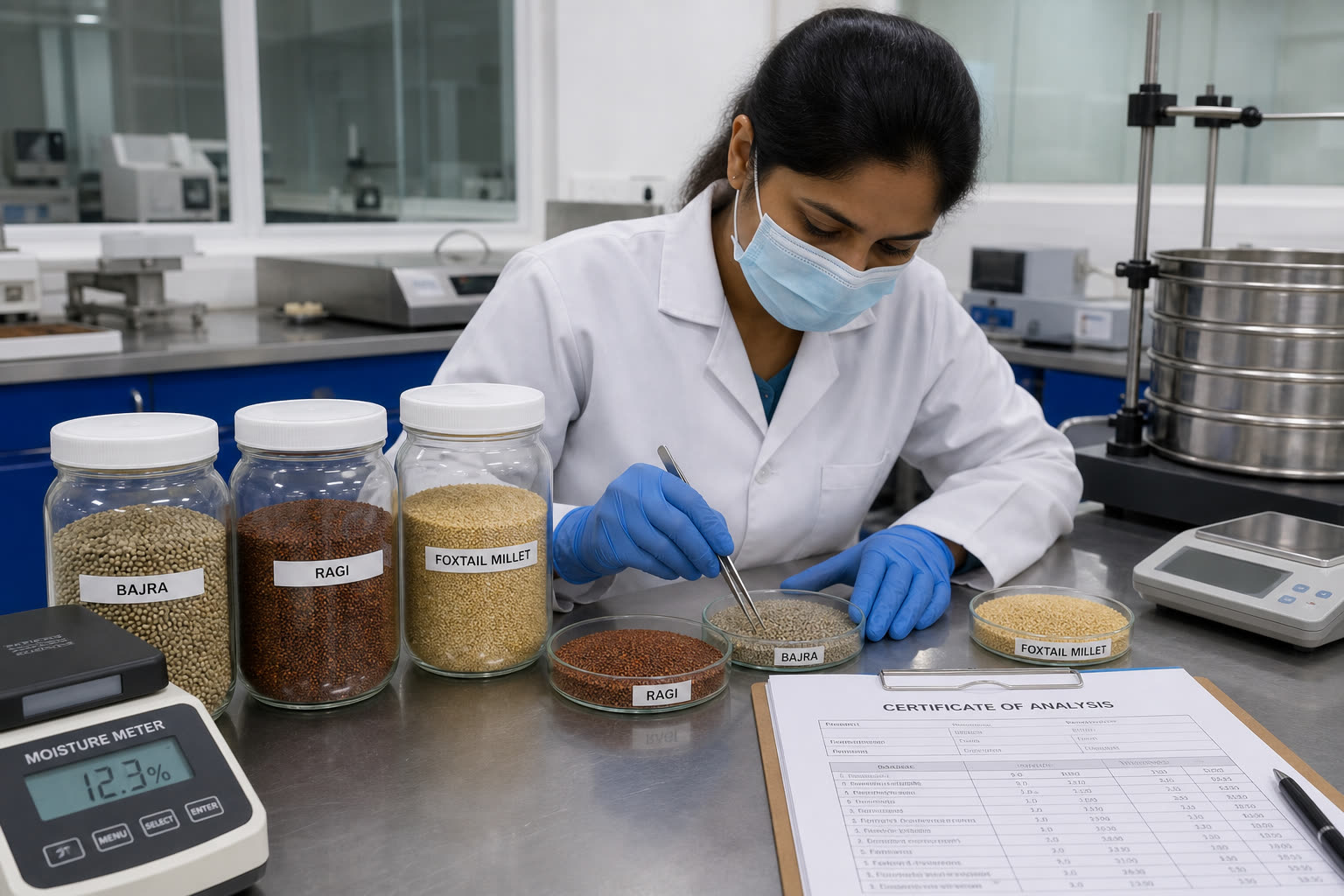
Primary grain work is where many millet disputes begin. For APEDA RCMC benefits and registration ROI, the exporter should document origin, moisture, cleaning method, sorting result, bag weight, and lot identity before the buyer is asked to approve a commercial shipment.
APEDA-facing quality stories should acknowledge species-specific cleaning: small millets for purity, milling grain for odor and food-grade readiness—not a single generic process claim.
Intake Controls
Record supplier lot, crop area, received weight, moisture reading, smell, and visible condition before the registration ROI moves forward.
Pre-Pack Controls
Check appearance, foreign matter, insects, broken grain, bag condition, and batch identification before warehouse release.
Milling, Flaking, and Prepared Food Conversion
Processed millet products add value but also add responsibility. In a APEDA RCMC benefits and registration ROI plan, flour mesh, flake integrity, RTE label data, shelf-life basis, and packaging barrier need approval before bulk output starts.
Registration credibility erodes if samples look perfect and containers do not. Tie APEDA-backed offers to production-realistic retains.
Flour Controls
APEDA credibility still needs flour process proof: mesh, moisture, aroma, pack, batch coding, and storage records on every milled lot.
Retail and RTE Controls
Registration does not replace label discipline—freeze ingredients, nutrition, net weight, carton count, best-before, and importer fields before printing.
Pricing Analysis
Buyer Tip
Price the cost stack (grain, cleaning, pack, tests, inland, risk) — not a single millet FOB. Specialty forms and organic programmes move differently. Read this section through registration ROI, buyer due diligence, and export readiness.
Pricing Analysis table for APEDA RCMC benefits and registration ROI.
Swipe →
Data table — swipe horizontally on small screens
| Cost driver | Millet-specific effect | How to manage it |
|---|---|---|
| Raw grain | base cost shifts by species, crop timing, and origin state | quote with transparent buyer credibility assumptions |
| Cleaning and processing | destoning, milling, flaking, and RTE conversion change yield | separate form-wise cost lines |
| Packaging | bulk bags differ sharply from retail pouches and cartons | approve material and artwork before price lock |
| Testing and certificates | small trials carry higher per-kg document cost | budget lab and certificate needs early |
| Inland and port routing | Rajasthan, Karnataka, Maharashtra, Tamil Nadu, and Gujarat routes vary | choose port by cluster and sailing plan |
| Exporter coordination | covers verification, documentation, shipment follow-up, and buyer communication | compare with hidden cost of unmanaged sourcing |
MOQ Analysis
Buyer Tip
Publish MOQ tiers that match real run sizes: sample, trial, wholesale repeat, then FCL. Transparent tiers protect both sides. Read this section through registration ROI, buyer due diligence, and export readiness.
MOQ Analysis table for APEDA RCMC benefits and registration ROI.
Swipe →
Data table — swipe horizontally on small screens
| Order stage | Millet purpose | Decision it should answer |
|---|---|---|
| Courier sample | review species, texture, color, and pack concept | is the document readiness worth continuing |
| Pilot pallet | test receiving, carton strength, and buyer acceptance | can the buyer sell or process the SKU |
| LCL shipment | run documents and customs clearance under real trade terms | does the paperwork match the cargo |
| 20-foot FCL | scale grain or flour where density is high | can the supplier repeat batch quality |
| 40-foot FCL | scale cartons, flakes, and RTE foods where cube matters | can the program handle full logistics rhythm |
Packaging Standards
Export Tip
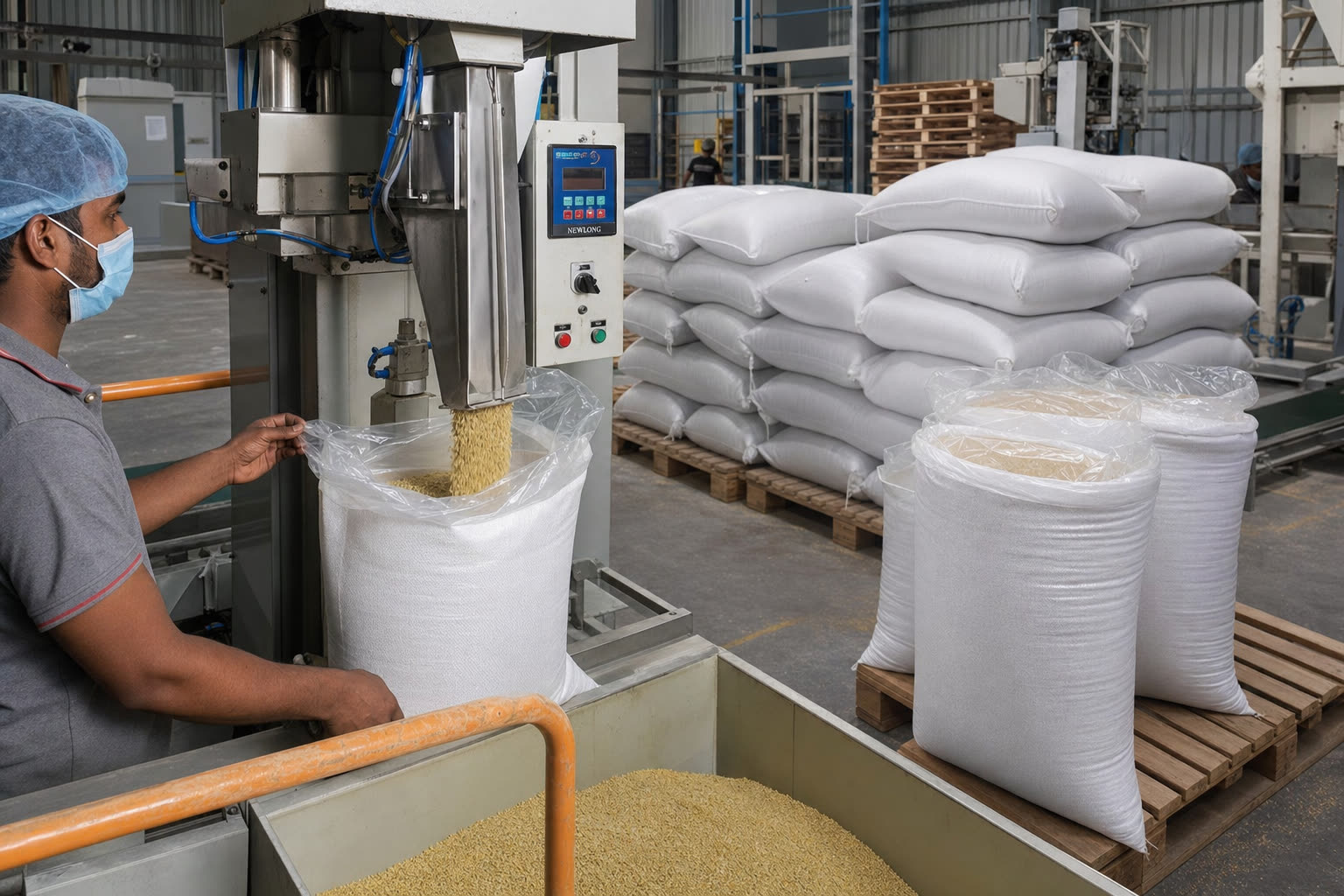
Packaging is a quality system. Grain needs food-grade PP plus liner; flour and flakes need stronger moisture barriers and clear lot marks. Read this section through registration ROI, buyer due diligence, and export readiness.
Packaging Standards table for APEDA RCMC benefits and registration ROI.
Swipe →
Data table — swipe horizontally on small screens
| Pack format | Best millet fit | Control protected |
|---|---|---|
| 25 kg or 50 kg new PP bags | bajra, jowar, and other grain movement | bag strength, markings, and weight accuracy |
| Laminated 10 kg or 25 kg bags | ragi flour, bajra flour, jowar flour, and blended flour | moisture, odor, and handling damage |
| 500 g to 2 kg retail pouches | small millets, flour, flakes, and premium packs | label accuracy, seal quality, and shelf appeal |
| Cartons with inner packs | flakes and ready-to-eat millet foods | compression resistance and batch traceability |
| Palletized cargo where useful | retail and warehouse programs | receiving efficiency and cleaner count verification |
Container Loading Details
Export Tip
Plan payload and cube before you promise freight. Directional 20ft grain loads often land near 20-24 MT depending on bag size and stack height. Read this section through registration ROI, buyer due diligence, and export readiness.
Container Loading Details table for APEDA RCMC benefits and registration ROI.
Swipe →
Data table — swipe horizontally on small screens
| Load plan | Millet application | Record to keep |
|---|---|---|
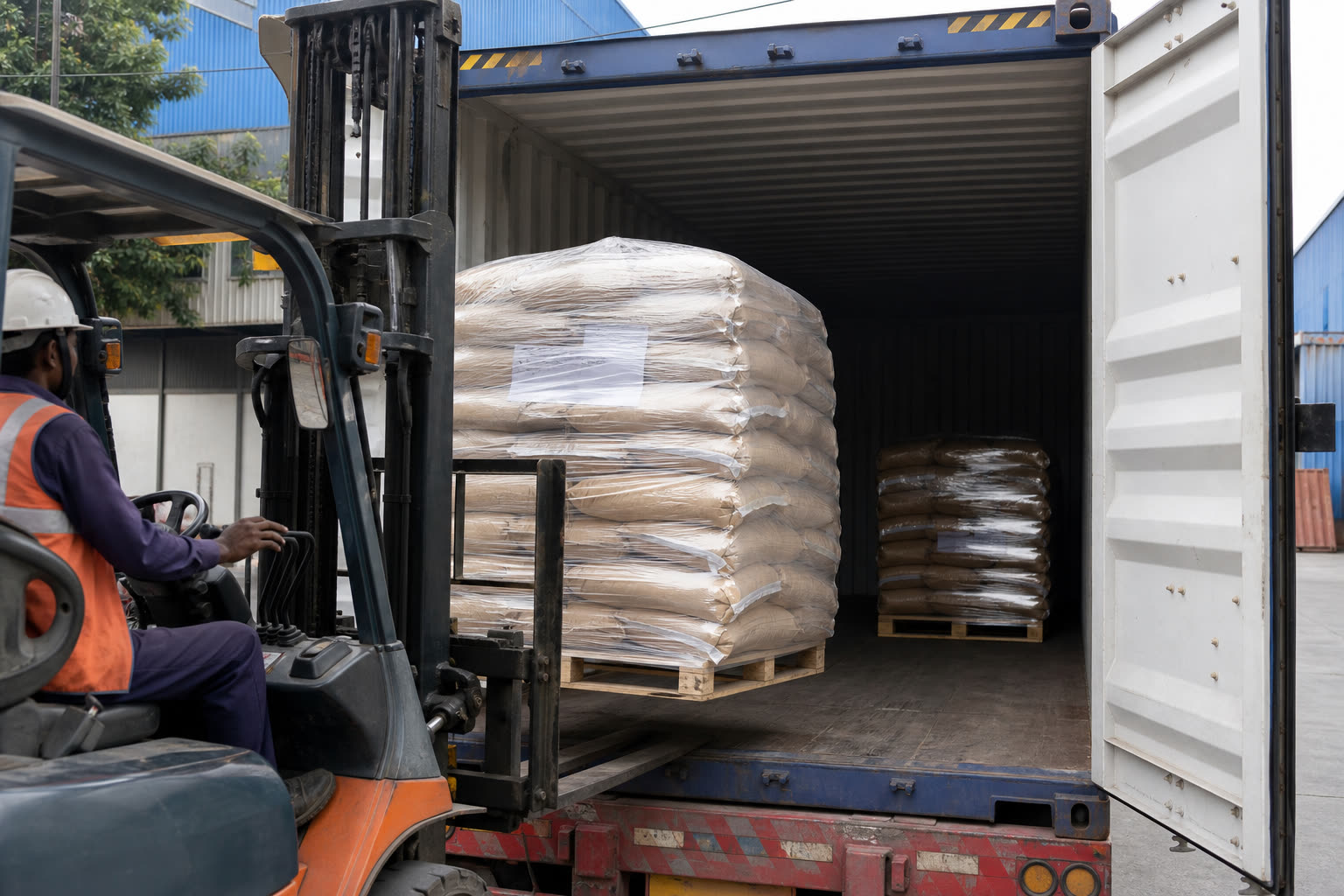
| Floor-loaded grain bags | dense bajra, jowar, ragi, or other millet grain | container photos, seal number, and bag count |
| Mixed bag and carton loading | flour plus flakes or retail packs | load order that separates heavy and fragile goods |
| Palletized retail cartons | organized receiving for branded millet products | pallet count, carton count, and wrapping evidence |
| LCL cargo | trial orders and multi-SKU launches | strong marks, extra carton protection, and freight references |
| Weight-sensitive 20-foot plan | grain and flour programs close to payload limits | weighment record and final packing-list match |
Shipping Methods
Export Tip
Sea FCL is the default for commercial millet. LCL and air are tools for trials and urgency — price them honestly. Read this section through registration ROI, buyer due diligence, and export readiness.
Shipping Methods table for APEDA RCMC benefits and registration ROI.
Swipe →
Data table — swipe horizontally on small screens
| Method | When to use | Millet note |
|---|---|---|
| Courier | samples, label mockups, or small lab quantities | name species and form on every sample pack |
| LCL sea freight | first paid shipment or mixed-SKU validation | overprotect cartons because handling events multiply |
| 20-foot FCL | dense grain and flour when volume is proven | watch legal road and container weight limits |
| 40-foot FCL | retail cartons, flakes, and RTE foods | manage cube, compression, and carton stacking |
| FOB or CIF sea | commercial orders from Mundra, Nhava Sheva, Chennai, Kolkata, or Pipavav | define freight, insurance, and destination charge responsibility in writing |
Certifications
Compliance Notes
Start with IEC, FSSAI, and APEDA readiness. Add phytosanitary, organic, Halal, or GFSI audits only when the destination channel requires them. Read this section through registration ROI, buyer due diligence, and export readiness.
Certifications table for APEDA RCMC benefits and registration ROI.
Swipe →
Data table — swipe horizontally on small screens
| Document | Millet relevance | Buyer value |
|---|---|---|
| APEDA RCMC | agricultural and processed food export credibility | shows the exporter fits a recognized export framework |
| FSSAI license | food business licensing for grain handling, milling, packing, or RTE work | supports food-safety review at origin |
| IEC and GST details | export transaction identity and invoice consistency | reduces basic due-diligence friction |
| Certificate of origin | origin support for customs and buyer files | helps destination clearance and duty review |
| Phytosanitary certificate | needed for grain in markets that require plant-health clearance | protects entry when raw millet movement is controlled |
| Lab report or COA | moisture, microbiology, residues, or buyer-specific checks | turns quality claims into evidence |
| Organic certificate when applicable | only for certified lots and verified chain of custody | prevents unsupported premium claims |
Buyer Requirements
Buyer Requirements
Serious buyers ask for specs, samples, COAs, pack drawings, and draft docs — not adjectives. Respond with evidence. Read this section through registration ROI, buyer due diligence, and export readiness.
Buyer Requirements table for APEDA RCMC benefits and registration ROI.
Swipe →
Data table — swipe horizontally on small screens
| Buyer asks | Strong millet answer | Risky answer |
|---|---|---|
| What exactly is the product? | species, form, HS code, pack size, origin state, and intended use are named | millet product available |
| Can documents be reviewed? | draft invoice, packing list, APEDA, FSSAI, COO, and test needs are shared early | documents will come later |
| What is the MOQ? | sample, pallet, LCL, and FCL tiers are explained by SKU | any quantity is possible |
| How is quality controlled? | moisture, foreign matter, mesh, batch code, and retention sample method are stated | best quality assured |
| Which market is targeted? | destination broker, label rules, certificate needs, and buyer channel are considered | same product for all countries |
Country-wise Opportunities
Market Snapshot
Rank markets by total fit: demand, duty, labels, payment norms, and your current compliance readiness. Read this section through registration ROI, buyer due diligence, and export readiness.
Country opportunity notes for APEDA RCMC benefits and registration ROI.
Swipe →
Data table — swipe horizontally on small screens
| Country | Millet fit | Entry strategy |
|---|---|---|
| UAE | bajra flour, ragi flour, flakes, and mixed millet retail packs | Prepare a compliance anchor with HS review, label expectation, and first-order economics |
| Saudi Arabia | grain, flour, and ready-to-eat millet foods with importer-led label checks | Prepare a compliance anchor with HS review, label expectation, and first-order economics |
| Nepal | regional millet grain and flour movement with shorter logistics | Prepare a compliance anchor with HS review, label expectation, and first-order economics |
| USA | ragi flour, jowar flour, flakes, and RTE millet foods for ethnic and specialty channels | Prepare a compliance anchor with HS review, label expectation, and first-order economics |
| Germany | traceable small millets, ragi flakes, and premium flour packs | Prepare a compliance anchor with HS review, label expectation, and first-order economics |
| Libya | value-oriented bulk grain and flour | Prepare a compliance anchor with HS review, label expectation, and first-order economics |
| Bangladesh | regional bulk grain, flour, and practical distributor programs | Prepare a compliance anchor with HS review, label expectation, and first-order economics |
Sourcing Checklist
Checklist
- Define species, product form, pack, destination, sales channel, and target HS code before any APEDA RCMC benefits and registration ROI decision.
- Confirm APEDA, FSSAI, IEC, supplier capacity, process ownership, and previous export-document readiness.
- Approve realistic samples and keep reference packs with batch notes at origin and destination where practical.
- Review packaging, label language, shelf-life basis, testing requirements, and carton strength before production.
- Use a staged path so the RCMC file produces evidence before volume commitments grow.
Buyer Checklist
Checklist
- Share importer details, country, broker contact, pack size, label fields, and target channel as early as possible.
- Ask the supplier or Altus for written specifications, sample records, packing details, and document drafts before payment milestones.
- Even with APEDA credentials, ask buyers to verify destination duty on the declared HS (1008.29/100829xx, 1007, 1102.90, 1104, or 1904) so registration claims are not blamed for tariff surprises.
- Review invoice, packing list, certificate of origin, bill of lading instructions, and shipping marks before vessel sailing.
- Score every order for quality, communication, document accuracy, packaging condition, and delivery timing.
Exporter Checklist
Checklist
- Keep APEDA, FSSAI, IEC, GST, bank, address, and authorized-signatory records current and consistent.
- Create SKU-wise sheets for bajra, ragi, jowar, small millets, flours, flakes, and RTE millet foods.
- Quote lead times that include raw material booking, production, testing, packing, certificate work, and freight cutoffs.
- Avoid organic, gluten-free, nutrition, or health claims unless the product, facility, label, and documents support them.
- Archive samples, approvals, inspection records, loading photos, final documents, and buyer feedback for repeat shipments.
Compliance Checklist
Checklist
Compliance Notes
- Use APEDA and FSSAI as the Indian compliance anchors for millet export conversations.
- RCMC-backed exporters still need CHA-confirmed lines on every PI: ragi 10082930, bajra/small millets 100829xx, jowar 1007/10082910, flour 1102.90, flakes 1104, RTE 1904.
- Check destination label rules, importer registration, certificate needs, and food-safety expectations before production starts.
- Make product name, net weight, batch detail, HS code, carton count, and origin information consistent across documents.
- Use special claims only when certification, testing, and chain-of-custody records can support them in the buyer market.
Common Buyer Mistakes
Common Mistakes Box
Most millet failures are preventable specification and sequencing errors — not bad markets. Read this section through registration ROI, buyer due diligence, and export readiness.
Future Market Trends
Key Statistics
Watch specialty flour/RTE growth, organic pathways, and tighter documentation expectations — then invest where your plant can prove control. Read this section through registration ROI, buyer due diligence, and export readiness.
APEDA-facing millet trade is also shifting from anonymous grain toward defined SKUs; registration helps most when paired with processing, traceability, and destination-ready evidence.
Conclusion
Lock species, form, HS, pack, and destination evidence — then use Altus as merchant exporter or global sourcing partner to execute. Read this section through registration ROI, buyer due diligence, and export readiness.
APEDA Registration Benefits for Millet Exporters in India comes down to focused execution. India offers 42.75% of world millet production and a FY25 base of 18.01 million MT, but buyers reward exporters who can convert that strength into named millet SKUs, dependable samples, APEDA and FSSAI readiness, accurate HS codes, and clean shipment records.
For APEDA-aligned millet programmes that still need hands-on verification and shipment coordination, partner with Altus as merchant exporter in India or global sourcing partner India.