
How to Source Bedsheets Directly from India: Buyer Playbook
By Saurabh Mittal, Founder, Altus Exports
A complete international buyer playbook for sourcing bedsheets directly from India — how to find and verify Karur, Coimbatore, Surat, and Ludhiana mills, confirm fibre and weave quality, lock samples, negotiate MOQs and pricing, run pre-shipment inspection, structure shipping and Incoterms, and choose between direct factory export and a merchant exporter model. Includes a buyer case study, common mistakes, and a document-by-document risk checklist from Altus Exports.

India supplies a substantial share of the world's cotton bedsheets — from hotel-grade percale replenishment sets shipped to Gulf hospitality distributors to GOTS-certified organic sateen stocked in German and French department stores. For international retailers, distributors, hospitality groups, and private-label brand owners, that depth of manufacturing capability across Karur (Tamil Nadu), Coimbatore (Tamil Nadu), Surat (Gujarat), and Ludhiana (Punjab) makes sourcing bedsheets directly from India an obvious commercial move. The FOB advantage over Chinese, Pakistani, or Turkish equivalents is real, and the clusters can support everything from simple stock SKUs to fully custom private-label programmes with proprietary colourways and packaging.
But direct sourcing only pays off when buyers treat Indian textile mills like regulated suppliers, not like a catalogue website. The category has recurring failure modes that erode first-order economics faster than freight costs ever could: thread-count and fibre-content inflation on invoices and hang-tags, sample-to-bulk drift in GSM and dye-lot colour matching, and packaging that looks fine on a factory bench but fails under ocean-transit humidity and vibration. Buyers who skip mill verification, sample sign-off, or pre-shipment inspection to save two weeks routinely lose far more than two weeks sorting out a damaged or misdescribed container.
This playbook walks importers, retailers, and brand owners through the full sourcing sequence — supplier discovery and verification, fibre and weave fundamentals, certification checks, sample control, MOQ negotiation, packaging validation, Incoterms and payment structuring, and the choice between direct factory export and a merchant exporter relationship. It closes with a real-world buyer case study, a mistakes checklist, and answers to the questions international buyers ask most often before placing a first bedsheet order from India. Buyers who prefer a single accountable partner can also explore verified cotton bedsheet sourcing through Altus Exports.
Key Takeaways
Summary Box
- Sourcing bedsheets directly from India works best when buyers verify fibre content, weave construction, and thread-count claims in writing before any deposit is paid.
- Karur and Coimbatore (Tamil Nadu), Surat (Gujarat), and Ludhiana (Punjab) are the four dominant manufacturing clusters, each with a distinct fabric and finishing specialisation.
- MOQs typically run 200–5,000 pieces depending on construction, print complexity, and whether the order is a stock SKU or a custom private-label programme.
- Approved sealed samples should become the production master, not a marketing reference — photograph, retain, and tie every bulk lot's dye batch back to that sign-off.
- Pre-shipment inspection with GSM checks, shrinkage tests, and seam/hem quality logs catches sample-to-bulk drift before it becomes a container-load problem at destination.
- Buyers new to India sourcing usually get lower first-order risk from a merchant exporter than from unmanaged direct factory relationships — see order models compared below.
- Start with trial MOQs of 200–500 pieces, validate sell-through and claim rates, then scale into container programmes once the mill proves consistent across at least two production cycles.
Why Buyers Source Bedsheets Directly from India
India's home-textile industry is unusual among sourcing categories because it combines deep vertical integration — spinning, weaving, dyeing, printing, and finishing often within a single cluster — with organised export infrastructure built over decades of serving global retail. Karur and Coimbatore alone host hundreds of units ranging from small workshops finishing a few hundred pieces a month to fully integrated exporters running percale, sateen, and GOTS-certified organic lines side by side under one roof.
For buyers, that density means real choice: you can source a single hero SKU at high volume from one specialist mill, or consolidate a full assortment — percale, sateen, printed cotton, and hotel-grade replenishment — through one exporter capable of running mixed production lines across multiple fabric constructions. Unlike some sourcing categories where India competes mainly on price, bedsheet buyers increasingly choose Indian sourcing because certified organic cotton availability, weaving depth, and finishing quality genuinely rival or exceed competing origins at a meaningfully lower landed cost.
The commercial logic strengthens further for private-label and brand-owner buyers. Karur and Surat OEM units can execute custom print artwork, colourways, thread-count tiers, and packaging specifications that would be prohibitively expensive to develop in-house. That flexibility is why independent retailers, online bedding specialists, and regional hospitality distributors increasingly build their own branded ranges on Indian production rather than reselling third-party brands alone.

Understanding Fibre, Weave, and Why Specification Language Matters
Almost every sourcing mistake in this category traces back to a misunderstanding — or a deliberate obscuring — of fibre content, weave construction, and thread-count claims. Percale is a plain-weave cotton fabric prized for its crisp, cool hand-feel and durability, commonly priced from roughly $4.50 to $9 FOB per set depending on thread count and finishing. Sateen uses a different weave structure that produces a smoother, slightly heavier drape with a subtle sheen, typically commanding $8 to $22 FOB per set. GOTS-certified organic cotton lines, whether percale or sateen construction, sit at a premium of roughly $12 to $35 FOB per set reflecting certified organic fibre cost and chain-of-custody documentation. Hotel-grade replenishment sets, engineered for durability across hundreds of industrial wash cycles rather than retail cosmetics, commonly run $3 to $8 FOB per piece.
Thread count is not standardised the way many buyers assume — some mills count multi-ply yarns as separate threads to inflate a headline number, which is precisely where specification inflation creeps in. A sheet set marketed as "400 thread count" by one supplier may use single-ply yarn construction that a stricter counting method would describe very differently from a competitor's genuine 400-thread-count single-ply fabric. Buyers who do not lock weave type, yarn ply, and GSM (grams per square metre) in writing against a physical reference sample have no enforceable basis to reject an inflated bulk lot.
Practical buyer protection starts with defining GSM range, yarn ply, weave type, and colour-fastness rating against an approved reference swatch — not a thread-count label alone. Ask mills to state fibre content, weave, and GSM on the commercial invoice and on product hang-tags identically, and compare that language across every shipment. A mill that quietly shifts terminology between the sample invoice and the bulk invoice is often the same mill that shifted the fabric.
Comparison table
Swipe →
Data table — swipe horizontally on small screens
| Construction | Typical FOB Price (per set) | Typical Buyer | Key Verification Point |
|---|---|---|---|
| Percale, cotton | $4.50 – $9 | Mid-tier retail, DTC bedding brands, e-commerce | GSM, yarn ply, colour-fastness against approved swatch |
| Sateen, cotton | $8 – $22 | Premium retail, design-led linen retailers | Weave density, sheen consistency, dye-lot colour matching |
| GOTS-certified organic | $12 – $35 | Sustainability-focused EU and Australian retail | Chain-of-custody transaction certificate matching batch lot |
| Hotel-grade replenishment | $3 – $8 | Hospitality distributors, giga-project hotel openings | Shrinkage and wash-durability testing across multiple cycles |
Where Indian Bedsheets Are Made
Karur, Coimbatore, Surat, and Ludhiana are not interchangeable clusters — each has a distinct production character that should inform which mills you shortlist for a given assortment.
Karur, Tamil Nadu
Karur is one of India's largest home-textile export hubs, historically built on terry towel manufacturing but now hosting deep bedsheet, bath linen, and made-up textile capacity under one ecosystem. Organised exporters here can support full private-label programmes — custom print artwork, colourways, and packaging — alongside stock SKUs, and many run percale, sateen, and GOTS-certified organic lines in parallel to serve mixed-assortment buyers with one supplier relationship.
Coimbatore, Tamil Nadu
Coimbatore's textile base is anchored in spinning and weaving depth, giving buyers sourcing here strong access to the upstream yarn quality that determines final fabric consistency. Buyers building high-thread-count or premium sateen programmes often find Coimbatore mills advantageous because of their proximity to quality-controlled yarn supply, reducing one common source of dye-uptake and finishing variability.
Surat, Gujarat
Surat is India's dominant hub for synthetic and blended-fibre textiles alongside strong printing and processing infrastructure, making it a natural sourcing base for value blended-fibre bedding, printed cotton programmes, and fast-turnaround fashion-bedding SKUs aimed at Gulf and value-retail channels. Buyers prioritising print design complexity and turnaround speed over premium natural-fibre positioning often find Surat mills well suited to their needs.
Ludhiana, Punjab
Ludhiana's textile base, historically built around knitwear and woollens, has extended into flannel and knitted bedding categories well suited to colder-climate markets in Europe, Canada, and parts of the northern US. Buyers building a winter-season bedding assortment alongside standard cotton lines sometimes find Ludhiana suppliers efficient for consolidating flannel sheet sets with knitted bedding accessories into one programme.
Supplier Verification Checklist
Checklist
Verification is the single highest-leverage step in direct sourcing, because it is cheaper to disqualify a weak mill before a deposit than to dispute a bulk shipment after it sails. Treat every prospective mill against the same checklist regardless of how strong the sample photos look.
Legal and registration checks
- Valid Import Export Code (IEC) issued by DGFT — request the certificate, not just a claim
- GST registration consistent with the entity name on quotations and invoices
- TEXPROCIL (The Cotton Textiles Export Promotion Council) membership preferred — see our TEXPROCIL registration guide for why this matters
- OEKO-TEX Standard 100, GOTS, or BCI certificate numbers you can independently verify through the certifying body's public database, where the supplier claims certification
Production and process checks
- Factory video audit of spinning/weaving (or purchased greige fabric sourcing), dyeing, printing, cutting, and stitching lines — live video calls reveal far more than static photos
- Fibre and yarn procurement documentation distinguishing certified organic cotton from conventional cotton, with batch or lot references
- Sample of hang-tags and commercial invoice language, checked for consistent GSM and thread-count terminology
- Evidence of dye-lot colour-matching control during bulk production — ask how colour consistency is tested and logged across large runs
Commercial and reputational checks
- References from buyers in your region or retail channel, ideally contacted directly rather than relying on supplier-provided testimonials
- Export history to markets with compliance rigour similar to yours — a mill that only ships casual value bedding may not be ready for a German department-store programme
- Willingness to accept staged payment terms rather than insisting on 100% advance for a first order
Certifications and Compliance Fundamentals
Compliance Notes
OEKO-TEX Standard 100 certifies that a finished textile is free from harmful substance concentrations above defined limits and is close to a baseline expectation across nearly every serious international buyer, regardless of destination market. GOTS (Global Organic Textile Standard) certifies organic fibre content through a documented chain of custody from farm to finished product, and is increasingly requested — though not always legally mandatory — for any SKU marketed as organic in EU, UK, and Australian retail. BCI (Better Cotton Initiative) verifies more sustainable conventional cotton farming practices without the full organic chain-of-custody requirement, and sits at a lower documentation burden than GOTS while still supporting a sustainability claim in many Western markets.
REACH compliance governs chemical substances used in dyes, finishes, and any printed decoration for goods entering the EU and UK, and buyers should request supplier confirmation of REACH-aware dye and finish sourcing even when a specific certificate is not always issued for every batch. Buyers targeting the US should confirm FTC fibre-content and care-labelling compliance separately, since it operates under a different regulatory framework than the EU/UK REACH regime.
None of these certifications should be accepted on the strength of a claim alone. Request certificate numbers and verify them directly against the certifying body's public registry — GOTS and OEKO-TEX both maintain searchable databases — before relying on a certification claim in your own retail or hospitality-facing documentation.
Sampling and Specification Lock
Sampling is where a buyer converts a mill's marketing claims into an enforceable production standard. Do not treat samples as a formality before placing an order — treat them as the contract.
What to define before requesting samples
- GSM (grams per square metre) range and yarn ply for the fabric construction
- Weave type (percale plain weave vs sateen) and thread count claim, defined by counting method
- Colour-fastness rating and dye-lot matching tolerance across a bulk production run
- Hem and seam stitching standard, including stitches-per-inch specification if relevant to your market
- Shrinkage tolerance after an agreed number of industrial or domestic wash cycles
- Fitted-sheet elastic specification and pocket depth, where relevant to your SKU range
- Print artwork, colourway, and packaging configuration for private-label programmes
Sample logistics and sign-off
Pay for courier samples rather than requesting free units — paid samples filter out mills who are not serious about the relationship and establish a paper trail of commercial intent. Request samples across your full SKU range, not just the hero product, since finishing quality can vary noticeably between a mill's flagship line and its secondary lines.
Approve samples in writing — an email confirmation referencing photographs, GSM measurements, and colour swatches is sufficient, but it must exist. Retain the approved sample physically as your production master and, where possible, keep a second reference copy at your own warehouse for future dispute resolution. Any bulk deviation outside the agreed tolerance band is a reject, not a negotiation point raised after the container has already sailed.
Order Models: Direct Factory Export vs Merchant Exporter
International buyers sourcing bedsheets from India generally choose between two models, and the right choice depends less on price and more on your operational bandwidth and India experience.
Direct factory export
Direct sourcing suits buyers with existing India experience, high single-SKU volume that justifies dedicated mill attention, and the internal capacity to manage quality control, documentation review, and logistics coordination themselves. It can offer marginally better unit economics on large, simple orders, but it also means you absorb the verification burden, the sample management workload, and the documentation risk without an intermediary layer.
Merchant exporter model
A merchant exporter suits first-time India importers and buyers running multi-SKU or multi-category programmes who want one accountable IEC holder responsible for mill selection, sample coordination, QC, and export documentation. This model typically costs a small margin over pure factory-gate pricing, but it substantially reduces first-order risk because the exporter has existing relationships, audit history, and leverage with mills that an unfamiliar overseas buyer does not yet have.
Compare the two models in more detail through our merchant exporter services and global sourcing partner offerings. Many buyers who start with a merchant exporter for their first one or two container programmes eventually graduate toward semi-direct relationships once they understand the supplier base — but very few skip the intermediary step successfully on a first order.
MOQs, Pricing, and Payment Structuring
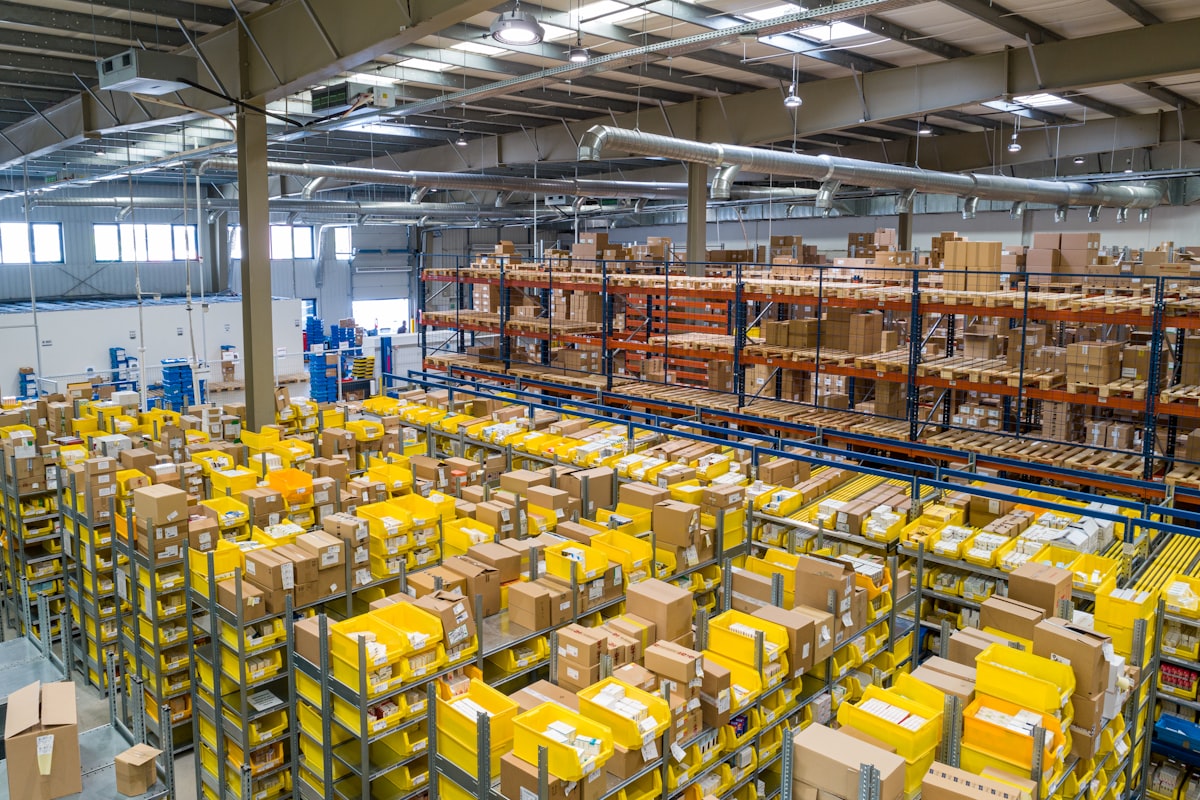
Minimum order quantities and payment terms are negotiable but should be anchored to realistic risk-sharing rather than either party's ideal position. Stock percale and sateen SKUs commonly start around 200–500 pieces for a trial order; custom or private-label programmes often need a prototype approval cycle first, followed by MOQs of 500–2,000+ pieces depending on print complexity and packaging investment. Hotel-grade replenishment and large hospitality programmes can start higher, often 1,000–5,000 pieces, given the standardised nature of the specification and the lower per-unit finishing investment. Container programmes scale into the tens of thousands once a mill relationship is proven.
For pricing, insist on an FOB quotation that itemises fibre/material cost, weaving and dyeing, printing (where applicable), finishing, packaging, inspection, and inland freight to port separately from the exporter's margin — a single lump-sum FOB number makes it impossible to negotiate intelligently or to identify where costs shift on a repeat order. Cross-check quotations against the fibre grade and volume you are actually ordering; a GOTS-certified organic quote based on a small sample order will not hold at scale unless the mill confirms certified organic fibre availability for the full run.
Payment terms for first orders typically involve a deposit (commonly 30–50%) against pro forma invoice, with the balance due against a scanned bill of lading or, for higher-trust relationships, a letter of credit. Avoid 100% advance payment structures for new mills regardless of how attractive the pricing looks — staged payment is one of your few practical levers if quality or timeline commitments are not met.
Comparison table
Swipe →
Data table — swipe horizontally on small screens
| Order Type | Typical MOQ | Indicative FOB (queen set / pc) | HS Hint |
|---|---|---|---|
| Stock percale / sateen | 200–500 sets | $4.50–$22 / set | 6302.31 (solid) or 6302.21 (printed) |
| Custom print / private label | 500–2,000 sets | $5–$15 / set | 6302.21 printed cotton |
| GOTS organic programme | 300–1,000 sets | $12–$35 / set | 6302.31 / 6302.21 + GOTS TC |
| Hotel white linen | 1,000–5,000 pcs | $3–$8 / pc | 6302.31 cotton, not printed |
| Jersey knit / flannel | 300–1,000 sets | $6–$14 / set | 6302.10 knit or 6302.31 woven |
Packaging, Shipping, and Incoterms
Packaging choice should match your destination channel and market, not be left entirely to the mill's default. Vacuum-sealed packaging compresses folded sheet sets for retail-ready presentation and space-efficient container loading, commonly used for department-store and e-commerce SKUs bound for the US, UK, and EU. Simple carton packing with polybag protection suits hospitality-channel bulk orders where retail shelf presentation matters far less than protecting fabric during warehouse handling and repeated industrial laundering. Full-container-load (FCL) shipping is standard for orders above roughly 3,000–5,000 pieces depending on fold size and packaging density, while smaller trial orders typically move as less-than-container-load (LCL) consolidated cargo.
India's three primary export gateways for bedsheet shipments are Chennai (serving Karur and Coimbatore-origin cargo with strong Southeast Asia, Gulf, and Far East sailing frequency), Mundra (Gujarat's largest container port, well suited to Surat-origin cargo and offering strong European and US East Coast connectivity), and Nhava Sheva/JNPT near Mumbai (the largest container port in India by volume, with the broadest global sailing network across nearly every destination in this guide). Matching your mill's location to the nearest efficient port reduces inland freight cost and transit time meaningfully on large-volume programmes.
FOB (Free on Board) is the most common Incoterm for bedsheet exports, with the exporter delivering goods to the named Indian port and the buyer arranging main carriage, insurance, and import clearance. CIF (Cost, Insurance, Freight) is also used, particularly when a merchant exporter coordinates ocean freight and insurance through to the buyer's destination port, which can simplify budgeting for first-time importers. Whichever term you choose, confirm in writing who insures the cargo, to what value, and at which point risk transfers, before production begins.
Comparison table
Swipe →
Data table — swipe horizontally on small screens
| Method | Best For | Notes |
|---|---|---|
| Retail polybag + header | Supermarket / mid-tier retail | Barcode window; care label in buyer languages |
| Vacuum pack | E-commerce & department stores | Indicative 40–60% volume save (varies by GSM/fold); protects against humidity |
| 5-ply master carton (10–20 sets) | All sea freight | Mark HS, PO, and carton count clearly |
| LCL sea freight | Trial orders under ~3,000 sets | Higher per-unit freight; good for first shipments |
| 20ft / 40ft FCL | Repeat programmes | Chennai, Mundra, Nhava Sheva primary gateways |
| Air freight | Samples & urgent replenishment | Costly; use for approvals, not bulk |
First Shipment Risk Controls
- Staged payment for new mills — never 100% advance on a first order, regardless of pricing incentives offered
- Pre-shipment inspection with GSM, shrinkage, and colour-matching reports — third-party or your own representative, sampled at an agreed AQL across the lot
- Vacuum or carton packing matched to destination channel — retail-ready presentation for department-store and e-commerce buyers, durable bulk protection for hospitality programmes
- Draft document share with destination broker — send commercial invoice, packing list, and certificate of origin (or GOTS transaction certificate, where relevant) drafts before sailing so your import broker can flag mismatches early
- Cargo insurance aligned to Incoterms — confirm who insures the cargo and to what value under your agreed FOB or CIF terms
- Photographed carton sealing — request or take photos of packed cartons before container loading, useful evidence for any later damage claim
A disciplined first shipment protects the entire relationship, because the way a mill handles your first order predicts how they will handle every order after it.
Common Mistakes International Buyers Make
Common Mistakes Box
- Accepting thread-count claims without a physical reference sample — Solution: lock GSM, yarn ply, and weave type against an approved swatch, not a marketing number.
- Skipping mill verification because sample photos looked strong — Solution: run a video audit and reference checks before any deposit.
- Ordering full container volume before a trial MOQ — Solution: validate sell-through and claim rates on 200–500 pieces first.
- Ignoring dye-lot colour consistency checks on bulk lots — Solution: require a colour-matching log sampled across every shipment, not just the sample set.
- Paying 100% advance on a first order — Solution: use staged payment tied to pro forma invoice and bill of lading.
- Treating packaging as the mill's problem, not yours — Solution: specify vacuum or carton packing in writing before production, matched to your destination channel.
- Accepting verbal sample approval instead of written sign-off — Solution: confirm approval by email with photos and GSM measurements attached.
- Comparing mills on FOB price alone — Solution: itemise cost components and compare landed cost, claim history, and lead-time reliability.
- Assuming GOTS, OEKO-TEX, or TEXPROCIL claims are automatically verified — Solution: request certificate numbers and check them independently against the certifying body's database.
- Skipping pre-shipment inspection to save a week — Solution: build PSI into your production calendar from day one, not as an optional add-on.
- Underestimating shrinkage tolerance requirements for hospitality-channel orders — Solution: test shrinkage across multiple industrial wash cycles before locking bulk specifications.
- Choosing a mill for one construction and assuming the same quality across all their SKUs — Solution: sample and verify each construction (percale, sateen, printed, organic) independently.
Most first-order problems in direct bedsheet sourcing trace back to a small set of avoidable mistakes:
Case Study: A UAE Hospitality Distributor's First Direct Sourcing Programme
Challenge: A UAE-based hospitality linen distributor supplying mid-market hotels across the Gulf wanted to reduce dependence on a Pakistani wholesaler and source hotel-grade percale bedsheets directly from a Karur mill to improve margin, while maintaining the durability and shrinkage performance its hotel clients required across hundreds of industrial wash cycles.
Approach: The distributor worked with a merchant exporter to shortlist three Karur mills, ran video audits of weaving and finishing lines, and requested paid samples across three GSM tiers of percale construction. Each sample was tested for shrinkage after ten simulated industrial wash cycles and measured against the mill's own stated specifications.
Sample lock and negotiation: One mill's samples held shrinkage tolerance within the agreed 3% band after ten wash cycles; a second mill's samples exceeded 5% shrinkage, which would have caused fitted-sheet sizing problems within a hotel's first laundering season. The distributor selected the first mill, locked GSM and shrinkage criteria in writing, and negotiated a 40% deposit with balance against scanned bill of lading for a trial order of 2,000 pieces across two SKUs.
Documentation and shipping: The commercial invoice used identical GSM and fibre-content language to the approved sample sign-off. Sheets were packed in bulk cartons with polybag protection suited to warehouse handling rather than retail vacuum-sealing, and shipped FCL from Chennai to Jebel Ali with cargo insurance aligned to the agreed FOB terms.
Results: The trial shipment cleared UAE customs without amendment. Pre-shipment inspection had already flagged and corrected a minor colour-lot inconsistency in one carton batch before the container was sealed, avoiding a destination-side dispute. The distributor placed a repeat order within three months for triple the volume, and added a sateen SKU for a premium hotel client after the percale programme's performance was confirmed.
Lessons learned: Testing shrinkage across simulated wash cycles before bulk production, not after delivery, made the difference between two nearly identical-sounding mills. For buyers structuring similar programmes, see how to find international buyers for bedsheets and top bedsheet products exported from India for assortment planning context.
Future Outlook for Direct Bedsheet Sourcing from India
Through 2030, direct sourcing of bedsheets from India will be shaped by three forces: rising buyer sophistication around fibre traceability and sustainability certification, digital verification tools that make mill audits easier for overseas buyers, and continued growth in private-label and brand-owner sourcing as e-commerce retailers and hospitality groups seek differentiated assortments rather than reselling established brands. Buyers increasingly expect suppliers to document GOTS or BCI-verified cotton sourcing alongside traditional GSM and thread-count claims — see sustainable and organic bedsheet export opportunities for how this is developing.
TEXPROCIL-registered exporters with clean digital catalogues, verifiable certifications, and consistent QC documentation will increasingly out-compete unregistered workshops for serious international RFQs, even when unit pricing is similar. Buyers who build repeatable verification and sampling processes now — rather than treating every new mill relationship as a fresh negotiation from zero — will scale faster as demand in markets like Australia and Saudi Arabia continues to grow.

Conclusion
- Next step for buyers: Share your target certifications, volumes, and destination market — we verify mills and coordinate sampling through shipment.
- Next step for manufacturers: Review our how to export bedsheets from India guide to align your mill with buyer verification expectations.
- Explore product sourcing services and global sourcing partner services to choose the right partnership model.
- Compare destination-market demand in most demanded Indian bedsheets by country before finalising your assortment.
- Review top bedsheet products exported from India for a category-by-category demand breakdown.
- Understand council credibility signals in TEXPROCIL registration benefits for exporters before shortlisting mills.
- Use the bedsheet export documentation checklist to review paperwork before every shipment.
- Build buyer-side pipeline knowledge with how to find international buyers for bedsheets and plan fair attendance using trade shows for bedsheet exporters.
- Compare market sequencing in best countries for Indian bedsheet exports and sustainability expectations in sustainable and organic bedsheet export opportunities.
Sourcing bedsheets directly from India rewards buyers who bring the same rigour to procurement that they would apply to any regulated manufacturing category: verified mills, written specifications, locked samples, GSM and shrinkage compliance, staged payments, and pre-shipment inspection. The FOB advantage over other bedding origins is genuine, but it only converts into sustainable margin when quality is consistent from the first trial order through the tenth container.
If you are ready to source directly, start narrow — one or two clusters, a tight sample set, and a trial MOQ — before committing to full container programmes. International buyers who prefer a single accountable partner for supplier verification, sampling, QC, and documentation can work with Altus Exports for verified cotton bedsheet sourcing from Karur, Coimbatore, Surat, and Ludhiana.