
Lead-Safe Antique & Hammered Brass Decorative Export Opportunities
By Saurabh Mittal, Founder, Altus Exports
A dedicated guide to premium-compliant Indian brass decorative item exports — California Prop 65 lead-safe brass programmes, antique and hammered finish artware, recycled brass décor content, and the margin playbook exporters use to convert substantiated compliance and finish discipline into defensible FOB premiums.
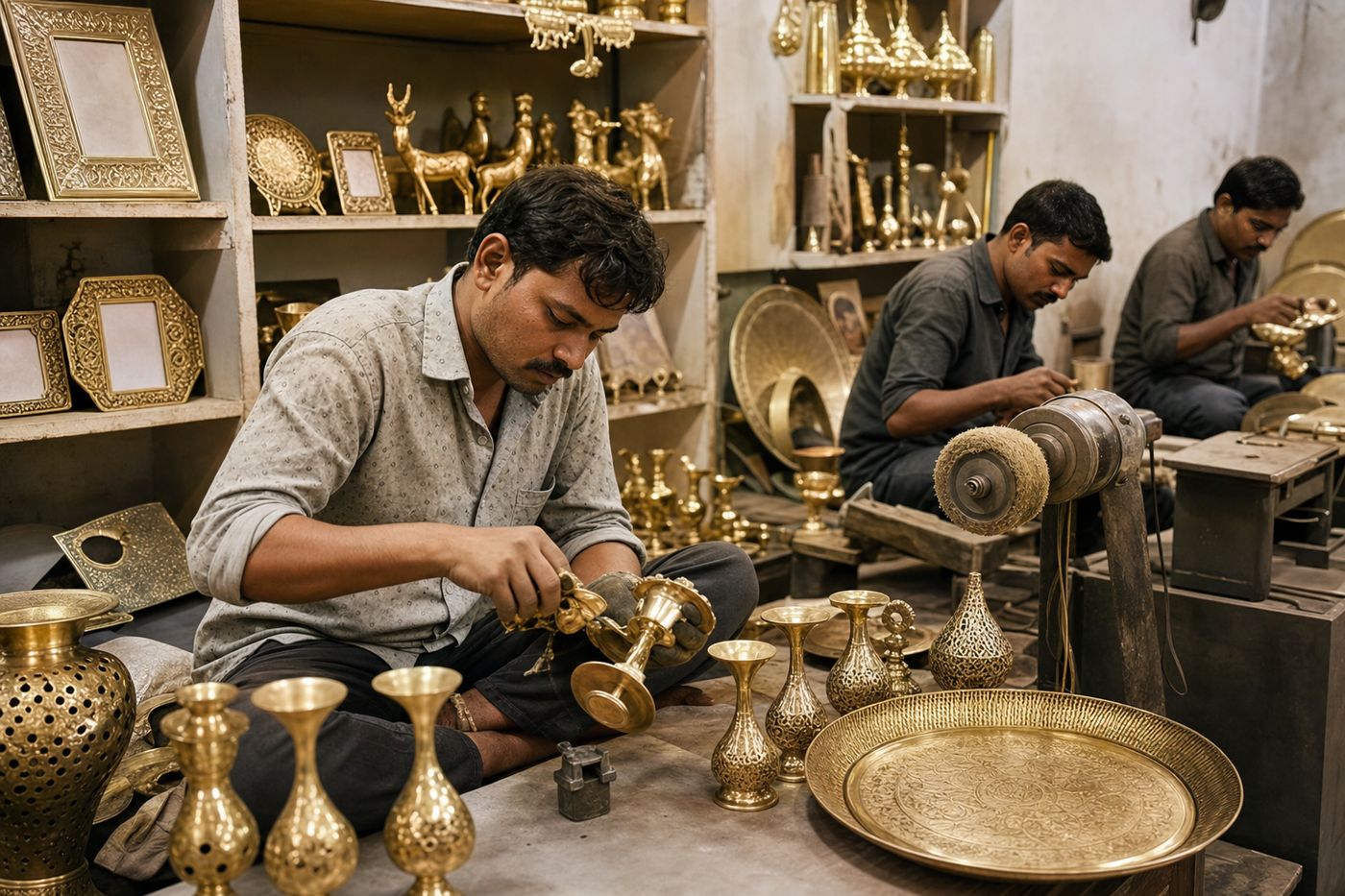
Lead-safe, antique-finish, and hammered brass decorative export from India is among the most commercially important premium tiers of the country's brass décor trade — built on California Prop 65-aware lead-controlled brass alloy programmes, consistent antique and patina finishing, repoussé and hammered artware craftsmanship, and documented recycled brass content in decorative candle holders, trays, vases, figurines, photo frames, and wall accents. Buyers across USA, Germany, UK, UAE, Netherlands, Canada, France, Australia, Saudi Arabia increasingly treat these pillars as qualification criteria for premium home-décor and gift retail, not marketing extras, and exporters who can substantiate them convert accounts that price-only competitors cannot reach.
This guide is dedicated entirely to the compliance and specialty positioning layer of Indian brass decorative item exports — Prop 65 lead-safe brass décor, antique and hammered finish programmes, recycled brass decorative content, and the premium-margin playbook for turning substantiated claims into defensible FOB. It does not restate the commodity brass export process, EPCH membership mechanics, or buyer-discovery tactics — those live in dedicated companion posts in this brass cluster. Broader multi-metal artware programmes outside brass décor are covered separately in the metal handicraft guides and should not be mixed into brass-only RFQs.
For the standard operational export process, read How to Export Brass Decorative Items from India. For EPCH registration mechanics, see EPCH Registration Benefits for Brass Decorative Exporters. For the brass décor SKU catalogue, see Top Brass Decorative Products Exported from India. For buyer discovery and outreach tactics, read How to Find International Buyers for Brass Decorative Items.
Altus Exports operates as a merchant exporter in India and global sourcing partner, coordinating lead-safe brass testing evidence, antique and hammered finish control, recycled-brass intake records, and REACH-aware lacquer systems for buyers and Moradabad/Jaipur workshops investing in the premium brass décor tier.
Key Takeaways
Summary Box
Executive Summary
Summary Box
Specialty positioning in Indian brass decorative item export has moved from a niche storytelling add-on to a purchasing filter, particularly for USA retail brass candle holder programmes, EU home-décor buyers asking for REACH-aware finishes, and premium lifestyle retailers seeking antique-finish trays, hammered vases, or recycled-brass narrative giftware. Four distinct pillars define the opportunity: California Prop 65-aware lead-controlled brass (composition control and documentation for decorative articles that may contain lead in traditional brass formulations), antique and patina finish consistency across production lots, hammered and repoussé artware quality with repeatable texture and dimensional control, and recycled brass decorative programmes with lot-level secondary-content evidence.
None of these pillars function well as marketing veneer. Buyers — especially retail chains and home-décor importers operating under product-safety and ESG reporting obligations — increasingly audit composition claims, finish match across cartons, and recycled-content statements before finalising private-label or repeat programmes. Exporters who invest in genuine alloy control, laboratory evidence, and finish discipline earn premium FOB and durable retail placement. Exporters who claim 'lead-free' or 'recycled brass' without evidence risk shipment holds, chargebacks, programme termination, and reputational damage that outlasts any single order.
This guide walks through market context for specialty-compliant brass décor, each pillar in operational detail, manufacturing and testing requirements, pricing and margin structure, and destination-specific opportunity — closing with sourcing and compliance checklists for both buyers and exporters investing in this tier.
Market Size & Industry Overview
Key Statistics
India's Art Metalwares exports stood at Rs 4,386.63 crore in FY 2024-25 according to EPCH (~US$519–530 million directional at about Rs 83–84 per USD), compared with Rs 4,435.74 crore in FY 2023-24. That sits inside a broader handicrafts export base excluding carpets of Rs 33,122.79 crore — cite the larger figure only for sector context. Within the art metalware base, the lead-safe, antique-finish, hammered, and recycled-brass décor tier is a smaller but faster-growing value slice, driven by USA Prop 65 enforcement intensity, EU chemical scrutiny on lacquers and plating, and retailer demand for circular-economy brass giftware stories.
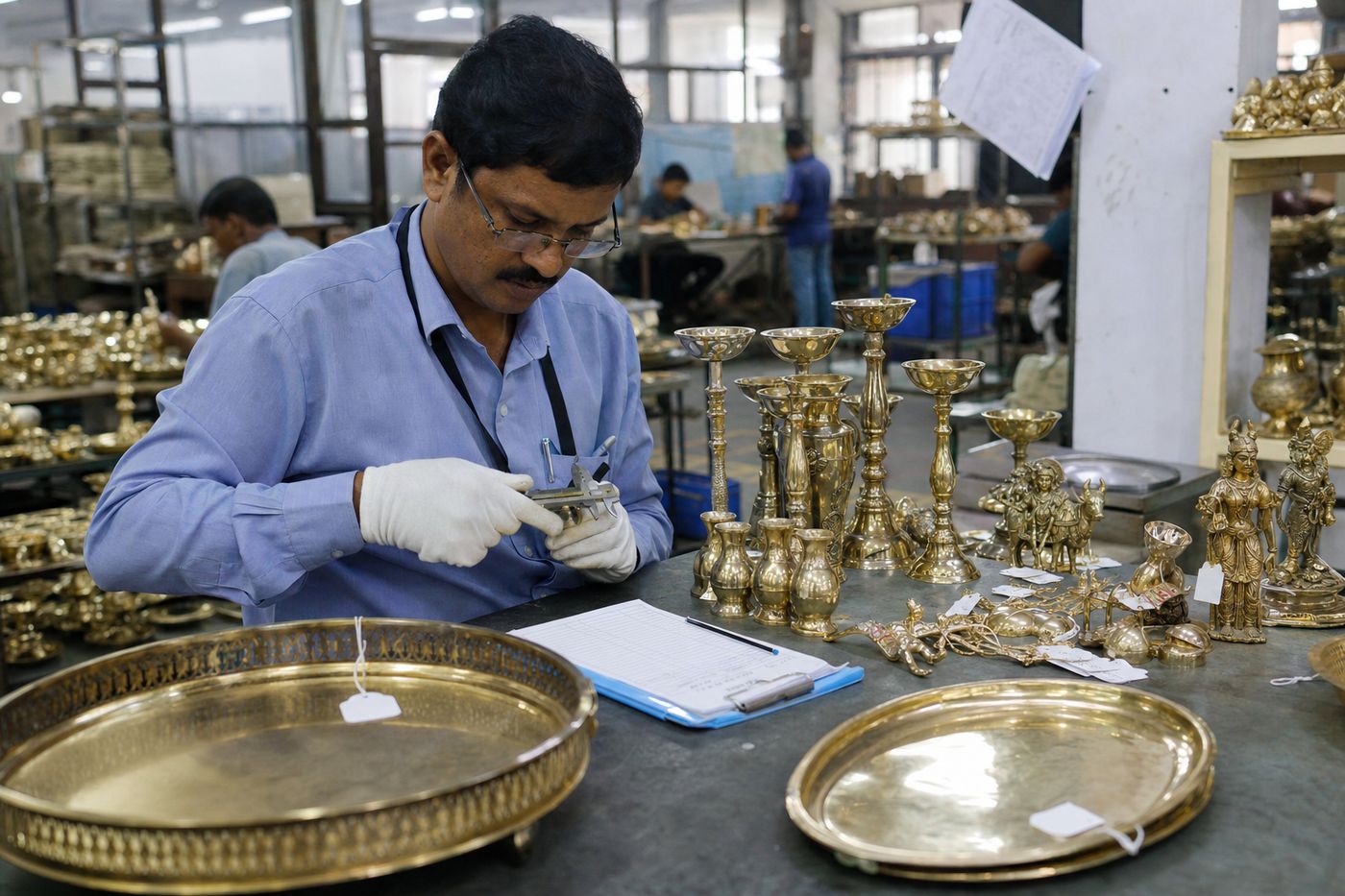
Moradabad remains the primary production engine — a Town of Export Excellence a Town of Export Excellence for handicrafts and the dominant Indian brass décor corridor (industry literature often cites a large, unquantified share of metal craft export origin — not an EPCH/DGCI&S official percentage) — with brass decorative items (candle holders, trays, vases, figurines, frames, wall accents) forming a major share. Jaipur supports decorative brass giftware and mixed-finish programmes; Delhi-NCR handles consolidation, plating, antique patina, and export packing. Workshops that can document alloy recipes, antique-finish baths, hammered texture standards, and recycled-brass intake are positioned to win accounts that generic polish-and-ship exporters cannot. Competing origins (China, Türkiye, Vietnam) compete on overlapping brass décor SKUs; India's advantage in this specialty tier is depth of Moradabad art-metal craft combined with growing laboratory access for composition testing.
Specialty Brass Decorative Market Snapshot
Swipe →
Data table — swipe horizontally on small screens
| Segment | Growth Direction | India Fit |
|---|---|---|
| Prop 65 lead-safe brass décor | High growth (USA-driven) | Strong where alloy control + lab evidence exist |
| Antique / patina finish brass | High growth (gift & hospitality) | Strong in Moradabad/Jaipur finish lines |
| Hammered / repoussé brass artware | Rising (design-led retail) | Strong where texture consistency is controlled |
| Recycled brass decorative programmes | High growth (circular-economy retail) | Strong where intake records exist |
| Standard polished brass décor | Steady volume | Broad workshop base |
Export Statistics
Key Statistics
Public trade data does not cleanly separate lead-safe, antique-finish, hammered, or recycled-brass shipments from broader Art Metalwares flows under HS 8306 and 7419. Directional signals from EPCH member conversations, laboratory test volumes, and buyer RFQs indicate that compliance-positioned brass décor SKUs are a rising share of value in exports to the USA and EU, even where they remain a minority of total unit volume.
Destination value concentration still frames where specialty programmes pay back fastest. EPCH Art Metalwares FY 2024-25 destination figures show the USA at Rs 1,540.79 crore, Germany at 377.69, UK at 314.82, UAE at 262.47, Netherlands at 167.52, Canada at 91.35, France at 81.44, Australia at 65.81, LAC at 64.65, Italy at 48.57, Japan at 14.98, Switzerland at 6.31, and Other at 1,350.23. Specialty brass décor investment should track these value pools — Prop 65 programmes toward the USA, REACH-aware finishes toward Germany/Netherlands/France/UK, antique and hammered programmes toward premium gift and hospitality channels across destinations.
EPCH Art Metalwares Destinations — Specialty Brass Décor Relevance FY 2024-25
Swipe →
Data table — swipe horizontally on small screens
| Destination | Value (Rs crore) | Specialty Emphasis |
|---|---|---|
| USA | 1,540.79 | Prop 65 lead-safe brass candle holders & trays |
| Germany | 377.69 | REACH finishes; antique brass giftware |
| UK | 314.82 | REACH-aware; hammered décor retail |
| UAE | 262.47 | Selective antique/recycled brass gifts |
| Netherlands | 167.52 | REACH; circular-economy brass décor |
| Canada | 91.35 | Prop 65-influenced retail; recycled brass |
| France | 81.44 | REACH; premium hammered artware |
| Australia | 65.81 | Lifestyle antique/recycled brass décor |
Import Statistics
Key Statistics
Import-side signals show concentrated specialty brass décor demand in regulation-forward destinations. Top markets to plan against: USA, Germany, UK, UAE, Netherlands, Canada, France, Australia, Saudi Arabia. The USA leads Prop 65-driven lead-safe brass scrutiny on candle holders, trays, and frames. Germany, Netherlands, France, and the UK lead REACH-aware retail decisions on lacquer, plating, and nickel-adjacent finishes. Antique-finish and hammered brass demand appears across premium home-décor and hospitality importers in North America, Western Europe, the Gulf, and Australia.
A buyer showing rising 'lead-safe brass' or 'recycled brass décor' RFQ language alongside increasing import volume under HS 7419/8306 is a stronger specialty target than a décor wholesaler buying only commodity polished tealights with no composition questions — different programmes, different evidence packs, different FOB premiums.
Specialty Import Direction by Destination
Swipe →
Data table — swipe horizontally on small screens
| Destination | Specialty Import Growth Signal |
|---|---|
| USA | Prop 65 lead-safe brass décor growth |
| Germany | REACH + antique brass gift growth |
| Netherlands | REACH + recycled-brass retail growth |
| France | REACH + hammered artware growth |
| UK | REACH-aware + antique brass retail growth |
| Canada | Lead-aware retail + recycled brass growth |
| UAE | Selective premium antique/hammered growth |
| Australia | Lifestyle antique/recycled brass décor |
Product Categories / Variants
Summary Box
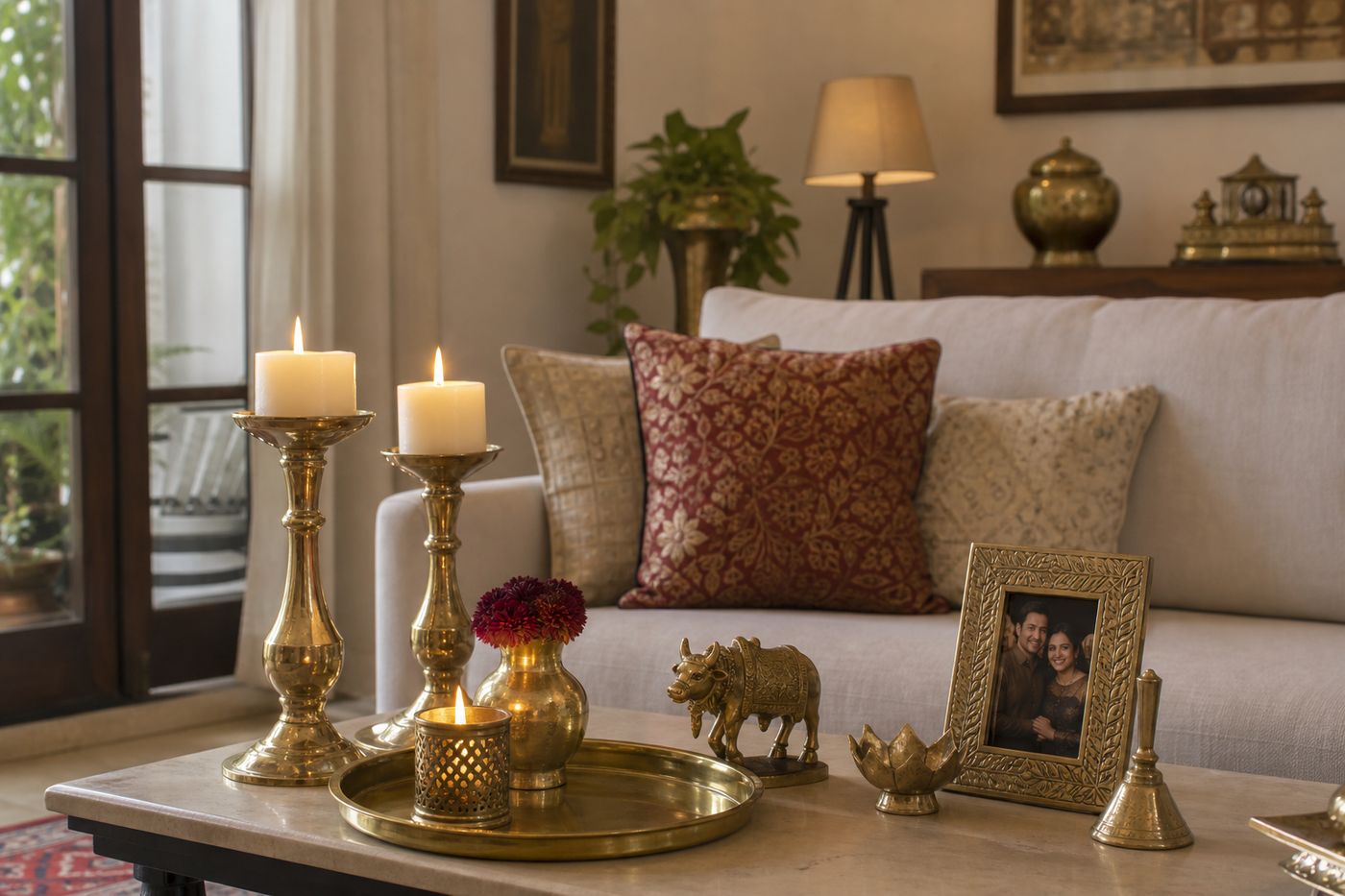
The specialty brass décor tier spans four overlapping product families: Prop 65 lead-safe polished and antique brass decorative articles, antique and patina finish programmes across candle holders, trays, vases, and frames, hammered and repoussé brass artware with controlled texture, and recycled brass decorative programmes with lot-level secondary-content evidence. Hybrid programmes that combine lead-safe alloy with antique finishing, or recycled brass with hammered texture, carry the highest documentation and finish-consistency burden and the strongest premium retail positioning.
Specialty Brass Décor Product Matrix
Swipe →
Data table — swipe horizontally on small screens
| Product Layer | Substantiation Required | FOB Premium Signal |
|---|---|---|
| Prop 65 lead-safe brass décor | Lot-linked composition tests + process control | commercial estimate ~8–18% above standard brass décor FOB when composition evidence is complete (not a published index) |
| Antique / patina finish | Finish standard + lot match evidence | commercial estimate ~10–22% above polished brass equivalents when finish consistency and lot control are documented |
| Hammered / repoussé artware | Texture spec + dimensional control | commercial estimate ~10–22% above polished brass equivalents when finish consistency and lot control are documented |
| Recycled brass decorative | Intake ratio records + lot evidence | commercial estimate ~8–16% above virgin-alloy brass décor when recycled content is lot-substantiated |
| Hybrid lead-safe + antique finish | Both documentation trails combined | Highest, evidence-dependent |
Prop 65 Lead-Safe Brass Decorative Programmes
California Proposition 65 drives intensive buyer scrutiny of lead in brass articles sold into the USA — including decorative candle holders, trays, photo frames, and figurines, not only utensils. Traditional brass alloys can contain lead as a machinability additive; specialty programmes replace or tightly control lead content and document composition with laboratory evidence. Indicative FOB sits near standard brass décor bands ($1.50–8 per piece for small accents; $4–22 per piece for mid candle holders/trays/frames; $15–85+ per piece for statement pieces) with a documented premium of commercial estimate ~8–18% above standard brass décor FOB when composition evidence is complete (not a published index) once composition evidence and process controls are substantiated.
Antique & Patina Finish Brass Décor
Antique, oxidized, and aged-patina brass finishes are among the most requested specialty tiers in gift and hospitality brass décor — trays, candle holders, vases, and wall accents that read 'heritage' without requiring actual vintage sourcing. Premium pricing depends on lot-to-lot patina match, edge wear consistency, and lacquer durability through export transit. Indicative premium: antique and patina programmes often sit at the upper end of mid and statement FOB bands when finish control is documented.
Hammered & Repoussé Brass Artware
Hammered texture and repoussé relief on brass trays, bowls, vases, and wall panels require skilled handwork and repeatable dimensional control. Design-led retail and boutique importers pay premiums when texture depth, pattern alignment, and polish/antique contrast stay consistent across carton lots. Indicative premium: ${BRASS_FOB_USD.antiqueHammeredPremium} over polished equivalents when finish and texture consistency are substantiated.
Recycled Brass Decorative Programmes
Recycled brass decorative programmes use secondary brass inputs with documented intake ratios, paired with finish systems suitable for export (polished, antique, or hammered). Buyers market circular-economy brass giftware narratives only when recycled content can be evidenced per lot — candle holders, trays, and frames labelled 'recycled brass' without intake maths fail retail audit quickly. Indicative premium: commercial estimate ~8–16% above virgin-alloy brass décor when recycled content is lot-substantiated over virgin-alloy brass décor when intake records and buyer-facing substantiation cards are complete.
Manufacturing Overview
Export Tip
Specialty-compliant brass decorative manufacturing requires process controls most standard export workshops do not automatically run: documented alloy recipes for lead-controlled brass, controlled antique-patina baths with lot approval samples, hammered texture jigs or master patterns for repeatability, and intake records for secondary brass feedstock. Mixing specialty and non-specialty stock without lot tagging creates audit failures that affect every buyer relationship built on those claims.
Moradabad workshops with in-house or partner laboratory access, antique-finish lines, and export packing discipline are the natural home for these programmes; Jaipur partners often join when decorative giftware ranges need specialised coating or mixed-finish assortments. Capability is evidenced by records and sample test reports, not by workshop photographs alone.
Lead-Safe Brass Process Controls
- Documented alloy recipe with lead limits matched to buyer Prop 65 expectations
- Incoming metal verification and lot tagging through casting / sheet forming / finishing
- Periodic laboratory composition tests linked to finished-goods lots
- Written response protocol if a lot fails composition limits (quarantine, rework, or scrap)
- Buyer-facing composition summary prepared before first retail PO, not after
Antique & Hammered Finish Process Controls
- Master finish sample approved before bulk antique or hammered production
- Documented patina bath sequence, dwell time, and lacquer topcoat for antique lines
- Hammered texture depth gauge or pattern template for repeatability across lots
- Segregated finishing stations so polished and antique lots do not cross-contaminate
- Pre-shipment finish match check against approved master for retail programmes
Recycled Brass Intake Process
- Documented source and approximate recycled-content ratio per intake lot
- Basic contamination and quality screening before melting or fabrication
- Lot-level record linking intake ratio to finished decorative-goods batch
- Photographic or weighing evidence where buyers request audit support
- Avoid blanket 'recycled brass' claims on mixed lots where ratios cannot be traced
Compliance Deep Dive: Prop 65, Antique Finishes, Hammered Artware & Recycled Brass
This section is the operational core of the guide — the process detail behind the four specialty pillars named in the introduction, organised as distinct compliance and finish tracks that often run in parallel on the same private-label brass décor purchase order.
California Prop 65 Lead-Safe Brass Décor in Practice
Proposition 65 requires businesses to provide warnings before exposing California consumers to listed chemicals, including lead, above certain thresholds. USA retail buyers of brass candle holders, trays, photo frames, and figurines increasingly require suppliers to demonstrate that lead content is controlled so products can be sold without Prop 65 lead warnings — or with accurate warnings where residual risk remains. Mislabelled 'lead-free' claims on decorative brass create both commercial chargeback risk and legal exposure for the importer relationship.
Composition Control and Testing
- Agree numeric lead limits with the buyer in writing before production starts
- Test representative lots with an accredited laboratory; link certificates to carton lots
- Control scrap and remelt streams so secondary inputs do not reintroduce uncontrolled lead
- Train commercial staff never to claim 'lead-free' casually in emails or catalogues
Buyer Evidence Pack for Brass Décor
- Composition test report template ready for first serious USA RFQ
- Process narrative describing alloy control from intake to antique or polish finish
- Named technical contact for retailer QA questionnaires
- Retention schedule for reports matching the buyer's audit policy
Antique & Patina Finish Programmes
Antique brass décor succeeds when patina depth, edge highlighting, and lacquer durability are controlled as engineering variables, not artisan luck. Retail buyers expect carton B to match carton A against the approved master sample — especially for multi-store candle holder and tray programmes. Document bath chemistry, dwell time, rinse, and topcoat lacquer for every approved antique SKU.
Finish Standardisation
- Create a written finish standard with reference photos under agreed lighting
- Approve a master sample signed by buyer QA before bulk
- Run in-process patina checks every N pieces on long runs
- Use anti-tarnish packing matched to antique lacquer type
When Antique Finish Commands Premium
- Premium gift and hospitality retail with heritage positioning
- Private-label home-décor chains seeking differentiated brass versus polished commodity
- Buyer programmes that already pay for Prop 65 evidence and expect matching finish discipline
Hammered & Repoussé Brass Artware
Hammered brass trays, bowls, vases, and wall panels require texture standards that survive scale. Define hammer pattern, relief depth, edge treatment, and interior polish or antique contrast before sampling. Design-led EU and USA buyers reject programmes where hammered texture varies wildly between cartons because workshop tempo changed mid-run.
Texture and Dimensional Control
- Pattern template or jig for repeat hammer strikes on production lots
- Calibrated relief depth check on sample pieces from each lot
- Interior finish spec (polished, antique, or dual-tone) documented separately from exterior texture
- Packing that protects raised hammered surfaces from crush in FCL loads
Recycled Brass Decorative Programmes
Recycled brass décor programmes succeed when circular-economy storytelling is tied to intake mathematics: percentage secondary content per lot, source class (industrial scrap, post-consumer where claimed), and finished-goods linkage for candle holders, trays, frames, and vases. Retail buyers selling 'recycled brass' narratives increasingly request evidence that would not have been asked five years ago. Overstated percentages are as damaging as overstated lead-free claims.
Documenting Recycled Brass Content
- Record intake weight and claimed recycled ratio per melt or fabrication lot
- Avoid blending undocumented streams into lots already labelled for a specific ratio
- Provide a buyer card or PDF explaining the recycled-brass basis for retail claims
- Set aesthetic tolerance bands for secondary-metal surface variation before sampling
When Recycled Brass Commands Premium
- Premium lifestyle retail and hospitality décor with ESG shelves
- E-commerce home-décor brands whose PDP copy depends on verified recycled percentages
- Buyer programmes that already pay for Prop 65 composition evidence on brass décor
REACH SVHC and Nickel-Release Awareness for Brass Décor
EU REACH requires attention to Substances of Very High Concern and related communication duties along the supply chain. EN 1811 nickel-release limits matter only for brass articles intended for prolonged skin contact (for example jewellery-adjacent items or certain body-worn / handled giftware with nickel finishes) entering the EU — not for typical tabletop photo frames or shelf décor. Brass décor exporters selling into Germany, Netherlands, France, and the UK should treat lacquer, plating, and SVHC questionnaires as programme inputs, not post-shipment surprises. Food-contact brass tableware, when a buyer explicitly claims kitchen use, belongs in the metal handicraft cluster for utensil depth — this brass décor guide addresses REACH for decorative finishes only.
REACH / SVHC Response Discipline
- Maintain up-to-date SVHC awareness for coatings, solders, and plating systems you actually use on brass décor
- Answer buyer SVHC questionnaires from documented finish BOMs, not guesswork
- Update finish suppliers when REACH candidate lists change and re-check SKUs
Pricing Analysis
Buyer Tip
For lead-safe, antique, or hammered lines, brass décor FOB is driven by finish labour (polish vs antique vs hammered), alloy notes, and dent/tarnish packing—not by brochure demand alone. For compliance premium programmes, price after you know the lot-linked evidence; see Top Brass Decorative Products and Best Countries for ladders.
Specialty Brass Décor Pricing Framework
Swipe →
Data table — swipe horizontally on small screens
| Layer | FOB Effect |
|---|---|
| Prop 65 lead-safe brass décor | commercial estimate ~8–18% above standard brass décor FOB when composition evidence is complete (not a published index) |
| Antique / patina finish | commercial estimate ~10–22% above polished brass equivalents when finish consistency and lot control are documented |
| Hammered / repoussé artware | commercial estimate ~10–22% above polished brass equivalents when finish consistency and lot control are documented |
| Recycled brass decorative | commercial estimate ~8–16% above virgin-alloy brass décor when recycled content is lot-substantiated |
| Hybrid lead-safe + antique | Top of combined ranges |
| Laboratory & documentation preparation | Line-item or amortised programme cost |
MOQ Analysis
Buyer Tip
For lead-safe, antique, or hammered lines, stage brass MOQs as sealed samples (about 5–20), trials (about 200–500), then larger lots only after anti-tarnish QC. Compliance premium programmes programmes should avoid container MOQs before the finish reference locks—detail in How to Export Brass Decorative Items from India and Source Brass Decorative Items Directly from India.
MOQ Positioning for Specialty Brass Programmes
Swipe →
Data table — swipe horizontally on small screens
| Programme | Typical Sample | Typical Trial |
|---|---|---|
| Prop 65 lead-safe brass décor | 8–20 pieces (incl. lab retain) | 200–500 pieces per SKU or mixed LCL |
| Antique / patina finish | 8–20 pieces (finish match) | 200–500 pieces per SKU or mixed LCL |
| Hammered / repoussé artware | 10–25 pieces (texture range) | 200–500 pieces per SKU or mixed LCL |
| Recycled brass decorative | 10–25 pieces (aesthetic range) | 200–500 pieces per SKU or mixed LCL |
| Hybrid specialty programme | 10–25 pieces | 200–500 pieces per SKU or mixed LCL |
Packaging Standards
Export Tip
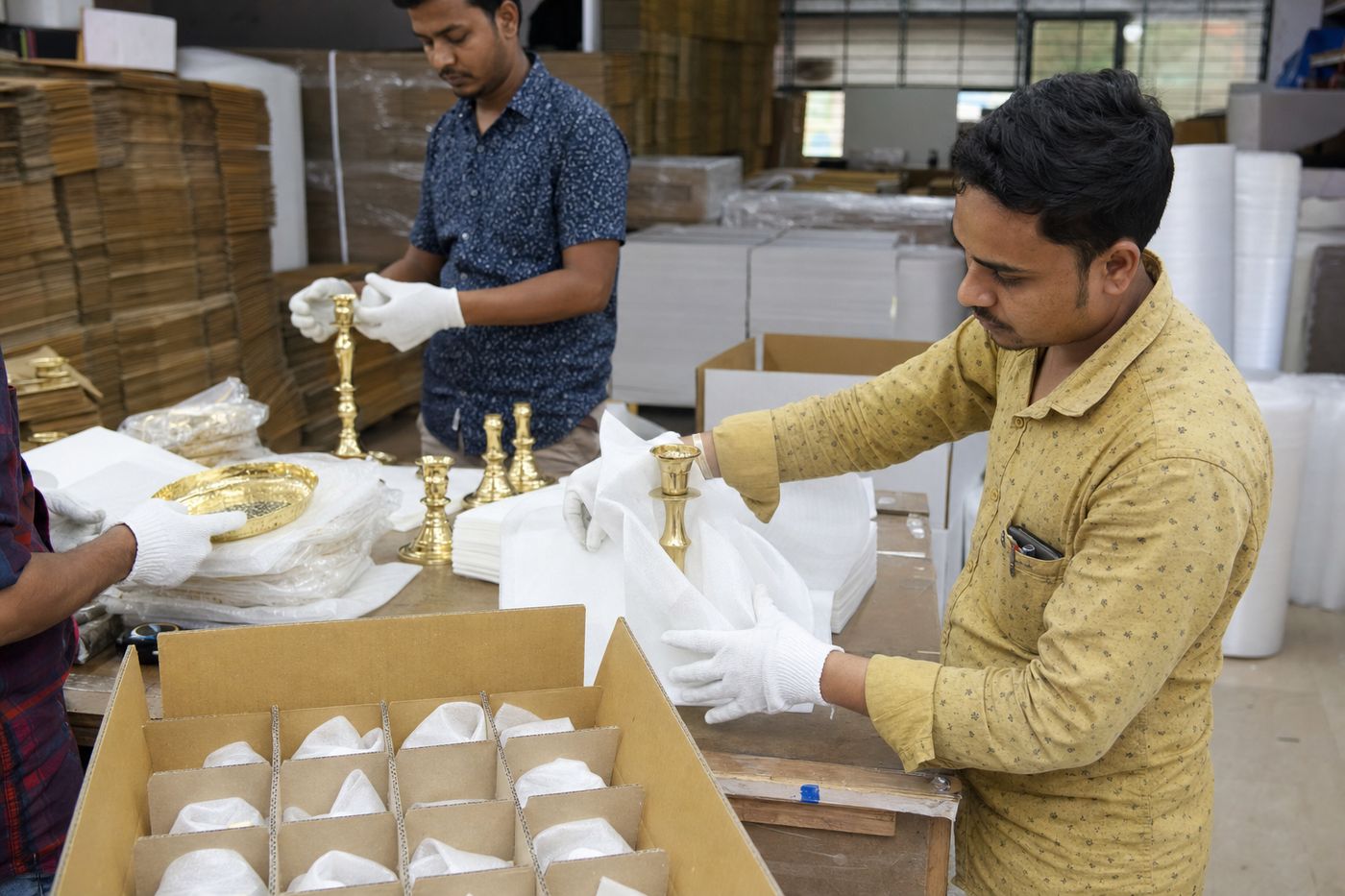
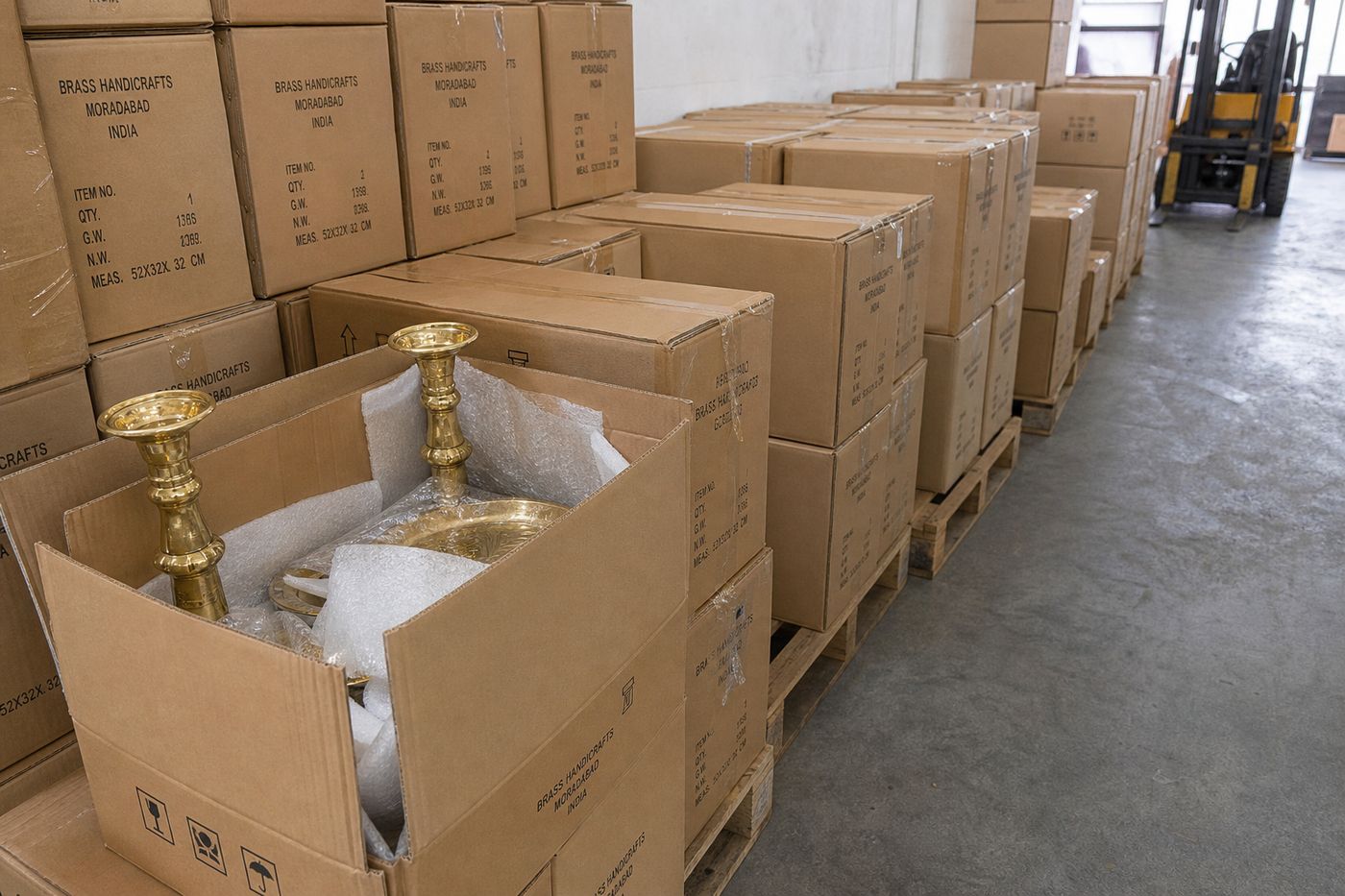
For lead-safe, antique, or hammered lines, treat packing as part of the product: soft face barriers, anti-tarnish paper or bags, rigid outers. For compliance premium programmes, show packing photos early so lot-linked evidence stay believable. Deep fields: Brass Decorative Items Export Documentation Checklist.
Specialty Brass Décor Packing Options
Swipe →
Data table — swipe horizontally on small screens
| Format | Specialty Angle | Notes |
|---|---|---|
| Anti-tarnish + foam / kraft | Protects polished brass finishes | Baseline for all export brass décor |
| Antique-lacquer-aware inner wrap | Protects patina from rub-off | Antique finish programmes |
| Hammered-surface foam cradles | Protects raised texture from crush | Repoussé trays and bowls |
| Lot composition / test insert | Buyer QA and retail audit trail | Lead-safe packs |
| Recycled-brass story card | Consumer / PDP substantiation | Print per lot ratio, not generic |
Container Loading Details
Export Tip
For lead-safe, antique, or hammered lines, load for finish protection and hollow-form crush margin before chasing density. Compliance premium programmes CBM math still loses to scratched trays. Use container notes in How to Export Brass Decorative Items from India and Source Brass Decorative Items Directly from India.
Loading Considerations for Specialty Brass SKUs
Swipe →
Data table — swipe horizontally on small screens
| Format | Load Consideration |
|---|---|
| Lead-safe brass cartons | Higher density; protect polish; lot labels visible |
| Antique-finish cartons | Avoid stack crush on lacquer edges |
| Hammered artware cartons | Texture-side up; foam cradles mandatory |
| Mixed specialty FCL | Finish-family segregation for buyer receiving accuracy |
Shipping Methods
Export Tip
For lead-safe, antique, or hammered lines, plan ocean FCL/LCL via Nhava Sheva or Mundra (ICD Delhi/Dadri for northern consolidation) and reserve air for samples. Compliance premium programmes timelines should cite realistic vessel windows in How to Export Brass Decorative Items from India.
Shipping Reference for Specialty Brass Programmes
Swipe →
Data table — swipe horizontally on small screens
| Stage | Typical Lead Time |
|---|---|
| Sample dispatch | 10–21 days |
| Stock / repeat programme | 3–5 weeks |
| Custom / private-label (incl. docs) | 6–10 weeks |
Certifications
Compliance Notes
For lead-safe, antique, or hammered lines, keep compliance destination-led: Prop 65 for serious USA brass programmes, REACH/SVHC for EU, EN 1811 only for jewellery-adjacent skin-contact SKUs. Compliance premium programmes claims need lot-linked evidence—pair EPCH with composition evidence via Lead-Safe Antique & Hammered Brass Decorative Export Opportunities.
Specialty Certification and Documentation Layer
Swipe →
Data table — swipe horizontally on small screens
| Item | Purpose |
|---|---|
| EPCH RCMC | Sector credibility baseline |
| IEC (DGFT) | Exporter legitimacy |
| Lead / composition lab report | Prop 65 lead-safe brass substantiation |
| Antique / hammered finish standard | Lot match and retail QA control |
| REACH SVHC response pack | EU chemical communication readiness |
| EN 1811 nickel-release report | Skin-contact / nickel finish control (if applicable) |
| Recycled-brass intake record | Circular-economy claim substantiation |
Buyer Requirements
Buyer Requirements
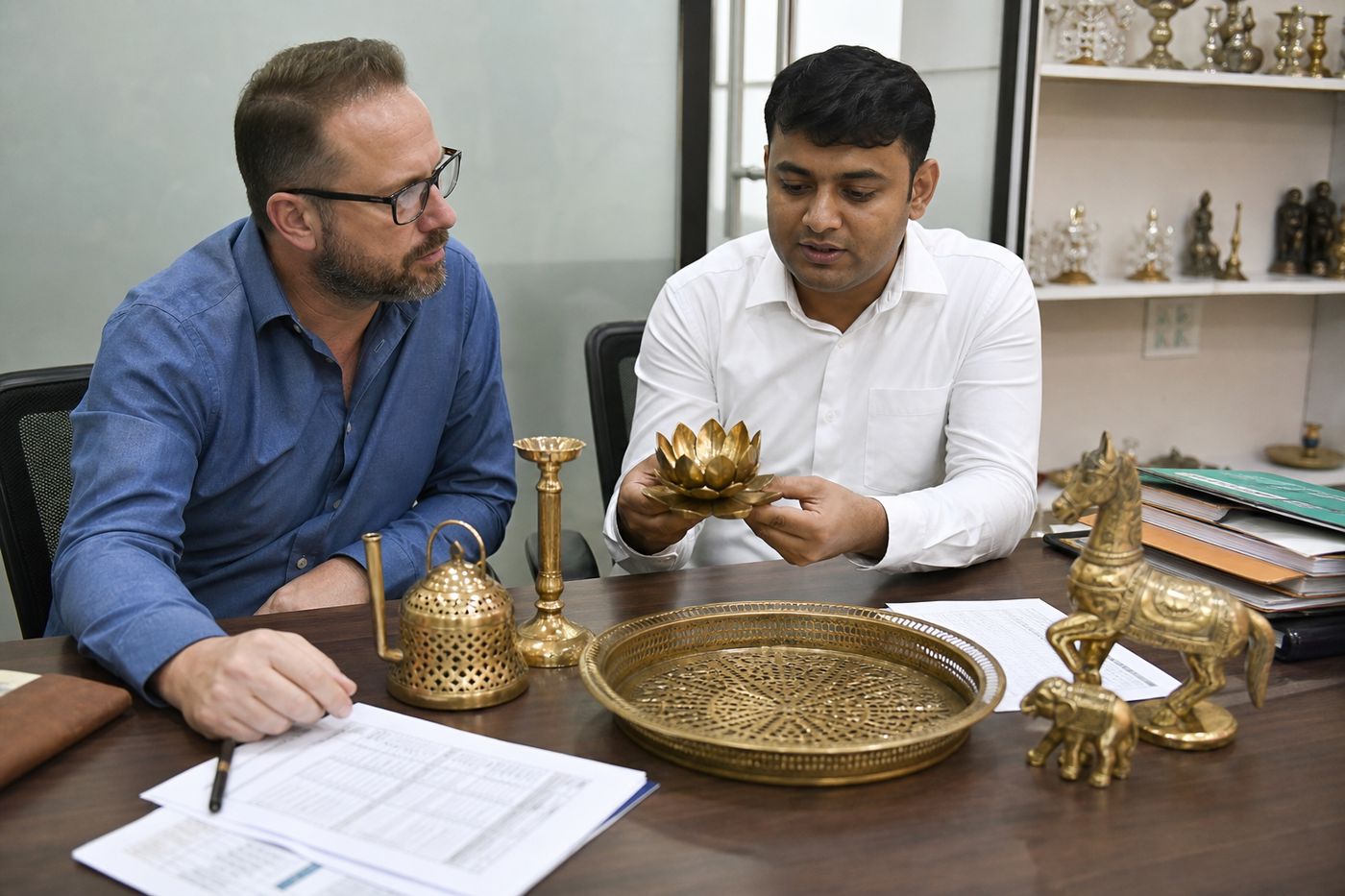
For lead-safe, antique, or hammered lines, buyers ask for sealed finishes, HS cards (74198030 / 830629 / 83063000 frames), packing photos, and composition notes before POs. Compliance premium programmes teams should package lot-linked evidence once—see Source Brass Decorative Items Directly from India.
Specialty Buyer Requirement Matrix
Swipe →
Data table — swipe horizontally on small screens
| Buyer Type | Top Requirements |
|---|---|
| USA retail chain | Prop 65 lead evidence + finish consistency |
| USA home-décor importer | Lead-safe brass + anti-tarnish packing detail |
| German / EU lifestyle retail | REACH SVHC + antique/hammered finish standards |
| EU circular-economy brand | Recycled-brass ratios + intake records |
| Hospitality décor buyer | Antique finish durability + statement SKU quality |
| E-commerce premium brass brand | Composition + finish storytelling cards |
Country-wise Opportunities
Market Snapshot
Specialty brass décor opportunity is unevenly distributed by destination, largely following regulatory pressure and retailer product-safety programmes. Align programme investment with EPCH value concentration and regulation intensity.
Specialty Opportunity by Destination
Swipe →
Data table — swipe horizontally on small screens
| Country | Primary Specialty Opportunity | Compliance Emphasis |
|---|---|---|
| USA | Lead-safe brass candle holders & trays | Prop 65 composition evidence |
| Germany | Antique brass gifts + REACH finishes | REACH / SVHC |
| Netherlands | REACH + recycled brass décor | SVHC + recycled ratios |
| France | Premium hammered + REACH | SVHC + finish standards |
| UK | Antique + lead-aware retail | REACH-aware documentation |
| UAE | Selective antique/hammered hospitality | Evidence on request |
| Australia | Lifestyle antique/recycled brass | Ratio substantiation |
| Canada | Lead-aware retail + recycled brass | Composition + bilingual packs |
United States (Rs 1,540.79 crore)
The USA is the primary Prop 65 lead-safe brass décor opportunity — candle holders, trays, frames, and figurines bound for California and national retail. Premium home-décor importers pay real premiums for lot-linked composition evidence and reject suppliers who cannot produce recent laboratory reports.
Germany, Netherlands, and France
Germany (Rs 377.69 crore) anchors REACH-aware brass gift and décor demand; Netherlands (Rs 167.52 crore) and France (Rs 81.44 crore) add recycled-brass retail pull and design-led hammered artware interest. Treat nickel-release and SVHC questionnaires as baseline market-access work for EU programmes.
United Kingdom (Rs 314.82 crore)
UK specialty retail and home-décor brands track REACH-aware expectations closely and respond well to lead-controlled brass and verified antique-finish programmes supported by documentation.
UAE, Australia, Canada, and Saudi Arabia
UAE (Rs 262.47 crore) and Saudi Arabia show selective premium demand for antique and hammered brass hospitality giftware. Australia (Rs 65.81 crore) favours lifestyle antique and recycled-brass décor. Canada (Rs 91.35 crore) often mirrors USA lead-awareness retail expectations with bilingual documentation needs.
Sourcing Checklist — Buyer and Exporter
Checklist
A specialty-tier checklist keeps both sides on evidence — sealed finish, composition certificates, Prop 65/REACH language — instead of marketing adjectives like eco or antique-look with no QC tolerance.
Buyer Checklist
- Define numeric lead limits and finish standards in the RFQ, not after samples arrive
- Request lot-linked composition reports matching the brass décor SKU family you will sell
- Verify REACH / nickel-release answers against the actual finish BOM for EU programmes
- Confirm recycled-brass percentages with intake records before approving PDP or packaging claims
- Insist on paid samples and retain pieces for your own laboratory confirmation where volume justifies it
Exporter Checklist
- Document alloy recipes and antique/hammered finish BOMs before promising specialty claims
- Schedule laboratory testing inside the sample-to-trial timeline, not as a last-minute scramble
- Approve master finish samples before scaling antique or hammered bulk
- Record recycled-brass intake ratios at the point of intake or melt
- Never claim lead-safe, antique-match, or recycled percentages you cannot substantiate on request
Compliance Checklist
Checklist
Compliance Notes
Common Buyer Mistakes
Common Mistakes Box
The most common mistakes in specialty brass décor sourcing are evidentiary and finish-related, not commercial: accepting a 'lead-free' claim without a recent lot-linked composition report; approving antique patina bulk before a signed master sample; assuming hammered texture will 'average out' across cartons; approving recycled-brass retail copy before intake ratios are documented; and treating REACH questionnaires as paperwork theatre rather than finish BOM work.

Challenges & Solutions
Specialty brass decorative programmes carry a specific set of recurring operational challenges beyond standard brass décor friction — especially alloy drift, patina inconsistency, and the temptation to reuse generic lacquer systems across polished and antique lines.
Specialty Programme Challenges and Solutions
Swipe →
Data table — swipe horizontally on small screens
| Challenge | Practical Solution |
|---|---|
| Lead content drifts across remelt lots | Lock recipes; test lots; quarantine fails |
| Antique patina varies carton to carton | Master sample; documented bath; in-process checks |
| Hammered texture inconsistent at scale | Pattern templates; relief depth checks per lot |
| Recycled % claimed without intake maths | Weigh and record secondary input per lot |
| Retail packaging claims outpace evidence | Freeze carton language until lot files are complete |
Future Market Trends
Key Statistics
Specialty brass décor demand will keep tightening around verifiable laboratory, finish-standard, and intake evidence rather than narrative alone: USA buyers will continue intensifying Prop 65 scrutiny on brass candle holders and trays, EU buyers will expect faster and more accurate REACH responses, and lifestyle retailers will treat recycled-brass percentages like nutrition labels — precise, auditable, and punishable when wrong.
Digital lot traceability — QR-linked composition certificates, shared buyer portals for finish standards, and structured recycled-brass disclosure formats — will likely become the default method buyers use to check specialty claims before finalising purchase orders. Exporters who build evidence systems now will win programmes that still shop on price alone today but will not tomorrow. For demand patterns by market, see Most Demanded Indian Brass Decorative Items by Country and Best Countries for Indian Brass Decorative Exports.
Specialty Trend Signals
Swipe →
Data table — swipe horizontally on small screens
| Trend | Exporter Response |
|---|---|
| Tighter Prop 65 scrutiny on brass décor | Invest in lot-linked composition testing systems |
| Faster REACH / nickel questionnaires | Maintain live finish BOM databases |
| Recycled-brass retail labelling precision | Automate intake ratio records at melt |
| Digital lot certificate portals | Publish structured, exportable evidence packs |
Expert Insights
Expert Insight Box
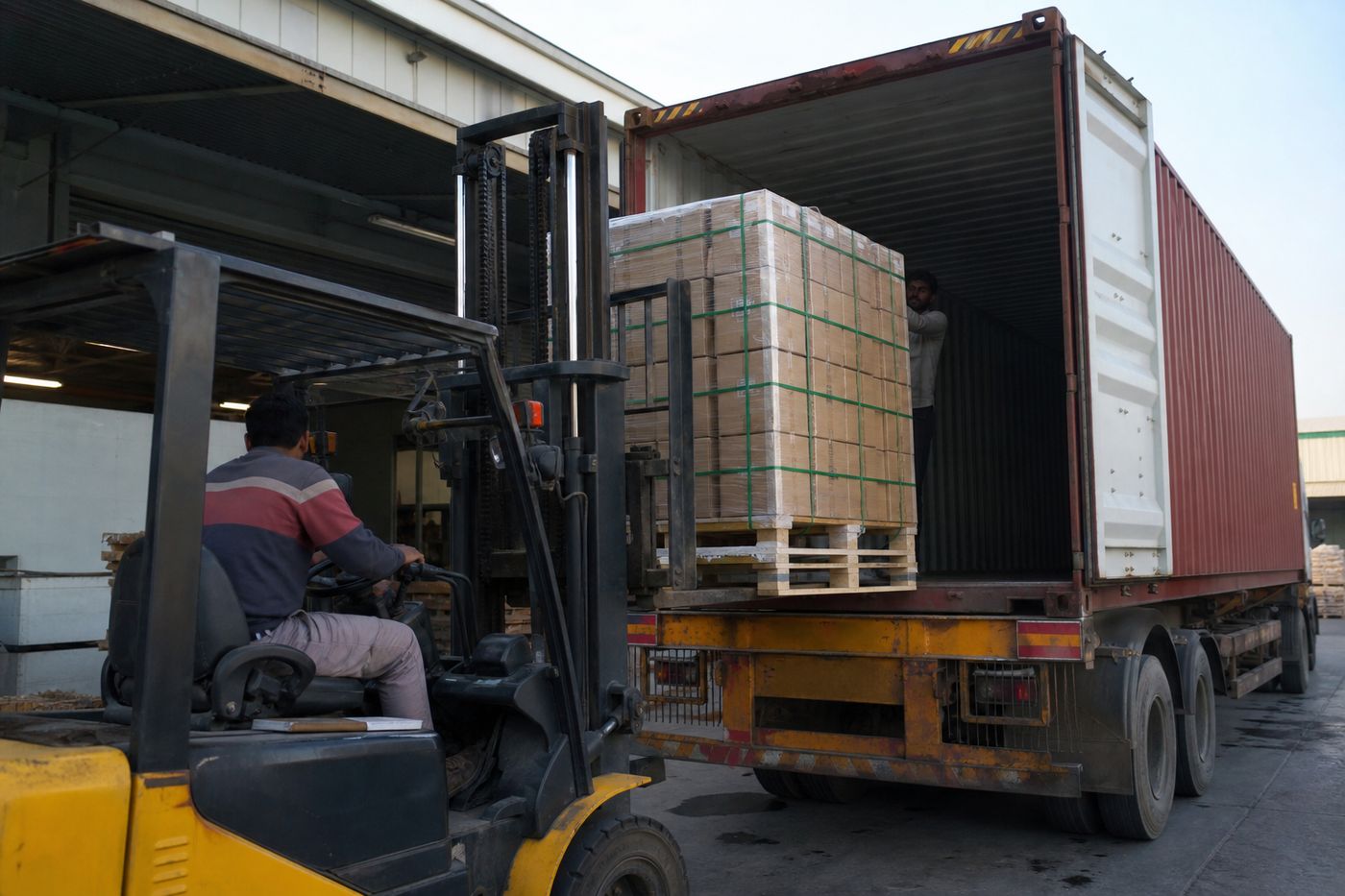
Altus Exports works with international buyers and Indian brass decorative workshops as a merchant exporter and global sourcing partner — coordinating lead-safe brass evidence, antique and hammered finish standards, and recycled-brass documentation so specialty claims survive audit, not just catalogue review.
Conclusion
Lead-safe, antique-finish, hammered, and recycled brass decorative export from India is built on four substantiated pillars — Prop 65-aware lead-controlled brass, antique and patina finish consistency, hammered and repoussé artware quality, and documented recycled brass content in decorative SKUs. None of these pillars function as marketing language alone; each requires ongoing evidence, lot-level records, and honest commercial claims. Exporters and buyers who invest in that discipline access the strongest premium FOB and the most durable home-décor and gift retail relationships in the brass decorative category.
Use HS 8306/83062910 / 83062990 for ornaments and statuettes (and 83063000 for photograph frames), and 7419/74198030 for articles of brass when structuring specialty purchase orders. Plan for lead-safe premiums around commercial estimate ~8–18% above standard brass décor FOB when composition evidence is complete (not a published index), antique/hammered premiums around commercial estimate ~10–22% above polished brass equivalents when finish consistency and lot control are documented, and recycled-brass premiums around commercial estimate ~8–16% above virgin-alloy brass décor when recycled content is lot-substantiated, and build laboratory and finish approval into your production timeline from day one.
Altus Exports helps buyers and Indian brass decorative workshops structure genuinely substantiated specialty programmes — lead-safe brass testing coordination, antique and hammered finish control, and recycled-brass intake records. Contact us via /contact/ to plan your specialty brass décor programme, explore export products from India and global sourcing support, or continue with Brass Decorative Items Export Documentation Checklist for paperwork detail and Source Brass Decorative Items Directly from India for buyer-side sourcing. See also our handicrafts & lifestyle industry page.