
Source Spice Blends Directly from India: Buyer Sourcing Playbook
By Saurabh Mittal, Founder, Altus Exports
A practical sourcing playbook for importers buying Indian curry powders, masala mixes, chai blends, tandoori seasonings, and OEM spice blends.
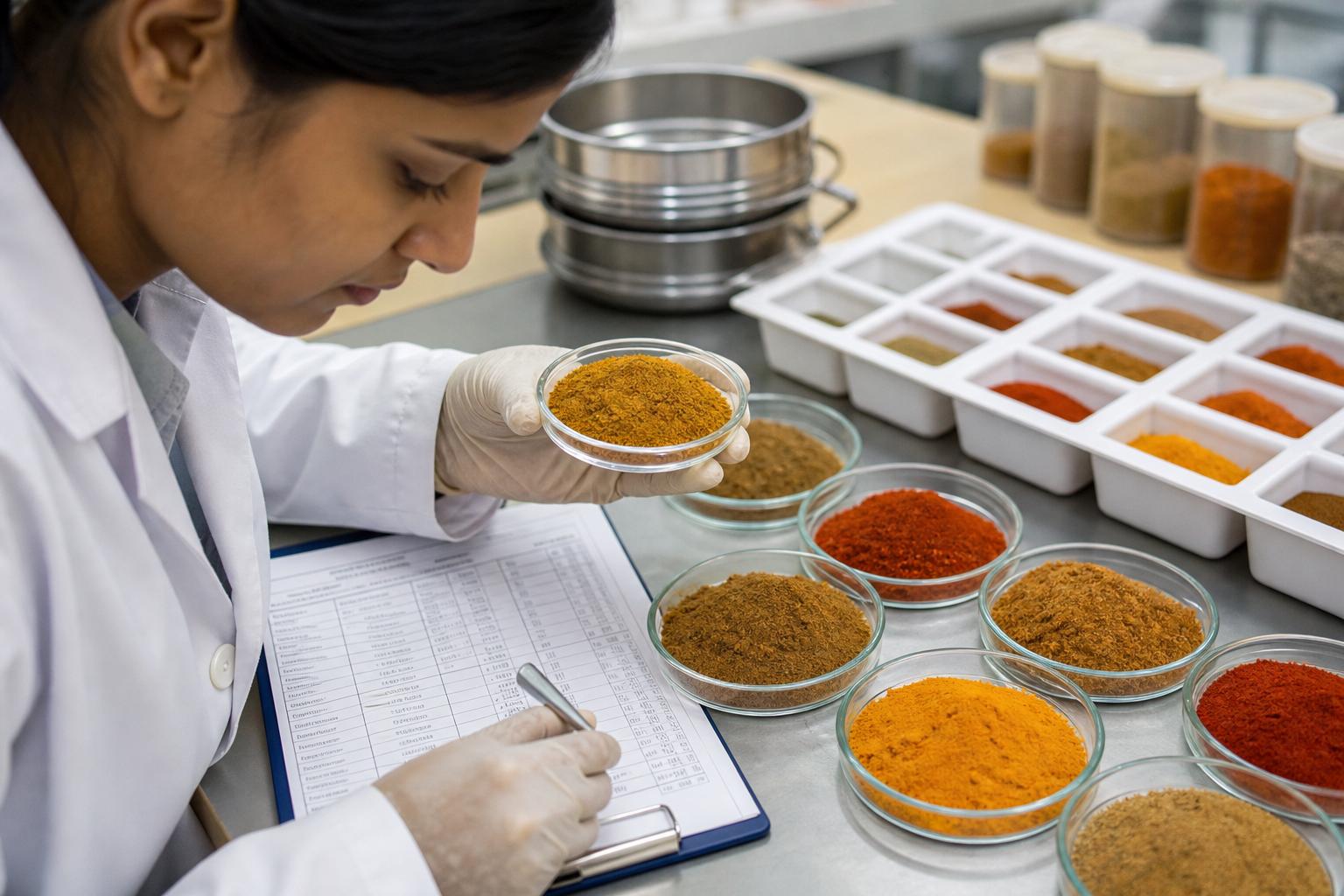
International buyers sourcing spice blends from India reduce first-order risk when they verify Spices Board credentials, approve production samples with COAs, and lock formulations before paying for a full container.
It is written for international buyers who want direct access to Indian blend houses without losing control of quality, formulation, and documents. The goal is to move from requirement sheet to verified supplier, approved sample, compliant pack, and first shipment with fewer blind spots.
The commercial reality is that spice blends are not loose commodities. A finished masala carries formula control, sensory stability, treatment evidence, packaging decisions, HS classification, and destination-market compliance in one product file.
Altus Exports supports this category as a merchant exporter, global sourcing partner, and export consulting team for buyers and Indian manufacturers that want verified sourcing, disciplined documentation, and practical shipping execution.
Key Takeaways
Summary Box
Executive Summary
Summary Box
This buyer sourcing playbook guide is written for international buyers who want direct access to Indian blend houses without losing control of quality, formulation, and documents. Its practical purpose is to move from requirement sheet to verified supplier, approved sample, compliant pack, and first shipment with fewer blind spots, using spice-blend facts rather than generic agricultural export shortcuts.
The operating theme is buyer-side supplier verification and sample approval. For spice blends, that means the commercial offer, formula version, treatment decision, pack format, and HS classification are handled as one connected workflow.
HS 0910.91 for mixtures of two or more spices; India ITC-HS 09109100; US HTS 0910.91.00 MFN is commonly around 1.9%, while curry powder under 0910.99.10 may be free and some mixed seasonings can fall under HS 2103, so final classification must be confirmed with the destination broker. Steam sterilization is preferred by many EU and US buyers because it avoids ethylene oxide concerns while reducing microbial risk in ground and blended spices.
Altus Exports positions this topic around an accountable first shipment plan: verified Indian blend houses, clear buyer specifications, honest pricing, and document packs that a destination broker can read without guesswork.
Use Altus Exports as your global sourcing partner in India when you want verified suppliers, sample management, quality checks, and export execution under a single accountable relationship.
Comparison table
Swipe →
Data table — swipe horizontally on small screens
| Metric | Current planning number | Why it matters |
|---|---|---|
| Global mixtures trade 2024 | About USD 630M | Shows the addressable category beyond single spices |
| India blend exports 2024 | About USD 123M | Confirms India as a meaningful origin for mixed spice products |
| India spices sector FY24-25 | 17.99 lakh tons; USD 4.72B | Shows raw-material and processing depth behind blends |
| Preferred treatment | Steam for many EU and US buyers | Supports microbial control and avoids ETO concerns |
Market Size & Industry Overview
Key Statistics
Global trade in spice mixtures was about USD 630 million in 2024, with India around USD 123 million of exports; leading import markets included the United States at USD 74.1 million, Germany at USD 52.3 million, and Saudi Arabia at USD 42.8 million.
India's wider spices sector shipped about 17.99 lakh tons worth roughly USD 4.72 billion in FY24-25, giving blend exporters access to raw-material depth, cleaning, grinding, sterilization, and packing infrastructure.
Unlike single-spice trading, blend exports depend on formula control, sensory stability, and repeatable batch records. A buyer does not simply purchase turmeric, cumin, coriander, or chili; the buyer purchases a finished taste profile that must remain stable across crop cycles.
Relevant blend clusters include Unjha, Delhi NCR, Mumbai and Thane, Indore, Coimbatore and Erode, Hyderabad, and Guntur-linked heat-forward seasoning units. These clusters give buyers options for volume curry powder, premium garam masala, South Indian sambar and rasam powders, biryani masala, chai masala, and custom OEM seasonings.
The strongest programs link market demand to a factory capability matrix: cleaning, grinding, blending, metal detection, steam treatment, packing, private-label handling, and export documentation. That matrix should be reviewed before price negotiation because it determines both risk and landed cost.
Comparison table
Swipe →
Data table — swipe horizontally on small screens
| Metric | Current planning number | Why it matters |
|---|---|---|
| Global mixtures trade 2024 | About USD 630M | Shows the addressable category beyond single spices |
| India blend exports 2024 | About USD 123M | Confirms India as a meaningful origin for mixed spice products |
| India spices sector FY24-25 | 17.99 lakh tons; USD 4.72B | Shows raw-material and processing depth behind blends |
| Preferred treatment | Steam for many EU and US buyers | Supports microbial control and avoids ETO concerns |
Export Statistics
Key Statistics
This buyer sourcing playbook guide is written for international buyers who want direct access to Indian blend houses without losing control of quality, formulation, and documents. Its practical purpose is to move from requirement sheet to verified supplier, approved sample, compliant pack, and first shipment with fewer blind spots, using spice-blend facts rather than generic agricultural export shortcuts.
The operating theme is buyer-side supplier verification and sample approval. For spice blends, that means the commercial offer, formula version, treatment decision, pack format, and HS classification are handled as one connected workflow.
HS 0910.91 for mixtures of two or more spices; India ITC-HS 09109100; US HTS 0910.91.00 MFN is commonly around 1.9%, while curry powder under 0910.99.10 may be free and some mixed seasonings can fall under HS 2103, so final classification must be confirmed with the destination broker. Steam sterilization is preferred by many EU and US buyers because it avoids ethylene oxide concerns while reducing microbial risk in ground and blended spices.
Altus Exports positions this topic around export-data-led prioritization: verified Indian blend houses, clear buyer specifications, honest pricing, and document packs that a destination broker can read without guesswork.
Export statistics should be used to qualify repeatability rather than to promise guaranteed sales. India already participates meaningfully in the global mixture trade, but the buyer still expects lot-level proof for each shipment.
A practical exporter dashboard tracks inquiry source, SKU family, treatment requirement, destination, sample outcome, quote conversion, and document exceptions. That dashboard becomes more useful than a single headline export number.
Comparison table
Swipe →
Data table — swipe horizontally on small screens
| Export statistic | Planning interpretation | Commercial action |
|---|---|---|
| India around USD 123M in 2024 blend exports | India is already a scaled origin | Build offers around reliability, not novelty |
| FY24-25 spices sector USD 4.72B | Blend exporters sit on a large raw-material base | Use procurement leverage across multiple spice inputs |
| Ports include Mundra, Nhava Sheva, Cochin, Chennai | Routing can be optimized by cluster | Quote FOB port after factory shortlist |
| Lead time 15-30 days standard | Standard SKUs move faster than custom formulas | Reserve 30-45 days for OEM or retail packs |
Import Statistics
Key Statistics
This buyer sourcing playbook guide is written for international buyers who want direct access to Indian blend houses without losing control of quality, formulation, and documents. Its practical purpose is to move from requirement sheet to verified supplier, approved sample, compliant pack, and first shipment with fewer blind spots, using spice-blend facts rather than generic agricultural export shortcuts.
The operating theme is buyer-side supplier verification and sample approval. For spice blends, that means the commercial offer, formula version, treatment decision, pack format, and HS classification are handled as one connected workflow.
HS 0910.91 for mixtures of two or more spices; India ITC-HS 09109100; US HTS 0910.91.00 MFN is commonly around 1.9%, while curry powder under 0910.99.10 may be free and some mixed seasonings can fall under HS 2103, so final classification must be confirmed with the destination broker. Steam sterilization is preferred by many EU and US buyers because it avoids ethylene oxide concerns while reducing microbial risk in ground and blended spices.
Altus Exports positions this topic around buyer-market qualification: verified Indian blend houses, clear buyer specifications, honest pricing, and document packs that a destination broker can read without guesswork.
Import statistics reveal where blend demand is already organized through distributors, seasoning houses, ethnic retailers, and foodservice buyers. They also reveal where compliance expectations are strict enough to require better factory selection.
The United States, Germany, and Saudi Arabia show the scale of demand, but each requires a different entry strategy. A US program may emphasize FDA and FSMA readiness, Germany may emphasize EU residue and steam evidence, and Saudi Arabia may emphasize Arabic labels, shelf life, and channel-fit assortment.
Comparison table
Swipe →
Data table — swipe horizontally on small screens
| Importer | 2024 import signal | Blend opportunity |
|---|---|---|
| United States | USD 74.1M | Industrial seasonings, ethnic retail, private label |
| Germany | USD 52.3M | Steam-treated blends and clean documentation |
| Saudi Arabia | USD 42.8M | Garam masala, curry powder, biryani, foodservice |
| UAE | Regional hub | Re-export, distributor assortment, retail packs |
Product Categories / Variants
Summary Box
This buyer sourcing playbook guide is written for international buyers who want direct access to Indian blend houses without losing control of quality, formulation, and documents. Its practical purpose is to move from requirement sheet to verified supplier, approved sample, compliant pack, and first shipment with fewer blind spots, using spice-blend facts rather than generic agricultural export shortcuts.
The operating theme is buyer-side supplier verification and sample approval. For spice blends, that means the commercial offer, formula version, treatment decision, pack format, and HS classification are handled as one connected workflow.
HS 0910.91 for mixtures of two or more spices; India ITC-HS 09109100; US HTS 0910.91.00 MFN is commonly around 1.9%, while curry powder under 0910.99.10 may be free and some mixed seasonings can fall under HS 2103, so final classification must be confirmed with the destination broker. Steam sterilization is preferred by many EU and US buyers because it avoids ethylene oxide concerns while reducing microbial risk in ground and blended spices.
Altus Exports positions this topic around SKU-specific offer design: verified Indian blend houses, clear buyer specifications, honest pricing, and document packs that a destination broker can read without guesswork.
Curry powder is the volume anchor, garam masala is often the premium ethnic-retail anchor, and chaat or tandoori masala can serve snack, marinade, and foodservice programs. Sambar, rasam, and biryani powders add regional depth, while chai masala and BBQ rubs open beverage and fusion seasoning channels.
OEM blends require tighter confidentiality and version control than standard catalog masalas. A buyer may share a formula under NDA, but the exporter still needs a written specification, approved sample, batch sheet, and label of record for each production run.
Comparison table
Swipe →
Data table — swipe horizontally on small screens
| Blend category | Primary buyer | Key specification | Risk to control |
|---|---|---|---|
| Curry powder | Retail, foodservice, industrial base seasoning | 10-25 kg bags, cartons, pouches | USD 2.50-6.00/kg FOB |
| Garam masala | Premium ethnic retail and foodservice | Cartons, pouches, jars, 10 kg bags | USD 4.00-9.00/kg FOB |
| Chaat masala | Snack, street-food, and retail channels | Pouches, jars, cartons | Formula dependent |
| Tandoori masala | Foodservice, marinade, grill programs | 10-25 kg bags, jars, pouches | Heat and color dependent |
| Sambar and rasam powders | South Indian retail and diaspora demand | Pouches, cartons, bulk packs | Lentil-spice ratio dependent |
| Biryani masala | Foodservice and regional private label | Pouches, jars, cartons | Aroma spice dependent |
| BBQ and grill rubs | Fusion retail and meat-alternative seasoning | Jars, shakers, foodservice tubs | Custom formula dependent |
| Chai masala | Tea brands, cafe chains, retail packs | Pouches, jars, cartons | Cardamom and ginger share dependent |
Retail blends
Retail programs need stable taste, attractive packaging, nutrition panels, allergen review, barcode placement, shelf-life evidence, and carton marks that match warehouse receiving systems.
Private-label control
The formula version, artwork version, and lot code must be linked so a buyer can trace every pouch or jar back to the approved batch.
Industrial and foodservice blends
Industrial buyers prioritize bulk pack performance, microbiology, mesh consistency, heat profile, and repeatable functionality in sauces, snacks, ready meals, marinades, or foodservice kitchens.
Manufacturing Overview
Export Tip
This buyer sourcing playbook guide is written for international buyers who want direct access to Indian blend houses without losing control of quality, formulation, and documents. Its practical purpose is to move from requirement sheet to verified supplier, approved sample, compliant pack, and first shipment with fewer blind spots, using spice-blend facts rather than generic agricultural export shortcuts.
The operating theme is buyer-side supplier verification and sample approval. For spice blends, that means the commercial offer, formula version, treatment decision, pack format, and HS classification are handled as one connected workflow.
HS 0910.91 for mixtures of two or more spices; India ITC-HS 09109100; US HTS 0910.91.00 MFN is commonly around 1.9%, while curry powder under 0910.99.10 may be free and some mixed seasonings can fall under HS 2103, so final classification must be confirmed with the destination broker. Steam sterilization is preferred by many EU and US buyers because it avoids ethylene oxide concerns while reducing microbial risk in ground and blended spices.
Altus Exports positions this topic around factory-process verification: verified Indian blend houses, clear buyer specifications, honest pricing, and document packs that a destination broker can read without guesswork.
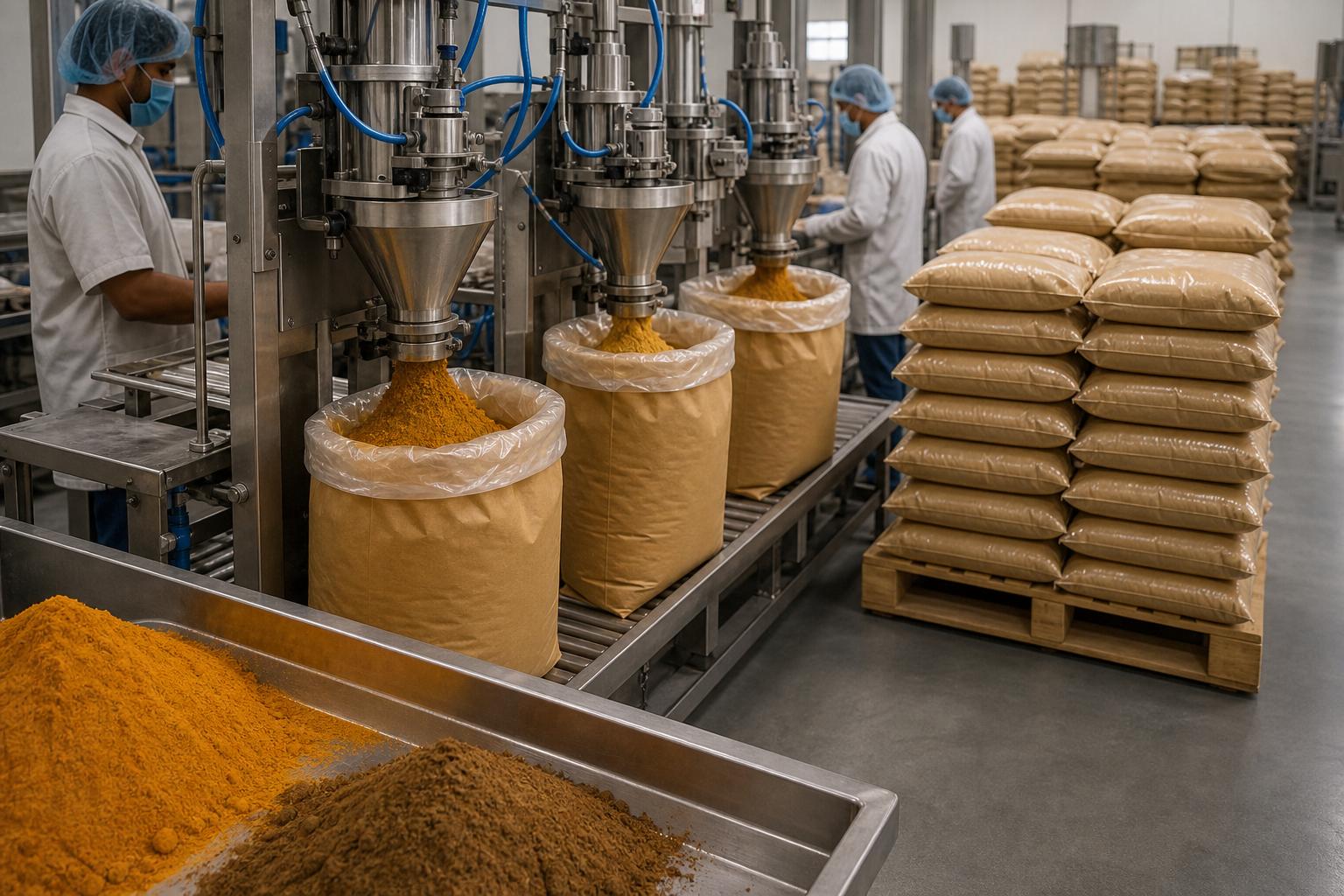
A professional blend line starts with raw-spice intake and cleaning, then moves through grinding, weighing, blending, metal detection, treatment where required, and final packing. Each stage should have a record that can be matched to the finished lot.
Steam treatment should be planned before final packing. When a buyer requires steam-sterilized blends, the processor must control moisture, post-treatment cooling, cross-contamination, and documentation so the treatment certificate clearly matches the shipped lot.
Comparison table
Swipe →
Data table — swipe horizontally on small screens
| Stage | Control point | Evidence buyers expect |
|---|---|---|
| Raw spice intake | Identity, moisture, purity, supplier lot | Incoming COA and inspection record |
| Cleaning and grinding | Foreign matter, mesh, heat build-up | Sieve and magnet records |
| Blending | Formula version and weighing accuracy | Batch sheet and supervisor sign-off |
| Treatment | Steam parameters where required | Treatment certificate linked to lot code |
| Packing | Seal integrity and net weight | Packing list and finished-goods QC |
Pricing Analysis
Buyer Tip
This buyer sourcing playbook guide is written for international buyers who want direct access to Indian blend houses without losing control of quality, formulation, and documents. Its practical purpose is to move from requirement sheet to verified supplier, approved sample, compliant pack, and first shipment with fewer blind spots, using spice-blend facts rather than generic agricultural export shortcuts.
The operating theme is buyer-side supplier verification and sample approval. For spice blends, that means the commercial offer, formula version, treatment decision, pack format, and HS classification are handled as one connected workflow.
HS 0910.91 for mixtures of two or more spices; India ITC-HS 09109100; US HTS 0910.91.00 MFN is commonly around 1.9%, while curry powder under 0910.99.10 may be free and some mixed seasonings can fall under HS 2103, so final classification must be confirmed with the destination broker. Steam sterilization is preferred by many EU and US buyers because it avoids ethylene oxide concerns while reducing microbial risk in ground and blended spices.
Altus Exports positions this topic around transparent cost breakdowns: verified Indian blend houses, clear buyer specifications, honest pricing, and document packs that a destination broker can read without guesswork.
Indicative FOB ranges are USD 2.50-6.00/kg for curry powder, USD 4.00-9.00/kg for garam masala, and 30-60% higher for certified organic programs, subject to formulation and raw-material markets.
Price differences between suppliers often reflect formula dilution, lower-cost spice inputs, missing treatment, weaker packaging, or absent certification rather than pure efficiency. Buyers should ask what is included before comparing FOB numbers.
Altus Exports builds buyer-facing cost sheets that separate formula cost, packaging, testing, certification, treatment, inland freight, and export handling so negotiations remain clear and repeat orders can be repriced rationally when raw spices move.
Comparison table
Swipe →
Data table — swipe horizontally on small screens
| Cost driver | Typical impact | Buyer action |
|---|---|---|
| Base formula | High cardamom, cinnamon, clove, or pepper share raises cost | Ask for formula logic, not only a cheaper quote |
| Treatment | Steam adds cost and scheduling discipline | Specify market requirement before quote |
| Certification | Organic can add 30-60% | Confirm certifier and scope |
| Packaging | Retail jars and pouches cost more than bulk bags | Approve artwork and laminate early |
| Volume | FCL improves freight and packing efficiency | Scale after a clean commercial trial |
MOQ Analysis
Buyer Tip
This buyer sourcing playbook guide is written for international buyers who want direct access to Indian blend houses without losing control of quality, formulation, and documents. Its practical purpose is to move from requirement sheet to verified supplier, approved sample, compliant pack, and first shipment with fewer blind spots, using spice-blend facts rather than generic agricultural export shortcuts.
The operating theme is buyer-side supplier verification and sample approval. For spice blends, that means the commercial offer, formula version, treatment decision, pack format, and HS classification are handled as one connected workflow.
HS 0910.91 for mixtures of two or more spices; India ITC-HS 09109100; US HTS 0910.91.00 MFN is commonly around 1.9%, while curry powder under 0910.99.10 may be free and some mixed seasonings can fall under HS 2103, so final classification must be confirmed with the destination broker. Steam sterilization is preferred by many EU and US buyers because it avoids ethylene oxide concerns while reducing microbial risk in ground and blended spices.
Altus Exports positions this topic around trial-to-FCL scaling: verified Indian blend houses, clear buyer specifications, honest pricing, and document packs that a destination broker can read without guesswork.
Practical MOQ bands are 200-500 kg for trials, 1-5 MT for commercial lots, and 10-20+ MT for container-led programs.
MOQ is shaped by formula complexity, raw-material procurement, cleaning and grinding lot sizes, treatment minimums, packaging print runs, and buyer certification requirements. A 200 kg standard curry powder trial is simpler than a custom organic retail pouch program with multiple labels.
The safest commercial path is sample approval, then a controlled 200-500 kg trial, then a 1-5 MT repeat, then FCL scale once claims, labels, and transit performance are proven.
Comparison table
Swipe →
Data table — swipe horizontally on small screens
| Order type | Typical MOQ | Best use |
|---|---|---|
| Sample and lab trial | 1-25 kg | Sensory and technical validation |
| Trial order | 200-500 kg | First buyer or retailer onboarding |
| Commercial LCL | 1-5 MT | Repeat distributor or foodservice program |
| FCL program | 10-20+ MT | Stable SKU with approved demand forecast |
Packaging Standards
Export Tip
This buyer sourcing playbook guide is written for international buyers who want direct access to Indian blend houses without losing control of quality, formulation, and documents. Its practical purpose is to move from requirement sheet to verified supplier, approved sample, compliant pack, and first shipment with fewer blind spots, using spice-blend facts rather than generic agricultural export shortcuts.
The operating theme is buyer-side supplier verification and sample approval. For spice blends, that means the commercial offer, formula version, treatment decision, pack format, and HS classification are handled as one connected workflow.
HS 0910.91 for mixtures of two or more spices; India ITC-HS 09109100; US HTS 0910.91.00 MFN is commonly around 1.9%, while curry powder under 0910.99.10 may be free and some mixed seasonings can fall under HS 2103, so final classification must be confirmed with the destination broker. Steam sterilization is preferred by many EU and US buyers because it avoids ethylene oxide concerns while reducing microbial risk in ground and blended spices.
Altus Exports positions this topic around pack-format discipline: verified Indian blend houses, clear buyer specifications, honest pricing, and document packs that a destination broker can read without guesswork.
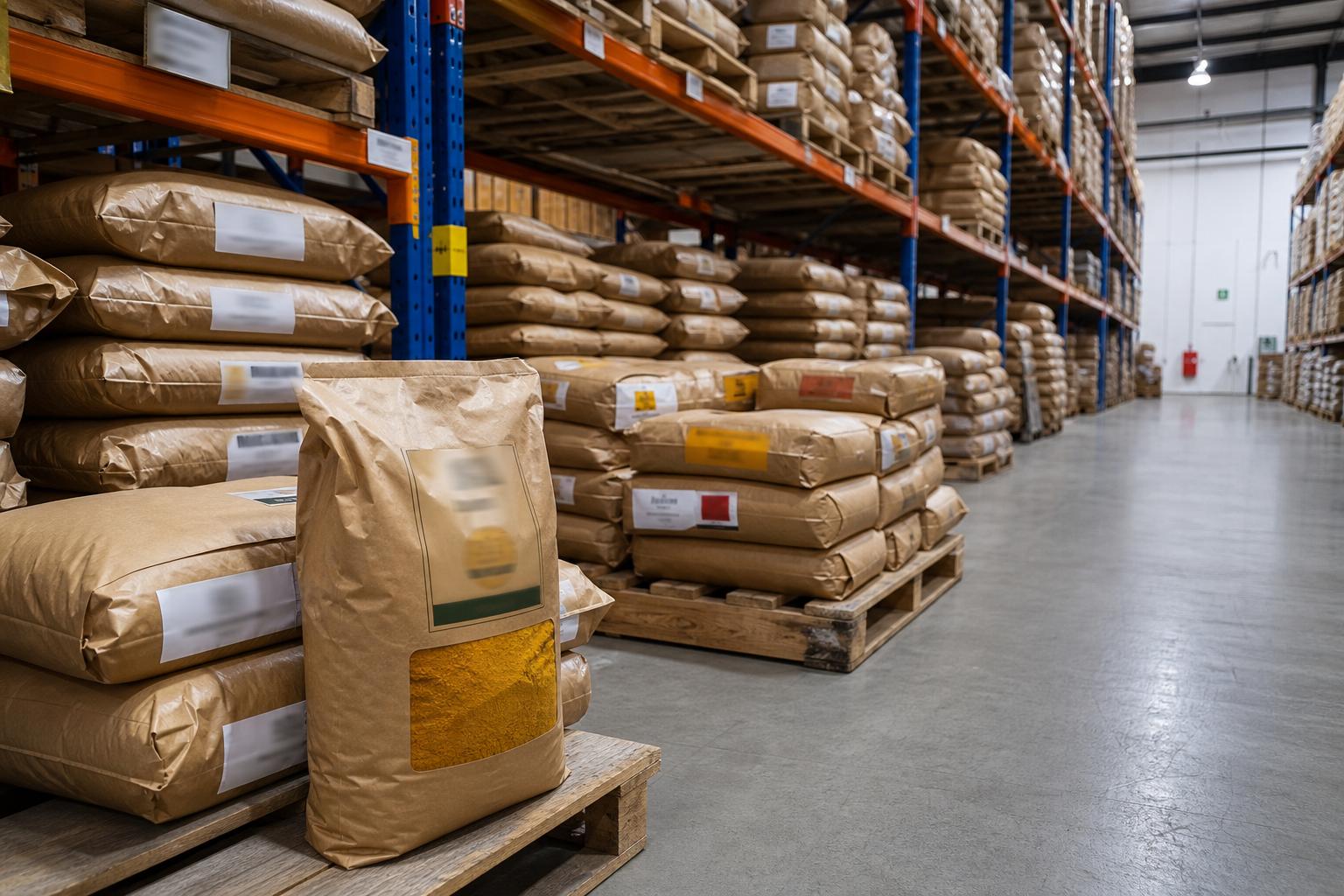
Common export packaging includes 10-25 kg kraft plus PE bags, corrugated cartons, FIBC bulk bags, and retail pouches or jars for private-label programs.
Bulk bags need moisture protection, clean stitching or sealing, accurate net weights, and shipping marks that match the packing list. Retail packs need additional work: laminate selection, oxygen and aroma barrier, label compliance, barcode quality, and shelf display durability.
For private-label programs, label approval should happen before production slots are committed. A delayed label can hold finished blend in inventory and create avoidable shelf-life loss before the first shipment leaves India.
Comparison table
Swipe →
Data table — swipe horizontally on small screens
| Pack format | Common size | Best fit | Control point |
|---|---|---|---|
| Kraft plus PE bag | 10-25 kg | Industrial and foodservice | Moisture barrier and stitching |
| Carton | Buyer-defined inner packs | Retail and distributor cases | Crush strength and marks |
| FIBC | Bulk blend programs | High-volume industrial | Liner quality and handling |
| Pouch | 50 g to 1 kg | Retail private label | Seal, laminate, label compliance |
| Jar or shaker | 50 g to 500 g | Premium retail and foodservice | Closure, induction seal, barcode |
Container Loading Details
Export Tip
This buyer sourcing playbook guide is written for international buyers who want direct access to Indian blend houses without losing control of quality, formulation, and documents. Its practical purpose is to move from requirement sheet to verified supplier, approved sample, compliant pack, and first shipment with fewer blind spots, using spice-blend facts rather than generic agricultural export shortcuts.
The operating theme is buyer-side supplier verification and sample approval. For spice blends, that means the commercial offer, formula version, treatment decision, pack format, and HS classification are handled as one connected workflow.
HS 0910.91 for mixtures of two or more spices; India ITC-HS 09109100; US HTS 0910.91.00 MFN is commonly around 1.9%, while curry powder under 0910.99.10 may be free and some mixed seasonings can fall under HS 2103, so final classification must be confirmed with the destination broker. Steam sterilization is preferred by many EU and US buyers because it avoids ethylene oxide concerns while reducing microbial risk in ground and blended spices.
Altus Exports positions this topic around weight-and-cube planning: verified Indian blend houses, clear buyer specifications, honest pricing, and document packs that a destination broker can read without guesswork.
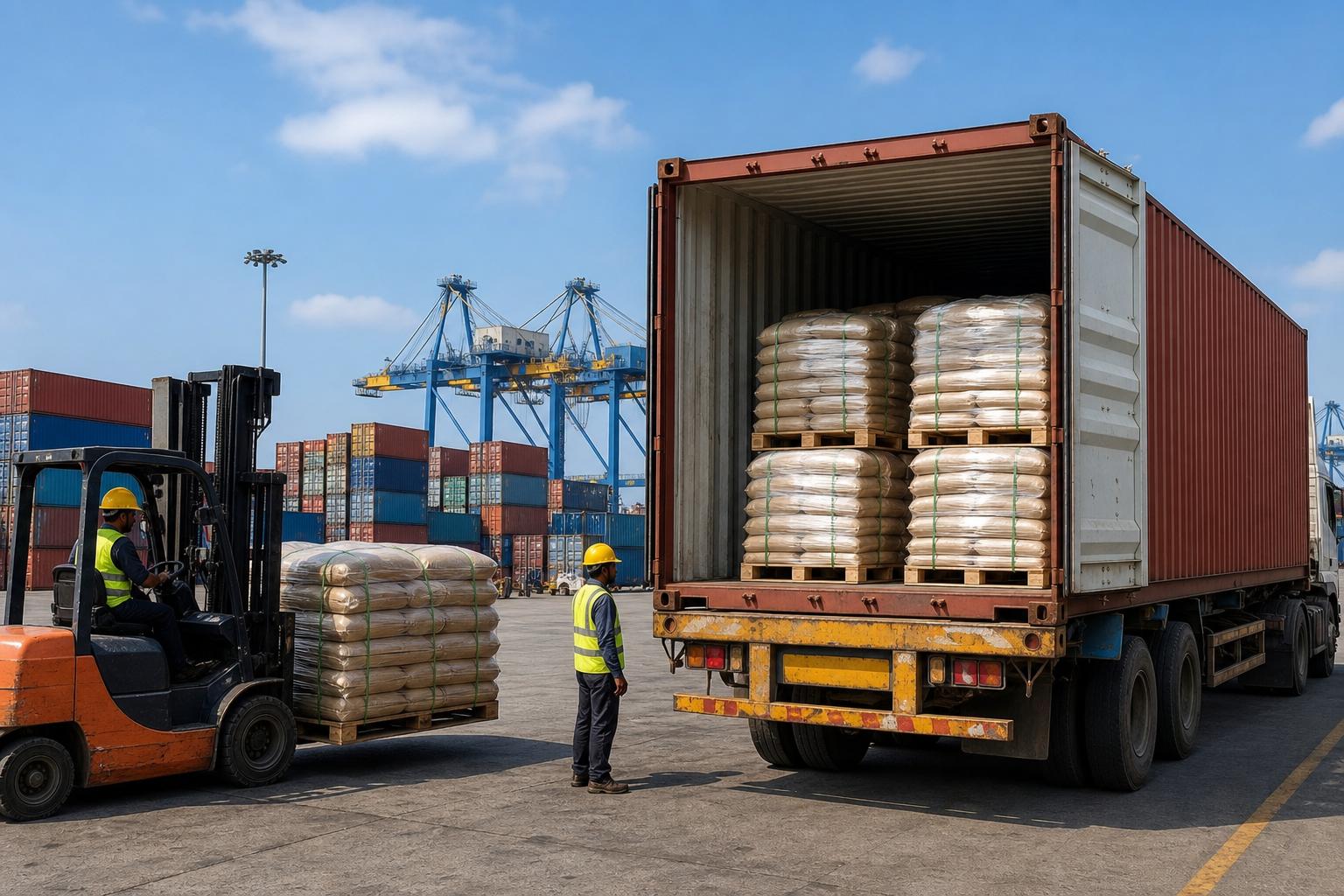
A 20 ft container usually loads about 16-22 MT depending on density and pack format; a 40 ft container may reach 24-28 MT but often becomes weight-limited before cube is fully used.
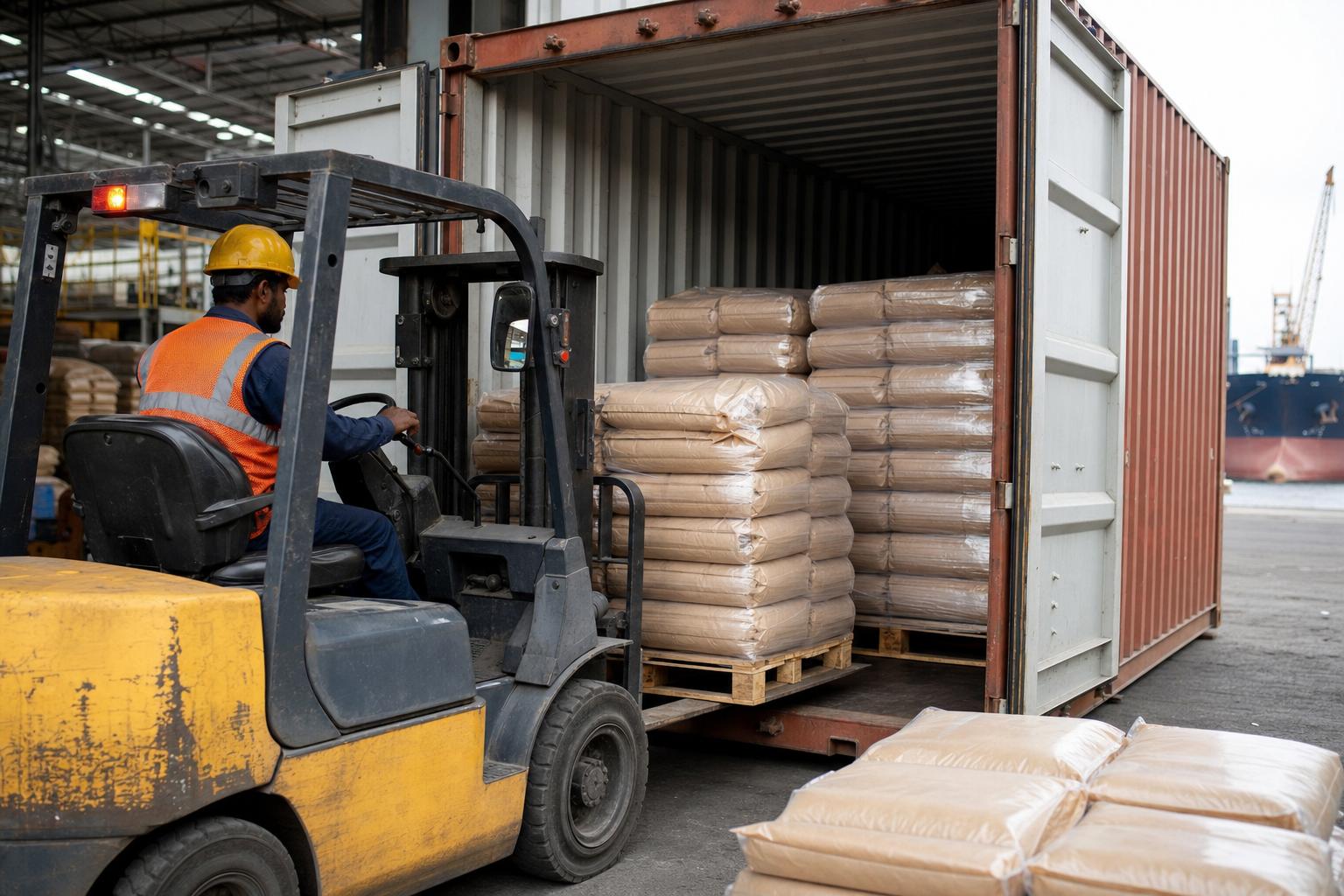
Loading plans should account for palletization, desiccants where appropriate, carton crush strength, destination warehouse receiving rules, and container cleanliness. Ground spice blends are aromatic and hygroscopic, so moisture and odor control matter.
LCL trials are useful, but the exporter must protect cartons from mixed-cargo handling. FCL programs give better control once the buyer has stable demand and the supplier has proven batch consistency.
Comparison table
Swipe →
Data table — swipe horizontally on small screens
| Container | Typical loading | Planning note |
|---|---|---|
| 20 ft | About 16-22 MT | Often chosen for dense bulk packs and manageable first FCLs |
| 40 ft | About 24-28 MT | Often weight-limited before cube is fully used |
| LCL | Palletized trial lots | Useful for 200-500 kg trials and mixed SKU testing |
| Air | Small urgent samples | Expensive but useful for launch deadlines |
Shipping Methods
Export Tip
This buyer sourcing playbook guide is written for international buyers who want direct access to Indian blend houses without losing control of quality, formulation, and documents. Its practical purpose is to move from requirement sheet to verified supplier, approved sample, compliant pack, and first shipment with fewer blind spots, using spice-blend facts rather than generic agricultural export shortcuts.
The operating theme is buyer-side supplier verification and sample approval. For spice blends, that means the commercial offer, formula version, treatment decision, pack format, and HS classification are handled as one connected workflow.
HS 0910.91 for mixtures of two or more spices; India ITC-HS 09109100; US HTS 0910.91.00 MFN is commonly around 1.9%, while curry powder under 0910.99.10 may be free and some mixed seasonings can fall under HS 2103, so final classification must be confirmed with the destination broker. Steam sterilization is preferred by many EU and US buyers because it avoids ethylene oxide concerns while reducing microbial risk in ground and blended spices.
Altus Exports positions this topic around route selection: verified Indian blend houses, clear buyer specifications, honest pricing, and document packs that a destination broker can read without guesswork.
Primary export ports for blend programs include Mundra, Nhava Sheva, Cochin, and Chennai, chosen by factory location, sailing frequency, and buyer routing.
Mundra and Nhava Sheva often suit western and northern clusters, Cochin can suit southern spice programs, and Chennai can serve South Indian blend clusters. Final routing depends on inland freight, vessel frequency, cutoff timing, and buyer destination.
FOB is common for experienced importers, CIF can help newer buyers budget freight and insurance, and air is mainly for samples or urgent launch replenishment. Incoterms must be written on the purchase order and invoice, not assumed in email language.
Comparison table
Swipe →
Data table — swipe horizontally on small screens
| Method | When to use | Watch point |
|---|---|---|
| FOB sea freight | Most commercial programs | Buyer controls main carriage and import clearance |
| CIF sea freight | New buyers needing freight arranged | Insurance and destination charges must be clear |
| LCL consolidation | Trials and multi-SKU starts | Palletization and moisture control matter |
| Air courier or air cargo | Samples, urgent launches, approvals | Cost and customs description discipline |
Certifications
Compliance Notes
This buyer sourcing playbook guide is written for international buyers who want direct access to Indian blend houses without losing control of quality, formulation, and documents. Its practical purpose is to move from requirement sheet to verified supplier, approved sample, compliant pack, and first shipment with fewer blind spots, using spice-blend facts rather than generic agricultural export shortcuts.
The operating theme is buyer-side supplier verification and sample approval. For spice blends, that means the commercial offer, formula version, treatment decision, pack format, and HS classification are handled as one connected workflow.
HS 0910.91 for mixtures of two or more spices; India ITC-HS 09109100; US HTS 0910.91.00 MFN is commonly around 1.9%, while curry powder under 0910.99.10 may be free and some mixed seasonings can fall under HS 2103, so final classification must be confirmed with the destination broker. Steam sterilization is preferred by many EU and US buyers because it avoids ethylene oxide concerns while reducing microbial risk in ground and blended spices.
Altus Exports positions this topic around compliance mapping: verified Indian blend houses, clear buyer specifications, honest pricing, and document packs that a destination broker can read without guesswork.
Relevant credentials include Spices Board registration, FSSAI, HACCP, ISO 22000, Halal, Kosher, ASTA-aligned testing, organic certification, BRC, and IFS, depending on buyer channel.
Certifications should match the buyer channel. A commodity distributor may need FSSAI, Spices Board context, COA, and Halal; a supermarket private-label buyer may also require BRC or IFS, label review, allergen controls, and retailer-specific questionnaires.
Organic blend programs require certified organic inputs, segregation, traceability, and certifier scope that covers the blend. The premium is real, but so are the controls required to defend the claim at destination.
Comparison table
Swipe →
Data table — swipe horizontally on small screens
| Certification | Use case | Blend relevance |
|---|---|---|
| Spices Board | Spice export registration context | Supports notified spice export readiness and buyer confidence |
| FSSAI | Indian food safety license | Baseline for edible blend manufacturing and handling |
| HACCP / ISO 22000 | Food safety systems | Common for industrial and distributor buyers |
| Halal / Kosher | Faith-based and retailer requirements | Important for Gulf, US, EU, and private label |
| BRC / IFS | Retail-grade food safety | Expected by many supermarket programs |
| Organic | Certified premium blends | Requires certified inputs and segregation |
Buyer Requirements
Buyer Requirements
This buyer sourcing playbook guide is written for international buyers who want direct access to Indian blend houses without losing control of quality, formulation, and documents. Its practical purpose is to move from requirement sheet to verified supplier, approved sample, compliant pack, and first shipment with fewer blind spots, using spice-blend facts rather than generic agricultural export shortcuts.
The operating theme is buyer-side supplier verification and sample approval. For spice blends, that means the commercial offer, formula version, treatment decision, pack format, and HS classification are handled as one connected workflow.
HS 0910.91 for mixtures of two or more spices; India ITC-HS 09109100; US HTS 0910.91.00 MFN is commonly around 1.9%, while curry powder under 0910.99.10 may be free and some mixed seasonings can fall under HS 2103, so final classification must be confirmed with the destination broker. Steam sterilization is preferred by many EU and US buyers because it avoids ethylene oxide concerns while reducing microbial risk in ground and blended spices.
Altus Exports positions this topic around procurement-readiness proof: verified Indian blend houses, clear buyer specifications, honest pricing, and document packs that a destination broker can read without guesswork.
Buyers usually request samples, COA, treatment certificate where applicable, ingredient declaration, allergen statement, shelf-life data, packaging specification, label draft, and export document examples. Retailers may add social compliance, food safety audits, and insurance requirements.
A strong supplier response includes evidence, not adjectives. Phrases such as premium quality or export grade should be replaced by mesh size, microbial limits, moisture maximum, salt percentage if relevant, treatment method, pack size, and lead time.
Broker review
Before production, the buyer should ask the destination broker to review HS code, duty exposure, ingredient declaration, and certificate expectations so surprises do not appear at customs entry.
Country-wise Opportunities
Market Snapshot
This buyer sourcing playbook guide is written for international buyers who want direct access to Indian blend houses without losing control of quality, formulation, and documents. Its practical purpose is to move from requirement sheet to verified supplier, approved sample, compliant pack, and first shipment with fewer blind spots, using spice-blend facts rather than generic agricultural export shortcuts.
The operating theme is buyer-side supplier verification and sample approval. For spice blends, that means the commercial offer, formula version, treatment decision, pack format, and HS classification are handled as one connected workflow.
HS 0910.91 for mixtures of two or more spices; India ITC-HS 09109100; US HTS 0910.91.00 MFN is commonly around 1.9%, while curry powder under 0910.99.10 may be free and some mixed seasonings can fall under HS 2103, so final classification must be confirmed with the destination broker. Steam sterilization is preferred by many EU and US buyers because it avoids ethylene oxide concerns while reducing microbial risk in ground and blended spices.
Altus Exports positions this topic around market-by-market offer design: verified Indian blend houses, clear buyer specifications, honest pricing, and document packs that a destination broker can read without guesswork.
Country opportunities should be ranked by total fit, not by demand alone. A market with high demand can still be unattractive for a first shipment if label rules, treatment expectations, duty exposure, or buyer payment terms do not fit the exporter's current capability.
Diaspora markets often open doors for Indian masalas, while industrial seasoning markets require stronger documentation and larger repeat lots. Gulf markets can reward assortment and speed; EU markets reward discipline in residues, microbes, and traceable treatment.
Comparison table
Swipe →
Data table — swipe horizontally on small screens
| Country | Demand signal | Compliance emphasis | Duty note |
|---|---|---|---|
| United States | USD 74.1M mixture imports in 2024 | FDA, FSMA, prior notice, broker HS review | US HTS 0910.91.00 MFN around 1.9%; curry line 0910.99.10 may be free |
| Germany | USD 52.3M mixture imports in 2024 | EU residue, microbial, label, and steam evidence | EU broker to confirm classification and origin duty |
| Saudi Arabia | USD 42.8M mixture imports in 2024 | Arabic labeling, Halal where required, shelf-life clarity | Confirm current GCC entry duty with broker |
| United Arab Emirates | Hub demand for retail and re-export | Bilingual labels and distributor documentation | Often re-export sensitive; confirm final market rules |
| United Kingdom | Strong ethnic retail and foodservice demand | UK food labeling and allergen review | Confirm UK tariff and HS position |
| Canada | Diaspora retail and private-label opportunity | CFIA and bilingual label planning where required | Confirm tariff treatment at entry |
| Australia | Premium retail and foodservice demand | Strict biosecurity and label scrutiny | Confirm treatment and entry documentation |
| Singapore | Regional hub and premium retail market | SFA documentation and shelf-life evidence | Confirm import permit workflow |
Sourcing Checklist
Checklist
- Define blend name, formula type, heat profile, salt policy, allergen controls, and target application before supplier outreach.
- Request recent COAs, treatment certificates, FSSAI details, Spices Board registration evidence, and export document samples from shortlisted suppliers.
- Approve samples by sensory panel, mesh, color, aroma, microbial limits, and packaging performance rather than by price alone.
- Verify the supplier can segregate buyer formulas, control lot codes, and retain reference samples for disputes.
- Match factory location to Mundra, Nhava Sheva, Cochin, or Chennai routing before finalizing FOB assumptions.
This sourcing checklist converts buyer-side supplier verification and sample approval into daily operating decisions for spice blend programs.
Use it before quote release, sample approval, bulk production, document preparation, and vessel booking so the program does not depend on memory or scattered email threads.
Altus Exports uses checklist-based coordination to align buyer requirements, verified suppliers, treatment partners, laboratories, freight teams, and destination broker expectations.
Buyer Checklist
Checklist
- Confirm HS classification with your broker, especially when a recipe may shift from HS 0910.91 to HS 2103 mixed seasoning treatment.
- Share label rules, barcode format, nutrition format, allergen language, and shelf-life requirements before artwork begins.
- Book destination testing requirements early if your retailer requires pesticide, heavy-metal, microbial, or authenticity panels.
- Agree sample approval rules, claim windows, and replacement conditions in the purchase agreement.
- Compare total landed cost, including treatment, laboratory testing, inland freight, sea freight, insurance, duty, clearance, and warehousing.
This buyer checklist converts buyer-side supplier verification and sample approval into daily operating decisions for spice blend programs.
Use it before quote release, sample approval, bulk production, document preparation, and vessel booking so the program does not depend on memory or scattered email threads.
Altus Exports uses checklist-based coordination to align buyer requirements, verified suppliers, treatment partners, laboratories, freight teams, and destination broker expectations.
Exporter Checklist
Checklist
- Keep IEC, Spices Board CRES or RCMC, FSSAI, and quality-system documents current before buyer onboarding.
- Build SKU files with formula version, raw-material suppliers, batch sheet, COA template, treatment plan, and packaging specification.
- Draft commercial invoice, packing list, certificate references, and shipping marks during production, not after dispatch.
- Use steam sterilization where EU or US buyers expect it and document the treated lot against the final packed batch.
- Retain approved samples and batch records so repeat orders can be compared against a stable reference.
This exporter checklist converts buyer-side supplier verification and sample approval into daily operating decisions for spice blend programs.
Use it before quote release, sample approval, bulk production, document preparation, and vessel booking so the program does not depend on memory or scattered email threads.
Altus Exports uses checklist-based coordination to align buyer requirements, verified suppliers, treatment partners, laboratories, freight teams, and destination broker expectations.
Compliance Checklist
Checklist
Compliance Notes
- Use Spices Board pathways for spice blend export readiness and FSSAI for food safety licensing in India.
- Confirm whether the destination requires HACCP, ISO 22000, BRC, IFS, Halal, Kosher, ASTA-style testing, or organic certification.
- Review pesticide residues, heavy metals, microbial parameters, undeclared additives, allergens, and label claims for each destination.
- Avoid unsupported claims such as medicinal benefits or origin claims that are not backed by procurement records.
- Have the destination broker confirm HS code, duty, and documents before the vessel sails.
This compliance checklist converts buyer-side supplier verification and sample approval into daily operating decisions for spice blend programs.
Use it before quote release, sample approval, bulk production, document preparation, and vessel booking so the program does not depend on memory or scattered email threads.
Altus Exports uses checklist-based coordination to align buyer requirements, verified suppliers, treatment partners, laboratories, freight teams, and destination broker expectations.
Common Buyer Mistakes
Common Mistakes Box
Most buyer mistakes in spice blends come from treating a finished seasoning like a loose commodity. A blend has formula risk, sensory risk, compliance risk, label risk, and transit risk in addition to raw-spice price risk.
The errors below are preventable when buyers demand written specifications, verified production records, early broker review, and sample approval tied to the final production lot.
Altus Exports reduces these gaps by matching buyers with verified blend houses and managing the export workflow from requirement sheet through dispatch.
Future Market Trends
Key Statistics
This buyer sourcing playbook guide is written for international buyers who want direct access to Indian blend houses without losing control of quality, formulation, and documents. Its practical purpose is to move from requirement sheet to verified supplier, approved sample, compliant pack, and first shipment with fewer blind spots, using spice-blend facts rather than generic agricultural export shortcuts.
The operating theme is buyer-side supplier verification and sample approval. For spice blends, that means the commercial offer, formula version, treatment decision, pack format, and HS classification are handled as one connected workflow.
HS 0910.91 for mixtures of two or more spices; India ITC-HS 09109100; US HTS 0910.91.00 MFN is commonly around 1.9%, while curry powder under 0910.99.10 may be free and some mixed seasonings can fall under HS 2103, so final classification must be confirmed with the destination broker. Steam sterilization is preferred by many EU and US buyers because it avoids ethylene oxide concerns while reducing microbial risk in ground and blended spices.
Altus Exports positions this topic around portfolio resilience: verified Indian blend houses, clear buyer specifications, honest pricing, and document packs that a destination broker can read without guesswork.
The next phase of spice blend trade will favor clean-label formulations, lower microbial risk, transparent allergen handling, and smaller private-label launches that can scale quickly after validation.
Fusion seasonings, regional Indian masalas, low-salt variants, organic blends, foodservice tubs, and ready-meal seasoning systems will sit beside traditional curry powder and garam masala. Buyers will expect the same documentation discipline across all of them.
Digital traceability will also matter more. Lot codes, retained samples, QR-supported product data, and faster document sharing will separate organized exporters from traders who rely on verbal assurances.
Expert Insights from Saurabh Mittal
Expert Insight Box
The two operating insights below reflect how Altus Exports approaches spice blend shipments: align product, paperwork, and logistics early, then scale only after the first shipment proves the system.
They are intentionally practical because blend exports fail most often in ordinary handoffs: sample to production, production to treatment, treatment to packing, and packing to documents.
Insight 1
Use this principle when designing the first quotation, sample approval process, and production calendar.
Insight 2
Use this principle when deciding trial MOQ, repeat order timing, and FCL scale-up.
Conclusion
Spice blend exports from India reward disciplined execution. Whether the immediate goal is buyer-side supplier verification and sample approval or a broader multi-country program, the winning pattern is the same: define the SKU, verify the blender, approve the sample, plan treatment, confirm HS and duties, pack correctly, and prepare documents before cargo reaches the port.
Altus Exports supports buyers and manufacturers as a merchant exporter, global sourcing partner, and export consulting team for India-origin spice blends. We coordinate supplier verification, sampling, quality control, Spices Board and FSSAI context, packaging, documentation, and shipping support.
For execution support, explore Merchant Exporter India, Global Sourcing Partner India, and the Spices & Seasonings industry page. Continue the cluster with step-by-step spice blend export process, spice blend SKU taxonomy, country market selection for blends, Spices Board CRES and RCMC benefits.