
RSPO-Certified Sustainable Palm Soap Noodle Export Opportunities from India
By Saurabh Mittal, Founder, Altus Exports
Premium export opportunities for RSPO-certified palm-based soap noodles from India — mass-balance and segregated supply pathways, chain-of-custody documentation, buyer segments, and margin positioning for sustainability-led FMCG programmes.
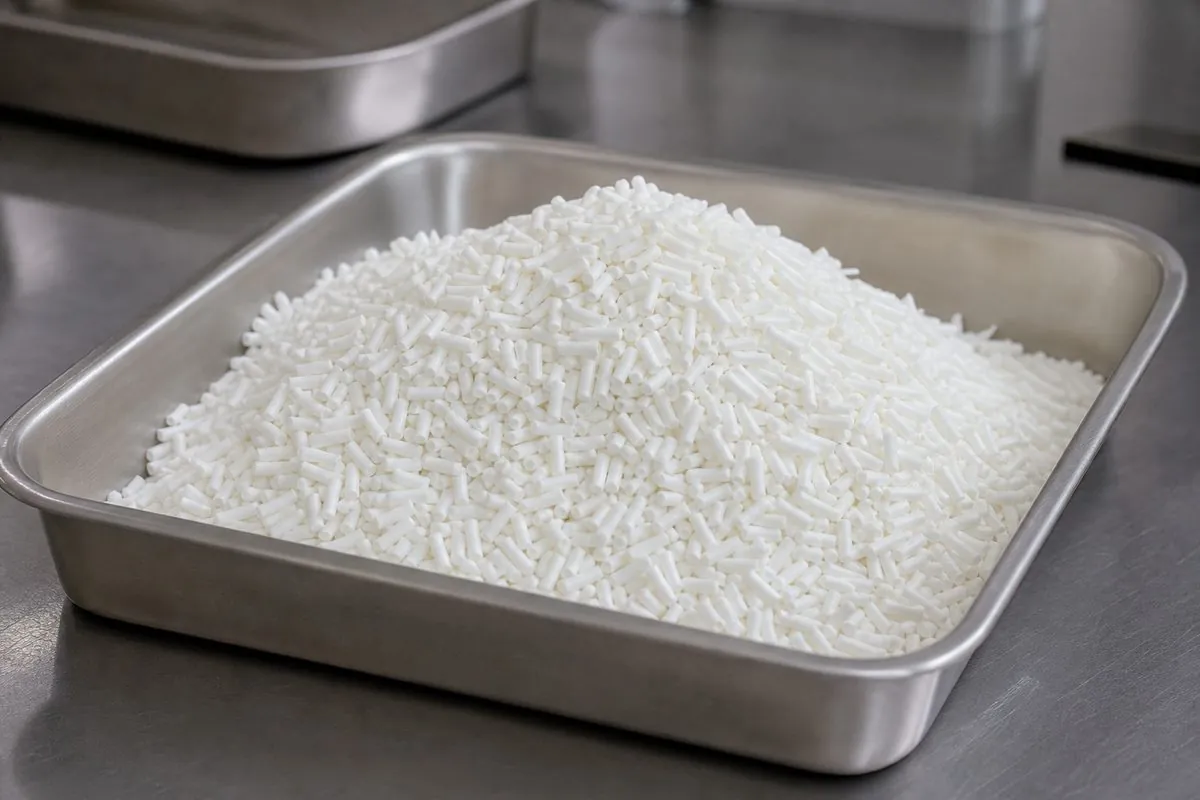
RSPO-certified palm-based soap noodles represent the sustainability tier of India's soap noodle export catalogue — mass-balance (MB) and segregated (SG) supply pathways with chain-of-custody documentation that multinational FMCG buyers require before approving vendor lists. These are not standard toilet-grade noodles with an RSPO label added; they are lot-specific products that require verified palm sourcing, accredited certification, and documentation that procurement teams can audit independently.
India's Vapi–Ankleshwar cluster produces RSPO palm soap noodles alongside commodity 80/20 toilet and 90/10 laundry lines, but the certification pathway, traceability protocols, and buyer segments for RSPO programmes are materially different from standard saponification production. WITS 2024 directional export value under HS 340120 was approximately US$6.8M and 4.7 kt — with RSPO and sustainability-led lines representing a growing share of margin even when volume share remains smaller than commodity laundry programmes.
For the complete export process behind certification claims, see How to Export Soap Noodles from India. For grade-level comparison across the full catalogue, see Top Soap Noodle Products Exported from India. This guide focuses specifically on RSPO MB/SG pathways, chain-of-custody requirements, buyer segments, and premium margin positioning for sustainable palm soap noodle exports from India.
Key Takeaways
Summary Box
Executive Summary
Summary Box
RSPO-certified palm soap noodles target FMCG buyers needing mass-balance or segregated chain-of-custody — a premium tier distinct from commodity 90/10 laundry supply.
Vapi–Ankleshwar processors can run RSPO MB/SG alongside standard toilet lines, but documentation and lot segregation requirements are materially stricter.
This guide covers certification pathways, buyer segments, premium positioning, and export document linkage for sustainable palm programmes.
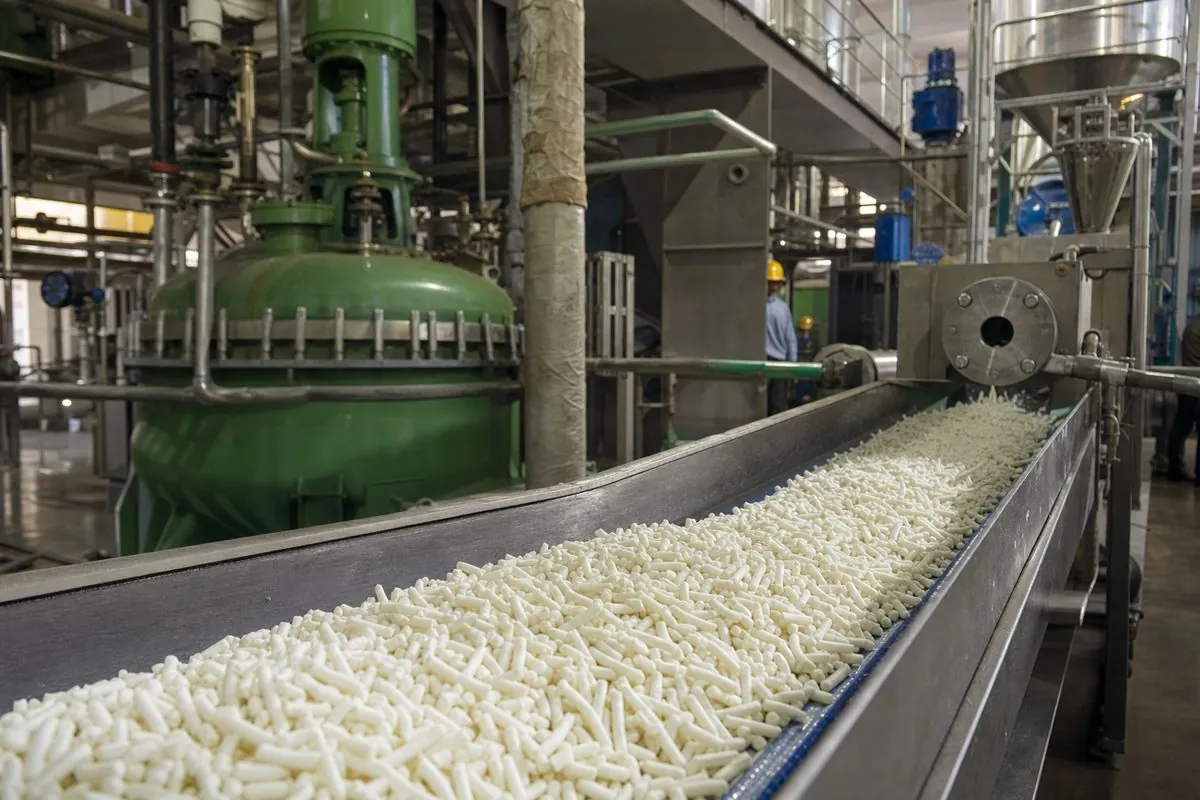
RSPO Certification: Sustainable Palm Pathway
RSPO certification for palm-based soap noodles verifies sustainable sourcing through mass-balance (MB) or segregated (SG) chain-of-custody models. Certification is programme-specific — an MB certificate for one palm supplier or fatty-acid blend does not transfer to a modified formulation without re-audit.
Indian manufacturers in the Vapi–Ankleshwar belt produce RSPO palm soap noodles alongside commodity toilet and laundry lines, but the traceability and documentation discipline required for certification is materially different from standard saponification production. Exporters should plan the certification timeline before marketing RSPO claims to multinational FMCG buyers.
RSPO supply models for soap noodle export
Swipe →
Data table — swipe horizontally on small screens
| Model | Traceability level | Typical buyer segment |
|---|---|---|
| RSPO MB (Mass Balance) | Mixed sustainable and conventional palm in supply chain | FMCG with public sustainability targets |
| RSPO SG (Segregated) | Dedicated sustainable palm throughout chain | Premium brands with strict ESG audit requirements |
| Non-RSPO commodity | Standard palm fatty-acid base | Economy soap plants and price-sensitive markets |
Manufacturing Overview
Export Tip
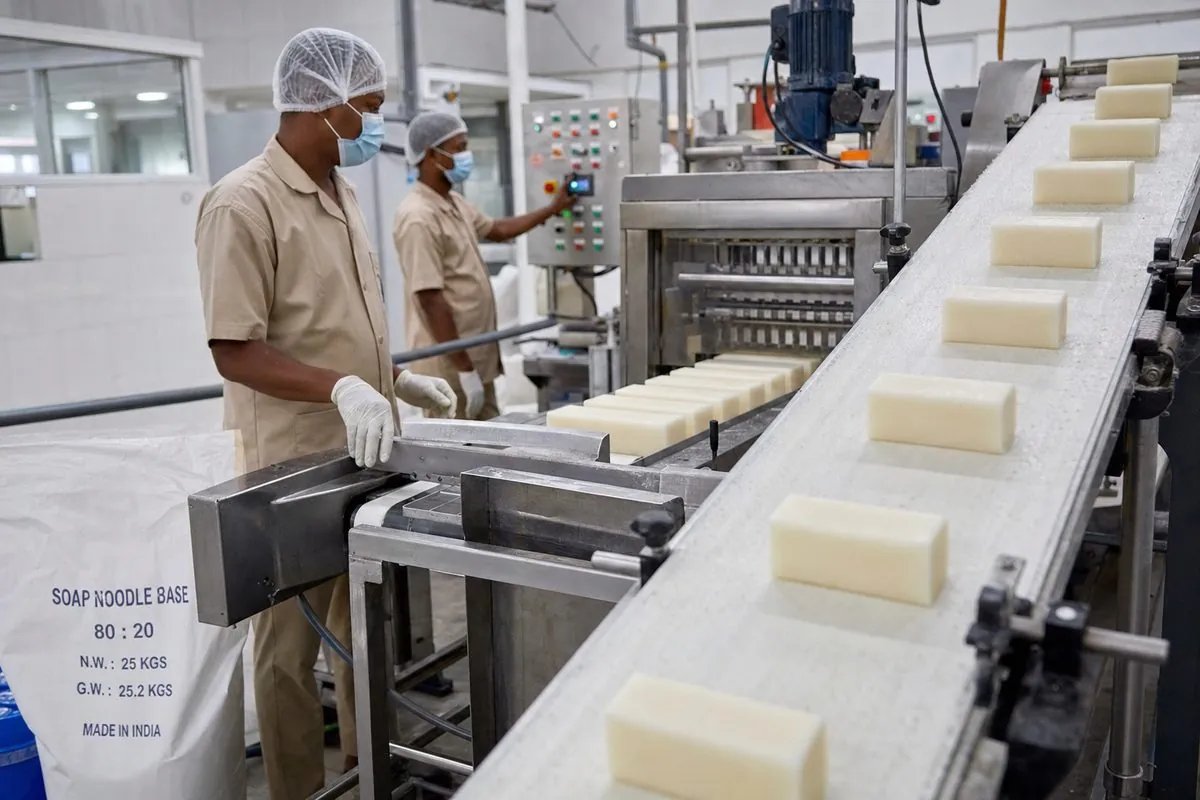
RSPO palm programmes require segregated or mass-balance extrusion runs — commodity and certified lines must not share bagging without traceability controls.
Manufacturing audit for RSPO focuses on palm feedstock receipt logs and lot segregation, not only certificate possession.
Premium FMCG buyers verify production traceability, not marketing brochures alone.
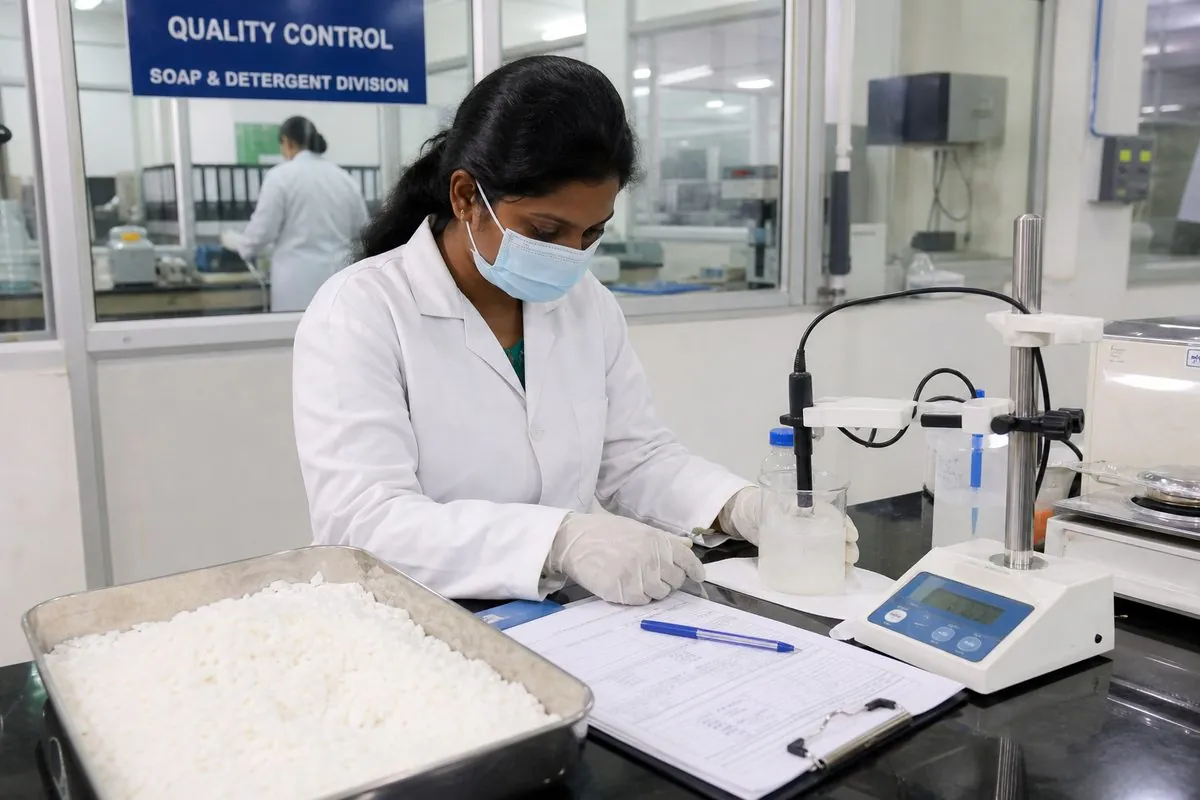
TFM & Quality Specification Reference
Use the matrix for RFQ and COA acceptance — confirm numeric bands on the mill COA for each lot.
Directional TFM, FFA, and moisture specifications by grade
Swipe →
Data table — swipe horizontally on small screens
| Grade | TFM (%) | FFA (max %) | Moisture (max %) | Notes |
|---|---|---|---|---|
| 80/20 toilet | 60–78 | 1.0 | 14 | Higher TFM commands premium; confirm lot COA |
| 90/10 laundry | 50–65 | 1.5 | 14 | Cost-effective base; wider FFA tolerance acceptable |
| Transparent | 65–72 | 0.5 | 12 | Tighter colour and odor specs; lower moisture target |
| RSPO palm toilet | 60–76 | 1.0 | 14 | RSPO MB/SG documentation alongside COA |
| Neem / medicated | 58–72 | 1.0 | 14 | Active content and odor per buyer formulation sheet |
Product Categories & Variants Overview
Summary Box
- 80/20 toilet — higher TFM FMCG and private-label toilet bars
- 90/10 laundry — cost-effective laundry and multi-purpose plants
- Transparent — clear-bar specialty formulations
- Palm RSPO — sustainability-led FMCG programmes
- Neem/medicated — regional hygiene programmes
RSPO palm programmes sit alongside commodity toilet and laundry grades in Indian mill catalogues — sustainability tiers require segregated or mass-balance extrusion, not a separate HS line.
Primary soap noodle product types exported from India
Swipe →
Data table — swipe horizontally on small screens
| Product Type | Typical TFM / Spec | Fatty-Aid Base | Primary Channel |
|---|---|---|---|
| 80/20 toilet soap noodles | TFM 60–78%; FFA <1% | Palm/coconut blend | FMCG toilet-bar and beauty-soap plants |
| 90/10 laundry soap noodles | TFM 50–65%; FFA <1.5% | Palm/tallow cost mix | Laundry, multi-purpose, and economy bar programmes |
| Transparent soap noodles | TFM 65–72%; low FFA | Specialty clear-bar blend | Premium transparent and glycerin-rich bars |
| Palm-based noodles (RSPO) | Grade-specific TFM bands | RSPO MB/SG palm stearin | Sustainability-led FMCG and multinational buyers |
| Tallow / blended bases | Buyer-specified iodine and FFA | Tallow, palm, coconut blends | Regional soap plants with legacy formulations |
| Neem / medicated bases | Standard toilet TFM with actives | Neem oil or medicated additive | Hygiene programmes, Ayurvedic and regional brands |
Certifications
Compliance Notes
RSPO MB/SG certificates accompany palm programmes; IEC/Chemexcil remain baseline export credentials.
Certifications relevant to soap noodle export
Swipe →
Data table — swipe horizontally on small screens
| Certification | Purpose | Relevant For |
|---|---|---|
| Certificate of Analysis (COA) | Lot-specific TFM, FFA, moisture, glycerin, color, odor | All commercial shipments — baseline buyer requirement |
| Chemexcil RCMC + IEC | Baseline export registration and council membership | All commercial soap noodle export shipments from India |
| ISO 9001 / GMP (producer) | Quality-system credibility at manufacturing site | FMCG and multinational soap-plant buyers |
| Halal / Kosher | Religious compliance for palm and tallow bases | Middle East, Malaysia, and faith-aligned FMCG programmes |
| RSPO MB / SG | Sustainable palm chain-of-custody | FMCG buyers with public sustainability commitments |
| Safety Data Sheet (SDS) | Chemical handling and downstream compliance | All shipments; EU/US importers require current SDS |
Pricing Analysis
Buyer Tip
RSPO MB/SG palm noodles carry premium bands over commodity laundry — model sustainability and Halal stacks separately from 90/10 baseline.
Directional FOB USD/MT pricing bands by soap noodle grade
Swipe →
Data table — swipe horizontally on small screens
| Grade / Base | Directional FOB USD/MT | Notes |
|---|---|---|
| 80/20 toilet soap noodles | ~900–1,150 | Higher TFM toilet-grade base; palm/coconut fatty-acid mix drives spread |
| 90/10 laundry soap noodles | ~800–1,000 | Cost-effective laundry and multi-purpose base; largest volume share |
| Transparent soap noodles | ~1,050–1,350 | Specialty clear-bar formulations; tighter FFA and colour specs |
| RSPO MB palm-based noodles | ~950–1,250 | Sustainability premium; mass-balance chain-of-custody documentation |
MOQ Analysis
Buyer Tip
MOQ tiers for rspo programmes scale from trial parcels to monthly FCL — confirm bag format stow with forwarder before buyer MT commitment.
Directional MOQ tiers by transaction stage
Swipe →
Data table — swipe horizontally on small screens
| Stage | Typical MOQ | Purpose |
|---|---|---|
| Trial order | 5–10 MT | Buyer grade evaluation, COA verification, and repacking trials |
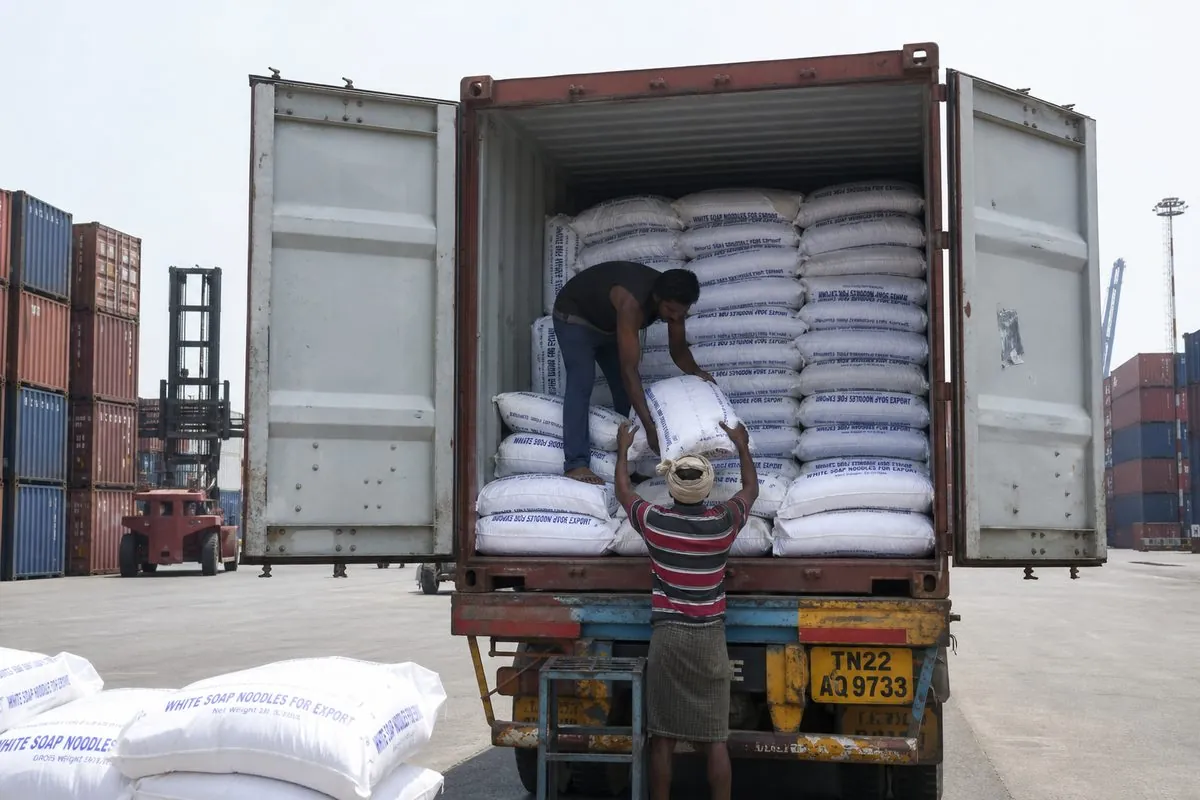
| Standard FCL | 20–25 MT (20ft FCL) | First commercial shipment; verify bag stow and payload with CHA |
| Programme contract | 50–500+ MT/month | Established soap-plant and distributor repeat programmes |
Packaging Standards
Export Tip
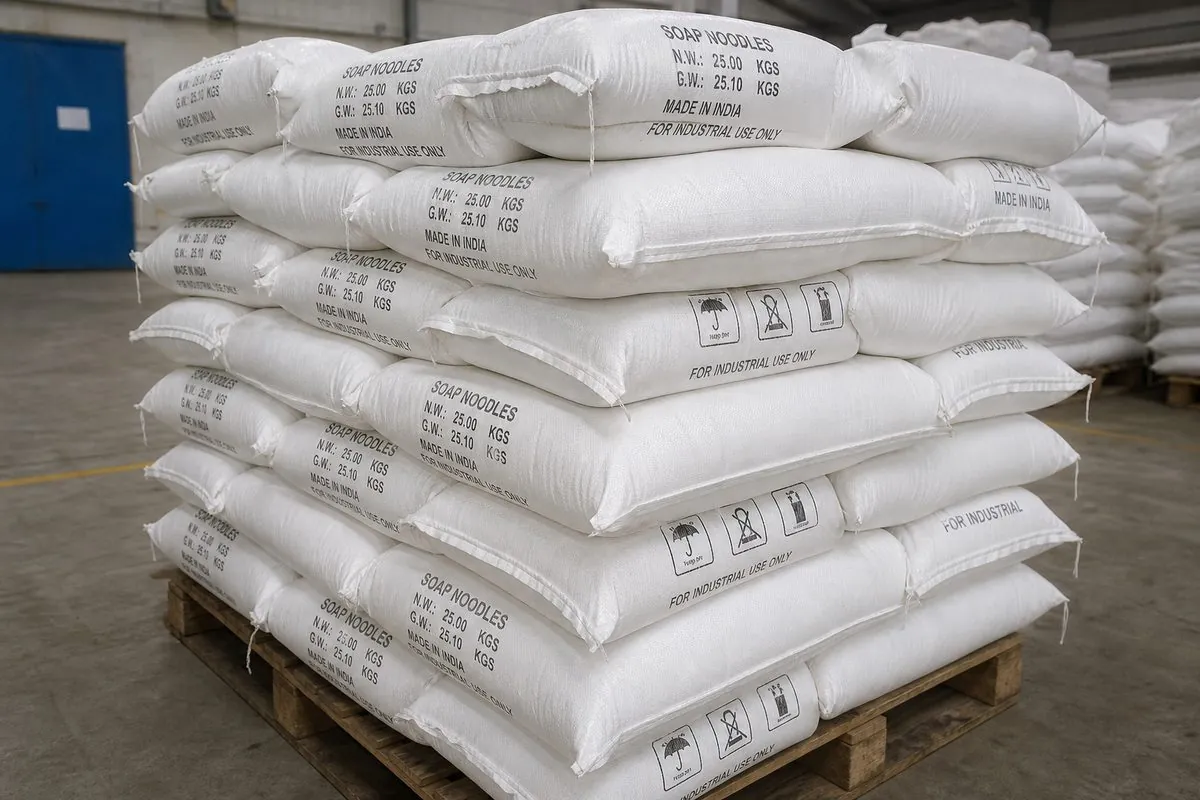
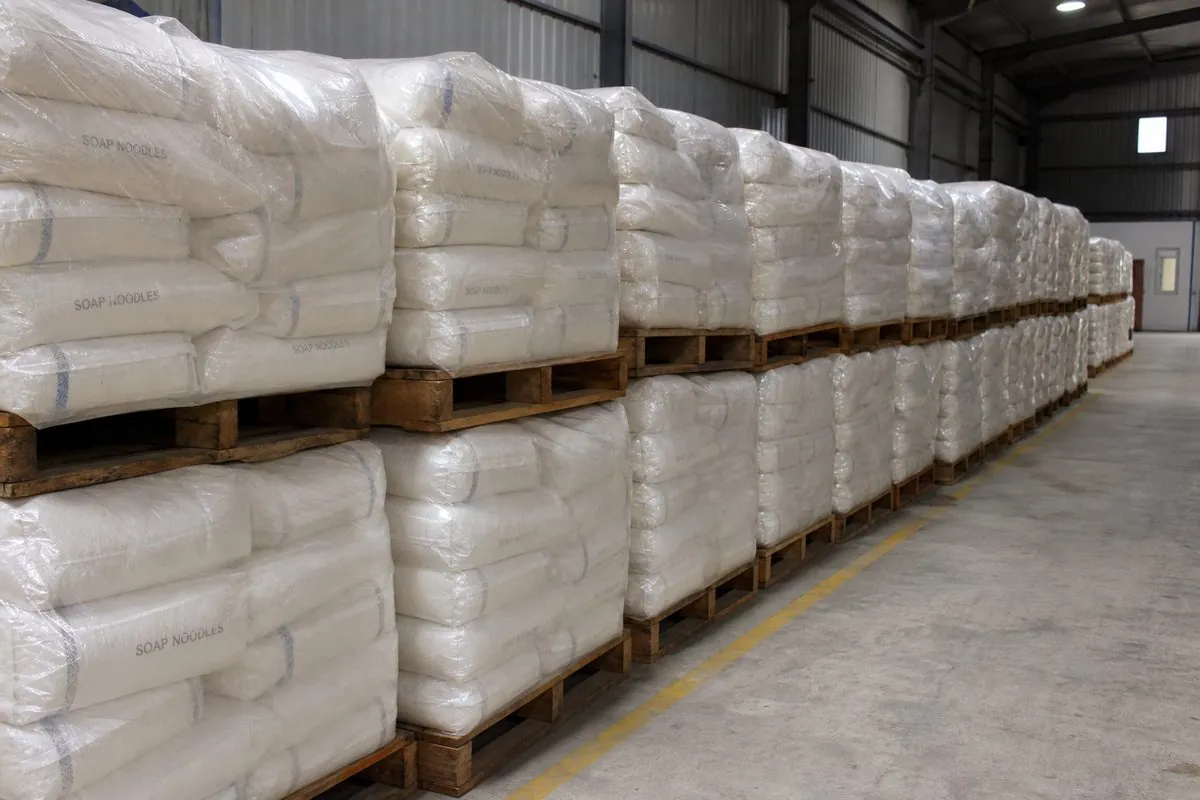
For rspo programmes, standard export packs remain 25 kg PP/HDPE-lined bags or 500–1,000 kg FIBC — lot marks must match COA and packing list before CHA filing.
Packaging formats and specifications for soap noodle export
Swipe →
Data table — swipe horizontally on small screens
| Format | Typical Configuration | Use Case | Key Requirement |
|---|---|---|---|
| 25 kg woven PP bags | HDPE-lined, palletised | Standard export and FCL loading | Lot/batch ID, TFM grade, net weight, origin marking |
| 500 kg FIBC | Flexible intermediate bulk container | Mid-volume soap plants with bulk handling | Moisture barrier, lifting loops, fumigation when required |
| 1,000 kg FIBC | Jumbo bulk bags | Large soap plants and tolling programmes | Stacking pattern and payload confirmation before booking |
| Moisture protection | Sealed liners, dry warehouse staging | All ocean shipments | Avoid condensation damage during transit and discharge |
Buyer Requirements
Buyer Requirements
Buyers in rspo programmes request samples, written TFM/FFA/moisture spec, lot COA, SDS, FOB pricing, and Chemexcil/IEC proof — FMCG adds RSPO/Halal where applicable.

Import Statistics
Key Statistics
Much of India's HS 340120 import volume is Indonesian and Malaysian palm-based supply — RSPO Indian export programmes compete on traceability and audit-ready documentation.
Global palm soap-base trade flows through HS 340120 — RSPO MB/SG is how Indian exporters differentiate within that statistical line.
Directional import demand profile by destination market
Swipe →
Data table — swipe horizontally on small screens
| Market | Directional Demand Profile | Primary Buyer Type |
|---|---|---|
| Indonesia | Large FMCG and local soap-plant demand for toilet-grade noodles | Soap manufacturers, oleochemical distributors, private-label FMCG |
| Philippines | Strong laundry and multi-purpose soap base demand | Soap plants, wholesale chemical distributors, hygiene programmes |
| Africa (Kenya, Tanzania, Nigeria) | Toilet and laundry noodles for greenfield and expanding soap plants | Soap factories, NGO hygiene programmes, regional distributors |
| Nepal | Land-corridor South Asian demand for cost-effective soap base | Soap manufacturers, border traders, FMCG repackers |
| Bangladesh | High-volume laundry and toilet base via short-sea and land routes | Soap plants, trading houses, private-label bar-soap programmes |
| UAE | Re-export hub and local FMCG plant demand for palm-based noodles | Wholesale distributors, Gulf FMCG plants, re-export traders |
| Vietnam | Growing ASEAN soap-plant capacity sourcing Indian base | Soap manufacturers, chemical importers, contract manufacturers |
Future Market Trends
Key Statistics
Retail ESG commitments increase RSPO MB/SG RFQs — sustainability tiers grow faster than commodity laundry volume in audited buyer segments.
EU and US due-diligence rules on palm supply chains reinforce certificate-backed programmes over marketing-only claims.
Compliance Checklist
Checklist
Compliance Notes
Sources
- WITS / UN Comtrade — India exports HS 340120 by partner, 2024
- WITS / UN Comtrade — India imports HS 340120 by partner, 2024
- WITS / UN Comtrade — Indonesia exports HS 340120, 2024
- WITS / UN Comtrade — Malaysia exports HS 340120, 2024
- UN Comtrade Database
- ITC Trade Map
- DGFT (India) — IEC / trade portal
- ICEGATE — Indian Customs EDI
- India CBIC / Customs Tariff — Chapter 34 Soap
- Chemexcil India — Basic Chemicals, Cosmetics & Dyes EPC
- RSPO — Roundtable on Sustainable Palm Oil
- USITC Harmonized Tariff Schedule (search 3401)
- European Commission TARIC
- ICC Incoterms
- Altus Exports — Contact
All sources accessed 2026-07-27. Prefer primary government, council, and multilateral trade databases when citing figures in contracts or buyer presentations.
RSPO certificate scope and EU due-diligence rules evolve — verify current RSPO and buyer audit requirements before sustainability claims.
Conclusion
RSPO palm soap noodle exports succeed on traceability discipline — certificate scope, lot segregation, and COA linkage matter as much as TFM chemistry for FMCG approval.
Altus Exports coordinates RSPO MB/SG programmes with export documentation — contact us for sustainability-led buyer RFQs.
See How To Export Soap Noodles From India and Top Soap Noodle Products Exported From India for operational and grade context.