
EEPC Registration Benefits for Aluminium Billet Exporters
By Saurabh Mittal, Founder, Altus Exports
Why EEPC India RCMC registration matters for aluminium billet exporters under HS 76011020 and 76012020 — application steps, extruder buyer credibility signals, trade-fair access, and how council membership fits alongside IEC and GST for aluminium extrusion billet export programmes.
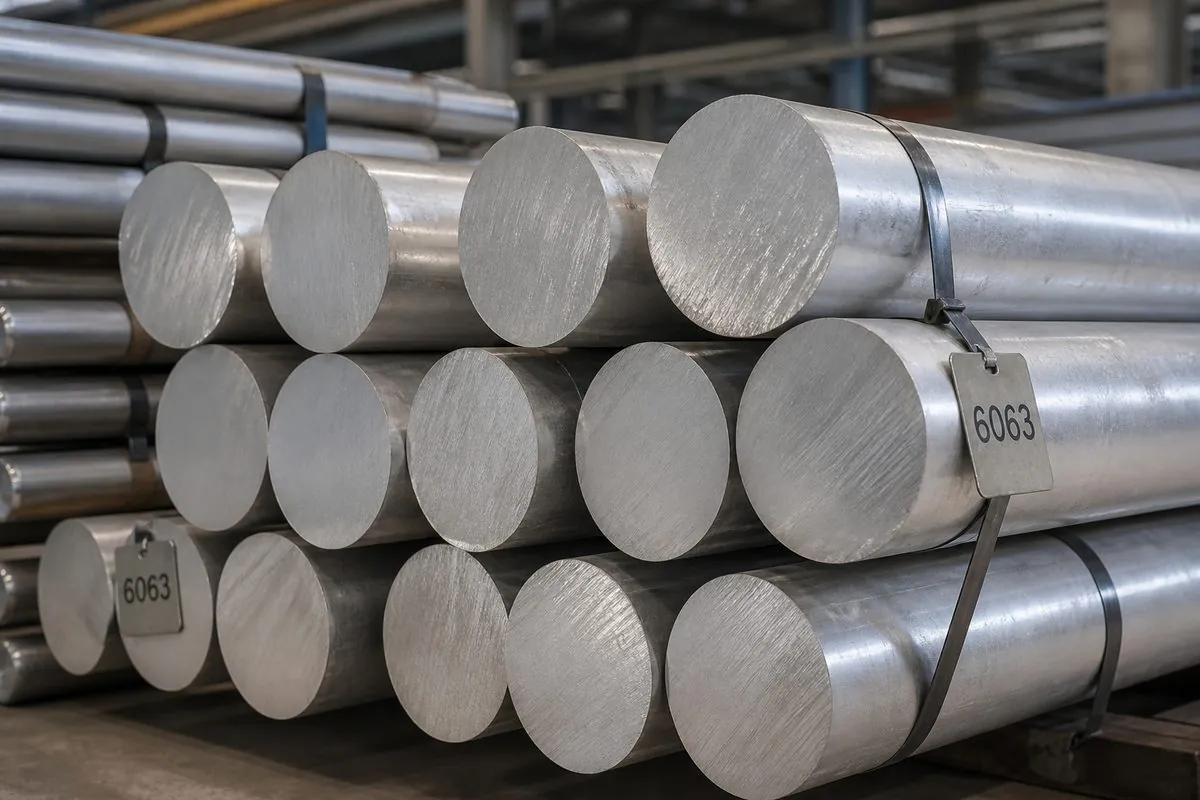
EEPC India registration is the credential that separates organised aluminium billet exporters from ad-hoc traders in the eyes of international extruder buyers — and in practice, it unlocks council-backed trade fairs, buyer directories, and market intelligence that materially accelerate export programme development. For aluminium extrusion billets classified under India HS 76011020 and 76012020, EEPC India's RCMC sits alongside the Import Export Code as the baseline export readiness stack that architectural fabricator and profile mill procurement teams check before issuing purchase orders.
This guide explains what EEPC India registration actually delivers for aluminium extrusion billet exporters: extruder buyer credibility signals, access to engineering, aluminium, and non-ferrous metal trade events, RCMC renewal discipline, and how council membership fits alongside GST and IEC for a compliant billet export operating system. Directional WITS / UN Comtrade 2024 shows India's parent HS 760120 exports (alloyed unwrought, covering alloy ingots plus billets plus wire) at ~US$1.25B / ~0.60 Mt and parent HS 760110 (not-alloyed unwrought) at ~US$3.50B / ~1.41 Mt — basket totals inside which the India 76011020 and 76012020 billet sublines sit. Council-backed extruder buyer introductions and fair access can meaningfully shorten the sales cycle for new billet exporters entering Americas, East Asian, and European markets.
For the complete export process that RCMC supports, see How to Export Aluminium Billets from India. For documentation that extruder buyers expect alongside RCMC proof, see Aluminium Billet Export Documentation Checklist. Altus Exports operates as a registered merchant exporter coordinating aluminium extrusion billet shipments for both Indian cast-houses and international extruders.
Key Takeaways
Summary Box
Executive Summary
Summary Box
- EEPC India RCMC is Chapter 76 credibility — not a chemistry certificate.
- Align product list to 76011020 / 76012020 billet sublines you actually ship.
- Use council meets to open corridors; still quote dated LME ± billet premium FOB.
- Keep membership current through architectural fabricator and OEM structural tender cycles.
- Pair RCMC with IEC + GST + AD code on one legal entity.
EEPC India RCMC is the council credential aluminium extrusion billet exporters use alongside IEC to pass extruder and architectural fabricator buyer KYC, access engineering and aluminium trade fairs, and signal sector registration under Chapter 76 billet sublines 76011020 and 76012020.
RCMC supports export promotion — it does not certify product quality; lot MTC + homogenization chart remains the chemistry and thermal-cycle proof on every shipment filed under India 76011020 (not-alloyed billets) and 76012020 (6xxx alloy billets). Sibling ingot sublines 76011010 / 76012010 sit adjacent and are not the billet filing focus.
This guide maps EEPC application steps, renewal discipline, extruder buyer credibility signals, fair access, and how council membership fits alongside GST and IEC for a compliant billet export operating system.
Market Size & Industry Overview
Key Statistics
- EEPC Chapter 76 billet programmes sit on the same Odisha–Chhattisgarh–Gujarat supply map.
- Council messaging should name clusters extruder buyers can visit or audit remotely.
- RCMC-backed exporters still need a cast-house that can produce the alloy they promote.
- Pair membership outreach with a clear manufacturing origin story per SKU.
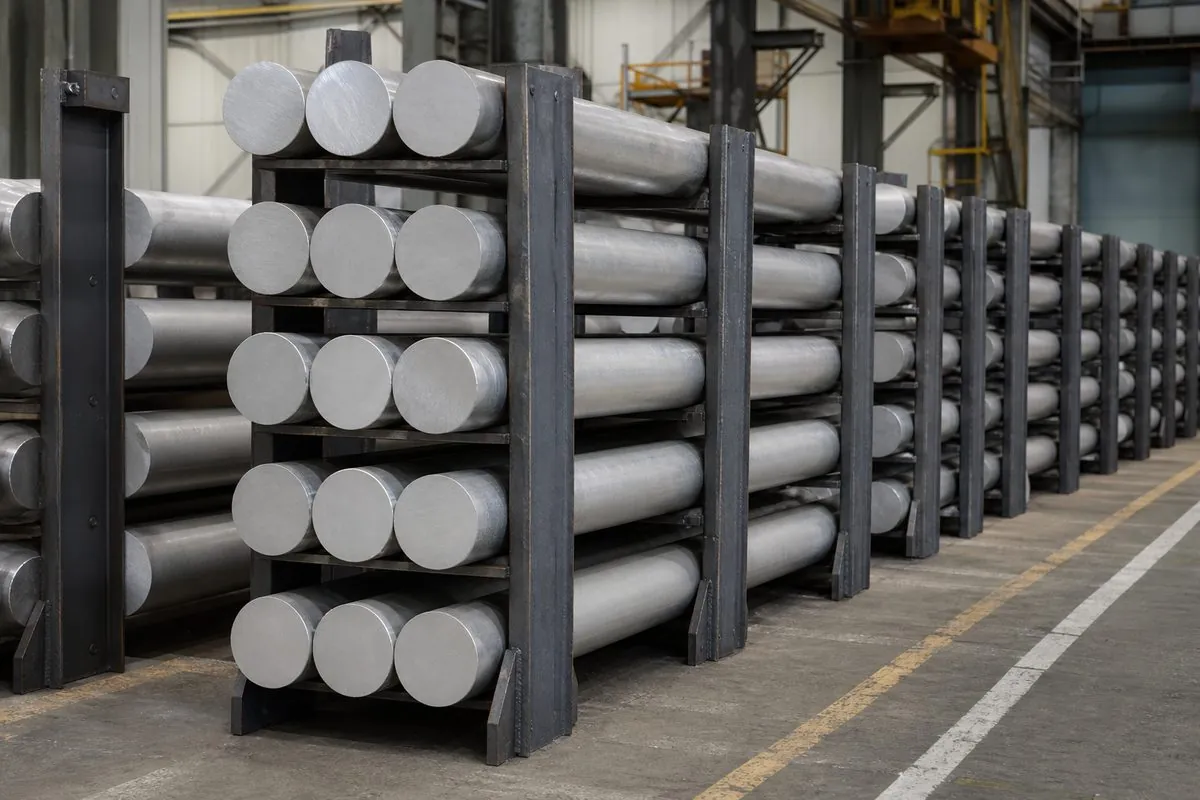
EEPC India covers Chapter 76 aluminium exports under its engineering-goods lens — including billet sublines 76011020 (not-alloyed) and 76012020 (6xxx alloy). Council-backed exporters can access engineering and aluminium trade fairs, buyer directories, and market intelligence that materially shorten the sales cycle for new aluminium billet export programmes.
Most active Indian aluminium billet exporters hold EEPC RCMC alongside IEC as the baseline export readiness stack; architectural fabricator and OEM structural extruder procurement teams routinely check both credentials before issuing purchase orders.
Membership does not replace MTC + homogenization records — it authenticates the exporter organisation and unlocks council facilitation.
EEPC Registration Step-by-Step
Export Tip
EEPC India registration for aluminium extrusion billet exporters under HS 7601 billet sublines follows the standard engineering-goods RCMC process: apply with IEC, GST, bank details, and product scope declaration covering Chapter 76 aluminium (India 76011020 not-alloyed billets and 76012020 6xxx alloy billets). Once active, RCMC unlocks council-backed engineering and aluminium trade fairs, extruder buyer directories, market intelligence briefings, and the credibility signal that international architectural fabricator, structural extruder, profile mill, and distributor procurement teams check before issuing volume purchase orders.
Periodic RCMC renewal is non-negotiable — lapsed membership blocks fair access during peak export season and creates awkward mid-negotiation credibility gaps when extruder buyers request current proof. Treat renewal as a calendar event tied to your production season, not an administrative afterthought.
EEPC India benefits mapped to aluminium extrusion billet export activities
Swipe →
Data table — swipe horizontally on small screens
| Benefit | What it delivers | Aluminium billet export relevance |
|---|---|---|
| RCMC credential | Proof of council membership | Baseline extruder buyer due-diligence requirement |
| Trade fair access | EEPC-backed engineering and aluminium exhibitions | Direct extruder buyer meetings for Indian DC-cast houses, merchant cast-house consolidators, and export houses |
| Buyer directories | Council-maintained importer lists | Prospecting starting point under parent HS 760110 / India 76011020 and parent HS 760120 / India 76012020 |
| Market intelligence | Sector export briefs and trend data | Capacity planning and destination prioritisation for extrusion billet corridors |
| Policy advocacy | Sector representation to government | HS classification and export policy updates for Chapter 76 billet sublines |
| DGFT scheme alignment | RoDTEP and similar scheme eligibility linkage | Post-shipment benefits available to compliant RCMC billet exporters |
HS Classification & Trade Notes
Compliance Notes
EEPC RCMC product scope should align with 7601 billet filings across not-alloyed billets (76011020) and 6xxx alloy billets (76012020) — council records support KYC; CHA confirms shipping-bill billet line.
HS classification reference for Indian aluminium extrusion billet exports
Swipe →
Data table — swipe horizontally on small screens
| HS Heading | Scope | Filing Note |
|---|---|---|
| 7601.10 (international) | Aluminium, not alloyed | Parent heading covering all not-alloyed unwrought forms including billets |
| 76011020 (India) | Not-alloyed aluminium billets | PRIMARY billet-line filing for not-alloyed billets — confirm with CHA |
| 76011010 (India) | Not-alloyed aluminium ingots | Sibling ingot line — not the billet filing focus (brief contrast only) |
| 76011030 / 76011040 / 76011090 (India) | Not-alloyed aluminium wire bars / wire rods / other unwrought | Adjacent not-alloyed cast forms — not the billet filing |
| 7601.20 (international) | Aluminium alloys, unwrought | Parent heading covering all alloy unwrought forms including 6xxx billets |
| 76012020 (India) | Alloy aluminium billets | PRIMARY billet-line filing for 6063 / 6061 / 6082 / 6005 and other 6xxx alloy billets |
| 76012010 (India) | Alloy aluminium ingots | Sibling ingot line — not the billet filing focus (brief contrast only) |
| 76012030 / 76012040 / 76012090 (India) | Alloy aluminium wire bars / wire rods / other unwrought | Adjacent alloy cast forms — not the billet filing |
| 7602 / 76020010 / 76020090 | Aluminium waste and scrap | Contrast line — not primary for unwrought billets; recycling feedstock only |
Export Statistics
Key Statistics
- EEPC Chapter 76 messaging should cite parent HS anchors with an explicit billet-subline caveat.
- Council leads still need DGCI&S billet extracts before promising corridor tonnage.
- Align RCMC product lists to the billet lines behind the export stats you quote.
- Use Mexico / Korea partner ranks in fair briefs — label them parent HS, not billet-only.
EEPC members exporting under HS 7601 billet sublines should align RCMC product scope with India 76011020 (not-alloyed billets) and 76012020 (6xxx alloy billets) filings — council records support KYC; CHA confirms the eight-digit shipping-bill billet line.
Directional WITS / UN Comtrade 2024 India parent HS 760110 exports were ~US$3.50B / ~1.41 Mt (not-alloyed unwrought parent) and parent HS 760120 ~US$1.25B / ~0.60 Mt (alloyed unwrought parent) — basket inside which billet sublines sit. Council programmes help new exporters access extruder buyers alongside alloy and homogenization discipline on every lot.
India aluminium billet trade profile (WITS 2024 parent HS 760110 not-alloyed / HS 760120 alloy — directional context; billet sublines 76011020 / 76012020 sit inside)
Swipe →
Data table — swipe horizontally on small screens
| Metric | Directional Estimate | Notes |
|---|---|---|
| Primary DC-cast corridors | Odisha (NALCO Angul, Vedanta Jharsuguda), Chhattisgarh (BALCO) | Large-scale primary aluminium capacity feeding DC-cast extrusion billet supply |
| Supporting clusters | Hindalco / Aditya Birla extrusion billet programmes; Gujarat and Maharashtra merchant cast-house consolidation; secondary-to-billet corridors | Downstream cast-house discipline and merchant-consolidation billet capacity |
| Applicable HS lines | EEPC RCMC covers Chapter 76 filings including billet sublines 76011020 and 76012020; keep council product list aligned to the billet HS lines you actually ship | Confirm eight-digit billet line with CHA before shipping-bill filing |
| Governing trade council | EEPC India (Engineering Export Promotion Council) | RCMC alongside IEC for Chapter 76 billet export credibility |
| 2024 India HS 760110 exports (parent, not-alloyed unwrought) | ~US$3.50B / ~1.41 Mt | US$3,503,308.31K / 1,409,040,000 kg — WITS / UN Comtrade 2024; PARENT heading covers ingots plus billets plus wire bars plus wire rods plus other cast forms — not-alloyed BILLET-only tonnage (India 76011020) is a subline inside this total |
| 2024 India HS 760110 imports (parent, not-alloyed unwrought) | ~US$225.4M | US$225,428.14K — WITS / UN Comtrade 2024; top origins Oman, Russia, Qatar, UAE, Bahrain — parent context, not billet-only |
| 2024 India HS 760120 exports (parent, alloyed unwrought) | ~US$1.25B / ~0.60 Mt | US$1,250,017.72K / 604,281,000 kg — WITS / UN Comtrade 2024; PARENT heading covers alloy ingots plus billets plus wire bars plus wire rods plus other cast forms — 6xxx alloy BILLET-only tonnage (India 76012020) is a subline inside this total |
| 2024 India HS 760120 imports (parent, alloyed unwrought) | ~US$833.8M / ~0.32 Mt | US$833,810.58K / 322,392,000 kg — WITS / UN Comtrade 2024; top origins Malaysia, Qatar, Bahrain, UAE, Russia — parent context, not billet-only |
| Billet-only eight-digit tonnage | India 76011020 and 76012020 — DGCI&S / ICEGATE extract required | WITS does not publish at the Indian eight-digit level; use paid customs extracts or DGCI&S / TRADESTAT for actual billet-only volume |
| Leading parent HS 760120 alloy destinations | Mexico ~US$154.7M, Brazil ~US$122.2M, Korea Rep. ~US$85.1M, United States ~US$78.2M, Turkey ~US$75.7M, Japan, Spain, Taiwan (Other Asia nes), Canada, Italy | Directional planning — 6xxx alloy billets sit inside this parent heading alongside alloy ingots |
| Leading parent HS 760110 not-alloyed destinations | Korea Rep. ~US$592.0M, Malaysia ~US$494.8M, Turkey ~US$421.6M, China ~US$266.0M, Japan ~US$253.6M | Directional planning — not-alloyed billets sit inside this parent heading alongside not-alloyed ingots and wire |
| Dominant export billet SKUs | 6063 architectural + 6061 / 6082 structural + 6005 / 6005A medium-strength + not-alloyed billets (DC-cast, homogenized to buyer press window) | Alloy chemistry, diameter, length, and homogenization determine extruder buyer channel fit |
Import Statistics
Key Statistics
- Council market briefs should pair Indian export anchors with destination import buyer types.
- RCMC outreach improves when members name the extruder desk behind the import cell.
- Keep India import figures as competitive context, not as a reason to skip MTC discipline.
- Align fair invitations to corridors with clear architectural or structural import pull.
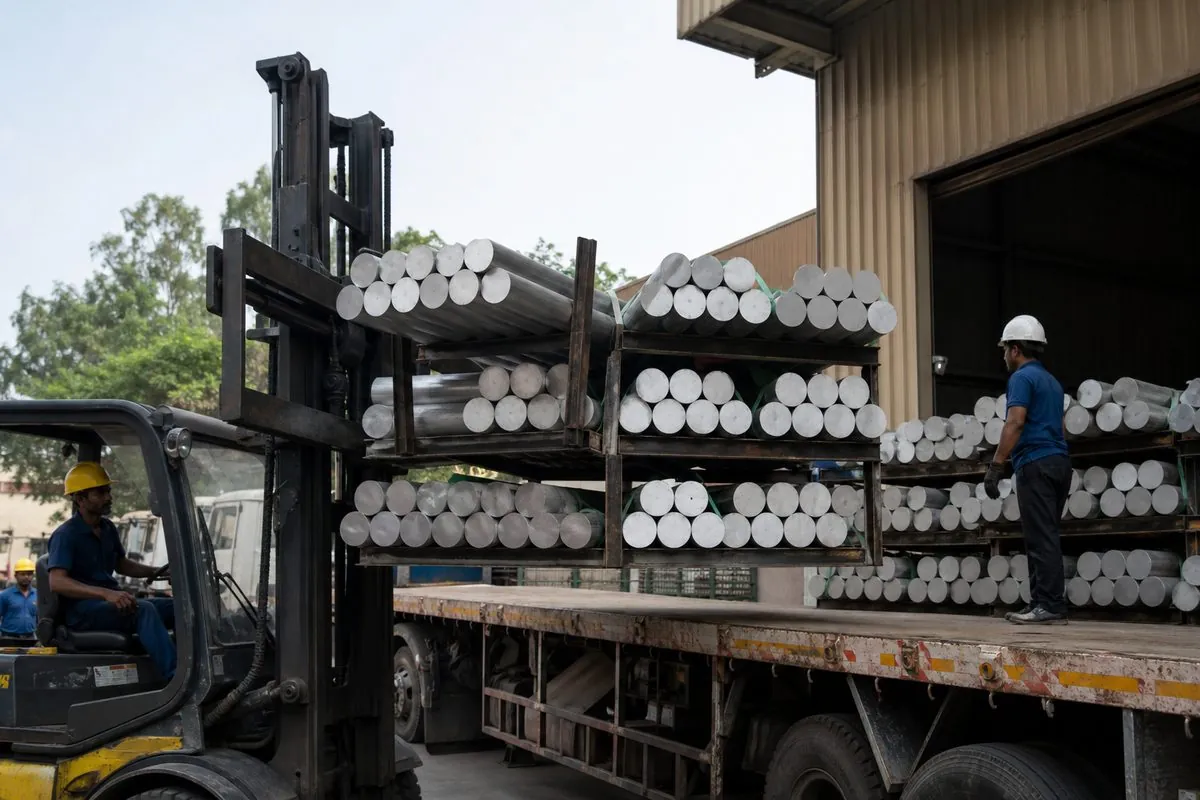
Council members should note destination demand splits — Korean and Japanese OEM-linked extruders, Malaysian and Vietnamese architectural and distributor programmes, Turkish structural profile mills, and Mexican and Brazilian architectural fabricators each apply different KYC and audit requirements against the same RCMC baseline.
Directional import demand profile for Indian aluminium billets by destination market
Swipe →
Data table — swipe horizontally on small screens
| Market | Directional Demand Profile | Primary Buyer Type |
|---|---|---|
| Mexico | 6063 architectural + 6061 / 6082 structural extrusion offtake tied to nearshoring investment in profile mills | Extruders, architectural fabricators, transport-profile mills |
| Brazil | 6063 architectural fenestration + 6082 structural extrusion demand | Architectural extruders, fenestration fabricators, distributors |
| South Korea | 6082 / 6061 high-spec extrusion + 6063 architectural + rolling-adjacent extrusion feed | High-spec extruders, profile mills, architectural fabricators |
| United States | 6063 architectural + 6061 / 6082 structural extrusion offtake; Section 232 aware landed-cost planning | Extruders, architectural fabricators, transport-profile mills |
| Turkey | 6063 architectural + 6082 structural extrusion demand for fenestration and industrial profiles | Extruders, architectural fabricators, structural profile mills |
| Japan | 6082 / 6061 high-spec extrusion for transport and industrial profiles; tight impurity and homogenization ceilings | OEM-linked extruders, structural profile mills |
| Malaysia | 6063 architectural extrusion and distributor demand across Southeast Asia | Extruders, distributors, regional profile mills |
| Vietnam | Expanding architectural extrusion and structural profile mill capacity pulling 6063 and 6082 billets | Extruders, architectural fabricators, distributors |
Product Categories / Variants
Summary Box
- EEPC product lists should name 76011020 / 76012020 billet alloys you can ship.
- Council extruder buyers still expect separate cards for not-alloyed vs 6xxx alloy.
- Do not list architectural anodizing-quality unless homogenization evidence is real.
- Keep as-cast clearly labelled so KYC matches the chemistry story.
EEPC-registered exporters should keep alloy-specific MTC + homogenization templates alongside RCMC and IEC — council credentials do not describe chemistry.
Primary aluminium extrusion billet product types exported from India
Swipe →
Data table — swipe horizontally on small screens
| Product Type | Typical Chemistry / Spec | HS (India) | Primary Channel |
|---|---|---|---|
| 6063 architectural extrusion billet | Mg-Si alloy per EN 573-3 / AA 6063 registered designation; homogenized DC-cast for anodizing-quality architectural profiles | 76012020 | Architectural extruders, fenestration fabricators, heat-sink and general profile mills |
| 6061 structural extrusion billet | Mg-Si-Cu alloy per EN 573-3 / AA 6061 registered designation; homogenized DC-cast for structural and transport profiles | 76012020 | Transport, defence, marine, and general structural extruders |
| 6082 structural extrusion billet | Mg-Si-Mn medium-to-high strength alloy per EN 573-3 / AA 6082 registered designation; homogenized DC-cast for tolerance-critical profiles | 76012020 | EU and Asia Pacific structural extruders and profile mills |
| 6005 / 6005A medium-strength extrusion billet | Mg-Si medium-strength alloy family per EN 573-3 / AA (confirm 6005 vs 6005A); homogenized DC-cast to buyer press window | 76012020 | Transport, rail, and industrial extruders |
| Not-alloyed extrusion billet | Primary or remelt-cast unalloyed billet chemistry; buyer alloys or homogenizes downstream at their own cast-house | 76011020 | Downstream cast-houses, primary-line distributors, cost-led extruders |
| Custom Mg-Si extrusion chemistry | Buyer-specific 6xxx chemistry window beyond published AA / EN registers; homogenized to buyer press cycle | 76012020 | OEM structural, architectural anodizing-quality, and specialty extrusion programmes |
Manufacturing Overview
Export Tip
EEPC-registered exporters typically source from the Odisha–Chhattisgarh primary aluminium spine plus Hindalco DC-cast billet programmes and Gujarat / Maharashtra merchant cast-house consolidation — RCMC credentials the export house, while cast-house MTC + homogenization chart credentials the billet lot.
Council membership does not inspect production lines; extruder buyers still audit Mg-Si chemistry and homogenization ceilings on every billet shipment.
Pair RCMC with cast-house visit or third-party audit when architectural fabricator or OEM structural extruder buyers require vendor approval beyond paperwork.
Saurabh Mittal, our Founder at Altus Exports, has a simple test he uses for new export houses. If they can explain how their cast-house produces 6063 architectural versus how they run a 6082 structural homogenized programme, they are ready for architectural fabricator and OEM structural conversations. If they cannot, RCMC alone will not save the deal — the extruder buyer will find out on the first sample slug.
Saurabh also reminds our team that RCMC is a signal, not a guarantee. Extruder buyers respect the credential because it shows the exporter is serious enough to file the paperwork every year. The Mg-Si chemistry on the MTC and the soak / cool / quench data on the homogenization chart still have to earn the second order on their own, and no council membership can rescue a billet lot that does not match the sample.
Certifications
Compliance Notes
- RCMC is the council credential — pair it with IEC on one legal entity.
- Remind members that RCMC ≠ chemistry certificate.
- Fair KYC packs: RCMC + IEC + redacted MTC page as the minimum trio.
- Keep membership current through tender cycles that ask for council proof.
EEPC RCMC and IEC are baseline; lot MTC + homogenization chart universal; extruder OEM / ISO 9001 layers apply by buyer audit stack.
Certifications and documents relevant to aluminium extrusion billet export
Swipe →
Data table — swipe horizontally on small screens
| Certification / Document | Purpose | Relevant For |
|---|---|---|
| Mill Test Certificate (MTC) with homogenization data | Lot-specific alloy chemistry (Mg, Si, Fe, Cu, Mn, others as required), diameter, length, heat identity, and homogenization soak / cool / quench record | All commercial aluminium extrusion billet shipments — baseline extruder buyer requirement |
| EEPC RCMC + IEC | Baseline export registration and council membership for Chapter 76 billet sublines 76011020 and 76012020 | All commercial aluminium extrusion billet export shipments from India |
| ISO 9001 (cast-house / exporter) | Quality-system credibility at DC-casting, homogenization furnace, and export site | Architectural fabricator, OEM structural extrusion, and multinational distributor buyers |
| Homogenization furnace chart / temperature log | Documented time-temperature record of soak / cool / quench cycle per billet lot | Homogenized DC-cast 6xxx-series extrusion billet export programmes |
| Third-party assay + homogenization audit (SGS / Bureau Veritas / Intertek) | Independent lot chemistry, diameter, length, and homogenization verification | Architectural anodizing-quality, OEM structural, or LC-backed extrusion programmes |
| Extruder / architectural fabricator quality pack (PPAP-style) | OEM approval of alloy chemistry, homogenization, diameter, length, cradle format, and traceability | Direct architectural fabricator and OEM structural extrusion programmes |
| Certificate of Origin | Country of manufacture; FTA claims where applicable to billet sublines | Destination customs and FTA duty programmes for extrusion billet lots |
| Destination metal standard declarations | Conformance to destination aluminium alloy standards (EN 573-3, AA registered 6063/6061/6082/6005 designations, JIS H 4100 profile alloy references) | Extruder buyers requiring formal alloy standard cross-reference |
Buyer Requirements
Buyer Requirements
- Extruder buyers may ask for EEPC RCMC + IEC as KYC — keep PDFs ready.
- RCMC does not replace lot MTC + homogenization chart or chemistry ceilings.
- Council-introduced buyers still require named FOB port and trial MOQ.
- OEM structural extruders may add PPAP-style fields beyond council baselines.
- Keep product-list HS codes aligned with what you quote.
Extruder buyers in eepc programmes request sample slugs, written Mg-Si + Fe / Cu / Mn spec, homogenization chart, lot MTC, LME-linked FOB pricing, and EEPC / IEC proof — architectural fabricators and OEM structural extruders add homogenization audit evidence or PPAP-style approval where applicable.
Pricing Analysis
Buyer Tip
- Council leads still need dated LME ± billet premium language — RCMC is not a price list.
- Teach new members to separate metal, premium, and logistics on offers.
- Use EEPC corridor briefs to sense-check premium expectations — then verify live.
- Keep quote hygiene identical for council-introduced extruder buyers.
EEPC members should quote FOB with explicit LME index reference and RCMC-ready document fees included — council extruder buyers expect transparent pricing mechanics.
Directional FOB pricing structure by aluminium extrusion billet grade (LME Aluminium ± billet / extrusion premium)
Swipe →
Data table — swipe horizontally on small screens
| Grade / Programme | Pricing Structure | Notes |
|---|---|---|
| 6063 architectural extrusion billet (HS 76012020) | LME Aluminium cash or 3M + 6063 architectural extrusion premium, FOB | Homogenized DC-cast anodizing-quality lots command tighter premium than as-cast |
| 6061 structural extrusion billet (HS 76012020) | LME Aluminium + 6061 structural extrusion premium, FOB | Mechanical-spec buyers add third-party assay premium as required |
| 6082 structural extrusion billet (HS 76012020) | LME Aluminium + 6082 structural extrusion premium, FOB | EU and Asia Pacific structural profile programmes drive premium tier |
| 6005 / 6005A medium-strength extrusion billet (HS 76012020) | LME Aluminium + 6005 / 6005A medium-strength extrusion premium, FOB | Confirm exact AA/EN designation; transport, rail, and industrial profile spec drives premium |
| Not-alloyed billet (HS 76011020) | LME Aluminium + not-alloyed billet premium, FOB | Buyers alloy or homogenize downstream at their own cast-house; premium closest to LME cash |
| Custom Mg-Si extrusion chemistry (HS 76012020) | LME Aluminium + custom-alloy + homogenization premium, FOB | Chemistry window beyond published AA / EN designations; homogenization chart per lot |
MOQ Analysis
Buyer Tip
- Council-introduced buyers still face the same trial / FCL MOQ ladder.
- Teach members not to advertise 1 MT FCL economics at trade meets.
- RCMC credibility rises when MOQ bands on the product list are realistic.
- Keep trial MT notes next to HS lines on member capability sheets.
EEPC-aligned exporters position MOQ tiers in RCMC-ready commercial docs — extruder buyers who audit RCMC also audit MOQ discipline.
Directional MOQ tiers for aluminium extrusion billets by transaction stage
Swipe →
Data table — swipe horizontally on small screens
| Stage | Typical MOQ | Purpose |
|---|---|---|
| Trial order | 5–25 MT | Extruder buyer alloy evaluation, MTC + homogenization verification, and press-fit protocol test |
| Standard FCL | 20–25 MT (20ft FCL) | First commercial billet shipment; verify billet diameter, length, cradle geometry, and payload with CHA |
| Industrial contract | Monthly MT contracts | Extruder, profile mill, architectural fabricator, and distributor repeat programmes |
Packaging Standards
Export Tip
- Member capability sheets should describe cradle and tagging practice, not only alloys.
- Council fair samples need the same identity tags as commercial parcels.
- RCMC does not excuse missing heat / alloy marks on export cradles.
- Share packing SOP examples in Chapter 76 buyer meets.
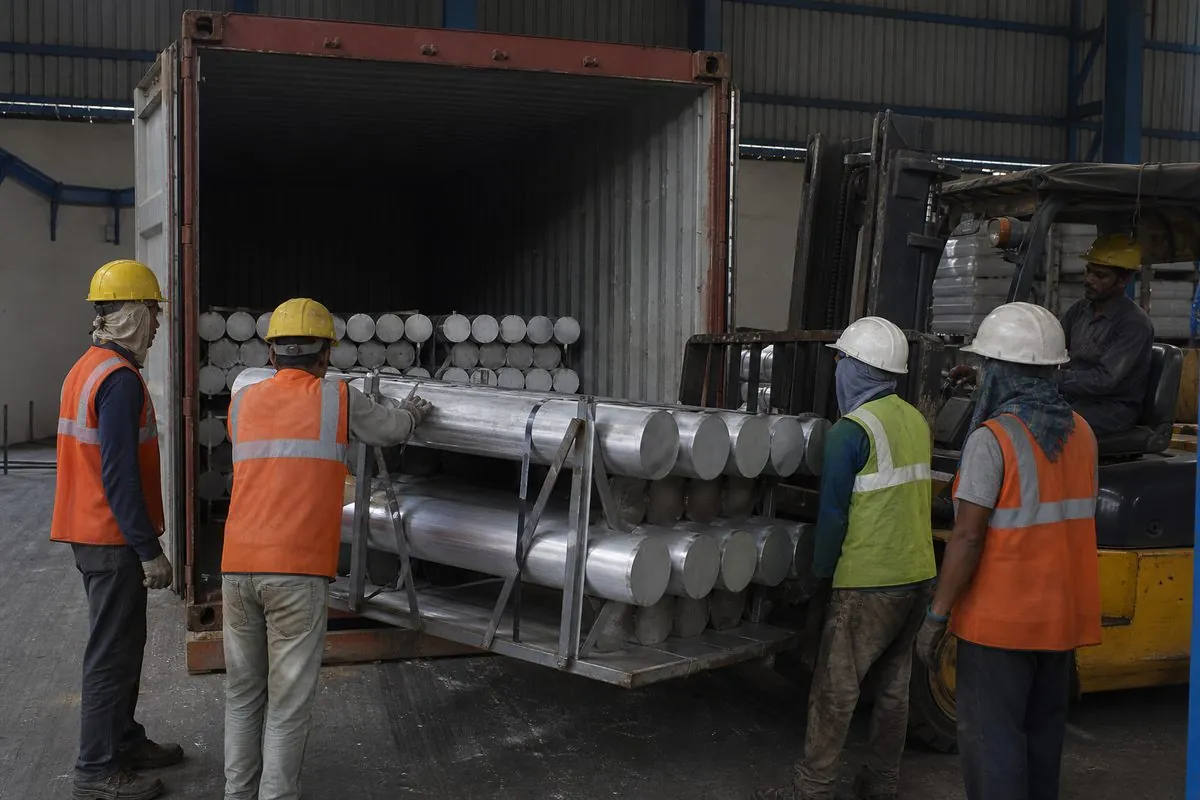
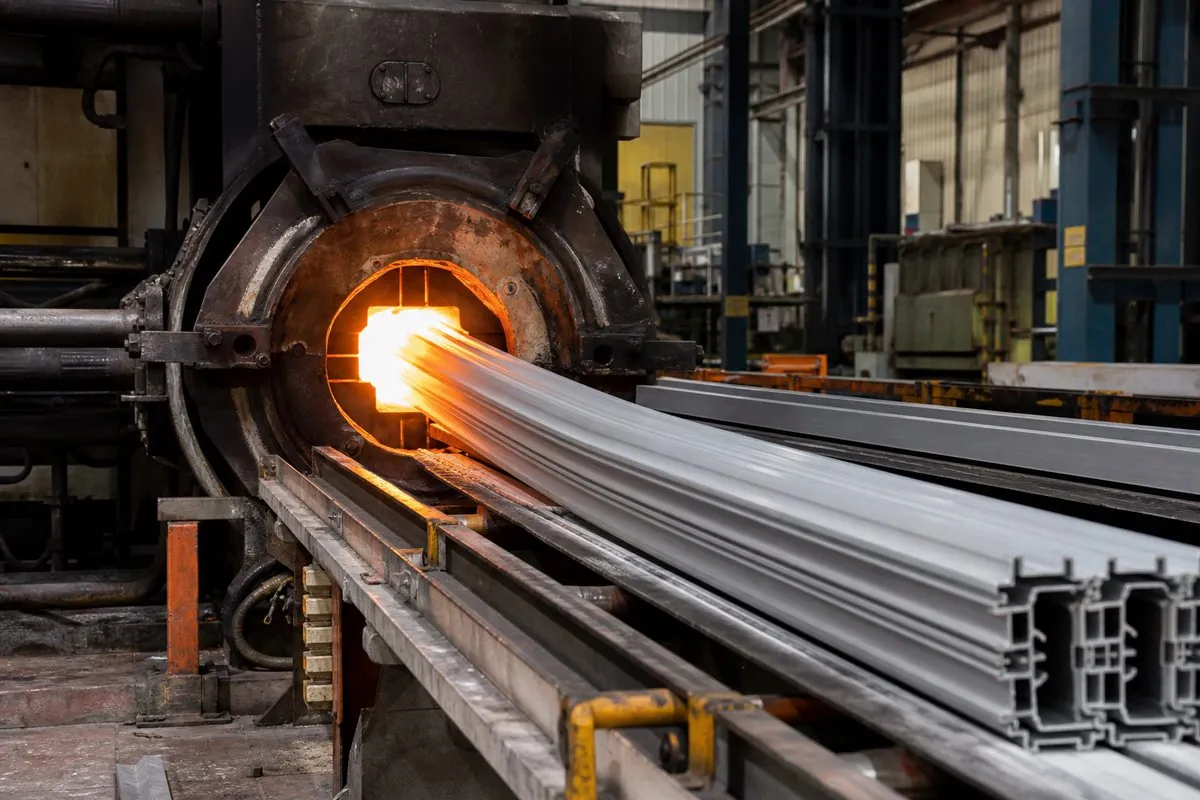
For eepc programmes, standard export packs remain DC-cast round billets to buyer diameter × length in mill-strapped cradles — alloy / diameter / length / homogenization tags must match MTC and packing list before CHA filing.
Aluminium extrusion billet packaging formats — commercial cast-house and buyer press-plant practice
Swipe →
Data table — swipe horizontally on small screens
| Format | Typical Configuration | Use Case | Key Requirement |
|---|---|---|---|
| DC-cast round billet geometry | Round DC-cast billets to buyer diameter (commonly 6–12 inch / ~150–305 mm) × length (commonly 3–7 metres cut-to-order) — confirm per mill and press specification | All extrusion billet export programmes | Diameter, length, and squared saw-cut end faces must match buyer press-container plan |
| Not-alloyed vs 6xxx alloy segregation | Separate cast-house pours and lot batches for HS 76011020 (not-alloyed) and 76012020 (6xxx alloy) billets | All mixed-alloy export programmes | Do not commingle not-alloyed and 6xxx alloy lots in the same bundle without clear alloy identity tags |
| Mill-strapped billet bundles / cradles | Buyer-sized cradles or bundles per extrusion press feed cadence; steel cradles or wooden supports as specified | Standard FCL loading for extrusion billet lots | Cradle geometry stable in ocean transit; heat / alloy / diameter identity tags per bundle |
| Marking discipline | Lot / heat / cast tagging on every billet or bundle plus alloy, diameter, length, and homogenization status stencilled or tagged | All aluminium extrusion billet lots | Heat identity + diameter + length + homogenization must reconcile MTC ↔ packing list |
| End-face protection | Squared saw-cut ends protected with end caps or protective film where the buyer press plant requires it | Architectural anodizing-quality and OEM structural extrusion programmes | Prevent end-face oxide staining or damage that affects extrusion press dead-cycle scrap |
| Homogenization status tagging | Homogenized DC-cast billets tagged with soak / cool / quench chart lot reference alongside heat identity | Homogenized 6xxx architectural and structural extrusion programmes | Buyer extruder press acceptance depends on documented homogenization discipline |
| Weather / moisture protection | Dry warehouse staging; wrapping where specified for architectural anodizing-quality lots | All ocean shipments — 6063 architectural anodizing lots especially | Prevent surface oxide staining or contamination before receipt at extrusion mill |
Container Loading Details
Export Tip
- Teach members to verify 20ft payload with the forwarder before fair promises.
- Council logistics sessions should cover billet cradle stow, not only general FCL tips.
- RCMC exporters still lose claims when seal photos are missing.
- Share a one-page stow checklist in Chapter 76 onboarding packs.
EEPC-aligned exporters treat container discipline as part of overall programme quality — extruder buyers who trust your MTC also expect your container stuffing to be photograph-ready.
Directional container loading guidance for aluminium extrusion billets
Swipe →
Data table — swipe horizontally on small screens
| Container Type | Loading Consideration | Typical Use |
|---|---|---|
| 20-foot FCL | 20–25 MT payload in mill-strapped billet bundles or cradles; verify stow with forwarder for billet diameter and length | Trial and standard commercial extrusion billet shipments |
| 40-foot FCL / 40-foot HC | Higher payload with dense billet cradle stacking; check max payload limits and cradle stability | Established extruder and profile mill programmes |
| Break-bulk | Large architectural or automotive extrusion billet programmes beyond standard FCL cadence | Mega architectural fenestration and structural extrusion contracts |
| Cradle / palletisation | Recommended for consistent forklift handling and press-plant discharge speed | Extruder buyers with forklift or crane handling at destination plant |
Shipping Methods
Export Tip
- Council logistics briefs should restate sample vs FCL timelines for new members.
- Fair sample dispatch still follows the 7–14 day express window when air is chosen.
- RCMC does not accelerate vessel cutoff — booking discipline does.
- Teach FOB-first habits before members advertise DDP at meets.
EEPC-aligned billet programmes plan ocean FCL from major west-coast and east-coast ports with air-express reserved for urgent extruder or fair-follow-up sample slugs requiring rapid buyer sign-off.
Country-wise Opportunities
Market Snapshot
- Council meets work best when members bring a one-corridor target, not a world map.
- Use EEPC introductions into Mexico / Korea / Turkey with alloy-specific leave-behinds.
- RCMC helps KYC; corridor homework still decides which fair badge to wear.
- Refresh country target lists before each council outbound mission.
Council market intelligence complements country selection — EEPC engineering and aluminium fairs often concentrate extruder buyers from Mexico, Korea, Turkey, and Southeast Asian architectural extrusion corridors listed below.
Directional country opportunity profile for Indian aluminium extrusion billet exporters
Swipe →
Data table — swipe horizontally on small screens
| Country | Demand Profile | Key Requirement Focus | Opportunity Note |
|---|---|---|---|
| Mexico | 6063 architectural + 6061 / 6082 structural extrusion for nearshoring profile mills and fabricators | Homogenization discipline + Mg-Si chemistry lock + PPAP-style packs for OEM structural | Top WITS 2024 HS 760120 parent partner (~US$154.7M) — 6xxx billet subline sits inside this corridor |
| Brazil | 6063 architectural fenestration + 6082 structural extrusion demand across a wide industrial base | 6063 anodizing-quality homogenization + MTC discipline + FTA-aware paperwork | Second WITS 2024 HS 760120 parent partner (~US$122.2M) — architectural extrusion pull |
| South Korea | 6082 / 6061 high-spec extrusion + 6063 architectural for profile mills and rolling-adjacent programmes | Tight Mg-Si windows + deep MTC + homogenization audit + OEM PPAP for structural | Third WITS 2024 HS 760120 parent partner (~US$85.1M); also large HS 760110 parent partner (~US$592.0M) |
| United States | 6063 architectural + 6061 / 6082 structural extrusion offtake; Section 232 aware landed-cost planning | Homogenization discipline + Mg-Si lock + USMCA-linked documentation where relevant | Fourth WITS 2024 HS 760120 parent partner (~US$78.2M) — Section 232 overlay dominant |
| Turkey | 6063 architectural + 6082 structural extrusion demand for fenestration and industrial profiles | Homogenization + Mg-Si chemistry + FTA-aware paperwork | Fifth WITS 2024 HS 760120 parent partner (~US$75.7M) plus HS 760110 (~US$421.6M) — dual-line corridor |
| Japan | 6082 / 6061 high-spec extrusion for transport and industrial profiles | Tight impurity ceilings + homogenization audit + OEM PPAP + conductivity where relevant | HS 760120 top-ten partner + HS 760110 (~US$253.6M) — quality-driven, OEM-linked extruders |
| Malaysia | 6063 architectural extrusion and distributor demand across Southeast Asia | MTC discipline + consistent homogenization + FTA-aware duty | Large WITS 2024 HS 760110 parent partner (~US$494.8M) — extrusion-hub demand |
| Vietnam | Growing architectural extrusion and structural profile mill capacity pulling 6063 and 6082 billets | MTC discipline + FTA rules of origin + expanding OEM audit expectations | Present across HS 760110 / 760120 parent partner lists — expanding extrusion corridor |
Americas extrusion corridors
EEPC-backed outreach into Mexico and Brazil works when members bring alloy-specific leave-behinds — homogenized 6063 for architectural fabricators and 6061 / 6082 for structural extruders — not a generic Chapter 76 brochure. Parent HS 760120 partner strength is a conversation opener; RCMC still does not replace lot MTC + homogenization charts. Use council missions to book mill visits and sample protocols, then let the billet subline filings (76012020) carry the commercial file.
Asia-Pacific high-spec corridors
Council introductions into Korea and Japan should be reserved for members who can show soak-and-quench evidence and tight Mg-Si control — high-spec desks punish empty RCMC name-dropping. Pair EEPC credentials with parent HS 760110 / 760120 context and an honest billet-subline caveat. Sequence Asia-Pacific OEM meetings after a proven Americas or SEA trial when the member is still building homogenization discipline.
US, Turkey, and Southeast Asia
EEPC fair and mission calendars covering the US, Turkey, and SEA are productive when members arrive with duty-aware US one-pagers and distributor-ready Turkey / Malaysia / Vietnam FOB sheets. Section 232 overlays belong in the US leave-behind; cradle identity and MOQ honesty belong in the SEA pack. RCMC opens the door — corridor homework decides whether the extruder buyer takes a second meeting.
Expert Insight: Corridor Discipline
Expert Insight Box
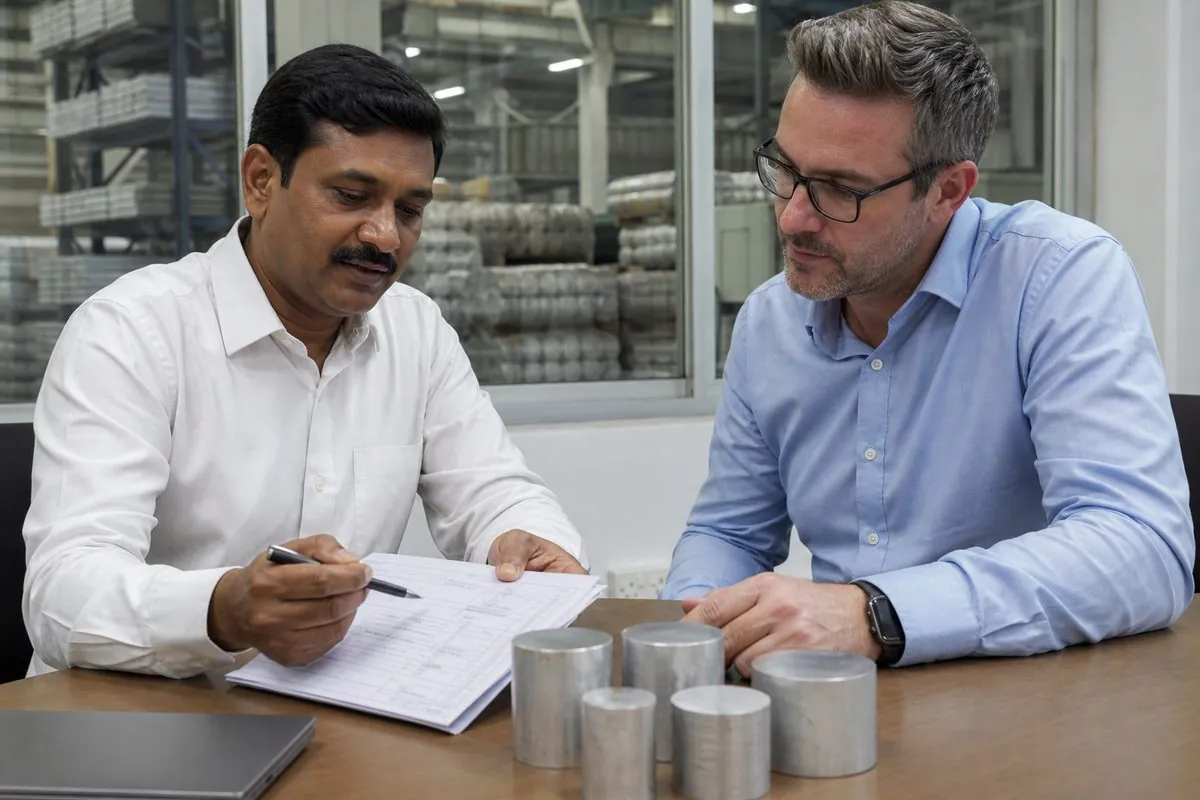
EEPC RCMC opens council fair access, but corridor performance still relies on alloy and homogenization discipline. Council credentials get you the meeting; MTC + homogenization chart integrity gets you the second billet order.
Saurabh Mittal links EEPC RCMC to corridor discipline without confusing the two. Council membership opens extruder buyer conversations; it does not decide whether Turkey wants 6063 architectural or 6082 structural billets this quarter. Members who treat RCMC as a substitute for country × alloy homework still lose first sample slugs.
He pushes EEPC-active exporters to bring corridor files to council meets and fairs — parent HS 760110 versus 760120 partner lists plus India billet extracts, not only membership certificates. Refresh those files quarterly so RCMC-backed outreach stays specific enough for structural extruders and architectural fabricators to reply.
Sourcing Checklist
Checklist
Buyer Checklist
Compliance Checklist
Checklist
Compliance Notes
Common Buyer Mistakes
Common Mistakes Box
Future Market Trends
Key Statistics
- Council programmes will keep pairing Chapter 76 promotion with digital buyer meets.
- Members who bring corridor × alloy files outperform members who bring only RCMC PDFs.
- Expect more questions on billet-subline HS accuracy at council events.
- Trend: fair ROI measured in qualified extruder meetings, not booth traffic alone.
Council trade calendars cluster around aluminium and architectural fenestration seasons — align RCMC renewal and fair registration with peak extruder buyer outreach windows.
Digital vendor onboarding by architectural fabricators and OEM structural extruders increases demand for machine-readable MTC + homogenization chart packs alongside RCMC proof.
Exporter Checklist
Checklist
Sources
- WITS / UN Comtrade — India exports HS 760110 by partner, 2024 (parent context)
- WITS / UN Comtrade — India imports HS 760110 by partner, 2024 (parent context)
- WITS / UN Comtrade — India exports HS 760120 by partner, 2024 (parent context)
- WITS / UN Comtrade — India imports HS 760120 by partner, 2024 (parent context)
- WITS / UN Comtrade — Aluminium waste and scrap trade, HS 7602 (contrast)
- Federal Register — Section 232 aluminium proclamations (verify live)
- GovInfo — FR 2026-11314 Section 232 aluminium/steel/copper proclamation (Jun 4, 2026)
- White House — Further Adjusting Tariff Regimes for Aluminum, Steel, and Copper (Jun 2026)
- CBP — Aluminum HTS subject to Section 232 (heading 7601 listed; verify live)
- UN Comtrade Database
- ITC Trade Map
- India Ministry of Commerce — TRADESTAT / MEIDB
- DGFT (India) — IEC / trade portal
- ICEGATE — Indian Customs EDI (eight-digit billet extract source)
- India CBIC — Customs Tariff (Chapter 76)
- EximGuru — ITC-HS 76011020 Aluminium, not alloyed: Billets
- EximGuru — ITC-HS 76012020 Aluminium alloys: Billets
- EEPC India
- London Metal Exchange — Aluminium (LME cash / 3M reference)
- Aluminum Association — Teal Sheets registered alloy designations
- European Aluminium — extrusion industry data
- EN 573-3 aluminium wrought alloy chemical composition (BSI / CEN)
- USITC Harmonized Tariff Schedule (search 7601)
- European Commission TARIC
- ISO 9001 overview
- Altus Exports — Engineering Goods
All sources accessed 2026-08-01 during the Aluminium Billets factual sweep. Prefer primary government, exchange, and multilateral trade databases (WITS/UN Comtrade for HS 760110 / 760120 parent context, DGCI&S / TRADESTAT / ICEGATE for eight-digit billet sublines, CBIC, USITC, LME, EEPC, AA Teal Sheets, EN 573-3) when citing figures in contracts or buyer presentations.
EEPC RCMC requirements and fair calendars update — confirm current council circulars, extrusion-product coverage, and RoDTEP / market-access schemes before membership or renewal applications for aluminium billet exporters.
Conclusion
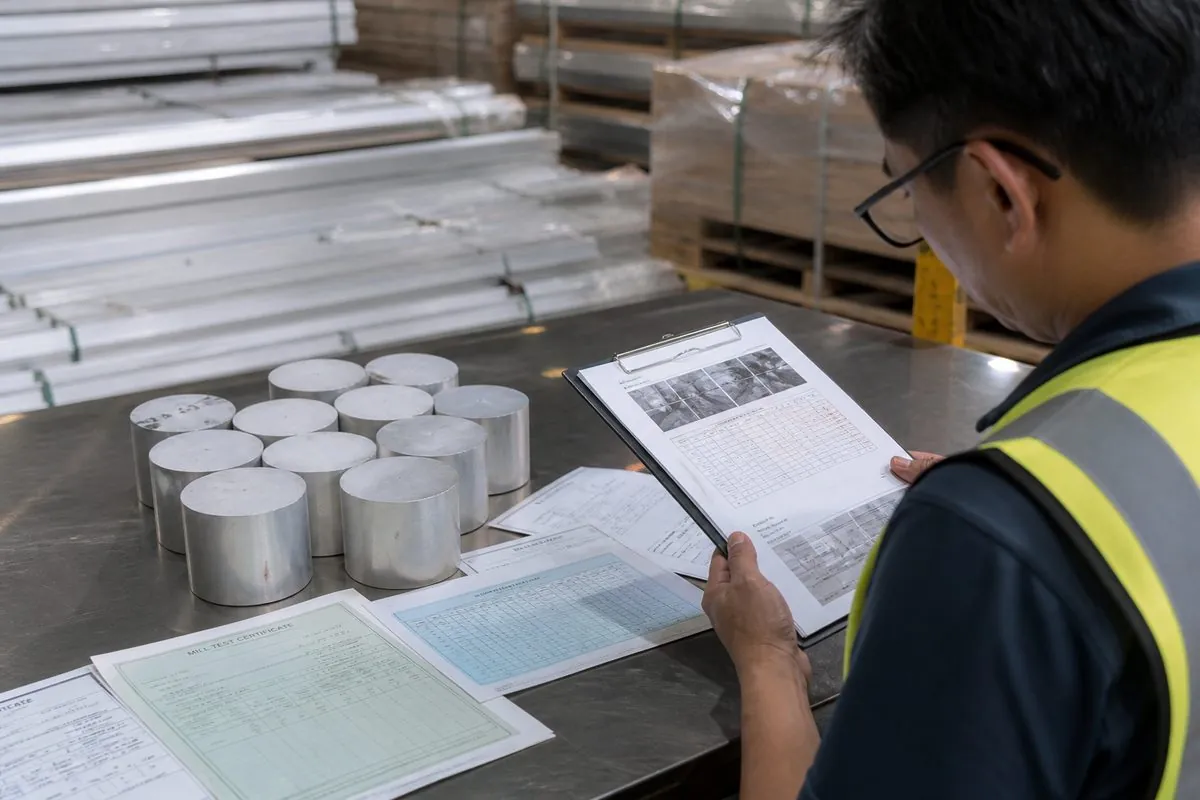
EEPC India RCMC is the council credential that unlocks fairs, extruder buyer directories, and architectural fabricator and OEM structural due diligence — renew before season and pair with lot MTC + homogenization chart on every billet shipment.
Altus Exports operates EEPC-aligned merchant export programmes — contact us for RCMC-ready billet document packs and FCL execution.
Follow with How To Export Aluminium Billets From India and Trade Shows B2B Marketplaces For Aluminium Billet Exporters.