
How to Export Spices from India: Complete Guide for Exporters and Buyers
By Saurabh Mittal, Founder, Altus Exports
Complete operational guide to export spices from India for exporters, importers, distributors, wholesalers, retail chains, and procurement teams with Altus Exports.
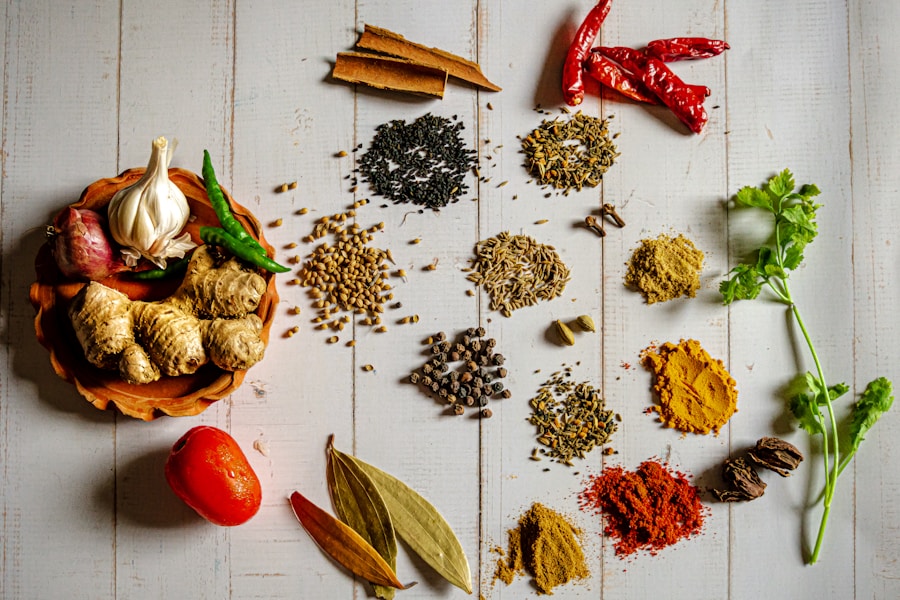
Readers using this how-to hub should treat every recommendation as spice-specific — not a generic agri-export template reused from honey or onion content.
The commercial spine of the article is first-shipment sequencing: keep chili, turmeric, cumin, coriander, pepper, and cardamom decisions measurable.
When you need depth on registration and lab booking, stay here; jump to sibling URLs only for adjacent questions so the cluster stays non-duplicative.
This how-to-export hub guide is written only for Indian spice trade — chili, turmeric, cumin, coriander, pepper, cardamom, fennel, fenugreek, ginger, blends, and oleoresins.
Use it for first-shipment sequencing decisions; open sibling cluster articles when you need process, documentation, or fair calendars instead of repeating them here.
India is the world's largest spice producer and a top exporter of chili, turmeric, cumin, coriander, pepper, cardamom, and blends.
US, EU, Gulf, and Asian buyers apply different ASTA, residue, steam, and Halal expectations — process design must match the destination.
Altus Exports operates as merchant exporter and global sourcing partner exclusively for spice and seasoning programs.
Key Takeaways
Summary Box
- Start with IEC, Spices Board RCMC, and FSSAI before buyer outreach.
- Use measurable spice specs on every quote.
- Prefer steam for EU and many US industrial buyers.
- FOB Indian ports is the default first-order Incoterm.
- Align lot codes across invoice, packing list, COA, treatment certificate, and labels.
- Partner with a merchant exporter when you need verified processors.
Market Overview
Market Overview in this how-to hub article should advance first-shipment sequencing with spice-grade evidence rather than generic export slogans.
For how to export spices from india, apply registration and lab booking inside Market Overview by naming the spice SKU, the numeric grade, and the destination QC culture in the same sentence.
Saurabh Mittal's operating view on market overview is that first-shipment sequencing fails when COA lot codes and steam certificates are afterthoughts.
Altus Exports operationalizes Market Overview for spice programs by verifying processors and aligning documents before the container gates — especially for registration and lab booking.
International buyers reading Market Overview in this how-to hub should leave with one decision rule for first-shipment sequencing, not a brochure paragraph from another Altus URL.
In how-to-export hub, first-shipment sequencing should be decided with spice-grade evidence on the table — ASTA color, curcumin, purity, or pepper density as applicable.
For how to export spices from india, steam partner SLAs works only when steam certificates and COA lot codes are planned before packing chili, turmeric, or cumin lots.
Procurement and QC teams reviewing claim SOP design inside how-to-export hub should reject vague export-quality language and demand numeric spice specifications.
Altus Exports implements first-shipment sequencing for international spice buyers by verifying processors in Andhra chili, Erode turmeric, Unjha cumin, and Kerala pepper or cardamom belts when those SKUs apply.
After each container tied to steam partner SLAs, capture exceptions on residues, microbes, or documents so how-to-export hub improves instead of repeating the same spice claim pattern.
Seasoning manufacturers and retail private-label teams remain the two largest demand engines for Indian spices, with Gulf distribution adding assortment-driven volume.
Currency and crop cycles move chili and cumin prices faster than cardamom unit values, so exporters need separate forecasting for volume versus value SKUs.
Competing pepper origins matter, but few countries match India's ability to supply chili, turmeric, seed spices, and cardamom under one sourcing relationship.
Indian spice export capacity spans cleaning, grinding, blending, steam sterilization, and private-label packing across major belts — enabling both commodity FCLs and specialty programs.
Exporters should build a written capability matrix: which spices, which forms, which treatment methods, which labs, and which load ports they can support without subcontracting opacity.
First-container success correlates with sealed sample discipline, lot-coded packaging, and early document drafting rather than last-minute CHA rushes.
Repeat programs depend on OTIF delivery, claim integrity, and transparent communication when crop quality shifts mid-season.
Merchant exporters add value when they consolidate multi-spice POs, enforce shared COA panels, and present one accountable Indian counterparty to overseas procurement teams.
Global spice demand comes from seasoning houses, meat and snack manufacturers, ready-meal brands, foodservice distributors, and retail private-label programs.
Commodity chili, turmeric, and cumin compete on consistency and treatment evidence; cardamom and specialty pepper compete on unit value and origin authenticity.
Comparison table
Swipe →
Data table — swipe horizontally on small screens
| Buyer Segment | What They Buy | Drivers |
|---|---|---|
| Industrial | Chili, cumin, turmeric | Spec stability, steam docs |
| Retail / PL | Ground spices, blends | Label + microbes |
| Gulf distribution | Cardamom, wholes | Assortment, Halal-aligned |
| Flavor houses | Oleoresins | Assay units |
Product Overview
Summary Box
Product Overview in this how-to hub article should advance first-shipment sequencing with spice-grade evidence rather than generic export slogans.
For how to export spices from india, apply registration and lab booking inside Product Overview by naming the spice SKU, the numeric grade, and the destination QC culture in the same sentence.
Saurabh Mittal's operating view on product overview is that first-shipment sequencing fails when COA lot codes and steam certificates are afterthoughts.
Altus Exports operationalizes Product Overview for spice programs by verifying processors and aligning documents before the container gates — especially for registration and lab booking.
International buyers reading Product Overview in this how-to hub should leave with one decision rule for first-shipment sequencing, not a brochure paragraph from another Altus URL.
In how-to-export hub, lab booking cadence should be decided with spice-grade evidence on the table — ASTA color, curcumin, purity, or pepper density as applicable.
For how to export spices from india, shipping-bill hygiene works only when steam certificates and COA lot codes are planned before packing chili, turmeric, or cumin lots.
Procurement and QC teams reviewing cost-sheet transparency inside how-to-export hub should reject vague export-quality language and demand numeric spice specifications.
Altus Exports implements lab booking cadence for international spice buyers by verifying processors in Andhra chili, Erode turmeric, Unjha cumin, and Kerala pepper or cardamom belts when those SKUs apply.
After each container tied to shipping-bill hygiene, capture exceptions on residues, microbes, or documents so how-to-export hub improves instead of repeating the same spice claim pattern.
Write specification sheets that include botanical name, form, mesh or whole grade, moisture max, treatment method, and packaging unit before any commercial offer.
Oleoresin customers require assay language that whole-spice distributors do not use — keep those offer templates separate.
Private-label blends need NDA-backed formulations and metal-detection records in addition to standard spice COAs.
Define botanical identity, form, grade metrics, treatment, and packaging for every SKU.
Guntur versus Byadgi chili, Erode turmeric, Unjha cumin, and Idukki cardamom are commercial realities.
Comparison table
Swipe →
Data table — swipe horizontally on small screens
| Spice | Belts | Forms | Trial MOQ |
|---|---|---|---|
| Chili | Andhra, Telangana, MP | Whole/crushed/powder | 1–5 MT |
| Turmeric | TN, MH, Telangana | Fingers/powder | 1–5 MT |
| Cumin | Gujarat, Rajasthan | Whole/powder | 1–5 MT |
| Pepper | Kerala, Karnataka | MG grades | 500 kg–FCL |
| Cardamom | Kerala, Karnataka | Pods/seeds | 100–500 kg |
Export Process
Export Tip
Export Process in this how-to hub article should advance first-shipment sequencing with spice-grade evidence rather than generic export slogans.
For how to export spices from india, apply registration and lab booking inside Export Process by naming the spice SKU, the numeric grade, and the destination QC culture in the same sentence.
Saurabh Mittal's operating view on export process is that first-shipment sequencing fails when COA lot codes and steam certificates are afterthoughts.
Altus Exports operationalizes Export Process for spice programs by verifying processors and aligning documents before the container gates — especially for registration and lab booking.
International buyers reading Export Process in this how-to hub should leave with one decision rule for first-shipment sequencing, not a brochure paragraph from another Altus URL.
In how-to-export hub, SKU limitation should be decided with spice-grade evidence on the table — ASTA color, curcumin, purity, or pepper density as applicable.
For how to export spices from india, broker handoff works only when steam certificates and COA lot codes are planned before packing chili, turmeric, or cumin lots.
Procurement and QC teams reviewing secondary market buffer inside how-to-export hub should reject vague export-quality language and demand numeric spice specifications.
Altus Exports implements SKU limitation for international spice buyers by verifying processors in Andhra chili, Erode turmeric, Unjha cumin, and Kerala pepper or cardamom belts when those SKUs apply.
After each container tied to broker handoff, capture exceptions on residues, microbes, or documents so how-to-export hub improves instead of repeating the same spice claim pattern.
Schedule steam chamber capacity and laboratory slots before confirming vessel cutoffs during peak chili and turmeric seasons.
CHA briefing packs should include lot codes, net weights, and treatment certificate references to prevent shipping-bill mismatches.
Post-shipment broker support in the first 10 days after arrival protects relationships when customs queries arise.
Follow a gated sequence from SKU selection through post-shipment programing.
Comparison table
Swipe →
Data table — swipe horizontally on small screens
| Incoterm | Seller | Buyer | Use |
|---|---|---|---|
| FOB | Export clear + on board | Freight/insurance/import | First orders |
| CFR | Freight | Insurance + import | Distributors |
| CIF | Freight + insurance | Import clearance | Newer importers |
Registrations
Complete IEC, Spices Board RCMC, and FSSAI before packing export lots.
Verification and sampling
Audit processors, approve samples with sealed references, and lock COA targets.
Treat, test, pack, ship
Steam as contracted, release on labs, pack food-grade, align documents, and file shipping bills.
Trade Statistics
Key Statistics
Trade Statistics in this how-to hub article should advance first-shipment sequencing with spice-grade evidence rather than generic export slogans.
For how to export spices from india, apply registration and lab booking inside Trade Statistics by naming the spice SKU, the numeric grade, and the destination QC culture in the same sentence.
Saurabh Mittal's operating view on trade statistics is that first-shipment sequencing fails when COA lot codes and steam certificates are afterthoughts.
Altus Exports operationalizes Trade Statistics for spice programs by verifying processors and aligning documents before the container gates — especially for registration and lab booking.
International buyers reading Trade Statistics in this how-to hub should leave with one decision rule for first-shipment sequencing, not a brochure paragraph from another Altus URL.
In how-to-export hub, steam partner SLAs should be decided with spice-grade evidence on the table — ASTA color, curcumin, purity, or pepper density as applicable.
For how to export spices from india, claim SOP design works only when steam certificates and COA lot codes are planned before packing chili, turmeric, or cumin lots.
Procurement and QC teams reviewing systems proof containers inside how-to-export hub should reject vague export-quality language and demand numeric spice specifications.
Altus Exports implements steam partner SLAs for international spice buyers by verifying processors in Andhra chili, Erode turmeric, Unjha cumin, and Kerala pepper or cardamom belts when those SKUs apply.
After each container tied to claim SOP design, capture exceptions on residues, microbes, or documents so how-to-export hub improves instead of repeating the same spice claim pattern.
Compare HS 0904 and 0910 value shares annually to decide whether to invest more in chili cleaning lines or turmeric grinding capacity.
Destination concentration above 60% of spice revenue is a risk flag for working-capital planning.
Unit-value declines often signal oversupply of commodity grades rather than loss of specialty demand.
Chili, turmeric, cumin, coriander, and pepper dominate Indian spice shipment counts; cardamom elevates unit value.
Comparison table
Swipe →
Data table — swipe horizontally on small screens
| Metric | Action |
|---|---|
| Value by HS | Prioritize earning SKUs |
| Destination share | Diversify concentration |
| Unit value | Adjust grade mix |
Import Data Analysis
Import Data Analysis in this how-to hub article should advance first-shipment sequencing with spice-grade evidence rather than generic export slogans.
For how to export spices from india, apply registration and lab booking inside Import Data Analysis by naming the spice SKU, the numeric grade, and the destination QC culture in the same sentence.
Saurabh Mittal's operating view on import data analysis is that first-shipment sequencing fails when COA lot codes and steam certificates are afterthoughts.
Altus Exports operationalizes Import Data Analysis for spice programs by verifying processors and aligning documents before the container gates — especially for registration and lab booking.
International buyers reading Import Data Analysis in this how-to hub should leave with one decision rule for first-shipment sequencing, not a brochure paragraph from another Altus URL.
In how-to-export hub, shipping-bill hygiene should be decided with spice-grade evidence on the table — ASTA color, curcumin, purity, or pepper density as applicable.
For how to export spices from india, cost-sheet transparency works only when steam certificates and COA lot codes are planned before packing chili, turmeric, or cumin lots.
Procurement and QC teams reviewing first-shipment sequencing inside how-to-export hub should reject vague export-quality language and demand numeric spice specifications.
Altus Exports implements shipping-bill hygiene for international spice buyers by verifying processors in Andhra chili, Erode turmeric, Unjha cumin, and Kerala pepper or cardamom belts when those SKUs apply.
After each container tied to cost-sheet transparency, capture exceptions on residues, microbes, or documents so how-to-export hub improves instead of repeating the same spice claim pattern.
When US import entries show rising steamed chili volumes, prioritize steam-validated processors in Andhra and Telangana supply plans.
EU alerts on pesticide findings should trigger immediate multi-residue panel upgrades for pepper and seed-spice lots.
GCC import patterns favoring whole cardamom support assortment FCLs rather than single-SKU powder programs.
Import data reveals multi-SKU opportunities when a buyer already imports one Indian spice code.
Comparison table
Swipe →
Data table — swipe horizontally on small screens
| Destination | Signal | Play |
|---|---|---|
| USA | Industrial + retail | Steamed chili/turmeric/cumin |
| EU | Residue sensitive | Non-ETO pepper, organic turmeric |
| GCC | Hub demand | Cardamom + wholes |
| Bangladesh/China | Volume | Turmeric/chili |
Country-wise Opportunities
Market Snapshot
Country-wise Opportunities in this how-to hub article should advance first-shipment sequencing with spice-grade evidence rather than generic export slogans.
For how to export spices from india, apply registration and lab booking inside Country-wise Opportunities by naming the spice SKU, the numeric grade, and the destination QC culture in the same sentence.
Saurabh Mittal's operating view on country-wise opportunities is that first-shipment sequencing fails when COA lot codes and steam certificates are afterthoughts.
Altus Exports operationalizes Country-wise Opportunities for spice programs by verifying processors and aligning documents before the container gates — especially for registration and lab booking.
International buyers reading Country-wise Opportunities in this how-to hub should leave with one decision rule for first-shipment sequencing, not a brochure paragraph from another Altus URL.
In how-to-export hub, broker handoff should be decided with spice-grade evidence on the table — ASTA color, curcumin, purity, or pepper density as applicable.
For how to export spices from india, secondary market buffer works only when steam certificates and COA lot codes are planned before packing chili, turmeric, or cumin lots.
Procurement and QC teams reviewing lab booking cadence inside how-to-export hub should reject vague export-quality language and demand numeric spice specifications.
Altus Exports implements broker handoff for international spice buyers by verifying processors in Andhra chili, Erode turmeric, Unjha cumin, and Kerala pepper or cardamom belts when those SKUs apply.
After each container tied to secondary market buffer, capture exceptions on residues, microbes, or documents so how-to-export hub improves instead of repeating the same spice claim pattern.
Stage market entry: GCC or selected Asian volume first if EU MRL systems are immature; USA industrial next; EU premium last.
UK retail spice programs need bilingual-ready label governance even when recipes mirror EU specs.
Malaysia and Singapore act as regional redistribution points for mixed Indian spice baskets.
Sequence markets to match steam and residue readiness.
Comparison table
Swipe →
Data table — swipe horizontally on small screens
| Country | Gate | Entry SKU |
|---|---|---|
| USA | FDA/ASTA | Steamed chili |
| Germany/NL | MRLs/non-ETO | Pepper |
| UAE | Halal-aligned | Cardamom |
| Japan | Ultra-low residues | Specialty pepper |
Pricing Analysis
Buyer Tip
Pricing Analysis in this how-to hub article should advance first-shipment sequencing with spice-grade evidence rather than generic export slogans.
For how to export spices from india, apply registration and lab booking inside Pricing Analysis by naming the spice SKU, the numeric grade, and the destination QC culture in the same sentence.
Saurabh Mittal's operating view on pricing analysis is that first-shipment sequencing fails when COA lot codes and steam certificates are afterthoughts.
Altus Exports operationalizes Pricing Analysis for spice programs by verifying processors and aligning documents before the container gates — especially for registration and lab booking.
International buyers reading Pricing Analysis in this how-to hub should leave with one decision rule for first-shipment sequencing, not a brochure paragraph from another Altus URL.
In how-to-export hub, claim SOP design should be decided with spice-grade evidence on the table — ASTA color, curcumin, purity, or pepper density as applicable.
For how to export spices from india, systems proof containers works only when steam certificates and COA lot codes are planned before packing chili, turmeric, or cumin lots.
Procurement and QC teams reviewing SKU limitation inside how-to-export hub should reject vague export-quality language and demand numeric spice specifications.
Altus Exports implements claim SOP design for international spice buyers by verifying processors in Andhra chili, Erode turmeric, Unjha cumin, and Kerala pepper or cardamom belts when those SKUs apply.
After each container tied to systems proof containers, capture exceptions on residues, microbes, or documents so how-to-export hub improves instead of repeating the same spice claim pattern.
Always itemize steam, lab panels, and inland freight in internal cost sheets even when the buyer sees a single FOB number.
Cardamom should be quoted per kilogram with size and oil notes; never bury it inside a mixed USD/MT chili quote.
Validity windows of 7–14 days protect margin when ocean freight spikes.
Indicative FOB bands move with crop and currency; separate treatment and lab costs when comparing offers.
Indicative only
Swipe →
Data table — swipe horizontally on small screens
| Product | FOB band | Unit |
|---|---|---|
| Chili | 1,800–4,500+ | USD/MT |
| Turmeric powder | 1,200–2,800+ | USD/MT |
| Cumin | 2,500–5,500+ | USD/MT |
| Cardamom | 15–40+ | USD/kg |
Challenges & Solutions
Challenges & Solutions in this how-to hub article should advance first-shipment sequencing with spice-grade evidence rather than generic export slogans.
For how to export spices from india, apply registration and lab booking inside Challenges & Solutions by naming the spice SKU, the numeric grade, and the destination QC culture in the same sentence.
Saurabh Mittal's operating view on challenges & solutions is that first-shipment sequencing fails when COA lot codes and steam certificates are afterthoughts.
Altus Exports operationalizes Challenges & Solutions for spice programs by verifying processors and aligning documents before the container gates — especially for registration and lab booking.
International buyers reading Challenges & Solutions in this how-to hub should leave with one decision rule for first-shipment sequencing, not a brochure paragraph from another Altus URL.
In how-to-export hub, cost-sheet transparency should be decided with spice-grade evidence on the table — ASTA color, curcumin, purity, or pepper density as applicable.
For how to export spices from india, first-shipment sequencing works only when steam certificates and COA lot codes are planned before packing chili, turmeric, or cumin lots.
Procurement and QC teams reviewing steam partner SLAs inside how-to-export hub should reject vague export-quality language and demand numeric spice specifications.
Altus Exports implements cost-sheet transparency for international spice buyers by verifying processors in Andhra chili, Erode turmeric, Unjha cumin, and Kerala pepper or cardamom belts when those SKUs apply.
After each container tied to first-shipment sequencing, capture exceptions on residues, microbes, or documents so how-to-export hub improves instead of repeating the same spice claim pattern.
Train procurement and plant teams on lot substitution rules so sales cannot override QC for a cheaper fill.
Install moisture meters and retain calibration logs as standard export evidence.
Create a claim SOP with designated labs and response SLAs before the first rejection occurs.
Control MRLs, microbes, moisture, lot mismatches, and adulteration before booking.
Comparison table
Swipe →
Data table — swipe horizontally on small screens
| Challenge | Solution |
|---|---|
| MRL fail | Grower protocols + labs |
| Microbial fail | Validated steam |
| ETO in EU | Steam-only contracts |
| Lot mismatch | One code across docs |
Expert Insights from Saurabh Mittal, Founder, Altus Exports
Expert Insight Box
- One market, two SKUs, three clean shipments before scaling.
- Put steam and residue scope in the PO.
Expert Insights from Saurabh Mittal, Founder, Altus Exports in this how-to hub article should advance first-shipment sequencing with spice-grade evidence rather than generic export slogans.
For how to export spices from india, apply registration and lab booking inside Expert Insights from Saurabh Mittal, Founder, Altus Exports by naming the spice SKU, the numeric grade, and the destination QC culture in the same sentence.
Saurabh Mittal's operating view on expert execution is that first-shipment sequencing fails when COA lot codes and steam certificates are afterthoughts.
Altus Exports operationalizes Expert Insights from Saurabh Mittal, Founder, Altus Exports for spice programs by verifying processors and aligning documents before the container gates — especially for registration and lab booking.
International buyers reading Expert Insights from Saurabh Mittal, Founder, Altus Exports in this how-to hub should leave with one decision rule for first-shipment sequencing, not a brochure paragraph from another Altus URL.
In how-to-export hub, secondary market buffer should be decided with spice-grade evidence on the table — ASTA color, curcumin, purity, or pepper density as applicable.
For how to export spices from india, lab booking cadence works only when steam certificates and COA lot codes are planned before packing chili, turmeric, or cumin lots.
Procurement and QC teams reviewing shipping-bill hygiene inside how-to-export hub should reject vague export-quality language and demand numeric spice specifications.
Altus Exports implements secondary market buffer for international spice buyers by verifying processors in Andhra chili, Erode turmeric, Unjha cumin, and Kerala pepper or cardamom belts when those SKUs apply.
After each container tied to lab booking cadence, capture exceptions on residues, microbes, or documents so how-to-export hub improves instead of repeating the same spice claim pattern.
We refuse to quote spices without a written treatment method and COA panel — that filter alone eliminates most first-shipment disasters.
Merchant-export accountability means Altus owns the conversation when exceptions happen, rather than bouncing buyers between unknown factories.
Spices Board, FSSAI, steam validation, and lot COAs are commercial assets for spice programs.
Conclusion
- Operational hub: How to Export Spices from India.
- Product catalog: Top Spice Products Exported from India.
- Market selection: Best Countries for Indian Spice Exports.
- Buyer playbook: Source Spices Directly from India.
- Council readiness: Spices Board Registration Benefits for Exporters.
- Demand matching: Most Demanded Indian Spices by Country.
- Lead generation: Find International Buyers for Spices.
- Premium niche: Organic Spice Export Opportunities from India.
- Pre-shipment gate: Spice Export Documentation Checklist.
- Fair calendar: Trade Shows for Spice Exporters.
- Engage Altus Exports as your merchant exporter in India and global sourcing partner for spices and seasonings.
Execute with process discipline and partner with Altus Exports for spices and seasonings.
Use the cluster links below when you need process, markets, docs, or fairs beyond first-shipment sequencing.