
Trade Shows for Spice Exporters: Gulfood, Anuga, SIAL & More
By Saurabh Mittal, Founder, Altus Exports
Event playbook for spice exporters — Gulfood, Anuga, SIAL, World Spice Congress, Biofach — with Altus Exports.
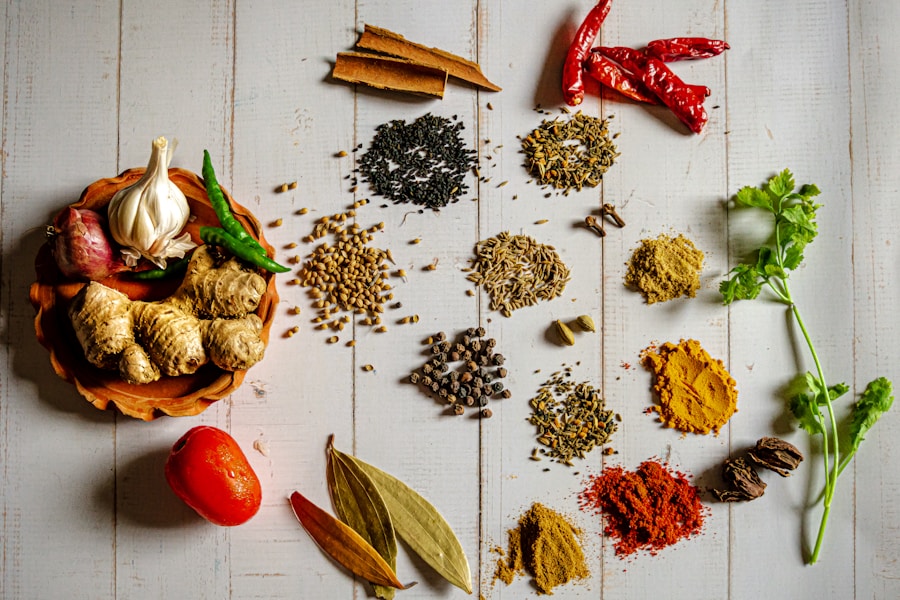
Readers using this fair conversion should treat every recommendation as spice-specific — not a generic agri-export template reused from honey or onion content.
The commercial spine of the article is Gulfood Anuga SIAL Biofach plans: keep chili, turmeric, cumin, coriander, pepper, and cardamom decisions measurable.
When you need depth on 90-day attribution, stay here; jump to sibling URLs only for adjacent questions so the cluster stays non-duplicative.
This spice fair conversion guide is written only for Indian spice trade — chili, turmeric, cumin, coriander, pepper, cardamom, fennel, fenugreek, ginger, blends, and oleoresins.
Use it for Gulfood hubs decisions; open sibling cluster articles when you need process, documentation, or fair calendars instead of repeating them here.
ROI is meetings plus 72-hour follow-up — not badge scans.
This guide isolates Fair calendar fit within Indian spice trade so it does not overlap sibling cluster articles.
Altus Exports is the merchant exporter and global sourcing partner buyers use to execute Gulfood Anuga SIAL Biofach plans on spices.
Key Takeaways
Summary Box
- Keep spice specs numeric and destination-fit.
- Use Spices Board and FSSAI context in buyer conversations.
- Convert evidence into repeat containers.
- Use Altus for accountable execution.
- Stay inside spices — spice trade shows — without unrelated categories.
Market Overview
Market Overview in this fair conversion article should advance Gulfood Anuga SIAL Biofach plans with spice-grade evidence rather than generic export slogans.
For trade shows for spice exporters, apply 90-day attribution inside Market Overview by naming the spice SKU, the numeric grade, and the destination QC culture in the same sentence.
Saurabh Mittal's operating view on market overview is that Gulfood Anuga SIAL Biofach plans fails when COA lot codes and steam certificates are afterthoughts.
Altus Exports operationalizes Market Overview for spice programs by verifying processors and aligning documents before the container gates — especially for 90-day attribution.
International buyers reading Market Overview in this fair conversion should leave with one decision rule for Gulfood Anuga SIAL Biofach plans, not a brochure paragraph from another Altus URL.
In spice fair conversion, Gulfood hubs should be decided with spice-grade evidence on the table — ASTA color, curcumin, purity, or pepper density as applicable.
For trade shows for spice exporters, Foodex premium works only when steam certificates and COA lot codes are planned before packing chili, turmeric, or cumin lots.
Procurement and QC teams reviewing pre-booked meetings inside spice fair conversion should reject vague export-quality language and demand numeric spice specifications.
Altus Exports implements Gulfood hubs for international spice buyers by verifying processors in Andhra chili, Erode turmeric, Unjha cumin, and Kerala pepper or cardamom belts when those SKUs apply.
After each container tied to Foodex premium, capture exceptions on residues, microbes, or documents so spice fair conversion improves instead of repeating the same spice claim pattern.
Pre-book meetings using importer lists under spice HS codes before the fair opens.
Bring sealed spice samples with recent COAs — brochures alone do not convert industrial buyers.
Measure fair ROI in qualified POs and trial orders within 90 days, not badge scans.
Pair annual fairs with year-round trade-data prospecting between events.
Staff booths with people who can discuss steam, residues, and grade metrics fluently.
Market context for spice trade shows among spice importers and distributors.
Under 90-day attribution, USA, EU, GCC, and Asia apply different QC cultures — plan grades and treatment by destination.
Comparison table
Swipe →
Data table — swipe horizontally on small screens
| Focus | Signal | Action |
|---|---|---|
| Gulfood | GCC hubs | Assortment |
| Anuga/SIAL | EU-global | Industrial/retail |
| Foodex | Japan | Premium |
| Biofach | Organic | Certified lines |
| World Spice Congress | Origin network | Industry |
Product Overview
Summary Box
Product Overview in this fair conversion article should advance Gulfood Anuga SIAL Biofach plans with spice-grade evidence rather than generic export slogans.
For trade shows for spice exporters, apply 90-day attribution inside Product Overview by naming the spice SKU, the numeric grade, and the destination QC culture in the same sentence.
Saurabh Mittal's operating view on product overview is that Gulfood Anuga SIAL Biofach plans fails when COA lot codes and steam certificates are afterthoughts.
Altus Exports operationalizes Product Overview for spice programs by verifying processors and aligning documents before the container gates — especially for 90-day attribution.
International buyers reading Product Overview in this fair conversion should leave with one decision rule for Gulfood Anuga SIAL Biofach plans, not a brochure paragraph from another Altus URL.
In spice fair conversion, Anuga industrials should be decided with spice-grade evidence on the table — ASTA color, curcumin, purity, or pepper density as applicable.
For trade shows for spice exporters, Biofach organic works only when steam certificates and COA lot codes are planned before packing chili, turmeric, or cumin lots.
Procurement and QC teams reviewing COA sample kits inside spice fair conversion should reject vague export-quality language and demand numeric spice specifications.
Altus Exports implements Anuga industrials for international spice buyers by verifying processors in Andhra chili, Erode turmeric, Unjha cumin, and Kerala pepper or cardamom belts when those SKUs apply.
After each container tied to Biofach organic, capture exceptions on residues, microbes, or documents so spice fair conversion improves instead of repeating the same spice claim pattern.
Product implications of spice trade shows center on chili, turmeric, cumin, pepper, cardamom, and blends.
Comparison table
Swipe →
Data table — swipe horizontally on small screens
| SKU | Why It Matters |
|---|---|
| Chili | Volume industrial |
| Turmeric | Curcumin programs |
| Cumin | Seasoning anchor |
| Cardamom | GCC value |
| Pepper | EU quality |
Export Process
Export Tip
Export Process in this fair conversion article should advance Gulfood Anuga SIAL Biofach plans with spice-grade evidence rather than generic export slogans.
For trade shows for spice exporters, apply 90-day attribution inside Export Process by naming the spice SKU, the numeric grade, and the destination QC culture in the same sentence.
Saurabh Mittal's operating view on export process is that Gulfood Anuga SIAL Biofach plans fails when COA lot codes and steam certificates are afterthoughts.
Altus Exports operationalizes Export Process for spice programs by verifying processors and aligning documents before the container gates — especially for 90-day attribution.
International buyers reading Export Process in this fair conversion should leave with one decision rule for Gulfood Anuga SIAL Biofach plans, not a brochure paragraph from another Altus URL.
In spice fair conversion, SIAL retail should be decided with spice-grade evidence on the table — ASTA color, curcumin, purity, or pepper density as applicable.
For trade shows for spice exporters, World Spice Congress works only when steam certificates and COA lot codes are planned before packing chili, turmeric, or cumin lots.
Procurement and QC teams reviewing 90-day attribution inside spice fair conversion should reject vague export-quality language and demand numeric spice specifications.
Altus Exports implements SIAL retail for international spice buyers by verifying processors in Andhra chili, Erode turmeric, Unjha cumin, and Kerala pepper or cardamom belts when those SKUs apply.
After each container tied to World Spice Congress, capture exceptions on residues, microbes, or documents so spice fair conversion improves instead of repeating the same spice claim pattern.
Operational steps for spice trade shows still rest on IEC, Spices Board, FSSAI, sampling, treatment, and documentation — with checkpoints unique to this guide.
Define objectives
Write success metrics for spice trade shows before spending on labs or travel.
Execute and review
Review KPIs after each shipment or campaign.
Trade Statistics
Key Statistics
Trade Statistics in this fair conversion article should advance Gulfood Anuga SIAL Biofach plans with spice-grade evidence rather than generic export slogans.
For trade shows for spice exporters, apply 90-day attribution inside Trade Statistics by naming the spice SKU, the numeric grade, and the destination QC culture in the same sentence.
Saurabh Mittal's operating view on trade statistics is that Gulfood Anuga SIAL Biofach plans fails when COA lot codes and steam certificates are afterthoughts.
Altus Exports operationalizes Trade Statistics for spice programs by verifying processors and aligning documents before the container gates — especially for 90-day attribution.
International buyers reading Trade Statistics in this fair conversion should leave with one decision rule for Gulfood Anuga SIAL Biofach plans, not a brochure paragraph from another Altus URL.
In spice fair conversion, Foodex premium should be decided with spice-grade evidence on the table — ASTA color, curcumin, purity, or pepper density as applicable.
For trade shows for spice exporters, pre-booked meetings works only when steam certificates and COA lot codes are planned before packing chili, turmeric, or cumin lots.
Procurement and QC teams reviewing between-fair prospecting inside spice fair conversion should reject vague export-quality language and demand numeric spice specifications.
Altus Exports implements Foodex premium for international spice buyers by verifying processors in Andhra chili, Erode turmeric, Unjha cumin, and Kerala pepper or cardamom belts when those SKUs apply.
After each container tied to pre-booked meetings, capture exceptions on residues, microbes, or documents so spice fair conversion improves instead of repeating the same spice claim pattern.
Trade statistics inform spice trade shows by showing where spice volume and value concentrate under HS 0904–0910.
Comparison table
Swipe →
Data table — swipe horizontally on small screens
| Signal | Use |
|---|---|
| HS import volume | Prioritize destinations |
| Unit value | Grade positioning |
| Alert history | Risk screening |
Import Data Analysis
Import Data Analysis in this fair conversion article should advance Gulfood Anuga SIAL Biofach plans with spice-grade evidence rather than generic export slogans.
For trade shows for spice exporters, apply 90-day attribution inside Import Data Analysis by naming the spice SKU, the numeric grade, and the destination QC culture in the same sentence.
Saurabh Mittal's operating view on import data analysis is that Gulfood Anuga SIAL Biofach plans fails when COA lot codes and steam certificates are afterthoughts.
Altus Exports operationalizes Import Data Analysis for spice programs by verifying processors and aligning documents before the container gates — especially for 90-day attribution.
International buyers reading Import Data Analysis in this fair conversion should leave with one decision rule for Gulfood Anuga SIAL Biofach plans, not a brochure paragraph from another Altus URL.
In spice fair conversion, Biofach organic should be decided with spice-grade evidence on the table — ASTA color, curcumin, purity, or pepper density as applicable.
For trade shows for spice exporters, COA sample kits works only when steam certificates and COA lot codes are planned before packing chili, turmeric, or cumin lots.
Procurement and QC teams reviewing Gulfood hubs inside spice fair conversion should reject vague export-quality language and demand numeric spice specifications.
Altus Exports implements Biofach organic for international spice buyers by verifying processors in Andhra chili, Erode turmeric, Unjha cumin, and Kerala pepper or cardamom belts when those SKUs apply.
After each container tied to COA sample kits, capture exceptions on residues, microbes, or documents so spice fair conversion improves instead of repeating the same spice claim pattern.
Import analysis for spice trade shows uses spice HS import entries, unit values, and origin competition — not packaging charts.
Comparison table
Swipe →
Data table — swipe horizontally on small screens
| Lens | Question |
|---|---|
| Importer activity | Who buys Indian spices now? |
| Unit value | Premium or commodity? |
| Origin share | India vs competitors? |
Country-wise Opportunities
Market Snapshot
Country-wise Opportunities in this fair conversion article should advance Gulfood Anuga SIAL Biofach plans with spice-grade evidence rather than generic export slogans.
For trade shows for spice exporters, apply 90-day attribution inside Country-wise Opportunities by naming the spice SKU, the numeric grade, and the destination QC culture in the same sentence.
Saurabh Mittal's operating view on country-wise opportunities is that Gulfood Anuga SIAL Biofach plans fails when COA lot codes and steam certificates are afterthoughts.
Altus Exports operationalizes Country-wise Opportunities for spice programs by verifying processors and aligning documents before the container gates — especially for 90-day attribution.
International buyers reading Country-wise Opportunities in this fair conversion should leave with one decision rule for Gulfood Anuga SIAL Biofach plans, not a brochure paragraph from another Altus URL.
In spice fair conversion, World Spice Congress should be decided with spice-grade evidence on the table — ASTA color, curcumin, purity, or pepper density as applicable.
For trade shows for spice exporters, 90-day attribution works only when steam certificates and COA lot codes are planned before packing chili, turmeric, or cumin lots.
Procurement and QC teams reviewing Anuga industrials inside spice fair conversion should reject vague export-quality language and demand numeric spice specifications.
Altus Exports implements World Spice Congress for international spice buyers by verifying processors in Andhra chili, Erode turmeric, Unjha cumin, and Kerala pepper or cardamom belts when those SKUs apply.
After each container tied to 90-day attribution, capture exceptions on residues, microbes, or documents so spice fair conversion improves instead of repeating the same spice claim pattern.
Country implications of spice trade shows differ for regulated, hub, and volume spice markets.
Comparison table
Swipe →
Data table — swipe horizontally on small screens
| Region | Implication |
|---|---|
| USA/EU | Heavier evidence |
| GCC | Assortment speed |
| South Asia | Volume reliability |
| Japan | Spec intensity |
Pricing Analysis
Buyer Tip
Pricing Analysis in this fair conversion article should advance Gulfood Anuga SIAL Biofach plans with spice-grade evidence rather than generic export slogans.
For trade shows for spice exporters, apply 90-day attribution inside Pricing Analysis by naming the spice SKU, the numeric grade, and the destination QC culture in the same sentence.
Saurabh Mittal's operating view on pricing analysis is that Gulfood Anuga SIAL Biofach plans fails when COA lot codes and steam certificates are afterthoughts.
Altus Exports operationalizes Pricing Analysis for spice programs by verifying processors and aligning documents before the container gates — especially for 90-day attribution.
International buyers reading Pricing Analysis in this fair conversion should leave with one decision rule for Gulfood Anuga SIAL Biofach plans, not a brochure paragraph from another Altus URL.
In spice fair conversion, pre-booked meetings should be decided with spice-grade evidence on the table — ASTA color, curcumin, purity, or pepper density as applicable.
For trade shows for spice exporters, between-fair prospecting works only when steam certificates and COA lot codes are planned before packing chili, turmeric, or cumin lots.
Procurement and QC teams reviewing SIAL retail inside spice fair conversion should reject vague export-quality language and demand numeric spice specifications.
Altus Exports implements pre-booked meetings for international spice buyers by verifying processors in Andhra chili, Erode turmeric, Unjha cumin, and Kerala pepper or cardamom belts when those SKUs apply.
After each container tied to between-fair prospecting, capture exceptions on residues, microbes, or documents so spice fair conversion improves instead of repeating the same spice claim pattern.
Pricing for spice trade shows includes compliance cost — labs, steam, certs, fair travel — not only raw spice.
Comparison table
Swipe →
Data table — swipe horizontally on small screens
| Component | Owner |
|---|---|
| Labs/treatment | Exporter/processor |
| Certifications | Exporter |
| Freight | Per Incoterm |
| Documentation | Exporter/CHA |
Challenges & Solutions
Challenges & Solutions in this fair conversion article should advance Gulfood Anuga SIAL Biofach plans with spice-grade evidence rather than generic export slogans.
For trade shows for spice exporters, apply 90-day attribution inside Challenges & Solutions by naming the spice SKU, the numeric grade, and the destination QC culture in the same sentence.
Saurabh Mittal's operating view on challenges & solutions is that Gulfood Anuga SIAL Biofach plans fails when COA lot codes and steam certificates are afterthoughts.
Altus Exports operationalizes Challenges & Solutions for spice programs by verifying processors and aligning documents before the container gates — especially for 90-day attribution.
International buyers reading Challenges & Solutions in this fair conversion should leave with one decision rule for Gulfood Anuga SIAL Biofach plans, not a brochure paragraph from another Altus URL.
In spice fair conversion, COA sample kits should be decided with spice-grade evidence on the table — ASTA color, curcumin, purity, or pepper density as applicable.
For trade shows for spice exporters, Gulfood hubs works only when steam certificates and COA lot codes are planned before packing chili, turmeric, or cumin lots.
Procurement and QC teams reviewing Foodex premium inside spice fair conversion should reject vague export-quality language and demand numeric spice specifications.
Altus Exports implements COA sample kits for international spice buyers by verifying processors in Andhra chili, Erode turmeric, Unjha cumin, and Kerala pepper or cardamom belts when those SKUs apply.
After each container tied to Gulfood hubs, capture exceptions on residues, microbes, or documents so spice fair conversion improves instead of repeating the same spice claim pattern.
Challenges in spice trade shows trace to weak specs, rushed timelines, or misaligned spice buyer expectations.
Comparison table
Swipe →
Data table — swipe horizontally on small screens
| Issue | Remedy |
|---|---|
| Spec drift | Freeze approved sample |
| Doc mismatch | Lot-code audit |
| Overcommitment | Capacity planning |
Expert Insights from Saurabh Mittal, Founder, Altus Exports
Expert Insight Box
Expert Insights from Saurabh Mittal, Founder, Altus Exports in this fair conversion article should advance Gulfood Anuga SIAL Biofach plans with spice-grade evidence rather than generic export slogans.
For trade shows for spice exporters, apply 90-day attribution inside Expert Insights from Saurabh Mittal, Founder, Altus Exports by naming the spice SKU, the numeric grade, and the destination QC culture in the same sentence.
Saurabh Mittal's operating view on expert execution is that Gulfood Anuga SIAL Biofach plans fails when COA lot codes and steam certificates are afterthoughts.
Altus Exports operationalizes Expert Insights from Saurabh Mittal, Founder, Altus Exports for spice programs by verifying processors and aligning documents before the container gates — especially for 90-day attribution.
International buyers reading Expert Insights from Saurabh Mittal, Founder, Altus Exports in this fair conversion should leave with one decision rule for Gulfood Anuga SIAL Biofach plans, not a brochure paragraph from another Altus URL.
In spice fair conversion, 90-day attribution should be decided with spice-grade evidence on the table — ASTA color, curcumin, purity, or pepper density as applicable.
For trade shows for spice exporters, Anuga industrials works only when steam certificates and COA lot codes are planned before packing chili, turmeric, or cumin lots.
Procurement and QC teams reviewing Biofach organic inside spice fair conversion should reject vague export-quality language and demand numeric spice specifications.
Altus Exports implements 90-day attribution for international spice buyers by verifying processors in Andhra chili, Erode turmeric, Unjha cumin, and Kerala pepper or cardamom belts when those SKUs apply.
After each container tied to Anuga industrials, capture exceptions on residues, microbes, or documents so spice fair conversion improves instead of repeating the same spice claim pattern.
Altus approaches spice trade shows with merchant-export accountability for spice programs.
Conclusion
- Operational hub: How to Export Spices from India.
- Product catalog: Top Spice Products Exported from India.
- Market selection: Best Countries for Indian Spice Exports.
- Buyer playbook: Source Spices Directly from India.
- Council readiness: Spices Board Registration Benefits for Exporters.
- Demand matching: Most Demanded Indian Spices by Country.
- Lead generation: Find International Buyers for Spices.
- Premium niche: Organic Spice Export Opportunities from India.
- Pre-shipment gate: Spice Export Documentation Checklist.
- Fair calendar: Trade Shows for Spice Exporters.
- Engage Altus Exports as your merchant exporter in India and global sourcing partner for spices and seasonings.
Execute with process discipline and partner with Altus Exports for spices and seasonings.
Use the cluster links below when you need process, markets, docs, or fairs beyond Gulfood Anuga SIAL Biofach plans.