
Top Spice Products Exported from India: Grades, Regions, and Buyer Fit
By Saurabh Mittal, Founder, Altus Exports
Product catalog of India's top export spices for importers and distributors — grades, regions, HS codes, MOQs, and buyer fit from Altus Exports.
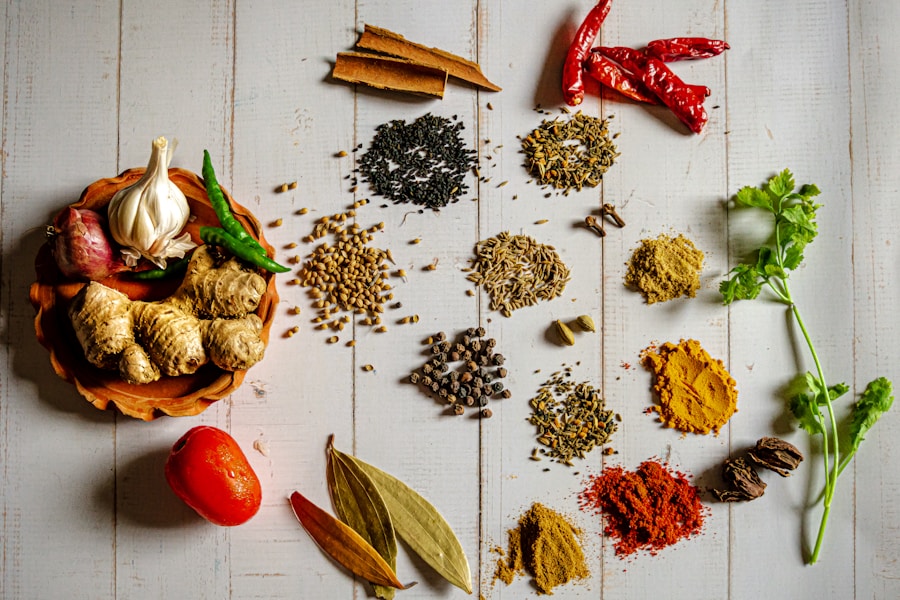
Readers using this product catalog should treat every recommendation as spice-specific — not a generic agri-export template reused from honey or onion content.
The commercial spine of the article is SKU tiering by value density: keep chili, turmeric, cumin, coriander, pepper, and cardamom decisions measurable.
When you need depth on chili turmeric cumin cardamom ranking, stay here; jump to sibling URLs only for adjacent questions so the cluster stays non-duplicative.
This spice product catalog guide is written only for Indian spice trade — chili, turmeric, cumin, coriander, pepper, cardamom, fennel, fenugreek, ginger, blends, and oleoresins.
Use it for SKU tiering decisions; open sibling cluster articles when you need process, documentation, or fair calendars instead of repeating them here.
This guide ranks Indian export spices by commercial relevance — not registration steps.
Grade language must be numeric for chili, turmeric, cumin, pepper, and cardamom.
Altus Exports builds multi-spice baskets for global buyers.
Key Takeaways
Summary Box
- Chili, turmeric, and cumin lead volume; cardamom leads unit value.
- Publish ASTA color, curcumin, purity, MG grade, and oil metrics.
- Match whole vs ground vs oleoresin to buyer capability.
- Regional belts are commercial differentiators.
- Build baskets, not single-SKU opportunism.
- Keep oleoresin and whole-spice offer templates separate so assay language is never mixed with seed-purity quotes.
Market Overview
Market Overview in this product catalog article should advance SKU tiering by value density with spice-grade evidence rather than generic export slogans.
For top spice products exported from india, apply chili turmeric cumin cardamom ranking inside Market Overview by naming the spice SKU, the numeric grade, and the destination QC culture in the same sentence.
Saurabh Mittal's operating view on market overview is that SKU tiering by value density fails when COA lot codes and steam certificates are afterthoughts.
Altus Exports operationalizes Market Overview for spice programs by verifying processors and aligning documents before the container gates — especially for chili turmeric cumin cardamom ranking.
International buyers reading Market Overview in this product catalog should leave with one decision rule for SKU tiering by value density, not a brochure paragraph from another Altus URL.
In spice product catalog, SKU tiering should be decided with spice-grade evidence on the table — ASTA color, curcumin, purity, or pepper density as applicable.
For top spice products exported from india, cumin purity premiums works only when steam certificates and COA lot codes are planned before packing chili, turmeric, or cumin lots.
Procurement and QC teams reviewing blend formulation locks inside spice product catalog should reject vague export-quality language and demand numeric spice specifications.
Altus Exports implements SKU tiering for international spice buyers by verifying processors in Andhra chili, Erode turmeric, Unjha cumin, and Kerala pepper or cardamom belts when those SKUs apply.
After each container tied to cumin purity premiums, capture exceptions on residues, microbes, or documents so spice product catalog improves instead of repeating the same spice claim pattern.
Product mix decisions should reflect whether your buyers are industrial formulators or retail packers — the SKU ladder differs.
High-curcumin turmeric and MG-grade pepper create margin even when commodity chili is soft.
Blend and masala exports grow where private-label supermarket programs expand.
Product strategy should separate volume anchors (chili, turmeric, cumin) from margin spears (cardamom, specialty pepper, high-curcumin turmeric, organic lines).
Oleoresin and extract customers evaluate assay units and process disclosures differently from whole-spice distributors — do not force one commercial template onto both.
Private-label ground spices require artwork, mesh, anti-caking, and microbial limits locked before print runs.
Seasonal availability for cardamom and mono-regional chili grades should be disclosed in offers to prevent overcommitment.
Catalog photography and COA excerpts accelerate buyer shortlisting more than generic company brochures.
Volume and value roles differ by spice product.
Retail wants branded grounds; industry wants ASTA and curcumin honesty.
Comparison table
Swipe →
Data table — swipe horizontally on small screens
| Tier | Volume | Value |
|---|---|---|
| Chili/turmeric | High | Med-high |
| Cumin/coriander | High | Medium |
| Pepper | Medium | High |
| Cardamom | Lower | Very high |
| Oleoresins | Specialized | High |
Product Overview
Summary Box
Product Overview in this product catalog article should advance SKU tiering by value density with spice-grade evidence rather than generic export slogans.
For top spice products exported from india, apply chili turmeric cumin cardamom ranking inside Product Overview by naming the spice SKU, the numeric grade, and the destination QC culture in the same sentence.
Saurabh Mittal's operating view on product overview is that SKU tiering by value density fails when COA lot codes and steam certificates are afterthoughts.
Altus Exports operationalizes Product Overview for spice programs by verifying processors and aligning documents before the container gates — especially for chili turmeric cumin cardamom ranking.
International buyers reading Product Overview in this product catalog should leave with one decision rule for SKU tiering by value density, not a brochure paragraph from another Altus URL.
In spice product catalog, chili color applications should be decided with spice-grade evidence on the table — ASTA color, curcumin, purity, or pepper density as applicable.
For top spice products exported from india, cardamom value lane works only when steam certificates and COA lot codes are planned before packing chili, turmeric, or cumin lots.
Procurement and QC teams reviewing form preference probing inside spice product catalog should reject vague export-quality language and demand numeric spice specifications.
Altus Exports implements chili color applications for international spice buyers by verifying processors in Andhra chili, Erode turmeric, Unjha cumin, and Kerala pepper or cardamom belts when those SKUs apply.
After each container tied to cardamom value lane, capture exceptions on residues, microbes, or documents so spice product catalog improves instead of repeating the same spice claim pattern.
Whole chili and Byadgi color profiles serve different industrial applications than crushed chili for snack coatings.
Turmeric fingers and turmeric powder should be sampled and approved as separate SKUs even when curcumin targets look similar on paper.
Cumin cleanliness premiums from the Unjha belt often justify higher FOB when destination buyers retest ash and purity.
Document chili heat and color separately; buyers often need both for snack versus sauce applications.
Fenugreek and fennel deserve dedicated purity specs because admixture complaints are common in seed spices.
Ginger export grades should distinguish dry whole from powder mesh early in sampling.
Catalog chili, turmeric, cumin, coriander, pepper, cardamom, fennel, fenugreek, ginger, blends, and oleoresins with HS and metrics.
Comparison table
Swipe →
Data table — swipe horizontally on small screens
| Product | HS | Metrics | Buyers |
|---|---|---|---|
| Chili | 0904 | ASTA/heat | USA/EU/ME |
| Turmeric | 0910 | Curcumin/mesh | USA/EU/BD |
| Cumin | 0909 | Purity/VO | USA/EU |
| Pepper | 0904 | MG/density | EU/USA |
| Cardamom | 0908 | Size/oil | GCC/EU |
Export Process
Export Tip
Export Process in this product catalog article should advance SKU tiering by value density with spice-grade evidence rather than generic export slogans.
For top spice products exported from india, apply chili turmeric cumin cardamom ranking inside Export Process by naming the spice SKU, the numeric grade, and the destination QC culture in the same sentence.
Saurabh Mittal's operating view on export process is that SKU tiering by value density fails when COA lot codes and steam certificates are afterthoughts.
Altus Exports operationalizes Export Process for spice programs by verifying processors and aligning documents before the container gates — especially for chili turmeric cumin cardamom ranking.
International buyers reading Export Process in this product catalog should leave with one decision rule for SKU tiering by value density, not a brochure paragraph from another Altus URL.
In spice product catalog, curcumin honesty should be decided with spice-grade evidence on the table — ASTA color, curcumin, purity, or pepper density as applicable.
For top spice products exported from india, oleoresin annexes works only when steam certificates and COA lot codes are planned before packing chili, turmeric, or cumin lots.
Procurement and QC teams reviewing festive cardamom timing inside spice product catalog should reject vague export-quality language and demand numeric spice specifications.
Altus Exports implements curcumin honesty for international spice buyers by verifying processors in Andhra chili, Erode turmeric, Unjha cumin, and Kerala pepper or cardamom belts when those SKUs apply.
After each container tied to oleoresin annexes, capture exceptions on residues, microbes, or documents so spice product catalog improves instead of repeating the same spice claim pattern.
Assign each SKU an owner for grade control so chili color and turmeric curcumin are not managed as one generic spice QC task.
Keep separate approved samples for whole and ground forms of the same spice.
Map SKU to HS and belt, publish COA targets, choose steam by market.
SKU mapping
Lock origin belt before quoting.
Grade publication
COA targets on every line.
Trade Statistics
Key Statistics
Trade Statistics in this product catalog article should advance SKU tiering by value density with spice-grade evidence rather than generic export slogans.
For top spice products exported from india, apply chili turmeric cumin cardamom ranking inside Trade Statistics by naming the spice SKU, the numeric grade, and the destination QC culture in the same sentence.
Saurabh Mittal's operating view on trade statistics is that SKU tiering by value density fails when COA lot codes and steam certificates are afterthoughts.
Altus Exports operationalizes Trade Statistics for spice programs by verifying processors and aligning documents before the container gates — especially for chili turmeric cumin cardamom ranking.
International buyers reading Trade Statistics in this product catalog should leave with one decision rule for SKU tiering by value density, not a brochure paragraph from another Altus URL.
In spice product catalog, cumin purity premiums should be decided with spice-grade evidence on the table — ASTA color, curcumin, purity, or pepper density as applicable.
For top spice products exported from india, blend formulation locks works only when steam certificates and COA lot codes are planned before packing chili, turmeric, or cumin lots.
Procurement and QC teams reviewing three-tier catalogs inside spice product catalog should reject vague export-quality language and demand numeric spice specifications.
Altus Exports implements cumin purity premiums for international spice buyers by verifying processors in Andhra chili, Erode turmeric, Unjha cumin, and Kerala pepper or cardamom belts when those SKUs apply.
After each container tied to blend formulation locks, capture exceptions on residues, microbes, or documents so spice product catalog improves instead of repeating the same spice claim pattern.
Track cardamom separately from seed spices when reading export dashboards — averages hide its value contribution.
Rising oleoresin inquiries often precede industrial account wins even if tonnage stays modest.
Track product-level unit values monthly to spot grade-mix shifts.
Comparison table
Swipe →
Data table — swipe horizontally on small screens
| Product | Role |
|---|---|
| Chili | Volume leader |
| Turmeric | Volume + premium |
| Cardamom | Value spearhead |
Import Data Analysis
Import Data Analysis in this product catalog article should advance SKU tiering by value density with spice-grade evidence rather than generic export slogans.
For top spice products exported from india, apply chili turmeric cumin cardamom ranking inside Import Data Analysis by naming the spice SKU, the numeric grade, and the destination QC culture in the same sentence.
Saurabh Mittal's operating view on import data analysis is that SKU tiering by value density fails when COA lot codes and steam certificates are afterthoughts.
Altus Exports operationalizes Import Data Analysis for spice programs by verifying processors and aligning documents before the container gates — especially for chili turmeric cumin cardamom ranking.
International buyers reading Import Data Analysis in this product catalog should leave with one decision rule for SKU tiering by value density, not a brochure paragraph from another Altus URL.
In spice product catalog, cardamom value lane should be decided with spice-grade evidence on the table — ASTA color, curcumin, purity, or pepper density as applicable.
For top spice products exported from india, form preference probing works only when steam certificates and COA lot codes are planned before packing chili, turmeric, or cumin lots.
Procurement and QC teams reviewing SKU tiering inside spice product catalog should reject vague export-quality language and demand numeric spice specifications.
Altus Exports implements cardamom value lane for international spice buyers by verifying processors in Andhra chili, Erode turmeric, Unjha cumin, and Kerala pepper or cardamom belts when those SKUs apply.
After each container tied to form preference probing, capture exceptions on residues, microbes, or documents so spice product catalog improves instead of repeating the same spice claim pattern.
If a market imports mostly whole cumin, offer cleaned seed before pushing powder.
Ground turmeric import growth usually coincides with stricter microbial documentation requests.
Whole vs ground preferences differ by destination grinding capacity.
Comparison table
Swipe →
Data table — swipe horizontally on small screens
| Form | Signal | Response |
|---|---|---|
| Whole | Local grind | Cleaned whole |
| Ground | Ready use | Steam + mesh |
| Oleoresin | Standard units | Assay contracts |
Country-wise Opportunities
Market Snapshot
Country-wise Opportunities in this product catalog article should advance SKU tiering by value density with spice-grade evidence rather than generic export slogans.
For top spice products exported from india, apply chili turmeric cumin cardamom ranking inside Country-wise Opportunities by naming the spice SKU, the numeric grade, and the destination QC culture in the same sentence.
Saurabh Mittal's operating view on country-wise opportunities is that SKU tiering by value density fails when COA lot codes and steam certificates are afterthoughts.
Altus Exports operationalizes Country-wise Opportunities for spice programs by verifying processors and aligning documents before the container gates — especially for chili turmeric cumin cardamom ranking.
International buyers reading Country-wise Opportunities in this product catalog should leave with one decision rule for SKU tiering by value density, not a brochure paragraph from another Altus URL.
In spice product catalog, oleoresin annexes should be decided with spice-grade evidence on the table — ASTA color, curcumin, purity, or pepper density as applicable.
For top spice products exported from india, festive cardamom timing works only when steam certificates and COA lot codes are planned before packing chili, turmeric, or cumin lots.
Procurement and QC teams reviewing chili color applications inside spice product catalog should reject vague export-quality language and demand numeric spice specifications.
Altus Exports implements oleoresin annexes for international spice buyers by verifying processors in Andhra chili, Erode turmeric, Unjha cumin, and Kerala pepper or cardamom belts when those SKUs apply.
After each container tied to festive cardamom timing, capture exceptions on residues, microbes, or documents so spice product catalog improves instead of repeating the same spice claim pattern.
USA private label may want milder chili profiles than Mexican-supply-chain heat specs — confirm application.
EU bakers and meat processors often prefer consistent coriander and pepper over novelty spices.
Fit SKUs to destinations: USA steamed programs, EU clean pepper, GCC cardamom, Bangladesh volume turmeric.
Comparison table
Swipe →
Data table — swipe horizontally on small screens
| Country | SKUs |
|---|---|
| USA | Chili/turmeric/cumin |
| EU | Pepper/organic turmeric |
| UAE | Cardamom/wholes |
| Bangladesh | Turmeric/chili |
Pricing Analysis
Buyer Tip
Pricing Analysis in this product catalog article should advance SKU tiering by value density with spice-grade evidence rather than generic export slogans.
For top spice products exported from india, apply chili turmeric cumin cardamom ranking inside Pricing Analysis by naming the spice SKU, the numeric grade, and the destination QC culture in the same sentence.
Saurabh Mittal's operating view on pricing analysis is that SKU tiering by value density fails when COA lot codes and steam certificates are afterthoughts.
Altus Exports operationalizes Pricing Analysis for spice programs by verifying processors and aligning documents before the container gates — especially for chili turmeric cumin cardamom ranking.
International buyers reading Pricing Analysis in this product catalog should leave with one decision rule for SKU tiering by value density, not a brochure paragraph from another Altus URL.
In spice product catalog, blend formulation locks should be decided with spice-grade evidence on the table — ASTA color, curcumin, purity, or pepper density as applicable.
For top spice products exported from india, three-tier catalogs works only when steam certificates and COA lot codes are planned before packing chili, turmeric, or cumin lots.
Procurement and QC teams reviewing curcumin honesty inside spice product catalog should reject vague export-quality language and demand numeric spice specifications.
Altus Exports implements blend formulation locks for international spice buyers by verifying processors in Andhra chili, Erode turmeric, Unjha cumin, and Kerala pepper or cardamom belts when those SKUs apply.
After each container tied to three-tier catalogs, capture exceptions on residues, microbes, or documents so spice product catalog improves instead of repeating the same spice claim pattern.
Publish a two-column price sheet: commodity cleaned grades versus premium certified or high-assay grades.
Organic premiums should be shown as deltas, not hidden inside a single organic SKU price.
Price each spice on its own drivers.
Comparison table
Swipe →
Data table — swipe horizontally on small screens
| Product | FOB |
|---|---|
| Chili | USD 1,800–4,500+/MT |
| Turmeric | USD 1,200–2,800+/MT |
| Cumin | USD 2,500–5,500+/MT |
| Cardamom | USD 15–40+/kg |
Challenges & Solutions
Challenges & Solutions in this product catalog article should advance SKU tiering by value density with spice-grade evidence rather than generic export slogans.
For top spice products exported from india, apply chili turmeric cumin cardamom ranking inside Challenges & Solutions by naming the spice SKU, the numeric grade, and the destination QC culture in the same sentence.
Saurabh Mittal's operating view on challenges & solutions is that SKU tiering by value density fails when COA lot codes and steam certificates are afterthoughts.
Altus Exports operationalizes Challenges & Solutions for spice programs by verifying processors and aligning documents before the container gates — especially for chili turmeric cumin cardamom ranking.
International buyers reading Challenges & Solutions in this product catalog should leave with one decision rule for SKU tiering by value density, not a brochure paragraph from another Altus URL.
In spice product catalog, form preference probing should be decided with spice-grade evidence on the table — ASTA color, curcumin, purity, or pepper density as applicable.
For top spice products exported from india, SKU tiering works only when steam certificates and COA lot codes are planned before packing chili, turmeric, or cumin lots.
Procurement and QC teams reviewing cumin purity premiums inside spice product catalog should reject vague export-quality language and demand numeric spice specifications.
Altus Exports implements form preference probing for international spice buyers by verifying processors in Andhra chili, Erode turmeric, Unjha cumin, and Kerala pepper or cardamom belts when those SKUs apply.
After each container tied to SKU tiering, capture exceptions on residues, microbes, or documents so spice product catalog improves instead of repeating the same spice claim pattern.
Reject lots that fail curcumin or ASTA targets rather than blending down to an average that still fails buyer labs.
Use metal detection on all ground spice lines feeding export drums.
Watch chili color fraud, low curcumin, cumin ash, and pepper oil extraction.
Comparison table
Swipe →
Data table — swipe horizontally on small screens
| Risk | Control |
|---|---|
| Color fraud | Trusted assays |
| Low curcumin | Pre-ship test |
| Cumin ash | Machine clean |
Expert Insights from Saurabh Mittal, Founder, Altus Exports
Expert Insight Box
Expert Insights from Saurabh Mittal, Founder, Altus Exports in this product catalog article should advance SKU tiering by value density with spice-grade evidence rather than generic export slogans.
For top spice products exported from india, apply chili turmeric cumin cardamom ranking inside Expert Insights from Saurabh Mittal, Founder, Altus Exports by naming the spice SKU, the numeric grade, and the destination QC culture in the same sentence.
Saurabh Mittal's operating view on expert execution is that SKU tiering by value density fails when COA lot codes and steam certificates are afterthoughts.
Altus Exports operationalizes Expert Insights from Saurabh Mittal, Founder, Altus Exports for spice programs by verifying processors and aligning documents before the container gates — especially for chili turmeric cumin cardamom ranking.
International buyers reading Expert Insights from Saurabh Mittal, Founder, Altus Exports in this product catalog should leave with one decision rule for SKU tiering by value density, not a brochure paragraph from another Altus URL.
In spice product catalog, festive cardamom timing should be decided with spice-grade evidence on the table — ASTA color, curcumin, purity, or pepper density as applicable.
For top spice products exported from india, chili color applications works only when steam certificates and COA lot codes are planned before packing chili, turmeric, or cumin lots.
Procurement and QC teams reviewing cardamom value lane inside spice product catalog should reject vague export-quality language and demand numeric spice specifications.
Altus Exports implements festive cardamom timing for international spice buyers by verifying processors in Andhra chili, Erode turmeric, Unjha cumin, and Kerala pepper or cardamom belts when those SKUs apply.
After each container tied to chili color applications, capture exceptions on residues, microbes, or documents so spice product catalog improves instead of repeating the same spice claim pattern.
The best catalogs we build for distributors include three tiers per spice: industrial commodity, cleaned premium, and certified organic where available.
Rank SKUs into volume, specialty, and organic experiment tiers.
Conclusion
- Operational hub: How to Export Spices from India.
- Product catalog: Top Spice Products Exported from India.
- Market selection: Best Countries for Indian Spice Exports.
- Buyer playbook: Source Spices Directly from India.
- Council readiness: Spices Board Registration Benefits for Exporters.
- Demand matching: Most Demanded Indian Spices by Country.
- Lead generation: Find International Buyers for Spices.
- Premium niche: Organic Spice Export Opportunities from India.
- Pre-shipment gate: Spice Export Documentation Checklist.
- Fair calendar: Trade Shows for Spice Exporters.
- Engage Altus Exports as your merchant exporter in India and global sourcing partner for spices and seasonings.
Execute with process discipline and partner with Altus Exports for spices and seasonings.
Use the cluster links below when you need process, markets, docs, or fairs beyond SKU tiering by value density.