
Best Countries for Indian Dried Vegetable Exports: Destination Ranking Guide
By Saurabh Mittal, Founder, Altus Exports
Destination-ranking guide for Indian dried vegetable exporters and importers — comparing Germany, Brazil, USA, Indonesia, UK, UAE, Japan, Netherlands, Malaysia, Nepal, and related corridors on demand scale, duty treatment, freight corridors, and compliance burden under HS 0712 / 0712.90.
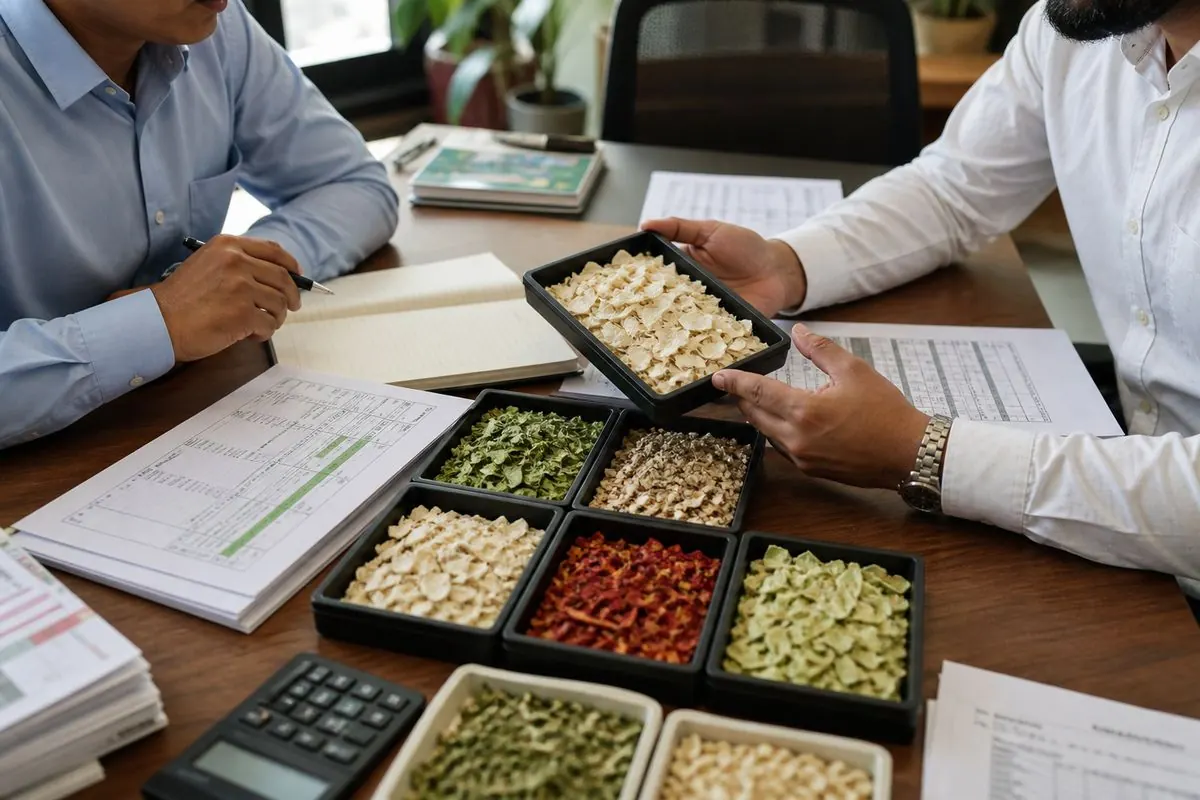
Choosing the best countries for Indian dried vegetable exports is a duty, freight, and compliance-burden decision — not a vanity destination list. Germany, Brazil, USA, Indonesia, UK, UAE, Japan, Netherlands, Malaysia, and Nepal each pull Indian HS 0712 dried vegetables (especially 0712.90 other vegetables and mixtures) under different tariff schedules, moisture and microbiology expectations, and document stacks. A Mundra-stuffed FCL that clears Brazil on competitive FOB may need EU MRL and sulfite discipline for Hamburg, FDA prior notice for a US ingredient house, or Halal paperwork for Dubai re-export. This guide ranks destination markets so exporters and international buyers sequence market entry intelligently.
India’s HS 0712 dried-vegetable export value was about US$211.3 million in 2023 (TrendEconomy / Comtrade), with dried onions (071220) roughly 79% of that value and 071290 about 18.8%. OEC directional cues for 2024 put India near US$288 million and among the leading global exporters — re-verify live before buyer decks. OEC directional 2024 HS 0712 partner cues commonly cite Germany (~US$30.2M), Brazil (~US$29M), USA (~US$23.7M), Indonesia (~US$20M), and UK (~US$15.6M) — but ~79% of 2023 HS 0712 value was dried onions (071220), so those ranks are not carrot/potato/tomato ranks. For this cluster’s core, use verified HS 071290 India 2024 = US$58.626M / 45,547.7 MT (WITS), led by USA, Indonesia, Nepal, Germany, and Malaysia (Brazil only ~US$1.48M on 071290). Always label onion (0712.20) and garlic-heavy India lines apart when reading partner tables, and re-verify via DGCI&S, APEDA, ITC Trade Map, or UN Comtrade before buyer presentations.
For the end-to-end export process behind any corridor, see How to Export Dried Vegetables from India. For per-country vegetable and cut demand detail, see Most Demanded Indian Dried Vegetables by Country. Altus Exports supports corridor selection as a global sourcing partner in India for dehydrator programmes and international procurement teams.
Key Takeaways
Summary Box
Executive Summary
Summary Box
- Scan the coloured Summary / Stats / Tips boxes first — then open the ranking tables.
- Decide destination compliance tier before locking FOB and Incoterm.
- Use the jump nav on mobile: Takeaways → Exports → Pricing → Pack → Certs → Country table → FAQ.
Market selection for Indian dried vegetable exports combines directional HS 0712 demand (Germany, Brazil, USA, Indonesia, UK leading value) with second-tier and specialty corridors (UAE, Japan, Netherlands, Malaysia, Nepal, France, Canada, Australia) where freight, duty, and audit stack determine vendor approval speed.
India's approximate second-largest global exporter position means landed-cost honesty, moisture and micro COA discipline, and destination-specific compliance beat origin storytelling alone.
This guide ranks destinations by volume potential, tariff and freight corridor, and compliance burden so exporters sequence entry rather than chasing every market simultaneously on identical FOB quotes.
Market Size & Industry Overview
Key Statistics
- Supply map: Gujarat dehydrator belt · Maharashtra consolidation · Mundra / Nhava Sheva ports.
- Council stack: APEDA RCMC + IEC + FSSAI.
- Corridor ranking cue: India HS 0712 ~US$211.3M (2023 verified; ~79% onions) vs OEC ~US$288M (2024 directional) — always split 071290 partners from onion-heavy totals.
- Sibling SKUs: dehydrated onion and garlic — link deep-dives; do not treat as this cluster's core.
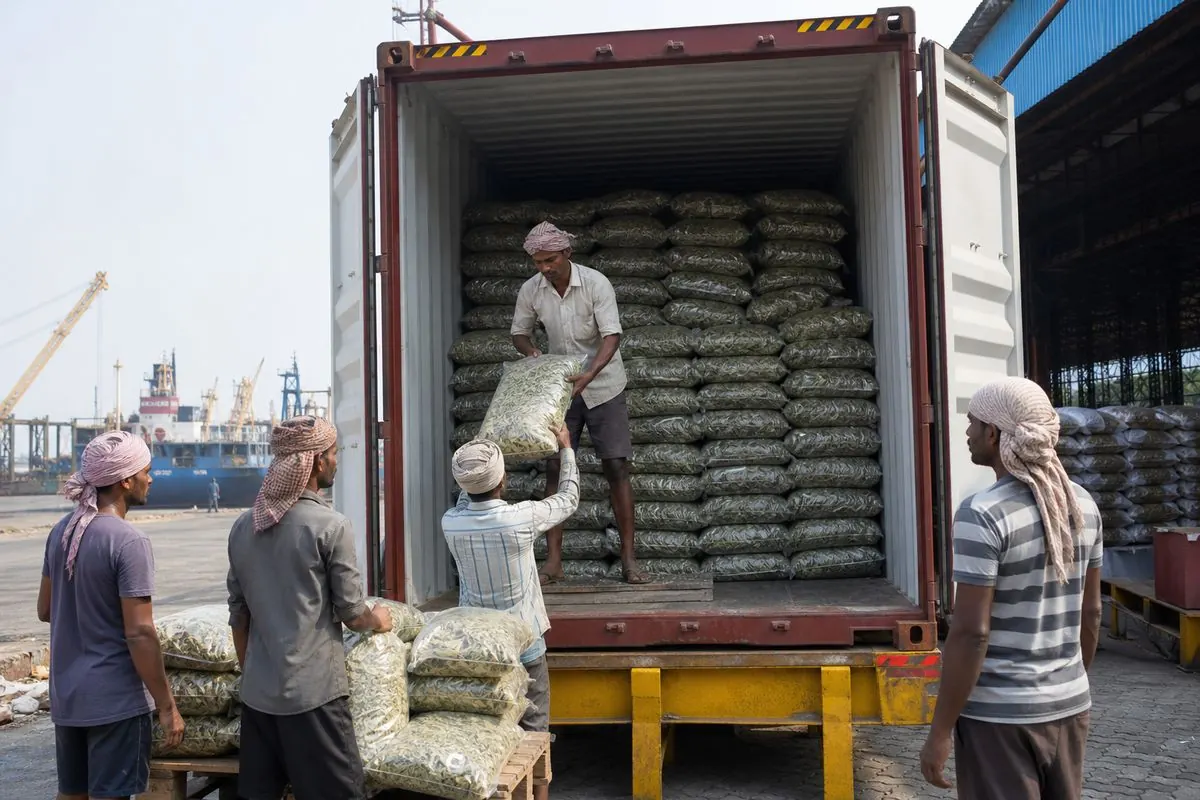
Global dried vegetable demand is driven by soup mixes, seasonings, ready meals, snacks, foodservice reconstitutable blends, and selective pet-food adjacency. Indian supply is cluster-based: Gujarat's Mahuva–Bhavnagar–Sihor dehydrator belt for commercial air-dried capacity; Maharashtra Nashik adjacency for raw material and merchant consolidation; Madhya Pradesh and Rajasthan supporting seasonal vegetable input; Mundra and Nhava Sheva for FCL stuffing and private-label packing.
Market structure is corridor-driven. Volume and value hubs (Germany, Brazil, USA, Indonesia, UK) sit alongside re-export and Halal corridors (UAE, Malaysia), audit-heavy premium destinations (Japan, Netherlands as EU gateway), and land or short-sea neighbours (Nepal). Choosing wrong sequence burns working capital on audits before cash flow, or scales commodity lots into destinations that reject on micro or MRL.
APEDA's broader “Processed Vegetables” FY2024-25 cue (~614,979 MT / ~US$897M) includes preserved lines beyond pure HS 0712 dehydrates — use only with a clear broader-basket label when presenting to boards or buyers.
Export Statistics
Key Statistics
- HS 0712 India: ~US$211.3M (2023 verified); OEC ~US$288M (2024 directional).
- Global rank cue: among leading exporters (OEC directional 2024 — re-verify).
- HS 0712 cue (onion-heavy): Germany · Brazil · USA · Indonesia · UK (OEC 2024) / USA · Germany · Brazil (2023). 071290 cue: USA · Indonesia · Nepal · Germany · Malaysia.
- HS 071290 India 2024 (WITS): US$58.626M / 45,547.7 MT — USA, Indonesia, Nepal, Germany, Malaysia lead by value.
Use HS 0712 partner data before committing FCL capacity — Germany, Brazil, USA, Indonesia, and UK regularly lead Indian export value, with UAE, Japan, Netherlands, Malaysia, Nepal, France, Canada, and Australia recurring across seasons depending on SKU mix.
Separate onion (0712.20) and garlic-heavy national lines from 0712.90 “other” when ranking opportunities; a Germany onion-heavy year can distort “dried vegetable” rankings if you do not split headings.
Re-verify Comtrade, ITC Trade Map, OEC, and DGCI&S figures annually before market-entry budgets or buyer presentations.
India dried vegetable export profile (HS 0712) — directional; re-verify on quote date
Swipe →
Data table — swipe horizontally on small screens
| Metric | Directional Estimate | Notes / Source cue |
|---|---|---|
| Primary processing clusters | Gujarat Mahuva–Bhavnagar–Sihor; Maharashtra Nashik adjacency; MP/Rajasthan input | Merchant consolidation and private-label packing near Mundra / Nhava Sheva |
| Applicable HS headings | HS 0712; core other/mixtures 0712.90; onion sibling 0712.20; mushrooms 0712.31–0712.39 | Confirm India 8-digit 07129060 / 07129090 (garlic 07129020–40 if any) with CHA against live ITC-HS |
| Governing trade council | APEDA (RCMC) + IEC + FSSAI | Not Spices Board / not Chemexcil for dried vegetables |
| India HS 0712 exports 2024 | ~US$211.3M (2023) / ~US$288M OEC 2024 dir. | OEC / trade-database cue — re-verify before quoting |
| India global rank 2024 | Among leading exporters (OEC 2024 dir.) | Rank can shift with onion vs other vegetable mix |
| Top destinations by HS 0712 value 2024 | Germany ~US$30.2M; Brazil ~US$29M; USA ~US$23.7M; Indonesia ~US$20M; UK ~US$15.6M | Directional bilateral cues — partner ranks move yearly |
| HS 071290 India 2024 | US$58.626M / 45,547.7 MT (directional) | WITS/Comtrade cue for dried vegetables, nes |
| Broader APEDA processed veg FY2024-25 | ~614,979 MT / ~US$897M | Broader basket incl. preserved lines — label clearly; not pure HS 0712 |
| Dominant export formats | Air-dried flakes/kibbled/granules/powder; drum-dried; freeze-dried specialty | 10/20/25 kg food-grade bags/cartons; retail 50 g–1 kg for PL programmes |
Import Statistics
Key Statistics
- EU value corridor: Germany · Netherlands · France · UK — MRL / sulfite discipline.
- Americas: USA · Brazil · Canada · Mexico — FDA / ANVISA / broker rhythm.
- ASEAN: Indonesia · Malaysia · Vietnam — duty and licensing checks.
- Premium / Halal: Japan · UAE — positive-list or Halal documentation.
Destination import demand for dried vegetables concentrates in EU soup and seasoning houses (Germany, Netherlands, France), US ingredient and foodservice buyers, Brazilian food processors, ASEAN repackers (Indonesia, Malaysia, Vietnam), UK food manufacturers, GCC re-export and retail (UAE), and Japan specialty ingredient programmes.
Because India is a top-tier global origin, most destination “dried vegetable imports” conversations already include Indian options — differentiation is moisture/micro COA honesty, duty-aware landed cost, and corridor reliability, not novelty of origin.
Indian exporters win premium corridors when they model destination broker fees, prior notice, and MRL retest cost into the first commercial offer rather than competing on FOB alone.
Import demand by destination — Indian dried vegetables (directional)
Swipe →
Data table — swipe horizontally on small screens
| Market | Directional Demand Profile | Primary Buyer Type |
|---|---|---|
| Germany | Leading EU value destination for Indian HS 0712; soup, seasoning, and ready-meal ingredient programmes | Ingredient houses, soup manufacturers, foodservice distributors |
| Brazil | Major value destination; food processing and wholesale dehydrated vegetable programmes | Food processors, industrial seasoning plants, importers with ANVISA pathways |
| United States | Ingredient, retail private-label, and foodservice reconstitutable vegetable programmes | Ingredient brands, soup/seasoning plants, FSMA-aligned importers |
| Indonesia | High-volume ASEAN offtake for mixed dried vegetables and industrial blends | Repackers, food processors, wholesale distributors |
| United Kingdom | Food manufacturing and retail ingredient demand with strict micro/residue discipline | Food manufacturers, private-label packers, foodservice groups |
| United Arab Emirates | GCC consumption plus re-export hub demand via Jebel Ali | Wholesale distributors, hypermarket PL buyers, re-export traders |
| Japan | Specialty mesh/color programmes; tight positive-list MRL expectations | Ingredient importers, premium food manufacturers |
| Netherlands | EU gateway logistics and ingredient trading hub for onward EU distribution | Ingredient traders, EU distributors, food processors |
Product Categories & Variants Overview
Summary Box
- Air-dried flakes / kibbled — soup and seasoning volume across most corridors.
- Granules / powder — mesh and Aw discipline for USA, UK, EU, Japan.
- Freeze-dried / organic — premium Japan, US, EU programmes; longer lead times.
- Mixed vegetable blends — ASEAN and GCC foodservice; watch aromatic cross-contamination if onion/garlic co-packed.
Destination ranking assumes you already know which vegetable families and cuts you can supply reliably — carrot, potato, tomato, cabbage, cauliflower, beans, peas, spinach, beetroot, sweet corn, and mixed blends in flakes, kibbled, granules, powder, or slices; air-dried, drum-dried, or freeze-dried. This post ranks markets, not SKU preference matrices; for cut-by-country demand, use the demand-by-country guide.
Onion and garlic dehydrates often travel in the same merchant conversation. Keep them as sibling programmes — dehydrated onion and dehydrated garlic — and score destination fit for the multi-SKU 0712.90 basket separately when onion or garlic dominate the RFQ.
Dried vegetable programme types vs destination fit (planning)
Swipe →
Data table — swipe horizontally on small screens
| Programme Type | Typical Spec Focus | Corridor Fit Note |
|---|---|---|
| Commodity air-dried mixed / carrot / cabbage | Moisture, colour, foreign matter, competitive FOB | Brazil, Indonesia, Malaysia, Nepal — volume-first corridors |
| Tomato powder / specialty cuts | Mesh, colour, Aw, higher FOB band | USA, UK, Germany, Netherlands — ingredient houses |
| Freeze-dried / organic / private-label | Certification chain, retail pack, premium micro | Japan, USA, UK, EU — audit-stack corridors |
| Halal foodservice blends | Halal docs, moisture-stable packs, hot-climate storage | UAE and broader GCC re-export |
| EU gateway traded lots | MRL, sulfite declaration, TARIC-ready HS | Netherlands hub into Germany/France programmes |
Manufacturing Overview
Export Tip
- Gujarat dehydrator belt: dominant commercial air-dried capacity.
- Nashik adjacency: raw material and multi-SKU merchant consolidation.
- Kill-step preference: validated steam / heat where contracted; avoid undeclared EtO.
- Retain samples and COA method notes per destination programme.
Market entry succeeds when FOB quotes reflect real dehydrator cost — a Brazil commodity mixed-vegetable programme and a Japan freeze-dried carrot programme originate on different lines with different capex, energy, and QC overhead. Manufacturing honesty prevents choosing a destination whose buyers need a drying method or mesh your plant cannot deliver lot after lot.
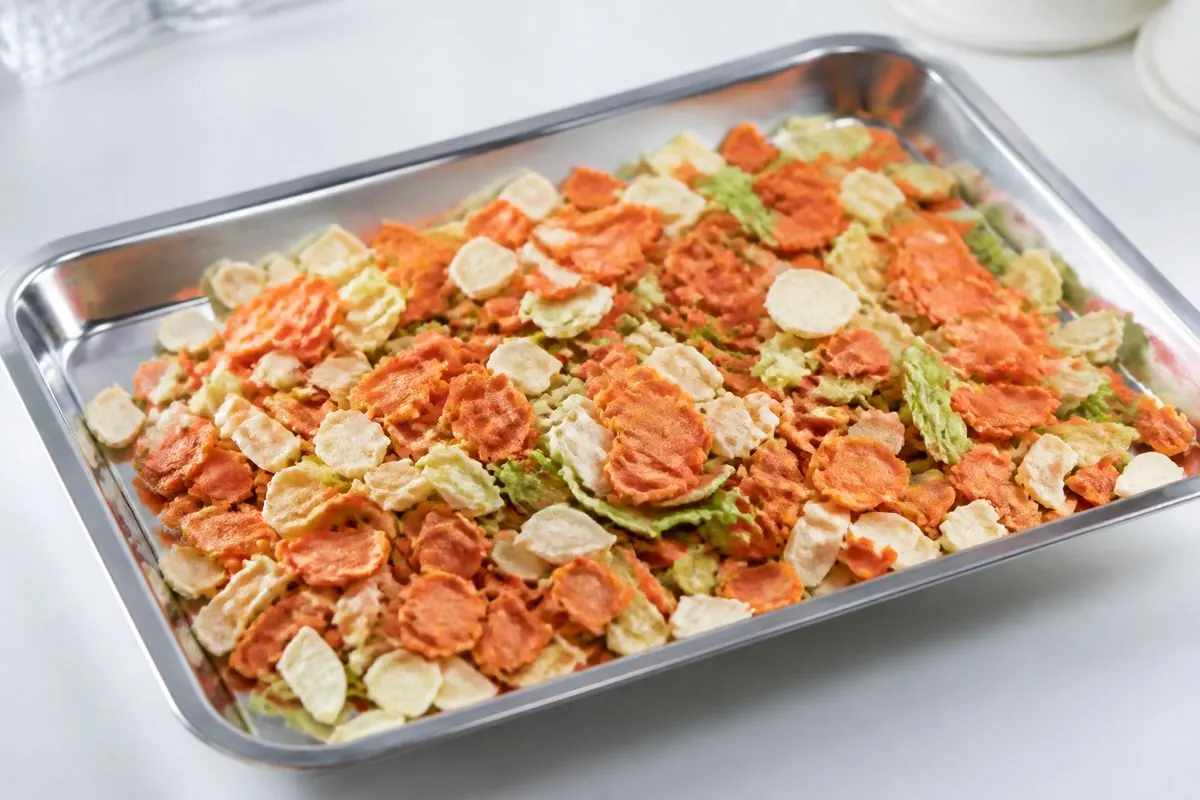
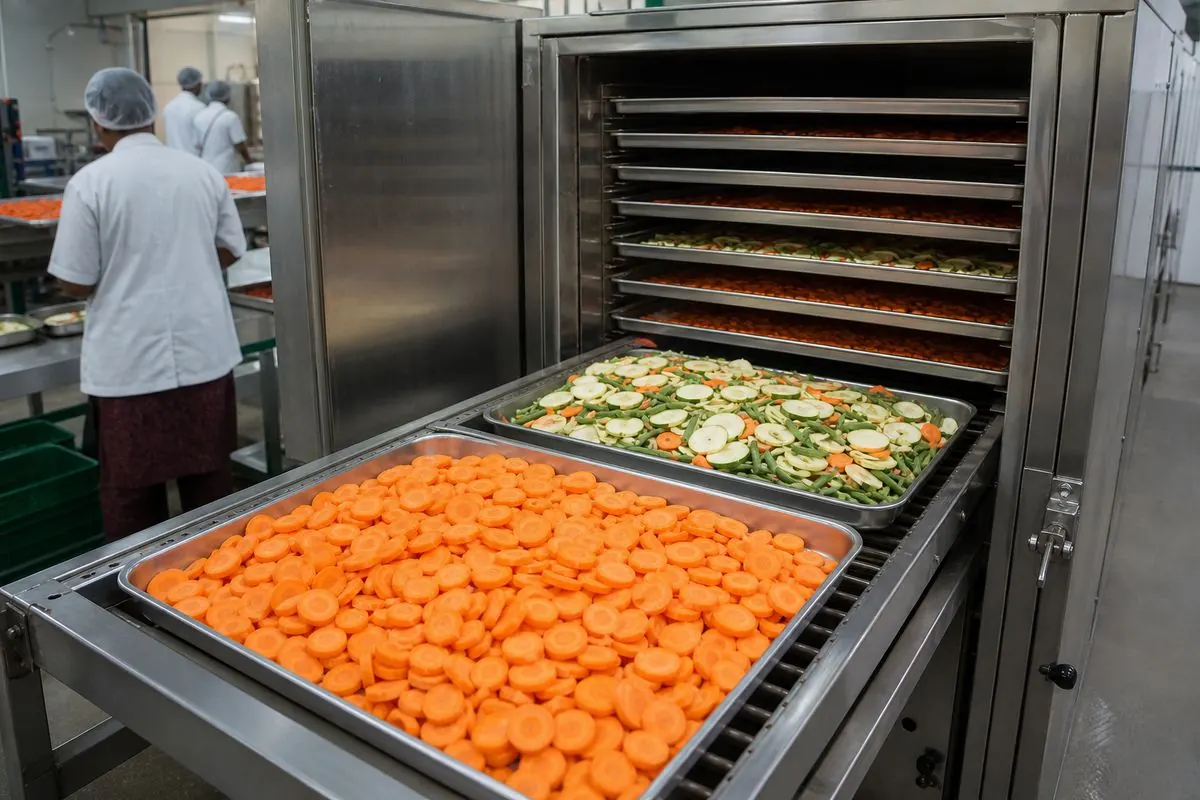
Typical commercial flow: vegetable intake and wash → slice/dice → blanch where required → hot-air or drum dry → mill or grade → metal detection → moisture/micro COA → moisture-barrier pack → dry warehouse → Mundra or Nhava Sheva stuffing. Freeze-dried and organic lots add certification and longer cycle times (often 4–8+ weeks).
Corridor logistics plus process capability beat generic lowest-FOB market chasing. Retain sealed samples and lot logs for every export destination so destination retests can be compared to origin release.
Export Process
Export Tip
Every destination still rides the same India export backbone: IEC, APEDA RCMC where used, FSSAI premises, CHA-confirmed HS 0712 filing, lot COA, phytosanitary or health certificate as required, commercial invoice and packing list, shipping bill, and B/L. Destination ranking changes the *intensity* of that stack — not whether the stack exists.
Incoterms commonly used: EXW plant/warehouse, FOB Mundra or Nhava Sheva, CFR/CIF named destination port; DDP only for mature retail programmes with local compliance partners. Lead times: samples 7–14 days; stock air-dried 2–4 weeks; custom blend / private-label 3–6 weeks; freeze-dried / organic 4–8+ weeks.
For step-by-step process depth, use the pillar export guide. For document field detail, use the documentation checklist.
Corridor-ready process gates
- Lock destination and HS line before production — not after stuffing.
- Name load port (Mundra vs Nhava Sheva) on the FOB offer so inland haulage matches dehydrator location.
- Attach destination compliance checklist (FDA prior notice, EU MRL, Halal, ANVISA) to the sales file.
- Book vessels only after sample/COA approval for new corridors.
Document intensity by tier
- Volume ASEAN / Nepal: competitive docs, COA, phyto as required.
- USA: FDA prior notice, FSMA supplier controls, micro discipline.
- EU/UK: MRL, sulfite labelling where SO₂ used, robust COA.
- Japan: positive-list MRL, tighter mesh/color evidence.
- UAE/GCC: Halal documentation expectations for food ingredients.
Trade Statistics
Key Statistics
- Re-run partner rankings yearly — Germany/Brazil/USA shares move.
- Split onion vs 071290 when presenting board-level trade stats.
- Model destination retest fees into corridor ROI, not only ocean freight.
Deepen export statistics with corridor economics: ocean frequency from Mundra/Nhava Sheva, inland haulage from Mahuva–Bhavnagar–Sihor, and partner concentration risk. Germany and Brazil as dual value leaders mean an exporter over-indexed on one partner faces offtake swings; dual-track EU and Americas programmes hedge that risk.
HS 071290 tonnage (45,547.7 MT in 2024, WITS) helps size FCL capacity planning for “other” vegetables separately from onion-heavy seasons. Treat partner shares as planning bands, not contracts.
Corridor economics snapshot for Indian HS 0712 programmes (planning)
Swipe →
Data table — swipe horizontally on small screens
| Corridor | Typical Load Ports | Freight / Logistics Note | Trade Risk Note |
|---|---|---|---|
| N. Europe (Germany, Netherlands, UK) | Mundra / Nhava Sheva → Hamburg, Rotterdam, Felixstowe/London gateways | Regular liner services; EU gateway via NL common | MRL / sulfite compliance cost can exceed freight delta |
| Brazil | Mundra / Nhava Sheva → Santos / other Brazilian gateways | Longer transit; schedule buffer for customs | ANVISA pathway timing can dominate lead time |
| USA | Mundra / Nhava Sheva → USWC / USEC / Gulf ports | Prior notice and FSMA controls on importer side | Micro rejection risk outweighs small FOB savings |
| ASEAN (Indonesia, Malaysia) | Mundra / Nhava Sheva → Jakarta / Port Klang corridors | Competitive short–medium haul vs Americas | Import licensing / FTA preference — verify live |
| GCC (UAE) | Mundra → Jebel Ali high-frequency | Short transit; re-export friendly | Halal docs often gate hypermarket programmes |
| Japan | Mundra / Nhava Sheva → Tokyo/Yokohama/Osaka gateways | Premium freight; schedule discipline | Positive-list failures costly — sample hard |
| Nepal land / short corridor | ICD / land routes as applicable | Lower ocean dependence; border paperwork critical | SAFTA / preferential docs must match HS line |
Import Data Analysis
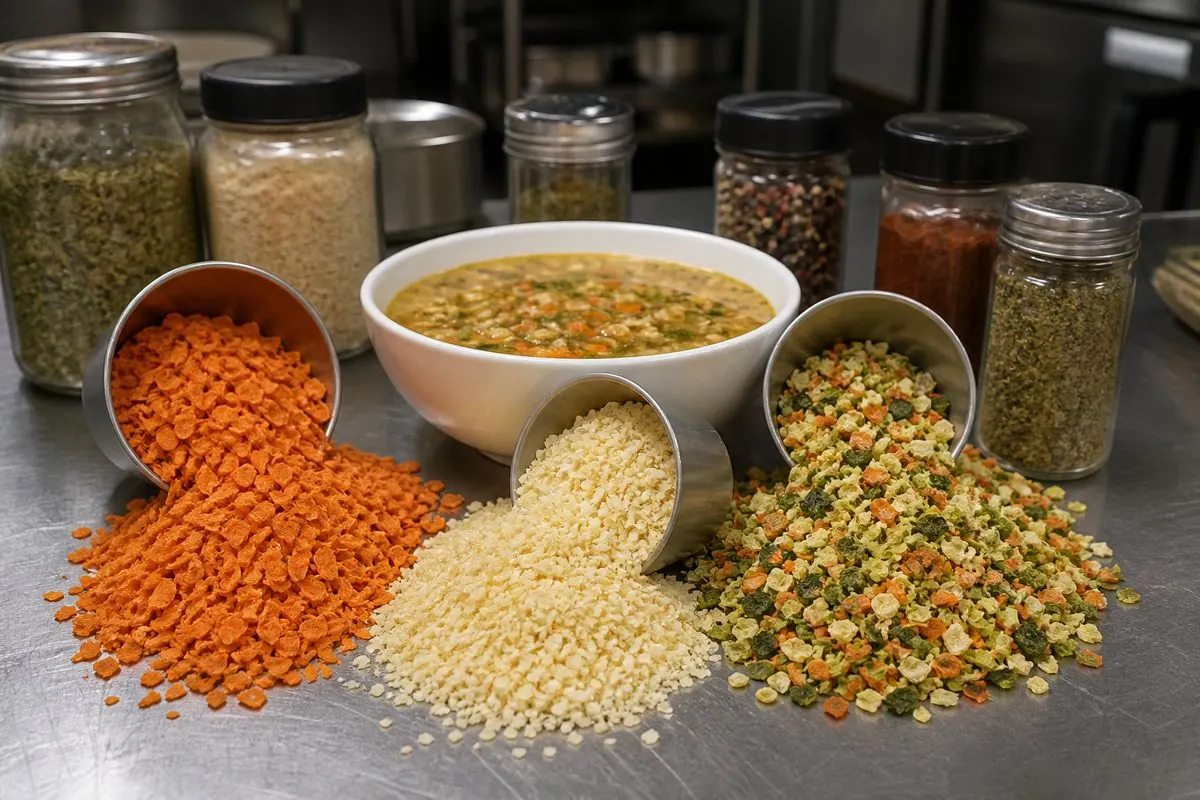
Import data analysis for market selection should score four variables per destination: (1) directional import offtake of HS 0712 / 071290 from India, (2) live MFN or preferential duty, (3) freight and transit reliability from west-coast India, and (4) compliance burden (FDA, EU MRL, Japan positive list, Halal, ANVISA). A market can rank high on value yet low on first-entry readiness if your dehydrator lacks the audit stack.
Netherlands often functions as an EU distribution gateway even when Germany is the end consumption market — score logistics hub versus end-user separately. UAE similarly mixes local consumption and re-export; Jebel Ali programmes may need Halal even when the next destination does not.
For finding named importers after you pick a corridor, see How to Find International Buyers for Dried Vegetables — this ranking post does not own lead-gen tactics.
Destination scoring model for Indian dried vegetable market entry
Swipe →
Data table — swipe horizontally on small screens
| Score Dimension | What to Measure | Why It Matters |
|---|---|---|
| Demand scale | HS 0712 / 071290 import value and volume from India (directional) | Funds FCL frequency and working-capital cycles |
| Duty treatment | Live MFN / FTA rate on the exact HS line | Duty errors erase FOB advantages overnight |
| Freight corridor | Sailings, transit time, inland haulage to Mundra/Nhava Sheva | Missed cutoffs create moisture and demurrage risk |
| Compliance burden | FDA / EU MRL / Japan positive list / Halal / ANVISA effort | Determines first-trial cost and time-to-approval |
| Payment & credit | LC prevalence, advance norms, claim culture | Cash-flow corridors vs audit-stack corridors differ |
| Programme fit | Commodity air-dried vs specialty / freeze-dried / organic | Wrong fit destroys first-arrival reputation |
Pricing Analysis
Buyer Tip
- Never compare corridors on FOB alone — model landed cost.
- Index quotes to quote date; vegetable intake is seasonal.
- Cross-check onion/garlic sibling bands separately — do not reuse as “all dried veg”.
Destination ranking must include price-band realism. Indicative FOB USD/kg for commodity air-dried carrot, cabbage, or mixed vegetable programmes often sits in the mid-single-digit to low-teens range depending on cut and season; tomato powder and specialty cuts run higher; freeze-dried, organic, and private-label retail packs are substantially higher. Always verify on the quote date — never publish stale absolutes as current prices.
Landed cost, not FOB, decides corridor attractiveness. Add ocean freight, destination duty, terminal handling, inland delivery, prior-notice or broker fees, and destination micro/MRL retest. A slightly higher FOB into a Free or low-duty US HTS line can beat a cheaper FOB into a higher-duty or high-rejection corridor.
Premium Japan and EU programmes pay for mesh, colour, and certification discipline; ASEAN and Nepal programmes often reward competitive commodity FOB and reliable lead times. Quote validity windows should be short when vegetable intake prices move.
Pricing & landed-cost planning structure (directional — verify quote date)
Swipe →
Data table — swipe horizontally on small screens
| Cost Component | Planning Note | Corridor Sensitivity |
|---|---|---|
| FOB Mundra / Nhava Sheva USD/kg | By vegetable, cut, drying method, mesh, moisture, cert, pack | Commodity ASEAN/Brazil vs premium Japan/EU/US |
| Inland haulage dehydrator → port | Mahuva–Bhavnagar–Sihor to Mundra typically efficient | Nhava Sheva may suit Maharashtra consolidation |
| Ocean freight + THC | Lane-dependent; buffer for peak season | Brazil/US long-haul vs UAE short-haul |
| Destination duty | Confirm live HTS / TARIC / UKGT / Japan / ASEAN schedules | Duty surprises kill margin more than freight swings |
| Compliance & lab | COA, MRL, micro, organic/Halal transaction docs | Highest in Japan, EU, US premium programmes |
| Rejection / claim reserve | Budget for moisture ingress or micro mismatch risk | Underspecified powder programmes carry higher reserve |
MOQ Analysis
Buyer Tip
MOQ strategy should follow destination risk. New audit-heavy corridors (Japan, US retail, EU organic) deserve sample and small trial bands before FCL. Volume ASEAN, Brazil commodity, and Nepal programmes can move to larger trials faster once COA match is proven — still avoid jumping from sample to multi-FCL without a written acceptance band.
Typical commercial bands: samples 0.5–5 kg; trial 100–500 kg or 1–5 MT; wholesale 5–20+ MT; 20ft FCL indicative ~10–16 MT and 40ft HC ~20–26 MT depending on bag versus carton density and powder versus flake stow. Confirm stow with the stuffing supervisor — mixed-SKU containers vary widely.
MOQ bands by destination entry stage (dried vegetables)
Swipe →
Data table — swipe horizontally on small screens
| Stage | Typical Quantity | Destination Use |
|---|---|---|
| Lab / buyer sample | 0.5–5 kg | All new corridors — mesh, colour, moisture, micro screen |
| First commercial trial | 100–500 kg or 1–5 MT | Japan, US, EU, UK — prove COA match before FCL |
| Corridor trial FCL | ~10–16 MT (20ft) indicative | Brazil, Indonesia, Germany, UAE — after sample approval |
| Programme wholesale | 5–20+ MT / month or multi-FCL | Proven partners with retained-sample history |
| Premium freeze-dried / organic | Often smaller than commodity FCL at start | Lead time 4–8+ weeks — plan MOQ with capacity booking |
Packaging Standards
Export Tip
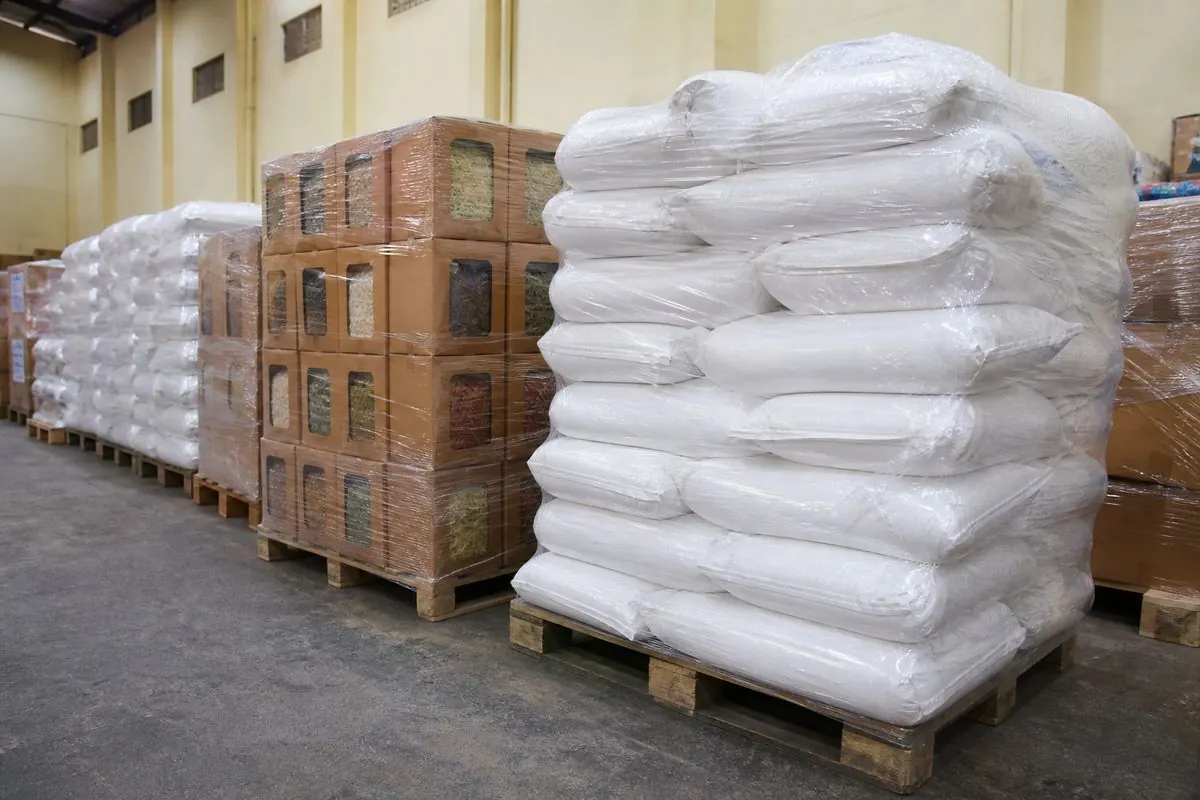
Packaging is a destination-risk control. Moisture-barrier liners in 10/20/25 kg food-grade bags or cartons are baseline for ocean corridors. Nitrogen flush or vacuum suits premium powders into Japan, US, and EU ingredient houses. Retail 50 g–1 kg pouches appear on UAE hypermarket and Western private-label programmes — those need artwork, barcode, and allergen fields locked before production.
Mark every pack with lot/batch ID, product name, net weight, manufacture/pack date, and moisture declaration where contracted. Avoid scent cross-contamination with strong aromatics (onion/garlic) unless the buyer ordered a mixed aromatic programme — UAE and EU buyers escalate aroma complaints quickly.
Packaging standards vs destination expectations
Swipe →
Data table — swipe horizontally on small screens
| Pack Format | Typical Use | Destination Note |
|---|---|---|
| 10 kg food-grade bag/carton + liner | Ingredient houses needing smaller units | Common in EU/UK sample-to-trial transitions |
| 20 / 25 kg bags or cartons + liner | Standard wholesale FCL | Brazil, Indonesia, Malaysia, Nepal volume |
| N2 flush / vacuum powder packs | Tomato powder, spinach powder, fine mesh | Japan, USA, Germany ingredient specs |
| Retail 50 g–1 kg pouches | Private-label / hypermarket | UAE, UK, USA PL — label compliance critical |
| Pallet stretch-wrap + desiccant as contracted | Humidity control in transit | Long-haul Brazil/US and monsoon stuffing windows |
Container Loading Details
Export Tip
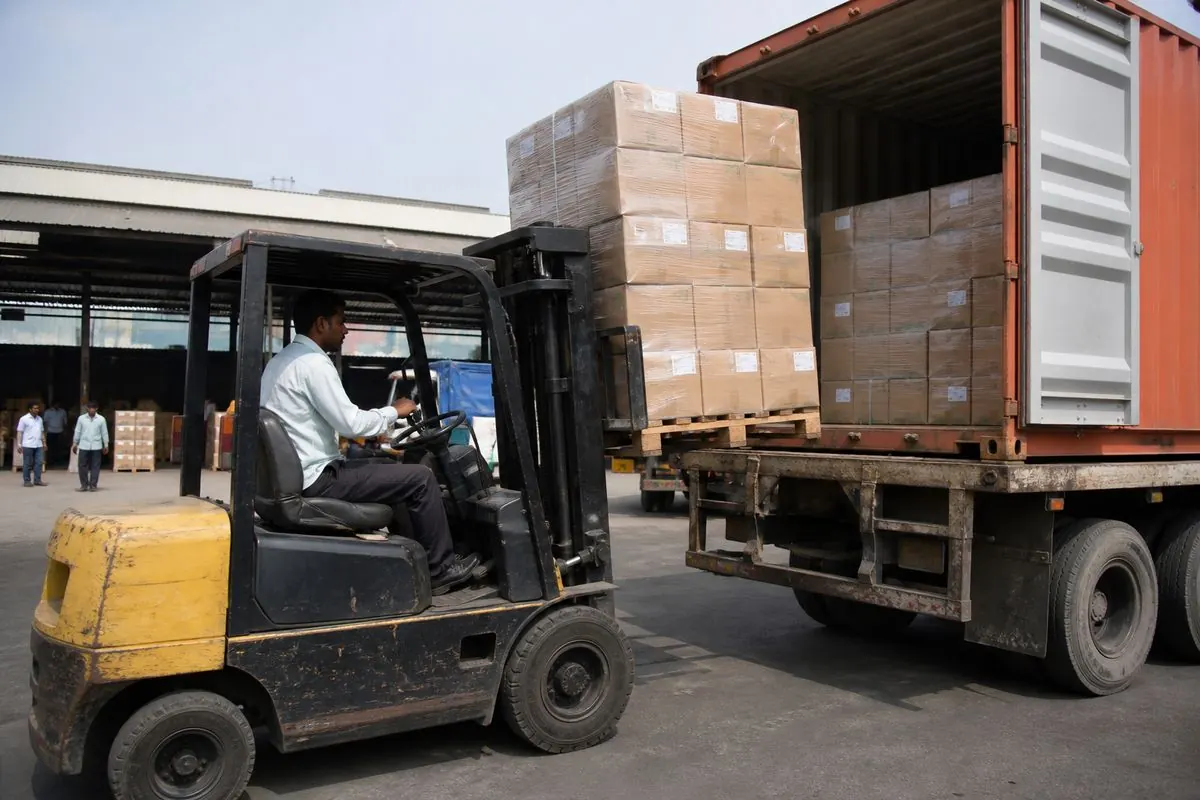
Container planning differs by corridor mainly through SKU mix and claim sensitivity, not through exotic stuffing science. Powders settle differently from flakes; mixed vegetable blends need segregation from onion/garlic unless specified. Photograph stow, seal numbers, and humidity controls for long-haul Brazil and US lanes where claim windows are longer.
Indicative payloads: ~10–16 MT in 20ft and ~20–26 MT in 40ft HC for 10/20/25 kg packs — confirm by density. Do not force theoretical max payload if carton crush risk rises; destination rejection on damaged packs costs more than one empty cubic metre.
Container loading planning for dried vegetable FCLs
Swipe →
Data table — swipe horizontally on small screens
| Parameter | Indicative Practice | Corridor Caution |
|---|---|---|
| 20ft FCL payload | ~10–16 MT (confirm stow) | Powder-heavy Japan/US lots may load lighter |
| 40ft HC payload | ~20–26 MT (confirm stow) | Watch carton crush on bottom tiers |
| Humidity control | Dry container, liner integrity, optional desiccant | Monsoon stuffing → Brazil/US long transit |
| Lot segregation | One COA lot per marked block where possible | EU/US retest programmes need clear lot IDs |
| Aromatic segregation | Separate onion/garlic unless mixed RFQ | GCC and EU aroma complaint risk |
| Documentation photos | Stow + seal + bag marks before gate-in | Claim defence on all long-haul corridors |
Shipping Methods
Export Tip
- Samples: air / express typically 5–12 days door-to-lab.
- Trial LCL: often 2–4 weeks post-production depending on corridor.
- Stock air-dried FCL: commonly 2–4 weeks door-to-port planning band.
- Custom blend / private-label: 3–6 weeks; freeze-dried / organic: 4–8+ weeks.
- Primary ports: Mundra (Gujarat gateway), Nhava Sheva (JNPT).
Ocean FCL is the default for commercial dried vegetable programmes from Mundra and Nhava Sheva. LCL suits 100–500 kg or 1–5 MT trials into new destinations. Air freight is reserved for urgent lab samples and small premium retail-pack consignments where lead time outweighs freight cost — common for Japan and US vendor-approval kits.
Incoterm choice interacts with destination capability: FOB named Indian port keeps compliance clarity for most new corridors; CFR/CIF helps buyers without strong freight desks; DDP is selective for mature retail programmes only. Name the load port on every offer so inland haulage from the Gujarat dehydrator belt is priced honestly.
Certifications
Compliance Notes
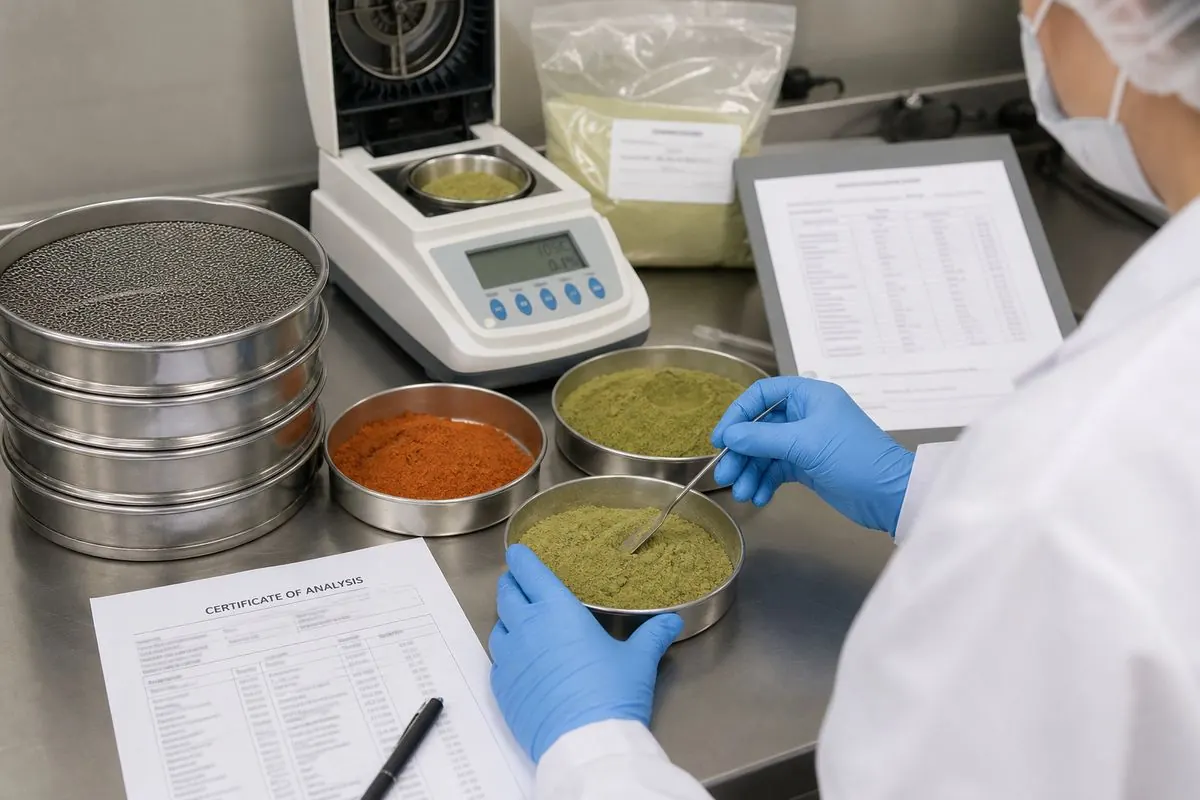
Baseline credentials for Indian dried vegetable exports are IEC, APEDA RCMC, and FSSAI. Lot COA (moisture, water activity, ash, colour, mesh, foreign matter, microbiology, MRL as contracted) is universal. Destination ranking then adds layers: FDA-aligned supplier controls for the US; EU MRL and sulfite labelling; Japan positive-list evidence; Halal for UAE/GCC; organic transaction certificates for NPOP/USDA/EU programmes; ANVISA pathway documents for Brazil as the buyer's broker directs.
Expired certificates fail audits faster than weak FOB wins deals. Renew APEDA/FSSAI and organic scopes before peak stuffing seasons.
Certifications & documents by destination intensity
Swipe →
Data table — swipe horizontally on small screens
| Certification / Document | Purpose | Highest Intensity Corridors |
|---|---|---|
| Lot COA (moisture/micro/MRL/mesh) | Release and destination retest baseline | All commercial shipments |
| APEDA RCMC + IEC + FSSAI | India export credential stack | All corridors |
| FDA prior notice / FSMA controls | US food import entry | United States |
| EU MRL + sulfite declaration | Residue and additive compliance | Germany, Netherlands, France, UK |
| Japan positive-list evidence | MRL / additive discipline | Japan |
| Halal documentation | Religious compliance for ingredients | UAE, Malaysia, broader GCC |
| Organic TC (NPOP/USDA/EU) | Organic claim chain of custody | USA, EU, UK, Japan premium |
| Phytosanitary / health certificate | Plant/food health as required | Most destinations — confirm per broker |
| ISO 22000 / HACCP / BRCGS | Site food-safety credibility | US, EU, UK, Japan vendor audits |
Buyer Requirements
Buyer Requirements
- Written spec before FOB: vegetable · cut · drying method · moisture · micro · pack.
- Sample + destination-relevant lab schedule before trial FCL.
- Name compliance tier (FDA / EU MRL / Halal / ANVISA / Japan) in the sales file.
- Agree claim windows for moisture ingress and micro mismatch in writing.
International dried vegetable buyers — ingredient houses, soup and seasoning manufacturers, foodservice distributors, retail private-label teams, and ASEAN repackers — typically request written specs (vegetable type, cut, drying method, moisture, Aw, mesh, micro, MRL, sulfite status), sample kits, lot COA, FOB with quote date, Incoterm and named port, APEDA/FSSAI/IEC proof, and packing format.
Premium US, EU, UK, and Japan programmes add organic certificates, tighter micro schedules, and often third-party audit rights. Brazil programmes may add ANVISA-related registration expectations via the importer's broker. UAE programmes frequently add Halal.
Exporters who ask for destination and end-use channel in the first RFQ response quote the right compliance tier instead of a generic “dried vegetables” FOB that fails later.
Country-wise Opportunities
Market Snapshot
- Tier 1 value: Germany · Brazil · USA · Indonesia · UK — scale and cash flow.
- Tier 2 strategic: UAE · Netherlands · Malaysia · Nepal — re-export, EU gateway, ASEAN, land.
- Tier 3 premium audit: Japan (+ Canada/Australia as capacity allows) — positive-list and specialty specs.
- Re-rank yearly using live HS 0712 / 071290 partner data.
The ranking below is a market-entry priority model for Indian HS 0712 programmes — validate against current partner flows and your buyer's import broker before committing FCL capacity. For vegetable × cut × drying-method demand matrices by country, see Most Demanded Indian Dried Vegetables by Country. For organic and freeze-dried specialty corridors, see Organic, Freeze-Dried & Premium Dried Vegetable Export Opportunities.
Country opportunity ranking for Indian dried vegetable exports (directional)
Swipe →
Data table — swipe horizontally on small screens
| Country | Demand / Rank Cue | Duty & Compliance Focus | Freight / Entry Note |
|---|---|---|---|
| Germany | Top HS 0712 value destination (~US$30.2M cue) | EU TARIC duty live; Reg. 396/2005 MRLs; sulfite labelling if SO₂ used | Hamburg corridor; pair with NL gateway logistics |
| Brazil | Near-top value destination (~US$29M cue) | Confirm ANVISA food-ingredient expectations with buyer broker | Long-haul; schedule buffers for clearance |
| United States | Major value (~US$23.7M cue); ingredient & foodservice | HTS 0712.90 SKU-specific (not uniformly Free); FDA prior notice / FSMA | Micro discipline > small FOB cuts |
| Indonesia | ASEAN volume leader (~US$20M cue); strong 071290 offtake | Verify MFN/FTA and import licensing live | Competitive freight vs Americas; repacker cadence |
| United Kingdom | ~US$15.6M cue; manufacturing & PL | UK Global Tariff live; strict micro/residue culture | Felixstowe/London gateways; label discipline on PL |
| United Arab Emirates | GCC + re-export hub | Duty confirm; Halal docs common for ingredients | Mundra–Jebel Ali frequency advantage |
| Japan | Specialty premium; smaller but high-spec | Positive-list MRL; tight mesh/color on powders | Sample hard; longer vendor approval |
| Netherlands | EU trading/logistics gateway | Same EU MRL/sulfite stack as Germany end-use | Rotterdam hub into wider EU distribution |
| Malaysia | ASEAN 071290 partner cue; Halal-friendly | Duty/licensing verify; Halal often useful | Complements Indonesia diversification |
| Nepal | Land/short-corridor 071290 partner cue | Preferential/SAFTA docs must match HS line | Border-ready invoice/COA packs |
| France / Canada / Australia | Recurring second-tier premium offtake | EU stack (FR); CFIA (CA); biosecurity (AU) | Enter after Tier 1 COA rhythm proven |
Sourcing Checklist
Checklist
Buyer Checklist
Exporter Checklist
Common Buyer Mistakes
Common Mistakes Box
Future Market Trends
Key Statistics
- EU/US clean-label ingredient demand supports premium FOB tiers.
- ASEAN volume remains a diversification hedge against Americas/EU swings.
- Japan positive-list and EU MRL enforcement raise the cost of weak COA discipline.
- Private-label and freeze-dried niches grow faster than commodity tonnes.
Clean-label soup and ready-meal growth continues to support EU and US ingredient demand for Indian dried vegetables, while ASEAN industrial blends sustain volume. Freeze-dried and organic programmes will keep expanding in Japan, USA, and EU — see the premium opportunities guide — but they will not replace commodity air-dried cash-flow corridors.
Enforcement intensity on pesticide MRLs, undeclared sulfites, and microbiology is rising in EU/UK and Japan. Exporters who invest in lab rhythm and kill-step documentation will keep market access; those who compete only on FOB will lose approved-vendor slots after one failed arrival.
Logistics will remain west-coast India centric (Mundra/Nhava Sheva), with private-label packing near dehydrator belts growing for UAE and Western retail programmes.
Challenges & Solutions
- Challenge: chasing every destination at once — Solution: Tier 1 value corridors first, then UAE/NL/Malaysia/Nepal, then Japan premium
- Challenge: duty assumption errors — Solution: live tariff check per HS line before every new quote cycle
- Challenge: compliance mismatch (FDA/EU/Japan/Halal) — Solution: attach destination checklist to RFQ response
- Challenge: moisture/micro claims on long-haul — Solution: liner specs, stuffing photos, seal numbers, claim windows
- Challenge: HS 0712 data distorted by onion mix — Solution: split 071220 vs 071290 in analysis
Scaling multi-country dried vegetable exports involves duty volatility, compliance asymmetry, and partner concentration risk. The solutions below keep programmes bankable.
Compliance Checklist
Checklist
Compliance Notes
Sources
- APEDA — Processed Vegetables (DGCIS FY2024-25 volume/value and destination notes)
- APEDA — RCMC / agri-processed export facilitation
- DGFT — Import Export Code (IEC) and foreign trade procedures
- FSSAI — food business licensing and product standards
- CBIC ICEGATE / Indian Customs — ITC-HS classification and shipping bills (confirm with CHA)
- India ITC-HS 0712 schedule (EximGuru reference) — 07122000 / 07129010–07129090 lines
- WITS / UN Comtrade — India HS 071290 exports by partner (2024)
- TrendEconomy — India HS 0712 exports/imports time series (2023 value and destination structure)
- OEC — India dried vegetables (HS 0712) bilateral profile (directional 2024 cues)
- ITC Trade Map — HS 0712 / 071290 partner verification
- USITC Harmonized Tariff Schedule — live US duty rates for HTS 0712
- EU TARIC — EU CN 0712 duties and measures
- FDA Prior Notice (food imports) — US food entry requirements
- Regulation (EC) No 396/2005 — EU pesticide MRLs
- Regulation (EU) 2018/848 — EU organic production and labelling
Trade figures, HS lines, and compliance notes in this article are directional planning aids. Re-verify against the primary sources below before quoting buyers or filing export documents.
Destination rankings and duty notes change annually — re-run partner data and destination tariff and MRL lookups before market-entry budgets.
Conclusion
Selecting the best countries for Indian dried vegetable exports succeeds when directional HS 0712 demand (Germany, Brazil, USA, Indonesia, UK) is scored against live duty, Mundra/Nhava Sheva freight, and compliance burden — with UAE, Netherlands, Malaysia, Nepal, and Japan sequenced for re-export, EU gateway, ASEAN, land, and premium audit roles.
Altus Exports helps Indian dehydrator programmes and international buyers rank corridors and execute first trials as a merchant exporter in India and global sourcing partner. Explore the agriculture & food products industry page, or contact the team for a destination scorecard.
Continue with How to Export Dried Vegetables from India, Most Demanded Indian Dried Vegetables by Country, and How to Find International Buyers for Dried Vegetables.