
How to Find International Buyers for Dried Vegetables
By Saurabh Mittal, Founder, Altus Exports
Lead-generation playbook for Indian dried vegetable exporters — HS 0712 and 0712.90 trade-data prospecting, LinkedIn outreach to ingredient houses and soup-mix plants, Gulfood/Anuga/SIAL conversion, and verification tactics that separate genuine importers from time-wasters.
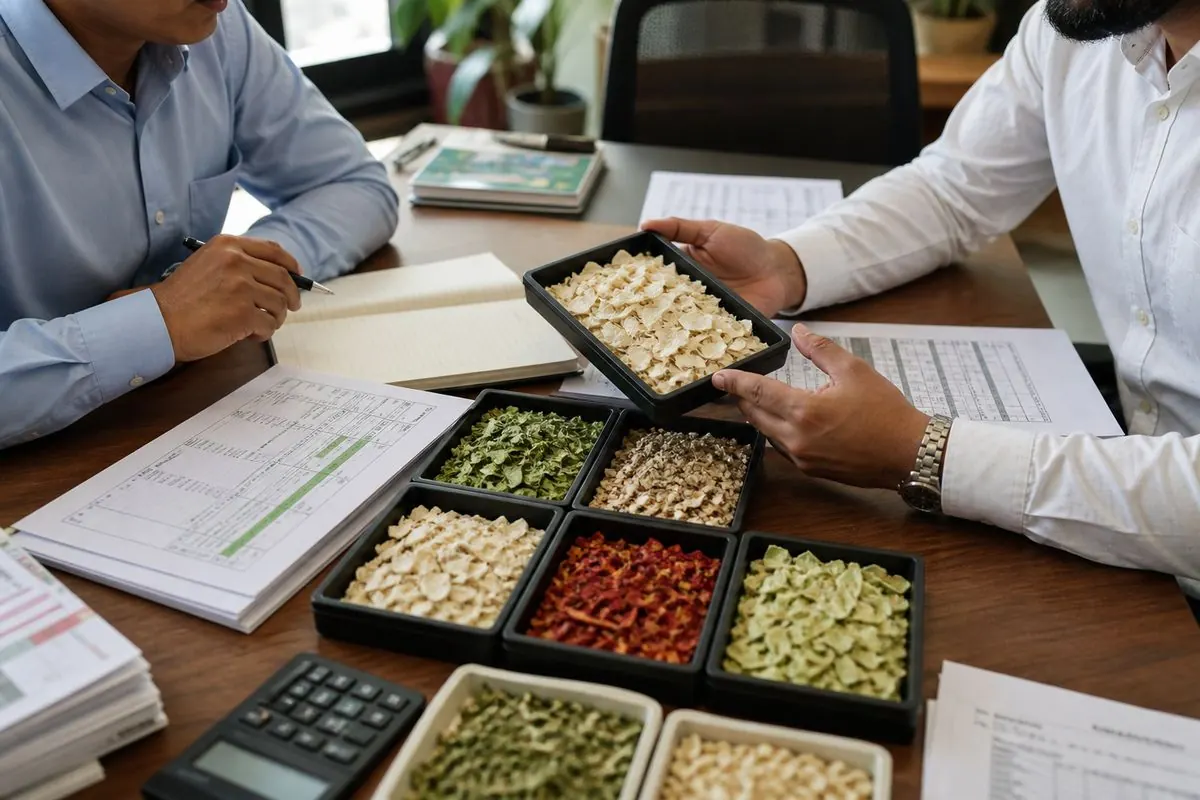
Learning how to find international buyers for dried vegetables is less about blasting a generic dehydrate catalogue and more about identifying importers who already move volume under HS 0712 — especially the 0712.90 other-vegetable and mixture lines that cover carrot, potato, tomato, cabbage, cauliflower, beans, peas, spinach, beetroot, sweet corn, and mixed blends — then qualifying them by channel. Ingredient houses, soup-mix manufacturers, snack plants, foodservice distributors, and retail private-label buyers each buy differently. Trade-data prospecting, LinkedIn outreach, Gulfood / Anuga / SIAL follow-up, and hard buyer verification convert when your first email names vegetable type, cut, drying method, moisture band, and a realistic trial MOQ.
India’s HS 0712 exports were about US$211.3 million in 2023 (TrendEconomy / Comtrade; ~79% dried onions), while OEC directional 2024 cues cite ~US$288 million and a leading global rank — re-verify live, with Germany, Brazil, the United States, Indonesia, and the United Kingdom among the leading value destinations. That scale means many importers already source Indian dehydrates — the open question is whether they source from you. This guide owns lead generation: how to mine HS 0712 import records, how to segment prospects by end use, how to run fair and LinkedIn outreach that earns a sample request, and how to verify that a prospect is a genuine buyer rather than a broker shopping lowest FOB. For end-to-end shipment mechanics, see How to Export Dried Vegetables from India. For fair calendars and booth ROI, see Trade Shows and B2B Marketplaces for Dried Vegetable Exporters.
Altus Exports supports Indian dehydrator programmes and merchant exporters as a merchant exporter in India and global sourcing partner, connecting verified Gujarat–Maharashtra supply with qualified international ingredient, soup-mix, snack, and retail buyers. Use this playbook to structure prospecting before you spend sample freight or pavilion budget.
Key Takeaways
Summary Box
Executive Summary
Summary Box
- Scan the coloured Summary / Stats / Tips boxes first — then open the tables.
- Decide vegetable + cut + drying method + destination channel before negotiating FOB.
- Use the jump nav on mobile: Takeaways → Export Stats → Buyer Channels → Pricing → Pack → Certs → FAQ.
Finding international buyers for dried vegetables requires HS 0712 trade-data prospecting, channel-specific outreach to ingredient houses, soup-mix plants, snack manufacturers, and retail buyers, and verification that the prospect imports dehydrates under their own name rather than shopping anonymous marketplace RFQs.
Conversion depends on vegetable- and cut-specific sample kits, moisture and micro COAs, clear trial MOQ, and follow-up speed after Gulfood, Anuga, SIAL, or LinkedIn first contact — not the lowest FOB on an unscoped quote.
This guide structures buyer-development channels for Indian dried vegetable exporters building repeat FCL programmes from Mundra and Nhava Sheva.
Market Size & Industry Overview
Key Statistics
- Prospecting cue: India HS 0712 ~US$211.3M (2023 verified; ~79% onions) and OEC ~US$288M (2024 directional) prove importer density — mine 071290 filers, not onion-only accounts.
- Core other/mixtures line: HS 0712.90 — confirm India 8-digit splits with CHA.
- Council stack: APEDA RCMC + IEC + FSSAI for dried / dehydrated vegetables.
- Clusters: Gujarat dehydrator belt · Maharashtra adjacency · Mundra / Nhava Sheva logistics.
Buyer density for multi-SKU carrot/potato/tomato/mixed programmes follows HS 071290 import records into the USA, Indonesia, Nepal, Germany, Malaysia, and adjacent corridors — not vanity lists of every food importer, and not onion-dominated HS 0712 ranks alone. Verified HS 0712 India 2023 value is about US$211.3 million (~79% dried onions); OEC directional 2024 cues cite ~US$288 million. The HS 071290 slice for 2024 is US$58.626 million and 45,547.7 MT (WITS), led by USA, Indonesia, Nepal, Germany, and Malaysia — always re-verify via DGCI&S, ITC Trade Map, or UN Comtrade before you build a prospect list.
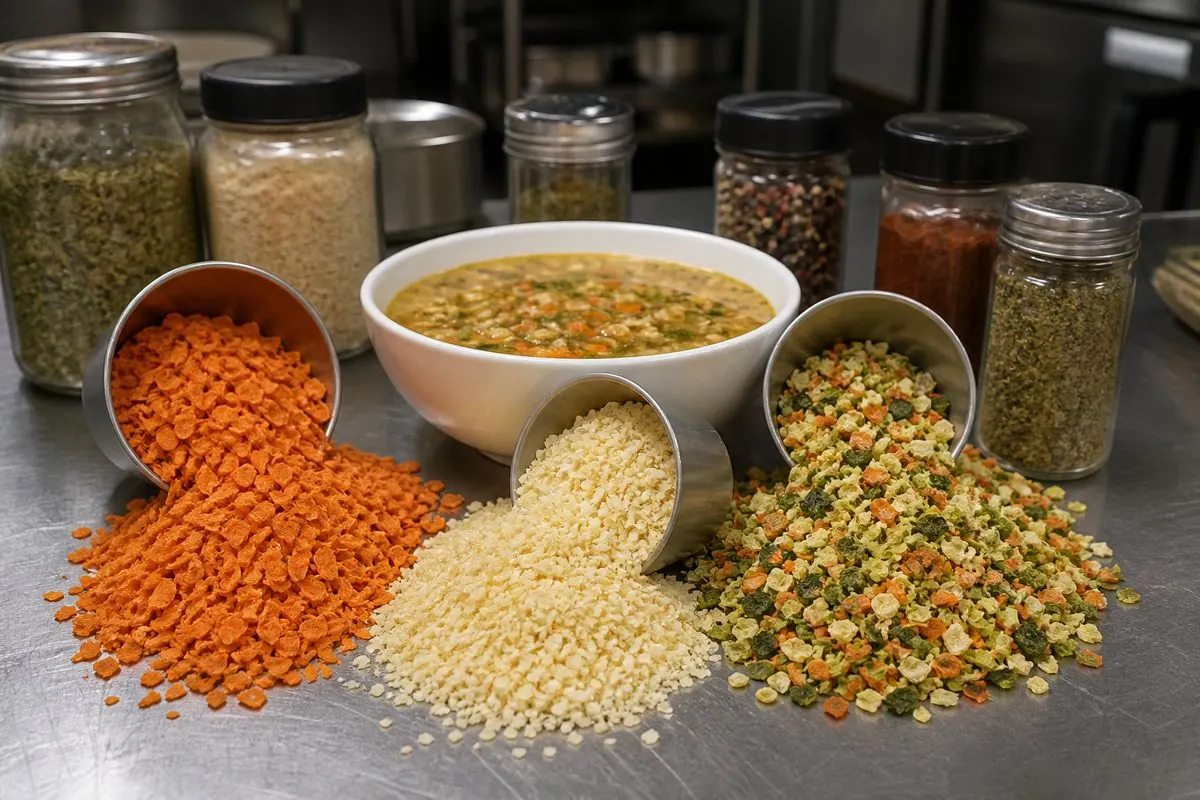
Demand is driven by soup mixes, seasonings, ready meals, snacks, foodservice blends, and selective pet-food adjacency. That means your prospect universe is ingredient distributors and formulators as often as it is retail brands. Market selection for outreach should combine destination value (see Best Countries for Indian Dried Vegetable Exports) with channel fit: a German soup-mix plant and a UAE hypermarket private-label buyer will not respond to the same pitch.
Supply for multi-SKU programmes concentrates in the Gujarat Mahuva–Bhavnagar–Sihor dehydrator belt, with Maharashtra Nashik adjacency for raw material and merchant consolidation, and Mundra / Nhava Sheva as the primary FCL gateways. Prospecting works when you can name that corridor credibly and prove APEDA RCMC, IEC, and FSSAI readiness — buyers discard exporters who cannot map supply to a real dehydrator cluster.
Export Statistics
Key Statistics
- Heading: HS 0712 — dried vegetables, whole, cut, sliced, broken or in powder, not further prepared.
- Core cluster line: HS 0712.90 other vegetables & mixtures (carrot, potato, tomato, cabbage, etc.).
- Top 2024 destinations (directional value): Germany, Brazil, USA, Indonesia, UK.
- Always label figures directional and re-verify before outreach prioritisation.
Prospect buyers using HS 0712 export and partner import history — importers filing only fresh vegetables (Chapter 07 fresh lines), frozen vegetables (HS 0710), or prepared vegetables (HS 2001–2005) are usually the wrong target even if they appear in a broad “vegetable import” search. Keep onion under HS 0712.20 and garlic-heavy India lines as sibling SKUs; link dehydrated onion or dehydrated garlic only when the basket truly includes those products.
For lead generation, the useful export statistics are partner-country ranks and the HS 071290 volume/value split, because they tell you which corridors already clear Indian dehydrates and which buyer types are active. Refresh quarterly — importer filing patterns shift with soup-mix reformulations, retail private-label cycles, and freight swings.
India dried vegetable export profile (HS 0712) — directional; re-verify before prospect lists
Swipe →
Data table — swipe horizontally on small screens
| Metric | Directional Estimate | Lead-gen implication |
|---|---|---|
| India HS 0712 export value | ~US$211.3M (2023) / OEC ~US$288M (2024 dir.) | Large active importer base already buying Indian dehydrates |
| India global rank | Among leading exporters (OEC 2024 dir.) | Origin story is established — compete on reliability and SKU fit |
| Top destinations by value (2024) | 0712: DE/BR/US (onion-heavy); 071290: US/ID/NP/DE/MY | Prioritise outreach lists in these corridors first |
| HS 071290 India (2024) | US$58.626M / 45,547.7 MT | Focus prospecting on other-veg / mixture importers, not only onion |
| Governing council | APEDA RCMC + IEC + FSSAI | Lead emails should show these dried-vegetable credentials |
| Primary load ports | Mundra, Nhava Sheva (JNPT) | Quote FOB named port early in buyer conversations |
| Dominant programme types | Air-dried flakes/kibbled/granules/powder; selective freeze-dried/organic | Segment outreach by drying method capability |
| Sibling SKUs (link only) | Onion 0712.20; garlic India 07129020/30/40 style lines | Do not pollute 0712.90 prospect lists with onion-only importers |
Import Statistics
Key Statistics
- Filter imports by HS 0712 / 071290 — not Chapter 07 fresh or HS 0710 frozen.
- Prefer multi-year repeat importers over one-shipment traders.
- Cross-check company names against LinkedIn procurement / category-buyer titles.
- Re-run partner data quarterly before trade-show travel.
Import statistics are the raw material of lead generation. Pull HS 0712 and HS 071290 import records by destination country from ITC Trade Map, UN Comtrade, WITS, or paid customs databases (Panjiva, ImportGenius, and similar). Rank importers by repeat years of filings, not a single spike year — one-year spikes often reflect traders rather than formulators with sticky demand.
Map each destination’s leading importer types before you write LinkedIn copy. US and EU corridors often show ingredient houses and soup-mix / seasoning brands; Indonesia and Malaysia show repackers and regional distributors; Brazil shows food-ingredient importers with ANVISA expectations; GCC corridors mix foodservice distributors and hypermarket private-label buyers. Import ranks without channel labels waste outreach weeks.
Import demand signals by destination — Indian dried vegetables (directional)
Swipe →
Data table — swipe horizontally on small screens
| Market | Directional import signal | Primary buyer types to prospect |
|---|---|---|
| Germany | Top HS 0712 value destination (~US$30.2M cue, 2024) | Soup-mix / seasoning houses, ingredient distributors, retail brands |
| Brazil | Major value destination (~US$29M cue, 2024) | Food-ingredient importers, processors, regional distributors |
| United States | Strong HS 0712 / 071290 offtake (~US$23.7M cue, 2024) | Ingredient houses, snack & soup brands, private-label packers |
| Indonesia | High HS 071290 relevance (~US$20M HS 0712 cue, 2024) | Repackers, seasoning plants, wholesale distributors |
| United Kingdom | Premium micro/MRL-sensitive corridor (~US$15.6M cue, 2024) | Ingredient distributors, foodservice, retail private label |
| UAE / GCC | Foodservice + hypermarket + re-export adjacency | Distributors, Halal-ready private-label buyers |
| Japan | Tighter mesh/color programmes on leafy and carrot powders | Ingredient specialists, ready-meal formulators |
| Netherlands / France | EU gateway and brand formulators | Ingredient houses, organic/premium distributors |
Buyer Channels & Prospect Segments
Lead generation for dried vegetables succeeds when you pick a buyer channel before you pick a country. Five segments dominate qualified demand: (1) ingredient houses and seasoning blenders, (2) soup-mix and ready-meal manufacturers, (3) snack and extruded-product plants, (4) foodservice distributors and institutional blenders, and (5) retail private-label / clean-label brands. Each segment has different MOQ patience, COA depth, and audit appetite.
Ingredient houses often buy multiple vegetables and cuts for warehouse programmes — carrot flakes, potato granules, tomato powder, cabbage, and mixed blends in the same relationship. Soup-mix plants care about rehydration, color, and mesh consistency. Snack plants care about piece integrity and oil pick-up. Retail private label cares about pack artwork, allergen panels, and certification stacks. Do not send one undifferentiated catalogue to all five.
For SKU selection context without owning the full product catalogue here, see Top Dried Vegetable Products Exported from India. For importer-side verification workflows after first contact, see Source Dried Vegetables Directly from India.
Dried vegetable buyer-development channel comparison
Swipe →
Data table — swipe horizontally on small screens
| Channel | Best for | Conversion timeline | Key success factor |
|---|---|---|---|
| HS 0712 trade-data prospecting | Identifying active importers | 2–6 weeks | Multi-year 0712 / 071290 filing history |
| Ingredient-house outreach | Repeat multi-SKU FCL programmes | 6–16 weeks | Vegetable + cut + moisture named in first email |
| Soup-mix / seasoning plants | Formulation-critical flakes and powders | 8–20 weeks | Rehydration/mesh COA discipline |
| Snack manufacturers | Piece-integrity dehydrate cuts | 8–20 weeks | Sample sensory + oil-uptake fit |
| Retail private label | Own-brand pouches and jars | 16–40+ weeks | Pack artwork + cert stack + audit readiness |
| Gulfood / Anuga / SIAL / Fi Europe | First meetings and sample approval | 1–3 months post-event | 14-day sample dispatch with lot COA |
| LinkedIn procurement outreach | Warming cold import-data leads | 2–8 weeks | Personalised SKU pitch, not catalogue dump |
| B2B marketplaces | Inbound enquiry volume | Ongoing | Hard qualification before quoting FOB |
Ingredient houses and seasoning blenders
Prospect companies that import HS 0712 regularly and publish seasoning, soup base, or vegetable-ingredient catalogues. Lead with multi-SKU capability from the Gujarat dehydrator belt, moisture and micro COA templates, and FOB Mundra / Nhava Sheva. Ask which vegetables and cuts they replenish monthly before quoting price.
Soup-mix, snack, and retail private label
Soup-mix and snack RFQs should name target mesh, color, and rehydration expectations early. Retail private-label RFQs need pack format (50 g–1 kg vs 10/20/25 kg industrial), labelling languages, and certification claims. Sequence industrial bulk programmes first if your packing line is not yet private-label ready.
Manufacturing Overview
Export Tip
- Supply map: Gujarat dehydrator belt → merchant consolidation → Mundra / Nhava Sheva.
- Name drying method and cut in every prospect conversation.
- Retain sample lots that match outreach claims — never ship a different grade silently.
- Freeze-dried / organic capacity is a premium filter — do not claim it without proof.
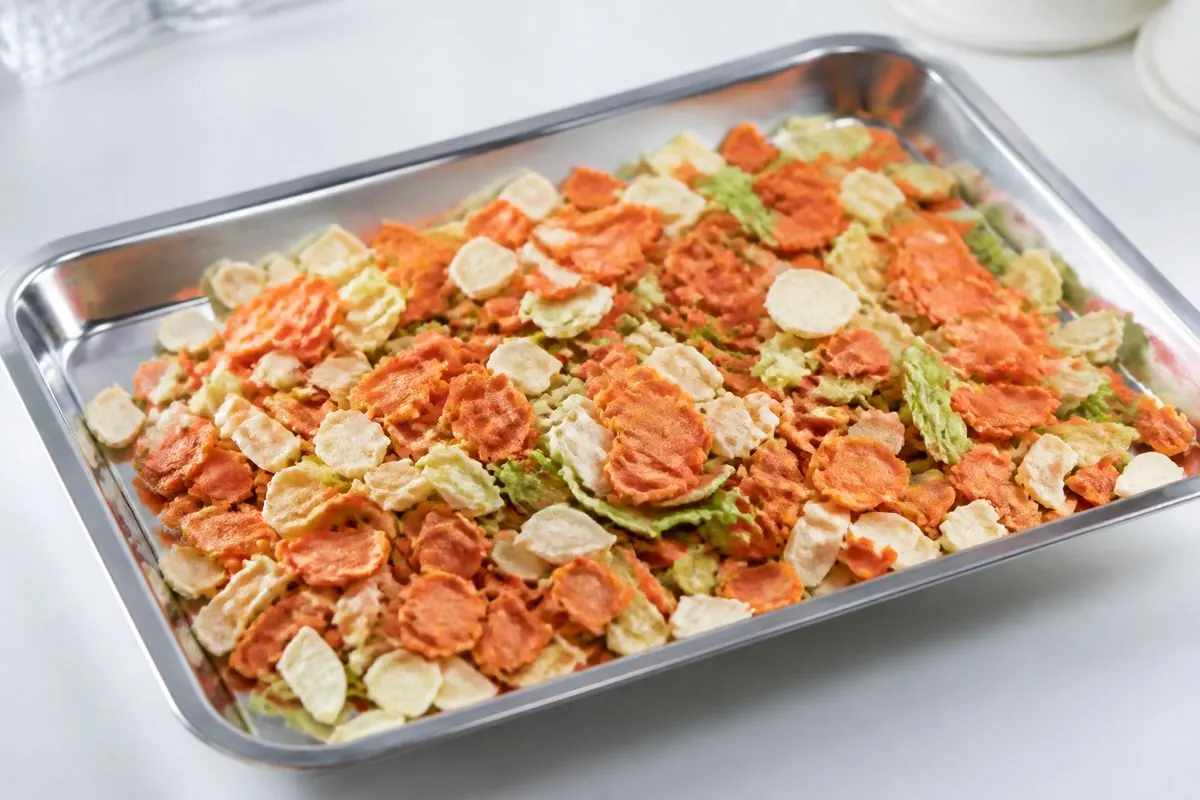
Buyer development converts faster when you can explain — without owning a full process essay — that Indian commercial dehydration for carrot, potato, tomato, cabbage, cauliflower, beans, peas, spinach, beetroot, sweet corn, and mixed blends concentrates in Gujarat’s Mahuva–Bhavnagar–Sihor belt with Maharashtra adjacency. Procurement teams trust exporters who can name dehydrator geography, drying method (air-dried / drum-dried / freeze-dried), and pack formats, not traders who only recite FOB.
In outreach, reference dehydrator capacity class, moisture-control practice, and lot COA history. Ingredient houses reject vendors who cannot distinguish flakes from kibbled, granules from powder, or air-dried from freeze-dried lead times. Keep manufacturing detail light here; point serious process questions to the pillar guide and keep this article focused on finding and qualifying buyers.
Export Process
Export Tip
- Incoterms in outreach: EXW, FOB Mundra/Nhava Sheva, CFR/CIF; DDP selective.
- Never promise FCL capacity before trial acceptance.
- Align CHA HS filing (0712 / 07129060 / 07129090 or garlic 07129020–40) with the SKU you sampled.
From a lead-generation perspective, the export process is the promise you make in outreach: sample in 7–14 days, stock air-dried programmes in 2–4 weeks, custom blend / private-label in 3–6 weeks, freeze-dried / organic in 4–8+ weeks, shipping FOB Mundra or Nhava Sheva under EXW / FOB / CFR / CIF as agreed. Buyers who receive honest lead-time language convert; buyers who hear “ready now” for every SKU do not trust the next email.
Baseline credentials to show early: IEC, APEDA RCMC, FSSAI licence references, and willingness to provide lot COA (moisture, micro, residues/mesh as contracted). Do not turn this section into a document-field checklist — that lives in the documentation cluster post. Here, process means the commercial sequence from qualified lead → sample → trial MOQ → FCL.
From qualified lead to sample
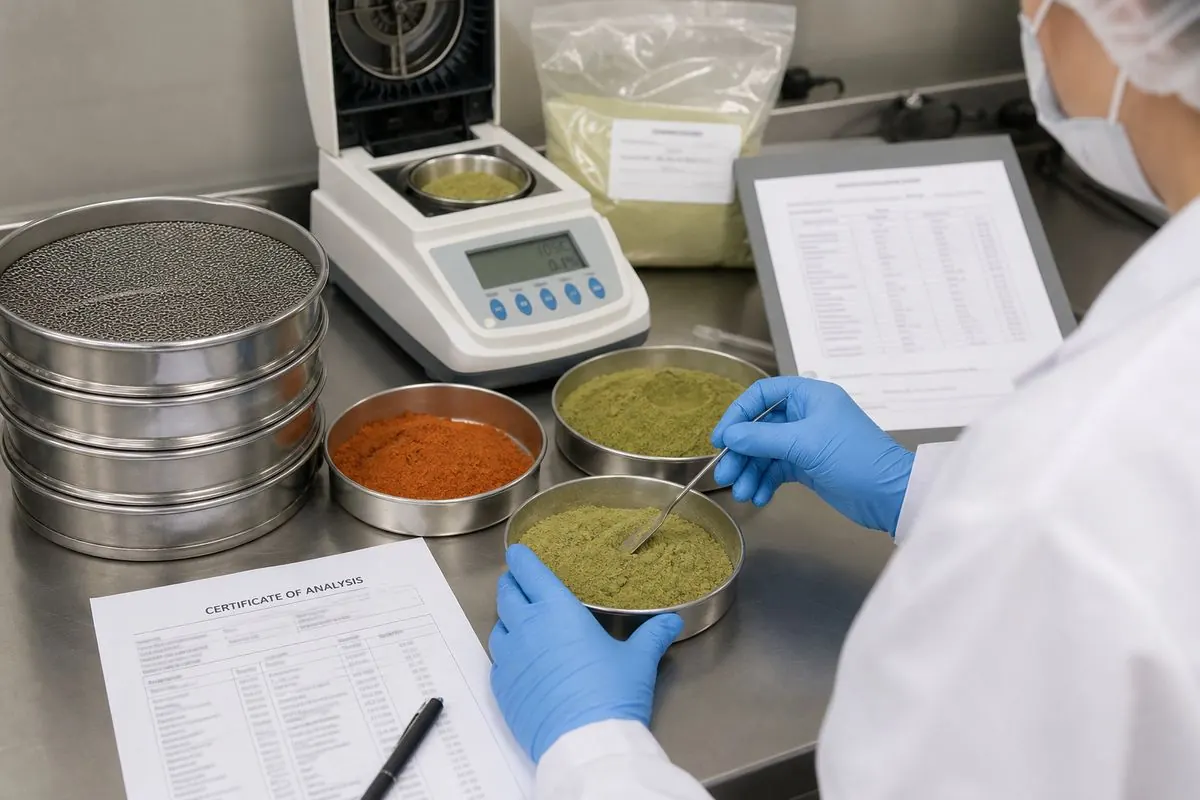
After trade-data or fair contact, send a one-page spec acknowledgement (vegetable, cut, drying method, moisture target, pack, trial MOQ) and dispatch 0.5–5 kg samples with COA. Confirm destination lab expectations before freighting samples that will be rejected on method alone.
From trial MOQ to programme FCL
Write trial quantity (100–500 kg or 1–5 MT) into the RFQ. Scale to 5–20+ MT wholesale or indicative 10–16 MT per 20ft FCL only after first-arrival moisture and micro match. Photograph stuffing and keep seal numbers for claim defense.
Trade Statistics
Key Statistics
Deepen export statistics with a prospecting lens: which partners pull HS 071290 volume, which partners pull broader HS 0712 value dominated by onion/garlic siblings, and where APEDA’s broader “processed vegetables” basket (~614,979 MT / ~US$897M in FY2024-25) should not be mistaken for pure dried-vegetable demand. Misreading the broader basket inflates prospect lists with importers who buy preserved or other processed lines, not dehydrates.
Build an internal scorecard: destination × HS line × importer type × estimated annual MT. Update after each Gulfood / Anuga / SIAL cycle. Trade statistics without an outreach scorecard remain academic.
Trade-data layers for dried vegetable prospecting
Swipe →
Data table — swipe horizontally on small screens
| Data layer | What to extract | Common mistake |
|---|---|---|
| HS 0712 heading totals | Country value ranks for India exports | Treating onion-heavy partners as carrot/tomato buyers |
| HS 071290 partner data | Other-veg / mixture importer lists | Ignoring multi-year repeat filters |
| Paid customs line data | Named consignees and brokers | Cold-calling brokers as if they were formulators |
| APEDA processed veg basket | Macro agri-processed context only | Using ~US$897M as pure HS 0712 demand |
| Fair visitor lists | Ingredient / retail badges | Following up every badge without SKU fit |
| LinkedIn company pages | Procurement titles and plant locations | Pitching retail packs to bulk-only blenders |
Import Data Analysis
- Tag each prospect: ingredient / soup-mix / snack / retail / trader.
- Record last known HS line and approximate annual MT.
- Note certification hints (organic, Halal, BRCGS) from public buyer pages.
- Discard prospects that only buy frozen (0710) or prepared (2001–2005) lines.
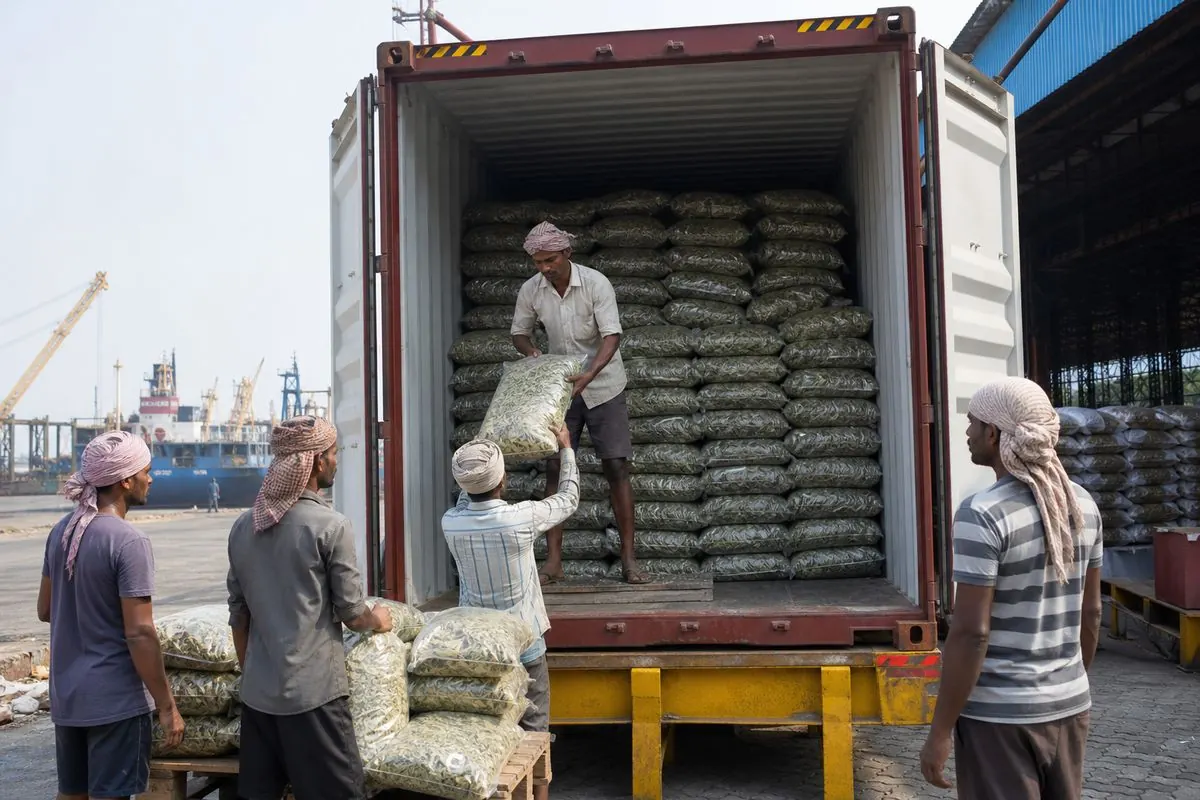
Import data analysis for lead generation has three filters: (1) correct HS family, (2) repeat volume, (3) end-use plausibility. An importer filing large HS 0712 volumes into a seasoning warehouse is a different prospect from a trading company with one seasonal spike. Read product description fields when available — “dehydrated carrot flakes,” “tomato powder,” “mixed dried vegetables” — and map them to your actual dehydrator SKUs.
Build two lists per corridor: A-list (repeat formulators / distributors with named vegetable programmes) and B-list (traders and unknown entities). Spend sample freight on A-list first. Use B-list only after company registry and payment instrument checks. This analysis step is where most Indian exporters either save months or waste them.
Pricing Analysis
Buyer Tip
In buyer outreach, never lead with a stale absolute USD/kg. Quote FOB named Indian port with vegetable type, cut, drying method, mesh/moisture, certification, pack format, and quote date. Directional planning bands for commodity air-dried carrot / cabbage / mixed programmes often sit in the mid-single-digit to low-teens USD/kg range; tomato powder and specialty cuts sit higher; freeze-dried, organic, and private-label retail packs sit substantially higher. Always verify on the quote date.
Prospected buyers compare landed cost, not FOB alone. Help them by stating Incoterm clearly and noting that freight, duty, retest, and certification premiums change corridor rankings. Price-only RFQs without vegetable and cut detail are usually time-wasters — require scope before issuing numbers.
FOB pricing posture for buyer outreach — verify on quote date
Swipe →
Data table — swipe horizontally on small screens
| Programme type | Directional FOB posture | Outreach note |
|---|---|---|
| Commodity air-dried carrot / cabbage / mixed | Mid-single-digit to low-teens USD/kg | State cut + moisture before number |
| Potato flakes / granules | Band by mesh and process | Confirm foodservice vs retail use |
| Tomato powder / specialty cuts | Above commodity air-dried | Color and micro drive acceptance |
| Freeze-dried carrot / peas / mixed | Substantially higher | Lead time 4–8+ weeks — say so early |
| Organic NPOP / USDA / EU lots | Substantially higher | Transaction certificate readiness required |
| Private-label retail pouches | Bulk FOB + conversion | Artwork and barcode gates timeline |
| Trial parcels (100–500 kg / 1–5 MT) | Often above FCL unit FOB | Explain trial vs programme pricing |
MOQ Analysis
Buyer Tip
State MOQ ladders in every outreach sequence so buyers self-qualify. Typical practice: samples 0.5–5 kg; trial 100–500 kg or 1–5 MT; wholesale 5–20+ MT; indicative 20ft FCL about 10–16 MT depending on bag/carton density — confirm stow by SKU. Exporters who promise FCL pricing on undefined “small trial” requests attract brokers, not formulators.
Ingredient houses may mix SKUs in one container; retail private-label buyers may need smaller first runs. Write the mix rules into the RFQ response so stuffing plans stay honest.
MOQ ladder for dried vegetable buyer development
Swipe →
Data table — swipe horizontally on small screens
| Stage | Typical MOQ | Lead-gen purpose |
|---|---|---|
| Lab / buyer sample | 0.5–5 kg | Qualify interest and lab methods |
| Trial order | 100–500 kg or 1–5 MT | Prove moisture/micro match on arrival |
| Wholesale programme | 5–20+ MT | Distributor / blender replenishment |
| 20ft FCL | Indicative ~10–16 MT | Commercial programme — confirm stow |
| 40ft HC FCL | Indicative ~20–26 MT | Established multi-SKU relationships |
| Long-term contract | MT/month as contracted | Only after trial acceptance |
Packaging Standards
Export Tip
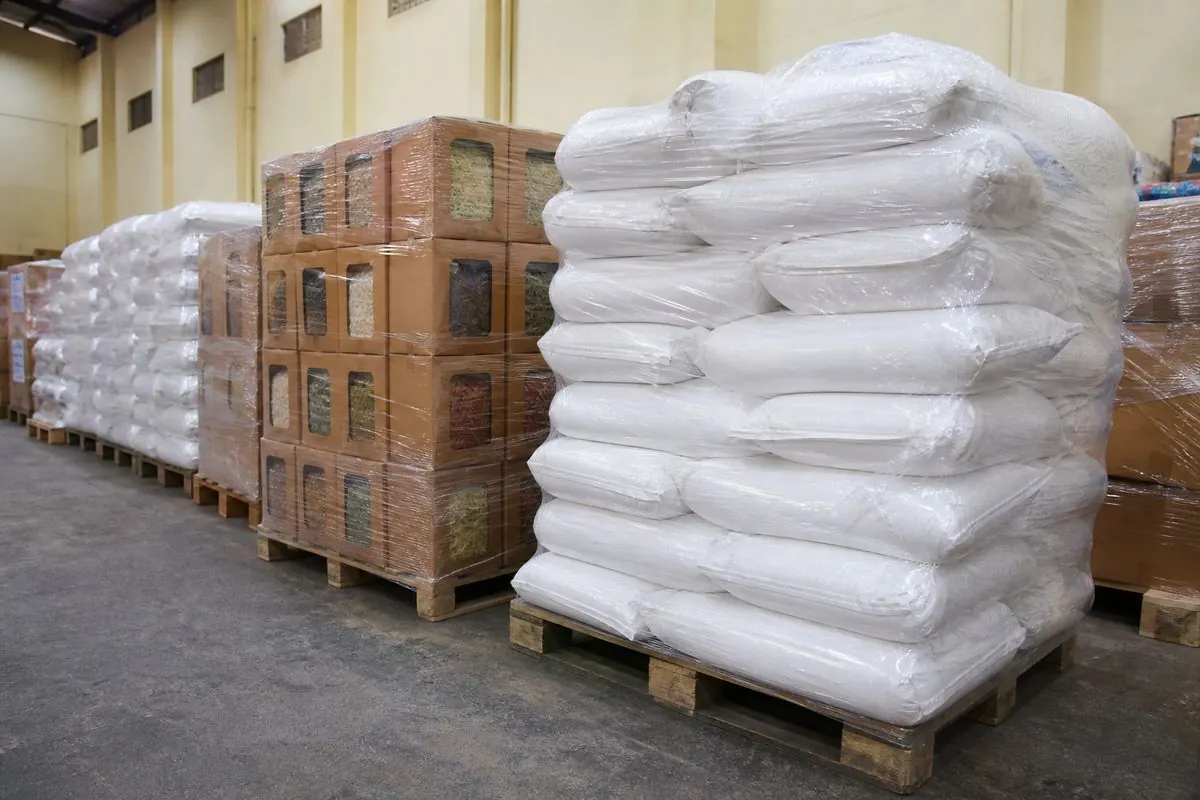
Mention pack formats early because they signal channel fit. Industrial buyers expect 10/20/25 kg food-grade bags or cartons with moisture-barrier liners; premium powders may need nitrogen flush or vacuum; retail programmes need 50 g–1 kg pouches with lot tagging. Cross-contamination with strong aromatics (onion/garlic) must be controlled unless the buyer ordered a mixed aromatic basket.
In sample kits, match the pack story you will use commercially. Sending retail pouches to a bulk soup-mix plant — or unmarked poly bags to a private-label retailer — destroys credibility.
Pack formats to reference in buyer outreach
Swipe →
Data table — swipe horizontally on small screens
| Format | Typical configuration | Buyer channel | Outreach cue |
|---|---|---|---|
| 10 kg bags/cartons | Food-grade + moisture barrier | Ingredient houses, trials | Good for mixed-SKU trials |
| 20 kg bags/cartons | Food-grade + liner | Distributors, blenders | Standard wholesale |
| 25 kg bags | Woven PP/HDPE + inner liner | Cost-sensitive corridors | Confirm handling capability |
| N2 / vacuum powder packs | Premium barrier | Tomato/spinach/leafy powders | State shelf-life claims carefully |
| Retail 50 g–1 kg | Private-label pouches | Hypermarket / brand PL | Artwork lead time applies |
| Lot marking | Batch ID, net wt, dates | All channels | Must match invoice/COA |
Container Loading Details
Export Tip
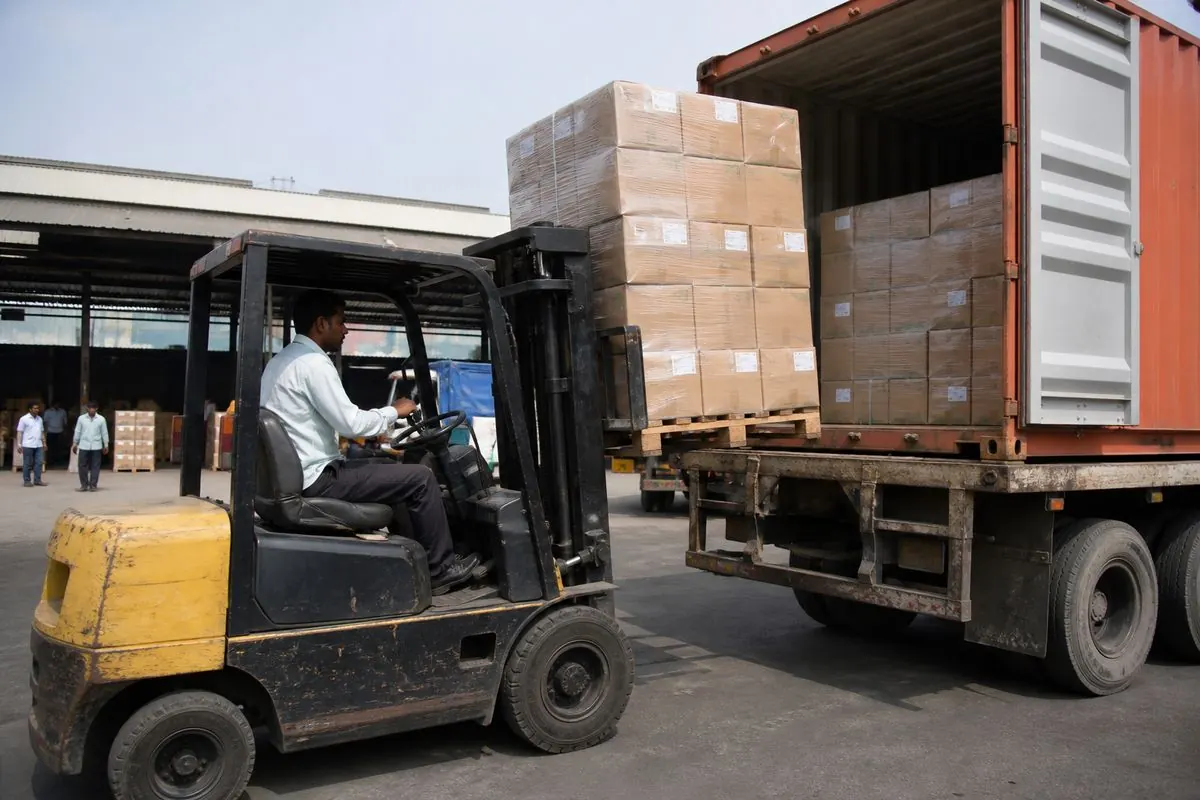
Prospect conversations break when exporters overpromise container payloads. Indicative practice is about 10–16 MT in a 20ft FCL and about 20–26 MT in a 40ft HC for 10/20/25 kg bags/cartons — always confirm stow by powder vs flake density and mixed-SKU plans. Tell buyers you will share a stuffing plan before booking, and photograph loading for moisture-claim defense.
LCL remains useful for 100 kg–5 MT trials. Do not force every new prospect into FCL language on day one.
Container guidance to quote honestly in RFQs
Swipe →
Data table — swipe horizontally on small screens
| Mode | Indicative payload / use | Buyer conversation tip |
|---|---|---|
| 20ft FCL | ~10–16 MT net (confirm stow) | Default first programme container |
| 40ft HC FCL | ~20–26 MT net (confirm stow) | For established multi-SKU buyers |
| LCL | 100 kg–5 MT trials | Lower risk for new corridors |
| Air freight | 0.5–5 kg samples / urgent retail pilots | Quote as sample cost, not programme freight |
| Palletised cartons | Retail PL and foodservice | Ask pallet type (ISPM-15 / plastic) |
| Mixed-SKU stow | Density-dependent | Never guess MT without packing list draft |
Shipping Methods
Export Tip
- Primary ports: Mundra (Gujarat gateway), Nhava Sheva (JNPT).
- Samples: air / express; trials: LCL or small FCL; programmes: FCL.
- Share draft documents with the buyer’s broker before sailing when possible.
Ocean FCL / LCL from Mundra and Nhava Sheva covers almost all commercial dried vegetable programmes. Air freight is for samples and rare urgent retail pilots. State Incoterms in the first serious quote: EXW plant/warehouse, FOB Mundra/Nhava Sheva, CFR/CIF to named port; DDP only for mature retail programmes with landed-cost experience.
Lead-time honesty is a lead-generation weapon. Samples 7–14 days; stock air-dried 2–4 weeks; custom/PL 3–6 weeks; freeze-dried/organic 4–8+ weeks. Buyers remember who told the truth before vessel cutoff.
Certifications
Compliance Notes
In prospecting emails, credentials beat adjectives. Baseline: IEC, APEDA RCMC, FSSAI. Universal lot support: COA covering moisture, microbiology (TPC, yeast/mold, Salmonella, E. coli as contracted), and residues/mesh where required. Segment add-ons: Halal/Kosher, organic (NPOP/USDA/EU), BRCGS/IFS site references, FDA prior-notice cooperation for US food entries. Do not claim organic or freeze-dried capacity you cannot evidence.
Credentials to show during buyer qualification
Swipe →
Data table — swipe horizontally on small screens
| Credential / document | Purpose in prospecting | When to lead with it |
|---|---|---|
| IEC | Legal export identity | Every first email signature block |
| APEDA RCMC | Category council membership | Ingredient houses and fair pavilions |
| FSSAI licence | Food-safety premises proof | All food buyers |
| Lot COA | Moisture/micro/mesh evidence | With every sample kit |
| Phyto / health certificate | Plant-health / food health pathway | When destination requires |
| Halal / Kosher | Faith-aligned channels | GCC / specific retail |
| NPOP / USDA / EU organic | Premium organic claims | Only if chain-of-custody ready |
| ISO 22000 / HACCP / BRCGS | Vendor audit credibility | Retail PL and multinational blenders |
Buyer Requirements
Buyer Requirements
- Written spec before FOB: vegetable · cut · drying method · moisture · pack.
- Sample + independent lab path before scaling to FCL.
- Verify dehydrator corridor claims — not brochure photos alone.
- Agree payment, claim windows, and rejection terms in writing.
Qualified dried vegetable buyers — ingredient houses, soup-mix plants, snack manufacturers, distributors, and retail chains — typically request samples, a written specification (vegetable, cut, drying method, moisture, water activity, ash, color, mesh, foreign matter, micro, MRL, sulfite declaration if used), lot COA, FOB with quote date, and proof of IEC / APEDA / FSSAI. Premium US, UK, EU, and Japan programmes add tighter residue and micro discipline; GCC programmes often add Halal expectations.
From the exporter side, require company registry details, prior HS 0712 import context, destination port, and written trial MOQ before deep quotation work. Buyers who refuse to put vegetable and cut in writing rarely become programme accounts.
Country-wise Opportunities
Market Snapshot
Shortlist countries before you build LinkedIn and customs-data lists. Germany, Brazil, the United States, Indonesia, and the United Kingdom lead directional HS 0712 value for India; UAE, Japan, Netherlands, Malaysia, Canada, Australia, France, Mexico, and Vietnam offer complementary corridors by channel. Rank by duty burden, freight, moisture/micro enforcement, and your SKU fit — not by prestige alone. See Best Countries for Indian Dried Vegetable Exports for market-entry depth; keep this section focused on where to hunt buyers.
Sequence volume corridors that fund cash flow with premium corridors that fund margin. A Brazil or Indonesia distributor programme can coexist with a German soup-mix or US private-label programme if your dehydrator partners can segregate specs.
Country opportunity matrix for dried vegetable buyer hunting (directional)
Swipe →
Data table — swipe horizontally on small screens
| Country | Buyer-hunting focus | Key requirement cue | Outreach tip |
|---|---|---|---|
| Germany | Soup-mix / ingredient houses | EU MRLs, sulfite labelling, micro discipline | Lead with carrot/cabbage/mixed COA templates |
| Brazil | Food-ingredient importers | ANVISA expectations via buyer broker | Portuguese-ready docs help follow-up |
| United States | Ingredient, snack, retail PL | FDA prior notice / FSMA supplier controls | Steam/kill-step honesty in first email |
| Indonesia | Repackers and seasoning plants | Import licensing / duty checks | Competitive FOB + reliable lead times |
| United Kingdom | Distributors and retail PL | Strict micro and residue discipline | Emphasise COA consistency |
| UAE | Foodservice + hypermarket PL | Halal documentation readiness | Useful Gulf re-export adjacency |
| Japan | Ingredient specialists | Positive-list MRL; tight mesh/color | Send mesh cards with samples |
| Netherlands | EU gateway distributors | EU MRL / organic rules when claimed | Good Anuga follow-up corridor |
| Malaysia | Repack / Halal channels | Halal + competitive FOB | Pair with Indonesia diversification |
| Canada / Australia | Premium retail and foodservice | Labelling and micro discipline | Longer vendor onboarding — plan samples early |
Sourcing Checklist
Checklist
Buyer Checklist
Exporter Checklist
Common Buyer Mistakes
Common Mistakes Box
Future Market Trends
Key Statistics
- HS 071290 other-veg programmes gaining share beside onion/garlic siblings.
- Soup-mix and ready-meal reformulations increasing multi-SKU container demand.
- Retail private-label audits lengthening vendor onboarding timelines.
- Sample-to-PO cycle winners: 14-day dispatch + 72-hour written follow-up.
Buyer discovery is moving toward data-assisted outreach: customs-line databases, LinkedIn Sales Navigator filters, and fair badge scanning create more first contacts — and more unqualified noise. Exporters who win will pair faster first touch with harder qualification gates (written SKU scope, trial MOQ, credential pack).
Clean-label powders, organic lots, and freeze-dried retail programmes will keep pulling premium buyers into the same fairs as commodity air-dried blenders. Keep separate pitch tracks so commodity FOB conversations do not contaminate premium positioning. Digital marketplaces will remain inbound engines, but conversion will stay offline in COA, audit, and payment discipline.
Challenges & Solutions
- Challenge: HS 0712 lists polluted by onion/garlic importers — Solution: filter 071290 descriptions and SKU keywords before outreach
- Challenge: marketplace price shoppers — Solution: require company registry, destination, vegetable/cut, and trial MOQ before FOB
- Challenge: slow pavilion follow-up — Solution: sample dispatch within 14 days with COA attached
- Challenge: broker opacity — Solution: verify who files the import entries and who pays
- Challenge: overpromised lead times — Solution: publish sample / stock / custom / freeze-dried clocks in every quote
Scaling international buyer development for dried vegetables involves data noise, channel mismatch, slow fair follow-up, and payment risk on new accounts. Treat each as an operating system problem, not a motivational problem.
Compliance Checklist
Checklist
Compliance Notes
Sources
- APEDA — Processed Vegetables (DGCIS FY2024-25 volume/value and destination notes)
- APEDA — RCMC / agri-processed export facilitation
- DGFT — Import Export Code (IEC) and foreign trade procedures
- FSSAI — food business licensing and product standards
- CBIC ICEGATE / Indian Customs — ITC-HS classification and shipping bills (confirm with CHA)
- India ITC-HS 0712 schedule (EximGuru reference) — 07122000 / 07129010–07129090 lines
- WITS / UN Comtrade — India HS 071290 exports by partner (2024)
- TrendEconomy — India HS 0712 exports/imports time series (2023 value and destination structure)
- OEC — India dried vegetables (HS 0712) bilateral profile (directional 2024 cues)
- ITC Trade Map — HS 0712 / 071290 partner verification
- USITC Harmonized Tariff Schedule — live US duty rates for HTS 0712
- EU TARIC — EU CN 0712 duties and measures
- FDA Prior Notice (food imports) — US food entry requirements
- Regulation (EC) No 396/2005 — EU pesticide MRLs
- Regulation (EU) 2018/848 — EU organic production and labelling
Trade figures, HS lines, and compliance notes in this article are directional planning aids. Re-verify against the primary sources below before quoting buyers or filing export documents.
Trade-data prospecting under HS 0712 / 071290 should be refreshed quarterly — importer filing patterns shift with corridor and SKU mix.
Conclusion
To find international buyers for dried vegetables, mine HS 0712 and 0712.90 import history, segment prospects into ingredient houses, soup-mix plants, snack manufacturers, and retail private label, then run LinkedIn and Gulfood / Anuga / SIAL outreach that leads with vegetable, cut, drying method, and trial MOQ — not a generic catalogue.
Altus Exports helps Indian dehydrator programmes and export houses convert qualified leads into sampled trials and Mundra / Nhava Sheva FCL execution as a merchant exporter in India and product sourcing company. Explore agriculture and food products or contact Altus Exports to build your next buyer pipeline.
Continue with How to Export Dried Vegetables from India, Best Countries for Indian Dried Vegetable Exports, Trade Shows and B2B Marketplaces for Dried Vegetable Exporters, and Source Dried Vegetables Directly from India.