
Trade Shows and B2B Marketplaces for Dried Vegetable Exporters
By Saurabh Mittal, Founder, Altus Exports
Channel and event playbook for Indian dried vegetable exporters — Gulfood, Anuga, SIAL, Fi Europe, Foodex, APEDA buyer-seller meets, Alibaba and IndiaMART conversion, booth ROI measurement, sample-kit standards, and post-fair follow-up for carrot, potato, tomato, cabbage, spinach, and mixed dehydrate programmes.
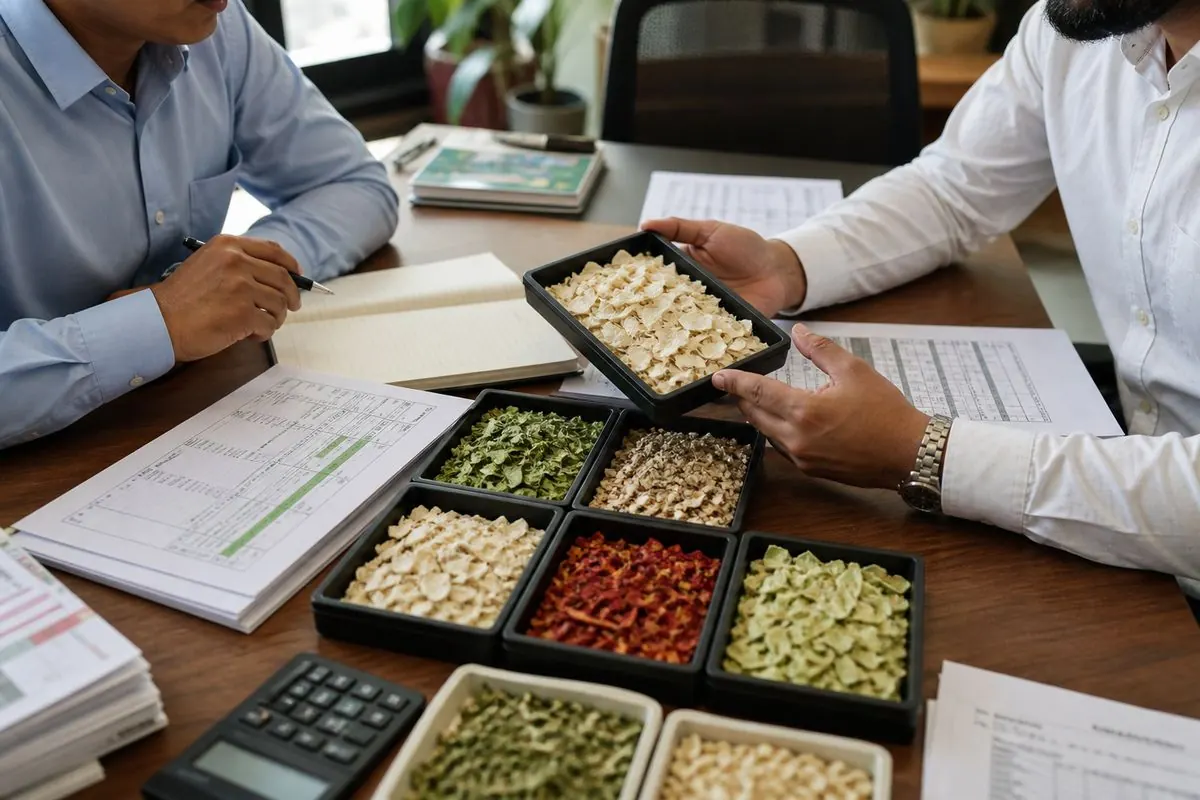
Trade shows for dried vegetable exporters are concentrated sales weeks — not brand-awareness weekends — where ingredient houses, soup-mix manufacturers, snack plants, foodservice distributors, and retail private-label buyers evaluate Indian air-dried, drum-dried, and freeze-dried carrot, potato, tomato, cabbage, cauliflower, beans, peas, spinach, beetroot, sweet corn, and mixed vegetable lines under HS 0712, especially 0712.90. Gulfood, Anuga, SIAL, Fi Europe, Foodex Japan, and APEDA buyer-seller meets compress months of cold outreach into scheduled meetings; Alibaba and IndiaMART extend that pipeline between pavilion seasons. ROI depends on sample kits, lot COAs, APEDA RCMC credentials, and a 72-hour follow-up system — not booth carpet quality.
This guide owns channels and events: which fairs and marketplaces concentrate dried vegetable demand, how to stage a dehydrate booth, how to measure cost per qualified lead and cost per first trial container, and how digital RFQs should feed the same CRM as fair badges. It does not rewrite the full IEC-to-FCL export process or publish detailed absolute FOB USD/kg tables — those live in sibling cluster posts. For end-to-end shipment mechanics, see How to Export Dried Vegetables from India. For lead-generation outside the pavilion calendar, see How to Find International Buyers for Dried Vegetables.
When a fair RFQ also includes onion or garlic dehydrate, cross-check dehydrated onion and dehydrated garlic packs without pasting those SKU deep-dives here. Altus Exports supports fair-to-trial conversion under merchant exporter India and global sourcing partner India workflows for agriculture and food products.
Key Takeaways
Summary Box
Executive Summary
Summary Box
- Scan Summary / Stats / Tips callouts first, then open the fair and ROI tables.
- Lock hero SKUs + sample COAs + destination annex story before booking square meters.
- On mobile: Takeaways → Fair table → Product showcase → Pricing talk track → Certs → Compliance → FAQ.
Trade shows and B2B marketplaces succeed for dried vegetable exporters when fair spend is treated as a sales system with pre-event targeting, on-site sample discipline, and post-event CRM cadence. Pavilion fees alone do not create FCL programmes for carrot flakes or tomato powder; conversion does.
This article maps the event calendar (Gulfood, Anuga, SIAL, Fi Europe, Foodex), APEDA buyer-seller meets, and Alibaba / IndiaMART workflows to dried vegetable buyer personas. It frames pricing talk tracks and MOQ stages for booth conversations without owning a commodity price catalogue, and it keeps manufacturing and shipping sections at the depth needed to answer aisle questions — not as a full process rewrite.
Use the fair comparison and ROI tables as planning tools. Use the sourcing callouts as operator checklists. Hand off documentation depth to the cluster checklist post and process depth to the pillar export guide.
Market Size & Industry Overview
Key Statistics
- Council stack: APEDA RCMC + IEC + FSSAI for dried / dehydrated vegetables.
- Trade cue: HS 0712 ~US$211.3M (2023) / OEC ~US$288M (2024 directional); HS 071290 2024 = US$58.626M / 45,547.7 MT (WITS).
- Logistics talking points: Mundra primary Gujarat gateway; Nhava Sheva for west-coast consolidation.
- Fair risk: mixed-SKU sample tables without per-SKU COAs confuse ingredient buyers.
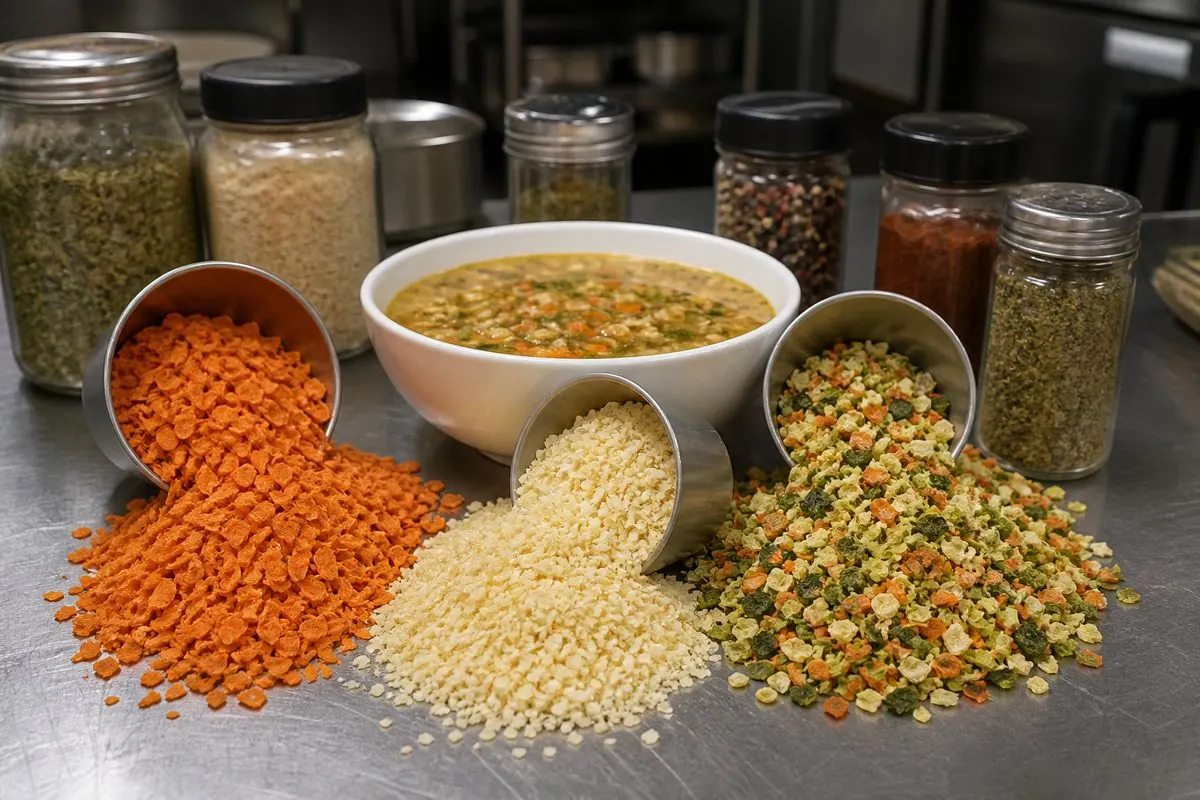
India’s dried vegetable category is large enough that global food-ingredient fairs already host buyers who know Gujarat dehydrate supply. India HS 0712 was ~US$211.3M in 2023 (verified; ~79% dried onions) with OEC directional 2024 cues near US$288M among leading exporters, means Anuga and Gulfood procurement teams arrive with existing Indian supplier shortlists — your booth must displace or join those lists with clearer specs, not louder branding.
Demand at fairs comes from soup mixes, seasonings, ready meals, snacks, foodservice blends, and selective pet-food adjacency. Germany, Brazil, USA, Indonesia, and the UK appear frequently among directional HS 0712 value destinations; those corridors also drive which pavilions and which buyer badges matter. Marketplace RFQs from the same corridors often lag fair conversations by weeks — plan digital follow-up as an extension of the same pipeline.
Supply clusters in the Gujarat Mahuva–Bhavnagar–Sihor dehydrator belt, with Maharashtra Nashik adjacency and Madhya Pradesh / Rajasthan seasonal input, feed Mundra and Nhava Sheva stuffing. Booth credibility rises when you can name that corridor, show plant photos, and map lot marks to sample jars — buyers discard “trading company only” stories that cannot point to a dehydrator.
Export Statistics
Key Statistics
- India HS 0712 ~US$211.3M (2023) / OEC ~US$288M (2024 dir.) — re-verify before fair decks; note onion share.
- OEC’s directional 2024 cue still places India among the top global dried-vegetable exporters — use it for booth storytelling, then re-verify before any deck leaves the office.
- Fair decks should split onion-heavy HS 0712 value leaders (2023 USA/Germany/Brazil; OEC 2024 Germany/Brazil/USA) from 071290 sample-kit corridors (USA, Indonesia, Nepal, Germany, Malaysia for carrot/potato/tomato/mixed).
- Before you promise a post-fair trial HS line, confirm the live ITC-HS eight-digit with your CHA — booth talk is not a shipping bill.
Export statistics matter at trade shows because sophisticated buyers already know corridor volumes. When you discuss Indian capacity for air-dried carrot or tomato powder under 071290, your talking points should sit inside publicly known directional ranges — without inventing absolute FOB tables on the booth wall.
Separate onion (071220) and garlic-heavy India lines from “other dried vegetables” when citing DGCI&S, ITC Trade Map, UN Comtrade, or WITS extracts in fair presentations. A mixed basket pitch that collapses everything into one headline tonne figure loses trust with technical buyers who already import by SKU.
India dried vegetable export cues for fair prospecting (HS 0712 / 071290) — directional; re-verify
Swipe →
Data table — swipe horizontally on small screens
| Metric | Directional Estimate | Fair / marketplace implication |
|---|---|---|
| HS 0712 India export value 2024 | ~US$211.3M (2023) / ~US$288M OEC 2024 dir. | Buyers expect mature Indian suppliers — weak sample packs stand out |
| India global rank 2024 (dried vegetables) | Among leading exporters (OEC 2024 dir.) | Competition at Gulfood / Anuga is intense; differentiate on SKU clarity |
| HS 071290 India 2024 (WITS/Comtrade cue) | US$58.626M / 45,547.7 MT | Prioritize carrot / potato / tomato / mixed “other” buyer meetings |
| Top HS 0712 destinations 2024 (value) | 0712: DE/BR/US (onion-heavy); 071290: US/ID/NP/DE/MY | Match fair choice to corridor: Anuga/Fi for EU; Gulfood for MENA+Asia density |
| APEDA processed vegetables FY2024-25 | ~614,979 MT / ~US$897M (broader basket) | Label clearly in decks — includes preserved lines beyond pure HS 0712 |
| Governing council for this category | APEDA RCMC + IEC + FSSAI | Display current credentials at booth and in marketplace KYC |
Import Statistics
Key Statistics
- USA: FDA prior notice + FSMA-aligned supplier questions common at Fi / Gulfood meetings.
- EU/UK: MRL, sulfite labelling, organic claim discipline on Anuga / SIAL / Fi Europe.
- Japan: Foodex buyers push positive-list MRL and tighter mesh/color on leafy and carrot powders.
- GCC: Halal documentation when contracted; Brazil: ANVISA expectations via buyer broker after fair.
Import statistics explain which badge holders deserve scarce meeting slots. United States, EU, Japan, UAE, Indonesia, Brazil, Canada, and Australia already import dried vegetables at scale; their fair buyers typically arrive with residue, micro, Halal, or FDA questions rather than category discovery. Marketplace RFQs from the same markets should be scored against the same import-pressure logic.
When importers compare Indian arrivals to other origins at a fair, they compare sample consistency and paperwork readiness as much as indicative FOB bands. A clean 071290 sample kit with lot-matched moisture and micro data advances faster than a cheaper jar with vague “dehydrated vegetables” labels.
Import-side buyer pressure by destination at dried vegetable fairs (planning — not a market ranking)
Swipe →
Data table — swipe horizontally on small screens
| Market | Import pressure on fair meetings | Typical annex ask after the aisle |
|---|---|---|
| United States | High — food-import automation and FSMA supplier files | FDA prior notice readiness, lot COA micro, FSMA evidence |
| Germany / EU | High — residue and sulfite scrutiny on powders and flakes | MRL report, SO₂ declaration if used, organic TC if claimed |
| United Kingdom | High — micro and residue discipline | COA micro schedule, health certificate if buyer requires |
| Japan | High — positive-list MRL and particle-size specs | MRL against Japan schedule, mesh/color on COA |
| Indonesia / Malaysia | Medium–high — licensing and Halal overlays vary | COO, Halal where required, import licence references |
| Brazil | Medium–high — food-ingredient registration expectations | Buyer-broker ANVISA pack after sample approval |
| UAE / GCC | Medium — Halal and re-export clarity (Gulfood density) | Halal certificate scope matching process and lot |
| Canada / Australia | Medium–high — labelling and micro expectations | COA, allergen/GMO statements as contracted |
Trade Fair & Marketplace Channels by Product Category
- Name vegetable + cut + drying method on every sample jar and marketplace listing.
- Never reuse a COA from a different dehydrator batch for fair sample kits.
- Retail PL packs need label proofs ready if SIAL retail buyers ask.
- Aromatic onion/garlic co-displays need written buyer interest — do not force scent transfer on the table.
Channel choice should follow the SKU you intend to sell, not a one-size pavilion plan. Air-dried carrot flakes and cabbage kibbled convert well at Gulfood and Anuga food-ingredient halls; tomato powder and specialty mesh grades need Fi Europe technical buyers; freeze-dried peas and organic programmes need longer conversations and certificate binders; retail private-label pouches may find SIAL retail buyers more receptive than pure industrial aisles.
Alibaba and IndiaMART suit early RFQ screening for commodity air-dried lines when the inquiry names vegetable, cut, MOQ, and destination. They rarely replace face-to-face qualification for freeze-dried or organic programmes. APEDA buyer-seller meets bridge government-facilitated introductions with lower booth cost than flagship European halls.
Where to showcase dried vegetable SKUs — fair vs marketplace emphasis
Swipe →
Data table — swipe horizontally on small screens
| SKU family | Best primary channel | Secondary channel | Sample kit must show |
|---|---|---|---|
| Carrot flakes / cubes / powder | Gulfood, Anuga, Fi Europe | Alibaba RFQ with mesh + moisture | Cut, drying method, mesh (powder), moisture COA |
| Potato flakes / granules / powder | Anuga, SIAL, Fi Europe | IndiaMART industrial RFQs | Form, drying method, ash/mesh if contracted |
| Tomato flakes / powder | Fi Europe, Gulfood, SIAL | LinkedIn + marketplace after fair | Color, moisture, MRL, sulfite note if used |
| Cabbage / cauliflower | Gulfood, Anuga | APEDA buyer-seller meets | Cut, foreign matter, odor/cross-contam note |
| Spinach / leafy powders | Foodex, Fi Europe | Specialty ingredient events | Mesh, color, Japan/EU MRL readiness |
| Beans / peas / sweet corn | Gulfood, Anuga, SIAL | Marketplace trial RFQs | Size grade, drying method, FD notes if freeze-dried |
| Beetroot / mixed blends | SIAL, Gulfood, Anuga | Private-label buyer meetings | Blend % if contracted, per-SKU COA rules |
| Onion / garlic in mixed ask | Same fairs — separate sample rows | Link sibling onion/garlic packs | Own COA lines; aroma segregation; correct HS |
Flagship food fairs for dried vegetable lines
Gulfood (Dubai) concentrates Middle East, South Asia, and global distributor badges with strong foodservice and industrial ingredient traffic. Anuga (Cologne) and SIAL (Paris) concentrate EU manufacturers and private-label programmes. Fi Europe focuses on technical ingredient buyers who ask mesh, water activity, and application questions. Foodex Japan rewards exporters ready for positive-list MRL and tight color/mesh packs on spinach, cabbage, and carrot powders.
APEDA meets and digital marketplaces
APEDA buyer-seller meets and India pavilion participation improve meeting density and shared credibility versus unaffiliated pop-up booths. Alibaba and IndiaMART should use the same hero SKU sheets and COA discipline as the fair — marketplace spam with generic “dried vegetables available” text wastes sample freight and damages category reputation.
Manufacturing Overview
Export Tip
- Flow: vegetable intake → wash/cut → dry (air/drum/freeze) → mill/grade → pack → lot lock → sample kit.
- Retain samples and treatment logs (steam / validated kill-step) for every fair lot.
- Declare SO₂ / sulfites when used; prefer steam or validated kill-steps where buyers require them.
- Avoid undeclared ethylene oxide — document the actual treatment method on COA notes at the booth.
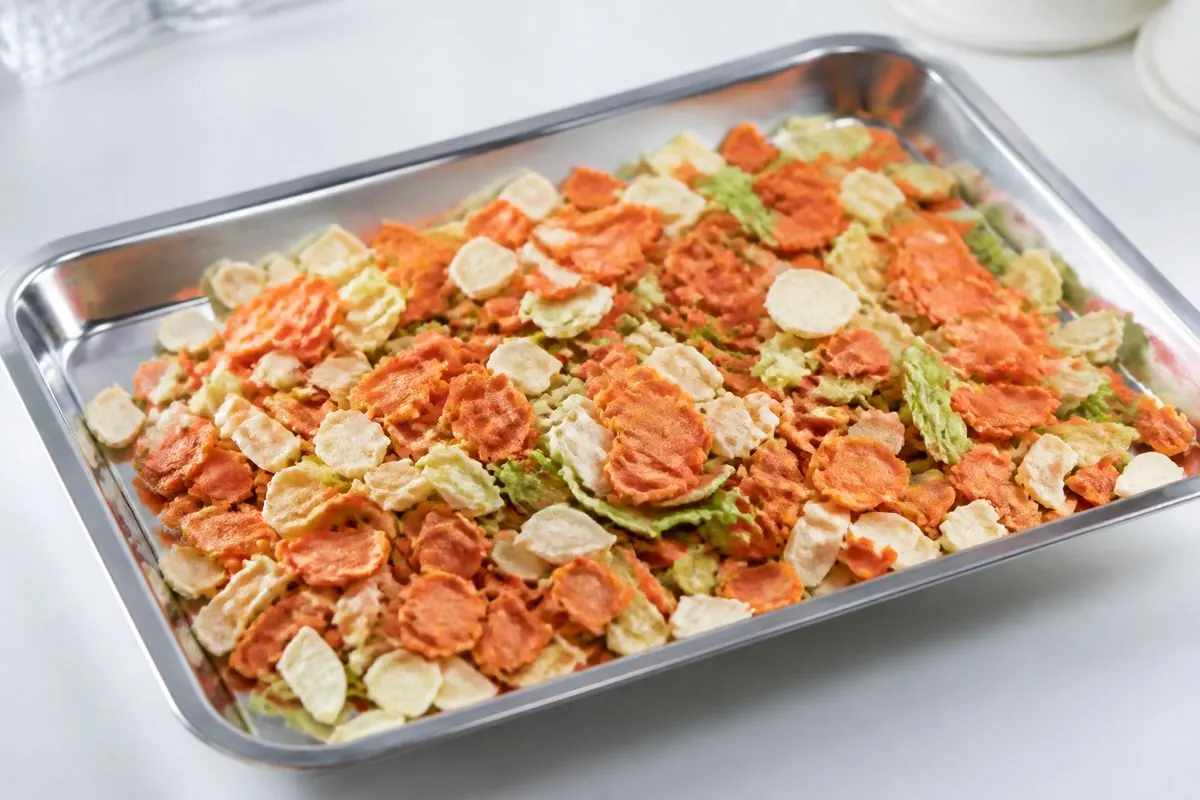
Fair buyers ask manufacturing questions that documentation teams must already answer. Lot IDs for sample jars should originate on the dehydrator floor — wash, cut, dry (air/drum/freeze), mill or kibble, metal-detect, pack — so retained samples match the jars on the booth. If you invent lot codes at the freight forwarder’s desk the week before Gulfood, laboratory retests after the fair will fail buyer audits.
Gujarat Mahuva–Bhavnagar–Sihor capacity and Maharashtra Nashik adjacency programmes should map which plant produced which sample lot. Merchant exporters consolidating multi-SKU kits must keep per-SKU files even when one booth represents several dehydrators. Manufacturing literacy is what makes a trade-show sample kit defensible.
Export Process
Export Tip
- Never quote a firm FCL programme from a fair aisle without sample approval.
- Mixed-SKU interest needs per-SKU next steps in the CRM.
- Buyer LC talk after trial — do not invent documentary conditions at the booth.
At trade shows, “export process” means the path from aisle meeting to first trial — not a full DGFT registration essay. Lock SKU and destination annex expectations in the meeting; dispatch samples with matching COAs within agreed days; convert approved samples to 100–500 kg or 1–5 MT trials on EXW, FOB Mundra/Nhava Sheva, or CFR/CIF; then scale wholesale and FCL once the buyer’s warehouse clears the trial. Lead-time talk tracks: samples 7–14 days; stock air-dried 2–4 weeks; custom/private-label 3–6 weeks; freeze-dried/organic 4–8+ weeks.
This section is the fair-to-trial assembly path. For IEC timing, shipping-bill mechanics, and full Incoterm narrative, use the pillar process guide. For document reconciliation after the PO, use the documentation checklist.
Step 1 — Pre-fair targeting and SKU lock
Build a named-account list from HS 0712 / 071290 import history and prior fair badges. Confirm vegetable, cut, drying method, pack format, and whether the programme is 071290 “other,” onion 071220 sibling, or a mixed basket needing multiple sample rows. Book meetings before you fly.
Step 2 — On-site qualification and sample commitment
Capture badge data, end-use, annual tonnage intent, destination annex needs (FDA, EU MRL, Halal, organic), and trial MOQ. Commit only sample lots that already exist with COAs — never promise jars you cannot ship within the sample lead-time window.
Step 3 — 72-hour follow-up to trial PO
Within 72 hours send personalized notes, specs, COAs, and sample tracking. Log CRM stages through trial PO, then hand execution to Mundra / Nhava Sheva stuffing teams. Marketplace RFQs enter the same CRM stages as fair badges.
Trade Statistics
Key Statistics
- Segment onion vs other dried vegetables before printing fair flyers.
- Re-verify ITC Trade Map / Comtrade / DGCI&S before putting figures on booth panels.
- On booth panels and sample jars, label India controls clearly — 07129060 potatoes, 07129090 other residual (carrot/tomato/cabbage/mixed), garlic 07129020/30/40 — and let the CHA reconfirm before any trial shipping bill.
Trade statistics deepen fair planning by segmenting which data cuts belong in decks versus which belong only in CHA files. HS 071290 partner cues (USA, Indonesia, Nepal, Germany, Malaysia appearing among leading partners in directional WITS/Comtrade reads) tell you which annex patterns repeat at meetings — not which single market you must enter next.
When APEDA “Processed Vegetables” FY figures (~614,979 MT / ~US$897M for FY2024-25) appear in pavilion conversations, label them as a broader processed-vegetable basket that can include preserved lines beyond pure dehydrate under 0712. Mislabelled statistics on a fair PDF become credibility problems when the buyer later receives a narrow 071290 invoice.
Trade-data segmentation rules for dried vegetable fair decks and marketplace listings
Swipe →
Data table — swipe horizontally on small screens
| Data cut | Use at fairs / marketplaces | Do not use for |
|---|---|---|
| HS 0712 aggregate | Category scale talking points with caveat labels | Promising a single shipping-bill HS without CHA confirm |
| HS 071290 partner data | Other/mixed vegetable corridor targeting for meetings | Onion-only booth messaging |
| HS 071220 onion sibling | Separate sample row when onion is requested | Default code for carrot/tomato/cabbage lots |
| Garlic-heavy India 07129020 / 07129030 / 07129040 cues | Link-out to garlic packs when present in RFQ | Generic “other vegetable” listing without CHA |
| APEDA processed veg basket | Council-scale context with clear broader-basket label | Equating preserved lines to HS 0712 dehydrate samples |
| Frozen 0710 / prepared 2001–2005 | Contrast footnote only if buyer confuses categories | Filing dried programmes under those headings |
Import Data Analysis
- Map each target fair to a destination annex set before printing leave-behinds.
- Align sample jar labels with the product identity you will later use on FDA prior notice for US lots.
- Store buyer-accepted lab lists so post-fair MRL/micro reports are not rejected.
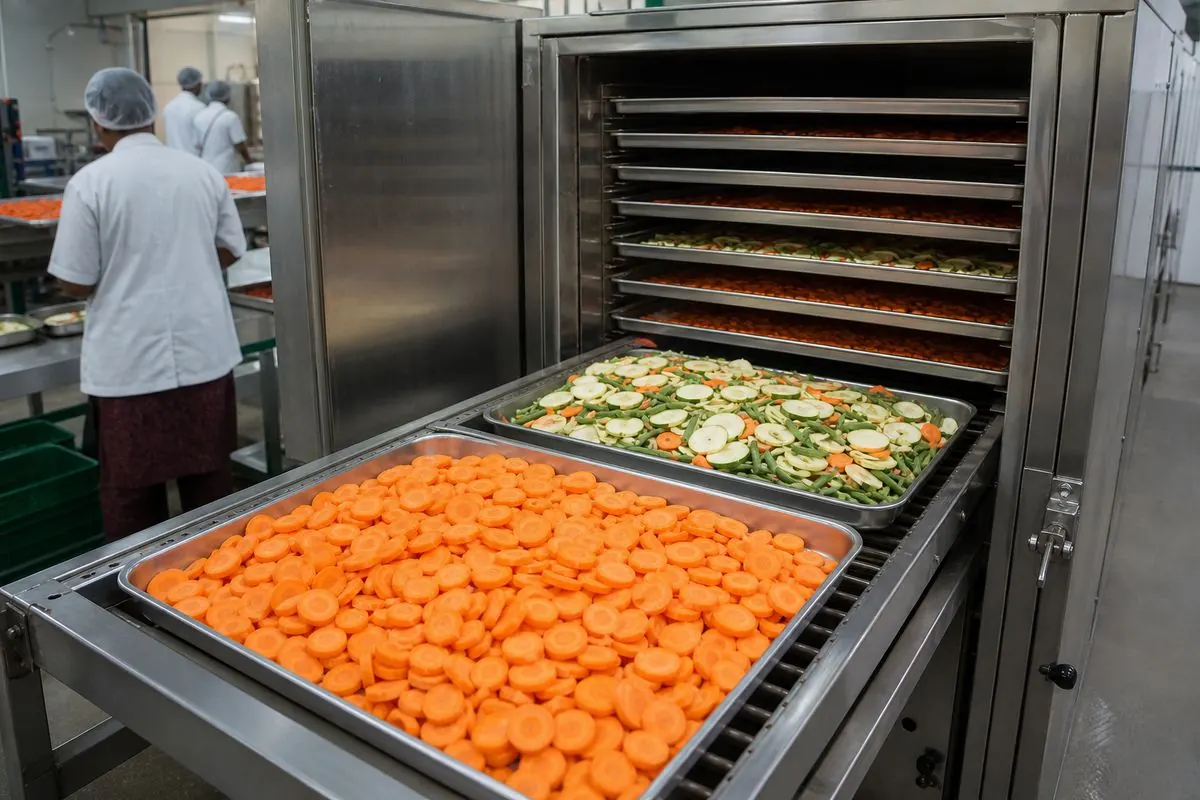
Import data analysis for channel strategy means translating partner import practice into meeting scripts and marketplace filters. US buyers fail suppliers on vague product identity and missing FSMA posture more often than on freight. EU buyers fail on residue and sulfite labelling. Japan fails on MRL and mesh. Build destination annex matrices tied to HS 0712 / 071290 and train booth staff to open with the right questions — rather than one universal pitch for every badge.
Importer playbooks that verify Gujarat dehydrators belong in Source Dried Vegetables Directly from India. Lead mining tactics outside the pavilion calendar belong in Find International Buyers for Dried Vegetables. Here the analysis stays on which import-side asks appear at fairs and how they should change which meetings you prioritize.
Pricing Analysis
Buyer Tip
- Commodity air-dried bands: mid-single-digit to low-teens USD/kg — verify quote date.
- Tomato powder / specialty / freeze-dried / organic / PL: higher tier — put cost drivers on the booth quote sheet, not a vague upcharge.
- Never print absolute stale USD/kg as “current fair price” on leave-behind cards.
Pricing at trade shows is a talk-track discipline, not a wall of absolute USD/kg numbers. Booth conversations should frame FOB named Indian port structure by vegetable type, cut, drying method (air-dried / drum-dried / freeze-dried), mesh, moisture, certification, and pack format — then commit firm figures only on dated written quotes after sample approval. Directional bands for commodity air-dried carrot or cabbage programmes often sit mid-single-digit to low-teens USD/kg; tomato powder and specialty cuts higher; freeze-dried, organic, and private-label substantially higher — always verify on the quote date and never publish stale absolutes as current prices.
Marketplace RFQs that demand an immediate rock-bottom FOB without moisture, mesh, or destination annex scope should be scored as low-quality leads. Fair ROI collapses when teams chase every price shopper instead of buyers who will pay for documented lots.
Fair and marketplace pricing talk-track fields for dried vegetables (structure only — verify quote date)
Swipe →
Data table — swipe horizontally on small screens
| Conversation field | What to lock at the booth / RFQ | Common failure |
|---|---|---|
| Price basis | FOB Mundra / Nhava Sheva or EXW / CFR/CIF as asked | Verbal FOB with no named port |
| SKU description | Vegetable + cut + drying method + mesh | Generic “dried veg” quote that cannot be produced |
| Grade / cert premium | Organic / freeze-dried / PL retail vs commodity | Premium verbal price without certificate scope |
| Quote validity | Date stamp + validity window on written offer | Stale fair-week number reused months later |
| Sample vs programme | Sample freight terms separate from FCL economics | Promising FCL unit economics on 1 kg jars |
| Currency and payment | USD TT / LC posture after trial — high level only | Inventing LC clauses at the aisle |
| HS line reminder | 071290 vs 071220 when onion enters the ask | One price for a mixed aromatic basket without SKU split |
| Marketplace RFQ filter | Require MOQ + destination + cut before firm number | Answering every anonymous “best price?” ping |
MOQ Analysis
Buyer Tip
- Sample lot IDs should follow the same naming rules as FCL lots.
- Trial clearances prove destination document formats before scaling.
- Confirm stow density before promising FCL MT in fair conversations.
MOQ stages structure fair conversations. Offer 0.5–5 kg samples for lab and application trials; 100–500 kg or 1–5 MT as commercial trials; 5–20+ MT wholesale; and indicative 20ft FCL payloads near 10–16 MT (confirm stow by density) once the programme clears. Buyers who demand FCL pricing before tasting a 2 kg carrot-flake sample are usually not ready — protect booth time accordingly.
MOQ stages to discuss at dried vegetable fairs and on B2B marketplaces
Swipe →
Data table — swipe horizontally on small screens
| Stage | Typical MOQ | Channel note | Minimum readiness |
|---|---|---|---|
| Lab / buyer sample | 0.5–5 kg | Fair kit + express after Gulfood / Anuga / SIAL | Sample COA, spec sheet, HS indication |
| Trial order | 100–500 kg or 1–5 MT | Post-fair conversion; serious marketplace RFQs | Invoice path, lot COA, micro/MRL as required |
| Wholesale programme | 5–20+ MT | Repeat buyers from prior fairs | Full commercial pack + credentials |
| 20ft FCL | Indicative ~10–16 MT (confirm stow) | Programme accounts after trial clearance | Stuffing plan + destination notices |
| 40ft HC FCL | Indicative ~20–26 MT (confirm stow) | Multi-SKU programmes with line discipline | Per-SKU packing-list readiness |
| Private-label retail | As contracted (often trial then programme) | SIAL / Gulfood retail buyers | Label proofs + lot coding rules |
Packaging Standards
Export Tip
- Bring empty pack examples or clear photos — do not rely on verbal “food-grade bag” claims.
- ISPM-15 applies when wood pallets are used — note treatment if buyers ask logistics questions.
- Avoid cross-contamination demos with strong aromatics unless the buyer ordered that programme.
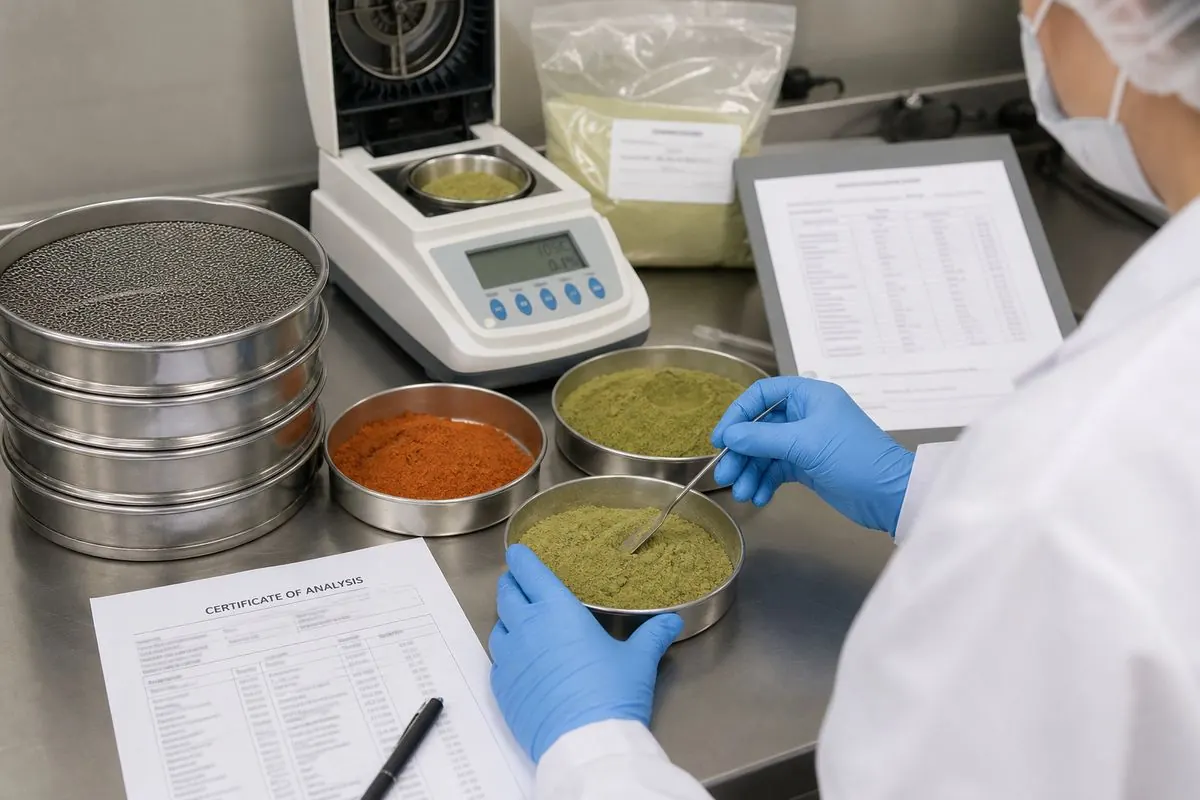
Packaging talk tracks at fairs should match what you can actually ship. Standard export packs are 10, 20, or 25 kg food-grade bags or cartons with moisture-barrier liners; premium powders may use nitrogen flush or vacuum; retail runs use 50 g–1 kg pouches. Marking must include lot/batch ID, product name, net weight, manufacture/pack date, moisture declaration where contracted, and exporter marks — the same fields buyers will later audit on packing lists.
Pack formats to demonstrate or describe at dried vegetable trade shows
Swipe →
Data table — swipe horizontally on small screens
| Format | Typical use | Booth / listing must communicate | Risk if ignored |
|---|---|---|---|
| 10 kg bags/cartons + liner | Foodservice and specialty | Count, net/gross, lot ID practice | Buyer assumes retail pouch only |
| 20 kg bags/cartons + liner | Wholesale mid-volume | Net vs gross clarity | Weight disputes after trial |
| 25 kg woven PP/HDPE + liner | Commodity FCL programmes | Bag maths to invoice MT | Illegible lot stencil in audits |
| N2 flush / vacuum powder packs | Premium powders | Pack method + lot ID | Method claimed but not available |
| Retail 50 g–1 kg pouches | Private label | SKU code, best-before, case pack | Artwork promises without artwork file |
| Mixed-SKU pallet story | Assorted dehydrate baskets | Per-SKU segregation notes | Onion/garlic scent transfer surprises |
Container Loading Details
Export Tip
- Do not promise reefer for standard dehydrate unless contracted.
- LCL trials still need seal and weight discipline after the fair.
- Mixed-SKU FCL stories need packing-list taxonomy already designed.
Container loading details belong in fair conversations because serious buyers ask how a trial scales. Indicative payloads near 10–16 MT in a 20ft and 20–26 MT in a 40ft HC depend on bag versus carton density and powder versus flake stow — confirm before promising a number on a leave-behind. Stuffing photos and seal discipline become post-fair execution controls.
Container loading talking points for dried vegetable fair meetings
Swipe →
Data table — swipe horizontally on small screens
| Loading element | What buyers ask at fairs | What to promise carefully |
|---|---|---|
| 20ft payload | How many MT of my SKU? | Indicative ~10–16 MT — confirm density |
| 40ft HC payload | Can we mix SKUs? | Indicative ~20–26 MT with per-SKU lines |
| Powder vs flake stow | Will powder settle / cake? | Moisture barrier + humidity SOP notes |
| Seal and photo practice | How do you prove stuffing? | Photo + seal log archive by sailing |
| Pallet type | ISPM-15 wood or plastic? | State actual practice — do not invent |
| LCL trials | Can first shipment be LCL? | Yes for many trials — full doc discipline still applies |
Shipping Methods
Export Tip
- Samples: air/express aligned to 7–14 day sample lead times after the fair.
- Trials: LCL or small FCL with full document reconciliation.
- Programmes: FCL with stuffing photo archive and BL draft review before release.
- Never mark FOB on a post-fair quote when the exporter is not handling main carriage as contracted.
Shipping method talk tracks convert fair interest into logistics realism. Ocean FCL from Mundra or Nhava Sheva is the default commercial path; LCL suits trials; air or express suits 0.5–5 kg samples and urgent lab resamples after Anuga or Gulfood. Incoterms on post-fair quotes must match the actual freight arrangement: EXW plant/warehouse, FOB Mundra/Nhava Sheva, CFR/CIF, or selective DDP.
Certifications
Compliance Notes
- Expired certificates fail fair audits even when product tastes correct.
- Sulfite and treatment declarations belong on sample COAs.
- FDA prior notice is a US entry filing after the PO — explain readiness, do not fake a filed notice at the booth.
Certifications at trade shows are display and attachment controls. APEDA RCMC proves council membership for dried/dehydrated programmes; FSSAI proves food-business licensing for the manufacturing or packing site; lot COA proves chemistry and micro for the sample jars on the table; organic, Halal, and Kosher certificates prove claims only when scope covers the offered lot. Bring validity-dated copies — expired laminate on a booth wall fails sophisticated EU and US buyers instantly. For membership narrative depth, see APEDA registration benefits for dried vegetable exporters.
Credentials to display or attach for dried vegetable fairs and marketplace KYC
Swipe →
Data table — swipe horizontally on small screens
| Credential / cert | Booth / listing use | Validity control |
|---|---|---|
| IEC | KYC PDF + marketplace company file | Match legal entity on quotes |
| APEDA RCMC | Booth wall + leave-behind | Product-list fit for dried/dehydrated vegetables |
| FSSAI licence | KYC pack for ingredient buyers | Site address matches packing story |
| Lot COA (moisture, micro, MRL, mesh) | Sample kit binder | Lot ID matches jar labels |
| Organic TC (NPOP / USDA / EU) | Premium aisle conversations | Scope covers offered SKU and lot |
| Halal / Kosher | Gulfood / GCC / specific buyers | Process and lot in scope on fair date |
| BRCGS / IFS site evidence | EU private-label meetings | Current audit cycle — no expired certificates |
| Phyto / health (when asked) | Post-fair trial planning | Do not invent at booth — confirm destination need |
Buyer Requirements
Buyer Requirements
- Written spec before firm programme FOB: vegetable, cut, drying method, moisture, mesh, micro, pack.
- Approve sample COA before trial MT.
- Confirm buyer-accepted labs for MRL/micro.
- Agree claim windows for moisture and foreign matter in writing after the fair.
International buyers at food-ingredient fairs — ingredient houses, soup-mix manufacturers, snack plants, distributors, and retail chains — typically require written specifications, approved samples, lot COA, credential copies (IEC, APEDA RCMC, FSSAI), clear trial MOQ, and destination annex honesty. Premium programmes add organic transaction certificates, Halal/Kosher, BRCGS/IFS site evidence, and tighter micro schedules before they discuss programme volume.
Marketplace buyers who skip those steps and demand only lowest FOB are usually not the accounts that recover Anuga or Gulfood booth costs. Train staff to qualify end-use, annual tonnage intent, and annex needs in the first ten minutes.
Country-wise Opportunities
Market Snapshot
- Maintain a per-corridor fair calendar, not one universal pavilion plan.
- Do not treat destination lists here as entry rankings.
- Re-confirm pavilion dates and sample-shipment rules each season — policies change.
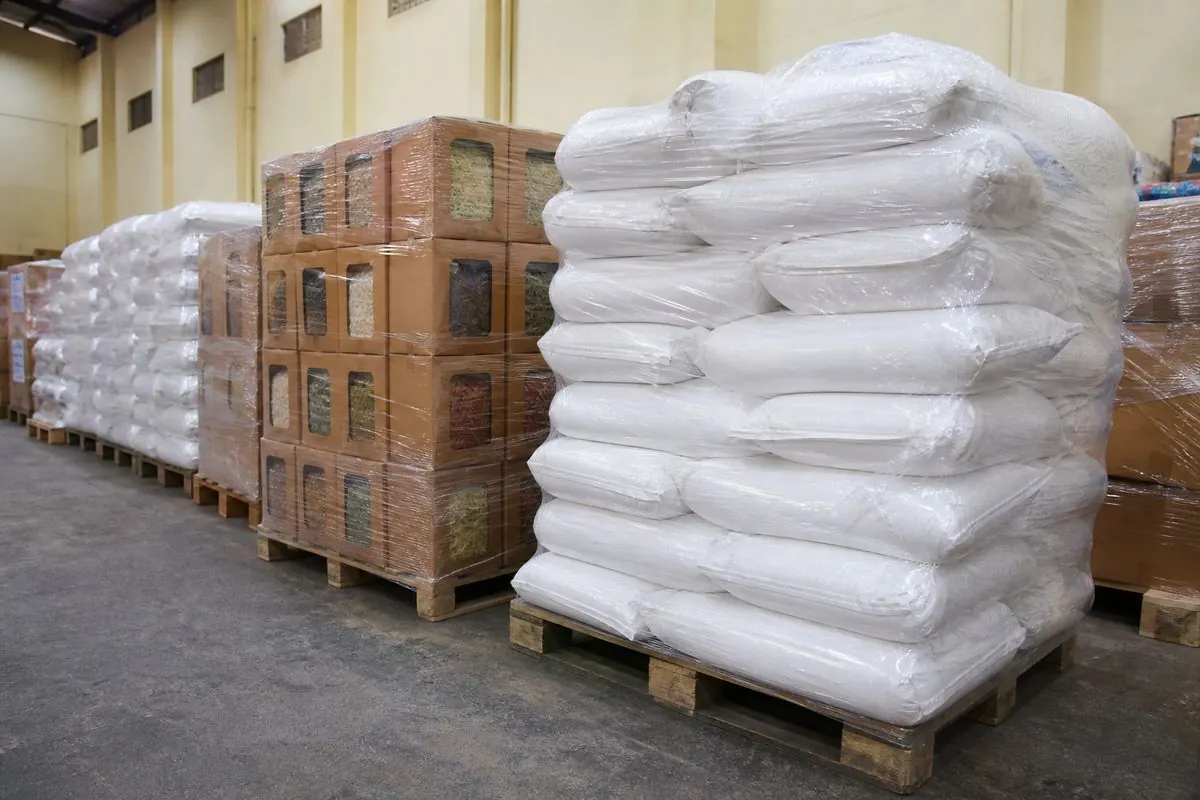
Country-wise opportunities in a channels article mean which fairs and marketplaces best reach each corridor — not a full market-entry ranking. Germany and broader EU density concentrates at Anuga, Fi Europe, and SIAL; UAE and regional distributors concentrate at Gulfood; Japan at Foodex; USA buyers appear across Gulfood, Fi Europe, and North American ingredient events; Indonesia and ASEAN buyers appear at Gulfood and regional food fairs; Brazil often meets Indian dehydrate suppliers at European ingredient halls as well as through post-fair broker introductions. Use Best Countries for Indian Dried Vegetable Exports for market comparison depth; use the table below for channel selection.
Country / region channel map for Indian dried vegetable exporters
Swipe →
Data table — swipe horizontally on small screens
| Country / region | Primary event / channel | Secondary channel | Fair conversation emphasis |
|---|---|---|---|
| United States | Fi Europe / Gulfood / NA ingredient events | Alibaba verified RFQs + LinkedIn | FDA / FSMA posture, clear 0712 identity |
| Germany / EU | Anuga, Fi Europe, SIAL | APEDA EU buyer-seller meets | MRL, sulfites, organic TC if claimed |
| United Kingdom | Anuga, Fi Europe, SIAL | Direct post-fair CRM | Micro + residue discipline |
| Brazil | Anuga / Fi Europe (buyer travel) | Broker intro after sample | ANVISA-facing pack via buyer broker |
| Indonesia / Malaysia | Gulfood, regional ASEAN fairs | IndiaMART / Alibaba screening | Halal + import licence overlays |
| Japan | Foodex | Fi Europe specialty meetings | Positive-list MRL, mesh/color |
| UAE / GCC | Gulfood (primary) | SIAL Middle East editions | Halal scope, re-export clarity |
| Canada / Australia | Fi Europe / Gulfood | Direct CRM after fair | Labelling + micro expectations |
Sourcing Checklist
Checklist
Buyer Checklist
Exporter Checklist
Common Buyer Mistakes
Common Mistakes Box
Future Market Trends
Key Statistics
- More pre-fair digital matchmaking — research badges before travel.
- Tighter residue and treatment declarations on powder samples.
- Multi-SKU private-label kits demanding cleaner sample taxonomy.
- Marketplace KYC and video audits becoming as common as aisle walk-bys.
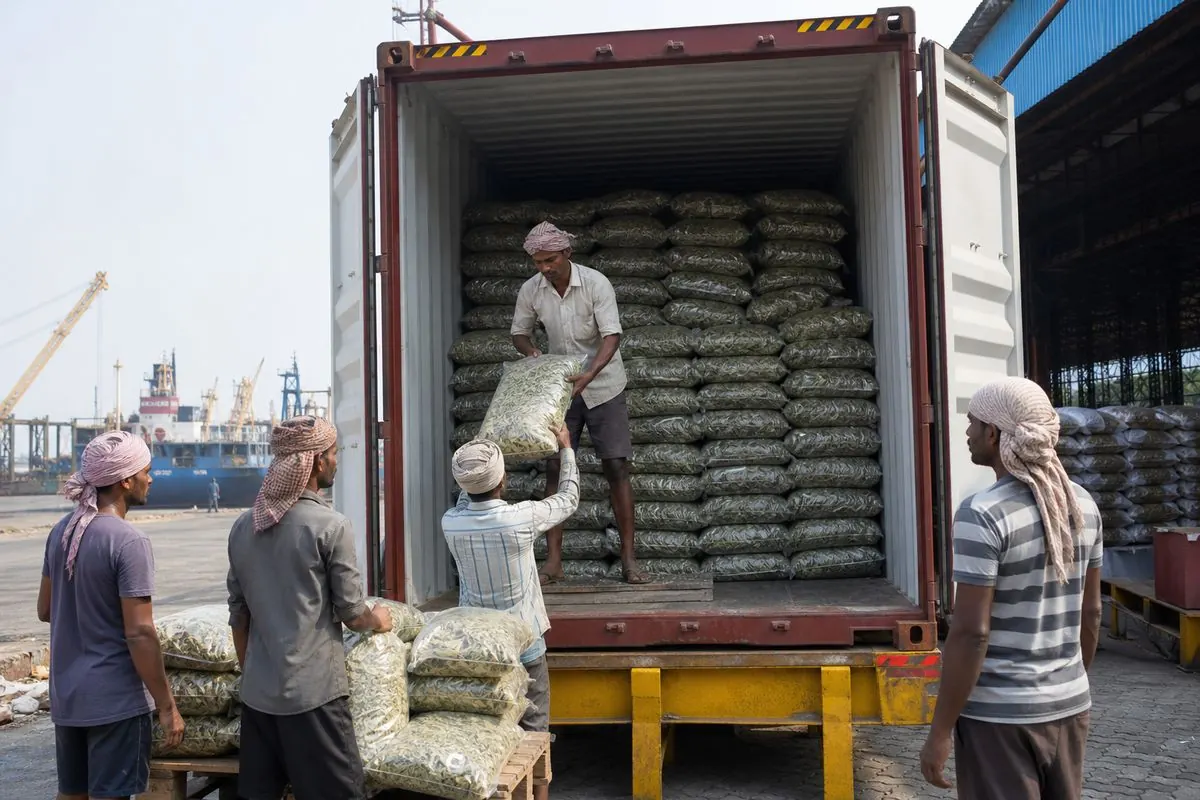
Food-ingredient fairs are adding more digital matchmaking and pre-booked meetings; exporters who wait until booth setup to research badges will lose calendar slots. Buyer vendor portals increasingly request APEDA/FSSAI and COA uploads before a second meeting — fair leave-behinds must include QR links to current credential packs, not only paper flyers.
Freeze-dried and organic growth increases certificate conversations at Fi Europe and Foodex; mixed dehydrate retail kits increase multi-SKU sample discipline at SIAL; sulfite and EtO sensitivity increases treatment transparency on booth COAs. Marketplace platforms are tightening spam filters — vegetable- and cut-specific listings will outperform generic dehydrate spam. Channel teams that treat these as permanent controls will outpace teams that scramble each pavilion season.
Challenges & Solutions
- Challenge: High booth cost, low meetings — Solution: named-account pre-booking from HS 0712 data + APEDA pavilion where useful.
- Challenge: Sample COA lot drift — Solution: lock jar labels from dehydrator records before freight to the fair city.
- Challenge: Annex surprise after verbal promise — Solution: destination checklist in every meeting form.
- Challenge: Marketplace spam RFQs — Solution: require cut + MOQ + destination before quoting.
- Challenge: Weak ROI tracking — Solution: CRM stages from badge → sample → trial → FCL with cost fields.
The hardest channel challenges for dried vegetable exporters are booth cost without pipeline, sample-lot drift, destination annex surprises after verbal fair promises, marketplace RFQ noise, and certificate expiry during long freeze-dried or organic lead times. Each has a procedural solution cheaper than an empty pavilion week.
Compliance Checklist
Checklist
Compliance Notes
Sources
- APEDA — Processed Vegetables (DGCIS FY2024-25 volume/value and destination notes)
- APEDA — RCMC / agri-processed export facilitation
- DGFT — Import Export Code (IEC) and foreign trade procedures
- FSSAI — food business licensing and product standards
- CBIC ICEGATE / Indian Customs — ITC-HS classification and shipping bills (confirm with CHA)
- India ITC-HS 0712 schedule (EximGuru reference) — 07122000 / 07129010–07129090 lines
- WITS / UN Comtrade — India HS 071290 exports by partner (2024)
- TrendEconomy — India HS 0712 exports/imports time series (2023 value and destination structure)
- OEC — India dried vegetables (HS 0712) bilateral profile (directional 2024 cues)
- ITC Trade Map — HS 0712 / 071290 partner verification
- USITC Harmonized Tariff Schedule — live US duty rates for HTS 0712
- EU TARIC — EU CN 0712 duties and measures
- FDA Prior Notice (food imports) — US food entry requirements
- Regulation (EC) No 396/2005 — EU pesticide MRLs
- Regulation (EU) 2018/848 — EU organic production and labelling
Trade figures, HS lines, and compliance notes in this article are directional planning aids. Re-verify against the primary sources below before quoting buyers or filing export documents.
Pavilion dates and marketplace policies change seasonally — confirm exhibitor registration deadlines and sample-shipment rules before booth commitment.
Conclusion
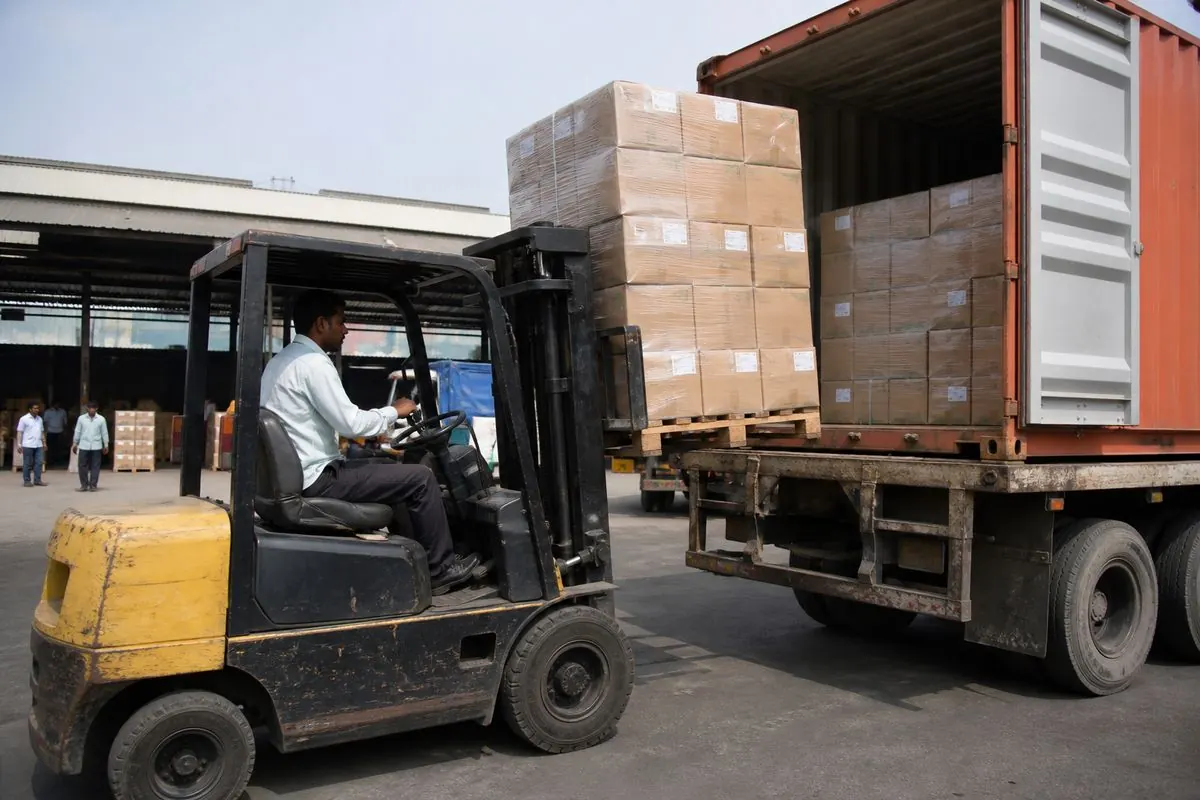
Trade shows for dried vegetable exporters work when Gulfood, Anuga, SIAL, Fi Europe, Foodex, APEDA buyer-seller meets, and Alibaba / IndiaMART pipelines share one CRM, one hero-SKU sample standard, and one ROI scoreboard. Carrot, potato, tomato, cabbage, spinach, mixed blends, and specialty freeze-dried or organic lots convert when booth credentials (IEC, APEDA RCMC, FSSAI) and lot COAs match the jars buyers taste — under correct HS 071290 or sibling 071220 controls.
Altus Exports connects fair- and marketplace-generated dried vegetable leads to trial and FCL execution through merchant exporter India and global sourcing partner India workflows. Explore agriculture and food products or contact the team before your next pavilion booking.
Continue with How to Export Dried Vegetables from India, How to Find International Buyers for Dried Vegetables, and Dried Vegetable Export Documentation Checklist. For council credentials at the booth, see APEDA Registration Benefits for Dried Vegetable Exporters.