
Best Countries for Indian Fruit Powder Exports (2026 Market Selection Guide)
By Saurabh Mittal, Founder, Altus Exports
A market-selection guide for Indian fruit powder exporters — ranking the USA, Germany, the Netherlands, the UK, UAE, Japan, South Korea, Australia, Canada, Singapore, and Malaysia on import demand, duty and compliance intensity, preferred SKUs, packaging norms, and entry sequencing for spray-dried and freeze-dried mango, banana, pineapple, papaya, guava, amla, apple, jackfruit, and pomegranate powders under HS 1106.30 / India ITC-HS 11063030 (mango) or 11063090 (other Chapter 8 fruit powders).
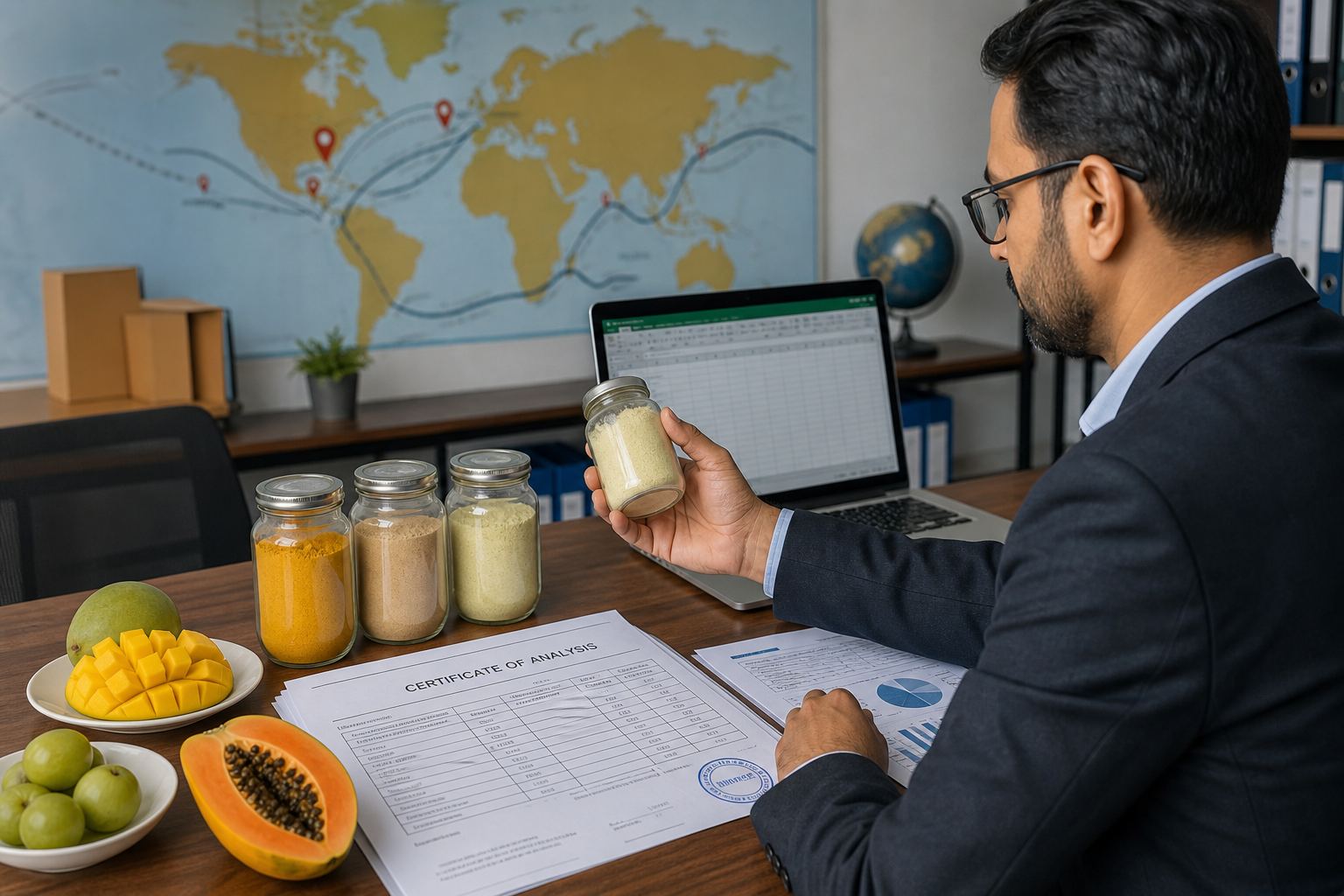
Shipping fruit powders from India and shipping them profitably to the right country are different exercises. Spray-dried and freeze-dried mango, banana, pineapple, papaya, guava, amla (Indian gooseberry), apple, jackfruit, and pomegranate powders — typically classified under HS 1106.30 / India ITC-HS 11063030 (mango) / 11063090 (other) — face sharply different duty treatments, residue intensity, carrier-disclosure expectations, organic recognition pathways, and buyer channel structures across the USA, Germany, the Netherlands, the UK, UAE, Japan, South Korea, Australia, Canada, Singapore, and Malaysia. A FOB quote that looks competitive on paper can lose its margin after destination duty, testing, and freight — or fail at the first lab panel because the market was never matched to your certification stack.
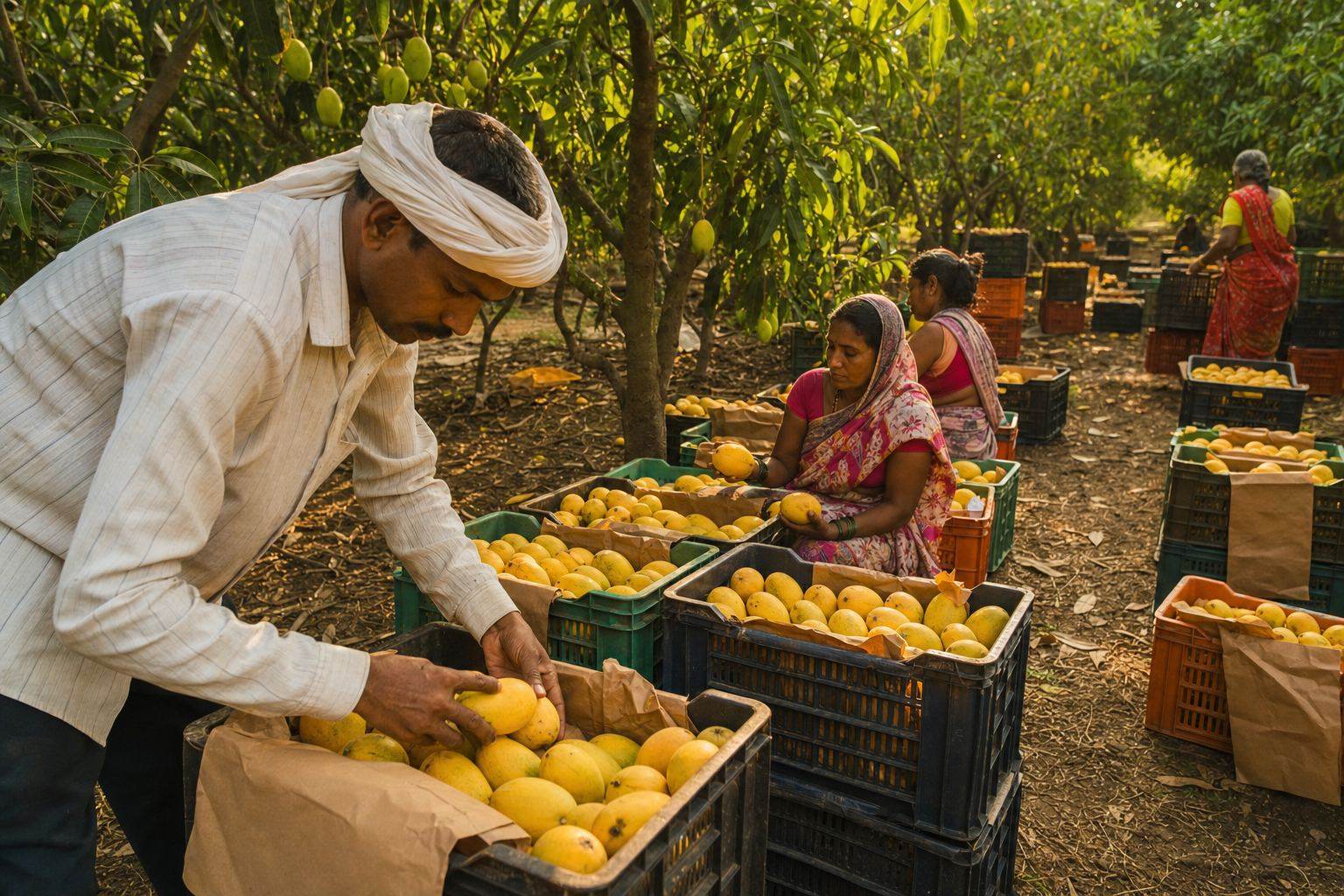
India's supply base is deep: Maharashtra's Konkan belt (Ratnagiri and Sindhudurg) anchors mango pulp for powdering; Gujarat hosts significant spray-drying and consolidation capacity; Andhra Pradesh, Karnataka, and Tamil Nadu process tropical fruits; Uttar Pradesh concentrates amla; Himachal Pradesh and Jammu and Kashmir feed apple lines; Kerala contributes banana and jackfruit. Ports at Nhava Sheva, Mundra, Chennai, Tuticorin, and Cochin move commercial lots as LCL trials or FCL programs (directional payloads roughly 10–14 MT in a 20ft and 16–24 MT in a 40ft). Moisture targets remain process-specific — spray-dried typically ≤5%, freeze-dried often ≤3–4% — with kraft+PE 10–25 kg packs as the commercial workhorse.
This guide ranks priority destinations for 2026 using practical filters: import demand character under HS 1106.30, indicative duty and preferential-origin pathways, compliance intensity, preferred SKUs and process families, packaging norms, typical order size, and realistic entry difficulty for processors and merchant exporters. It emphasizes landed-cost logic and entry sequencing — which two or three markets to open first, and which to build toward after HACCP, Halal, Kosher, and NPOP/USDA/EU Organic stacks are real. Product-catalog depth lives in Top Fruit Powder Products Exported from India; the operational workflow lives in How to Export Fruit Powders from India; the country × SKU demand matrix lives in Most Demanded Indian Fruit Powders by Country. Altus Exports acts as merchant exporter, global sourcing partner, and export consulting expert — matching verified Indian fruit powder lots to destination-ready programs rather than chasing every inbound inquiry at once.
Key Takeaways
Summary Box
Executive Summary
Summary Box
Indian fruit powder exports sit at the intersection of deep seasonal fruit and pulp supply and growing spray-drying and freeze-drying capacity across Maharashtra, Gujarat, Andhra Pradesh, Karnataka, Tamil Nadu, Uttar Pradesh, Himachal Pradesh, and Kerala. The category ships under HS 1106.30 as spray-dried commodity lines and freeze-dried premium grades — each with different buyer bases, price tiers, and documentation expectations. Beverage brands, bakery and dairy plants, flavor houses, nutraceutical formulators, baby-food manufacturers, and cosmetics buyers drive most volume; organic and freeze-dried channels drive most margin.
This guide evaluates eleven priority destinations — the USA, Germany, the Netherlands, the UK, UAE, Japan, South Korea, Australia, Canada, Singapore, and Malaysia — against demand character, duty treatment, certification burden, preferred SKUs, packaging norms, and entry difficulty. The intent is decision-ready prioritization: which markets match your current grade mix and certification stack today, and which warrant a two-season build plan.
Short answer: treat IEC, APEDA RCMC, FSSAI, and lot-level COAs as non-negotiable baselines everywhere; add HACCP and ISO 22000 for Europe, the UK, and North America; add Halal for UAE and many ASEAN programs; add Kosher for selected USA and Canada retail channels; add NPOP with USDA or EU Organic recognition for the 20–40% premium lane. Volume-first markets (UAE, Singapore, Malaysia) reward consistent FCL supply and Halal readiness; value-first markets (USA, Germany, Japan, Canada, UK, Australia, South Korea) reward documentation depth, carrier honesty, and moisture discipline. Pair this ranking with source fruit powders directly from India when buyers ask how to procure, and with organic fruit powder export opportunities when the program is certified organic.
2026 market-selection snapshot for Indian fruit powders
Swipe →
Data table — swipe horizontally on small screens
| Dimension | 2026 Snapshot | Exporter Implication |
|---|---|---|
| HS / tariff lines | 1106.30 / 11063030–11063090 (confirm vs 0813 / 2008) | Lock HS with CHA before duty quotes and shipping bills |
| Core SKUs | Mango, banana, pineapple, papaya, guava, amla, apple, jackfruit, pomegranate | Match SKU and process to channel — do not quote one generic powder |
| Clusters | MH, GJ, AP, KA, TN, UP, HP, KL | Cluster-based sourcing improves seasonality and port access |
| Moisture / quality | Spray ≤5%; freeze ≤3–4%; carrier declared | COA depth is a market-access filter |
| Packaging | Kraft+PE 10–25 kg; Al-laminate; fiber drums | Align pack format to destination warehouse norms |
| Container load | 10–14 MT/20ft; 16–24 MT/40ft (directional) | Plan MOQ and freight around verified density |
| Ports | Nhava Sheva, Mundra, Chennai, Tuticorin, Cochin | Port choice shifts transit time and freight to each region |
| Indicative FOB | Spray mango 4.50–12; freeze 15–40; organic +20–45% USD/kg | Always convert to landed cost before ranking markets |
Market Size & Industry Overview
Key Statistics
Global demand for fruit powders is driven by clean-label beverages, smoothie and dairy bases, bakery inclusions, confectionery flavor systems, baby-food and nutraceutical formulations, and cosmetics that use fruit powders as botanical actives or colorants. Fruit powders concentrate flavor, color, and solids into a logistics-friendly format that travels multi-week sea voyages when moisture and packaging are controlled.
India's competitive position rests on mango pulp depth in Konkan and other belts, multi-fruit spray-drying capacity in Gujarat and southern states, amla concentration in Uttar Pradesh, temperate apple supply from Himachal, and buyer interest in diversified tropical origins. Trade volumes under HS 1106.30 should be read directionally through APEDA, DGCI&S, and ITC Trade Map — confirm current-year figures rather than treating any secondary estimate as official.
Market selection should start from consuming industries, not from a generic importer list. Beverage and flavor houses dominate USA and EU value; Gulf beverage and foodservice plants dominate UAE demand; Japanese and Korean trading houses and manufacturers demand the tightest moisture and microbiology panels; ASEAN manufacturers emphasize tropical spray-dried economics and Halal; Australia and Canada reward organic and freeze-dried readiness.
Industry factors shaping fruit powder market selection
Swipe →
Data table — swipe horizontally on small screens
| Industry Factor | Detail | Buyer/Exporter Relevance |
|---|---|---|
| Primary HS heading | 1106.30 / 11063030–11063090 | Filter trade data and customs filings correctly |
| Key pulp/powder clusters | Konkan mango; Gujarat drying; southern tropical; UP amla; HP apple; Kerala banana/jackfruit | Seasonality and SKU baselines start here |
| Dominant ports | Nhava Sheva, Mundra, Chennai, Tuticorin, Cochin | Choose by destination lane and inland haul from plant |
| Quality anchors | Moisture, carrier %, micro + residue panels | Market access rises or falls with lab credibility |
| Primary buyer types | Beverage, bakery, dairy, nutraceutical, cosmetics, flavor houses | Buyer type dictates process, MOQ, and certification |
| Premium lanes | Freeze-dried and organic (+20–40%) | Certification investment pays back in value markets |
Export Statistics
Key Statistics
Indian fruit powder exports concentrate under HS 1106.30 / ITC-HS 11063030 (mango) / 11063090 (other), with mango spray-dried powder typically leading tonnage and freeze-dried mango, berry blends, and organic lines contributing disproportionate value. Directional 2024–2026 patterns show growth where buyers diversify tropical origins and where Indian suppliers present repeatable COAs with honest carrier declarations rather than one-off spot lots.
Exporters should track shipment trends at the eight-digit Indian tariff line and by process family, not only at HS aggregate, because spray-dried and freeze-dried lots often land in different buyer channels and price tiers. Verified directional trade context (WITS/UN Comtrade, HS 110630, calendar year 2024): India exported about USD 10.8 million and about 7,375 metric tonnes under this six-digit line. Leading reported destinations included the United States (~30% of export value), the United Kingdom (~11%), Canada (~9%), Australia (~8%), and the United Arab Emirates (~7%). Reconfirm current-year figures via APEDA, DGCI&S, ITC Trade Map, or WITS — line composition mixes mango flour/powder with other Chapter 8 powders and can shift with seasonality and freeze-dried/organic mix. Cross-check APEDA and DGCI&S export data with destination import statistics before locking a market plan. Leading destination clusters typically include the USA, Germany, Netherlands, UK, UAE, Japan, South Korea, Australia, Canada, Singapore, and Malaysia.
Directional export statistics context for Indian fruit powders
Swipe →
Data table — swipe horizontally on small screens
| Export Dimension | Directional 2026 Pattern | Exporter Action |
|---|---|---|
| Volume leadership | Spray-dried mango and tropical blends dominate tonnage | Build FCL packing discipline before chasing every specialty niche |
| Value growth | Freeze-dried, organic, and amla nutraceutical lines growing faster | Invest in segregation and freeze capacity for margin |
| Top volume destinations | USA, UAE, Germany/Netherlands, ASEAN | Prioritize consistent moisture and carrier disclosure |
| Top value destinations | USA, Germany, Japan, UK, Australia, Canada, South Korea | Certification and COA investment pays back fastest here |
| Ports used | Nhava Sheva, Mundra, Chennai, Tuticorin, Cochin | Quote freight by actual load port, not a generic India average |
| Pricing basis | FOB Indian port in USD is standard | Convert every quote to landed cost before ranking markets |
| Related HS risk | 0813 pieces / 2008 preparations misfiles | Confirm powder classification with CHA every SKU |
Import Statistics
Key Statistics
On the import side, leading destinations combine large food-manufacturing bases (USA, Germany, Netherlands, UK, Canada, Japan, Australia, South Korea) with Gulf beverage manufacturing (UAE) and ASEAN regional manufacturing and re-export (Singapore, Malaysia). Multi-origin competition — including other tropical suppliers — means India wins on reliability, certification honesty, carrier transparency, and landed-cost competitiveness rather than on price alone.
Import concentration differs: Japan and Germany often qualify fewer suppliers but hold them longer; UAE and ASEAN can scale volume faster once Halal and moisture performance are proven; Canada frequently mirrors USA documentation expectations with its own labeling nuances. For SKU-level demand maps by country, see Most Demanded Indian Fruit Powders by Country.
Directional import demand patterns for Indian fruit powders
Swipe →
Data table — swipe horizontally on small screens
| Country | Import Demand Character | Primary Use Case | India's Competitive Position |
|---|---|---|---|
| USA | Large, diversified, quality-driven | Beverages, bakery, supplements | Strong on range and price; FDA prior-notice awareness required |
| Germany | Large, EU-gateway, compliance-driven | Clean-label manufacturing, organic | Strong for certified, traceable lots; entry bar high |
| Netherlands | EU hub and redistribution | Distribution, manufacturing | Strong consolidation entry once EU docs are ready |
| UK | Medium-large, retail and manufacturing | Bakery, dairy, private label | Good for certified mid-volume programs |
| UAE | Medium-fast, manufacturing hub | Beverages, foodservice | Fast entry; Halal essential |
| Japan | High-spec, quality-first | Food manufacturing, trading houses | Premium only with exemplary moisture/micro panels |
| South Korea | Quality-focused manufacturing | Beverages, functional foods | Tight specs; smaller but sticky programs |
| Australia | Health and beverage brands | Organic and freeze-dried | Strong for certified premium lanes |
| Canada | Quality-driven, NA adjacent | Beverages, bakery, supplements | Similar docs to USA; verify broker rules |
| Singapore / Malaysia | Regional manufacturing and re-export | Tropical spray-dried powders | Halal + consistency unlocks repeat programs |
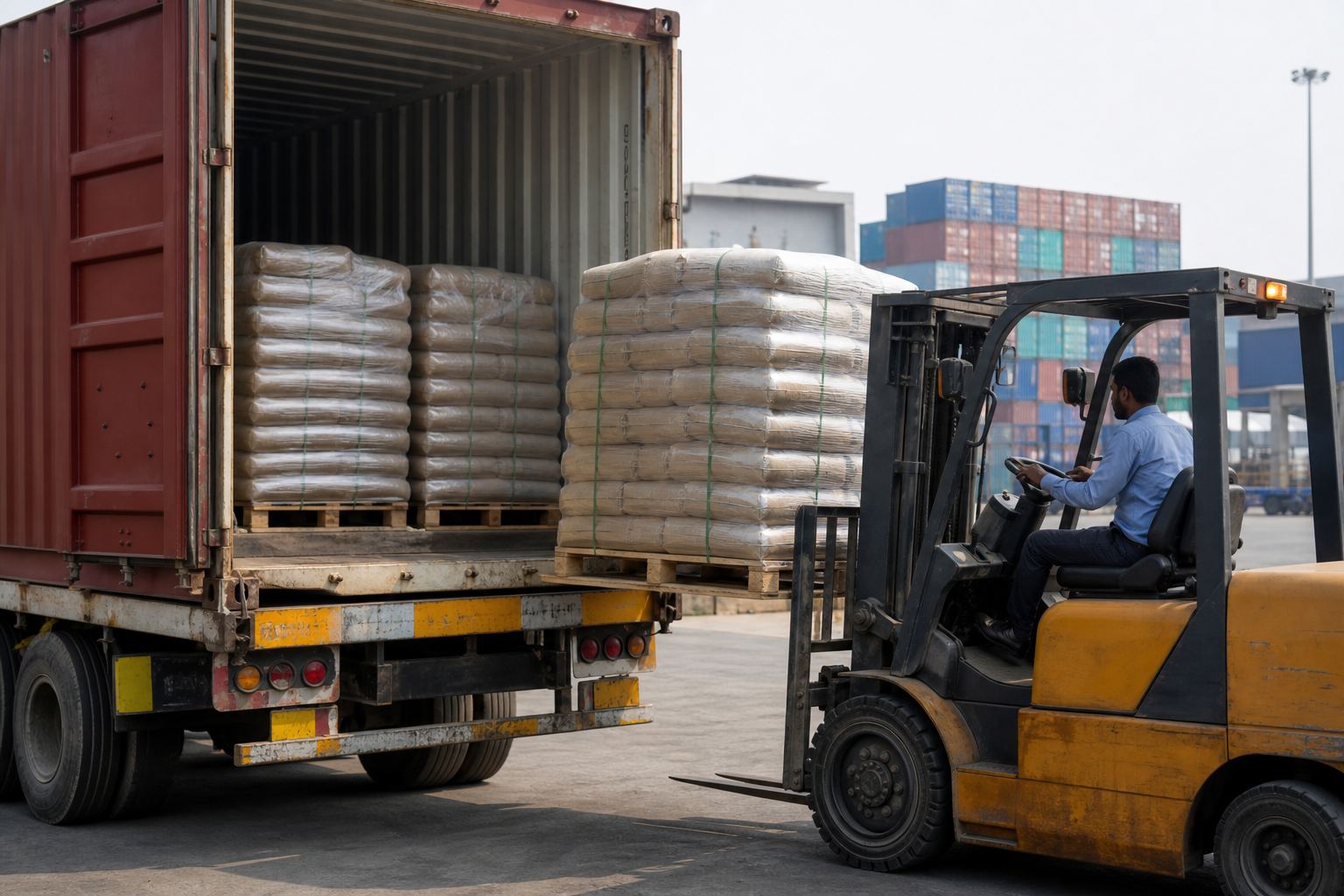
Product Categories / Variants
Summary Box
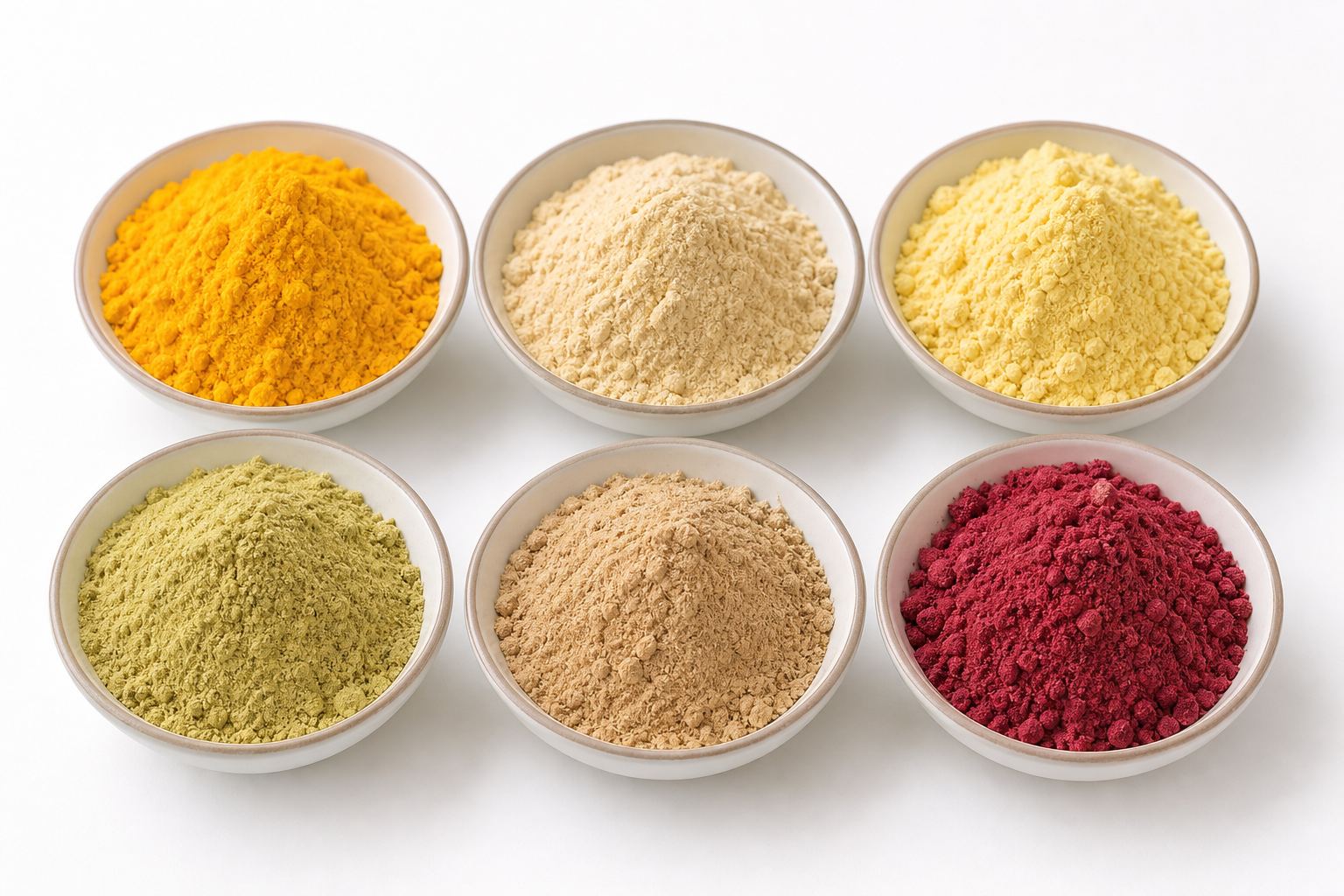
This market guide stays light on catalog depth — full SKU profiles live in Top Fruit Powder Products Exported from India. For country selection, treat process family and fruit SKU as commercial levers: spray-dried mango for beverage volume, freeze-dried mango and berry blends for premium retail, banana and pineapple for bakery and dairy, amla for nutraceuticals, and organic across any SKU for the 20–45% premium lane.
Fruit powder SKUs mapped to typical destination fit
Swipe →
Data table — swipe horizontally on small screens
| SKU / Process | Typical Markets | Indicative FOB (USD/kg) | Notes |
|---|---|---|---|
| Spray-dried mango | USA, UAE, EU, ASEAN | Approx. 4.50–12 | Highest volume workhorse |
| Freeze-dried mango | USA, Japan, Australia, Canada, EU | Approx. 15–40 | Aroma retention; fiber drums common |
| Spray-dried banana / pineapple | USA, EU, UAE, ASEAN | Banana ~3–7; pineapple ~4–11 | Bakery and dairy focus |
| Amla powder | USA, EU, Japan, Middle East | Approx. 4–14 | Nutraceutical and functional beverages |
| Papaya / guava / apple / jackfruit / pomegranate | Mixed by application | Process-dependent | Specify end use in RFQ |
| Organic (any SKU) | USA, EU, UK, Japan, Australia, Canada | +20–40% over conventional | Lot-linked organic TC mandatory |
Manufacturing Overview
Export Tip
Export-grade fruit powder manufacturing typically begins with fruit selection and pulp preparation, followed by Brix/solids standardization, optional carrier addition for spray drying, drying (spray, freeze, or drum), milling and sieving, metal detection, moisture-controlled packaging, and lot coding for traceability. Understanding this flow helps exporters match plant capability to destination expectations — Japan and Germany will probe moisture and residue discipline; UAE buyers will probe Halal and lead time; USA beverage plants will probe carrier caps and solubility.
Manufacturing stages mapped to market-access controls
Swipe →
Data table — swipe horizontally on small screens
| Stage | Key Control | Market Implication |
|---|---|---|
| Fruit / pulp intake | Variety, ripeness, residue risk | EU/Japan MRL readiness |
| Standardization | Brix / solids consistency | Color and solubility stability for beverages |
| Drying | Moisture and process choice | Spray vs freeze price and destination fit |
| Carrier addition | Declared % within buyer cap | USA/EU label and COA honesty |
| Packaging | Moisture barrier integrity | Tropical and long-haul transit survival |
| Lab release | Lot-specific COA | Buyer and customs acceptance everywhere |
Pricing Analysis
Buyer Tip
Fruit powder pricing is a function of fruit seasonality and pulp cost, drying process, carrier percentage, moisture and color grade, organic certification, packaging format, and order size. Treat published bands as directional FOB USD/kg starting points that must be requoted against current pulp markets. Market ranking must convert FOB into landed cost: duty + freight + testing + inland at destination.
Organic programs commonly add roughly 20–40% depending on certification pathway, segregation cost, and destination recognition (NPOP with USDA or EU equivalence where applicable). Freeze-dried mango and specialty blends sit at the top of conventional bands because of energy intensity and aroma retention.
Directional FOB price bands for Indian fruit powders (requote)
Swipe →
Data table — swipe horizontally on small screens
| SKU / Process | Indicative FOB (USD/kg) | Key Price Driver |
|---|---|---|
| Spray-dried mango | Approx. 4.50–12 | Pulp seasonality, carrier %, color |
| Freeze-dried mango | Approx. 15–40 | Freeze capacity, aroma retention |
| Spray-dried banana | Approx. 3–7 | Pulp cost, mesh, moisture |
| Pineapple powder | Approx. 4–11 | Acidity profile, process choice |
| Amla powder | Approx. 4–14 | Nutraceutical grade, cluster supply |
| Organic (any SKU) | +20–40% over conventional | Certification and segregation |
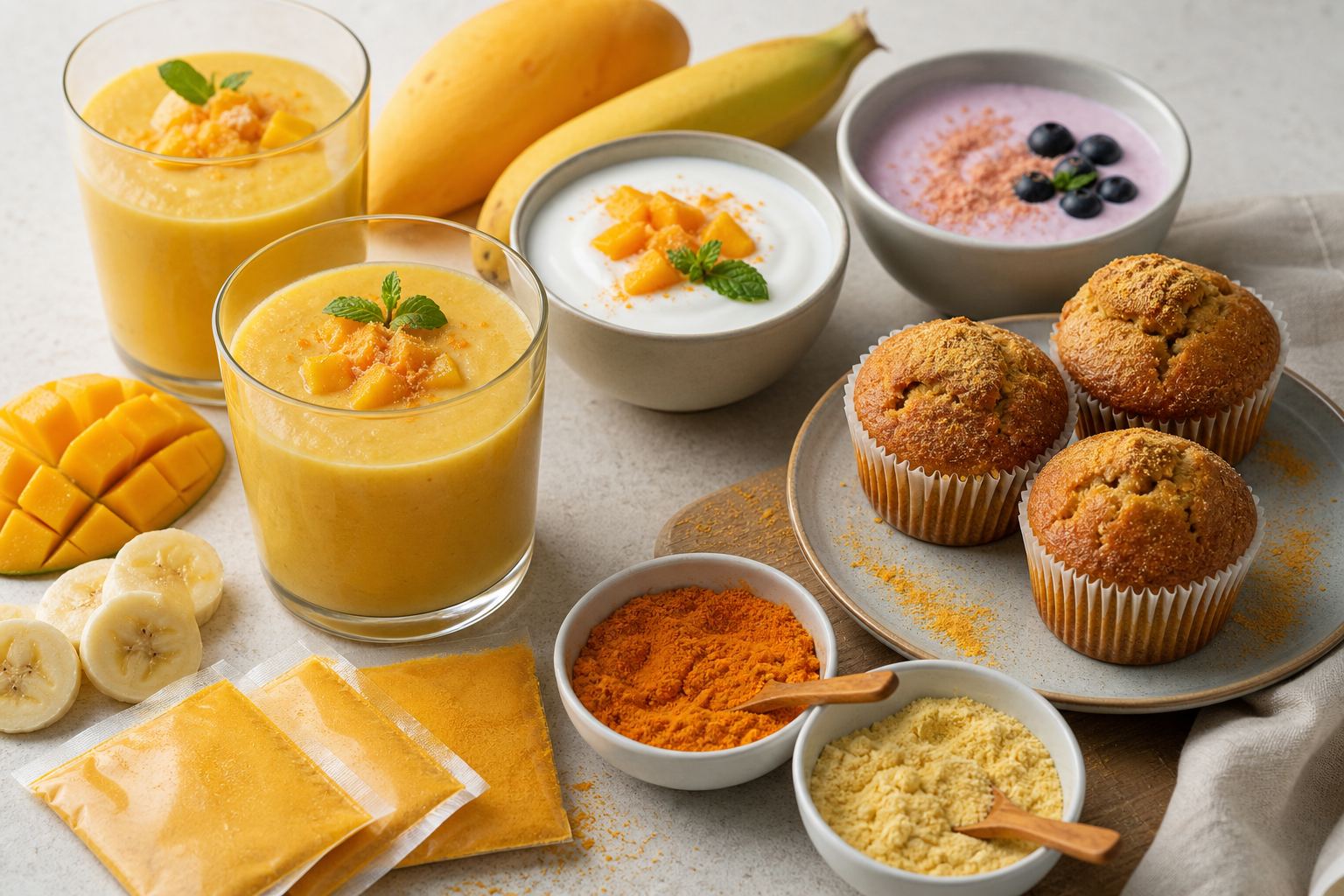
MOQ Analysis
Buyer Tip
Minimum order quantities typically scale across sample (0.5–5 kg), trial (200–1000 kg), commercial (1–5 MT), and FCL programs sized to density. Value markets (Japan, Germany) often accept smaller trials with longer qualification; volume markets (UAE, ASEAN) push toward FCL economics faster. Publish tiered MOQs by SKU because freeze-dried and organic lines often carry higher minimums than spray-dried mango.
Typical MOQ tiers for fruit powder export programs by market type
Swipe →
Data table — swipe horizontally on small screens
| Order Tier | Typical Quantity | Market Fit |
|---|---|---|
| Sample | 0.5–5 kg | All markets — mandatory before trials |
| Trial | 200–1000 kg | Japan/EU/USA qualification common |
| Commercial | 1–5 MT | Repeat LCL into EU/UK/Canada |
| FCL program | Multi-MT to full container (10–14 / 16–24 MT directional) | USA, UAE, ASEAN volume programs |
Packaging Standards
Export Tip
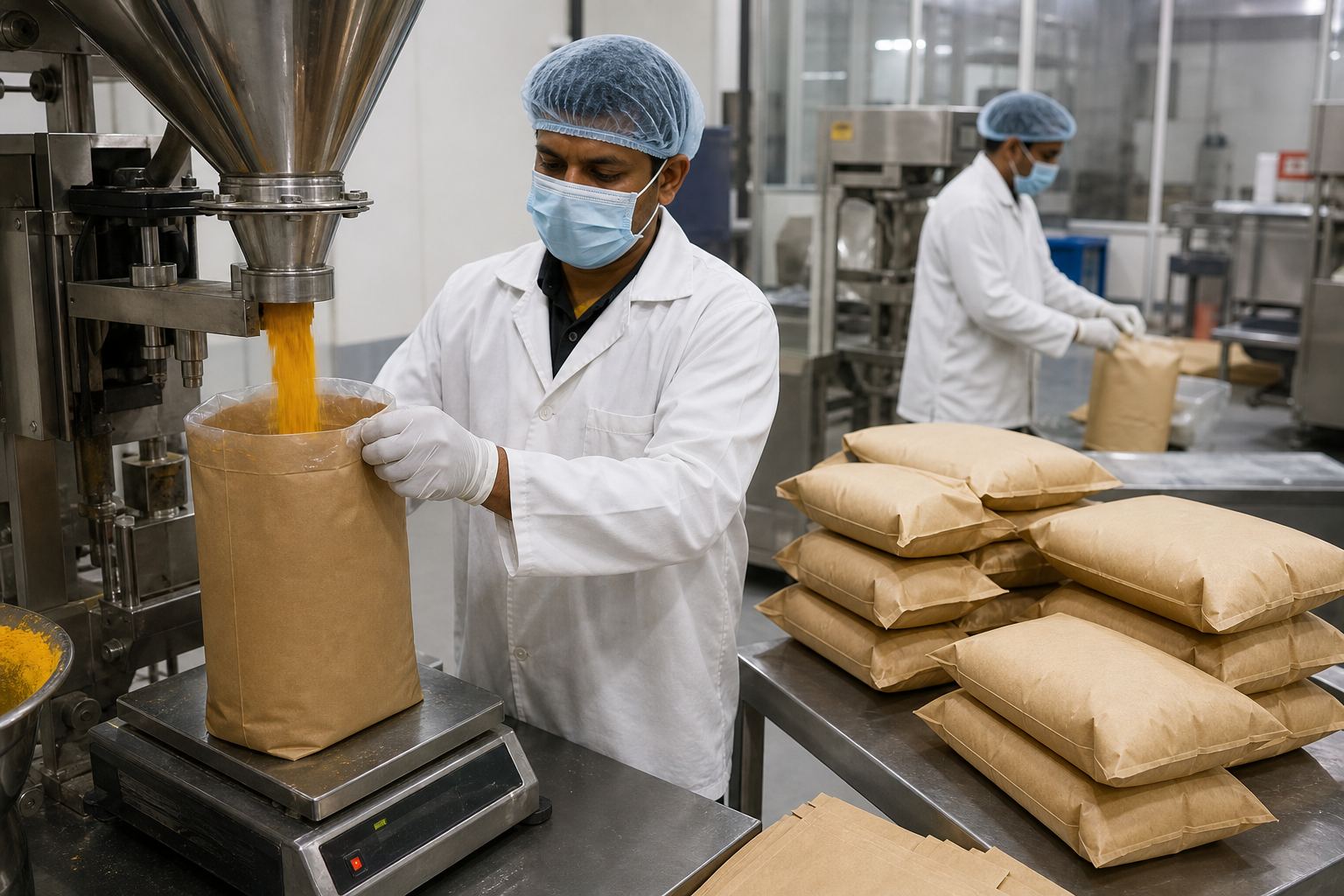
Fruit powders are hygroscopic. Packaging must prevent moisture ingress over a multi-week sea voyage. The workhorse format remains 10–25 kg multiwall kraft with a food-grade PE liner. Aluminum-laminated pouches improve barrier for mid-size commercial packs. Fibre drums are preferred for many premium freeze-dried lots destined for Japan, USA specialty, and Australian premium channels.
Export packaging formats and destination preferences
Swipe →
Data table — swipe horizontally on small screens
| Format | Typical Net Weight | Best Suited Markets |
|---|---|---|
| Multiwall kraft + PE liner | 10–25 kg | USA, UAE, ASEAN, EU industrial |
| Al-laminated pouch | 1–10 kg common | EU mid-lots, specialty distributors |
| Fibre drum | Buyer-specified | Japan, USA freeze-dried, Australia premium |
| Retail private-label pouch | 50 g – 1 kg | UK/EU/USA private-label programs |
Container Loading Details
Export Tip
Directional planning figures of about 10–14 MT per 20ft and 16–24 MT per 40ft are useful for first quotes, but freeze-dried fiber-drum loads and kraft-bag spray powders can diverge sharply — verify payload with your forwarder. Under-loading inflates per-kilogram freight into high-duty markets; over-stacking risks pack rupture and moisture exposure on tropical lanes to UAE and ASEAN.
Directional container loading benchmarks for fruit powders
Swipe →
Data table — swipe horizontally on small screens
| Container | Indicative Payload | Loading Note |
|---|---|---|
| 20ft standard | Approx. 10–14 MT | Verify density and pack format |
| 40ft standard | Approx. 16–24 MT | Preferred for program FCL economics |
| 40ft high cube | Often cubic-limited for drums | Useful for fiber-drum freeze-dried loads |
Shipping Methods
Export Tip
Sea freight is the default for commercial fruit powder shipments as LCL for trials or FCL for program volumes, typically from Nhava Sheva, Mundra, Chennai, Tuticorin, or Cochin. Air freight is reserved for samples and urgent small replenishment. Common Incoterms are FOB, CFR, and CIF; FOB remains the cleanest starting point for market comparison until freight negotiation scale justifies CFR or CIF.
Shipping methods and typical Incoterms for fruit powders
Swipe →
Data table — swipe horizontally on small screens
| Method | Typical Use Case | Typical Incoterm |
|---|---|---|
| Sea LCL | Trials and small commercial lots | FOB |
| Sea FCL (20ft / 40ft) | Commercial and program volumes | FOB, CFR, or CIF |
| Air freight | Samples and urgent small orders | FOB or CPT |
Certifications
Compliance Notes
Mandatory foundations are IEC, APEDA RCMC where applicable, and FSSAI licensing. Buyer-driven layers include HACCP or ISO 22000 for systematic food safety, Halal for UAE and many ASEAN programs, Kosher for specific North American and European retail channels, NPOP with USDA or EU Organic recognition for organic claims, and BRC for many retail private-label programs. Certifications do not replace lot COAs — they open doors that documentation and moisture control must still clear. See APEDA registration benefits for fruit powder exporters for institutional sequencing.
Certification stack mapped to destination priority
Swipe →
Data table — swipe horizontally on small screens
| Certification | Purpose | Priority Markets |
|---|---|---|
| IEC / APEDA RCMC / FSSAI | Legal export identity and food license | All markets |
| HACCP / ISO 22000 | Food safety management | EU, UK, USA, Canada, Australia, Japan, Korea |
| Halal | Religious dietary compliance | UAE, Malaysia, Singapore programs |
| Kosher | Religious dietary compliance | Selected USA / Canada / EU retail |
| NPOP / USDA / EU Organic | Organic claim substantiation | USA, EU, UK, Japan, Australia, Canada |
| BRC | Retail food safety standard | Private-label retail programs |
Buyer Requirements
Buyer Requirements
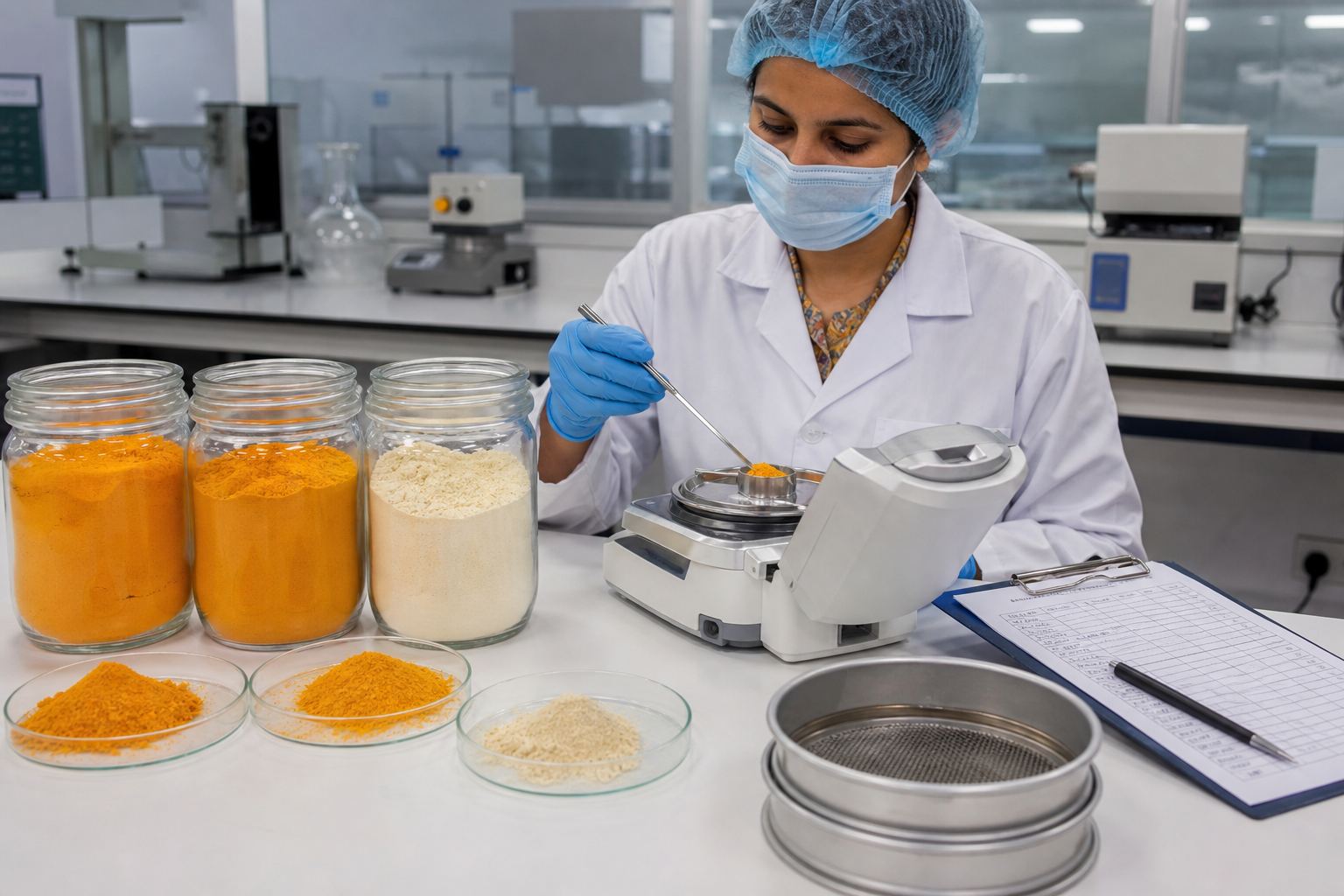
International buyers evaluating a new Indian fruit powder supplier typically request a product data sheet with moisture, carrier percentage, color or solubility notes, and microbiological ranges; a sample with matching COA; evidence of IEC, APEDA, and FSSAI status; and, for larger European or retail buyers, HACCP/ISO 22000 or BRC evidence. Organic buyers require a lot-specific organic transaction certificate. Traceability to pulp origin and processing unit is increasingly part of retailer due diligence.
Exporters who answer these requests with documents rather than verbal assurance convert inquiries into trial orders faster — and protect repeat FCL relationships in the markets ranked below.
Country-wise Opportunities
Market Snapshot
The profiles below rank destinations for market selection — duty awareness, compliance intensity, preferred SKUs, channels, entry difficulty, and sequencing strategy. Use them to choose your first two markets and your twelve-month climb list. For what each country actually orders by SKU, cross-reference Most Demanded Indian Fruit Powders by Country.
Comparative market-selection scorecard for Indian fruit powders
Swipe →
Data table — swipe horizontally on small screens
| Country | Value vs Volume | Compliance Bar | Suggested Entry Order |
|---|---|---|---|
| USA | Both — broad | High | 2nd–3rd after first proof market |
| Germany / Netherlands | Value + EU gateway | Very high | After HACCP/organic readiness |
| UK | Value mid-volume | High | Parallel to EU once docs localised |
| UAE | Volume + manufacturing | Medium (Halal gate) | Strong 1st or 2nd market |
| Japan / South Korea | Premium value | Very high | Late — after exemplary COAs |
| Australia / Canada | Premium + health | High | After organic/freeze readiness |
| Singapore / Malaysia | Volume ASEAN | Medium | Strong early proof markets |
1. United States
- Duty treatment
- US HTS 1106.30.20 (banana/plantain powder) generally about 2.8% MFN; HTS 1106.30.40 (other Chapter 8 powders, including most mango powders) generally about 9.6% MFN — verify current HTSUS and any preference pathway with a licensed broker
- Preferred SKUs
- Spray and freeze-dried mango, berry blends, banana, pineapple, amla for supplements
- Compliance intensity
- High — FDA prior notice, COA depth, often Kosher or organic for retail-adjacent programs
- Packaging
- 10 to 25 kg kraft with PE liner; fiber drums for freeze-dried
- Channels
- Beverage brands, bakery, nutraceuticals, distributors, flavor houses
- Entry difficulty
- Medium-high
- Strategy
- Lead with documented carrier percentage, strong COAs, and sample discipline; convert trials to FCL once solubility and color hold.
The USA is the broadest high-value destination for Indian fruit powders spanning spray-dried beverage and bakery lines and freeze-dried premium grades. FDA prior-notice awareness, lot COAs, and honest carrier declarations are non-negotiable. Organic programs with USDA-recognized pathways command the 20 to 40% premium lane.
2. Germany
- Duty treatment
- EU CN 1106 30 00 third-country duty typically about 8.3–10.9% ad valorem depending on sub-line — verify current TARIC and any preferential origin with an EU-experienced broker
- Preferred SKUs
- Organic mango, amla, pineapple; clean-label spray and freeze-dried lines
- Compliance intensity
- Very high — MRL panels, organic transaction certificate, HACCP or ISO, carrier honesty
- Packaging
- Kraft with PE liner and aluminum laminate; clear lot coding
- Channels
- Ingredient distributors, food manufacturers, organic brands
- Entry difficulty
- High
- Strategy
- Do not enter without food-safety systems and residue readiness; organic programs repay the compliance cost.
Germany is a compliance-first EU gateway where organic certification, residue panels, and HACCP or ISO systems open long relationships. Dutch and German distributors often redistribute across the EU once documentation is proven.
3. Netherlands
- Duty treatment
- Same EU CN 1106 30 00 logic as Germany (typically ~8.3–10.9% third-country) — confirm TARIC line and origin preference
- Preferred SKUs
- Tropical spray-dried powders; organic and freeze-dried for specialty
- Compliance intensity
- Very high — EU gateway standards
- Packaging
- 10 to 25 kg industrial packs; aluminum laminate for mid lots
- Channels
- Distributors, blenders, manufacturers
- Entry difficulty
- High
- Strategy
- Treat Netherlands as EU documentation rehearsal; one strong distributor can unlock multi-country volume.
The Netherlands functions as an EU redistribution and manufacturing hub. Many first EU containers land here even when the end brand sits elsewhere in Europe. Documentation expectations mirror Germany compliance culture.
4. United Kingdom
- Duty treatment
- Confirm UK tariff line and any India-UK preference pathways with a UK broker
- Preferred SKUs
- Mango, banana, strawberry or berry blends, pineapple
- Compliance intensity
- High — BRC common for retail private label
- Packaging
- Bulk kraft with PE liner; retail-ready for private label
- Channels
- Distributors, manufacturers, private-label buyers
- Entry difficulty
- Medium-high
- Strategy
- Mid-volume certified programs fit well; align docs to UK, not EU templates alone.
The UK supports bakery, dairy, beverage, and private-label programs with its own post-Brexit import rules. Treat UK as a separate compliance project from EU27 even when product specs look similar.
5. United Arab Emirates
- Duty treatment
- UAE practice commonly applies about 5% customs duty on CIF plus 5% VAT for many food lines — do not assume zero duty; verify the exact GCC/UAE tariff line before quoting landed cost
- Preferred SKUs
- Mango, banana, pineapple spray-dried; Halal-ready lots
- Compliance intensity
- Medium — Halal often gates; COA and FSSAI or APEDA expected
- Packaging
- 10 to 25 kg kraft with PE liner; humidity control critical
- Channels
- Beverage plants, foodservice manufacturers, traders
- Entry difficulty
- Low to medium
- Strategy
- Secure Halal early; compete on FCL reliability from Nhava Sheva or Mundra.
The UAE is a strong Gulf beverage and foodservice manufacturing hub with Halal frequently essential. Entry difficulty is lower than Japan or Germany when Halal and moisture control are ready — making UAE a strong first or second market for new exporters.
6. Japan
- Duty treatment
- Confirm current Japanese tariff for fruit powders with a Japan-experienced broker
- Preferred SKUs
- Tight-spec spray and freeze-dried mango, amla, specialty lines
- Compliance intensity
- Very high — tightest moisture and microbiology expectations in this guide
- Packaging
- Fibre drums or high-barrier packs; impeccable lot coding
- Channels
- Food manufacturers, trading houses
- Entry difficulty
- Very high
- Strategy
- Approach only with exemplary COAs and patient sampling; freeze-dried and organic can justify the cycle.
Japan is a premium, specification-led market where moisture, microbiology, residue panels, and trading-house qualification cycles are longer — and relationships last longer once won. Do not use Japan as a first-ever export market.
7. South Korea
- Duty treatment
- Confirm Korea tariff and any India FTA preference for your line
- Preferred SKUs
- Spray and freeze-dried tropical powders; functional beverage lines
- Compliance intensity
- High — tight moisture and microbiology specs
- Packaging
- High-barrier packs; clear lot identity
- Channels
- Food manufacturers, importers
- Entry difficulty
- High
- Strategy
- Treat as a premium parallel to Japan; do not rush FCL before plant trials clear.
South Korea emphasizes quality-focused food manufacturing with tight specification discipline similar in spirit to Japan but often with different commercial channels and smaller program sizes that can still be sticky once approved.
8. Australia
- Duty treatment
- Confirm Australian tariff and biosecurity import conditions for fruit powders
- Preferred SKUs
- Organic and freeze-dried mango, berry blends, tropical spray lines
- Compliance intensity
- High — organic and import permit awareness
- Packaging
- Fibre drums and aluminum laminate for premium; kraft with PE liner for industrial
- Channels
- Health brands, beverage manufacturers, distributors
- Entry difficulty
- Medium-high
- Strategy
- Lead with organic or freeze-dried capability if certified; otherwise enter via industrial spray with strong COAs.
Australia rewards health-oriented beverage brands and organic or freeze-dried programs. Biosecurity and import documentation must be planned with an Australian broker; organic premiums of 20 to 45% are commercially meaningful when NPOP pathways are recognized.
9. Canada
- Duty treatment
- Confirm Canadian tariff line with a licensed broker; do not copy USA duty assumptions
- Preferred SKUs
- Mango, berry blends, organic grades, amla for supplements
- Compliance intensity
- High — similar to USA documentation culture
- Packaging
- 10 to 25 kg kraft with PE liner; drums for freeze-dried
- Channels
- Food manufacturing, retail brands, distributors
- Entry difficulty
- Medium-high
- Strategy
- Use USA-ready documentation as a base, then localise for Canadian labeling and broker requirements.
Canada mirrors many USA documentation expectations for beverages, bakery, and supplements while remaining its own regulatory project. Organic and freeze-dried lanes perform well with health-oriented brands.
10. Singapore
- Duty treatment
- Confirm Singapore tariff treatment and any preferential pathway for your HS line
- Preferred SKUs
- Tropical spray-dried mango, banana, pineapple, guava
- Compliance intensity
- Medium — standard COA and food-safety docs; Halal for some programs
- Packaging
- 10 to 25 kg kraft with PE liner
- Channels
- Regional manufacturers, traders, re-exporters
- Entry difficulty
- Low to medium
- Strategy
- Use as ASEAN proof-of-execution market before expanding to Malaysia and beyond.
Singapore is a regional manufacturing and re-export hub for tropical spray-dried powders. Documentation expectations are professional but typically more accessible than Japan or Germany — useful as an ASEAN entry point.
11. Malaysia
- Duty treatment
- Verify ASEAN-India or MFN treatment for your exact line
- Preferred SKUs
- Tropical spray-dried powders for beverages and bakery
- Compliance intensity
- Medium — Halal plus standard food-safety docs
- Packaging
- 10 to 25 kg kraft with PE liner; humidity control essential
- Channels
- Manufacturers, Halal foodservice distributors
- Entry difficulty
- Low to medium
- Strategy
- Secure Halal early; compete on FCL reliability and freight-efficient Asia lanes from Chennai, Tuticorin, or Cochin where plant location fits.
Malaysia pairs Halal-centric procurement with growing food manufacturing demand — a natural parallel market to Singapore and UAE for Indian fruit powder exporters who already hold Halal.
Sourcing Checklist
Checklist
- Confirm HS line with CHA (1106.30 / 11063030–11063090 vs 0813 vs 2008) before duty quotes
- Convert every FOB band to landed cost for the shortlisted countries
- Match SKU and process family to destination demand — do not force freeze-dried into volume Halal lanes without buyer pull
- Sequence certifications to the climb list (Halal for UAE/ASEAN; HACCP/organic for EU/USA)
- Qualify backup processors in MH/GJ/southern clusters for seasonal mango risk
- Verify port and freight assumptions for Nhava Sheva, Mundra, Chennai, Tuticorin, or Cochin
Use the checklists below before locking a target-market plan, committing certification spend, or filing a first shipping bill to a new destination. Fruit powder market selection fails most often on duty assumptions, missing Halal/organic readiness, and quoting FOB without landed-cost conversion.
Common Buyer Mistakes
Common Mistakes Box
- Ranking markets by FOB alone — Solution: convert every quote to landed cost including duty, freight, and testing.
- Entering Japan or Germany as a first-ever market — Solution: prove SOPs in UAE or ASEAN first.
- Quoting without declaring carrier percentage — Solution: state maltodextrin/carrier % on every data sheet and COA.
- Treating freeze-dried and spray-dried mango as interchangeable across markets — Solution: specify process family per destination.
- Skipping Halal when targeting UAE or Malaysia — Solution: confirm Halal before quoting.
- Assuming USA and Canada share identical duty and labeling — Solution: verify each with a licensed broker.
- Organic claims without lot TCs — Solution: never ship organic-labelled lots without lot documentation.
- Filing the wrong HS line — Solution: confirm 1106.30 / 11063030–11063090 vs 0813 vs 2008 with your CHA.
- Ignoring mango seasonality when promising USA/EU FCLs — Solution: book pulp and dryer capacity ahead of Konkan and other mango seasons.
- Single-plant dependence for multi-market programs — Solution: qualify backup spray capacity in Gujarat or southern hubs.
- Under-specifying moisture for humid UAE/ASEAN lanes — Solution: hold spray ≤5% with barrier packaging.
- Copying EU documents for UK shipments — Solution: localise UK compliance as its own project.
Most market-selection failures are process and assumption mistakes, not mysterious demand collapses. Avoid the patterns below.
Future Market Trends
Key Statistics
Demand for fruit powders is expected to keep expanding with clean-label beverages, functional nutrition, bakery convenience, and cosmetics botanicals. Within destination mix, growth is likely to favour exporters who can document carrier percentages transparently, expand freeze-dried and organic capacity, and maintain HACCP/ISO 22000 or BRC systems for retail and multinational buyers in the USA, EU, UK, Japan, Australia, and Canada.
Risk factors include fruit seasonality and pulp price spikes, energy costs for freeze drying, tightening residue expectations in Japan and the EU, and competition from other tropical origins. Exporters who invest in lot traceability, moisture-barrier packaging, multi-cluster sourcing, and deliberate market sequencing will be best positioned for repeat FCL programs through the late 2020s.
Expert Insights from Saurabh Mittal
Expert Insight Box
Altus Exports built its fruit powder merchant-exporter and global sourcing model around a simple commercial truth: international buyers pay for predictable moisture, honest carrier declarations, and identical documentation lot after lot — but only after you pick markets your certification stack can actually clear.
Why Landed Cost Beats Catalogue Geography
India can list many destinations on a catalogue page. What converts a first inquiry into a multi-year contract is landed-cost honesty and process discipline: registrations kept current, dryers qualified for the exact SKU, packaging matched to humidity risk, and a merchant exporter or global sourcing partner who owns the handoffs between plant, lab, forwarder, and buyer.
Conclusion
- Read How to Export Fruit Powders from India for the operational sequence.
- Compare SKUs in Top Fruit Powder Products Exported from India.
- Map demand with Most Demanded Indian Fruit Powders by Country.
- Use Source Fruit Powders Directly from India for buyer-side sourcing workflow.
- Complete APEDA Registration Benefits for Fruit Powder Exporters.
- Explore Organic Fruit Powder Export Opportunities.
- Build pipeline via Find International Buyers for Fruit Powders and Trade Shows for Fruit Powder Exporters.
- Ship with Fruit Powder Export Documentation Checklist.
Choosing the best countries for Indian fruit powder exports is fundamentally about sequencing: lock HS 1106.30 / India ITC-HS 11063030 (mango) or 11063090 (other Chapter 8 fruit powders) with your CHA; convert FOB to landed cost; match spray-dried versus freeze-dried SKUs to destination demand; build Halal for UAE and ASEAN; build HACCP and organic for EU, USA, Japan, Australia, and Canada; then prove moisture ≤5% spray / ≤3–4% freeze with kraft+PE or fiber-drum packaging on real FCL loads from Nhava Sheva, Mundra, Chennai, Tuticorin, or Cochin.
Processors and traders ready to prioritize markets should complete registrations, commission their first lot COA, and approach two target markets with a clear data sheet and requote-ready FOB model. International buyers can work with Altus Exports as a merchant exporter and global sourcing partner for coordinated sourcing, testing, and shipment under one accountable relationship. Explore Altus Exports agriculture & food products for related programs.