
Source Fruit Powders Directly from India: Buyer's Sourcing Playbook
By Saurabh Mittal, Founder, Altus Exports
A practical buyer and importer playbook for sourcing fruit powders directly from India — from RFQ design and processor verification across Maharashtra, Gujarat, Andhra Pradesh, Karnataka, Tamil Nadu, Uttar Pradesh, Himachal Pradesh, and Kerala through sample protocols, trial MOQ, purchase order structure, pre-shipment inspection, and first-shipment risk controls. From Altus Exports.
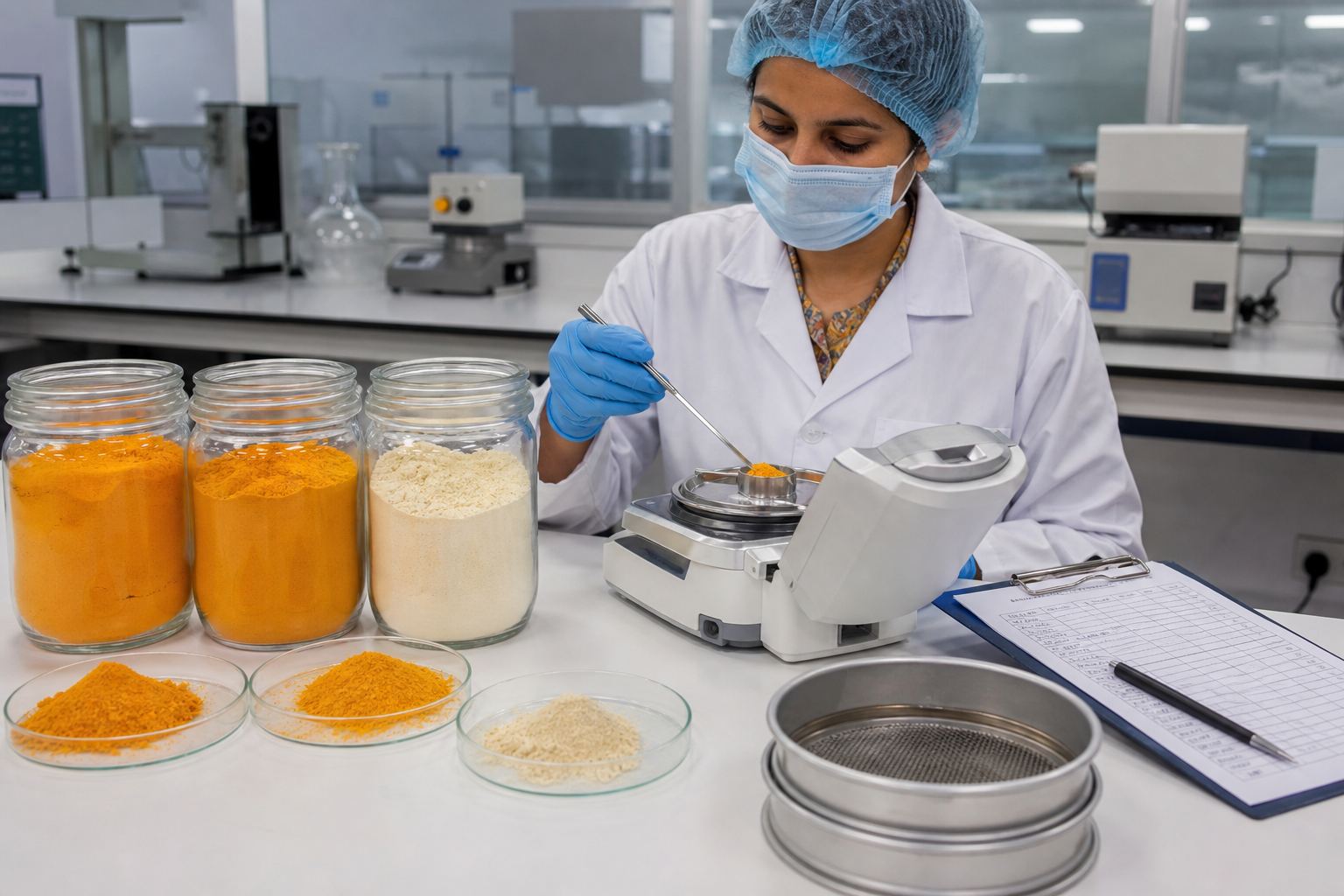
International importers, beverage brands, bakery and dairy manufacturers, nutraceutical companies, flavor houses, and procurement teams source fruit powders directly from India because of the country's fruit depth, spray-drying and freeze-drying capacity, and multi-SKU tropical and temperate portfolios. Maharashtra's Konkan belt anchors mango pulp for powdering; Gujarat hosts significant spray-drying and consolidation capacity; Andhra Pradesh, Karnataka, and Tamil Nadu process tropical fruits; Uttar Pradesh supplies amla; Himachal Pradesh feeds apple lines; and Kerala contributes banana and jackfruit. Commercial SKUs ship under HS 1106.30 / India ITC-HS 11063030 (mango) / 11063090 (other) as spray-dried and freeze-dried mango, banana, pineapple, papaya, guava, amla, apple, jackfruit, pomegranate, sapota, and berry blends.
Yet buyers who treat India as a commodity catalogue rather than a verification workflow reliably repeat the same failures: compelling samples that do not represent bulk lots, undeclared or under-declared maltodextrin carrier, moisture that drifts above buyer caps during humid transit, unverifiable certificates that dissolve under portal checks, packaging that admits moisture on a multi-week ocean voyage, and payment terms that provide no leverage when pre-shipment inspection reveals a non-conforming lot. None of these failures are inevitable. They are the predictable outcome of skipping RFQ precision, supplier credential verification, independent laboratory testing, and staged payment progression.
This guide is written for buyers and importers — not as an exporter how-to and not as a country-ranking guide. For the export-side registration and process framework, see How to Export Fruit Powders from India. For destination market ranking and landed-cost logic, see Best Countries for Indian Fruit Powder Exports. For ranked SKU depth, see Top Fruit Powder Products Exported from India. Altus Exports acts as merchant exporter and global sourcing partner when buyers want one accountable India-side relationship across supplier verification, sampling, documentation, and shipment execution.
Key Takeaways
Summary Box
Executive Summary
Summary Box
This playbook sets out a repeatable importer workflow for sourcing fruit powders directly from India: structured RFQ design, supplier discovery across Maharashtra, Gujarat, Andhra Pradesh, Karnataka, Tamil Nadu, Uttar Pradesh, Himachal Pradesh, and Kerala networks, credential and certification verification on official portals, sample-plus-COA evaluation with moisture and carrier percentage as primary gates, landed-cost negotiation by Incoterm and destination, trial MOQ placement, pre-shipment inspection, and document-controlled arrival. Each step prevents a specific failure mode — carrier drift, credential fraud, packaging collapse, duty misclassification, or payment loss.
The underlying principle is straightforward: fruit powder is a regulated food ingredient in most developed markets. Buyers who apply a disciplined verification process to every new Indian supplier convert first containers into multi-year programs. Buyers who skip verification steps under competitive pressure or deadline urgency pay for that shortcut across an entire ocean-freight cycle.
Whether you source from a direct processor, a trading house with plant contracts, or a merchant exporter, accountability must be explicit at every gate: who owns moisture and carrier consistency, who owns moisture integrity in transit, who owns documentation accuracy, and how payment releases map to those accountability checkpoints.
Fruit Powder Buyer Sourcing Framework — Executive Summary
Swipe →
Data table — swipe horizontally on small screens
| Sourcing Dimension | What to Confirm | Why It Matters |
|---|---|---|
| RFQ / specification | Process, SKU, moisture, carrier %, micro, residues, pack, certs, MOQ, Incoterm | Vague RFQs produce incomparable quotes and post-shipment disputes |
| Supplier legitimacy | IEC, FSSAI, APEDA RCMC — verified on official portals | Baseline legal export readiness; PDFs are claims until checked |
| Sample and COA | Sample + matching lot COA with moisture and carrier %; independent retest when risk warrants | Bulk lots diverge from uncontrolled samples |
| Commercial terms | Landed cost, Incoterms, staged payment, pre-shipment inspection rights | Protects cash and clarifies risk allocation before production |
| Logistics readiness | Kraft+PE / Al-laminate / fibre drum, container plan, load port | Determines arrival quality and delivered cost |
| Certification stack | HACCP/ISO 22000, Halal, Kosher, organic (NPOP + destination equivalence) as applicable | Destination compliance cannot be retro-fitted after shipment |
Market Size & Industry Overview
Key Statistics
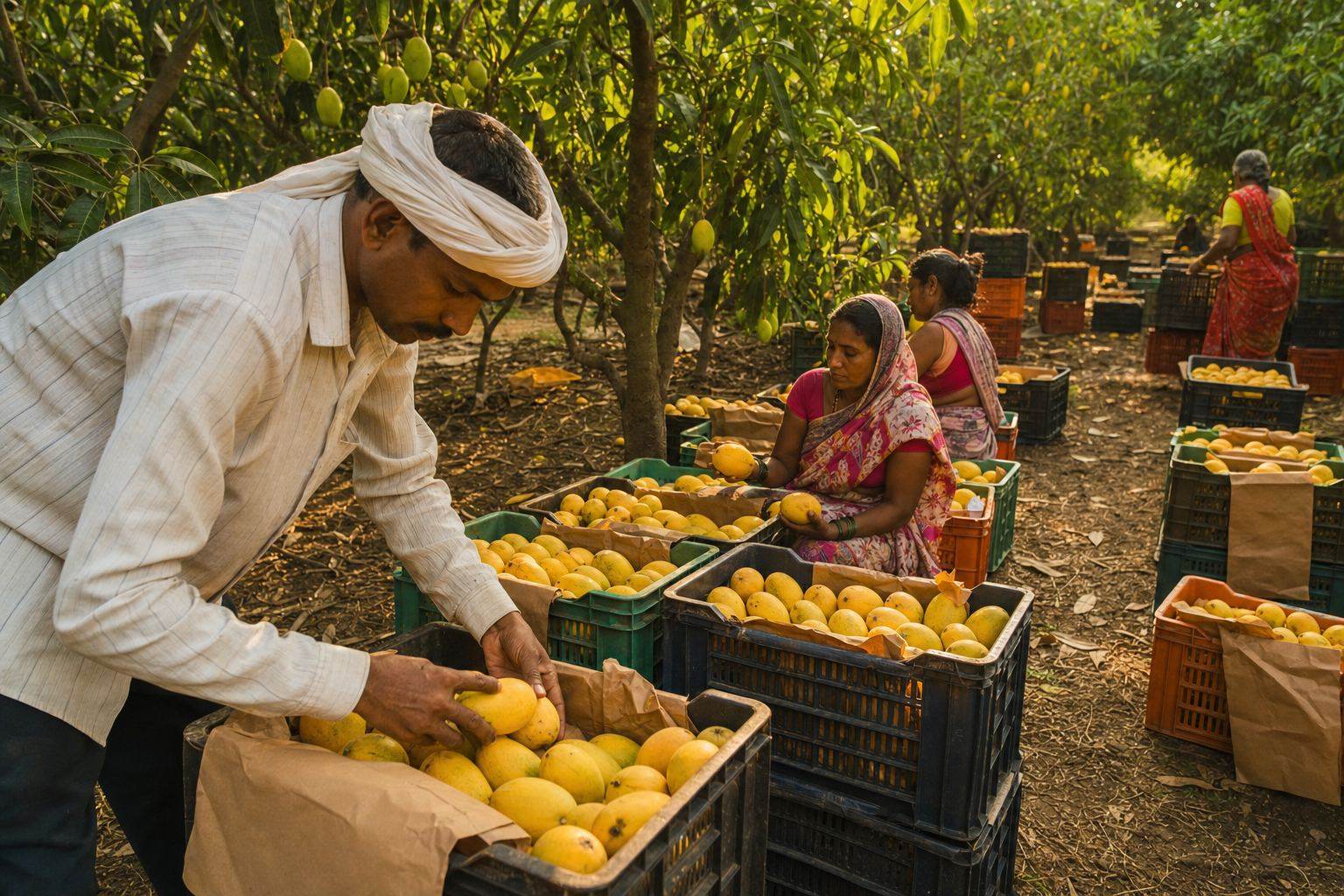
From a buyer's perspective, India's fruit powder supply chain has three linked nodes: pulp-linked processors and spray/freeze-drying plants across Maharashtra, Gujarat, Andhra Pradesh, Karnataka, Tamil Nadu, Uttar Pradesh, Himachal Pradesh, and Kerala; traders and consolidators who contract plant capacity; and the merchant exporter layer that sits between these supply nodes and international buyers. Understanding which node you are actually contracting — direct-processor, trader with plant contracts, or full-service merchant exporter — sets your expectations for MOQ flexibility, COA quality, lot traceability, and who bears legal export responsibility under Indian law.
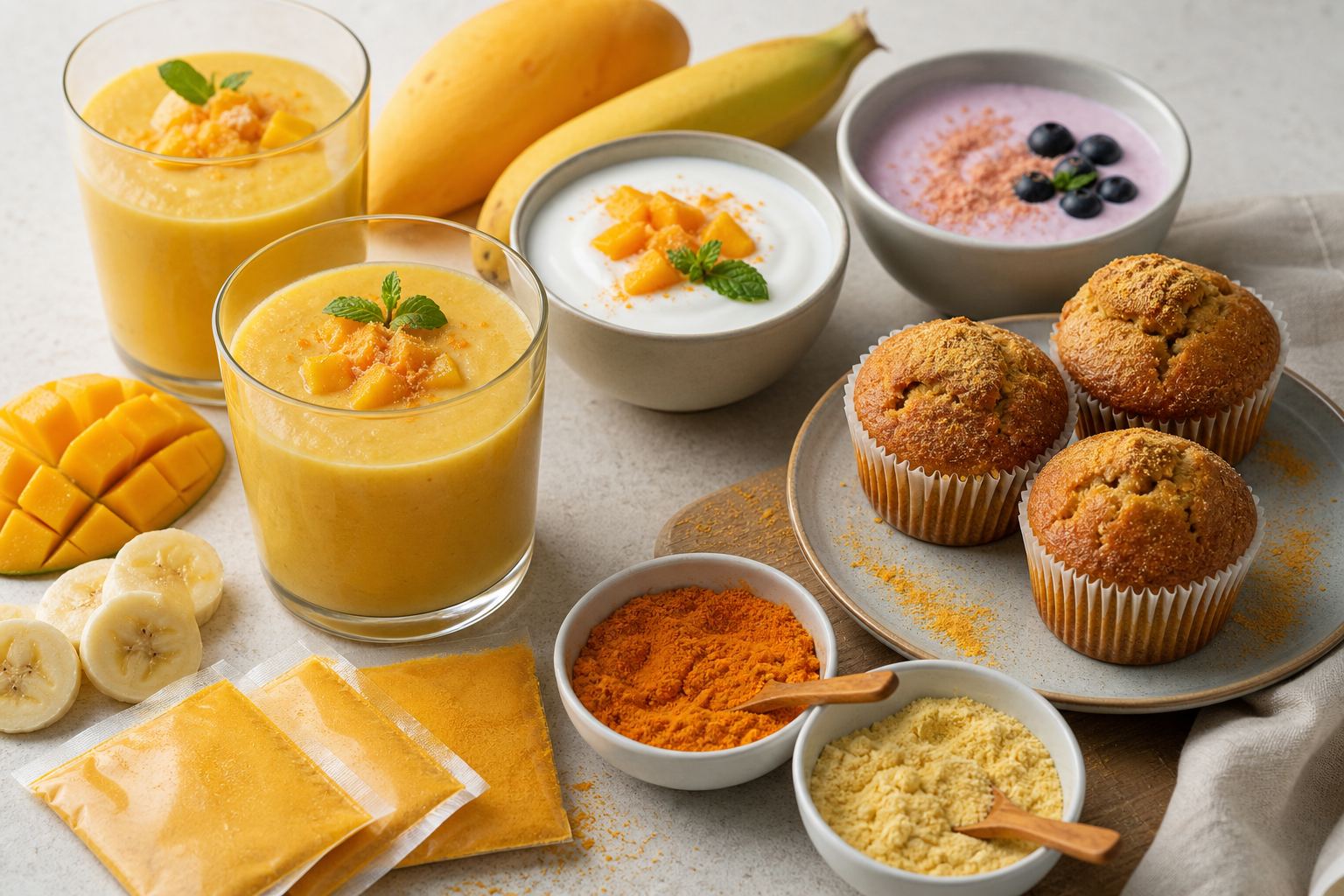
Global importers use Indian fruit powders across diverse applications: beverage bases and smoothie systems, bakery inclusions, confectionery flavor systems, dairy and ice-cream, baby-food and nutraceutical formulations, and cosmetics botanicals. Application diversity means your RFQ must specify the intended use: a US beverage brand and a Japanese clean-label snack formulator may both ask for 'mango powder,' but they have entirely different process, carrier, testing panel, and documentation requirements even at the same fruit name.
Trade volumes should be confirmed via APEDA, DGCI&S, or ITC Trade Map under HS 1106.30. Your procurement calendar should respect mango seasonality and pulp pricing cycles, which move primary pricing even when finished-goods inventory is warehouse-held from prior-season production. Asking for a quote at peak Konkan mango season versus off-season can yield materially different FOB outcomes.
Indian Fruit Powder Supply Chain — Buyer Orientation Overview
Swipe →
Data table — swipe horizontally on small screens
| Supply Node | Buyer Relationship | Strengths | Considerations |
|---|---|---|---|
| Direct processor (cluster plant) | Factory-to-buyer | Closest to process control and pulp origin | Buyer may manage more docs and logistics |
| Trader with plant contracts | Intermediated supply | SKU breadth and MOQ flexibility | Verify which plant actually produces the lot |
| Merchant exporter | One accountable India-side partner | Verification, sampling, docs, shipment coordination | Clarify margin and process transparency |
| Multi-cluster program | Backup capacity across states | Seasonal continuity for mango and tropicals | Requires stronger lot-coding discipline |
Export Statistics
Key Statistics
From the buyer's seat, Indian fruit powder exports under HS 1106.30 / India ITC-HS 11063030 (mango) or 11063090 (other Chapter 8 fruit powders) are an established channel into North America, Europe, the Gulf, East Asia, and ASEAN — not an experimental category. Verified directional trade context (WITS/UN Comtrade, HS 110630, calendar year 2024): India exported about USD 10.8 million and about 7,375 metric tonnes under this six-digit line. Leading reported destinations included the United States (~30% of export value), the United Kingdom (~11%), Canada (~9%), Australia (~8%), and the United Arab Emirates (~7%). Reconfirm current-year figures via APEDA, DGCI&S, ITC Trade Map, or WITS — line composition mixes mango flour/powder with other Chapter 8 powders and can shift with seasonality and freeze-dried/organic mix. Additional export statistics should be treated as directional until confirmed against current APEDA, DGCI&S, or ITC Trade Map extracts. What matters for procurement planning is that spray-dried mango dominates volume lanes, freeze-dried and organic lots grow faster on value, and program buyers who insist on lot-specific COAs with declared carrier content experience fewer destination disputes.
Ports of loading for your PO should be named: Nhava Sheva, Mundra, Chennai, Tuticorin, or Cochin depending on plant geography. Freight quotes that say 'India port' without naming the load port are incomplete for landed-cost modeling. Confirm Incoterm (FOB, CFR, or CIF) and whether the supplier or you own destination duty and brokerage.
Buyer-Relevant Export Patterns for Indian Fruit Powders
Swipe →
Data table — swipe horizontally on small screens
| Dimension | Directional Pattern | Buyer Action |
|---|---|---|
| HS reference | 1106.30 / 11063030–11063090 | Align PO, invoice, and import entry description |
| SKU mix | Spray mango volume; freeze/organic value growth | Specify process family in RFQ |
| Ports | Nhava Sheva, Mundra, Chennai, Tuticorin, Cochin | Name load port on PO |
| Incoterms | FOB common for first programs | Lock FOB/CFR/CIF before comparing quotes |
| Docs risk | Stale COAs and undeclared carrier | Require lot-matching COA every shipment |
Import Statistics
Key Statistics
Import demand for Indian fruit powders concentrates in the USA, Germany, Netherlands, UK, France, UAE, Japan, South Korea, Australia, Canada, Singapore, and Malaysia. Your own destination's import pattern should drive RFQ severity: EU and Japan programs typically need deeper residue and food-safety documentation; UAE programs often need Halal; USA programs need FDA prior-notice awareness and carrier honesty.
Do not copy another buyer's RFQ template blindly. A bakery importer of spray-dried banana powder and a nutraceutical importer of amla powder are both 'fruit powder buyers,' but their testing panels, moisture ceilings, and certification stacks differ. For country demand matrices, see Most Demanded Indian Fruit Powders by Country and for destination ranking see Best Countries for Indian Fruit Powder Exports.
Import Demand Patterns Relevant to Buyer RFQs
Swipe →
Data table — swipe horizontally on small screens
| Import Market | Demand Driver | RFQ Emphasis |
|---|---|---|
| USA | Beverages, bakery, supplements | Carrier %, COA, FDA prior notice |
| Germany / Netherlands | Clean-label EU manufacturing | Organic TC, MRL, HACCP/ISO |
| UK / France | Retail, bakery, dairy | Docs discipline; BRC for retail |
| UAE | Beverage and foodservice | Halal; tropical spray SKUs |
| Japan / South Korea | Quality-focused manufacturing | Tight moisture, micro, sensory |
| Australia / Canada | Health and beverage brands | Organic and freeze-dried readiness |
| Singapore / Malaysia | Regional manufacturing | Standard COA; Halal for MY |
Product Categories / Variants
Summary Box
Write the RFQ around process family first: spray-dried (volume, carrier often present), freeze-dried (premium aroma/color, higher price, typically lower moisture), or drum-dried specialty. Then lock fruit SKU — mango, banana, pineapple, papaya, guava, amla, apple, jackfruit, pomegranate, sapota, or berry blends — plus carrier percentage cap, moisture ceiling (spray typically ≤5%; freeze-dried often ≤3–4%), mesh or solubility notes, organic status, and intended application.
Do not ask suppliers to send best mango powder without process and carrier limits. Incomparable quotes and post-arrival disputes start with vague RFQs. Full SKU taxonomy lives in Top Fruit Powder Products Exported from India; organic-only programs in Organic Fruit Powder Export Opportunities.
RFQ SKU Checklist for Indian Fruit Powders
Swipe →
Data table — swipe horizontally on small screens
| Parameter | What to Specify | Why Buyers Miss It |
|---|---|---|
| Process family | Spray / freeze / drum | Spray and freeze are not interchangeable |
| Fruit SKU | Exact fruit and blend rules | Catalogue names hide pulp origin |
| Moisture | ≤5% spray; often ≤3–4% freeze | Hygroscopic drift in transit |
| Carrier % | Max maltodextrin/other carrier | Leading cause of lab failure |
| Organic status | Conventional vs NPOP + destination TC | Company cert ≠ lot TC |
| Application | Beverage, bakery, nutraceutical, etc. | Testing panels differ by use |
Manufacturing Overview
Export Tip
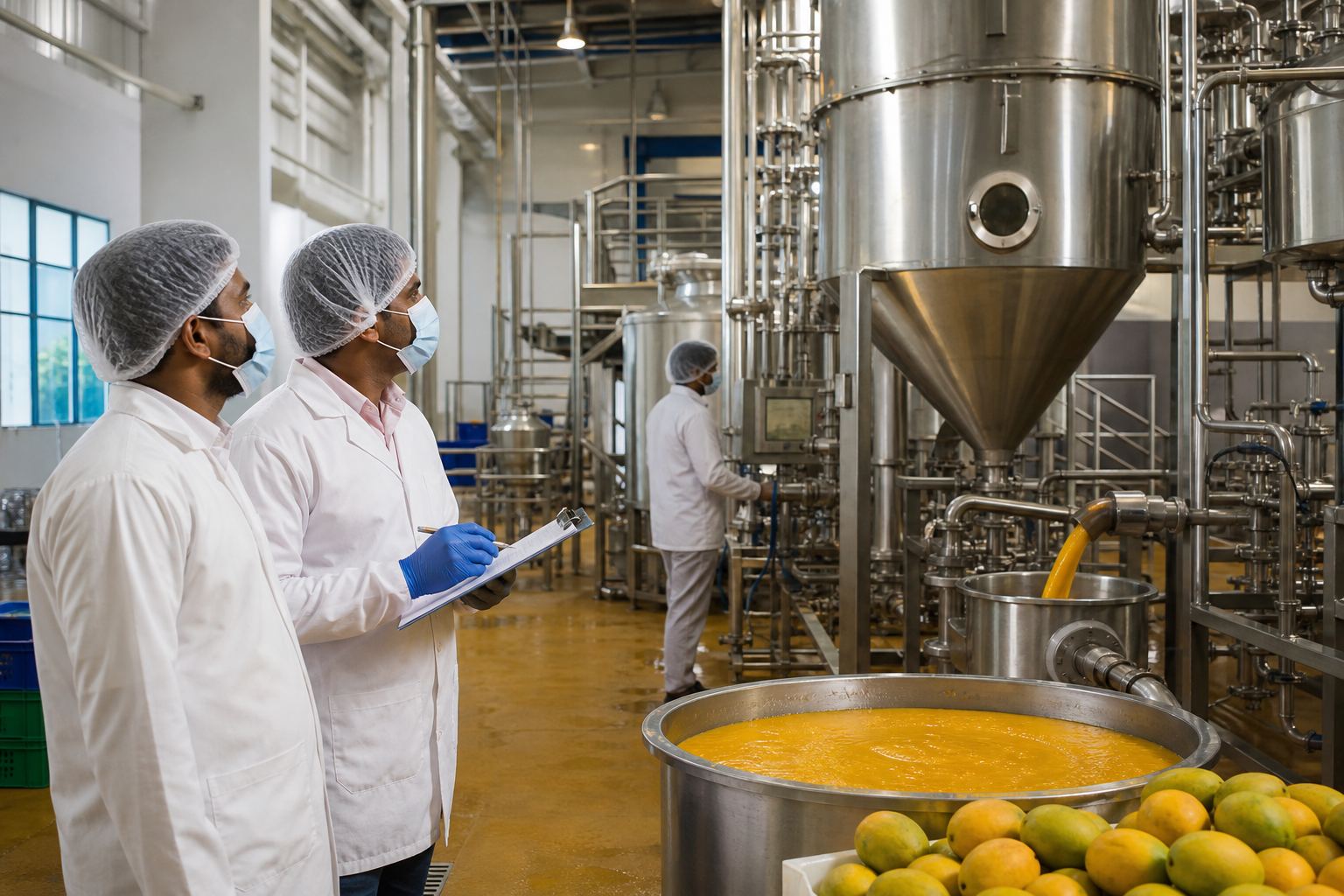
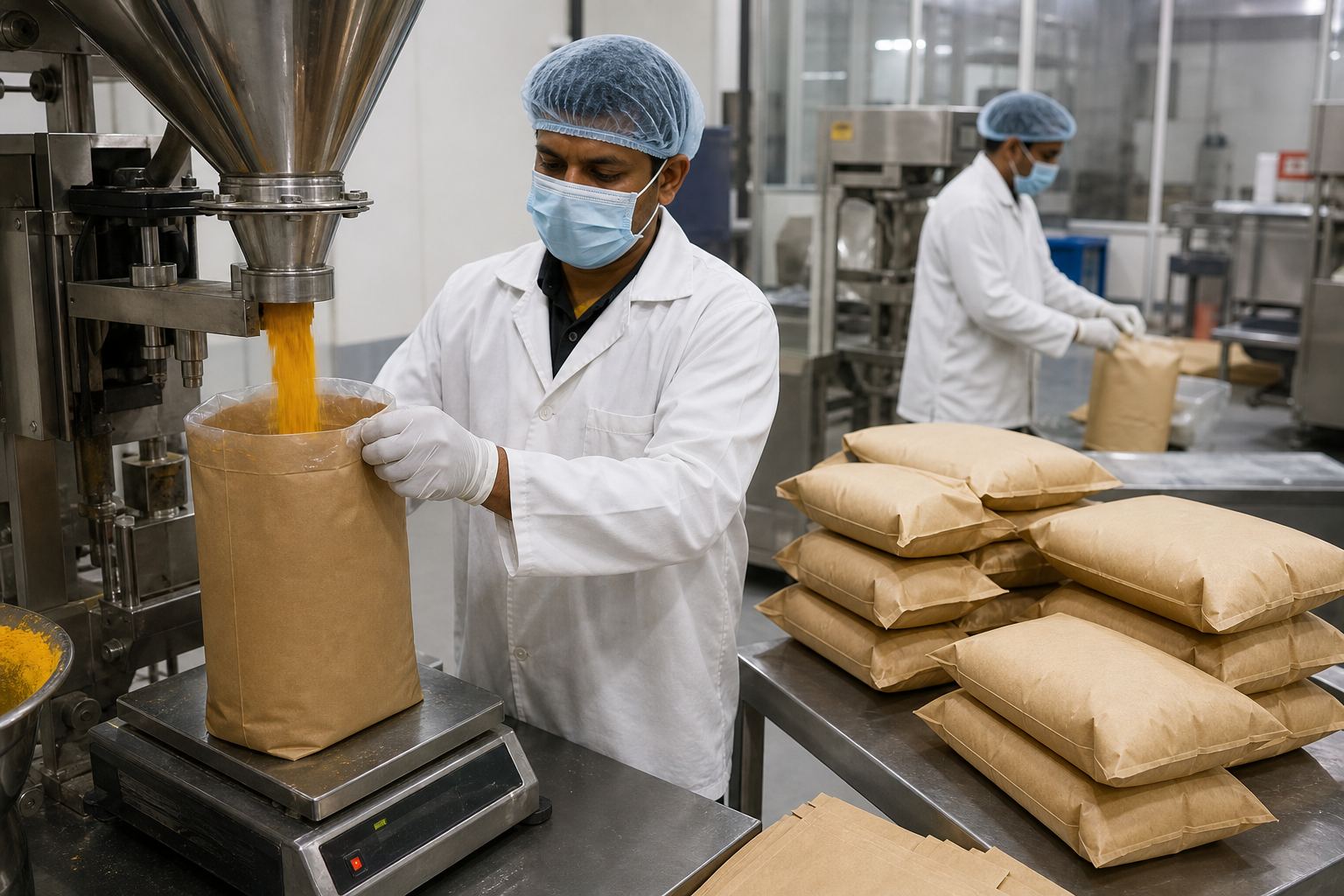
Buyers should understand enough manufacturing to audit capability claims. Export-grade production typically flows from fruit/pulp intake and standardization, optional carrier addition, spray or freeze drying, sieving and metal detection, moisture-controlled packaging, and lot release with a Certificate of Analysis. Ask which plant will produce your lot, not which brochure lists the SKU.
Visit or commission a third-party audit for first relationships when program risk is high. Confirm continuous production capability for your exact process family. Inconsistent Brix or fibre load in pulp is a common root cause of color and solubility variation — request pulp and finished-goods specs together when qualifying processors in Maharashtra, Gujarat, southern tropical hubs, UP amla units, Himachal apple lines, or Kerala specialty plants.
Manufacturing Questions Buyers Should Ask
Swipe →
Data table — swipe horizontally on small screens
| Stage | Buyer Question | Red Flag |
|---|---|---|
| Plant identity | Which exact unit will produce this lot? | Vague partner plant answers |
| Process | Spray or freeze for this SKU? | Switching process after sample approval |
| Carrier | Declared % and type? | Refusal to put carrier on COA |
| Testing | NABL/buyer-accepted lab for COA? | Reused prior-lot COAs |
| Packaging | Kraft+PE, Al-laminate, or fibre drum SOP? | No humidity control at packing |
| Traceability | Lot coding from pulp to bag? | Cannot link COA to pack codes |
Pricing Analysis
Buyer Tip
Indicative FOB India bands for planning (requote always): spray-dried mango about USD 4.50–12/kg; freeze-dried mango about USD 15–40/kg; spray-dried banana about USD 3–7/kg; pineapple about USD 4–11/kg; amla about USD 4–14/kg; organic commonly +20–45%. These are not fixed lists — pulp seasonality, carrier percentage, color grade, packaging, and order size move quotes.
Compare suppliers on landed cost, not FOB alone: FOB + ocean freight + insurance + destination duty for the HS 1106.30 equivalent + brokerage + any mandatory testing. A cheaper FOB with weak packaging or missing docs often becomes the most expensive container after claims. Instruct your customs broker to confirm duty before finalizing the PO.
Landed-Cost Components Buyers Must Model
Swipe →
Data table — swipe horizontally on small screens
| Component | What to Capture | Buyer Note |
|---|---|---|
| FOB India | SKU, process, pack, MOQ tier | Requote with seasonality |
| Ocean freight | Named load port to destination | Nhava Sheva vs Chennai differs |
| Insurance | Cargo cover terms | Clarify under CIF vs FOB |
| Destination duty | HS 1106.30 equivalent line | Confirm with local broker |
| Brokerage / exams | Entry fees and possible exam | Budget contingency |
| Testing | Independent retest if required | First-program risk control |
MOQ Analysis
Buyer Tip
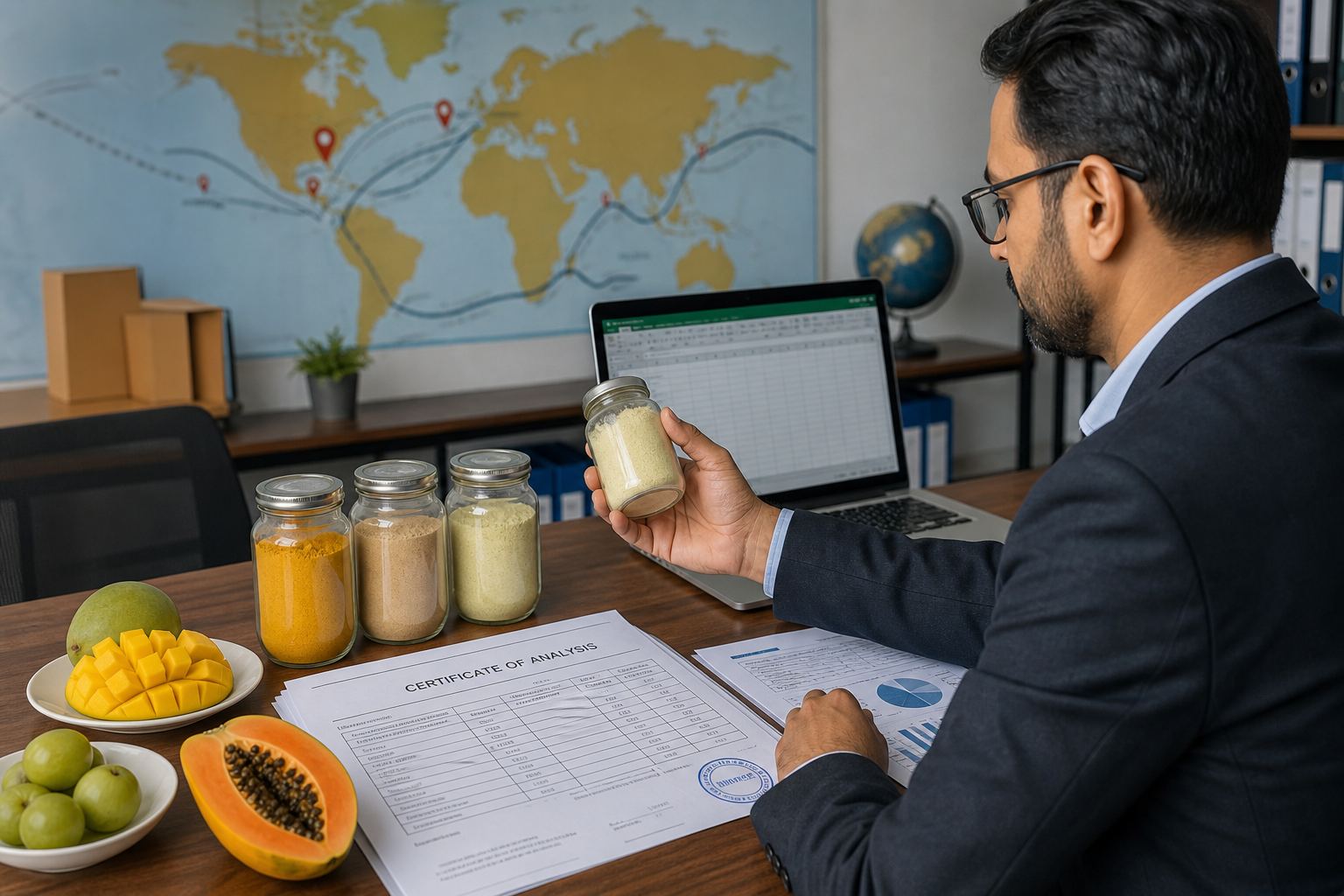
Typical buyer tiers are samples at 0.5–5 kg, trials at 200–1000 kg, commercial lots at 1–5 MT, and FCL programs at roughly 10–14 MT per 20ft or 16–24 MT per 40ft depending on density and pack format. Freeze-dried and organic SKUs may carry higher minimums. Do not jump from a courier sample to a full container without a plant trial that validates solubility, color, flavor, and documentation under your process.
Buyer MOQ Progression for Fruit Powder Programs
Swipe →
Data table — swipe horizontally on small screens
| Tier | Typical Quantity | Purpose |
|---|---|---|
| Sample | 0.5–5 kg | Lab and application screening with matching COA |
| Trial | 200–1000 kg | Plant trial, packaging validation, doc rehearsal |
| Commercial | 1–5 MT | Repeat LCL relationship |
| FCL program | Density-dependent multi-MT to full container | Standing beverage or bakery supply |
Packaging Standards
Export Tip
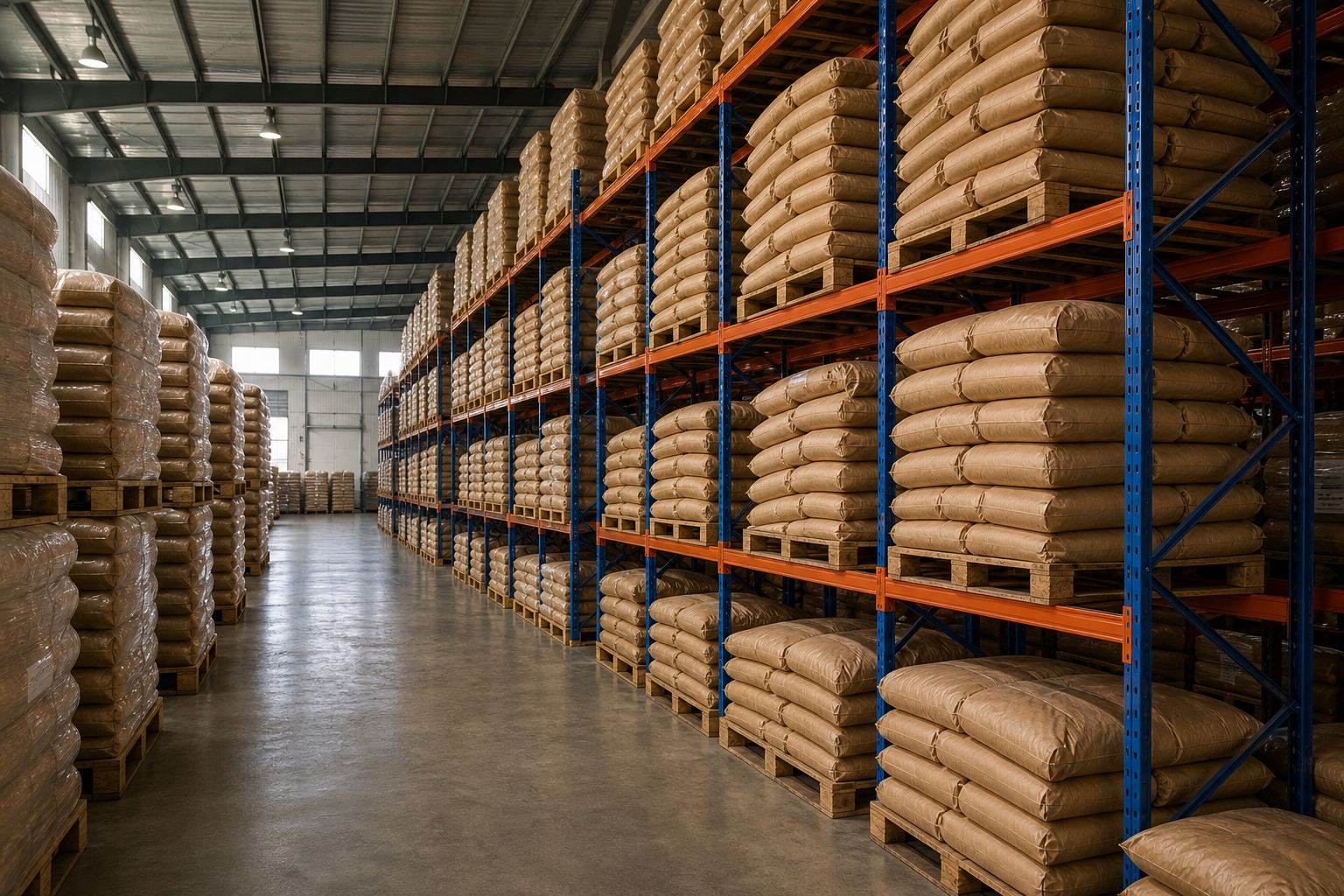
Specify packaging in the RFQ and PO: 10–25 kg multiwall kraft with food-grade PE liner for most spray-dried commercial lots; aluminum-laminated pouches for higher-barrier mid lots; fiber drums for premium freeze-dried grades. Require lot numbers on every pack matching the invoice and COA. Hygroscopic powders fail quietly when liners are thin or bags are stuffed into damp containers.
Buyer Packaging Specification Guide
Swipe →
Data table — swipe horizontally on small screens
| Format | Typical Net Weight | Specify When |
|---|---|---|
| Multiwall kraft + PE liner | 10–25 kg | Default spray-dried commercial bulk |
| Al-laminated pouch | 1–10 kg common | Barrier-sensitive mid lots |
| Fibre drum | Buyer-specified | Premium freeze-dried grades |
| Retail private-label pouch | 50 g – 1 kg | Only with artwork and regulatory lead time |
Container Loading Details
Export Tip
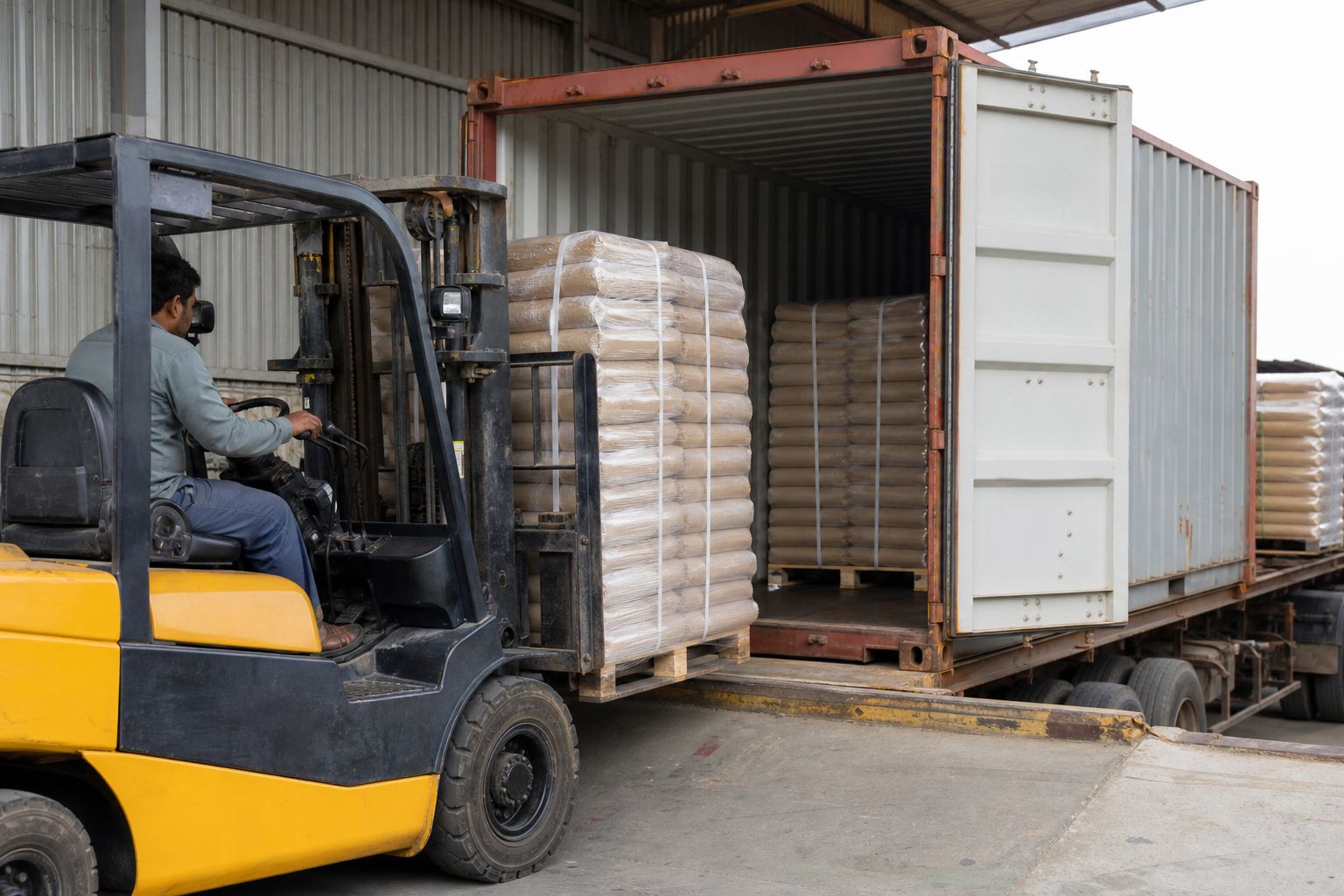
Ask for a loading plan before booking: directional 10–14 MT in a 20ft and 16–24 MT in a 40ft are planning figures only. Freeze-dried fiber-drum loads differ from kraft-bag spray loads. Name the load port — Nhava Sheva, Mundra, Chennai, Tuticorin, or Cochin — and require container cleanliness inspection before stuffing. Under-declared payload games inflate your per-kilogram freight.
Container Planning Checks for Buyers
Swipe →
Data table — swipe horizontally on small screens
| Check | What Good Looks Like | Risk if Skipped |
|---|---|---|
| Payload estimate | Forwarder-verified for SKU density | Freight surprises |
| Pack format | Bags vs drums stated on PO | Crush and moisture damage |
| Load port | Named Indian port | Wrong inland/ocean assumptions |
| Container inspection | Odour/leak check before stuffing | Off-odour contamination |
Shipping Methods
Export Tip
Use air for samples and urgent micro-replenishment; sea LCL for trials and small commercial lots; sea FCL for program volumes. Lock Incoterm on the PO — FOB is cleanest for first programs until you want the supplier to control freight under CFR or CIF. Ensure document ownership is explicit: commercial invoice, packing list, bill of lading, certificate of origin, FSSAI/health docs as required, APEDA-linked credentials where applicable, and lot-specific COA with identical lot numbers.
Buyer Shipping Method Matrix
Swipe →
Data table — swipe horizontally on small screens
| Method | When to Use | Incoterm Tip |
|---|---|---|
| Air | Samples and urgent small orders | FOB or CPT |
| Sea LCL | Trials and small commercial | Usually FOB |
| Sea FCL | Program volumes | FOB, CFR, or CIF — lock in writing |
Certifications
Compliance Notes
Require baseline IEC, APEDA RCMC, and FSSAI evidence — verified on official portals. Add HACCP or ISO 22000 for EU and multinational programs, Halal for UAE and related markets, Kosher where your retail channel needs it, NPOP with USDA or EU organic pathway for organic claims, and BRC for retail private label. Certifications open doors; lot COAs and packaging still determine acceptance.
Buyer Certification Request Matrix
Swipe →
Data table — swipe horizontally on small screens
| Certification | When to Require | Verification Tip |
|---|---|---|
| IEC / APEDA / FSSAI | Every supplier | Portal-check; do not trust PDF alone |
| HACCP / ISO 22000 | EU, USA multinationals, Japan programs | Ask for current certificate scope |
| Halal | UAE and Halal markets | Confirm product scope, not only plant |
| Organic TC | Any organic-labelled lot | Lot-specific TC mandatory |
| BRC | Retail private label | Match site to producing plant |
Buyer Requirements
Buyer Requirements
Your internal stakeholder pack should be ready before RFQ: product data sheet template, acceptable moisture and carrier ranges, micro limits, residue panel scope, packaging rules, Incoterm preference, payment progression, and trial MOQ. Suppliers respond better to precise RFQs than to open-ended send best price emails.
For documentation rehearsal before the first FCL, use Fruit Powder Export Documentation Checklist as a shared gate with your India-side partner.
Country-wise Opportunities
Market Snapshot
This playbook is not a country-ranking guide. Still, your destination shapes RFQ severity. USA and Canada emphasize carrier honesty and prior-notice readiness; Germany and the Netherlands emphasize organic and MRL discipline; UAE emphasizes Halal; Japan and South Korea emphasize tight specs; ASEAN manufacturing often converts faster once basic docs clear. Choose destination strategy in Best Countries for Indian Fruit Powder Exports, then return here for procurement execution.
Destination Implications for Buyer RFQs
Swipe →
Data table — swipe horizontally on small screens
| Your Market | Raise RFQ Bar On | Common First Trial |
|---|---|---|
| USA / Canada | Carrier %, COA depth, FDA awareness | Spray mango or freeze premium |
| Germany / Netherlands / France | Organic TC, MRL, HACCP/ISO | Organic mango, amla, pineapple |
| UK | Docs + BRC if retail | Mango, banana, berry blends |
| UAE | Halal scope | Tropical spray powders |
| Japan / South Korea | Moisture, micro, sensory | Tight-spec spray or freeze |
| ASEAN (SG/MY) | Standard COA; Halal for MY | Tropical spray programs |
How to Source Fruit Powders Directly from India: Step-by-Step Buyer Playbook
Export Tip
The following twelve steps are the procurement sequence used by successful international fruit powder buyers. Follow them in order. Skipping RFQ precision, portal verification, sample-matched COAs, or staged payment to save time typically results in non-conforming lots, customs holds, or destroyed trust that costs far more than the effort saved.
RFQ Design Template — Minimum Fields for Fruit Powder Buyers
Swipe →
Data table — swipe horizontally on small screens
| RFQ Field | Example / Guidance | Must-Have? |
|---|---|---|
| Process + SKU | Spray-dried mango powder | Yes |
| Moisture max | ≤5% (spray) / ≤3–4% (freeze) | Yes |
| Carrier max | e.g. ≤20% maltodextrin | Yes |
| Packaging | 25 kg kraft+PE / fibre drum | Yes |
| Certifications | FSSAI, APEDA, Halal/Organic as needed | Yes |
| MOQ + Incoterm | Trial 500 kg FOB Nhava Sheva | Yes |
| COA panels | Moisture, micro, residues as required | Yes |
| Payment | Staged; no 100% advance | Yes |
Step 1: Design the RFQ Completely
Lock process family, fruit SKU, moisture ceiling, carrier percentage cap, micro and residue panel scope, packaging format, Incoterm, required certifications, MOQ tier, and destination before contacting suppliers. Incomplete RFQs produce incomparable quotes.
Step 2: Identify Candidate Suppliers Across Clusters
Map candidates across Maharashtra mango and pulp links, Gujarat spray-drying capacity, southern tropical processors, UP amla units, Himachal apple lines, and Kerala specialty capacity. Decide whether you want a direct processor, contracted trader, or merchant exporter as the contracting party.
Step 3: Verify Registrations Independently
Portal-check IEC, FSSAI, and APEDA RCMC. Treat emailed PDFs as claims until verified. Misaligned company names between certificates and the commercial invoice are a common fraud and documentation failure pattern.
Step 4: Shortlist on Capability, Not Price
Rank shortlists by process capability for your exact SKU, COA quality, packaging SOP, and communication clarity. The lowest FOB from a plant that cannot declare carrier content is not a bargain.
Step 5: Request Samples with Matching Lot COAs
Require 0.5–5 kg samples with a Certificate of Analysis from the same lot stating moisture, carrier percentage, microbiology, and any residue panels you need. Reject unmarked powder without a data sheet.
Step 6: Independently Retest High-Risk Programs
For first programs, organic claims, or nutraceutical amla lots, commission third-party retesting. Sample-to-bulk divergence is the classic fruit powder failure mode.
Step 7: Negotiate on Landed Cost
Convert every offer to landed cost with named load port freight and destination duty under the HS 1106.30 equivalent. Do not award on FOB screenshots alone.
Step 8: Confirm Incoterms and Document Ownership
State FOB, CFR, or CIF on the PO. List required documents: invoice, packing list, B/L, COO, FSSAI/health docs as required, APEDA credentials where applicable, lot COA, and organic TC if claimed.
Step 9: Place a Trial MOQ with Written Gates
Move to 200–1000 kg trial before commercial 1–5 MT or FCL. Write acceptance criteria for moisture, carrier, color/solubility, and packaging into the PO.
Step 10: Use Payment Progression, Not Blind Advances
Avoid 100% advance to new unverified suppliers. Use staged payment — deposit plus balance against documents or after pre-shipment inspection clearance.
Step 11: Pre-Shipment Inspection and Release
For first FCLs, use pre-shipment inspection or retain-sample protocols. Verify pack counts, lot codes, and COA identity before balance payment release.
Step 12: Control Arrival and Feedback Loop
On arrival, reconcile documents, sample the lot against the approved trial, and feed results back to the supplier. Documented feedback is how trial suppliers become program suppliers — or get replaced before the second container.
Sourcing Checklist
Checklist
- Confirm process family (spray / freeze / drum) and SKU before requesting quotes
- Portal-verify IEC, APEDA RCMC, and FSSAI for the contracting party
- Lock moisture, carrier %, mesh/solubility, and organic status in writing
- Confirm HS line alignment (1106.30 / 11063030–11063090 vs 0813 vs 2008)
- Require sample + matching lot COA before trial tonnage
- Model landed cost with named load port before awarding
Use the checklists below before issuing a purchase order or releasing balance payment. Fruit powder sourcing programs fail most often on missing carrier declarations, stale COAs, and packaging that cannot survive humid transit — not on fruit availability.
Common Buyer Mistakes
Common Mistakes Box
- Issuing vague RFQs without carrier or moisture limits — Solution: lock process, moisture, and carrier % before outreach.
- Trusting certificate PDFs without portal verification — Solution: verify IEC, APEDA RCMC, and FSSAI independently.
- Approving samples without matching lot COAs — Solution: reject unmarked powder; require lot-linked COA.
- Jumping from courier sample to FCL — Solution: run 200–1000 kg trial with written acceptance gates.
- Comparing FOB only across suppliers — Solution: model landed cost with named load port and duty.
- Paying 100% advance to a new supplier — Solution: use staged payment and PSI rights.
- Treating freeze-dried and spray-dried as interchangeable — Solution: specify process family on the PO.
- Accepting organic claims without lot TCs — Solution: demand lot-specific organic transaction certificates.
- Ignoring packaging humidity risk — Solution: specify kraft+PE or fiber drums and inspect containers.
- Filing or accepting the wrong HS description — Solution: align 1106.30 / 11063030–11063090 across documents.
- Single-supplier dependence for seasonal mango programs — Solution: qualify backup cluster capacity.
- Skipping Halal when importing into UAE beverage plants — Solution: confirm Halal scope before PO.
Most first-shipment fruit powder sourcing failures are process and specification mistakes, not mysterious quality problems. Avoid the patterns below.
Future Market Trends
Key Statistics
Buyer-side fruit powder procurement through the late 2020s will favour suppliers who document carrier percentages transparently, support freeze-dried and organic programs with lot TCs, and maintain HACCP/ISO 22000 or BRC systems for retail and multinational customers. Clean-label beverages, functional nutrition, and bakery convenience continue to expand demand.
Importers who invest in RFQ discipline, independent testing, multi-cluster qualification, and landed-cost modeling will outperform those chasing the lowest FOB. Expect tighter residue expectations in Japan and the EU, more retailer traceability asks, and greater willingness to pay for consistent moisture and documentation lot after lot.
Expert Insights from Saurabh Mittal
Expert Insight Box
Altus Exports built its fruit powder merchant-exporter and global sourcing model around a buyer-side truth: international importers are not only buying mango or amla powder — they are buying confidence that the next ten lots will reconstitute, color, and clear customs exactly like the first.
Why One Accountable India-Side Partner Matters
Direct-from-India sourcing does not have to mean coordinating five WhatsApp threads across pulp suppliers, dryers, labs, and forwarders. A merchant exporter or global sourcing partner who owns verification, sampling, packaging, and documentation handoffs reduces first-order risk — especially when programs span spray-dried tropicals and freeze-dried premium SKUs across multiple clusters.
Conclusion
- Read How to Export Fruit Powders from India for the exporter-side sequence.
- Compare destinations in Best Countries for Indian Fruit Powder Exports.
- Review SKUs in Top Fruit Powder Products Exported from India.
- Complete APEDA Registration Benefits for Fruit Powder Exporters.
- Map demand with Most Demanded Indian Fruit Powders by Country.
- Build pipeline context via Find International Buyers for Fruit Powders and Trade Shows for Fruit Powder Exporters.
- Explore Organic Fruit Powder Export Opportunities and Fruit Powder Export Documentation Checklist.
Sourcing fruit powders directly from India is fundamentally a verification and landed-cost workflow: design the RFQ, portal-verify IEC/APEDA/FSSAI, approve samples with matching lot COAs and declared carrier content, trial before FCL, specify kraft+PE or fiber-drum packaging, and ship through Nhava Sheva, Mundra, Chennai, Tuticorin, or Cochin under clear Incoterms. India's mango, banana, pineapple, amla, apple, and specialty fruit powder capacity is real — the buyer's challenge is building procurement gates around that capacity.
Importers ready to proceed should finalize RFQ specs, shortlist verified processors or work with Altus Exports as a merchant exporter and global sourcing partner for coordinated sourcing, testing, and shipment under one accountable relationship. Explore export products from India and product sourcing company in India for related support. Explore Altus Exports agriculture & food products for related programs.