
How to Find International Buyers for Perfumes
By Saurabh Mittal, Founder, Altus Exports
Structured buyer-development guide for Indian perfume exporters — trade-data prospecting under HS 3303, LinkedIn fragrance distributor outreach, duty-free operator channels, buyer verification tactics, and outreach sequences that convert smell-panel samples into repeat retail programmes.

Finding international buyers for perfumes exported from India is less about broadcasting generic fragrance catalogues and more about identifying importers who already move volume under HS 3303 / India ITC-HS 330300xx, then qualifying them with format-specific sample kits, SDS discipline, and consistent lot quality. Trade-data prospecting, LinkedIn outreach to fragrance distributors and beauty procurement teams, duty-free operator channels, ethnic retail consolidation, and B2B marketplace presence each play a role — but only when supported by the verification and documentation discipline that converts first meetings into repeat air or FCL programmes.
This guide structures buyer development for Indian perfume exporters: how to use import trade data to identify active importers under WITS HS 330300, how to segment buyers by format (EDP, EDT, attar, rose water) and channel (duty-free, ethnic wholesale, modern retail, private label), how to run outreach that leads with specification and smell-panel readiness rather than price alone, and how to verify that a prospect is a genuine fragrance distributor or retail importer rather than an unqualified broker. For trade-show and marketplace channels, see Trade Shows and B2B Marketplaces for Perfume Exporters. For end-to-end export execution after buyer qualification, see How to Export Perfumes from India.
WITS 2024 directional figures place India HS 330300 exports at approximately US$231.6M and 33,844 MT — a line where disciplined buyer development, not spray-and-pray outreach, drives sustainable export growth. Top partners by value include Singapore, the United States, UAE, Netherlands, Saudi Arabia, and the United Kingdom. Altus Exports supports Indian manufacturers and export houses as a merchant exporter in India with established buyer relationships across Gulf, Southeast Asian re-export, and Western retail fragrance programmes.
Key Takeaways
Summary Box
Executive Summary
Summary Box
Finding international perfume buyers requires HS 3303 import-data prospecting, channel-specific outreach to fragrance distributors and duty-free operators, and verification that the prospect is a genuine importer — not an unqualified marketplace RFQ shopping lowest FOB without format detail.
Conversion depends on smell-panel sample kits, clear trial MOQ, SDS and IFRA documentation readiness, and follow-up speed after trade-show or LinkedIn first contact.
This guide structures buyer development channels for Indian exporters building repeat retail, duty-free, and ethnic wholesale programmes under HS 330300 — linking market selection to best countries for Indian perfume exports and importer-side diligence to source perfumes directly from India.
Market Size & Industry Overview
Key Statistics
Global demand for finished perfumes and toilet waters continues to favour diversified sourcing — Indian exporters supply economy EDT and ethnic attar lines alongside mid-tier private-label EDP and alcohol-free programmes for Gulf and Southeast Asian channels. India's recorded HS 330300 export value reached approximately US$231.6M in 2024 (WITS/UN Comtrade, directional), with Singapore, the United States, UAE, Netherlands, Saudi Arabia, and the United Kingdom among leading partners by value.
Buyer development in this category differs from commodity chemical outreach because fragrance procurement teams evaluate smell-panel consistency, packaging integrity, alcohol or alcohol-free compliance, and document speed alongside FOB. Exporters who treat perfume like a fungible bulk chemical lose credibility with duty-free category managers and beauty retail buyers who manage allergen declarations, IFRA alignment, and destination labeling expectations.
India's supply map spans heritage attar capacity in Kannauj, modern compounding and filling in Mumbai–Thane–Nashik, ethnic wholesale consolidation in Delhi-NCR, contract filling in Gujarat, and private-label retail programmes from Bengaluru. Matching cluster capability to buyer channel — attar for Gulf ethnic retail, EDP for Western private label, rose water for Middle East and South Asian gift programmes — improves conversion rates before the first sample ships.
Export Statistics
Key Statistics
Prospect buyers using HS 3303 / WITS 330300 import history — distinguish spirit perfumes (India 33030050) from non-spirit and attar lines (33030040) when segmenting outreach, because buyer procurement teams often manage these as separate vendor categories even under the same six-digit heading.
India-origin HS 330300 exports totalled roughly US$231.6M and 33,844 MT in 2024 (WITS, directional) — buyer development should target repeat importers with corridor fit, not generic beauty traders without 3303 filing history.
Directional profile of Indian perfume trade (HS 3303 / WITS 330300)
Swipe →
Data table — swipe horizontally on small screens
| Metric | Directional Estimate | Notes |
|---|---|---|
| Primary export heading | 3303 / WITS 330300 — Perfumes and toilet waters | Confirm India eight-digit line (33030010–33030090) with CHA per SKU |
| WITS 2024 export value | ~US$231.6M / ~33,844 MT | Directional UN Comtrade figure — re-verify annually via DGCI&S / ITC Trade Map |
| Top partners by value | Singapore, USA, UAE, Netherlands, Saudi Arabia, UK | Re-export hubs and retail import markets dominate recorded flows |
| Manufacturing clusters | Kannauj; Mumbai–Thane–Nashik; Delhi-NCR; Gujarat; Bengaluru | Map cluster strength to buyer channel before outreach |
| Governing trade council | Chemexcil (Basic Chemicals, Cosmetics & Dyes EPC) | RCMC alongside IEC for export credibility in Chapter 33 fragrance lines |
| Dominant export formats | EDT/EDC, EDP, attars, rose/keora water, gift sets | Private-label and duty-free packs growing share of margin |
Import Statistics
Key Statistics
WITS/UN Comtrade 2024 also shows India imported US$165,840.42K (~US$165.8M) / 3,607,200 kg of HS 330300 — chiefly from France, Spain, and Italy — while remaining a net exporter versus ~US$231.6M outbound. Active perfume buyers often import from France, UAE, Singapore re-export hubs, and regional fragrance distributors — Indian exporter outreach should lead with format match, smell-panel consistency, and document discipline, not denial of established global supply relationships.
Use destination import data to identify which corridors already absorb HS 3303 volume from India or competing origins, then shortlist importers with repeat filing patterns in your target format band before LinkedIn or fair outreach.
Directional import demand profile by buyer channel
Swipe →
Data table — swipe horizontally on small screens
| Buyer Channel | Directional Demand Profile | Primary Buyer Type |
|---|---|---|
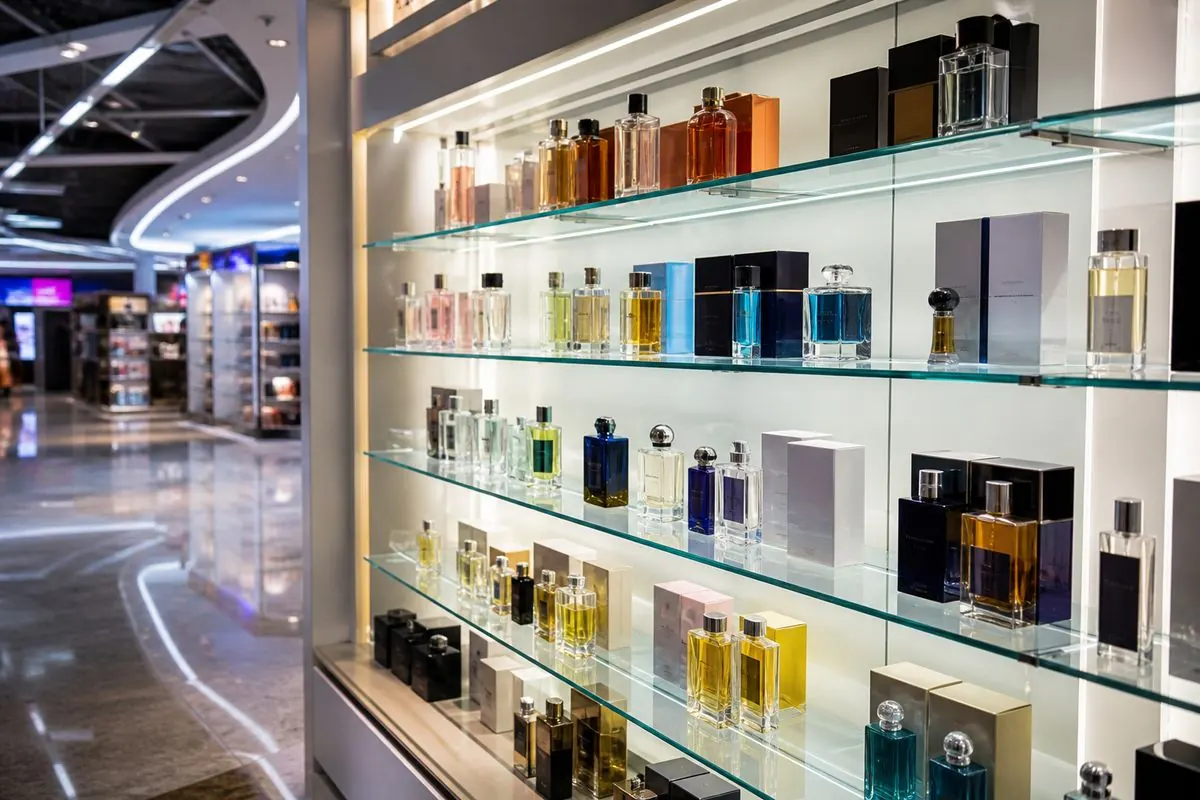
| Duty-free / travel retail | Singapore and UAE re-export; mini and gift formats | Duty-free operators, airport concessionaires, travel-retail distributors |
| Ethnic wholesale | Attar, oud-adjacent, rose water, gift sets | Ethnic beauty distributors, mosque-adjacent retail, South Asian diaspora chains |
| Modern retail private label | EDP/EDT programmes, IFRA-aligned specs | Supermarket chains, pharmacy beauty, D2C fragrance brands |
| Beauty specialty distribution | Mid-tier EDP, discovery kits, seasonal sets | Fragrance distributors, beauty importers, salon supply wholesalers |
| Gulf retail consolidation | Alcohol-free, Halal-attested, attar and premium oils | UAE and Saudi distributors, mall fragrance counters, oud specialists |
| USA ethnic + mainstream mix | Value EDT, attar, private-label trial lines | Importers serving South Asian retail and emerging indie beauty brands |
Product Categories / Variants
Summary Box
Segment buyer outreach by format — duty-free buyers want travel retail pack logic; ethnic distributors want attar and alcohol-free oils; Western private-label buyers want EDP/EDT with IFRA and labeling documentation. Sending the wrong sample kit to the wrong channel wastes smell-panel budget and erodes trust.
For full SKU catalogue depth and concentration grades, see top perfume products exported from India. This section maps formats to buyer-development channels only.
Perfume format segmentation for buyer prospecting
Swipe →
Data table — swipe horizontally on small screens
| Format | India HS Note | Best Buyer Channel | Outreach Hook |
|---|---|---|---|
| Eau de parfum (EDP) | Often 33030050 (spirit) or 33030040 | Private label, beauty retail, duty-free premium | Fill ml, concentration, IFRA statement, bottle tooled or stock |
| Eau de toilette / cologne | 33030050 / 33030010 (EDC) | Mass retail, value ethnic, travel retail | Unit economics, shelf-ready carton, alcohol % declaration |
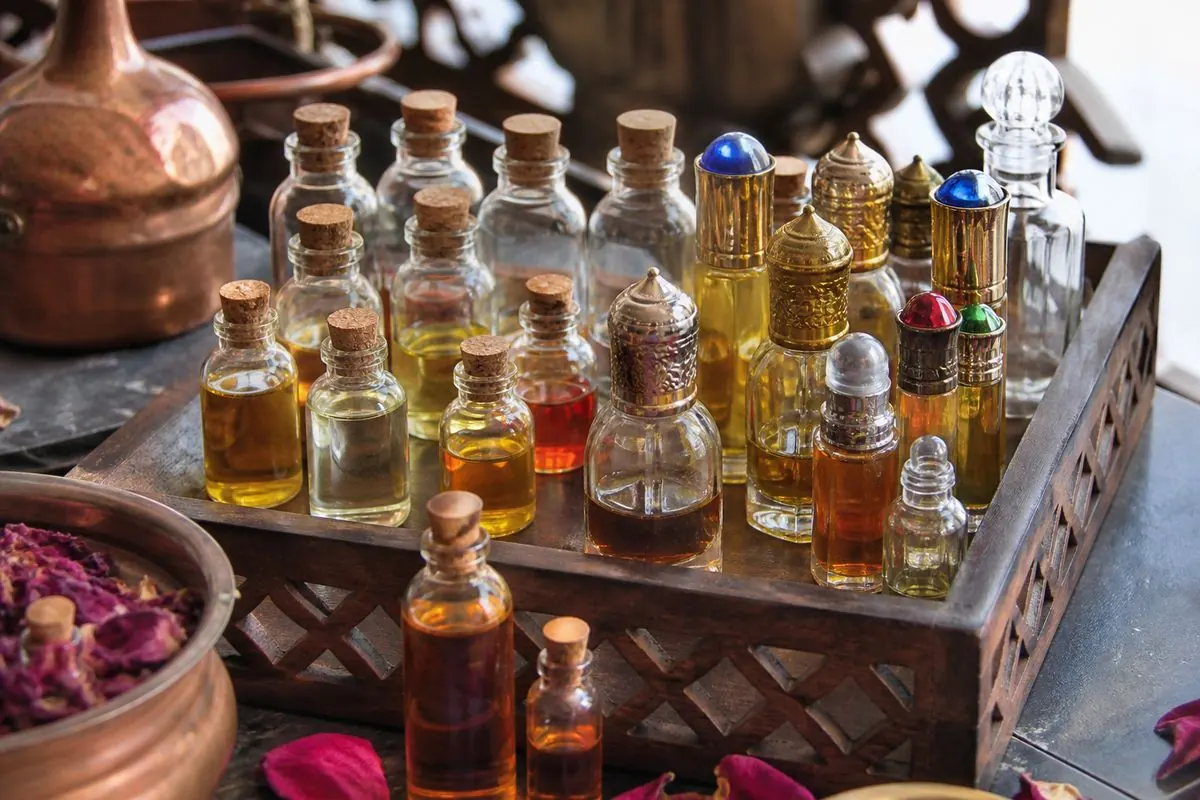
| Attar / alcohol-free oils | 33030040 (non-spirit) | Gulf ethnic, Halal retail, natural beauty | Grade, oil base, Halal scope, no-spirit positioning |
| Rose / keora water | 33030020 / 33030030 | Gift, religious, ethnic wholesale | Food-grade vs cosmetic use, pack size, shelf life |
| Gift sets / discovery kits | Mixed 330300xx | Duty-free, festive retail, e-commerce | Assortment logic, master carton density, seasonal MOQ |
Manufacturing Overview
Export Tip
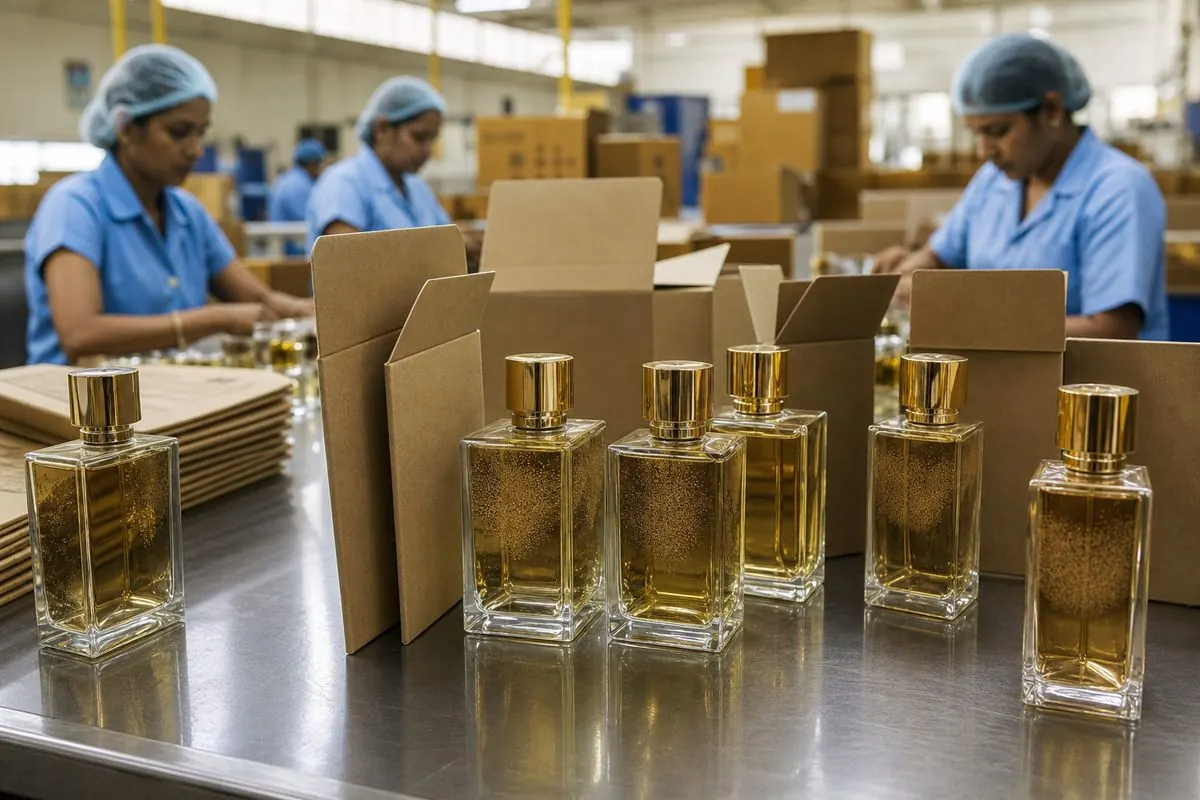
Buyer development converts faster when you can explain how Mumbai filling lines compound spirit perfumes versus how Kannauj distillers produce alcohol-free attar oils — procurement teams trust exporters who understand format production, not only FOB spreadsheets.
Reference cluster capacity, smell-panel QC, and lot identity discipline in outreach; duty-free category managers reject traders who cannot name fill tolerances, pump specifications, or SDS availability for the SKU quoted.
Altus Exports bridges buyer format specs to verified cluster lots with documented sample-to-bulk consistency and Chemexcil-aligned export credentials.
Trade-Data Prospecting Under HS 3303
Import trade data is the highest-leverage starting point for perfume buyer development because it surfaces companies already filing customs entries under perfumes and toilet waters — evidence they operate import infrastructure, pay duties, and move commercial volume rather than forwarding speculative RFQs.
Use WITS, ITC Trade Map, or paid customs extracts to filter destination country, HS 330300 (or national equivalent), and time series. Prioritise importers with multi-year repeat volume in your target corridor. Cross-reference company legal names with LinkedIn procurement titles, corporate websites, and warehouse addresses before first outreach.
Filtering spirit vs non-spirit importers
India distinguishes spirit perfumes (33030050) from non-spirit compounds and attar-style oils (33030040). Destination tariff schedules may not split identically, but buyer procurement teams often do. When trade data only shows six-digit 3303, infer format fit from company branding — oud and attar specialists versus mainstream beauty distributors — and confirm on the first call.
Avoid treating essential-oil bulk importers under HS 3301 as finished perfume buyers unless their filing history or retail assortment clearly includes bottled retail fragrance under 3303.
Building a prospect shortlist
Trade-data prospecting workflow for perfume exporters
Swipe →
Data table — swipe horizontally on small screens
| Step | Action | Output | Timeline |
|---|---|---|---|
| 1. Corridor select | Choose 2–3 destination countries from demand research | Country priority list | Week 1 |
| 2. HS filter | Pull 330300 importers with 2+ years history | Raw importer list | Week 1–2 |
| 3. Channel tag | Classify duty-free / ethnic / retail / distributor | Segmented shortlist | Week 2 |
| 4. Contact map | LinkedIn + website procurement contacts | Named outreach targets | Week 2–3 |
| 5. Verify | Registry, address, import proof | Qualified prospect tier A/B/C | Week 3 |
| 6. Outreach | Format-specific email + sample offer | Meeting or RFQ thread | Week 4+ |
Export a shortlist of 30–50 importers per target country with: legal name, approximate annual 3303 import value band, dominant partner countries in their supply mix, and suspected channel (duty-free, ethnic, retail). Score each prospect for India fit — attar demand for Gulf, private-label EDP for USA/UK, re-export hub presence for Singapore — before writing outreach.
LinkedIn & Fragrance Distributor Outreach
LinkedIn remains the most efficient direct channel for reaching fragrance distributors, beauty procurement managers, and duty-free category buyers — provided messages lead with format specificity and export credentials, not generic "we are a perfume manufacturer" introductions.
Target job titles include: Fragrance Buyer, Beauty Category Manager, Duty-Free Procurement, Import Manager, Private Label Manager, and Ethnic Beauty Distributor Owner. Personalise the first line with their listed brands or import corridor when visible on company pages or trade directories.
Outreach sequence structure
LinkedIn outreach sequence for perfume buyer development
Swipe →
Data table — swipe horizontally on small screens
| Touch | Day | Content Focus | Call to Action |
|---|---|---|---|
| Intro | Day 0 | Format + origin + sample lead time | Request 15-minute intro call |
| Spec follow-up | Day 7 | Attach SKU one-pager, Chemexcil/IEC available | Confirm target format and trial MOQ |
| Sample offer | Day 14 | Smell-panel kit contents, FOB port, air vs sea | Confirm shipping address for samples |
| Pause or escalate | Day 21 | Reference prior notes; offer fair meet if scheduled | Close thread or escalate to phone |
Run a three-touch sequence over 21 days: (1) connection request or InMail with one-line format hook and sample availability; (2) follow-up with one-page spec sheet, SDS summary, and trial MOQ; (3) final note offering smell-panel kit dispatch and FOB port quote. Pause if no formulation or assortment feedback returns — persistence without samples wastes margin.
Duty-Free Operators & Travel Retail Buyers
Singapore and UAE figure among India's top HS 330300 export partners partly because duty-free and re-export channels consolidate Indian-origin fragrance for global travel retail. Duty-free buyers evaluate pack size logic (50 ml, 100 ml, gift trios), barcode and labeling compliance, margin structure, and supply continuity across seasons — not only unit FOB.
Prospect duty-free operators through trade-show meetings (Beautyworld Middle East, TFWA, regional airport retail conferences), Chemexcil-facilitated introductions, and import-data cross-reference for concessionaires filing 3303 in hub countries. Follow up within fourteen days with travel-retail-ready sample kits and master-carton density estimates.
Buyer Verification Tactics
Verification separates genuine fragrance importers from brokers and time-wasters. Before quoting FOB on trial or wholesale MOQ, confirm: legal company registration; physical office or warehouse address; HS 3303 import history under the company name (not only a related entity); fragrance or beauty category focus on website and social channels; and willingness to share formulation or assortment requirements on the first serious call.
Red flags include: refusal to share company name until pricing is sent; demand for lowest FOB across unspecified SKUs; free webmail only with no import references; and requests to ship commercial quantity before sample approval without payment instrument discussion.
Buyer verification checklist for perfume export programmes
Swipe →
Data table — swipe horizontally on small screens
| Verification Item | Evidence Requested | Pass Signal | Fail Signal |
|---|---|---|---|
| Legal entity | Registration certificate, VAT/GST ID | Active company matching trade data name | Name mismatch or shell entity |
| Import history | 3303 customs summary or broker letter | Repeat filings over 2+ years | No import record; broker only |
| Physical footprint | Warehouse or retail address, photos | Verifiable location, category-consistent | Virtual office only, no category proof |
| Payment instrument | LC draft review, bank reference | Established bank, phased terms acceptable | Last-minute bank change requests |
| Assortment clarity | Target format, ml, certification needs | Specific SKU or programme brief | Lowest price only, no spec |
Export Process
Export Tip
- Sample phase: courier AWB, proforma, SDS, smell-panel reference sheet — 7–14 days typical
- Trial PO: commercial invoice, packing list, COO, batch reconciliation — air common for first retail trial
- Wholesale programme: FCL or consolidated air, pallet specs, alcohol DG notes when applicable
- Incoterms: EXW, FOB Nhava Sheva/Mundra/BOM/DEL, CFR/CIF; DAP/DDP selective after duty clarity
Once a buyer is verified and samples approved, execution follows the standard India perfume export path: PO confirmation, production or pick from stock, QC and smell-panel release, export document assembly, shipping bill filing under confirmed 330300xx line, and air or sea booking. Full step-by-step detail lives in how to export perfumes from India — this guide stops at qualified buyer handoff plus first-shipment coordination expectations.
Exporters who delay document assembly after buyer approval lose programmes to suppliers who ship trial lots while IFRA and SDS packages are already templated. Maintain document templates per destination corridor so first PO conversion does not stall on paperwork invented from scratch.
Pricing Analysis
Buyer Tip
Buyer RFQs should specify format, fill volume, bottle type, and certification stack before comparing FOB — otherwise lowest quote may be wrong concentration, incomplete document scope, or stock bottle misaligned with retail planogram.
Directional FOB pricing bands for buyer outreach context
Swipe →
Data table — swipe horizontally on small screens
| Format | Directional FOB Band | Notes |
|---|---|---|
| Economy EDT / EDC | ~US$1.5–4/unit | Volume, ml fill, and alcohol base drive spread |
| Mid retail EDP | ~US$4–12/unit | Oil load, bottle tooling, carton print add premium |
| Premium private-label EDP | Above mid band | Custom bottle, IFRA doc cycle, gift pack |
| Attar / alcohol-free oils | ~US$15–80+/kg | Flower/oud grade dominates; quote per kg or tola-equivalent |
| Rose / keora water | Lower per litre | Pack type and purity spec set band |
MOQ Analysis
Buyer Tip
Align stated MOQ in outreach to buyer channel — duty-free trial may start at 500–2,000 units per SKU; ethnic attar distributors may trial 5–20 kg oil before a 50–200 kg programme. Quoting wholesale MOQ to a buyer seeking discovery-kit trial signals you do not understand their channel.
Directional MOQ tiers by transaction stage
Swipe →
Data table — swipe horizontally on small screens
| Stage | Typical MOQ | Purpose |
|---|---|---|
| Samples | 10–50 units or 50–200 ml oil | Smell-panel evaluation, retail fixture test, duty-free listing trial |
| Trial order | 500–2,000 units/SKU or 5–20 kg attar | First commercial listing, barcode and label approval |
| Wholesale programme | 5,000–20,000+ units or 50–200+ kg oil | Repeat retail, distributor warehouse, seasonal replenishment |
Packaging Standards
Export Tip
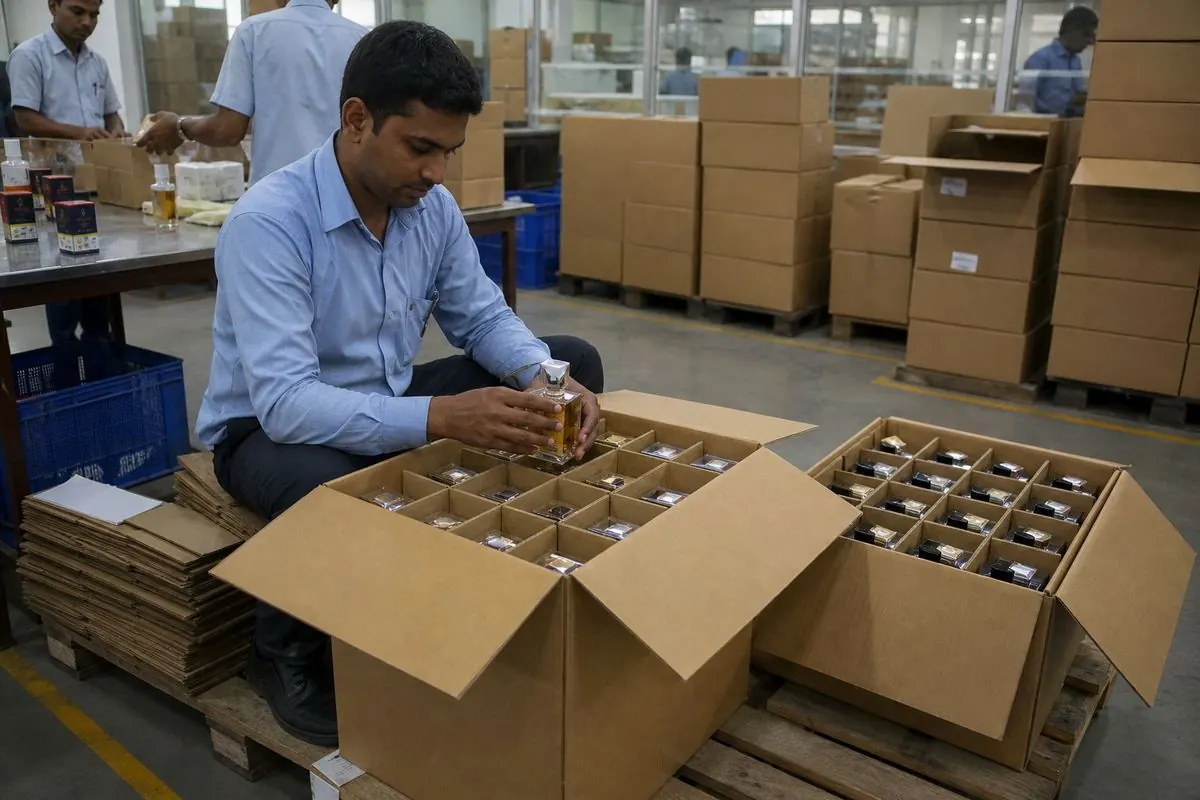
Buyers judge outreach credibility partly on whether you can describe primary bottle specs, secondary cartons, and master-carton segregation for mixed fragrance assortments — not only unit price.
Packaging expectations for perfume buyer programmes
Swipe →
Data table — swipe horizontally on small screens
| Layer | Typical Configuration | Buyer Concern |
|---|---|---|
| Primary | Glass/PET bottle, spray/roll-on, crimp or screw cap | Leakage, pump function, fill accuracy |
| Secondary | Individual carton or gift box with SKU barcode | Retail planogram, print registration, language panel |
| Master | Divider cartons, scent segregation, pallet wrap | Container density, crush protection, mixed-SKU integrity |
| Marking | Batch/lot, net ml, alcohol % where required, origin | Customs reconciliation, recall traceability |
Container Loading Details
Export Tip
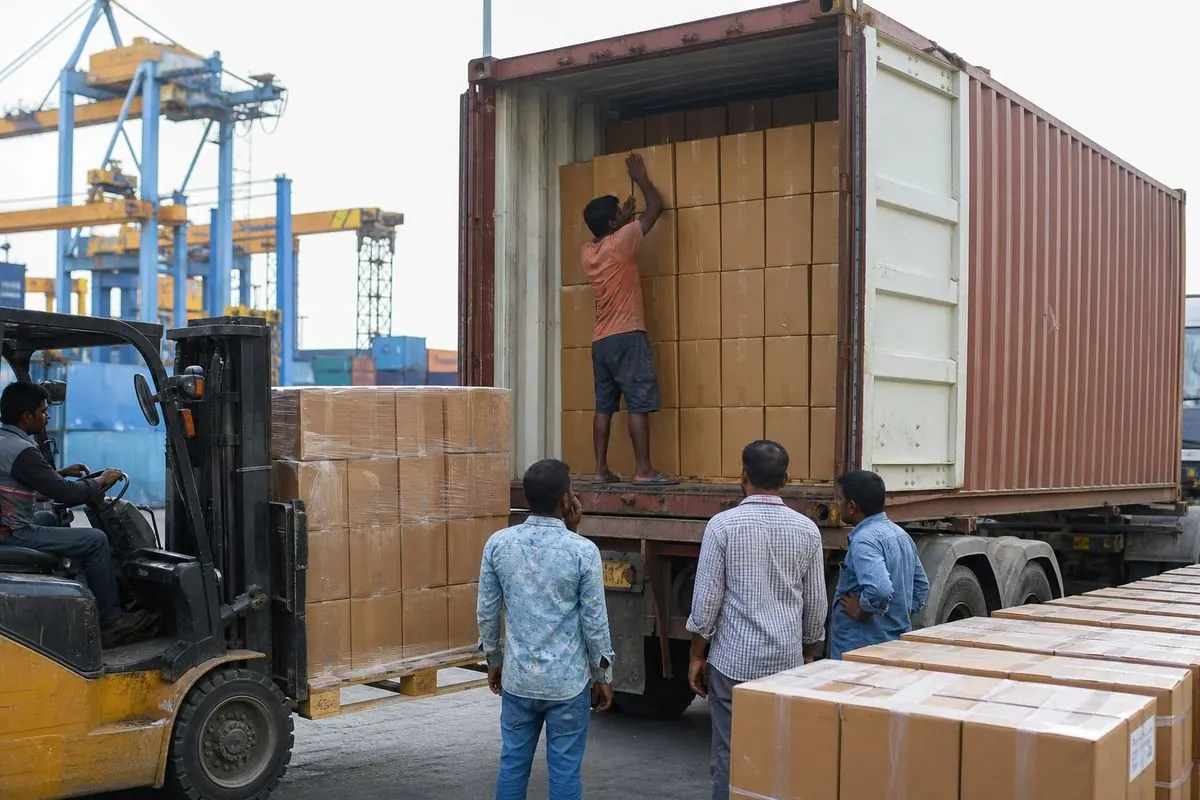
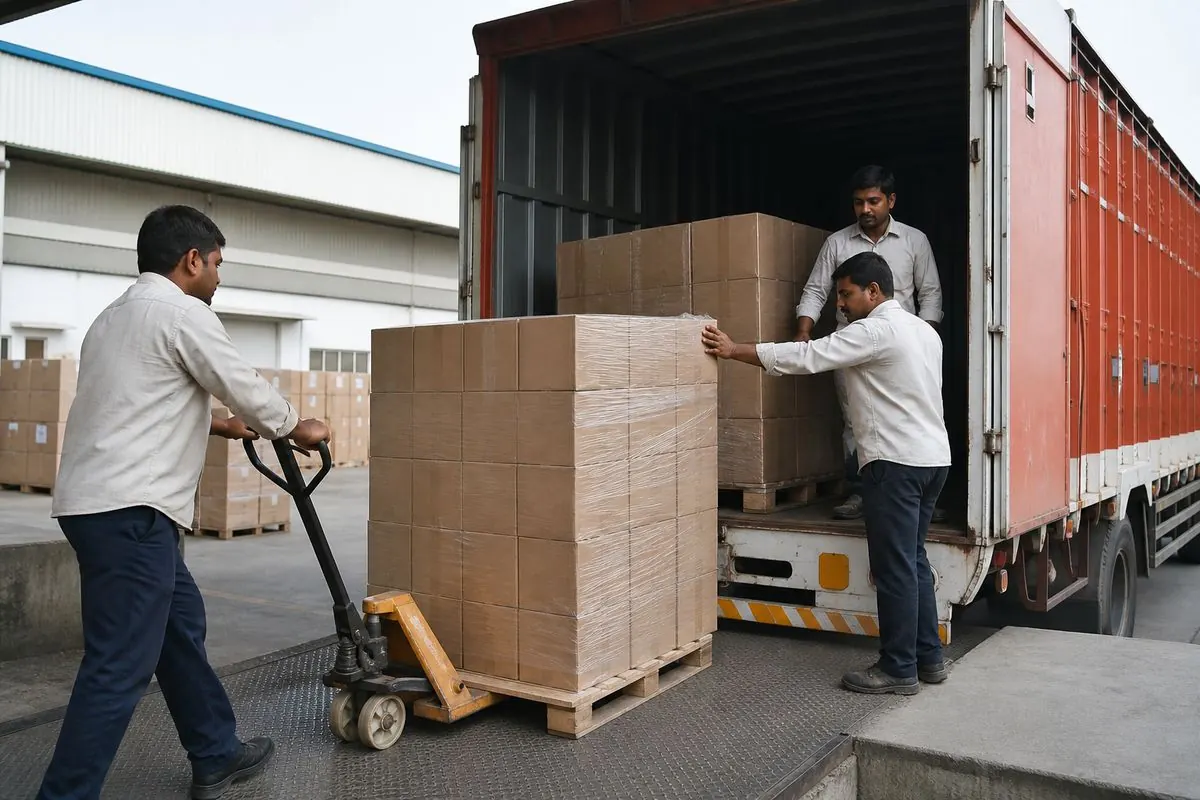
Quote realistic master-carton counts per 20ft or 40ft FCL when buyers ask about landed economics — overpromising bottle density breaks trust at stuffing. Glass programmes need divider discipline; air shipments prioritise high-value SKUs and alcohol DG compliance.
Directional loading guidance for perfume export programmes
Swipe →
Data table — swipe horizontally on small screens
| Mode | Loading Consideration | Typical Use |
|---|---|---|
| Air (BOM/DEL) | Sample kits, trial stock, high-value EDP | First PO, duty-free urgent listing, smell-panel reference lots |
| LCL sea | Sub-FCL trial below full container threshold | New distributor relationships, mixed SKU testing |
| 20ft FCL | Glass divider cartons; verify stow with forwarder | Established retail programmes, ethnic wholesale volume |
| 40ft FCL / HC | Higher carton count; palletised master cartons | Repeat duty-free and supermarket replenishment |
Shipping Methods
Export Tip
- Samples: air/express 7–14 days with SDS and proper inner packaging
- Trial: air or LCL 2–5 weeks post-production depending on fill queue
- FCL: 3–6 weeks door-to-port by corridor after QC release
- Lead times: stock fragrances 3–5 weeks; custom private-label 6–12 weeks
Ocean FCL/LCL from Nhava Sheva, Mundra, or Chennai suits volume glass programmes; air from BOM or DEL suits samples, trial stock, and high-value fragrance where lead time dominates freight cost. Alcohol content may trigger dangerous-goods procedures on air — confirm with forwarder before promising seven-day delivery on spirit EDP.
Certifications
Compliance Notes
- SDS / MSDS for fragrance compound and alcohol content
- IFRA conformity or fragrance allergen statements when buyer-mandated
- Halal certificates for selected Middle East alcohol-free programmes
- REACH / SVHC statements for EU private-label importers
- Certificate of Origin, commercial invoice, packing list reconciliation
Serious buyers request SDS, IFRA or allergen statements where applicable, Halal certificates for selected Gulf programmes, REACH/SVHC context for EU entry, and destination cosmetics labeling alignment. Chemexcil RCMC supports credibility but does not replace buyer-mandated fragrance safety documentation.
Buyer Requirements
Buyer Requirements
Fragrance buyers in active programmes request smell-panel samples, written fill and concentration spec, SDS, IFRA summary where required, FOB pricing by SKU, bottle and carton approval, and proof of IEC plus Chemexcil RCMC before first trial PO. Duty-free adds travel-retail pack logic; Gulf ethnic adds Halal and alcohol-free declarations; EU retail adds allergen labeling and importer-of-record clarity.
Country-wise Opportunities
Market Snapshot
Shortlist countries from the matrix before trade-data prospecting — then validate importers with HS 3303 history in each chosen corridor. See best countries for Indian perfume exports and most demanded Indian perfumes by country for demand depth.
Directional country opportunity profile for perfume buyer development
Swipe →
Data table — swipe horizontally on small screens
| Country | Demand Profile | Key Requirement Focus | Outreach Channel |
|---|---|---|---|
| Singapore | Re-export hub, duty-free consolidation | Travel-retail pack, document speed, margin structure | Duty-free operators, regional distributors |
| United States | Ethnic + indie private label | FDA labeling context, Prop 65 where claims apply | Beauty distributors, ethnic importers, D2C brands |
| UAE | Gulf retail and re-export | Halal scope, alcohol-free options, attar grades | Fragrance distributors, mall operators, oud specialists |
| Netherlands | EU entry and distribution | REACH/SVHC, EU Cosmetics Regulation labeling | EU beauty importers, Netherlands hub distributors |
| Saudi Arabia | Oud, attar, premium oils | SFDA/cosmetics expectations, Halal programmes | Gulf wholesale, perfume counter chains |
| United Kingdom | Ethnic and mainstream mix | UK labeling post-Brexit, allergen declarations | Ethnic beauty wholesalers, pharmacy chains |
Sourcing Checklist
Checklist
Exporter Checklist
Checklist
Common Buyer Mistakes
Common Mistakes Box

Future Market Trends
Key Statistics
B2B marketplaces and LinkedIn shorten first-contact time but increase unqualified RFQ noise — buyer development trends favour spec-led exporters with fast smell-panel dispatch and verifiable HS 3303 client references.
Private-label and alcohol-free premium lines gain share over undifferentiated economy EDT in buyer programmes where margin and compliance storytelling matter more than unit cost alone.
Challenges & Solutions
- Challenge: unqualified marketplace RFQs — Solution: require format, volume, and company registry before quote
- Challenge: slow fair follow-up — Solution: sample dispatch within 14 days with SDS and spec sheet
- Challenge: broker middlemen — Solution: verify 3303 import history under end buyer name
- Challenge: alcohol compliance confusion — Solution: separate spirit and non-spirit outreach tracks
- Challenge: smell-panel drift bulk-to-bulk — Solution: sealed reference samples and batch reconciliation
Scaling perfume buyer development involves format discipline, documentation speed, and channel-specific sample investment.
Compliance Checklist
Checklist
Compliance Notes
Sources
- WITS / UN Comtrade — India exports HS 330300 by partner, 2024
- WITS / UN Comtrade — India imports HS 330300 by partner, 2024
- UN Comtrade Database
- ITC Trade Map
- DGFT (India) — IEC / trade portal
- ICEGATE — Indian Customs EDI
- India CBIC — Customs Tariff / notifications
- Chemexcil India — Basic Chemicals, Cosmetics & Dyes EPC
- IFRA — International Fragrance Association
- EU Cosmetics Regulation (EC) No 1223/2009
- European Commission TARIC
- ECHA REACH
- GOV.UK — Making cosmetic products available in Great Britain
- USITC Harmonized Tariff Schedule (search 3303)
- US FDA — Cosmetics
- US FDA — MoCRA overview
- IATA Dangerous Goods Regulations
- ICC Incoterms
- Altus Exports — Contact
All sources accessed 2026-08-08. Prefer primary government, council, and multilateral trade databases when citing figures in contracts or buyer presentations. Trade figures, HS notes, and compliance references should be re-verified before quoting buyers or filing shipping bills.
Trade-data prospecting under HS 3303 should be refreshed quarterly — importer filing patterns shift with corridor and SKU mix.
Click any source link below for the primary government, council, or multilateral database page.
Conclusion
Buyer development for Indian perfume exports rewards HS 3303 import-data prospecting, channel-specific outreach to fragrance distributors and duty-free operators, and verification discipline before FOB quotes — generic beauty spam converts poorly on finished fragrance programmes.
Altus Exports supports Indian exporters with buyer follow-up, smell-panel sample coordination, and shipment execution as a merchant exporter in India and export products from India partner — compressing time from qualified lead to first air or sea shipment.
Use trade shows and B2B marketplaces for perfume exporters, source perfumes directly from India, and perfume export documentation checklist as companion guides. Contact Altus Exports to discuss buyer development support for your fragrance export programme.