
Most Demanded Indian Engineering Components by Country
By Saurabh Mittal, Founder, Altus Exports
Country-by-country demand intelligence for Indian engineering component exports — which SKUs, materials, tolerances, pack formats, and inspection depths OEM and MRO buyers in the USA, Germany, UAE, UK, Saudi Arabia, Australia, and emerging corridors actually order.
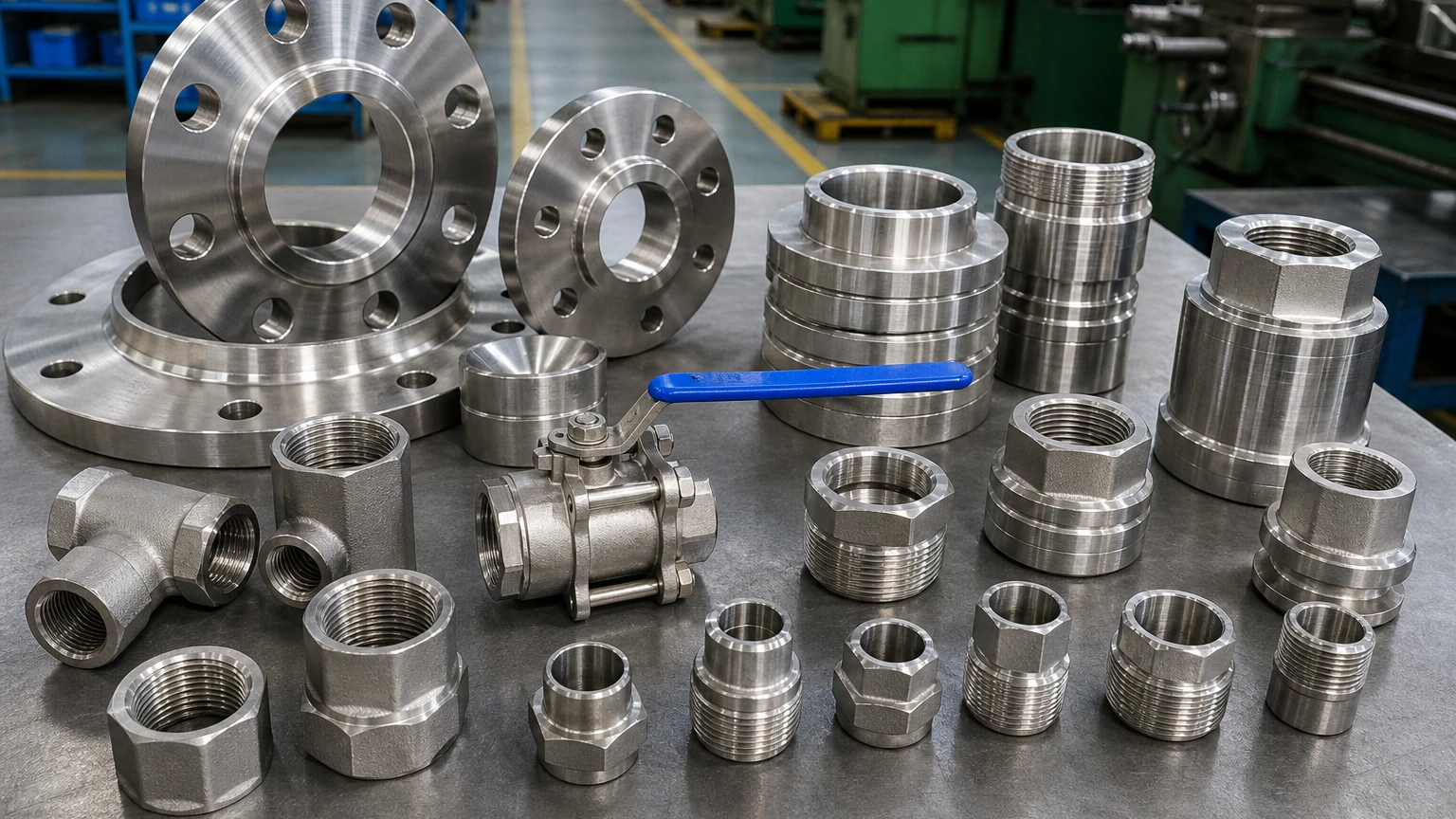
Country demand for Indian engineering components is not uniform — the United States pulls drawing-based CNC machined parts and MRO valve/fitting mixes; Germany pulls DIN/ISO valves, pumps, and precision shafts with deep inspection; the UAE pulls fittings, flanges, and mixed industrial assortments for GCC re-export; Africa and South Asia corridors absorb value MRO castings and tool-component kits on landed-cost cadence.
This guide owns the country × SKU × material × tolerance × pack × inspection demand matrix for industrial and precision engineering components from India. It is demand intelligence per SKU — not a macro destination ranking. For corridor scoring methodology see Best Countries for Indian Engineering Component Exports. For product family catalogues see Top Engineering Component Products Exported from India.
Directional EEPC / DGCI&S FY25 context places broader engineering goods exports near USD 116.67 billion (+6.74% vs USD 109.30 billion), with USA near USD 19.15 billion (+8.7%) and regional shares roughly North America 20.5%, EU 17.1%, and WANA 16.7%. Label the umbrella, then isolate HS 8481, 8413, 8483, 7307, 7325/7326, 8466, 8207/8205, and 8538 before assortment planning.
Pair this matrix with Precision CNC and ISO 9001 OEM Engineering Component Export Opportunities for tight-tolerance pathways and How to Find International Buyers for Engineering Components for prospecting after you shortlist SKUs. Altus Exports builds country-specific engineering component plans for OEM and MRO buyers.
Key Takeaways
Summary Box
Executive Summary
Summary Box
- Map: country × SKU × material × tolerance × pack × inspection before quoting.
- Lead SKUs: CNC (USA/DE) · DIN valves/pumps (DE) · fittings/flanges (UAE/Saudi) · value MRO (Africa/BD).
- Paperwork: MTC EN 10204 3.1 where specified · FAIR for OEM · REACH where coatings apply.
- Trial 50–500 pcs/SKU or 1–2 MT mixed → dense 20′ FCL often books ~16–22 MT (road/booking practice, not fixed CSC capacity).
- Trade context: engineering goods FY25 ~USD 116.67B umbrella — re-verify component HS.
Country × SKU demand for Indian engineering components is not uniform — USA distributor CNC and valve mixes, Germany DIN/ISO desks, UAE fittings hubs, UK substance-aware programmes, Saudi project valves, Australia industrial pumps/valves, and Africa/South Asia value MRO kits need different RFQ fields under the same engineering umbrella.
Map demand cells before quoting so sample cartons match the corridor’s standards language, material expectations, tolerance bands, packing formats, and inspection depth. This article does not rank markets by duty and freight methodology — that belongs in the best-countries guide — and it does not replace the full product catalogue owned by the products post.
Read every table as planning intelligence: validate against the buyer’s drawing or specification before building assortment plans. Clusters in Pune–Chakan, Coimbatore, Rajkot–Ahmedabad, Faridabad–Gurugram, Bengaluru, Ludhiana–Jalandhar, and Howrah/Belgaum/Kolhapur can supply the matrix when process route and document ownership stay clear.
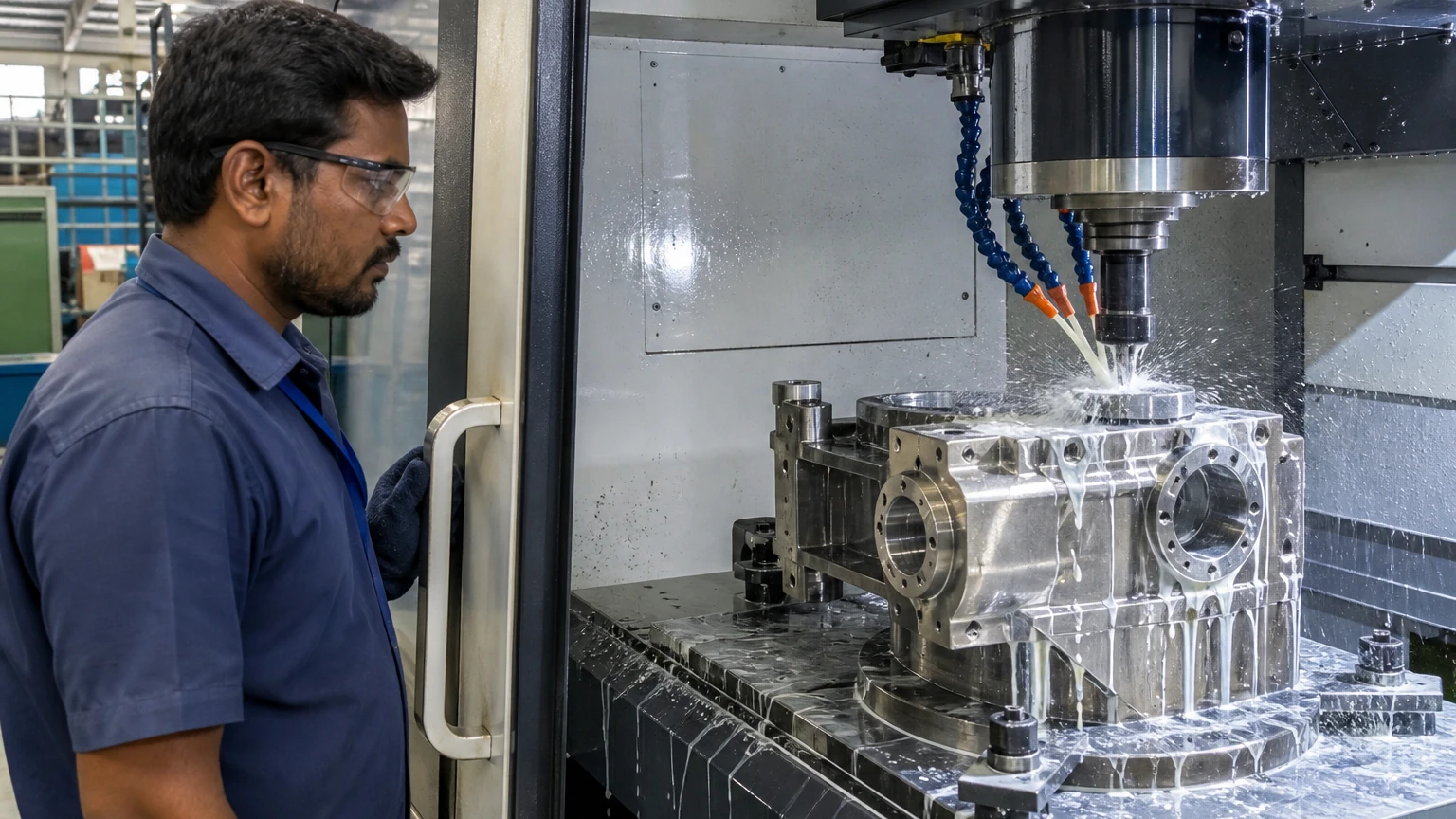
Expert Insight: Demand Cells Beat Generic Catalogues
Expert Insight Box
Early expert perspective for country demand programmes: matrix thinking prevents wasted samples and wrong-pack first containers.
Saurabh Mittal emphasises matching SKU, material, and inspection language to the destination before freight debates begin.
Treat the insight below as the commercial rule that country demand is a specification problem first.
Market Size & Industry Overview
Key Statistics
- Clusters: Pune–Chakan · Coimbatore · Rajkot · NCR · Bengaluru · Ludhiana · foundry belts.
- Lead corridors: USA · Germany · UAE · UK · Saudi · Australia · NL/IT · Africa/BD.
- Channels: OEM industrial · MRO distributor · project/wholesale.
India’s engineering component spine runs through Pune–Chakan–Ranjangaon for precision machining and forgings, Coimbatore for pumps and foundry-linked engineering, Rajkot–Ahmedabad for foundry and pump ecosystems, Faridabad–Gurugram–Noida for sheet metal and tooling, Bengaluru for precision industrial programmes, Ludhiana–Jalandhar for tools and light engineering, and Howrah / Belgaum / Kolhapur for castings — feeding OEM machine builders and MRO distributor networks worldwide.
Buyers purchase materials, tolerances, standards compliance, and pack accuracy — not undifferentiated “engineering goods” labels. In demand planning, most programmes prove MTC and pack rhythm on catalogue MRO or mid-tolerance CNC before scaling tight-tolerance OEM first-article contracts.
Broader engineering goods FY25 scale shows India as a major engineering export origin; demand intelligence still requires isolating HS 8481, 8413, 8483, 7307, and related component families before citing country share claims in assortment decks.
India engineering export context for country × SKU demand planning (directional)
Swipe →
Data table — swipe horizontally on small screens
| Metric | Directional Estimate | Demand-planning note |
|---|---|---|
| Engineering goods exports (FY25) | ~USD 116.67 billion (+6.74% vs 109.30B) | Umbrella context — isolate component HS per SKU cell |
| Merchandise export share | ~26.67% | Engineering weight in India export mix — directional |
| USA engineering exports (FY25) | ~USD 19.15 billion (+8.7%) | Largest single-country corridor in umbrella stats |
| Regional export share | North America ~20.5% · EU ~17.1% · WANA ~16.7% | Use for briefing; re-verify before share claims |
| Primary HS planning families | 8481 · 8413 · 8483 · 7307 · 7325/7326 · 8466 · 8207/8205 · 8538 | Map each demand cell to one primary family |
| Council / identity | EEPC India RCMC + IEC via DGFT | KYC baseline before assortment trials |
| Load ports / ICDs | Nhava Sheva · Mundra · Chennai · ICD Pune · ICD Tughlakabad · ICD Ahmedabad | Name FOB port inside each country quote |
| Data as-of context | 2026-08-10 | Directional — re-verify EEPC / DGCI&S / WITS / TradeStat |
Export Statistics
Key Statistics
- Label FY25 engineering figures as umbrella context.
- Quote dated FOB Nhava Sheva / Mundra / Chennai per corridor.
- Separate OEM first-article cells from MRO carton cells.
Export statistics for demand matrix work should stay directional at the engineering umbrella level, then drop to HS family and destination pull stories. USA concentration in umbrella data means many first assortment plans feel American distributor pressure even when the factory sits in Coimbatore or Rajkot.
When citing EEPC FY25 figures, map headlines back to valves, pumps, transmission parts, fittings, castings, and machined articles rather than a single undifferentiated export number. Re-verify partner tables before promising country share claims inside SKU decks; stale slides are a common credibility failure with professional buyers.
Demand cells convert into export programmes only when HS declaration, pack format, and inspection depth are written into the proforma before stuffing.
HS family planning map for country demand cells (confirm with CHA)
Swipe →
Data table — swipe horizontally on small screens
| HS Family | Typical Demand SKUs | Country pull examples |
|---|---|---|
| 8481 | Ball/gate/globe/butterfly valves | Germany DIN desks · USA MRO · Saudi projects |
| 8413 | Centrifugal / PD pumps and parts | Australia · Germany · Middle East projects |
| 8483 | Shafts, gears, bearing housings | USA OEM · Germany precision · Italy specialty |
| 7307 | Flanges, elbows, forged fittings | UAE re-export · Saudi projects · USA MRO |
| 7325 / 7326 | Cast / other iron-steel articles | Africa MRO · BD wholesale · industrial blanks |
| 8466 | Machine-tool parts and accessories | Germany · USA · precision OEM corridors |
| 8207 / 8205 | Interchangeable / hand-tool components | USA MRO · Africa kits · EU distributors |
| 8538 | Switchgear / panel parts | OEM electrical · EU/UK substance-aware |
Import Statistics
Key Statistics
- USA MRO vs Germany OEM inspection depth differs.
- UAE/Saudi often act as hub or project corridors.
- Australia and UK add standards and substance documentation expectations.
Translate destination import pull into inbound stories so demand meetings stay concrete. Each corridor’s primary buyer type changes inspection depth — distributors care about assortment and pack; OEM desks care about drawing revision, FAIR, and capability; project buyers care about pressure class and standards evidence.
Use import profiles to design sample kits for each country cell, not to invent precise tonnage contracts. When modelling assortment plans, convert destination demand into SKU shortlists before freight negotiations begin.
Germany and broader EU programmes often demand DIN/ISO language and REACH-aware coatings where applicable; USA programmes emphasise drawing control and live HTS modelling; UAE and Saudi programmes often favour mixed fittings, valves, and MRO packs for re-export or project offtake.
Directional inbound demand profile for Indian engineering components by destination
Swipe →
Data table — swipe horizontally on small screens
| Market | Directional Demand Profile | Primary Buyer Type |
|---|---|---|
| United States | CNC machined parts, valves, pump parts, MRO fittings assortments; selective OEM | Distributors, OEM procurement, industrial wholesalers |
| Germany | DIN/ISO valves, pumps, precision shafts/gears, documented ISO 9001 packs | OEM procurement, industrial distributors |
| United Arab Emirates | Fittings, flanges, valves, mixed MRO for GCC re-export | Regional distributors, project traders |
| United Kingdom | Machined parts, valves/fittings, REACH-aware coated articles where applicable | Distributors, OEM-adjacent buyers |
| Saudi Arabia | Project valves, fittings, pump parts, castings support | EPC/project buyers, industrial importers |
| Australia | Pumps/valves, fittings, CNC industrial parts with standards evidence | Distributors, industrial importers |
| Netherlands / Italy | Precision machined and valve/pump components for EU distribution | Specialty distributors, tier suppliers |
| South Africa / Kenya / Bangladesh | Value MRO mixes — fittings, castings, tool components | Wholesalers, regional importers |
Product Categories / Variants
Summary Box
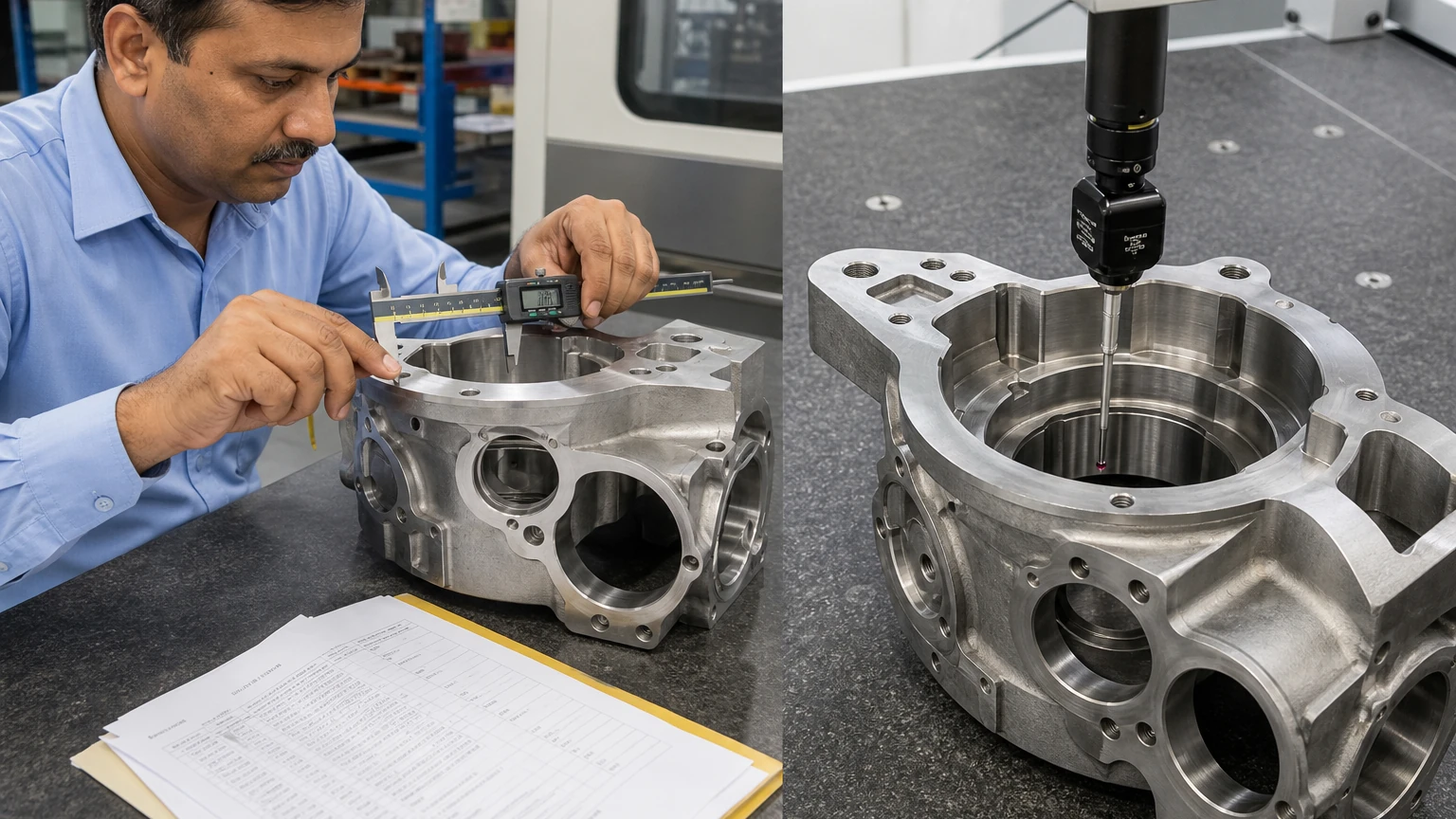
- Eight families populate most country cells.
- Channel label on every card: OEM · MRO · project/wholesale.
- Pack notes: VCI · crates · thread protection · revision labels.
Demand matrices should tag SKUs by family so country cells stay executable. Map each family to HS planning lines with CHA confirmation; nickname filing creates customs friction later when assortment programmes scale.
OEM industrial, MRO distributor, and wholesale/project pack notes belong on every SKU card used in country kits. Materials commonly include carbon steel, alloy steel, stainless 304/316, aluminium alloys, brass/bronze, and ductile iron. Standards language spans ISO, DIN, ASME/ANSI, ASTM, API where specified, and IS equivalents — declare what you can evidence per corridor.
For full catalogue depth beyond country pull, use the products cluster post; this section only frames families that populate the demand matrix.
Primary engineering component families used in country demand cells
Swipe →
Data table — swipe horizontally on small screens
| Product Family | Typical Spec Focus | HS Planning | Frequent corridors |
|---|---|---|---|
| CNC machined parts | Drawing revision, tolerance, material | Ch. 84/85 as applicable | USA · Germany · UK · Australia |
| Industrial castings & forgings | Grade, heat treatment, machining allowance | 7325 / 7326 / related | Africa · BD · OEM blanks |
| Pumps & pump parts | Performance, materials, sealing | 8413 | Australia · Germany · Middle East |
| Valves | Pressure class, end connection, seat materials | 8481 | Germany · USA · Saudi · UAE |
| Shafts, gears, bearing housings | Hardness, geometry, balancing | 8483 | USA · Germany · Italy |
| Pipe fittings & flanges | ASME/DIN/BS dimensions, face finish | 7307 | UAE · Saudi · USA MRO |
| Fabricated sheet metal | Gauge, coating, hole accuracy | Related fabricated lines | OEM enclosures · EU/UK |
| Tool & switchgear parts | Interchangeability, material/insulation notes | 8466 · 8207/8205 · 8538 | USA MRO · EU OEM |
Manufacturing Overview
Export Tip
- Routes: machine · cast · forge · fabricate · assemble/test.
- Match cluster to country cell before promising lead times.
- Traceability lot IDs on metal programmes with MTC linkage.
Country demand cells only work when process route matches the corridor. Separate machine shops from foundries, forge shops, valve assembly, and sheet-metal fabrication when assigning SKUs to factories. Profiles that list cities without naming OEM versus MRO processes leave buyers guessing which control plan they will audit.
Pune–Chakan suits precision CNC and forged blanks for USA/Germany OEM cells; Coimbatore and Rajkot often anchor pump and foundry-linked MRO; Faridabad–Gurugram supports sheet metal and tooling; Ludhiana–Jalandhar supports tool components; foundry belts supply cast articles for value corridors. Merchant exporters should disclose consolidation models when multi-factory assortment cells serve UAE or Africa distributors.
Tooling ownership, gauge calibration, drawing revision control, and lot traceability are manufacturing facts buyers will test after demand-cell samples look good.
Directional lead times by demand-cell programme type
Swipe →
Data table — swipe horizontally on small screens
| Stage | Typical Duration | Country-cell note |
|---|---|---|
| Samples / first articles | 2–6 weeks | Faster for UAE/Africa MRO kits; slower for DE/USA OEM CNC |
| Commercial production (standard grades) | 4–10 weeks | Depends on tooling readiness and SKU mix |
| Tooling + OEM first-article programmes | 8–20+ weeks | Germany/USA OEM cells own FAIR calendars |
| First commercial FCL (new programme) | After sample/FAI gate | Do not promise FCL before revision sign-off |
| Repeat FCL (stable MRO) | Often 4–8 weeks | UAE/USA distributor cadence dependent |
Country × SKU Demand Matrix for Indian Engineering Components
- Owns: country × SKU × material × tolerance × pack × inspection matrix.
- Does not own: macro market ranking methodology; full SKU catalogue essays; lead-gen scripts.
- Always label trade stats directional and re-verify before contracts.
This section owns the country × SKU × material × tolerance × pack × inspection demand matrix — the boundary that keeps this guide from overlapping the best-countries ranking methodology, the full product catalogue, or buyer-prospecting tactics.
Demand profiles below reflect directional ordering patterns. Validate against buyer specification before building assortment plans. Use subsections to operationalise major corridors; treat secondary corridors as landed-cost and rugged-pack cells unless OEM drawings appear.
Association breadth and umbrella trade stats are useful for discovery; matrix focus is what turns intelligence into executable export programmes. Even with a perfect demand map, commercial files still need revision, HS family, channel tier, and named FOB.
Directional country × SKU × material × tolerance × pack × inspection matrix
Swipe →
Data table — swipe horizontally on small screens
| Country | Dominant SKUs | Materials | Tolerance / standards | Pack format | Inspection depth |
|---|---|---|---|---|---|
| USA | CNC parts, valves, pump parts, fittings | CS / alloy / SS | Drawing or commercial; ASME where specified | VCI cartons; palletised fittings | MTC + dimensional; FAIR for OEM |
| Germany | DIN valves/pumps, precision CNC, shafts/gears | CS / alloy / SS per drawing | DIN/ISO; tight OEM bands | Labelled partitioned cartons/crates | ISO + CMM/FAIR + MTC 3.1 |
| UAE | Fittings/flanges, valves, mixed MRO | CS / SS | ASME/DIN commercial | Thread-protected pallets; mixed cubing | Lot MTC; project TPI as needed |
| UK | Machined parts, valves/fittings | CS / SS; coated articles as specified | ISO/BS; substance-aware | Revision-labelled cartons | MTC + dimensional summaries |
| Saudi Arabia | Project valves, fittings, pump parts | CS / SS / alloy | ASME/API/DIN as project-specified | Crates for valves/pumps; pallet fittings | Protocol + TPI common on LC lots |
| Australia | Pumps/valves, fittings, CNC | CS / SS | Standards evidence; commercial–OEM mix | Moisture-aware cartons/crates | MTC + dimensional; FAIR selective |
| Netherlands / Italy | Precision + valve/pump distribution | Per EU drawing | DIN/ISO / OEM | Redistribution-ready labelled packs | ISO + MTC; OEM FAIR where required |
| South Africa / Kenya / Bangladesh | Value MRO fittings, castings, tools | CS commercial grades | Commercial tolerances | Rugged wholesale cartons/pallets | Lot MTC + visual/spot dimensional |
United States — CNC, Valves, and MRO Assortments
- SKU focus: CNC · valves (8481) · pump parts (8413) · fittings (7307) · shafts/housings (8483).
- Materials: CS / alloy / SS 304-316 as specified.
- Inspection: MTC + dimensional; FAIR for OEM cells.
USA cells typically pull drawing-based CNC steel/aluminium parts, industrial valves and pump parts, and MRO fittings assortments for distributors and selective OEM desks. Materials lean carbon steel, alloy steel, and stainless where corrosion or food-adjacent industrial use appears. Tolerances range from commercial MRO fits to tighter OEM drawing bands — never assume catalogue tolerances for OEM RFQs.
Pack formats favour VCI-protected cartons for machined metal and palletised fittings with thread protection. Inspection depth spans lot MTC for distributor programmes and FAIR/dimensional reports for OEM. Model live USITC/HTS duties before promising CIF or DDP.
Germany — DIN/ISO Precision and Documented Valve/Pump Specs
- SKU focus: DIN valves/pumps · precision CNC · 8483 transmission parts · machine-tool parts.
- Standards: DIN/ISO · ASME where specified · REACH-aware coatings.
- Inspection: ISO scope + CMM/dimensional + MTC 3.1 where required.
Germany cells emphasise DIN/ISO language, ISO 9001 plant systems, and deeper dimensional evidence for valves, pumps, shafts, gears, and precision machined parts. Materials and heat-treatment notes must match drawings; substance declarations matter when coatings or applicable articles trigger REACH.
Pack formats are labelled, revision-controlled, and often partitioned for precision parts. Inspection depth is audit-aware — capability evidence and document first-pass yield matter as much as piece price. Do not pitch commodity MRO cartons as DIN OEM programmes.
United Arab Emirates — Fittings, Flanges, and Re-export MRO Mixes
- SKU focus: 7307 fittings/flanges · 8481 valves · mixed MRO castings.
- Pack: thread protection · pallet labels · moisture control.
- Channel: regional distributors and project traders.
UAE cells pull ASME/DIN fittings and flanges, industrial valves, and mixed MRO assortments destined for local projects or GCC re-export. Materials often include carbon steel and stainless for corrosive service; hot-climate moisture discipline on machined faces is non-negotiable.
Pack formats favour palletised fittings with end-cap/thread protection and mixed-SKU cubing plans for distributor FCLs. Inspection is typically lot MTC plus visual/dimensional spot checks unless a project protocol elevates third-party inspection.
United Kingdom — Machined Parts with Substance-Aware Packs
UK cells pull machined industrial parts, valves/fittings, and distributor assortments with UK tariff and substance documentation where coatings or applicable articles require it. Labeling clarity and revision control support retail-adjacent industrial platforms and distributor warehouses.
Inspection depth sits between USA MRO and Germany OEM — expect MTC and dimensional summaries, with deeper FAIR when OEM-adjacent. Quote dated FOB and model UK duty separately from EU TARIC assumptions after Brexit.
Saudi Arabia — Project Valves, Fittings, and Pump Support
Saudi cells are often project-led: pressure-class valves, fittings/flanges, pump parts, and castings support for infrastructure and industrial plants. Standards evidence (ASME/API/DIN as specified) and inspection protocols outweigh generic assortment storytelling.
Pack and crate discipline for valves/pumps matters; third-party inspection appears frequently on LC-backed project lots. Align lead times to project calendars rather than distributor restock cadence.
Australia — Industrial Pumps, Valves, and CNC Parts
Australia cells favour industrial pumps/valves, fittings, and CNC parts with standards evidence and moisture-aware packaging for longer ocean legs. Distributors value consistent lead times and clear Incoterms more than aggressive teaser pricing.
Inspection typically includes MTC and dimensional checks; OEM-adjacent programmes add FAIR. Name FOB Indian port and model freight honestly into Australian gateways.
Netherlands & Italy — EU Hub and Specialty Precision
Netherlands cells often act as EU distribution hubs for valve, pump, and precision assortments; Italy cells pull specialty machined and OEM-quality components. Both expect document speed, TARIC-aware HS clarity, and REACH/RoHS files where triggered.
Pack for redistribution: clear inner labels, revision marks, and cubing that survives secondary trucking. Inspection depth tracks EU industrial norms — ISO evidence plus lot MTC as baseline.
South Africa, Kenya & Bangladesh — Value MRO Mixes
These secondary corridors absorb value MRO mixes — fittings, cast articles, tool components, and commercial-tolerance machined parts — with rugged packaging and landed-cost honesty. Over-specifying German OEM inspection language on these cells wastes cost and time.
MOQs often start with mixed cartons or smaller FCLs; documentation should still reconcile marks, packing lists, and MTC lots. Prefer durable packs over boutique presentation.
Pricing Analysis
Buyer Tip
After demand-cell selection, still demand dated commercials — matrix intelligence is not a substitute for metal index, machining conversion, and inspection math. CNC programmes, castings, valves, and fittings need separate commercial logic even when stuffed for the same destination in the same sailing week.
Germany OEM cells often carry FAIR and audit premiums; UAE MRO cells compete on assortment FOB and pack discipline; USA cells need live duty modelling before CIF talk. Refresh offers when indices move; stale prices destroy trust faster than a firm but higher number.
Directional FOB India pricing structure by demand-cell family
Swipe →
Data table — swipe horizontally on small screens
| SKU / Programme | Pricing Structure | Country-cell note |
|---|---|---|
| CNC machined steel/aluminium parts | Metal index + machining conversion + tooling amortisation, FOB | USA/DE OEM cells — state tooling separately |
| Industrial castings / forgings | Blank + machining + heat-treat premium, FOB | Africa/BD value cells — keep commercial grades clear |
| Valves (HS 8481) | Body/trim + pressure class + testing premium, FOB | DE/Saudi cells — evidence cost for DIN/API claims |
| Pumps / pump parts (HS 8413) | BOM + assembly/test conversion, FOB | AU/DE cells — performance curve honesty |
| Fittings & flanges (HS 7307) | Material + forging/machining, FOB/kg or /pc | UAE/Saudi — pack adder for thread protection |
| Shafts / gears / housings (HS 8483) | Material + machining + hardness/balance premium, FOB | USA/DE OEM — inspection add-ons common |
| OEM first-article programmes | Piece price + FAIR/audit premium + release cadence | Not carton-MOQ language for DE/USA OEM cells |
MOQ Analysis
Buyer Tip
MOQ language must match the country cell’s channel — OEM buyers punish carton-MOQ talk, MRO buyers punish release-only talk. Promising German OEM release language to a UAE assortment distributor signals channel confusion.
Air-freight first articles are not commercial MOQ — keep them on a separate sample PO. Typical practice: 50–500 pcs per machined SKU or 1–2 MT mixed castings/fittings for trials; standard wholesale often 1×20′ FCL (~16–22 MT depending on density) or 1×40′ HQ for carton-heavy assortments; OEM programmes by monthly call-off.
Directional MOQ tiers mapped to demand cells
Swipe →
Data table — swipe horizontally on small screens
| Stage | Typical MOQ | Country-cell fit |
|---|---|---|
| Mixed trial / sample cartons | 50–500 pcs per machined SKU or 1–2 MT mixed | USA/UAE/Africa distributor evaluation |
| CNC / machined parts | Hundreds to low thousands per SKU | USA/DE dimensional gate before volume |
| Fittings / flanges wholesale | MT-based or carton mixes toward FCL | UAE/Saudi cubing and weight planning |
| OEM / industrial programme | Monthly call-off / release schedule | Germany/USA OEM FAIR pathways |
| First commercial FCL | 1×20′ (~16–22 MT dense) or 1×40′ HQ carton-heavy | After sample/FAI gate — practice bands |
| Practice note | Bands are commercial practice — not statutory MOQs | Align MOQ language to country channel before quoting |
Packaging Standards
Export Tip
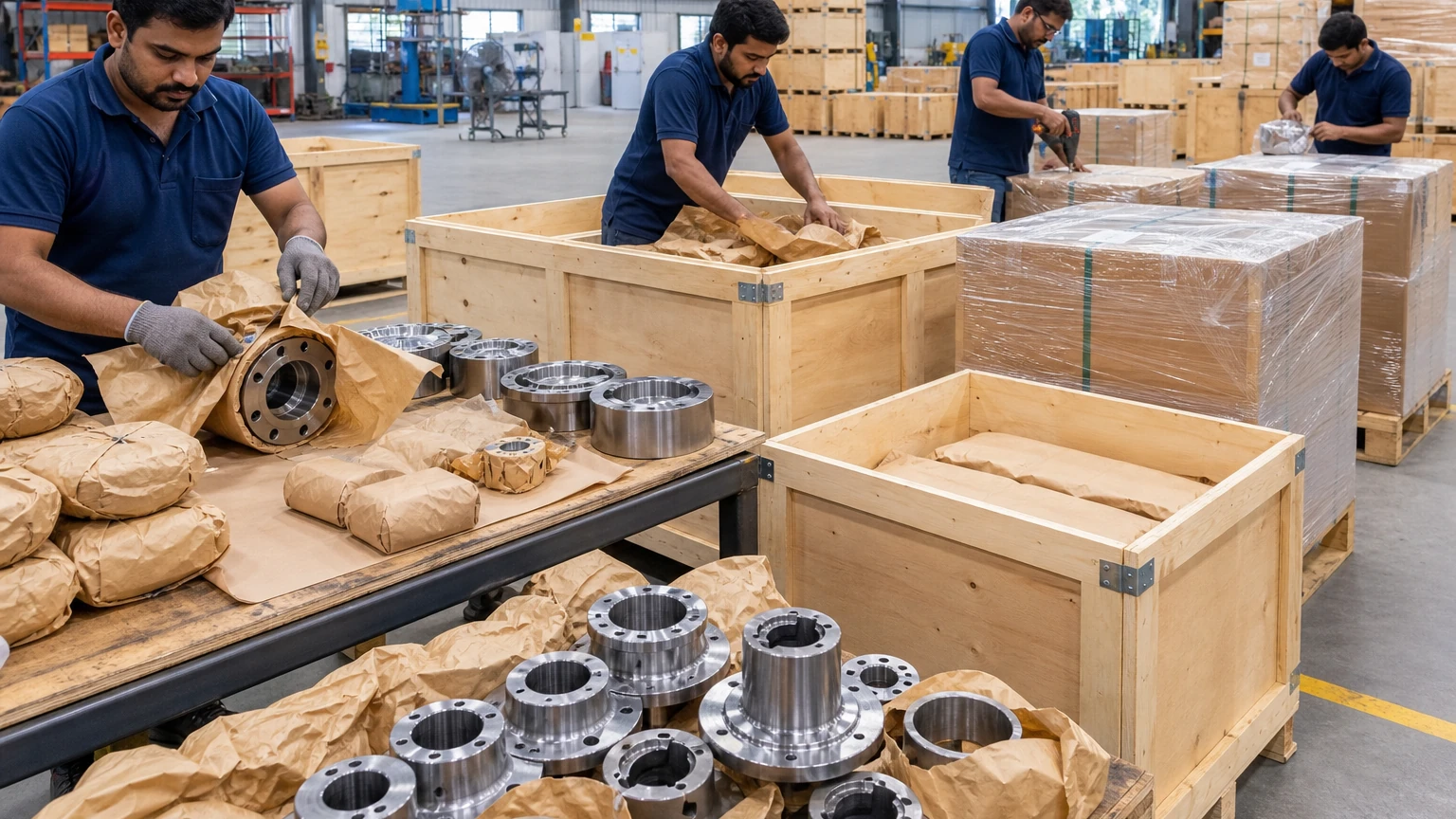
Pack standards are demand-cell fields, not afterthoughts. USA and Germany CNC cells need VCI and revision labels; UAE fittings cells need thread protection and hot-climate moisture discipline; valve/pump cells for Saudi and Australia need crates that survive project handling.
Marks must reconcile to packing lists — a recurring failure point when multi-country assortment programmes accelerate. Photograph packed pallets before gate-in as claim defense for each corridor’s inbound QC.
Packaging formats mapped to country demand cells
Swipe →
Data table — swipe horizontally on small screens
| Format | Typical Configuration | Best-fit corridors | Key Requirement |
|---|---|---|---|
| VCI / rust-preventive wrap | Oil/VCI on machined faces | USA · Germany · UK · Australia CNC | Document protection on packing list |
| Partitioned cartons | Cell dividers for precision parts | Germany · Netherlands · Italy | Revision and part-number labels |
| Wooden crates | ISPM-15 wood where applicable | Saudi · Australia · project valves/pumps | Crush and moisture protection |
| Palletized fittings/flanges | Bundles with thread/end-cap protection | UAE · Saudi · USA MRO | SKU labels reconcile to packing list |
| Rugged wholesale cartons | Heavy-duty corrugate + stretch wrap | South Africa · Kenya · Bangladesh | Survive secondary trucking |
| Mixed industrial cubing | SKU-cubed cartons on mixed pallets | UAE · USA distributor FCLs | Heavy bottom / fragile top discipline |
Container Loading Details
Export Tip
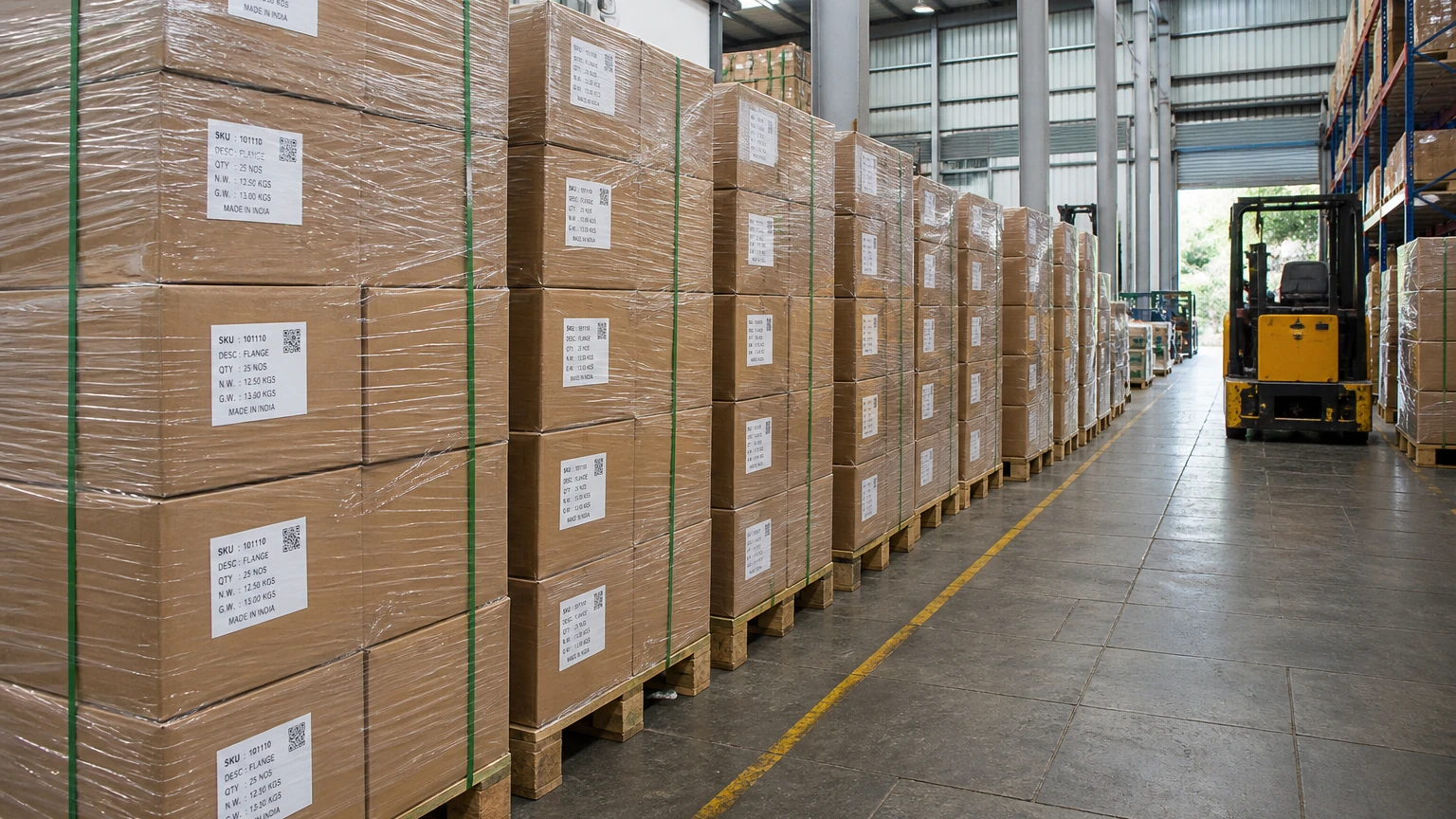
Load planning follows density of the country cell’s SKUs. Dense castings and fittings for UAE/Saudi often weight-limit 20′ payloads near 16–22 MT directional; carton-heavy CNC assortments for USA/Germany may prefer 40′ HC. Never stuff fragile precision cartons above unprotected heavy castings without dunnage.
ICD Pune, ICD Ahmedabad, and ICD Tughlakabad stuffing can reduce inland chaos for cluster-adjacent programmes before coastal sailing from Nhava Sheva, Mundra, or Chennai. Confirm stow with CHA/forwarder per destination assortment.
Directional container loading guidance by demand-cell type
Swipe →
Data table — swipe horizontally on small screens
| Container / Mode | Loading Consideration | Typical country cells |
|---|---|---|
| 20′ FCL | Dense castings & fittings often weight-limit 20′ — confirm with forwarder | UAE · Saudi · Africa MRO · fittings-heavy USA |
| 40′ HC | Volume-limited for carton-heavy CNC and fabricated parts | USA · Germany · UK precision assortments |
| LCL | Samples and small reorders | First qualification all corridors |
| Air freight | First articles and urgent spares | Germany/USA OEM gate samples |
| ICD Pune / Tughlakabad / Ahmedabad | Cluster-adjacent stuffing then rail/road to gateway | Western and northern MSME programmes |
| Mixed MRO stow | SKU cubing plan; heavy bottom / fragile top | UAE · USA distributor mixes |
Shipping Methods
Export Tip
- FCL default · LCL samples · air for FAIR/spares.
- FOB first · CFR/CIF selective · DAP/DDP rare and duty-risk priced.
- Cubing plan for mixed MRO country cells.
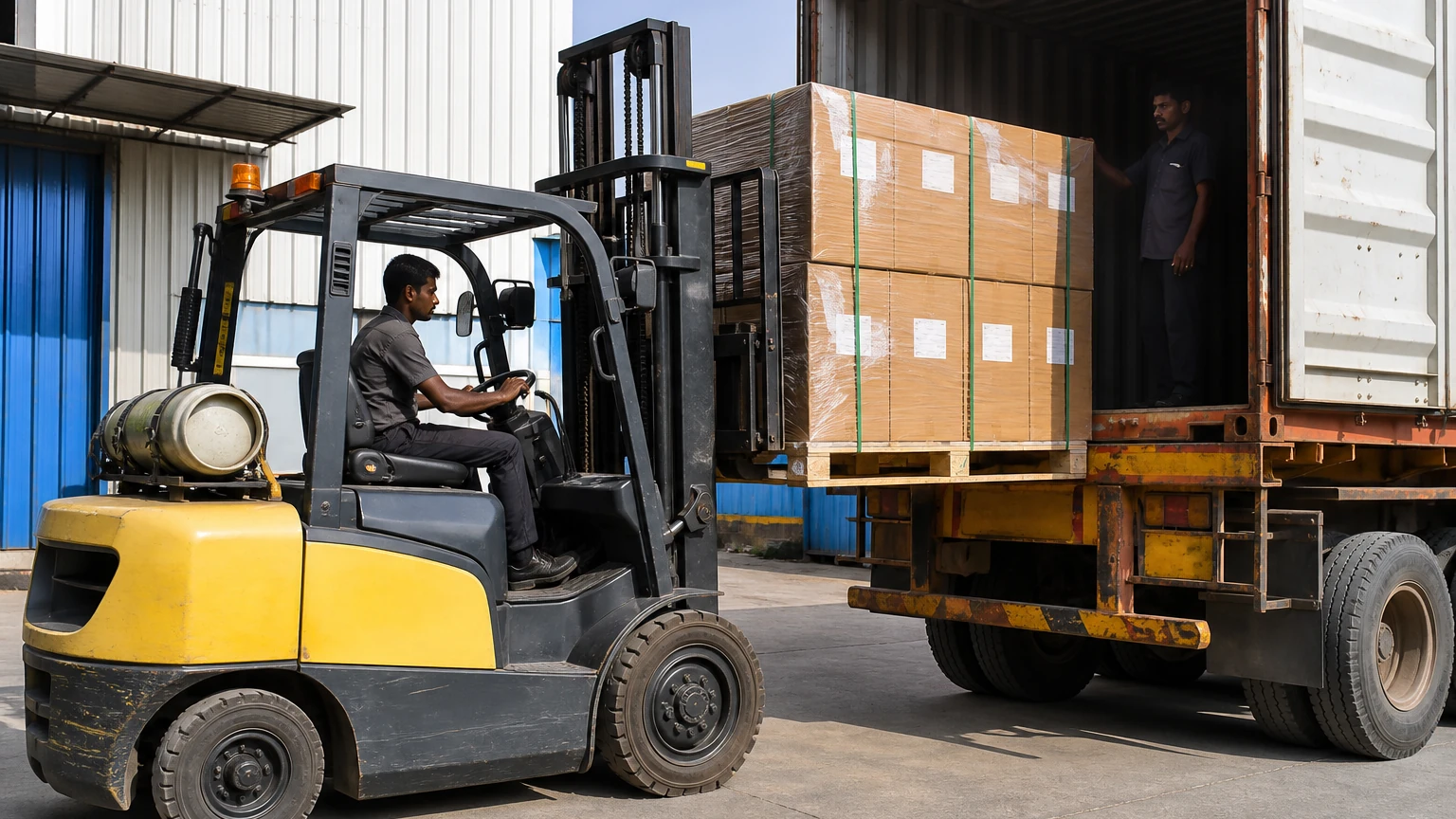
Shipping methods for demand-led engineering component programmes centre on FCL ocean from Nhava Sheva, Mundra, and Chennai, LCL for small reorders, and air for first articles or urgent spares. Lead with FOB; CFR/CIF is a service add-on for distributors after rate sheets exist, not a first-touch default on every country cell.
Transit modelling should include inland ICD legs, not only ocean days. Name liner windows cautiously until pack-out rhythm is proven for that corridor’s assortment. DAP/DDP remains selective and must price duty risk — especially for USA and EU cells.
Incoterms commonly used across engineering component demand cells
Swipe →
Data table — swipe horizontally on small screens
| Incoterm | When Used | Country-cell note |
|---|---|---|
| FOB Nhava Sheva / Mundra / Chennai | Default commercial quotes | Best starting point for all corridors |
| CIF named destination | Distributor accounts wanting freight bundled | USA/UAE/AU distributors after rate sheets exist |
| CFR | Freight prepaid without insurance | Clarify insurance separately |
| EXW factory/cluster | Rare for export beginners | Buyer handles Indian logistics — uncommon |
| DAP / DDP | Selective large OEM/distributor programmes | Price USA/EU duty risk explicitly |
Certifications
Compliance Notes
Certification depth is a demand-cell field. Germany and OEM USA cells expect ISO 9001 scope pages, MTC EN 10204 3.1 where specified, and FAIR/dimensional evidence. UAE MRO cells still need lot MTC but may not require full OEM FAIR packs. Project Saudi cells often add API/ASME/DIN evidence and third-party inspection.
EEPC RCMC and IEC remain KYC baselines across corridors — they do not replace lot evidence. REACH/RoHS appears on EU/UK coated or applicable articles. Keep certificate scope pages ready; logo-only claims fail audit-aware desks.
Certification and inspection expectations by corridor type
Swipe →
Data table — swipe horizontally on small screens
| Credential / Document | Purpose | Highest-demand corridors |
|---|---|---|
| EEPC RCMC + IEC | Export KYC identity | All corridors |
| ISO 9001 / ISO 14001 | System credibility | Germany · USA OEM · UK · NL/IT |
| MTC EN 10204 3.1 | Lot material evidence | OEM/project cells; many EU/USA lots |
| Dimensional report / FAIR | Part-to-drawing conformity | Germany · USA OEM · Italy specialty |
| API / ASME / DIN evidence | Valve/pump/fitting standards pathway | Germany · Saudi · USA project-adjacent |
| Third-party inspection | Independent verification | Saudi LC · selective USA/EU |
| REACH / RoHS declarations | Substance compliance where triggered | Germany · UK · Netherlands · Italy |
| Certificate of Origin | Origin / preference claims | Corridors claiming preferential duty |
Buyer Requirements
Buyer Requirements
Buyer requirements differ by country cell: USA MRO wants assortment and pack photos; Germany OEM wants drawing revision control and FAIR; UAE wants mixed FCL discipline and hot-climate pack; Saudi wants standards protocols; Africa/BD wants rugged packs and landed-cost honesty.
Payment instruments escalate with trust — advances/LC early, open account later. Capture requirements in CRM within seventy-two hours of first contact. Reject vague RFQs that omit destination, material, or inspection depth — they cannot map to a demand cell.
Buyer channels mapped to country demand behaviour
Swipe →
Data table — swipe horizontally on small screens
| Channel | Typical Entry Gate | Proof They Expect | Strong corridors |
|---|---|---|---|
| MRO distributor | Mixed carton or 20′ trial | SKU sheets, pack photos, MTC samples | USA · UAE · Africa · BD |
| Industrial wholesaler | MT or FCL programme | Cubing plan, competitive dated FOB | UAE · AU · USA |
| OEM industrial | Drawing + FAIR / first article | ISO scope, capability, revision control | Germany · USA · Italy |
| Project / EPC buyer | Standards + inspection protocol | ASME/DIN/API evidence where claimed | Saudi · UAE projects |
| Regional re-exporter | Mixed FCL discipline | Hot-climate pack, multi-SKU cubing | UAE · Singapore hub logic |
Country-wise Opportunities
Market Snapshot
Opportunities emerge when demand cells are sequenced deliberately: prove one USA MRO or CNC cell and one Germany/EU precision cell before sprawling into every flag. Middle East fittings/project cells often form a strong second wave; Africa and South Asia value MRO cells work when landed-cost models stay honest.
This section summarises opportunity posture from the matrix — it does not replace the best-countries ranking post’s duty/freight methodology. Keep notes operational: preferred SKUs, pack, inspection. For buyer discovery after shortlisting cells, use the find-buyers guide.
Opportunity posture by country from the demand matrix
Swipe →
Data table — swipe horizontally on small screens
| Country | Demand Profile | Key Requirement Focus | Opportunity Note |
|---|---|---|---|
| United States | CNC, valves, pump parts, MRO fittings | Drawing control + live HTS duty model | Largest umbrella corridor — diverse cells |
| Germany | DIN/ISO precision and valve/pump specs | ISO 9001, dimensional depth, substance files | Premium inspection corridor |
| United Arab Emirates | Fittings, valves, mixed MRO re-export | Hot-climate pack and mixed SKU cubing | GCC distributor consolidation |
| United Kingdom | Machined parts and fittings with UK compliance | Labeling and substance declarations where needed | Distributor platforms |
| Saudi Arabia | Project valves, fittings, pump support | Standards evidence and inspection protocols | Project-led offtake |
| Australia | Industrial pumps/valves and CNC parts | Standards evidence and moisture-aware pack | Stable distributor programmes |
| Singapore / Netherlands | Hub distribution for precision and valve lines | Document speed and assortment discipline | Re-export and EU adjacency |
| South Africa / Kenya / Bangladesh | Value MRO mixes | Landed-cost honesty and rugged pack | Secondary volume corridors |
Sourcing Checklist
Checklist
Use this sourcing checklist when country × SKU demand work moves from reading to execution. Matrix planning still needs buyer, exporter, and compliance callouts before sample cartons fly.
Combine with factory audits in the cluster that matches the cell and with document gates before stuffing. Cross-link industrial raw materials only when the buyer is building a multi-SKU industrial + MRO assortment.
Common Buyer Mistakes
Common Mistakes Box
- One generic carton for every country.
- OEM language on MRO-only factories.
- FOB-only shopping without duty/freight.
- Undated teaser prices accepted.
- HS family guessed without CHA.
- Ignoring hot-climate pack for UAE/Saudi.
Buyers and exporters both err by treating all destinations as one assortment: shipping German OEM inspection packs into value MRO corridors, or sending UAE fittings mixes into DIN desks without standards evidence. Another mistake is FOB-only shopping without duty and freight for USA and EU cells.
Documentation mismatches — marks versus packing list versus MTC lot — create avoidable holds when multi-country programmes accelerate. Fix mistakes with written gates: demand-cell completeness, sample sign-off, and pre-seal document checks.
Do not confuse industrial engineering components with vehicle parts or fastener Grade programmes; if a buyer mixes categories, link once to the sibling cluster and keep this matrix industrial-component specific.
Future Market Trends
Key Statistics
- SKU-level forecast sharing and portal vendor management.
- Precision CNC growth alongside commodity MRO.
- Substance and traceability data as corridor entry tickets.
- Middle East project valves/fittings remaining a strong second wave.
Demand matrices will get more granular as OEM portals and distributor EDI push SKU-level forecast sharing. Dual-sourcing and China+1 industrial strategies keep pulling precision CNC and valve/pump programmes toward India when documentation and lead-time reliability hold.
Substance data, digital FAIR packages, and revision-controlled pack labels will keep expanding as sales tools — especially in Germany, UK, and USA OEM cells. Exporters who refresh country cells quarterly will outrun annual brochure catalogues.
Challenges and Solutions
- Challenge: generic assortment → Solution: enforce demand-cell fields on every RFQ.
- Challenge: OEM cash/time → Solution: staged FAIR gates.
- Challenge: mixed FCL crush → Solution: cubing plans by corridor.
- Challenge: duty surprises → Solution: live HTS/TARIC checks.
- Challenge: wrong cluster match → Solution: route by process, not city marketing.
Challenges in demand-matrix execution include assortments that ignore inspection depth, tooling cash cycles on OEM first articles, container cubing complexity on mixed UAE/USA FCLs, and destination duty volatility.
Institutional challenges ease when each country cell has staged trials, clear Incoterms, cluster-fit plants, and dated commercials. Working-capital strain eases when MRO cash programmes help fund OEM compliance stacks — a sequencing choice across corridors.
Use merchant-exporter coordination when multi-factory consolidation beats single-plant logistics for multi-SKU country cells. Route field-level document questions to the documentation checklist rather than inventing fields per destination ad hoc.
Expert Insight: One Corridor, One Pack Standard
Expert Insight Box
Second expert insight for country demand programmes: pack and inspection standards must travel with the SKU cell, not with the factory’s default carton.
Lot evidence and document discipline create reorder cycles once the matrix cell is correct.
Use this guidance alongside Altus merchant-export execution when scaling from trials into multi-corridor programmes.
Sources
- EEPC India — Engineering Export Promotion Council
- EEPC India Engineering Trade Analysis March 2025 / FY25 PDF
- Economic Times — India engineering goods exports FY25 (USD 116.67B)
- IBEF — Engineering Goods Industry and Exports from India
- DGFT — Directorate General of Foreign Trade (IEC)
- DGCI&S / TradeStat — Indian trade statistics
- ICEGATE — Indian Customs EDI Gateway
- CBIC — Central Board of Indirect Taxes and Customs
- WITS — World Integrated Trade Solution (World Bank)
- UN Comtrade Database
- ITC Trade Map
- WCO — Harmonized System
- ISO — International Organization for Standardization
- ASME — valves, fittings, and pressure equipment standards
- API — American Petroleum Institute (pump/valve programmes)
- USITC Harmonized Tariff Schedule
- CBP — U.S. Customs and Border Protection
- EU TARIC — customs tariff database
- ECHA — REACH regulation
- European Commission — CE marking
- UK Government — UKCA marking
- SASO SABER — Saudi product conformity platform
- UAE MoIAT — standards and conformity (ECAS context)
- ICC — Incoterms rules
Directional EEPC, DGCI&S, trade, tariff, and compliance notes in this engineering components guide (most-demanded-indian-engineering-components-by-country) should be re-verified against primary sources before quoting buyers or filing export documents. Figures labelled EEPC FY25 refer to India’s fiscal year 2024-25 engineering goods export performance — a broader umbrella than precision/industrial components alone. Isolate your HS family (for example 8481, 8413, 8483, 7307, 7325/7326) before contracting volume.
Use the links below for government, standards, and trade-data verification. Confirm eight-digit HS lines with a licensed CHA at shipping-bill time. Model destination duties live (USITC HTS / CBP for the USA; TARIC for the EU). Container payload bands in this cluster are commercial road/booking practice, not fixed CSC legal capacities.

Conclusion
- Merchant Exporter India
- Export Products from India
- Global Sourcing Partner India
- Product Sourcing Company India
- Contact Altus Exports
- Engineering Goods
- How to Export Engineering Components from India
Most demanded Indian engineering components by country is a planning matrix, not a ranking slogan. Build country cells for SKU, material, tolerance, pack, and inspection — then quote dated FOB with channel-matched MOQs from the right cluster and gateway.
Altus Exports helps importers and factories convert demand intelligence into merchant-export programmes across USA, Europe, Middle East, and emerging MRO corridors. Return to the best-countries guide for corridor scoring and the products guide for catalogue depth when your matrix cells are clear.
Ready to map your destination assortment? Engage Altus as your merchant exporter in India or product sourcing company for engineering component programmes.