
Nickel-Free, Lead-Safe & Hypoallergenic Fashion Jewellery Export Opportunities
By Saurabh Mittal, Founder, Altus Exports
A dedicated specialty guide to premium-compliant Indian imitation and fashion jewellery exports — EN 1811 nickel-release control, REACH SVHC readiness, California Prop 65 posture on lead and cadmium, ASTM F2923 and CPSIA for children's jewellery, and the FOB premium playbook exporters use to convert substantiated hypoallergenic claims into defensible retail margins.
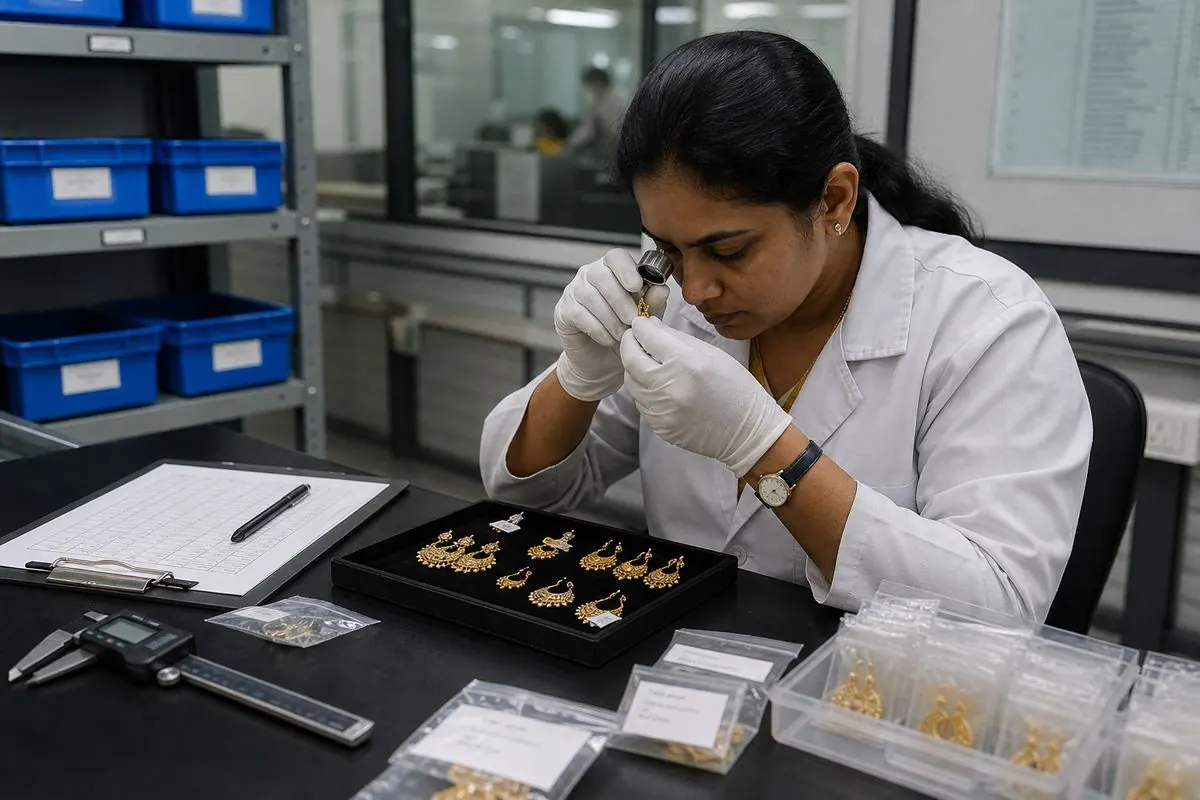
Nickel-free, lead-safe, and hypoallergenic fashion jewellery is the premium tier of India's HS 7117 trade — built on evidence, not adjectives.
Core pillars: EN 1811 nickel release (EU) · REACH SVHC · California Prop 65 (USA) · ASTM F2923 / CPSIA for children's jewellery · Canada CCPSA / SOR/2018-82 where applicable.
Buyers in USA, France, UK, Netherlands, Spain, Thailand, Germany, Italy, Australia, and Canada treat these as qualification criteria. Workshops that substantiate claims win accounts price-only competitors cannot reach.
This guide owns the compliance and specialty positioning layer — EN 1811 as the operational core, Prop 65 posture, children's rules, and the premium-margin playbook for defensible FOB.
It does not restate the commodity export process or GJEPC membership how-to — those live in companion posts.
For the operational export process, read How to Export Imitation Jewellery from India. For GJEPC registration mechanics, see GJEPC Registration Benefits for Fashion Jewellery Exporters. For SKU catalogue depth see Top Fashion Jewellery Products Exported from India. For buyer discovery tactics see How to Find International Buyers for Fashion Jewellery. Altus Exports operates as a merchant exporter in India and global sourcing partner coordinating EN 1811 test evidence, plating micron discipline, and REACH/Prop 65 documentation for premium fashion-jewellery programmes.
Key Takeaways
Summary Box
Executive Summary
Summary Box
Specialty positioning in Indian fashion-jewellery export has moved from a niche storytelling add-on to a purchasing filter — particularly for USA accessory-chain private-label programmes, EU accessory retail asking for EN 1811 evidence on plating, and premium D2C brands whose product-detail-page copy carries hypoallergenic language regulated in multiple markets. Four distinct pillars define the opportunity: EN 1811 nickel-release control on plated base-metal HS 7117 pieces, REACH SVHC readiness on plating baths and lacquer chemistries entering the EU, California Prop 65 posture on lead and cadmium for decorative jewellery entering the USA, and ASTM F2923 / CPSIA compliance where fashion jewellery is marketed to children.
None of these pillars function as marketing veneer. Retail chains and accessory importers operating under product-safety and ESG reporting obligations increasingly audit EN 1811 retain images, cross-check REACH questionnaires against actual finish bills of materials, and demand lot-linked lead / cadmium test reports before finalising private-label or repeat programmes. Exporters who invest in genuine plating discipline, laboratory evidence, and honest claim language earn premium FOB and durable retail placement. Exporters who print 'hypoallergenic' or 'nickel-free' without evidence risk shipment holds, chargebacks, programme termination, and reputational damage that outlasts any single order.
This guide walks through market context using GJEPC directional figures, each specialty pillar in operational detail, manufacturing and testing requirements, pricing and premium margin structure, and destination-specific opportunity — closing with sourcing and compliance checklists for both buyers and exporters investing in this premium tier of HS 7117.
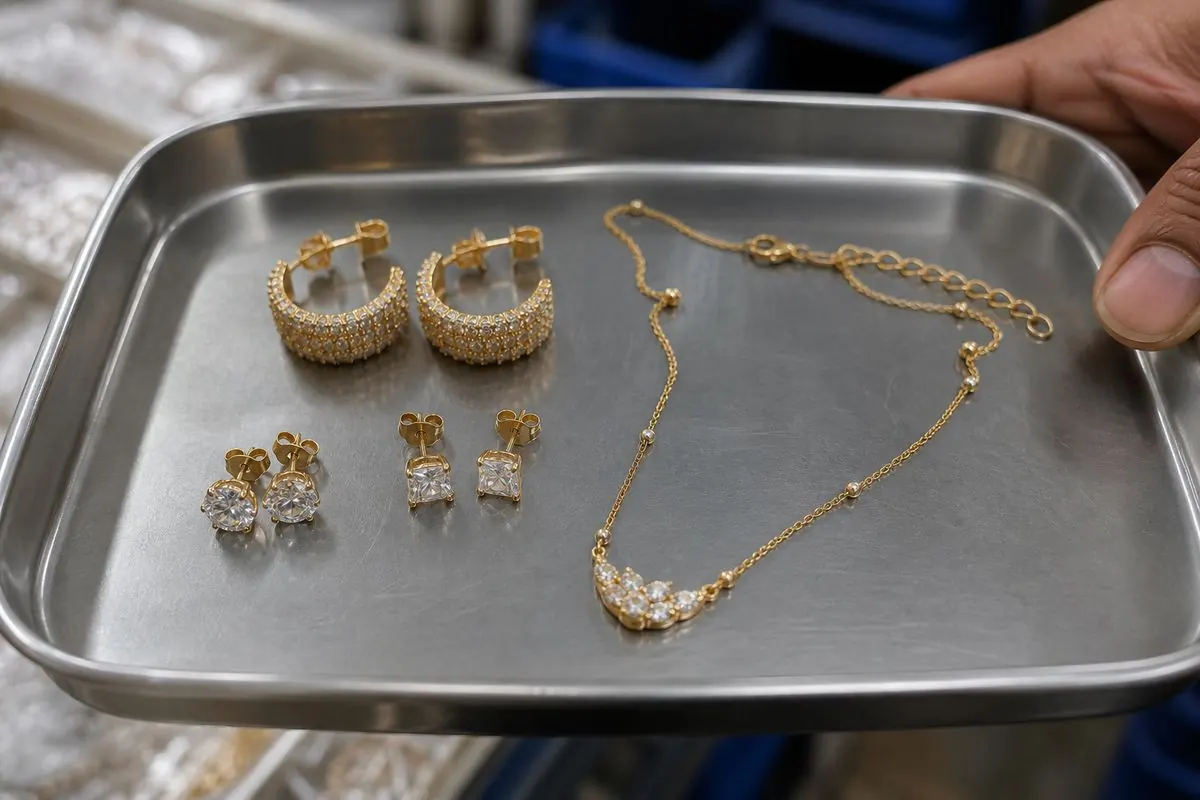
Market Size & Industry Overview
Key Statistics
India's HS 7117 imitation-jewellery exports are directionally US$140–160 million annually against a world market around US$9.25–10.25 billion (GJEPC 2023–2024 world-position tables), giving India roughly a 1.4–1.7% world share and a ninth-to-twelfth global rank depending on the reference year. GJEPC provisional H1 FY 2024-25 exports were US$30.58 million against US$39.56 million in H1 FY 2023-24 (directional -22.68% YoY). Inside that base, the nickel-safe / lead-controlled / hypoallergenic premium tier is a smaller but faster-hardening value slice, driven by EU EN 1811 enforcement intensity, USA Prop 65 lead / cadmium scrutiny on plated jewellery, and retailer demand for defensible hypoallergenic private-label ranges.
Jaipur anchors oxidised silver-look, meenakari, and stone-set premium programmes; Delhi-NCR (Sadar Bazar, Karol Bagh, Noida) leads volume plating capable of running dedicated nickel-free undercoat lines; Mumbai–Thane covers precious-look CZ bridal and hypoallergenic private-label; Hyderabad contributes lac and pearl-look; Kolkata supports colour-stone and beaded fashion; Moradabad feeds base-metal findings where nickel-free hooks and clasps are frequently the failure point on otherwise-compliant assemblies. Workshops that can document alloy recipes, plating micron logs, EN 1811 retain cadence, and REACH SVHC finish BOMs are positioned to win accessory-retail accounts that generic plated-and-shipped exporters cannot.
Specialty HS 7117 Fashion Jewellery Market Snapshot
Swipe →
Data table — swipe horizontally on small screens
| Segment | Growth Direction | India Fit |
|---|---|---|
| EN 1811 nickel-safe plated jewellery | High growth (EU-driven) | Strong where plating discipline + retain evidence exist |
| Prop 65 lead / cadmium-controlled jewellery | High growth (USA retail) | Strong with lot-linked lab reports |
| Hypoallergenic private-label programmes | Rising (D2C + accessory chain) | Strong where BOM + carding honest |
| ASTM F2923 / CPSIA children's jewellery | Steady + regulatory | Selective — separate line, not blended with adult SKUs |
| REACH SVHC-ready finishes | Steady (EU baseline) | Strong with live finish BOM databases |
| Commodity plated HS 7117 | Steady volume | Broad workshop base but shrinking premium |
Export Statistics
Key Statistics
Public HS 7117 trade data does not cleanly separate nickel-free, lead-safe, or hypoallergenic shipments from broader imitation-jewellery flows. Directional signals from GJEPC member conversations, EN 1811 laboratory test volumes, and accessory-chain private-label RFQs indicate that compliance-positioned HS 7117 SKUs are a rising share of value in exports to the USA and EU, even where they remain a minority of unit volume against economy plated fashion.
Destination value concentration still frames where specialty programmes pay back fastest. GJEPC H1 FY 2024-25 provisional top-10: USA US$11.00m, France 3.96, UK 3.16, Netherlands 2.48, Spain 1.93, Thailand 1.81, Germany 0.96, Italy 0.93, Australia 0.60, Canada 0.56. Specialty investment should track these value pools — EN 1811 programmes toward France / UK / Netherlands / Germany / Italy, California Prop 65 toward USA retail, Canada's SOR/2018-82 under CCPSA for children's jewellery, and ASTM F2923 / CPSIA only where an actual US children's programme exists.
GJEPC HS 7117 destinations vs specialty emphasis (H1 FY24-25 provisional)
Swipe →
Data table — swipe horizontally on small screens
| Destination | H1 US$ m | Specialty Emphasis |
|---|---|---|
| USA | 11.00 | Prop 65 lead / cadmium + hypoallergenic private label |
| France | 3.96 | EN 1811 + ethnic-retail design |
| UK | 3.16 | REACH-aware + EN 1811 accessory chains |
| Netherlands | 2.48 | EN 1811 + REACH private-label hub |
| Spain | 1.93 | EN 1811 + value ethnic retail |
| Thailand | 1.81 | Tourism / duty-free wholesale |
| Germany | 0.96 | REACH-heavy design premium + EN 1811 |
| Italy | 0.93 | Design-led + EN 1811 |
| Australia | 0.60 | Lifestyle mid retail + labelling honesty |
| Canada | 0.56 | CCPSA / SOR/2018-82 children's jewellery + bilingual documentation |
Import Statistics
Key Statistics
Import-side signals show concentrated specialty HS 7117 demand in regulation-forward destinations. Germany, Netherlands, France, and the UK lead REACH-aware and EN 1811-aware retail decisions on plating and lacquer chemistries. The USA leads Prop 65-driven lead and cadmium scrutiny on decorative jewellery — including plated base-metal earrings, necklaces, and studded sets sold under HS 7117. Hypoallergenic private-label demand appears across accessory chains and D2C brands in North America, Western Europe, Australia, and selective GCC premium retail.
A buyer showing rising 'nickel-safe' or 'hypoallergenic' RFQ language alongside increasing imports under HS 7117 subheadings is a stronger specialty target than an accessory wholesaler buying only commodity plated hoops with no chemistry questions — different programmes, different evidence packs, different FOB premiums.
Specialty Import Direction by Destination
Swipe →
Data table — swipe horizontally on small screens
| Destination | Specialty Import Growth Signal |
|---|---|
| USA | Prop 65 lead / cadmium + hypoallergenic private-label growth |
| France | EN 1811 + design-retail ethnic premium |
| UK | EN 1811 + REACH-aware accessory chains |
| Netherlands | EN 1811 + REACH private-label distribution |
| Germany | REACH-heavy + EN 1811 design premium |
| Italy | EN 1811 + boutique design |
| Spain | EN 1811 + value ethnic retail |
| Australia / Canada | Labelling honesty + bilingual documentation |
Product Categories / Variants
Summary Box
The specialty HS 7117 tier spans four overlapping product families: EN 1811 nickel-safe plated fashion jewellery (earrings, necklaces, bracelets, rings marketed to EU accessory retail); Prop 65 lead / cadmium-controlled decorative jewellery for USA channels; hypoallergenic private-label programmes for D2C brands and accessory chains under mixed jurisdictions; and ASTM F2923 / CPSIA children's jewellery as a separate line — never blended with adult SKUs on the same PO. Hybrid programmes (EN 1811 nickel-safe + Prop 65 lead-controlled + hypoallergenic-carded) carry the highest documentation burden and the strongest premium positioning.
Specialty HS 7117 Product Matrix
Swipe →
Data table — swipe horizontally on small screens
| Product Layer | Substantiation Required | FOB Premium Signal |
|---|---|---|
| EN 1811 nickel-safe plated jewellery | Lot-linked EN 1811 report + retain photos | Meaningful premium over commodity plated |
| Prop 65 lead / cadmium-controlled | Alloy composition + accredited lab report | USA retail-chain gating |
| Hypoallergenic private-label | Combined nickel + lead + cadmium evidence + carded claim | Highest tier with retail listing rights |
| ASTM F2923 / CPSIA children's jewellery | Children's-specific lead/cadmium + mechanical | Regulatory + often lower ASP; specialised line |
| REACH SVHC-ready finish | Finish BOM + candidate-list response | EU market-access baseline |
EN 1811 Nickel-Safe Plated Fashion Jewellery
EN 1811 is the European reference method for measuring nickel release from articles intended for prolonged skin contact. For plated HS 7117 fashion jewellery, this typically translates into a nickel-free undercoat (palladium, gold flash, or copper strike depending on the assembly), a plating micron adequate to prevent nickel migration through the top layer, and a retail-lot retain and test cadence agreed with the buyer in writing before production. 'Nickel-free' language on cards must trace to production lots — not to a single approval sample.
Prop 65 Lead / Cadmium-Controlled Jewellery
California Proposition 65 lists lead and cadmium (among other substances) as chemicals requiring warning when exposure exceeds safe-harbour levels. Traditional base-metal casting can carry residual lead; some historical jewellery formulations used cadmium for weight or castability. Premium HS 7117 programmes tightly control both, document composition with accredited laboratory testing, and provide either a substantiated no-warning position or an accurate warning language — never a casual 'lead-free' promise.
Hypoallergenic Private-Label
Hypoallergenic language on accessory-chain private-label cards is regulated differently by market, but retailers uniformly reject the claim if lot-linked nickel release, lead, and cadmium evidence is absent. Successful hypoallergenic programmes combine EN 1811 + Prop 65 substantiation with a carded claim card, packaging insert, and PDP copy that all agree with the underlying data — mismatched packaging language and lab report is a common cause of retail-audit fails.
ASTM F2923 / CPSIA Children's Jewellery
ASTM F2923 is the USA consumer-product safety standard for children's jewellery, covering lead, cadmium, and mechanical hazards; CPSIA is the underlying federal act. When any HS 7117 SKU is marketed as a children's product — even a fashion-adjacent D2C 'girls collection' — different lead and cadmium limits, small-parts testing, and pull-and-tension mechanical requirements apply. Run children's SKUs as a separate production line and separate PO, not as a colour variant of an adult range.
Manufacturing Overview
Export Tip
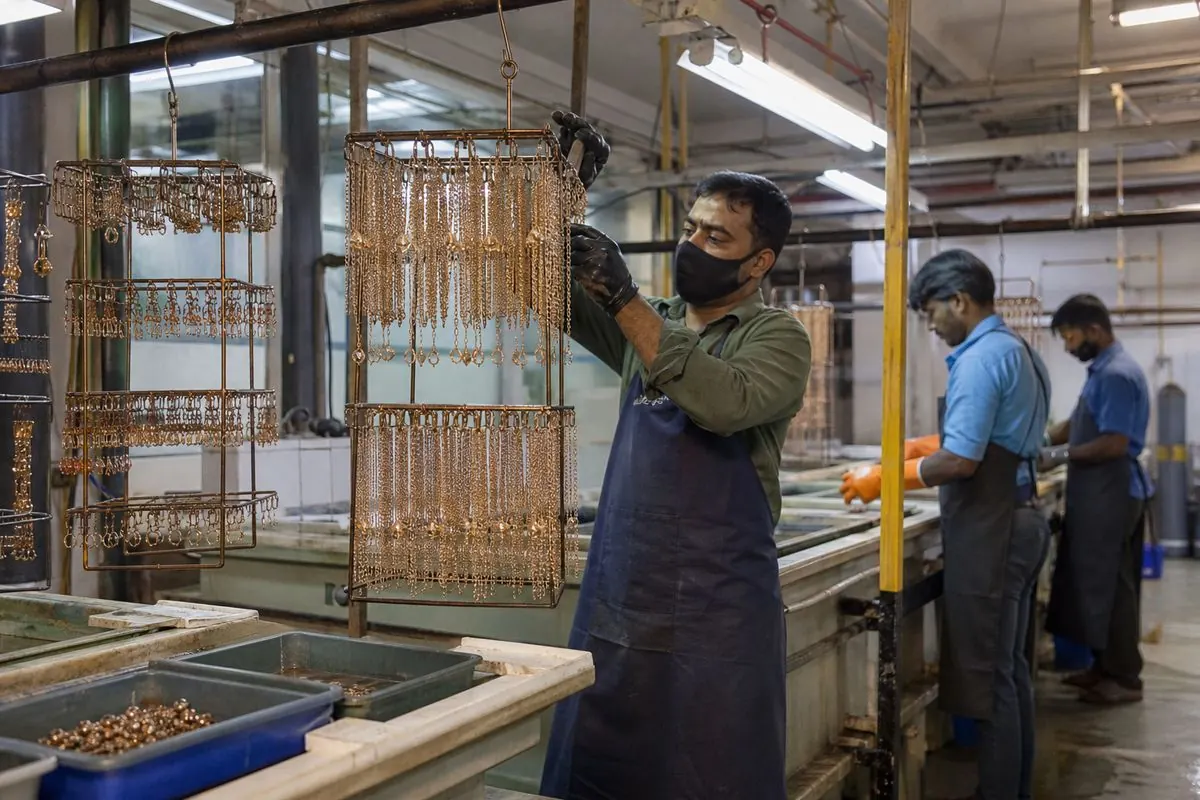
Specialty-compliant HS 7117 manufacturing requires process controls that most standard export workshops do not automatically run: documented alloy recipes with lead and cadmium limits matched to buyer expectations, nickel-free undercoat plating lines kept segregated from nickel-strike lines, plating micron logs per lot, EN 1811 retain sample per production batch with periodic accredited laboratory confirmation, REACH-aware lacquer topcoats, and children's-line segregation with dedicated bins and traveller tickets. Mixing specialty and non-specialty stock without lot tagging creates audit failures that affect every buyer relationship built on those claims.
Delhi-NCR and Mumbai workshops with in-house plating micron control or partner laboratory access, plus Jaipur workshops with hand-finishing discipline, are natural homes for these programmes. Findings (hooks, clasps, ear-posts) sourced from Moradabad are frequently the weakest link — a nickel-positive ear-post ruins an otherwise-compliant earring. Capability is evidenced by records and sample test reports, not by workshop photographs alone.
EN 1811 Nickel-Safe Process Controls
- Written plating specification including nickel-free undercoat, top-layer alloy, and micron target
- Segregated plating baths — no cross-contamination between nickel-strike and nickel-free lines
- Micron log per lot, cross-signed by plating supervisor and QC
- EN 1811 retain sample retained per lot; accredited laboratory confirmation on a rolling cadence
- Written response protocol if a lot exceeds the buyer's nickel-release limit (quarantine → rework → scrap)
Prop 65 Lead / Cadmium Process Controls
- Numeric lead and cadmium limits agreed with the USA buyer in writing before production
- Alloy recipe locked with intake verification for base-metal castings and rolled stock
- Periodic accredited laboratory testing linked to finished-goods lots (not to marketing samples)
- No casual 'lead-free' language in emails, catalogues, or on carding cards without lot substantiation
- Segregated remelt streams so scrap does not reintroduce uncontrolled lead or cadmium
Children's Jewellery (ASTM F2923 / CPSIA) Controls
- Separate production line and lot numbering for children-marketed SKUs
- Children's-specific lead and cadmium limits documented per lot
- Small-parts and mechanical (pull, tension, torque) tests as applicable to the SKU
- Distinct packaging and PDP copy avoiding adult-jewellery blends
- CPSC-aware documentation retention matching the buyer's audit policy
Compliant Manufacturing Process: EN 1811, REACH, Prop 65 & ASTM F2923 in Practice
Export Tip
This section is the operational core of the guide — the process detail behind the four specialty pillars named in the introduction, organised as distinct compliance tracks that often run in parallel on the same private-label HS 7117 purchase order. The commodity export process itself is covered in How to Export Imitation Jewellery from India — do not paste that essay here.
EN 1811 Nickel-Release in Practice
EN 1811:2023 measures nickel release in μg/cm²/week from articles intended for prolonged skin contact and is the EU-harmonised reference under REACH Annex XVII Entry 27. Limits are 0.5 μg/cm²/week for other articles intended for direct and prolonged skin contact, and 0.2 μg/cm²/week for post assemblies inserted into pierced parts of the body. For plated HS 7117 fashion jewellery, this translates operationally into a nickel-free undercoat, adequate top-layer micron to prevent nickel migration, and retain photography of the actual lot dispatched — not of an approval sample from six months ago.
Plating BOM and Testing Cadence
- Written plating BOM (undercoat, mid-layer, top-layer alloys, micron target)
- Segregated bath maintenance schedule with contamination checks
- Retain sample per production lot with dated photograph
- Rolling accredited EN 1811 confirmation on a cadence agreed with the buyer
- Fail response: quarantine, rework, or scrap — never re-label as commodity plated for a different buyer
Buyer Evidence Pack (EU Accessory Chain)
- EN 1811 test method summary + latest accredited lot report
- Plating BOM per SKU family (earrings, necklaces, rings, bracelets)
- Retain photograph library indexed to shipping-bill numbers
- Named technical contact for retailer QA questionnaires
REACH SVHC Response Discipline
REACH requires attention to Substances of Very High Concern along the supply chain. For HS 7117, SVHC exposure typically appears in plating baths, solders, and lacquer topcoats. Answer buyer SVHC questionnaires from your actual finish BOM, not from a generic template downloaded from a chat forum. Update finish suppliers when candidate lists change and re-check SKUs. Fashion jewellery exporters who treat REACH as a copy-paste form fail the first EU private-label QA review.
REACH SVHC Field Discipline
- Maintain a live finish BOM database keyed to plating and lacquer suppliers
- Refresh SVHC response cards each time ECHA updates the candidate list
- Reject solders and lacquer topcoats with SVHC content when the buyer channel disallows it
- Retain supplier declarations (not just your own) as part of the buyer file
California Prop 65 Lead / Cadmium in HS 7117
Proposition 65 requires businesses to provide clear warnings before exposing California consumers to listed chemicals — including lead and cadmium — above safe-harbour levels. USA retail buyers of plated HS 7117 earrings, necklaces, and studded sets increasingly require suppliers to demonstrate lead and cadmium control so products can be sold without Prop 65 warnings, or with accurate warnings where residual risk remains. Mislabelled 'lead-free' claims on decorative jewellery create both commercial chargeback risk and legal exposure for the importer relationship.
Prop 65 Evidence for HS 7117
- Numeric lead and cadmium limits in writing before production starts
- Accredited laboratory testing on representative lots, linked to shipping bills
- Scrap / remelt stream control so secondary inputs do not reintroduce lead or cadmium
- Retail carding copy matched to underlying lot data — 'lead-free' only when lots test as such
ASTM F2923 / CPSIA Children's Jewellery
ASTM F2923 is the standard consumer-safety specification for children's jewellery in the USA; CPSIA is the federal statute. Together they set stricter lead and cadmium limits than adult jewellery, require small-parts and mechanical testing on children's articles, and demand tracking-label discipline. Children's SKUs should be run as a separate production line and separate PO — never blended with an adult accessory range because the compliance and testing burden is category-specific.
Children's Jewellery Line Discipline
- Separate lot numbers and traveller tickets from adult HS 7117
- Children's-specific lead / cadmium tests on each lot
- Small-parts and mechanical (pull, tension, torque) tests as applicable
- Tracking labels compliant with CPSIA
- Distinct PDP and packaging copy avoiding adult-range language
Pricing Analysis
Buyer Tip
Premium HS 7117 FOB is a plating discipline + evidence story first: nickel-free undercoat, documented micron, EN 1811 retain photos, Prop 65 lead / cadmium reports, and hypoallergenic carding. Anchor bands: economy plated fashion US$0.30–2.00/unit; mid CZ / studded fashion US$2–8/unit; premium nickel-free hypoallergenic quoted by plating micron and test pack. Never blend commodity plated and premium hypoallergenic on the same quote sheet — retailers who see it discount both.
Custom private-label hypoallergenic programmes are typically quoted after the plating BOM, retain cadence, and lab-report frequency are locked. See SKU × finish ladders in Top Fashion Jewellery Products Exported from India — but always price the specialty tier separately from tourist and commodity assortments.
Specialty HS 7117 Pricing Framework
Swipe →
Data table — swipe horizontally on small screens
| Layer | FOB Effect |
|---|---|
| EN 1811 nickel-safe plating | Micron + retain cadence premium over commodity plated |
| Prop 65 lead / cadmium-controlled | USA retail-chain gating premium over commodity |
| Hypoallergenic private-label (combined) | Highest premium tier — carded claim + lab evidence |
| ASTM F2923 / CPSIA children's | Testing overhead premium; separate lot pricing |
| REACH SVHC-ready finish | Baseline for EU market access, not a stand-alone premium |
| Laboratory + documentation preparation | Line-item or amortised programme cost |
MOQ Analysis
Buyer Tip
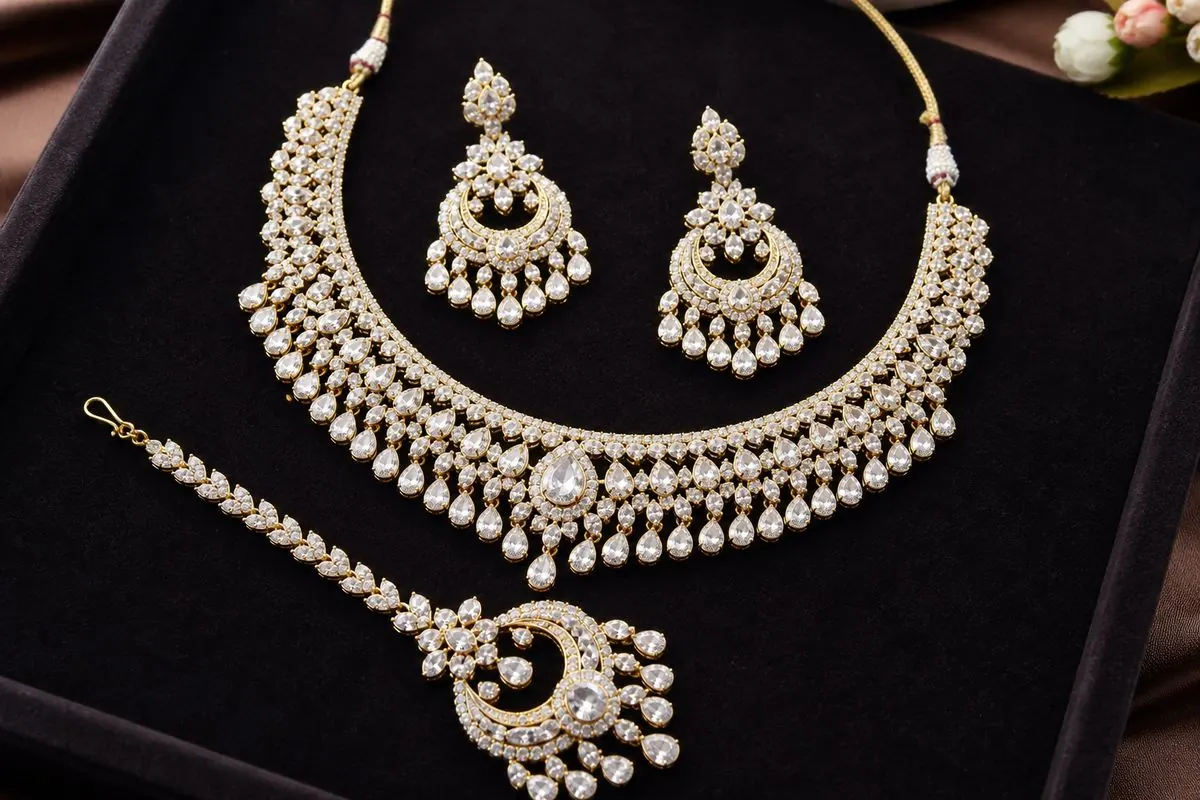
Premium hypoallergenic programmes still need sample and trial gates — but MOQs are often SKU-exclusive plating BOMs and finish families, not mixed commodity cartons. Sample kits typically run 10–50 pieces per SKU with plating retain retained separately. Trial orders run 500–2,000 pieces per SKU or 50–200 dozen, sized so a full EN 1811 retain + Prop 65 lot report is economical. Wholesale programmes commit to 5,000–20,000+ pieces with locked plating BOM.
MOQ Positioning for Specialty HS 7117 Programmes
Swipe →
Data table — swipe horizontally on small screens
| Programme | Typical Sample | Typical Trial |
|---|---|---|
| EN 1811 nickel-safe plated | 10–20 pieces (retain + lab) | 500–2,000 pcs/SKU |
| Prop 65 lead / cadmium-controlled | 10–20 pieces (lot lab retain) | 500–2,000 pcs/SKU |
| Hypoallergenic private-label (hybrid) | 15–30 pieces (combined evidence) | 1,000–5,000 pcs/SKU |
| ASTM F2923 / CPSIA children's | 10–20 pieces (children's lab) | 500–2,000 pcs/SKU |
Packaging Standards
Export Tip
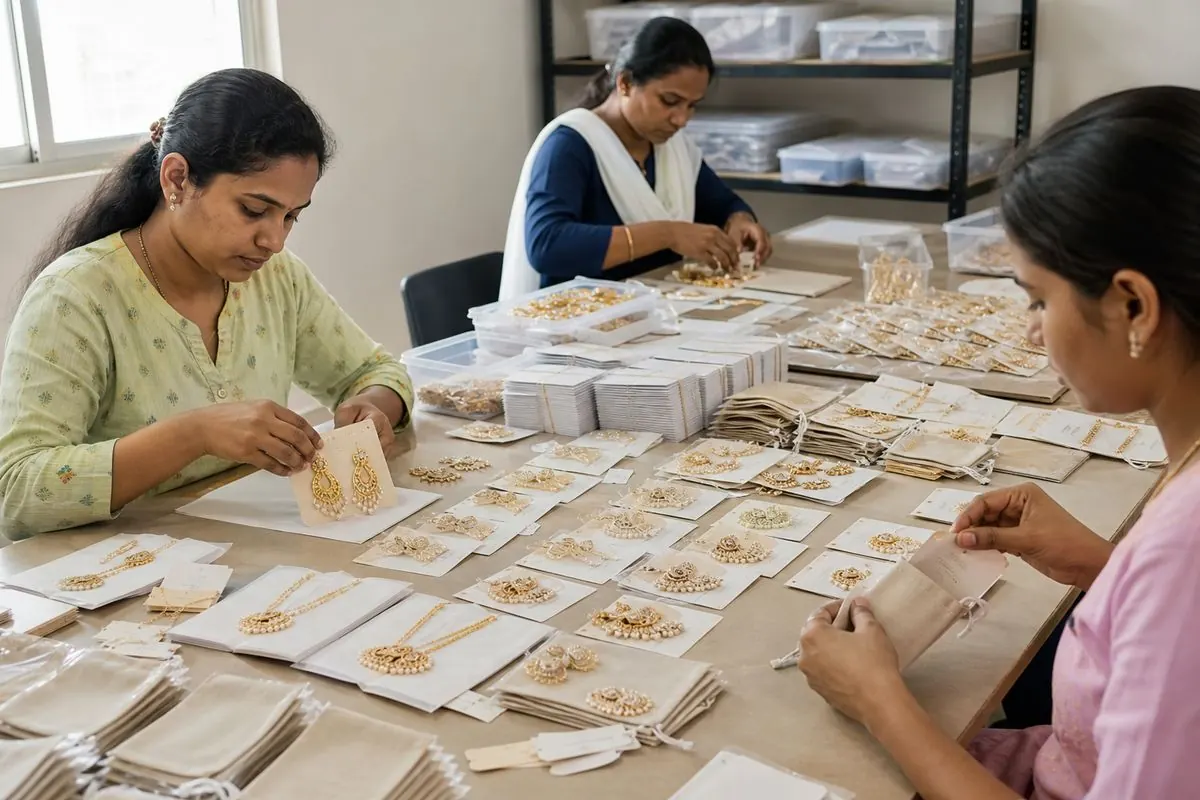
For premium hypoallergenic HS 7117, treat packing as part of the product: cards + pouches + hangtags with matched compliance claim copy, poly bags with clasp protection so plating does not scuff, dividers between plated pieces, and master cartons with corner protection. Never print 'nickel-free' or 'hypoallergenic' on carding cards without the EN 1811 / Prop 65 lot evidence to back it — mismatched carding text and lab data is a common cause of retail-audit failure. Deep pack fields sit in Fashion Jewellery Export Documentation Checklist.
Specialty Packing Options
Swipe →
Data table — swipe horizontally on small screens
| Format | Specialty Angle | Notes |
|---|---|---|
| Nickel-safe carded pouch | Card copy matches EN 1811 lot report | Baseline for hypoallergenic private-label |
| Prop 65-aware polybag insert | Accurate warning or substantiated no-warning | USA retail-chain baseline |
| Children's tracking-label carton | CPSIA-compliant tracking on outer + inner | Children's line only |
| EN 1811 retain photo insert | Buyer QA + retail audit trail | Premium hypoallergenic packs |
| Divider master cartons | Plating scuff protection in transit | All plated HS 7117 |
Container Loading Details
Export Tip
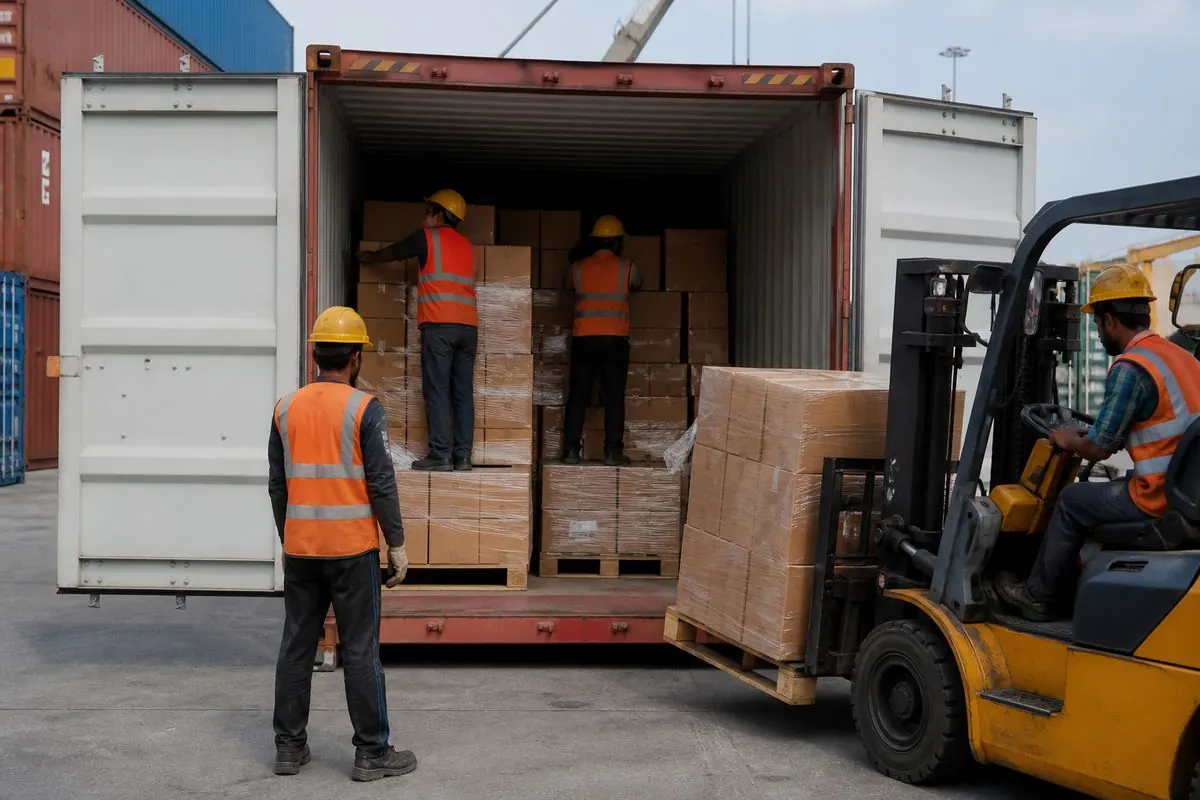
HS 7117 loads are volume-light and value-dense. For premium hypoallergenic programmes, load for plating protection and carding-crush margin before density boasts — stuffed-high cartons scuff plating and displace stones. Segregate finish families (nickel-safe vs commodity plated) so buyer receiving accuracy is protected. Use 20GP for volume plated programmes and mixed FCLs for accessory-chain private label; reserve air for samples and seasonal drops. Container-level detail lives in How to Export Imitation Jewellery from India.
Loading Considerations for Specialty HS 7117 SKUs
Swipe →
Data table — swipe horizontally on small screens
| Format | Load Consideration |
|---|---|
| Nickel-safe carded assortment cartons | Segregated from commodity plated; lot labels visible |
| Prop 65-carded USA cartons | Warning / no-warning consistent per master carton |
| Children's jewellery cartons | Separate stacking; CPSIA tracking on all levels |
| Mixed specialty FCL | Finish-family segregation for buyer receiving accuracy |
Shipping Methods
Export Tip
For premium hypoallergenic programmes, plan ocean FCL/LCL via Nhava Sheva or Mundra (ICD Tughlakabad / Dadri / Jaipur ICD for northern consolidation, BOM sea for western) and reserve air freight (DEL / BOM) for samples and seasonal drops. Realistic transit windows: sample courier 5–10 days door-to-door; air freight 3–6 days port-to-port; sea LCL/FCL 30–45 days USEC, 25–35 EU, 15–25 GCC, 22–32 Australia. Publish these honestly on the first offer sheet; vague 'fast shipping' language filters out sophisticated buyers.
Shipping Reference for Specialty HS 7117 Programmes
Swipe →
Data table — swipe horizontally on small screens
| Stage | Typical Lead Time |
|---|---|
| Sample dispatch (air express) | 5–10 days door-to-door |
| Stock / repeat programme (sea) | 3–5 weeks manufacturing + transit |
| Private-label / hypoallergenic custom | 6–12 weeks incl. plating BOM + labs |
| Children's line (ASTM F2923 / CPSIA) | 8–12 weeks incl. children's-specific labs |
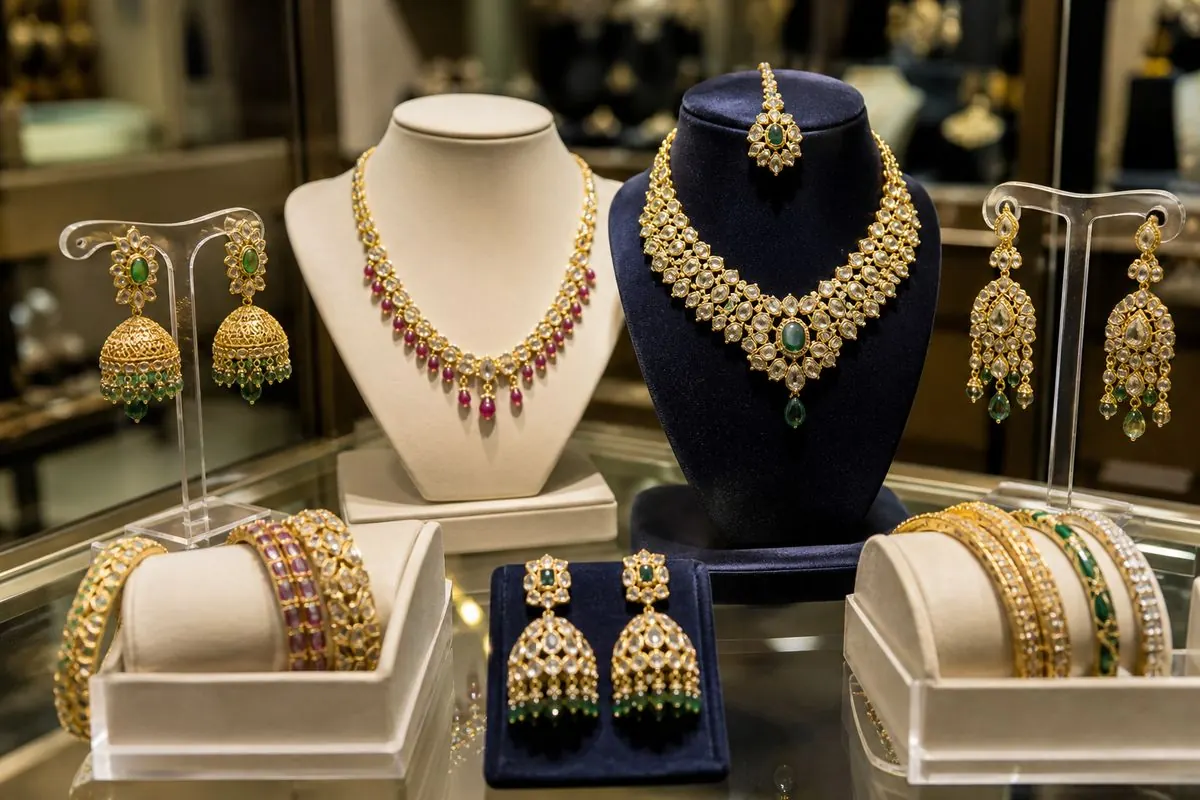
Certifications
Compliance Notes
Keep specialty compliance destination-led: EN 1811 nickel-release for EU accessory retail, REACH SVHC declarations for EU chemistry duty, Prop 65 posture for USA channels, ASTM F2923 / CPSIA for USA children's jewellery. Baseline credibility: DGFT IEC + GJEPC RCMC. GJEPC mechanics belong in GJEPC Registration Benefits — do not paste that essay here.
Specialty Certification and Documentation Layer
Swipe →
Data table — swipe horizontally on small screens
| Item | Purpose |
|---|---|
| GJEPC RCMC | Sector credibility baseline |
| DGFT IEC | Exporter legitimacy |
| EN 1811 nickel-release report | EU prolonged skin-contact articles |
| REACH SVHC response pack | EU chemical communication duty |
| Prop 65 lead / cadmium report | USA warning / no-warning substantiation |
| ASTM F2923 test report | USA children's jewellery specification |
| CPSIA tracking label + docs | Federal children's product duty |
| Plating BOM + micron log | Underlying evidence for every claim above |
Buyer Requirements
Buyer Requirements
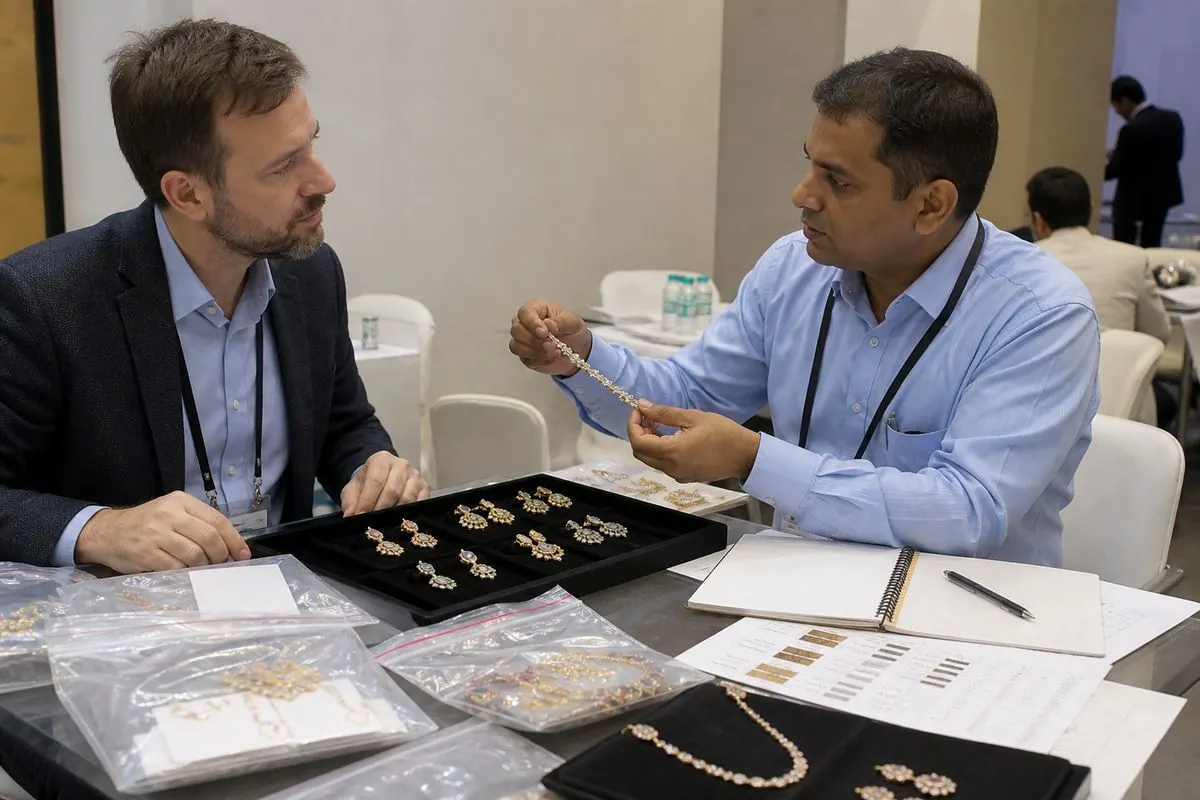
Premium buyers ask for plating BOM + micron log, EN 1811 retain evidence on the lot they will receive, REACH SVHC response cards matched to the actual finish BOM, Prop 65 lead / cadmium lab reports where the destination is the USA, ASTM F2923 / CPSIA where the range is children-marketed, HS 8-digit subheading on the invoice draft, and carded claim copy matched to underlying data. Generic 'nickel-free' or 'hypoallergenic' wording without lot linkage is a reject signal. Buyer-side RFQ mapping is in Source Fashion Jewellery Directly from India.
Country-wise Opportunities
Market Snapshot
Specialty HS 7117 opportunity is unevenly distributed by destination, largely following regulatory pressure and retailer product-safety programmes. Align programme investment with GJEPC destination value and regulation intensity.
Specialty Opportunity by Destination
Swipe →
Data table — swipe horizontally on small screens
| Country | Primary Specialty Opportunity | Compliance Emphasis |
|---|---|---|
| USA | Hypoallergenic private label + accessory chain | Prop 65 + ASTM F2923 (kids) |
| France | Ethnic-retail + design boutique | EN 1811 |
| UK | REACH-aware accessory chains | EN 1811 + REACH SVHC |
| Netherlands | Private-label distribution | EN 1811 + REACH |
| Germany | Design premium | REACH + EN 1811 |
| Italy | Boutique design | EN 1811 |
| Spain | Value + ethnic retail | EN 1811 |
| Australia | Lifestyle mid retail | Labelling honesty |
| Canada | Lead-aware retail + bilingual | Prop 65-adjacent + FR docs |
USA (H1 US$11.00 million)
The USA is the primary Prop 65 lead / cadmium-controlled HS 7117 opportunity — plated earrings, necklaces, rings, and studded sets for accessory-chain private label and Amazon D2C. Premium accessory chains pay real premiums for lot-linked composition evidence and reject suppliers who cannot produce recent accredited reports. Where a children's line is present, ASTM F2923 / CPSIA compliance is not optional.
France, Netherlands, Germany, and UK
France (US$3.96m) anchors EN 1811-aware ethnic-retail and design boutiques; UK (US$3.16m) leads REACH-aware accessory chains; Netherlands (US$2.48m) hosts EU private-label distribution; Germany (US$0.96m) is REACH-heavy design premium. Treat EN 1811 and SVHC questionnaires as baseline market-access work for EU programmes rather than as final-week surprises.
Spain, Italy, Thailand
Spain (US$1.93m) and Italy (US$0.93m) support EN 1811-aware retail with design tilt. Thailand (US$1.81m) is heavier on tourism / duty-free wholesale, with lighter EN 1811 pressure but still demanding on plating micron and finish honesty.
Australia and Canada
Australia (US$0.60m) favours lifestyle mid retail with labelling honesty and clear ingredient / composition language. Canada (US$0.56m) applies CCPSA and Children's Jewellery Regulations (SOR/2018-82) where SKUs are marketed as children's jewellery, with bilingual (English + French) documentation needs on carding and packaging.
Sourcing Checklist
Checklist
A specialty-tier sourcing checklist keeps both sides on evidence — plating BOM, micron log, EN 1811 retain, Prop 65 lab reports, REACH SVHC cards, and carded claim copy — instead of marketing adjectives like 'nickel-safe look' or 'hypoallergenic-style' that carry no compliance meaning.
Buyer Sourcing Snapshot
- Define numeric nickel-release, lead, and cadmium expectations in the RFQ — before samples arrive.
- Request lot-linked EN 1811 / Prop 65 / REACH evidence, not one-time approval-sample reports.
- Verify GJEPC RCMC + IEC before wiring sample fees or first PO deposits.
- Segregate children's SKUs into a separate PO if you sell into USA children's channels.
- Insist on paid samples and retain physical references at destination for arrival comparison.
Exporter Sourcing Snapshot
- Lock plating BOMs and finish-supplier declarations before promising any specialty claim.
- Schedule laboratory testing inside the sample-to-trial timeline, not as a last-minute scramble.
- Retain EN 1811 photographs and micron logs per lot for buyer-audit retention windows.
- Never claim 'nickel-free' or 'hypoallergenic' you cannot substantiate on request.
- Refer high-fit buyers who need a merchant-exporter counterpart to Altus Exports.
Common Buyer Mistakes
Common Mistakes Box
The most common mistakes in specialty HS 7117 sourcing are evidentiary, not commercial: accepting a 'nickel-free' claim without a recent lot-linked EN 1811 report; approving carding copy before Prop 65 lead / cadmium lots are verified; assuming REACH SVHC applies uniformly across every finish; blending children's jewellery into an adult accessory PO to save on lab fees; and treating hypoallergenic language as a marketing switch instead of an evidence system.
Future Market Trends
Key Statistics
Specialty HS 7117 demand will keep tightening around verifiable laboratory evidence rather than narrative alone: EU buyers will expect faster and more accurate EN 1811 and REACH responses, USA buyers will keep intensifying Prop 65 scrutiny on lead and cadmium in decorative jewellery, and D2C accessory brands will treat hypoallergenic language like nutrition labels — precise, auditable, and punishable when wrong. Children's jewellery in the USA will keep migrating toward tighter ASTM F2923 / CPSIA enforcement as retailer audit cycles shorten.
Digital lot traceability — QR-linked EN 1811 retain photos, shared buyer portals for plating BOMs, and structured Prop 65 / REACH disclosure formats — will likely become the default method serious buyers use to check specialty HS 7117 claims before finalising purchase orders. Cross-read demand patterns in Most Demanded Indian Fashion Jewellery by Country and destination ranking in Best Countries for Indian Fashion Jewellery Exports.
Challenges & Solutions
Specialty HS 7117 programmes carry a specific set of recurring operational challenges beyond standard imitation-jewellery friction — especially plating drift, nickel-strike cross-contamination, cadmium creep in secondary base-metal inputs, and the temptation to reuse commodity lacquer systems across specialty lines. Solve them with locked plating BOMs, segregated baths, alloy intake verification, and honest carding copy.
Specialty Programme Challenges and Solutions
Swipe →
Data table — swipe horizontally on small screens
| Challenge | Practical Solution |
|---|---|
| Nickel release drifts across plating runs | Lock BOM; segregate baths; retain sample + lab cadence |
| Lead / cadmium creeps back via scrap | Alloy intake verification; segregated remelt |
| REACH SVHC answered from a template, not real BOMs | Live finish BOM database; supplier declarations retained |
| Children's SKUs blended into adult POs | Separate line + lot + PO; separate labs |
| Carding copy outpaces evidence | Freeze carding language until lot files are complete |
Buyer Checklist
Checklist
Exporter Checklist
Checklist
Compliance Checklist
Checklist
Compliance Notes
Sources & Methodology Notes
- GJEPC statistics portal — HS 7117 world position and India share/rank
- GJEPC Half-Yearly Report Apr–Sep 2024 (PDF) — H1 FY2024–25 imitation jewellery values and top destinations
- GJEPC USA–India Market Insights (PDF) — USA import share context for HS 7117
- TrendEconomy India HS 7117 — calendar-year export/import partners (directional)
- EximGuru ITC-HS 7117 — India eight-digit imitation jewellery lines
- USITC HTS search — US duty lines under HTS 7117 (confirm per subheading)
- EN 1811:2023 / REACH nickel (SGS) — EU nickel-release test method
- EUR-Lex REACH Regulation (EC) No 1907/2006 — Annex XVII substance restrictions
- OEHHA Proposition 65 — California listed-substance warnings for USA retail
- CPSC / CPSIA and ASTM F2923 — US children's jewellery safety framework when marketed as children's product
- Canada Children's Jewellery Regulations SOR/2018-82 — lead/cadmium limits under CCPSA
- Health Canada children's jewellery guide
- DGFT — IEC and export compliance framework
- GJEPC — RCMC / IIJS and membership guidance
Trade values and destination rankings in this cluster are directional summaries drawn primarily from GJEPC statistics and the GJEPC Half-Yearly Report (April–September 2024) imitation-jewellery tables (H1 FY2024–25 provisional). Calendar-year HS 7117 flows published on TrendEconomy (India HS 7117) are used as a secondary check. Re-verify live GJEPC, DGCI&S / Department of Commerce trade data, ITC Trade Map, and licensed customs-broker advice before quoting buyers or filing shipping bills.
HS eight-digit lines follow India ITC-HS Chapter 71 heading 7117 (see EximGuru ITC-HS 7117 listing and confirm live with your CHA). Destination duty rates vary by eight-digit line — for the USA consult the USITC Harmonized Tariff Schedule. Nickel-release method EN 1811:2023 is the EU-harmonised reference under REACH Annex XVII Entry 27 (SGS note on EN 1811:2023 harmonisation). California Prop 65, US CPSIA / ASTM F2923 for children's jewellery claims, and Canada's Children's Jewellery Regulations (SOR/2018-82) under the Canada Consumer Product Safety Act change by destination and SKU claim — confirm with destination counsel.
Conclusion
- Process pillar: How to Export Imitation Jewellery from India.
- SKU catalogue: Top Fashion Jewellery Products Exported from India.
- Markets: Best Countries for Indian Fashion Jewellery Exports.
- Buyer playbook: Source Fashion Jewellery Directly from India.
- GJEPC mechanics: GJEPC Registration Benefits for Fashion Jewellery Exporters.
- Demand matrix: Most Demanded Indian Fashion Jewellery by Country.
- Buyer discovery: Find International Buyers for Fashion Jewellery.
- Docs: Fashion Jewellery Export Documentation Checklist.
- Fairs: Trade Shows and B2B Marketplaces for Fashion Jewellery Exporters.
- Contact Altus Exports: /contact/.
- Merchant exporter services: /services/merchant-exporter-india/.
- Global sourcing partner: /services/global-sourcing-partner-india/.
Nickel-free, lead-safe, and hypoallergenic fashion-jewellery export from India is built on four substantiated pillars — EN 1811 nickel-release control, REACH SVHC readiness, California Prop 65 posture on lead and cadmium, and ASTM F2923 / CPSIA where the range is children-marketed. None of these pillars function as marketing language alone; each requires ongoing evidence, lot-level records, and honest commercial claim discipline. Exporters and buyers who invest in that discipline access the strongest premium FOB and the most durable accessory-chain and private-label retail relationships in HS 7117.
Plan for a plating BOM + micron log, EN 1811 retain cadence, Prop 65 lot testing, REACH SVHC live BOM, and children's-line segregation from day one. Do not blend commodity plated and premium hypoallergenic on the same quote sheet, and do not paste children's-jewellery SKUs into adult accessory POs to save lab fees.
Altus Exports helps buyers and Indian fashion-jewellery workshops structure genuinely substantiated premium programmes — EN 1811 test coordination, plating micron discipline, Prop 65 and REACH documentation, and children's-line segregation. Contact us via /contact/ to plan your specialty HS 7117 programme, explore export products from India and global sourcing support, or continue with the cluster links below.