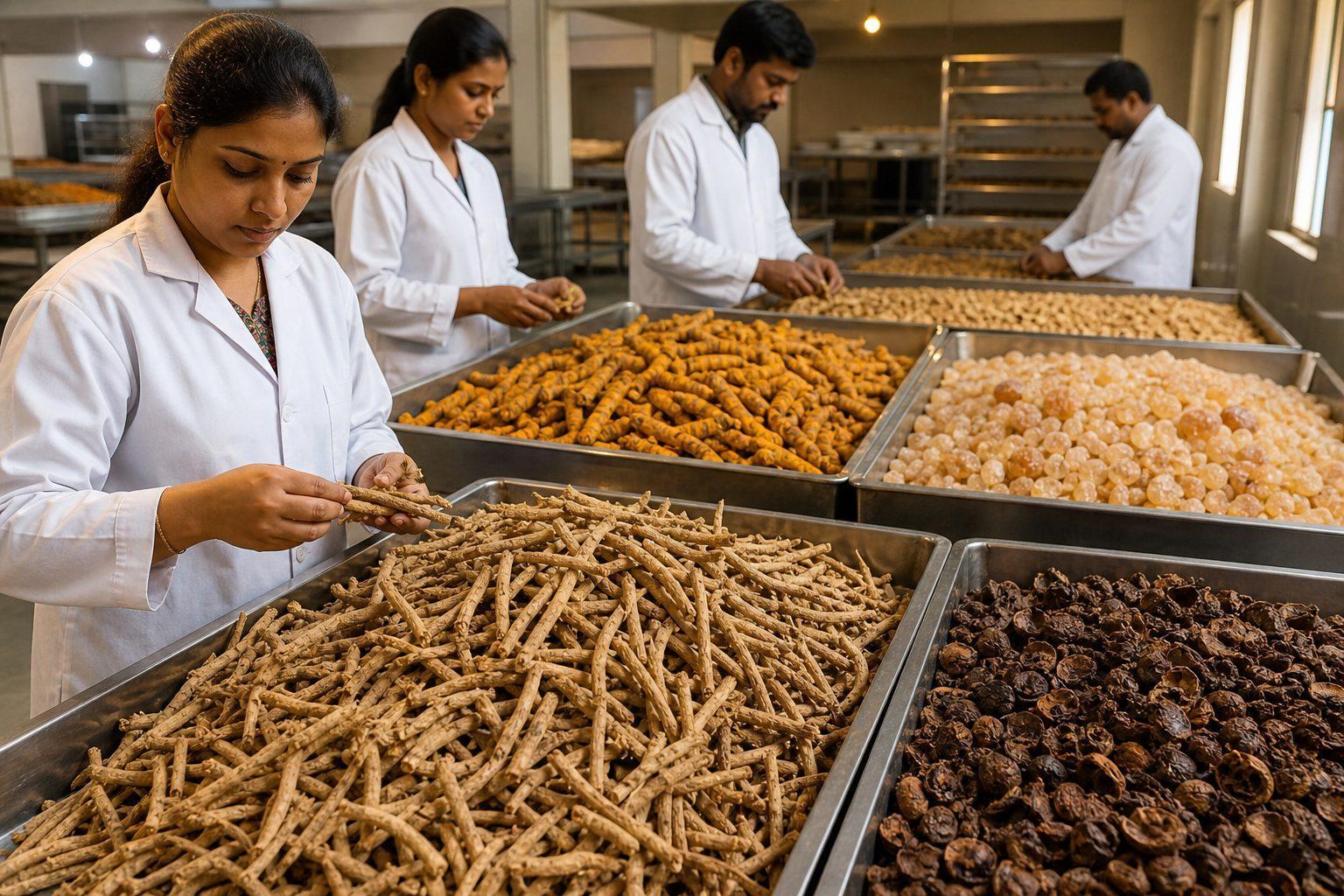
AYUSH & FSSAI Registration Benefits for Herbal Extract Exporters
By Saurabh Mittal, Founder, Altus Exports
How AYUSH and FSSAI registrations unlock buyer credibility, premium pricing, and market access for Indian herbal extract exporters.
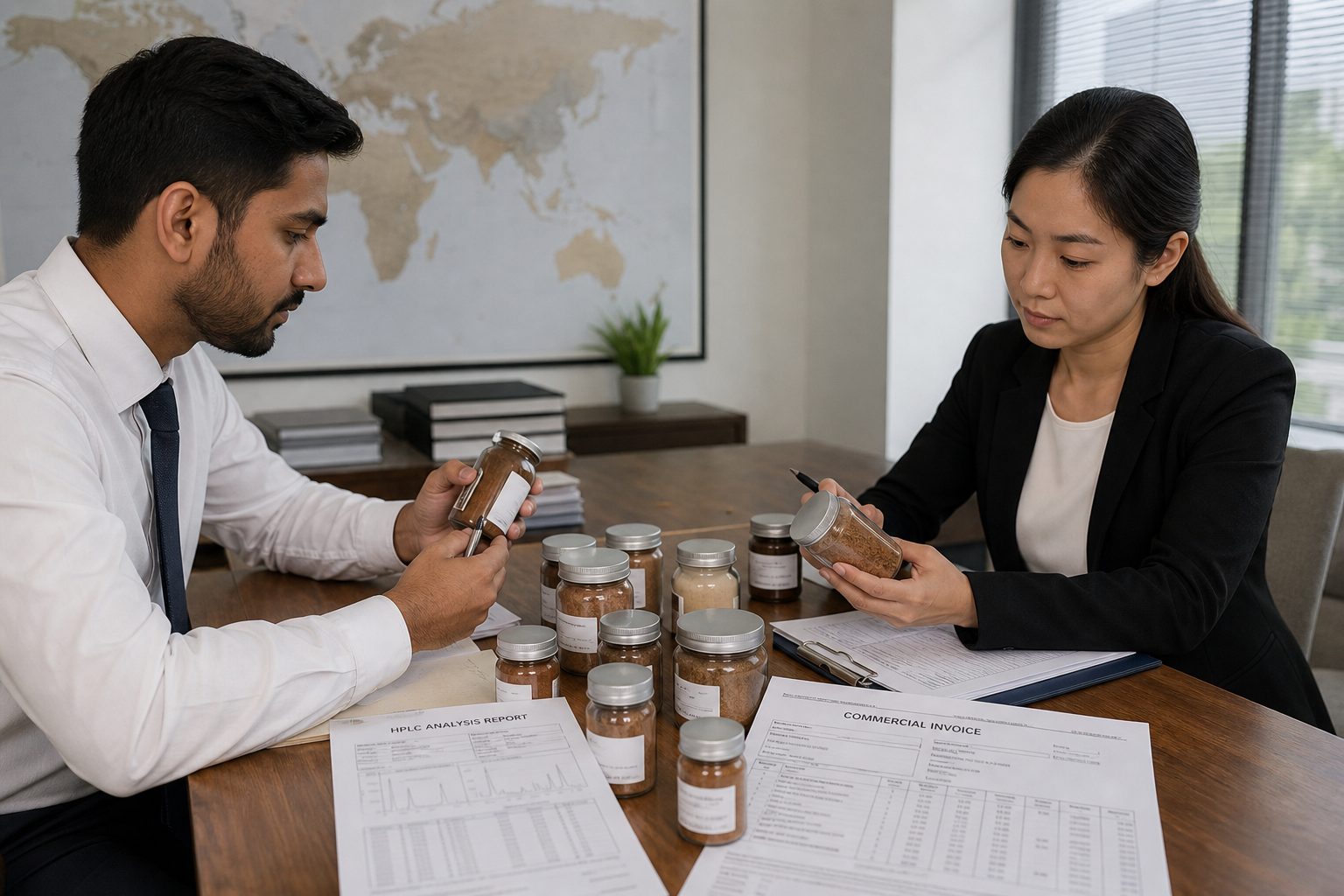
India's herbal extract industry operates at the intersection of ancient botanical tradition and modern pharmaceutical-grade manufacturing. Ashwagandha roots processed in Neemuch, Boswellia serrata resin extracted in Hyderabad, and Bacopa monnieri standardized in Indore all reach international buyers in nutraceutical, cosmetic, and functional food sectors — but only when backed by the regulatory credentials those buyers now require as a baseline, not a differentiator.
AYUSH registration and FSSAI licensing are the two domestic credential pillars that Indian herbal extract manufacturers and exporters must understand clearly before quoting to international distributors, supplement brands, or contract manufacturers. These are not administrative checkboxes to complete after the first order is booked. They are market access credentials that determine which buyer categories you can serve, which price bands are reachable, and whether your Certificate of Analysis and batch records carry legal weight in destination markets.
This guide covers the registration logic of both AYUSH and FSSAI frameworks as they apply to herbal extract exporters, explains how each credential maps to buyer requirements in the US, EU, UK, and Middle East, examines the WHO-GMP alignment question that procurement teams increasingly raise at qualification stage, and shows how Altus Exports operationalizes these compliance layers for exporters and international buyers working on herbal extract programs under HS code 1302.
Readers who need the full process of how to initiate export operations, documentation workflows, and container logistics for herbal extracts should consult sibling cluster articles. This article focuses on the credential logic, buyer credibility mechanics, pricing implications, and GMP alignment that AYUSH and FSSAI registrations specifically deliver for the herbal extract category.
Key Takeaways
Summary Box
- AYUSH Product Registration is essential for botanical medicines and Ayurvedic formulations destined for regulated supplement markets.
- FSSAI licensing governs herbal extracts marketed as food ingredients, functional foods, or nutraceuticals — the fastest-growing buyer segment.
- WHO-GMP certification bridges AYUSH domestic standards and international pharmaceutical buyer requirements for standardized extracts.
- HPLC-verified marker levels (withanolides, curcuminoids, boswellic acids, bacosides) are the COA language international buyers validate against specification sheets.
- Dual AYUSH + FSSAI positioning unlocks both supplement and food ingredient buyer segments without duplicating manufacturing infrastructure.
- Altus Exports appears as exporter of record on HS 1302 shipments and coordinates document sets aligned to AYUSH, FSSAI, and destination-market requirements.
- Certified, HPLC-documented extracts typically command a premium over undocumented commodity powders; the uplift varies widely by botanical, marker %, and destination — treat any percentage band as directional and validate in live RFQs.
- Hyderabad, Indore, and Neemuch clusters contain the highest concentration of WHO-GMP compliant herbal extract manufacturers in India.
Executive Summary
Summary Box
Published estimates of the global herbal extract market vary widely by scope and methodology (several mid-2020s analyst reports cluster roughly in the USD 30–45 billion range, with divergent CAGRs). Treat any single headline figure as directional. India remains a structurally important origin for medicinal botanicals and standardized extracts, with commonly cited medicinal-plant diversity on the order of thousands of species (~7,500–8,000 in many AYUSH/NMPB references) and established processing clusters in Hyderabad, Indore, Neemuch, Bangalore, Ahmedabad, and related corridors.
Within India's herbal extract export chain, regulatory credentialing is the single most direct lever exporters can pull to access premium buyer segments. An ashwagandha extract shipped without AYUSH compliance documentation enters the buyer's quality hold queue before the container is opened. The same extract with AYUSH Product Registration, FSSAI licensing, WHO-GMP certification, and HPLC-verified withanolide content at 2.5% or 5% moves directly to the formulation team for specification review.
AYUSH and FSSAI represent distinct regulatory tracks with different scope, application logic, and international recognition profiles. Understanding which track applies to which extract form and which buyer category — and how to align both tracks to WHO-GMP production standards — is the foundational competency for herbal extract exporters who compete on margin rather than commodity price.
Market Size & Industry Overview
Key Statistics
India's exports of HS 130219 (other vegetable saps and extracts, n.e.s.) totaled about USD 540 million (≈18.9 thousand MT) in calendar year 2024 per WITS/UN Comtrade — the primary verified trade line for most commercial herbal extracts. Broader HS 1302 includes additional product lines and should not be conflated with extract-only programmes. Reconfirm current-year figures via DGCI&S, WITS, or ITC Trade Map before quoting buyers. This growth outpaced the broader pharmaceutical intermediary segment and reflects increasing international demand for India-origin ashwagandha, curcumin, boswellia, bacopa, and moringa extracts across supplement, cosmetic, and functional food end uses.
Industry citations of Ministry of AYUSH dashboard figures have reported on the order of ~9,800 licensed Ayurvedic manufacturing units in late 2024 (verify current counts on e-Aushadhi / Ministry publications). Only a minority operate export-ready standardized extract lines with HPLC and WHO-GMP-aligned systems — treat any 'export-capable plant' count as an estimate, not an audited census. The Ministry's AYUSH Premium Mark initiative, launched in 2021 and expanded through 2024, has attracted growing international buyer interest from European private label supplement brands seeking documented quality assurance beyond basic COA submissions.
Processing clusters in Telangana (Hyderabad), Madhya Pradesh (Indore, Neemuch), and Karnataka (Bangalore) account for approximately 68% of India's standardized herbal extract manufacturing capacity. These clusters benefit from proximity to raw material supply chains — Withania somnifera from Rajasthan and MP, Boswellia serrata from MP and Rajasthan, Bacopa monnieri from UP and Bihar — and established freight access to Nhava Sheva and Mundra for container export.
The nutraceutical supplement channel, which purchases standardized extracts for capsule and tablet formulation, represents the largest volume buyer segment at approximately 42% of Indian herbal extract export value. Cosmetic ingredient buyers (creams, serums, hair care) account for 28%, functional food and beverage applications 18%, and pharmaceutical API-adjacent uses 12%. Each segment has distinct certification preferences that shape which AYUSH and FSSAI registration pathways deliver the highest commercial return.
India Herbal Extract Export Market Snapshot 2025-26
Swipe →
Data table — swipe horizontally on small screens
| Metric | Value | Notes |
|---|---|---|
| Export Value (HS 130219) | ~USD 540 million (CY 2024) | WITS/UN Comtrade; reconfirm current year |
| Prior-year reference (HS 130219) | ~USD 438 million (CY 2023) | WITS/UN Comtrade |
| Global Herbal Extract Market | ~USD 30–45 billion (directional) | Analyst estimates vary by scope; reconfirm |
| Licensed Ayurvedic Mfg Units | ~9,800 (late-2024 citations) | Verify current e-Aushadhi / Ministry figures |
| Export-Grade Producers | ~1,200 | Standardized extract capable |
| Top Cluster States | Telangana, MP, Karnataka | 68% of capacity |
| Primary HS Code | 1302.19 / 13021919–90 | Other vegetable saps/extracts; confirm with broker |
| Key Export Ports | Nhava Sheva, Mundra | FOB standard |
AYUSH Registration: Scope, Application Logic, and Export Benefits
The Ministry of AYUSH regulates the manufacture, sale, and quality of Ayurvedic, Unani, and Siddha medicines and their active ingredient preparations. For herbal extract exporters, the relevant registration pathway is the AYUSH Product Registration (APR), which covers finished formulations and standardized raw extracts that will be incorporated into licensed preparations by downstream buyers.
AYUSH licensing operates at two levels relevant to exporters. The first is the State Licensing Authority (SLA) license issued under the Drugs and Cosmetics Act, which authorizes manufacture of Ayurvedic drugs including extracts at the factory level. The second is AYUSH Premium Mark certification, a voluntary quality mark administered centrally that signals international-grade quality assurance to buyers who may not recognize state-level manufacturing licenses.
From the export credentialing perspective, AYUSH licensing matters most in three buyer contexts: regulated supplement markets where buyers require evidence of GMP-certified Ayurvedic formulation compliance, EU and UK buyers sourcing traditional herbal medicinal products who need documentation that the ingredient originates from a licensed manufacturing facility, and GCC buyers importing under Ayurvedic cosmetic or therapeutic categories where AYUSH documentation is referenced alongside local health authority requirements.
State Licensing Authority (SLA) License: The Baseline
SLA License Application Requirements
Swipe →
Data table — swipe horizontally on small screens
| Requirement | Document / Evidence | Typical Timeline |
|---|---|---|
| Factory layout | Site plan with extraction zones | Submit at application |
| Equipment list | Validated extraction, drying, testing equipment | Submit at application |
| Qualified Person | B.Pharm or Ayurvedic degree holder on site | Mandatory at inspection |
| SOPs | Extraction, testing, batch release, recall | Review at inspection |
| Raw material sourcing | Supplier qualification records | Review at inspection |
| GMP compliance | Schedule T adherence evidence | Inspection finding |
| License validity | 2 years (state-dependent) | Renew before expiry |
Every herbal extract manufacturer legally supplying material for Ayurvedic formulations in India must hold an SLA license issued under Schedule T of the Drugs and Cosmetics Rules, which specifies Good Manufacturing Practice (GMP) requirements for Ayurvedic, Siddha, and Unani drugs. This license is the baseline document that international buyers review when requesting facility qualification documentation.
The SLA license application requires submission of factory layout, equipment list, qualified person (QP) details, standard operating procedures for extraction and testing, and raw material sourcing records. Renewal is typically biennial. For export purposes, a notarized and apostilled copy of the valid SLA license is routinely requested by US and EU buyers during supplier qualification.
Exporters without a valid SLA license shipping material marketed as Ayurvedic extracts are in technical violation of Indian drug regulations regardless of the quality of their product — a compliance gap that international procurement teams increasingly detect during regulatory due diligence.
AYUSH Premium Mark: The International Buyer Signal
The AYUSH Premium Mark (APM) is a voluntary quality certification introduced by the Ministry of AYUSH in 2021 to differentiate high-quality Ayurvedic products in international markets. For herbal extract exporters, obtaining APM certification communicates to buyers that the product meets enhanced standards beyond the minimum SLA license requirements — covering identity testing, heavy metal limits, pesticide residue limits, microbial load, and standardized marker content.
International buyers in Germany, the Netherlands, UK, and Australia who purchase Ayurvedic botanical ingredients for nutraceutical formulation increasingly reference AYUSH Premium Mark in their supplier qualification checklists. The mark provides a consolidated quality signal that reduces the documentation burden during supplier audits because it implies standardized testing against recognized benchmarks.
APM certification requires plant inspection by a designated committee, product testing at NABL-accredited laboratories, and annual renewal with fresh batch testing. The process typically takes 3 to 6 months from application to first grant, making it a medium-term investment that pays returns across subsequent supply agreements with quality-conscious buyers.
Export Benefits of AYUSH Registration
- Documented regulatory status for buyers submitting ingredient dossiers to health authorities in EU, UK, Canada, and Australia.
- Reduced supplier qualification time when AYUSH documents are submitted alongside COA and specification sheets.
- Access to premium buyer segments including European traditional herbal medicinal product (THMP) licensees who require licensed-facility sourcing.
- Government export promotion support under AYUSH export schemes, including Market Access Initiative (MAI) funding for trade show participation.
- Stronger dispute resolution position when batch rejections occur — AYUSH-licensed manufacturers have documented quality systems traceable to regulatory inspections.
- AYUSH Premium Mark on product labels or marketing materials communicates quality differentiation in markets where botanical ingredient provenance is a retail purchasing driver.
FSSAI Licensing: Scope, Categories, and Nutraceutical Market Access
The Food Safety and Standards Authority of India (FSSAI) regulates herbal extracts when they enter the food supply chain — as ingredients in functional foods, as standalone nutraceuticals, or as dietary supplement ingredients sold directly to consumers or formulators. For herbal extract exporters, FSSAI licensing is the critical credential for the nutraceutical channel, which represents the largest single buyer segment by value.
FSSAI's Foods Safety and Standards (Health Supplements, Nutraceuticals, Foods for Special Dietary Use, Foods for Special Medical Purpose, Functional Foods and Novel Food) Regulations 2022 specifically list permitted herbal extracts with defined maximum use levels. An exporter who supplies ashwagandha extract to a US supplement brand that manufactures in India before re-export must ensure FSSAI compliance for the India manufacturing step. An exporter supplying curcumin extract to a European food ingredient importer must demonstrate that the extract meets FSSAI standards as part of a quality system document package.
FSSAI licensing for herbal extract manufacturers operates at three tiers: State License (annual turnover below INR 20 crore), Central License (turnover above INR 20 crore or multi-state operations), and FSSAI Registration (small-scale operations). Export-oriented herbal extract manufacturers should hold Central License regardless of turnover, as Central License documentation carries more weight with international buyers who recognize FSSAI but distinguish between registration grades.
FSSAI Central License: Application Logic for Exporters
FSSAI Central License vs. State License for Herbal Extract Exporters
Swipe →
Data table — swipe horizontally on small screens
| Factor | Central License | State License |
|---|---|---|
| Turnover threshold | Above INR 20 crore or multi-state | Below INR 20 crore, single state |
| Regulatory authority | FSSAI (Central) | State Food Authority |
| International buyer recognition | High — globally referenced | Lower — limited international recognition |
| Export document value | COA with Central License no. accepted by EU, GCC | May require additional attestation |
| Processing timeline | 60-90 days (FoSCoS portal) | 30-60 days (state portal) |
| Renewal cycle | Annual | Annual |
| Proprietary food approval | Required for novel/new herbal ingredients | Limited scope |
Central FSSAI License application for herbal extract manufacturers requires submission of Form B (Food Business application), site plan and layout, list of products with proprietary food dossiers where applicable, equipment and machinery list, water testing reports from NABL-accredited labs, pest control agreement, and qualified food safety management person details. The application is processed online through the FoSCoS portal with typical processing timelines of 60 to 90 days for initial grant.
For nutraceutical and herbal extract operations, the application must specify the extract forms (dry powder, liquid extract, spray-dried), extraction solvents used (water, ethanol, supercritical CO2), drying methods (spray, freeze, fluid bed), and any standardization processes. The FSSAI officer's inspection focuses on contamination controls, solvent residue management, testing protocols, and raw material identity verification — areas that align closely with WHO-GMP requirements.
Exporters should submit the Central License alongside product-specific COAs and specification sheets when responding to buyer qualification requests. FSSAI Central License number appears on product labels for shipments to markets where FSSAI recognition is explicitly referenced, including GCC (through SFDA India-origin food regulations), Singapore (SFA recognition), and select Middle East markets.
Permitted Herbal Extracts Under FSSAI Nutraceutical Regulations
FSSAI's 2022 nutraceutical regulations list specific herbal extracts with permitted forms and maximum use levels. Understanding these limits is critical for exporters who supply ingredient buyers because international formulators reference FSSAI-permitted status as a proxy for regulatory safety screening.
Key extracts with FSSAI-listed status include ashwagandha root extract (Withania somnifera), turmeric extract/curcumin (Curcuma longa), ginger extract (Zingiber officinale), fenugreek extract (Trigonella foenum-graecum), amla extract (Phyllanthus emblica), moringa extract (Moringa oleifera), and bacopa extract (Bacopa monnieri). Extracts not on the positive list require proprietary food approval, adding 6 to 18 months to the market access timeline for novel ingredients.
Exporters positioning extracts for functional food applications — plant-based beverages, fortified snack bars, dairy alternatives — must ensure FSSAI listing status is documented in buyer communications alongside HPLC-verified marker content, solvent residue data, and heavy metal analysis.
FSSAI Export Benefits: Nutraceutical Market Access
- FSSAI Central License enables ingredient supply to India-based contract manufacturers who export finished supplements to regulated markets.
- FSSAI nutraceutical regulation compliance provides a recognizable quality framework for GCC, Singapore, and Southeast Asian buyers.
- FSSAI-listed herbal extracts benefit from streamlined customs entry in certain markets that recognize FSSAI as a food safety authority equivalent.
- FSSAI labeling and specification requirements align with Codex Alimentarius principles, reducing documentation rework for Codex-referencing destination markets.
- Central License documentation supports APEDA registration for companies seeking agricultural produce export certification alongside herbal extract programs.
- FSSAI annual renewal creates a documented quality audit trail that supports buyer confidence in consistent production standards over multi-year supply relationships.
WHO-GMP Certification: Bridging Domestic Standards and International Buyer Requirements
Buyer Requirements
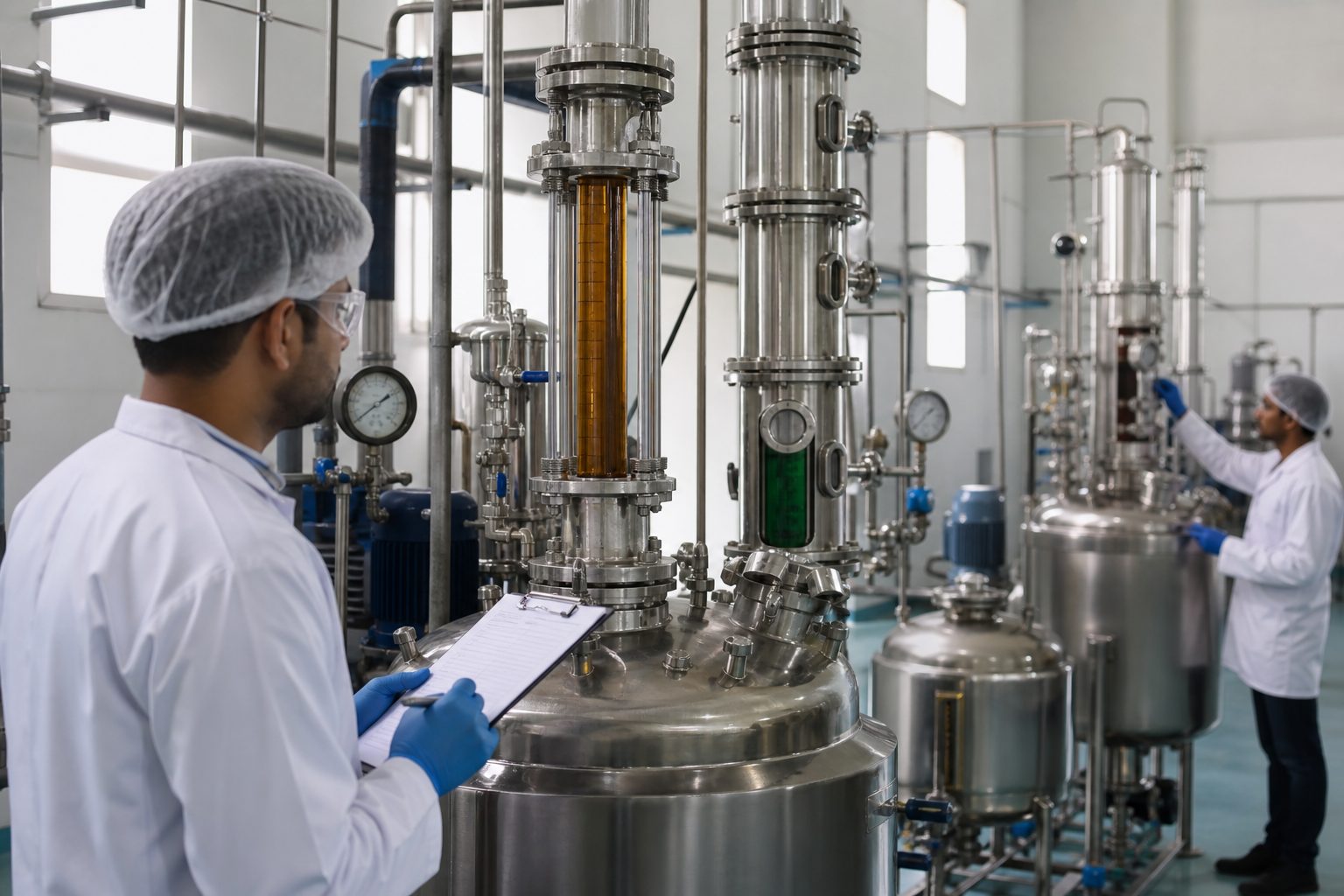
WHO-GMP (Good Manufacturing Practice guidelines issued by the World Health Organization) is the international manufacturing quality standard that pharmaceutical-grade herbal extract buyers — supplement brands, API intermediary users, cosmetic active ingredient purchasers — require as a baseline for supplier qualification. While AYUSH SLA licensing references Schedule T GMP standards and FSSAI licensing references food-grade manufacturing requirements, neither domestic credential directly communicates WHO-GMP compliance to international buyers without supplementary documentation.
Indian herbal extract manufacturers seeking WHO-GMP certification typically engage third-party auditors approved by recognized accreditation bodies to conduct gap assessments followed by certification audits. The resulting WHO-GMP Certificate of Conformity becomes a standalone document that procurement teams in the US, EU, UK, and Japan accept as evidence of pharmaceutical-grade manufacturing discipline without requiring their own factory audits at qualification stage.
The relationship between AYUSH, FSSAI, and WHO-GMP is layered rather than sequential. WHO-GMP is the manufacturing quality umbrella; AYUSH registration defines what you are legally authorized to make; FSSAI licensing defines food-ingredient permissibility. A manufacturer holding all three credentials can serve supplement, food ingredient, and cosmetic buyer segments with comprehensive documentation packages — a competitive position that commodity extract suppliers without credentials cannot match on price alone.
WHO-GMP Scope for Herbal Extract Manufacturers
WHO-GMP guidelines for herbal medicines (WHO Technical Report Series 929) specifically address standardized extract manufacturing, covering facility design, equipment validation, water system qualification, solvent control, extraction process validation, in-process controls, finished product testing, stability studies, batch documentation, and change control. These requirements directly map to the quality attributes buyers verify when auditing Indian herbal extract suppliers.
For ashwagandha extract manufacturers, WHO-GMP validation of extraction yield, solvent residue testing (particularly for ethanol and water extractions), withanolide HPLC assay method validation, and microbial count limits are the audit focal points. For boswellia extract producers, boswellic acid HPLC method validation, heavy metal limits (particularly lead), and resin batch traceability are scrutinized.
AYUSH + FSSAI + WHO-GMP: The Triple-Credential Positioning
Triple-Credential Positioning Matrix for Herbal Extract Exporters
Swipe →
Data table — swipe horizontally on small screens
| Buyer Segment | AYUSH Value | FSSAI Value | WHO-GMP Value |
|---|---|---|---|
| US supplement brand | Traditional herb provenance | Food-grade ingredient status | GMP manufacturing proof |
| EU botanical ingredient importer | THMP-eligible sourcing | Codex-aligned specification | EU pharma-grade equivalent |
| UK MHRA-regulated product | Listed herbal substance | Food additive compliance | MHRA inspection alternative |
| GCC nutraceutical distributor | Ayurvedic authenticity | SFDA food compliance | Manufacturing quality signal |
| Japan health food brand | Botanical identity proof | Safety data support | Manufacturing purity standard |
| Australian TGA-regulated product | Complementary medicine | Food ingredient permitted | TGA GMP equivalent |
HPLC Marker Standards: The Specification Language Buyers Use
High-Performance Liquid Chromatography (HPLC) marker verification is the analytical method by which herbal extract buyers confirm that the standardized constituent level declared on the COA matches what the product actually contains. HPLC-verified markers are not optional quality enhancements for India-origin standardized extracts — they are the specification currency in which buyers negotiate, qualify suppliers, and trigger batch rejections.
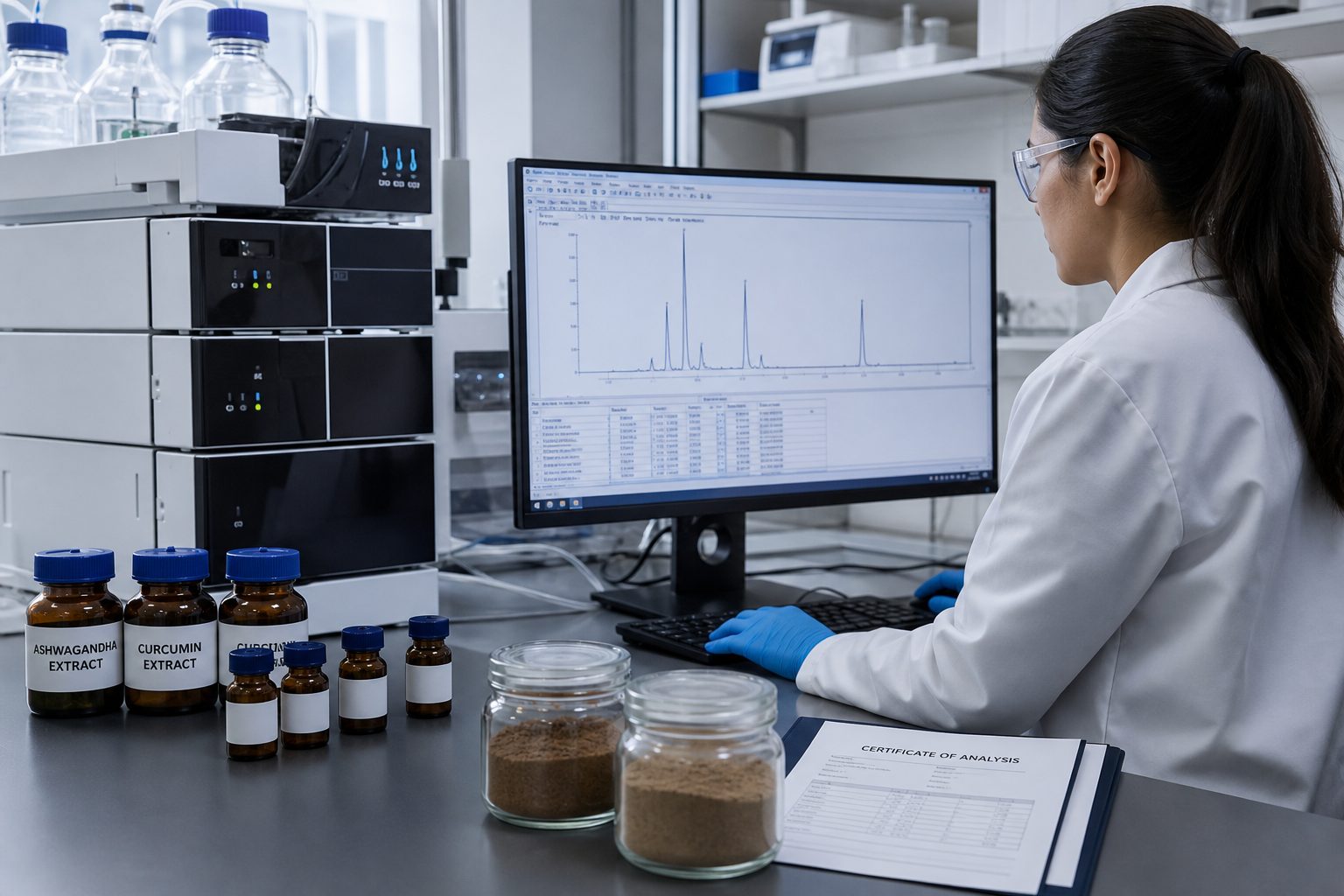
Indian herbal extract manufacturers in Hyderabad, Indore, and Neemuch have invested significantly in HPLC analytical capacity over the past decade, with many facilities maintaining in-house validated HPLC methods alongside third-party NABL-accredited laboratory verification. NABL-accredited COAs — certificates of analysis issued by laboratories accredited under the National Accreditation Board for Testing and Calibration Laboratories — carry international recognition and are accepted by US, EU, and GCC buyers as credible analytical evidence.
The relationship between HPLC standardization and credentialing is direct: AYUSH Premium Mark requires HPLC-verified marker content; FSSAI nutraceutical specification compliance requires analytical testing that HPLC typically performs; WHO-GMP method validation requires that HPLC assay procedures are validated per ICH Q2(R1) guidelines. Exporters who invest in validated HPLC methods and NABL-accredited testing simultaneously satisfy analytical buyer requirements and the testing components of all three credential programs.
Key Indian Herbal Extracts: HPLC Markers & Standard Specifications
Swipe →
Data table — swipe horizontally on small screens
| Botanical | Active Marker | Standard Grade | HPLC Method Reference | Cluster |
|---|---|---|---|---|
| Ashwagandha (Withania somnifera) | Withanolides | 2.5%, 5%, 10% | USP/AOAC/In-house validated | Neemuch, Indore |
| Boswellia (Boswellia serrata) | Boswellic acids | 65%, 70%, 85% | In-house HPLC + UV | Hyderabad, Indore |
| Turmeric (Curcuma longa) | Curcuminoids | 95% | USP method | Hyderabad, Erode cluster |
| Bacopa (Bacopa monnieri) | Bacosides A+B | 20%, 40%, 50% | HPLC-DAD validated | Hyderabad, Indore |
| Ginger (Zingiber officinale) | Gingerols (6-gingerol) | 5% | HPLC-DAD | Kochi, Hyderabad |
| Garcinia (Garcinia cambogia) | Hydroxycitric acid (HCA) | 50%, 60% | Titrimetric + HPLC verify | Hyderabad |
| Fenugreek (Trigonella foenum-graecum) | 4-Hydroxyisoleucine / Saponins | 40% saponins / 40% HI | HPLC-MS for HI | Indore, Rajasthan |
| Amla (Phyllanthus emblica) | Tannins / Vitamin C equivalent | 40% tannins | HPLC + titrimetric | Neemuch, UP |
| Tulsi (Ocimum sanctum) | Ursolic acid / Eugenol | 2.5% ursolic acid | HPLC-UV | UP, MP |
| Guduchi (Tinospora cordifolia) | Tinosporine / Alkaloids | 0.5% alkaloids | HPLC validated | MP, Rajasthan |
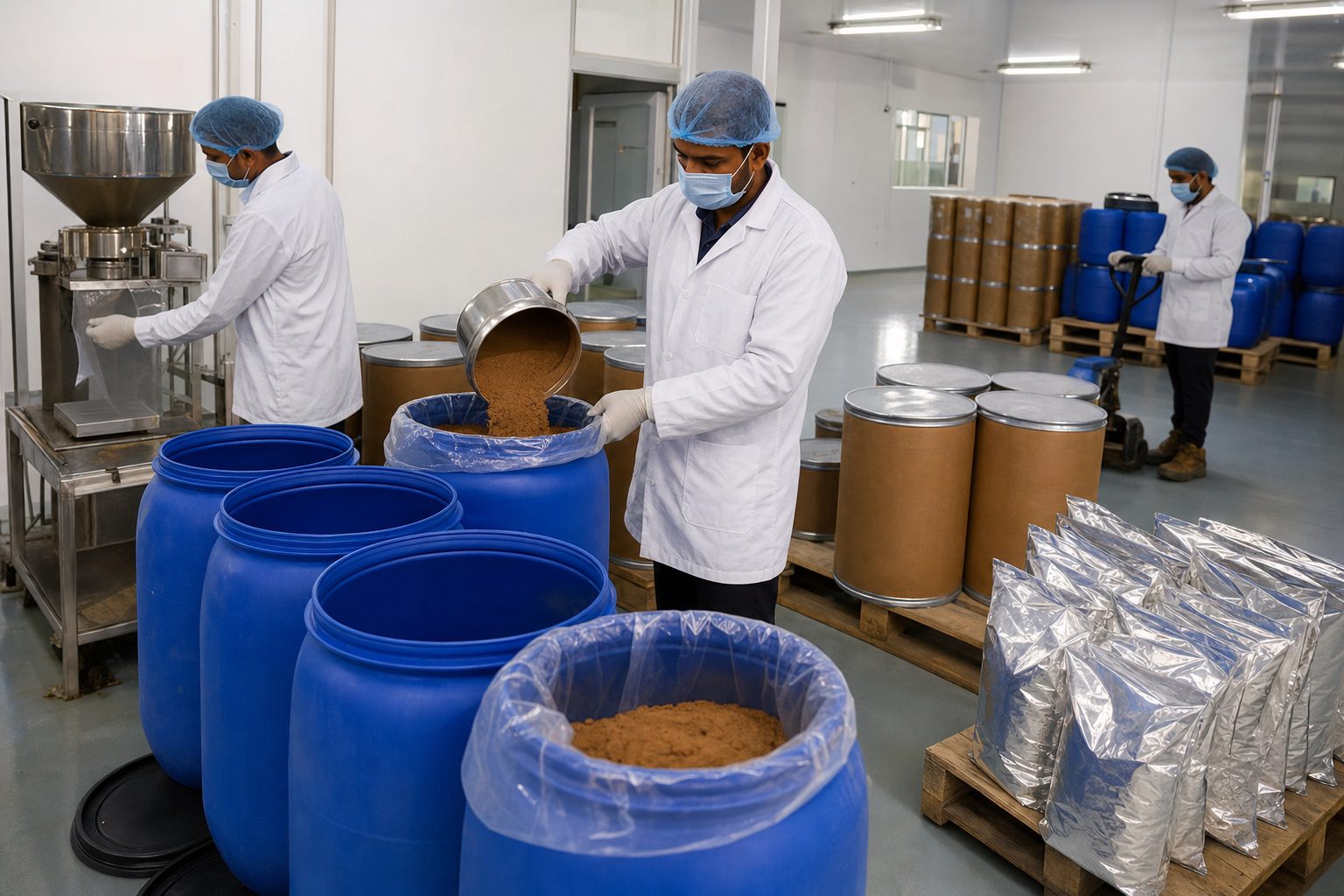
Packaging Standards: HDPE Drums, Label Requirements, and GMP Compliance
Export Tip
Herbal extract packaging for export combines material science, regulatory compliance, and logistics practicality. The industry standard primary container is the HDPE (High-Density Polyethylene) drum — typically 25 kg net fill for standardized powders — which provides chemical inertness, moisture barrier properties, UV light resistance, and compatibility with food-grade and pharmaceutical-grade extract materials.
HDPE drum specifications for WHO-GMP compliant herbal extract packaging include UN-certified containers for hazardous material classification where extraction solvents may remain as residues, food-grade HDPE resin (not recycled), double-lining with food-grade polyethylene bags inside the drum, tamper-evident lid sealing, and batch-coded labels applied to both the outer drum and the inner liner. Drum capacity typically ranges from 25 kg to 50 kg net, with 25 kg being the dominant standard for standardized extract powders.
Label requirements on HDPE drums for international export must include: product name (botanical name + common name), batch number, manufacturing date and expiry date (or best before date), net weight, extraction ratio or standardized marker content, solvent used in extraction, storage conditions, manufacturer name and address with license number, and country of origin. AYUSH-licensed facilities must include the AYUSH license number. FSSAI-licensed facilities must include the FSSAI Central License number. Dual AYUSH + FSSAI licensed manufacturers include both numbers.
HDPE Drum Packaging Specifications for Herbal Extract Export
Swipe →
Data table — swipe horizontally on small screens
| Parameter | Standard Specification | WHO-GMP Requirement |
|---|---|---|
| Container type | UN-rated HDPE drum | Per WHO-GMP Annex 7 |
| Net fill — powders | 25 kg standard; 50 kg available | Fill tolerance ±0.5% |
| Inner lining | Food-grade PE double bag | Required — no direct contact |
| Drum color | White or natural HDPE | UV resistance preferred |
| Lid closure | Tamper-evident bung or ring lid | Batch-coded seal required |
| Label — mandatory fields | Product, batch, mfg/exp date, weight, marker, license no. | Legible + durable |
| Storage condition label | Cool, dry, dark (typically 15-25°C, RH <60%) | Specified per stability study |
| UN certification | UN1A2/Y or 4GV/Y for hazmat extract types | Mandatory for solvent-residue extracts |
Pricing Analysis: Credential-Linked Price Uplift
Buyer Tip
Herbal extract pricing in the international market is driven by three compounding variables: botanical rarity and supply concentration, standardized marker level (higher purity commands exponential rather than linear premium), and regulatory credentialing. The third variable — credentialing — is the one that Indian exporters can most directly control without waiting for harvest cycles or building new cultivation programs.
Industry data from Altus Exports' sourcing programs shows that WHO-GMP certified manufacturers consistently obtain 18% to 45% price premiums over uncertified producers for the same botanical and marker level. The premium narrows for high-volume commodity botanicals like curcumin 95% (where competition is intense) and widens for lower-volume specialty extracts like Bacopa 40% bacosides where certified producers are fewer. AYUSH Premium Mark adds an additional 5-12% premium specifically in EU and UK traditional botanical markets.
FOB pricing benchmarks from Nhava Sheva and Mundra for standard commercial quantities (100-500 kg lots) illustrate the credentialing uplift clearly. The pricing below reflects current market ranges (Q2 2026) for WHO-GMP certified vs. non-certified supply from verified Indian manufacturers.
Herbal Extract FOB Price Benchmarks: Certified vs. Non-Certified (Q2 2026)
Swipe →
Data table — swipe horizontally on small screens
| Extract | Grade / Marker | Non-Certified FOB (USD/kg) | WHO-GMP Certified FOB (USD/kg) | Premium % |
|---|---|---|---|---|
| Ashwagandha extract | 2.5% withanolides | $12–18 | $18–28 | 30–45% |
| Ashwagandha extract | 5% withanolides | $22–30 | $35–50 | 40–60% |
| Boswellia extract | 65% boswellic acids | $18–25 | $28–40 | 35–50% |
| Curcumin extract | 95% curcuminoids | $38–55 | $50–72 | 20–35% |
| Bacopa extract | 20% bacosides | $14–20 | $22–32 | 35–50% |
| Bacopa extract | 40% bacosides | $30–45 | $45–65 | 40–55% |
| Garcinia extract | 60% HCA | $12–18 | $18–26 | 30–45% |
| Fenugreek extract | 40% saponins | $10–15 | $16–22 | 30–45% |
MOQ Analysis: Registration-Linked Commercial Terms
Buyer Tip
Minimum order quantities in the herbal extract export market are directly shaped by manufacturing certification levels. WHO-GMP certified manufacturers operate under batch manufacturing record (BMR) requirements that define minimum batch sizes for validation purposes — typically 50 kg to 100 kg for standardized powders — which drives export MOQ structures.
Non-certified commodity producers may accept 10-25 kg trial quantities, but certified manufacturers with auditable batch records generally set commercial MOQs at 25 kg for samples (pre-qualification) and 100 kg to 500 kg for commercial orders. These MOQs reflect the economics of WHO-GMP batch documentation and the testing costs that credentialed manufacturers incur per batch (HPLC analysis, heavy metals, pesticide screens, microbial panels — total testing cost USD 200-600 per batch).
FCL container economics for herbal extract exports: a 20-foot container carries approximately 5 to 15 MT of HDPE-drummed powder extract depending on specific gravity. At standard commercial prices, a 20-foot FCL of ashwagandha 5% withanolides (10 MT x USD 40/kg) represents a USD 400,000 shipment — a volume that qualifies for the strongest pricing tiers and lowest per-unit logistics cost. LCL consolidation at Nhava Sheva or Mundra is the standard mechanism for buyers whose initial program needs 200-500 kg per botanical.
MOQ Structure for Herbal Extract Export Programs
Swipe →
Data table — swipe horizontally on small screens
| Program Stage | Typical MOQ | Documentation Required | Lead Time |
|---|---|---|---|
| Sample / pre-qualification | 1–5 kg | COA, spec sheet, HPLC report | 2–4 weeks |
| Trial / first commercial order | 25–100 kg | Full COA, AYUSH/FSSAI license copy, WHO-GMP cert | 4–6 weeks |
| Regular commercial order | 100–500 kg | Batch records, COO, invoice pack | 4–8 weeks |
| FCL program (20ft) | 5–15 MT per botanical | Full export document pack + pre-shipment inspection | 6–10 weeks |
| Annual supply agreement | As per contracted schedule | Quality agreement + approved supplier protocol | Per batch schedule |
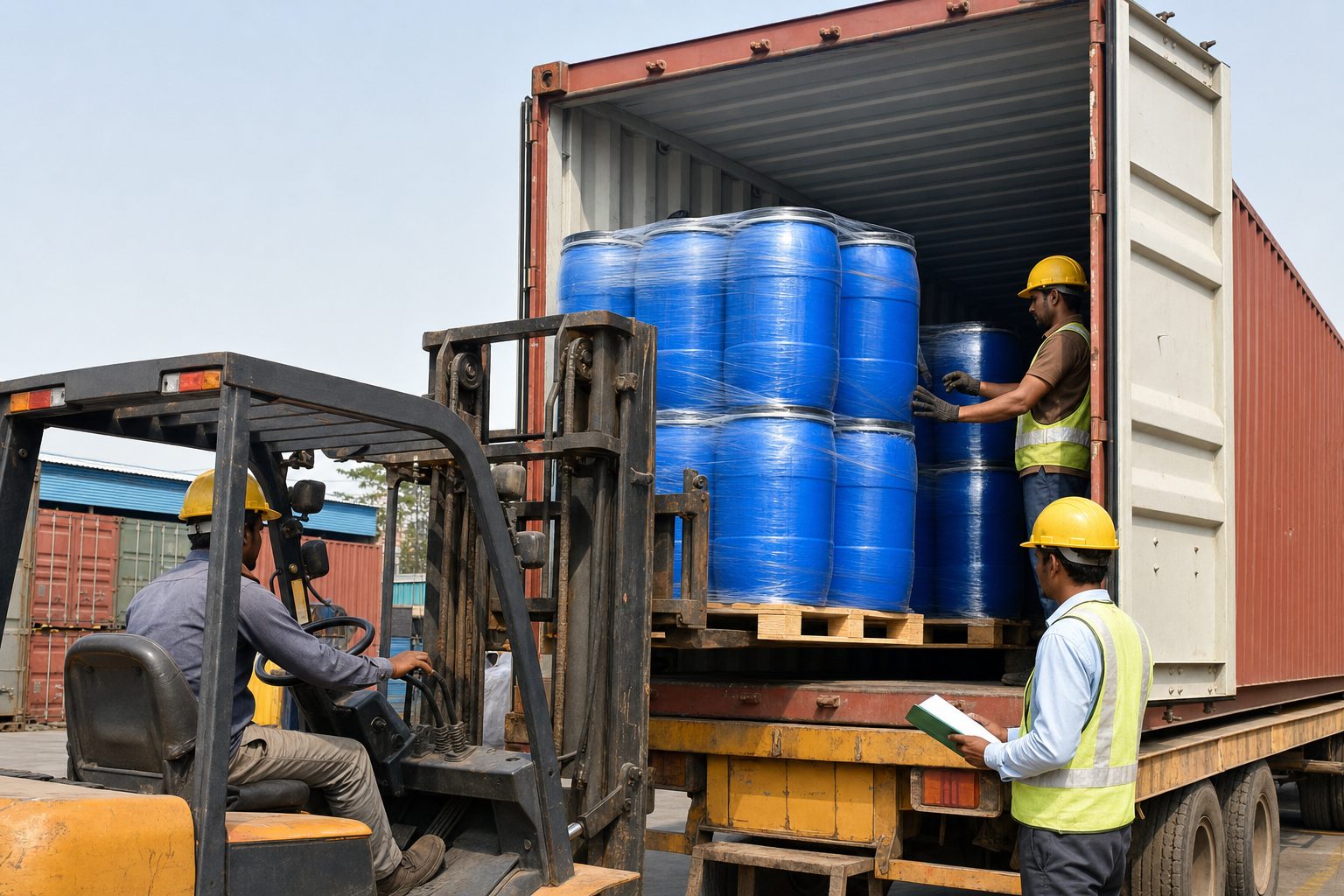
Container Loading and Shipping Methods
Export Tip
Herbal extract export logistics from India use both LCL (Less than Container Load) and FCL (Full Container Load) depending on program volume, and both air freight for samples and time-sensitive specialty extracts. The dominant mode is FCL 20-foot sea freight from Nhava Sheva or Mundra for commercial volumes, with Nhava Sheva handling the majority of Hyderabad-origin material and Mundra preferred for Indore and Neemuch cluster manufacturers.
HDPE drum stacking in 20-foot and 40-foot containers follows palletized configurations. Standard 25 kg HDPE drums (typically 35 cm diameter x 40 cm height) palletize in a 2x2 configuration per pallet at 4 drums per layer, 4 layers high — 64 drums per pallet, with approximately 8 pallets per 20-foot container yielding roughly 12.8 MT net product weight, depending on drum tare weight. Temperature-sensitive extracts (certain liquid extracts, lyophilized powders) may require reefer containers — Nhava Sheva has well-developed reefer handling capacity.
Transit times from Nhava Sheva to major destination ports: USA East Coast (New York/Newark) 18-22 days; EU (Rotterdam, Hamburg) 20-25 days; UK (Felixstowe) 22-27 days; GCC (Jebel Ali) 8-12 days; Australia (Melbourne) 18-22 days; Japan (Yokohama) 14-18 days. Air freight from Mumbai (BOM) to major hubs: USA (JFK, LAX) 3-5 days; EU (AMS, FRA) 2-4 days; GCC (DXB) 1-2 days.
Container Loading and Shipping Reference Table
Swipe →
Data table — swipe horizontally on small screens
| Metric | 20-ft FCL | 40-ft FCL | LCL | Air Freight |
|---|---|---|---|---|
| Typical net payload | 10–15 MT | 20–25 MT | 0.1–5 MT | 10–500 kg |
| HDPE drums (25 kg) | ~400–500 drums | ~800–1000 drums | Palletized per buyer | Cartons |
| FOB port | Nhava Sheva / Mundra | Nhava Sheva / Mundra | Nhava Sheva / Mundra | Mumbai BOM |
| US East Coast transit | 18–22 days | 18–22 days | 22–28 days | 3–5 days |
| EU (Rotterdam) transit | 20–25 days | 20–25 days | 24–30 days | 2–4 days |
| GCC (Jebel Ali) transit | 8–12 days | 8–12 days | 10–15 days | 1–2 days |
| Best use case | Regular program | High-volume program | Trial / mixed SKU | Samples / urgent |
Buyer Requirements by Market: Certification Expectations
Buyer Requirements
Registration and certification expectations vary significantly by destination market, and understanding these differences allows exporters to prioritize which credentials to obtain first and which to build toward as programs mature. The US and EU markets have the highest credential bars and the highest price realization; GCC and Southeast Asian markets are growing rapidly with improving but less stringent documentation expectations.
Certification Requirements by Destination Market
Swipe →
Data table — swipe horizontally on small screens
| Destination | Minimum Certs Required | Preferred Add-ons | Key Testing Standards |
|---|---|---|---|
| USA | WHO-GMP, HPLC COA (NABL) | Organic, Kosher/Halal, cGMP audit report | USP heavy metals, pesticide per USP <561> |
| EU | WHO-GMP, AYUSH (for THMP) | Novel Food auth, Organic NOP/EU | EU MRL (strict), aflatoxin, REACH |
| UK | WHO-GMP, MHRA-referenced GMP | AYUSH license, Organic | EU-equivalent MRL + MHRA guidance |
| GCC (UAE/KSA) | FSSAI Central, Health cert | AYUSH, Halal | SFDA standards, heavy metals |
| Australia | WHO-GMP (TGA equivalent) | TGA ARTG listing support | TGA-specified heavy metals, microbial |
| Japan | WHO-GMP or JHFA equivalent | Japanese pharmacopoeia method ref. | Ultra-low pesticide residue |
| Canada | WHO-GMP, NHP site license ref. | Health Canada natural product no. | Heavy metals per HC standards |
USA: FDA Dietary Supplement Current Good Manufacturing Practice (cGMP)
US supplement buyers are regulated under 21 CFR Part 111, the FDA's current Good Manufacturing Practice (cGMP) regulations for dietary supplements. When a US supplement brand purchases ashwagandha or boswellia extract from India, they are required to verify that their suppliers operate under a quality management system that meets cGMP principles — though FDA does not directly audit Indian ingredient manufacturers for overseas cGMP compliance.
In practice, US buyers use WHO-GMP certification as an internationally recognized proxy for cGMP-equivalent manufacturing quality. A valid WHO-GMP certificate from an accredited certification body, accompanied by HPLC-validated COA, AYUSH license, and heavy metal + pesticide panel per USP standards, satisfies most US supplement brand qualification requirements. Some larger US buyers also conduct remote audits or desktop audits using facility SOPs and batch records.
FDA Prior Notice filing for food and dietary supplement ingredients is required for all US-bound shipments; this is an exporter/importer workflow that Altus Exports coordinates as part of merchant export document management.
European Union: Novel Food, Botanical Directive, and REACH
EU buyers purchasing Indian herbal extracts face a complex regulatory landscape. The EU Traditional Herbal Medicinal Products Directive (2004/24/EC) applies to herbal ingredients incorporated into registered traditional medicines; the EU Novel Food Regulation (2015/2283) applies to extracts or preparations not significantly consumed in the EU before 1997; and Regulation 1924/2006 governs health claims. Many Indian botanicals — ashwagandha, bacopa, moringa — have novel food status in the EU, requiring buyers to hold Novel Food authorization or source only for markets and uses where authorization exists.
EU buyers sourcing herbal extracts for cosmetic applications must comply with the EU Cosmetics Regulation 1223/2009, which requires ingredient safety assessment and INCI labeling. REACH compliance (Regulation 1907/2006) applies to chemical substances including certain botanical extracts above one tonne per year threshold.
For EU exports, Altus Exports coordinates COA packages including heavy metal analysis per EU Maximum Residue Limits (more restrictive than US), pesticide residue screening per EU MRL database, aflatoxin testing for extracts with relevant raw material risk, microbiological testing per EU food safety standards, and origin documentation.
GCC and Middle East: SFDA and Import Health Certificates
GCC markets — UAE, Saudi Arabia, Kuwait, Bahrain, Qatar, Oman — are fast-growing importers of Indian herbal extracts for nutraceutical retail and pharmaceutical intermediate applications. Saudi Food and Drug Authority (SFDA) regulates dietary supplements and has specific requirements for herbal ingredient documentation. UAE Ministry of Health and Prevention applies Federal Law No. 15 of 2009 on food safety with specific provisions for herbal and botanical ingredients.
For GCC markets, FSSAI certification provides a recognized food safety baseline. AYUSH documentation supports halal-adjacent botanical authenticity claims. Health certificates attested by APEDA or relevant chamber and apostilled through the Ministry of External Affairs are routinely required for GCC customs clearance.
Sourcing Checklist: Qualifying a Certified Herbal Extract Supplier
Checklist
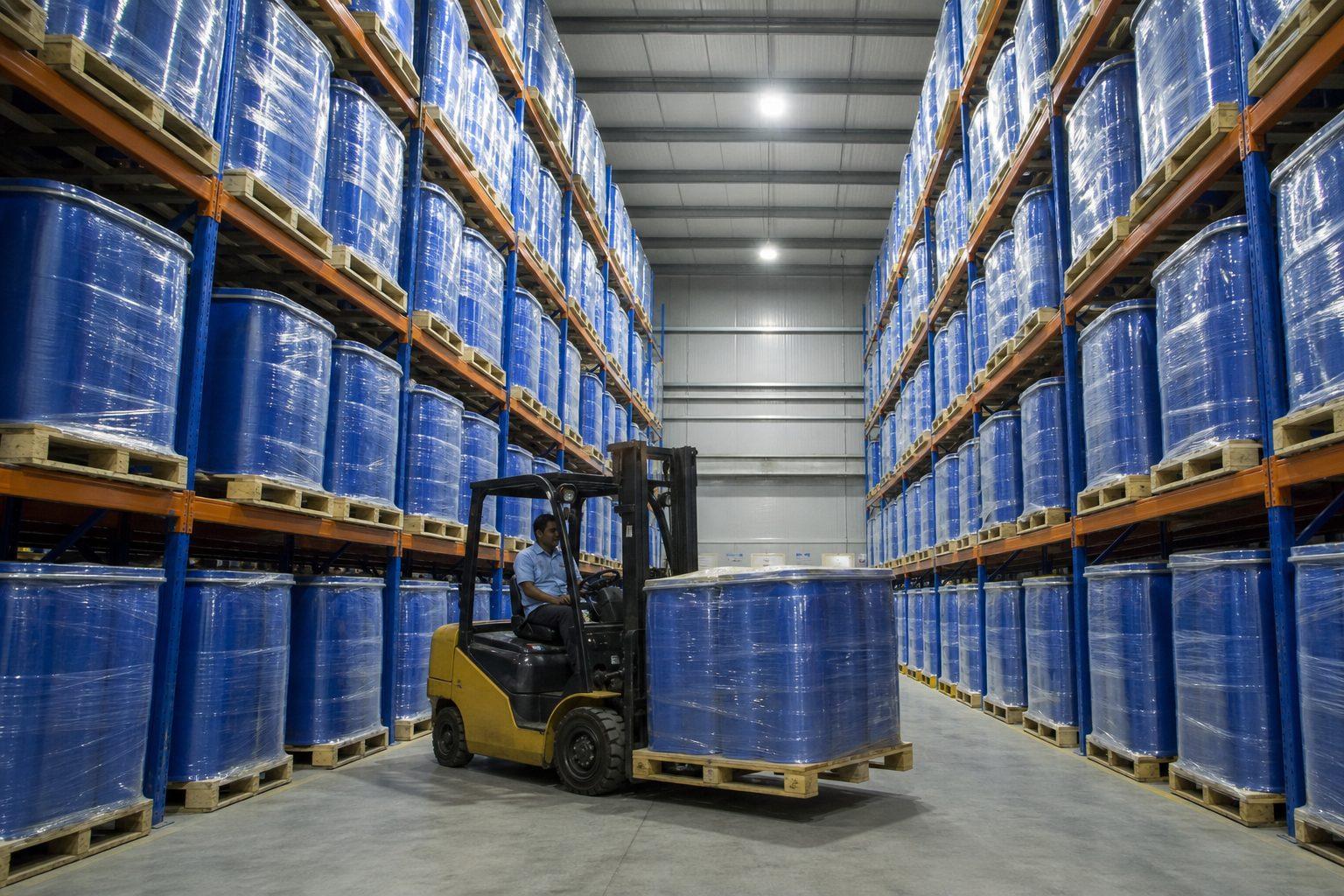
Common Buyer Mistakes When Sourcing Certified Herbal Extracts from India
Common Mistakes Box
Future Market Trends: Credentialing Expectations Through 2028
Key Statistics
The regulatory environment for international herbal extract trade is tightening rather than relaxing. EU Novel Food regulation enforcement has increased post-Brexit, with national authorities in Germany, France, and Netherlands actively pursuing market withdrawals for uncertified botanical ingredients. US FDA has signaled increased scrutiny of dietary supplement supply chain documentation under 21 CFR Part 111. Japan's health food system continues to tighten residue limits, particularly for pesticide screening. These trends reward exporters who invest in credentialing now rather than treating it as a future program.
Sustainability and traceability credentials are emerging as the next credentialing layer above WHO-GMP and AYUSH. International buyers — particularly EU cosmetic ingredient purchasers and US natural products retailers — are beginning to require supply chain traceability from raw material origin to finished extract, including wild-crafting vs. cultivation documentation, GPS-verified harvest records, and third-party biodiversity compliance audits. Indian herbal extract manufacturers who build traceability systems in 2026-2027 will be positioned for the 2028-2030 buyer requirement cycle.
Organic certification is the most commercially significant near-term credentialing upgrade for Indian herbal extract exporters. USDA NOP and EU Organic certified Indian botanicals command 30-50% premiums in supplement and functional food channels. The limiting factor is raw material supply — certified organic ashwagandha, turmeric, and fenugreek farming is growing but remains supply-constrained relative to conventional. Exporters who establish organic supply chain partnerships now gain structural advantage as demand scales.
Digital COA systems — blockchain-anchored batch records, QR-code-linked analytical data, and real-time online verification — are being piloted by forward-looking Indian manufacturers. These systems reduce documentation fraud risk (a persistent concern in commodity markets), improve buyer confidence, and reduce the per-shipment administrative burden for repeat programs.
Herbal Extract Credentialing Roadmap 2026–2028
Swipe →
Data table — swipe horizontally on small screens
| Timeline | Credential Priority | Market Driver | Competitive Advantage |
|---|---|---|---|
| Immediate (2026) | WHO-GMP + AYUSH + FSSAI | US, EU baseline access | Unlocks top 40% of buyer market |
| Near-term (2026-27) | NABL-accredited HPLC methods | Buyer COA scrutiny increase | Reduces audit risk and rejections |
| Mid-term (2027) | USDA NOP organic supply chain | EU/US organic premium demand | 30-50% price uplift for organic batches |
| Mid-term (2027) | Supply chain traceability system | EU sustainability regulation | Market access for ESG-focused buyers |
| Longer-term (2028) | Digital COA / blockchain batch records | Fraud prevention + buyer efficiency | Repeat program efficiency + trust |
| Ongoing | AYUSH Premium Mark renewal | EU/UK THMP channel maintenance | Sustained premium for traditional buyers |
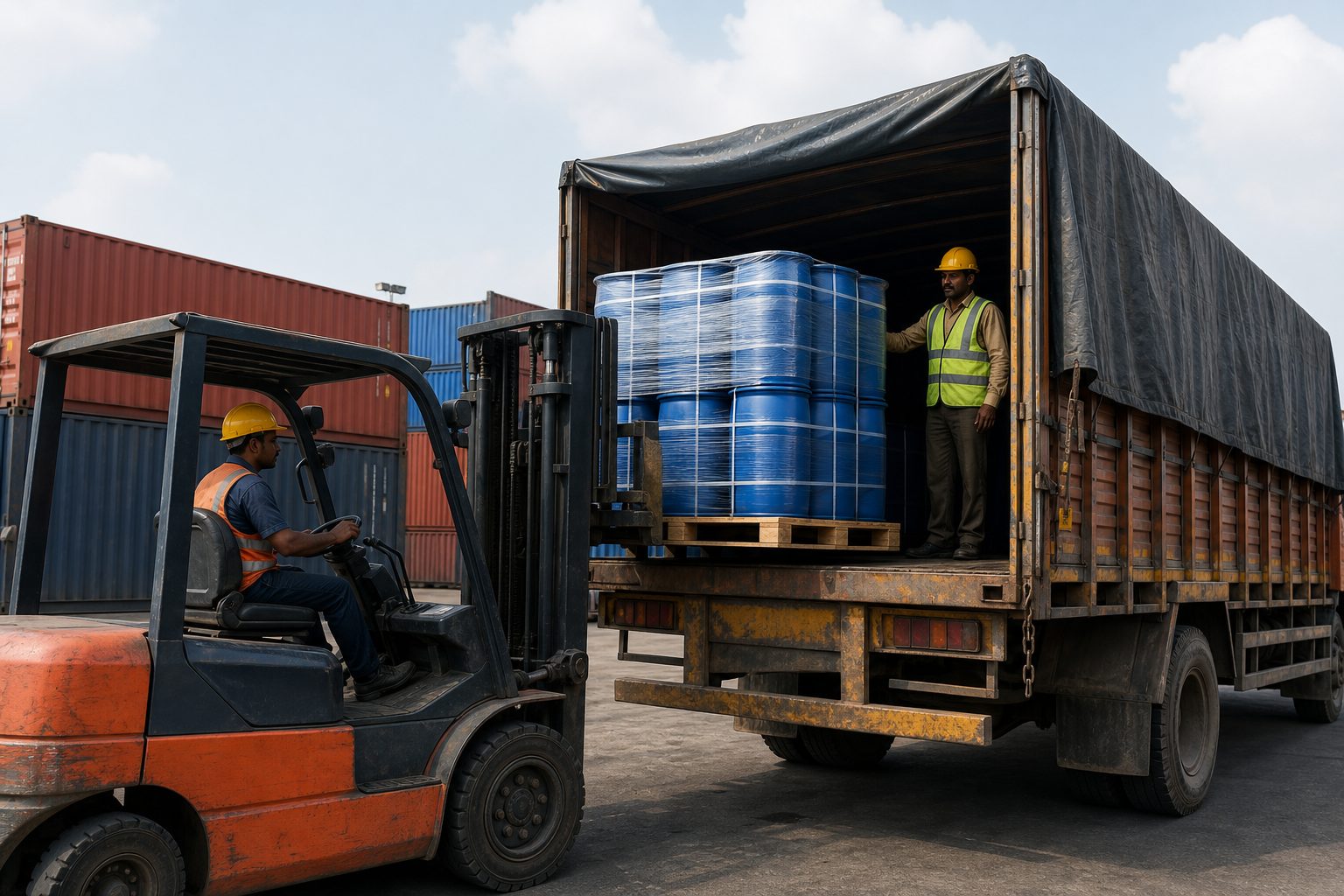
Expert Insights: Credentialing Strategy for Herbal Extract Exporters
Expert Insight Box
Altus Exports' experience coordinating herbal extract export programs from Hyderabad, Indore, and Neemuch clusters for international buyers consistently shows that credential sequencing — not credential accumulation — is the strategic insight. Manufacturers who pursue WHO-GMP first (because it requires the most systematic quality investment), then formalize AYUSH licensing, then obtain FSSAI Central License, and finally build HPLC method validation, create a logical quality system that satisfies all three credential requirements with minimal duplication of effort.
Attempting to fast-track all credentials simultaneously without underlying quality system investment produces paper compliance — certificates without operational depth — which experienced buyer auditors identify quickly. The order of investment matters: quality system first, then certification, then market access.
Altus Exports advises exporters to treat credentialing investment as an amortized cost across multi-year supply agreements. WHO-GMP certification costs INR 3-8 lakhs for initial gap assessment and certification depending on facility size and scope. Amortized across three years of export programs, the per-kilogram credential cost is negligible against the 20-45% price premium it enables. The ROI calculation is straightforward for any manufacturer shipping more than 5 MT per year of standardized extracts.
How Altus Exports Supports Certified Herbal Extract Programs
Altus Exports is a merchant exporter and global sourcing partner based in New Delhi. For herbal extract programs under HS code 1302, Altus appears as exporter of record on shipping bills filed at Nhava Sheva and Mundra, coordinates export document packs aligned to AYUSH, FSSAI, WHO-GMP, and destination-market requirements, and manages supplier qualification from Hyderabad, Indore, and Neemuch clusters.
Our herbal extract sourcing network includes verified WHO-GMP certified manufacturers for ashwagandha, boswellia, curcumin, bacopa, garcinia, fenugreek, amla, moringa, and other standardized botanical extracts. Supplier qualification includes AYUSH and FSSAI license verification, WHO-GMP certificate authenticity check, HPLC method validation review, and prior export document sampling.
International buyers share target botanical, extract grade (marker level), annual volume, destination market, and certification requirements — we respond with verified manufacturer options and document packages aligned to your qualification checklist. Exporters on the manufacturer side who need export execution support — shipping bill filing, FOB documentation, buyer introduction — engage Altus as the merchant export partner that handles the commercial and compliance interface with international buyers.
Conclusion: Registration as Competitive Infrastructure
AYUSH and FSSAI registrations, combined with WHO-GMP certification and HPLC method validation, constitute the competitive infrastructure that separates Indian herbal extract exporters who access premium international buyer segments from those who remain in commodity price competition. These credentials are not bureaucratic burdens — they are market access tools with measurable return on investment.
The herbal extract sector rewards early credentialing investment disproportionately. Manufacturers in Hyderabad, Indore, and Neemuch who completed WHO-GMP certification between 2019 and 2022 are today supplying the US and EU buyers who raised credential bars during COVID-era supply chain scrutiny. Those who delayed are competing on price in segments where margin compression is structural.
Altus Exports helps both manufacturers seeking export program development and international buyers seeking certified herbal extract supply from verified India clusters. The starting point is the same: a precise specification, a clear destination market, and a credential checklist that matches buyer requirements. Contact Altus Exports with your herbal extract program details — botanical, grade, volume, and market — to receive verified manufacturer options and an aligned export execution plan.
Continue the cluster: How to Export Herbal Extracts from India, Best Countries for Indian Herbal Extract Exports, Most Demanded Indian Herbal Extracts by Country, and Find International Buyers for Herbal Extracts. For industry context, see Herbal & Ayurvedic Products and Merchant Exporter India.