Top Herbal Extract Products Exported from India (2026 Guide)
By Saurabh Mittal, Founder, Altus Exports
Discover the top herbal extract products exported from India — ranked by global commercial demand with botanical marker specifications, ratio versus HPLC-standardized comparison, indicative FOB pricing, MOQ by SKU, and country-by-country buyer demand. This guide covers ashwagandha, curcumin, boswellia, bacopa, amla, shatavari, triphala, tulsi, ginger, gymnema, moringa, and other high-demand botanical extracts with production clusters, importing-country appetite, certification pathways, and formulation applications across the USA, EU, UK, Japan, Australia, and the Gulf. Includes ranked botanicals table, specification comparison tables, expert insights from Saurabh Mittal, and practical sourcing steps for international buyers and Indian exporters working with Altus Exports.
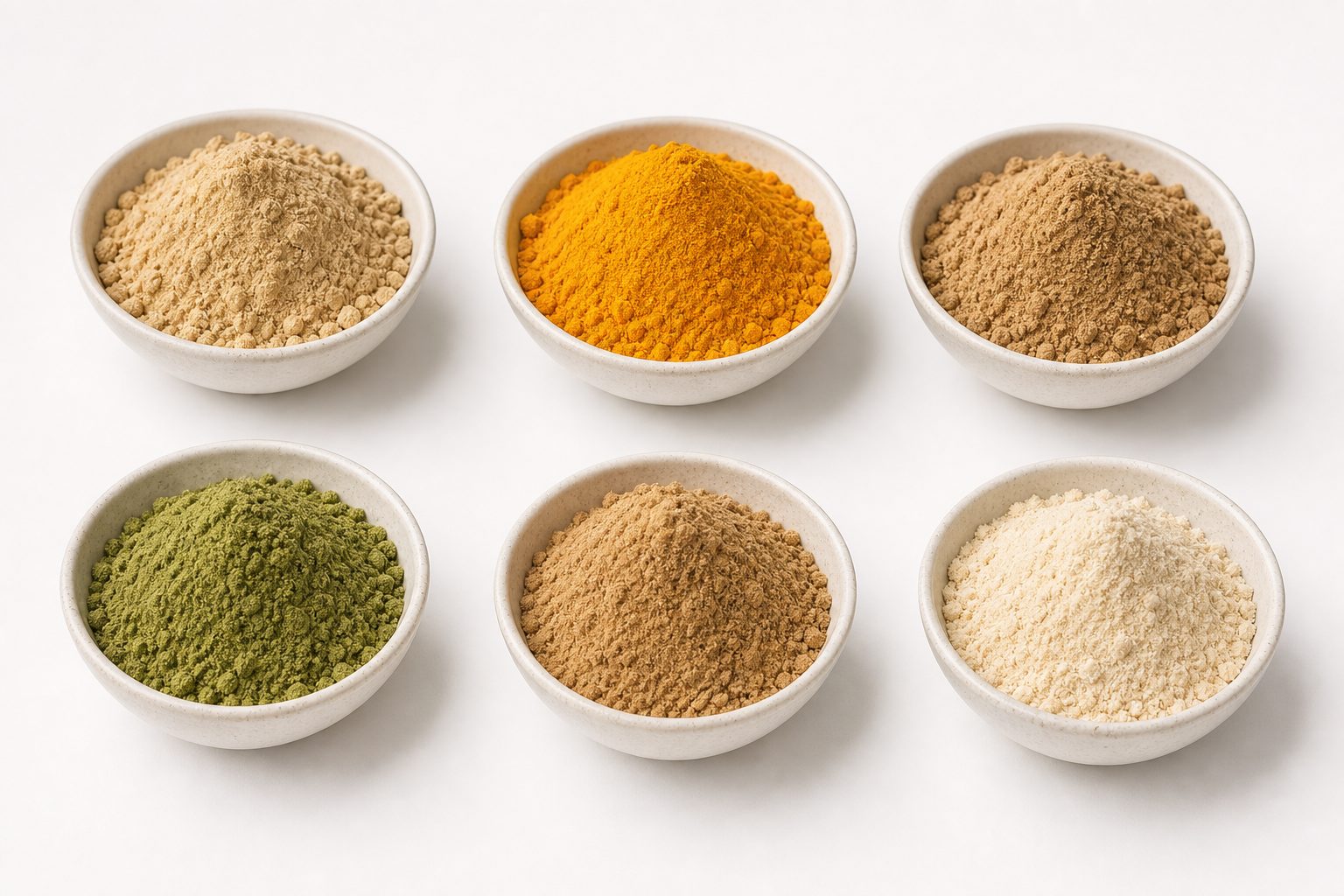
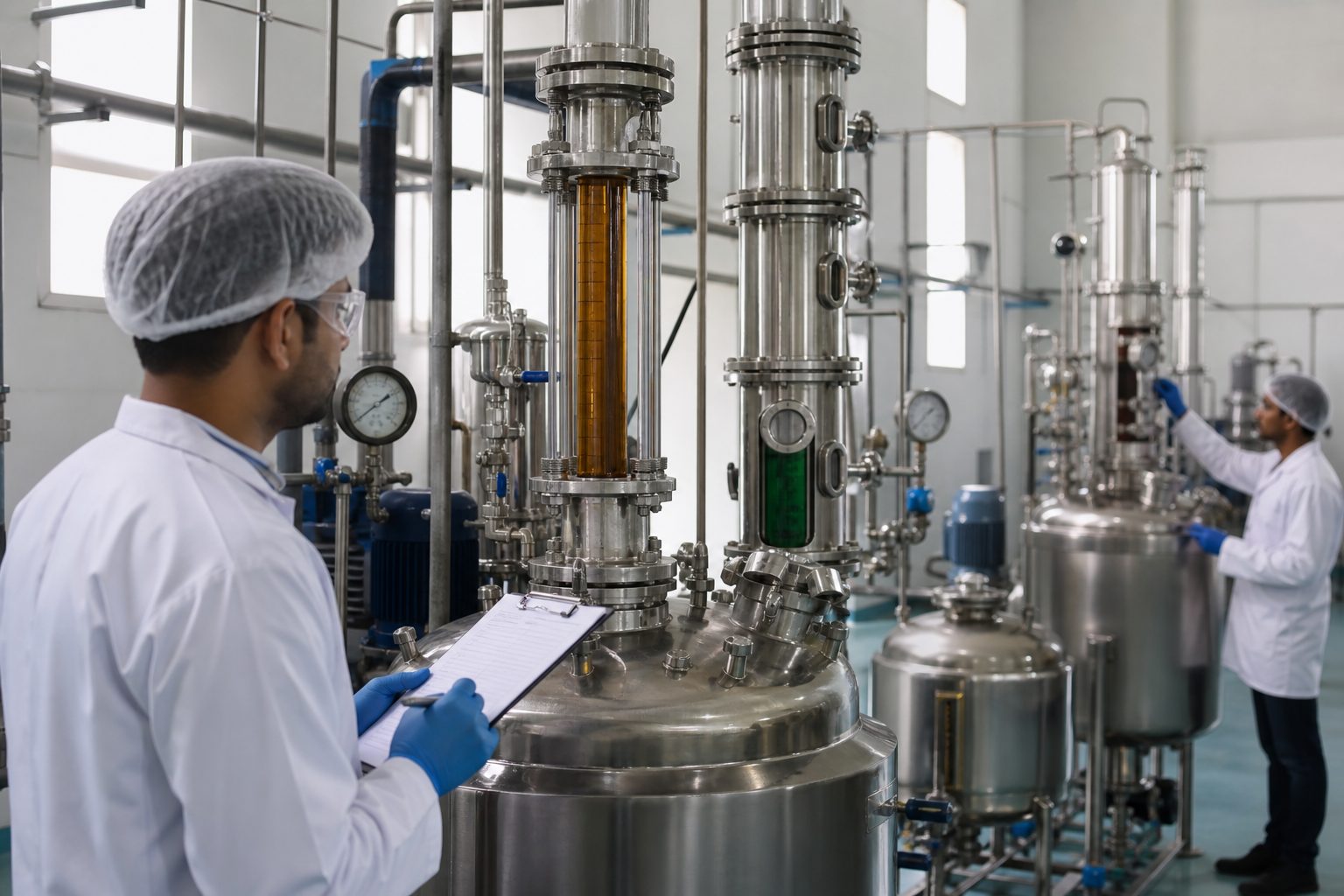
India occupies a position in global herbal extract trade that no competing origin can replicate: it is both the geographic origin of the world's most commercially significant Ayurvedic botanicals and the home of a rapidly maturing, GMP-certified extract manufacturing industry capable of delivering those botanicals to international buyers at pharmaceutical quality standards and competitive landed cost. From ashwagandha root extract standardized to 5% withanolides for the USA supplement market to curcumin 95% curcuminoids for European food and pharmaceutical buyers, from AKBA-enriched boswellia extract for joint care supplement brands to bacosides-standardized bacopa monnieri for nootropic formula developers, India's herbal extract portfolio spans every major functional wellness category in current global demand. Understanding which extracts India excels in, what their correct specifications look like, and which markets want them most is the foundation of any intelligent sourcing or export strategy in this category.
Global herbal extract demand is bifurcating in a pattern seen across premium ingredient categories. Industrial ingredient buyers and large nutraceutical contract manufacturers continue to purchase standardized bulk extracts — ashwagandha, curcumin, boswellia — by the pallet or container, prioritising consistent HPLC certification, competitive FOB pricing, and reliable supply continuity. At the same time, a rapidly growing premium segment of branded supplement companies in the USA, Germany, UK, Japan, and Australia actively seeks proprietary or enhanced-bioavailability extract formats — BCM-95 curcumin, KSM-66 ashwagandha, Sensoril ashwagandha, high-AKBA boswellia — with clinical substantiation and supply exclusivity arrangements. India serves both segments from the same geographic origin and the premium opportunity is growing faster than the commodity tier.
Whether you are an international supplement brand designer evaluating new botanical SKUs for a 2026 product launch, a pharmaceutical manufacturer seeking documented botanical API suppliers, an ingredient distributor building a herbal extract portfolio for European or North American customers, or an Indian exporter deciding which botanicals to develop as flagship export products, this guide covers the fifteen most commercially significant herbal extract products exported from India — ranked by global demand, with marker specifications, ratio-versus-HPLC comparisons, indicative FOB pricing, MOQ by SKU, and country-by-country buyer demand mapped. For the complete export process including IEC, AYUSH-GMP, FSSAI, packaging, and logistics, pair this article with how to export herbal extracts from India.
Key Takeaways
Summary Box
Why India Dominates Global Herbal Extract Supply
India's dominance in herbal extract supply is the product of thousands of years of Ayurvedic botanical knowledge codified into medicinal plant cultivation practices, combined with systematic investment in GMP-certified extraction infrastructure that occurred primarily from the late 1990s through the 2020s. The Ayurvedic system's precise identification of medicinal plant species, plant parts, extraction methods, and therapeutic applications created a knowledge base that extract manufacturers could build upon. The global wellness industry's turn toward evidence-based natural health ingredients created the commercial demand that pulled Indian extract manufacturing up to international quality standards.
Competing botanical origins each have specific category strengths but cannot replicate India's Ayurvedic core. China is a major producer of plant extracts for Traditional Chinese Medicine botanicals but has faced supply chain transparency concerns in European and North American pharmaceutical markets. Germany processes significant volumes of imported botanical material into extracts at costs not competitive with Indian pricing. Latin America and Africa grow specific botanicals — South American maca, African devil's claw — but ashwagandha, boswellia serrata, bacopa monnieri, shatavari, triphala components, and tulsi are endemic to the Indian subcontinent and are not authentically sourced from any other origin at commercial scale.
The category uniqueness advantage is most powerful for Ayurvedic-endemic botanicals — and these are precisely the botanicals that command the highest global brand recognition and premium pricing in current supplement markets. Manufacturers who have made GMP certification, HPLC testing infrastructure, and market development investments are capturing the premium tier. Those who have not are competing on price in the commodity tier while the high-value market moves to better-qualified suppliers.
Market Size and the Indian Herbal Extract SKU Landscape
Key Statistics
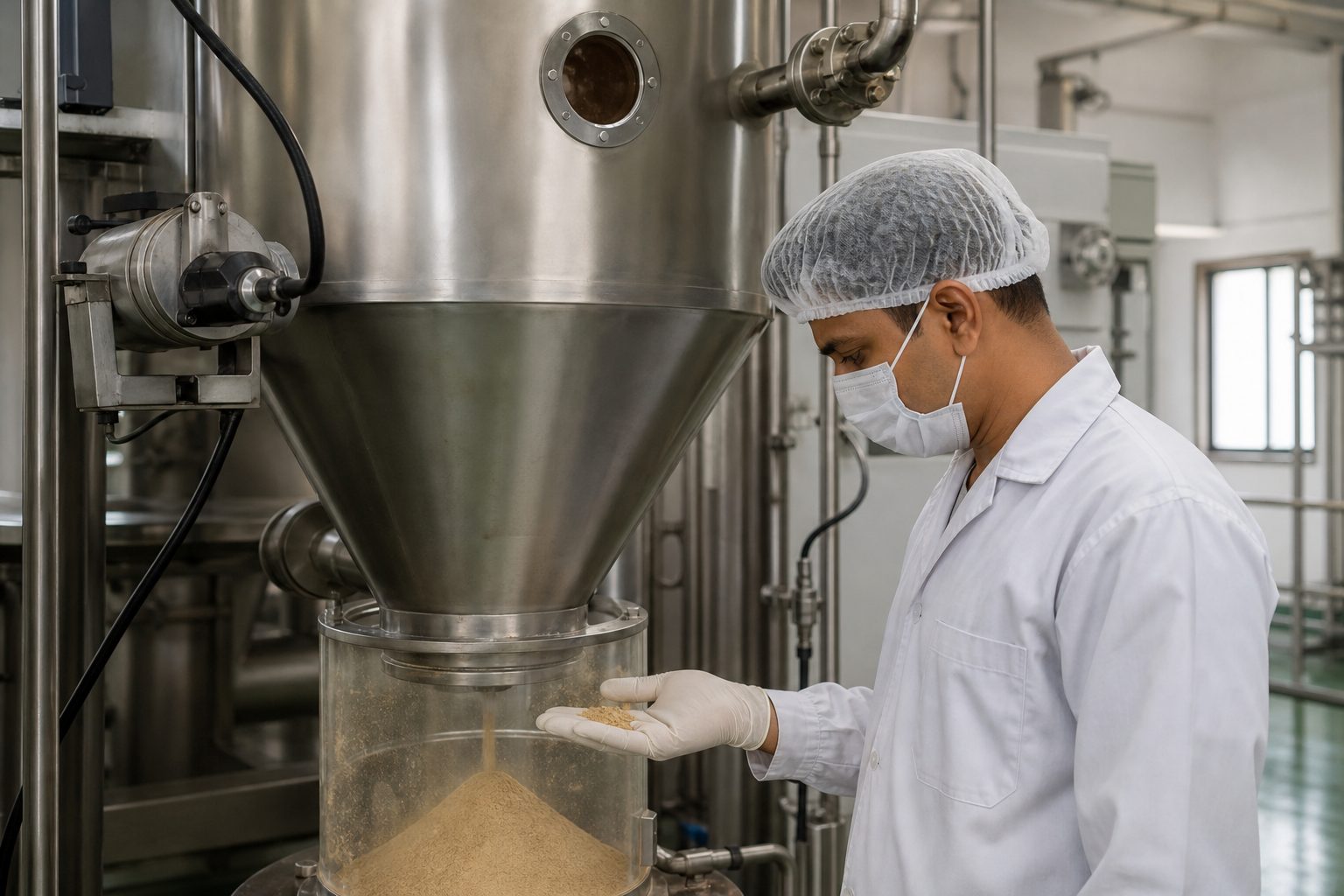
The global market for standardized herbal extracts in dietary supplements, pharmaceuticals, food ingredients, and cosmetics was valued at approximately USD 35–47 billion in 2025 and is projected to exceed USD 85 billion by 2034. The nutraceutical and dietary supplement sub-segment — the primary revenue driver for Indian botanical extract exporters — represents approximately USD 12–18 billion. The USA is the world's largest single market at approximately 30–35% of global nutraceutical botanical ingredient consumption; Europe collectively accounts for 25–30%; and Asia-Pacific is the fastest-growing regional market at 12–15% annual growth.
India's share of global botanical extract supply is estimated at 15–22% for the standardized extract segment, with much higher concentrations for specific Ayurvedic categories. Ashwagandha is effectively an Indian monopoly — India supplies over 90% of global ashwagandha raw material and extract. Boswellia serrata resin is predominantly Indian-origin. Bacopa monnieri commercial cultivation is concentrated in India. These concentrated positions create meaningful pricing power for well-qualified Indian exporters.
The Indian herbal extract SKU landscape organizes into three commercial tiers. Tier 1 are globally branded commodities with high volume and active clinical evidence investment: ashwagandha, curcumin, boswellia, bacopa. Tier 2 are established commercial extracts with growing international recognition: amla, shatavari, triphala, ginger, gymnema, moringa. Tier 3 are emerging specialty extracts gaining international buyer interest: coleus forskohlii, bitter melon, neem, brahmi, tulsi, guduchi. Each tier has different pricing dynamics, certification expectations, and market development maturity.
Indian Herbal Extract Commercial Tier Classification (2026)
Swipe →
Data table — swipe horizontally on small screens
| Tier | Key Botanicals | Global Market Maturity | Certification Priority | Indicative FOB Range |
|---|---|---|---|---|
| Tier 1 — Global Commodities | Ashwagandha, Curcumin, Boswellia, Bacopa | Highly mature; clinical studies; branded formats established | WHO-GMP mandatory; HPLC COA essential; Prop 65 for USA | USD 18–140/kg by spec |
| Tier 2 — Established Commercials | Amla, Shatavari, Triphala, Ginger, Gymnema, Moringa | Growing; globally recognised; some clinical data available | AYUSH-GMP + FSSAI + HPLC COA standard | USD 12–70/kg by spec |
| Tier 3 — Specialty and Emerging | Coleus Forskohlii, Bitter Melon, Neem, Tulsi, Guduchi | Niche but fast-growing; ingredient education needed by buyers | GMP + COA; organic certification premium achievable | USD 15–60/kg by spec |
India Herbal Extract Export Performance: Key Botanicals and Trade Data
India's herbal extract export data, tracked under HS 1302 and allied codes, reflects consistent annual growth over the last five years, with accelerated expansion in the post-2020 period as global consumer demand for immune-supporting, stress-adapting, and anti-inflammatory botanical ingredients intensified. Ashwagandha extract shipments from India expanded dramatically as the adaptogen category broke into mainstream USA and European supplement retail. Curcumin extract remains the highest-volume botanical active ingredient export by weight, consumed by supplement and food manufacturing sectors across the USA, Europe, Japan, and the Gulf.
Boswellia extract has grown steadily with the joint health supplement category across ageing populations in Germany, USA, UK, and Japan. Bacopa monnieri extract growth has tracked the nootropic and cognitive wellness category expansion — one of the fastest-growing supplement segments globally from 2020 through 2026. Moringa leaf extract has seen the broadest geographic growth, exported across the USA, EU, Gulf, and African markets for supplements, functional food, cosmetics, and animal feed. Gymnema sylvestre extract has benefited from blood sugar management supplement category growth driven by rising global pre-diabetes prevalence.
India Herbal Extract Export Performance by Botanical (Indicative, 2025–2026)
Swipe →
Data table — swipe horizontally on small screens
| Botanical | Annual Demand Growth (Est.) | Top Destination Markets | Primary Export Form | India Market Share (Est.) |
|---|---|---|---|---|
| Ashwagandha Extract | 20–30% annual | USA, Germany, UK, Australia, Japan | Spray-dried powder, 5% withanolides HPLC | 90%+ of global supply |
| Curcumin / Turmeric Extract | 12–18% annual | USA, Germany, Netherlands, Japan, UK | Spray-dried 95% curcuminoids HPLC; oleoresin | 65–75% of global supply |
| Boswellia Serrata Extract | 10–15% annual | Germany, USA, Netherlands, UK, Japan | Spray-dried 65% TBA + AKBA formats | 70–80% of global supply |
| Bacopa Monnieri Extract | 15–20% annual | USA, UK, Germany, Australia | Spray-dried 50% bacosides HPLC | 80%+ of global supply |
| Amla (Indian Gooseberry) Extract | 8–12% annual | USA, EU, UAE, Japan, South Korea | Spray-dried tannins or Vit-C equivalent | 60–70% of global supply |
| Shatavari Root Extract | 8–12% annual | USA, UK, Germany, UAE, Australia | Spray-dried saponins standardized | 85%+ of global supply |
| Triphala Blend Extract | 7–10% annual | USA, EU, Gulf, Australia | Spray-dried total tannins standardized | 90%+ of global supply |
| Moringa Leaf Extract | 20–25% annual | USA, EU, Gulf, Africa, Japan | Spray-dried polyphenols or isothiocyanates | 35–50% of global supply |
| Gymnema Sylvestre Extract | 12–18% annual | USA, Germany, Japan, UK, Australia | Spray-dried 75% gymnemic acids HPLC | 70–80% of global supply |
| Ginger Rhizome Extract | 8–12% annual | USA, EU, Japan, Gulf, Australia | Spray-dried 5% gingerols HPLC; oleoresin | 30–45% of global supply |
Global Import Demand: Which Countries Buy Which Indian Herbal Extracts
The USA is the dominant global consumer of ashwagandha extract — the adaptogen wave, backed by multiple clinical trials and mainstream media coverage of stress management and sleep benefits, has made ashwagandha one of the fastest-growing supplement ingredients in American retail history. USA supplement brands from premium direct-to-consumer wellness companies to mass-market private label programmes purchase ashwagandha in pallet and container quantities. The same US market is the world's largest buyer of curcumin in enhanced-bioavailability formats — standard 95% curcumin is a commodity, but bioavailability-enhanced formats command 3x–6x pricing premiums.
Germany and the Netherlands are the European premium botanical extract gateways. German buyers are the world's most demanding quality partners — they require WHO-GMP certification, EU-compliant pesticide residue testing, documented supply chain traceability, and frequently conduct on-site supplier audits before first commercial orders. The Netherlands functions as the EU distribution hub where large ingredient importers purchase Indian extracts in container quantities and redistribute to supplement manufacturers across Germany, Belgium, France, Italy, Spain, and Scandinavia.
Japan combines strict regulatory standards with premium pricing — Japanese buyers pay more than almost any other market for botanical extracts that meet extremely strict quality requirements. Curcumin is the leading Indian botanical in Japan, widely used as a natural colourant and functional ingredient in food and beverage applications alongside supplement uses. Australia's TGA-regulated complementary medicine market imports ashwagandha, curcumin, boswellia, and bacopa in growing quantities. Gulf markets import herbal extracts primarily for Unani and Ayurvedic product manufacturing with Halal certification increasingly required.
Import Demand by Botanical and Destination Country (2026)
Swipe →
Data table — swipe horizontally on small screens
| Market | Top Indian Botanicals Imported | Primary Application | Key Quality Gate | Price Tier |
|---|---|---|---|---|
| USA | Ashwagandha, Curcumin (enhanced), Boswellia, Bacopa | Dietary supplements: mass retail + DTC brands | WHO-GMP; Prop 65 HM limits; DSHEA COA panel | High; premium for patented/enhanced formats |
| Germany | Curcumin, Boswellia (AKBA-enriched), Ashwagandha, Ginger | Pharmaceutical-grade supplements; functional food | WHO-GMP mandatory; EU pesticide MRL; supplier audit | Highest globally; pharma-grade expectations |
| Netherlands | Curcumin, Ashwagandha, Bacopa, Multi-adaptogen blends | EU distribution hub — supplies all EU markets | WHO-GMP; EU compliance; EU Organic for organic claims | High; large volumes through EU redistribution |
| UK | Ashwagandha, Curcumin, Boswellia, Amla, Moringa | Health food retail; pharmacy supplement channel | AYUSH or WHO-GMP; UK Organic if claimed | High; strong organic extract demand |
| Japan | Curcumin (food use), Ashwagandha (growing), Ginger, Moringa | Functional food and beverage; dietary supplements | Ultra-low pesticide MRL; ISO 22000; precise documentation | Premium; highest unit prices in Asia |
| Australia | Ashwagandha, Curcumin, Boswellia, Bacopa | TGA complementary medicines; health food retail | TGA-acceptable GMP; TGA Permitted Ingredients list | Premium; TGA compliance essential |
| UAE and Gulf | Shatavari, Amla, Triphala, Brahmi, Ashwagandha | Unani/Ayurvedic product manufacturing; herbal retail | Halal certification; FSSAI health cert; AYUSH-GMP | Mid to high; Ayurvedic product manufacturing base |
| South Korea | Curcumin, Ashwagandha, Ginger Extract | Functional food; K-wellness supplement brands | MFDS compliance; WHO-GMP preferred | Mid-high; rapidly growing |
| Canada | Ashwagandha, Curcumin, Bacopa, Moringa | Natural health products (NHP) retail | Health Canada NHP GMP compliance | High; USA-adjacent quality and pricing expectations |
Ranked: Top 15 Herbal Extract Products Exported from India
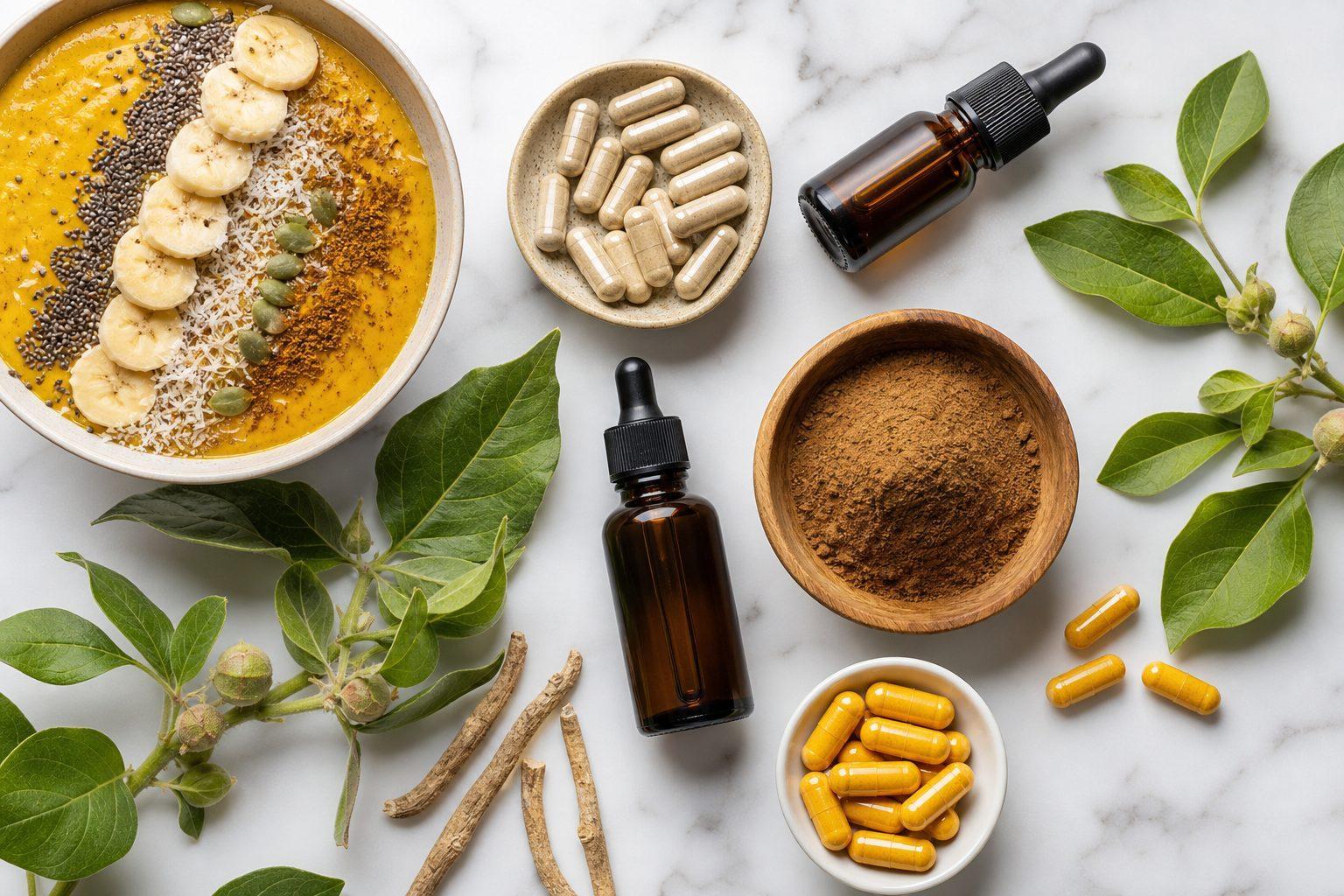
The following ranking reflects global commercial demand, revenue significance, India's export market share, clinical evidence maturity, and buying-market depth in 2026. Products are ranked from highest to lowest overall commercial significance for Indian export programmes. For each botanical, the standard HPLC specification, key marker compound, primary application, and leading destination markets are provided.
India's Top 15 Herbal Extract Exports: Ranked by Global Commercial Significance (2026)
Swipe →
Data table — swipe horizontally on small screens
| Rank | Botanical Extract | Latin Name | Standard HPLC Marker | Primary Application | Leading Export Markets |
|---|---|---|---|---|---|
| 1 | Ashwagandha Root Extract | Withania somnifera | Min 5% withanolides by HPLC | Adaptogens; stress; sleep; athletic performance | USA, Germany, UK, Australia, Japan |
| 2 | Curcumin (Turmeric) Extract | Curcuma longa | 95% total curcuminoids by HPLC | Anti-inflammatory supplements; food colour; pharma | USA, Germany, Netherlands, Japan, UK |
| 3 | Boswellia Serrata Extract | Boswellia serrata | 65% total boswellic acids + 10%+ AKBA | Joint health; anti-inflammatory supplement formulations | Germany, USA, Netherlands, UK, Japan |
| 4 | Bacopa Monnieri Extract | Bacopa monnieri | 50% bacosides by HPLC (bacoside A + B) | Nootropics; cognitive wellness; memory support | USA, UK, Germany, Australia |
| 5 | Amla (Indian Gooseberry) Extract | Emblica officinalis | 40–80% tannins or Vitamin C equivalent | Antioxidant supplements; cosmetics; hair care | USA, EU, UAE, Japan, South Korea |
| 6 | Shatavari Root Extract | Asparagus racemosus | 30–60% saponins or 20:1 ratio | Women's wellness; lactation; hormonal balance | USA, UK, Germany, UAE, Australia |
| 7 | Triphala Blend Extract | T. chebula + T. bellerica + Emblica officinalis | 40%+ total tannins; equal proportions blend | Digestive health; antioxidant; Ayurvedic formulations | USA, EU, Gulf, Australia |
| 8 | Ginger Rhizome Extract | Zingiber officinale | 5% gingerols by HPLC; oleoresin form also | Digestive; anti-nausea; anti-inflammatory; food | USA, EU, Japan, Gulf, Australia |
| 9 | Gymnema Sylvestre Extract | Gymnema sylvestre | 75% gymnemic acids by HPLC | Blood sugar management; metabolic wellness | USA, Germany, Japan, UK, Australia |
| 10 | Moringa Leaf Extract | Moringa oleifera | Polyphenols; isothiocyanates; chlorogenic acid | Nutritional supplements; functional food; cosmetics | USA, EU, Gulf, Africa, Japan |
| 11 | Tulsi (Holy Basil) Extract | Ocimum sanctum / tenuiflorum | Ursolic acid 2–5% HPLC or 10:1 ratio | Adaptogens; immunity; stress; Ayurvedic blends | USA, UK, Germany, UAE, Australia |
| 12 | Coleus Forskohlii Extract | Plectranthus barbatus | 20% forskolin by HPLC | Weight management; cardiovascular supplements | USA, EU, Australia, South Korea |
| 13 | Bitter Melon (Karela) Extract | Momordica charantia | 10% charantin + polypeptide-P standardized | Blood glucose management; metabolic health | USA, Germany, Japan, UAE, South Korea |
| 14 | Neem Leaf Extract | Azadirachta indica | Nimbin or azadirachtin standardized | Skin health supplements; antimicrobial; cosmetics | USA, EU, Gulf, South Korea, Australia |
| 15 | Brahmi / Gotu Kola Extract | Centella asiatica | 40%+ asiaticosides by HPLC | Cognitive wellness; skin care; Ayurvedic formulations | USA, EU, Japan, South Korea, Australia |
Ashwagandha Extract: India's Global Adaptogen Leader
Ashwagandha (Withania somnifera) is India's single most commercially significant herbal extract export. It combines genuine origin uniqueness — India and a few adjacent South Asian regions are the only meaningful global producers — with a strong and growing body of published clinical evidence for stress reduction, cortisol modulation, sleep quality improvement, athletic performance support, male fertility markers, and thyroid function. The USA supplement market's embrace of ashwagandha as a mainstream adaptogen has made it one of the fastest-growing botanical ingredient categories in American retail history, with rapid adoption spreading through European, Japanese, Australian, and South Korean markets.
Commercially, ashwagandha extract is available in multiple specification tiers. The industry standard for global supplement use is root extract standardized to minimum 5% withanolides by HPLC, spray-dried, typically produced with 60–70% hydroalcoholic extraction. Patented branded formats — KSM-66 (Ixoreal Biomed; water-extracted from roots only, 5% withanolides), Sensoril (Natreon; full-plant extract standardized to 10% withanolides and 35% withanosides), Shoden (Arjuna Natural; 35% withanolide glycoside conjugates) — command significant price premiums supported by clinical studies. Unbranded standard formats remain important for private label programmes and markets where branded ingredient citation is not required.
Organic certified ashwagandha extract commands 40–60% price premiums over conventional and is in strong demand from EU organic supplement brands and USA USDA Organic programmes. Most certified organic production comes from farms in Madhya Pradesh, Rajasthan, and Uttarakhand. Buyers targeting the EU or USA premium organic market should plan organic supply arrangements in advance, as the certified raw material pool is smaller than conventional.
Ashwagandha Extract: Specification Tiers and Commercial Profile
Swipe →
Data table — swipe horizontally on small screens
| Format | Specification | Plant Part | Indicative FOB (USD/kg) | Best Application |
|---|---|---|---|---|
| Standard 5% withanolides HPLC | Min 5% withanolides by HPLC, spray-dried | Root (typically) | USD 25–40 | Private label; ingredient distribution; general supplement |
| Value-grade 2.5% withanolides | Min 2.5% withanolides by HPLC | Root or whole plant | USD 18–28 | Price-sensitive formulations; Asia and Gulf markets |
| Premium 10% withanolides HPLC | Min 10% withanolides by HPLC | Root; enhanced extraction | USD 80–140 | Premium brands; clinical-dose formulations |
| KSM-66 (patented branded) | 5% withanolides; water-extracted root only; patented | Root only | USD 80–110 (branded) | Clinical-claim supplement brands; premium positioning |
| Sensoril (patented branded) | 10% withanolides + 35% withanosides; full plant; patented | Root + leaves | USD 90–130 (branded) | Highest clinical-dose; pharma-adjacent applications |
| NPOP Organic 5% withanolides | 5% withanolides; NPOP and/or USDA NOP certified | Root from certified organic farms | USD 38–60 | EU Organic; USDA Organic supplement programmes |
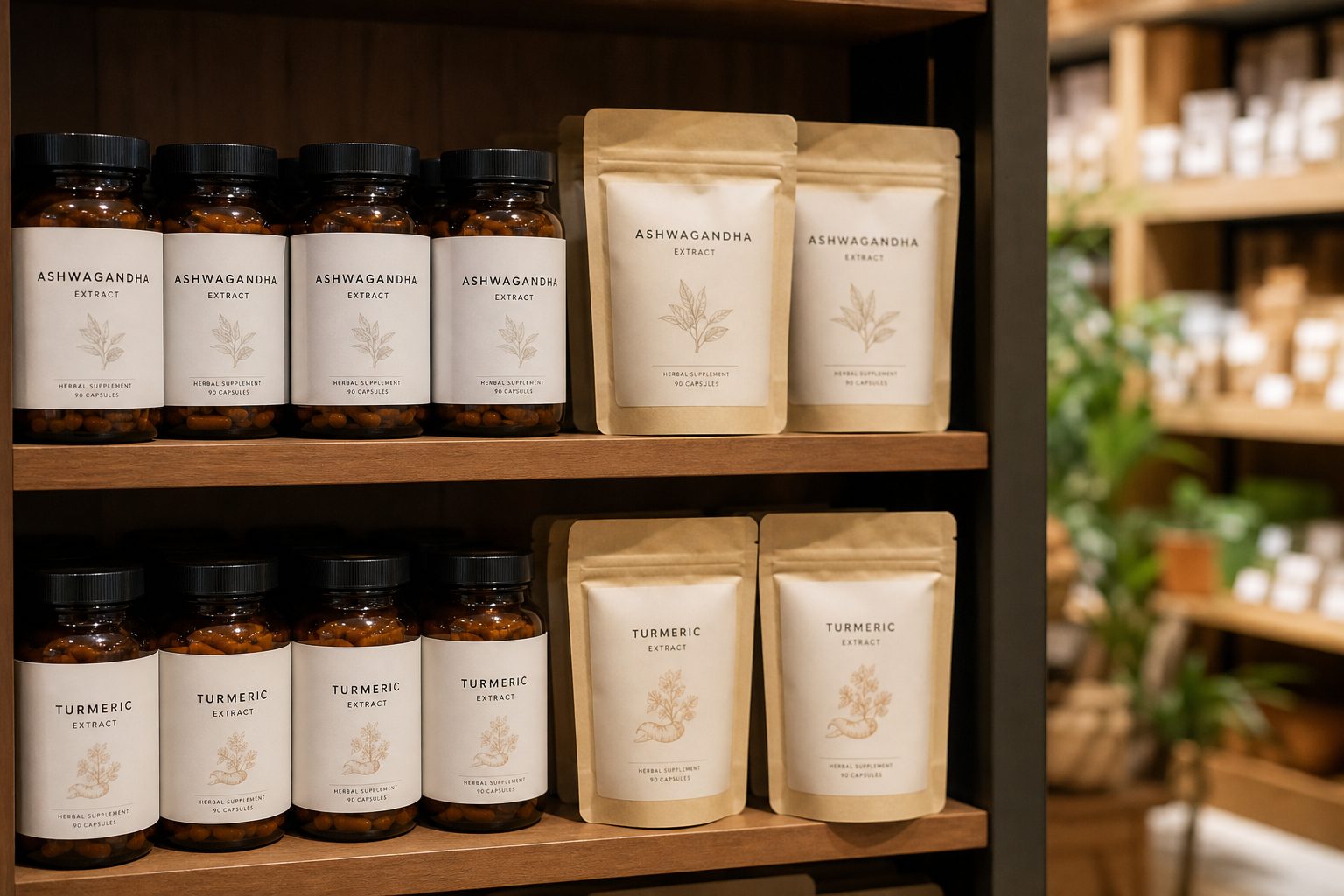
Boswellia Serrata Extract: Joint Health's Most Clinically Validated Indian Botanical
Boswellia serrata — the Indian frankincense tree growing in the dry rocky terrain of Madhya Pradesh, Rajasthan, Gujarat, and Andhra Pradesh — yields a resin that is the source of one of the most clinically validated anti-inflammatory and joint health botanical ingredients in global supplement science. The resin contains several boswellic acids, of which AKBA (Acetyl-11-keto-beta-Boswellic Acid) is the most pharmacologically potent — specifically inhibiting 5-lipoxygenase (5-LOX) enzyme, a key mediator of inflammatory leukotriene synthesis involved in arthritic conditions. Published clinical trials have established robust evidence for boswellia extract efficacy in osteoarthritis and rheumatoid arthritis, creating strong buyer conviction in Germany, USA, Netherlands, and Japan.
Standard commercial boswellia serrata extract is specified at 65% total boswellic acids by HPLC with 10% AKBA minimum — the widely available format from most Indian manufacturers entering supplement markets. The premium tier is high-AKBA enriched extracts requiring specialized resin fractionation: 20%, 30%, or up to 65% AKBA. Multiple branded high-AKBA formats include 5-Loxin (30% AKBA) and AprèsFlex. Buyers seeking standard 65% boswellic acids have wide manufacturer choice in India; buyers seeking 30%+ AKBA have fewer qualified suppliers and should expect longer lead times.
Boswellia supply faces periodic challenges because the resin is collected by tapping wild trees — over-tapping causes tree stress and reduces future yield. Sustainable harvesting practices and organized plantation cultivation are ongoing priorities. Buyers building long-term supply programmes should discuss sustainable sourcing practices and forward supply agreements with their manufacturer or sourcing partner.
Boswellia Serrata Extract: AKBA Enrichment Tiers and Market Applications
Swipe →
Data table — swipe horizontally on small screens
| Format | Total Boswellic Acids | AKBA Level | Indicative FOB (USD/kg) | Primary Market Use |
|---|---|---|---|---|
| Standard 65% TBA | 65% total boswellic acids HPLC | 3–5% AKBA (natural level) | USD 20–35 | General joint health supplements; anti-inflammatory blends |
| 65% TBA + 10% AKBA | 65% TBA + 10% AKBA by HPLC | 10% AKBA (enriched) | USD 35–55 | Premium joint supplements; clinical-dose formulations |
| 5-Loxin (patented) / 30% AKBA | 30% AKBA enriched; patented fractionation | 30% AKBA | USD 60–100 (branded) | Pharma-grade joint supplements; USA premium brands |
| High-AKBA 65% (specialty) | 65% AKBA enriched (specialty process) | 65% AKBA | USD 110–160 | Pharmaceutical research; ultra-premium formulations |
| Boswellia resin powder (unextracted) | 10–15% boswellic acids naturally | Low AKBA naturally | USD 5–12 | Traditional Ayurvedic use; cosmetics; incense |
| Organic boswellia 65% TBA | 65% TBA HPLC; NPOP organic certified | Standard AKBA level | USD 30–50 | Organic joint supplement programmes; EU Organic retail |
Bacopa Monnieri and Emerging Indian Adaptogens: Nootropic and Cognitive Wellness Leaders
Bacopa monnieri — known in Ayurvedic tradition as Brahmi — is the most commercially significant Indian nootropic botanical extract globally, with substantial clinical evidence for cognitive function enhancement, memory consolidation, anxiety reduction, and neuroprotection. The global nootropic and cognitive wellness supplement category has been among the fastest-growing segments from 2020 through 2026, driven by awareness of cognitive decline risk in ageing populations, demand from professionals seeking performance enhancement, and growing clinical research into botanical cognitive support. Bacopa monnieri sits at the centre of this growth.
The active compounds responsible for bacopa's cognitive benefits are bacosides — specifically bacoside A and bacoside B with related bacosaponins. Commercial bacopa extract is standardized to 50% bacosides by HPLC as the global standard specification for supplement market entry. Indian manufacturers in Andhra Pradesh, West Bengal, Maharashtra, and Madhya Pradesh produce bacopa extract from cultivated and wild-harvested plant material. Cultivated bacopa is preferred for consistent active compound concentration and pesticide residue control — the plant grows in wetland environments where organochlorine contamination can accumulate, making pesticide panel testing particularly important.
Beyond bacopa, India's emerging adaptogen tier includes: tulsi (Ocimum sanctum) for stress adaptation and immunity; guduchi (Tinospora cordifolia) for immune support with elevated demand sustained since the COVID-19 pandemic period; shankhpushpi (Convolvulus pluricaulis) for cognitive and anxiolytic applications; and brahmi as Centella asiatica for cognitive support and skin care applications widely used in Korean cosmetics and functional food.
Bacopa Monnieri and Emerging Adaptogen Extracts: Specification and Market Profile
Swipe →
Data table — swipe horizontally on small screens
| Botanical | Standard Specification | Key COA Concern | Indicative FOB (USD/kg) | Primary Markets |
|---|---|---|---|---|
| Bacopa Monnieri 50% Bacosides | 50% bacosides by HPLC (standard global spec) | Organochlorine pesticide panel; cultivated source preferred | USD 30–55 | USA, UK, Germany, Australia |
| Bacopa Monnieri organic NPOP | 50% bacosides; NPOP and/or USDA certified organic | Organic farm verification; pesticide-free supply chain | USD 45–75 | EU Organic; USA USDA Organic programmes |
| Bacopa 20% Bacosides (economy) | 20% bacosides; lower concentration grade | Identity confirmation; marker level adequate for value tier | USD 15–28 | Asian markets; price-sensitive formulations |
| Tulsi Extract 2–5% Ursolic acid | 2–5% ursolic acid HPLC or 10:1 ratio | Pesticide MRL; microbial limits; species identity | USD 15–28 | USA, UK, Germany, UAE, Australia |
| Guduchi (Giloy) Extract | Tinosporaside standardized or 10:1 ratio concentrate | Heavy metals; species identity (T. cordifolia confirmation) | USD 18–35 | UAE, USA, UK, Germany, Australia |
| Centella asiatica 40% Asiaticosides | 40%+ asiaticosides by HPLC | Pesticide MRL; species identity vs. related Centella species | USD 20–38 | USA, EU, Japan, South Korea |
Amla, Shatavari, Triphala, Ginger, and Gymnema: Ayurvedic Heritage Extracts
Amla (Emblica officinalis, Indian gooseberry) is one of Ayurveda's most revered fruits and a growing export category with applications across antioxidant supplements, cosmetics, hair care products, food ingredients, and traditional Ayurvedic formulation components. The primary bioactive fraction is ellagitannins expressed as total tannins — commercial specifications range from 40% to 80% total tannins by HPLC. Amla export is growing across the USA, EU, Japan, South Korea, and UAE. NPOP-certified organic amla extract commands strong EU and USA premium pricing.
Shatavari (Asparagus racemosus) root extract is growing rapidly with the global women's health supplement market — among the most important Ayurvedic botanicals for female reproductive wellness and lactation support. Standardization is to saponin content, typically 30–60%. Triphala blend extract — combining haritaki, bibhitaki, and amla in equal proportions — is Ayurveda's most recognized digestive and antioxidant formulation, exported at accessible pricing to USA, EU, Gulf, and Australian markets. Ginger rhizome extract standardized to 5% gingerols by HPLC is a versatile botanical used in digestive health, anti-nausea, anti-inflammatory, and food flavouring applications globally. Gymnema sylvestre extract (75% gymnemic acids by HPLC) is among the fastest-growing botanical extract categories globally, driven by blood sugar management and metabolic wellness supplement demand — India is the primary global source.
Ayurvedic Heritage and Specialty Extracts: Specifications and Market Opportunities
Swipe →
Data table — swipe horizontally on small screens
| Botanical | Latin Name | Commercial Specification | Indicative FOB (USD/kg) | Leading Markets | Primary Application |
|---|---|---|---|---|---|
| Amla / Indian Gooseberry | Emblica officinalis | 40–80% tannins; or 20% gallic acid HPLC | USD 15–30 | USA, EU, Japan, South Korea, UAE | Antioxidant supplements; cosmetics; hair care; Vit-C equivalent |
| Shatavari Root | Asparagus racemosus | 30–60% saponins or 20:1 ratio | USD 20–45 | USA, UK, Germany, UAE, Australia | Women's wellness; lactation; hormonal balance supplements |
| Triphala Blend | Terminalia chebula + T. bellerica + Emblica officinalis | 40%+ total tannins; equal proportion blend | USD 12–25 | USA, EU, Gulf, Australia | Digestive health; antioxidant; Ayurvedic combination blends |
| Ginger Extract (gingerols) | Zingiber officinale | 5% gingerols by HPLC, spray-dried | USD 22–48 | USA, EU, Japan, Gulf, Australia | Digestive; anti-nausea; anti-inflammatory; food and beverage |
| Gymnema Sylvestre | Gymnema sylvestre | 75% gymnemic acids by HPLC (premium market spec) | USD 35–70 | USA, Germany, Japan, UK, Australia | Blood sugar management; metabolic wellness supplements |
| Moringa Leaf | Moringa oleifera | Polyphenols or isothiocyanates standardized | USD 18–38 | USA, EU, Gulf, Africa, Japan | Nutritional supplements; functional food; cosmetics; animal feed |
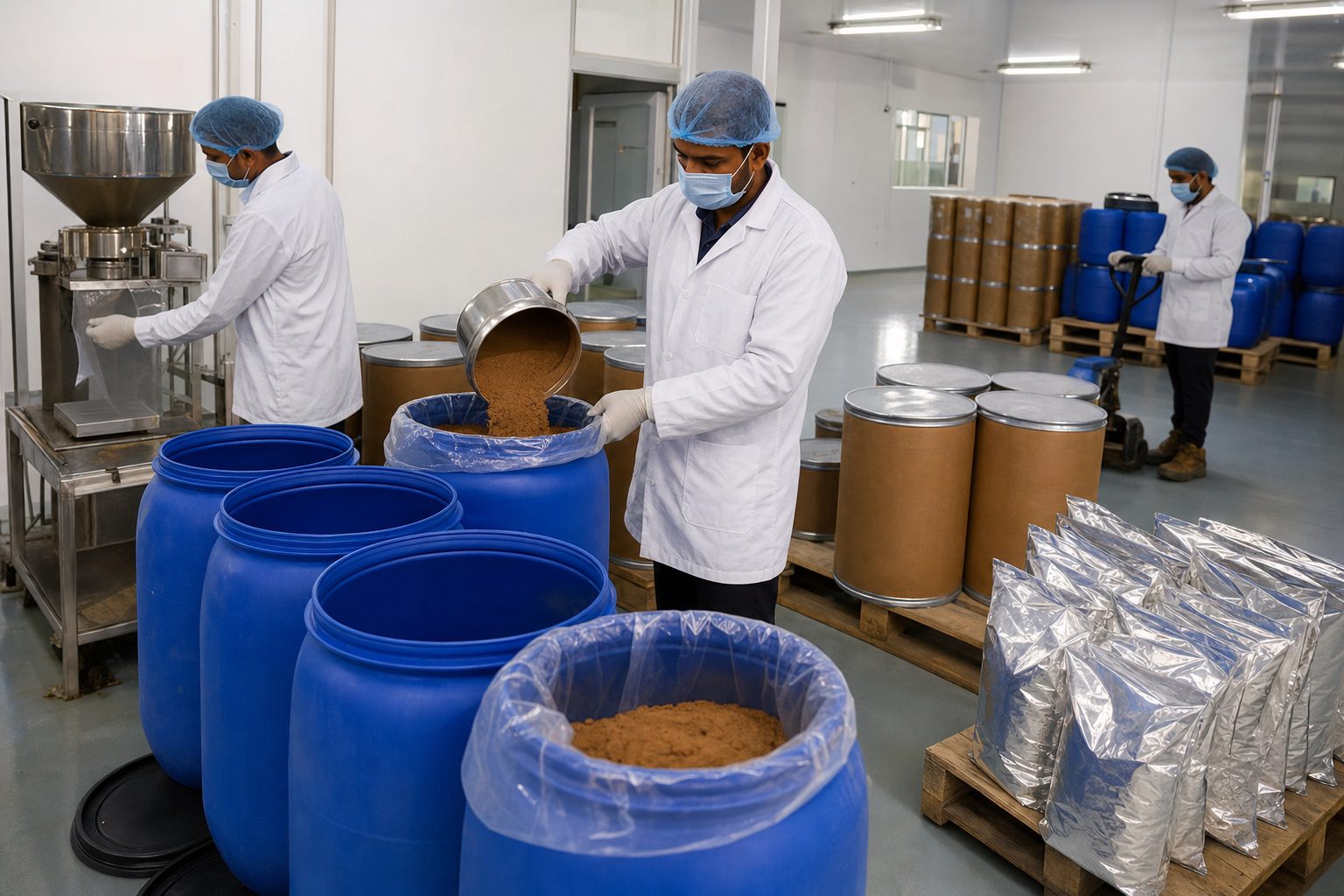
Ratio Extract versus HPLC-Standardized: The Most Important Specification Decision
The specification decision between ratio extract and HPLC-standardized extract is the most financially consequential sourcing choice for buyers of Indian herbal extracts. The financial impact is significant: a 10:1 ashwagandha ratio extract may FOB at USD 15–20/kg while an HPLC-standardized 5% withanolides format from the same manufacturer FOBs at USD 28–40/kg — approximately 1.5 to 2 times more. The value delivered to the end-buyer is incomparably higher for the HPLC-standardized format: it enables label claims backed by analytical evidence, regulatory compliance in all major markets, and formulation consistency that the ratio extract cannot provide.
Ratio extracts specify how much raw plant material was concentrated into the extract — a 10:1 means ten kilograms of dried root produced one kilogram of extract. This describes the concentration process but does not describe active compound content. Raw material quality varies enormously with growing region, harvest timing, plant age, and extraction batch conditions. Two 10:1 ashwagandha extracts from different manufacturers may contain 2% withanolides in one batch and 0.5% withanolides in another — both correctly labelled 10:1. For a supplement brand requiring withanolide-based label claims, a ratio extract provides no sustainable claim foundation.
HPLC-standardized extracts guarantee minimum active compound concentration per batch, enable consistent and legally substantiated label claims, and provide the analytical documentation that USA, EU, Japanese, and Australian regulatory frameworks require. The investment in HPLC standardization at the manufacturer level — testing protocols, laboratory relationships, quality control systems — is what separates export-ready pharmaceutical-grade manufacturers from domestic-grade commodity processors.
Ratio Extract vs HPLC-Standardized: Direct Specification and Commercial Comparison
Swipe →
Data table — swipe horizontally on small screens
| Parameter | Ratio Extract (e.g., 10:1) | HPLC-Standardized Extract (e.g., 5% Withanolides) |
|---|---|---|
| Active compound guarantee | None — concentration ratio only | Guaranteed minimum % by HPLC validated every batch |
| Batch-to-batch consistency | Variable; raw material quality determines active level | Controlled; standardization adjusts for raw material variation |
| Label claim eligibility | None for any marker-based supplement claim | Full claim with lot-specific COA as substantiation |
| USA/EU regulatory suitability | Limited; cannot support DSHEA or EU supplement claims | Standard requirement for all regulated global markets |
| Price premium | Baseline pricing reference | 1.5x–3x ratio extract pricing typically |
| COA complexity | Basic: ratio, moisture, identity, microbial | Full: HPLC assay, HM, pesticide MRL, microbial, identity, moisture |
| Primary buyer type | Ayurvedic product manufacturers; traditional medicine | Supplement brands; pharma buyers; food ingredient buyers globally |
| Market access | Ayurvedic, traditional, value-segment buyers only | All regulated global markets: USA, EU, Japan, Australia, Canada |
FOB Pricing and MOQ by Botanical SKU: Commercial Planning Reference
The following pricing and MOQ reference covers the commercial range of herbal extract SKUs exported from India. All prices are indicative for commercial planning — actual quotes depend on lot size, manufacturer certification, raw material market conditions at time of order, and any proprietary technology licensing for patented formats. Organic certified formats typically add 35–60% to conventional pricing. Price volatility is inherent to herbal extract markets because raw material availability swings with monsoon-dependent yield cycles and seasonal harvesting windows.
MOQ structures reflect extraction batch economics. Most HPLC-standardized extracts have a practical minimum of 25 kg because laboratory testing costs per lot run to USD 300–700 and cannot be economically absorbed on smaller quantities. For popular high-volume extracts like curcumin 95% and ashwagandha 5%, manufacturers typically maintain continuous production with ex-stock availability at 25–500 kg. For specialty or lower-volume extracts, production to order with 4–8 week lead times at 50–100 kg trial MOQs is typical.
FOB Pricing and Trial MOQ by Indian Herbal Extract SKU (Indicative, 2026)
Swipe →
Data table — swipe horizontally on small screens
| Botanical Extract | Key Specification | Conventional FOB (USD/kg) | Organic FOB (USD/kg) | Trial MOQ | FCL Feasibility |
|---|---|---|---|---|---|
| Ashwagandha Root | 5% Withanolides HPLC | USD 25–40 | USD 38–60 | 25–50 kg | Yes; 5–10 MT per FCL |
| Ashwagandha Root | 10% Withanolides HPLC (premium) | USD 80–140 | N/A typically | 50–100 kg | Yes at volume programs |
| Curcumin Extract | 95% Curcuminoids HPLC | USD 18–30 | USD 28–48 | 25–50 kg | Yes; most competitive at FCL volume |
| Boswellia Serrata | 65% TBA + 10% AKBA HPLC | USD 35–55 | USD 48–72 | 25–50 kg | Yes; 5–8 MT per FCL |
| Bacopa Monnieri | 50% Bacosides HPLC | USD 30–55 | USD 45–75 | 25–50 kg | Yes; forward ordering recommended for larger programs |
| Amla Fruit | 40–80% Tannins HPLC | USD 15–30 | USD 22–42 | 25–50 kg | Yes; widely available ex-stock |
| Shatavari Root | 30–60% Saponins standardized | USD 20–45 | USD 30–60 | 50–100 kg | Yes; 5–8 MT per FCL |
| Triphala Blend | 40%+ Total Tannins standardized | USD 12–25 | USD 18–38 | 25–50 kg | Yes; 5–10 MT per FCL |
| Ginger Rhizome | 5% Gingerols HPLC | USD 22–48 | USD 32–62 | 25–50 kg | Yes; widely available |
| Gymnema Sylvestre | 75% Gymnemic Acids HPLC | USD 35–70 | USD 50–90 | 50–100 kg | Yes; 4–6 week production lead time |
| Moringa Leaf | Polyphenols standardized | USD 18–38 | USD 28–55 | 25–50 kg | Yes; large production base |
| Tulsi Leaf | Ursolic acid 2–5% or 10:1 ratio | USD 15–28 | USD 22–40 | 25–50 kg | Yes; widely available |
| Coleus Forskohlii Root | 20% Forskolin HPLC | USD 40–80 | N/A typically | 50–100 kg | Yes; 6–8 week production lead |
| Bitter Melon (Karela) | 10% Charantin standardized | USD 20–40 | USD 30–55 | 50–100 kg | Yes; seasonal raw material — plan ahead |
| Neem Leaf | Nimbin or azadirachtin standardized | USD 18–35 | USD 28–50 | 25–50 kg | Yes; wide production base available |
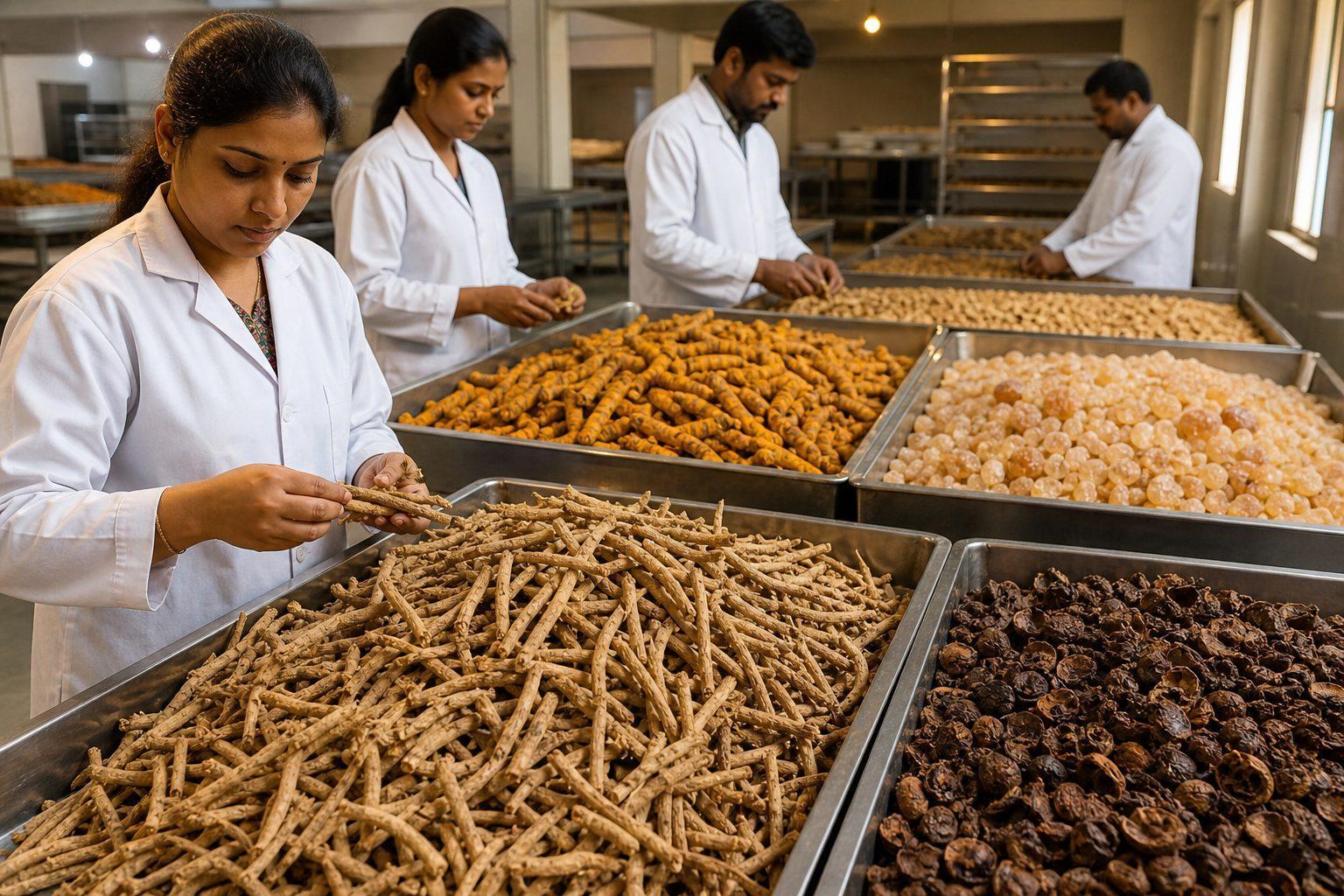
Certifications by Extract Type and Market: Investment Guide for Exporters
Compliance Notes
Certification requirements for herbal extract export vary by botanical, application, and destination market. Not all certifications are required for all categories — understanding the minimum viable certification path for your specific botanical, buyer type, and target market prevents both under-investment that blocks market access and over-investment that adds cost without proportionate buyer value.
Certification Requirements for Indian Herbal Extract Export by Market (2026)
Swipe →
Data table — swipe horizontally on small screens
| Certification | Essential For Markets | Key Botanicals Where Most Critical | Commercial Value |
|---|---|---|---|
| IEC (Import Export Code) | All markets — mandatory for every shipping bill | All extract categories | Enables legal export filing; no IEC = no shipment |
| AYUSH-GMP Certificate | Gulf; Asian markets; India baseline GMP | All traditional Ayurvedic extract categories | Baseline GMP recognition; required by Gulf buyers |
| WHO-GMP Certificate | USA (supplement brands); Germany; Japan; Australia pharma | All Tier 1: ashwagandha, curcumin, boswellia, bacopa | Highest GMP recognition; mandatory for USA and EU pharma-grade |
| FSSAI Central Licence | All food-chain extract export globally | Curcumin, ginger, moringa, amla for food use | Mandatory; enables FSSAI health certificate for export |
| NPOP Organic (EU equivalent) | EU Organic supplement and food ingredient markets | Ashwagandha, Amla, Moringa, Tulsi, Triphala, Shatavari | EU Organic label without separate EU cert; 40–80% premium |
| USDA NOP Organic | USA USDA Organic supplement market | Ashwagandha, Amla, Moringa, Tulsi | Separate from NPOP; US-accredited certifier in India required |
| Halal Certificate | UAE, Saudi, Kuwait, Malaysia, Indonesia | All extracts entering Gulf, MENA, SE Asian markets | Mandatory for Gulf buyers; IFANCA, ESMA, JAKIM recognised |
| Kosher Certificate | USA kosher supply chain; Israel; EU kosher retail | Ashwagandha, Curcumin, Bacopa, Amla, Moringa | OU Kosher or Kof-K recognised; opens premium US channels |
| ISO 22000 / HACCP | EU food-use buyers; Japan; Australia food-grade | Food-use curcumin, ginger, moringa, tulsi | Food safety management system certification |
| Prop 65 HM compliance testing | All USA-market extract supply (effectively mandatory) | All extracts; especially high-dose Tier 1 botanicals | Required by informed USA buyers; lead below 0.5 µg/day serving |
Strategic Botanical-Market Matching for Indian Herbal Extract Export
The most effective market entry strategy for Indian herbal extract exporters matches specific botanicals to markets where buyer demand is most established, certification pathways are most achievable, and price premiums are highest relative to quality investment. Targeted, specification-led approaches to two or three well-matched markets consistently outperform broad-based offerings of every botanical to every market without specific positioning.
Strategic Botanical-Market Matching for Indian Herbal Extract Export (2026)
Swipe →
Data table — swipe horizontally on small screens
| Target Market | Priority Botanicals | Why These Botanicals Fit | Minimum Certification | Entry Strategy |
|---|---|---|---|---|
| USA supplement brands | Ashwagandha (5%+ withanolides); Curcumin (BCM-95 or 95%) | Largest volumes; clinical evidence; mainstream retail adoption | WHO-GMP + third-party GMP audit + Prop 65 HM | SupplySide West trade show; import trade data prospecting |
| Germany (pharma-grade buyers) | Boswellia (65% TBA + AKBA); Curcumin (enhanced bioavailability) | Joint health leadership; German clinical evidence culture | WHO-GMP mandatory; EU pesticide MRL; supplier audit expected | Vitafoods Europe; ingredient distributor partnerships |
| Netherlands (EU distributor) | Ashwagandha; Curcumin 95%; Bacopa Monnieri | EU distribution hub; volumes multiplied by EU redistribution | WHO-GMP; EU Organic for organic claims; EU MRL compliance | Ingredient distributor partnerships; Fi Europe trade show |
| UK health food retail | Ashwagandha organic; Moringa; Amla organic | Health food retail strong; organic premium evident | AYUSH-GMP or WHO-GMP; UK Organic NPOP equivalent | Natural and Organic Products Europe show; direct brand sales |
| Japan functional food | Curcumin (food-grade); Ginger extract; Moringa | Functional food applications; food colour; digestive wellness | ISO 22000; ultra-low pesticide MRL; precise English documentation | Specialist importer relationships; Health Ingredients Japan show |
| Australia TGA market | Ashwagandha; Boswellia; Bacopa | TGA complementary medicine market; clinical evidence valued | TGA-acceptable GMP; TGA Permitted Ingredients list | TGA permitted ingredient check first; Australian distributor |
| UAE and Gulf Ayurvedic | Shatavari; Triphala; Amla; Brahmi | Unani/Ayurvedic product manufacturing base; heritage demand | Halal cert; FSSAI health cert; AYUSH-GMP | Gulf Unani/Ayurvedic manufacturer partnerships; Gulfood Dubai |
| South Korea K-wellness | Curcumin; Ashwagandha; Gymnema | K-wellness supplement trend; functional food; blood glucose | MFDS compliance; WHO-GMP preferred | KOTRA-facilitated buyer introductions |
Buyer and Exporter Quality Checklists
Checklist
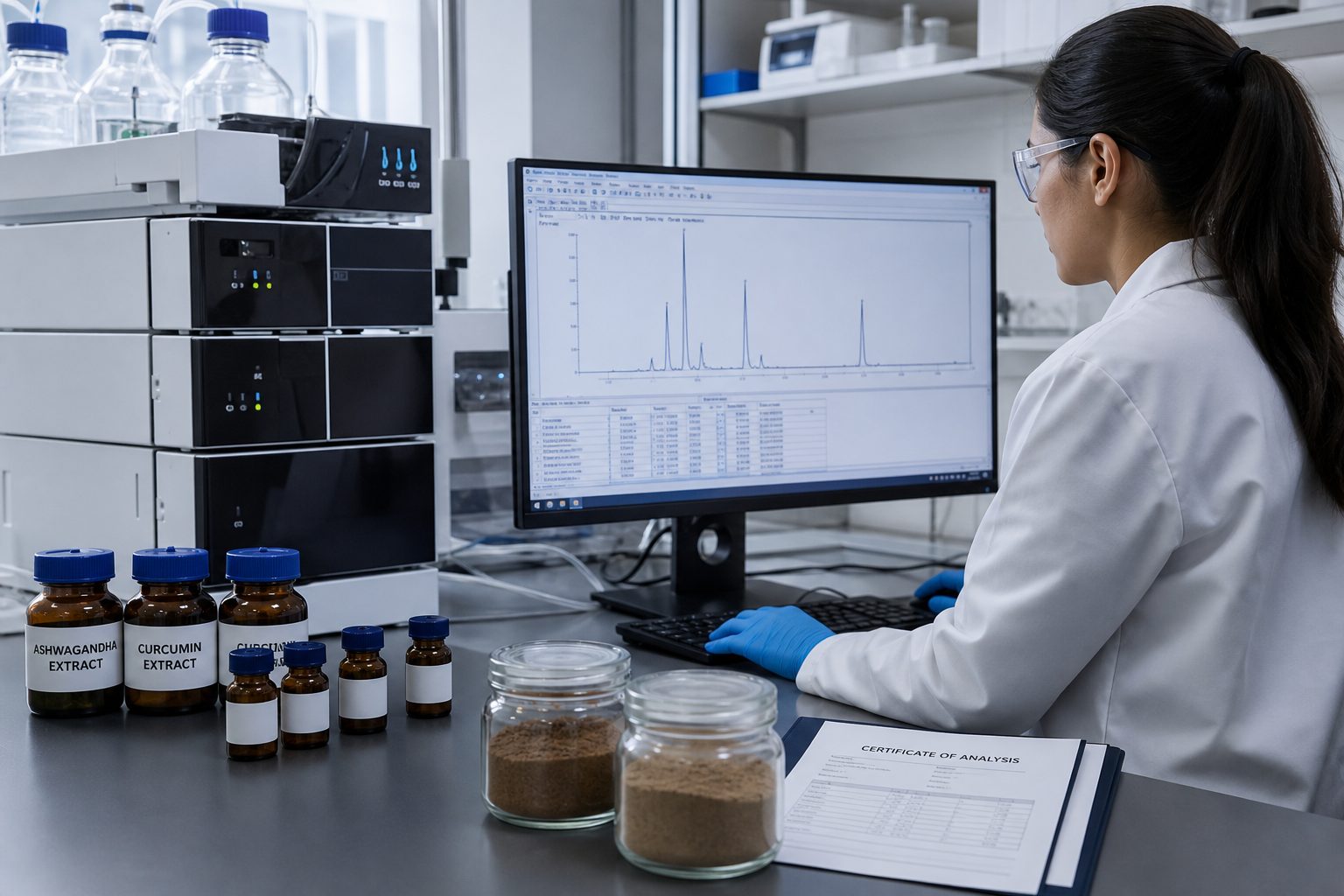
Common Sourcing Mistakes in Indian Herbal Extract Trade
The herbal extract trade has a higher incidence of quality disputes and supply relationship failures than most commodity food ingredient categories, primarily because of specification complexity, wide range of manufacturer capability, and the technical sophistication required to correctly evaluate quality documentation. The following mistakes occur frequently across buyer and exporter interactions observed by Altus Exports.
Common Mistakes in Indian Herbal Extract Sourcing and How to Prevent Them
Swipe →
Data table — swipe horizontally on small screens
| Perspective | Mistake | Consequence | Prevention |
|---|---|---|---|
| Buyer | Requesting price only without specification | Receives ratio extract when HPLC-standardized is required; no label claim possible | Define full spec — marker, method, minimum % — before requesting price |
| Buyer | Not verifying GMP certificate currency before ordering | Product from expired-GMP facility; non-compliant for USA/EU buyers | Download and check GMP certificate date, scope, and issuing body directly |
| Buyer | Accepting non-lot-specific generic COA | Cannot verify quality of specific shipment; customs hold or recall risk | Mandate lot-specific COA with batch number matching invoice exactly |
| Buyer | Not specifying Prop 65 HM limits for USA market | Product fails third-party testing; recall exposure; FTC/FDA enforcement risk | Specify HM limits at Prop 65 threshold in COA requirement |
| Buyer | Ignoring EU Novel Food status for uncommon extracts | Extract may be prohibited as food supplement in EU without Novel Food authorization | Check EU Novel Food catalogue; consult regulatory expert before order |
| Buyer | Ordering FCL without trial lot evaluation | Manufacturing-batch quality gap surprises buyer; costly reshipment or write-off | Always run 25–100 kg trial lot evaluation before committing to FCL |
| Exporter | Claiming organic without current transaction certificate per lot | Fraudulent organic claim; importer regulatory liability; market ban risk | Each certified organic lot requires current TC from APEDA-accredited body |
| Exporter | Using ratio labelling for HPLC-requiring markets | Qualified buyers reject; premium market opportunity lost | Invest in HPLC standardization before approaching USA or EU buyers |
| Both | Lot number mismatch across COA, invoice, packing list | Customs hold; inspection delays; relationship damage | Review all documents for complete lot number alignment before booking vessel |
Future Trends Shaping Indian Herbal Extract Export Through 2034
The structural growth trajectory for Indian herbal extract exports is anchored in durable demographic, behavioural, scientific, and regulatory trends. Ageing populations in the USA, Europe, and Japan create sustained demand for botanical ingredients supporting joint health (boswellia), cognitive function (bacopa, brahmi), stress adaptation (ashwagandha, shatavari), and metabolic wellness (gymnema, bitter melon). Younger consumer cohorts in these markets are normalising daily supplement consumption, creating a generational uplift that benefits the ingredient supply chain.
Clinical evidence investment is the most important differentiator Indian extract manufacturers can build over the next five years. Buyers in Germany, the USA, and Japan increasingly require that their botanical ingredient suppliers reference published human clinical trials to support health claims. Extract manufacturers who have co-funded or participated in clinical research on their specific extract formats are capturing pricing premiums and supply exclusivity arrangements that commodity manufacturers cannot access. The commercial return on a well-executed human RCT for an Indian botanical can be 5x–10x over a five-year period through premium pricing and brand partnerships with top-tier supplement companies.
Sustainability and supply chain transparency are emerging as purchase criteria in European markets. Buyers increasingly request georeferenced sourcing documentation, farmer support programme evidence, and environmental impact assessments — particularly for wild-harvested botanicals like boswellia. Exporters who invest in these documentation frameworks now will be structurally positioned as EU sustainability regulations tighten over 2026–2030.
Future Market Trends: Indian Herbal Extract Export Opportunities (2026–2034)
Swipe →
Data table — swipe horizontally on small screens
| Trend | Key Botanicals Benefiting | Primary Driver Markets | Strategic Response for Indian Exporters |
|---|---|---|---|
| Adaptogen category mainstream adoption | Ashwagandha, Shatavari, Tulsi, Guduchi, Brahmi | USA, Germany, UK, Australia, Japan | HPLC standardization + clinical study references in sales materials |
| Nootropic and cognitive wellness boom | Bacopa Monnieri, Brahmi (Centella), Shankhpushpi | USA, UK, Japan, South Korea | 50% bacosides COA + cultivated source + clinical references |
| Metabolic wellness and blood glucose | Gymnema Sylvestre, Bitter Melon, Gurmar | USA, Germany, Japan, Australia, South Korea | 75% gymnemic acids spec + Prop 65 HM compliance |
| Organic extract demand surge | Ashwagandha, Amla, Moringa, Tulsi, Triphala, Shatavari | EU (NPOP equiv.); USA (USDA NOP); Australia (ACO) | NPOP certification + organic raw material supply chain development |
| Bioavailability innovation premium | Curcumin (BCM-95, phytosome, nano); Boswellia (AKBA) | USA, Germany, Japan, UK premium brands | License or partner on bioavailability technology; multiple enhanced formats |
| Clinical substantiation requirements | All Tier 1 extracts; growing Tier 2 category | USA, Germany, EU, Japan, Australia | Fund or co-fund human RCTs; reference publications in all buyer materials |
| Supply chain traceability demand | All botanicals; boswellia and wild-harvest species especially | Germany, Netherlands, UK, USA premium brands | Farm-to-extract lot traceability; digital documentation platforms |
| Sustainability certification growth | Boswellia (wild harvest concerns); all botanical categories | Germany, Netherlands, Scandinavia — EU market leaders | Sustainable harvest certification; farmer support programme documentation |
Conclusion: Source India's Top Herbal Extract Products with Confidence
- Master the export process at how to export herbal extracts from India — IEC, AYUSH-GMP, FSSAI, HS 1302.19, packaging, documentation, and logistics.
- Find the right destination for each botanical with best countries for Indian herbal extract exports.
- Match botanical demand to country with most demanded Indian herbal extracts by country.
- Build certification advantage with AYUSH and FSSAI registration benefits for herbal extract exporters.
- Explore the organic premium with organic standardized herbal extract export opportunities.
- Prepare documentation with herbal extract export documentation checklist.
- Build buyer pipeline with how to find international buyers for herbal extracts and trade shows for herbal extract exporters.
- Source directly with how to source herbal extracts directly from India.
- Explore herbal-ayurvedic-products industry overview for broader Ayurvedic export context.
- Contact merchant exporter services or global sourcing partner services to begin your herbal extract programme with Altus Exports.
India's herbal extract portfolio — spanning from the globally branded adaptogen ashwagandha to curcumin's bioavailability innovation frontier, from AKBA-enriched boswellia for joint health to bacosides-standardized bacopa for nootropic formulations, from Ayurvedic heritage extracts of amla, shatavari, and triphala to the emerging specialty tier of coleus forskohlii, gymnema sylvestre, bitter melon, and moringa — represents the world's most comprehensive single-origin botanical extract sourcing opportunity. No competing origin combines India's botanical uniqueness for Ayurvedic core ingredients, growing WHO-GMP certified manufacturing depth, expanding organic-certified supply chains, and competitive landed cost in regulated supplement markets globally.
Buyers who build lasting competitive advantage from Indian herbal extract sourcing are those who invest in specification quality upfront, verify GMP and certification before ordering, build supply relationships with forward volume commitment, and leverage the premium that Indian origin and Ayurvedic heritage authenticity commands where consumer awareness is highest. Exporters who capture the premium tier are those who have made GMP certification, HPLC testing infrastructure, and market development investments that transform a botanical into a documented, trusted, bankable ingredient for international buyers.
Altus Exports supports international buyers with verified manufacturer sourcing across India's primary extract clusters in Hyderabad, Indore, Neemuch, Ahmedabad, and Bangalore — providing specification-matched supplier access, COA verification, GMP status confirmation, sample coordination, and end-to-end export logistics from Indian load ports to international destinations.