
How to Find International Buyers for Herbal Extracts
By Saurabh Mittal, Founder, Altus Exports
From mining HS 1302 trade intelligence to landing at Vitafoods Europe and SupplySide West, this guide maps every channel an Indian herbal extract exporter needs to build a pipeline of verified, high-value international buyers.
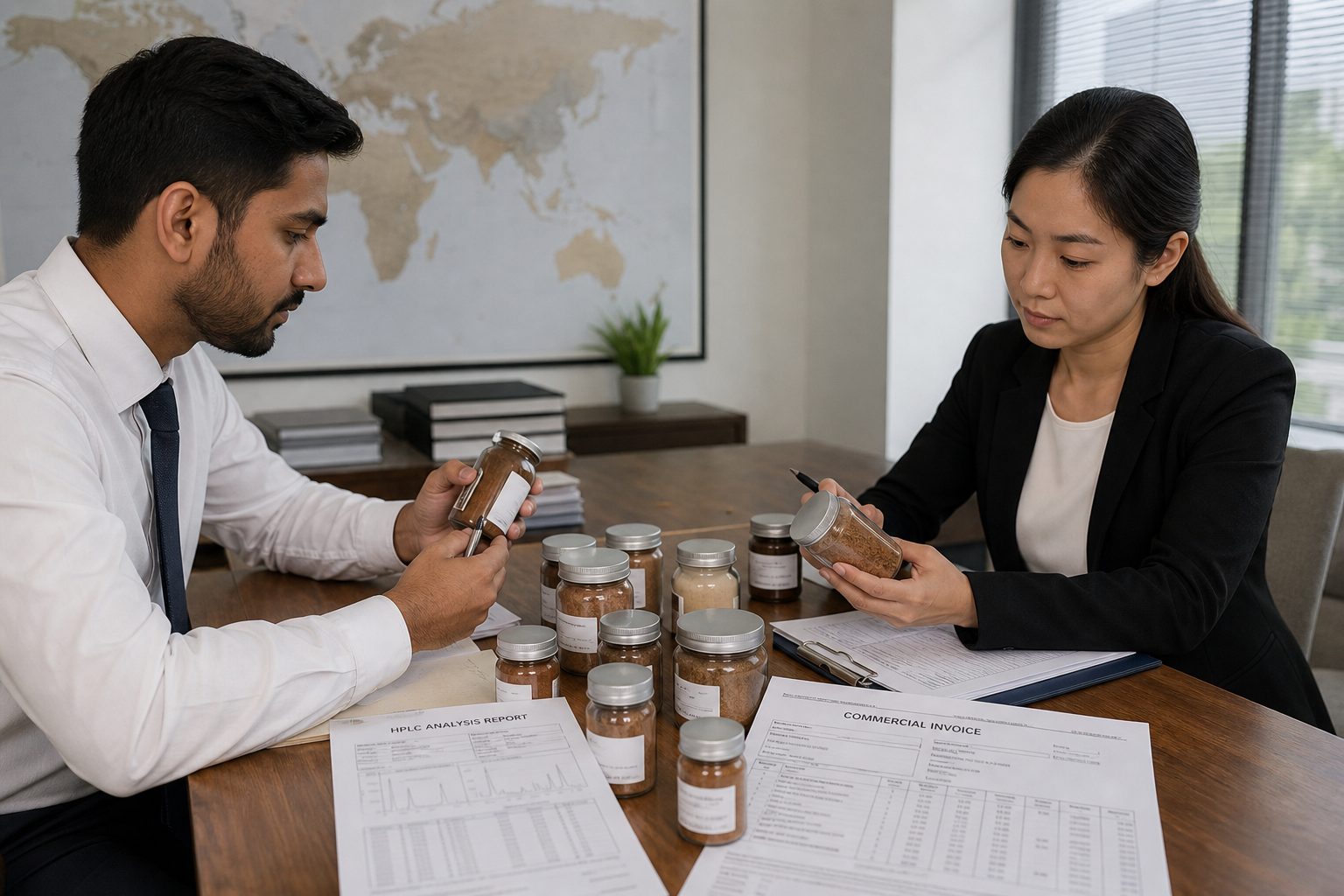
India is a major global source of medicinal botanicals and standardized herbal extracts, yet a large share of exportable output is still traded without HPLC/GMP documentation at commodity margins because many exporters lack a structured approach to reaching buyers who will pay for verified quality. Finding those buyers is not about blasting cold emails or listing on every B2B portal. It is a disciplined process: decode where demand is moving through HS 1302 trade data, build credibility on platforms where procurement teams actually operate, appear at the trade shows where purchase decisions are pre-qualified, verify that a prospect is genuinely import-ready, and then run a sample-to-purchase-order workflow that converts interest into revenue.
This guide is written for Indian herbal extract exporters — whether you operate your own manufacturing unit or work through a merchant exporter like Altus Exports — who want to replace opportunistic, low-margin spot inquiries with a repeatable pipeline of verified international buyers. It covers the full lead generation journey from market intelligence through first commercial order, with country-specific buyer profiles, platform strategies, trade show playbooks, and the checklist every exporter should run before sending a sample. For context on which products are in highest global demand, see our companion guide on the most demanded Indian herbal extracts by country. For documentation requirements once you have a buyer, see our herbal extract export documentation checklist.
Altus Exports operates as a merchant exporter and global sourcing partner, giving both buyers and Indian manufacturers a single accountable interface across ashwagandha, curcumin, boswellia, bacopa, amla, and dozens of other standardized plant extracts. The frameworks in this guide reflect real buyer conversations, live shipment experiences, and the patterns we observe across markets from the United States to the European Union, Japan, Australia, and the Gulf.
Key Takeaways
Summary Box
Executive Summary
Summary Box
Published estimates of the global herbal extract market vary widely by scope (often roughly USD 30–45 billion in mid-2020s analyst reports). India's verified trade benchmark for most commercial herbal extracts is HS 130219: about USD 540 million exported in calendar year 2024 (WITS/UN Comtrade). Broader AYUSH/botanical product baskets can be larger but must not be conflated with HS 130219 extract exports. Competition from Chinese, European, and other Asian suppliers remains intense — making buyer acquisition strategy as important as product quality.
Indian herbal extract exporters who adopt a systematic buyer discovery framework — combining trade intelligence, digital presence, trade show participation, and a disciplined verification protocol — consistently outperform those relying on referrals or passive directory listings. This guide provides that framework in full, sequencing each step from data-driven market selection through the moment a first purchase order is signed and acknowledged.
Market Size & Industry Overview
Key Statistics
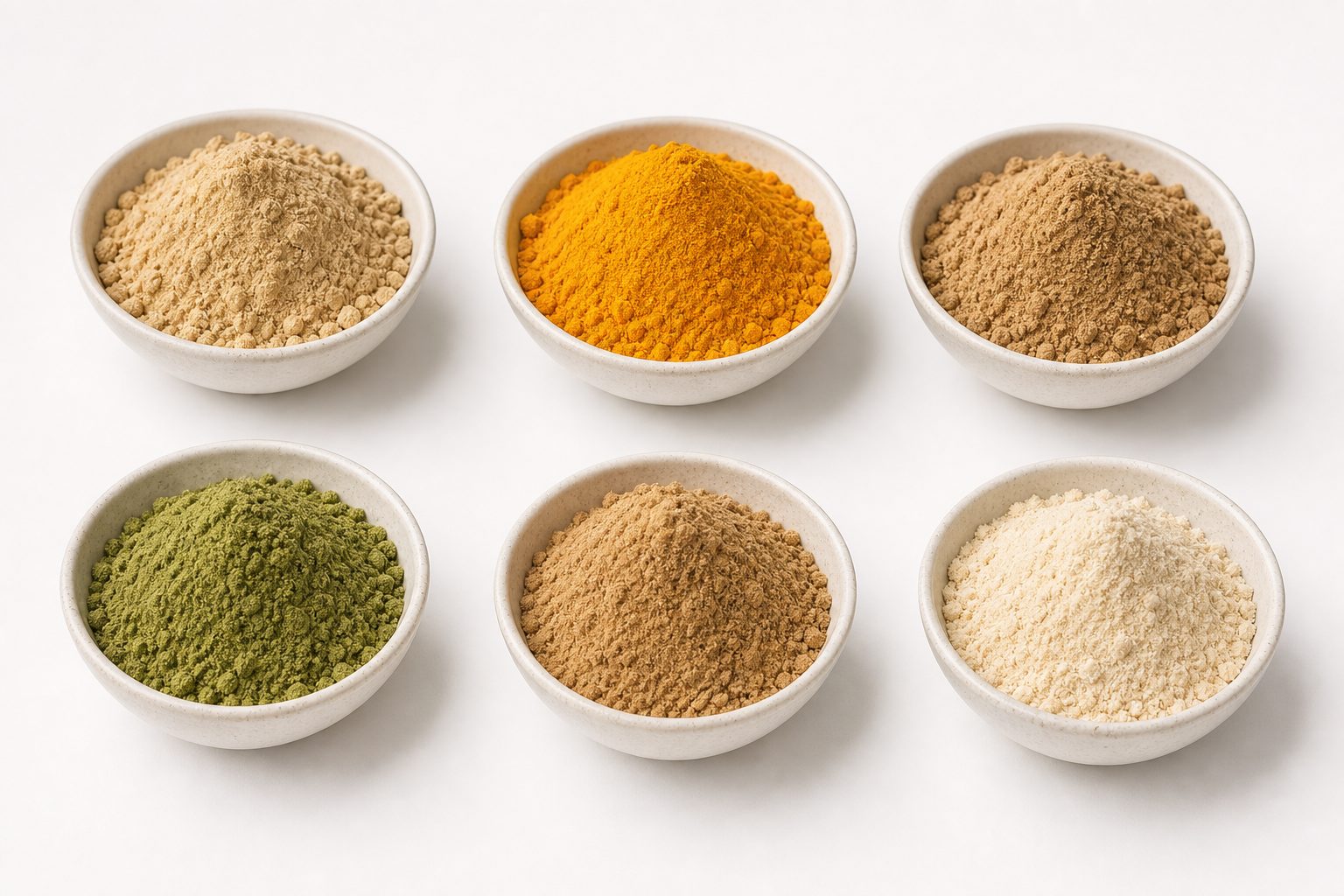
India's herbal extract industry is anchored in five product clusters: adaptogenic roots (ashwagandha, shatavari), anti-inflammatory compounds (curcumin from turmeric, boswellic acids from boswellia), cognitive and nootropic herbs (bacopa monnieri, brahmi), antioxidant-rich fruits (amla, triphala), and niche botanical actives (piperine, berberine, gymnema). These clusters align with the primary demand verticals in international markets: dietary supplements, nutraceuticals, cosmetics and personal care, functional foods and beverages, and pharmaceutical intermediates.
The manufacturing base is geographically concentrated. Hyderabad and its surrounding districts in Telangana form the largest single hub, with over 120 extraction units capable of producing HPLC-standardized extracts at scale. Indore and the Madhya Pradesh cluster service the ashwagandha and boswellia corridors given proximity to raw material growing areas. Neemuch in Rajasthan is a primary trading hub for boswellia resin and related botanicals. Ahmedabad and Gujarat's pharmaceutical belt contribute WHO-GMP-compliant extraction capacity with overlap into herbal APIs. Bangalore and Karnataka supply niche southern botanicals including holy basil, moringa, and certain Ayurvedic formulations.
Exports move primarily through Nhava Sheva (JNPT) for container shipments to the US, Europe, and Gulf; Mundra for consolidated loads into the Middle East and East Africa; and Chennai for South and Southeast Asian lanes. Air freight through Hyderabad and Bangalore handles high-value, time-sensitive specialty extracts for Japanese and Australian pharmaceutical buyers.
Table 1 — India Herbal Extract Industry at a Glance (2025–2026)
Swipe →
Data table — swipe horizontally on small screens
| Parameter | Estimated Figure | Source / Note |
|---|---|---|
| Global herbal extract market size | ~USD 30–45 billion (directional) | Analyst estimates vary by scope |
| India HS 130219 exports (CY 2024) | ~USD 540 million | WITS/UN Comtrade |
| Top destination (HS 130219, 2024) | USA ~USD 296M (~55% by value) | Then Korea, Germany, Italy, Japan |
| India's share of global botanical supply | 65–70% | Raw material + extract combined |
| Active extraction units in India | 300+ (licensed) | AYUSH / WHO-GMP registered |
| Primary export HS code | 1302.19 / 1302.39 | Plant extracts and mucilages |
| Top export clusters | Hyderabad, Indore, Neemuch, Ahmedabad, Bangalore | Manufacturing density |
| Primary load ports | Nhava Sheva, Mundra, Chennai | Volume-weighted |
Export Statistics: India's Herbal Extract Outbound Trade
Key Statistics
India's HS 130219 exports rose from about USD 438 million in 2023 to about USD 540 million in 2024 (WITS/UN Comtrade). The United States was the largest destination by value in 2024 (~USD 296 million, ≈55% of India's HS 130219 export value), followed by Korea, Germany, Italy, and Japan. Country shares by value differ from shares by volume because unit values vary. Do not use unsupported SKU-level or FY 2025–26 extrapolations as audited statistics.
Official trade statistics do not publish audited SKU-level export values for curcumin, ashwagandha, boswellia, bacopa, or amla within HS 130219. Commercially, curcumin/turmeric extracts and ashwagandha extracts are among the most frequently requested Indian standardized extract lines for US and EU nutraceutical buyers, with boswellia, bacopa, and amla also widely traded — validate relative demand through buyer RFQs and shipment-level trade intelligence rather than invented category tallies.
Table 2 — India Herbal Extract Export Value by Destination (FY 2025–26 Estimates)
Swipe →
Data table — swipe horizontally on small screens
| Destination | Estimated Value (USD M) | Share (%) | Primary Products |
|---|---|---|---|
| United States | 378–432 | 28–32% | Ashwagandha, curcumin, boswellia |
| European Union | 297–338 | 22–25% | Curcumin, boswellia, bacopa |
| Japan | 108–135 | 8–10% | Curcumin, amla, ashwagandha |
| Australia | 68–95 | 5–7% | Ashwagandha, curcumin, adaptogen blends |
| Gulf Cooperation Council | 54–81 | 4–6% | Herbal APIs, functional blends |
| United Kingdom | 54–68 | 4–5% | Organic ashwagandha, curcumin |
| Canada | 41–54 | 3–4% | Ashwagandha, curcumin, amla |
| Rest of World | 270–350 | 20–22% | Mixed extract portfolio |
Import Statistics: What Buyers Are Actually Purchasing
Key Statistics
Understanding the import side of the HS 1302 trade equation is as important as knowing India's export capacity. US Customs and Border Protection data, EU Eurostat trade flows, and Japan's Ministry of Finance trade statistics consistently reveal that buyers in these markets are importing at high frequency — quarterly or monthly — in lot sizes ranging from 100 kg to 5,000 kg per line item. Blended orders combining multiple extracts in a single FCL shipment have become increasingly common as supplement brands rationalize their Indian supply relationships to two or three trusted exporters rather than ten.
Japan's pharmaceutical and Kampo-medicine sector imports Indian herbs under strict pharmacopoeia standards, requiring COA parameters that align with JP (Japanese Pharmacopoeia) specifications — a requirement that eliminates many smaller Indian exporters who lack the analytical infrastructure. The EU cosmetics sector under Regulation 1223/2009 is an increasingly significant buyer of plant extract concentrates for skin-care actives, with Germany, France, and the Netherlands serving as primary entry points. Australian TGA-regulated buyers require stability data and evidence of Good Manufacturing Practice alongside the standard certificates of analysis.
Table 3 — Key Buyer Profile by Market: Import Behaviour and Requirements
Swipe →
Data table — swipe horizontally on small screens
| Market | Typical Buyer Type | Order Frequency | Preferred Lot Size | Key Certification Demand | |
|---|---|---|---|---|---|
| USA | Supplement brands, contract manufacturers | Monthly–quarterly | 500–2,000 kg | USDA Organic, Non-GMO, HPLC COA | |
| EU | Nutraceutical brands, pharma intermediaries | Quarterly | 500–5,000 kg | EU Organic, REACH, EMA-aligned GMP | |
| Japan | Pharma, Kampo formulators | Bi-annual–quarterly | 200–1,000 kg | JP-compliant COA, WHO-GMP | |
| Australia | TGA-listed product manufacturers | Quarterly | 100–500 kg | TGA-GMP, Organic (ACO) | |
| UK | Supplement & food brands | Quarterly | 200–1,000 kg | Organic, WHO-GMP | |
| Gulf | Distributors, pharma | Semi-annual | 500–2,000 kg | HALAL, WHO-GMP | |
| Canada | NHP manufacturers | Quarterly | 200–800 kg | NPN-ready documentation |
Product Categories and Variants: What to Lead With
Summary Box
Not all herbal extracts are equally attractive to international buyers. Leading with the right product cluster — one with proven international demand, India's established supply chain, and your manufacturing capability — determines which buyer segments you can realistically enter and at what price point. The following overview maps the five primary export-ready categories to their target buyer types.
Table 4 — Herbal Extract Product Lines: Standardization & Primary Buyer Segments
Swipe →
Data table — swipe horizontally on small screens
| Extract | Standard Marker | Typical Grade | Primary Buyer Segment | Price Band (USD/kg) |
|---|---|---|---|---|
| Ashwagandha | Withanolides | 2.5%, 5%, KSM-66 | Supplement brands, functional food | 18–85 |
| Curcumin | Curcuminoids | 95% (HPLC) | Pharma, supplement, cosmetics | 22–140 |
| Boswellia | AKBA + boswellic acids | 10–30% AKBA | Pharma, joint health brands | 30–120 |
| Bacopa | Bacosides | 20%, 40%, 55% | Nootropic brands, children's nutrition | 25–90 |
| Amla | Tannins / ellagic acid | 40–50% tannins | Cosmetics, supplement, immune | 15–55 |
| Piperine | Piperine content | 95%+ | Bioavailability enhancer, pharma | 40–180 |
| Berberine | Berberine HCl | 97%+ | Pharma, metabolic health | 35–160 |
| Triphala | Tannins | 30–40% | Ayurvedic brands, gut health | 12–45 |
Ashwagandha Root Extract
Ashwagandha (Withania somnifera) extract standardized to withanolides content (typically 2.5%, 5%, or KSM-66/Sensoril trademarked grades) is the highest-growth herbal export from India. Buyers range from large US supplement brands (NOW Foods, Jarrow Formulas, contract manufacturers for private label) to EU functional food companies incorporating adaptogens into beverages. Full-spectrum root-only extracts command premiums over leaf-mixed grades. The raw material corridor runs from Rajasthan and Madhya Pradesh to extraction units in Indore, Nagpur, and Hyderabad.
Curcumin / Turmeric Extract
Curcumin extract (Curcuma longa) standardized to 95% curcuminoids by HPLC is India's highest-volume botanical export by value. Buyers include pharmaceutical companies seeking anti-inflammatory APIs, supplement brands formulating joint health and cognitive products, and cosmetics manufacturers using curcumin as an active. Bioavailability-enhanced forms (BCM-95, Meriva, CurcuWIN) are differentiated lines commanding 3–5× the price of standard 95% extract. Export clusters center on Andhra Pradesh and Telangana turmeric growing regions with processing in Hyderabad.
Boswellia Serrata Extract
Boswellic acid extracts (standardized to AKBA — 3-O-acetyl-11-keto-β-boswellic acid content, typically 10–30%) serve pharmaceutical buyers in Germany, Switzerland, and Japan focused on anti-inflammatory and osteoarthritis indications. The raw material flows from Rajasthan's dry forests through Neemuch trading hubs to Indore and Ahmedabad extraction units. Buyers for boswellia tend to be more technically sophisticated than general supplement buyers, requiring HPLC data for multiple boswellic acid isomers and heavy metals testing to EU Pharmacopoeia limits.
Bacopa Monnieri Extract
Bacopa extract standardized to bacosides (typically 20–55%) targets cognitive health supplement brands, children's nutrition formulators, and nootropic stack brands primarily in the US, UK, and Australia. Bacopa raw material grows in wet lowland areas; extraction clusters in Hyderabad and Bangalore. Buyers increasingly request water-extract grades (avoiding alcohol-extracted variants for clean-label positioning) and organic certification — a combination that requires specific infrastructure investment from the manufacturing partner.
Amla (Indian Gooseberry) Extract
Amla (Phyllanthus emblica) extract standardized to total tannins or ellagic acid content is used in hair care actives, immune support supplements, and vitamin C alternatives in clean-label formulations. It is a popular ingredient with EU cosmetics brands seeking natural antioxidant actives and with US supplement companies building Ayurvedic heritage positioning. Amla is commercially grown across Uttar Pradesh and Madhya Pradesh with extraction in Ahmedabad and Hyderabad.
Using HS 1302 Trade Data to Identify Buyers
Trade data is the most underutilized prospecting tool for Indian herbal extract exporters. Every commercial shipment generates a customs filing that, in many jurisdictions, is publicly accessible or available through subscription trade intelligence platforms. For herbal extracts, the primary HS chapter is 1302 — specifically 1302.19 (vegetable saps and extracts, other) and 1302.39 (mucilages and thickeners). Some specialty extracts, particularly those with pharmaceutical applications, may move under 1211 (plants used in pharmacy) or 2932/2933 (organic chemistry), but the bulk of standardized herbal extracts export under 1302.
The workflow for using trade data effectively starts with selecting the right platform. Subscription services like Panjiva, Import Genius, Volza, Seair Exim Solutions, and Zauba provide shipment-level records including consignee name, shipment value, weight, origin port, and destination port. A search for HS 1302 imports into the United States over a 12-month period will surface hundreds of importing companies — from Fortune 500 ingredient buyers to small private-label supplement startups — with their exact import history, frequency, and declared value per shipment.
The next step is qualification filtering. Not every importer in a trade database is a viable prospect. Filter by shipment value (eliminate sub-USD 5,000 spot purchases that indicate hobby or trial buyers), by frequency (three or more shipments in 12 months signals a programmatic buyer, not a one-time transaction), by product description (match to your specific extract category), and by origin (buyers currently importing from China or Europe may be prime China+1 diversification candidates). This filtering typically narrows a list of several hundred raw records to 40–80 actionable prospects.
Building a Prospect List from Trade Intelligence
Table 5 — Trade Data Prospect Qualification Framework
Swipe →
Data table — swipe horizontally on small screens
| Filter Criterion | Target Parameter | What It Signals |
|---|---|---|
| Annual import value | USD 50,000–2,000,000+ | Programmatic buyer with budget |
| Shipment frequency | 3+ shipments per year | Ongoing procurement need |
| Country of origin (current) | China, Eastern Europe | Diversification opportunity |
| Product description match | Your extract category | Relevant demand |
| Company size (employees) | 10–500 | Reachable without enterprise gatekeeping |
| Regulatory registration | FDA, FCC, TGA listed | Compliance-capable buyer |
| Growth trend | Increasing import value YoY | Growing budget allocation |
Once you have filtered trade records, enrich each prospect with public information: company website, LinkedIn company page, regulatory filings (FDA dietary supplement facility registrations are public in the US), and media mentions. This enrichment helps you understand whether a prospect is a contract manufacturer (who may need multiple extract inputs), a branded supplement company (who needs ingredient supply for specific SKUs), a distributor (who serves multiple downstream brands), or a pharmaceutical company (who may require API-grade specifications).
Each buyer type has a different decision-making process and different information needs. Contract manufacturers are often the fastest to move from interest to sample request because they have active production mandates from their brand clients. Branded supplement companies move more slowly but represent longer, stickier relationships once established. Distributors can offer volume but often apply margin pressure that compresses exporter pricing. Pharmaceutical buyers have the longest qualification cycles but the highest price tolerance for documented quality.
Reading Competitor Shipment Data
Trade data also reveals which Indian exporters your prospects are currently buying from and at what declared value. This is competitive intelligence of a high order. If a US supplement brand is importing curcumin from a Hyderabad exporter at USD 28/kg declared value, and your comparable grade can be offered at USD 26/kg with superior HPLC documentation, you have a concrete differentiation proposition. Conversely, if the declared value is already USD 45/kg, the buyer has likely established a relationship for a premium-grade product — your pitch must emphasize quality parity or superiority rather than price.
Digital Channels: LinkedIn, B2B Portals, and Content Marketing
Digital prospecting for herbal extract buyers requires understanding where procurement teams, formulation scientists, and sourcing managers spend their professional attention. LinkedIn is the highest-signal platform for B2B ingredient outreach because it reaches named individuals in purchasing and R&D roles at supplement brands, contract manufacturers, and pharmaceutical companies — the exact buyers for Indian herbal extracts.
LinkedIn Outreach Strategy
An effective LinkedIn strategy for herbal extract exporters has three components: a company page that signals credibility, an individual profile for the export team's senior representative, and a structured outreach sequence. The company page must include: verified company description with manufacturing capabilities and certifications (AYUSH, WHO-GMP, USDA Organic, FSSAI), high-quality product images with visible HPLC certificate call-outs, case studies or customer references (with permission), and regular content on ingredient science, regulatory updates, and market trends.
Individual outreach works best with a connection request carrying a personalized note that references the prospect's specific product line or a recent company announcement (new supplement launch, ingredient sourcing article, trade show attendance). Follow-up messages should deliver value — a relevant COA comparison, a whitepaper on ashwagandha clinical data, or an update on Indian export regulation changes — rather than immediately pitching. LinkedIn Premium's Sales Navigator allows filtering by job title (Purchasing Manager, VP Sourcing, Formulation Scientist, Quality Director), industry (Dietary Supplements, Pharmaceuticals, Personal Care), and geography, making prospect list building systematic rather than guesswork.
B2B Platform Optimization
Platforms including Alibaba, IndiaMART, TradeIndia, and Global Sources attract inbound inquiries from buyers who are already in market for herbal extracts. The challenge is differentiation: thousands of Indian suppliers list on these platforms, and buyers often default to lowest-price selection unless a listing clearly signals quality and reliability. An optimized listing for herbal extracts should feature: product name with standardization marker prominently in the title, all relevant certifications shown with expiry dates, minimum order quantity clearly stated, lead time, sample availability policy, and high-resolution product and facility images. Video walkthroughs of extraction and quality control processes are increasingly effective at building credibility before a first call.
Specialized platforms like Nutrition Business Journal's supplier directory, NutrAIngredients supplier profiles, and Mintel's Global New Products Database are used by formulation teams and ingredient scouts rather than purchasing managers. A presence or citation in these channels positions an exporter as a serious ingredient supplier rather than a commodity trader.
Content Marketing for Ingredient Credibility
Buyers increasingly research ingredient suppliers through Google before making contact. An exporter who publishes technically credible content — on ashwagandha clinical evidence, curcumin bioavailability science, boswellic acid anti-inflammatory mechanisms, or bacopa's cognitive research base — ranks in search results and builds authority before a prospect ever reaches out. This is a medium-term strategy (6–12 months to meaningful organic traffic) but compounds in value and generates inbound inquiries from buyers who are already educated and partially pre-sold.
Trade Show Strategy: Vitafoods Europe and SupplySide West
Trade shows remain the highest-conversion buyer acquisition channel for herbal extract exporters because they compress the trust-building timeline that normally takes months of digital interaction into two or three days of face-to-face meetings. The two most important shows for Indian herbal extract exporters are Vitafoods Europe (Geneva, May) and SupplySide West (Las Vegas, October), with Natural Products Expo West (Anaheim, March) as a valuable secondary event for brands-facing intelligence.
Vitafoods Europe
Vitafoods Europe is the premier ingredient trade show for the European nutraceutical and dietary supplement industry, drawing 20,000+ visitors from 115+ countries annually. EU-based supplement brands, contract manufacturers, and ingredient distributors attend in significant numbers, making it the single best event for building a European buyer pipeline. Indian herbal extract companies exhibiting at Vitafoods should be prepared to discuss EU Novel Food regulation status for each extract (ashwagandha is under Novel Food review as of 2025; curcumin and boswellia have established precedent), EU Organic certification under EC 834/2007 and its 2018 successor, and allergen and heavy metals compliance to European Food Safety Authority (EFSA) guidance.
Pre-show preparation is as important as the exhibition itself. Use the Vitafoods exhibitor portal to access attendee lists (where available), pre-book meetings with target companies four to six weeks in advance, and prepare a sample kit with packaged 50–100 g trial quantities of your lead extracts each accompanied by a two-page technical data sheet and HPLC COA. Meeting cadence during the show should target eight to twelve scheduled appointments per day, with walk-in buffer slots for unscheduled conversations. Post-show follow-up within 48 hours — while your booth is still fresh — converts show contacts to sample requests at the highest rate.
SupplySide West
SupplySide West is North America's largest ingredient trade show for dietary supplements, functional foods, and personal care. The US market is the largest single destination for Indian herbal extracts, and SupplySide West is where US contract manufacturers and supplement brands make sourcing decisions for the coming year. Unlike Vitafoods, which has a significant pharma component, SupplySide West skews toward finished-product manufacturers and brands — meaning conversations are often more commercially direct and quicker to reach sample and pricing discussions.
For Indian herbal extract exporters, the critical preparation for SupplySide West includes: USDA Organic certification documentation (US buyers in the premium channel demand this increasingly), Non-GMO Project verification or equivalent declaration, allergen statement, country of origin labelling compliance, and FDA dietary supplement facility registration number. Having California Proposition 65 lead testing data for turmeric-derived and boswellia extracts is advisable given the significant California-based supplement industry presence at the show.
Subsidiary Shows and Industry Events
Beyond the two marquee shows, several secondary events are worth evaluating based on your target market mix: Natural Products Expo West (Anaheim, March) for brand-facing intelligence and natural retail channel contacts; Fi Europe (Frankfurt, November) for food ingredient buyers; In-Cosmetics Global (various, April) for cosmetics and personal care extract buyers; and Nutraceuticals World industry conferences for technical and regulatory education that positions your team as knowledgeable peers rather than commodity sellers.
Buyer Verification: Five Steps Before You Invest in Samples
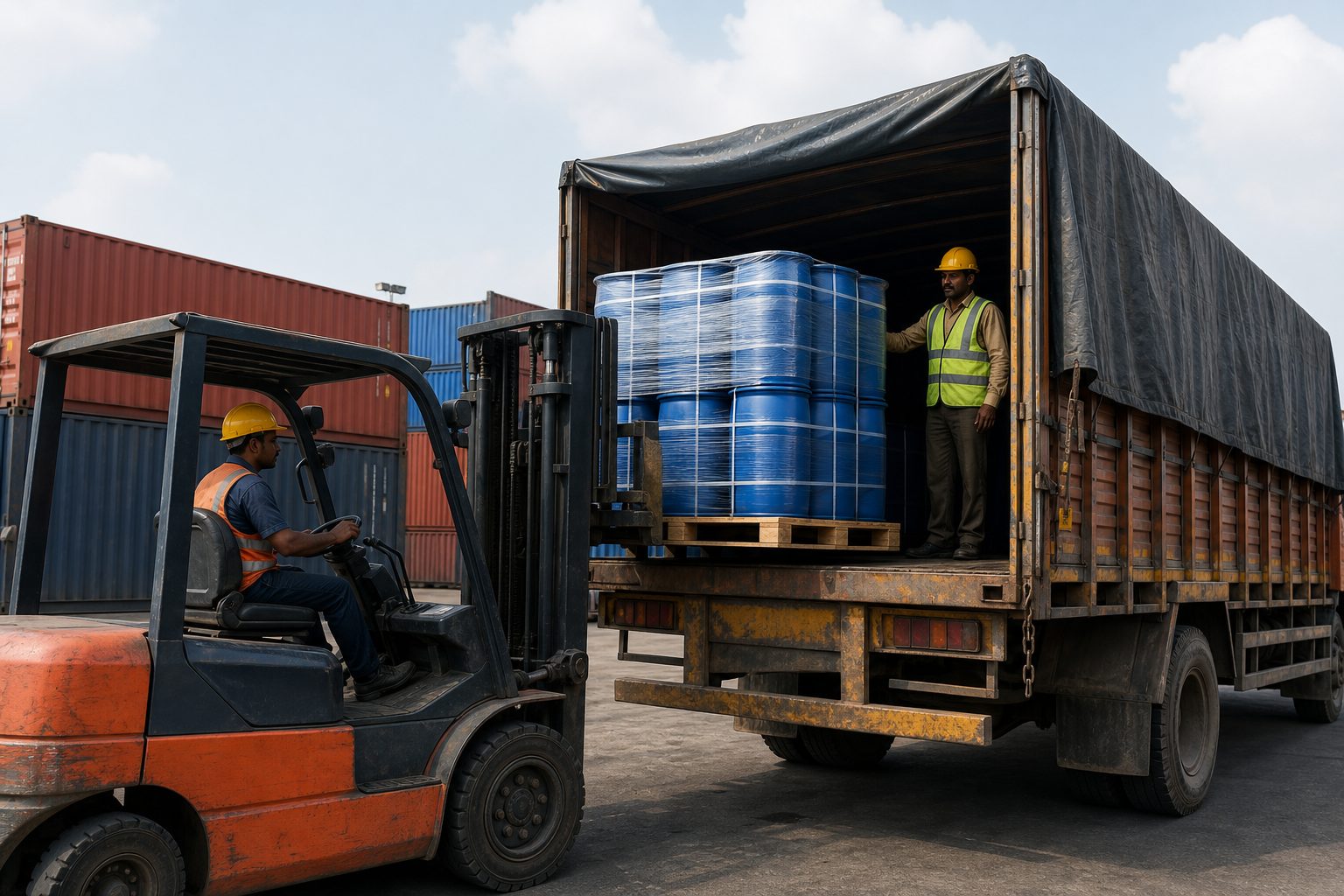
Samples are not free — in herbal extracts, a qualified sample kit with 50–100 g of five different standardized extracts, properly packaged and air-shipped, can cost USD 300–800 including courier and administrative time. More importantly, the internal testing and evaluation a serious buyer invests in when they receive your samples represents a qualification commitment on their side. Sending samples to unqualified prospects wastes both parties' resources and creates noise that obscures real pipeline velocity. A five-step verification protocol before sample dispatch is not bureaucracy — it is pipeline hygiene.
Step 1 — Confirm Import Activity
Verify that the prospect is actively importing herbal extracts (or related botanicals) through trade data, their published supplier lists, or direct inquiry. A company that has never imported before is a development opportunity, not a sales prospect — the sales cycle, education requirement, and regulatory setup time are categorically different. Qualified prospects should show evidence of active import activity within the last 18 months.
Step 2 — Validate Business Registration
Request the prospect's business registration number, FDA registration (for US food/supplement manufacturers), EU Food Business Operator number, or equivalent registration for their jurisdiction. For pharmaceutical buyers, request GMP licence numbers. Legitimate buyers in regulated markets have these documents and will not hesitate to provide them. Reluctance or inability to provide business registration is a disqualification signal.
Step 3 — Assess Technical Capability
Ask for a specification sheet or product brief for the extract they need. Sophisticated buyers come with specifications — standardization percentage, marker compound, solvent preference, particle size, microbiological limits, heavy metals limits, and shelf-life requirement. A buyer who cannot articulate specifications is either very early stage or is a broker without a genuine end buyer — both situations require different engagement models than a direct supply relationship.
Step 4 — Confirm Volume Intent
Ask directly about anticipated annual volume and near-term trial order size. A buyer projecting 2,000 kg per year in annual volume with a 200 kg trial order is a legitimate commercial prospect. A buyer who cannot or will not provide any volume guidance may be a researcher, a hobbyist, or a competitor gathering pricing intelligence. You can frame the question diplomatically: 'To make sure we configure the sample at the right grade and can confirm pricing, could you share your approximate annual requirement?'
Step 5 — Reference Check
For prospects representing significant order volume (USD 50,000+ annually), request references from their current ingredient suppliers — or check LinkedIn and industry forums for any available supplier mentions. Legitimate buyers will often have published case studies, ingredient partnership announcements, or speaker appearances at trade shows that independently validate their business standing. This step is less about distrust and more about understanding what kind of buyer experience to expect.
Pricing Analysis
Buyer Tip
Pricing for standardized herbal extracts is a function of raw material cost, extraction yield, standardization grade, certification stack, packaging format, and market segment. Understanding the pricing structure helps exporters position correctly for buyer segments and avoid the trap of competing on price alone.
Table 6 — Herbal Extract Pricing Structure by Grade and Market (FCA Indian Port, 2025–26)
Swipe →
Data table — swipe horizontally on small screens
| Extract & Grade | Standard Grade (USD/kg) | Organic Grade (USD/kg) | Premium Branded Grade (USD/kg) |
|---|---|---|---|
| Ashwagandha 2.5% withanolides | 18–28 | 28–42 | 55–85 (KSM-66/Sensoril) |
| Ashwagandha 5% withanolides | 28–45 | 42–65 | 70–110 |
| Curcumin 95% curcuminoids | 22–35 | 35–55 | 80–140 (enhanced bioavailability) |
| Boswellia 65% total acids | 25–40 | 38–58 | 70–120 (30% AKBA) |
| Bacopa 20% bacosides | 18–28 | 28–45 | 55–90 (water extract) |
| Bacopa 55% bacosides | 35–55 | 55–80 | 90–140 |
| Amla 40% tannins | 12–20 | 20–35 | 40–55 |
| Piperine 95% | 40–65 | 60–90 | 100–180 |
MOQ Analysis
Buyer Tip
Minimum order quantities for Indian herbal extracts vary by product, grade, manufacturer type, and export channel. Understanding MOQ structures helps buyers plan trial orders appropriately and helps exporters filter enquiries by seriousness.
Working through a merchant exporter like Altus Exports allows buyers to access trial quantities across multiple extract lines in a single consolidated shipment — a significant advantage for supplement brands building an Indian herbal extract sourcing programme across five or six ingredients simultaneously. The alternative — establishing separate relationships with five or six manufacturers, each with their own MOQ, COA format, and shipping schedule — multiplies complexity without proportionate benefit at the trial stage.
Table 7 — MOQ Guide by Export Channel and Extract Category
Swipe →
Data table — swipe horizontally on small screens
| Supplier Type | Typical MOQ (standard grade) | Trial Order MOQ | Notes |
|---|---|---|---|
| Large integrated manufacturer (direct) | 500–1,000 kg | 100–200 kg at premium | Higher minimum, lower price |
| Mid-size extraction unit | 100–500 kg | 50–100 kg | More flexible on trial sizes |
| Merchant exporter (Altus model) | 25–100 kg | 25 kg per product | Consolidates multiple extracts |
| Trading company / broker | 50–200 kg | No true trial flexibility | Adds markup, less quality control |
| Organic-certified grade | +50% on standard MOQ | +50% on standard trial | Organic batch segregation cost |
| Custom formulation / blend | 200–500 kg | 100 kg minimum | Blending adds complexity |
Packaging Standards for Herbal Extract Exports
Export Tip
Herbal extract exports follow standardized packaging protocols that balance product protection, regulatory compliance, and shipping efficiency. Deviations from standard packaging norms — particularly for moisture-sensitive standardized extracts — are a common root cause of quality claims on arrival.
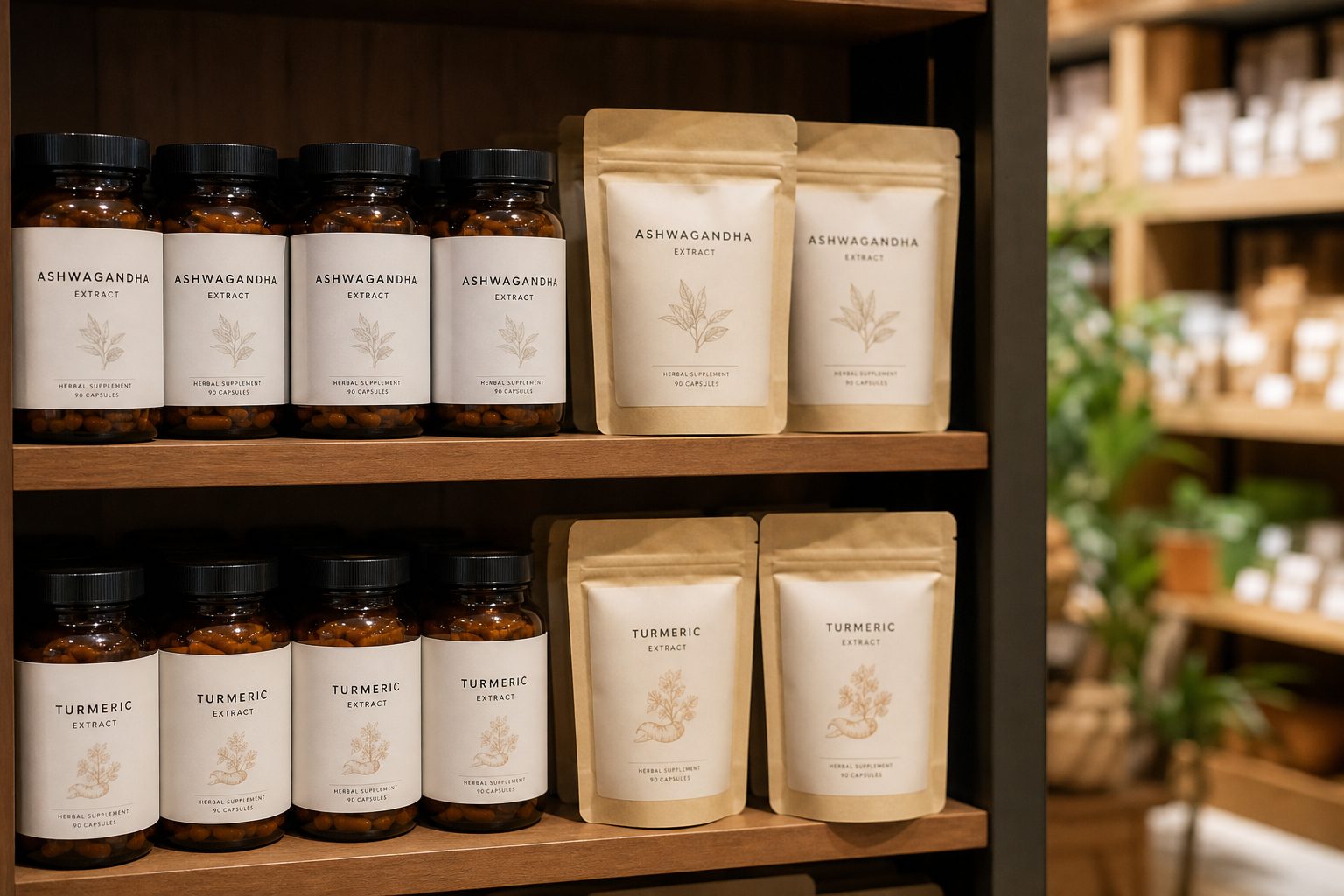
Each drum or carton must carry a label compliant with the destination market's import requirements: product name (INCI name for cosmetics-grade extracts), botanical source, part of plant used, standardization marker and percentage, lot number, manufacturing date, best-before date, net weight, gross weight, country of origin (India), and any relevant certification mark (USDA Organic seal where authorized). Mislabelled or incomplete labelling is a primary cause of customs holds and FDA Import Alert inclusion for herbal ingredients.
Table 8 — Standard Packaging Configurations for Herbal Extract Exports
Swipe →
Data table — swipe horizontally on small screens
| Extract Type | Inner Packaging | Outer Packaging | Net Weight per Unit | Special Requirements |
|---|---|---|---|---|
| Dry powder extracts (standard) | Double food-grade LDPE liner | HDPE drum or fibre drum | 25 kg | Silica gel desiccant, heat-sealed |
| Dry powder extracts (organic) | Double PE liner + aluminium foil barrier | HDPE drum | 25 kg | Lot segregation label, organic chain of custody |
| Hygroscopic extracts (bacopa, amla) | Nitrogen-flushed aluminium foil bag | Sealed HDPE drum | 10–25 kg | Moisture indicator inside |
| Semi-solid extracts | PE inner bag + aluminium foil | Food-grade HDPE pail or drum | 5–25 kg | Temperature-sensitive shipping recommendation |
| High-value specialty grades | Triple-sealed aluminium laminate pouch | Corrugated master carton | 1–5 kg | Anti-tamper seal, serialised lot |
| Sample quantities | Sealed stand-up pouch | Corrugated box with foam insert | 50–500 g | COA attached, courier-compliant weight |
Container Loading and Shipping Methods
Export Tip
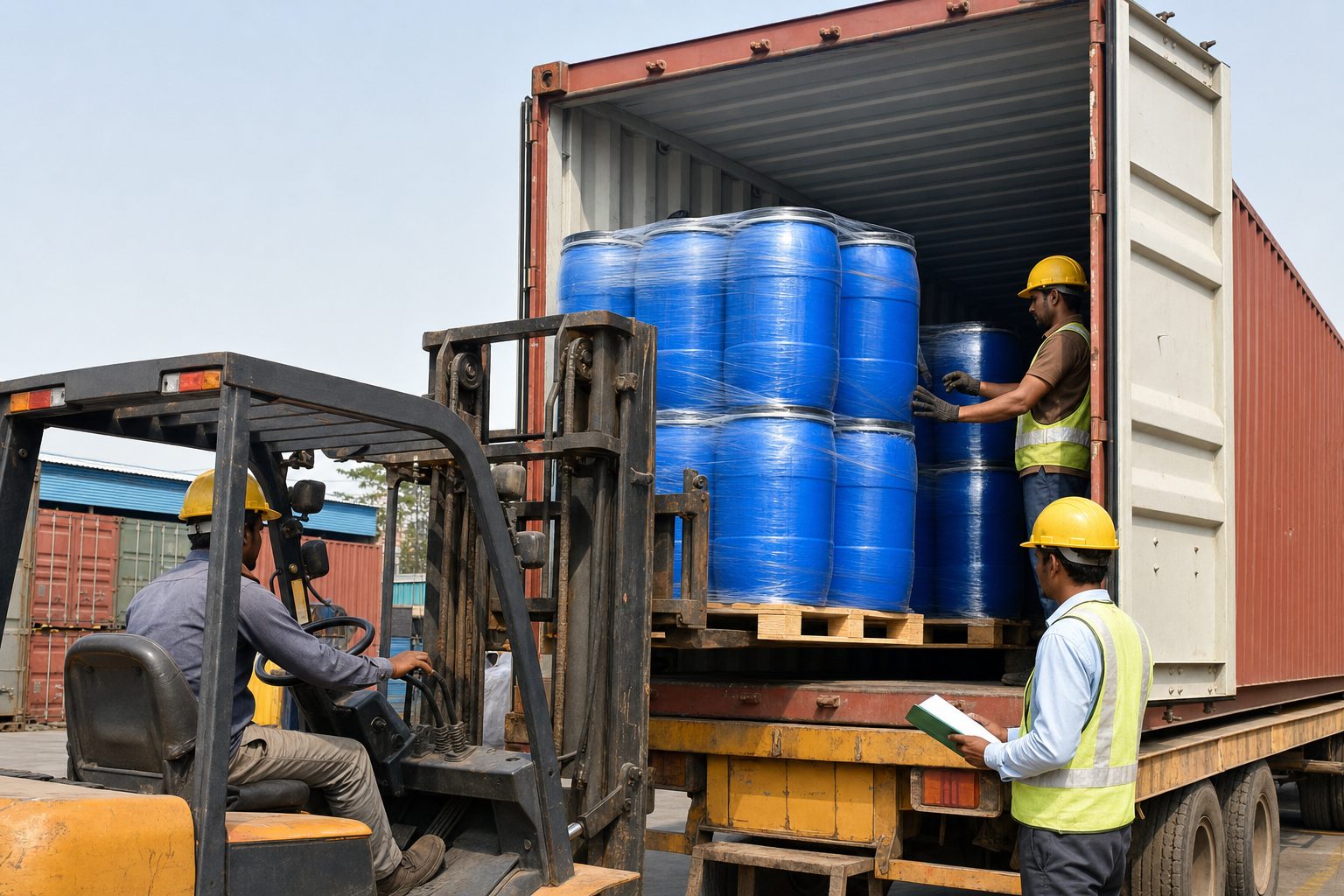
Most herbal extract consignments ship as part of LCL (Less than Container Load) consolidations or FCL (Full Container Load) shipments depending on order volume. For buyers placing quarterly orders of 1,000–5,000 kg across multiple extract lines, FCL shipments in 20-foot dry containers are standard. Individual line items below 500 kg typically move as LCL through freight consolidation services, with Nhava Sheva and Mundra as primary consolidation hubs.
Temperature-sensitive extracts — certain semi-solid or liquid formats — may require refrigerated container (reefer) services, but the majority of dry powder extracts in HDPE drums are stable at ambient temperature within 15–30°C range for six to twelve months when properly packaged. Air freight is used for high-value, time-sensitive specialty extracts, samples, or urgent regulatory submissions — it commands 8–12× the cost of sea freight but guarantees 3–5 day transit versus 18–35 days by sea.
Certifications Required by Buyers
Compliance Notes
Certifications are not optional extras in the herbal extract trade — they are gatekeepers that determine which markets and buyer segments you can access. Understanding which certifications align with which buyer types allows exporters to prioritize infrastructure investment and allows buyers to verify that a quoted supplier can genuinely serve their requirements.
Table 9 — Certification Map: Who Requires What
Swipe →
Data table — swipe horizontally on small screens
| Certification | Required By | Issuing Authority (India) | Market Access It Unlocks |
|---|---|---|---|
| AYUSH GMP | Indian regulatory baseline | AYUSH Ministry / State Drug Authority | Foundational for all herbal exports |
| WHO-GMP | Pharmaceutical buyers, EU GMP-aligned supply | State Drug Authority (audited) | EU, Japan, Australia pharma buyers |
| FSSAI | Food-grade extract buyers | FSSAI | US, EU, GCC food ingredient buyers |
| USDA Organic (NOP) | US premium supplement brands | USDA-accredited certifier (Indocert, OneCert) | US organic supplement market |
| EU Organic (EC 834/2007) | EU food/supplement organic buyers | EU-accredited certifier | EU organic market |
| NPOP | Indian organic certification | APEDA / accredited body | Base for EU/USDA equivalence |
| ISO 22000 / FSSC 22000 | Food safety management | Certification body | Retail and food brand buyers |
| Non-GMO Project / declaration | US natural channel buyers | Brand declaration or third-party | US natural retail supplement market |
| HALAL | Gulf, SE Asia Muslim markets | HALAL certification body (India) | GCC, Malaysia, Indonesia markets |
| KOSHER | Jewish market, some US supplement brands | Kosher certifier | Niche US market segment |
Country-wise Buyer Opportunities
Market Snapshot
United States
The US dietary supplement market is the world's largest at approximately USD 58 billion annually, with botanical ingredients accounting for roughly 20 percent of ingredient spend. The adaptogens category (ashwagandha, rhodiola, holy basil) grew 38 percent between 2021 and 2025. Key buyer types include: contract manufacturers (Lonza, Capsugel, Robinson Pharma, NutraCea, Captek), branded supplement companies (Jarrow Formulas, NOW Foods, Nature's Way, Gaia Herbs, MegaFood), and private label supplement brands across Amazon and health retail. The US requires FDA facility registration for food/supplement manufacturers, Prop 65 heavy metals compliance, and increasingly USDA Organic certification for premium positioning.
European Union
The EU herbal supplement and botanical extract market is characterized by higher regulatory barriers but also higher prices and longer buyer relationships than the US. Germany (BSFF member companies), France (cosmetics and nutraceutical brands), Netherlands (Rotterdam ingredient trading hub), and Italy (supplement and food brands) are primary entry markets. EU buyers require extract specifications that align with European Pharmacopoeia, EFSA-compliant safety documentation, and for food use, Novel Food status verification. The EU cosmetics sector under Regulation 1223/2009 is a growing buyer for plant actives without the same regulatory burden as the food channel.
Japan
Japan's herbal ingredient market is governed by the Ministry of Health, Labour and Welfare (MHLW) and the Kampo medicine tradition, which creates both opportunity and complexity. Indian extracts that align with Japanese Pharmacopoeia (JP) listed herbs have a pathway to the Kampo sector; extracts outside the JP list require FOSHU (Foods for Specified Health Uses) or FHC (Food with Health Claims) approval for health messaging. Japanese buyers are meticulous — they require more detailed COA parameters, tighter heavy metals limits, and often conduct independent quality testing before confirming orders. The premium pricing justified by this rigour makes Japan an excellent long-term buyer relationship.
Australia
Australia's Therapeutic Goods Administration (TGA) regulates listed complementary medicines including herbal extracts used in listed medicine products. TGA-GMP certification for the supplier is increasingly preferred by Australian buyers. The Australian herbal supplement market is sophisticated, with strong demand for ashwagandha, turmeric, and bacopa. Australian buyers often source in relatively small quantities (100–500 kg per line) but at premium prices and with exceptional documentation expectations.
Gulf Cooperation Council
The GCC market (UAE, Saudi Arabia, Kuwait, Qatar, Bahrain, Oman) represents a growing opportunity for herbal extract exports, particularly for HALAL-certified products and for traditional herbal medicines with Islamic medical tradition (Tibb/Unani) overlap. UAE is the primary entry hub with re-export capabilities into broader Middle East and North Africa markets. Saudi Arabia's SFDA (Saudi Food and Drug Authority) registration requirements apply to supplement imports, and buyers value WHO-GMP certification and Arabic labelling compliance.
The Sample-to-Purchase-Order Workflow
The sample-to-PO workflow is the most critical commercial sequence in herbal extract export sales. Accelerating it without cutting corners — most commonly done by anticipating the buyer's internal evaluation requirements and packaging the sample to facilitate rather than require additional buyer effort — is the highest-leverage improvement most Indian herbal extract exporters can make to their commercial operations.
Stage 1: Sample Dispatch
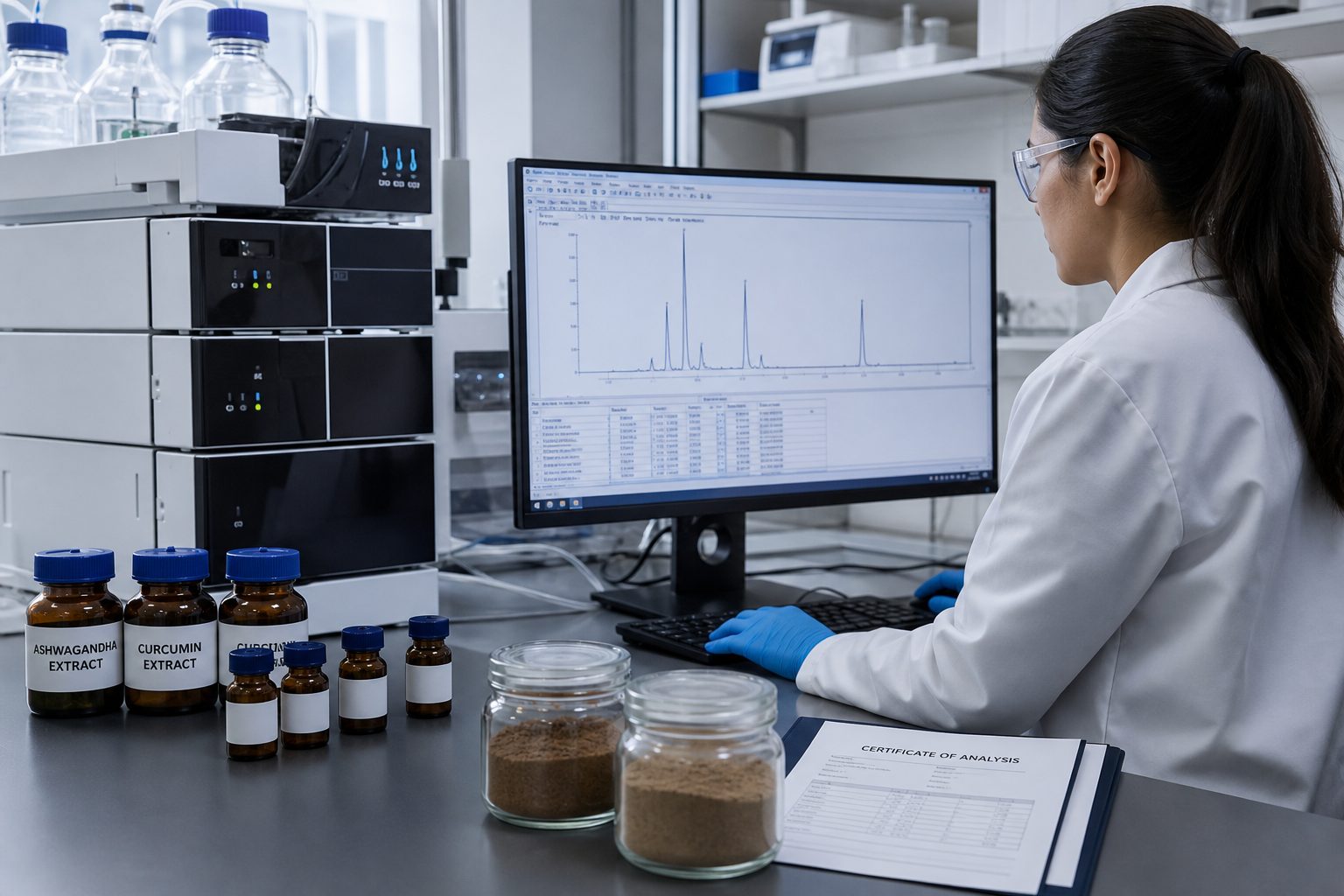
Dispatch samples within 5 business days of a qualified request. Each sample unit should include: product in correctly labeled, sealed container; COA with HPLC data for the marker compound, heavy metals, microbiological counts, pesticide residues, and moisture content; technical data sheet with typical analytical profile, solubility, storage conditions, and application suggestions; company certifications summary (one page listing active certifications with expiry dates); pricing indication for trial quantity and annual volume; lead time for commercial order.
Stage 2: Buyer Evaluation Period
Allow 3–6 weeks for the buyer's internal evaluation, which typically involves: organoleptic assessment (color, odor, texture), replication of your COA parameters through their in-house or third-party lab, formulation compatibility testing if the extract is intended for a specific product, regulatory review by their compliance team, and internal stakeholder alignment. During this period, stay accessible but avoid high-frequency follow-up that signals desperation. One professional check-in at the two-week mark and another at the four-week mark is appropriate.
Stage 3: Technical Q&A and Negotiation
If the buyer's evaluation raises technical questions — about a specific analytical parameter, solvent extraction method, or stability data — respond within 24 hours with documented answers. This responsiveness is itself a quality signal. Price negotiation at this stage should be structured around annual volume commitment rather than single-shipment discounts — a USD 2–5/kg discount in exchange for a 12-month volume commitment at specified quantities protects your planning and gives the buyer a genuine incentive.
Stage 4: Trial Order and First Commercial Shipment
The trial order is typically 25–100 kg per extract line at a price between sample and full commercial volume pricing. Issue a proforma invoice with clear terms: payment terms (30% advance, 70% before shipment or LC at sight for first orders), incoterm (FOB Nhava Sheva or CIF destination), packaging specification, COA parameters guaranteed, and delivery window. Execute the shipment with the same quality and documentation discipline as every subsequent order — buyers use the trial order as their quality baseline and any shortfall immediately undermines the relationship.
Expert Insights
Expert Insight Box
On Trade Data and Digital Prospecting
Sourcing Checklist for Herbal Extract Importers
Checklist
Buyer Checklist
Checklist
Exporter Checklist
Checklist
Compliance Checklist
Checklist
Compliance Notes
Common Buyer Mistakes
Common Mistakes Box
Future Market Trends
Key Statistics
The herbal extract export market is evolving rapidly across four intersecting axes: product innovation, supply chain transparency, regulatory tightening, and buyer consolidation. Understanding where the market is heading allows exporters and buyers alike to position their sourcing and product development decisions ahead of the curve.
Bioavailability enhancement is the most commercially significant product trend. Standard 95% curcumin extract has become commoditized; buyers are actively seeking phospholipid complexes, nanoparticle formulations, self-emulsifying delivery systems, and other bioavailability-enhancing technologies that justify premium pricing and provide meaningful clinical differentiation. Indian manufacturers with R&D capability in formulation science will command significantly higher prices than those offering only commodity extracts.
Traceability and blockchain-based supply chain documentation is transitioning from differentiator to expectation in the premium supplement market. Buyers — particularly in the US and EU natural channel — want farm-to-extract traceability: which farms grew the raw material, what agricultural inputs were used, how was the material processed and tested at each stage. Digital traceability systems that generate QR-code-accessible supply chain records for buyers to share with their customers are becoming a commercial requirement rather than a marketing feature.
Regulatory harmonization pressure is increasing. The EU's Novel Food regulation, the US FDA's New Dietary Ingredient (NDI) notification requirements, and Japan's MHLW safety standards are all tightening. Exporters who proactively prepare safety dossiers, clinical substantiation for health claims, and Novel Food applications for their lead extracts will have a significant advantage over those waiting for regulations to be enforced.
Buyer consolidation — major supplement brands reducing their supplier count and deepening relationships with two or three preferred Indian partners — rewards exporters who can supply multiple extract lines at consistent quality across a full product portfolio. A brand that currently buys ashwagandha from one supplier, curcumin from another, and bacopa from a third is prime for consolidation with a single merchant exporter who can supply all three with consistent documentation, a single quality system, and unified commercial terms.
Conclusion
Finding international buyers for herbal extracts is a process, not an event. The exporters who build durable, high-value buyer relationships combine data-driven prospect identification through HS 1302 trade intelligence, credibility-building through LinkedIn and digital content, relationship creation through Vitafoods Europe and SupplySide West, rigorous qualification before sample dispatch, and a sample-to-PO workflow designed to make the buyer's evaluation easy and your conversion rate high.
Altus Exports operates as a merchant exporter and global sourcing partner for international buyers seeking verified Indian herbal extract suppliers across ashwagandha, curcumin, boswellia, bacopa, amla, and the full standardized extract portfolio. Whether you are a supplement brand building a new Indian sourcing programme or an Indian manufacturer seeking to accelerate international buyer acquisition, we provide the qualification, documentation, and commercial infrastructure to move faster and with lower risk.
To explore the complementary topic of organic and standardized extract premiums — including NPOP, USDA, and EU Organic certification and HPLC standardization — see our dedicated guide: Organic & Standardized Herbal Extract Export Opportunities. For the broader export process, see How to Export Herbal Extracts from India, Top Herbal Extract Products Exported from India, and Trade Shows for Herbal Extract Exporters.
Contact Altus Exports to discuss your herbal extract sourcing requirements, request a qualified supplier introduction, or explore how our merchant exporter model reduces your risk and accelerates your first Indian shipment.