Best Countries for Indian Herbal Extract Exports
By Saurabh Mittal, Founder, Altus Exports
A ranked country-by-country guide for Indian herbal extract exporters — covering import duties, regulatory compliance gates, demand character, and market entry difficulty for all major destination markets in 2026.
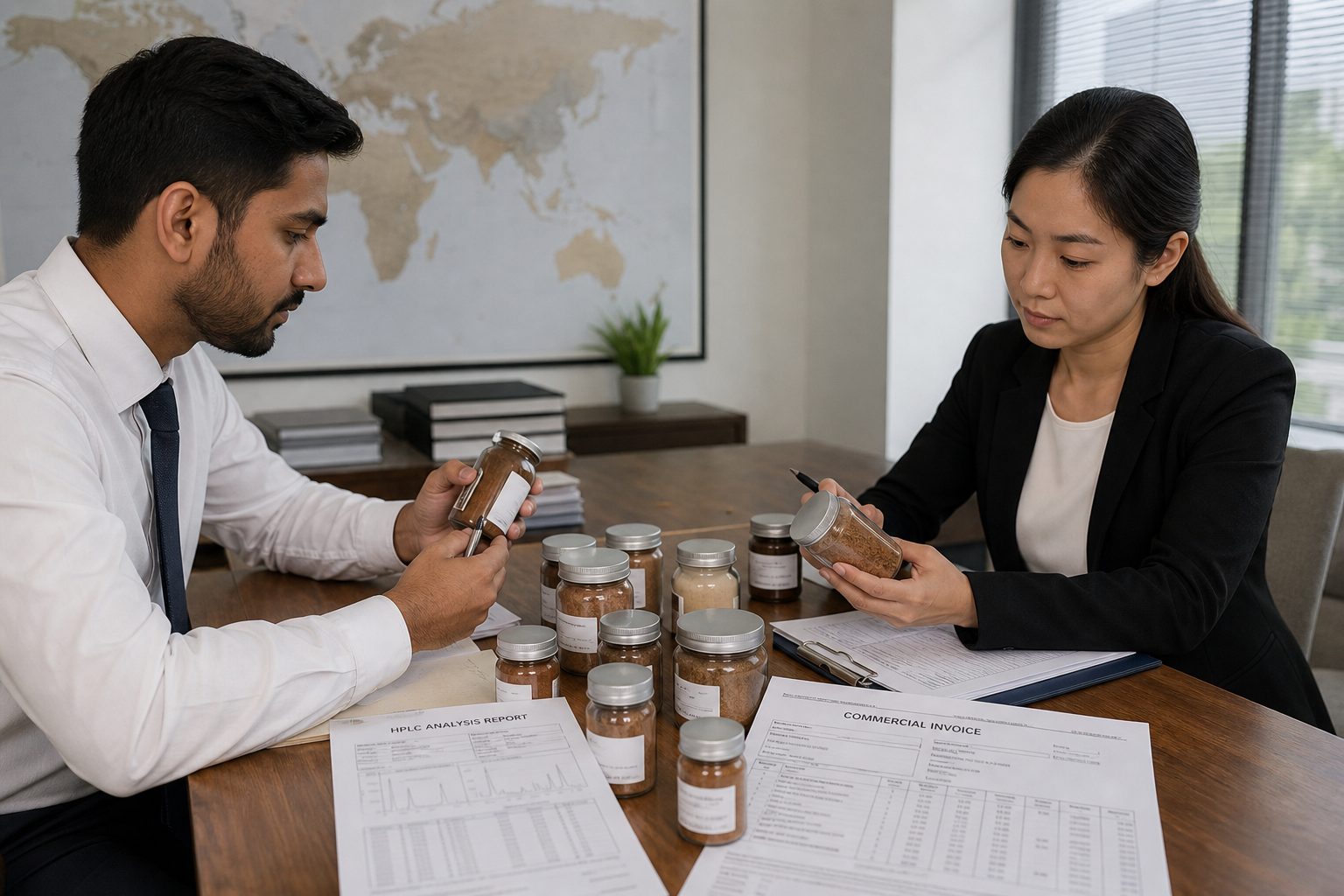
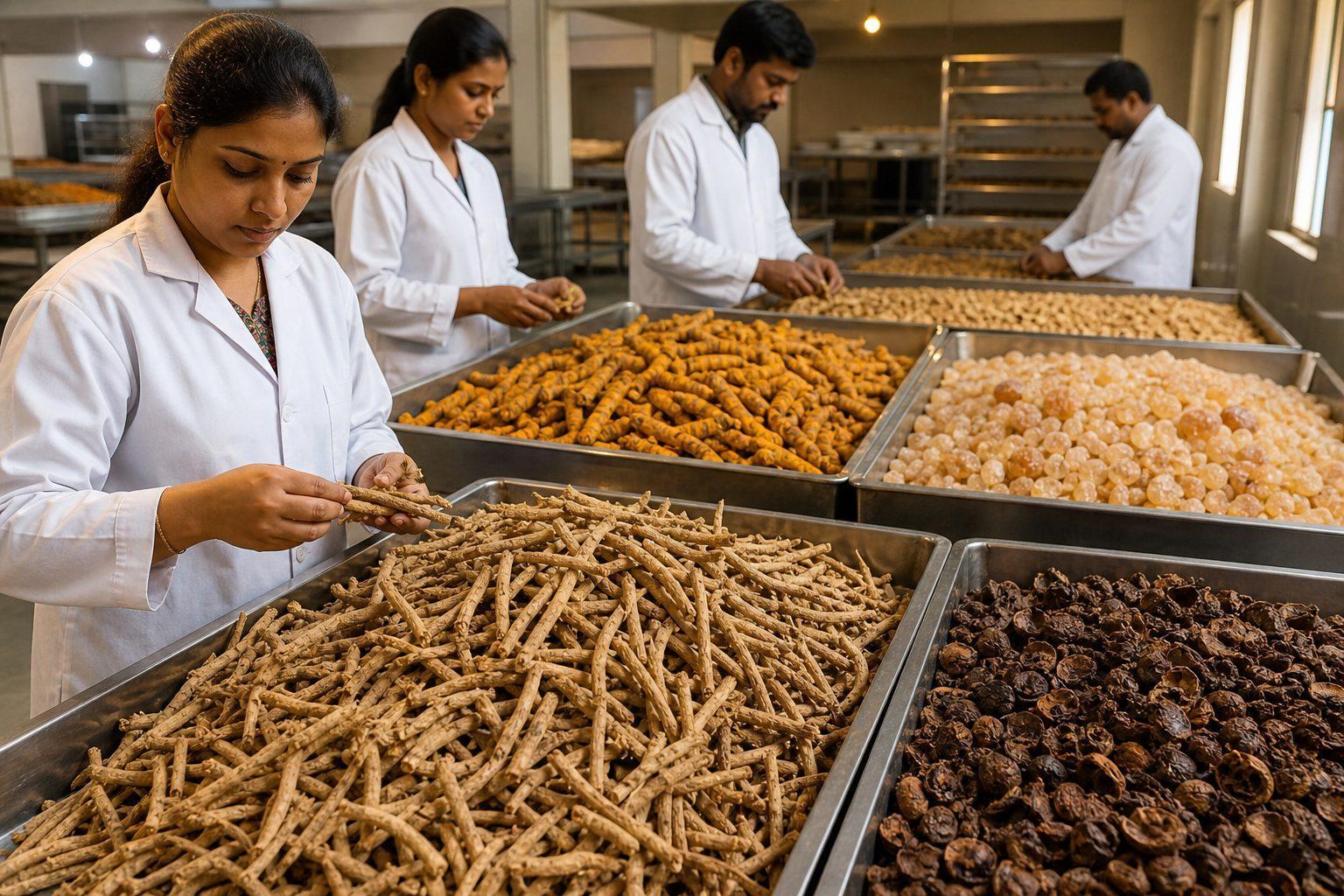
India is the world's largest producer and exporter of botanical raw materials and standardized herbal extracts — a position reinforced by decades of Ayurvedic tradition, a growing network of WHO-GMP certified manufacturing plants, and an unmatched diversity of native botanicals. Yet the country's herbal extract exporters face a landscape of destination markets that differ sharply in regulatory frameworks, certification expectations, import duties, and the character of buyer demand. A curcumin extract that clears US Customs seamlessly under DSHEA may require a Novel Food authorization before it reaches a European shelf, and an ashwagandha root extract sold freely in the UAE may need product registration with Health Canada before it enters a Canadian pharmacy. Choosing the right export markets — and sequencing entry correctly — is the first strategic decision every serious herbal extract exporter must make.
This guide ranks and profiles the twelve most significant destination markets for Indian herbal extracts, drawn from DGFT export data, UN Comtrade import statistics, and ground-level intelligence from Altus Exports' export consulting work with herbal manufacturers across Hyderabad, Indore, Neemuch, Ahmedabad, and Bangalore. For each country, you will find the applicable duty structure, the regulatory authority and compliance gate that governs market access, a characterization of demand — price-led or quality-led, branded or bulk ingredient — and an honest assessment of how difficult market entry actually is for a first-time exporter. Internal cross-references link to the how-to-export and documentation posts in this cluster for the procedural detail.
Whether you are a mid-scale extract manufacturer in Indore sitting on HPLC-verified ashwagandha root extract and looking for your first US buyer, a Hyderabad formulation house seeking European cosmetic ingredient registrations, or an Ahmedabad broker trying to scale UAE volumes — this country guide gives you the ranked intelligence to allocate your sales and compliance investment where it will return the most within your next twelve months.
Key Takeaways
Summary Box
Executive Summary
Summary Box
Global demand for herbal extracts is expanding, but published CAGRs and absolute market sizes vary by research firm and category definition. Prefer destination import data (e.g., WITS/UN Comtrade HS 130219) and buyer RFQ pipelines over any single market-size forecast when building export targets. India holds a structural advantage in this expansion: it supplies over 70 percent of the world's ashwagandha root, is the primary commercial source of high-curcuminoid turmeric extract, and hosts the manufacturing clusters — Hyderabad, Indore, Neemuch, Ahmedabad, Bangalore — where botanical raw material flows into standardized, analytically verified extracts suitable for global pharmaceutical, nutraceutical, and cosmetic supply chains.
India's HS 130219 exports reached about USD 540 million in calendar year 2024 (WITS/UN Comtrade), with the United States the largest destination by value. Commercially important Indian extract categories for buyers include ashwagandha (withanolides typically specified at 1.5–5%+ by HPLC), curcumin/turmeric extracts (often 95% curcuminoids), and boswellia extracts (boswellic acids / AKBA grades) — exact category shares within HS 130219 are not published as official SKU-level export tallies and should not be treated as audited product-line statistics. Behind these flagship categories sit commercially significant volumes of bacopa monnieri (bacosides 20–50%), amla fruit extract (tannins 40–60%), triphala, shatavari root extract, and Gymnema sylvestre (gymnemic acids 25–75%). Each category has its own market geography — ashwagandha skews toward US, UK, and Australian sports nutrition buyers; curcumin is dispersed across all major markets; boswellia has its strongest pull in German and Swiss pharmaceutical ingredient supply chains.
The core finding of this guide is that destination market selection and sequencing should be driven by three variables: the regulatory difficulty of the entry gate (which determines compliance cost and time-to-first-sale), the duty structure (which determines landed cost competitiveness), and the demand character (which determines whether you are selling on analytical specification alone or competing on brand, origin story, and clinical substantiation). Markets that are easy to enter often generate lower prices; markets that demand more documentation generate higher per-kilogram realizations for exporters who invest in the compliance infrastructure.
Global Herbal Extract Market: Size and Structure
The global herbal extract market is not a monolith — it is an overlapping set of end-use industries that each apply different quality standards, labelling regimes, and buyer criteria to the same raw material. A curcumin 95% extract may be purchased by a US dietary supplement company as an ingredient, by a German pharmaceutical company as an excipient in a standardized botanical drug, by a Japanese cosmetics company as a skin-brightening active, and by a UAE food company as a natural colorant. Each of these applications triggers different regulatory frameworks and price benchmarks. Indian exporters who understand which end-use their buyers actually serve — not just which country they ship to — make better certification and positioning decisions.
The dietary supplement segment represents approximately 48% of global herbal extract demand by value, followed by cosmetics and personal care at 23%, pharmaceutical and nutraceutical at 19%, and food and beverage functional ingredients at 10%. This split shapes which certification packages matter by market: US dietary supplement buyers prioritize cGMP manufacturing compliance and HPLC-verified marker compound content; European cosmetics buyers require INCI nomenclature, safety data sheets, and REACH compliance for some solvent-extracted isolates; pharmaceutical buyers in Germany and Switzerland need WHO-GMP certificates, batch-level Certificates of Analysis, and often third-party pharmacopoeia testing.
Botanicals with strong clinical evidence — ashwagandha, curcumin, boswellia, bacopa — command premium pricing globally because sophisticated buyers can substantiate health benefit claims through reference to published trials. This clinical credential gap separates mainstream commodity extracts from premium-positioned ingredients and drives the pricing differential between an unverified root powder and a standardized HPLC-verified extract.
Global Herbal Extract Market by Segment and Key Demand Drivers (2025–2030)
Swipe →
Data table — swipe horizontally on small screens
| Segment | Market Share (2025) | CAGR (2025–2030) | Key Driver | Top Indian Extracts |
|---|---|---|---|---|
| Dietary Supplements | ~48% | 9.1% | Self-care, preventive wellness, adaptogens trend | Ashwagandha, Curcumin, Bacopa, Triphala |
| Cosmetics & Personal Care | ~23% | 8.7% | Clean beauty, skin bioactives, anti-inflammatory | Amla, Turmeric, Neem, Brahmi, Shatavari |
| Pharmaceutical & Nutraceutical | ~19% | 7.3% | Evidence-based botanical drugs, standardization | Curcumin, Boswellia, Gymnema, Ashwagandha |
| Food & Beverage (Functional) | ~10% | 6.8% | Functional drinks, natural colorants, health foods | Turmeric, Amla, Ashwagandha, Ginger Extract |
India's Herbal Extract Export Footprint
India's structural advantages in herbal extract export are rooted in geography, biodiversity, and manufacturing scale. The subcontinent grows over 8,000 plant species with documented medicinal use; roughly 960 of these are commercially cultivated or wild-collected at scale for extract manufacturing. The Malwa plateau in Madhya Pradesh — anchored by Indore and Neemuch — is the world's primary ashwagandha cultivation belt. Karnataka and Tamil Nadu supply the turmeric rhizomes from which curcumin 95% is extracted. Rajasthan produces the boswellia serrata resin that feeds India's frankincense and AKBA-enriched boswellia extract industry. Gujarat's industrial infrastructure supports the large-scale solvent extraction and spray-drying operations that convert botanical raw materials into export-grade standardized powders.
On the manufacturing side, India's WHO-GMP certified herbal extract plants number in the hundreds, concentrated in five industrial clusters: Hyderabad (pharmaceutical-grade formulations and API-linked extract manufacture), Indore and Neemuch (raw botanical processing and primary extraction), Ahmedabad (large-scale standardized extract and spray-drying), Bangalore (high-science extracts, bioactive-enriched fractions, and clinical-grade ingredients), and Haridwar-Dehradun (Ayurvedic formulation and AYUSH-licensed manufacturers).
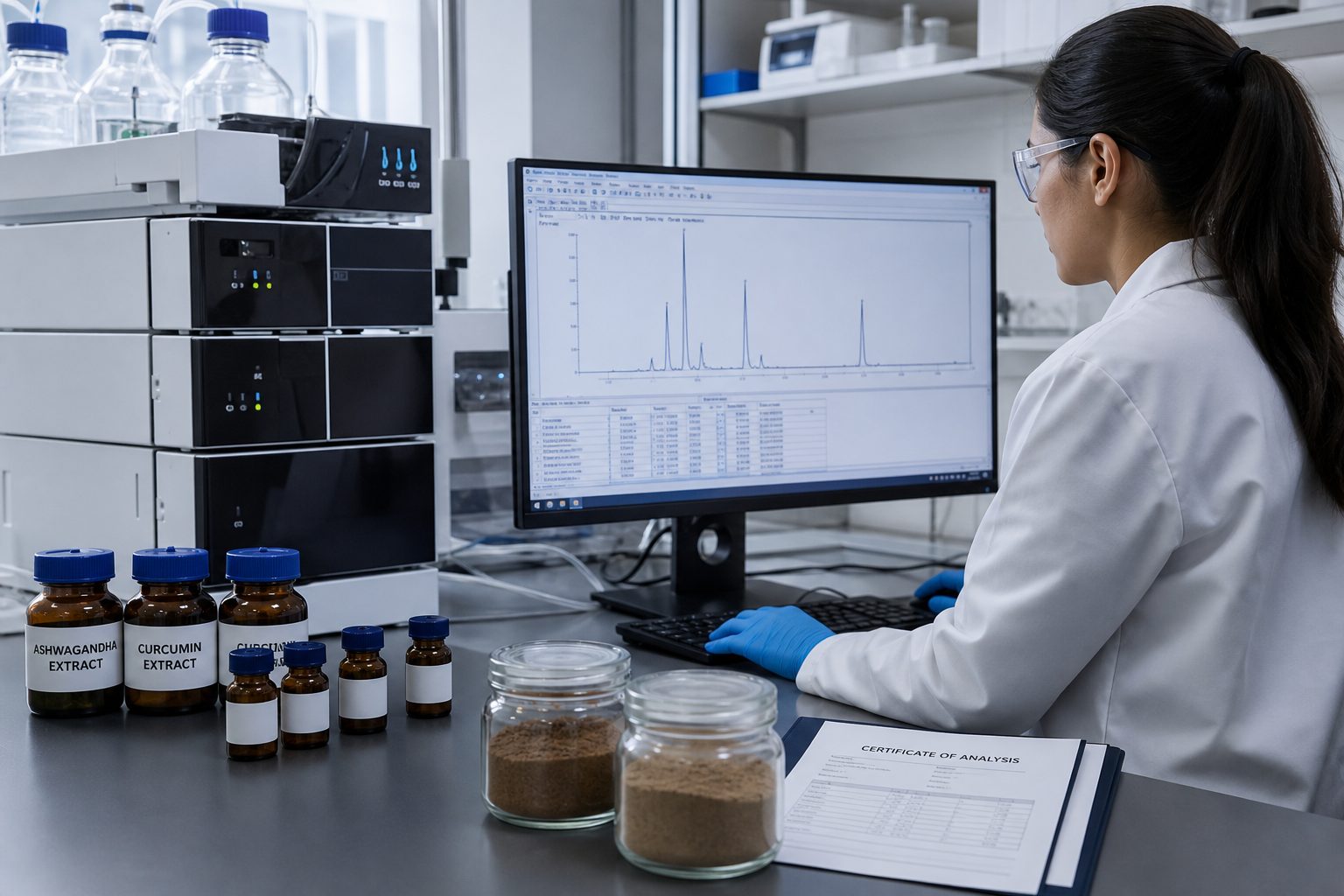
The analytical backbone of Indian extract export credibility is HPLC — high-performance liquid chromatography — which provides precise quantification of marker compounds: withanolides in ashwagandha (target 2.5–5%), curcuminoids in turmeric (target 95%), boswellic acids including AKBA in boswellia (target 60–65% total, 10% AKBA minimum for premium grades), bacosides A and B in bacopa monnieri (target 20–50%), and gymnemic acids in Gymnema sylvestre (target 25–75%). Buyers who understand these markers and request CoA documentation with HPLC methodology are accessing the segment of the Indian export chain that delivers verified quality — not commodity powder.
India's Top Herbal Extract Exports by Category (FY 2024-25, Estimated)
Swipe →
Data table — swipe horizontally on small screens
| Extract | HS Code | Key Marker Compound | Standard Grade | Primary Production Cluster | Estimated Export Value |
|---|---|---|---|---|---|
| Curcumin / Turmeric Extract | 1302.19* | Curcuminoids | Often 95% curcuminoids | Indore, Ahmedabad, Hyderabad | Major commercial SKU (no official SKU export tally) |
| Ashwagandha Root Extract | 1302.19* | Withanolides | Often 1.5–5%+ by HPLC | Indore, Neemuch, Hyderabad | Major commercial SKU (no official SKU export tally) |
| Boswellia Extract | 1302.19* | Boswellic Acids / AKBA | Buyer-specified BA%/AKBA% | MP, Rajasthan, Hyderabad | Major commercial SKU (no official SKU export tally) |
| Bacopa Monnieri Extract | 1302.19* | Bacosides A+B | Often 20–50% bacosides | Hyderabad, Bangalore | Commercial SKU (no official SKU export tally) |
| Amla (Indian Gooseberry) Extract | 1302.19* | Tannins / Vitamin C | Buyer-specified tannin/% | Hyderabad, Bangalore | Commercial SKU (no official SKU export tally) |
| Gymnema Sylvestre Extract | 13021917 or 1302.19* | Gymnemic Acids | Buyer-specified % | Coimbatore, Hyderabad | India has a dedicated ITC-HS line for gymnema extracts |
| Shatavari Root Extract | 1302.19* | Steroidal Saponins | Buyer-specified saponin % | Indore, Rajasthan | Commercial SKU (no official SKU export tally) |
| Triphala Extract | 1302.19* | Tannins (mixed) | Standardized blend | Hyderabad, Bangalore | Commercial SKU (no official SKU export tally) |
Country-by-Country Market Analysis
The following profiles rank destination markets by strategic importance — a composite of import volume, price realization, growth trajectory, and accessibility for Indian exporters at various compliance maturity levels. Entry difficulty scores are rated on a 1–10 scale (10 = highest barrier). These profiles are designed to help exporters and export consultants allocate compliance investment and sales resources with clarity.
United States — The Flagship Market
- Indicative US duty
- Confirm HTSUS 1302.19 line — many Free or ~1% MFN; check additional measures
- Entry Difficulty
- 6/10
- Demand Character
- Quality-led; analytical specs + clinical backing
- Regulatory Authority
- FDA (DSHEA framework)
- Top Indian Extracts
- Ashwagandha, Curcumin 95%, Boswellia, Bacopa
- Indicative FOB (Ashwagandha ~2.5% HPLC)
- Often ~USD 15–40/kg; requote (spec/lot)
The United States is India's single largest destination for HS 130219 exports by value (about USD 296 million / ≈55% of India's 2024 HS 130219 export value per WITS/UN Comtrade; volume share differs because unit values vary by destination). The US dietary supplement industry, governed by the Dietary Supplement Health and Education Act of 1994 (DSHEA) administered by the FDA, is the structural engine of this demand. US consumers spend over USD 52 billion annually on dietary supplements, and the botanical and herbal segment within that universe has grown at above-category rates for six consecutive years, driven by the adaptogens trend — ashwagandha above all, followed by curcumin, boswellia, and bacopa.
For Indian exporters, the US market offers three distinct channels: direct-to-brand ingredient sales to established supplement companies (Jarrow Formulas, NOW Foods, Gaia Herbs, Natural Factors, etc.), contract manufacture supply to private-label brands, and through ingredient distributors such as Sabinsa, Botanic Healthcare, and American Health Holdings who manage the US regulatory relationship and resell to finished-product brands. The most profitable pathway for a manufacturer with verified WHO-GMP and HPLC documentation is the direct ingredient supply route — but it requires active FTC-compliant marketing materials and the ability to supply Certificates of Analysis that meet US dietary supplement cGMP standards (21 CFR Part 111).
US duty on vegetable saps/extracts under HTS 1302.19 depends on the exact statistical reporting number — many lines are Free, while some related lines carry low MFN rates (about 1%). Always confirm the current HTSUS line and any additional US trade measures applicable at entry; landed cost is not duty-only and includes freight, broker fees, and compliance testing. The compliance gate is not at customs but at the buyer's quality approval stage: cGMP compliance, HPLC CoA, heavy metals panel (arsenic, cadmium, lead, mercury), microbiology panel, and — for organic-positioned products — USDA NOP certificate from a USDA-accredited certification body.
Germany — The European Quality Gateway
- Indicative EU duty
- Often ~0–3% MFN by TARIC subline; do not assume GSP+/GSP preference — verify Access2Markets
- Entry Difficulty
- 8/10
- Demand Character
- Specification-driven; pharmaceutical-grade priority
- Regulatory Authority
- BfArM (medicinal), BfR (food safety), EFSA (EU-wide)
- Top Indian Extracts
- Boswellia (AKBA), Curcumin 95%, Ashwagandha*
- Indicative FOB (Curcumin 95%)
- Wide band (~USD 15–100+/kg); requote by grade/volume
Germany is the largest herbal extract import market within the European Union and functions as the quality gateway for the broader EU market. German buyers — pharmaceutical ingredient traders in Frankfurt and Munich, natural product distributors in Hamburg, and nutraceutical formulators across Bavaria — set the quality benchmark that flows through the EU supply chain. A supplier relationship established with a German ingredient house typically cascades into France, the Netherlands, Belgium, and Nordic markets through the same trading network.
The EU regulatory framework presents the most complex compliance landscape for Indian exporters. Three distinct pathways apply depending on end-use: the Directive 2002/46/EC food supplement route (for extracts used as food supplement ingredients), the Traditional Herbal Medicinal Product Directive (THMPD, 2004/24/EC) for traditional use medicinal claims, and the Novel Food Regulation (EU) 2015/2283 for botanicals that do not have a history of food use in the EU prior to May 1997. Ashwagandha's EU status is preparation- and member-state-sensitive: some traditional uses/forms are treated differently from concentrated extracts, and national authorities have increased safety scrutiny. Check the EU Novel Food status catalogue, member-state rules, and buyer counsel before positioning ashwagandha for German or other EU food-supplement channels.
Despite the complexity, Germany rewards exporters who clear the compliance gate with premium pricing: curcumin 95% commands 15–20% higher per-kilogram prices in Germany than in the US for verified pharmaceutical-grade material, and boswellia extracts standardized to AKBA content (acetyl-11-keto-β-boswellic acid) command significant premiums from German pharmaceutical ingredient buyers who incorporate them into licensed botanical drug preparations under THMPD.
United Kingdom — The Post-Brexit Parallel Track
- Indicative UK duty
- Confirm UK Global Tariff for the exact 1302.19 commodity code before quoting
- Entry Difficulty
- 7/10
- Demand Character
- Brand + specification; wellness and sports nutrition
- Regulatory Authority
- MHRA (medicinal), FSA (food supplements)
- Top Indian Extracts
- Ashwagandha, Curcumin, Bacopa, Amla
- Indicative FOB (Ashwagandha ~2.5% HPLC)
- Often ~USD 15–40/kg; requote (spec/lot)
Since the UK's exit from the EU Single Market, British herbal extract buyers operate under a distinct regulatory framework that requires separate compliance management from the EU track. The Medicines and Healthcare products Regulatory Agency (MHRA) governs traditional herbal medicines under the Traditional Herbal Registration (THR) scheme — a pathway that requires product registration, evidence of traditional use for at least 30 years (15 in a country with a tradition of herbal use), and quality documentation including batch-level CoA. The Food Standards Agency (FSA) governs botanical food supplements under food law, which is closer to the pre-Brexit EU framework in practice.
The UK market has several characteristics that make it particularly attractive for Indian ashwagandha and curcumin exporters: a large South Asian diaspora community drives familiarity with Ayurvedic ingredients, a well-funded sports nutrition industry creates demand for ashwagandha in stress-relief and recovery supplements, and UK-based direct-to-consumer wellness brands have become increasingly sophisticated buyers who understand HPLC standardization and actively seek USDA/EU organic certified supply.
UK duty on HS 1302.19 lines must be confirmed on the UK Global Tariff for the exact commodity code at time of entry — do not assume blanket zero duty. Preferential claims (if any) require correct origin documentation and current preference eligibility. The compliance complexity is moderate — below Germany and Japan, above US — because the MHRA THR pathway is well-structured and UK food supplement rules are pragmatically interpreted.
Australia — The TGA-Gated Opportunity
- MFN Import Duty
- 0% (MFN; further supported by ECTA)
- Entry Difficulty
- 7/10
- Demand Character
- Documentation-led; quality above price
- Regulatory Authority
- TGA (Listed Medicines framework)
- Top Indian Extracts
- Ashwagandha, Curcumin, Bacopa, Gymnema, Shatavari
- Price Realization (Bacopa 50%)
- USD 28–40/kg FOB
Australia's natural health product market is one of the most per-capita sophisticated globally. The Therapeutic Goods Administration (TGA) regulates Listed Medicines — the category under which herbal extract supplement products fall — through a register (ARTG) that requires each finished product containing herbal ingredients to be listed or registered. For Indian exporters, this means your buyers (Australian supplement brands) carry the regulatory burden of TGA listing, but they impose very specific ingredient specifications on their supply chain because any quality failure flows back to their ARTG listing status.
Australian buyers request CoA documentation that is among the most detailed in the world: full HPLC with methodology reference, heavy metals per TGA guidelines, pesticide residue screening per Australian Maximum Residue Limits, microbiology per TGA/FSANZ standards, and — for organic claims — NASAA or ACO organic certification. The good news for well-documented Indian exporters is that Australian buyers are not price-led — they prioritize documentation completeness and analytical consistency over price optimization, which means a Hyderabad or Bangalore manufacturer with a strong documentation system can command premiums that a commodity-priced competitor cannot.
Australia's applied duty on many vegetable extract lines is often free or low under the Schedule, and the India–Australia ECTA (2022) may improve preferential access for eligible originating goods — confirm the exact HS line, origin rules, and current rate on the Australian Border Force / FTA tools before quoting landed cost. Growing direct-to-consumer wellness brands, aging population, and sports nutrition demand make this a sustained growth market.
Japan — Highest Difficulty, Highest Price
- MFN Import Duty
- 0–3.5% (by sub-heading)
- Entry Difficulty
- 9/10
- Demand Character
- Purity and traceability-led; premium pricing
- Regulatory Authority
- MHLW; consumer affairs agency (CAA) for FFC
- Top Indian Extracts
- Curcumin, Ashwagandha, Amla, Turmeric Oleoresin
- Price Realization (Curcumin 95%)
- USD 45–65/kg FOB
Japan is the highest-difficulty regulated market for Indian herbal extract exporters, and simultaneously the market that pays the highest per-kilogram prices globally for pharmaceutical-grade material. The Ministry of Health, Labour and Welfare (MHLW) administers Japan's food and pharmaceutical regulatory framework, which applies strict pesticide residue limits — often more stringent than EU Maximum Residue Limits — and equally strict heavy metal limits for botanicals entering the Japanese food and supplement supply chain.
The Japanese nutraceutical sector is further shaped by the FOSHU (Foods for Specified Health Uses) and FFC (Function Claims for Food) regulatory frameworks, which require scientific substantiation for health benefit claims. Herbal extracts from India that can provide Japanese-language clinical trial summaries and analytical documentation translated to Japanese standards — including test reports from Japan-recognized laboratories — have a significant commercial advantage over those that cannot.
The Kampo medicine tradition in Japan creates specific demand for traditional botanical preparations, though Kampo formulations themselves are prescribed medicines. Adjacent to Kampo, Japan's supplement market has a strong tradition of curcumin, ashwagandha, and amla consumption — often through herbal drink formats and functional foods — and Indian extract exporters who can supply spray-dried, highly water-dispersible extract forms appropriate for Japanese product development pipelines find the best buyers.
Canada — The NHP Structured Gateway
- Indicative US duty
- Confirm HTSUS 1302.19 line — many Free or ~1% MFN; check additional measures
- Entry Difficulty
- 6/10
- Demand Character
- NHP compliance-led; stable repeat volumes
- Regulatory Authority
- Health Canada (Natural Health Products Directorate)
- Top Indian Extracts
- Ashwagandha, Curcumin, Boswellia, Triphala
- Price Realization (Ashwagandha 5%)
- USD 22–32/kg FOB
Canada's Natural Health Products Regulations (NHPRs) administered by Health Canada create a structured but navigable pathway for herbal extracts. Every natural health product sold in Canada must hold a Natural Product Number (NPN) issued after a premarket review of safety, efficacy, and quality evidence. For Indian exporters, this NPN requirement rests with the Canadian importer or brand — but it means your buyers will conduct rigorous supplier qualification because their NPN is contingent on consistent ingredient quality.
The Canadian market is closely linked to the US market in terms of consumer trends — adaptogens, ashwagandha stress-management supplements, and curcumin anti-inflammatory products follow US trend cycles with a 12–18 month lag. Canadian buyers are generally more risk-averse than US buyers on supplier switching, which means initial qualification is harder but once established, relationships tend to be long-term and repeat volumes are stable.
The CETA (Comprehensive Economic and Trade Agreement between Canada and the EU) has not directly altered Canada-India trade terms, but the India-Canada bilateral trade relationship is under renegotiation. Currently, Indian herbal extracts enter Canada at 0% MFN duty under most 1302 HS subheadings.
UAE — The Regional Hub and Halal Gateway
- Import Duty
- 5% CIF (GCC Common External Tariff)
- Entry Difficulty
- 4/10
- Demand Character
- Halal compliance + volume; price-competitive
- Regulatory Authority
- MoHAP; ESMA (Halal standards)
- Top Indian Extracts
- Ashwagandha, Curcumin, Amla, Triphala
- Price Realization (Curcumin 95%)
- USD 22–30/kg FOB
The United Arab Emirates functions as the re-export hub for the broader GCC (Gulf Cooperation Council) market and parts of the MENA region. Dubai's Jebel Ali Free Zone (JAFZA) and its associated logistics infrastructure allow Indian herbal extract exporters to ship into the UAE, clear customs, and then redistribute to Saudi Arabia, Kuwait, Qatar, Bahrain, Oman, Egypt, and beyond without re-exporting through India. This hub function makes UAE volumes larger in practice than the domestic UAE market alone would suggest.
The two critical compliance gates for the UAE market are: Halal certification (from an ESMA-recognized Halal certification body for products entering food and supplement channels) and registration with the UAE Ministry of Health and Prevention (MoHAP) for health supplement products. Halal certification in practice requires review of extraction solvents (ethanol-based extracts face restrictions in some Halal frameworks — check with your buyer), carrier ingredients, and processing aids. Most Indian ashwagandha, curcumin, and amla extracts processed with water or supercritical CO2 extraction qualify for Halal certification without modification.
The UAE duty on herbal extracts is 5% CIF (cost, insurance, freight) — the GCC Common External Tariff applies. This CIF-basis duty is slightly higher than the 0% MFN markets, but the re-export volume potential and speed of market development (shorter compliance timelines than EU or Japan) make UAE an attractive early-market choice for exporters building their international presence.
South Korea — The K-Beauty and Nutraceutical Convergence
- MFN Import Duty
- ~8% (HS 1302.19)
- Entry Difficulty
- 7/10
- Demand Character
- Cosmetic actives + health functional foods
- Regulatory Authority
- MFDS (food and cosmetics)
- Top Indian Extracts
- Amla, Turmeric, Bacopa, Shatavari
- Price Realization (Amla Extract 60%)
- USD 35–55/kg FOB
South Korea presents one of the most underserved opportunities for Indian herbal extract exporters willing to adapt positioning for cosmetic and K-beauty applications. The Ministry of Food and Drug Safety (MFDS) regulates both health functional foods and cosmetic ingredients, and Korean consumer demand has shifted markedly toward botanical actives — particularly adaptogens and antioxidant-rich plant extracts — as ingredients in both ingestible wellness products and topical skincare.
Indian extracts with documented antioxidant, anti-inflammatory, or skin-brightening properties — amla extract (DPPH antioxidant capacity, Vitamin C equivalents), turmeric extract (anti-inflammatory, skin-brightening in cosmetics), bacopa extract (neuroprotective, being explored in Korean K-wellness supplements), and shatavari (adaptogenic, hormonal balance positioning in women's wellness) — are all commercially viable in the Korean context if positioned correctly for MFDS filing.
Import duty into South Korea for herbal extracts from India under HS 1302.19 is approximately 8% MFN. There is no India-Korea FTA that eliminates this duty, making Korean landed cost slightly less competitive than zero-duty markets for price-sensitive ingredients. However, the cosmetic active ingredient channel often absorbs duty as part of formulation cost — Korean cosmetic brands frequently pay USD 50–100/kg for verified botanical actives with INCI compliance documentation, making the 8% duty commercially immaterial on premium-positioned products.
Netherlands — The EU Logistics Gateway
- MFN Import Duty
- 0% (EU GSP+; India benefits)
- Entry Difficulty
- 7/10 (EU rules apply)
- Demand Character
- EU-compliant bulk ingredient; distributor-driven
- Regulatory Authority
- NVWA (Netherlands); EFSA and EU-wide
- Top Indian Extracts
- Curcumin 95%, Boswellia, Ashwagandha, Triphala
- Price Realization (Boswellia 65%)
- USD 28–42/kg FOB
The Port of Rotterdam is Europe's largest port and the primary entry point for herbal ingredient containers originating from India that are destined for the broader EU market. The Netherlands' role as an EU logistics hub means that many Indian herbal extract exporters whose end customers are in Germany, France, Belgium, or the Nordics ship to Rotterdam and clear EU customs there, benefiting from Dutch customs' efficient processing. From a regulatory standpoint, the Netherlands applies the same EU framework as Germany — food supplements under 2002/46/EC, Novel Food Regulation 2015/2283, and THMPD for traditional medicinal products.
Dutch ingredient distributors and natural product trading companies — several of them global ingredient suppliers operating from Rotterdam and Amsterdam — are important intermediaries for Indian extractors seeking EU market reach without building direct buyer relationships in each member state. Working with a Dutch distributor provides EU market access at the cost of a margin layer, but reduces the regulatory navigation burden considerably for exporters who are not yet ready to manage per-country EU compliance individually.
Singapore — The Southeast Asian Hub
- MFN Import Duty
- 0%
- Entry Difficulty
- 5/10
- Demand Character
- Analytics-led; ASEAN re-distribution role
- Regulatory Authority
- HSA (Health Sciences Authority)
- Top Indian Extracts
- Ashwagandha, Curcumin, Amla, Bacopa
- Price Realization (Curcumin 95%)
- USD 25–35/kg FOB
Singapore's Health Sciences Authority (HSA) provides a relatively accessible regulatory framework for herbal extracts entering the supplement channel. The country's strategic position as a logistics, financial, and regulatory hub for Southeast Asia makes it a natural staging point for Indian exporters seeking to develop ASEAN market presence across Malaysia, Indonesia, Thailand, Vietnam, and the Philippines. Herbal extracts that receive HSA notification and listing can be redistributed through Singapore-based ingredient distributors to buyers across the region.
MFN duty on herbal extracts entering Singapore is 0%, making it one of the most cost-effective entry points in Asia for Indian exporters. Singapore's sophisticated buyer community — ingredient distributors, supplement brand formulators, contract manufacturers — tends to be very analytically literate and requests documentation packages comparable to Australian buyers: CoA, HPLC, heavy metals, microbiology, and increasingly pesticide residue screening.
Regulatory and Duty Landscape Comparison
The table below synthesizes duty rates, regulatory authority, key certification requirements, and entry difficulty for the twelve major destination markets profiled. This is the primary decision table for exporters allocating compliance investment across markets.
Import Duty, Regulatory Authority, and Entry Difficulty by Destination Country
Swipe →
Data table — swipe horizontally on small screens
| Country | MFN Duty (HS 1302.19) | Regulatory Authority | Key Certifications Required | Entry Difficulty (1–10) | Duty Basis |
|---|---|---|---|---|---|
| USA | 0% | FDA (DSHEA) | WHO-GMP, HPLC CoA, Heavy Metals, USDA NOP (if organic) | 6 | FOB |
| Germany / EU | 0% (GSP+) | BfArM / BfR / EFSA | WHO-GMP, EU Organic, Novel Food clearance, THMPD (if medicinal) | 8 | CIF |
| UK | 0% | MHRA / FSA | WHO-GMP, HPLC CoA, THR (if medicinal), UK Organic | 7 | CIF |
| Australia | 0% | TGA / FSANZ | WHO-GMP, TGA-compliant CoA, NASAA/ACO Organic, Pesticide Screen | 7 | CIF |
| Japan | 0–3.5% | MHLW / CAA | WHO-GMP, Japanese CoA format, Pesticide MRL, Heavy Metals | 9 | CIF |
| Canada | 0% | Health Canada (NHPD) | WHO-GMP, HPLC CoA, NPN (buyer-held), Heavy Metals | 6 | CIF |
| UAE | 5% | MoHAP / ESMA | WHO-GMP, Halal Certificate (ESMA-recognized), MoHAP registration | 4 | CIF |
| South Korea | ~8% | MFDS | WHO-GMP, HPLC CoA, MFDS registration, INCI (cosmetics) | 7 | CIF |
| Netherlands / EU | 0% (GSP+) | NVWA / EFSA | Same as EU (Germany) — Novel Food, WHO-GMP, EU Organic | 7 | CIF |
| Singapore | 0% | HSA | WHO-GMP, CoA, Heavy Metals, Pesticide Screen | 5 | CIF |
| France | 0% (GSP+) | ANSM / DGCCRF | WHO-GMP, EU-compliant CoA, Novel Food, THMPD (medicinal) | 8 | CIF |
| China | 10% | NMPA / GACC | GACC registration, NMPA filing, Chinese-format CoA, Halal if needed | 9 | CIF |
Entry Difficulty and Compliance Gates Explained
Entry difficulty scores in this guide represent a composite assessment of four variables: the regulatory pre-market burden (does the extract need pre-approval before sale?), the documentation depth required (how many analytical and audit documents must accompany a shipment?), the speed of first buyer engagement (how long from first contact to first purchase order?), and the risk of customs rejection or recall if documentation is imperfect. Scores are calibrated to the perspective of a mid-scale Indian herbal extract manufacturer with WHO-GMP certification and basic HPLC documentation capabilities.
Entry Difficulty Breakdown: What Creates Barriers in Each Market
Swipe →
Data table — swipe horizontally on small screens
| Market | Score | Primary Barrier | Secondary Barrier | Time to First Sale (Typical) | Mitigation Strategy |
|---|---|---|---|---|---|
| Japan | 9/10 | Pesticide MRL — 100+ compounds tested | Japanese-format documentation and MHLW compliance | 12–24 months | Partner with Japanese trading company (sogo shosha) |
| China | 9/10 | GACC registration for food-contact facilities | NMPA filing for health supplement claims | 18–30 months | Work through Chinese-licensed importer/distributor |
| Germany / France (EU medicinal) | 8/10 | THMPD traditional use evidence (30-year history) | Novel Food authorization for newer botanicals | 12–18 months | Target food supplement route; partner with EU distributor |
| South Korea | 7/10 | MFDS health functional food registration | Pesticide MRL compliance, Korean language labelling | 9–15 months | Partner with Korean ingredient distributor |
| UK | 7/10 | THR scheme (if medicinal claims intended) | Post-Brexit parallel compliance track from EU | 6–12 months | Target FSA food supplement route; avoid medicinal claims |
| Australia | 7/10 | TGA-compliant ingredient documentation | Buyer-imposed pesticide residue screening | 6–12 months | Prepare TGA-format documentation package in advance |
| USA | 6/10 | Buyer cGMP qualification audit | California Prop 65 heavy metal limits | 3–9 months | Use HPLC CoA + WHO-GMP + third-party heavy metals report |
| Canada | 6/10 | Health Canada NPN (held by Canadian buyer) | Buyer supplier qualification documentation | 4–8 months | Provide documentation for buyer's NPN application |
| Singapore | 5/10 | HSA product notification (buyer-managed) | Analytical documentation completeness | 3–6 months | Prepare WHO-GMP + CoA package; HSA process is efficient |
| UAE | 4/10 | MoHAP registration (buyer-managed) | Halal certification selection | 2–5 months | Obtain ESMA-recognized Halal cert before first shipment |
Demand Profile by Country and Extract Category
Understanding whether a market is price-led or quality-led — and which specific extracts it values most — determines your product development, pricing strategy, and sales positioning. The table below cross-references each major destination market with its dominant demand character and the Indian herbal extracts most commercially viable for that market's buyer profile.
Demand Profile: Extract Category vs. Destination Market (2025–2026)
Swipe →
Data table — swipe horizontally on small screens
| Extract | USA | Germany/EU | UK | Australia | Japan | Canada | UAE | South Korea | Singapore |
|---|---|---|---|---|---|---|---|---|---|
| Ashwagandha 2.5% Withanolides | ★★★★★ | ★★★☆☆* | ★★★★★ | ★★★★☆ | ★★★☆☆ | ★★★★★ | ★★★★☆ | ★★★☆☆ | ★★★★☆ |
| Curcumin 95% | ★★★★★ | ★★★★★ | ★★★★☆ | ★★★★☆ | ★★★★★ | ★★★★☆ | ★★★★☆ | ★★★★☆ | ★★★★☆ |
| Boswellia 65% Boswellic Acids | ★★★★☆ | ★★★★★ | ★★★★☆ | ★★★☆☆ | ★★★☆☆ | ★★★★☆ | ★★★☆☆ | ★★☆☆☆ | ★★★☆☆ |
| Bacopa 50% Bacosides | ★★★★☆ | ★★★☆☆ | ★★★★☆ | ★★★★☆ | ★★☆☆☆ | ★★★☆☆ | ★★★☆☆ | ★★★★☆ | ★★★★☆ |
| Amla 60% Tannins | ★★★☆☆ | ★★★☆☆ | ★★★☆☆ | ★★★★☆ | ★★★★☆ | ★★★☆☆ | ★★★★☆ | ★★★★★ | ★★★★☆ |
| Gymnema 75% Gymnemic Acids | ★★★★☆ | ★★★☆☆ | ★★★☆☆ | ★★★★☆ | ★★★☆☆ | ★★★☆☆ | ★★★☆☆ | ★★★☆☆ | ★★★☆☆ |
| Shatavari 20% Saponins | ★★★☆☆ | ★★★☆☆ | ★★★★☆ | ★★★★☆ | ★★☆☆☆ | ★★★☆☆ | ★★★☆☆ | ★★★★☆ | ★★★☆☆ |
| Triphala (standardized) | ★★★☆☆ | ★★☆☆☆ | ★★★☆☆ | ★★★☆☆ | ★★☆☆☆ | ★★★☆☆ | ★★★★☆ | ★★☆☆☆ | ★★★☆☆ |
Certifications Required by Destination Market
Compliance Notes
Certification is the single most important differentiator between exporters who access premium markets and those who remain in the commodity tier. The following table is organized by certification type and shows which destination markets consider each certification essential, preferred, or optional for market entry.
Herbal Extract Export Certification Requirements by Destination Market
Swipe →
Data table — swipe horizontally on small screens
| Certification | Issuing Body / Accreditor | USA | EU/Germany | UK | Australia | Japan | Canada | UAE | South Korea |
|---|---|---|---|---|---|---|---|---|---|
| WHO-GMP (Good Manufacturing Practice) | Third-party: SGS, Intertek, BV | Essential | Essential | Essential | Essential | Essential | Essential | Essential | Essential |
| HPLC Certificate of Analysis (per batch) | In-house lab or third-party accredited | Essential | Essential | Essential | Essential | Essential | Essential | Essential | Essential |
| ISO 9001:2015 Quality Management | Accredited CB | Preferred | Preferred | Preferred | Preferred | Preferred | Preferred | Preferred | Preferred |
| USDA NOP Organic | USDA-accredited certifier (ONECERT, etc.) | Essential (organic SKUs) | Not recognized | Not recognized | Not recognized | Accepted | Accepted | Optional | Accepted |
| EU Organic (EC) 2018/848 | APOF/IMO/Control Union | Not required | Essential (organic SKUs) | Separate UK Organic req'd | Not recognized | Accepted | Accepted | Optional | Accepted |
| AYUSH GMP Certificate | Ministry of AYUSH, India | Preferred | Supporting doc | Supporting doc | Supporting doc | Not required | Preferred | Required (some categories) | Supporting doc |
| FSSAI License | Food Safety & Standards Authority of India | Supporting doc | Supporting doc | Supporting doc | Supporting doc | Supporting doc | Supporting doc | Required | Supporting doc |
| Halal Certificate (ESMA-recognized body) | ESMA-recognized: IIQS, IFRC, etc. | Optional | Optional | Optional | Optional | Not required | Optional | Essential | Optional |
| Kosher Certificate | Star-K, OU, KOF-K | Preferred (major brands) | Preferred | Preferred | Optional | Optional | Preferred | Optional | Optional |
| Heavy Metals Test Report | Accredited third-party lab (SGS, Eurofins, etc.) | Essential | Essential | Essential | Essential | Essential | Essential | Essential | Essential |
| Pesticide Residue Screen (multi-residue) | Accredited third-party lab | Essential | Essential (EU MRL) | Essential | Essential | Essential (strict Japan MRL) | Essential | Preferred | Essential |
| Phytosanitary / Health Certificate | APEDA / NPPO India | Required (shipment-level) | Required | Required | Required | Required | Required | Required | Required |
Strategic Opportunity Tiers for Indian Exporters
Not all markets should be pursued simultaneously. Based on entry difficulty, duty structure, price realization, and current demand growth, the following tier classification helps exporters sequence market entry strategically based on their current documentation and certification level.
Tier 1 — Enter First (Low Barriers, High Volume)
- UAE: Start here for GCC market access. Halal cert + WHO-GMP + HPLC CoA is the minimum viable documentation package.
- Singapore: 0% duty, HSA framework efficient, ideal staging for ASEAN expansion to Malaysia and Indonesia.
- USA via distributor: Lower documentation burden than direct-to-brand; distributor manages cGMP qualification.
UAE, Singapore, and the United States (through ingredient distributors) represent Tier 1 markets for Indian herbal extract exporters at the early stage of their international journey. UAE offers the fastest path to first export revenue: 5% CIF duty, Halal certification as the primary gate (manageable with the right Indian certification body), MoHAP registration handled by the UAE buyer, and access to GCC re-distribution through Jebel Ali. Singapore's 0% duty and relatively streamlined HSA framework make it the Southeast Asian entry point. The US, when approached through an established ingredient distributor (not direct to brand), is manageable even for exporters without a full documentation infrastructure — the distributor manages the US regulatory relationship in exchange for a margin.
Tier 2 — Scale Into (Moderate Barriers, Premium Pricing)
- UK: Build a comprehensive WHO-GMP + HPLC + UK Organic documentation package. Target food supplement brands before attempting THR pathway.
- Canada: Prepare NPN-application documentation to hand to Canadian buyers — this accelerates their qualification process and makes you the preferred supplier.
- Australia: Invest in pesticide residue screening and TGA-format CoA templates. Australian buyers are among the most analytically demanding but reward reliable suppliers.
- South Korea: Consider K-beauty cosmetic active positioning for amla and turmeric extracts alongside the health functional food channel.
The United Kingdom, Canada, Australia, and South Korea sit in Tier 2 — markets that offer significant revenue and premium pricing but require investment in documentation depth before first sale. These markets are ideal targets for exporters who have 12–24 months of Tier 1 export history, a WHO-GMP certificate from a recognized third-party auditor, HPLC CoA documentation for every batch, and a quality system capable of generating the documentation that Australian TGA-aligned buyers, Health Canada NHP applicants, and UK MHRA-registered product brands require.
Tier 3 — Invest for Long-term (High Barriers, Highest Returns)
- EU / Germany: Partner with an established EU distributor in the Netherlands or Germany to handle Novel Food and THMPD navigation while you build the audit trail.
- Japan: Engage a Japanese trading company (sogo shosha) or specialized food ingredient importer as the market entry vehicle. Direct sales to Japanese supplement brands without a Japanese-language intermediary rarely succeed in the first three years.
- China: GACC registration is a multi-year process for new facilities — begin early and simultaneously. The payoff in volume at China's scale is significant for standardized curcumin and ashwagandha.
Germany and the broader EU pharmaceutical channel, Japan, and China represent Tier 3 markets — high regulatory investment, long time-to-first-sale, but the highest per-kilogram price realizations globally and the most durable buyer relationships once established. Approaching Tier 3 markets requires a minimum of two to three years of documented export history, third-party WHO-GMP certification, a validated laboratory capable of Japanese MRL pesticide screening (100+ compounds), willingness to engage EU regulatory consultants for Novel Food assessment, and — for China — GACC facility registration through China's import food facility process.
Pricing Realization by Market and Extract
The following table presents estimated FOB price ranges by market for the key Indian herbal extract categories as of mid-2026. These represent the range from standard unverified commodity supply (lower end) to fully documented, certified, premium-specification supply (upper end). Exporters with complete documentation and certifications should target the upper half of each range.
FOB Price Ranges (USD/kg) by Extract and Destination Market (Mid-2026 Estimates)
Swipe →
Data table — swipe horizontally on small screens
| Extract & Grade | USA | Germany/EU | UK | Australia | Japan | Canada | UAE | South Korea |
|---|---|---|---|---|---|---|---|---|
| Ashwagandha Root 2.5% Withanolides | $18–28 | $22–32 | $20–30 | $22–34 | $30–45 | $22–32 | $14–22 | $20–30 |
| Ashwagandha Root 5% Withanolides | $32–48 | $38–55 | $34–50 | $38–56 | $50–70 | $35–50 | $24–36 | $32–48 |
| Curcumin 95% (from Turmeric) | $25–40 | $32–48 | $28–42 | $30–44 | $45–65 | $28–42 | $22–30 | $28–42 |
| Boswellia 65% Boswellic Acids | $22–35 | $28–42 | $24–36 | $22–34 | $35–52 | $24–36 | $16–24 | $18–28 |
| Boswellia 10% AKBA (enriched) | $55–80 | $65–95 | $58–85 | $55–78 | $80–120 | $60–88 | $38–55 | $45–68 |
| Bacopa 50% Bacosides | $28–42 | $32–48 | $30–44 | $28–40 | $40–60 | $28–42 | $20–30 | $32–50 |
| Amla 60% Tannins | $18–30 | $22–34 | $20–32 | $22–36 | $28–42 | $20–32 | $14–22 | $30–50 |
| Gymnema 75% Gymnemic Acids | $22–35 | $26–40 | $22–34 | $24–38 | $32–48 | $22–34 | $16–25 | $22–34 |
Country-Specific Exporter Mistakes and How to Avoid Them
The most common and costly exporter mistakes are not product quality failures — they are positioning and compliance errors that could have been avoided with market-specific preparation. The following compilation draws from Altus Exports' export consulting experience and represents real patterns observed across Indian herbal extract exporters.
Common Exporter Mistakes by Destination Market
Swipe →
Data table — swipe horizontally on small screens
| Market | Common Mistake | Consequence | Correct Approach |
|---|---|---|---|
| USA | Shipping without heavy metals panel aligned to CA Prop 65 limits | Product recall or listing removal by US brand | Pre-test every batch: As <1ppm, Cd <0.3ppm, Pb <0.5ppm per Prop 65 |
| EU/Germany | Positioning ashwagandha as food supplement without checking Novel Food status | Customs detention or product withdrawal by German authorities | Check EU Novel Food Catalogue before shipment; get EU regulatory opinion |
| UK | Assuming EU documentation is identical to post-Brexit UK requirements | MHRA compliance gap; product cannot be legally sold in UK | Prepare separate UK-format documentation; check UK Organic vs EU Organic |
| Australia | Submitting USDA NOP organic certificate as proof for Australian organic channel | Rejected by Australian buyers; NASAA/ACO certificate required | Obtain NASAA or ACO certification from recognized Australian body |
| Japan | Failing Japanese pesticide MRL for a compound not tested in routine panel | Shipment rejected at Tokyo/Osaka port; return freight cost + disposal | Run 100+ compound pesticide screen at Japanese-certified lab before first shipment |
| Canada | Sending samples without batch CoA matching the sample lot number | Buyer cannot file NPN application; qualification stalls | Every sample shipment must include lot-matched CoA with methodology reference |
| UAE | Using Halal certification from a body not recognized by ESMA | MoHAP registration rejected; shipment held at Dubai port | Confirm ESMA recognition of your Halal certifier before contract |
| South Korea | Sending cosmetic ingredient samples without INCI name documentation | Korean cosmetic buyer cannot register ingredient; deal lost | Prepare INCI-compliant ingredient documentation for all cosmetic-application extracts |
Future Market Trends by Region (2026–2030)
Key Statistics
The herbal extract export landscape will be shaped by three macro trends over the next four years: the mainstreaming of adaptogens in mainstream food and beverage (moving beyond supplement format into functional drinks, RTEs, and snack formats), the tightening of pesticide and heavy metal compliance globally as regulatory bodies harmonize downward toward stricter limits, and the rise of traceability and supply chain transparency requirements driven by retailer ESG commitments and blockchain-enabled ingredient passports.
The United States will remain the volume leader but the fastest growth in per-kilogram value realization will come from Japan, Australia, and South Korea — markets where documentation and purity premiums are most pronounced. The EU's Novel Food Regulation, if it subjects more Indian botanical extracts to pre-market authorization, will temporarily suppress volumes but ultimately create a higher-value EU-compliant category with significant margin potential for exporters who navigate the authorization process.
For Indian manufacturers and merchant exporters, the structural opportunity is in the shift from bulk commodity extract supply to specification-matched, co-developed ingredient partnerships. Buyers in premium markets increasingly want extraction ratio tailoring (10:1 vs 20:1), solvent profile documentation for clean-label positioning, and proprietary extract identity (IDs, branded ingredients) that differentiates their finished products. Indian herbal extract manufacturers who invest in the analytical, regulatory, and branding capabilities to deliver this are the ones who will disproportionately capture global market value in the 2026–2030 window.
Conclusion: Choosing Your Export Markets Strategically
India's position as the world's leading herbal extract supplier is a structural advantage — but translating that advantage into sustained export revenue requires deliberate market selection, sequenced compliance investment, and a clear understanding of what each destination market actually values in its suppliers. The UAE and Singapore offer the fastest path to first export revenue with the lowest regulatory investment. The US and Canada reward exporters who can deliver clean, well-documented analytical specifications. Australia and the UK pay premiums for documented purity. Japan and the EU pay the highest prices globally but extract the highest compliance investment in return.
The practical recommendation from Altus Exports' export consulting work: build your export documentation infrastructure to WHO-GMP and HPLC CoA standard as the universal foundation, then layer on the market-specific certifications (Halal for UAE, USDA NOP for US organic, EU Organic for EU, TGA-format documentation for Australia, NPN-application support for Canada) as you open each market. This modular approach lets you enter markets sequentially without front-loading the full compliance stack before you have buyer relationships to justify the investment.
For Indian herbal extract manufacturers ready to begin or scale their export programme, Altus Exports provides merchant export services, global sourcing partnership, export documentation support, buyer introductions, and export consulting across all major destination markets. The herbal extract export journey is complex — but the upside is significant, and the right sequencing makes it manageable.