
Indian Supplier Due Diligence: A Complete Guide for International Buyers
By Saurabh Mittal, Founder, Altus Exports
Indian supplier due diligence is a structured review of a supplier’s legal identity, transaction role, factory capability, quality controls, capacity, commercial terms, and performance risk before and during a purchase relationship. International buyers should collect…

India offers broad manufacturing and export capability across product categories, materials, and regional production clusters. That opportunity does not remove the normal work of supplier due diligence. International buyers still need to establish who they are contracting with, whether the supplier can make the required product, how quality will be controlled, what assumptions sit behind a price, and how a first order will be protected.
Due diligence is sometimes mistaken for a fraud check. Fraud prevention matters, but it is only one part of the job. A legally registered, well-intentioned supplier can still be the wrong choice if it lacks capacity, uses a different material than quoted, outsources a critical process without control, or has no workable system for recording approved specifications and inspection results.
The purpose of due diligence is not to eliminate all uncertainty or to create an impossible paperwork burden. It is to make a decision using evidence proportionate to the product, order value, customization, destination-market requirements, and consequences of failure. A low-value stock item needs a lighter review than a branded, regulated, seasonal, or custom-manufactured order with a significant deposit.
This pillar guide presents the Indian Supplier Due Diligence Roadmap, a repeatable process from initial screening to ongoing supplier management. It is intended for buyers sourcing directly, through a trading company, or with a local sourcing partner. Altus Exports works with international buyers on supplier identification, verification, commercial comparison, quality follow-up, and export coordination; the roadmap can also structure your internal procurement process.
What Indian supplier due diligence should answer
- Is the business and the transaction party identifiable and consistent?
- Is it a manufacturer, trader, merchant exporter, or another intermediary—and does that role fit the order?
- Can the actual production operation make the specified product at the necessary quality?
- Does it have sufficient capacity, material access, and lead-time resilience for your volume?
- Are the quote, MOQ, packaging, testing, Incoterm, and payment terms complete and comparable?
- What verification is based on supplier statements, what is document-supported, and what has been independently observed?
- What controls will apply between PO release, production, inspection, shipment, and receipt?
Before approving a supplier, your due diligence should produce a clear, documented answer to these questions:
These are procurement questions, not merely administrative questions. A supplier’s answers should be converted into records you can compare across candidates and use later if a specification, timeline, or responsibility is disputed.
For a focused pre-payment sequence, use how to verify an Indian supplier before placing an order. This guide expands that first-order decision into the full lifecycle of selecting and managing an Indian supply relationship.
Comparison table
Swipe →
Data table — swipe horizontally on small screens
| Due diligence outcome | Example evidence | Decision it supports |
|---|---|---|
| Entity confidence | Legal name, addresses, tax/export records, payment-account check | Whether to contract and pay |
| Product fit | Process explanation, samples, equipment, technical review | Whether the supplier can make the item |
| Quality confidence | Approval pack, inspection plan, test capability | Whether acceptance can be measured |
| Delivery confidence | Capacity plan, material timing, dependencies | Whether the promised date is credible |
| Commercial clarity | Comparable quote and documented exclusions | Whether total terms are acceptable |
| Risk control | PO, payment milestones, audit and escalation plan | Whether to begin and how to scale |

The Indian Supplier Due Diligence Roadmap
The roadmap has seven stages. Use it as a sequence, but do not assume that every stage must be completed with the same depth for every supplier. Assign a risk level first, then set the evidence threshold.
Treat the roadmap as a living record. Initial due diligence may establish that a supplier is suitable for a defined product and volume. It does not automatically qualify the supplier for a different material, new factory site, increased capacity, regulatory market, or major change in ownership or payment details.
Comparison table
Swipe →
Data table — swipe horizontally on small screens
| Stage | Primary objective | Typical output |
|---|---|---|
| 1. Define the buying risk | Match due diligence depth to exposure | Written risk profile and sourcing brief |
| 2. Screen the entity and role | Confirm who you are dealing with | Legal-entity and transaction-role record |
| 3. Validate capability and product fit | Test the actual production claim | Capability assessment and sample plan |
| 4. Assess quality and compliance controls | Define measurable acceptance | Approval pack and inspection strategy |
| 5. Test capacity and supply continuity | Check delivery feasibility | Production and dependency review |
| 6. Normalize commercial and payment terms | Compare like with like | RFQ comparison and controlled PO terms |
| 7. Pilot, monitor, and requalify | Convert claims into performance data | Trial review and supplier scorecard |
Stage 1: Define the product and transaction risk before searching
You cannot determine what “enough” due diligence means without understanding the buying risk. Begin with a concise sourcing brief. It should specify product function, materials, dimensions and tolerances, designs or artwork, destination market, applicable safety or regulatory needs, target volume, order cadence, expected delivery window, preferred Incoterm, and acceptance process.
Score the factors that change verification depth
Comparison table
Swipe →
Data table — swipe horizontally on small screens
| Risk factor | Lower due diligence need | Higher due diligence need |
|---|---|---|
| Product | Standard, noncritical stock item | Custom, technical, branded, or regulated item |
| Order exposure | Small trial with manageable loss | Large deposit, tooling, seasonal launch, or sole source |
| Supplier history | Proven repeat supplier | New contact or changed ownership/site |
| Complexity | One process and common material | Multiple processes, components, or outsourced operations |
| Quality impact | Easy to inspect on receipt | Defects cause recalls, safety issues, or missed launch |
| Supply flexibility | Alternate suppliers available | Long lead times or scarce qualified alternatives |
Use the following questions to decide whether the supplier needs a light screen, standard review, or enhanced review.
Enhanced due diligence may include an independent factory audit, testing review, more detailed subcontractor mapping, formal reference checks, trade-finance consultation, and first-order inspection at multiple production stages. A standard review may instead use entity validation, capability evidence, controlled samples, commercial comparison, and pre-shipment inspection.

Stage 2: Screen the legal entity, address, and transaction role
Start with the exact legal identity of the party that will contract, invoice, receive payment, and export. Clarify whether the supplier is a factory, a trader sourcing from factories, a merchant exporter, or a sourcing representative. Each can be legitimate. The important point is that the role is transparent and reflected correctly in your documentation.
Build an entity-verification record
Record the supplier’s legal name, registered and operating addresses, main contacts, website and domain, tax registration information when relevant, export credentials where applicable, contracting entity, invoice entity, bank beneficiary, and actual production location. Check that material names are consistent across the quotation, pro forma invoice, emails, documents, and payment instructions.
For the detailed records and practical checks, see how to verify Indian company registration, GST, and export credentials.
Identify the real production footprint
If a supplier claims to manufacture, ask for the factory address and a process-level explanation of what happens there. Establish which critical processes are subcontracted and who controls them. An independent site visit is particularly helpful for high-risk or high-value orders, but a remote review can still provide meaningful evidence when defined carefully.
The guide on how to check whether an Indian manufacturer is genuine offers a focused authenticity screen. It should be followed by capability and quality review; a genuine site may still be unsuitable for your product.
Prevent payment-instruction fraud
Verify payment-account instructions through a known contact using a second channel. Do not accept a change in beneficiary details solely because it appears in a new email, PDF, or message. Confirm which entity owns the account and why any change is needed. Set an internal two-person approval rule for new suppliers and altered bank information.
Stage 3: Validate manufacturing capability rather than catalog claims
A catalog image, trade-show sample, or online listing proves little about your exact product. Capability due diligence asks whether the actual site, people, tools, materials, and process controls can repeatedly make the product you intend to buy.
Give suppliers a decision-ready RFQ pack
- product drawings, dimensions, tolerances, materials, and finish;
- bill of materials or component requirements;
- color, artwork, branding, label, barcode, and packaging requirements;
- target quantity, SKU mix, forecast, and required delivery window;
- testing, documentation, and destination-market requirements;
- sample approval method and allowed variation;
- named Incoterm and requested quotation currency.
Avoid asking for a firm quote against a vague photo or target price. Issue a version-controlled package containing as much of the following as is available:
Ask the supplier to identify ambiguities, proposed substitutions, tooling needs, technical risks, and assumptions. A technically sound supplier may not give every desired answer immediately; it will clearly separate confirmed capability from questions that require sample development or engineering review.
Review processes, equipment, and subcontracting
Evidence can include an equipment list, production flow, photos or video of current operations, material sources, quality checkpoints, and examples of comparable process work. Do not ask a supplier to disclose another customer’s confidential product details. Ask it to demonstrate the relevant capability without compromising those obligations.
Pay special attention to critical outsourced operations. Plating, printing, molding, fabrication, testing, finishing, packaging, and assembly may each introduce a dependency. Ask whether the supplier has approved subcontractors, how quality is controlled at those locations, whether the subcontractor can meet your deadline, and who is contractually responsible for failures.
For a more detailed factory-authenticity review, expand this stage with how to check whether an Indian manufacturer is genuine. When comparing capability across candidates, record evidence level rather than relying on impressions.

Stage 4: Establish quality, compliance, and sample controls
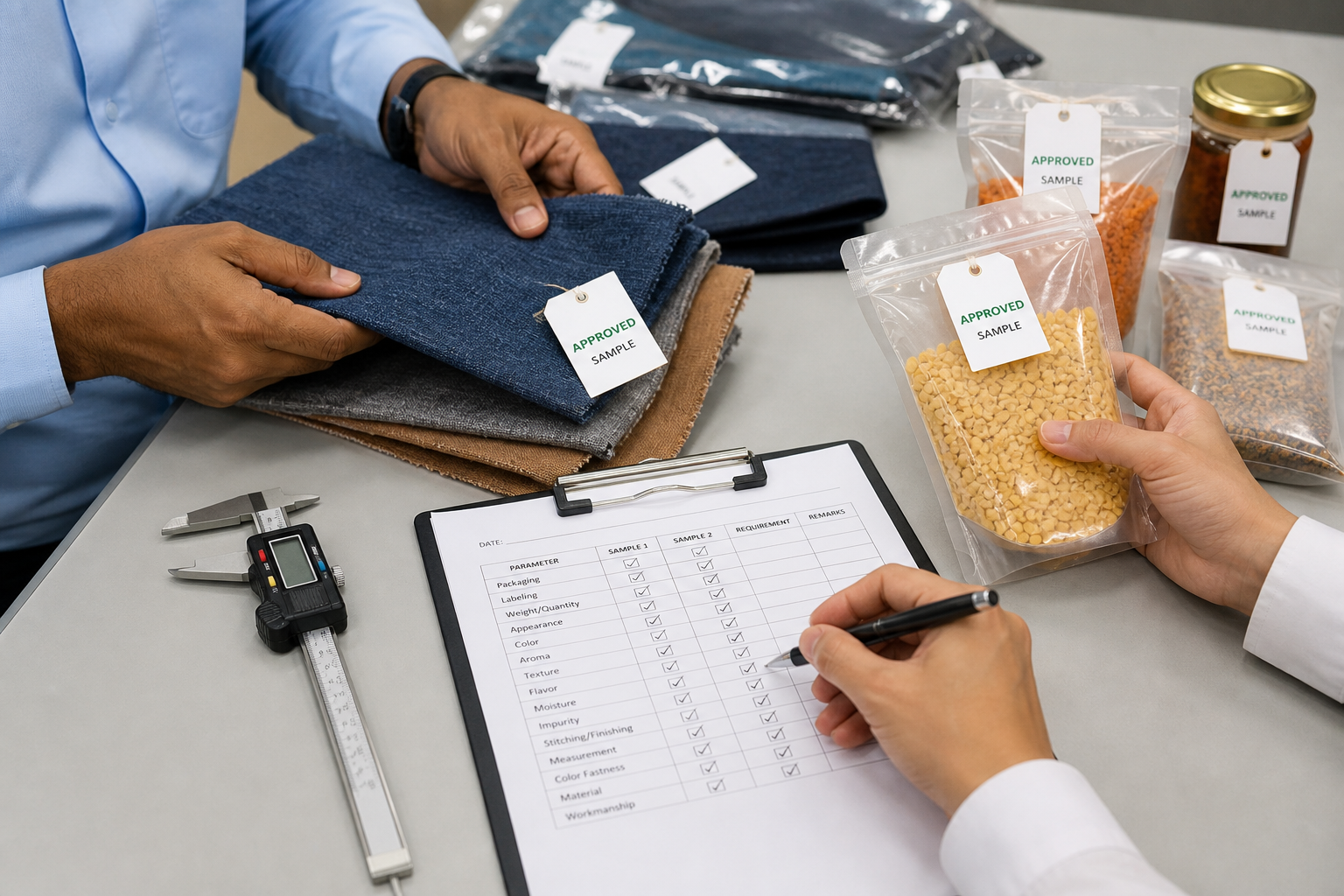
Quality due diligence means defining how the buyer and supplier will know whether goods conform. “Best quality” and “export quality” are marketing phrases unless they are tied to a product reference, measurable criteria, test method, and inspection process.
Create a version-controlled approval pack
- approved sample, retained sample, or signed first-article reference;
- product specification, drawings, material grade, and finish;
- tolerances, visual standards, color reference, and permissible variation;
- packing configuration, labels, barcodes, and artwork version;
- defect definitions and acceptance level;
- test standards, sample size, frequency, lab requirements, and reports;
- change-control process for materials, components, or production method;
- photo, measurement, and inspection-report requirements.
The approval pack should be acknowledged by the supplier before production begins. It commonly contains:
An approved sample is a useful control but has limits. It may represent appearance while using hand-finished work, temporary tooling, or a material lot unavailable for mass production. State exactly what was approved and require a pre-production sample or first-article check if that distinction matters.
Assess the supplier’s quality operating system
Ask how incoming materials, first pieces, in-process work, finished goods, and packing are checked. Ask who has authority to stop production, how defects are segregated, how corrective action is documented, and how rework is verified. A formal certificate can be useful context, but it is not proof that your order will follow a controlled process.
Use how to verify product quality with an Indian manufacturer for an expanded quality-control sequence. Where compliance affects market access, consult the appropriate testing, regulatory, and legal experts; a supplier’s statement that a product is “compliant” should be supported by applicable evidence.
Altus Exports can coordinate sample and quality documentation so international buyers have a clear approval trail before production and a consistent record for follow-up during the order.
Stage 5: Assess capacity, lead time, and supply continuity
Suppliers often state maximum capacity, while buyers need reliable available capacity during a specific period. Due diligence should therefore test the order schedule, not just request a monthly production number.
Ask the supplier to map material purchasing, sample approval, production, outsourced processes, finishing, packing, inspection, rework allowance, and export-ready date. Ask what current orders, labor, maintenance, raw-material availability, seasonal conditions, or logistics constraints could affect that plan.
Capacity must be checked again when volume, product complexity, or season changes. A supplier that handled a small pilot may not have the same system or headroom for a large repeat order. Use how to evaluate an Indian supplier’s manufacturing capacity to structure that assessment.
Comparison table
Swipe →
Data table — swipe horizontally on small screens
| Capacity area | Questions to ask | Evidence to retain |
|---|---|---|
| Available production | What time slot is reserved for our order? | Indicative production plan |
| Materials | Which items have the longest lead time? | Material specification and lead-time assumptions |
| Equipment | Is there a single-point machine or tooling dependency? | Equipment/process explanation |
| People | Is specialized labor required? | Shift or staffing plan where relevant |
| Subcontractors | Which process is external and who owns quality? | Dependency list and control responsibility |
| Recovery | What happens after a quality failure or delay? | Rework buffer and contingency plan |
Stage 6: Normalize commercial terms and allocate risk clearly
A quote is usable only when its assumptions are visible. Buyers should compare equivalent pricing, not simply unit-price columns. Create a normalized RFQ comparison across product version, material, quantity, packaging, tooling, testing, lead time, payment, Incoterm, and exclusions.
The purchase order should reference the approved product version and make material conditions explicit: delivery window, inspection rights, acceptance criteria, change control, payment milestones, document requirements, and remedies or escalation paths appropriate to your contract. Obtain professional legal and trade advice for terms that apply to your deal.
Do not let a favorable headline price mask a different product basis. A quote that excludes the required carton strength, label, test, inspection, material grade, or delivery point is not equivalent to a quote that includes them.
Comparison table
Swipe →
Data table — swipe horizontally on small screens
| Commercial issue | Verify before selection |
|---|---|
| Unit price | Currency, quantity basis, price validity, included materials and processes |
| MOQ and variance | MOQ by SKU, allowed overrun/underrun, mixed-order terms |
| Tooling | Cost, ownership, maintenance, storage, and return conditions |
| Packaging | Inner pack, master carton, labels, drop testing, retail requirements |
| Testing and inspection | Included tests, third-party costs, failure and rework responsibility |
| Delivery | Start trigger, lead-time assumptions, partial shipment and delay handling |
| Incoterm | Named place and allocation of freight, export, insurance, and handoff costs |
| Payment | Deposit, balance evidence, bank charges, financing, and document release |
Stage 7: Pilot, measure performance, and requalify suppliers
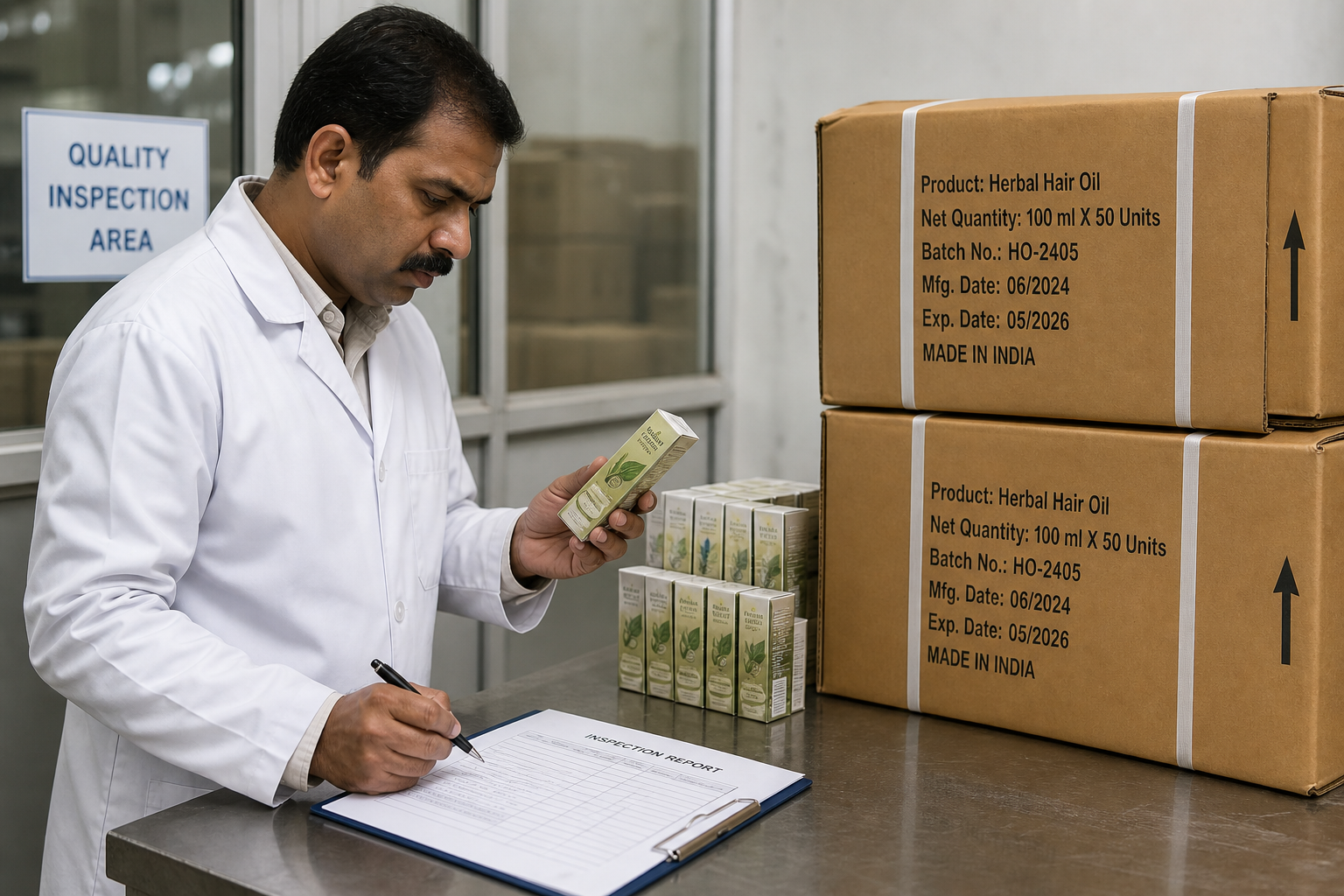
Initial due diligence produces a hypothesis: this supplier appears appropriate for a defined order. A trial converts that hypothesis into operating evidence. A trial order can test communication, specification control, material confirmation, production timing, inspection response, packaging, document accuracy, and shipment execution.
Define the trial in advance
- legal and commercial accuracy;
- responsiveness and escalation quality;
- specification and sample adherence;
- defect and corrective-action handling;
- actual versus planned lead time;
- packaging and documentation accuracy;
- transparency when something changes.
The scope should state what the buyer is testing and what successful completion means. It may include a limited number of SKUs, a defined sample sequence, pre-production approval, in-process or pre-shipment inspection, and a post-delivery review. It should not imply that the supplier is approved for every future product or volume.
Review trial performance using these categories:
For a practical design, see how to start sourcing in India with a small trial order. Keep the results in a supplier scorecard so future approvals use evidence instead of memory.
How to audit an Indian supplier when you cannot visit
Travel is helpful but not always available. Use a combination of document review, structured video walk-throughs, independent local audit, sample review, reference checks, and staged inspection. Define what each method verifies and what remains unverified.
The guide to supplier audit in India without visiting the factory covers an evidence-based remote approach. Give an auditor a product-specific checklist; a generic tour is less useful than verification of your critical processes, materials, quality points, and capacity constraints.
Build a supplier scorecard that distinguishes evidence from claims
Scorecards prevent teams from selecting based on the most persuasive presentation or lowest price. Use weighted criteria that fit the product, and record a short reason and evidence source for every score.
Weights are illustrative. A regulated product may assign more weight to compliance; a seasonal retail order may emphasize delivery certainty. The important discipline is to show why a supplier received a score and what would be needed to improve it.
Use the dedicated Indian supplier verification checklist with 25 things to check and Indian supplier scorecard to compare and select suppliers as working tools for this stage.
Comparison table
Swipe →
Data table — swipe horizontally on small screens
| Criterion | Example weight | Evidence source |
|---|---|---|
| Legal identity and transaction clarity | 10% | Entity and payment record |
| Product and process capability | 20% | Technical review, samples, site evidence |
| Quality controls and compliance fit | 20% | Approval pack, inspection/test review |
| Capacity and continuity | 15% | Production plan and dependency assessment |
| Commercial alignment | 15% | Normalized RFQ comparison |
| Communication and issue handling | 10% | Response during discovery and sample work |
| Trial performance or references | 10% | Pilot review and reference feedback |
Recognize fraud signals without confusing them with normal business differences
Some warning signs deserve immediate escalation: inconsistent company or bank information, refusal to identify the production role, unrealistic prices with urgency to pay, altered payment instructions, unverifiable address claims, or documents that conflict materially. These do not prove fraud individually, but they warrant a pause and independent validation before payment.
For a detailed red-flag list and response steps, read how to identify fake Indian suppliers and export scams. If you suspect payment fraud, contact your bank immediately and preserve the communication record. Do not send a small payment to “test” a questionable recipient.
Where a sourcing partner can add control
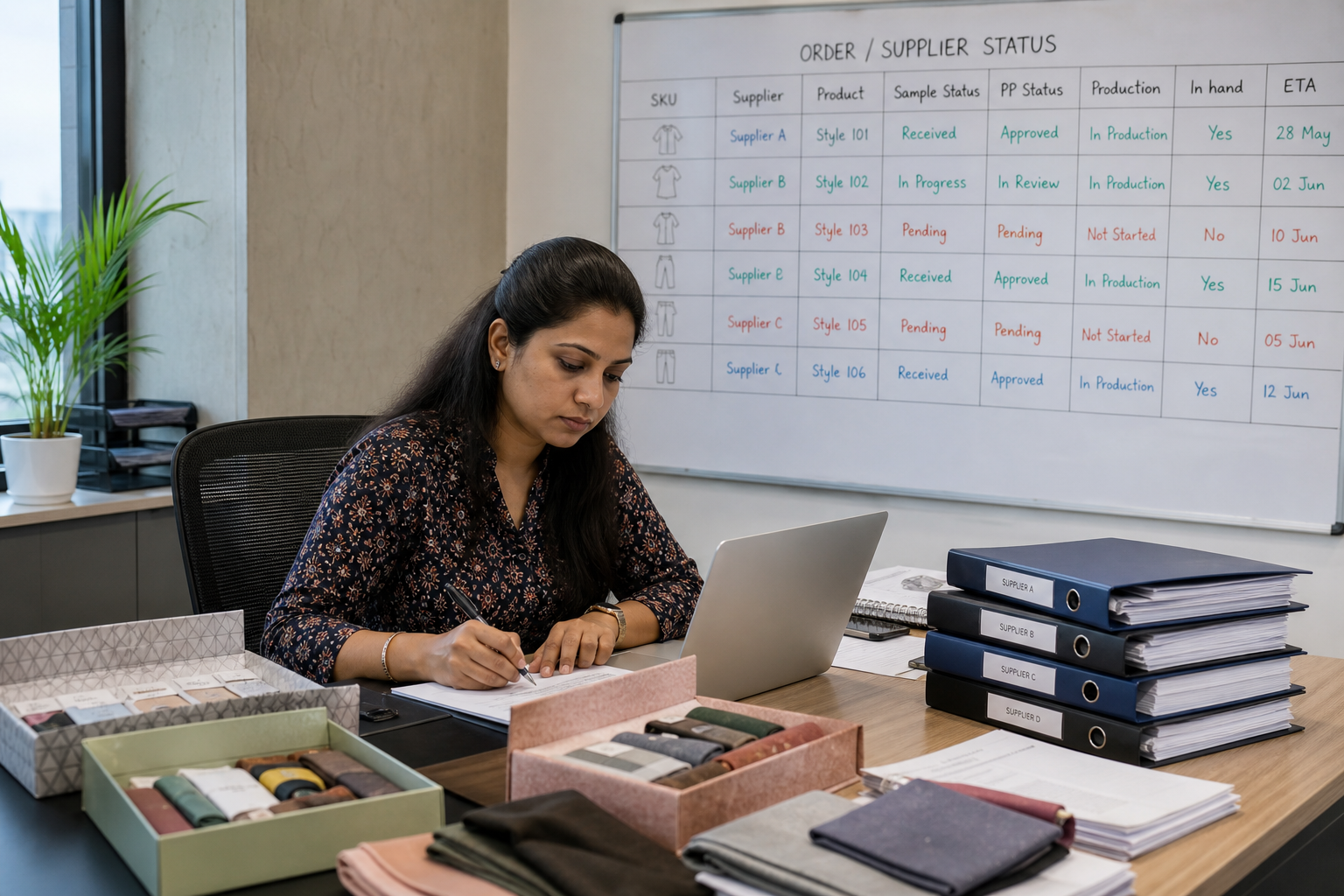
Direct buyer-supplier relationships can work well when your team has category knowledge, a proven factory, and capacity to manage daily sourcing activity. A local partner can be useful where you need independent supplier discovery, a site-level verification step, comparable RFQs, sample coordination, production follow-up, quality reporting, or multi-supplier export coordination.
The role must be clear. Ask whether the partner is acting as an agent, sourcing company, merchant exporter, or inspection coordinator; how it is paid; whether supplier-side commissions exist; and who owns each approval. A partner should create visibility and documented options, not obscure the real manufacturing and commercial relationships.
Altus Exports provides global sourcing partner services in India for international buyers who need one local coordination point across supplier verification, commercial comparison, quality follow-up, and export support. Buyers remain responsible for their product, commercial, and risk decisions.
If you are still at the supplier-discovery stage, start with how to find reliable suppliers in India before applying the roadmap to your shortlist.
A 2026 due diligence cadence for new and existing suppliers
Due diligence should not end at onboarding. Re-check key information when the order changes, and conduct periodic reviews for important suppliers.
In 2026, do not let digital communication substitute for verification. Maintain a controlled record, confirmation process, and clear approval authority.
Comparison table
Swipe →
Data table — swipe horizontally on small screens
| Trigger | Review to repeat |
|---|---|
| First order | Full roadmap at a proportionate level |
| New product or material | Capability, sample, quality, and compliance review |
| Major volume increase | Capacity, material, subcontractor, and lead-time review |
| New factory or outsource partner | Site/process and quality-control review |
| Changed bank or legal entity | Entity and payment verification before payment |
| Repeated quality or delay issue | Corrective action, process, and continuity review |
| Annual strategic supplier review | Scorecard, performance trends, and risk update |

Conclusion
Indian supplier due diligence is most effective when it is structured around the decisions you need to make: who to contract with, what production capability is real, how quality will be accepted, whether capacity supports the plan, and how commercial and payment risks are controlled. The Indian Supplier Due Diligence Roadmap provides a sequence for gathering evidence, resolving gaps, testing a supplier with a controlled trial, and requalifying as circumstances change.
If you need local support to verify a shortlisted supplier or build a supplier due diligence process for an India sourcing project, contact Altus Exports with your product brief, target market, expected volume, and timeline. The appropriate review should be proportionate to your order—not a generic checklist applied without context.