
How to Conduct a Supplier Audit in India Without Visiting the Factory
By Saurabh Mittal, Founder, Altus Exports
To conduct a supplier audit in India without visiting the factory, use a planned remote protocol with legal-entity checks, a document room, a live video walkthrough, process and worker questions, evidence capture, a scored report, and follow-up actions. A remote audit can…
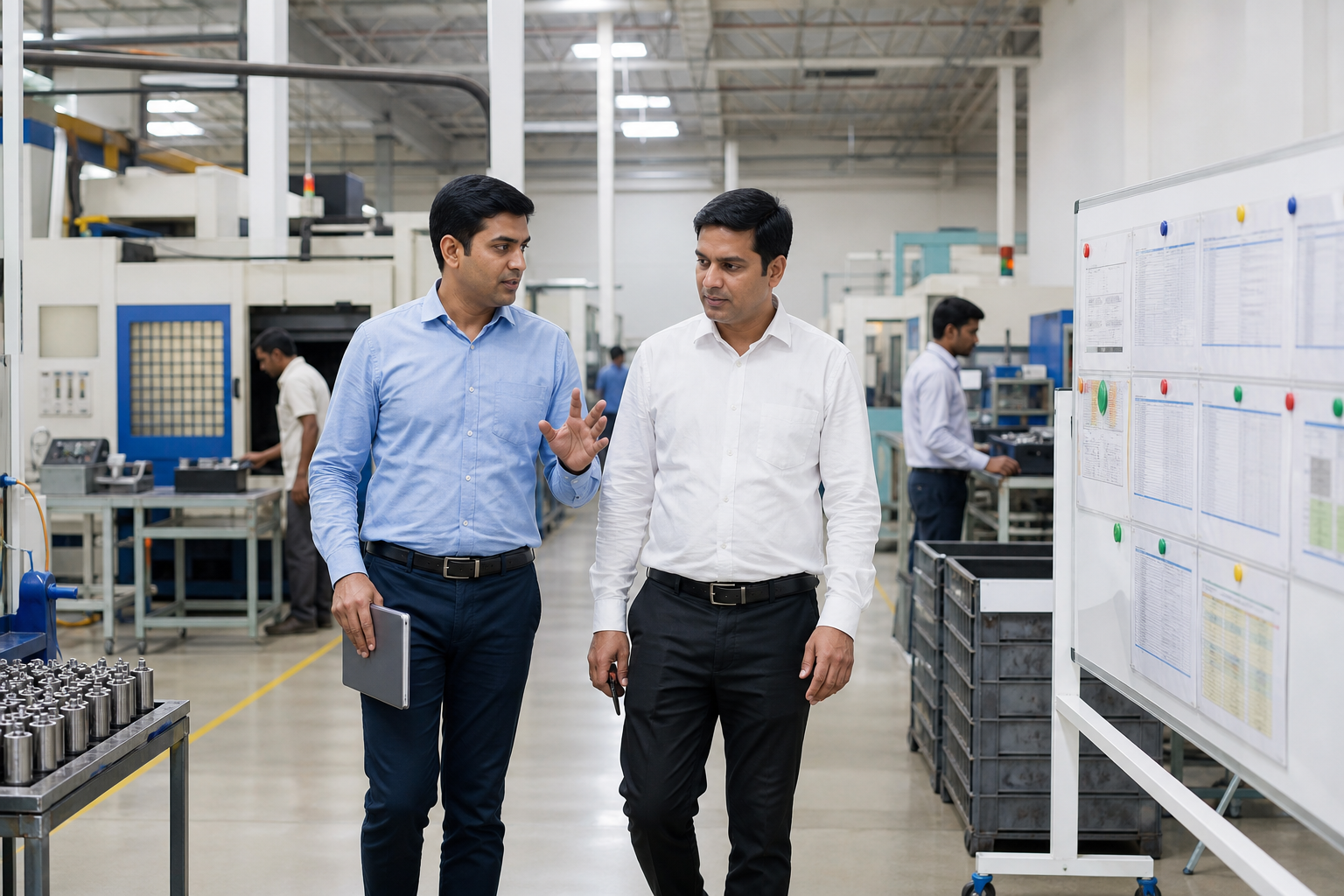
Travel is useful, but it is not the only way to investigate a supplier. International buyers often need to make an early supplier decision before a factory visit is practical. They may be sourcing from several Indian production clusters, working to a short sampling timetable, or evaluating a low-to-medium-risk order where travel costs are disproportionate. In those cases, a remote supplier audit in India can produce meaningful evidence if it is structured as an audit rather than a video sales call.
A credible remote audit combines three sources: documents that establish what the supplier says it is, live visual evidence of where and how it operates, and questions that test whether the people, records, and process tell a consistent story. It should also state what has not been verified. A polished prerecorded factory video, a registration document, or a long videoconference alone is not enough.
This article presents RAP-12, the Remote Audit Protocol: a twelve-part process for gathering, recording, scoring, and acting on supplier evidence. Use it alongside capacity evaluation for Indian suppliers, quality verification, and the complete Indian supplier due diligence guide.
A local sourcing partner can coordinate remote supplier verification, factory communication, and follow-up for international buyers. RAP-12 is designed as a practical method whether you work with Altus Exports, an independent inspection provider, or your own procurement team.
What a remote supplier audit can and cannot establish
A remote audit is strongest when you need to confirm basic business identity, operational reality, production flow, relevant equipment, document availability, current loading, quality practices, and the supplier’s willingness to answer specific questions. It can make a weak candidate visible early and help focus a later on-site inspection on the areas that matter most.
It is weaker when the decision requires physical testing, unrestricted observation across shifts, detailed social-compliance verification, forensic document review, environmental measurement, or confirmation that every stated process occurs at one location. Video can be directed; documents can be incomplete; conditions can differ on another day. Good remote auditing recognizes those limits rather than presenting a remote call as conclusive proof.
The goal is proportionate evidence. A small repeat order of a known item may justify a remote review and pre-shipment inspection. A new regulated product, major private-label launch, or supplier with unresolved identity gaps may require an on-site audit before a purchase order is released.
Comparison table
Swipe →
Data table — swipe horizontally on small screens
| Audit objective | Remote audit usefulness | When on-site or independent work is usually needed |
|---|---|---|
| Confirm legal entity and address | Useful with document cross-checks | Conflicting ownership or address evidence |
| Establish whether a facility appears operational | Useful during live, continuous walkthrough | High-value order or concern that location is staged/shared |
| Review equipment and process flow | Useful for initial assessment | Precise condition, calibration, utilization, or hidden processes matter |
| Assess production capacity | Useful with records and live observations | Large volume, critical deadline, or unclear bottleneck |
| Review quality system | Useful for procedures and selected records | Formal certification, product safety, or repeated defects are material |
| Verify labor and social conditions | Limited | Formal social audit or elevated-risk situation |
| Confirm material and product performance | Limited | Laboratory testing, sample evaluation, or physical inspection |
| Confirm export readiness | Useful for workflow and document review | High-risk regulatory or shipment-control requirements |

RAP-12: the Remote Audit Protocol
RAP-12 is not a software product or certification. It is a working protocol that keeps the audit agenda, evidence, and decisions organized. Each stage has an owner, expected evidence, and a decision point.
Do not compress all twelve elements into a single meeting simply because the audit is remote. Pre-work and follow-up are what turn live video into a useful control.
Comparison table
Swipe →
Data table — swipe horizontally on small screens
| Stage | RAP-12 activity | Main output |
|---|---|---|
| 1 | Define objective and risk | Audit scope and escalation threshold |
| 2 | Confirm identity before the call | Initial legal-entity and location file |
| 3 | Send agenda and evidence request | Time-bound audit plan and document index |
| 4 | Build a controlled document room | Source files with reviewer notes |
| 5 | Establish video and recording rules | Consent, continuity, and evidence protocol |
| 6 | Hold opening meeting | Named participants and claims log |
| 7 | Complete live site walkthrough | Time-stamped visual observations |
| 8 | Follow the product process | Process map, bottlenecks, and control points |
| 9 | Interview workers and process owners | Corroborated operational evidence |
| 10 | Review quality, capacity, and export evidence | Risk findings and missing documents |
| 11 | Score, report, and obtain corrective actions | Audit report with owner and due date |
| 12 | Verify closure or escalate | Go, conditional go, hold, or on-site review |
1. Define the objective, product, and risk threshold
- supplier legal name, trading name, contact, and claimed facility address;
- product or component, destination market, and any mandatory standards;
- expected annual and first-order quantities;
- buyer-specific packaging, testing, labeling, or traceability needs;
- areas included and excluded from the audit;
- desired evidence level and whether third-party inspection is planned;
- decision options: approve, approve with conditions, hold, or reject;
- red lines, such as an unverified legal entity, undisclosed subcontracting, or refusal of a live walkthrough.
Start by writing what decision the audit must inform. “Audit the factory” is too broad. A first-screen audit may seek evidence that the supplier is a genuine operating manufacturer and can make a product family. A pre-order audit may need to establish production readiness, quality controls, and available capacity. A repeat-supplier audit may focus on a past defect, a new process, or an upcoming peak season.
Set out:
Risk should drive depth. A generic low-value component does not demand the same protocol as food-contact goods, children’s products, medical-related items, branded packaging, or a large seasonal commitment. Do not describe a supplier as “approved” unless you specify what it has been approved for and what evidence supports that status.
Altus Exports can help buyers convert a product brief into audit questions that fit the decision at hand. That avoids a generic checklist that misses the real production and export risks.
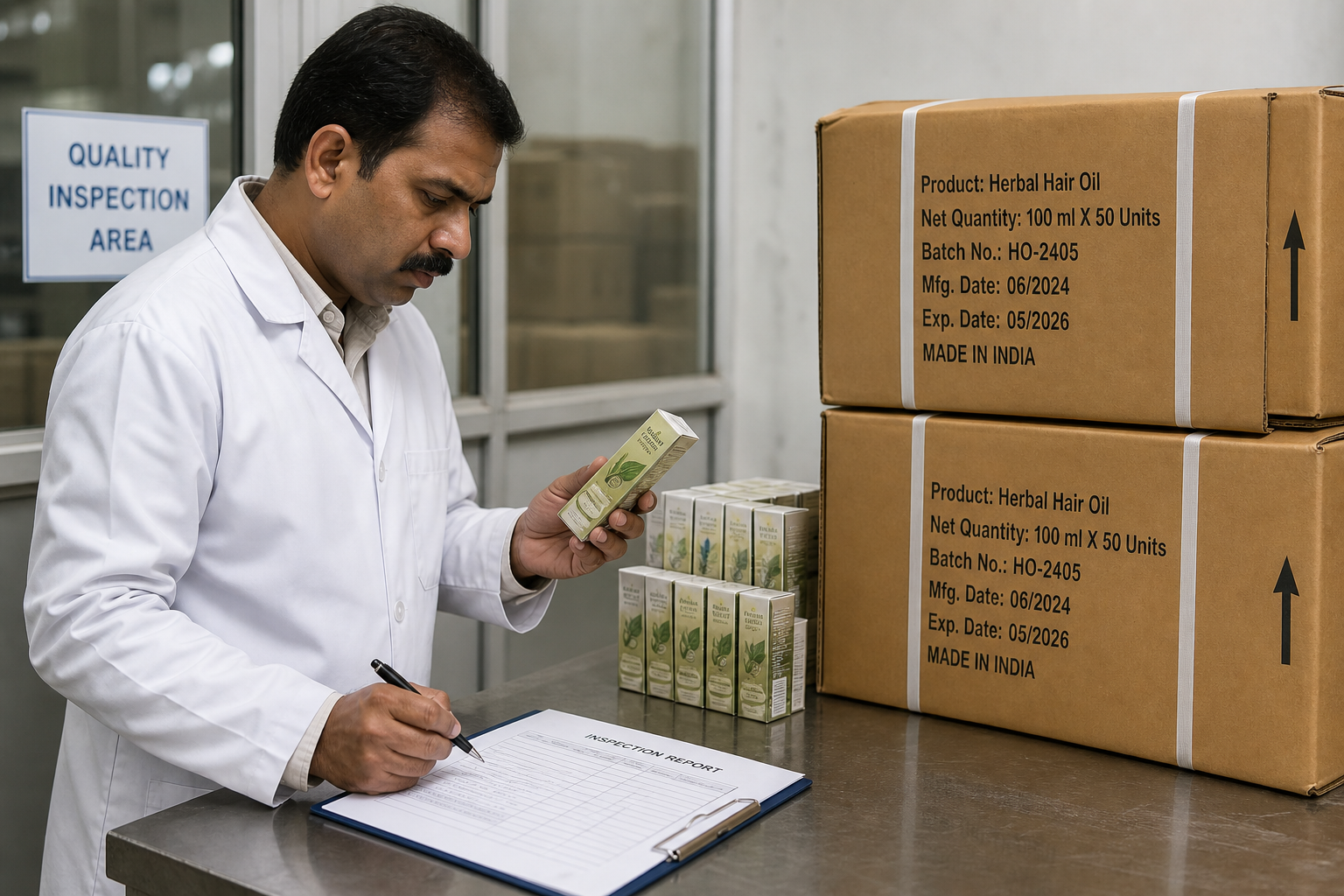
2. confirm identity before investing in a live audit
- legal business name, registered address, operating address, and primary contacts;
- company registration information and tax identifiers;
- GST details where relevant to the transaction;
- IEC or export credentials where the supplier claims to export directly;
- bank-account beneficiary information only through secure commercial channels;
- recent product quotation on company letterhead or through an identifiable company domain;
- facility address, map location, utility or lease evidence where appropriate;
- ownership or management explanation and authority to sign;
- relevant certifications, test reports, or licenses, including scope and expiry.
Before scheduling the call, establish that the company, address, and people correspond. Request documents from the entity that will quote, contract, manufacture, and export; these roles may differ, and the distinction should be recorded.
Request as appropriate:
Verify reasonable consistency between the documents, website, domain, invoices, video-call participants, and physical location. A mismatch is not automatically fraud: a registered office, warehouse, and factory can legitimately be different. It does require a clear explanation. See how to verify Indian company registration, GST, and export credentials for a more detailed identity-checking workflow.
Do not ask suppliers to send sensitive files over unmanaged chat channels. Use a controlled document room with defined access, and ask them to redact information that is not necessary for the audit.
3. Send a precise agenda and evidence request
- opening introductions, audit objective, scope, and consent;
- legal-entity and facility-address confirmation;
- current order load, product fit, and capacity discussion;
- live exterior, entry, reception, and facility identification;
- receiving, raw-material, production, quality, rework, packing, and dispatch walkthrough;
- process-owner interviews and selected worker questions;
- document-room review;
- preliminary findings, missing evidence, and next actions.
An unannounced video call may show a real location, but it is rarely a complete audit. Give the supplier enough notice to assemble records and the correct process owners while preserving the right to request live, unscripted views during the call. A typical remote audit may take two to four hours, sometimes split into two sessions because of time zones and production schedules.
Your agenda should include:
Tell the supplier which evidence is requested in advance, but not every question you will ask. Ask it to provide the people responsible for production, quality, maintenance, planning, and export or dispatch—not only the salesperson. If the supplier says a responsible person cannot attend, record the gap and schedule a targeted follow-up.

4. create a controlled document room
The document room should be a structured folder or secure platform with a file index, upload date, source, and reviewer note. Avoid a collection of unlabeled photos and PDFs sent across several messaging channels. Preserve the original file where possible, and note where a document has been summarized or translated.
Document-room index
Comparison table
Swipe →
Data table — swipe horizontally on small screens
| Evidence group | Typical items | Review question |
|---|---|---|
| Identity | Registration, tax and export records, authorized contacts | Does the contracting entity match the operating story? |
| Facility | Address proof, layout, lease or ownership explanation | Is the stated site identifiable and appropriate to the process? |
| Product and capability | Specifications, samples, process map, equipment list | Can this facility make the specified product? |
| Capacity | Order-book summary, production plan, staffing, maintenance | Is capacity demonstrably available in the required period? |
| Quality | Control plan, inspection records, calibration, defect logs | Are controls active and adequate for the product? |
| Materials | Approved suppliers, incoming records, traceability | Can critical materials be controlled and replenished? |
| Export and packing | Packing records, document workflow, buyer-label controls | Can passed goods become shipment-ready on time? |
| Compliance | Certificates, test reports, policies, corrective actions | Are claims current, in scope, and evidence-based? |
5. Set live video and recording rules
- use a live call rather than edited prerecorded footage for the core walkthrough;
- begin with the date, local time, named location, and person holding the camera;
- request continuous transitions between key areas when feasible;
- ask the camera holder to show contextual details such as signage, entrance, production board, and route between departments;
- do not request filming of confidential customer designs, personal data, or restricted safety areas;
- pause and reconnect if video quality prevents meaningful observation;
- record what was not visible, not only what was visible;
- keep a time-stamped notes log that links observations to files or recording segments.
Video is evidence only when its conditions are clear. Agree the platform, time zone, minimum connectivity expectations, interpreter needs, participants, and whether the session will be recorded. Obtain explicit consent before recording and explain the purpose, access, retention period, and any restrictions on sharing. Some suppliers cannot permit recording of confidential customer areas; in that case, document the restriction and consider whether still photographs, a limited recording, or independent follow-up is sufficient.
Set these practical rules:
6. conduct the opening meeting and claims log
Start with introductions and confirm the supplier’s legal name, manufacturing address, role in the transaction, product scope, and whether any process occurs elsewhere. Explain that the audit is an evidence review, not an accusation. Clarify that the report will distinguish supplier statements, observed conditions, and documents reviewed.
Maintain a claims log during the meeting:
This simple separation is important. It stops a verbal answer from becoming an audit conclusion simply because it was said confidently. It also gives the supplier a fair opportunity to supply missing evidence after the call.
Comparison table
Swipe →
Data table — swipe horizontally on small screens
| Supplier claim | Source | Evidence seen | Status |
|---|---|---|---|
| “All finishing is in-house.” | Production manager | Walkthrough and process map | Verified, partly verified, or unverified |
| “Monthly output is 50,000 units.” | Planning manager | Recent production data and current plan | Verified, partly verified, or unverified |
| “Every lot receives final inspection.” | Quality manager | Control plan and selected recent records | Verified, partly verified, or unverified |
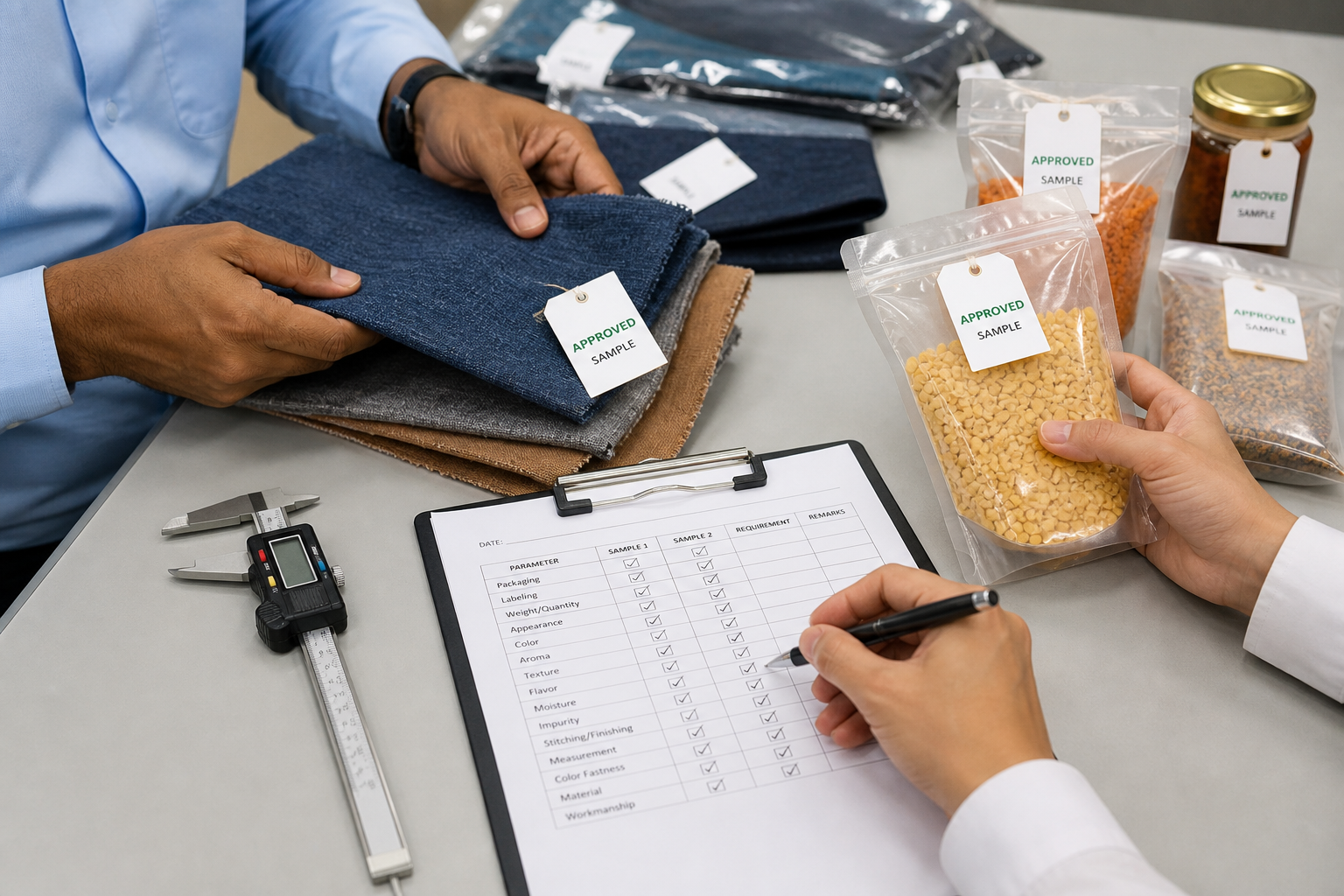
7. run a live factory walkthrough that follows the product
- whether the operating address and factory identity align with the documents;
- whether the facility appears active at the stated time;
- machine types, setup, condition, and apparent relevance to the product;
- flow of materials and work in progress;
- traceability labels, production boards, and batch or job cards;
- condition and segregation of incoming, accepted, rejected, and reworked goods;
- availability of inspection equipment and calibration labels where relevant;
- safety and housekeeping conditions that could affect product control;
- packing materials, label controls, warehouse space, and loading arrangements;
- areas that the supplier says are off-site, shared, or unavailable.
Do not accept a general tour in the order the supplier prefers. Ask to follow the product path from receiving to dispatch. The exact route varies by category, but the audit should normally see the exterior or entrance, material receiving, storage, production, quality points, rework or reject segregation, finished-goods storage, packing, and dispatch area.
During the walkthrough, observe:
Avoid making sweeping conclusions from appearance. A tidy factory is not proof of consistent quality; a busy factory is not proof of available capacity. Visual observations should lead to specific questions and document requests.
8. examine process flow, capacity, and bottlenecks
- Which machine, team, or outside process would run our SKU?
- What comparable SKU was produced recently, and at what daily output?
- What is already booked in our proposed production window?
- What happens when a critical machine is down or a trained operator is absent?
- Which step creates the longest queue or highest rework?
- Are overtime, a second shift, or subcontracting included in the quoted lead time?
- How are materials released and how long do critical inputs take to replenish?
- What must the buyer approve before the production clock starts?
Ask the production or planning manager to explain each process for your product. Request the standard cycle time, output target, number of machines or stations, shifts, setup time, key material, quality gate, and any outside process. Then ask which operation limits output.
This is where RAP-12 connects directly to the Capacity Evidence Scorecard. A remote audit should test the difference between rated capacity, demonstrated output, and available capacity. Ask to see recent production records and the current schedule, with customer details redacted if necessary.
Questions that expose useful evidence:
An auditor does not need to calculate an exact capacity number from video. The purpose is to identify assumptions that need evidence and to determine whether an on-site or independent capacity check is warranted.
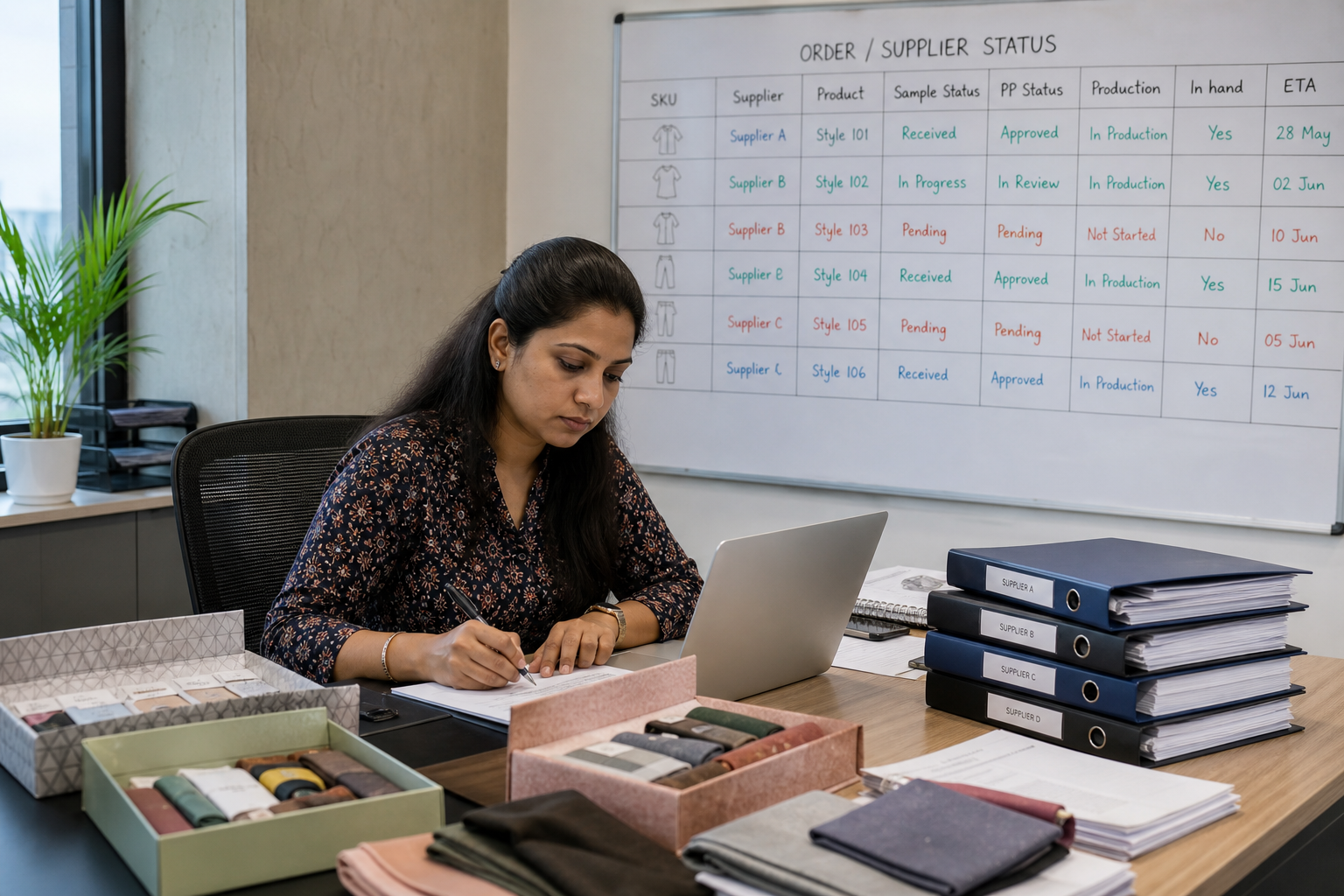
9. interview process owners and workers respectfully
Speaking only with senior management creates a narrow picture. Ask short, practical questions of the people who plan, make, inspect, pack, or maintain the product. Be respectful, avoid coaching answers, and do not request personal information beyond what is relevant to the audit. Where a formal social-compliance audit is needed, use a qualified on-site process instead of attempting to recreate it casually by video.
Useful questions by role:
Look for consistency, not rehearsed perfection. A supervisor and inspector may use different terminology but should describe compatible controls. If an operator cannot identify the current approved sample, that may indicate a training or document-control issue. Record the observation and ask for the corrective-control evidence rather than making an unsupported accusation.
Comparison table
Swipe →
Data table — swipe horizontally on small screens
| Role | Questions |
|---|---|
| Production supervisor | What is today’s target? What causes missed targets? How are changeovers and rework handled? |
| Operator | Which specification or sample do you use? What do you do if a part does not match? |
| Quality inspector | What defects are most common? How is a failed lot identified, segregated, and rechecked? |
| Planner | What orders share the line? What is the current lead-time risk? |
| Maintenance lead | Which machine is critical? What is the backup plan and last major downtime? |
| Packing lead | How are labels, artwork, carton quantities, and final counts controlled? |
| Export or dispatch lead | Who prepares documents and what happens after goods pass final inspection? |
10. review quality, traceability, packing, and export controls
A factory can exist and have equipment yet still be unsuitable for a buyer’s quality or export requirement. Review the controls that turn production into acceptable shipment.
For quality, ask for the approved sample or specification-control method, incoming material checks, first-piece approval, in-process inspection, final-inspection plan, defect records, rework controls, and relevant testing. For detailed guidance, see how to verify product quality from an Indian manufacturer.
For traceability, ask how the supplier connects incoming material, production lot, inspection status, and final packed goods. The necessary depth depends on the product. At minimum, the supplier should be able to explain how it prevents rejected or unapproved goods from being packed with accepted goods.
For export readiness, review packing specifications, shipping marks, barcode control, packing-list process, final measurement and weight records, finished-goods storage, and responsibilities for invoices, packing lists, origin documents, and freight handoff. If the supplier is not the exporter, identify who is and how information moves between the parties.
Altus Exports can assist with coordination across quality follow-up and export documentation, but the buyer must still communicate destination-market and customer requirements in writing. A remote audit cannot infer requirements that have not been supplied.

11. score findings and issue a usable audit report
The output should be more than “pass” or “fail.” Prepare an evidence-based report that records scope, dates, participants, documents reviewed, live observations, unanswered questions, risk rating, and recommended action. Distinguish a finding from a recommendation and distinguish a material risk from a minor housekeeping observation.
Each corrective action should include the finding, required evidence, owner, due date, verification method, and consequence if not closed. “Improve quality” is not an action. “Provide a current final-inspection record for the comparable SKU and show segregated rework area in a follow-up call by [date]” is verifiable.
Use a supplier-comparison framework, such as the Indian supplier scorecard, if you are reviewing more than one candidate. A supplier can be a conditional fit for one product and a poor fit for another; avoid a permanent, context-free label.
Comparison table
Swipe →
Data table — swipe horizontally on small screens
| Rating | Meaning | Typical decision |
|---|---|---|
| Low | Strong evidence, no material unresolved gap in scope | Proceed with normal controls |
| Moderate | Evidence supports basic fit, with defined conditions | Proceed only after agreed actions or extra verification |
| High | Material inconsistency, missing evidence, or control weakness | Hold order or require independent/on-site audit |
| Critical | Identity concern, refusal of key evidence, undisclosed production location, or serious incompatibility | Do not proceed until independently resolved |
12. close findings, monitor, or escalate to on-site verification
- the legal entity, bank beneficiary, or operating address remains inconsistent;
- the supplier will not show a relevant process or disclose subcontracting;
- capacity records conflict with the current order-book explanation;
- product safety, regulatory compliance, or brand risk is high;
- quality records are absent, stale, or inconsistent with observed practice;
- a large first order depends on a narrow delivery window;
- the supplier’s corrective action cannot be verified remotely;
- the supplier pressures the buyer to pay or release a large order before evidence is resolved.
Remote audit work continues after the call. Review the supplier’s evidence submissions, verify that they answer the original finding, and update the claims log. If a production order proceeds, use milestones, sample approval, inspection, and shipping-document checks to test whether the supplier’s operating behavior matches the audit evidence.
Escalate to an on-site audit, independent inspection, or additional due diligence when:
For a structured pre-order control list, use the Indian supplier verification checklist: 25 things to check. If you encounter suspicious identity, payment, or shipping behavior, pause the transaction and review the signs of fake Indian suppliers and export scams.

Conclusion
You can conduct a useful supplier audit in India without visiting the factory when you treat remote work as a documented evidence process, not a virtual tour. RAP-12 combines identity checks, a controlled document room, live video, process walkthroughs, targeted questions, evidence scoring, corrective actions, and clear escalation rules. It can reduce uncertainty quickly while making its own limitations visible.
If you need a remote supplier audit in India before sample approval or order placement, contact Altus Exports with the supplier details, product brief, order value or volume, destination requirements, and decision deadline. A risk-based protocol can identify what can be verified remotely and where independent or on-site follow-up is needed Pair remote findings with product sourcing company India coordination and manufacturing capacity evaluation before scaling..