Sustainable and Premium Leather Footwear Export Opportunities from India
By Saurabh Mittal, Founder, Altus Exports
A guide to India's sustainable and premium leather footwear opportunity — Leather Working Group (LWG) certified tanneries, chrome-free and metal-free leather, REACH and ZDHC chemical compliance, OEM premium manufacturing, and circular packaging, written for exporters and brand sourcing teams evaluating India for higher-margin, compliance-heavy programmes.
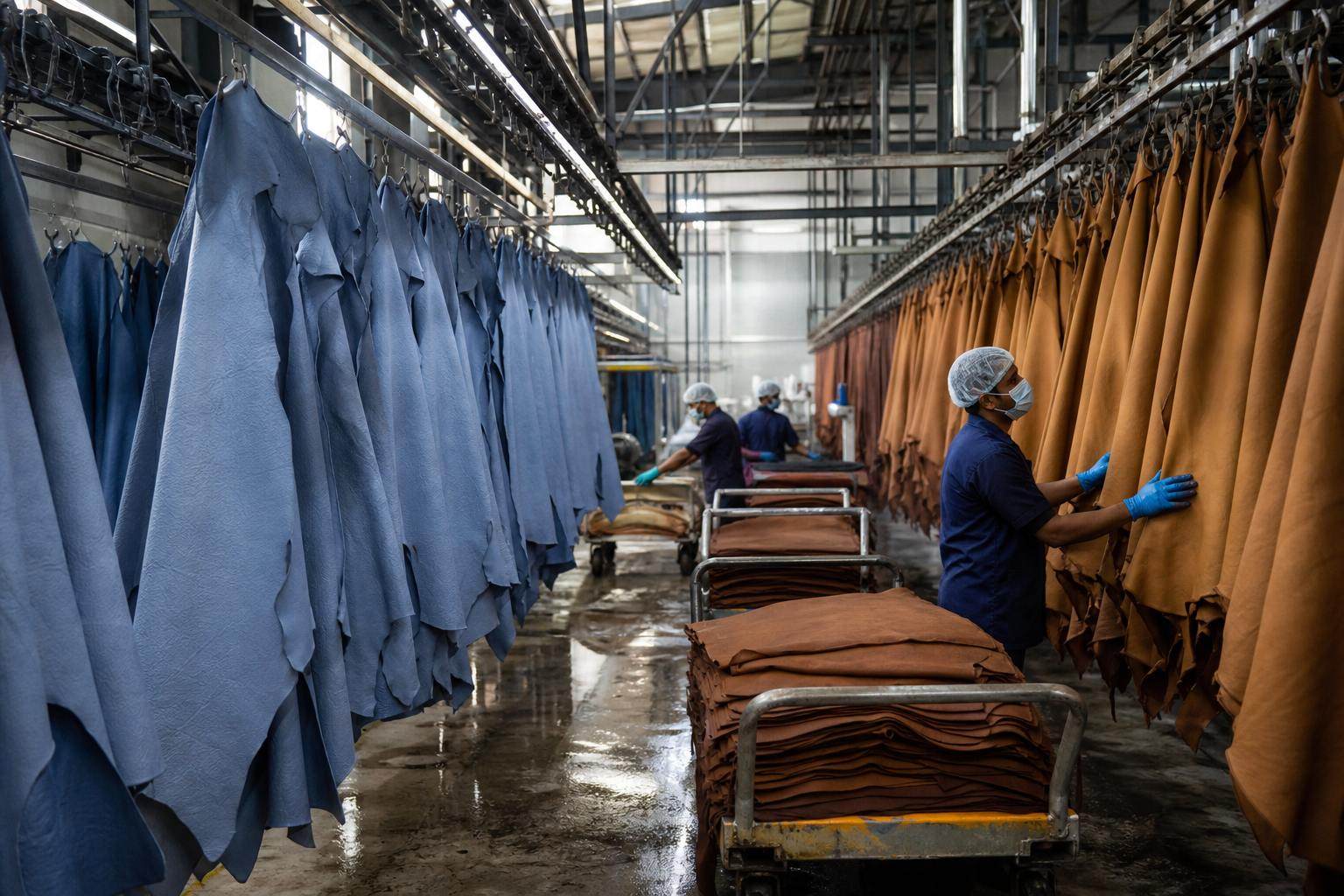
India's leather footwear industry is no longer competing on price alone. A growing segment of exporters — concentrated in the Ambur–Ranipet–Vellore–Chennai belt in Tamil Nadu and pockets of Kanpur and Agra — now supply Leather Working Group (LWG) certified, chrome-free, and REACH-compliant leather footwear to European and North American brands running OEM premium programmes.
This guide is about that segment specifically: LWG tannery certification, chrome-free and metal-free leather, REACH and ZDHC chemical compliance, OEM premium manufacturing relationships, and circular packaging — not the basic registration-to-shipment sequence covered in How to Export Leather Footwear from India, and not a trade-show directory (see Trade Shows and B2B Marketplaces for Leather Footwear Exporters for that).
Sustainability and premium positioning are not the same claim, though they overlap in practice. A premium programme pays for construction quality, design collaboration, and brand-specific tooling; a sustainability claim pays for verifiable tannery-level environmental performance and chemical traceability.
Buyers increasingly want both in the same supplier relationship — which is exactly why LWG-rated, export-oriented Tamil Nadu factories have captured a disproportionate share of OEM premium orders reaching India over the past several years.
This guide walks through the compliance infrastructure (LWG, REACH, ZDHC), the commercial case for premium positioning, and the practical checklist a factory or merchant exporter needs before pursuing brand-level OEM work. Pair it with CLE Registration Benefits for Leather Footwear Exporters for the underlying registration, Find International Buyers for Leather Footwear for prospecting the buyers who actually pay premium rates, and Best Countries for Indian Leather Footwear Exports for market prioritisation.
Altus Exports works as a merchant exporter in India and global sourcing partner coordinating premium and sustainability-audited leather footwear programmes for international brands.
Key Takeaways
Summary Box
Executive Summary
Summary Box
This guide frames sustainable and premium leather footwear export as a distinct commercial track from commodity export — one built on verifiable tannery certification, chemical compliance documentation, and factory audit readiness, rewarded with higher FOB prices and longer-term OEM relationships rather than one-off trial orders.
It covers the certification stack (LWG, REACH, ZDHC), the market and pricing case for premium positioning, and the operational checklist a factory needs before approaching a brand sourcing team.
None of this replaces the operational basics — IEC, CLE registration, and export documentation still apply exactly as covered in How to Export Leather Footwear from India and Leather Footwear Export Documentation Checklist.
What changes at the premium tier is the depth of verification a buyer requires before placing a first order, and the price premium available to factories that can substantiate their sustainability and quality claims with real certificates rather than marketing language.
Market Size & Industry Overview
Key Statistics
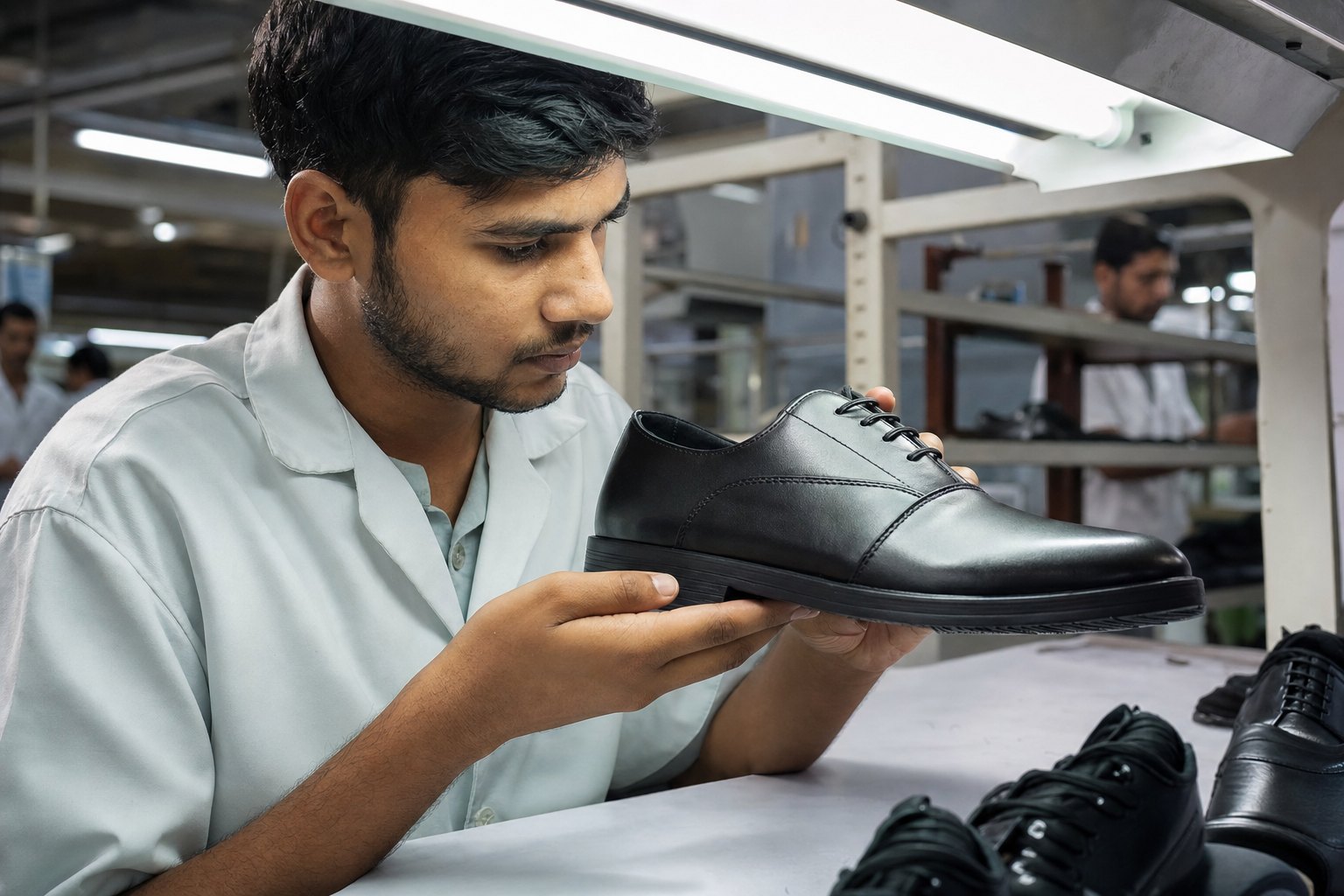
CLE / DGCI&S report leather footwear exports of about US$ 1.95 billion in FY 2025-26 (within US$ 4.75 billion total leather & footwear exports). Within that HS 6403 basket, a smaller premium and sustainability-audited sub-segment is concentrated among export-oriented factories in Tamil Nadu and select units in Kanpur and Agra. The premium tier is smaller in volume than commodity export but commands materially higher FOB prices and longer contract durations — brand OEM relationships often run multi-year, unlike commodity trial orders that reset every season.
Leather Working Group certification and REACH compliance have moved from optional differentiators to baseline entry requirements for EU and US brand sourcing over the past several years, driven by EU corporate sustainability due-diligence rules and consumer-facing sustainability claims. Factories that invested early in LWG-rated tannery relationships and REACH documentation now hold a structural advantage in premium buyer conversations that newer entrants cannot close quickly, since tannery audits and certification cycles take months, not weeks.
India's Sustainable & Premium Leather Footwear Segment (Indicative)
Swipe →
Data table — swipe horizontally on small screens
| Dimension | Approximate Figure | Relevance to Premium Positioning |
|---|---|---|
| Leading premium/export cluster | Ambur–Ranipet–Vellore–Chennai belt, Tamil Nadu | Deepest experience with brand-owned, compliance-heavy programmes |
| LWG-rated tanneries in India | A growing but still limited base, concentrated in Tamil Nadu | Certification cycle takes months; early movers hold an advantage |
| Primary compliance frameworks | LWG, REACH (EU/UK), ZDHC MRSL | Baseline credentials brand sourcing teams verify before RFQ |
| Premium FOB uplift vs. commodity | Typically 20–60% higher, category-dependent | Reflects tooling investment, audit cost, and construction tolerance |
| Contract structure | Often multi-year OEM relationships vs. seasonal trial orders | Rewards long-term certification investment over one-off orders |
Export Statistics
Key Statistics
Separate, product-level export statistics for the sustainability-certified sub-segment of Indian leather footwear are not published as a standalone category by CLE or DGCIS — sustainable and premium footwear ships within the same HS 6403 statistics as commodity footwear. What is observable is destination concentration: Germany, the wider EU, the UK, and the USA — the markets with the strictest chemical compliance and sustainability disclosure rules — account for a disproportionate share of India's higher-value leather footwear exports relative to their share of total pairs shipped, a pattern consistent with premium and certified product commanding higher average unit value in exactly the markets that demand the most documentation.
Indicative Premium/Sustainability-Relevant Export Destinations
Swipe →
Data table — swipe horizontally on small screens
| Destination | Compliance Emphasis | Typical Premium Category Demand | Buyer Type |
|---|---|---|---|
| Germany | REACH chromium VI, LWG, ZDHC MRSL | Men's formal, women's fashion, safety footwear | Retail chains, brand sourcing offices |
| Wider EU (France, Netherlands) | REACH, EU due-diligence disclosure expectations | Fashion and OEM premium programmes | Department stores, private-label brands |
| UK | REACH-equivalent UK chemical rules | Men's and women's footwear, children's | Retail chains, multi-brand distributors |
| USA | CPSIA (children's), growing ESG sourcing policies | Casual, boots, OEM premium | Brand sourcing teams, department stores |
Import Statistics
Key Statistics
Premium and sustainability-focused buyers in Germany, the UK, France, and the USA increasingly request supplier certification data as part of their import compliance and ESG disclosure programmes, not just as a nice-to-have. Reading import-side signals for this segment means looking past raw HS 6403 volume and instead identifying which importers are OEM/brand sourcing offices rather than wholesale distributors — OEM offices typically show fewer, larger, longer-running purchase relationships with a small number of certified suppliers rather than broad multi-origin spot buying.
Reading Import-Side Signals for Premium Positioning
Swipe →
Data table — swipe horizontally on small screens
| Signal | What It Suggests | Relevance |
|---|---|---|
| Long-running, low-supplier-count import relationship | OEM/brand sourcing office rather than spot-market wholesaler | Higher-value, longer-term opportunity worth premium-tier investment |
| RFQ documents referencing LWG, ZDHC, or REACH explicitly | Buyer has a formal sustainability sourcing policy | Certification investment will convert directly to qualification |
| Frequent, smaller multi-origin purchases | Price-sensitive wholesale or distributor buyer | Better fit for commodity-tier export than premium OEM positioning |
Product Categories and Variants
Summary Box
Premium and sustainability-audited product ranges overlap with the standard category list — men's formal, women's fashion, boots, casual, sandals — but differ in leather sourcing and construction detail. OEM premium programmes typically specify full-grain or corrected-grain leather from a named, audited tannery, Goodyear-welted or high-grade cemented construction, and brand-specific lasts developed through a paid tooling process. For the full category-by-category breakdown across all price tiers, see Top Leather Footwear Products Exported from India.
Chrome-free and metal-free leather variants apply across most upper categories but are most commonly requested for premium casual, fashion, and children's footwear, where brands want a sustainability claim visible to end consumers. Safety footwear and heavy-duty boots more often remain on standard chrome-tanned leather for cost and performance reasons, even within otherwise sustainability-committed buyer programmes.
Premium and Sustainability-Relevant Product Variants
Swipe →
Data table — swipe horizontally on small screens
| Category | Leather Variant | Typical Certification Ask | Primary Buyer Type |
|---|---|---|---|
| Men's formal (OEM premium) | Full-grain, LWG-rated tannery source | LWG Gold/Silver, REACH | Brand sourcing offices, premium retail chains |
| Women's fashion (sustainability line) | Chrome-free or metal-free leather | REACH, chrome-free certificate | Sustainability-focused fashion brands |
| Casual and lifestyle (brand collaboration) | Corrected-grain, LWG-audited | LWG, ZDHC MRSL | Lifestyle and e-commerce private-label brands |
| Children's footwear (premium) | Chrome-free preferred | REACH, CPSIA, chrome-free certificate | Children's retail chains with ESG policies |
| Safety footwear (standard) | Chrome-tanned (performance priority) | REACH chromium VI, safety standard | Industrial distributors (sustainability secondary) |
Manufacturing Overview
Export Tip
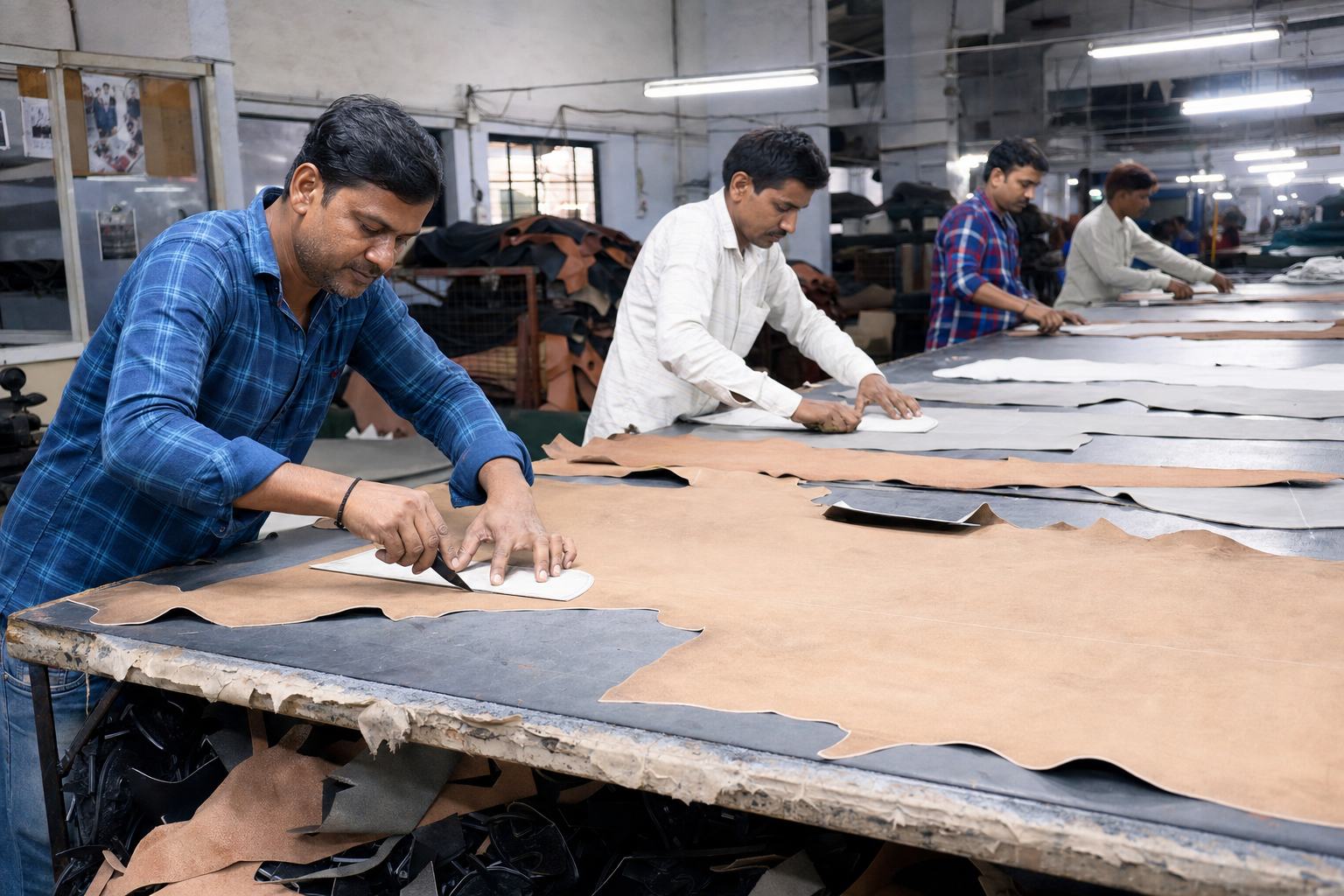
Premium manufacturing begins at the tannery, not the shoe factory. Leather Working Group audits assess a tannery's environmental management system, water and effluent treatment, energy use, chemical management, and traceability against a defined protocol, resulting in a Gold, Silver, Bronze, or Certified rating — factories sourcing from a Gold- or Silver-rated tannery carry meaningfully more credibility with brand sourcing teams than those unable to name their tannery at all. Chrome-free and metal-free tanning processes substitute alternative tanning agents (such as aldehyde, vegetable, or synthetic tanning systems) for chromium salts, producing leather with a different hand-feel and finish profile that some premium buyers specifically request for sustainability messaging.
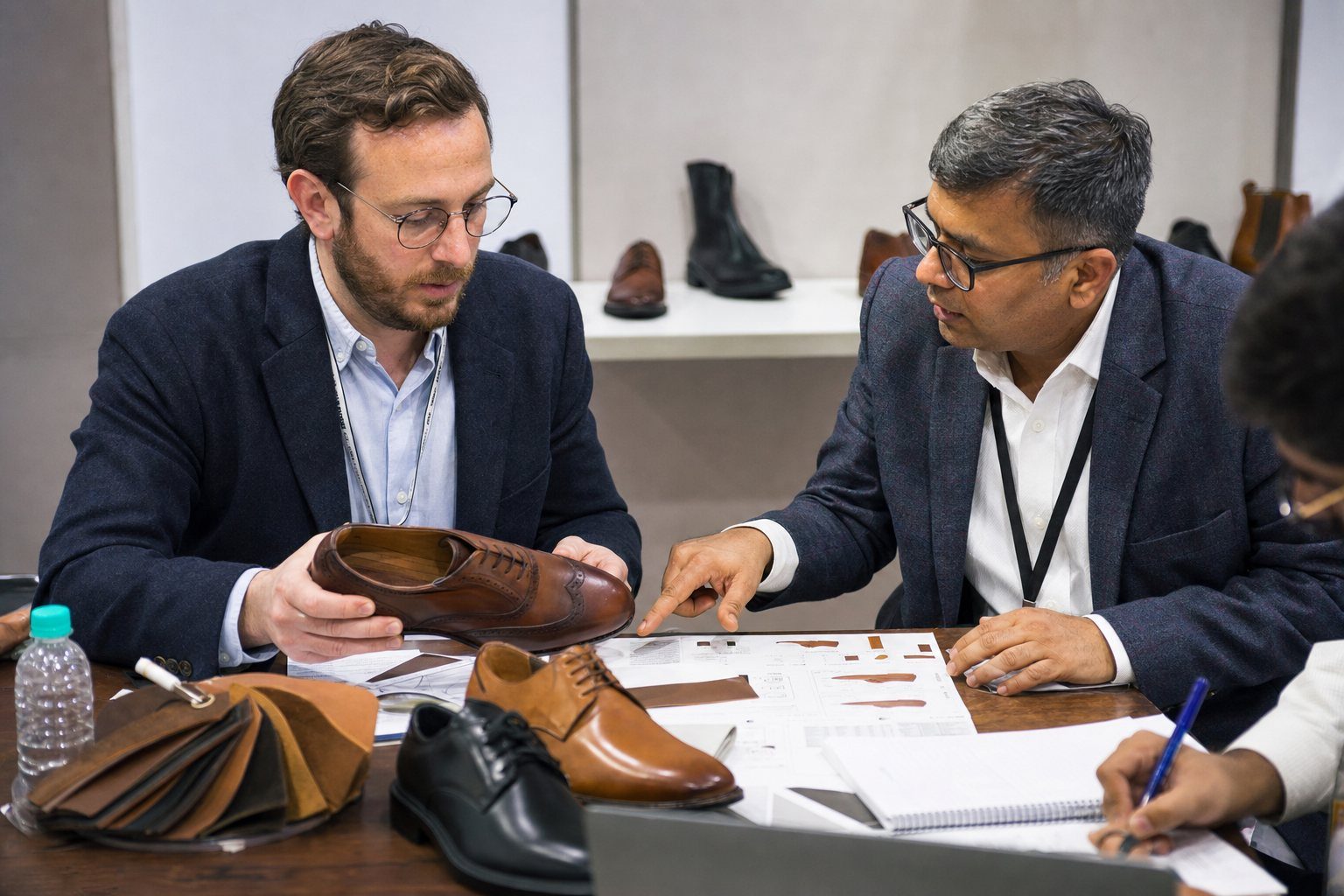
At the footwear factory stage, OEM premium manufacturing requires the same lasting, stitching, and sole-attaching sequence as commodity production, but with tighter tolerance checkpoints, brand-approved tooling, and — typically — a factory-level social compliance audit (covering labour practices, worker safety, and working hours) that commodity buyers rarely request. Export-oriented factories in the Tamil Nadu cluster have built dedicated OEM lines and audit-readiness processes specifically to serve this segment.
Pricing Analysis
Buyer Tip
Premium and sustainability-certified leather footwear commands a meaningful FOB premium over commodity equivalents, reflecting certified leather cost, tooling amortisation, audit and certification overhead, and tighter QC tolerance. The premium is category-dependent: fashion and OEM branded programmes see the largest uplift, while safety footwear sees a smaller premium since performance specification, not sustainability messaging, drives that category's pricing.
Quote premium programmes as a full package — leather certification tier, construction method, tooling and last-development cost (often amortised separately as a one-time fee), packaging specification, and audit cost allocation — rather than a bare per-pair FOB number. Buyers in this tier expect and respect detailed cost breakdowns; a single opaque number signals an exporter unprepared for OEM-level commercial discussion.
Indicative FOB Price Ranges — Premium/Sustainable vs. Commodity (USD/pair)
Swipe →
Data table — swipe horizontally on small screens
| Category | Commodity FOB Range | Premium/Certified FOB Range | Key Premium Driver |
|---|---|---|---|
| Men's formal (OEM premium) | $8–$18 | $16–$35+ | LWG tannery source, Goodyear-welted construction, brand tooling |
| Women's fashion (sustainability line) | $6–$14 | $12–$28 | Chrome-free leather, design collaboration, finish complexity |
| Casual / lifestyle brand collaboration | $5–$12 | $10–$22 | Corrected-grain LWG-audited leather, brand-specific lasts |
| Children's footwear (premium) | $4–$8 | $8–$16 | Chrome-free leather, CPSIA plus ESG documentation |
MOQ Analysis
Buyer Tip
MOQs for premium and OEM programmes are typically higher per style than commodity trial orders, since tooling and last-development cost only amortises sensibly at scale, but the relationship itself is often structured around a smaller number of styles ordered repeatedly rather than a wide catalogue of low-volume SKUs.
Typical MOQ for Premium/OEM Programmes (Pairs, per Style)
Swipe →
Data table — swipe horizontally on small screens
| Programme Type | Trial/Development MOQ | Standard Recurring MOQ | Notes |
|---|---|---|---|
| OEM premium (brand-owned last) | 1,000–2,000 pairs (development run) | 3,000–8,000+ pairs, recurring seasonally | Tooling cost amortised across recurring orders, not a single run |
| Sustainability-line collaboration | 500–1,500 pairs | 2,000–5,000 pairs | Chrome-free leather batch sizing can constrain minimums |
| Premium children's (ESG-focused) | 500–1,000 pairs | 1,500–4,000 pairs | CPSIA and chrome-free testing adds lead time to first run |
Packaging Standards
Export Tip
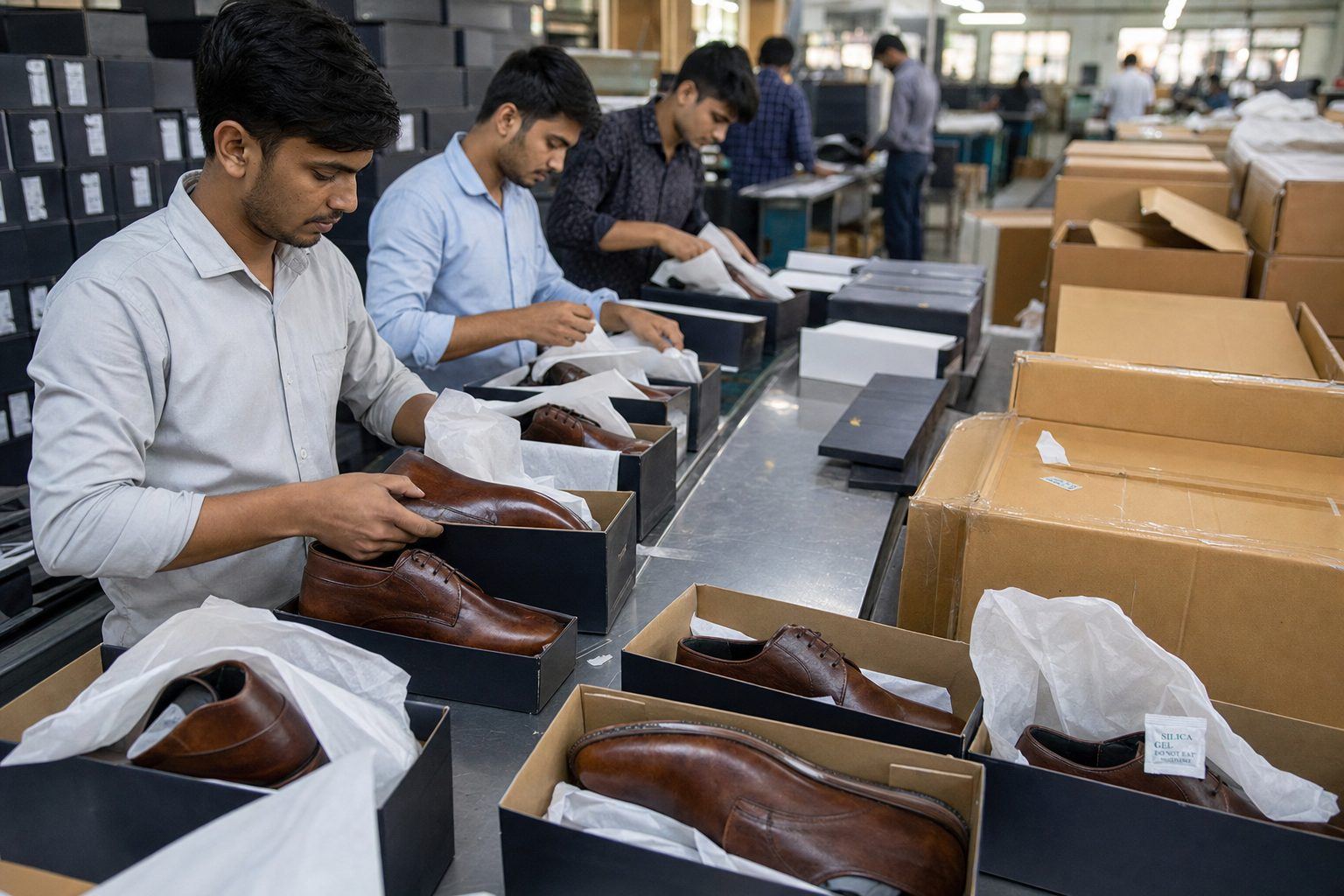
Circular packaging is a growing specification in EU brand tenders, covering recycled-content shoe boxes, FSC-certified board, reduced or eliminated single-use plastic tissue and dust bags, and water-based printing inks on carton artwork. Exporters pursuing premium positioning should quote circular packaging as a defined, costed line item rather than assuming a buyer will accept a standard commodity carton with a sustainability claim attached to the shoe alone.
Standard vs. Circular Packaging Specifications
Swipe →
Data table — swipe horizontally on small screens
| Packaging Element | Standard Commodity Spec | Circular/Premium Spec |
|---|---|---|
| Shoe box board | Standard virgin board | FSC-certified or recycled-content board |
| Tissue and dust bag | Standard plastic-lined tissue | Reduced plastic, recycled paper tissue, or plastic-free dust bag |
| Carton printing | Standard ink | Water-based ink; minimal ink coverage design |
| Hang tags and inserts | Standard paper | Recycled paper; sustainability claim traceability QR code |
Container Loading Details
Export Tip
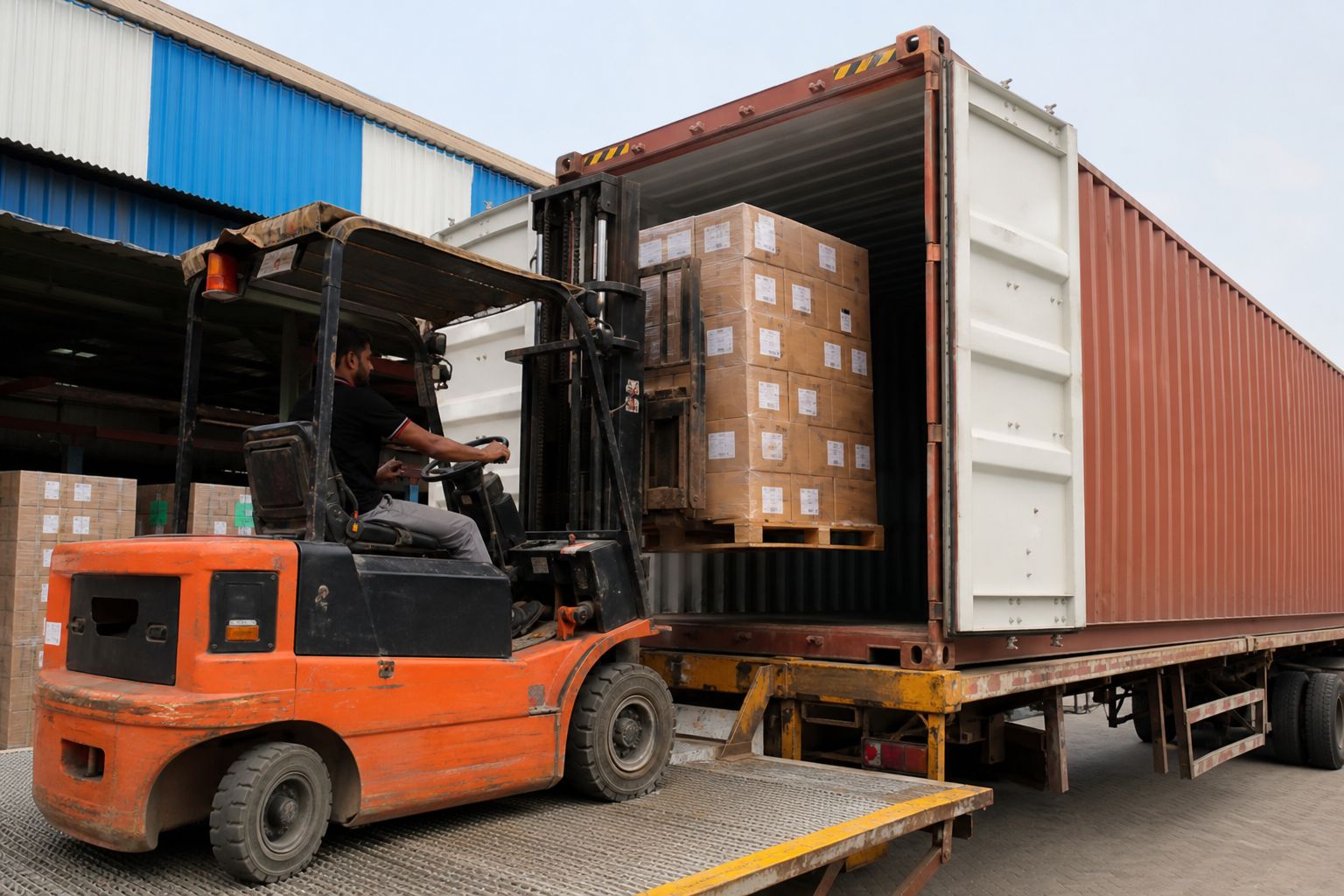
Container loading for premium and OEM programmes follows the same physical constraints as commodity export — footwear cartons are volume-constrained before hitting a container's maximum payload weight — but premium programmes more often ship via 40-foot High Cube containers even at moderate volumes, since brand buyers typically consolidate fewer, larger recurring orders rather than frequent small trial shipments.
Indicative Container Loading Benchmarks (Pairs) for Premium Programmes
Swipe →
Data table — swipe horizontally on small screens
| Container Type | Approx. Pairs (Compact Premium Styles) | Approx. Pairs (Bulky Styles, e.g. Boots) | Notes |
|---|---|---|---|
| 40-foot High Cube (HC) | ~8,000–11,000 pairs | ~5,000–8,000 pairs | Preferred unit for recurring OEM programmes |
| 20-foot FCL | ~4,000–6,000 pairs | ~2,500–3,500 pairs | Used for smaller development or trial runs |
| LCL consolidation | 200–1,500 pairs | Palletised master cartons | Common for development samples and small pilot orders |
Shipping Methods
Export Tip
Sea freight via 40ft HC containers is standard for recurring OEM programmes, with FOB the dominant Incoterm; some brand buyers with centralised European or US distribution centres prefer DDP or CIF to simplify their own logistics planning, in which case the exporter's freight forwarder must be comfortable quoting a full landed-cost figure. Air freight is used for development samples, brand-approval prototypes, and urgent replenishment on premium lines, where speed of feedback matters more than freight cost per pair during the tooling and approval phase. Mundra, Nhava Sheva, and Chennai remain the primary load ports depending on the manufacturing cluster.
Certifications
Compliance Notes
The certification stack for premium and sustainable leather footwear sits on top of the mandatory IEC and CLE registration covered elsewhere in this cluster — see CLE Registration Benefits for Leather Footwear Exporters for that foundation. At the premium tier, LWG tannery certification, REACH chromium VI compliance, and ZDHC MRSL conformance for wet-processing chemicals form the core evidence pack a brand sourcing team requests before qualifying a new Indian supplier.
Certifications and Standards Relevant to Premium and Sustainable Positioning
Swipe →
Data table — swipe horizontally on small screens
| Certification / Standard | What It Verifies | Who Requests It |
|---|---|---|
| Leather Working Group (LWG) tannery rating | Environmental management, water/effluent treatment, traceability at the tannery | EU/US brand sourcing teams with sustainability sourcing policies |
| REACH chromium VI compliance | Hexavalent chromium below regulatory limits in leather components | Mandatory for all EU/UK-bound leather footwear, regardless of tanning method |
| ZDHC MRSL conformance | Chemical inputs at tannery/wet-processing stage screened against a restricted substance list | Brand sourcing teams with formal chemical management programmes |
| Chrome-free / metal-free leather certificate | Confirms alternative (non-chromium) tanning process used | Sustainability-focused fashion and lifestyle brands |
| CPSIA compliance | Lead, phthalates, and safety testing for children's footwear | US buyers sourcing children's lines, regardless of sustainability positioning |
| Factory social compliance audit (e.g. SEDEX, WRAP-aligned) | Labour practices, worker safety, working hours at the footwear factory | OEM brand buyers as part of premium supplier qualification |
Certification Chain-of-Custody Checklist
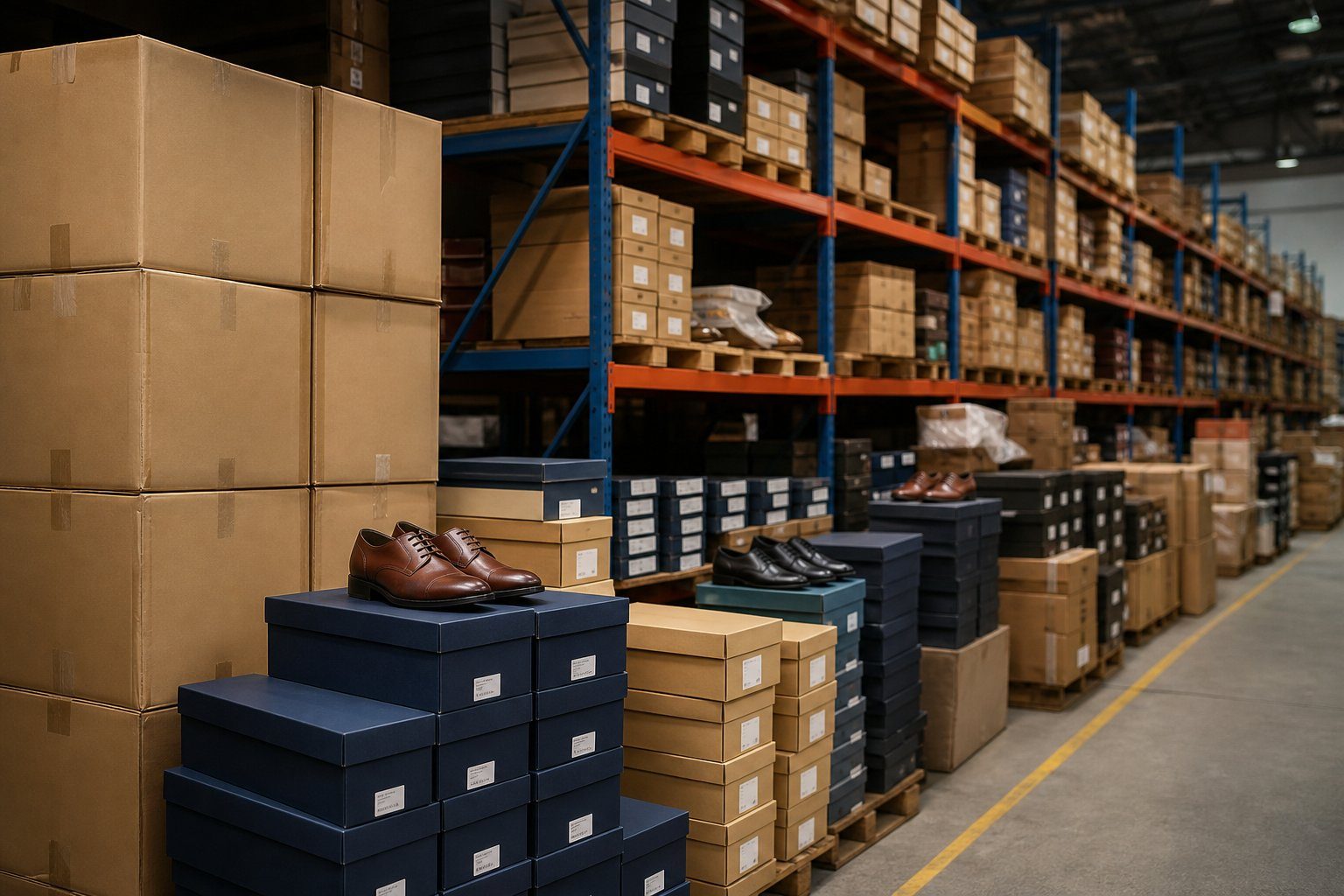
A premium buyer will ask for chain-of-custody evidence linking a specific finished-shoe lot back to a named, certified tannery batch — not just a general LWG certificate on file. Exporters pursuing this segment should build lot-traceability records into their standard documentation from the first premium order, since retrofitting traceability after a buyer relationship is already underway is far harder than building it in from the start.
Buyer Requirements
Buyer Requirements
Premium and sustainability-focused buyers evaluate a new Indian supplier on a longer and deeper checklist than commodity buyers. Expect requests for named tannery identity and LWG rating, REACH and ZDHC documentation, factory social compliance audit reports, references from existing brand relationships where available, and a clear tooling and development-cost proposal for any brand-specific last.
What Premium Buyers Ask For vs. Commodity Buyers
Swipe →
Data table — swipe horizontally on small screens
| Requirement | Commodity Buyer | Premium/Sustainability Buyer |
|---|---|---|
| Tannery identity | Rarely asked | Named tannery with LWG rating expected |
| Chemical compliance documentation | REACH on request | REACH plus ZDHC MRSL conformance evidence |
| Factory social audit | Rarely required | Often mandatory before first PO |
| Tooling / last development | Standard catalogue last | Brand-specific last, costed and amortised separately |
| Contract structure | Seasonal trial order | Multi-year OEM relationship with recurring forecast |
Country-wise Opportunities
Market Snapshot
Premium and sustainability-focused demand concentrates in a smaller set of markets than commodity export. For the full market-by-market entry strategy across all price tiers, see Best Countries for Indian Leather Footwear Exports.
Germany and the EU
The most compliance-heavy and premium-rewarding market; REACH chromium VI documentation and LWG tannery sourcing are checked closely before outreach succeeds, and EU corporate sustainability due-diligence rules are pushing brand sourcing teams to formalise supplier certification requirements further.
USA
A split market needing separate strategies for commodity blending demand and a fast-growing ESG-conscious premium and OEM segment; CPSIA compliance remains mandatory for children's lines regardless of sustainability positioning.
UK
Retail chains and department stores sustain steady premium demand; REACH-equivalent UK chemical compliance rules apply alongside standard commercial documentation.
Japan
A quality-conscious market where premium positioning rewards finish consistency and traceability; sustainability messaging is gaining ground more slowly than in the EU but is a rising expectation among department store buyers.
Netherlands and broader Gulf/Australia
The Netherlands functions as an EU redistribution hub for premium product; Gulf and Australian premium demand is smaller but growing, often served through regional distributors already carrying certified product lines.
Expert Insight: Certification Is an Investment, Not a Cost Line
Expert Insight Box
The commercial mistake we see most often in this segment is factories obtaining LWG or REACH certification and then continuing to pitch commodity-style, price-first outreach to the same wholesale buyer universe. Premium certification only pays off when paired with outreach specifically targeted at brand sourcing teams and OEM buyers who have a formal sustainability sourcing policy — a different audience, a different pitch, and a longer sales cycle than commodity export.
Sourcing Checklist
Checklist
Buyer Checklist
Checklist
Exporter Checklist
Checklist
Compliance Checklist
Checklist
Compliance Notes
Common Buyer Mistakes
Common Mistakes Box
Buyers and exporters new to the premium and sustainability tier make predictable mistakes that this guide's checklist structure is designed to prevent.
Expert Insight: The Longer Sales Cycle Is the Point
Expert Insight Box
Patience is a strategic asset in this segment. A brand sourcing team's qualification process — factory audit, tannery verification, sample rounds, pilot order, then a recurring forecast commitment — routinely takes six to twelve months from first contact to a confirmed OEM programme. Exporters who budget for that timeline, rather than expecting premium-tier revenue on commodity-tier sales cycles, are the ones who sustain the certification investment long enough to see it pay off.
Future Market Trends
Key Statistics
EU corporate sustainability due-diligence and deforestation-adjacent traceability rules are pushing brand sourcing teams to formalise supplier certification requirements further, which will likely raise the baseline bar for LWG and chemical compliance documentation over the next several years rather than lower it. Chrome-free and metal-free leather adoption is growing steadily among fashion and lifestyle brands, though chrome-tanned leather with verified REACH compliance remains the dominant and fully viable choice for most categories, particularly performance-driven safety and boot construction.
Circular packaging specifications are likely to move from a differentiator to a standard EU tender requirement within a few years, following the same trajectory that LWG certification took from niche to baseline over the past decade. Exporters who build circular packaging capability now, rather than reactively when a specific tender requires it, will be better positioned than competitors scrambling to source recycled-content board and water-based inks under deadline pressure.
Conclusion
- Foundation first: How to Export Leather Footwear from India and CLE Registration Benefits for Leather Footwear Exporters.
- Finding the right buyer: Find International Buyers for Leather Footwear.
- Market prioritisation: Best Countries for Indian Leather Footwear Exports and Most Demanded Indian Leather Footwear by Country.
- Documentation deep dive: Leather Footwear Export Documentation Checklist.
- Fair strategy for premium buyers: Trade Shows and B2B Marketplaces for Leather Footwear Exporters.
- Explore merchant exporter, export products from India, and global sourcing partner partnership models for leather footwear.
Sustainable and premium leather footwear export from India is a distinct commercial track built on LWG tannery certification, chrome-free and metal-free leather options, REACH and ZDHC chemical compliance, factory social audit readiness, and increasingly circular packaging — rewarded with meaningfully higher FOB prices and multi-year OEM relationships rather than seasonal trial orders. Factories and merchant exporters who build this evidence pack early hold a structural advantage over later entrants, since certification and audit cycles take months to complete.
Altus Exports coordinates premium and sustainability-audited leather footwear programmes for international brands as a merchant exporter in India and global sourcing partner, verifying tannery certification, factory audit status, and documentation before matching buyer requirements to Indian supply. Explore export products from India and find manufacturers in India for verified premium footwear supply.