
Top Cricket Bat Products Exported from India: Grades, Profiles & Buyer Fit
By Saurabh Mittal, Founder, Altus Exports
A practical map of the top cricket bat products exported from India — English willow Grade 1/1+, Kashmir willow club bats, junior and Harrow sizes, custom OEM profiles, professional player-grade bats, training bats, and tennis-ball/tape-ball lines. Includes manufacturing clusters, willow and construction detail, packaging and grading standards, buyer-market fit for the UK, Australia, UAE, USA, and South Africa, and guidance for exporters building a focused SKU range with Altus Exports.
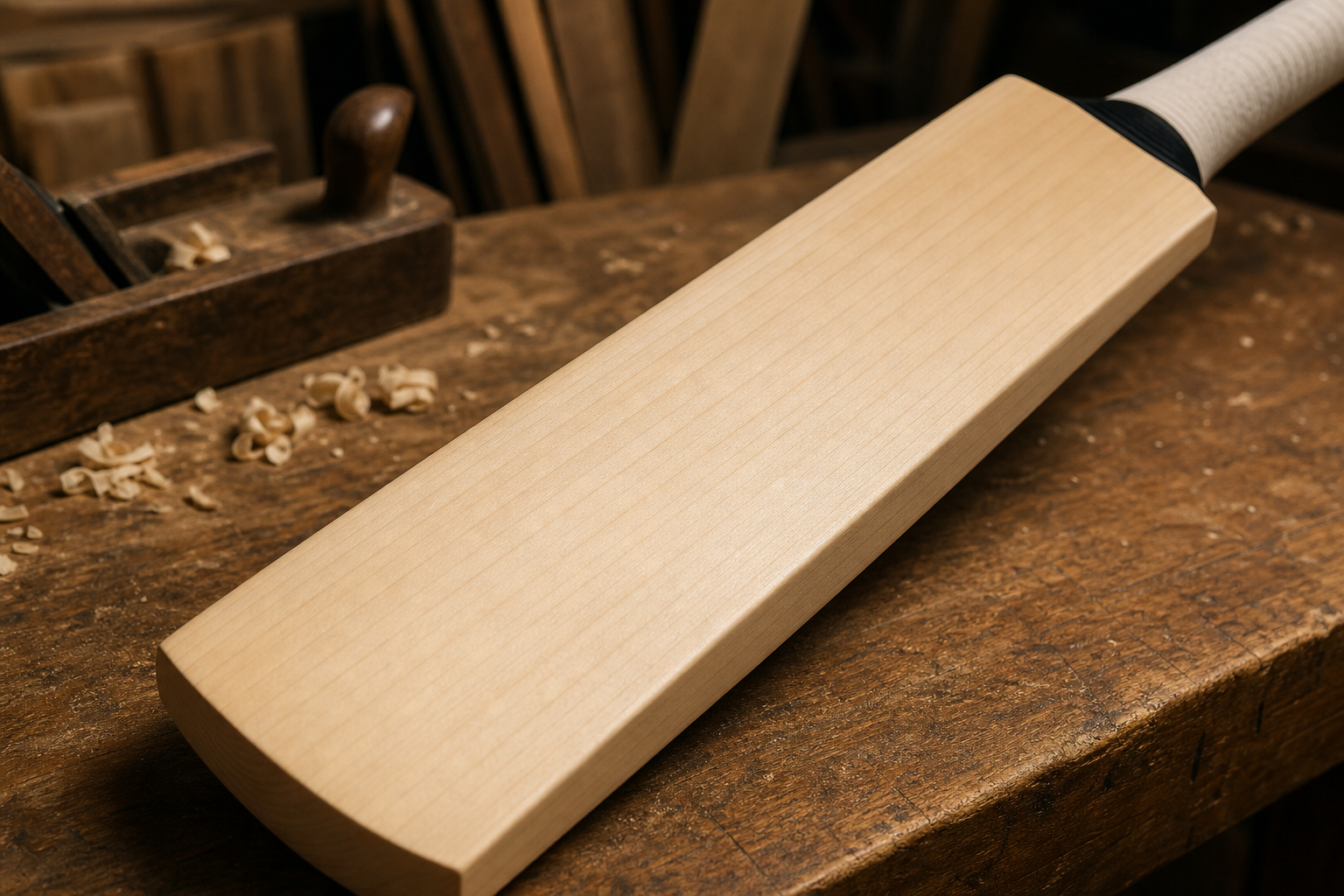
Not every cricket bat SKU deserves equal export attention. International buyers purchase by grade, size, and channel: pro shops in the UK and Australia want Grade 1 English willow with clean, straight grains and a documented weight log; school and academy programmes want durable Kashmir willow and correctly sized junior bats that survive a full term of hard use; e-commerce brands and private-label sellers want custom profiles with barcode-ready, retail-grade packaging; and diaspora recreational leagues want affordable, tough tennis-ball and tape-ball bats that can be replenished quickly and cheaply.
This guide ranks the top cricket bat products exported from India, explains where each category is made, what willow and construction standards buyers expect, and how each line maps to destination-market demand — so manufacturers and MSMEs can build a coherent, sellable assortment instead of a bloated catalogue that tries to be everything to everyone. Getting this mix right is often the single biggest lever an exporter has over margin, because a focused range with tight QC consistently outsells a wide range with uneven quality.
Use this guide alongside how to export cricket bats from India and our cricket bat product page when you plan samples, MOQs, and your first buyer conversations. It is also worth reading together with best countries for Indian cricket bat exports, since the right product mix always depends on which market you are prioritising first.
Key Takeaways
Summary Box
- English willow Grade 1/1+ drives premium UK and Australian retail margins and is the flagship category most international buyers associate with Indian bat manufacturing.
- Kashmir willow dominates volume in the UAE, USA diaspora leagues, schools, and associate cricket nations, and should never be mislabelled as English willow.
- Junior and Harrow sizes are recurring, repeat-purchase academy and school programme SKUs with strong compliance requirements in some markets.
- Custom OEM and private-label profiles unlock long-term brand partnerships but demand tighter prototype control and higher MOQs than standard catalogue bats.
- Tennis-ball and tape-ball bats create high-frequency replenishment demand in GCC and diaspora leagues and are excellent container fillers alongside premium lines.
- A focused five-to-ten SKU assortment across two or three of these categories consistently outperforms a forty-SKU catalogue for first-year exporters.
Why Product-Market Fit Matters More Than a Big Catalogue
First-time exporters often assume that offering every conceivable cricket bat SKU is the fastest way to win buyers. In practice, the opposite is usually true. International buyers — whether a UK independent retailer, a UAE sports hypermarket, or a US league organiser — are looking for a supplier who clearly understands their specific channel: the willow grade they can sell profitably, the size range their customers actually need, and the packaging standard their market expects. A narrow, well-executed range signals competence; a sprawling, unfocused catalogue signals that quality control is spread too thin to be reliable on any single SKU.
This is especially true in cricket bats because willow grading, weight tolerance, and MCC Law 5 compliance are unforgiving. A factory that presses ten different profiles inconsistently will struggle far more than a factory that presses three profiles with genuine repeatability. Buyers reorder from exporters who prove, shipment after shipment, that the product they receive matches the product they approved — and that proof is much easier to deliver with a tight assortment than a sprawling one.
The categories below are ranked roughly by export value and buyer demand, not simply by production volume. Use this ranking as a starting menu, then narrow it further based on your unit's actual pressing strength, cane and willow supply reliability, and the specific market you plan to enter first.
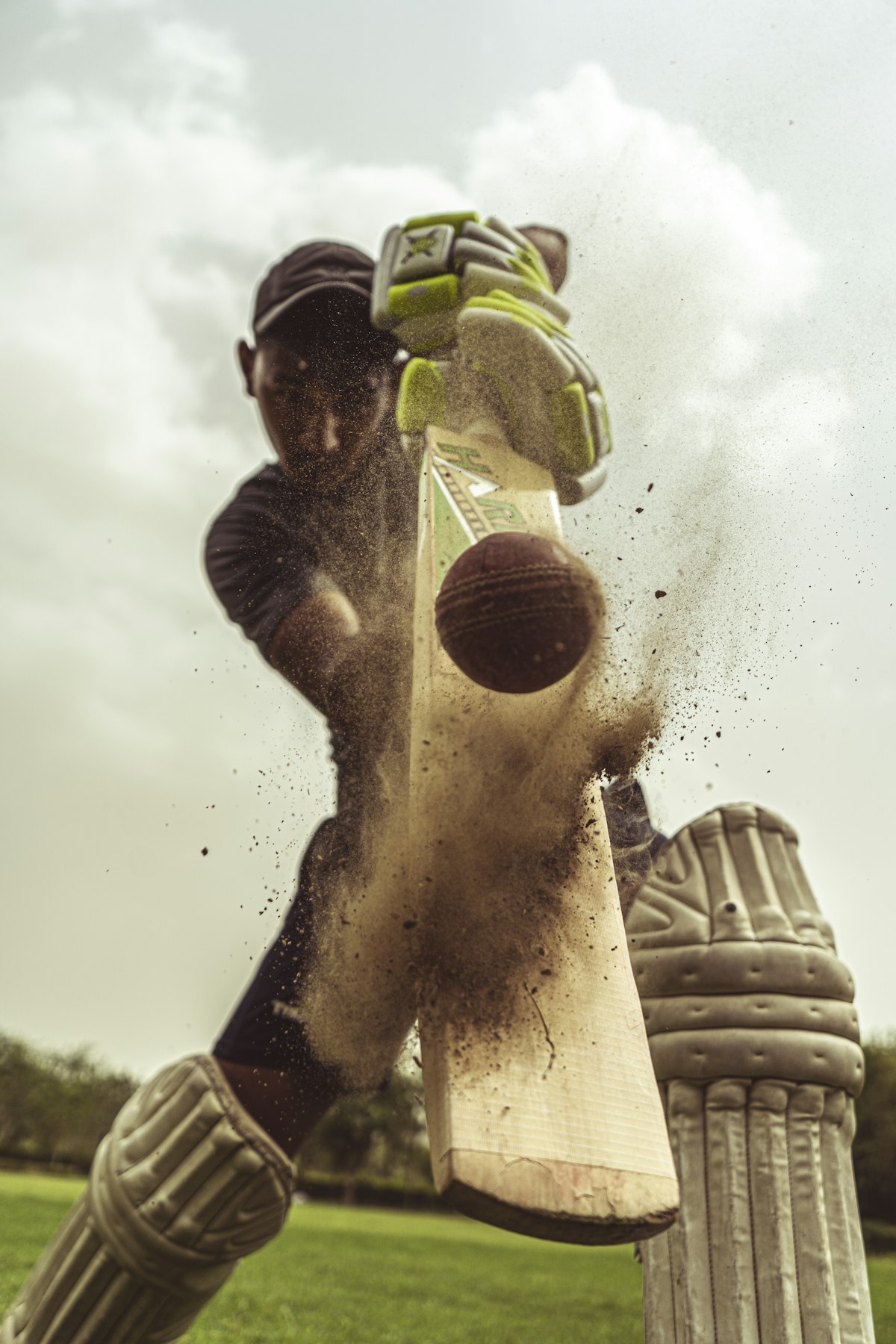
1. English Willow Cricket Bats (Grade 1, 1+, Player Grade)
- Clusters: Meerut, Jalandhar
- Markets: UK, Australia, South Africa, premium EU retail
- MOQ tip: Start with 50–100 bats per profile after sample lock, scaling once weight and grain consistency are proven across at least two production runs
Premium English willow — Salix alba caerulea — clefts are typically imported and then pressed, shaped, and finished at Indian units in Meerut and Jalandhar, making this the flagship export category for Indian cricket bat manufacturers. Grade 1 willow typically shows eight to twelve straight, even grains with minimal blemishes on the face; player-grade selections are hand-picked clefts reserved for elite retail and endorsement-linked programmes where cosmetic perfection matters almost as much as performance.
Buyers evaluating English willow bats expect moisture content at or below twelve percent at the time of pressing, even and consistent pressing pressure across the blade, balanced pick-up (the weight distribution between blade and handle), and a written weight log for every bat in the shipment, not just the sample. Edge thickness, spine height, and sweet-spot position should all follow the approved profile exactly — buyers in this category are the most likely to measure and compare bats against the original sample on arrival.
Because these bats carry the highest unit value, they justify individual tube or sleeve packaging, dedicated QC photographs per bat, and a slower, more careful production pace than volume categories. Exporters who try to rush English willow production to match Kashmir willow throughput usually see quality slip first in exactly this category.
2. Kashmir Willow Club & Recreational Bats
- Markets: UAE, USA, Bangladesh/associate demand, schools
- Positioning: Value retail, league suppliers, e-commerce volume programmes
- MOQ tip: Kashmir willow lines typically support larger MOQs (200+) at meaningfully better unit economics than English willow
Harder, denser Kashmir willow offers durability and value, making it ideal for leather-ball club cricket at entry and mid levels, as well as high-volume recreational and school channels where price sensitivity is real. Grade honesty still matters enormously here — never label a Kashmir willow bat as English willow, even informally, since this single act of grade inflation is one of the fastest ways to permanently lose a buyer relationship once discovered.
Kashmir willow lines fill distributor containers efficiently and often generate the cash flow that funds slower-moving, higher-margin English willow programmes while those relationships mature. Because unit prices are lower, buyers in this category are usually more forgiving of minor cosmetic variation but far less forgiving of structural issues such as handle looseness or premature cracking, since these bats see heavy, frequent use in school and club settings.
3. Junior & Harrow Size Bats
- Clusters: Meerut, Jalandhar
- Markets: UK, Australia, South Africa, USA (CPSIA-aware), academy and school programmes globally
- MOQ tip: Bundle multiple size bands (Harrow, 5, 6) into one programme order to justify better per-unit pricing
Size 1 through Harrow bats, sized appropriately for age and reach, are staples for academies, schools, and family retail channels across every major cricket market. Follow ECB and Cricket Australia sizing conventions where relevant to your target market, and ensure materials and finishes are appropriate for CPSIA-aware junior channels when exporting to the United States, since youth-oriented sporting goods there face additional scrutiny compared with adult equipment.
This category benefits enormously from repeat, programme-based ordering: schools and academies typically reorder annually or seasonally as students grow through size ranges, which makes junior bats one of the more predictable, recurring revenue lines in a cricket bat export catalogue once a relationship with a distributor or academy supplier is established.
4. Custom Profile & Private-Label OEM Bats
- Clusters: Meerut OEM-capable units
- Markets: Brand owners, e-commerce sellers, pro shops seeking exclusive ranges
- MOQ tip: Budget for a formal prototype-approval cycle (2–4 weeks) before quoting bulk lead times
Brand owners and e-commerce sellers specify edge profile, blade swell, sweet-spot position, sticker design, and grip branding for their own labelled range. Prototype approval before bulk production is non-negotiable in this category — buyers are effectively trusting an Indian manufacturer with their own brand reputation, and any deviation from the approved prototype reflects directly on the brand owner's business, not just the factory.
MOQs from roughly fifty bats per profile are common for custom, branded-packaging programmes, though pricing improves meaningfully at higher volumes once tooling, sticker printing, and packaging design costs are amortised. This category also tends to build the longest, stickiest buyer relationships of any product line, since switching manufacturers mid-programme is disruptive and costly for the brand owner.
See private label manufacturing in India for how Altus coordinates OEM programmes end-to-end, from prototype approval through to branded packaging and shipment.
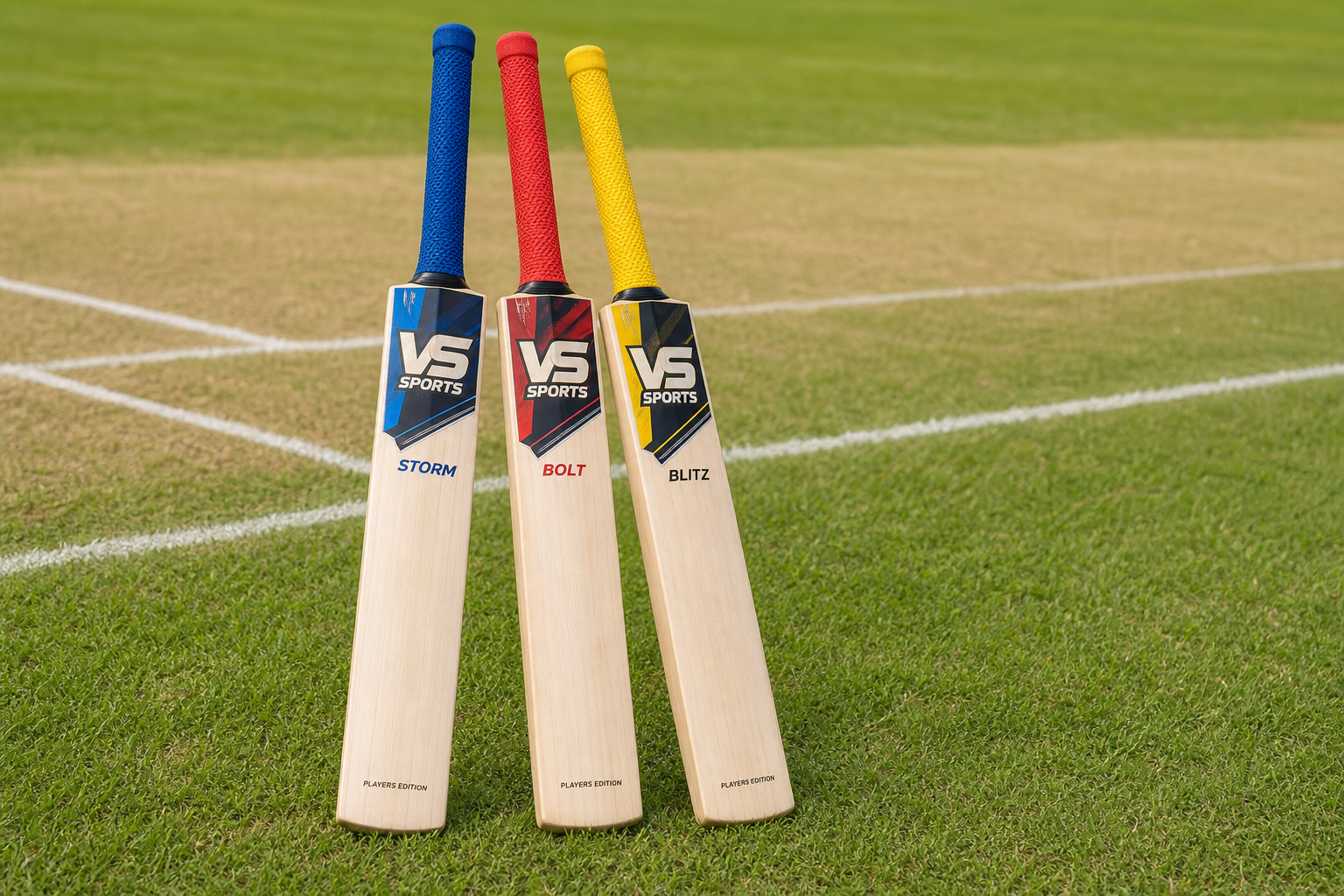
5. Professional / Player-Grade Bats
- Clusters: Meerut, Jalandhar (select units with player-grade pressing capability)
- Markets: Pro shops, endorsement and sponsorship programmes, elite club suppliers
Hand-selected clefts, extended pressing cycles, and premium finishing distinguish professional and player-grade bats intended for pro shops and endorsement-linked programmes. These bats are individually weighed, typically within a tight tolerance of around ten grams of the specified target weight, and are almost always tube-packed with individual QC documentation.
Volume in this category is inherently lower than in Kashmir or Grade 1 lines, but scrutiny is the highest of any product type — buyers at this level often measure, weigh, and even flex-test bats against the original sample. This is the category where a single inconsistent bat in a small batch can do disproportionate reputational damage, so exporters should only enter it once their weight and dimensional QC systems are fully mature.
6. Training, Tennis-Ball & Tape-Ball Bats
- Clusters: Meerut volume production lines
- Markets: Diaspora tape-ball leagues, GCC recreational cricket, coaching academies
High-turnover SKUs built for nets, coaching sessions, and the tape-ball and tennis-ball formats popular in diaspora recreational leagues across the Gulf and North America. Durability and price point matter far more than grain aesthetics in this category, and buyers are generally tolerant of cosmetic variation as long as the bat survives regular, hard recreational use.
These bats are excellent container fillers alongside premium lines, since they are typically lighter, cheaper, and easier to pack in volume, helping exporters optimise container utilisation without adding significant QC complexity to a shipment already carrying more demanding SKUs.
7. Left-Handed and Colour-Customised Bats
Left-handed configurations are a smaller but consistently underserved segment across most product categories above — many workshops default almost entirely to right-handed production and treat left-handed orders as a special request rather than a standard SKU. Exporters who maintain a reliable left-handed option across their English willow and Kashmir willow ranges capture a meaningful, loyal slice of demand that competitors routinely under-serve.
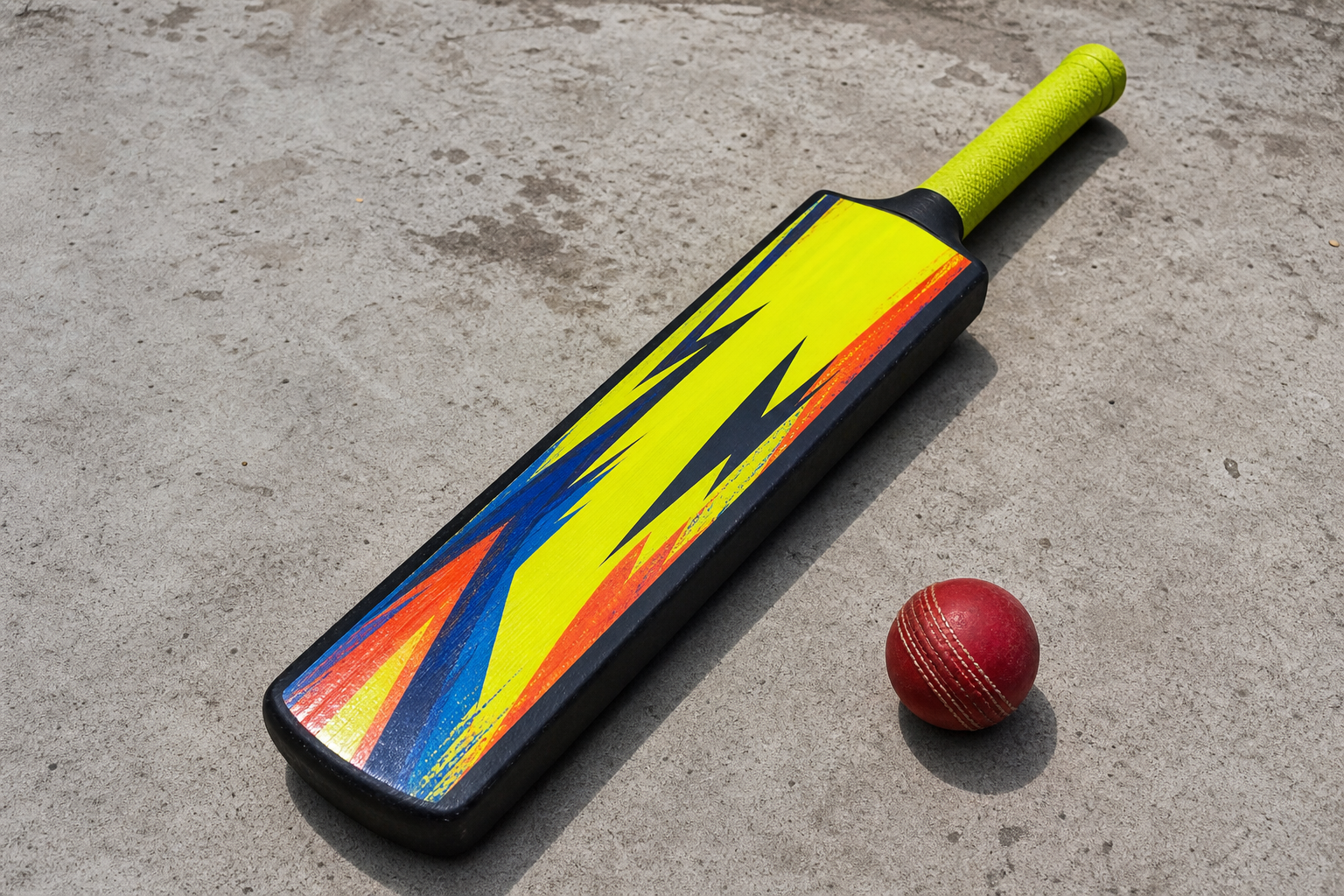
Colour-customised and branded-sticker bats, distinct from full private-label OEM programmes, are increasingly requested by academies and clubs wanting team-specific colourways on an otherwise standard profile. This is a lighter-touch customisation than full OEM tooling and can often be offered as a value-added option on existing SKUs rather than a separate product line.
Matching Products to Export Markets
Product-market fit is the difference between a sustainable export programme and a catalogue that never quite converts into repeat orders. The table below summarises which of the categories above tend to perform best in each major destination market, based on typical buyer behaviour and channel structure.
Comparison table
Swipe →
Data table — swipe horizontally on small screens
| Market | Best-Fit Categories | Buyer Type |
|---|---|---|
| UK | English willow Grade 1/1+, junior/Harrow | Pro shops, independents, academies |
| Australia | English willow mid-premium, junior sizes | Club suppliers, DTC brands, academies |
| UAE / GCC | Kashmir willow, tennis-ball/tape-ball | Sports hypermarkets, school suppliers, league organisers |
| South Africa | Mixed English/Kashmir across grades | Retail distributors, development programmes |
| USA | Value Kashmir, CPSIA-aware junior, custom OEM | League organisers, e-commerce brands, university clubs |
| Associate nations | Mid-grade English willow, durable Kashmir | National boards, league suppliers |
Packaging and grading standards by product type
Packaging intensity should scale with unit value and buyer scrutiny, not be applied uniformly across the whole catalogue. Premium English willow and player-grade bats justify individual sleeves or tubes with per-unit QC photographs; Kashmir willow and junior bats can move efficiently in well-divided master cartons; custom OEM programmes need branded, retail-ready packaging agreed in writing during prototype approval; and training or tape-ball bats can use simpler, cost-efficient bulk packing since buyer expectations are lower for this category.
Grading documentation should follow the same logic: English willow and player-grade shipments need a full weight log and grain-count declaration per bat, while Kashmir and training categories typically need only batch-level weight-range confirmation. Matching documentation intensity to product value keeps QC overhead proportional and sustainable as volumes grow.
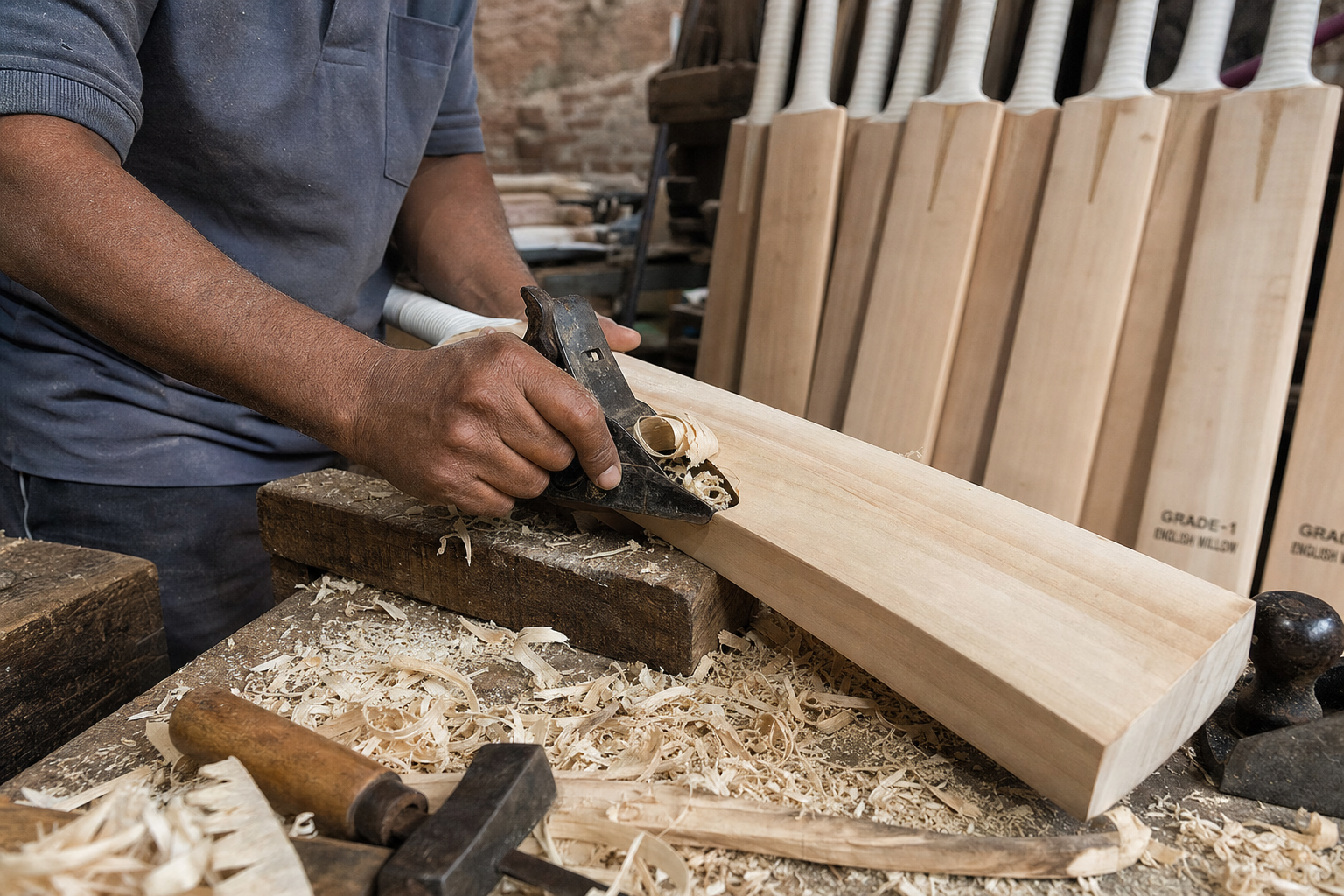
Case Study: Building a Private-Label Range for a UK E-Commerce Brand
Challenge: A UK-based direct-to-consumer cricket brand wanted a private-label range of English willow bats with a custom edge profile, branded stickers, and retail-ready packaging, but had no existing relationship with an Indian manufacturer and limited technical knowledge of willow grading.
Approach: A Meerut OEM-capable unit worked through a structured prototype cycle: an initial sample with the requested profile, written feedback and measurement adjustments, a second refined sample, and formal written sign-off before any bulk production began. Packaging design was finalised in parallel so tooling and printing lead times did not delay the production schedule once samples were approved.
Buyer relationship and terms: The brand paid for the full prototype cycle upfront, which the manufacturer credited against the first bulk order, and a fifty percent advance was agreed for the initial fifty-unit production run.
Documentation and shipping: Commercial invoice and packing list carried the exact private-label SKU codes agreed during sampling. The first shipment moved by air freight given the smaller trial quantity, with individual sleeve packaging and a QC photo per bat shared with the buyer before dispatch.
Results: The brand's private-label range launched on schedule, and a repeat order of two hundred units followed within four months, moved by sea freight once volume justified the switch from air. The manufacturer has since become the brand's exclusive supplier for this profile.
Lessons learned: Custom OEM programmes succeed when the prototype cycle is treated as seriously as bulk production itself, and when packaging and branding decisions are locked before — not during — the first production run.
Building a Focused Export Assortment
- Start with one hero premium SKU and two to three reliable volume SKUs
- Add junior sizes once your core adult bat quality is proven and consistent
- Reserve custom OEM capacity for buyers who have already ordered standard SKUs successfully
- Track sell-through and reorder rate per SKU, not just total shipment volume, to guide expansion decisions
Most successful first-year cricket bat exporters ship five to ten SKUs, not forty. A sensible starting assortment often pairs one premium English willow hero SKU, two Kashmir willow volume bats, two junior sizes, and one tennis-ball or tape-ball SKU — enough range to serve a distributor's basic assortment needs without spreading QC attention across too many profiles.
Expand the catalogue only after sell-through evidence from your existing SKUs, not based on assumptions about what buyers might want next. Each new SKU added to the catalogue should have a specific buyer or market reason behind it, not simply be added because a competitor offers it.
Common Assortment Mistakes to Avoid
- Offering every willow grade and size at launch — Solution: narrow to two or three categories until QC systems are proven across repeat runs.
- Mislabelling Kashmir willow as English willow, even informally — Solution: grade honestly on every invoice, sticker, and conversation.
- Treating custom OEM requests the same as standard catalogue orders — Solution: build a dedicated prototype-approval workflow with its own timeline and pricing.
- Ignoring left-handed demand — Solution: maintain a standing left-handed option across your core adult SKUs.
- Applying premium packaging to low-value SKUs and vice versa — Solution: scale packaging and documentation intensity to unit value and buyer scrutiny.
- Expanding the catalogue before proving reorder rates on existing SKUs — Solution: use sell-through data, not assumptions, to guide new SKU decisions.
Even manufacturers with genuinely strong pressing capability lose export opportunities through avoidable assortment mistakes. Watch for these patterns:
Future Trends in Cricket Bat Product Demand
Demand for CPSIA-aware junior bats and value Kashmir willow lines is likely to keep growing fastest in the United States as Major League Cricket, university clubs, and youth programmes expand. In the UK and Australia, sustainability-conscious buyers are increasingly asking about willow sourcing and packaging materials alongside traditional grade and weight questions, which favours exporters who can document their supply chain clearly rather than treating sustainability as a marketing afterthought.
Custom OEM and private-label demand is also expanding as more direct-to-consumer cricket brands launch in the UK, Australia, and increasingly the USA, seeking manufacturing partners who can handle both the technical willow work and the branding and packaging execution that a retail-ready product requires. Exporters who build genuine OEM capability now — not just standard catalogue production — are positioning themselves for this next wave of demand.
Conclusion
- Next step for manufacturers: Share your current willow grades, sizes, and production capacity with Altus Exports for an assortment and export readiness review.
- Next step for buyers: Send your assortment brief and target markets — we match verified Indian cricket bat exporters by product category and coordinate documentation and shipment.
- Explore the full cricket bat product page and global sourcing partner services.
- Deep-dive market demand with most demanded Indian cricket bats by country.
- Build buyer pipeline with find international buyers for cricket bats and trade shows for cricket bat exporters.
- Review compliance and registration steps in SGEPC registration benefits for exporters and the cricket bat export documentation checklist.
- Explore sustainable cricket bat export opportunities if buyers are asking about willow sourcing and packaging materials.
- Buyers sourcing into India should read source cricket bats directly from India.
The top cricket bat products exported from India span a wide value range, from premium English willow Grade 1+ bats sold through UK pro shops to affordable tape-ball bats replenished weekly in diaspora leagues. Success is not about offering every category at once — it is about matching a focused, honestly graded assortment to the market and buyer channel you understand best, then expanding deliberately as sell-through and reorder data justify it.
Continue with best countries for Indian cricket bat exports to match your assortment decisions to the right destination markets, and review how to export cricket bats from India for the full registration, pricing, and documentation process behind getting any of these product lines to a buyer's door.