
Best Countries to Export Indian Honey in 2026
By Saurabh Mittal, Founder, Altus Exports
Find the best countries to export Indian honey in 2026 with a practical market-intelligence guide for producers, exporters, and MSMEs. Compare USA, UK, Germany, France, Netherlands, UAE, Japan, Canada, and Australia on demand, buyer preferences, regulatory requirements, organic premiums, residue standards, and entry strategy — plus scoring tables, product-market fit by country, regional honey variety strengths, lab testing norms, and a Maharashtra beekeeper case study from Altus Exports.
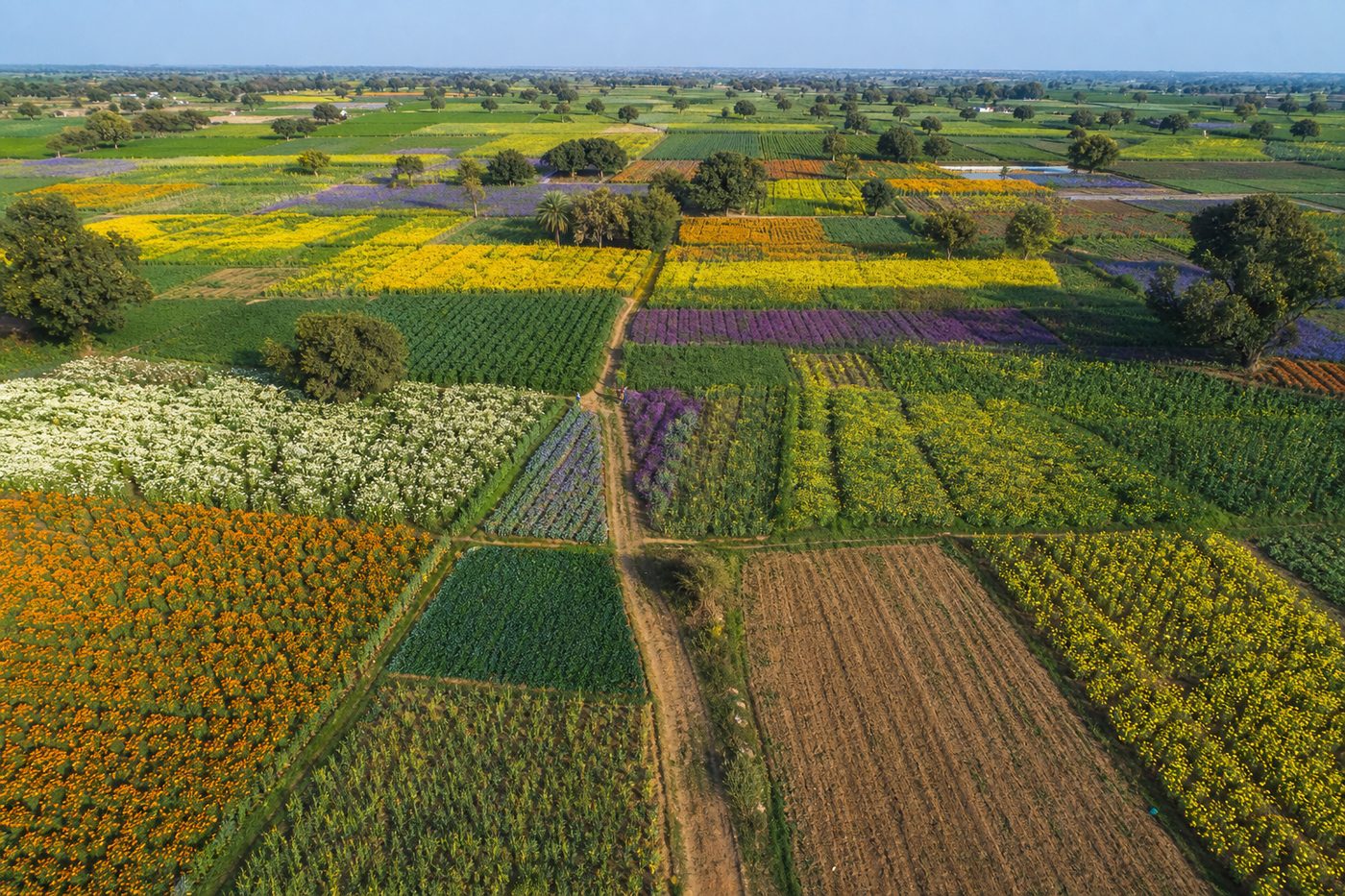
India is the world's fifth-largest honey producer and ranks among the top exporters by volume, yet consistent access to premium destination markets remains the challenge that separates successful export programmes from stalled containers. Indian honey commands interest in the USA, European Union, UK, UAE, Japan, Canada, and Australia — but each market has different residue thresholds, labelling rules, organic certification requirements, and buyer expectations. Choosing the wrong market first, or entering a market without meeting its technical standards, costs more than the freight.
This guide identifies the best countries to export Indian honey in 2026 using practical market filters: import demand by HS code (0409), residue and food-safety standards, organic premium potential, buyer behaviour, logistics economics, and regulatory burden. It is written for Indian honey exporters, producer companies, MSMEs, and trade consultants who need prioritisation intelligence — not a generic overview that treats every market as equally accessible.
India's honey export potential spans multi-floral, Sidr, Mustard, Litchi, Ajwain, Eucalyptus, and Organic varieties from states including Uttar Pradesh, Rajasthan, Himachal Pradesh, West Bengal, and Maharashtra. Market selection compounds or destroys that potential. Pair this country playbook with Top Honey Products Exported from India and How to Export Honey from India for category and process depth. Explore our organic honey product page and the honey & natural products industry page for sourcing context.
Key Takeaways
Summary Box
- The best countries to export Indian honey in 2026 are not the same for every variety — match floral type, certification level, and residue compliance to the destination's standards.
- USA remains the largest volume opportunity for bulk honey; EU (Germany, Netherlands, France) is the most demanding but rewards organic and verified origin premiums.
- Japan is the most stringent market globally on residue testing; entry without flawless lab documentation is commercially dangerous.
- UAE offers faster first-order cycles for retail and hospitality honey but requires Halal-compatible processing and FSSAI-backed quality documentation.
- Canada and Australia provide mid-size premium niches for organic and specialty honeys with strong provenance stories.
- APEDA registration, EIC/FSSAI compliance, and destination-specific lab testing (C4 sugar, HMF, moisture, antibiotic residues) are non-negotiable export prerequisites.
- Altus Exports supports honey & natural products programmes from India with supplier verification, certification alignment, and export coordination.
Overview of India's Honey Export Industry
India's apiculture sector supports over 3.5 million bee colonies managed by registered beekeepers and organised producer companies across Uttar Pradesh (Mustard, multi-floral), Rajasthan (multi-floral desert), Himachal Pradesh (Apple, multi-mountain), West Bengal and Bihar (Litchi), Uttarakhand (forest honey), Maharashtra and Karnataka (Jamun, Tulsi, multi-floral), and Jammu & Kashmir (Sidr/Acacia premium). APEDA handles honey export promotion and maintains registration databases; FSSAI sets domestic food-safety standards that also inform export quality benchmarks; and the National Programme for Organic Production (NPOP) underpins the organic certification framework recognised by the EU and several other markets.
Honey exports from India have faced periodic quality scrutiny — particularly around antibiotic residues (chloramphenicol, streptomycin, oxytetracycline), C4 sugar adulteration (detected by C4 isotope ratio testing), excess HMF (hydroxymethylfurfural), and high moisture content leading to fermentation. Exporters who address these quality parameters proactively — through accredited lab testing, certified beekeeping practices, and traceable supply chains — access better prices and more reliable buyer relationships. Those who do not get blocked at destination laboratories or removed from approved supplier lists.
Export value trends reward organic, single-origin, and specialty honey over undifferentiated multi-floral bulk. APEDA promotion, APEDA-listed laboratories, and government quality protocols support the sector, while ITC Trade Map demand data, EIC testing mandates, and World Bank logistics rankings should inform destination choice. Exporters who treat market selection as an annual strategy process outperform those who follow whoever sends the first email inquiry.
Comparison table
Swipe →
Data table — swipe horizontally on small screens
| Dimension | 2026 Snapshot | Exporter Implication |
|---|---|---|
| HS Code | 0409 (natural honey) | Verify exact sub-classification with destination broker |
| Major varieties | Multi-floral, Mustard, Litchi, Sidr, Ajwain, Organic | Source by regional cluster; label variety accurately |
| Key producing states | UP, Rajasthan, HP, WB, Bihar, Maharashtra, J&K | Tie variety claims to documented apiary origin |
| Core quality parameters | Moisture ≤20%, HMF ≤40mg/kg (EU ≤15–20), antibiotics ND, C4 pass | Pre-export lab testing is mandatory, not optional |
| Certification frameworks | NPOP (India organic), NOP (USDA), EU Organic, FSSAI, Halal | Stack certifications to unlock multiple market premiums |
| Institutional support | APEDA, EIC, FSSAI, NABARD, KVIC | Use APEDA registration for export eligibility |
| Risk focus | Residue failures, C4 fraud detection, moisture, mislabelling | Clean supply chain + accredited lab = sustainable export |

How to Evaluate Export Markets for Honey
Honey is a regulated food product in every major market. A high-demand destination with unachievable residue limits or anti-dumping history for Indian honey is not a viable first target without a credible quality and compliance upgrade plan. Score markets before committing production calendar and certification investments.
Comparison table
Swipe →
Data table — swipe horizontally on small screens
| Factor | What to Measure | Good Signal | Warning Signal |
|---|---|---|---|
| Market import demand | Import value/volume for HS 0409 | Rising 24-month trend | Declining category imports or substitution |
| Residue thresholds | Antibiotic MRLs, HMF limits, C4 standards | Within current lab capability | Requires facility investment before entry |
| Organic premium | Price differential for certified vs conventional | Significant premium (>30%) | Minimal premium; buyers only want price |
| Import duties | Tariff rate + preferential COO options | Preferential access or zero/low MFN | High duty with no preferential pathway |
| Buyer profile | Importer, retail, industrial, food service | Repeat programme buyers | One-time souvenir or spot purchases only |
| Certification requirements | Organic, Halal, kosher, food-safety systems | Achievable in your current production cycle | Multi-year gap requiring full restart |
| Anti-dumping history | Prior actions or active investigations | No prior action on Indian origin | Active investigation or price undertaking |
| Logistics economics | Freight from Indian ports, transit time | Efficient bulk container lanes | Cost-prohibitive for bulk honey economics |
| Payment culture | Advance, LC, open account norms | Advance or LC for new relationships | Open account demanded on first order |
Best Countries to Export Indian Honey: Top Markets for 2026
Market Snapshot
The following eight destinations are the strongest practical targets for Indian honey exporters in 2026. Each profile functions as a decision brief — validate with current APEDA trade data and your laboratory capability before committing certification investments.
1. United States
- Why attractive
- Deep wholesale and industrial channels; strong organic honey premium; e-commerce retail opportunities for specialty and varietal honeys
- Popular honey types
- Multi-floral, Organic multi-floral, Clover-type, specialty varietal
- Buyer preferences
- Consistent Brix, moisture below 18.5%, C4 isotope pass, zero antibiotic residues (FDA tolerance is essentially non-detectable for chloramphenicol), accurate country-of-origin labelling
- Regulatory requirements
- FDA food facility registration, FSMA compliance, labelling per 21 CFR, USDA NOP certification for organic claims; shipment testing may be required by FDA under import alert history
- Channels
- Honey importers/packers, specialty food distributors, e-commerce brands, organic retail buyers
- Challenges
- Prior import alerts on Indian honey require clean test records and documentation; competition from South American origins; price sensitivity in conventional bulk
- Growth potential
- High for organic, specialty, and traceable-origin honey
- Strategy
- Lead with USDA NOP-certified organic lots or clean-tested conventional bulk; provide C4 test certificates and full residue panels with every shipment; build relationships with established honey importers before targeting retail directly.
The USA is among the world's largest honey importers by volume and value, with sustained demand from food manufacturers, retail brands, foodservice, and industrial honey users.
2. Germany
- Why attractive
- Strong organic market; premium buyers pay for provenance and verified quality; gateway to EU-wide distribution
- Popular honey types
- Organic multi-floral, Acacia, specialty varietal, fair-trade certified
- Buyer preferences
- EU Organic certification (NPOP recognised for non-retail equivalence, with EU Organic mark requiring separate certification), HMF ≤15mg/kg for heated honey / ≤40mg/kg general (stricter buyers often request ≤15), moisture ≤20%, zero antibiotic residues at EU MRLs, full traceability to apiary
- Regulatory requirements
- EU Regulation on honey, EU Organic (EC 2018/848), Codex Alimentarius alignment, German food labelling law
- Channels
- Organic food importers, EU health-food chains, private-label buyers, B2B honey distributors
- Challenges
- Highest compliance bar in this guide; buyers conduct systematic lab checks; mislabelling or adulteration traceable back to origin damages long-term relationships irreparably
- Growth potential
- High for organic and certified Indian varieties
- Strategy
- Do not enter Germany without EU organic certification and a track record of clean residue panels; build with an established EU importer who already understands NPOP-to-EU organic equivalence pathways.
Germany is the EU's largest honey importer and a distribution hub for wider European markets.
3. France
- Why attractive
- French consumers and buyers value origin stories and varietal character; organic and specialty honey premiums are meaningful
- Popular honey types
- Organic multi-floral, Acacia, Sidr (niche premium), floral honeys with provenance
- Buyer preferences
- EU Organic compliance, HMF discipline, clean residue panel, honest origin labelling — France actively polices honey adulteration through state labs
- Channels
- Specialty food importers, organic distributors, premium retail buyers
- Challenges
- French regulatory scrutiny on honey authenticity; taste and texture preferences differ from bulk industrial buyers
- Growth potential
- Solid for provenance-led premium honey programmes
- Strategy
- Present varietal honey with documented floral source and apiary region; prepare French-language-compatible labelling; work with a France-experienced food importer.
Design-led food market with strong appetite for premium, terroir-driven honey.
4. Netherlands
- Why attractive
- One import relationship can serve multiple EU markets through Dutch distributors; efficient port logistics at Rotterdam
- Popular honey types
- Multi-floral bulk, Organic bulk, raw honey for repacking
- Buyer preferences
- EU food safety standards, full residue documentation, competitive bulk pricing, reliable supply consistency
- Channels
- Honey importers, EU wholesale distributors, food ingredient suppliers
- Challenges
- Price competition for conventional bulk; distributors demand documentation discipline
- Growth potential
- High as an EU entry gateway
- Strategy
- Position for distributor partnerships rather than retail end-market alone; Rotterdam trade infrastructure makes the Netherlands a logical EU consolidation point for verified Indian honey programmes.
Major EU distribution and repacking hub for honey entering wider European wholesale networks.
5. United Kingdom
- Why attractive
- UK buyers can now act somewhat independently of EU certification pathways; demand for organic, raw, and specialty honey is strong
- Popular honey types
- Organic, raw, varietal, Manuka-style (Indian forest honey as an alternative positioning), gift-format honeys
- Buyer preferences
- UK honey regulations (aligned with but separate from EU post-Brexit), residue standards, accurate labelling, shelf-stable moisture levels
- Channels
- Organic and health food distributors, specialty food importers, online wellness brands
- Challenges
- Post-Brexit documentation complexity; UK consumers are attentive to adulteration issues
- Growth potential
- Strong for premium and organic honey with authentic origin stories
- Strategy
- Develop UK-specific labelling compliance; lead with organic certification and clean residue documentation; the UK premium grocery market rewards provenance clearly communicated.
Post-Brexit market with its own honey regulations; established premium and organic honey retail culture.
6. United Arab Emirates
- Why attractive
- Indian Sidr honey from J&K competes in the same premium segment valued in the Gulf; buyer decision cycles are faster than EU; retail and hospitality programmes are accessible
- Popular honey types
- Sidr (premium), multi-floral, black seed-infused honey, organic honey for health retail
- Buyer preferences
- Halal-compatible processing (no cross-contamination with non-Halal products), FSSAI-backed quality documentation, UAE Ministry of Economy food labelling compliance, shelf-stable moisture, no antibiotic residues
- Channels
- Health food retailers, specialty grocery chains, hospitality procurement, gift importers
- Challenges
- Premium Sidr position is dominated by Yemeni Sidr — positioning requires quality differentiation; price sensitivity in mainstream channels
- Growth potential
- High for premium and gift-positioned honey
- Strategy
- Excellent entry market for Sidr and certified organic honey with strong packaging and health messaging; combine UAE with Saudi Arabia in Gulf outreach.
Fast-growing Gulf market for premium honey — particularly Sidr and high-quality multi-floral — driven by health-conscious consumers, gift culture, and high-end hospitality.
7. Japan
- Why attractive
- Premium pricing for verified clean honey; Japanese consumers are quality-obsessed and loyal to established suppliers
- Popular honey types
- Acacia (Robinier), multi-floral premium, specialty varieties with documented origin
- Buyer preferences
- Near-zero antibiotic residue tolerance — Japan's MRLs for honey are extremely strict (chloramphenicol limit: 0.3 ppb in some analytical frameworks); moisture discipline; HMF control; meticulous labelling in Japanese or with Japanese-compatible documentation
- Regulatory requirements
- Japan's Food Sanitation Law, Ministry of Health Labour and Welfare (MHLW) residue standards, customs inspection protocol
- Channels
- Specialty food importers, health food distributors, premium department store buyers
- Challenges
- The most rigorous residue standards in this guide — antibiotic traces that clear USA or EU standards may still fail Japanese testing; long trust-building cycle; any quality failure can close the market for years
- Growth potential
- High margin, lower volume
- Strategy
- Japan is a scale-up market, not an entry market. Exporters should establish a track record of clean residue panels across 6–12 shipments in USA or EU before approaching Japanese buyers. Engage only through specialised Japan-experienced food importers.
Among the world's most stringent honey importers — and among the most rewarding for exporters who clear its standards. Japan's honey import volumes are modest but per-unit value is high.
8. Canada
- Why attractive
- Reliable wholesale culture; organic honey premiums align with Indian production strengths; French-English bilingual labelling is achievable
- Popular honey types
- Organic multi-floral, varietal honey for specialty retail, raw honey
- Buyer preferences
- CFIA (Canadian Food Inspection Agency) honey regulations, bilingual labelling (English/French), USDA NOP or equivalent organic certification accepted, residue compliance aligned with North American standards
- Channels
- Health food distributors, organic grocery importers, specialty food buyers
- Challenges
- Smaller absolute volume than USA; bilingual packaging adds a step; Canadian Food Inspection Agency diligence is real
- Growth potential
- Strong for organic and specialty honey as a parallel or stepping-stone North America programme
- Strategy
- Pair Canada with USA wholesale outreach; use Canada as a North American learning market and brand-building platform before the full-scale US retail complexity.
North American premium market with strong organic and natural food retail culture; manageable scale for exporters stepping into North America before full USA wholesale complexity.
9. Australia
- Why attractive
- Australian consumers pay premium for quality natural and organic food products; Indian honey can position in the natural import channel if compliance is airtight
- Popular honey types
- Organic certified, multi-floral, specialty
- Buyer preferences
- DAFF (Department of Agriculture, Fisheries and Forestry) import conditions, FSANZ food standards, residue compliance, moisture discipline
- Regulatory requirements
- Australian honey import permit, biosecurity clearance, inspection protocols — these are non-trivial and should be confirmed with an Australian import broker before quoting any Australian buyer
- Channels
- Specialty and organic food importers, health food distributors
- Challenges
- Biosecurity requirements make Australia a complex market to enter; not suitable as a first honey export target
- Growth potential
- Accessible premium niche once compliance is fully mapped
- Strategy
- Confirm current Australian honey import conditions with DAFF or an Australian food import broker before investing any certification or logistics planning.
Premium niche with extremely strong biosecurity — Australia's honey import restrictions are among the strictest in the world, designed to protect its endemic bee populations from diseases.
Country Comparison Scorecard for Indian Honey Exporters
Use this directional scorecard to prioritise. Scores are relative guidance for typical Indian honey exporters in 2026 — validate against your specific variety, certification level, and current lab capability.
Comparison table
Swipe →
Data table — swipe horizontally on small screens
| Country | Market Potential | Regulatory Complexity | Organic Premium | Antibiotic Standard | Avg Order Size | Ease of Entry | Beginner Fit | Opportunity Score |
|---|---|---|---|---|---|---|---|---|
| USA | Very High | High | Strong | Very Strict (ND) | Medium–High | Medium | Medium | 9/10 |
| Germany / EU | High | Very High | Very Strong | Very Strict (EU MRLs) | Medium–High | Low–Medium | Low | 8.5/10 |
| France | Medium–High | High | Strong | Very Strict | Medium | Medium | Low–Medium | 7.5/10 |
| Netherlands | High | High | Medium–High | Very Strict | High (bulk) | Medium | Medium | 8/10 |
| UK | High | High | Strong | Strict | Medium | Medium | Medium | 8/10 |
| UAE | Medium–High | Medium | Medium | Moderate | Medium | High | High | 8.5/10 |
| Japan | Medium | Very High | High | Strictest | Medium | Very Low | Very Low | 7/10 |
| Canada | Medium–High | Medium–High | Strong | Strict | Medium | Medium–High | Medium–High | 7.5/10 |
| Australia | Medium | Very High | Medium–High | Strict | Medium | Low | Low | 6.5/10 |
Which Indian Honey Varieties Perform Best in Each Market?
Floral source, production region, and certification level determine which varieties can command premium pricing in each destination. Generic multi-floral bulk competes on price; verified varietal honey competes on value.
Comparison table
Swipe →
Data table — swipe horizontally on small screens
| Country | Best Performing Varieties | Preferred Format | Certification Need | Margin Potential |
|---|---|---|---|---|
| USA | Organic multi-floral, Litchi, Mustard, Ajwain | Bulk drums + retail jars | USDA NOP Organic | Medium–High |
| Germany / EU | Organic multi-floral, Acacia, Jamun, forest honey | Bulk + private label retail | EU Organic + NPOP | High (certified) |
| France | Organic multi-floral, Sidr (niche), varietal florals | Specialty retail jars | EU Organic | High (premium) |
| Netherlands | Multi-floral bulk, Organic bulk | 200kg drums, bulk IBC | EU Organic for premium lots | Medium (bulk volume) |
| UK | Organic, raw multi-floral, Sidr, varietal gift | Retail jars, gift sets | UK Organic / NPOP | Medium–High |
| UAE | Sidr (J&K), Ajwain, organic multi-floral, black seed blend | Premium retail jars, gift boxes | Halal + FSSAI | High (Sidr/premium) |
| Japan | Acacia, high-grade organic multi-floral | Specialty retail jars | MHLW-compliant + organic | Very High (small vol) |
| Canada | Organic multi-floral, varietal | Retail jars, specialty | USDA NOP / CFIA | Medium–High |
| Australia | Organic certified, multi-floral | Retail import niche | DAFF-compliant organic | High (small vol) |
Understanding Lab Testing Requirements by Destination
Lab testing is the single most important operational requirement that differentiates exporters who can access premium honey markets from those who are blocked. APEDA-approved laboratories and accredited third-party labs are essential. Understand what each market tests for — and test before shipment, not after a border failure.
The four critical test parameters every exporter must master are: C4 sugar isotope ratio (detects rice-syrup or cane-sugar adulteration; US buyers and many EU buyers require this); HMF (Hydroxymethylfurfural) — a measure of freshness and storage/heat damage, EU limit generally ≤40mg/kg, stricter buyers request ≤15–20mg/kg; moisture content — FSSAI requires ≤20%, EU and US standards also around ≤20%, though buyers often target ≤18.5% for shelf stability; and antibiotic residue screening — including chloramphenicol (CAP), streptomycin, oxytetracycline (OTC), tylosin, sulfonamides — the acceptable level in most premium markets is effectively non-detectable.
Comparison table
Swipe →
Data table — swipe horizontally on small screens
| Test Parameter | What It Detects | Key Limits | Markets Where Critical |
|---|---|---|---|
| C4 Sugar Isotope (IRMS) | Rice syrup / cane sugar adulteration | δ13C: must pass natural honey signature | USA, EU, UK, Japan, Canada, Australia |
| HMF (Hydroxymethylfurfural) | Heat damage, freshness, storage quality | ≤40mg/kg (general); ≤15–20mg/kg (premium EU) | All markets; strictest in EU/Japan |
| Moisture Content | Fermentation risk, shelf stability | ≤20% (Codex/FSSAI); ≤18.5% (buyer preference) | All markets |
| Chloramphenicol (CAP) | Banned antibiotic residue | Non-detectable (<0.1–0.3 ppb depending on lab) | USA, EU, UK, Japan (strictest), Canada |
| Streptomycin / OTC | Antibiotic residue from disease treatment | EU MRLs; ND for many buyers | EU, USA, Japan, UK |
| Sulfonamides | Antibiotics used in bee disease management | Non-detectable in most premium markets | EU, Japan, Australia |
| Pesticide Residues | Crop pesticide carry-over from foraging area | Codex MRLs; EU stricter than Codex | EU, Japan, Australia |
| Pollen Analysis | Botanical and geographic origin verification | Supports varietal claims | Germany, France, UK premium buyers |
| Electrical Conductivity | Differentiates blossom vs honeydew | Codex standards | EU, UK — verifies honey type claims |
Organic Honey Export Opportunities by Country
Organic honey commands a price premium of 30–80% above conventional in most developed-market channels. India's NPOP certification is the foundation, with additional destination-specific overlay certifications required for market access. The investment in organic certification pays back fastest in USA, Germany, France, Netherlands, UK, and UAE premium channels.
The organic sourcing process requires: NPOP-certified apiaries with documented foraging zones free from prohibited inputs within a defined radius; organic conversion period for new apiaries; internal quality management systems; annual inspection by an accredited certification body; and chain-of-custody documentation from apiary through processing to export. For the USA, USDA NOP certification is the highest-value add-on. For EU, an EU-accredited organic certifier must verify the production even where NPOP equivalence applies for non-retail use. See Sustainable & Organic Honey Export Opportunities for the full organic pathway breakdown.
Comparison table
Swipe →
Data table — swipe horizontally on small screens
| Market | Organic Premium Over Conventional | Certification Required | Demand Trend |
|---|---|---|---|
| USA | 40–80% on retail; 20–40% on food grade | USDA NOP | Strong, rising |
| Germany / EU | 30–70% on retail and wholesale | EU Organic + NPOP basis | Strong, rising |
| UK | 30–60% on premium retail | UK Organic / EU-equivalent | Rising |
| UAE | 25–50% on health/premium retail | Halal + FSSAI + origin docs | Rising with health trend |
| Japan | 40–70% on specialty retail | MHLW + JAS organic framework | Selective premium |
| Canada | 30–60% on organic retail | CFIA / NOP compatible | Rising |
| Australia | 30–50% on natural food retail | DAFF + ACO or equivalent | Rising (complex entry) |
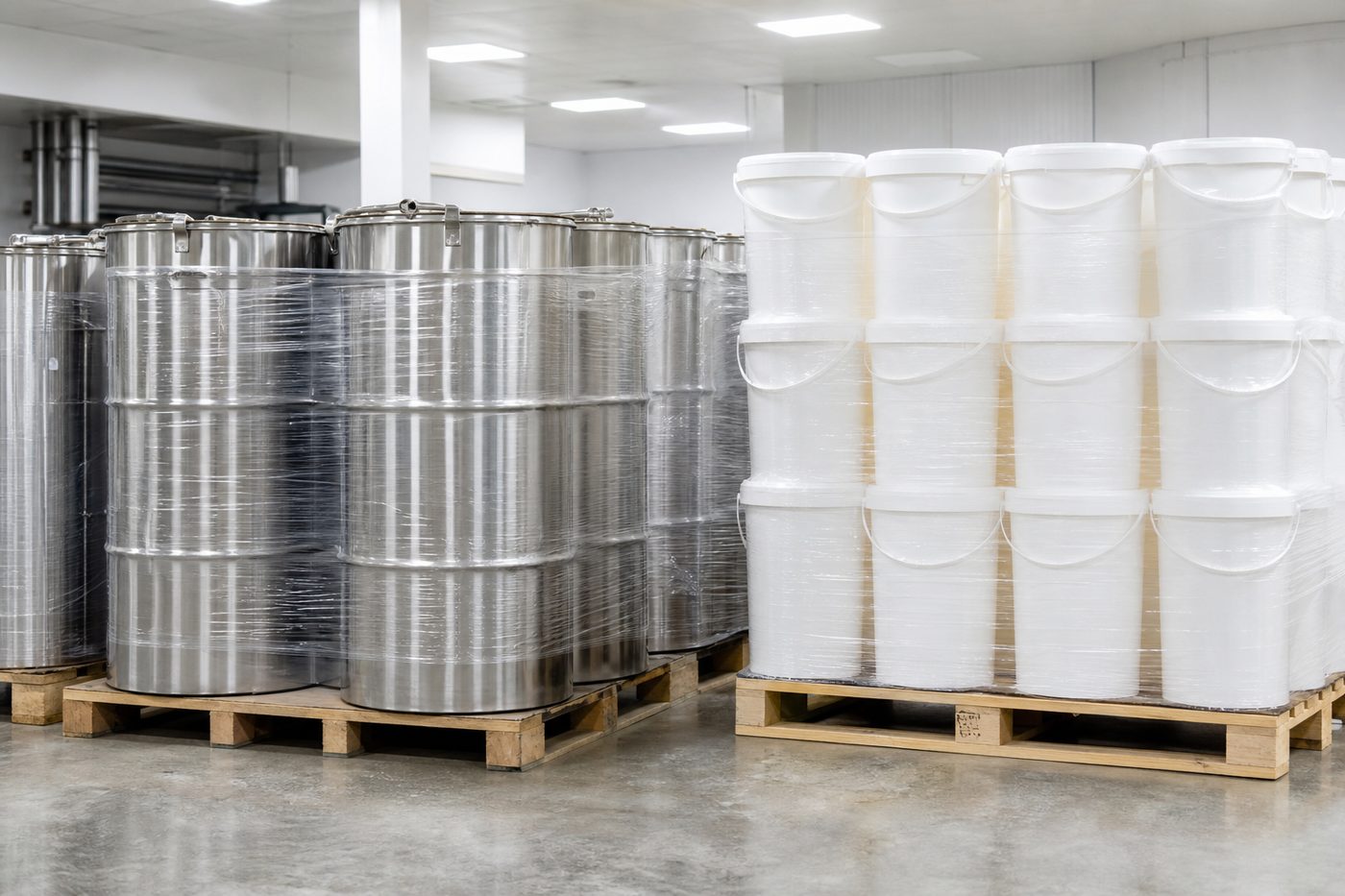
Why the USA Remains a Priority Market for Indian Honey
The United States has historically been a dominant buyer of Indian honey, particularly for conventional bulk grades consumed by food manufacturers, bakeries, cereal producers, and industrial food processors. While Indian honey has faced import scrutiny — including FDA import alerts in prior years related to antibiotic residues — exporters who maintain clean residue documentation have continued to supply the market successfully. The key distinction is proactive lot-by-lot testing rather than relying on a clean history alone.
The US organic honey market is substantial and growing. Domestic US organic honey production cannot meet organic retail demand, creating a structural import opportunity for certified Indian organic honey. Specialty varietal honeys — Litchi, Ajwain, Tulsi, Sidr — are emerging categories in US natural food retail where Indian origin has a genuine provenance story. E-commerce also creates a channel for smaller retail honey programmes. US honey packers and importers are the primary channel, and building relationships with established packers is the fastest path to volume. See Find International Buyers for Honey for buyer outreach tactics.
Challenges Exporters Face in Honey Destination Markets
Honey export challenges cluster around quality compliance, adulteration history, certification gaps, freight economics, and payment risk. Mitigation is process and documentation discipline, not optimism about border luck.
Comparison table
Swipe →
Data table — swipe horizontally on small screens
| Challenge | Where It Bites Most | Mitigation Strategy |
|---|---|---|
| Antibiotic residue failures | USA, EU, Japan — quarantine or destruction | Pre-shipment lot testing at APEDA lab; antibiotic-free beekeeping protocol |
| C4 sugar adulteration history | USA, EU, UK — industry-wide reputation risk | IRMS test every lot; full supply chain traceability |
| HMF out of limit | EU premium, Japan | Cold chain for storage; process temperature controls; test every lot |
| Moisture fermentation | All markets — retail shelf claims | Harvest at correct moisture; test before sealing |
| Missing organic certification | EU, USA, UK — premium access blocked | NPOP + destination overlay cert; annual audit readiness |
| Anti-dumping duties | EU — historical actions on Indian honey | Verify current status with trade legal advisor |
| Origin mislabelling risk | All premium markets | Full apiary-to-export chain of custody documentation |
| Freight cost for bulk | Australia, Japan (long-haul) | Confirm landed-cost economics before quoting |
| Payment risk with new buyers | Any new relationship | Advance or LC on first orders; credit reference checks |
How Indian Honey Exporters Can Enter New Markets Successfully
Successful market entry for honey requires simultaneous investment in quality systems, certification, and buyer outreach. Use APEDA trade statistics and ITC Trade Map data to identify active honey importers in your target market by HS code 0409. Attend APEDA-supported trade events, Anuga, SIAL, Natural Products Expo, and Gulf Food. Build a digital catalogue with lab test certificates attached — PDF quality reports convert more honey inquiries than product photography alone.
For honey specifically, the credibility of your quality documentation is your marketing. Buyers who receive a quotation accompanied by recent IRMS C4 results, a full antibiotic residue panel, moisture and HMF data from an accredited lab, and your FSSAI and APEDA registration details are already evaluating you differently from competitors who only send a price list. Read APEDA Registration Benefits for Honey Exporters and Honey Export Documentation Checklist to ensure your compliance groundwork is complete before outreach begins. For buyer pipeline building, see Trade Shows for Honey Exporters.
Case Study: Maharashtra Multi-Floral Honey Producer Targeting USA and Germany
Background: A Maharashtra-based honey producer company managing 2,500 NPOP-certified colonies across Jamun, multi-floral, and Ajwain varieties wanted to establish export programmes within twelve months.
Market analysis: Scored USA (high demand, strong organic premium, residue scrutiny, existing importer networks) and Germany (highest EU compliance bar, very strong organic premium, gateway to EU-wide distribution).
Quality audit: Internal audit identified inconsistent moisture readings at harvest and a gap in antibiotic residue testing frequency. Corrective actions: invested in refractometers at each apiary cluster and established quarterly C4 and multi-residue antibiotic panel testing with an APEDA-approved laboratory.
Certification pathway: NPOP certification was current. Added USDA NOP certification for USA organic access and engaged an EU-accredited certifier for the German pathway. Process: 8 months to NOP, 14 months to EU organic-ready status.
Market entry: APEDA directory outreach to US honey importers combined with Anuga fair participation for German buyer meetings. Provided sample kits with full lab panels attached.
Trial shipments: USA: first LCL of 5MT bulk Ajwain organic honey to a California natural food importer. Germany: first FCL of 20MT organic multi-floral to a Hamburg-based honey distributor.
Challenges: USA customs required additional documentation on first shipment due to historical Indian honey alert status — resolved in 11 days with clean third-party test certificates. German buyer requested pollen analysis on the second order to authenticate multi-floral botanical origin — now included as standard.
Results: USA repeat order within 90 days; German distributor added Jamun honey to autumn health food trade cycle. Annual programme established for both markets.
Lessons learned: The certification investment took longer than expected but unlocked the price tier that made both markets commercially viable. Lot-by-lot testing discipline was the single most important operational change. Starting with USDA NOP for USA and deferring EU organic to Year 2 would have been faster initial market entry but missed the German organic premium.
Future Outlook for Global Honey Import Demand Through 2030
Global honey demand is projected to continue growing, driven by health and wellness consumption trends, the shift from refined sugar to natural sweeteners in food formulation, and rising premium food retail in Asia, Gulf, and Western markets. Demand for organic, raw, and single-origin honey will grow faster than conventional bulk. Traceability and authentication will become purchase gates — buyers will increasingly require blockchain or digitally verifiable supply-chain documentation linking jars to specific apiaries.
Indian exporters who invest in digital traceability systems, organic certification, and consistent lot-by-lot quality documentation will be positioned to capture growing market share as global buyers accelerate China+1 and diversified honey sourcing strategies. Varieties like Indian Sidr (J&K), Litchi (Bihar/WB), and Ajwain (UP/Rajasthan) have underexplored terroir premium potential that sustainable branding strategies can unlock in EU, UK, and Gulf premium channels through 2030.
Regulatory trends — including EU's farm-to-fork strategy, UK REUL changes, and USA FDA modernisation — will maintain or increase quality documentation requirements. Exporters who build compliance infrastructure today will face fewer disruptions as rules tighten. Those who delay will find market access harder, not easier. For the full sustainability and organic opportunity, read Sustainable & Organic Honey Export Opportunities.
Conclusion
- Action: Confirm APEDA registration, current NPOP status, and lot-level lab testing capability before targeting any premium destination.
- Review How to Export Honey from India for the complete export process framework.
- Read Top Honey Products Exported from India to align variety selection with destination demand.
- See Most Demanded Indian Honey by Country for granular product-market matching.
- Build buyer relationships with Find International Buyers for Honey and Trade Shows for Honey Exporters.
- Prepare documentation with Honey Export Documentation Checklist and APEDA Registration Benefits.
- Explore organic positioning with Sustainable & Organic Honey Export Opportunities.
- For buyer-side playbook, read How International Buyers Can Source Honey Directly from India.
- Browse organic honey product details and the honey & natural products industry page.
- Explore export products from India and global sourcing partner service models.
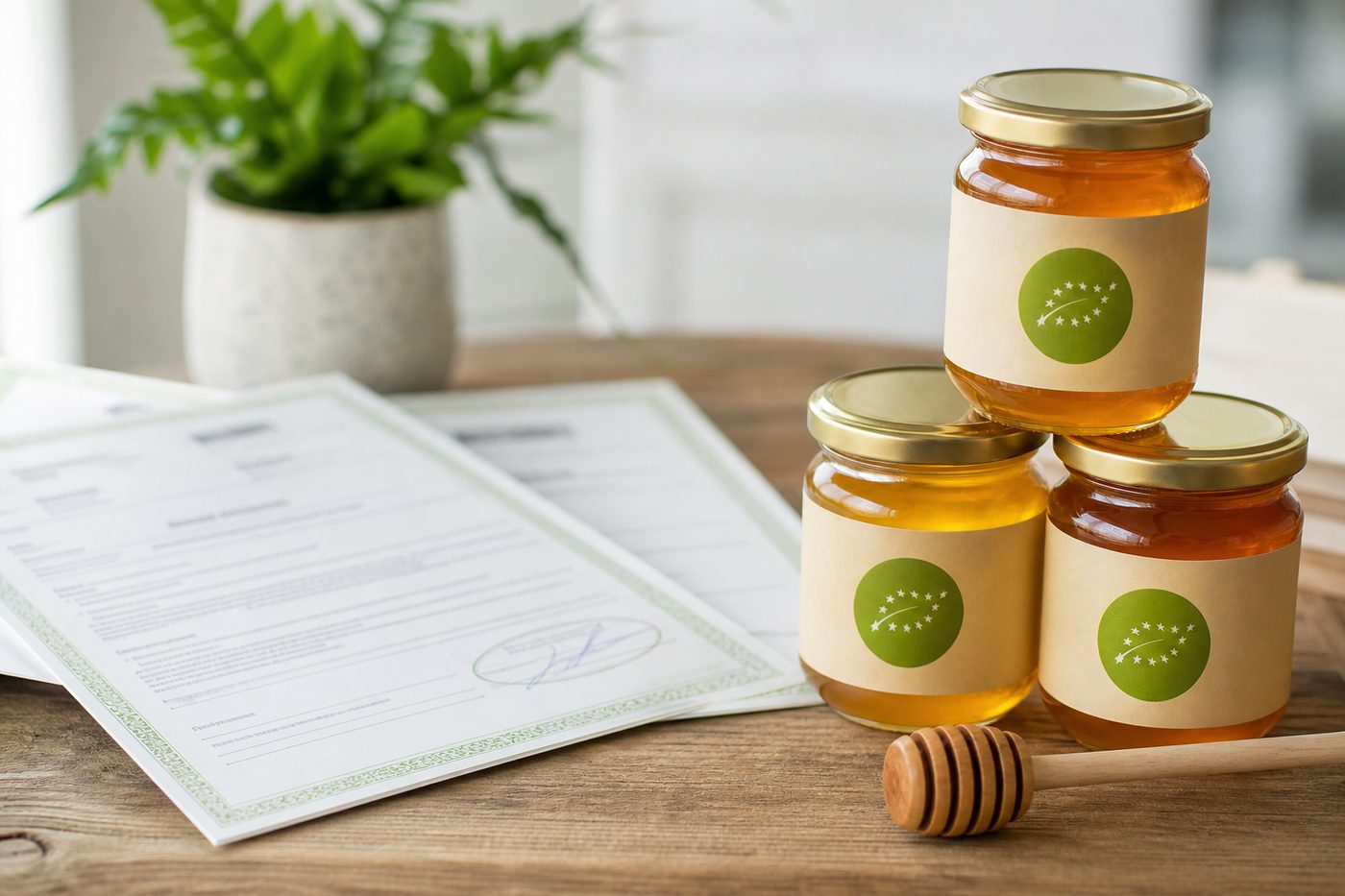
The best countries to export Indian honey in 2026 depend on your variety, certification status, and quality documentation readiness — but the practical priority list is clear: USA for scale (organic and conventional bulk); Germany and Netherlands as the EU entry gateway for organic and premium honey; France for provenance-led specialty; UK for post-Brexit premium and organic retail; UAE for Gulf premium and Sidr positioning; Japan as a high-margin scale-up market after proven clean residue records; and Canada as a manageable North American parallel opportunity.
Every market on this list rewards the same investment: clean lab panels, accurate certification, traceable supply chains, and honest origin labelling. The markets that pay the most are also the least forgiving of shortcuts. Build quality infrastructure first, then expand geographically — not the reverse.