
Most Demanded Indian Honey Varieties by Country (2026)
By Saurabh Mittal, Founder, Altus Exports
A market intelligence guide to the most demanded Indian honey varieties by country — comparing demand for mustard, lychee, eucalyptus, acacia, multi-floral, and organic honey across the USA, UK, Germany, Netherlands, UAE, Japan, Australia, and Canada. Understand which certifications, formats, and price points win buyers in each destination, and how to adapt product, packaging, and documentation for maximum export success. Includes per-country demand tables, a USA–EU adaptation case study, 2026 preference shifts, and Altus Exports advisory context.
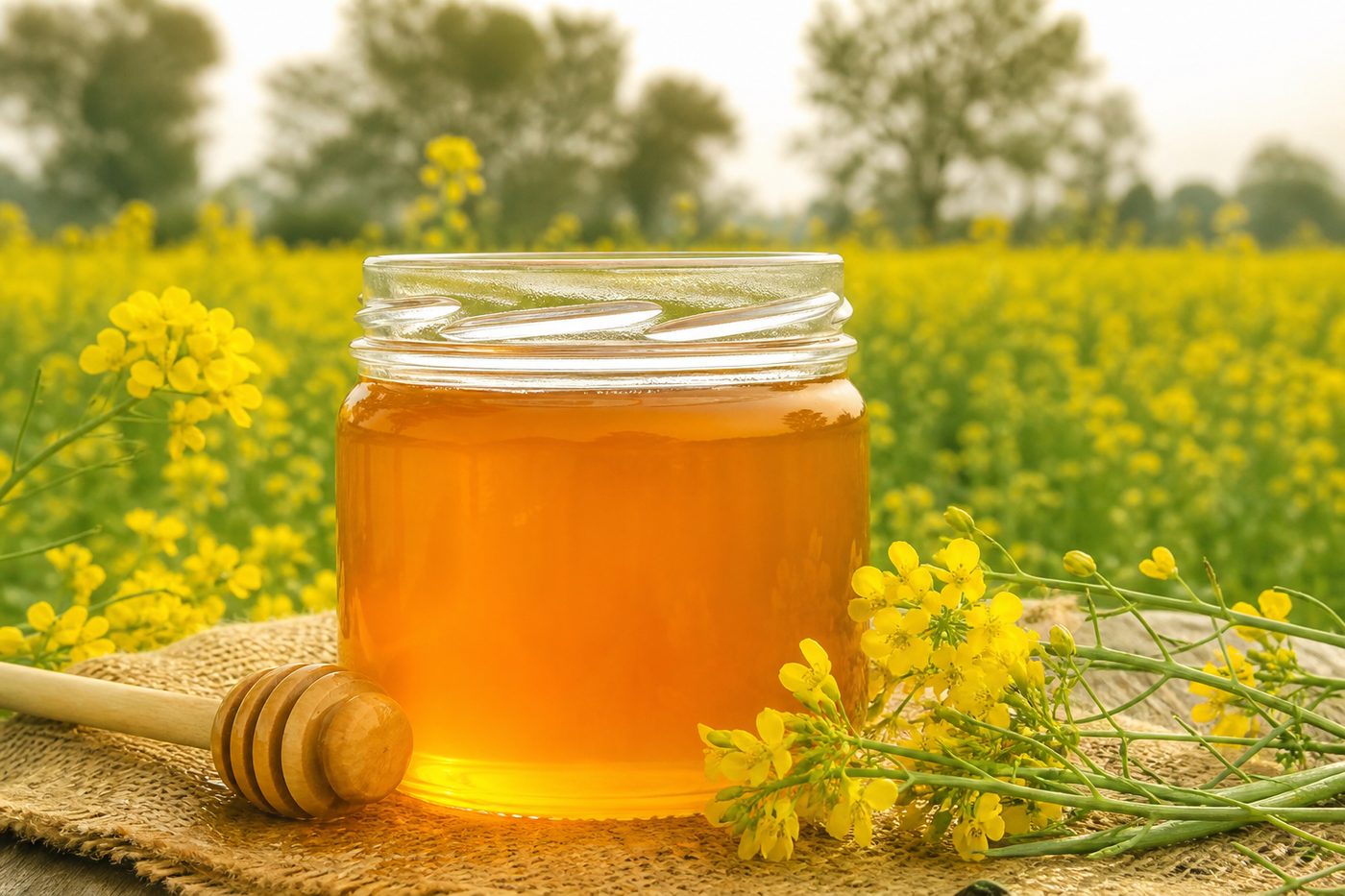
Not all international honey buyers want the same thing. A German organic retailer sourcing single-varietal lychee honey under NPOP certification has entirely different requirements from a UAE food-service distributor buying bulk filtered mustard honey for institutional supply, or a US private-label natural food brand seeking creamed clover-style honey with a USDA Organic certificate. Indian honey's competitive advantage — extraordinary varietal diversity, large apiary networks, competitive FOB pricing, and a growing organic infrastructure — is most commercially valuable when exporters understand where each variety wins and why.
India produces a wide range of monofloral and multi-floral honeys: mustard (Rajasthan, Punjab, Haryana), lychee (Bihar, Uttarakhand), eucalyptus (Himachal Pradesh, Maharashtra), acacia (Kashmir, Himalayan foothills), ajwain, sidr-style desert varieties, multi-floral jungle honey, and certified organic variants of several of these. Each carries different colour profiles, flavour characteristics, moisture benchmarks, HMF tolerances, and residue profiles that determine whether it passes destination-market specifications or fails customs and food safety checks.
This guide maps the most demanded Indian honey by country in 2026, translating variety preferences, certification requirements, and buyer behaviour into practical product, packaging, and go-to-market guidance for exporters and international buyers. Use it alongside top honey products exported from India, best countries for Indian honey exports, and how to export honey from India. Validate demand signals with APEDA market intelligence, DGFT trade data, ITC Trade Map HS-code analysis, and direct buyer conversations before committing production or certification investments.
Key Takeaways
Summary Box
- Most demanded Indian honey by country varies sharply: mustard and multi-floral bulk dominate volume markets; lychee, acacia, and certified organic varieties command premium positioning.
- EU markets (especially Germany and the Netherlands) require the strictest residue compliance, organic certification under NPOP/EU Organic, and detailed traceability documentation.
- USA buyers lead volume demand for conventional and organic honey; private-label natural food brands drive the most innovation-led sourcing conversations.
- Japan and Korea have the most demanding residue compliance standards — the Positive List System leaves near-zero room for antibiotic or pesticide trace contamination.
- UAE and Gulf markets prioritise bulk filtered honey for food service and institutional supply, plus premium gifting formats for Ramadan and festive calendars.
- Organic certification, APEDA registration, and NABL/EIC-accredited residue test reports are baseline buyer requirements across all developed-market channels in 2026.
- Altus Exports aligns honey & natural products sourcing with per-country demand intelligence for buyers and Indian exporters.
Why Indian Honey Continues to Gain Global Demand
India's honey export growth is driven by three structural advantages: varietal diversity unmatched by most competing origins; competitive FOB pricing relative to EU-origin honeys; and a growing organic and traceability infrastructure underpinned by APEDA's NPOP programme. As global honey supply chains face ongoing scrutiny over adulteration, antibiotic contamination, and country-of-origin fraud, Indian honey from transparent, certified supply chains becomes more attractive to buyers who need both price competitiveness and documentation confidence.
Consumer health trends also support demand: honey consumption is rising in nutraceuticals, functional food, and natural sweetener segments across the USA, Europe, Japan, and the Gulf. Premium monofloral honeys — lychee, acacia, sidr-adjacent varieties — are gaining specialty retail and gifting placement. Creamed and infused formats are growing in US and UK private label. Organic raw honey with farm-to-jar traceability is becoming a mainstream e-commerce category, not a niche. Indian exporters who pair supply discipline with certification investment are positioned at the front of this demand wave.
Understanding International Honey Buyer Behaviour
Honey buyers are not a monolithic group. Bulk commodity importers buying filtered honey by the drum prioritise price, moisture content, HMF levels, and delivery reliability. Organic retail buyers prioritise certification provenance, full traceability, and non-GMO status. Private-label food brands prioritise flavour consistency, colour stability, packaging customisation, and exclusivity. Nutraceutical and natural health buyers prioritise residue-free documentation, activity markers (for manuka-style positioning), and regulatory compliance in destination countries. Food service and institutional distributors prioritise volume availability, consistent viscosity, and logistics efficiency.
Purchasing decisions are shaped by regulatory frameworks (EU MRLs, US FDA, Japan Positive List), consumer trends (organic, raw, local, artisan), supply chain risk management (residue rejections are commercially catastrophic for importers), and pricing cycles (global honey commodity prices fluctuate with Chinese origin availability). Buyers who have experienced residue-related rejection events are extremely risk-averse and often pay meaningful premiums for suppliers with clean multi-year testing track records. Communication speed — responding to specification questions with test reports within 24 hours — routinely outcompetes slower competitors on price alone.
Most Demanded Indian Honey in the USA
Market Snapshot
- High-demand varieties: Multi-floral, mustard, lychee (organic), eucalyptus, acacia (premium)
- Formats: Bulk drums (210L food-grade) for food processing; retail jars (250g–500g) for private label and e-comm
- Must-have certifications: USDA Organic (NOP-certified by accredited certifier) for organic channel; residue-tested clean reports for all channels
- Watch-out: FDA import alert risk from antibiotic residues — test every lot against US-relevant panel before shipping
- Channel tip: USDA Organic premium creates 40–70% price uplift over conventional; certification investment typically recovers within 2–3 seasons
- Commercial tip: US private-label brands value colour and flavour consistency across lots — document batch-to-batch analysis reports
The USA is one of India's largest honey export destinations by volume, absorbing substantial quantities of conventional and organic honey across bulk food-processing, retail, and natural food channels. US buyers import Indian honey for bakery, confectionery, and beverage applications in bulk, and for natural food retail as certified organic liquid and creamed honey formats. Multi-floral and mustard honey dominate volume; certified organic multi-floral and lychee honey are growing in the natural and specialty food segment.
Key buyer types include commodity importers buying bulk filtered honey for food manufacturing, natural food brands seeking USDA Organic-certified honey for retail private label, e-commerce brands curating single-varietal or raw honey, and nutraceutical companies seeking residue-free honey for supplement applications. US importers are particularly sensitive to antibiotic residue compliance because FDA import alerts on honey with chloramphenicol or nitrofurans are commercially devastating for importers. Pre-shipment testing against a US-relevant residue panel is non-negotiable. For full documentation requirements, see the honey export documentation checklist.
Most Demanded Indian Honey in the UK
Market Snapshot
- High-demand varieties: Lychee, acacia, organic multi-floral, raw multi-floral
- Formats: Retail glass jars (250g–454g); premium gift formats for health food retail
- Must-have certifications: UK Organic (via UKAS-approved CAB) for organic channel; post-Brexit import documentation compliant with UK border regulations
- Watch-out: EU organic certification does not automatically satisfy UK organic requirement post-Brexit; check current UK CAB approval status
- Channel tip: UK online grocery and D2C honey brands are fast-growing sourcing opportunities for premium Indian varietals with strong origin stories
UK honey demand is driven by natural food retail, specialty health food stores, online grocery, and private-label brands aligned to the UK's growing organic and clean-label food trends. Post-Brexit, UK buyers operate under their own retained food safety regulations (based on EU MRL frameworks as a starting point) with UK Organic certification (via an approved UK CAB) required for the organic channel. This creates a separate certification pathway from EU organic — exporters targeting both UK and EU organic simultaneously need certification covering both schemes.
Lychee honey, acacia, and certified organic multi-floral are the varieties most actively sought by UK premium buyers. The UK natural health market also shows strong interest in raw honey with minimal processing and authentic floral origin claims. Manuka-style wellness positioning is established in the UK market, creating a premium reference point that benefits other monofloral honeys with distinctive flavour and health positioning. Packaging and labelling must meet UK food labelling regulations including allergen statements, country of origin, and storage guidance.
Most Demanded Indian Honey Across Europe
Market Snapshot
Europe is the most demanding regulatory environment for honey imports globally. EU Regulation (EC) No. 396/2005 on MRLs, the EU Honey Directive (Council Directive 2001/110/EC), and the EU Organic Regulation (EU 2018/848) together create a comprehensive compliance framework that exporters must navigate precisely. Adulteration, residue, and mislabelling infractions trigger the EU's RASFF (Rapid Alert System for Food and Feed), which results in import suspensions that can last years. The stakes are high — and the reward for compliant exporters is access to one of the world's most valuable premium honey markets.
Germany
Germany is Europe's largest honey-importing market and among the most demanding in terms of residue compliance, quality documentation, and organic certification rigour. German organic buyers — health food chains, specialty organic retailers, and natural food importers — represent a premium segment actively seeking certified organic Indian honey from traceable apiary sources. Lychee honey and certified organic multi-floral honey are particularly sought. German buyers expect pre-shipment test reports covering a comprehensive EU multi-residue panel, full organic certification documentation under EU Organic Regulation (EU 2018/848), and traceability from apiary cluster to export drum. Greenwashing or incomplete certification is penalised with immediate sourcing suspension.
France
France has an active premium natural food sector with demand for varietal honeys positioned around taste and artisan character. French buyers and specialty food importers show interest in acacia and lychee honeys from India for their distinctive floral profiles and competitive pricing versus European acacia honey. Presentation, labelling (in French or with French-language inserts), and food safety compliance documentation are prerequisites. The French natural food trade fair SIAL Paris is a relevant participation venue for Indian honey exporters seeking qualified French and broader European leads.
Netherlands
The Netherlands is a major EU logistics hub and a critical gateway market for Indian honey entering broader European distribution. Dutch importers typically buy large volumes of bulk filtered honey for blending, packing, and redistribution to European retail and food-service chains. Residue compliance and consistent quality are paramount. Dutch buyers also connect Indian suppliers to German, Belgian, and Scandinavian end-buyers through their distribution networks. Establishing a reliable Dutch importer relationship can exponentially expand an exporter's EU market reach without requiring direct retail penetration in multiple countries.
Scandinavia and Nordic Markets
Nordic buyers — in Sweden, Denmark, Norway, and Finland — tend toward premium organic and raw honey positioning aligned to strong sustainability and health food consumer cultures. Demand is smaller in absolute volume than Germany or the Netherlands but commands disproportionate premium pricing for certified, traceable honey. Swedish and Danish organic retailers actively source globally compliant certified organic products. Indian exporters with robust NPOP/EU Organic certification and clean residue records are competitive in these markets.
Most Demanded Indian Honey in the UAE and Gulf Region
Market Snapshot
- High-demand varieties: Bulk multi-floral and mustard (food service), acacia and lychee (premium retail), raw honey (health positioning)
- Formats: 210L steel food-grade drums (bulk), 250g–1kg jars for retail, premium gift boxes for Ramadan
- Must-have certifications: FSSAI, APEDA RCMC, halal certification (from a UAE-recognised halal authority for retail entry), Gulf Standardisation Organisation (GSO) compliance
- Watch-out: Halal certification is a practical requirement for retail entry; confirm UAE-recognised certifier before applying
- Channel tip: Ramadan procurement starts 60–90 days before the month — exporters should confirm UAE availability and pricing in Q4 of the preceding year
- Seasonal tip: Eid Al-Adha also drives gifting volumes; plan a second gifting-season inventory window
The UAE is India's largest single-country honey export destination by value in some years, driven by a combination of bulk food-service demand, premium retail, and large Ramadan-period gifting programmes. Gulf food culture places high value on natural honey — particularly raw, unprocessed, and sidr-adjacent desert variety positioning — creating both volume and premium tiers for Indian exporters to address simultaneously.
Bulk filtered mustard and multi-floral honey from India supplies UAE institutional food service: hospitals, hotels, catering chains, and packaged food manufacturers. Premium and gifting channels seek distinctive varieties — acacia, lychee, raw multi-floral — in presentation packaging suitable for corporate gifting and luxury retail. Ramadan is the highest-demand window; exporters should plan shipment and inventory timelines around Ramadan procurement cycles, which begin 2–3 months before the month itself. Saudi Arabia, Kuwait, Qatar, and Bahrain share similar demand patterns with the UAE, making the Gulf a coherent regional strategy for Indian honey exporters with volume and premium tier capability.
Most Demanded Indian Honey in Japan and South Korea
Market Snapshot
Japan is among the most technically demanding honey import markets in the world. Japan's Positive List System for agricultural chemicals sets MRL limits for an enormous range of pesticide residues, with a default limit of 0.01 ppm for substances without specific MRLs. This means Indian honey exported to Japan must be tested against a comprehensive Japanese residue panel — not just the EU or US panel — before each shipment. Japanese buyers are experienced and meticulous; they will request test reports from Japanese-accepted labs or third-party labs covering all applicable substances before placing orders.
Despite its demanding compliance requirements, Japan is a premium-value market for monofloral Indian honey. Lychee honey, acacia honey, and certified organic multi-floral honey with authentic floral origin documentation find buyers among Japanese natural food importers, health food retailers, and specialty honey shops. JAS organic certification is required for the Japanese organic channel — NPOP certification is not equivalent to JAS and a separate JAS certification process applies. South Korea shows growing interest in Indian honey alongside its natural food trend growth, with residue standards largely aligned to international frameworks but with own regulatory specifics.
Most Demanded Indian Honey in Australia and Canada
Market Snapshot
Australia is a premium honey market with a strong domestic industry (Manuka, leatherwood) and an increasingly international consumer appetite for global varietal honeys in natural food retail. Indian honey exporters targeting Australia face a sophisticated import health standards framework (Australian Border Force, FSANZ) plus biosecurity requirements for honey imports. Certified organic and raw premium Indian honeys find niche placement in Australian health food retail, but volume penetration requires consistent quality, food safety compliance, and competitive pricing against New Zealand, Argentinian, and domestic honey.
Canada shares many market characteristics with the USA — bilingual labelling requirements (English and French), CFIA food safety compliance, residue standards aligned to CODEX and US practices, and active organic retail channels. Indian multi-floral and organic honey imports are growing in Canada driven by natural food trends and competitive pricing. Canadian buyers often source through established US or direct-import channels, making logistics efficiency and documentation accuracy equally critical.
Most Demanded Indian Honey Varieties by Country: Market Comparison
Market Snapshot
Use this directional comparison to prioritise variety and certification investments by target market. Validate with APEDA intelligence, DGFT HS-code trade data, and direct buyer conversations. Demand levels reflect commercial intensity for typical Indian honey exporters in 2026 — not a guarantee that every variety will find buyers in every listed country.
Comparison table
Swipe →
Data table — swipe horizontally on small screens
| Country | Top Honey Varieties | Preferred Format | Key Certifications | Demand | Price Sensitivity | Growth |
|---|---|---|---|---|---|---|
| USA | Multi-floral, mustard, lychee (organic), eucalyptus | Bulk drums; retail jars (private label) | USDA Organic (NOP), APEDA RCMC, residue panel | Very High | Medium | High |
| Germany | Lychee, acacia, certified organic multi-floral | Bulk food-grade, retail organic packs | EU Organic (EU 2018/848), APEDA, residue EU panel | High | Low–Medium | High |
| UK | Lychee, acacia, organic multi-floral, raw | Retail glass jars, premium formats | UK Organic (post-Brexit CAB), APEDA, residue panel | High | Medium | High |
| Netherlands | Multi-floral, mustard (bulk), organic multi-floral | Bulk drums; EU retail distribution | EU Organic, APEDA RCMC, EU MRL residue panel | High | Medium | High |
| France | Acacia, lychee, artisan multi-floral | Retail jars, premium presentation | EU Organic, APEDA, residue EU panel | Medium–High | Medium | Medium–High |
| Japan | Lychee, acacia, organic multi-floral | Retail jars, premium natural food | JAS Organic, Japan Positive List residue compliance, APEDA | Medium–High | Low–Medium | High |
| UAE | Multi-floral (bulk), mustard, acacia, lychee (gifting) | Bulk drums; gifting retail jars | Halal (UAE-recognised), APEDA, GSO, FSSAI | High | Medium–High | High |
| Saudi Arabia | Multi-floral (bulk), premium gifting honey | Bulk food-grade, premium gifting packs | Halal, APEDA, SFDA compliance | Medium–High | Medium–High | High |
| Australia | Organic multi-floral, acacia, raw honey | Retail jars (natural food), premium | Organic (ACO or equivalent), APEDA, biosecurity | Medium | Low–Medium | Medium–High |
| Canada | Multi-floral, organic multi-floral | Retail jars, bulk (via importers) | Organic (CFIA-compliant certifier), APEDA, residue panel | Medium–High | Medium | Medium–High |
| South Korea | Multi-floral, lychee, organic honey | Retail jars, natural food channel | Korean regulatory compliance, APEDA, residue panel | Medium | Medium | Medium–High |
Indian Honey Varieties: Export Profiles and Market Fit
Mustard Honey
Origin: Rajasthan, Punjab, Haryana, Uttar Pradesh. Characteristics: Light amber to white when crystallised; mild, clean flavour; high volume availability from large-scale mustard apiary programmes. Export profile: India's highest-volume export honey variety; strong in EU bulk supply, UAE institutional, and US conventional channels. Crystallisation: Mustard honey crystallises quickly — a natural characteristic that buyers must communicate to consumers; liquid mustard honey requires controlled temperature during shipping and storage. Residue concern: Mustard crops may be treated with pesticides; apiary placement and sourcing traceability matter. Organic opportunity: Organic-certified mustard honey from compliant apiaries commands EU and US organic price premiums. Market fit: USA conventional bulk, Germany/Netherlands organic bulk, UAE institutional supply.
Lychee Honey
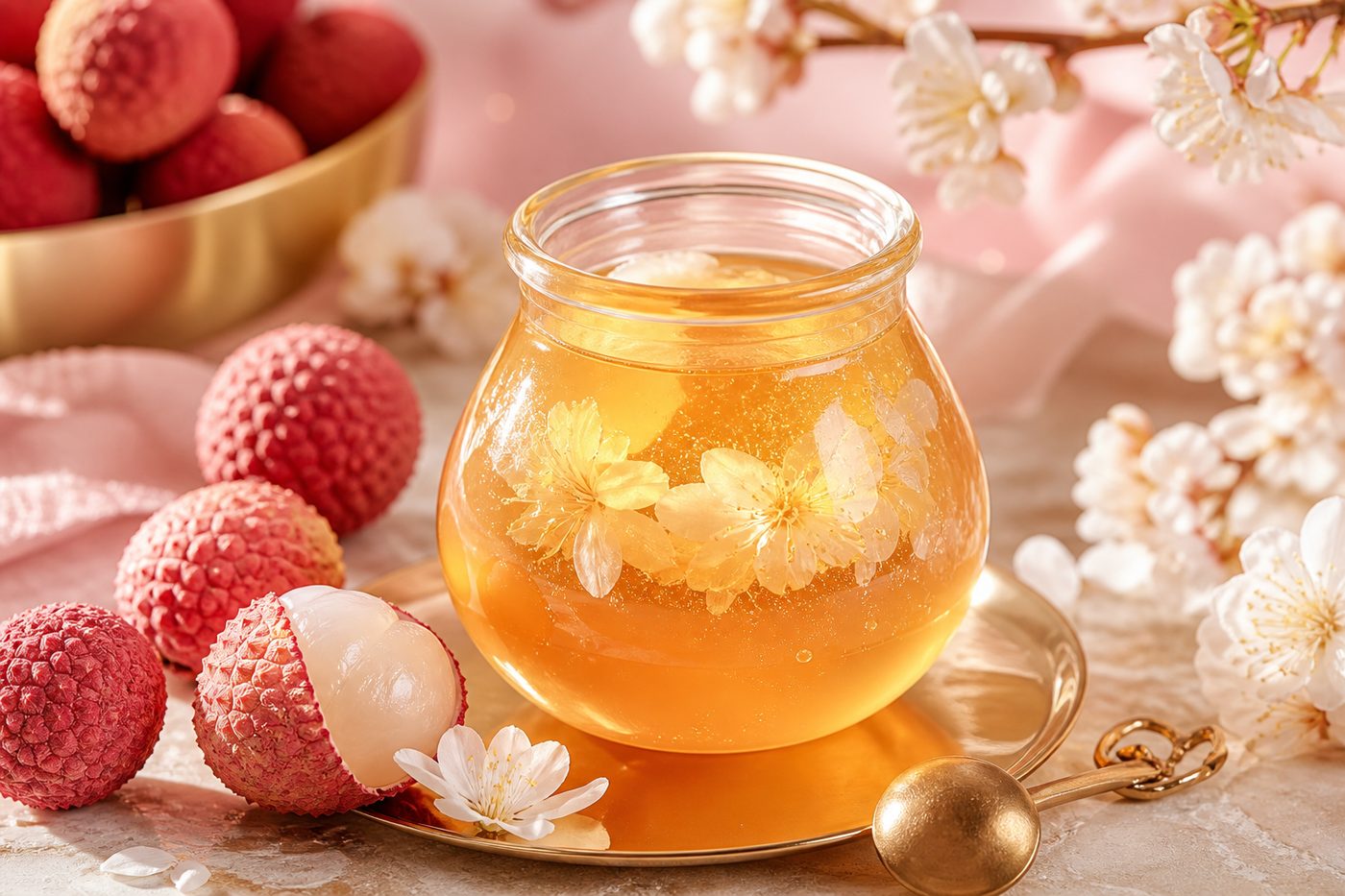
Origin: Bihar, Uttarakhand, West Bengal. Characteristics: Light to extra-light amber; distinctively floral lychee notes; mild sweetness with good clarity. Export profile: India's premium export honey; high demand in EU organic retail, UK specialty food, Japan natural health, and US private-label natural food. Certification pull: Lychee honey from clean apiary zones with NPOP organic certification and EU multi-residue clean test reports commands 50–100% premium over conventional multi-floral. Volume constraint: Lychee honey production is geographically and seasonally concentrated — supply consistency requires multi-season supplier agreements. Market fit: Germany, UK, France, Japan organic and specialty retail; US natural food private label.
Eucalyptus Honey
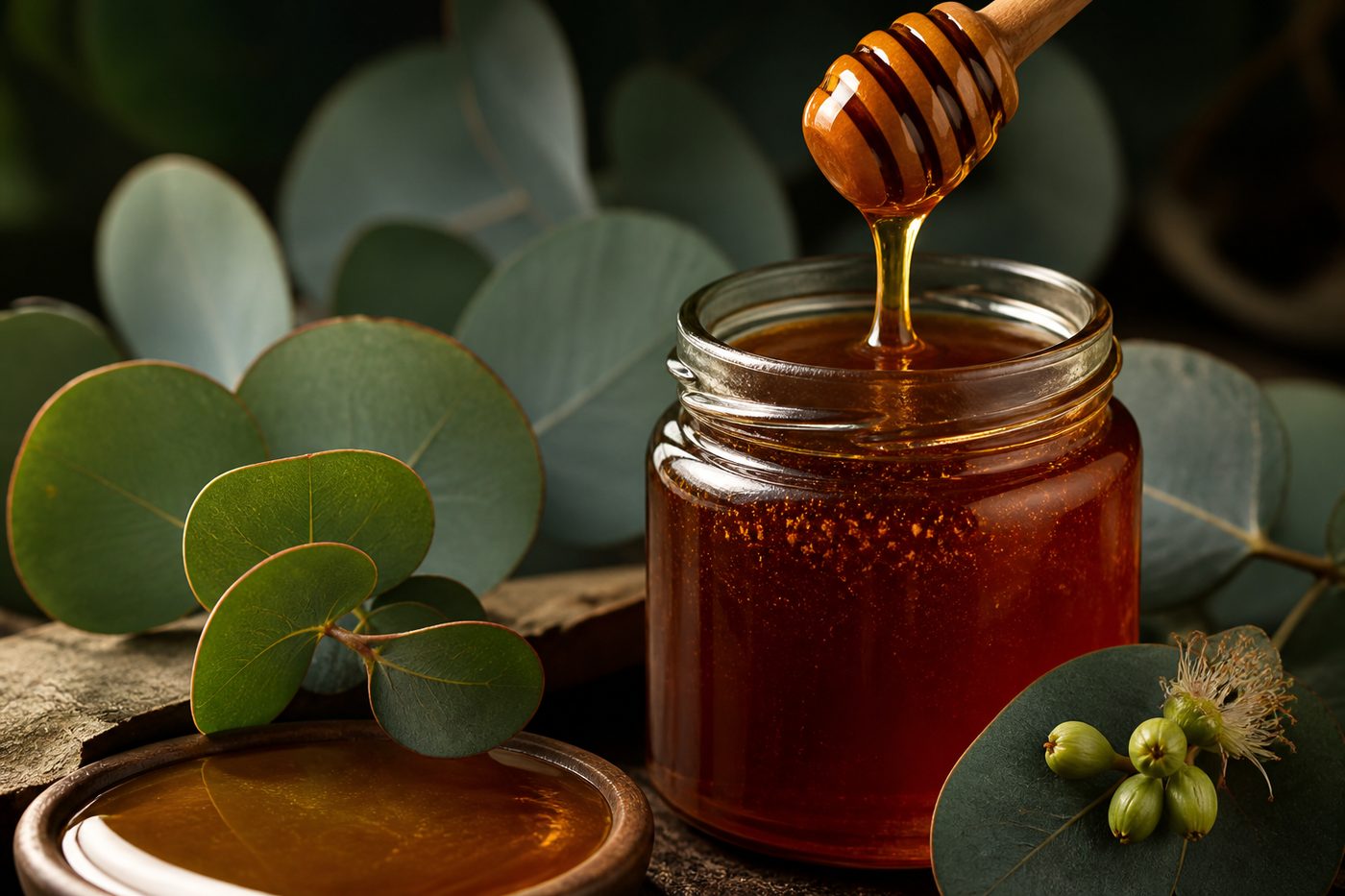
Origin: Himachal Pradesh, Maharashtra, Andhra Pradesh. Characteristics: Amber; distinctive herbal-medicinal aroma and flavour; associated with respiratory health positioning. Export profile: Growing in USA natural health, Gulf health-positioning retail, and EU natural food channels where medicinal honey is an established category. Health positioning: Eucalyptus honey can be positioned alongside wellness and immunity narratives without making medical claims — a consumer communication advantage for natural food brands. Market fit: USA nutraceutical and natural health, UAE health retail, Germany natural food.
Acacia Honey
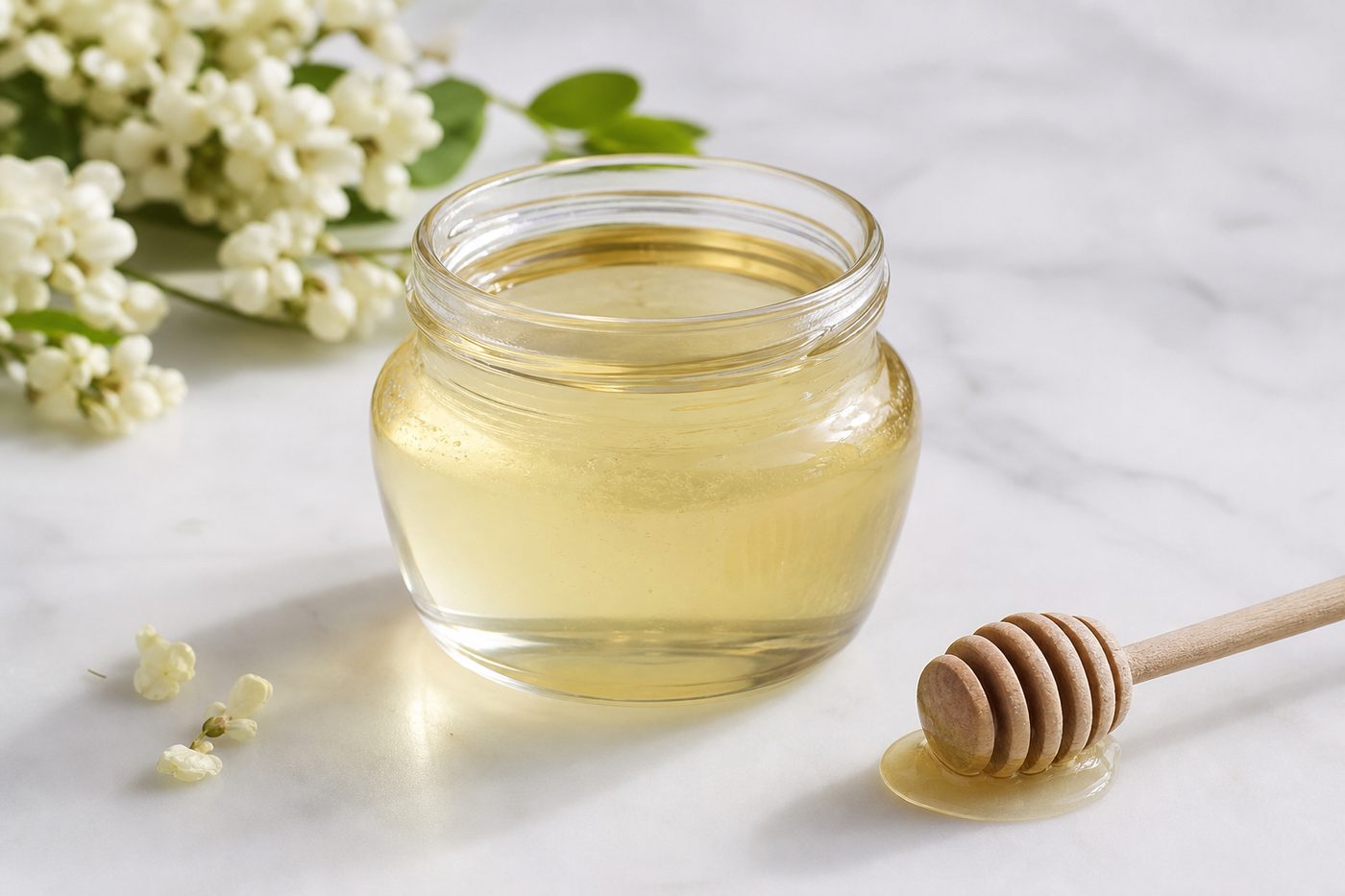
Origin: Kashmir, Himalayan foothills, Uttarakhand. Characteristics: Extra-light to water-white; very mild, delicate floral flavour; slow to crystallise; highly prized in premium European and Japanese markets. Export profile: India's premium-tier variety competing with Eastern European and Chinese acacia honey; commanding position in EU specialty retail and Japanese natural food when documentation is strong. Certification: EU Organic certification, botanical purity documentation, and consistent colour/flavour analysis strengthen buyer confidence for acacia at premium price points. Volume constraint: Kashmir acacia production is limited — exporters must maintain year-round supplier agreements to guarantee supply. Market fit: Germany, France, Japan specialty organic; UK premium health food retail.
Multi-Floral and Wild Forest Honey
Origin: Across India — jungle honey from Northeast, Madhya Pradesh, Himalayan foothills; plains multi-floral from Rajasthan, UP, Punjab. Characteristics: Highly variable by region; typically amber to dark amber; complex, robust flavour profiles; forest honey often carries distinctive regional character. Export profile: Multi-floral is the backbone of India's volume honey export across all markets; organic multi-floral with strong traceability is competitive in EU and US organic channels. Wild forest honey from the Northeast and Sundarbans region carries premium artisan positioning for specialty food. Market fit: All markets (conventional multi-floral); EU/US/UK organic channels (certified organic multi-floral); specialty food (wild forest honey).
Ajwain and Other Specialty Honeys
Origin: Rajasthan, Gujarat. Characteristics: Carom-flavoured; distinctive herbal character tied to the ajwain (carom) plant; appeals to specialty and ethnic food buyers with knowledge of Indian botanical ingredients. Export profile: Niche but growing as Indian culinary and wellness ingredients gain global food culture exposure. Indian diaspora retail in the USA, UK, and Canada represents an accessible initial channel. Market fit: Indian diaspora ethnic food retail (USA, UK, Canada), natural health specialty (Germany, Netherlands).
Which Indian Honey Has the Highest Export Potential in 2026?
Highest export potential in 2026 clusters around four segments: (1) certified organic lychee and acacia honey for EU and Japan premium channels — highest per-kg value, fastest-growing buyer interest; (2) certified organic multi-floral for US private label — volume and value combined, accessible with USDA NOP certification; (3) conventional mustard and multi-floral bulk for UAE, Netherlands, and US conventional food-processing — highest absolute volume, requiring residue compliance and pricing competitiveness; (4) premium gifting honey (acacia, raw multi-floral, gift-packed single varietals) for Gulf Ramadan and UAE hospitality segments.
Exporters should score potential against four variables: (1) their current apiary sourcing capability for that variety; (2) achievable certification within their timeline; (3) residue profile of that variety from current supply zones; (4) their capacity to provide consistent quality across multiple lots. A beautiful variety with high market demand but inconsistent residue profiles or limited supply is a commercial liability, not an opportunity. Validate potential at the supplier level, not only the market level.
What International Buyers Look for in Indian Honey Suppliers
Beyond variety and price, international honey buyers conduct rigorous supplier qualification. The criteria differ by market maturity but converge on the same core requirements: clean residue test history, FSSAI and APEDA compliance, appropriate organic certification for organic channels, supply traceability documentation (apiary registration, beekeeping group contracts, collection and processing records), consistent moisture and HMF analysis, and responsive communication on specification questions.
Buyers who have experienced a residue-related rejection event — a significant commercial loss involving customs holds, return freight, and destroyed inventory — apply systematic residue screening to all new Indian suppliers regardless of price competitiveness. Showing a multi-season clean test history (12–24 months of quarterly or per-batch reports) is the most powerful trust signal an Indian honey supplier can provide. Third-party inspection of packing and container filling, combined with APEDA RCMC and organic certification documents, converts buyer interest into a first purchase order significantly faster than price negotiation alone.
How Buyer Preferences Are Changing in 2026
In 2026, the dominant shifts in international honey buyer behaviour are: (1) demand concentration away from anonymous bulk toward documented, traceable varietal honey with clean certification; (2) private-label brands building proprietary honey collections with exclusive origin stories and single-varietal positioning; (3) sustainability and regenerative apiculture narratives becoming purchasing criteria, not just marketing angles, particularly in EU and UK retail; (4) AI-assisted supplier discovery rewarding exporters with digital catalogues, downloadable test reports, and clean APEDA profile data; (5) Japan and Korea applying even more rigorous residue scrutiny following multiple contamination events from other Asian origins.
Price pressure persists but is no longer the defining variable in premium segments. Buyers who switched to Indian suppliers after Chinese honey pricing disruptions now apply the same residue and documentation discipline they learned from managing those supply chain risks. Indian exporters who consistently deliver clean test reports, stable quality, and prompt documentation responses will capture disproportionate growth as buyers continue consolidating vendor lists around reliable partners.
Why Organic Certification Is Reshaping Indian Honey Demand
Organic certification is not a niche differentiator in developed markets any longer — it is increasingly a channel access requirement. EU organic honey retail, US natural food private label, and Japanese JAS organic retail collectively represent markets where non-certified Indian honey simply cannot enter, regardless of quality. The price premium for certified organic Indian honey over conventional typically ranges from 40–80% depending on variety and destination — premiums that justify certification investment within a few export seasons for appropriately scaled producers.
APEDA's NPOP framework is recognised by the EU (Regulation (EU) 2018/848, with equivalency agreement for NPOP-certified products) and Switzerland, making EU organic market access possible without separate EU-scheme re-certification in most cases. The US NOP requires an NOP-accredited certifier independently of NPOP — exporters targeting both markets must budget for dual certification costs. JAS organic for Japan requires yet another certification pathway. Exporters planning multi-market organic programmes should map certification costs per market against expected premium revenue before committing to the first certifier engagement. See sustainable organic honey export opportunities for the organic channel investment framework.
How Exporters Can Adapt Honey Products for Different Markets
Adaptation for honey export covers variety selection, processing level (raw vs filtered vs creamed), packaging format and material (food-grade steel drum vs glass jar vs retail plastic), labelling (language, allergen statements, country of origin, best-before, batch traceability), certification documentation set (which certifications for which market), and pricing structure (FOB, CIF, DDP depending on buyer capability).
A practical market adaptation matrix for the top three varieties and markets looks like this: mustard honey bulk to the Netherlands (210L steel drum, EU MRL residue panel, APEDA RCMC, FSSAI, COA per batch, no organic required); lychee honey organic to Germany (200L food-grade drum or 250g glass jar for organic retail packs, EU Organic certificate, NPOP certificate, full EU residue panel, traceability statement, APEDA RCMC); multi-floral honey gifting format to UAE (500g–1kg glass jar with Arabic label, halal certificate, FSSAI, APEDA RCMC, COA). Attempting identical product, packaging, and documentation for all three buyers simultaneously wastes resources and underperforms in each market.
Case Study: Adapting Indian Honey Assortment for USA Organic and EU Conventional Markets
Business goal: A Rajasthan-based honey processing unit aggregating mustard and multi-floral honey from three apiary clusters wanted to serve both a US organic private-label brand and a Dutch bulk importer simultaneously without compromising quality integrity for either channel.
Market research: Confirmed that the US buyer required USDA Organic (NOP) certification with batch-level test reports covering a 20-compound antibiotic and 150-compound pesticide panel. The Dutch buyer required EU MRL compliance with residue test reports from an EU-recognised lab and consistent moisture below 20%.
Product and certification split: Dedicated the two highest-elevation, organically managed apiary clusters to NOP certification process (engaged an USDA-accredited Indian certifier). Sourced conventional mustard honey from plains apiaries for EU bulk channel with separate residue testing through an NABL/EIC-accredited lab using EU panel methodology.
Documentation preparation: Created a dual-channel documentation system: NOP organic lot files (certifier certificate, batch test reports, apiary registration, processing records) for the US buyer; EU residue panel reports, APEDA RCMC, FSSAI, and moisture/HMF COA for the Dutch importer.
Buyer acquisition: US buyer via LinkedIn outreach to natural food brand's sourcing team; Dutch importer via APEDA buyer-seller meet follow-up within 48 hours.
Results: First US NOP organic lot shipped eight months after certifier engagement (within expected NOP timeline); Dutch conventional mustard programme reached FCL volume within two quarters. Combined FOB revenue significantly exceeded what single-channel conventional honey would have generated from the same apiary base.
Lessons learned: Certification investment timeline requires advanced planning — organic certification takes 12–18 months from conversion start to first certified crop. Maintaining parallel channels (organic and conventional) from different apiary clusters is operationally feasible and commercially rational. Market-specific documentation discipline prevents cross-contamination of compliance records between channels.
Future Demand Trends for Indian Honey Through 2030
Through 2030, the structural demand drivers for Indian honey across global markets are: (1) continued growth in organic and certified natural honey in EU, USA, UK, Japan, and Australia as consumer health orientation accelerates; (2) private-label honey programmes growing as retailers and food brands seek differentiated, story-led origins; (3) functional and nutraceutical honey applications expanding in Gulf, Japan, Korea, and premium USA channels; (4) AI-assisted sourcing and direct supplier discovery reducing the role of commodity brokers and increasing the importance of exporters with digital presence, verifiable test records, and strong APEDA profiles; (5) climate-linked supply variability from European honey-producing countries driving sustained import demand for competitively priced, clean Indian honey.
Indian honey exporters best positioned for 2030 are those who invest now in organic certification infrastructure (NPOP-compliant apiary networks), residue monitoring programmes (quarterly testing across supply clusters), digital catalogues with downloadable COA and certification documents, and APEDA MDA participation to build face-to-face buyer relationships in target markets. The window for building these systems before the next wave of demand growth is narrowing — exporters who start now will have multi-year compliance track records precisely when buyers are looking for them.
Conclusion
- Action: Share your honey variety, current certifications, and target markets with Altus Exports for a demand-fit sourcing review.
- Explore organic honey, honey & natural products, merchant exporter, and export products from India partnership models.
- Continue with top honey products exported from India, best countries for Indian honey exports, APEDA registration for honey exporters, how to export honey from India, find international buyers for honey, source honey directly from India, honey export documentation checklist, trade shows for honey exporters, and sustainable organic honey export opportunities.
The most demanded Indian honey by country in 2026 depends on market channel, certification access, and variety profile: USA buyers lead in volume demand for organic multi-floral and bulk conventional honey; EU buyers (especially Germany and the Netherlands) set the global standard for residue compliance and organic certification requirements; UAE and Gulf markets drive strong volume and premium gifting demand; Japan demands the strictest residue standards with premium-priced monofloral opportunity; UK, Australia, and Canada represent growing premium segments for organic and single-varietal Indian honey.
Exporters should prioritise three actions: (1) map your current apiary sourcing capability to the varieties with strongest demand in your 1–2 primary target markets; (2) initiate the appropriate certification pathway (NPOP for EU/UK organic, NOP for US organic, JAS for Japan, halal for Gulf retail) at least 12–18 months before expected first shipment; (3) establish pre-shipment testing relationships with NABL/EIC-accredited labs that cover your target-market residue panel. Altus Exports can help both international buyers sourcing Indian honey and Indian exporters aligning variety, certification, and documentation with destination demand.