Best Countries for Indian Zinc Ingot Exports
By Saurabh Mittal, Founder, Altus Exports
A destination-ranking guide to the best countries for Indian zinc ingot exports in 2026. Compares Singapore, Thailand, Taiwan, UAE, Saudi Arabia, Indonesia, Malaysia, and Vietnam on HS 790111 demand, duty exposure, west-coast freight corridors from Mundra, Kandla, JNPT, and Pipavav, and LME Asia / Middle East delivery economics — with a market scorecard from Altus Exports.
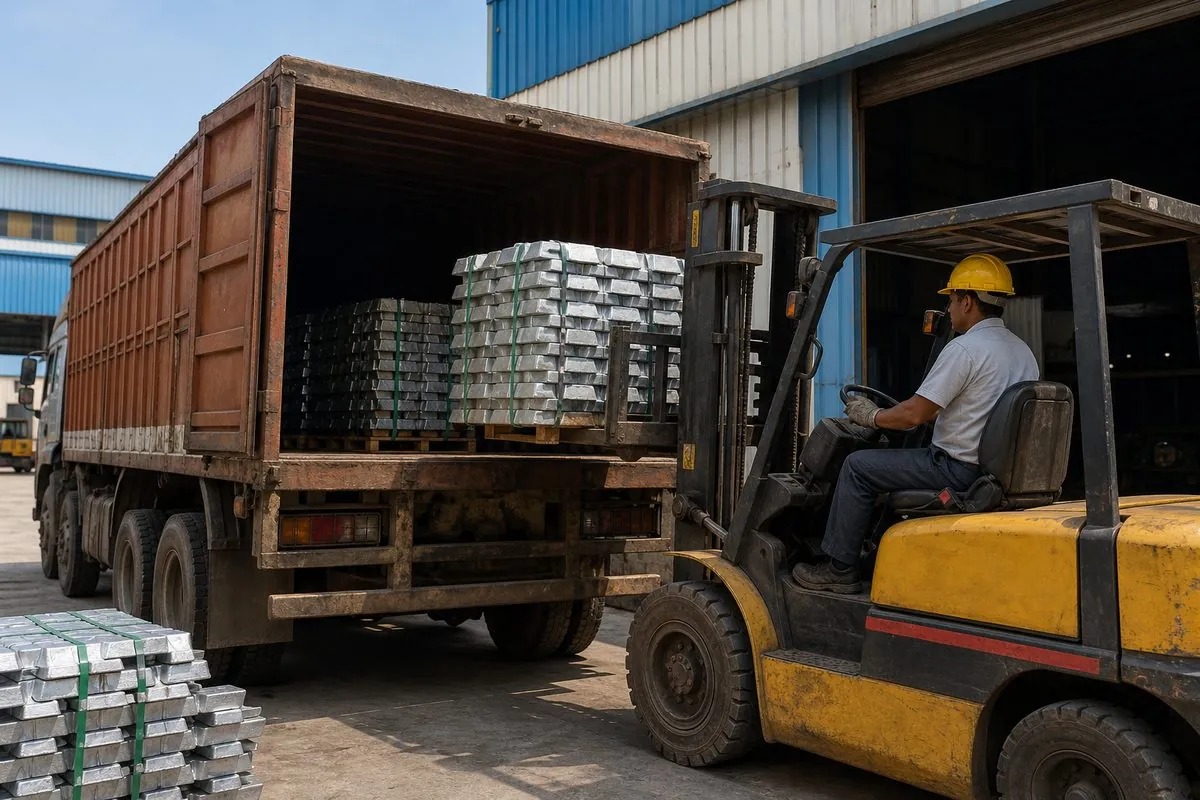
India's unwrought zinc export basket — Special High Grade (SHG) under HS 79011100, High Grade (HG) under 79011200, Continuous Galvanizing Grade (CGG), standard ~25 kg cast forms, and selected zinc alloy ingots under 79012010 / 79012090 — is anchored in Rajasthan's integrated zinc complex (Hindustan Zinc / Vedanta belts at Chanderiya, Debari, and Dariba) with merchant-exporter consolidation feeding west-coast load ports at Mundra, Kandla / Deendayal, Nhava Sheva (JNPT), Pipavav. India HS 790111 exports in 2024 totalled US$610,648.91K and 214,979,000 kg (~US$610.6M / ~215.0 kt) per WITS/UN Comtrade. Leading partners by value: Singapore, Thailand, Other Asia nes (commonly reported as Taiwan), UAE, Saudi Arabia, Indonesia, Malaysia, Nepal, Vietnam, and Korea. Treat as directional planning context — confirm with DGCI&S / ITC Trade Map / paid customs extracts before citing in contracts.
Not every zinc-importing country is equally accessible for a first Indian programme. A destination with strong galvanizing demand is not automatically the easiest place to land a first FCL if preferential duty is unavailable, if freight strings from Mundra or Kandla do not match buyer vessel windows, or if LME Asian delivery-point economics leave the Indian FOB + premium quote uncompetitive against regional alternatives. Market selection — ranking destinations by demand depth, duty, freight corridor reliability, and LME Asia / Middle East corridor fit — is the commercial gate before grade matrices or buyer prospecting tactics.
This guide ranks the best countries for Indian zinc ingot exports for manufacturers, merchant exporters, and trading desks deciding where to invest assay, inspection, and freight-relationship budget first. It owns destination ranking, duties, freight corridors, and LME Asia/Middle East corridor comparison. Per-country grade preference depth lives in Most Demanded Indian Zinc Ingot Grades by Country; buyer-development tactics live in Find International Buyers for Zinc Ingots; process and documentation live in How to Export Zinc Ingots from India and Zinc Ingot Export Documentation Checklist. International buyers should also read Source Zinc Ingots Directly from India.
Key Takeaways
Summary Box
Executive Summary
Summary Box
Exporting zinc ingots from India is a market-selection exercise layered on a production base that is genuinely concentrated: Rajasthan's integrated refined zinc capacity (Chanderiya (Rajasthan) — Hindustan Zinc smelter belt; Debari (Rajasthan); Dariba (Rajasthan)) plus merchant-exporter programmes that consolidate mill parcels for overseas buyers. The constraint for most new zinc exporters is rarely casting capacity — it is choosing which destination to invest MTC discipline, third-party assay relationships, and west-coast freight strings in first.
This guide scores eight priority destinations — Singapore, Thailand, Taiwan, United Arab Emirates, Saudi Arabia, Indonesia, Malaysia, Vietnam — against directional import demand, duty / preferential access, freight corridor transit and reliability from Mundra / Kandla / Deendayal / Nhava Sheva (JNPT) / Pipavav, and LME Asia / Middle East corridor economics. Singapore and the Gulf often win on liquidity and sailing frequency; ASEAN industrial markets win on galvanizing pull and FTA planning; Taiwan wins where assay and brand documentation depth is already strong.
The practical recommendation is to sequence markets rather than pursue all eight simultaneously: lock one Asia or Middle East corridor with repeatable FOB + premium quotes and clean document packs, then extend into adjacent LME delivery corridors once inspection and vessel-window discipline is proven — not simply promised on a sales call.
Market Size & Industry Overview
Key Statistics
India's refined zinc export economy sits inside Chapter 79 unwrought metal trade. Primary planning lines are HS 79011100 (unwrought zinc ≥99.99% Zn), 79011200 (<99.99% Zn), and 79012010 / 79012090 (zinc alloys, unwrought). Scrap under 79020010 / 79020090 is a contrast category only — do not mix scrap programmes into primary ingot market ranking. India HS 790111 exports in 2024 totalled US$610,648.91K and 214,979,000 kg (~US$610.6M / ~215.0 kt) per WITS/UN Comtrade. Leading partners by value: Singapore, Thailand, Other Asia nes (commonly reported as Taiwan), UAE, Saudi Arabia, Indonesia, Malaysia, Nepal, Vietnam, and Korea. Treat as directional planning context — confirm with DGCI&S / ITC Trade Map / paid customs extracts before citing in contracts.
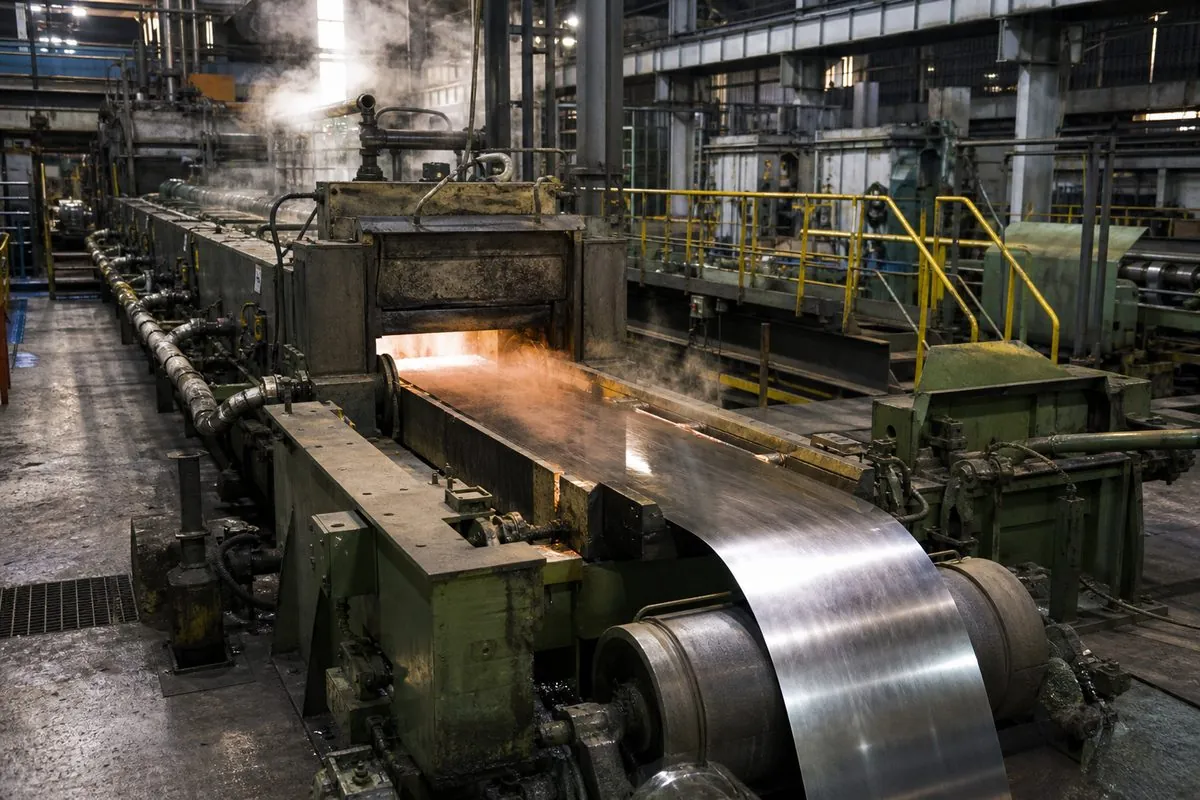
Production geography is unusually concentrated versus fragmented handicraft categories: Hindustan Zinc's Rajasthan smelter belt supplies the majority of exportable SHG/HG parcels, while merchant exporters and trading desks consolidate allocations for overseas galvanizers, die-casters, and regional metal traders. Load ports on India's west coast — Mundra, Kandla / Deendayal, Nhava Sheva (JNPT), Pipavav — connect inland Rajasthan origin to ASEAN and Gulf vessel strings.
EEPC India is the common export-promotion and RCMC credibility track for zinc metal / non-ferrous engineering exports. EEPC India RCMC is the common credibility and export-promotion track for zinc metal / non-ferrous engineering exports under Chapter 79. Confirm product-list fit with EEPC and your CHA before locking the RCMC route. Industry context for broader metal programmes sits under engineering goods.
Directional profile of India's zinc ingot export base
Swipe →
Data table — swipe horizontally on small screens
| Dimension | 2026 Snapshot | Market-Selection Implication |
|---|---|---|
| Directional 2024 HS 790111 scale | ~US$610M / ~215 kt | Treat as planning anchor; re-verify DGCI&S / ITC Trade Map before capacity bets |
| Core origin | Rajasthan HZL / Vedanta belts (Chanderiya, Debari, Dariba) | Inland logistics to west-coast ports shape FOB competitiveness |
| Primary HS lines | 79011100 / 79011200 / 79012010 / 79012090 | Confirm CHA classification per lot before shipping-bill filing |
| Council track | EEPC India RCMC | Buyer credibility signal — not a substitute for MTC or LME brand evidence |
| Pricing structure | LME cash or 3M ± regional premium, FOB named Indian port | Rank destinations on premium + freight + duty, not catalogue USD/MT |
| Trial / FCL MOQ | 5–25 MT trial; 20–25 MT (20ft) — verify bundle stow and payload | Match first-market choice to buyer parcel size and inspection budget |
| Load ports | Mundra, Kandla / Deendayal, Nhava Sheva (JNPT), Pipavav | Corridor frequency differs ASEAN vs Gulf strings |
| Top directional markets | Singapore, Thailand, Taiwan, United Arab Emirates, Saudi Arabia, Indonesia, Malaysia, Vietnam | Sequence entry rather than quoting all markets at once |
Export Statistics
Key Statistics
WITS/UN Comtrade reports India HS 79011100 exports of US$610,648.91K and 214,979,000 kg (~US$610.6M / ~215.0 kt) in 2024. Those figures are directional planning inputs for market sequencing — not contractual guarantees and not a substitute for paid customs extracts when you are sizing a multi-month galvanizer contract.
Within that basket, ASEAN industrial offtake and Middle East galvanizing / re-export corridors dominate first-wave Indian programmes. Singapore frequently appears both as a destination and as a regional liquidity hub; Thailand and Taiwan (WITS partner label: Other Asia, nes) contribute industrial and trading depth; UAE and Saudi Arabia anchor Gulf demand; Indonesia and Malaysia extend ASEAN galvanizing coverage; Nepal ranks ahead of Vietnam by 2024 value as a land-corridor partner; Vietnam remains a priority ocean ASEAN follow-on.
Directional Indian zinc ingot export profile (planning view)
Swipe →
Data table — swipe horizontally on small screens
| Metric | Directional Estimate | Notes |
|---|---|---|
| HS 790111 2024 value | US$610.6M | WITS/UN Comtrade — re-verify before citing in contracts |
| HS 790111 2024 volume | 215.0 kt | 214,979,000 kg; lot chemistry mix varies SHG vs HG |
| Primary product forms | SHG, HG, CGG, ~25 kg cast, selected alloys | See products guide for SKU depth |
| Origin concentration | Rajasthan integrated zinc complex | Merchant exporters consolidate mill parcels |
| Council / promotion | EEPC India | https://www.eepcindia.org/ |
| Leading partner cluster | Singapore, Thailand, Taiwan, UAE, Saudi | Directional partner set from trade extracts |
| ASEAN follow-on set | Indonesia, Malaysia, Vietnam | Strong galvanizing / industrial pull |
| Pricing basis | LME ± regional premium FOB India | Indicative planning structure only; confirm lot-specific FOB (LME reference + premium + packing + inspection) on quote date |
Import Statistics
Key Statistics
From the destination side, unwrought zinc enters under national HS/HTS Chapter 79 lines that map to India's 790111 / 790112 / 790120 breakouts. Importers include continuous galvanizing lines, general galvanizers, alloy producers, and regional metal traders who warehouse for re-sale into secondary markets. Public import tables rarely isolate "Indian origin only" at the SKU level — use India's export partner ranking as the practical first filter, then confirm destination import appetite with broker data and buyer offtake letters.
Duty notes are planning references only. Always verify live schedules (USITC HTS, TARIC, GCC, ASEAN FTA texts) before commercial quotes. ASEAN preferential planning: Many ASEAN destinations apply preferential or low MFN rates on unwrought zinc under FTA corridors — verify live tariff for HS 7901.11 / 7901.12 before quoting landed cost. Middle East planning: UAE and Saudi Arabia commonly import SHG for galvanizing and re-export; confirm GCC duty schedules and destination assay preferences per programme.
Directional destination roles for Indian zinc ingot programmes
Swipe →
Data table — swipe horizontally on small screens
| Market | Primary Buyer Type | Corridor Role | Duty Planning Note |
|---|---|---|---|
| Singapore | Traders, warehouses, industrial offtake | LME Asia liquidity / re-export node | Confirm MFN vs preferential on live schedule |
| Thailand | Galvanizers, industrial buyers | ASEAN industrial offtake | Many ASEAN destinations apply preferential or low MFN rates on unwrought zinc under FTA corridors — verify live tariff for HS 7901.11 / 7901.12 before quoting landed cost. |
| Taiwan | Industrial / trading desks | Assay- and MTC-sensitive programmes (WITS: Other Asia, nes) | Confirm local Chapter 79 duty live |
| UAE | Galvanizers, Gulf traders, re-export | West-coast India → Gulf fast cycle | UAE and Saudi Arabia commonly import SHG for galvanizing and re-export; confirm GCC duty schedules and destination assay preferences per programme. |
| Saudi Arabia | Galvanizing and industrial projects | Gulf industrial demand | Confirm GCC schedule per programme |
| Indonesia | Galvanizers, construction metal chain | ASEAN volume growth corridor | FTA / MFN verification mandatory |
| Malaysia | Industrial / trading offtake | ASEAN mid-haul from west India | Preferential corridor check |
| Vietnam | Galvanizing and manufacturing growth | ASEAN growth destination | Confirm HS 7901.11 / 7901.12 rates |

Product Categories / Variants
Summary Box
- Grade family
- SHG — Special High Grade (India HS 79011100: ≥99.99% Zn; LME SHG contract: min 99.995% Zn + approved brand — HS alone ≠ LME deliverability)
- Grade family
- HG — High Grade (~99.95% Zn; typically HS 79011200 when <99.99%)
- Grade family
- CGG — Continuous Galvanizing Grade (process-fit chemistry; map HS from assay)
- Grade family
- Jumbo / standard cast forms (~25 kg and mill-specific jumbo)
- Grade family
- Zinc alloy ingots (die-casting / specialty — India 79012010 / 79012090)
Market ranking should stay at corridor and channel level — not a full grade catalog. Still, exporters must know which product families each destination typically absorbs so quotes and inspection scopes match. Full SKU chemistry and cast-form depth lives in Top Zinc Ingot Products Exported from India; country × grade matrices live in Most Demanded Indian Zinc Ingot Grades by Country.
Zinc product families mapped to best-fit destination corridors
Swipe →
Data table — swipe horizontally on small screens
| Product Family | Indicative HS | Best-Fit Markets (directional) | Market Note |
|---|---|---|---|
| SHG / LME-brand programmes | 79011100 | Singapore, Taiwan, UAE, Thailand | Premium and brand evidence drive corridor choice |
| HG industrial parcels | 79011200 | Indonesia, Malaysia, Vietnam, Saudi | Volume galvanizing / industrial offtake |
| CGG continuous galvanizing | 79011100 / 79011200 (confirm) | Thailand, Indonesia, Vietnam, UAE | Chemistry windows matter more than brand story |
| Standard ~25 kg cast | 79011100 | All eight priority markets | ~25 kg standard cast ingots (confirm mill cast form; LME SHG rules: ingots not more than 30 kg) |
| Zinc alloy ingots | 79012010 / 79012090 | Taiwan, Singapore, selected ASEAN | Separate alloy RFQ from SHG commodity parcels |
| Merchant consolidated lots | 790111 / 790112 mix | UAE, Singapore traders | Document heat identity carefully |
Manufacturing Overview
Export Tip
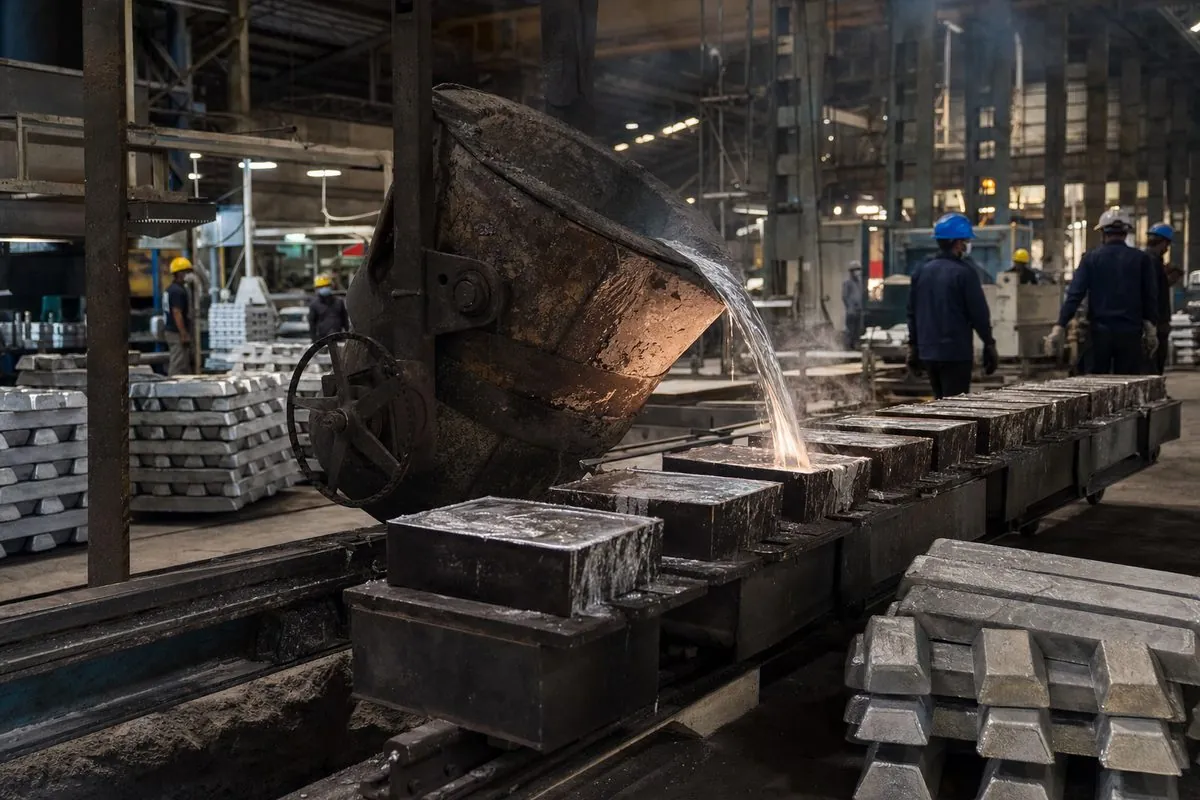
Refined zinc for export is produced in integrated Rajasthan complexes — Chanderiya (Rajasthan) — Hindustan Zinc smelter belt, Debari (Rajasthan), Dariba (Rajasthan) — then cast into mill forms (commonly ~25 kg ingots), bundled, tagged by heat/cast, and staged for west-coast stuffing. Merchant exporters (Merchant-exporter consolidation programmes (west-coast ports)) bridge mill allocation calendars and overseas buyer windows.
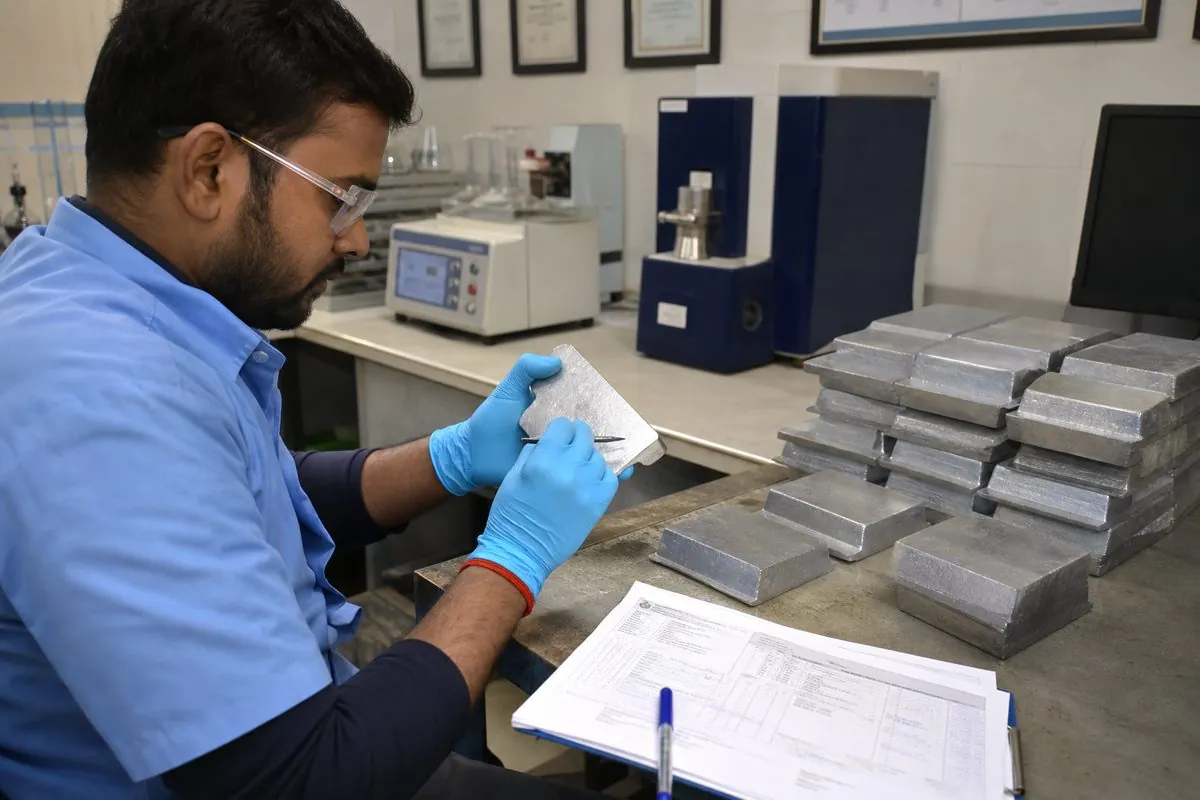
For market selection, manufacturing facts matter insofar as they affect lead time and corridor reliability: stock SHG/HG parcels typically move faster than custom alloy chemistry with third-party inspection. Lead-time planning anchors: sample / assay lots where offered in 7–14 days for sample / assay lots where offered; stock grades 1–3 weeks typical for stock SHG/HG parcels after allocation; custom alloy / inspection programmes 3–6+ weeks for custom alloy chemistry and third-party inspection programmes.
Origin-to-port manufacturing gates that affect destination choice
Swipe →
Data table — swipe horizontally on small screens
| Gate | Typical Control | Destination Impact |
|---|---|---|
| Mill allocation | SHG/HG/CGG chemistry window | Determines whether Singapore brand programmes or ASEAN industrial lots fit |
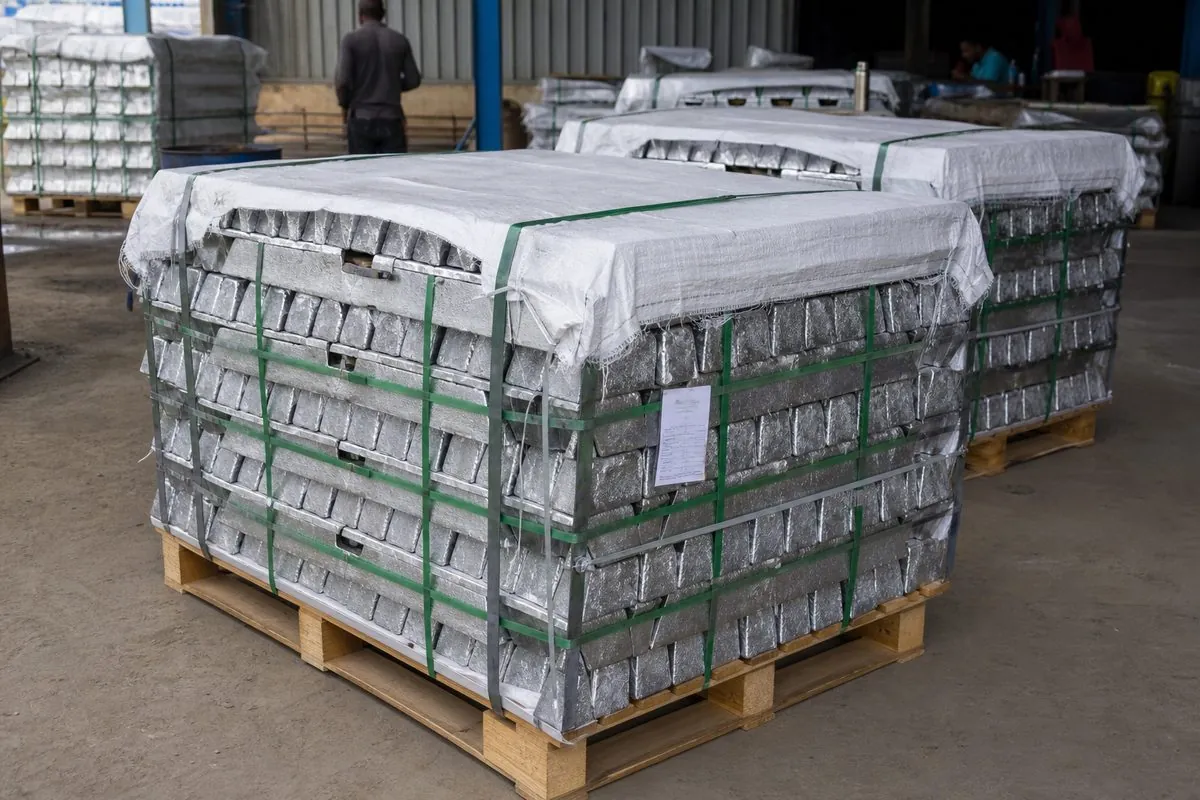
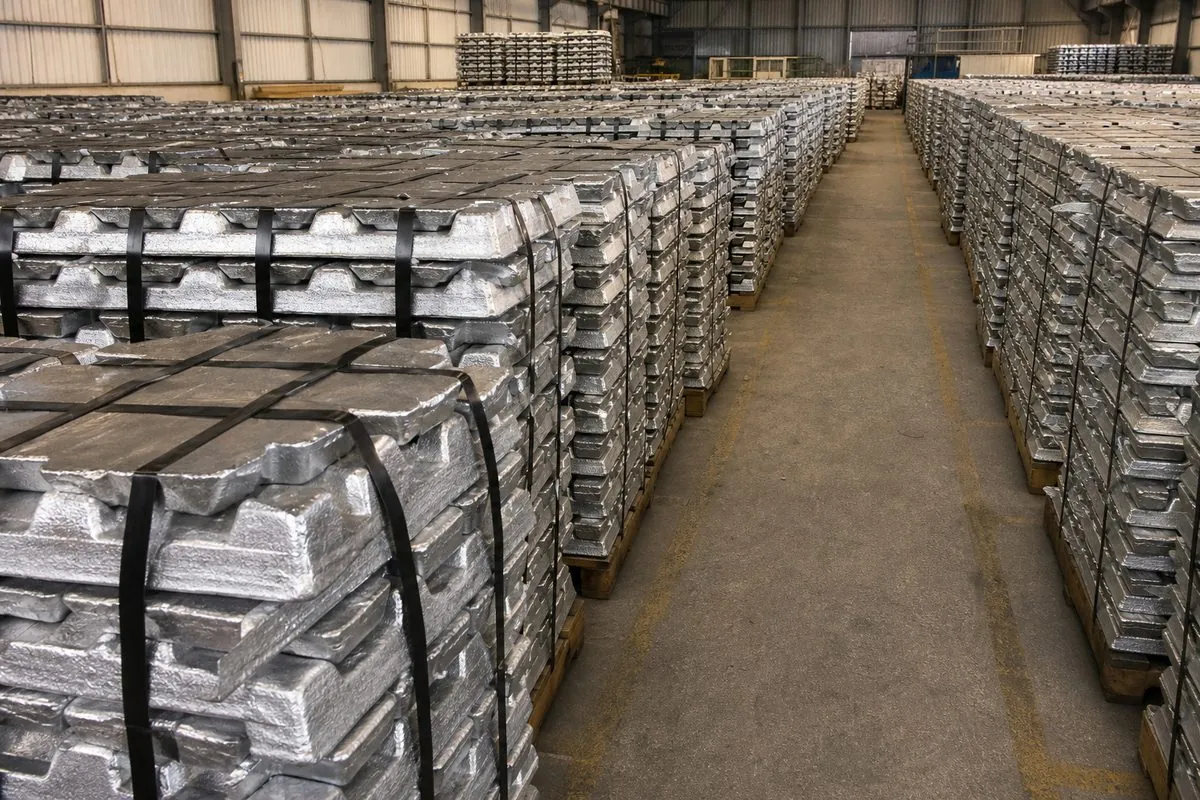
| Casting / bundling | Strapped bundles often ~1–1.125 MT (~45 ingots) on wooden pallets or mill bundling — within LME SHG warrant max of 1.5 tonnes per bundle where LME programmes apply | Affects FCL payload planning for all markets |
| MTC release | Heat/cast chemistry identity | Critical for Taiwan and LME-sensitive Singapore desks |
| Third-party assay | SGS / BV / Intertek as specified | Adds days — plan around Gulf and ASEAN vessel cut-offs |
| Inland haul | Rajasthan → Mundra / Kandla / Pipavav / JNPT | Port choice changes ASEAN vs Gulf sailing options |
| Stuffing / weather protection | Weather protection against white rust / oxidation during ocean transit | White-rust risk on longer ocean legs |
Pricing Analysis
Buyer Tip
Zinc is not a static catalogue commodity. Commercial quotes follow LME cash or 3M ± regional premium, FOB named Indian port. SHG / LME-brand programmes typically command tighter premiums than non-brand HG; CGG and alloy chemistry add separate premium layers Indicative planning structure only; confirm lot-specific FOB (LME reference + premium + packing + inspection) on quote date
When ranking destinations, compare the full commercial stack: LME reference date, regional premium, packing and inspection, inland to named FOB port, ocean freight to destination, insurance, and duty / preferential margin. A lower FOB premium into a high-duty market can lose to a slightly higher premium into an FTA corridor with reliable sailings.
Landed-cost layers for destination ranking (indicative structure)
Swipe →
Data table — swipe horizontally on small screens
| Cost Layer | How It Moves by Market | Exporter Action |
|---|---|---|
| LME cash / 3M reference | Global — same print, different quote dates | Lock reference date and settlement rule in offer |
| Regional premium | Tighter for LME-brand SHG; wider for non-brand HG | Separate Singapore brand quotes from ASEAN industrial quotes |
| Packing / tagging | Lot / heat / cast tagging; brand marks for LME-registered programmes | Include in FOB — do not hide as afterthought |
| Third-party inspection | Higher for assay-sensitive Taiwan / brand programmes | Budget days and fees into CFR/CIF offers |
| Ocean freight | Gulf short-haul vs ASEAN mid-haul vs Taiwan strings | Refresh forwarder quotes per sailing window |
| Duty / FTA | ASEAN preferential vs GCC MFN schedules | Broker-verify before competitive bids |
| Working capital / LC | Trader hubs vs end-user galvanizers differ | Match payment terms to buyer type per market |
| Claims allowance | White rust / weight dispute risk rises with longer transit | Specify weather protection and weight protocol |
MOQ Analysis
Buyer Tip
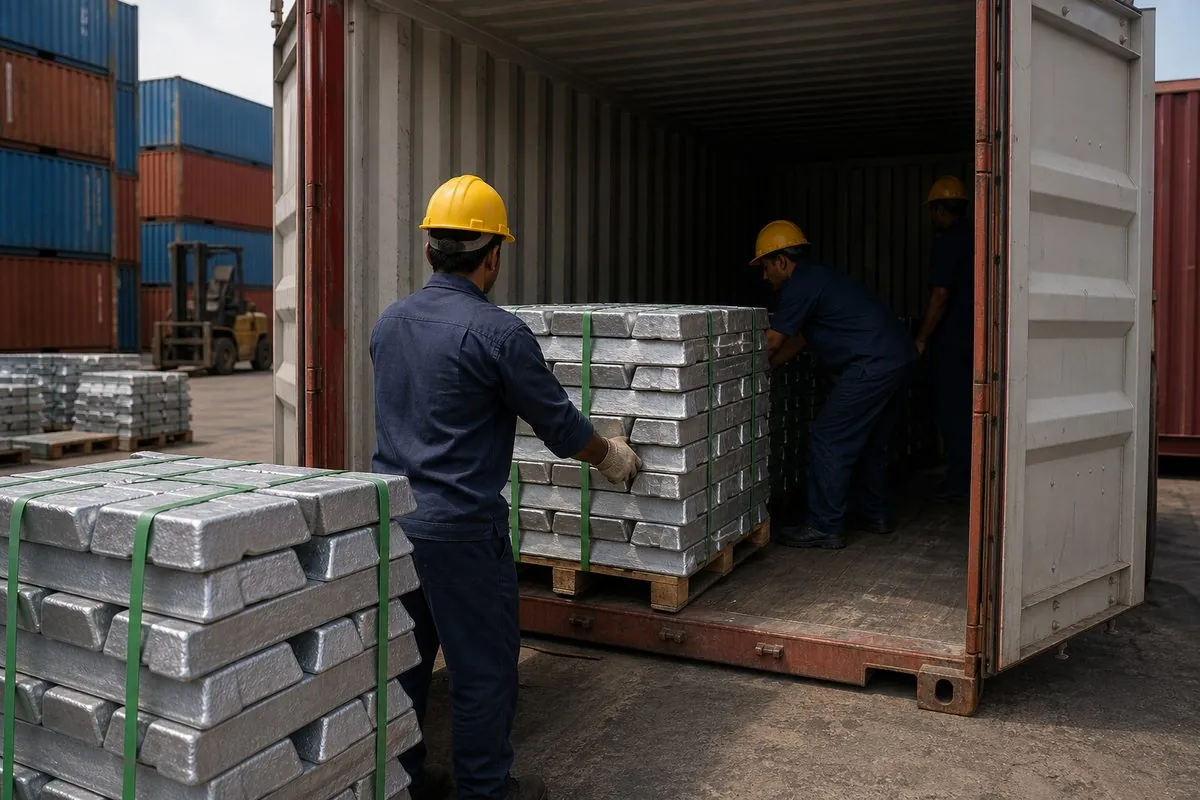
MOQ strategy should follow market channel, not a single global number. Trial parcels often sit at 5–25 MT; standard wholesale FCL planning targets 20–25 MT (20ft) — verify bundle stow and payload. Monthly MT contracts for galvanizers and traders Container targets depend on ~25 kg ingot / ~1–1.125 MT bundle dimensions and max payload; treat as indicative commercial practice, not a statutory limit.
Singapore and UAE trading desks may accept smaller exploratory parcels if assay and brand evidence are clean. ASEAN galvanizers often prefer FCL-scale continuity once chemistry is approved. Saudi industrial projects may move on monthly MT contracts after a successful trial.
MOQ posture by destination channel (directional)
Swipe →
Data table — swipe horizontally on small screens
| Market Channel | Typical First Parcel | Scale Path | Note |
|---|---|---|---|
| Singapore trader / warehouse | 5–25 MT trial | Repeat FCL / multi-parcel month | Liquidity favors flexible sizing |
| Thailand galvanizer | 1×20ft ~20–25 MT | Monthly MT contract | Chemistry window lock first |
| Taiwan industrial desk | Trial with assay protocol | Programme parcels | Inspection scope drives MOQ timing |
| UAE galvanizer / trader | Trial or FCL | Gulf repeat sailings | Fast Mundra/Kandla cycle helps |
| Saudi industrial | Trial then monthly MT | Project / plant offtake | Documentation depth critical |
| Indonesia / Malaysia / Vietnam galvanizers | FCL preferred after sample | ASEAN continuity contracts | FTA paperwork readiness |
Packaging Standards
Export Tip
Packaging is a corridor reliability issue, not cosmetics. Export zinc commonly ships as ~25 kg standard cast ingots (confirm mill cast form; LME SHG rules: ingots not more than 30 kg), unitised as Strapped bundles often ~1–1.125 MT (~45 ingots) on wooden pallets or mill bundling — within LME SHG warrant max of 1.5 tonnes per bundle where LME programmes apply. Lot / heat / cast tagging; brand marks for LME-registered programmes Weather protection against white rust / oxidation during ocean transit
Longer ASEAN and Taiwan ocean legs increase white-rust and identity-loss risk if bundling and weather protection are weak. Gulf short-haul programmes still require lot tagging discipline because re-export traders split parcels quickly after discharge.
Packaging controls that affect destination acceptance
Swipe →
Data table — swipe horizontally on small screens
| Control | Standard Expectation | Markets Most Sensitive |
|---|---|---|
| Ingot mass | ~25 kg standard cast (confirm mill form) | All markets — stow planning |
| Bundle mass | ~1–1.125 MT strapped | FCL programmes ASEAN & Gulf |
| Heat / cast tags | Readable lot identity on bundle | Taiwan, Singapore brand desks |
| Brand marks | LME-registered programmes where claimed | Singapore, selected UAE/Taiwan |
| Weather protection | Against white rust / oxidation | Longer ASEAN / Taiwan legs |
| Pallet / mill bundling | Stable for forklift and stuffing | All west-coast load ports |
Container Loading Details
Export Tip
FCL planning for zinc typically targets about 20–25 MT in a 20ft subject to bundle dimensions and max payload. Container targets depend on ~25 kg ingot / ~1–1.125 MT bundle dimensions and max payload; treat as indicative commercial practice, not a statutory limit. Mixed-heat stuffing without packing-list discipline creates assay disputes at destination — especially in trader hubs that re-sell split lots.
Bulk or break-bulk options appear on larger industrial programmes but are outside most first-parcel sequencing. For market ranking, assume FCL discipline unless the buyer explicitly contracts otherwise.
Indicative stuffing planning by corridor
Swipe →
Data table — swipe horizontally on small screens
| Shipment Mode | Typical Use | Corridor Fit | Risk If Mishandled |
|---|---|---|---|
| 20ft FCL ~20–25 MT | Standard wholesale trial / repeat | All eight priority markets | Payload vs bundle geometry miscalc |
| Multi-FCL monthly | Galvanizer continuity | Thailand, Indonesia, Vietnam, Saudi | Allocation slippage vs vessel window |
| Trader hub split lots | Singapore / UAE warehouse programmes | Re-export liquidity markets | Heat identity loss after discharge |
| Inspection-held stuffing | Assay before vessel cut-off | Taiwan, LME-sensitive Singapore | Missed sailing → demurrage / storage |
Shipping Methods
Export Tip
Common Incoterms for Indian zinc programmes: EXW mill / warehouse; FOB Mundra / Kandla / Nhava Sheva / Pipavav; CFR / CIF major destination ports; DDP (selected industrial programmes only). First-market sequencing usually starts FOB named west-coast port or CFR/CIF major destination ports once freight relationships are stable.
Corridor choice is the heart of this post: Mundra and Kandla frequently favor Gulf strings into UAE and Saudi Arabia; ASEAN destinations draw on Mundra, Pipavav, and Nhava Sheva depending on allocation and carrier loops; Taiwan programmes need explicit cut-off planning around assay release.
West-coast India freight corridor snapshot (planning)
Swipe →
Data table — swipe horizontally on small screens
| Load Port | Strong Destination Fit | Planning Note |
|---|---|---|
| Mundra | UAE, Saudi, selected ASEAN | High sailing frequency for Gulf; confirm ASEAN loops |
| Kandla / Deendayal | Gulf industrial / trader programmes | Competitive for Middle East short-haul |
| Nhava Sheva (JNPT) | ASEAN, Taiwan, mixed strings | Useful when allocation or carrier favors JNPT |
| Pipavav | Selected west-coast programmes | Verify carrier acceptance for zinc metal |
Certifications
Compliance Notes
Destination markets do not treat certificates equally. LME brand evidence and deep MTC chemistry matter more in Singapore and Taiwan brand-sensitive programmes; industrial ASEAN galvanizers may prioritize chemistry windows and third-party weight/assay over brand storytelling. EEPC RCMC supports exporter credibility — it does not certify zinc purity.
Certification and evidence expectations by corridor (directional)
Swipe →
Data table — swipe horizontally on small screens
| Evidence | Typical Requirement | Markets Emphasizing It |
|---|---|---|
| Mill Test Certificate | Mill Test Certificate (MTC) with chemistry and heat/cast identity | Singapore, Taiwan, UAE brand desks |
| LME brand evidence | LME brand registration evidence for SHG programmes | Singapore, selected Taiwan / UAE programmes |
| Third-party assay / weight | Third-party assay and weight (SGS / Bureau Veritas / Intertek as specified) | Taiwan, LME-sensitive Singapore, large industrial POs |
| ISO 9001 systems | ISO 9001 (producer / exporter quality system) | All industrial programmes (KYC support) |
| Certificate of Origin | Certificate of Origin | ASEAN FTA corridors especially |
| Commercial set (invoice / PL / B/L) | Commercial invoice, packing list, bill of lading / sea waybill | All export markets |
| EEPC RCMC | EEPC India membership / RCMC | Buyer KYC across corridors |
Buyer Requirements
Buyer Requirements
Across the eight priority markets, buyers converge on a short list of non-negotiables even when grade preferences diverge: named HS intent, written chemistry limits, heat/cast identity on MTC, agreed assay and weighing protocol, clear Incoterm and LME reference rule, and packing that survives ocean transit without white-rust disputes.
Where markets diverge is in documentation depth and payment culture — trader hubs move faster on clean papers and flexible parcels; end-user galvanizers move slower but reward chemistry continuity. Do not invent a single "Asia RFQ" that pretends those channels are identical.
Cross-market buyer requirements checklist
Swipe →
Data table — swipe horizontally on small screens
| Requirement | Why It Matters | Failure Mode |
|---|---|---|
| HS line confirmation | 790111 vs 790112 vs 790120 duty and docs | Customs hold / duty surprise |
| MTC heat/cast match | Assay disputes and re-sale identity | Rejection or price claim |
| LME reference + premium rule | Price transparency | Settlement argument after loading |
| Inspection scope in PO | Assay/weight before or at stuffing | Missed cut-off or unusable certificate |
| Incoterm named place | Risk transfer clarity | Freight and insurance gaps |
| Weather protection spec | White-rust control | Arrival quality claim |
Country-wise Opportunities
Market Snapshot
The following country notes rank commercial opportunity for Indian zinc ingot exporters by demand role, duty/freight posture, and LME Asia / Middle East corridor fit. They intentionally stop short of the full grade-preference matrix owned by the demand-by-country post.
Country scorecard for Indian zinc ingot market entry (directional)
Swipe →
Data table — swipe horizontally on small screens
| Market | Demand Depth | Duty / FTA Ease | Freight Fit from West India | LME / Docs Sensitivity | Suggested Entry Order |
|---|---|---|---|---|---|
| Singapore | High | Moderate | High | High | 1–2 |
| UAE | High | Moderate | Very high | Medium–High | 1–2 |
| Thailand | High | High (if FTA ready) | High | Medium | 2–3 |
| Saudi Arabia | High | Moderate | High | Medium–High | 3 |
| Taiwan | Medium–High | Moderate | Medium–High | Very high | 3–4 |
| Indonesia | High growth | High (if FTA ready) | High | Medium | 3–4 |
| Malaysia | Medium–High | High (if FTA ready) | High | Medium | 4 |
| Vietnam | High growth | Verify live | High | Medium | 4–5 |
Singapore
Singapore is often the first market serious Indian zinc desks learn to serve well: trader liquidity, warehouse programmes, and LME-linked Asian price discovery sit alongside physical offtake. Opportunity is highest for clean SHG parcels with MTC discipline and predictable Mundra/JNPT sailings. Duty is rarely the binding constraint compared with assay credibility and on-time document release.
Thailand
Thailand represents core ASEAN galvanizing and industrial demand. Indian exporters who can hold chemistry windows for CGG/HG programmes and quote with FTA-aware landed-cost logic compete effectively. Freight planning should lock west-coast strings early; preferential duty verification is mandatory before aggressive bids.
Taiwan
Taiwan programmes reward exporters who treat inspection as part of production — not an afterthought. Industrial and trading buyers scrutinize MTC depth and third-party assay. Opportunity favors suppliers already fluent in LME-brand or high-purity documentation; see also LME-Registered SHG and Galvanizing-Grade Zinc Export Opportunities.
United Arab Emirates
UAE combines Gulf galvanizing demand with re-export trading. West-coast India short-haul via Mundra and Kandla is a structural advantage. Opportunity is strong for both industrial parcels and trader programmes — provided heat identity survives warehouse splitting after discharge.
Saudi Arabia
Saudi Arabia's industrial and infrastructure galvanizing pull supports monthly MT contracts after successful trials. Compliance and documentation seriousness is higher than opportunistic trader parcels. Sequence Saudi after you can already execute clean Gulf FCL cycles into UAE or similar.
Indonesia
Indonesia offers ASEAN volume growth for galvanizing and construction-linked metal demand. Competitive quotes require live FTA/MFN checks and reliable FCL stuffing. Treat Indonesia as a continuity market — not a one-off dumping ground for odd lots.
Malaysia
Malaysia sits as a mid-haul ASEAN industrial and trading destination. Opportunity is solid for exporters already serving Thailand or Singapore who can extend chemistry-approved programmes with modest incremental compliance cost.
Vietnam
Vietnam's manufacturing and galvanizing growth makes it a priority follow-on ASEAN market. Indian exporters win when they combine competitive LME+premium offers with predictable lead times and clear HS documentation. Confirm Chapter 79 duty live before promising landed-cost leadership.
Sourcing Checklist
Checklist
Use this dual checklist when converting market ranking into an executable first-corridor programme. Buyers and exporters fail for different reasons — list both explicitly.
Exporter Checklist
Compliance Checklist
Common Buyer Mistakes
Common Mistakes Box
Even well-capitalized importers mis-sequence Indian zinc market entry. The failures below are destination-selection mistakes — not mill metallurgy essays.
Common destination-selection mistakes and corrections
Swipe →
Data table — swipe horizontally on small screens
| Mistake | Why It Hurts | Better Approach |
|---|---|---|
| Choosing a market only on lowest duty | Ignores freight, assay, and premium stack | Rank full landed cost by corridor |
| Treating Singapore and Vietnam as identical RFQs | Trader hub ≠ galvanizer continuity | Separate channel templates |
| Skipping FTA document readiness for ASEAN | Preferential margin evaporates at clearance | COO / origin process before bid |
| Ignoring west-coast port choice | Missed Gulf or ASEAN strings | Name Mundra/Kandla/JNPT/Pipavav in plan |
| Using stale LME prints in market comps | False competitiveness | Always date the LME reference |
| Entering Taiwan without inspection buffer | Vessel cut-off failures | Build assay days into lead time |
Future Market Trends
Key Statistics
Looking ahead, Indian zinc exporters should expect tighter scrutiny of LME brand claims, more ASEAN buyers asking for FTA-ready origin packs at RFQ stage, and continued Gulf industrial demand tied to infrastructure and galvanizing intensity. Merchant-exporter consolidation will remain important for overseas buyers who cannot take mill-direct allocation risk.
Digital trade-data prospecting will expand — but destination ranking still starts with corridor economics, not inbox volume. Pair this market guide with Find International Buyers for Zinc Ingots only after you can execute one corridor cleanly.
Forward-looking corridor trends (directional)
Swipe →
Data table — swipe horizontally on small screens
| Trend | Markets Most Affected | Exporter Response |
|---|---|---|
| Assay / brand documentation depth | Singapore, Taiwan | Invest MTC + third-party protocol early |
| FTA-aware ASEAN bidding | Thailand, Indonesia, Malaysia, Vietnam | Origin process before competitive tenders |
| Gulf industrial continuity contracts | UAE, Saudi Arabia | Monthly MT planning vs spot-only selling |
| West-coast sailing competition | All eight markets | Multi-port optionality Mundra/Kandla/JNPT/Pipavav |
| Premium transparency vs LME | Trader hubs especially | Publish reference rules in every offer |
Conclusion
The best countries for Indian zinc ingot exports in 2026 cluster around Asia and the Middle East: Singapore, Thailand, Taiwan, United Arab Emirates, Saudi Arabia, Indonesia, Malaysia, Vietnam. Rank them by demand role, duty and preferential access, west-coast freight fit, and LME corridor documentation — not by a single headline import number.
Sequence entry: prove one ASEAN or Gulf corridor with clean HS 79011100/79011200 execution, then expand. Keep grade matrices and lead-gen playbooks in their own posts. Work with Altus Exports as your merchant exporter and global sourcing partner for zinc ingots — verified Indian mill parcels, MTC-backed lots, LME/SHG programme coordination, export documentation, and FCL booking from inquiry to shipment.
Ready to prioritise markets and execute FCL programmes? Work with Altus Exports as your merchant exporter, export products from India partner, or global sourcing partner — and contact us to map your first corridor.
Sources
- WITS / UN Comtrade — India exports HS 790111 by partner, 2024
- UN Comtrade Database
- ITC Trade Map
- DGFT (India) — IEC / trade portal
- ICEGATE — Indian Customs EDI
- India CBIC / Customs Tariff — Chapter 79 Zinc
- EEPC India
- London Metal Exchange — Zinc
- LME Special Contract Rules — SHG Zinc chemical composition
- USITC Harmonized Tariff Schedule (search 7901.11.00)
- European Commission TARIC
- Hindustan Zinc — Zinc products
- HZL Integrated Report FY2024-25 — Zinc operational performance
- Vedanta FY25 Segment Review — Zinc India
- ISO 9001 overview
- Altus Exports — Engineering Goods
All sources accessed 2026-07-26. Prefer primary government, exchange, and multilateral trade databases when citing figures in contracts or buyer presentations.