EEPC Registration Benefits for Zinc Ingot Exporters
By Saurabh Mittal, Founder, Altus Exports
A practical guide to EEPC India registration for zinc ingot exporters — why RCMC matters for Chapter 79 unwrought zinc, who should apply, step-by-step RCMC application, fair and buyer-meet access, and how council credentials build buyer credibility without replacing Mill Test Certificates or LME brand evidence.
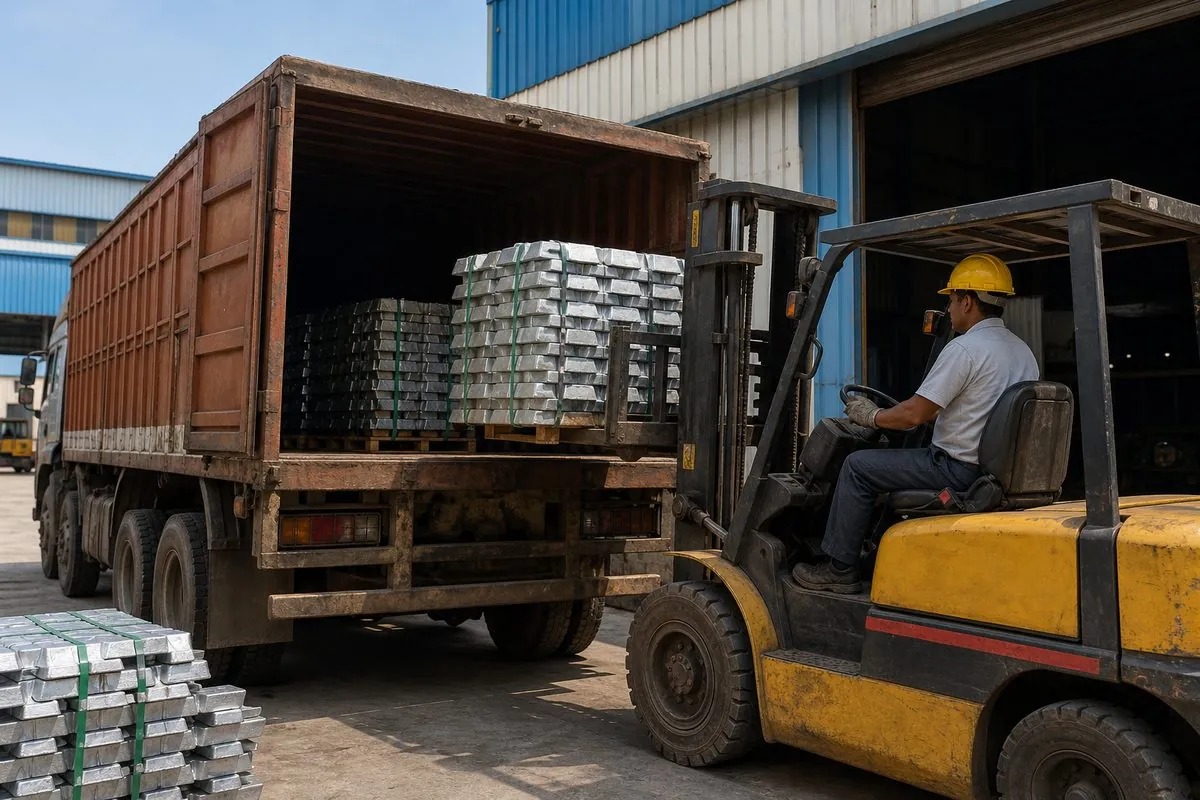
For Indian exporters of zinc ingots — Special High Grade (SHG), High Grade (HG), Continuous Galvanizing Grade (CGG), jumbo cast forms, and zinc alloy ingots — institutional credentials sit beside chemistry in every serious buyer conversation. Overseas galvanizers and metals traders in Singapore, Thailand, Taiwan, United Arab Emirates, Saudi Arabia, Indonesia, Malaysia, Vietnam routinely ask for IEC evidence, GST identity, and an EEPC India Registration-cum-Membership Certificate (RCMC) before they allocate assay slots or open a trial parcel under HS 79011100, 79011200, or 79012010 / 79012090.
EEPC India RCMC is the common credibility and export-promotion track for zinc metal / non-ferrous engineering exports under Chapter 79. Confirm product-list fit with EEPC and your CHA before locking the RCMC route. This guide owns the EEPC / RCMC application pathway, membership benefits, fair access, and buyer-credibility framing for zinc metal exporters. It does not own the full shipment document pack — see Zinc Ingot Export Documentation Checklist — and it does not own LME brand technical pathways — see LME-Registered SHG and Galvanizing-Grade Zinc Export Opportunities.
Refined zinc for export is concentrated in Rajasthan's integrated belt (Chanderiya (Rajasthan) — Hindustan Zinc smelter belt; Debari (Rajasthan); Dariba (Rajasthan); Merchant-exporter consolidation programmes (west-coast ports)), with ocean exit typically through Mundra, Kandla / Deendayal, Nhava Sheva (JNPT), Pipavav. India HS 790111 exports in 2024 totalled US$610,648.91K and 214,979,000 kg (~US$610.6M / ~215.0 kt) per WITS/UN Comtrade. Leading partners by value: Singapore, Thailand, Other Asia nes (commonly reported as Taiwan), UAE, Saudi Arabia, Indonesia, Malaysia, Nepal, Vietnam, and Korea. Treat as directional planning context — confirm with DGCI&S / ITC Trade Map / paid customs extracts before citing in contracts. Pair this council guide with How to Export Zinc Ingots from India for process sequencing, Source Zinc Ingots Directly from India for buyer-side verification, and Trade Shows and B2B Marketplaces for Zinc Ingot Exporters for fair ROI planning. Always confirm live portal workflows and product-list fit on eepcindia.org and dgft.gov.in before filing.
Key Takeaways
Summary Box
Executive Summary
Summary Box
Indian zinc ingots exports succeed when three layers move together: mill or merchant allocation from the Rajasthan HZL belt, documentary discipline (invoice, packing list, MTC, COO, shipping bill), and institutional identity (IEC + EEPC RCMC). Buyers in Singapore trading hubs, Thai and Vietnamese galvanizing lines, Taiwan industrial desks, and UAE/Saudi re-export or infrastructure programmes treat the council layer as a filter — not as a purity certificate.
India HS 790111 exports in 2024 totalled US$610,648.91K and 214,979,000 kg (~US$610.6M / ~215.0 kt) per WITS/UN Comtrade. Leading partners by value: Singapore, Thailand, Other Asia nes (commonly reported as Taiwan), UAE, Saudi Arabia, Indonesia, Malaysia, Nepal, Vietnam, and Korea. Treat as directional planning context — confirm with DGCI&S / ITC Trade Map / paid customs extracts before citing in contracts. That scale attracts both genuine industrial importers and opportunistic intermediaries. EEPC membership does not eliminate KYC work, but it shortens the first credibility conversation: a metals buyer who sees IEC, GSTIN, and a current RCMC aligned to non-ferrous / engineering product lists is more willing to request a heat-specific MTC and discuss LME±premium FOB terms.
This guide walks what EEPC is, who should register for zinc programmes, benefits and fair access, the application sequence, and how council credentials sit beside (not instead of) assay evidence. Pricing, MOQ, packaging, and destination snapshots are included so exporters can brief membership in commercial context — without turning this post into a document-field template or an LME specialty contract playbook.
Market Size & Industry Overview
Key Statistics
Global unwrought zinc trade is priced against the London Metal Exchange, with regional premiums layered on FOB named ports. India participates as a refined-metal origin through Hindustan Zinc's integrated Rajasthan complex — Chanderiya, Debari, and Dariba — and through merchant exporters who consolidate mill parcels for overseas galvanizers and traders. India HS 790111 exports in 2024 totalled US$610,648.91K and 214,979,000 kg (~US$610.6M / ~215.0 kt) per WITS/UN Comtrade. Leading partners by value: Singapore, Thailand, Other Asia nes (commonly reported as Taiwan), UAE, Saudi Arabia, Indonesia, Malaysia, Nepal, Vietnam, and Korea. Treat as directional planning context — confirm with DGCI&S / ITC Trade Map / paid customs extracts before citing in contracts.
Directional top partners — Singapore, Thailand, Taiwan, United Arab Emirates, Saudi Arabia, Indonesia, Malaysia, Vietnam — buy a mix of LME-literate SHG programmes, industrial HG / CGG feedstock, and specialty alloy chemistry. Market selection methodology belongs in Best Countries for Indian Zinc Ingot Exports; country×grade demand detail belongs in Most Demanded Indian Zinc Ingot Grades by Country. This section only frames why council registration matters inside that trade.
Institutionally, zinc metal sits under engineering / non-ferrous export promotion rather than food, textile, or handicraft councils. Exporters who mis-route RCMC applications waste weeks; exporters who hold EEPC RCMC but cannot produce a matching MTC still fail industrial audits. Treat membership as the credibility door, not the chemistry proof.
Zinc metal export context for EEPC registration planning
Swipe →
Data table — swipe horizontally on small screens
| Dimension | Zinc-specific anchor | EEPC relevance |
|---|---|---|
| Primary HS lines | 79011100 / 79011200 / 79012010 / 79012090 | RCMC product declaration should match these Chapter 79 lines |
| Directional trade scale | ~US$610M / ~215 kt HS 790111 (2024 aggregates) | Use for capacity briefing — re-verify before contracts |
| Production clusters | Chanderiya (Rajasthan) — Hindustan Zinc smelter belt; Debari (Rajasthan); Dariba (Rajasthan); Merchant-exporter consolidation programmes (west-coast ports) | Manufacturer vs merchant-exporter profile affects application evidence |
| Load ports | Mundra, Kandla / Deendayal, Nhava Sheva (JNPT), Pipavav | Fair and buyer-meet follow-ups often ask named FOB port |
| Pricing structure | LME cash or 3M ± regional premium, FOB named Indian port | Council credential ≠ price authority; quote LME±premium live |
| Council | EEPC India — Engineering Export Promotion Council of India | Primary RCMC track for zinc metal / engineering exports |
What Is EEPC India and Why It Matters for Zinc Ingot Exporters
EEPC India is India's apex export promotion council for engineering goods, including non-ferrous metal programmes that cover unwrought zinc under Chapter 79. It facilitates Registration-cum-Membership Certificates, market development support, buyer-seller meets, and participation frameworks for domestic and overseas engineering / metals events. For zinc exporters, EEPC is the institutional home that overseas procurement teams recognise when they ask, "Are you a registered Indian engineering exporter?"
EEPC does not smelt zinc, issue Mill Test Certificates, or register LME brands. Those proofs remain with producers, merchant exporters' assay packs, and brand owners. What EEPC does provide is a government-recognised membership identity that supports organised export documentation pathways, scheme facilitation where RCMC is referenced, and structured commercial access to buyers who prefer council-vetted directories over anonymous marketplace listings.
Commercially, that matters because zinc is a high-value, assay-sensitive commodity. A Singapore trader or Thai galvanizer evaluating a first 20–25 MT FCL will often reject soft credentials faster than they reject a slightly wider premium — because documentary risk and allocation risk dominate early relationships. Holding a current RCMC is the minimum institutional signal that you operate inside India's organised export system.
Export Statistics
Key Statistics
Export statistics for unwrought zinc should be read on the correct HS lines. SHG primary metal typically screens under HS 7901.11 / India 79011100; HG and related non-alloyed metal under 7901.12 / 79011200; unwrought alloys under 7901.20 / 79012010 / 79012090. Scrap under 79020010 / 79020090 is a contrast line only — do not present scrap aggregates as refined ingot exports when briefing EEPC product scope or buyer KYC packs.
India HS 790111 exports in 2024 totalled US$610,648.91K and 214,979,000 kg (~US$610.6M / ~215.0 kt) per WITS/UN Comtrade. Leading partners by value: Singapore, Thailand, Other Asia nes (commonly reported as Taiwan), UAE, Saudi Arabia, Indonesia, Malaysia, Nepal, Vietnam, and Korea. Treat as directional planning context — confirm with DGCI&S / ITC Trade Map / paid customs extracts before citing in contracts. Destination concentration among Singapore, Thailand, Taiwan, UAE, and Saudi Arabia explains why EEPC fair calendars and buyer meets that attract ASEAN and Middle East metals desks are disproportionately useful for zinc programmes — provided you arrive with MTC samples and named-port FOB language, not only a membership certificate.
Directional zinc export metrics for EEPC-aligned planning
Swipe →
Data table — swipe horizontally on small screens
| Metric | Directional figure / note | Planning use |
|---|---|---|
| India HS 790111 export value | ~US$610M (2024 aggregates) | Brief buyers on category scale — re-verify live |
| India HS 790111 export quantity | ~215 kt (2024 aggregates) | Capacity and allocation conversations |
| Leading partners (directional) | Singapore, Thailand, Taiwan, United Arab Emirates, Saudi Arabia | Prioritise EEPC meet follow-ups by lane |
| ASEAN growth partners | Indonesia, Malaysia, Vietnam | Pair RCMC with FTA tariff checks |
| Primary Indian origin narrative | Rajasthan HZL belt + merchant consolidation | Disclose mill vs merchant role honestly |
| Typical FCL planning target | 20–25 MT (20ft) — verify bundle stow and payload | Fair sample talk must scale to FCL realism |
Import Statistics
Key Statistics
Import demand on the destination side is what makes EEPC membership commercially useful. Singapore often functions as a trading and redistribution hub; Thailand, Indonesia, Malaysia, and Vietnam pull galvanizing feedstock; Taiwan mixes industrial and trading demand; UAE and Saudi Arabia combine domestic galvanizing with regional redistribution. Import statistics should be screened on the same HS families your RCMC declares — buyers notice when your product list and your pitch diverge.
Many ASEAN destinations apply preferential or low MFN rates on unwrought zinc under FTA corridors — verify live tariff for HS 7901.11 / 7901.12 before quoting landed cost. UAE and Saudi Arabia commonly import SHG for galvanizing and re-export; confirm GCC duty schedules and destination assay preferences per programme. Duty notes are planning references only; EEPC membership does not change destination tariff schedules. Always verify live rates before quoting landed cost.
Destination import posture relevant to EEPC-enabled zinc outreach
Swipe →
Data table — swipe horizontally on small screens
| Market | Typical import posture | What buyers ask early |
|---|---|---|
| Singapore | Trader / hub redistribution | LME literacy, allocation speed, RCMC + IEC |
| Thailand | Galvanizing industrial intake | Assay consistency, CGG fit, sailing reliability |
| Taiwan | Industrial + trading mix | Impurity limits, MTC depth, brand honesty |
| UAE | Industrial + re-export | FOB clarity, brand vs commodity status |
| Saudi Arabia | Infrastructure galvanizing | Monthly MT language, inspection protocol |
| Indonesia | Galvanizing growth | Trial MOQ staging, HS accuracy |
| Malaysia | Industrial galvanizing | Packing, weather protection, docs |
| Vietnam | Galvanizing growth | Assay + lead-time realism |
Product Categories / Variants
Summary Box
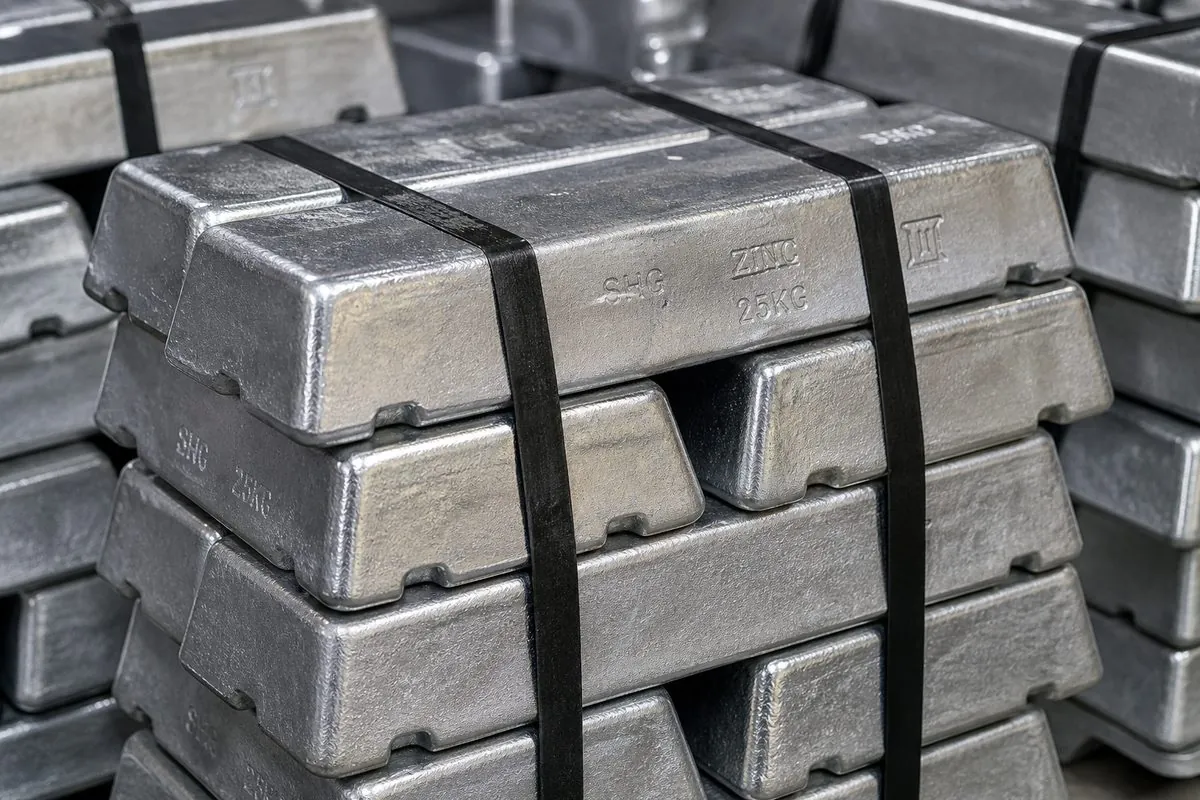
- SHG — Special High Grade (India HS 79011100: ≥99.99% Zn; LME SHG contract: min 99.995% Zn + approved brand — HS alone ≠ LME deliverability)
- HG — High Grade (~99.95% Zn; typically HS 79011200 when <99.99%)
- CGG — Continuous Galvanizing Grade (process-fit chemistry; map HS from assay)
- Jumbo / standard cast forms (~25 kg and mill-specific jumbo)
- Zinc alloy ingots (die-casting / specialty — India 79012010 / 79012090)
- HS 79011100 — unwrought zinc, not alloyed, ≥99.99% Zn (SHG primary line)
- HS 79011200 — unwrought zinc, not alloyed, <99.99% Zn (HG and related)
- HS 79012010 / 79012090 — zinc alloys, unwrought
- Contrast only: HS 79020010 / 79020090 — zinc waste and scrap (not this programme's product)
EEPC product-list declarations for zinc programmes should mirror what you actually ship. Full grade chemistry deep-dives live in Top Zinc Ingot Products Exported from India; here the goal is mapping variants to council and buyer language.
Zinc variants vs EEPC credibility expectations
Swipe →
Data table — swipe horizontally on small screens
| Variant | Buyer proof that matters | EEPC role |
|---|---|---|
| LME-registered SHG | Brand evidence + MTC + optional SGS | RCMC for KYC; not brand proof |
| Non-brand SHG / HG | MTC impurity limits | RCMC still expected in vendor packs |
| CGG programmes | Process-fit chemistry notes | Council ID + industrial references |
| Zinc alloy ingots | Alloy chemistry sheet (HS 790120) | Declare alloys explicitly on RCMC scope |
| Jumbo / standard cast | Cast form + bundle weight clarity | Helpful in fair sample conversations |
Manufacturing Overview
Export Tip
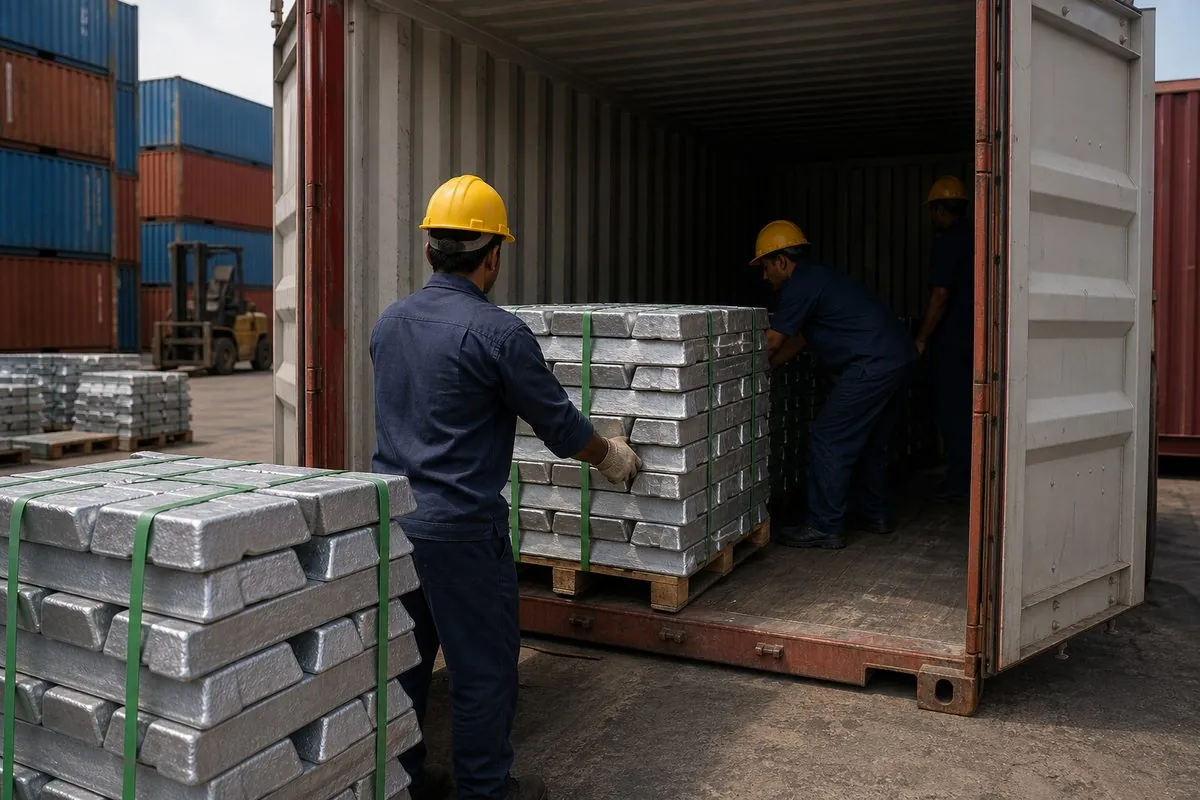
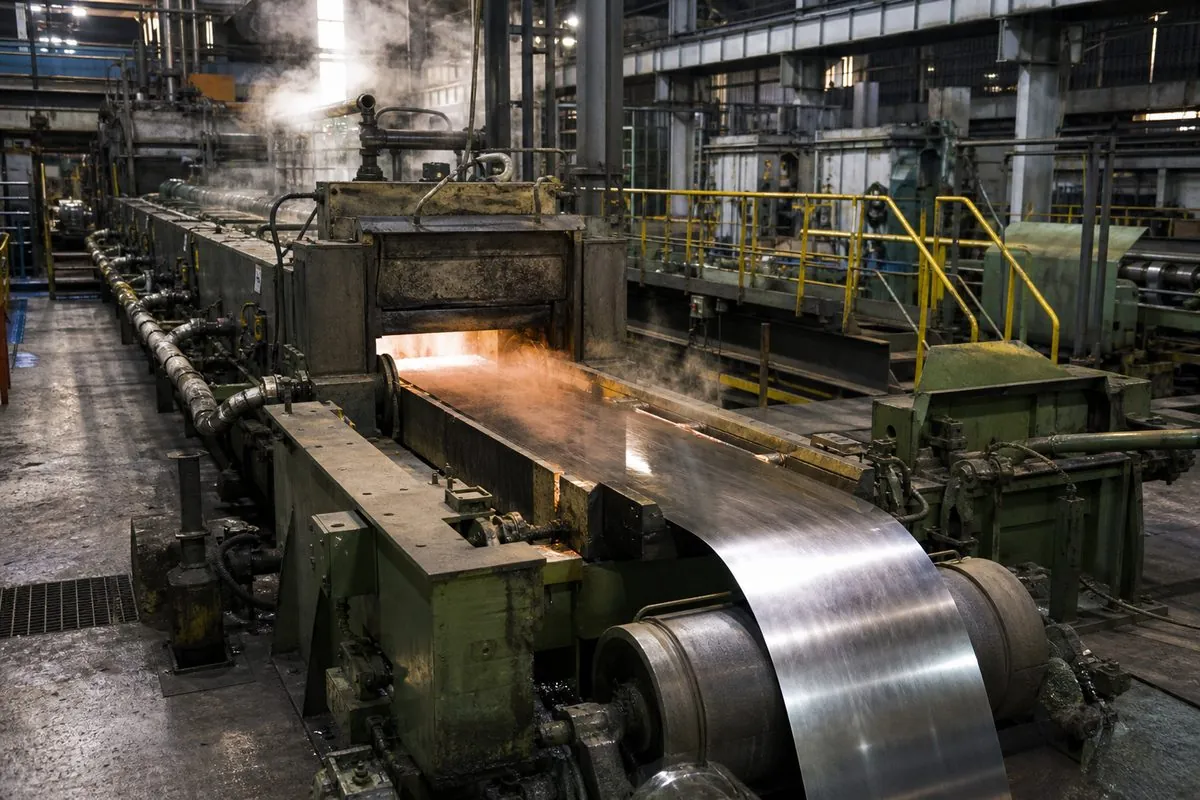
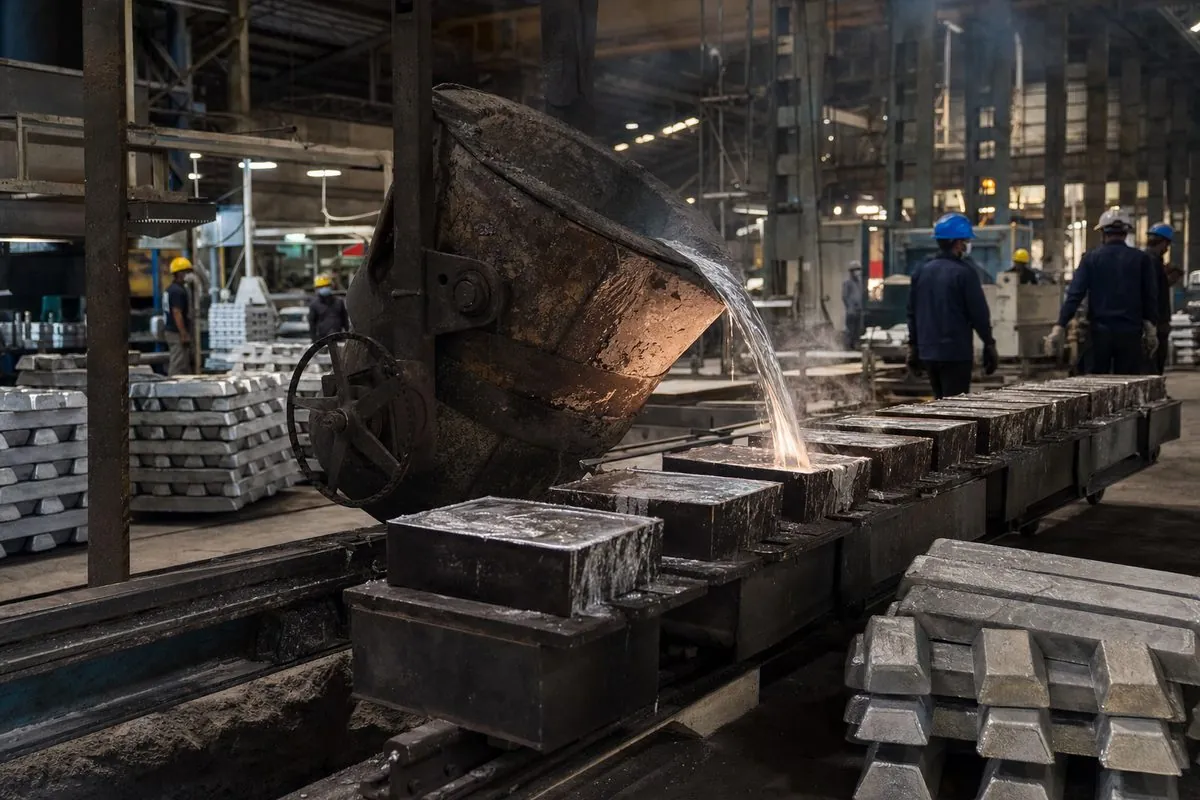
India's refined zinc production for export is anchored in Hindustan Zinc's Rajasthan integrated operations — smelting and casting capacity tied to Chanderiya, Debari, and Dariba. Merchant exporters consolidate allocated parcels, arrange weather-protected bundling (~25 kg standard cast ingots (confirm mill cast form; LME SHG rules: ingots not more than 30 kg); Strapped bundles often ~1–1.125 MT (~45 ingots) on wooden pallets or mill bundling — within LME SHG warrant max of 1.5 tonnes per bundle where LME programmes apply), and stage cargo toward west-coast ports. EEPC registration for a manufacturer-exporter typically emphasises production-site evidence; merchant-exporter profiles emphasise procurement-and-export continuity.
Lead-time reality shapes membership ROI: stock SHG/HG parcels often move in 1–3 weeks typical for stock SHG/HG parcels after allocation after allocation; custom alloy and third-party inspection programmes often need 3–6+ weeks for custom alloy chemistry and third-party inspection programmes. Fair introductions that ignore those windows create disappointed buyers — membership gets you the meeting; operations keep the relationship.
Benefits of EEPC Membership for Zinc Ingot Exporters
Treat EEPC membership as a commercial toolkit: RCMC for documentation and KYC, fair and buyer-meet access for pipeline, directory visibility for inbound discovery, and market intelligence for destination prioritisation. None of those benefits price zinc for you — LME±premium still rules — but they reduce friction before pricing talks begin.
EEPC membership benefits mapped to zinc metal programmes
Swipe →
Data table — swipe horizontally on small screens
| Benefit | What you gain | How to use it for zinc |
|---|---|---|
| RCMC issuance | Council-recognised export membership credential | Attach with IEC/GST in every zinc KYC pack |
| Fair / exhibition pathways | Eligibility frameworks for EEPC-facilitated events | Bring MTC samples and named-port FOB sheets |
| Buyer-seller meets | Structured introductions to overseas importers | Segment galvanizer vs trader messaging in advance |
| Exporter directory visibility | Discoverability for registered engineering exporters | Keep Chapter 79 / zinc categories current |
| Market development support | Assistance frameworks for overseas promotion (scheme rules apply) | Apply early; keep RCMC renewed through claim windows |
| Buyer credibility signal | Faster vendor onboarding conversations | Still lead with assay honesty — RCMC is not chemistry |
| Scheme continuity | Supports organised export facilitation tied to RCMC | Renew fees before expiry mid-programme |
| Networking with engineering peers | Non-ferrous and metals-adjacent exporter contacts | Useful for logistics and inspection vendor referrals |
Who Should Register with EEPC for Zinc Ingot Exports
- Manufacturer-exporters shipping refined zinc with production-site evidence
- Merchant exporters consolidating HZL / mill parcels for overseas buyers
- MSME exporters entering SHG / HG / CGG programmes with IEC and GST ready
- Exporters adding unwrought zinc alloys (HS 79012010 / 79012090) to an existing engineering portfolio
- Trading houses that will appear as the exporter of record on shipping bills
EEPC registration is relevant to any entity commercially exporting unwrought zinc or zinc alloy ingots from India — mill-linked manufacturer-exporters, merchant exporters consolidating Rajasthan parcels, and MSMEs entering Chapter 79 metal programmes with a valid IEC. Eligibility generally requires IEC, GST registration, and constitution documents matching the legal entity that will ship.
EEPC Registration for Zinc Ingot Exporters: Step-by-Step Process
Export Tip
Confirm live portal steps and fee schedules on the EEPC India website before filing — administrative workflows update periodically. The sequence below is the practical pathway zinc exporters follow.
EEPC / RCMC application document checklist for zinc exporters
Swipe →
Data table — swipe horizontally on small screens
| Document | Why it matters | Owner |
|---|---|---|
| IEC | Baseline export identity | Exporter / DGFT |
| GST certificate | Tax identity match to IEC | Exporter |
| PAN + cancelled cheque | Bank and KYC linkage | Exporter |
| Constitution documents | Legal entity proof | Exporter |
| Production or merchant evidence | Correct exporter classification | Exporter |
| HS / product list notes | Align RCMC scope to Chapter 79 zinc | Exporter + CHA |
| Fee payment proof | Membership continuity | Exporter |
| Issued RCMC PDF | Buyer KYC attachment | Exporter / EEPC |
Step 1: Secure IEC Against the Exact Exporting Entity
File or verify your Import Export Code on the DGFT portal in the legal name and address of the entity that will appear on commercial invoices and shipping bills. EEPC membership cannot proceed cleanly without a live IEC. Address mismatches between IEC, GST, and bank KYC are the most common zinc-application delay — fix them before opening the council form.
Step 2: Map Zinc SKUs to Chapter 79 HS Lines
List what you will actually ship: SHG under 79011100, HG under 79011200, alloys under 79012010 / 79012090. Confirm 8-digit breakouts with your CHA. Do not declare scrap 79020010 / 79020090 as your primary product if you sell refined ingots — buyers and banks notice the contradiction later.
Step 3: Assemble Identity and Profile Evidence
Prepare IEC copy, GST certificate, PAN, cancelled cheque, and constitution documents (proprietorship, partnership deed, or company incorporation papers). Manufacturer-exporter applicants should add production-site evidence; merchant-exporter applicants should be ready to describe procurement-and-export flows honestly. MSME Udyam registration helps where applicable.
Step 4: Create the EEPC Portal Profile Under the Correct Exporter Type
Register on the EEPC portal with a monitored business email. Choose manufacturer-exporter or merchant-exporter accurately — zinc programmes fail buyer diligence when a consolidator presents as a smelter. Product categories should explicitly cover non-ferrous / zinc metal as relevant to council lists.
Step 5: Submit Membership / RCMC Application and Fees
Complete the online application, upload documents, and pay the applicable membership and RCMC fees per current EEPC schedules. Keep payment acknowledgements; they resurface in renewals and scheme claims. Track application status and respond to clarification requests within the same week — zinc allocation windows do not wait for stalled paperwork.
Step 6: Download RCMC, Calendar Renewals, and Build the KYC Pack
Once issued, store the RCMC with IEC and GST in a buyer-ready PDF pack that also includes a redacted MTC sample page and a one-page grade/HS summary. Diary renewal dates. A lapsed RCMC mid-programme damages fair eligibility and buyer confidence faster than most exporters expect.
Export Process
Export Tip
EEPC registration is one early gate in the zinc export sequence — not the whole process. After IEC and RCMC, exporters still allocate mill parcels, confirm grade and inspection protocol, issue commercial quotes on LME±premium FOB terms, stuff weather-protected bundles, and file shipping bills under the correct HS line. The full operational walkthrough lives in How to Export Zinc Ingots from India; document field discipline lives in the documentation checklist.
Typical Incoterms for zinc programmes: EXW mill / warehouse; FOB Mundra / Kandla / Nhava Sheva / Pipavav; CFR / CIF major destination ports; DDP (selected industrial programmes only). Membership does not choose the Incoterm for you — the contract does.
Pricing Analysis
Buyer Tip
LME cash or 3M ± regional premium, FOB named Indian port. SHG / LME-brand programmes typically command tighter premiums than non-brand HG; CGG and alloy chemistry add separate premium layers. Indicative planning structure only; confirm lot-specific FOB (LME reference + premium + packing + inspection) on quote date EEPC membership does not create a static USD/MT catalogue price for zinc — and presenting a stale LME print as “current” at a fair booth damages credibility faster than a missing brochure.
Pricing components buyers expect alongside EEPC credentials
Swipe →
Data table — swipe horizontally on small screens
| Component | What to state | Common mistake |
|---|---|---|
| LME reference | Cash or 3M basis + quote date | Publishing yesterday's print as fixed |
| Regional premium | FOB named Indian port premium | Omitting port name |
| Packing | Bundle / pallet / weather protection adders | Assuming packing is free |
| Inspection | SGS/BV/Intertek if contracted | Surprising the buyer at stuffing |
| Grade differential | SHG brand vs HG vs alloy | One price for all chemistries |
| Council fees | Membership cost is overhead, not metal price | Trying to line-item RCMC on invoice |
MOQ Analysis
Buyer Tip
Zinc MOQs should be framed honestly at EEPC buyer meets. Trial parcels commonly sit at 5–25 MT; standard FCL planning targets 20–25 MT (20ft) — verify bundle stow and payload; industrial programmes move on Monthly MT contracts for galvanizers and traders. Container targets depend on ~25 kg ingot / ~1–1.125 MT bundle dimensions and max payload; treat as indicative commercial practice, not a statutory limit.
MOQ bands for zinc programmes discussed at EEPC meets
Swipe →
Data table — swipe horizontally on small screens
| Programme type | Typical MOQ | Credibility tip |
|---|---|---|
| Assay / trial parcel | 5–25 MT | State inspection protocol up front |
| First commercial FCL | 20–25 MT (20ft planning) | Confirm bundle stow before promising |
| Monthly industrial | MT/month contracts | Disclose allocation realism |
| Alloy specialty | Often higher lead time | Separate chemistry MOQ notes |
Packaging Standards
Export Tip
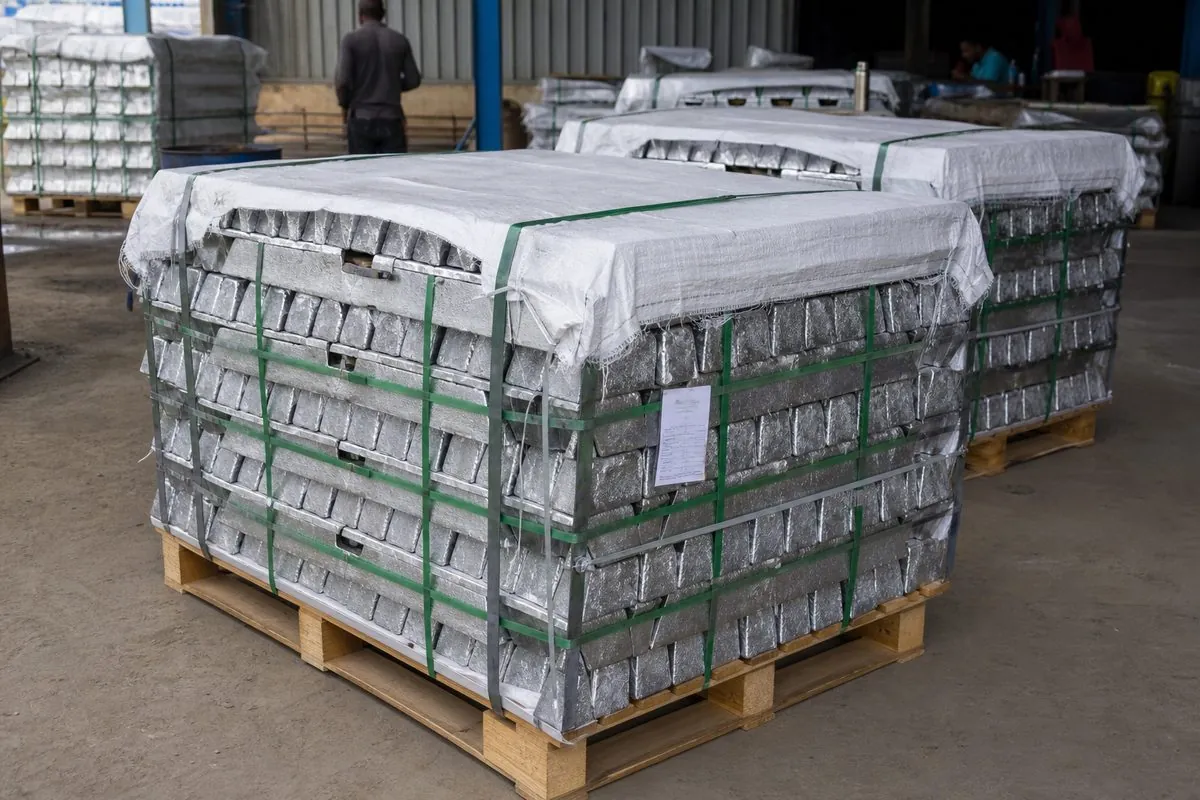
~25 kg standard cast ingots (confirm mill cast form; LME SHG rules: ingots not more than 30 kg). Strapped bundles often ~1–1.125 MT (~45 ingots) on wooden pallets or mill bundling — within LME SHG warrant max of 1.5 tonnes per bundle where LME programmes apply. Lot / heat / cast tagging; brand marks for LME-registered programmes. Weather protection against white rust / oxidation during ocean transit EEPC fairs are where buyers photograph packing claims — make sure sample photos match what you can actually stuff at Mundra or Kandla.
Packaging elements zinc buyers cross-check after EEPC introductions
Swipe →
Data table — swipe horizontally on small screens
| Element | Export standard | Failure mode |
|---|---|---|
| Ingot form | ~25 kg cast (confirm mill form) | Promising jumbo without allocation |
| Bundle weight | ~1–1.125 MT strapped | Payload miscalc at FCL |
| Lot tagging | Heat / cast / brand marks | MTC mismatch at destination |
| Weather protection | White-rust mitigation | Surface claims vs wet stuffing |
| Wood packaging | ISPM-15 where pallets used | Missing stamp evidence |
Container Loading Details
Export Tip
FCL planning for zinc typically targets about 20–25 MT in a 20ft subject to bundle dimensions and max payload. Load ports for EEPC-facilitated programmes commonly include Mundra, Kandla / Deendayal, Nhava Sheva (JNPT), Pipavav. Confirm stow plans with the freight forwarder before promising a fixed MT figure at a buyer meet.
Indicative zinc FCL loading planning notes
Swipe →
Data table — swipe horizontally on small screens
| Item | Planning note | Verify with |
|---|---|---|
| Container | 20ft common for ~20–25 MT targets | Forwarder payload limits |
| Bundle count | Often ~18–25 bundles depending on weight | Actual mill bundle weight |
| Floor load | Even distribution; no crushed straps | CFS / factory stuffing SOP |
| Photos | Stuffing photos for buyer / LC files | Inspection agency if appointed |
| Port choice | Mundra / Kandla / JNPT / Pipavav by string | Vessel schedule + inland cost |
Shipping Methods
Export Tip
Ocean FCL is the default for commercial zinc ingot parcels. Some programmes use breakbulk or special stow for oversized cast forms, but most merchant-export flows are containerised from west-coast India. EEPC membership does not book freight — your forwarder and CHA do — but fair conversations should already name the intended load port and Incoterm.
Certifications
Compliance Notes
- Mill Test Certificate (MTC) with chemistry and heat/cast identity
- LME brand registration evidence for SHG programmes
- Third-party assay and weight (SGS / Bureau Veritas / Intertek as specified)
- ISO 9001 (producer / exporter quality system)
- Certificate of Origin
- Commercial invoice, packing list, bill of lading / sea waybill
- Destination metal standard declarations where buyer specifies
- EEPC India RCMC (export credibility — not purity)
Separate council credentials from metal certifications in every buyer conversation. EEPC RCMC proves organised export membership; MTC proves chemistry; LME brand evidence proves brand registration where claimed; third-party assay proves independent verification when contracted.
Credential stack for zinc exporters (council vs metal proofs)
Swipe →
Data table — swipe horizontally on small screens
| Credential | Proves | Does not prove |
|---|---|---|
| EEPC RCMC | Council membership / export facilitation identity | Zn% or impurity limits |
| IEC | Legal right to export/import | Product quality |
| MTC | Heat/cast chemistry | Council membership |
| LME brand evidence | Registered brand status (where applicable) | Every lot's assay without MTC |
| SGS/BV/Intertek | Contracted independent checks | Ongoing production capability alone |
| ISO 9001 | Quality system (producer/exporter) | Lot chemistry by itself |
| Certificate of Origin | Origin for customs / preference claims | Purity grade |
Buyer Requirements
Buyer Requirements
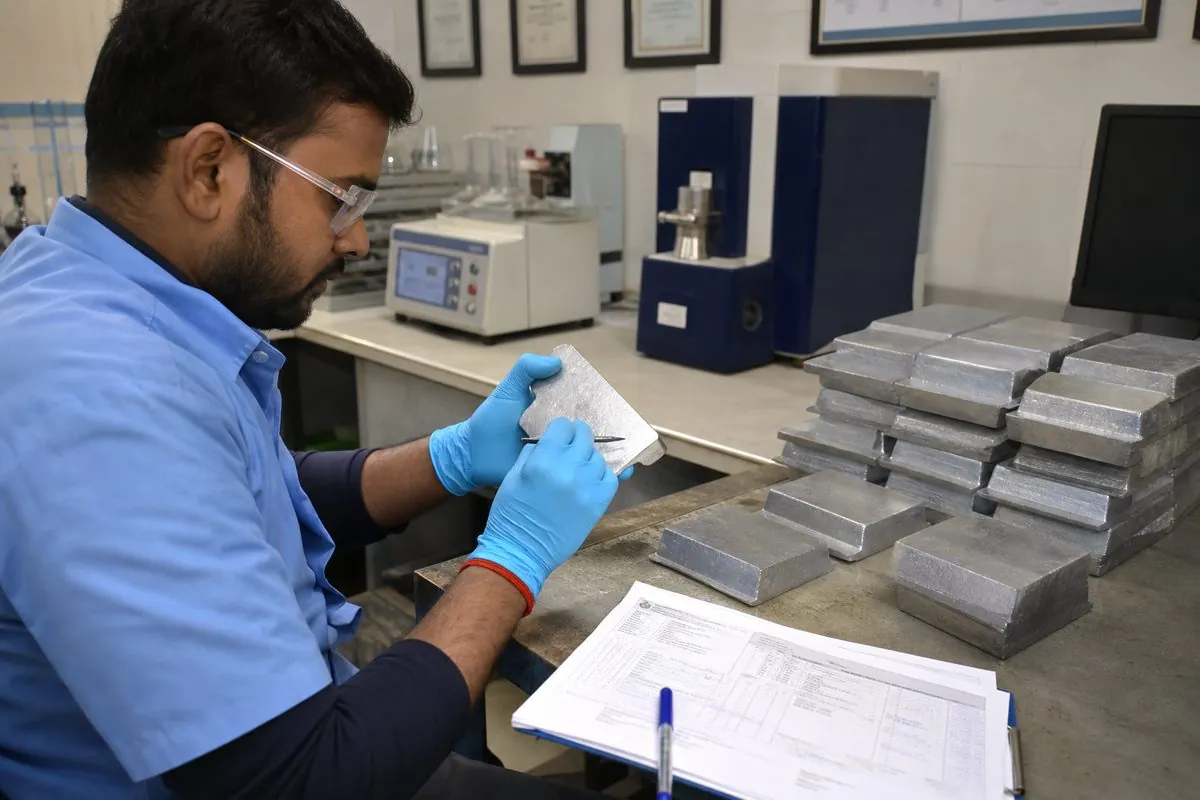
Zinc buyers who discover exporters through EEPC channels still impose industrial requirements. Expect requests for IEC/RCMC copies, grade and HS clarity, MTC samples, Incoterm with named Indian port, inspection protocol, packing and white-rust controls, and payment security aligned to parcel value.
What Verified Buyers Expect After an EEPC Introduction
- Written confirmation of SHG / HG / CGG / alloy scope and HS posture
- Current RCMC and IEC PDFs without expired stamps
- MTC template showing Zn and key impurity fields
- Honest disclosure of mill allocation vs merchant consolidation
- FOB quote structure tied to an LME reference date
- Stated lead time window (stock vs custom inspection)
Country-wise Opportunities
Market Snapshot
EEPC credentials travel with you into the same destinations that already buy Indian zinc: Singapore, Thailand, Taiwan, United Arab Emirates, Saudi Arabia, Indonesia, Malaysia, Vietnam. Use membership to open doors; use grade-market fit to close parcels. For the demand matrix itself, see Most Demanded Indian Zinc Ingot Grades by Country. For strategic ranking, see Best Countries for Indian Zinc Ingot Exports.
EEPC-enabled zinc opportunity snapshot by market
Swipe →
Data table — swipe horizontally on small screens
| Market | EEPC leverage | Close with |
|---|---|---|
| Singapore | KYC speed with traders | LME±premium + allocation |
| Thailand | Vendor pack completeness | Assay + CGG fit |
| Taiwan | Organised-exporter signal | Impurity MTC depth |
| UAE | Onboarding trust | FOB clarity + brand honesty |
| Saudi Arabia | Institutional seriousness | Monthly MT + inspection |
| Indonesia | Registered-exporter filter | Trial MOQ staging |
| Malaysia | Directory / meet follow-up | Packing + docs |
| Vietnam | Credibility for new suppliers | Assay + lead times |
Singapore — Trader Hub Credibility
Singapore desks often start with institutional filters: IEC, RCMC, and LME-literate quoting. EEPC membership helps you clear the first gate; allocation speed and document turnaround win the second.
Thailand — Galvanizer Vendor Packs
Thai industrial buyers treat RCMC as baseline vendor evidence beside assay history. Pair council docs with CGG/SHG clarity and Mundra or Pipavav sailing reliability.
Taiwan — Documentation Discipline
Taiwanese importers scrutinise impurity limits and paperwork consistency. EEPC RCMC supports KYC; MTC depth decides acceptance.
United Arab Emirates — Re-export and Industrial Mix
UAE buyers combine domestic galvanizing and re-export logic. Council credentials reduce onboarding friction for both trader and industrial channels. Confirm GCC duty schedules separately from membership claims.
Saudi Arabia — Infrastructure Intake
Saudi programmes emphasise monthly MT language and inspection protocols. Bring RCMC to the first meeting, then lead with delivery and assay realism.
Indonesia, Malaysia, and Vietnam — ASEAN Growth Corridors
ASEAN galvanizing growth rewards exporters who combine EEPC identity with FTA-aware landed-cost honesty and staged trial-to-FCL MOQs. Membership alone does not unlock preference certificates — origin rules still apply.
Sourcing Checklist
Checklist
Use these checklists when EEPC membership is part of a live zinc enquiry — whether you are the exporter presenting credentials or the buyer evaluating them.
Buyer Checklist
- Verify EEPC RCMC validity dates and product scope for zinc / non-ferrous metal
- Match IEC legal name to commercial invoice entity
- Require MTC and optional third-party assay independent of council status
- Confirm mill vs merchant role in writing
- Lock Incoterm, named port, and LME reference language before deposit or LC draft
Exporter Checklist
- Keep RCMC renewed and PDF-ready
- Align RCMC categories with actual HS 7901 shipments
- Train sales staff to separate council credentials from chemistry claims
- Carry fair kits: RCMC, IEC, GST, redacted MTC, FOB worksheet
- Log every EEPC meet lead with follow-up assay offers within 72 hours
Common Buyer Mistakes
Common Mistakes Box
- Treating EEPC RCMC as a Mill Test Certificate — Solution: always request heat-specific chemistry separately.
- Accepting expired RCMC scans — Solution: check validity dates before awarding trial tonnage.
- Ignoring manufacturer vs merchant disclosure — Solution: demand written role clarity tied to allocation.
- Assuming fair introductions replace KYC — Solution: run the same IEC/RCMC/MTC checklist after every meet.
- Confusing EEPC with LME brand registration — Solution: ask for brand evidence files when SHG brand is claimed.
- Skipping HS alignment checks — Solution: confirm Chapter 79 lines match the goods description.
- Paying on brochure claims without assay protocol — Solution: write inspection into the PO/LC.
- Using scrap-market intermediaries for refined SHG needs — Solution: verify HS history and RCMC scope first.
Most EEPC-related failures in zinc trade are expectation errors: treating membership as purity proof, or ignoring membership entirely until a bank or buyer blocks onboarding.
Challenges & Solutions
EEPC registration challenges for zinc exporters and practical fixes
Swipe →
Data table — swipe horizontally on small screens
| Challenge | Solution |
|---|---|
| Application delayed by address mismatches | Reconcile IEC, GST, and bank KYC addresses before filing |
| Wrong product category on RCMC | Pre-map SHG/HG/alloy HS lines with CHA; declare Chapter 79 accurately |
| Buyer still rejects after RCMC shared | Add MTC sample and brand/assay protocol — RCMC is necessary, not sufficient |
| Membership lapses mid-fair season | Assign renewal ownership 60 days before expiry |
| Fair leads go cold | 72-hour follow-up with FOB worksheet and assay offer |
| Merchant profile misread as mill | Disclose consolidation model in writing on first serious RFQ |
Future Market Trends
Key Statistics
Zinc buyers are tightening vendor onboarding: more requests for digital KYC packs, clearer mill-versus-merchant disclosure, and assay protocols written into first POs. EEPC membership will remain a baseline filter for organised Indian engineering exporters, while premium differentiation continues to sit in LME brand programmes and inspection depth.
ASEAN and Middle East galvanizing demand should keep Indian refined zinc relevant through the planning horizon, with trader hubs remaining sensitive to document speed. Exporters who renew RCMC on time, keep HS declarations clean, and show up to EEPC meets with metals-literate pricing will outcompete brochure-only participants.
Expect more buyers to ask for evidence that council registration, shipping-bill identity, and payment beneficiary are the same legal entity — a trend that rewards tidy compliance calendars over last-minute scans.
How Altus Exports Helps Zinc Ingot Exporters with EEPC-Aligned Programmes
Work with Altus Exports as your merchant exporter and global sourcing partner for zinc ingots — verified Indian mill parcels, MTC-backed lots, LME/SHG programme coordination, export documentation, and FCL booking from inquiry to shipment.
As a merchant exporter in India and global sourcing partner, Altus Exports helps zinc programmes align EEPC credentials with parcel allocation, MTC-backed offers, and west-coast FCL dispatch. Explore export products from India and product sourcing from India, or contact Altus Exports for a zinc KYC and membership readiness review.
Conclusion
- How to Export Zinc Ingots from India
- Zinc Ingot Export Documentation Checklist
- Most Demanded Indian Zinc Ingot Grades by Country
- Trade Shows and B2B Marketplaces for Zinc Ingot Exporters
- LME-Registered SHG and Galvanizing-Grade Zinc Export Opportunities
- Find International Buyers for Zinc Ingots
- Contact Altus Exports
EEPC India RCMC is the practical institutional credential for zinc ingot exporters competing in ASEAN and Middle East metals markets. It accelerates buyer trust, unlocks fair and meet access, and signals organised export identity — without replacing Mill Test Certificates, correct HS filing, or LME brand evidence where claimed.
Register early, renew on time, declare Chapter 79 zinc accurately, and carry a KYC pack that pairs council documents with chemistry. Then execute the shipment with the discipline covered in companion cluster guides.
Sources
- WITS / UN Comtrade — India exports HS 790111 by partner, 2024
- UN Comtrade Database
- ITC Trade Map
- DGFT (India) — IEC / trade portal
- ICEGATE — Indian Customs EDI
- India CBIC / Customs Tariff — Chapter 79 Zinc
- EEPC India
- London Metal Exchange — Zinc
- LME Special Contract Rules — SHG Zinc chemical composition
- USITC Harmonized Tariff Schedule (search 7901.11.00)
- European Commission TARIC
- Hindustan Zinc — Zinc products
- HZL Integrated Report FY2024-25 — Zinc operational performance
- Vedanta FY25 Segment Review — Zinc India
- ISO 9001 overview
- Altus Exports — Engineering Goods
All sources accessed 2026-07-26. Prefer primary government, exchange, and multilateral trade databases when citing figures in contracts or buyer presentations.