Zinc Ingot Export Documentation Checklist
By Saurabh Mittal, Founder, Altus Exports
A document-by-document operational checklist for exporting unwrought zinc ingots from India — commercial invoice, packing list with heat and bundle identity, Mill Test Certificate, Certificate of Origin, shipping bill under HS 79011100 / 79011200 / 79012010 / 79012090, bill of lading, insurance, SGS or equivalent assay and weight certificates, and a clean CHA broker handoff. Zinc-metal only: Rajasthan HZL parcels, west-coast stuffing at Mundra, Kandla, JNPT, and Pipavav — not a country-selection guide and not an EEPC registration walkthrough.
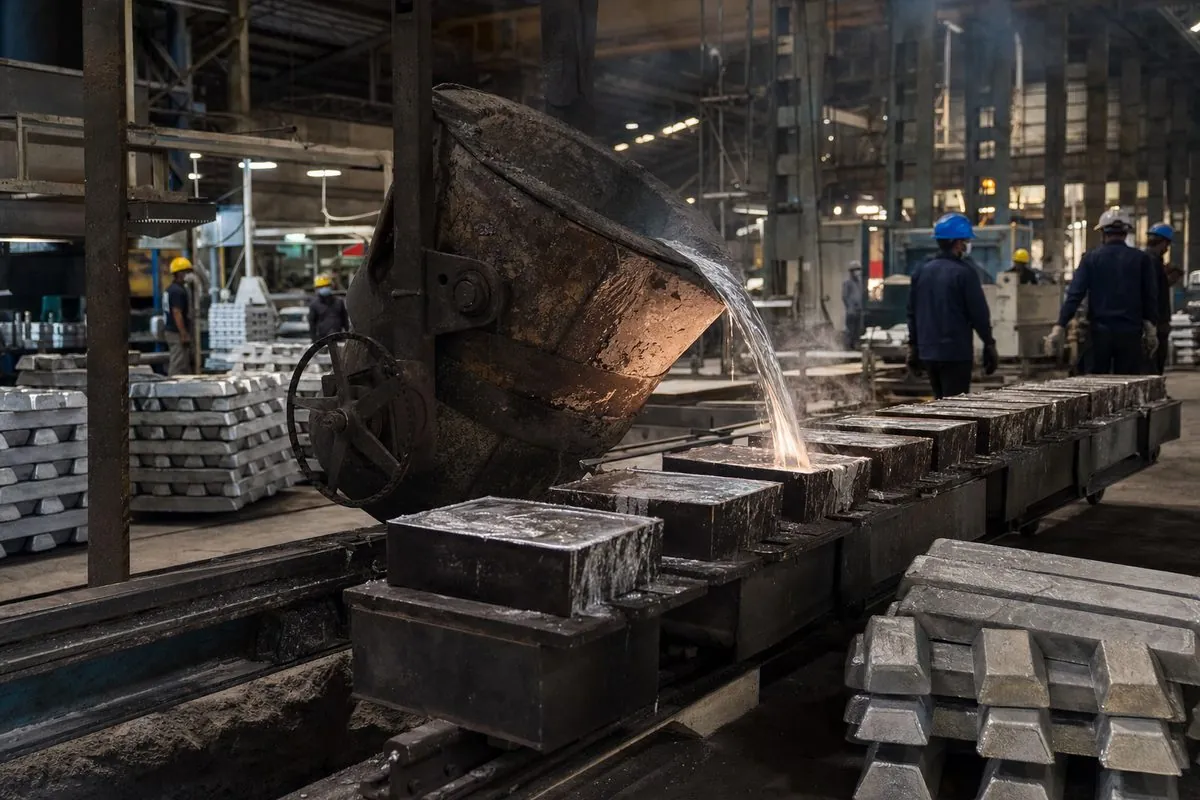
Exporting zinc ingots from India is not held together by one master form. It is held together by a reconciled stack: Importer–Exporter Code (IEC), GST registration, EEPC India Registration-cum-Membership Certificate (RCMC) where used for Chapter 79 programmes, commercial invoice, packing list with heat/cast and bundle marks, Mill Test Certificate (MTC) matching those marks, Certificate of Origin (COO), marine insurance as required by Incoterm, shipping bill filed through your Customs House Agent (CHA) on ICEGATE under the correct HS line (79011100, 79011200, or 79012010 / 79012090), bill of lading or sea waybill, optional third-party assay and weight certificates (SGS / Bureau Veritas / Intertek as the contract specifies), and e-BRC realisation after payment.
When any one of those documents is missing, inconsistent with the others, or written as marketing rather than evidence, three failures follow: Indian customs queries on HS or valuation; destination holds when heat numbers on the packing list do not match the MTC; and — worst — Letter of Credit (LC) discrepancy when the bill of lading, invoice, and inspection certificate do not reconcile line by line. This checklist is written for that operational reality. It is not a substitute for your CHA, and it does not replace the EEPC registration walkthrough — see EEPC registration benefits for zinc ingot exporters for why RCMC exists and how to apply. It is the document-by-document reconciliation layer that turns an allocated mill parcel into a container that clears both ends and closes payment cleanly.
Scope note: this post owns the zinc documentation checklist for the cluster. It does not rank destination markets — see best countries for Indian zinc ingot exports. It does not walk the full end-to-end export process — see how to export zinc ingots from India. Pair this checklist with source zinc ingots directly from India for buyer-side verification, and always confirm live HS breakouts, form numbers, and portal workflows with your broker before filing. India HS 790111 exports in 2024 totalled US$610,648.91K and 214,979,000 kg (~US$610.6M / ~215.0 kt) per WITS/UN Comtrade. Leading partners by value: Singapore, Thailand, Other Asia nes (commonly reported as Taiwan), UAE, Saudi Arabia, Indonesia, Malaysia, Nepal, Vietnam, and Korea. Treat as directional planning context — confirm with DGCI&S / ITC Trade Map / paid customs extracts before citing in contracts.
Key Takeaways
Summary Box
Executive Summary
Summary Box
Indian zinc ingots — primarily refined metal from the Rajasthan Hindustan Zinc smelter belt consolidated by merchant exporters for overseas galvanizers and traders — succeed or fail on documentary discipline as much as on chemistry. India HS 790111 exports in 2024 totalled US$610,648.91K and 214,979,000 kg (~US$610.6M / ~215.0 kt) per WITS/UN Comtrade. Leading partners by value: Singapore, Thailand, Other Asia nes (commonly reported as Taiwan), UAE, Saudi Arabia, Indonesia, Malaysia, Nepal, Vietnam, and Korea. Treat as directional planning context — confirm with DGCI&S / ITC Trade Map / paid customs extracts before citing in contracts. Directional destination partners include Singapore, Thailand, Taiwan, United Arab Emirates, Saudi Arabia, Indonesia, Malaysia, Vietnam. Production and staging sit in Chanderiya (Rajasthan) — Hindustan Zinc smelter belt; Debari (Rajasthan); Dariba (Rajasthan); Merchant-exporter consolidation programmes (west-coast ports), with ocean exit typically through Mundra, Kandla / Deendayal, Nhava Sheva (JNPT), Pipavav.
The commercial payoff for treating documentation as a controlled asset is not administrative — it is margin and velocity. Traders in Singapore and Taiwan, galvanizers in Thailand and Vietnam, and re-export desks in the UAE and Saudi Arabia onboard zinc vendors with a documentation-first filter: IEC, EEPC RCMC where expected, sample MTC pages, clear HS posture, Incoterm with named port, and a stated inspection protocol. Exporters who present that pack in the first serious inquiry — not after three follow-ups — convert LME Week introductions and Fastmarkets conversations into trial parcels far more often than exporters who treat paperwork as a shipping-day task.
This guide organises that architecture into a document-by-document checklist tuned for unwrought zinc. It walks commercial invoice line-item discipline, packing-list heat identity, MTC matching rules, COO, shipping bill HS controls, bill of lading, SGS-style inspection certificates, e-BRC realisation, and the broker handoff format your CHA actually wants — without duplicating the EEPC registration walkthrough, the country demand matrix, or the end-to-end export process owned by peer cluster posts.
Market Size & Industry Overview
Key Statistics
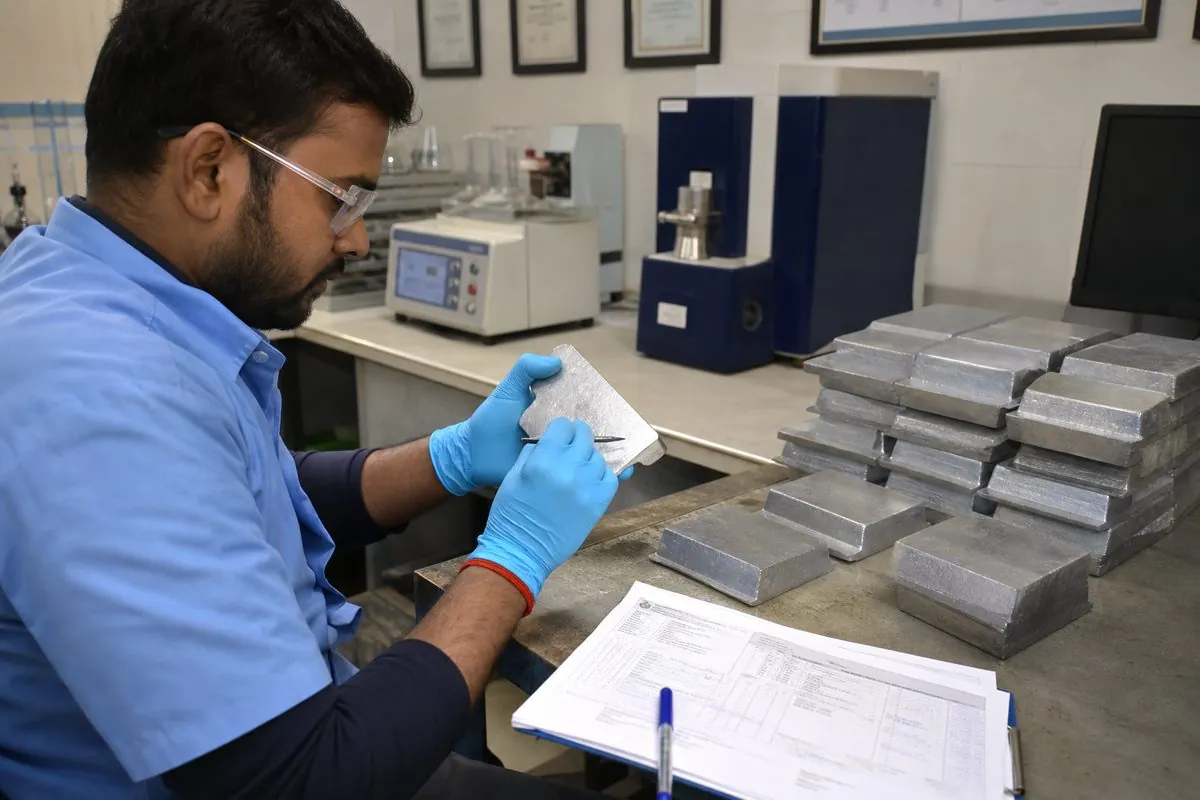
Global demand for Indian unwrought zinc concentrates in galvanizing feedstock, die-casting alloy input, chemical feedstock where specified, and trader inventory programmes across ASEAN and the Middle East. India's primary integrated refined zinc producer is Hindustan Zinc (Vedanta), with merchant exporters consolidating mill parcels for overseas buyers. For documentation purposes, product diversity translates into document-pack variation: an SHG LME-brand programme under 79011100 carries different MTC and brand-evidence depth than an HG industrial parcel under 79011200, and a zinc alloy programme under 79012010 / 79012090 needs alloy chemistry declared on both invoice and MTC.
The same commercial invoice / packing list / MTC / COO / shipping bill skeleton applies across grades, but the technical identity layer flexes per lot. That is why a generic checklist copied from scrap metal or another commodity category fails — the zinc pack must speak purity, heat identity, brand status, and inspection protocol honestly on every line.
Buyer Checklist (Documentation Filter)
- Confirm grade and purity claim (SHG ≥99.99%, HG, CGG, or alloy chemistry) with a sample MTC page attached
- Confirm HS posture (79011100 / 79011200 / 79012010 / 79012090) with CHA endorsement noted
- Confirm Incoterm and named Indian load port from the west-coast set
- Confirm whether third-party weight/assay is required and which agency is acceptable
- Confirm bundle format (~25 kg ingots; strapped bundles ~1–1.125 MT) and weather-protection posture
- Confirm payment instrument (TT vs LC) and documentary presentation list if LC
- Confirm brand / LME registration evidence requirement for SHG programmes
International zinc buyers increasingly apply a short documentation filter before they discuss premium or allocation. Use this buyer-side checklist as the mirror of your exporter pack — if you cannot answer these points in writing, the inquiry is not yet shipment-ready.
What This Documentation Checklist Owns
Checklist
Compliance Notes
This post is the documentation owner for the zinc ingot cluster. It covers which documents an exporter must assemble, in what order, keyed to which authority or buyer expectation, with the reconciliation checks that matter when a container is being stuffed. It is deliberately narrow: it does not explain why EEPC exists or how to apply for RCMC (see EEPC registration benefits for zinc ingot exporters); it does not rank countries (see best countries for Indian zinc ingot exports); it does not own LME-brand programme depth (see LME-registered SHG and galvanizing-grade zinc export opportunities); it does not walk the entire export process (see how to export zinc ingots from India).
What it does own: which document to produce, who is responsible, when to produce it in the shipment timeline, what zinc-specific content each document must carry to survive customs and buyer diligence, and how to hand off the whole pack to your CHA without last-minute heat-number scrambles.
Export Statistics
Key Statistics
For zinc HS discipline on Indian shipping bills: unwrought zinc, not alloyed, ≥99.99% Zn classifies under 7901.11 / India 79011100 — the SHG primary line. Unwrought zinc, not alloyed, <99.99% Zn classifies under 7901.12 / India 79011200. Unwrought zinc alloys classify under 7901.20 / India 79012010 / 79012090. Zinc waste and scrap (79020010 / 79020090) is contrast only — not this cluster's product. India HS 790111 exports in 2024 totalled US$610,648.91K and 214,979,000 kg (~US$610.6M / ~215.0 kt) per WITS/UN Comtrade. Leading partners by value: Singapore, Thailand, Other Asia nes (commonly reported as Taiwan), UAE, Saudi Arabia, Indonesia, Malaysia, Nepal, Vietnam, and Korea. Treat as directional planning context — confirm with DGCI&S / ITC Trade Map / paid customs extracts before citing in contracts.
Export documentation anchors (directional)
Swipe →
Data table — swipe horizontally on small screens
| Metric | Directional Trend | Documentation Relevance |
|---|---|---|
| HS 790111 export aggregate (directional) | ~US$610M / ~215 kt (2024-style extracts) | Cite as planning context only — never as a commercial invoice claim |
| Primary HS lines | 79011100 / 79011200 / 79012010 / 79012090 | Shipping bill and invoice must match lot chemistry; confirm with CHA |
| Primary industrial cluster | Chanderiya (Rajasthan) — Hindustan Zinc smelter belt | Mill / warehouse address evidence must match allocation story |
| Load ports | Mundra, Kandla / Deendayal, Nhava Sheva (JNPT), Pipavav | Invoice Incoterm named place must match stuffing and B/L port of loading |
| Top destination markets (directional) | Singapore, Thailand, Taiwan, United Arab Emirates, Saudi Arabia | COO preferential vs non-preferential and destination assay prefs flex by market |
| Contrast only — scrap | 79020010 / 79020090 | Do not classify refined ingot parcels under scrap on the shipping bill |
Import Statistics
Key Statistics
On the import side, Singapore and Taiwan often operate as trader and distribution hubs for SHG parcels with deep MTC and brand scrutiny. Thailand and Vietnam concentrate galvanizing-line demand with CGG and SHG feedstock preferences. Indonesia and Malaysia mix galvanizer and trader demand. UAE and Saudi Arabia combine industrial consumption with re-export programmes that expect clean documentary chains for onward sales. Documentation posture per destination is not optional — it is baked into vendor onboarding and LC clauses.
Destination documentation sensitivity for Indian zinc
Swipe →
Data table — swipe horizontally on small screens
| Country | Documentation Sensitivity | Typical Docs Alongside Commercial Pack |
|---|---|---|
| Singapore | High — trader LC and brand scrutiny | MTC, brand evidence, COO, SGS if LC requires |
| Thailand | High — galvanizer assay and heat identity | MTC, packing list heat marks, optional SGS |
| Taiwan | High — purity and alloy chemistry depth | MTC with full impurity table, COO |
| UAE | Medium-high — re-export documentary chain | Commercial pack, MTC, COO, B/L set |
| Saudi Arabia | Medium-high — industrial assay preferences | MTC, inspection cert if specified, COO |
| Indonesia | Medium — galvanizer feedstock specs | MTC, packing list, COO |
| Malaysia | Medium — mixed trader/galvanizer | MTC, invoice HS clarity, COO |
| Vietnam | Medium-high — continuous line feedstock | MTC, CGG/SHG grade clarity, inspection if PO requires |
Product Categories / Variants
Summary Box
- SHG — Special High Grade (≥99.99% Zn; LME-brand programmes often 99.995% brand specs) — typically 79011100
- HG — High Grade (~99.95% Zn) — typically 79011200
- CGG — Continuous Galvanizing Grade — declare chemistry honestly; confirm HS with CHA if not pure SHG
- Jumbo / standard cast forms (~25 kg and mill-specific jumbo) — packing list must state cast form and unit weight basis
- Zinc alloy ingots (die-casting / specialty) — 79012010 / 79012090; alloy elements on invoice and MTC
Zinc export documentation splits primarily along grade and chemistry — not along cluster origin alone. An SHG LME-brand parcel and an HG industrial parcel share the same invoice / packing list / MTC skeleton, but MTC impurity limits, brand evidence, and HS line differ. Alloy programmes add chemistry declarations that must appear on both the commercial invoice description and the MTC.
Grade → HS → document emphasis
Swipe →
Data table — swipe horizontally on small screens
| Variant | Indicative India HS | Document Emphasis |
|---|---|---|
| SHG / LME-brand | 79011100 | MTC impurity table + brand registration evidence |
| HG industrial | 79011200 | MTC purity claim + heat identity on packing list |
| CGG feedstock | Confirm with CHA (often 790111/790112 family) | Line-spec chemistry and buyer assay protocol |
| Zinc alloys unwrought | 79012010 / 79012090 | Alloy chemistry on invoice + MTC; avoid scrap codes |
| Scrap (contrast only) | 79020010 / 79020090 | Not for refined ingot programmes |
Manufacturing Overview
Export Tip
- Typical cast form
- ~25 kg standard cast ingots (confirm mill cast form; LME SHG rules: ingots not more than 30 kg)
- Bundle pattern
- Strapped bundles often ~1–1.125 MT (~45 ingots) on wooden pallets or mill bundling — within LME SHG warrant max of 1.5 tonnes per bundle where LME programmes apply
- Marking
- Lot / heat / cast tagging; brand marks for LME-registered programmes
- Sample / assay lead
- 7–14 days for sample / assay lots where offered
- Stock parcel lead
- 1–3 weeks typical for stock SHG/HG parcels after allocation
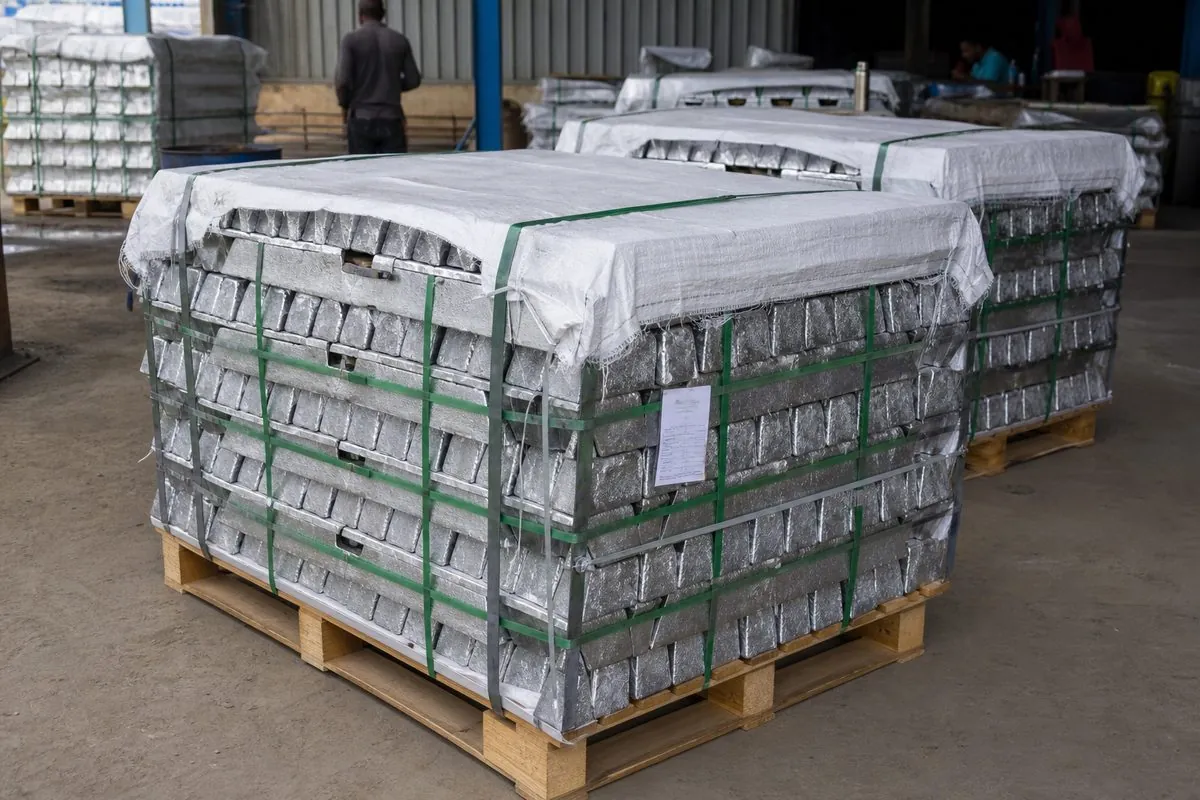
Refined zinc production for export follows a consistent documentary sequence even when cast forms differ: concentrate feed and refining → casting into ~25 kg or jumbo forms → heat/cast identity assignment → MTC release → bundling and tagging → warehouse staging → inland haul to west-coast port → stuffing → shipping bill and B/L. Each stage produces documentation anchor points: chemistry on the MTC; heat numbers on bundle tags; bundle weights on the packing list; weather-protection notes for white-rust risk; and third-party inspection certificates keyed to the same lot identity when the contract requires them.
For documentation purposes, the operational risk is not the smelter — it is an allocation swap, heat substitution, or grade change that enters the container without a refreshed MTC and packing list. Buyers and banks assume the documented lot matches the metal inside. Any material change should trigger updated documentation before the next commercial sailing.
The Zinc Export Document Stack: Master Inventory
Use this master inventory as the top-level checklist for every zinc sailing. Not every document applies to every shipment — preferential COO applies only where an FTA claim is valid, and SGS certificates apply when the LC or PO requires them. Every applicable document must reconcile against the commercial invoice and packing list before the container is sealed.
Master zinc document inventory
Swipe →
Data table — swipe horizontally on small screens
| # | Document | Owner | When Produced | Cross-Check Against |
|---|---|---|---|---|
| 1 | Purchase Order (PO) | Buyer | Before allocation | Proforma, commercial invoice |
| 2 | Proforma Invoice | Exporter | At quotation | PO, later commercial invoice |
| 3 | Commercial Invoice | Exporter | At shipment readiness | PO, packing list, shipping bill, COO, B/L |
| 4 | Packing List | Exporter / warehouse | During bundling / stuffing | MTC heat numbers, bundle tags, B/L weight |
| 5 | HS Classification Per Lot | Exporter with CHA | Before shipping bill | Invoice description, MTC purity, RCMC scope |
| 6 | IEC Certificate Copy | Exporter | Standing compliance file | Invoice header; shipping bill |
| 7 | GST Registration Copy | Exporter | Standing compliance file | Invoice GSTIN |
| 8 | EEPC RCMC Copy | Exporter | Standing file; renew annually | Invoice header; shipping bill |
| 9 | Mill Test Certificate (MTC) | Mill / exporter | Per heat / lot | Packing list marks, invoice grade, SGS assay |
| 10 | LME Brand Evidence (if claimed) | Producer / exporter | Per SHG brand programme | Invoice brand claim, buyer diligence file |
| 11 | Certificate of Origin (COO) | Chamber / DGFT eCoO / EEPC route | Before clearance or destination claim | Invoice, packing list, HS |
| 12 | Third-Party Assay / Weight (SGS etc.) | Inspection agency | Per LC / PO | MTC, packing list, B/L weight |
| 13 | Marine Insurance Certificate | Insurer (or buyer under CIF) | Before loading | Invoice value, Incoterm |
| 14 | Shipping Bill (ICEGATE) | CHA | At export clearance | Invoice, packing list, IEC, RCMC, HS |
| 15 | Bill of Lading / Sea Waybill | Carrier / forwarder | At loading | Shipping bill, invoice, packing list |
| 16 | e-BRC (Bank Realisation) | Bank via DGFT eBRC | On payment realisation | Invoice value, shipping bill |
| 17 | Broker Handoff Pack | Exporter to CHA | Before shipping bill filing | All above indexed |
Commercial Invoice: Line-Item Controls
The commercial invoice is the commercial identity document. For zinc, weak invoice wording is a leading cause of HS and valuation queries. Header fields must carry exporter legal name matching IEC, buyer legal name matching COO consignee where applicable, IEC number, GSTIN, EEPC RCMC number where used, PO reference, Incoterm with named place (for example FOB Mundra), currency, payment terms, port of loading, port of discharge, and country of origin (India).
Line items must state product as unwrought zinc ingots (or zinc alloy ingots), grade, purity claim, brand status if claimed, heat/lot reference if known at invoice stage, unit price basis (typically USD/MT), quantity in MT, and extended value. Avoid catalogue language. If the parcel is SHG under an LME-brand programme, say so; if it is HG industrial, say so. Mixed grades in one container require separate lines — do not average chemistries into one convenience description.
Commercial invoice zinc controls
Swipe →
Data table — swipe horizontally on small screens
| Field | Required Content | Failure Mode |
|---|---|---|
| Seller name | Exact IEC legal name | Trading-name mismatch vs IEC |
| Product description | Unwrought zinc + grade + purity | Vague 'zinc metal' only |
| HS hint (optional note) | Agreed India HS with CHA | Conflict with shipping bill |
| Incoterm | Term + named Indian port | FOB without named place |
| Quantity | MT matching packing list | Bundle count vs MT mismatch |
| Payment | TT / LC reference | LC docs list not mirrored |
Packing List: Heat, Bundle, and Weight Discipline
~25 kg standard cast ingots (confirm mill cast form; LME SHG rules: ingots not more than 30 kg). Strapped bundles often ~1–1.125 MT (~45 ingots) on wooden pallets or mill bundling — within LME SHG warrant max of 1.5 tonnes per bundle where LME programmes apply. Lot / heat / cast tagging; brand marks for LME-registered programmes. Weather protection against white rust / oxidation during ocean transit. The packing list is where those physical facts become documentary facts. It must list bundle or pallet IDs, heat/cast numbers matching MTC and tags, number of ingots or weight basis per bundle, gross and net weights, and container number after stuffing.
ISPM-15 treatment evidence for wood pallets should sit in the same folder whenever wooden packaging is used. White-rust / weather-protection notes help destination claims handling. Never invent heat numbers to 'clean up' a packing list — if marks are incomplete, stop stuffing and resolve with the warehouse before sealing.
Mill Test Certificate (MTC) Matching Rules
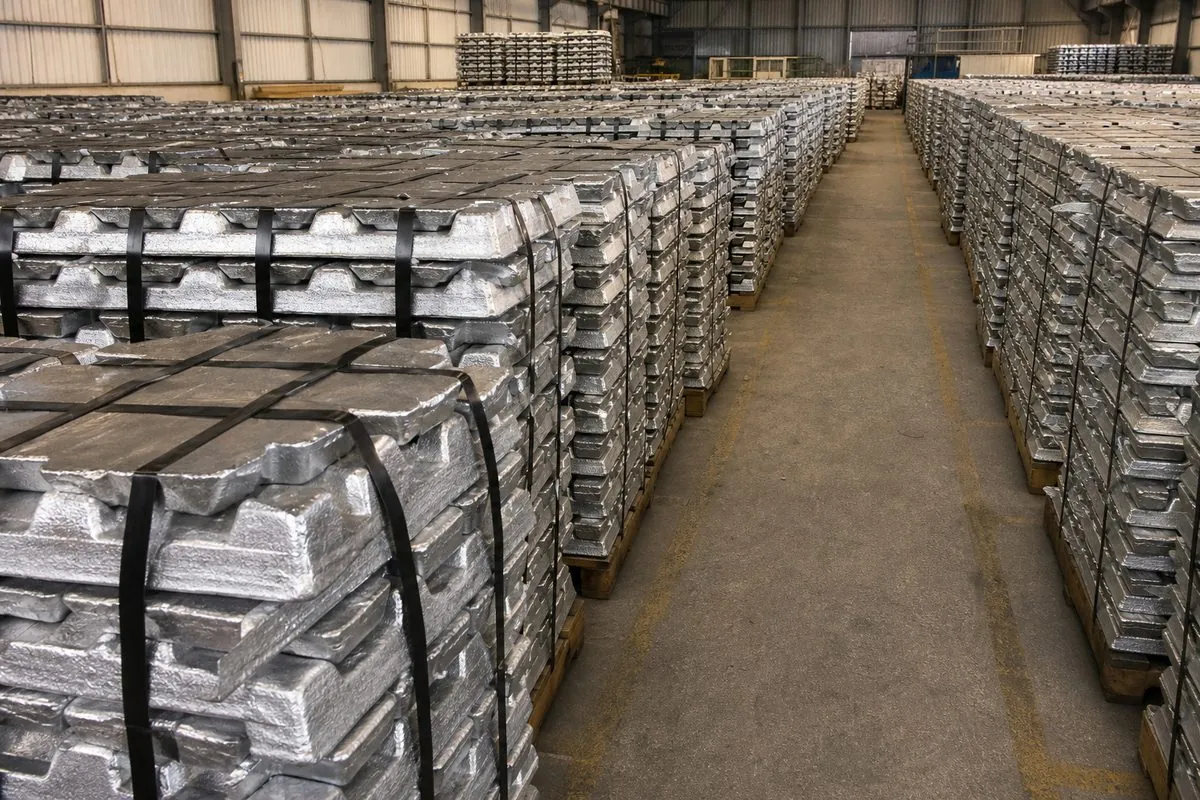
The MTC is the technical identity document for zinc metal. It typically carries heat/cast identity, Zn purity, and impurity limits (Pb, Cd, Fe, Cu and other elements as specified). For SHG programmes, impurity tables decide acceptance; for alloy programmes, alloying elements must match the purchase order. The non-negotiable rule: every heat number appearing on the packing list and bundle tags must appear on an MTC page in the shipment pack.
If third-party assay is ordered, the SGS (or BV / Intertek) certificate should reference the same lot identity. Banks examining LC presentations will compare MTC, packing list, and inspection certificate; mismatches are classic discrepancies. Keep PDF and hard copies version-controlled — superseded MTC pages must not remain in the handoff pack.
Certificate of Origin, Shipping Bill, B/L, and SGS
Certificate of Origin may be preferential (where an FTA reduces destination duty and rules of origin are met for the HS heading) or non-preferential for general customs declaration. Verify FTA coverage per HS and destination with your CHA before invoking preferential treatment. Consignee on the COO must match the commercial and transport documents unless the programme explicitly uses a different structure your broker endorses.
The shipping bill on ICEGATE is filed by your CHA using the commercial invoice, packing list, IEC, and RCMC. HS must match lot chemistry. Valuation must match invoice currency and value. After loading, the bill of lading or sea waybill must reconcile ports, consignee, container numbers, and weight with the packing list and shipping bill. Marine insurance follows the Incoterm — under CIF the exporter typically arranges cover; under FOB the buyer often does.
SGS, Bureau Veritas, or Intertek certificates are not automatic. They are triggered by LC clauses or buyer PO requirements for weight and/or assay. Book inspection early enough that sampling and certificate issuance clear before vessel cutoff. A late inspection booking is one of the most common avoidable zinc sailing delays.
Transport and inspection document roles
Swipe →
Data table — swipe horizontally on small screens
| Document | Primary Job | Zinc-Specific Watchpoint |
|---|---|---|
| COO | Origin declaration / FTA claim | Consignee and HS consistency |
| Shipping bill | Indian export clearance | Correct 79011100 / 79011200 / 79012010 / 79012090 |
| B/L or sea waybill | Title / transport evidence | Weight and container vs packing list |
| Insurance | Risk cover per Incoterm | Insured value vs invoice |
| SGS / BV / Intertek | Independent weight / assay | Heat identity vs MTC |
| e-BRC | Payment realisation record | Reconcile to shipping bill monthly |
HS Declaration Controls
HS declaration controls are the spine of zinc shipping-bill accuracy. Confirm the statistical breakout with your licensed broker before filing. Planning references: 79011100 for ≥99.99% Zn not alloyed; 79011200 for <99.99% Zn not alloyed; 79012010 / 79012090 for zinc alloys unwrought. Do not use 79020010 / 79020090 for refined ingot parcels. Duty planning notes for destination landed-cost work — not for invoice claims — include ASEAN and Middle East corridors; always verify live schedules. Many ASEAN destinations apply preferential or low MFN rates on unwrought zinc under FTA corridors — verify live tariff for HS 7901.11 / 7901.12 before quoting landed cost. UAE and Saudi Arabia commonly import SHG for galvanizing and re-export; confirm GCC duty schedules and destination assay preferences per programme. Duty notes are planning references only. Always verify live schedules (USITC HTS, TARIC, GCC, ASEAN FTA texts) before commercial quotes.
HS control checklist before ICEGATE filing
Swipe →
Data table — swipe horizontally on small screens
| Control | Pass Condition | Fail Condition |
|---|---|---|
| Chemistry vs HS | MTC purity supports declared line | SHG chemistry filed as scrap or wrong purity break |
| Invoice vs shipping bill | Same product story and value | Invoice says SHG; bill says HG |
| Mixed lots | Separate lines per grade/HS | Single blanket HS for mixed chemistry |
| RCMC scope | Chapter 79 / EEPC product fit | RCMC category unrelated to metal |
| Brand claims | Evidence on file if claimed | LME-brand language without proof |
Pricing Analysis
Buyer Tip
Zinc is not documented as a static catalogue price. Commercial invoices should reflect the agreed pricing structure: LME cash or 3M ± regional premium, FOB named Indian port. SHG / LME-brand programmes typically command tighter premiums than non-brand HG; CGG and alloy chemistry add separate premium layers Indicative planning structure only; confirm lot-specific FOB (LME reference + premium + packing + inspection) on quote date From a documentation angle, the invoice must state the price basis clearly (LME reference date or formula if contractually used, premium, packing, inspection) so banks and customs can reconcile value — without publishing stale LME prints as 'current price' in marketing copy on the invoice.
For deeper pricing programme design, see top zinc ingot products exported from India and LME-registered SHG and galvanizing-grade zinc export opportunities. This checklist only owns how price basis appears on commercial documents.
Price basis elements that belong on zinc documents
Swipe →
Data table — swipe horizontally on small screens
| Element | Where It Appears | Note |
|---|---|---|
| LME reference / formula | Contract + invoice notes | Do not print stale absolute LME as 'today's price' |
| Regional premium | Invoice / contract | SHG brand vs HG premium layers |
| Packing & bundling | Invoice or debit note | Pallet / strap costs if separately billed |
| Inspection | Invoice or separate debit | SGS cost allocation per Incoterm/PO |
| Incoterm named place | Invoice header | FOB Mundra / Kandla / Nhava Sheva / Pipavav |
MOQ Analysis
Buyer Tip
Documentation load scales with parcel size. Trial parcels often sit in the 5–25 MT range; standard FCL planning targets 20–25 MT (20ft) — verify bundle stow and payload. Container targets depend on ~25 kg ingot / ~1–1.125 MT bundle dimensions and max payload; treat as indicative commercial practice, not a statutory limit. Industrial buyers may run Monthly MT contracts for galvanizers and traders. From a paperwork view, smaller trial lots still need a full MTC and packing-list identity chain — MOQ does not excuse incomplete heat reconciliation.
See how to export zinc ingots from India for process-level MOQ negotiation; this post only flags that every MT in the container must be document-backed.
Packaging Standards
Export Tip
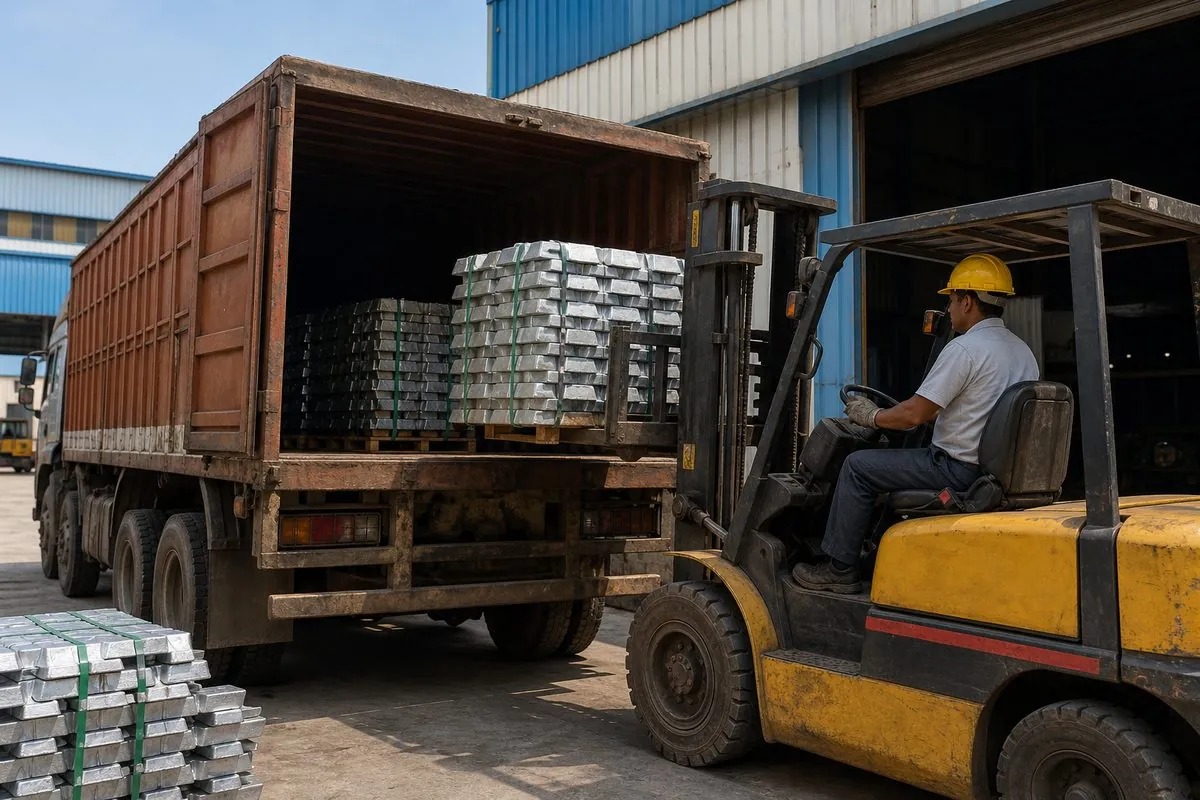
Export packaging for zinc is unitisation and identity, not retail presentation. ~25 kg standard cast ingots (confirm mill cast form; LME SHG rules: ingots not more than 30 kg) Strapped bundles often ~1–1.125 MT (~45 ingots) on wooden pallets or mill bundling — within LME SHG warrant max of 1.5 tonnes per bundle where LME programmes apply Lot / heat / cast tagging; brand marks for LME-registered programmes Weather protection against white rust / oxidation during ocean transit Documentation must record those standards on the packing list and, where relevant, on inspection certificates. Wood packaging needs ISPM-15 evidence. Damaged straps or illegible heat tags are both QC and documentation failures — fix before sealing and before issuing final packing lists.
Packaging → document map
Swipe →
Data table — swipe horizontally on small screens
| Physical Standard | Document Home | Watchpoint |
|---|---|---|
| ~25 kg ingots | Packing list unit basis | Jumbo forms need explicit callout |
| ~1–1.125 MT bundles | Packing list bundle rows | Bundle count × weight ≈ net MT |
| Heat / brand marks | Tags + packing list + MTC | Illegible tags stop stuffing |
| Weather protection | Packing notes / QC report | White-rust claim defence |
| ISPM-15 pallets | Treatment certificate | Missing cert at destination |
Container Loading Details
Export Tip
FCL planning for zinc typically targets about 20–25 MT in a 20ft subject to bundle dimensions and payload limits. Stuffing reports should record container number, seal number, bundle IDs loaded, and any remainder parcels. The packing list and B/L weights must reconcile to what was actually stuffed. Overstating weight on documents to 'match' a contracted MT is a compliance failure — re-weigh and amend documents instead.
Lead-time context for planning document assembly: samples 7–14 days for sample / assay lots where offered; stock grades 1–3 weeks typical for stock SHG/HG parcels after allocation; custom alloy and third-party inspection programmes 3–6+ weeks for custom alloy chemistry and third-party inspection programmes. Build MTC and inspection timelines backward from vessel cutoff, not forward from stuffing day.
Shipping Methods
Export Tip
Ocean FCL is the default for zinc ingot export parcels from Mundra, Kandla / Deendayal, Nhava Sheva (JNPT), Pipavav. Common Incoterms include EXW mill / warehouse; FOB Mundra / Kandla / Nhava Sheva / Pipavav; CFR / CIF major destination ports; DDP (selected industrial programmes only). Document sets change with Incoterm: FOB programmes emphasise clean B/L and buyer-arranged insurance; CFR/CIF programmes add freight and possibly insurance documents to the presentation set. Air freight is rare for bulk zinc and usually limited to small assay or sample lots — still require MTC identity discipline.
For logistics process depth beyond documents, see how to export zinc ingots from India.
Incoterm → document emphasis
Swipe →
Data table — swipe horizontally on small screens
| Incoterm | Exporter Doc Emphasis | Buyer Doc Emphasis |
|---|---|---|
| EXW | Invoice, packing list, MTC at mill/warehouse | All onward transport and clearance |
| FOB named port | Export clearance pack + on-board B/L | Insurance and destination clearance |
| CFR | Freight arrangement evidence + B/L | Insurance if not seller's |
| CIF | Freight + insurance certificate + B/L | Destination clearance |
| DDP (rare) | Full landed documentary chain | Import compliance coordination |
Certifications
Compliance Notes
- Mill Test Certificate (MTC) with chemistry and heat/cast identity
- LME brand registration evidence for SHG programmes
- Third-party assay and weight (SGS / Bureau Veritas / Intertek as specified)
- ISO 9001 (producer / exporter quality system)
- Certificate of Origin
- Commercial invoice, packing list, bill of lading / sea waybill
- Destination metal standard declarations where buyer specifies
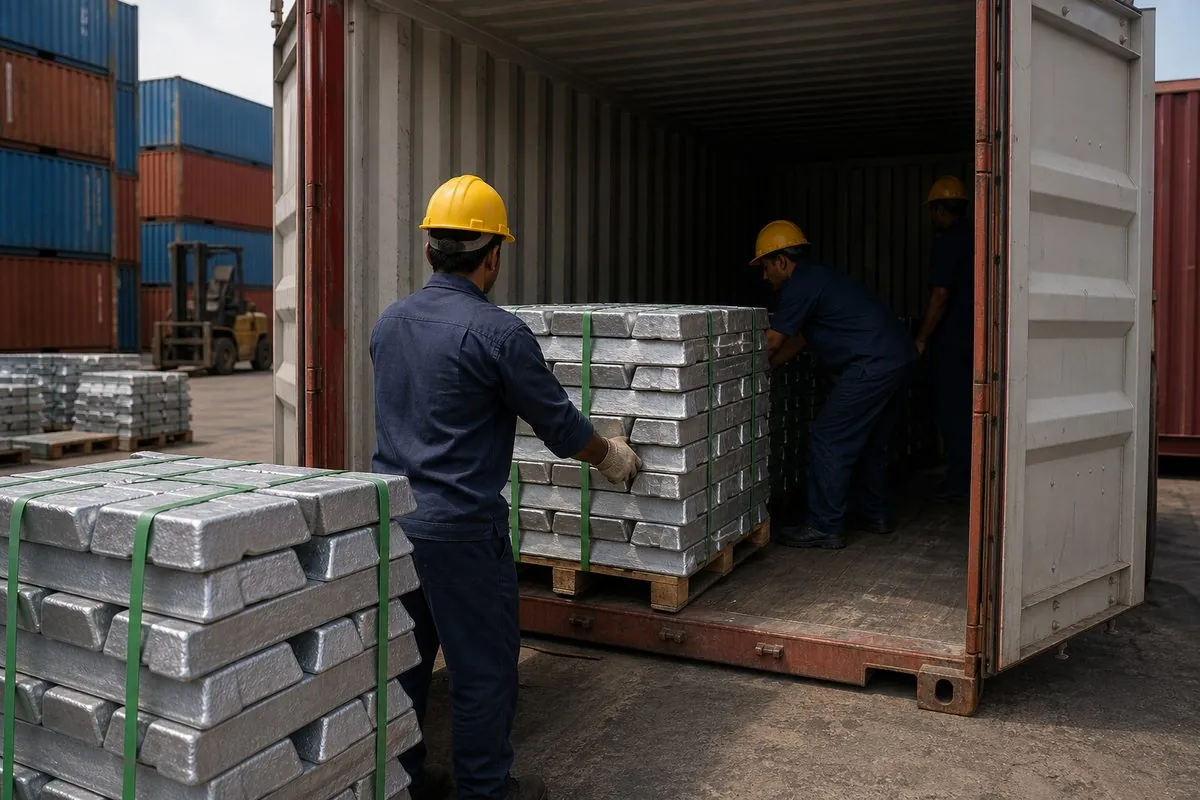
Zinc programmes rely on metal evidence more than consumer eco-labels. Core certification and evidence items include:
Buyer Requirements
Buyer Requirements
Buyer requirements show up as documentary clauses. Galvanizers often require MTC impurity limits and sometimes third-party assay. Traders often require LC-compatible document sets and clean B/L language. Re-export desks in the Gulf require consignee and notify-party clarity across COO and B/L. Always convert verbal 'we need SGS' into a written scope: weight only, assay only, or both; sampling method; certificate originals vs copies; and whether inspection is pre-shipment at warehouse or at port.
Buyer type → document expectations
Swipe →
Data table — swipe horizontally on small screens
| Buyer Type | Typical Must-Have Docs | Common Add-Ons |
|---|---|---|
| Galvanizer end user | Invoice, packing list, MTC | SGS assay, CGG chemistry notes |
| Metal trader | Full LC set, MTC, B/L | Brand evidence, weight cert |
| Re-export desk | Clean title docs, COO, MTC | Split B/L discipline if used |
| Alloy / die-cast buyer | Alloy MTC, invoice chemistry | Third-party assay |
Country-wise Opportunities
Market Snapshot
Destination opportunity is owned by the countries post; this checklist only maps documentation posture. Anchor markets — Singapore, Thailand, Taiwan, United Arab Emirates, Saudi Arabia, Indonesia, Malaysia, Vietnam — share a common Indian export pack but differ on preferential COO use, inspection intensity, and brand scrutiny. Use best countries for Indian zinc ingot exports and most demanded Indian zinc ingot grades by country for market selection; use the table below only to pre-build destination-specific document variants.
Country → documentation variant (not a market-ranking guide)
Swipe →
Data table — swipe horizontally on small screens
| Market | Doc Variant Focus | Pointer |
|---|---|---|
| Singapore / Taiwan | Trader LC + brand + MTC depth | Prepare brand evidence early |
| Thailand / Vietnam | Galvanizer assay + heat identity | Align CGG/SHG wording on invoice |
| UAE / Saudi Arabia | Re-export chain clarity | Consignee consistency across docs |
| Indonesia / Malaysia | Clean HS + MTC basics | Confirm FTA COO path with CHA |
Sourcing Checklist
Checklist
- Allocation confirmed with mill/warehouse lot IDs and provisional MTC
- Grade and HS posture confirmed with CHA in writing
- Bundle marks legible; heat list drafted for packing list
- Inspection agency booked if LC/PO requires SGS/BV/Intertek
- Wood pallet ISPM-15 status confirmed
- Incoterm and named port agreed; insurance responsibility clear
- Commercial invoice draft reviewed against PO and LC documentary list
- COO route and timeline confirmed
- CHA handoff pack index prepared
- Vessel cutoff and document cutoff diarised backward
Before you promise a sailing date, run this sourcing-side documentation checklist against the allocated parcel.
Exporter Checklist
Checklist
Treat the exporter checklist as a go/no-go gate. If any technical identity item is red, do not seal the container. Remaking a packing list after stuffing is possible; remaking heat identity after the vessel sails is not.
Common Buyer Mistakes
Common Mistakes Box
- Requesting 'SGS' without specifying weight vs assay scope and sampling location
- Sending LC documentary lists that conflict with the agreed Incoterm
- Assuming all Indian zinc is automatically LME-brand SHG without asking for evidence
- Mixing alloy and non-alloy expectations on one PO line
- Changing consignee after COO issuance without re-issuing documents
- Treating heat-number mismatches as minor clerical issues under LC
Buyers and their nominated banks create documentary friction when requirements are vague. The mistakes below are the ones Indian zinc exporters see most often — and the exporter-side corrections that prevent sailing-day chaos.
Future Market Trends
Key Statistics
Through the late 2020s, zinc documentation will keep tightening around digital identity and inspection discipline: more buyers will demand searchable MTC PDFs keyed to heat numbers; more LCs will specify electronic presentation where corridors allow; preferential origin claims will face closer rules-of-origin scrutiny on Chapter 79; and white-rust / packaging evidence will show up more often in destination claim files. Exporters who keep a version-controlled compliance folder — MTC archive, brand evidence, ISPM-15, inspection SOPs, CHA handoff templates — will clear west-coast cutoffs with less drama than those assembling papers from email threads.
Digitisation of DGFT eCoO, e-BRC, and ICEGATE workflows reduces friction only for exporters who already maintain clean digital packs. The trend rewards operational hygiene, not last-minute heroics.
How Altus Exports Helps with Zinc Documentation
Altus Exports operates as a merchant exporter and global sourcing partner for zinc ingots programmes. We help consolidate Rajasthan-origin mill parcels, reconcile MTC and packing-list identity, coordinate SGS-style inspection when contracts require it, and hand a clean indexed pack to the CHA for Mundra, Kandla, JNPT, or Pipavav sailings — so Singapore, Thailand, Taiwan, UAE, Saudi Arabia, Indonesia, Malaysia, and Vietnam buyers receive document sets that match the metal.
Work with Altus Exports as your merchant exporter and global sourcing partner for zinc ingots — verified Indian mill parcels, MTC-backed lots, LME/SHG programme coordination, export documentation, and FCL booking from inquiry to shipment. For EEPC groundwork see EEPC registration benefits for zinc ingot exporters; for process depth see how to export zinc ingots from India; for channel follow-up after events see trade shows and B2B marketplaces for zinc ingot exporters.
Expert Insights
Expert Insight Box
Zinc exporters who convert metals-desk inquiries into repeat FCLs share one pattern: their documentation pack is pre-built and attached early — sample MTC page, draft invoice fields, HS posture, inspection options, and Incoterm with named port — not assembled after the buyer 'confirms interest'. Merchant exporters who keep a single indexed compliance folder mirroring the master inventory above spend a fraction of the time on cutoff-day scrambles compared with those working from ad hoc email attachments per shipment.
Conclusion
- Do next: Index the master document inventory and run the exporter checklist as a go/no-go gate before your next zinc FCL.
- Read how to export zinc ingots from India, EEPC registration benefits for zinc ingot exporters, source zinc ingots directly from India, top zinc ingot products exported from India, LME-registered SHG and galvanizing-grade zinc export opportunities, and trade shows and B2B marketplaces for zinc ingot exporters.
- For documentation-backed zinc programmes with Altus as merchant exporter, see engineering goods, merchant exporter services, export products from India, global sourcing partner, and product sourcing company.
The zinc ingot export documentation checklist is a reconciliation architecture, not a paper trail. Commercial invoice, packing list with heat and bundle identity, MTC, IEC, GST, EEPC RCMC, correct HS declaration under 79011100 / 79011200 / 79012010 / 79012090, COO, marine insurance as required, shipping bill through CHA on ICEGATE, bill of lading, optional SGS/BV/Intertek certificates, e-BRC realisation, and a clean indexed broker handoff pack — all must reconcile across legal, commercial, and technical identity for every Rajasthan-origin parcel that leaves India's west coast.
Actionable next steps: build a master compliance folder mirroring the master document inventory; version-control MTCs by heat; pre-agree inspection scope in writing; confirm HS with your CHA before every new grade; diary document cutoff backward from vessel cutoff; reconcile e-BRC monthly. Contact Altus Exports for a documentation readiness review connecting this checklist to real zinc commercial outcomes.
Sources
- WITS / UN Comtrade — India exports HS 790111 by partner, 2024
- UN Comtrade Database
- ITC Trade Map
- DGFT (India) — IEC / trade portal
- ICEGATE — Indian Customs EDI
- India CBIC / Customs Tariff — Chapter 79 Zinc
- EEPC India
- London Metal Exchange — Zinc
- LME Special Contract Rules — SHG Zinc chemical composition
- USITC Harmonized Tariff Schedule (search 7901.11.00)
- European Commission TARIC
- Hindustan Zinc — Zinc products
- HZL Integrated Report FY2024-25 — Zinc operational performance
- Vedanta FY25 Segment Review — Zinc India
- ISO 9001 overview
- Altus Exports — Engineering Goods
All sources accessed 2026-07-26. Prefer primary government, exchange, and multilateral trade databases when citing figures in contracts or buyer presentations.