LME-Registered SHG and Galvanizing-Grade Zinc Export Opportunities from India
By Saurabh Mittal, Founder, Altus Exports
Premium export opportunities for LME-registered Special High Grade zinc and continuous galvanizing-grade programmes from India — brand pathways, high-trust industrial contracts, assay discipline, and margin positioning beyond commodity parcels.
LME-registered SHG zinc and continuous galvanizing-grade (CGG) programmes sit at the premium tier of India's unwrought zinc ingots catalogue. These are not interchangeable with opportunistic HG parcels or scrap under HS 79020010 / 79020090. Special High Grade metal under India HS 79011100 covers unwrought zinc ≥99.99% Zn; LME SHG contract rules require minimum 99.995% Zn plus an LME-approved brand — HS eligibility alone is not LME deliverability. Related HG lines sit under 79011200 and specialty alloys under 79012010 / 79012090. Buyers who pay tighter premiums are buying trust: brand eligibility, heat/cast identity, third-party assay, and packing that protects surfaces through ocean transit.
India HS 790111 exports in 2024 totalled US$610,648.91K and 214,979,000 kg (~US$610.6M / ~215.0 kt) per WITS/UN Comtrade. Leading partners by value: Singapore, Thailand, Other Asia nes (commonly reported as Taiwan), UAE, Saudi Arabia, Indonesia, Malaysia, Nepal, Vietnam, and Korea. Treat as directional planning context — confirm with DGCI&S / ITC Trade Map / paid customs extracts before citing in contracts. This guide is a premium / specialty playbook for LME-registered SHG, CGG, and high-trust industrial contracts. It does not own the commodity export-process pillar, the general EEPC India membership essay, or trade-data lead-generation tactics — those live in companion posts. Confirm brand registration status and ITC-HS wording with your mill counterpart and CHA before any commercial claim leaves your desk.
For end-to-end export process steps, see How to Export Zinc Ingots from India. For the full grade catalogue, see Top Zinc Ingot Products Exported from India. For destination ranking, see Best Countries for Indian Zinc Ingot Exports. For document field checklists, see Zinc Ingot Export Documentation Checklist. For finding buyers via HS screens, see Find International Buyers for Zinc Ingots.
Altus Exports acts as a merchant exporter in India and global sourcing partner coordinating mill parcels from the Rajasthan integrated zinc complex (Chanderiya (Rajasthan) — Hindustan Zinc smelter belt; Debari (Rajasthan); Dariba (Rajasthan)) toward Mundra, Kandla / Deendayal, Nhava Sheva (JNPT), Pipavav for overseas industrial programmes.
Key Takeaways
Summary Box
Executive Summary
Summary Box
Premium zinc export opportunities from India concentrate where buyers need more than a random FOB print: LME-registered Special High Grade for high-trust settlement and warehouse pathways; Continuous Galvanizing Grade chemistry tuned to continuous lines; and industrial contracts that bind monthly tonnage, inspection, and packing standards. Margin accrues to exporters who can prove brand eligibility, release heat-identified MTCs, and execute west-coast stuffing without white-rust surprises — not to the cheapest claim on a messenger chat.
India's advantage is integrated refined-zinc capacity in Rajasthan (Hindustan Zinc / Vedanta belt) plus merchant-exporter programmes that consolidate mill parcels for overseas galvanizers and traders across ASEAN and the Middle East. The specialty challenge is honesty: non-brand SHG is a real product with a real premium band; claiming LME registration when the parcel is not brand-eligible destroys accounts that take months to win.
This guide covers premium programme architecture, buyer segments, pricing and MOQ for brand metal, packing and inspection discipline, country opportunities for high-trust contracts, and compliance checklists. Process registration steps: pillar guide. Grade chemistry tables: products guide. Document packs: documentation checklist.
Market Size & Industry Overview
Key Statistics
India HS 790111 exports in 2024 totalled US$610,648.91K and 214,979,000 kg (~US$610.6M / ~215.0 kt) per WITS/UN Comtrade. Leading partners by value: Singapore, Thailand, Other Asia nes (commonly reported as Taiwan), UAE, Saudi Arabia, Indonesia, Malaysia, Nepal, Vietnam, and Korea. Treat as directional planning context — confirm with DGCI&S / ITC Trade Map / paid customs extracts before citing in contracts. Premium LME-brand and CGG programmes sit inside the same HS 790111 trade pool as commodity SHG — the differentiation is contractual and documentary, not a separate customs heading. That means market sizing for specialty zinc is about share of trust-sensitive demand (continuous lines, brand traders, industrial monthly contracts) rather than inventing a parallel export total.
Production narrative for premium offers should name the Rajasthan integrated complex — Chanderiya (Rajasthan) — Hindustan Zinc smelter belt, Debari (Rajasthan), Dariba (Rajasthan) — and disclose when Merchant-exporter consolidation programmes (west-coast ports) sit between mill and vessel. Buyers paying brand premiums expect that honesty.
Premium Zinc Programme Segments vs Commodity Contrast
Swipe →
Data table — swipe horizontally on small screens
| Programme | Trust Requirement | Typical Buyer |
|---|---|---|
| LME-registered SHG | Brand evidence + warrant/assay discipline | Warehouse traders, high-spec industrial |
| Non-brand SHG | MTC + optional third-party assay | Galvanizers, regional traders |
| CGG continuous grade | Chemistry windows + line qualification | Continuous galvanizing plants |
| HG commodity | Purity band honesty | General galvanizing / traders |
| Zinc alloy ingots | Composition tables + MTC | Die-casting / specialty foundries |
| Scrap (contrast only) | Not a premium SHG substitute | Recyclers — exclude from this pitch |
Export Statistics
Key Statistics
Public trade statistics rarely split ‘LME-registered’ versus ‘non-brand’ SHG inside HS 790111 — treat brand share as a commercial estimate informed by mill programmes and buyer RFQs, not as a published DGCI&S breakout. What export statistics do show is the directional scale of India's ≥99.99% Zn line and the partner countries where premium offers are most likely to find literate counterparties.
Use export screens under HS 79011100 to size opportunity corridors, then overlay qualitative filters: continuous galvanizing capacity, presence of metals warehouses, and historical willingness to pay for third-party inspection. Those overlays — not a fake ‘LME export total’ — guide specialty targeting.
Directional Export Context for Premium Zinc Targeting
Swipe →
Data table — swipe horizontally on small screens
| Metric | Directional Anchor | Specialty Use |
|---|---|---|
| HS 790111 India exports | ~US$610M / ~215 kt (2024 aggregates) | Overall SHG-class pool size |
| Leading partners | Singapore, Thailand, Taiwan, United Arab Emirates, Saudi Arabia | Priority premium outreach corridors |
| Primary origin narrative | Rajasthan HZL integrated complex | Brand / mill credibility story |
| Load ports | Mundra, Kandla / Deendayal, Nhava Sheva (JNPT), Pipavav | FOB naming for premium quotes |
| Council credibility | EEPC India | RCMC as export credential — not purity cert |
| Pricing structure | LME cash or 3M ± regional premium, FOB named Indian port | Mandatory frame for brand offers |
Import Statistics
Key Statistics
Destination import statistics under HS 7901.11 help identify where refined zinc intake is growing. Premium programmes win where buyers already import SHG-class metal and are upgrading documentation expectations — not where the market only buys scrap or oxide. Watch ASEAN continuous lines and Middle East infrastructure galvanizers for rising tonnage plus tighter assay language in RFQs.
Many ASEAN destinations apply preferential or low MFN rates on unwrought zinc under FTA corridors — verify live tariff for HS 7901.11 / 7901.12 before quoting landed cost. UAE and Saudi Arabia commonly import SHG for galvanizing and re-export; confirm GCC duty schedules and destination assay preferences per programme. EU CN 7901 lines: confirm TARIC duty and any anti-dumping / safeguard measures applicable to origin India before CFR/CIF quotes. US HTS 7901.11.00 Column 1-General (MFN) is typically 1.5% for unwrought zinc containing by weight 99.99% or more of zinc — confirm live on USITC HTS and any Chapter 99 overlays before quoting landed cost. Preferential Special rates may apply under listed FTAs; India-origin metal is generally outside Section 301 China lists, but always verify.
Import-Side Signals Favouring Premium SHG / CGG Offers
Swipe →
Data table — swipe horizontally on small screens
| Import Signal | Specialty Interpretation |
|---|---|
| Rising HS 7901.11 tonnage + inspection clauses | Buyer ready for brand / assay premiums |
| Continuous galvanizing capacity expansions | CGG chemistry programmes likely |
| Warehouse / LME-adjacent trading hubs | Brand registration evidence becomes gate |
| Origin switches after failed lots | Trust reset opportunity with MTC discipline |
| Stable HG-only intake, no assay language | Commodity pitch — do not oversell LME brand |
| Alloy HS 7901.20 growth | Separate specialty alloy programme, not SHG substitute |
Product Categories / Variants
Summary Box
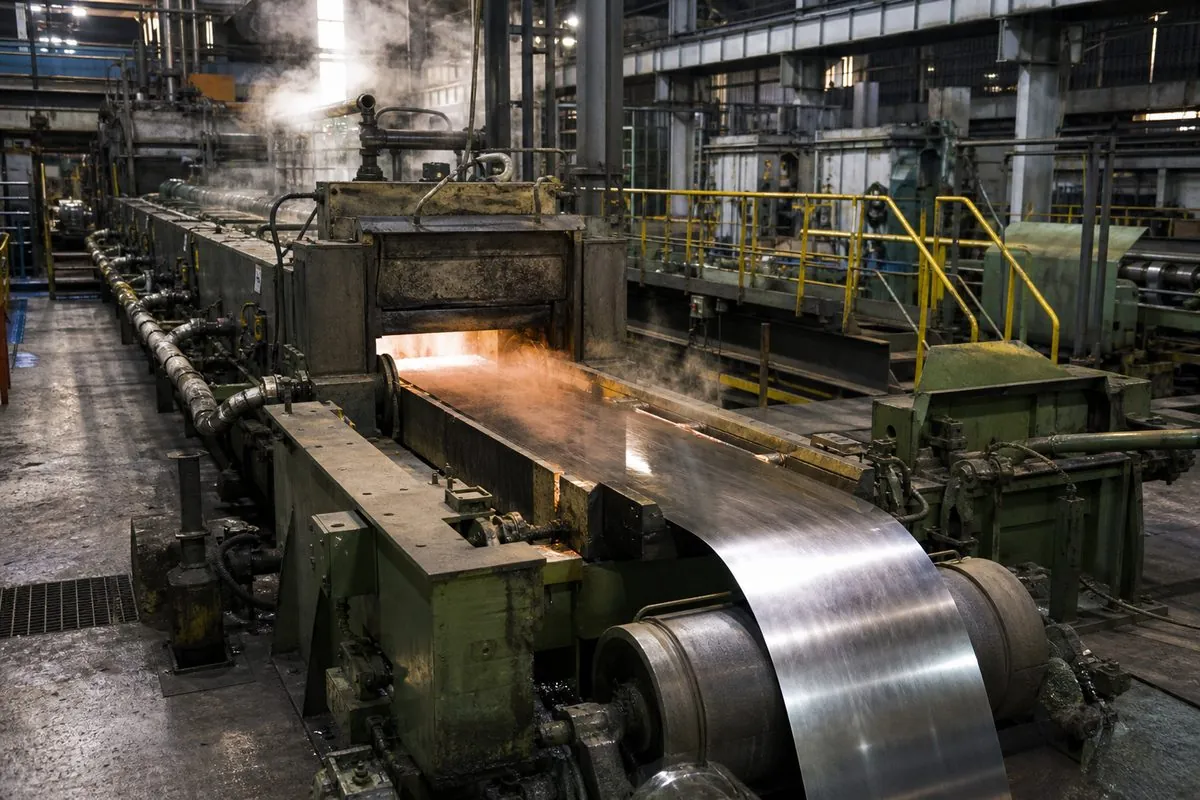
Premium positioning starts with precise product identity. The variants below are the specialty catalogue — each with a different trust stack and premium logic. Deep impurity tables belong in the products pillar; here the focus is which variant unlocks which industrial contract type.
Specialty Zinc Variants and Contract Fit
Swipe →
Data table — swipe horizontally on small screens
| Variant | HS | Premium Contract Fit |
|---|---|---|
| SHG — Special High Grade (India HS 79011100: ≥99.99% Zn; LME SHG contract: min 99.995% Zn + approved brand — HS alone ≠ LME deliverability) | 79011100 | LME-brand industrial & warehouse programmes |
| CGG — Continuous Galvanizing Grade (process-fit chemistry; map HS from assay) | 79011100 | Continuous galvanizing line qualification |
| Non-brand SHG (honest commodity-premium) | 79011100 | Galvanizers needing purity without brand |
| HG — High Grade (~99.95% Zn; typically HS 79011200 when <99.99%) | 79011200 | Lower-trust commodity — not LME specialty core |
| Jumbo / standard cast forms (~25 kg and mill-specific jumbo) | 79011100/79011200 | Industrial melt and warehouse handling prefs |
| Zinc alloy ingots (die-casting / specialty — India 79012010 / 79012090) | 79012010 / 79012090 | Die-casting / specialty chemistry contracts |
LME-Registered SHG Pathway
LME brand registration is mill- and brand-specific. Export offers must map the physical parcel to an eligible brand, preserve marks and lot identity through bundling, and support the assay/weight evidence the buyer’s contract requires. Premiums tighten when the buyer can rely on that chain; they evaporate when brand language is decorative.
CGG Continuous Galvanizing Pathway
CGG programmes are chemistry- and process-qualified for continuous lines. Buyers care about impurity windows that protect pot chemistry and coating performance. Position CGG as a specified industrial input with line-trial logic — sample/assay lots, then monthly MT — rather than as a marketing synonym for ‘good zinc.’
High-Trust Industrial Contracts
Beyond single FCLs, specialty exporters pursue framework agreements: monthly tonnage, fixed inspection protocol, packing standards, and LME-linked pricing formulae. These contracts reward allocation reliability and documentation speed as much as headline premium.
Manufacturing Overview
Export Tip
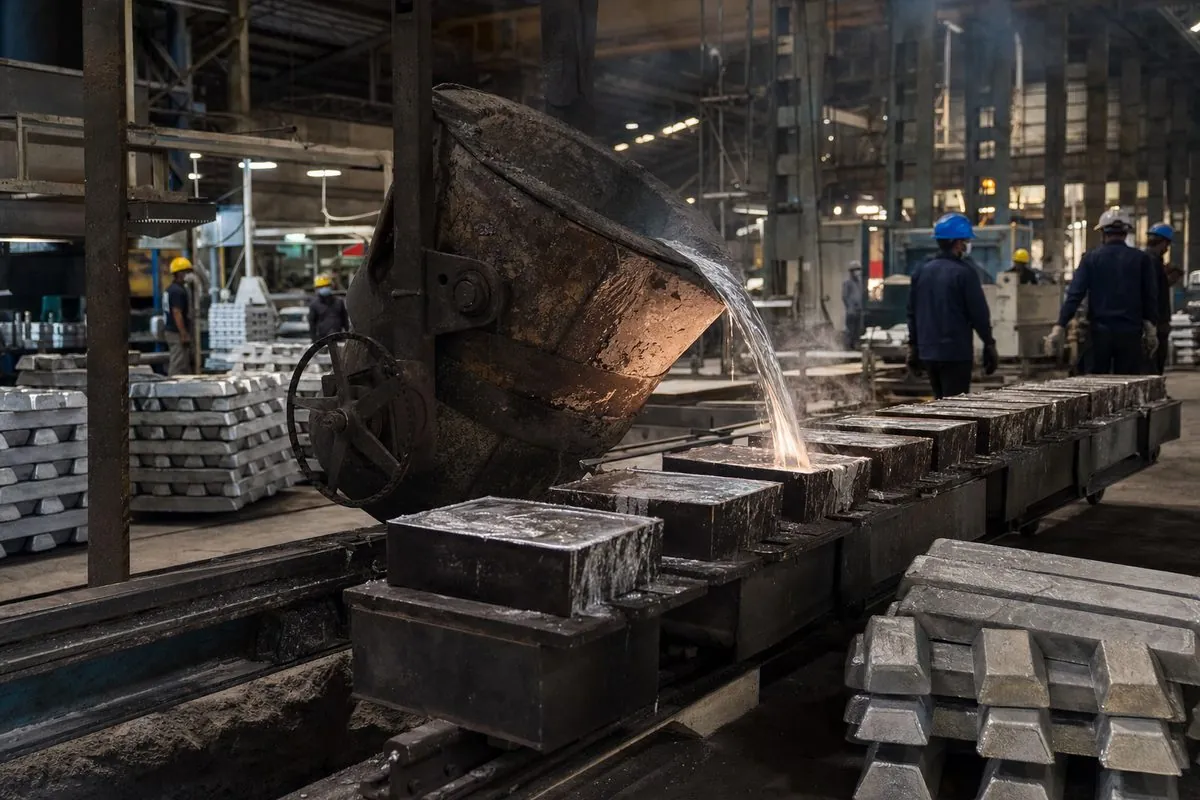
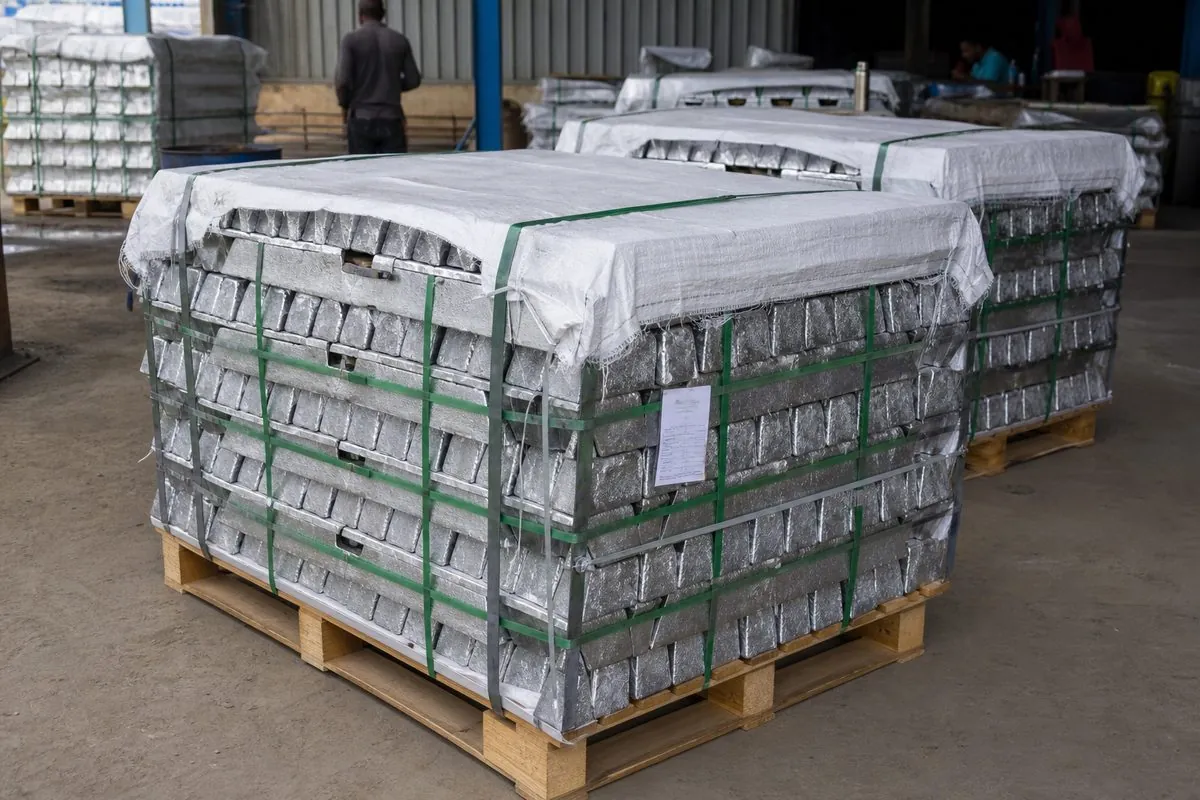
Premium zinc stories start at the Rajasthan integrated refining and casting complex. Hindustan Zinc’s Chanderiya, Debari, and Dariba belt context underpins origin narratives for SHG cast into roughly ~25 kg standard cast ingots (confirm mill cast form; LME SHG rules: ingots not more than 30 kg) forms, then bundled for export. Merchant exporters add value when they secure allocation, reconcile MTCs, arrange third-party inspection, and stuff at Mundra, Kandla / Deendayal, Nhava Sheva (JNPT), Pipavav without breaking lot identity.
Specialty manufacturing credibility is demonstrated by: brand mark control, heat/cast tagging, weather protection against white rust, and the ability to open lots for independent assay. A warehouse walkthrough video showing tagged bundles and protected stacks often closes trust faster than a brochure claiming ‘LME quality’ without evidence.
Pricing Analysis
Buyer Tip
Specialty zinc pricing is formula-driven. LME cash or 3M ± regional premium, FOB named Indian port. SHG / LME-brand programmes typically command tighter premiums than non-brand HG; CGG and alloy chemistry add separate premium layers Indicative planning structure only; confirm lot-specific FOB (LME reference + premium + packing + inspection) on quote date Brand programmes typically sit at the tight end of regional premium bands; CGG chemistry and heavy inspection add layers; HG sits wider and should not be sold with LME-brand rhetoric.
Industrial buyers often accept a transparent formula with audit rights over the LME reference date more readily than a opaque ‘all-in’ number that hides premium logic. Publish the formula components on the offer sheet: LME reference, premium, packing, inspection, and inland haul to named port.
Premium Pricing Components for Specialty Zinc Offers
Swipe →
Data table — swipe horizontally on small screens
| Component | Role in Offer | Specialty Note |
|---|---|---|
| LME cash or 3M reference | Base metal index | State date/source rule |
| Regional / brand premium | Trust and logistics differential | Tighter for registered SHG |
| CGG chemistry adder | Line-specific impurity control | Only when specified |
| Inspection & assay cost | Third-party evidence | Allocate buyer/seller share |
| Packing & weather protection | Surface preservation | White-rust risk pricing |
| Inland + FOB named port | Indian logistics to vessel | Mundra/Kandla/JNPT/Pipavav |
MOQ Analysis
Buyer Tip
Brand status does not remove physical MOQ constraints. Trials still often run 5–25 MT; FCL planning still targets 20–25 MT (20ft) — verify bundle stow and payload; industrial programmes still prefer Monthly MT contracts for galvanizers and traders. Container targets depend on ~25 kg ingot / ~1–1.125 MT bundle dimensions and max payload; treat as indicative commercial practice, not a statutory limit. Specialty buyers may accept smaller first lots when assay protocols are robust — use that flexibility to qualify lines before locking annual tonnage.
MOQ Staging for Premium Zinc Programmes
Swipe →
Data table — swipe horizontally on small screens
| Stage | Quantity | Specialty Purpose |
|---|---|---|
| Assay / qualification lot | 7–14 days for sample / assay lots where offered window; tonnage per offer | Brand + chemistry acceptance |
| Trial parcel | 5–25 MT | Packing, inspection, sailing validation |
| Standard FCL | 20–25 MT (20ft) — verify bundle stow and payload | Repeat wholesale brand cadence |
| Industrial monthly | Monthly MT contracts for galvanizers and traders | Continuous line planning |
Packaging Standards
Export Tip
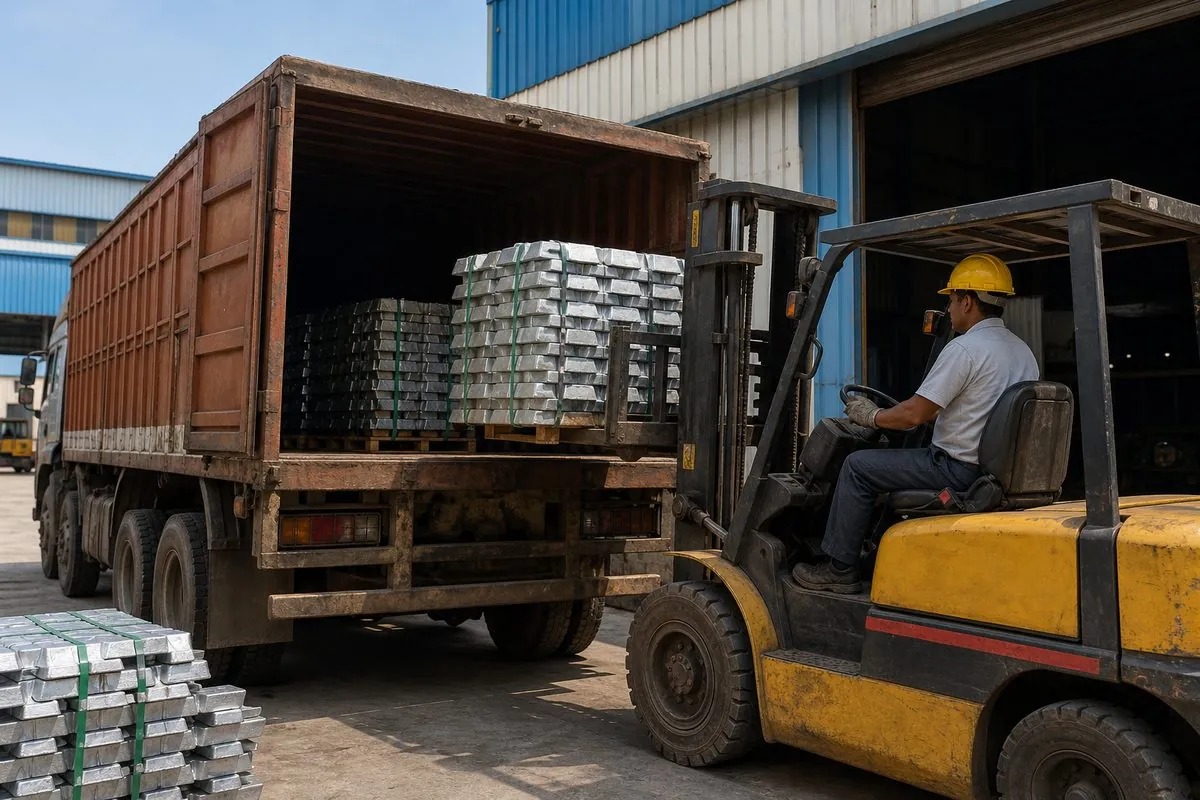
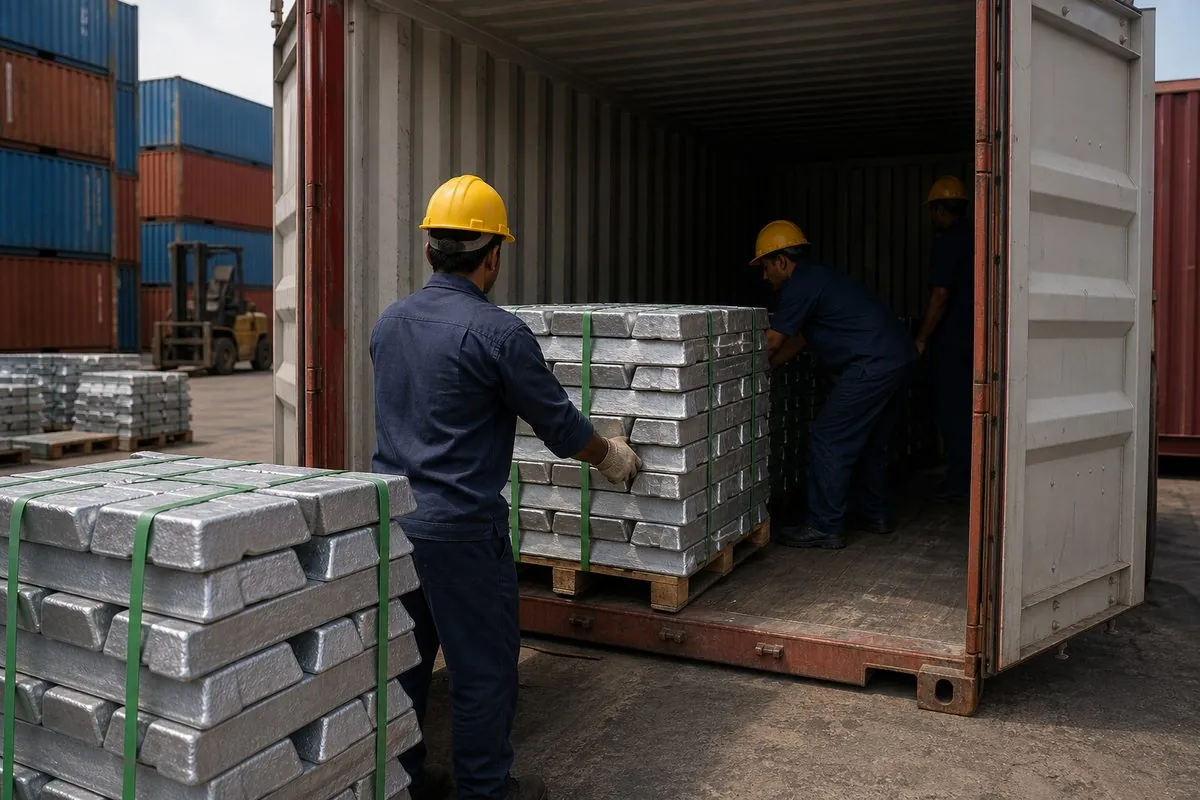
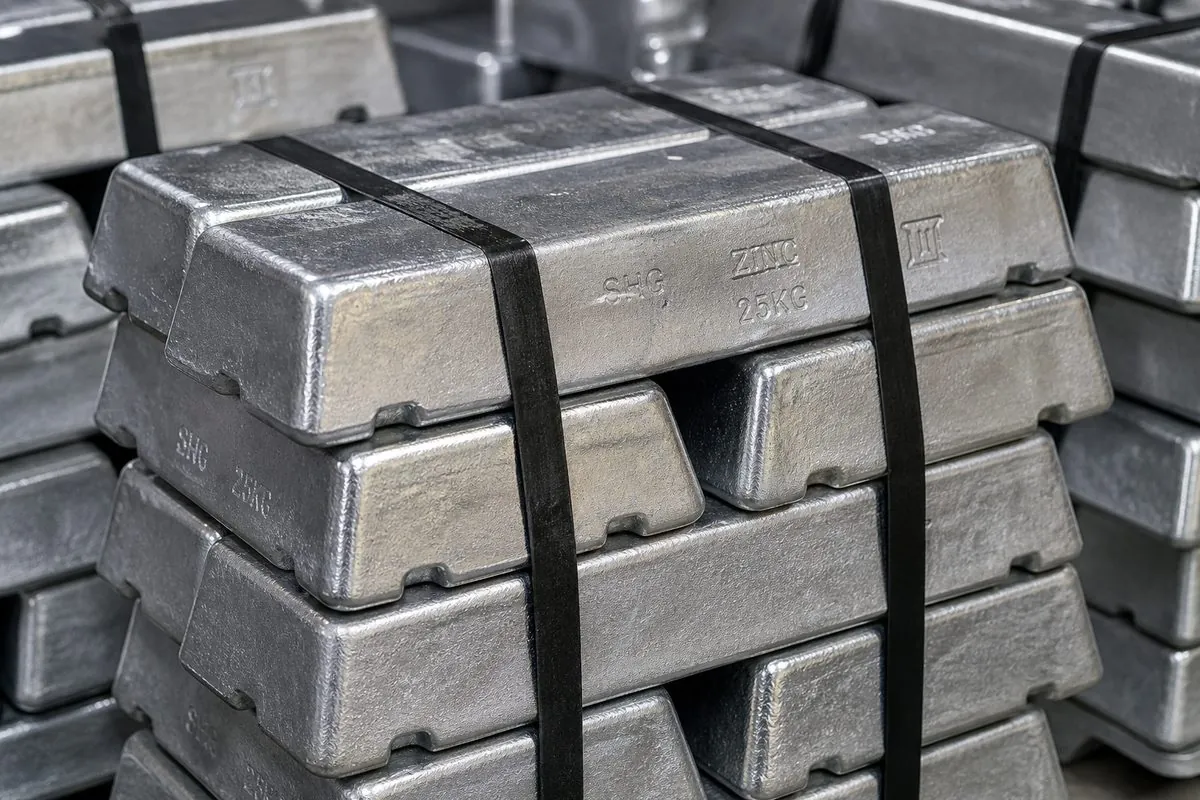
Premium buyers scrutinise packaging because surface condition and lot identity protect the premium itself. Standard practice remains ~25 kg standard cast ingots (confirm mill cast form; LME SHG rules: ingots not more than 30 kg); Strapped bundles often ~1–1.125 MT (~45 ingots) on wooden pallets or mill bundling — within LME SHG warrant max of 1.5 tonnes per bundle where LME programmes apply; Lot / heat / cast tagging; brand marks for LME-registered programmes; Weather protection against white rust / oxidation during ocean transit. For LME-brand programmes, marks and tags must survive stuffing and discharge without ambiguity.
Specialty Packaging Controls
Swipe →
Data table — swipe horizontally on small screens
| Control | Why Premium Buyers Care |
|---|---|
| Brand / cast marks intact | Registration and identity chain |
| Heat / lot tags readable | MTC reconciliation |
| Strap integrity on ~1–1.125 MT bundles | Safe handling and stow |
| Weather / white-rust barriers | Surface acceptance on arrival |
| Pallet or mill bundle standards | Warehouse compatibility |
| Photo pack before stuffing | Dispute prevention |
Container Loading Details
Export Tip
Specialty parcels usually move FCL with payload-aware stow. Target roughly 20–25 MT in a 20ft after verifying bundle dimensions against container limits. Avoid casual mixed lots that blur brand identity. For large industrial programmes, breakbulk or dedicated parcel strings may apply — plan with the forwarder early so inspection timing still fits.
Loading Options for Premium Zinc Parcels
Swipe →
Data table — swipe horizontally on small screens
| Mode | Typical Use | Specialty Caution |
|---|---|---|
| 20ft FCL ~20–25 MT | Standard brand / CGG wholesale | Verify payload vs bundle plan |
| 40ft FCL | Larger programme lifts | Payload often binds first |
| Breakbulk / parcel | Monthly industrial volume | Coordinate survey windows |
| Mixed-brand FCL | Generally avoid for LME programmes | Identity and claim risk |
Shipping Methods
Export Tip
Name ports explicitly on premium offers: Mundra; Kandla / Deendayal; Nhava Sheva (JNPT); Pipavav. Incoterms commonly used: EXW mill / warehouse; FOB Mundra / Kandla / Nhava Sheva / Pipavav; CFR / CIF major destination ports; DDP (selected industrial programmes only). Lead times: stock SHG 1–3 weeks typical for stock SHG/HG parcels after allocation; custom alloy / heavy inspection 3–6+ weeks for custom alloy chemistry and third-party inspection programmes; sample/assay 7–14 days for sample / assay lots where offered. Specialty buyers will trade a slightly longer honest window for a lot that passes assay on first try.
Specialty Logistics Timeline Reference
Swipe →
Data table — swipe horizontally on small screens
| Stage | Typical Timing |
|---|---|
| Assay / sample lot | 7–14 days for sample / assay lots where offered |
| Stock SHG / CGG allocation | 1–3 weeks typical for stock SHG/HG parcels after allocation |
| Custom alloy / heavy inspection | 3–6+ weeks for custom alloy chemistry and third-party inspection programmes |
Certifications
Compliance Notes
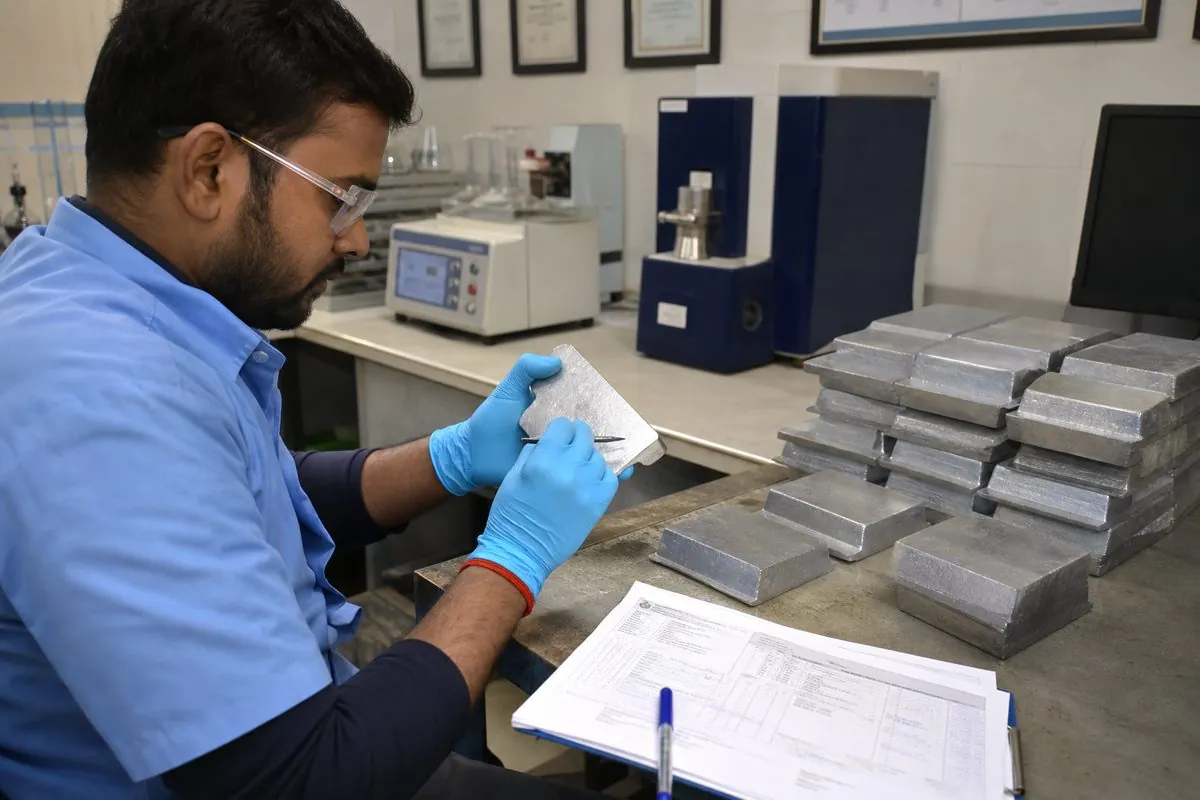
Specialty zinc certification is layered. Mill Test Certificates prove chemistry and identity. LME brand registration evidence proves programme eligibility. Third-party assay proves independent confirmation. ISO systems support process credibility. Certificate of Origin and transport documents close the customs chain. EEPC RCMC supports export-promotion credibility — it does not certify Zn purity.
Certification Stack for Premium Zinc Contracts
Swipe →
Data table — swipe horizontally on small screens
| Credential | What It Proves |
|---|---|
| Mill Test Certificate (MTC) with chemistry and heat/cast identity | Chemistry + heat/cast identity |
| LME brand registration evidence for SHG programmes | Brand programme eligibility |
| Third-party assay and weight (SGS / Bureau Veritas / Intertek as specified) | Independent assay/weight |
| ISO 9001 (producer / exporter quality system) | Quality system maturity |
| Certificate of Origin | Preferential / customs origin |
| Commercial invoice, packing list, bill of lading / sea waybill | Commercial / transport completeness |
| Destination metal standard declarations where buyer specifies | Commercial / transport completeness |
Buyer Requirements
Buyer Requirements
Premium industrial buyers typically require a written specification covering grade, brand status, impurity limits, inspection agency, sampling method, packing, Incoterm, pricing formula, and remedies for off-spec lots. Continuous galvanizers add line-trial acceptance criteria. Warehouse traders add mark and warrant-related language. Meeting these requirements is the core of specialty exporting — not an afterthought after a cheap first quote.
High-Trust Buyer Expectation List
- Brand registration evidence matching the mill marks on the parcel
- MTC fields aligned to the contract chemistry table
- Pre-agreed third-party assay and weight rules
- White-rust mitigation packing standard
- Allocation notices compatible with continuous-line schedules
- Transparent LME±premium formula with reference-date rules
- Rapid discrepancy response with retained samples
Country-wise Opportunities
Market Snapshot
High-trust SHG and CGG demand concentrates in the same directional partner set that dominates Indian HS 790111 flows — Singapore, Thailand, Taiwan, United Arab Emirates, Saudi Arabia, Indonesia, Malaysia, Vietnam — but the winning message differs by market structure.
Premium Opportunity Matrix by Market
Swipe →
Data table — swipe horizontally on small screens
| Market | Best Specialty Fit | Contract Emphasis |
|---|---|---|
| Singapore | Brand SHG trading programmes | Formula + docs speed |
| Thailand | CGG / SHG galvanizing | Monthly MT + assay |
| Taiwan | High-spec industrial SHG | Impurity + MTC depth |
| UAE | Brand / re-export SHG | Allocation + FOB clarity |
| Saudi Arabia | Industrial SHG contracts | Inspection + schedule |
| Indonesia | Growing galvanizing SHG/CGG | Staged qualification |
| Malaysia | Galvanizing SHG | Packing + HS accuracy |
| Vietnam | Expanding continuous lines | CGG chemistry trials |
Singapore
Trading-hub counterparties often require brand literacy and fast document cycles. Premium offers succeed when LME±premium formulae and inspection rules are contract-ready on first serious RFQ.
Thailand
Continuous and general galvanizing create CGG and SHG pull. Emphasise chemistry windows, monthly MT reliability, and west-coast sailing consistency into Thai discharge ports.
Taiwan
Industrial buyers scrutinise impurity limits and documentation. Lead with MTC depth and honest brand status; avoid overselling registration.
United Arab Emirates
Import and re-export dynamics reward allocation reliability and clear FOB naming. Brand evidence helps when parcels feed Gulf industrial users via trader books. ${ZINC_INGOTS_DUTY_NOTES.middleEast}
Saudi Arabia
Infrastructure galvanizing supports industrial contract language — monthly MT, inspection, and packing standards. Premium positioning beats spot haggling when project schedules are fixed.
Indonesia, Malaysia, Vietnam
ASEAN galvanizing growth supports staged specialty entry: assay lot → trial MT → FCL → monthly. ${ZINC_INGOTS_DUTY_NOTES.asean} Qualify CGG needs plant-by-plant rather than assuming one regional spec.
Sourcing Checklist
Checklist
Specialty sourcing succeeds when buyer and exporter share a written trust checklist before premium tonnage moves.
Buyer Checklist
- Verify LME brand eligibility for the named mill brand
- Approve MTC template and impurity table before first parcel
- Nominate inspection agency and sampling rules in the PO
- Confirm packing and white-rust standards in writing
- Separate brand premium from non-brand offers commercially
- Pilot with trial MT before annual volume commitments
Exporter Checklist
- Map every offer line to brand vs non-brand status
- Reconcile heat/cast tags to MTC before stuffing
- Budget inspection time into ETD promises
- Keep photo evidence of marks and packing
- Never reuse LME language on HG or scrap enquiries
Common Buyer Mistakes
Common Mistakes Box
On the specialty path, mistakes cluster around trust theatre: paying for ‘LME’ language without checking brand lists; skipping third-party assay on first lots; mixing brand and non-brand bundles in one container; and treating CGG as a synonym for SHG without line chemistry trials.
Future Market Trends
Key Statistics
Specialty zinc demand will keep concentrating on documentation speed, assay transparency, and brand honesty as continuous galvanizing capacity expands across ASEAN and infrastructure galvanizing remains active in the Middle East. Buyers will increasingly pre-qualify suppliers on digital evidence packs — MTC specimens, brand confirmations, packing standards — before allocating trial tonnage.
Formula pricing linked to LME will remain the language of serious contracts; stale absolute USD/MT lists will keep failing professional procurement. Exporters who industrialise their trust stack will take share from opportunistic sellers who only compete on a thinner premium with weaker paperwork.
Specialty Market Trend Responses
Swipe →
Data table — swipe horizontally on small screens
| Trend | Exporter Response |
|---|---|
| Digital pre-qualification | Publish brand honesty + MTC specimens securely |
| CGG line expansions in ASEAN | Build chemistry trial playbooks plant-by-plant |
| Stricter assay clauses | Standardise SGS/BV/Intertek protocols |
| Brand scrutiny | Separate registered vs non-brand SKUs commercially |
| Monthly industrial contracts | Invest in allocation calendars and notice SLAs |
| White-rust claims rising with humid sailings | Upgrade weather protection and photo packs |
Conclusion
LME-registered SHG and galvanizing-grade zinc export opportunities from India are won on trust architecture: brand eligibility, heat-identified MTCs, third-party assay, weather-aware packing, and LME±premium formulae that industrial buyers can audit. The directional HS 790111 market (~US$610M / ~215 kt) shows where metal already moves; specialty programmes capture durable margin inside those corridors — especially ASEAN continuous lines and Middle East industrial intake — when claims stay honest.
Stage tonnage from 5–25 MT through 20–25 MT (20ft) — verify bundle stow and payload into monthly contracts, stuff via Mundra, Kandla / Deendayal, Nhava Sheva (JNPT), Pipavav, and keep SHG, HG, CGG, and alloy identities commercially separate.
Work with Altus Exports as your merchant exporter and global sourcing partner for zinc ingots — verified Indian mill parcels, MTC-backed lots, LME/SHG programme coordination, export documentation, and FCL booking from inquiry to shipment. Reach us at /contact/, or continue with Top Zinc Ingot Products Exported from India, Zinc Ingot Export Documentation Checklist, Best Countries for Indian Zinc Ingot Exports, and How to Export Zinc Ingots from India. Industry context: Engineering Goods.
Sources
- WITS / UN Comtrade — India exports HS 790111 by partner, 2024
- UN Comtrade Database
- ITC Trade Map
- DGFT (India) — IEC / trade portal
- ICEGATE — Indian Customs EDI
- India CBIC / Customs Tariff — Chapter 79 Zinc
- EEPC India
- London Metal Exchange — Zinc
- LME Special Contract Rules — SHG Zinc chemical composition
- USITC Harmonized Tariff Schedule (search 7901.11.00)
- European Commission TARIC
- Hindustan Zinc — Zinc products
- HZL Integrated Report FY2024-25 — Zinc operational performance
- Vedanta FY25 Segment Review — Zinc India
- ISO 9001 overview
- Altus Exports — Engineering Goods
All sources accessed 2026-07-26. Prefer primary government, exchange, and multilateral trade databases when citing figures in contracts or buyer presentations.