Most Demanded Indian Zinc Ingot Grades by Country
By Saurabh Mittal, Founder, Altus Exports
A country × grade × alloy × pack × inspection demand matrix for Indian zinc ingot exports — what Singapore, Thailand, Taiwan, UAE, Saudi Arabia, Indonesia, Malaysia, and Vietnam actually specify for SHG, HG, CGG, and zinc alloy programmes, with MTC depth and bundle expectations from Altus Exports.
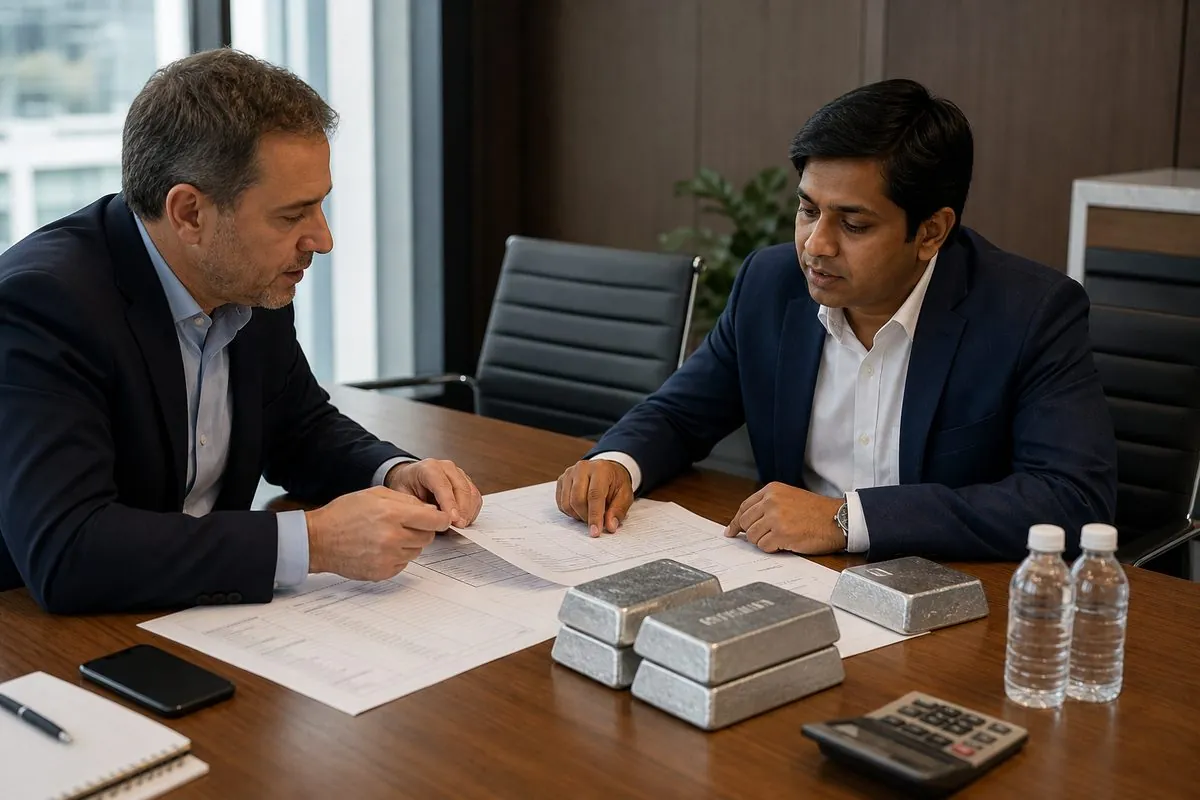
Demand for Indian zinc ingots is not one global SKU. A Singapore metals trader booking LME-registered Special High Grade under HS 79011100 is buying a different acceptance test than a Thai continuous galvanizing line specifying CGG chemistry, a Taiwanese die-caster pulling alloy ingots under HS 79012010 / 79012090, or a UAE re-export desk moving HG parcels with faster document turnaround than brand theatre. Grade, alloy chemistry, pack format, and inspection depth all shift by destination — and treating ASEAN and Middle East zinc demand as homogeneous is how exporters mis-allocate scarce mill parcels.
This guide owns the country × grade × alloy × pack × inspection demand matrix for Indian unwrought zinc. It does not own macro market ranking methodology — see Best Countries for Indian Zinc Ingot Exports — and it does not own end-to-end process steps — see How to Export Zinc Ingots from India. Product chemistry encyclopaedia detail sits in Top Zinc Ingot Products Exported from India; LME specialty pathways sit in LME-Registered SHG and Galvanizing-Grade Zinc Export Opportunities.
India HS 790111 exports in 2024 totalled US$610,648.91K and 214,979,000 kg (~US$610.6M / ~215.0 kt) per WITS/UN Comtrade. Leading partners by value: Singapore, Thailand, Other Asia nes (commonly reported as Taiwan), UAE, Saudi Arabia, Indonesia, Malaysia, Nepal, Vietnam, and Korea. Treat as directional planning context — confirm with DGCI&S / ITC Trade Map / paid customs extracts before citing in contracts. Origin remains the Rajasthan integrated belt (Chanderiya (Rajasthan) — Hindustan Zinc smelter belt; Debari (Rajasthan); Dariba (Rajasthan); Merchant-exporter consolidation programmes (west-coast ports)), with west-coast stuffing at Mundra, Kandla / Deendayal, Nhava Sheva (JNPT), Pipavav. Use this matrix to decide which grade to offer first in each market — then verify live import screens and buyer specs before locking allocation.
Key Takeaways
Summary Box
Executive Summary
Summary Box
Indian refined zinc reaches Singapore, Thailand, Taiwan, United Arab Emirates, Saudi Arabia, Indonesia, Malaysia, Vietnam through trader hubs, galvanizing plants, alloy foundries, and regional redistributors. The exporters who convert trial parcels into monthly MT contracts are the ones who map destination channel — trader vs continuous galvanizer vs die-caster — to the correct purity claim, HS line, pack marking, and inspection protocol before quoting.
This guide gives buyers and exporters a shared vocabulary for that mapping. It walks market context, trade statistics as demand context (not ranking), product variants, manufacturing and pack constraints, pricing and MOQ posture by demand type, and — at the core — detailed country subsections with a master demand matrix. Use it to stop shipping one generic “Indian zinc” story to eight different acceptance cultures.
LME cash or 3M ± regional premium, FOB named Indian port. Indicative planning structure only; confirm lot-specific FOB (LME reference + premium + packing + inspection) on quote date Grade premiums and inspection adders differ by market character; the matrix below explains why.
Market Size & Industry Overview
Key Statistics
India HS 790111 exports in 2024 totalled US$610,648.91K and 214,979,000 kg (~US$610.6M / ~215.0 kt) per WITS/UN Comtrade. Leading partners by value: Singapore, Thailand, Other Asia nes (commonly reported as Taiwan), UAE, Saudi Arabia, Indonesia, Malaysia, Nepal, Vietnam, and Korea. Treat as directional planning context — confirm with DGCI&S / ITC Trade Map / paid customs extracts before citing in contracts. That scale is large enough to support multiple demand archetypes simultaneously: hub trading in Singapore and the UAE, galvanizing feedstock across Thailand–Vietnam–Indonesia–Malaysia, industrial and alloy demand in Taiwan, and infrastructure-linked intake in Saudi Arabia.
India's supply narrative for all of these buyers starts in Rajasthan — Hindustan Zinc at Chanderiya, Debari, and Dariba — with merchant exporters consolidating parcels toward Mundra, Kandla / Deendayal, Nhava Sheva (JNPT), Pipavav. Demand planning fails when exporters confuse “available SHG allocation” with “what this destination will accept on the dock.” Acceptance is local: impurity limits, brand status, bundle tagging, and whether SGS weight/assay is written into the PO.
Zinc demand archetypes behind country grade preferences
Swipe →
Data table — swipe horizontally on small screens
| Archetype | Typical grades | Markets where it dominates |
|---|---|---|
| Metals trader / hub | LME-literate SHG; some HG | Singapore, UAE (re-export desks) |
| Continuous galvanizing | SHG / CGG process-fit | Thailand, Vietnam, Indonesia, Malaysia |
| General / batch galvanizing | SHG or HG by bath spec | Saudi Arabia, UAE industrial, ASEAN mid-tier |
| Die-casting / specialty alloy | Zinc alloy ingots (HS 790120) | Taiwan; selective ASEAN foundries |
| Commodity / opportunistic | HG and non-brand parcels | Price-sensitive trader pockets across hubs |
Export Statistics
Key Statistics
Export statistics here are demand context, not a ranking model. India HS 790111 exports in 2024 totalled US$610,648.91K and 214,979,000 kg (~US$610.6M / ~215.0 kt) per WITS/UN Comtrade. Leading partners by value: Singapore, Thailand, Other Asia nes (commonly reported as Taiwan), UAE, Saudi Arabia, Indonesia, Malaysia, Nepal, Vietnam, and Korea. Treat as directional planning context — confirm with DGCI&S / ITC Trade Map / paid customs extracts before citing in contracts. Screen Indian exports and partner imports on HS 79011100, 79011200, and 79012010 / 79012090 separately — alloy demand does not move in lockstep with SHG primary metal.
When Singapore or UAE appears large in value terms, remember hub redistribution: the grade that clears the hub may be SHG for onward sale, while the grade that clears a Thai plant may be CGG-tuned feedstock. Statistics tell you where metal moves; the matrix below tells you which specification language wins the PO.
Directional export context for grade-demand planning
Swipe →
Data table — swipe horizontally on small screens
| Lens | Directional signal | Grade-planning implication |
|---|---|---|
| HS 790111 value / qty | ~US$610M / ~215 kt (2024 aggregates) | SHG primary line dominates headline trade |
| Top value partners | Singapore, Thailand, Taiwan, UAE, Saudi Arabia | Build first-offer grades for these five first |
| ASEAN industrial partners | Indonesia, Malaysia, Vietnam | Prioritise galvanizing / CGG language |
| Alloy line (790120) | Smaller than SHG but distinct buyers | Do not pitch alloys with SHG-only MTC packs |
| Scrap contrast (790200) | Not refined ingot demand | Exclude from grade matrix entirely |
Import Statistics
Key Statistics
Import demand on the destination side should be read as channel mix. Singapore imports often feed regional books; Thailand and Vietnam imports skew industrial galvanizing; Taiwan imports include primary and alloy chemistry; UAE imports feed both domestic galvanizing and re-export; Saudi imports track infrastructure galvanizing; Indonesia and Malaysia imports track manufacturing and construction-linked zinc use.
Many ASEAN destinations apply preferential or low MFN rates on unwrought zinc under FTA corridors — verify live tariff for HS 7901.11 / 7901.12 before quoting landed cost. UAE and Saudi Arabia commonly import SHG for galvanizing and re-export; confirm GCC duty schedules and destination assay preferences per programme. Preferential or MFN duty does not change the chemistry a plant needs — it only changes landed-cost maths after the right grade is chosen.
Import-side demand signals by destination (planning)
Swipe →
Data table — swipe horizontally on small screens
| Market | Import demand signal | Grade implication |
|---|---|---|
| Singapore | Hub liquidity + trader books | SHG brand-aware; fast docs |
| Thailand | Galvanizing industrial pull | SHG/CGG process fit |
| Taiwan | Industrial + specialty | Tight impurities; alloys present |
| UAE | Industrial + re-export | SHG/HG mix; brand honesty |
| Saudi Arabia | Infrastructure galvanizing | Reliable SHG/HG; inspection |
| Indonesia | Galvanizing growth | Assay-first SHG/HG |
| Malaysia | Industrial galvanizing | Pack + MTC discipline |
| Vietnam | Galvanizing growth | CGG/SHG + lead-time realism |
Product Categories / Variants
Summary Box
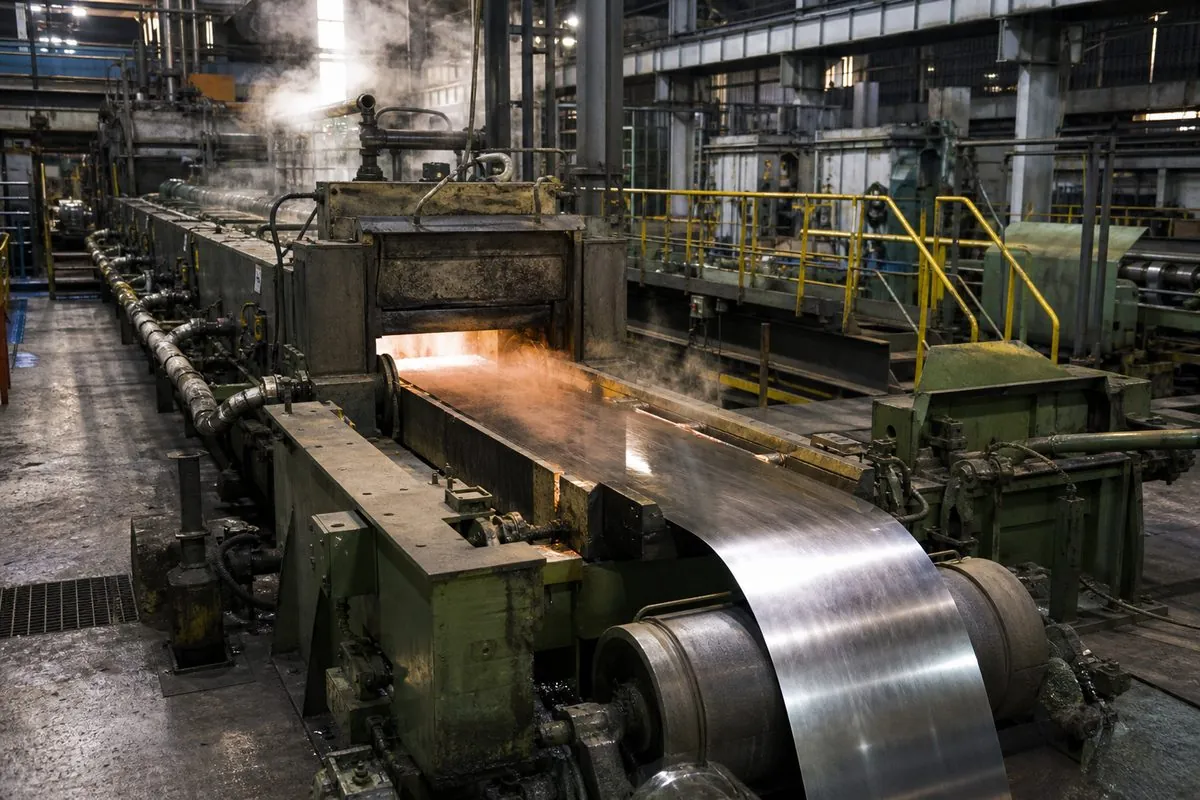
- SHG — Special High Grade (India HS 79011100: ≥99.99% Zn; LME SHG contract: min 99.995% Zn + approved brand — HS alone ≠ LME deliverability)
- HG — High Grade (~99.95% Zn; typically HS 79011200 when <99.99%)
- CGG — Continuous Galvanizing Grade (process-fit chemistry; map HS from assay)
- Jumbo / standard cast forms (~25 kg and mill-specific jumbo)
- Zinc alloy ingots (die-casting / specialty — India 79012010 / 79012090)
The variants below are the columns of the demand matrix. Full product encyclopaedia content lives in the top-products companion; here each variant is defined only enough to map country fit.
Zinc variants used in the country demand matrix
Swipe →
Data table — swipe horizontally on small screens
| Variant | HS anchor | Demand role |
|---|---|---|
| SHG (≥99.99% Zn) | 79011100 | Primary trader and many galvanizer programmes |
| HG (~99.95% Zn) | 79011200 | Commodity / bath-spec industrial where accepted |
| CGG | Usually within 7901 primary lines per chemistry | Continuous galvanizing process-fit demand |
| Jumbo / standard cast | Form factor within 7901 | Handling and melt-shop preference, not a purity grade |
| Zinc alloy ingots | 79012010 / 79012090 | Die-casting / specialty — separate matrix column |
Manufacturing Overview
Export Tip
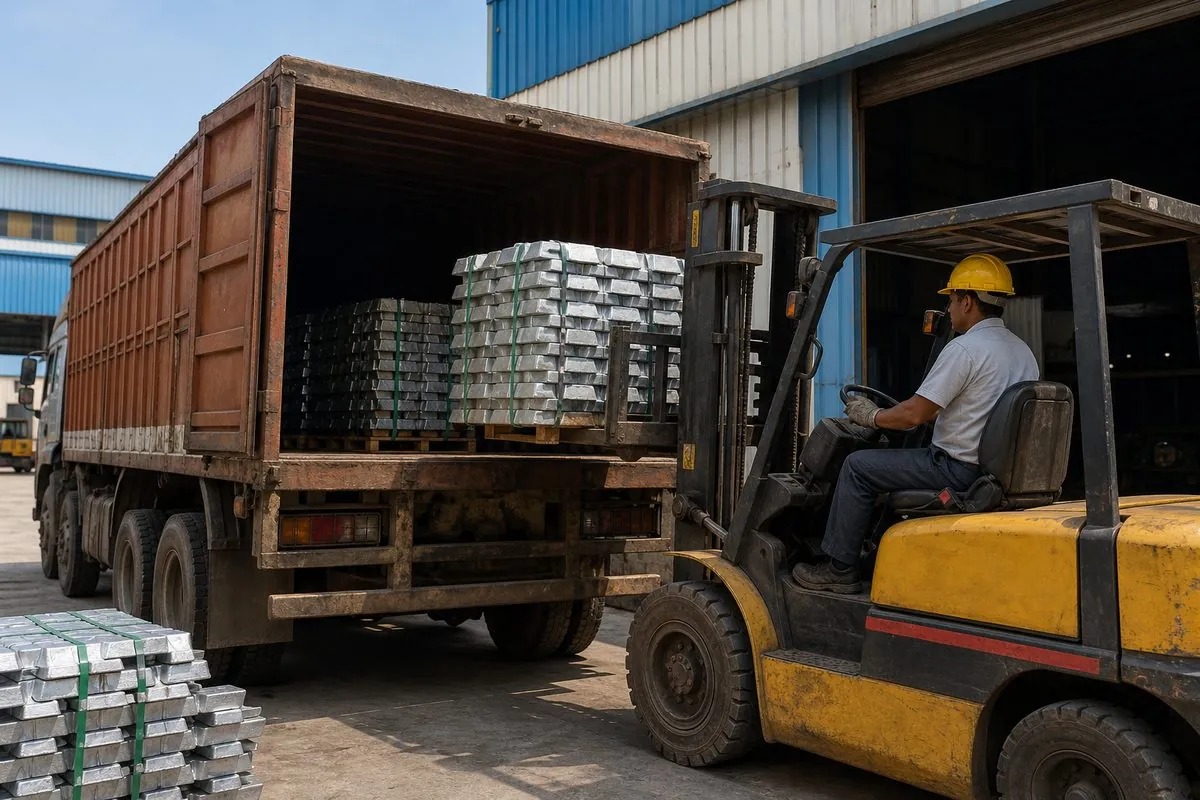
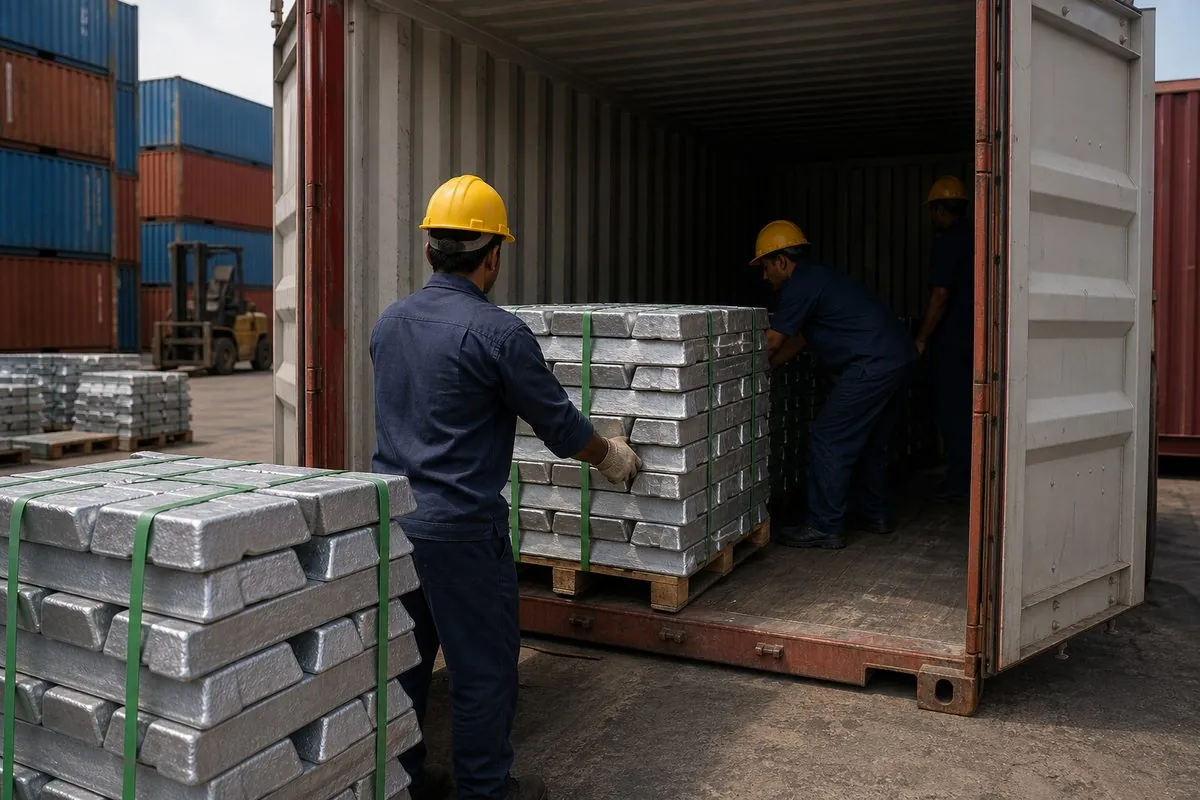
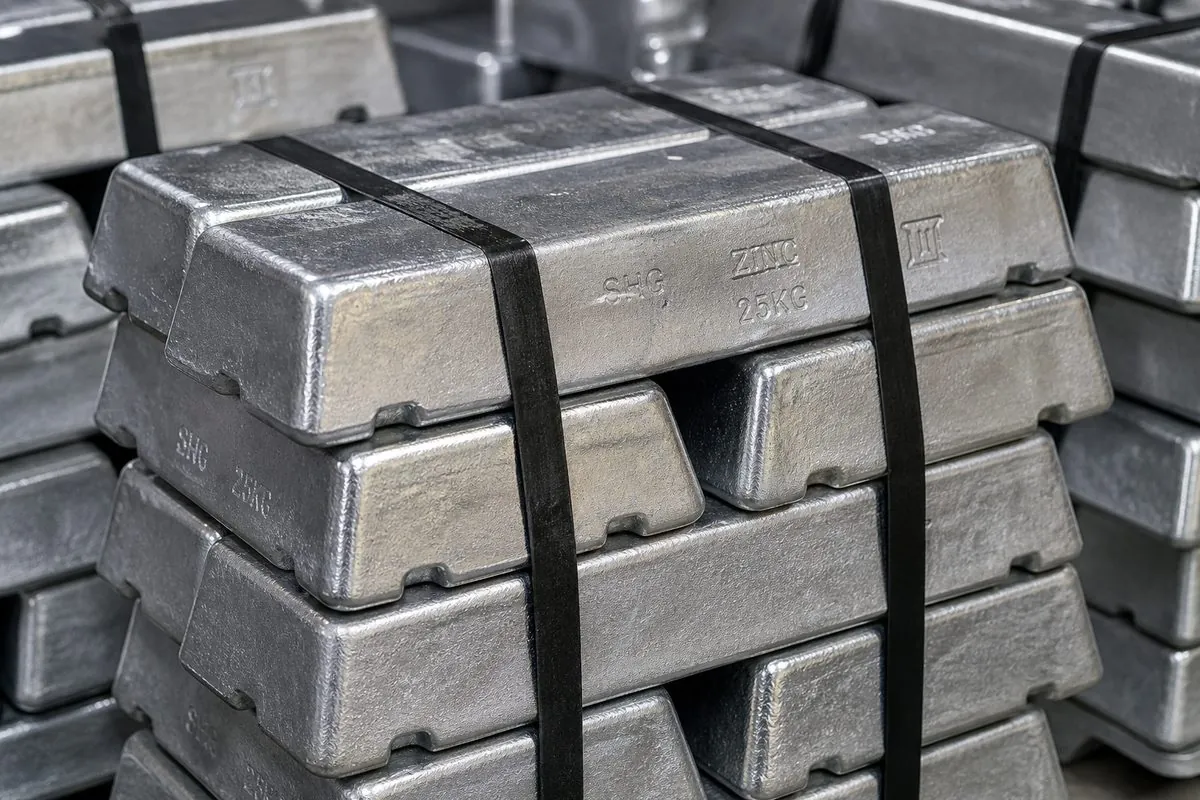
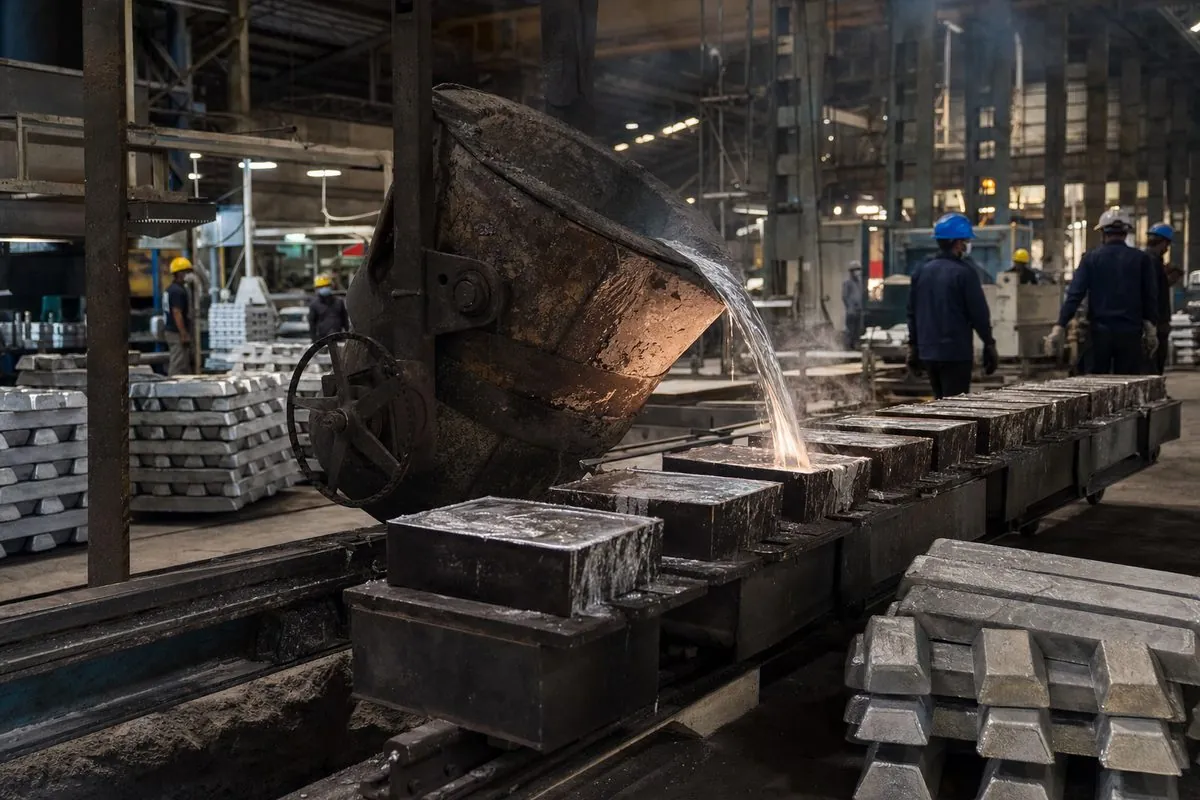
Supply for every destination row still comes from the same Indian manufacturing story: refined metal cast in the Rajasthan HZL belt, unitised as ~25 kg standard cast ingots (confirm mill cast form; LME SHG rules: ingots not more than 30 kg) with Strapped bundles often ~1–1.125 MT (~45 ingots) on wooden pallets or mill bundling — within LME SHG warrant max of 1.5 tonnes per bundle where LME programmes apply, tagged for heat/cast identity, and weather-protected against white rust before west-coast dispatch. Custom alloy and third-party inspection programmes stretch lead times to 3–6+ weeks for custom alloy chemistry and third-party inspection programmes; stock SHG/HG often moves in 1–3 weeks typical for stock SHG/HG parcels after allocation after allocation.
Country demand does not invent a new smelter — it invents a new acceptance filter on the same metal. That is why merchant exporters who understand destination matrices outperform those who only understand mill price sheets.
Export Process
Export Tip
Process steps — IEC, EEPC RCMC, allocation, stuffing, shipping bill — do not change by destination; only the grade, pack, and inspection decisions inside that sequence change. For the operational walkthrough, use How to Export Zinc Ingots from India. For council credentials, use EEPC Registration Benefits for Zinc Ingot Exporters. This post stays on demand fit.
Pricing Analysis
Buyer Tip
LME cash or 3M ± regional premium, FOB named Indian port. SHG / LME-brand programmes typically command tighter premiums than non-brand HG; CGG and alloy chemistry add separate premium layers Markets that demand LME brand SHG and third-party assay pay for that stack in premium and inspection lines; markets that accept non-brand HG compete harder on premium tightness and logistics reliability.
Pricing posture by demand character (indicative)
Swipe →
Data table — swipe horizontally on small screens
| Demand character | Typical markets | Pricing posture |
|---|---|---|
| Brand-sensitive SHG | Singapore hubs; premium industrial | Tighter premiums; inspection adders common |
| Galvanizing process-fit | Thailand, Vietnam, Indonesia, Malaysia | Premium + chemistry fit; reliability valued |
| Re-export / trader mix | UAE; some Singapore books | Speed and FOB clarity often beat micro-premiums |
| Alloy specialty | Taiwan; selective foundries | Chemistry-driven; not SHG price clones |
| Infrastructure intake | Saudi Arabia | Programme tonnage; inspection discipline |
MOQ Analysis
Buyer Tip
Trial demand across markets commonly starts at 5–25 MT; commercial FCL planning targets 20–25 MT (20ft) — verify bundle stow and payload; industrial galvanizers escalate to Monthly MT contracts for galvanizers and traders. Container targets depend on ~25 kg ingot / ~1–1.125 MT bundle dimensions and max payload; treat as indicative commercial practice, not a statutory limit. Destination culture changes how fast buyers climb that ladder — not the physics of a 20ft payload.
MOQ expectations by market demand style
Swipe →
Data table — swipe horizontally on small screens
| Market style | First parcel | Scale path |
|---|---|---|
| Trader hubs (Singapore, UAE desks) | 5–25 MT trial common | Repeat FCLs on allocation trust |
| Galvanizers (Thailand, Vietnam) | Assay trial then FCL | Monthly MT if bath tests pass |
| Taiwan industrial / alloy | Chemistry-specific trial | PO-driven specialty lots |
| Saudi infrastructure | Larger programme bias | Inspection-gated releases |
| Indonesia / Malaysia | Conservative trial MOQ | Step-up after MTC match |
Packaging Standards
Export Tip
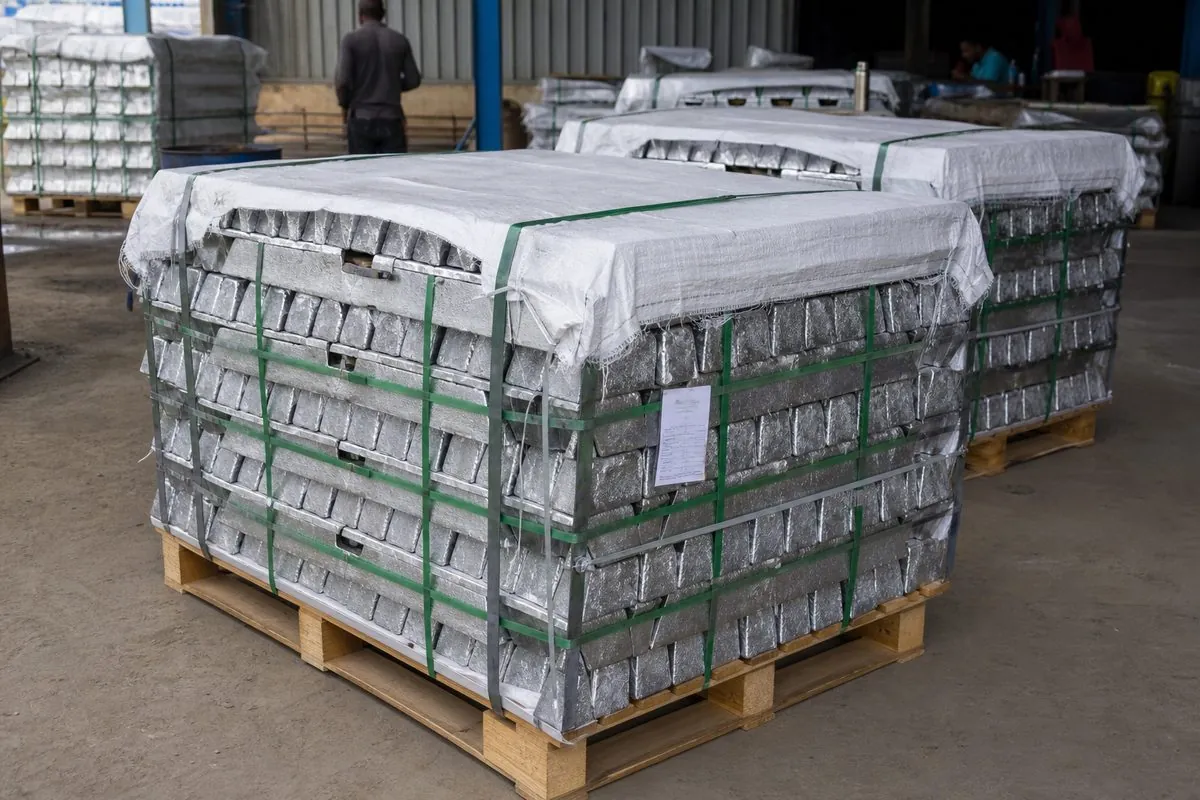
~25 kg standard cast ingots (confirm mill cast form; LME SHG rules: ingots not more than 30 kg). Strapped bundles often ~1–1.125 MT (~45 ingots) on wooden pallets or mill bundling — within LME SHG warrant max of 1.5 tonnes per bundle where LME programmes apply. Lot / heat / cast tagging; brand marks for LME-registered programmes. Weather protection against white rust / oxidation during ocean transit Country demand changes which of those elements are non-negotiable on first shipment.
Pack emphasis by destination demand
Swipe →
Data table — swipe horizontally on small screens
| Market | Pack emphasis | Why |
|---|---|---|
| Singapore | Lot/brand marks + clean photos | Trader resale and KYC files |
| Thailand | Heat tags + weather protection | Plant receiving and bath QA |
| Taiwan | Precise cast identity | Tight industrial QA culture |
| UAE | Robust straps + moisture control | Re-handle and summer humidity |
| Saudi Arabia | Programme lot segregation | Multi-release project intake |
| Indonesia | White-rust protection | Tropical transit risk |
| Malaysia | Bundle weight consistency | Warehouse and payload planning |
| Vietnam | Clear heat marks + photos | Growing formal plant QA |
Container Loading Details
Export Tip
Across destinations, FCL planning still centres on roughly 20–25 MT per 20ft subject to bundle weight and payload. Load ports remain Mundra, Kandla / Deendayal, Nhava Sheva (JNPT), Pipavav. What changes by country is less the container maths than whether stuffing photos, surveyor attendance, and seal records are expected in the first PO.
Loading / survey expectations linked to demand type
Swipe →
Data table — swipe horizontally on small screens
| Demand type | Loading expectation | Notes |
|---|---|---|
| Brand-sensitive SHG | Surveyor / photo pack common | Budget inspection time |
| Galvanizer industrial | Heat-segregated stow preferred | Avoid mixed-heat confusion |
| Trader opportunistic | Speed stuffing; clean BL | Docs often gate payment |
| Alloy specialty | Segregate alloy lots clearly | Never mix with SHG marks |
Shipping Methods
Export Tip
Ocean FCL under EXW mill / warehouse, FOB Mundra / Kandla / Nhava Sheva / Pipavav, CFR / CIF major destination ports covers most country demand rows. CFR/CIF into destination ports is common once relationships mature; EXW appears mainly for buyers with their own India logistics. Shipping method rarely changes the grade matrix — inspection clauses do.
Certifications
Compliance Notes
- Mill Test Certificate (MTC) with chemistry and heat/cast identity
- LME brand registration evidence for SHG programmes
- Third-party assay and weight (SGS / Bureau Veritas / Intertek as specified)
- ISO 9001 (producer / exporter quality system)
- Certificate of Origin
- Commercial invoice, packing list, bill of lading / sea waybill
- Destination metal standard declarations where buyer specifies
- EEPC India RCMC — buyer credibility
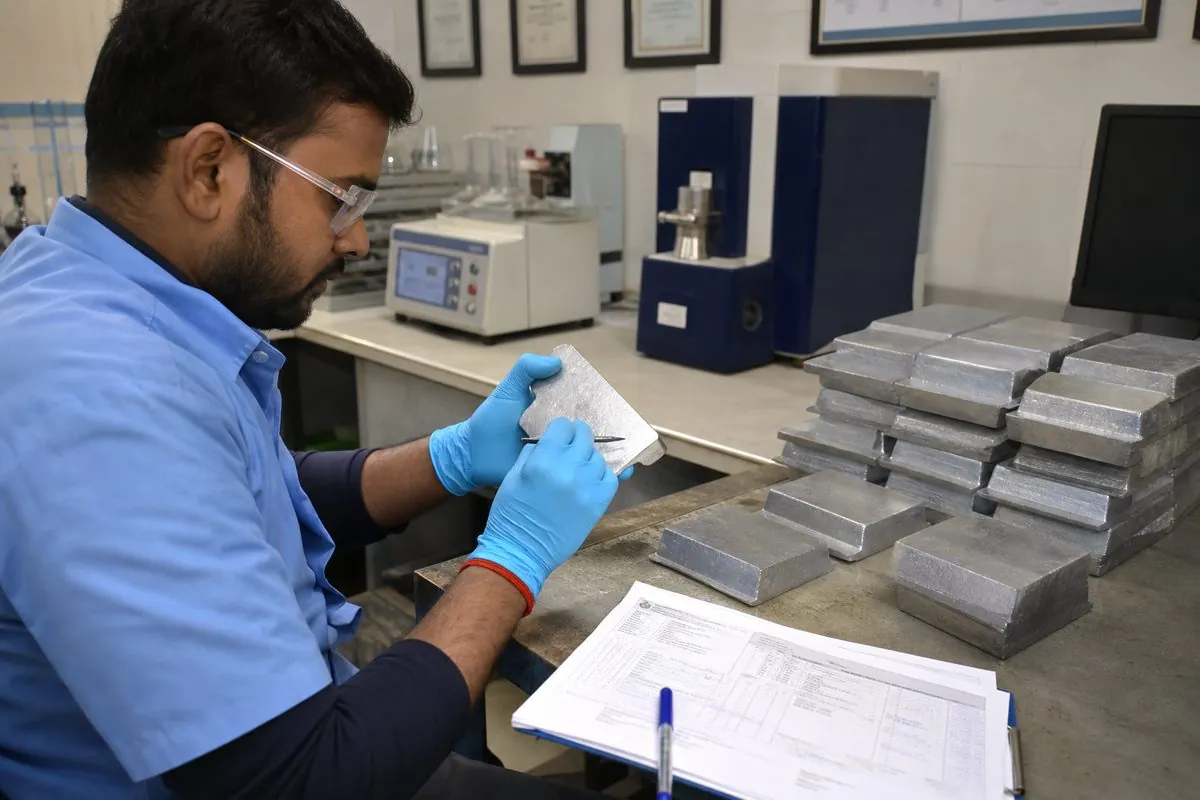
Certification demand is country- and channel-specific. Trader hubs emphasise institutional KYC plus brand honesty; galvanizers emphasise MTC and sometimes third-party assay; alloy buyers emphasise chemistry sheets. EEPC RCMC remains cross-cutting credibility, not purity proof.
Certification weight by market demand character
Swipe →
Data table — swipe horizontally on small screens
| Market | High-weight proofs | Lower-weight unless asked |
|---|---|---|
| Singapore | MTC + brand evidence + RCMC/IEC | Heavy survey on tiny trials |
| Thailand | MTC + process-fit notes; SGS if PO says | Generic ISO alone |
| Taiwan | Deep impurity MTC; alloy certificates | Vague “high purity” letters |
| UAE | MTC + FOB docs; brand if claimed | Over-certifying commodity HG |
| Saudi Arabia | MTC + inspection protocol | Brochure claims |
| Indonesia | MTC match to tags | Unused brand theatre |
| Malaysia | MTC + packing evidence | Irrelevant food/textile certs |
| Vietnam | MTC + lead-time + assay option | Stale LME screenshots |
Buyer Requirements
Buyer Requirements
Regardless of country, serious zinc buyers converge on a short list: correct HS posture, heat-matched MTC, honest brand status, named Incoterm/port, and a pack that survives ocean transit. Country subsections below show how those requirements are weighted differently.
Cross-Market Requirements That Always Appear
- Grade name + Zn% claim aligned to HS line
- Impurity limits for Pb, Cd, Fe, Cu as relevant to end use
- Bundle / heat identity reconciling to MTC
- Weather protection commitment against white rust
- Quote dated to an LME reference — not a frozen absolute
Country-wise Opportunities
Market Snapshot
This is the core of the guide — a market-by-market demand matrix for Indian zinc ingot grades, alloys, pack formats, and inspection norms. Use the summary table first, then read each country subsection before allocating mill parcels or writing a first offer.
Country × grade × alloy × pack × inspection demand matrix (summary)
Swipe →
Data table — swipe horizontally on small screens
| Country | Top grades | Alloy pull | Pack focus | Inspection norm | Primary channel |
|---|---|---|---|---|---|
| Singapore | LME-literate SHG; selective HG | Low–moderate | Brand/lot marks; clean unitisation | MTC + brand file; SGS on larger/brand deals | Metals traders / hub redistribution |
| Thailand | SHG / CGG process-fit | Selective | Heat tags; white-rust control | MTC tight; third-party when PO/LC requires | Continuous & general galvanizers |
| Taiwan | SHG with tight impurities; HG where spec allows | Meaningful alloy (790120) | Precise cast/heat identity | Deep MTC; assay common on specialty | Industrial + trading + die-casters |
| UAE | SHG and HG mix | Selective | Moisture-robust bundles | MTC; survey on programme parcels | Traders + domestic galvanizing |
| Saudi Arabia | SHG / HG for galvanizing intake | Lower than Taiwan | Lot segregation for releases | Inspection-gated programmes common | Infrastructure & industrial buyers |
| Indonesia | SHG/HG galvanizing feedstock | Emerging specialty | Tropical weather protection | Assay-first on new suppliers | Galvanizers + traders |
| Malaysia | SHG/HG industrial | Selective | Bundle weight consistency | MTC + packing evidence | Industrial galvanizing |
| Vietnam | SHG / CGG growth demand | Selective | Clear heat marks + photos | MTC + optional SGS on scale-up | Galvanizing growth plants |
Singapore — LME-Literate SHG for Trader Books
- Preferred grades: LME-aware SHG; selective HG
- Alloy: low-to-moderate — do not lead with 790120 unless asked
- Pack: strapped ~1–1.125 MT bundles, clear lot/brand tags
- Inspection: MTC mandatory; SGS/BV on brand-sensitive or larger deals
- Channel tip: qualify trader vs end-user before quoting CGG language
Singapore demand is dominated by metals traders and regional redistribution desks that treat Indian SHG as a bookable, document-clean parcel rather than a plant-specific feedstock. The most demanded offer is LME-literate Special High Grade under HS 79011100, with honest brand-versus-commodity disclosure, fast KYC (IEC + EEPC RCMC), and FOB named Indian port pricing tied to a live LME reference. HG appears in opportunistic books but rarely as the hero SKU for first serious conversations.
Pack expectations emphasise lot and brand marks that survive resale documentation; inspection escalates with parcel size and brand claims — MTC is baseline, third-party weight/assay appears when the onward buyer or LC demands it. Alloy pull exists but is secondary to primary SHG liquidity. Exporters who pitch only “cheap zinc” without LME vocabulary underperform; exporters who oversell brand status without files get cut from trader shortlists.
Thailand — Galvanizing and CGG Process Fit
- Preferred grades: SHG / CGG process-fit
- Alloy: selective foundry demand only
- Pack: heat identity + weather protection non-negotiable
- Inspection: tight MTC; third-party when contracted
- Channel tip: map continuous vs batch galvanizer specs separately
Thailand is an industrial galvanizing demand centre. The most demanded Indian grades are SHG and Continuous Galvanizing Grade chemistries that survive bath and coating tests — not generic trader SHG stories alone. Buyers care about impurity consistency across heats, heat-tagged bundles, and sailing reliability into Thai ports from Mundra, Pipavav, or other west-coast strings.
Inspection culture is plant-driven: Mill Test Certificates are read, not filed. Third-party assay appears when corporate QA or LC terms require it. Alloy demand is selective compared with Taiwan. White-rust protection and dry stuffing matter because rejected surface condition wastes a production window. Lead with process-fit and assay history; keep EEPC/IEC in the vendor pack without pretending council membership is a bath certificate.
Taiwan — Tight Impurities Plus Alloy Chemistry
- Preferred grades: impurity-tight SHG; HG only where spec allows
- Alloy: meaningful — treat HS 790120 as a first-class line
- Pack: precise heat/cast tags; segregate alloy lots
- Inspection: deep MTC; assay common on specialty
- Channel tip: ask die-cast vs galvanizer end use in first email
Taiwanese demand mixes industrial primary metal with a meaningful zinc alloy (HS 79012010 / 79012090) pull for die-casting and specialty uses. On primary metal, impurity limits and MTC depth are scrutinised closely — vague “99.99%” claims without element tables underperform. On alloys, buyers expect chemistry sheets that match the ordered alloy family, segregated packs, and zero risk of mixed SHG markings on alloy bundles.
Inspection norms run stricter than average trader hubs: deep MTC review is common, and specialty lots often carry third-party assay. Pack focus is precise cast/heat identity for traceability. Exporters should maintain separate quote templates for SHG/HG primary versus alloy programmes rather than one blended Taiwan offer.
United Arab Emirates — Industrial Intake and Re-export Mix
- Preferred grades: SHG and HG mix — disclose which
- Alloy: selective
- Pack: moisture-robust bundles; clear lot marks for re-sales
- Inspection: MTC baseline; survey on programmes
- Channel tip: separate trader-book vs plant RFQs in CRM
UAE demand splits between domestic galvanizing intake and trader re-export books serving the wider Gulf. Consequently the demanded grade mix includes both SHG and HG, with brand honesty more important than brand theatre. Re-export desks prioritise FOB clarity, allocation reliability, and documents that turn quickly; industrial buyers prioritise assay fit and delivery windows.
Pack for UAE should assume re-handling and hot, humid storage risk — strap integrity and moisture protection matter. Inspection ranges from MTC-only commodity parcels to surveyor-attended programme lots. ${ZINC_INGOTS_DUTY_NOTES.middleEast} Duty confirmation is separate from grade selection: choose chemistry for the end use, then model landed cost.
Saudi Arabia — Infrastructure Galvanizing Intake
- Preferred grades: SHG / HG for galvanizing programmes
- Alloy: lower relative pull
- Pack: programme lot segregation
- Inspection: often inspection-gated
- Channel tip: lead with monthly MT and assay SOP, then premium
Saudi demand skews toward infrastructure-linked galvanizing programmes that prefer reliable SHG or HG feedstock with inspection-gated releases rather than opportunistic micro-parcels. Monthly MT language, lot segregation, and documented assay protocols carry more weight than winning a one-cent premium argument on a single container.
Pack expectations include clear lot segregation for multi-release projects. Third-party inspection is more common than in pure trader hubs. Alloy demand is typically lower than Taiwan’s. Exporters should staff Saudi conversations with delivery realism and inspection SOPs, backed by EEPC/IEC KYC, not only LME screenshots.
Indonesia — Assay-First Galvanizing Growth
- Preferred grades: SHG/HG galvanizing feedstock
- Alloy: emerging / selective
- Pack: white-rust protection priority
- Inspection: assay-first for new suppliers
- Channel tip: stage 5–25 MT trial before promising monthly MT
Indonesian demand is growth-oriented galvanizing feedstock: SHG and HG with assay-first onboarding for new Indian suppliers. Buyers are less impressed by brand storytelling than by MTC heats that match bundle tags and survive receiving checks. Tropical transit makes weather protection a first-order pack requirement, not a footnote.
Trial MOQs are often conservative, scaling to FCL after acceptance tests. Third-party assay is a practical trust accelerator for first parcels. Alloy specialty exists but should not crowd the primary galvanizing offer. ${ZINC_INGOTS_DUTY_NOTES.asean}
Malaysia — Industrial MTC and Bundle Discipline
- Preferred grades: SHG/HG industrial
- Alloy: selective
- Pack: bundle weight consistency + moisture control
- Inspection: MTC + packing evidence
- Channel tip: include stuffing photo SOP in first PO draft
Malaysian industrial galvanizing demand rewards exporters who deliver consistent SHG/HG chemistry with disciplined bundle weights and packing evidence. Warehouse and payload planning teams notice when declared bundle weights drift; QA teams notice when MTC heats do not match tags.
Inspection emphasis sits on MTC plus packing evidence; third-party survey appears on larger or corporate programmes. Alloy pull is selective. A clean, metals-literate quote with named port and weather-protection clause outperforms a cheaper quote with fuzzy grade language.
Vietnam — SHG/CGG Growth with Lead-Time Realism
- Preferred grades: SHG / CGG growth demand
- Alloy: selective
- Pack: clear heat marks + photo discipline
- Inspection: MTC + optional SGS on scale-up
- Channel tip: publish realistic lead times beside the grade offer
Vietnam’s galvanizing growth creates rising demand for SHG and CGG-oriented feedstock from India, with buyers increasingly formalising plant QA. The most demanded offers combine honest chemistry, clear heat marks, stuffing photos, and lead-time windows that match actual allocation — not aggressive promises that slip after booking.
Inspection typically starts with MTC and adds optional SGS on scale-up. Alloy demand is selective relative to primary galvanizing metal. Exporters who align Mundra/Kandla sailing strings and document speed with Vietnamese receiving calendars convert trials faster than those who only compete on premium.
Sourcing Checklist
Checklist
Use these checklists when building or buying against the country×grade matrix — before the first deposit, LC draft, or mill allocation freeze.
Buyer Checklist
- Select destination row and dominant channel before choosing grade
- Write Zn% and impurity limits into the RFQ
- Specify alloy vs primary metal HS expectation explicitly
- Define pack marks, bundle weight, and white-rust controls
- State inspection level: MTC only vs third-party assay/weight
- Require EEPC RCMC + IEC in KYC without treating them as chemistry
Exporter Checklist
- Maintain separate offer sheets for SHG, HG/CGG, and alloy lines
- Map each active destination to a primary grade hero SKU
- Refuse blended “one zinc for all countries” catalogue pushes
- Train sales to ask channel archetype before quoting
- Rehearse pack and inspection clauses per matrix row
- Review ITC/DGCI&S screens quarterly for mix shifts
Common Buyer Mistakes
Common Mistakes Box
- Ordering one generic SHG for all eight markets — Solution: use the country matrix before RFQ.
- Ignoring CGG process fit in Thailand/Vietnam — Solution: ask bath/coating constraints explicitly.
- Treating Taiwan like a pure trader hub — Solution: budget impurity depth and alloy pathways.
- Assuming UAE always wants LME brand SHG — Solution: split trader vs industrial specs.
- Skipping weather protection language for Indonesia — Solution: write white-rust controls into the PO.
- Mixing alloy and primary metal documentation — Solution: separate HS 790120 files and packs.
- Demanding SGS on every tiny trial while refusing to pay for it — Solution: match inspection to risk and parcel size.
- Confusing EEPC RCMC with grade certification — Solution: keep council KYC and MTC chemistry distinct.
Most grade-demand failures are matrix errors: one specification sent to every country, or inspection assumptions copied from a trader hub onto a continuous galvanizing plant.
Challenges & Solutions
Grade-demand challenges and practical solutions
Swipe →
Data table — swipe horizontally on small screens
| Challenge | Solution |
|---|---|
| One catalogue for every country | Maintain and review the eight-row matrix at least twice a year |
| Brand claims without files | Gate brand language behind evidence packs for hub markets |
| Alloy enquiries stuck in SHG workflow | Separate HS 790120 quote, pack, and MTC templates |
| Trial MOQs that ignore plant QA | Stage 5–25 MT assay trials before monthly MT promises |
| White-rust disputes in tropical lanes | Specify protection and stuffing dryness in the contract |
| Inspection surprises at cutoff | Name SGS/BV/Intertek in the PO when the matrix row requires it |
Future Market Trends
Key Statistics
Galvanizing growth across Vietnam, Indonesia, and Malaysia should keep process-fit SHG/CGG language more important through the planning horizon, while Singapore and UAE hubs remain brand-and-document sensitive. Taiwan’s alloy and impurity-tight primary demand should continue to reward exporters with dual primary/alloy capability rather than SHG-only catalogues.
Across markets, expect tighter reconciliation between bundle tags, MTCs, and inspection certificates — and less tolerance for destination-blind offers. Exporters who institutionalise country×grade matrices, and buyers who write those matrices into RFQs, will move tonnage with fewer dock rejects.
Digital KYC packs combining EEPC RCMC, IEC, and grade-specific MTC samples will become table stakes even for mid-size parcels, especially where trader hubs intermediate industrial demand.
How Altus Exports Helps with Country×Grade Zinc Programmes
Work with Altus Exports as your merchant exporter and global sourcing partner for zinc ingots — verified Indian mill parcels, MTC-backed lots, LME/SHG programme coordination, export documentation, and FCL booking from inquiry to shipment.
Work with Altus Exports as your merchant exporter in India and global sourcing partner to align destination demand with mill parcels, pack standards, and inspection protocols. See also product sourcing from India and contact Altus Exports to build your matrix before the next FCL.
Conclusion
- Best Countries for Indian Zinc Ingot Exports
- Top Zinc Ingot Products Exported from India
- How to Export Zinc Ingots from India
- EEPC Registration Benefits for Zinc Ingot Exporters
- LME-Registered SHG and Galvanizing-Grade Zinc Export Opportunities
- Find International Buyers for Zinc Ingots
- Source Zinc Ingots Directly from India
- Contact Altus Exports
The most demanded Indian zinc ingot grades vary sharply by country: Singapore leans LME-literate SHG; Thailand and Vietnam lean galvanizing/CGG fit; Taiwan adds alloy depth; UAE mixes industrial and re-export specs; Saudi Arabia emphasises programme inspection; Indonesia and Malaysia reward assay and pack discipline. Ship the matrix — not a blended catalogue.
Work with Altus Exports as your merchant exporter and global sourcing partner for zinc ingots — verified Indian mill parcels, MTC-backed lots, LME/SHG programme coordination, export documentation, and FCL booking from inquiry to shipment.
Pair this demand guide with best-country ranking, export process, EEPC credibility, and documentation companions in the zinc cluster so grade choice, credentials, and paperwork reinforce each other from enquiry to discharge.
Sources
- WITS / UN Comtrade — India exports HS 790111 by partner, 2024
- UN Comtrade Database
- ITC Trade Map
- DGFT (India) — IEC / trade portal
- ICEGATE — Indian Customs EDI
- India CBIC / Customs Tariff — Chapter 79 Zinc
- EEPC India
- London Metal Exchange — Zinc
- LME Special Contract Rules — SHG Zinc chemical composition
- USITC Harmonized Tariff Schedule (search 7901.11.00)
- European Commission TARIC
- Hindustan Zinc — Zinc products
- HZL Integrated Report FY2024-25 — Zinc operational performance
- Vedanta FY25 Segment Review — Zinc India
- ISO 9001 overview
- Altus Exports — Engineering Goods
All sources accessed 2026-07-26. Prefer primary government, exchange, and multilateral trade databases when citing figures in contracts or buyer presentations.