Source Zinc Ingots Directly from India: Importer Playbook
By Saurabh Mittal, Founder, Altus Exports
A practical buyer playbook for sourcing zinc ingots directly from India — RFQ chemistry and brand specs, Hindustan Zinc / merchant-exporter verification, sampling and third-party assay, MOQ discipline, payment structuring, and LME-plus-premium landed-cost decisions for importers in Singapore, Thailand, Taiwan, UAE, Saudi Arabia, Indonesia, Malaysia, and Vietnam, with expert insight from Altus Exports.
India supplies exportable unwrought zinc — SHG under HS 79011100, HG under 79011200, CGG chemistry windows, standard ~25 kg cast forms, and selected alloy ingots under 79012010 / 79012090 — from Rajasthan's integrated zinc complex (Hindustan Zinc / Vedanta belts at Chanderiya, Debari, and Dariba) with merchant-exporter consolidation to Mundra, Kandla / Deendayal, Nhava Sheva (JNPT), Pipavav. India HS 790111 exports in 2024 totalled US$610,648.91K and 214,979,000 kg (~US$610.6M / ~215.0 kt) per WITS/UN Comtrade. Leading partners by value: Singapore, Thailand, Other Asia nes (commonly reported as Taiwan), UAE, Saudi Arabia, Indonesia, Malaysia, Nepal, Vietnam, and Korea. Treat as directional planning context — confirm with DGCI&S / ITC Trade Map / paid customs extracts before citing in contracts.
Buyers who try to source zinc ingots from India without a structured process hit predictable problems: attractive assay PDFs that do not match bulk-lot heat identity, LME brand claims without registration evidence, FOB quotes that omit premium and inspection rules, trial parcels stuffed without weather protection that arrive with white rust, and payment released to entities that are not the shipping-bill exporter. None of these failures are inherent to Indian refined zinc — they are the result of skipping RFQ, verification, sampling, and landed-cost discipline under plant feedstock pressure.
This guide is written for galvanizers, metal traders, alloy producers, and industrial procurement teams in Singapore, Thailand, Taiwan, United Arab Emirates, Saudi Arabia, Indonesia, Malaysia, Vietnam who want to source zinc ingots directly from India with lower first-order purity, brand, and settlement risk. It owns the buyer playbook: RFQ design, mill/trader verification, sampling, assay, and LME+premium landed-cost decision flow. It does not own exporter IEC/EEPC registration how-tos or trade-show calendars. Market ranking lives in Best Countries for Indian Zinc Ingot Exports; process and products live in How to Export Zinc Ingots from India and Top Zinc Ingot Products Exported from India; document fields live in Zinc Ingot Export Documentation Checklist.
Key Takeaways
Summary Box
Executive Summary
Summary Box
This guide sets out a structured buyer playbook for sourcing zinc ingots directly from India: define chemistry and brand requirements, shortlist mill-linked and merchant-exporter counterparties, verify export registration and document identity, request samples or assay lots with heat references, evaluate MTC and third-party results, negotiate on an LME-plus-premium landed-cost basis, place a trial order with written inspection rights, and manage logistics through west-coast Indian ports to destination arrival.
Because India's refined zinc supply is concentrated in Rajasthan integrated complexes while overseas sales often route through merchant exporters and traders, the highest-leverage buyer action is counterparty clarity — who holds IEC, who issues the MTC, who books the vessel, and who is paid. Buyers who lock that chain before the first advance convert faster into stable monthly MT programmes than buyers who chase the lowest FOB screenshot.
Treat the playbook as a decision system rather than a checklist you rearrange under plant pressure. RFQ completeness comes first, entity KYC second, assay protocol third, and only then LME-plus-premium comparison across shortlisted offers. When those gates stay in order, Indian zinc becomes a controllable feedstock or trading-book origin instead of a high-drama exception on your procurement calendar.
Market Size & Industry Overview
Key Statistics
From a buyer perspective, India is a meaningful origin inside global unwrought zinc trade. India HS 790111 exports in 2024 totalled US$610,648.91K and 214,979,000 kg (~US$610.6M / ~215.0 kt) per WITS/UN Comtrade. Leading partners by value: Singapore, Thailand, Other Asia nes (commonly reported as Taiwan), UAE, Saudi Arabia, Indonesia, Malaysia, Nepal, Vietnam, and Korea. Treat as directional planning context — confirm with DGCI&S / ITC Trade Map / paid customs extracts before citing in contracts. Primary lines you will see on offers are HS 79011100, 79011200, and 79012010 / 79012090; treat 79020010 / 79020090 scrap offers as a different commodity programme.
Supply nodes buyers actually engage: Chanderiya (Rajasthan) — Hindustan Zinc smelter belt; Debari (Rajasthan); Dariba (Rajasthan); Merchant-exporter consolidation programmes (west-coast ports). Load ports: Mundra, Kandla / Deendayal, Nhava Sheva (JNPT), Pipavav. Council credibility track sellers should be able to discuss: EEPC India (Engineering Export Promotion Council of India). EEPC India RCMC is the common credibility and export-promotion track for zinc metal / non-ferrous engineering exports under Chapter 79. Confirm product-list fit with EEPC and your CHA before locking the RCMC route.
Duty notes are planning references only. Always verify live schedules (USITC HTS, TARIC, GCC, ASEAN FTA texts) before commercial quotes. If your plant sits in ASEAN: Many ASEAN destinations apply preferential or low MFN rates on unwrought zinc under FTA corridors — verify live tariff for HS 7901.11 / 7901.12 before quoting landed cost. If Gulf: UAE and Saudi Arabia commonly import SHG for galvanizing and re-export; confirm GCC duty schedules and destination assay preferences per programme.
Indian zinc supply chain nodes and buyer implications
Swipe →
Data table — swipe horizontally on small screens
| Supply Node | Role | Buyer Implication |
|---|---|---|
| Rajasthan HZL / Vedanta belts | Primary refined zinc production and casting | Best origin narrative for SHG/HG continuity — confirm allocation path |
| Mill casting / bundling | ~25 kg ingots; strapped bundles | Lock cast form and bundle mass in RFQ |
| Merchant exporters | Consolidate parcels, export docs, FCL booking | Strong fit when you need one accountable IEC |
| Regional metal traders | Liquidity and opportunistic parcels | Verify heat identity and brand claims carefully |
| Third-party labs (SGS/BV/Intertek) | Assay and weight certification | Name lab and scope in PO before production |
| West-coast ports | Mundra, Kandla, JNPT, Pipavav stuffing | Align vessel window with assay release |
| EEPC India | RCMC / export promotion credibility | KYC signal — not a purity certificate |
| CHA / customs brokers | HS classification and shipping bill | Confirm 790111 vs 790112 vs 790120 early |
Export Statistics
Key Statistics
Buyers use Indian export statistics to sanity-check whether a supplier's claimed monthly capacity and destination experience are plausible. Directional HS 790111 aggregates near ~US$610M / ~215 kt in 2024-style extracts show India is an established origin into Asia and Middle East corridors — not a boutique experiment.
Interpret partner concentration as a signal of executable logistics: sellers active into Singapore, Thailand, Taiwan, UAE, and Saudi Arabia typically already understand west-coast stuffing and document packs. Always re-verify figures via DGCI&S / ITC Trade Map / paid extracts before using them in board papers.
Directional Indian zinc export anchors for buyer diligence
Swipe →
Data table — swipe horizontally on small screens
| Metric | Directional Figure | Buyer Use |
|---|---|---|
| HS 790111 value (2024-style) | ~US$610M | Board-level origin credibility check |
| HS 790111 volume | ~215 kt | Sanity-check supplier capacity claims |
| Leading partner cluster | Singapore, Thailand, Taiwan, UAE, Saudi | Ask for references in your corridor |
| ASEAN follow-on set | Indonesia, Malaysia, Vietnam | Probe FTA document experience |
| Primary grades offered | SHG, HG, CGG, alloys | Match RFQ to real mill windows |
| Typical trial MOQ | 5–25 MT | First PO sizing |
| Typical FCL target | 20–25 MT (20ft) — verify bundle stow and payload | Plant feedstock planning |
| Pricing basis | LME ± premium FOB India | Reject static catalogue prices |
Import Statistics
Key Statistics
On the import side, your national Chapter 79 lines determine duty, licensing, and statistical tracking. Map your local tariff breakout to India's 790111 / 790112 / 790120 before comparing offers. Traders importing into Singapore or UAE for re-sale face different working-capital and assay norms than captive galvanizers in Thailand, Indonesia, or Vietnam.
Build an import model that includes duty, VAT/GST where applicable, inland delivery to plant, and a quality-claims allowance. Preferential origin benefits in ASEAN only materialize if the seller can support Certificate of Origin processes — ask for that capability during RFQ, not after sailing.
Buyer-side import planning by destination type
Swipe →
Data table — swipe horizontally on small screens
| Buyer Location Type | Typical Import Role | Diligence Emphasis |
|---|---|---|
| Singapore trader / warehouse | Liquidity + re-sale | Brand claims, heat identity, flexible parcels |
| Thailand / Vietnam galvanizer | Captive plant feedstock | Chemistry window continuity + FTA docs |
| Taiwan industrial desk | Industrial / trading offtake | Assay protocol and MTC depth |
| UAE galvanizer / trader | Gulf use + re-export | Fast cycle + split-lot identity control |
| Saudi industrial plant | Project / plant offtake | Monthly MT contracts + documentation seriousness |
| Indonesia / Malaysia industrial | Galvanizing / manufacturing | FCL continuity + preferential origin readiness |
Product Categories / Variants
Summary Box
- Offered family
- SHG — Special High Grade (India HS 79011100: ≥99.99% Zn; LME SHG contract: min 99.995% Zn + approved brand — HS alone ≠ LME deliverability)
- Offered family
- HG — High Grade (~99.95% Zn; typically HS 79011200 when <99.99%)
- Offered family
- CGG — Continuous Galvanizing Grade (process-fit chemistry; map HS from assay)
- Offered family
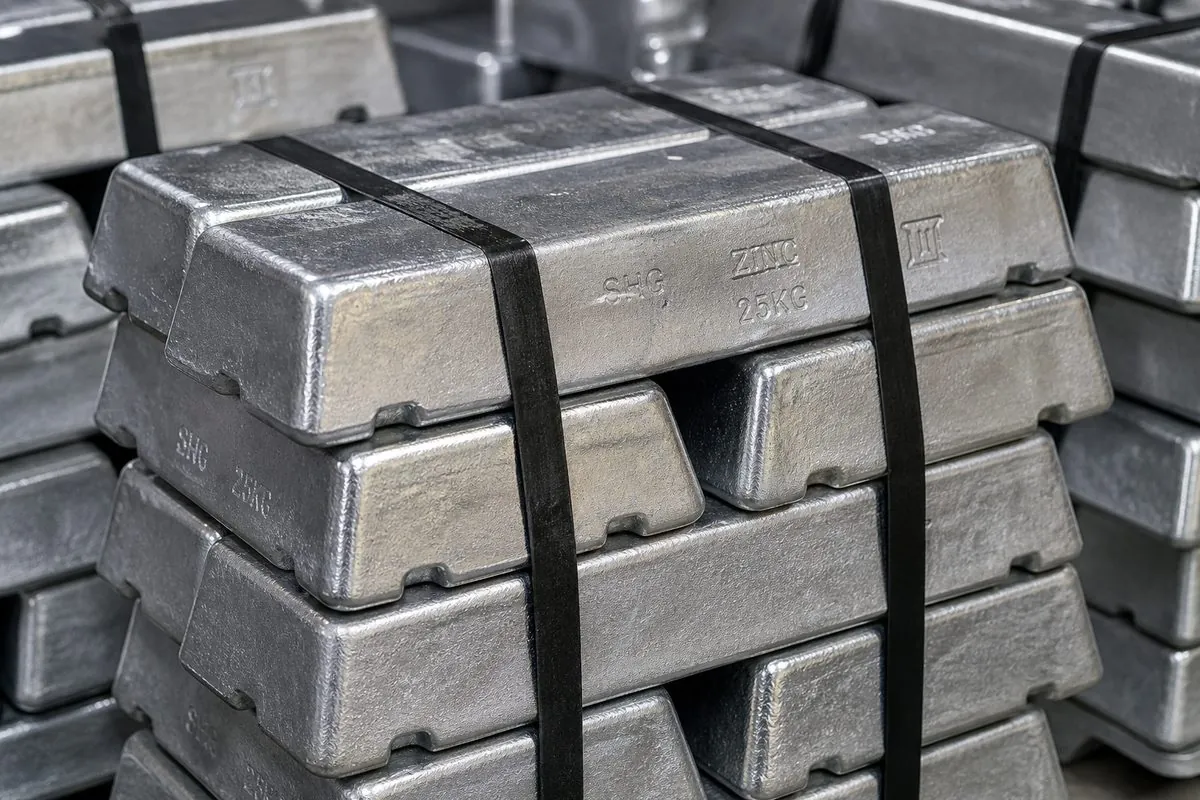
- Jumbo / standard cast forms (~25 kg and mill-specific jumbo)
- Offered family
- Zinc alloy ingots (die-casting / specialty — India 79012010 / 79012090)
Your RFQ must name a product family before suppliers can quote honestly. This section is a buyer-oriented snapshot — full chemistry tables live in Top Zinc Ingot Products Exported from India.
What to specify in the RFQ by product family
Swipe →
Data table — swipe horizontally on small screens
| Family | HS Intent | Must Specify in RFQ | Common Buyer Trap |
|---|---|---|---|
| SHG / LME-brand | 79011100 | Zn min, impurity maxima, brand evidence | Accepting 'SHG' label without registration proof |
| HG industrial | 79011200 | Chemistry window for plant process | Assuming HG equals SHG commercial terms |
| CGG | Confirm 790111/790112 with CHA | Continuous galvanizing impurity limits | Using generic SHG RFQ for CGG lines |
| Standard ~25 kg cast | 79011100 | Ingot mass tolerance, bundle mass | Ignoring stow/payload limits |
| Alloy ingots | 79012010 / 79012090 | Full alloy chemistry and use case | Mixing alloy RFQs with SHG commodity parcels |
| Scrap contrast | 79020010 / 79020090 | Do not use this playbook | Treating scrap quotes as primary metal |
Manufacturing Overview
Export Tip
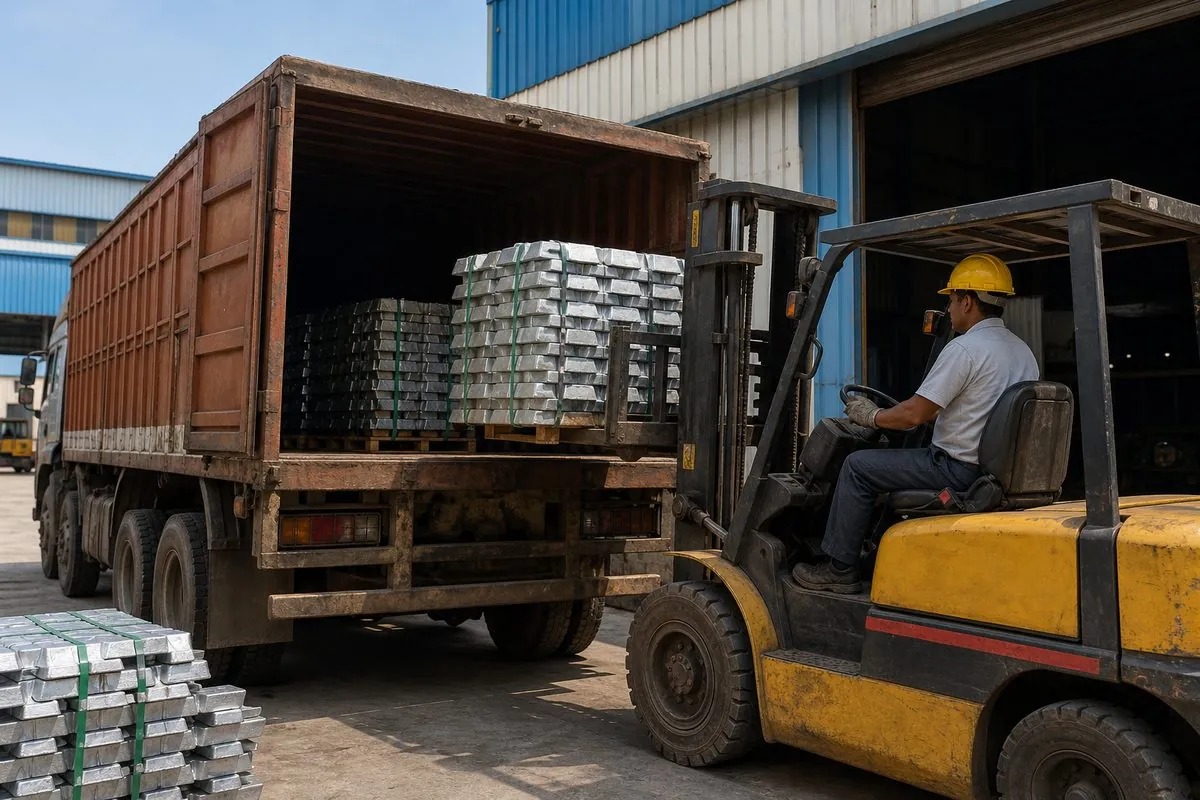
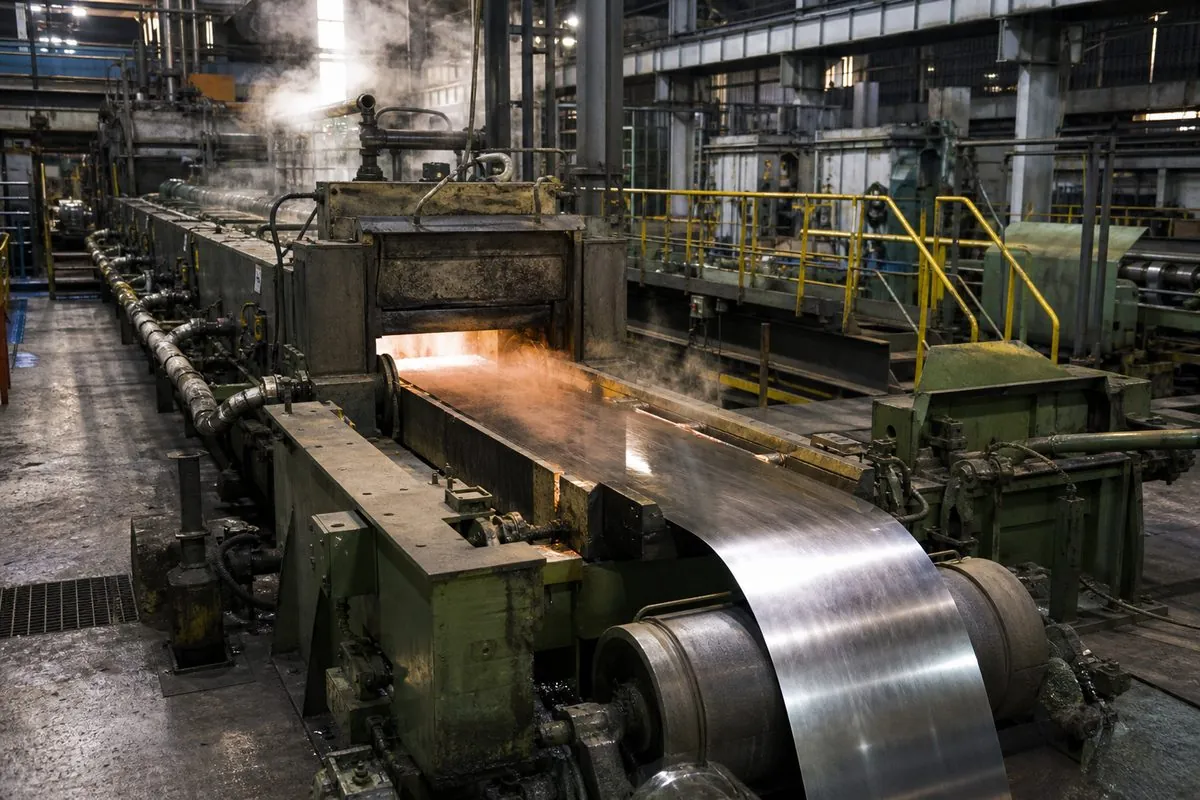
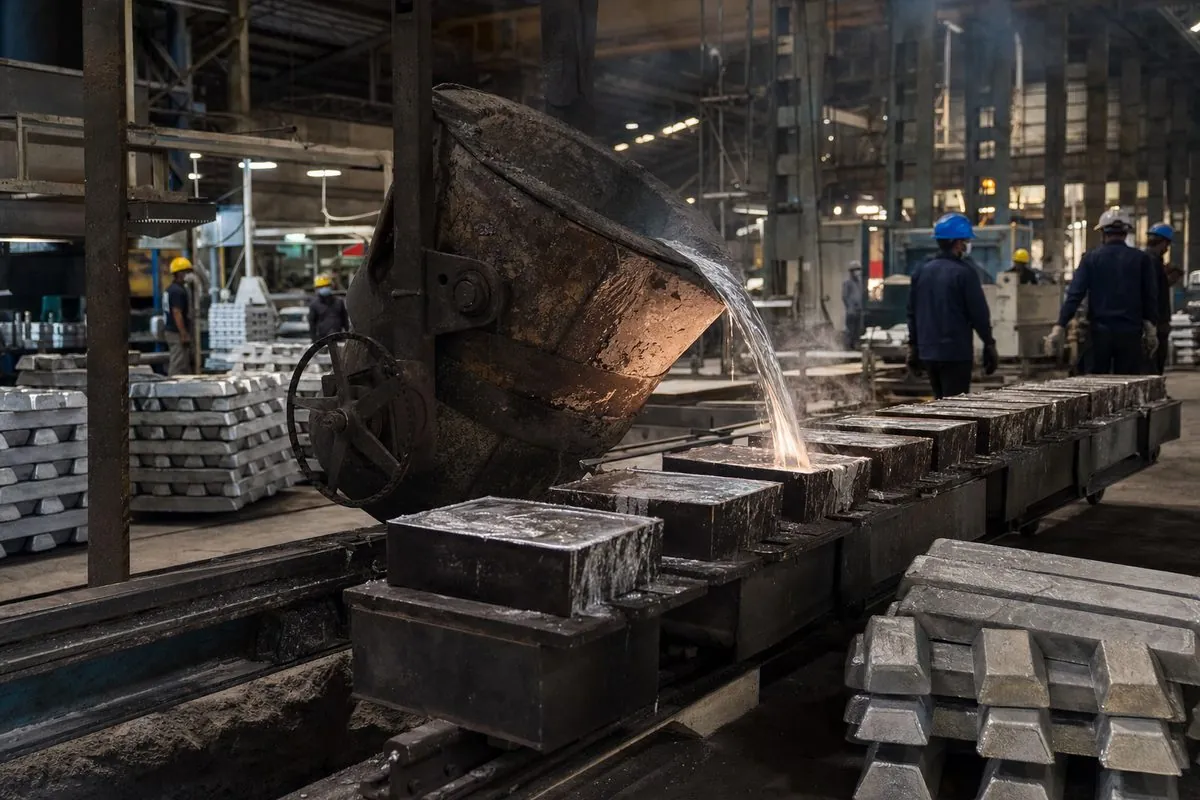
Buyers do not need a smelter engineering manual — they need a verification map of how Indian zinc moves from cast to FCL. Typical flow: mill allocation → casting/bundling → MTC release → optional third-party assay/weight → inland haul to west-coast port → stuffing with weather protection → ocean freight under agreed Incoterm.
Lead-time anchors for planning: sample/assay lots 7–14 days for sample / assay lots where offered; stock SHG/HG 1–3 weeks typical for stock SHG/HG parcels after allocation; custom alloy / inspection programmes 3–6+ weeks for custom alloy chemistry and third-party inspection programmes. Exporter-side process depth: How to Export Zinc Ingots from India.
Step 1: Write a Complete Zinc RFQ
Document grade intent (SHG/HG/CGG/alloy), Zn and impurity limits, cast form (~25 kg or jumbo), pack/bundle spec, HS intent (79011100/79011200/79012010 / 79012090), LME brand requirement, destination market, preferred Incoterm, LME reference rule (cash/3M + premium), assay lab preference, payment terms, and trial tonnage. Attach prior lot certificates if you are matching an existing plant feedstock. Vague RFQs produce incomparable premiums.
Step 2: Shortlist Mill-Linked and Merchant-Exporter Counterparties
Build a shortlist of three to five parties: mill-linked desks where accessible, and merchant exporters who consolidate Rajasthan parcels for overseas buyers. Prefer counterparties who can name load ports among Mundra, Kandla / Deendayal, Nhava Sheva (JNPT), Pipavav and who have shipped into your corridor. Marketplace listings are leads — not KYC.
Step 3: Verify IEC, EEPC RCMC, and Invoice Entity Identity
Independently verify IEC on DGFT channels and EEPC India RCMC where claimed. Company name on pro-forma must match the entity that will appear on the shipping bill and receive payment. Mismatch here is a classic zinc-trading fraud pattern.
Step 4: Clarify Mill vs Trader Allocation Path
Ask in writing: is the parcel mill-allocated to your contract, or trader/merchant stock? Who issues the MTC? Who controls stuffing photos and seal numbers? Mill-direct and merchant routes can both be excellent — opacity is the red flag.
Step 5: Request Samples or Assay Lots with Heat References
Where offered, request sample/assay lots within 7–14 days for sample / assay lots where offered with heat/cast identity that can be traced to a production MTC. Reject anonymous warehouse pieces presented as "typical SHG" without lot linkage.
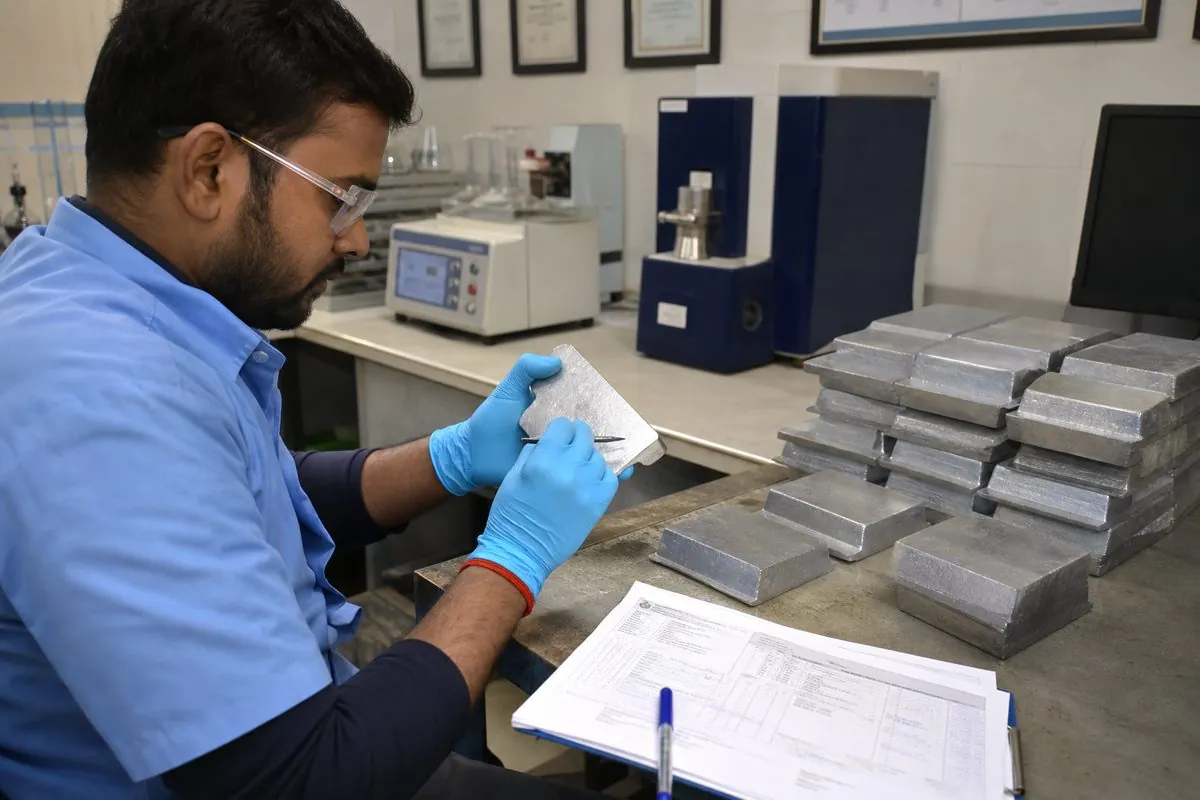
Step 6: Commission Third-Party Assay and Weight Protocol
Name SGS, Bureau Veritas, Intertek, or your approved lab in the PO. Define sampling method, elements reported, weight determination, and whether inspection is pre-shipment at warehouse/port. Budget calendar days so assay release does not miss vessel cut-off.
Step 7: Calculate Landed Cost on LME + Premium
Model LME cash or 3M ± regional premium, FOB named Indian port, plus packing, inspection, ocean freight, insurance, destination duty, inland plant delivery, and a white-rust/weight claims allowance. Indicative planning structure only; confirm lot-specific FOB (LME reference + premium + packing + inspection) on quote date
Step 8: Structure Payment Against Documents and Inspection Rights
Typical structure: partial advance against signed pro-forma and approved certificate pack, balance against shipping documents or LC. Tie balance release to inspection rights on first and second commercial lots. Avoid 100% advance to unverified traders.
Step 9: Place a Trial Order with Written Acceptance Criteria
Trial 5–25 MT with written chemistry limits, MTC reconciliation, assay tolerances, packing/weather protection, Incoterm, LME reference rule, and claim process. Do not jump to multi-FCL monthly contracts on an unverified counterparty.
Step 10: Scale to FCL / Monthly MT Only After Trial Pass
After trial acceptance, scale toward 20–25 MT (20ft) — verify bundle stow and payload and, where plant demand supports it, monthly MT contracts. Keep the same heat-identity and assay protocol — do not relax controls because the first parcel looked fine.
Pricing Analysis
Buyer Tip
Negotiate zinc as a formula, not a haggle over a static number. SHG / LME-brand programmes typically command tighter premiums than non-brand HG; CGG and alloy chemistry add separate premium layers Ask every shortlisted supplier to quote on the same LME reference date and Incoterm so premiums are comparable.
Landed-cost comparison only works when every shortlisted Indian counterparty quotes the same LME reference convention (cash versus three-month), the same FOB load port or the same CFR destination, and the same inspection inclusions. Buyers who normalize those three variables first discover that premium spreads between mill-linked desks and merchant exporters are often smaller than the spread between sloppy and disciplined document packs — and that the latter difference drives claims cost more than metal price.
Build your internal landed-cost model as a living worksheet: LME reference date, regional premium by grade (SHG brand versus HG industrial), packing and weather protection, third-party assay and weight, ocean freight and insurance when you buy CFR or CIF, destination duty on the correct HS breakout, and working-capital cost on advance or letter-of-credit terms. Refresh freight and duty rows every quote cycle; never copy a competitor's landed number from a prior quarter without re-verifying ASEAN FTA or GCC schedules on HS 7901.11 and 7901.12.
Landed-cost decision stack for Indian zinc ingot buyers
Swipe →
Data table — swipe horizontally on small screens
| Cost Layer | What to Demand in Writing | Buyer Decision Use |
|---|---|---|
| LME cash or 3M | Reference date + fallback if delayed loading | Normalize all quotes to one print |
| Regional premium | SHG brand vs HG industrial split | True supplier competitiveness |
| Packing / tagging | Lot / heat / cast tagging; brand marks for LME-registered programmes | Avoid hidden add-ons at stuffing |
| Third-party inspection | Lab name, scope, fee bearer | Include in CFR/CIF comparisons |
| Ocean freight / insurance | Named load port → destination | Corridor-specific — refresh often |
| Destination duty | HS breakout confirmed by broker | ASEAN FTA vs MFN scenarios |
| Claims allowance | White rust / weight dispute rule | Protects plant feedstock economics |
| Working capital | Advance %, LC, credit days | Cheapest FOB can lose on cash cycle |
MOQ Analysis
Buyer Tip
Size orders to validation goals. Samples/assay lots prove chemistry identity; trial parcels prove stuffing, documents, and transit; FCL and monthly MT contracts prove continuity. Anchors: trial 5–25 MT; FCL 20–25 MT (20ft) — verify bundle stow and payload. Container targets depend on ~25 kg ingot / ~1–1.125 MT bundle dimensions and max payload; treat as indicative commercial practice, not a statutory limit.
Phased MOQ framework for zinc ingot buyers
Swipe →
Data table — swipe horizontally on small screens
| Phase | Indicative Quantity | Validation Goal |
|---|---|---|
| Assay / sample lot | Per mill offer; often small | Chemistry vs stated SHG/HG/CGG window |
| Trial parcel | 5–25 MT | MTC reconciliation, packing, document pack |
| Wholesale FCL | 20–25 MT (20ft) — verify bundle stow and payload | Stow plan, payload, transit performance |
| Industrial continuity | Monthly MT contract | Allocation reliability for galvanizing lines |
Packaging Standards
Export Tip
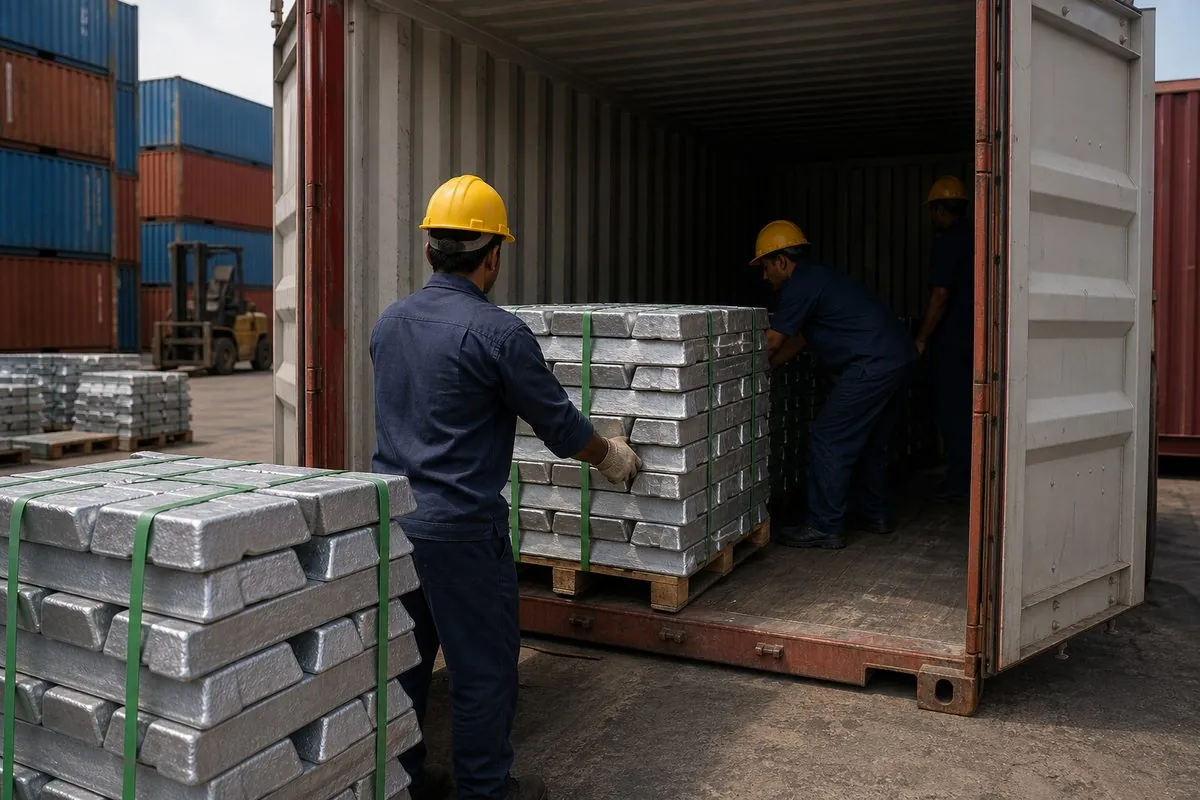
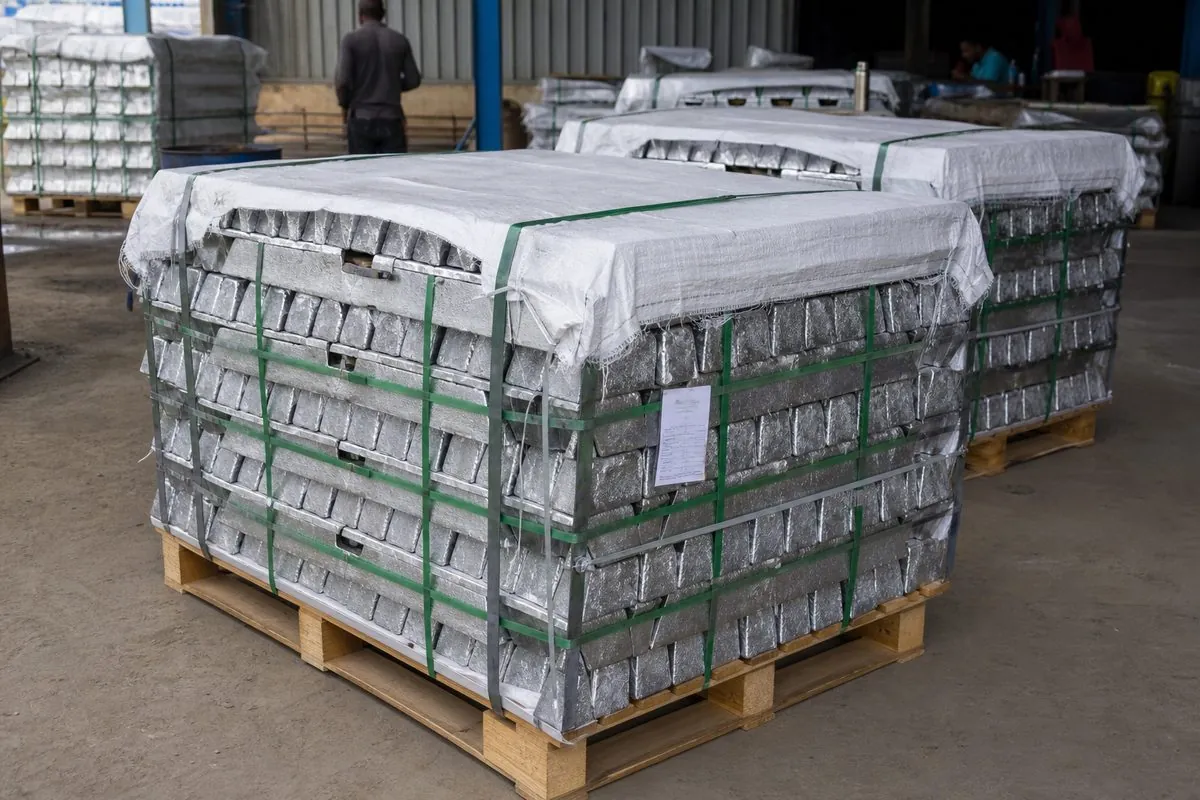
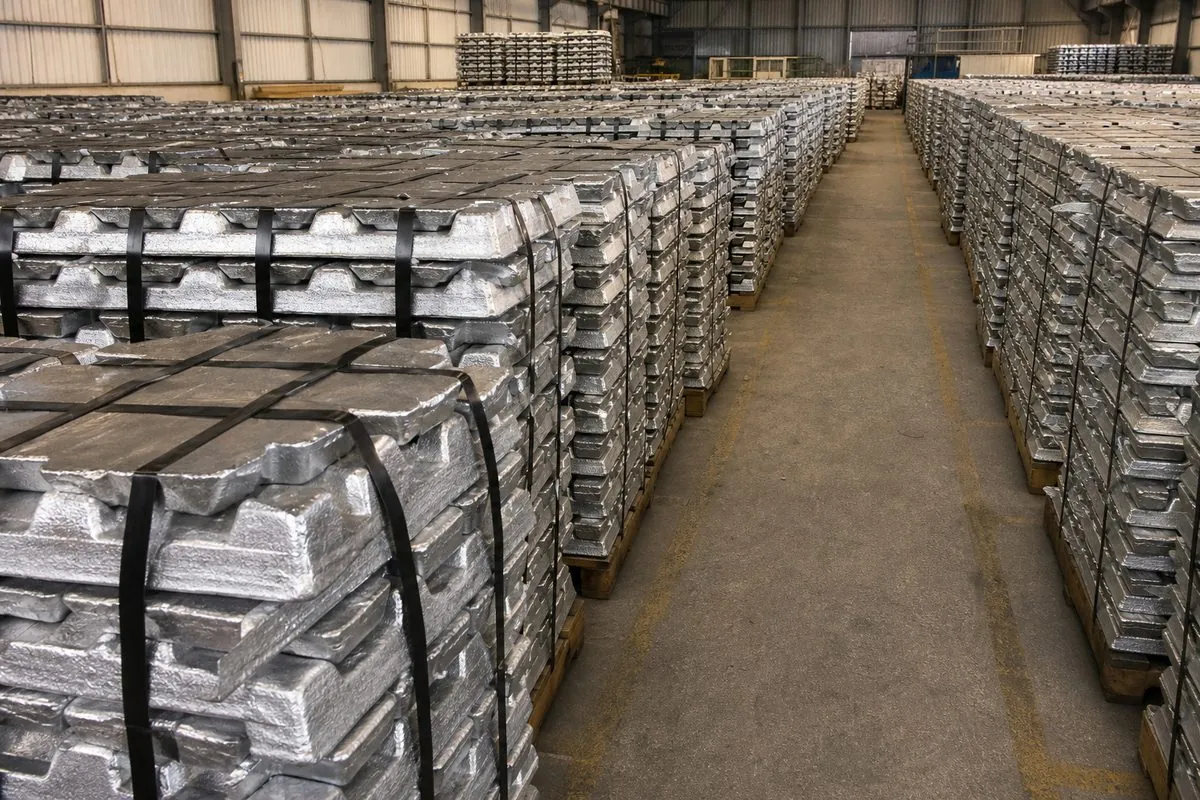
Specify packaging in the RFQ and PO. Expect ~25 kg standard cast ingots (confirm mill cast form; LME SHG rules: ingots not more than 30 kg); unitisation Strapped bundles often ~1–1.125 MT (~45 ingots) on wooden pallets or mill bundling — within LME SHG warrant max of 1.5 tonnes per bundle where LME programmes apply; Lot / heat / cast tagging; brand marks for LME-registered programmes; Weather protection against white rust / oxidation during ocean transit. Request stuffing photos and seal numbers on trial lots.
Buyer-specified packing requirements for zinc trials
Swipe →
Data table — swipe horizontally on small screens
| Element | Specification | Verification Method |
|---|---|---|
| Ingot mass | ~25 kg standard (confirm mill) | MTC + physical spot check |
| Bundle mass | ~1–1.125 MT strapped | Weighbridge / inspection cert |
| Heat / cast tags | Readable on each bundle | Photo pack before stuffing |
| Weather protection | White-rust mitigation | PSI checklist item |
| Brand marks | Only if LME programme claimed | Compare to registration evidence |
Container Loading Details
Export Tip
Plan FCL payload with your forwarder using actual bundle dimensions — do not assume 25 MT fits every 20ft. Mixed-heat containers require packing-list discipline equal to plant QC discipline. Hold stuffing until assay release if your PO makes certificates a loading condition.
Container planning for buyer trial and programme orders
Swipe →
Data table — swipe horizontally on small screens
| Shipment Type | Best For | Buyer Note |
|---|---|---|
| Trial < FCL | First counterparty validation | Accept higher per-tonne freight for proof |
| 20ft FCL ~20–25 MT | Standard wholesale intake | Verify payload vs bundle geometry |
| Multi-FCL month | Galvanizer continuity | Align mill allocation calendar early |
| Inspection-held load | Assay-sensitive programmes | Budget storage if lab delays |
Shipping Methods
Export Tip
Agree Incoterms explicitly: EXW mill / warehouse; FOB Mundra / Kandla / Nhava Sheva / Pipavav; CFR / CIF major destination ports; DDP (selected industrial programmes only). First trials often use FOB named Indian port so you control freight; experienced buyers may prefer CFR/CIF once they trust the seller's forwarder nominations. Name the load port — Mundra vs Kandla vs JNPT vs Pipavav changes sailing options into Asia and the Gulf.
Incoterm choice for first India zinc purchases
Swipe →
Data table — swipe horizontally on small screens
| Incoterm | When Buyers Prefer It | Watch-Out |
|---|---|---|
| EXW mill / warehouse | You have strong India logistics control | You inherit inland + port complexity |
| FOB Mundra / Kandla / JNPT / Pipavav | First trials; freight under your forwarder | Define exact named port |
| CFR / CIF destination | Seller has proven corridor execution | Still verify assay before sailing |
| DDP | Rare; large industrial programmes only | Landed-cost opacity risk if poorly scoped |
Certifications
Compliance Notes
Certificates are acceptance tools, not marketing stickers. Require the evidence set that matches your plant or trading desk risk — and reject logo-only claims.
Buyer evidence pack for Indian zinc ingot trials
Swipe →
Data table — swipe horizontally on small screens
| Document / Evidence | Buyer Purpose | Fail If Missing |
|---|---|---|
| Mill Test Certificate (MTC) with chemistry and heat/cast identity | Chemistry + heat identity | Plant feedstock risk |
| LME brand registration evidence for SHG programmes | Validate SHG brand claims | Misrepresented premium |
| Third-party assay and weight (SGS / Bureau Veritas / Intertek as specified) | Independent assay/weight | One-sided dispute |
| ISO 9001 (producer / exporter quality system) | System KYC support | Weak counterparty signal |
| Certificate of Origin | Clearance / FTA claims | Duty leakage |
| Commercial invoice, packing list, bill of lading / sea waybill | Customs + payment set | LC / release failure |
| EEPC India RCMC | Exporter credibility KYC | Incomplete seller diligence |
Buyer Requirements
Buyer Requirements
Translate plant or trading needs into contract language before price negotiation. The requirements below are the minimum viable purchase specification for most first India zinc programmes.
Minimum viable purchase specification (buyer side)
Swipe →
Data table — swipe horizontally on small screens
| Requirement | Contract Language Focus | Owner |
|---|---|---|
| Chemistry window | Zn min + impurity maxima | Buyer technical + seller MTC |
| HS intent | 790111 / 790112 / 790120 named | Buyer broker + seller CHA |
| LME formula | Reference + premium + settlement | Both commercial desks |
| Assay protocol | Lab, method, timing, fee bearer | Buyer QC + seller ops |
| Packing / weather protection | Bundle, tags, covering | Seller ops; buyer PSI |
| Payment vs documents | Advance %, LC, inspection rights | Buyer finance |
Country-wise Opportunities
Market Snapshot
Direct-sourcing tactics vary by where your plant or trading book sits. These notes are buyer-playbook angles — not the full destination ranking in Best Countries for Indian Zinc Ingot Exports.
Direct-sourcing emphasis by buyer location (directional)
Swipe →
Data table — swipe horizontally on small screens
| Buyer Base | Primary Emphasis | Trial Tip |
|---|---|---|
| Singapore | Brand + heat identity | Flexible MT but strict assay |
| Thailand | Chemistry + FTA docs | FCL after window approval |
| Taiwan | Inspection timing | Never skip pre-load assay buffer |
| UAE | Cycle speed + tagging | Photo seals and bundle tags |
| Saudi Arabia | Monthly MT readiness | Trial then framework |
| Indonesia | FCL continuity | One counterparty first |
| Malaysia | Preferential origin | COO process in RFQ |
| Vietnam | Growth feedstock security | Landed-cost model before PO |
Singapore Buyers
Emphasize brand evidence, heat identity for warehouse splits, and fast document release. Formula pricing transparency wins over vague "market premium" language. Keep trial parcels flexible but never skip assay on a new Indian counterparty.
Thailand Buyers
Galvanizers should lock CGG/HG chemistry windows and FTA origin readiness in the RFQ. Prefer sellers who have already executed west-coast India → Thailand FCL cycles with reconcilable MTCs.
Taiwan Buyers
Build inspection calendar first. Do not accept loading-before-assay on unproven sellers. Ask for prior third-party certificate samples (redacted) as a diligence artifact.
UAE Buyers
Use the short Mundra/Kandla cycle to run tighter trials, but insist on bundle tagging that survives re-export splits. Clarify whether your intake is plant consumption or trading stock.
Saudi Arabia Buyers
Industrial programmes should negotiate monthly MT frameworks only after a clean trial. Documentation seriousness and payment instruments typically exceed opportunistic trader norms.
Indonesia, Malaysia, and Vietnam Buyers
Prioritize FCL continuity, preferential origin paperwork, and sellers who quote landed-cost-aware premiums. Avoid parallel first trials with three new Indian counterparties in the same month — validate one chain thoroughly.
Sourcing Checklist
Checklist
Print these checklists into your first-order war room. They are operational gates, not aspirational slides.
Exporter Checklist
Compliance Checklist
Common Buyer Mistakes
Common Mistakes Box
These mistakes destroy first-order zinc programmes even when the metal itself is good. Most failures are process failures: incomplete RFQs, unpaid KYC, missing assay scopes, or advances released to the wrong legal entity. Fixing metallurgy after a bad commercial structure is far more expensive than slowing down for one clean trial.
Use the table below as a pre-PO review with your technical, finance, and logistics stakeholders in the same meeting. If any row is still "we will handle that later," you are not ready to wire an advance on Indian unwrought zinc.
Common zinc sourcing mistakes and corrections
Swipe →
Data table — swipe horizontally on small screens
| Mistake | Why It Hurts | Better Approach |
|---|---|---|
| Buying on FOB screenshot only | Ignores premium, assay, duty, freight | Full LME+ landed-cost model |
| Skipping entity KYC | Payee ≠ shipping-bill exporter | Reconcile IEC / invoice / B/L names |
| Accepting brand claims on faith | Premium paid for non-brand metal | Demand LME registration evidence |
| No assay scope in PO | Unusable certificates or missed cut-off | Name lab, method, timing |
| Jumping to monthly MT immediately | Locks you to unproven chain | Trial 5–25 MT first |
| Ignoring white-rust packing | Arrival claims erase margin | Weather protection in contract |
Future Market Trends
Key Statistics
Buyers should expect more insistence on digital document packs, tighter scrutiny of LME brand language, and growing preference for merchant exporters who can provide single-IEC accountability across multiple mill parcels. ASEAN plants will keep asking for FTA-ready origin processes at RFQ stage.
Specialty pathways — LME-registered SHG and CGG programmes — will take a larger share of premium conversations; see LME-Registered SHG and Galvanizing-Grade Zinc Export Opportunities. Trade-show calendars and EEPC fair tactics are out of scope here; use those only after your RFQ-to-assay machine works.
Buyer-side trends affecting India zinc sourcing
Swipe →
Data table — swipe horizontally on small screens
| Trend | Buyer Response | Related Altus Path |
|---|---|---|
| Brand-claim scrutiny | Evidence-or-remove in RFQ | LME/SHG specialty guide |
| Single-IEC accountability | Prefer merchant-exporter programmes | /services/merchant-exporter-india/ |
| FTA-ready ASEAN buying | COO capability questions early | Best-countries + docs checklist |
| Assay-before-sail norms | Build lab days into MRP planning | Source playbook steps 5–6 |
| Formula price transparency | Standardize LME reference date across bids | Pricing analysis section |
Conclusion
Sourcing zinc ingots directly from India is a controllable process when you treat RFQ design, mill/trader verification, sampling, assay, and LME-plus-premium landed cost as a single decision flow. Skip any gate and you are gambling plant feedstock or trading book margin on hope.
Work with Altus Exports as your merchant exporter and global sourcing partner for zinc ingots — verified Indian mill parcels, MTC-backed lots, LME/SHG programme coordination, export documentation, and FCL booking from inquiry to shipment. Pair this playbook with Best Countries for Indian Zinc Ingot Exports for corridor choice and Zinc Ingot Export Documentation Checklist for field-level document control.
Ready to run a verified first trial? Engage Altus Exports as your global sourcing partner in India or merchant exporter — and contact us to structure RFQ, assay, and FCL execution.
Sources
- WITS / UN Comtrade — India exports HS 790111 by partner, 2024
- UN Comtrade Database
- ITC Trade Map
- DGFT (India) — IEC / trade portal
- ICEGATE — Indian Customs EDI
- India CBIC / Customs Tariff — Chapter 79 Zinc
- EEPC India
- London Metal Exchange — Zinc
- LME Special Contract Rules — SHG Zinc chemical composition
- USITC Harmonized Tariff Schedule (search 7901.11.00)
- European Commission TARIC
- Hindustan Zinc — Zinc products
- HZL Integrated Report FY2024-25 — Zinc operational performance
- Vedanta FY25 Segment Review — Zinc India
- ISO 9001 overview
- Altus Exports — Engineering Goods
All sources accessed 2026-07-26. Prefer primary government, exchange, and multilateral trade databases when citing figures in contracts or buyer presentations.