
Most Demanded Indian Leather Bags by Country (2026)
By Saurabh Mittal, Founder, Altus Exports
A per-market style demand matrix for Indian leather bags — which silhouettes, leather grades, hardware finishes, and lining specs buyers in the USA, UK, Germany, UAE, France, Netherlands, Australia, and Japan actually order under HS 4202, written for importers and retail sourcing teams.
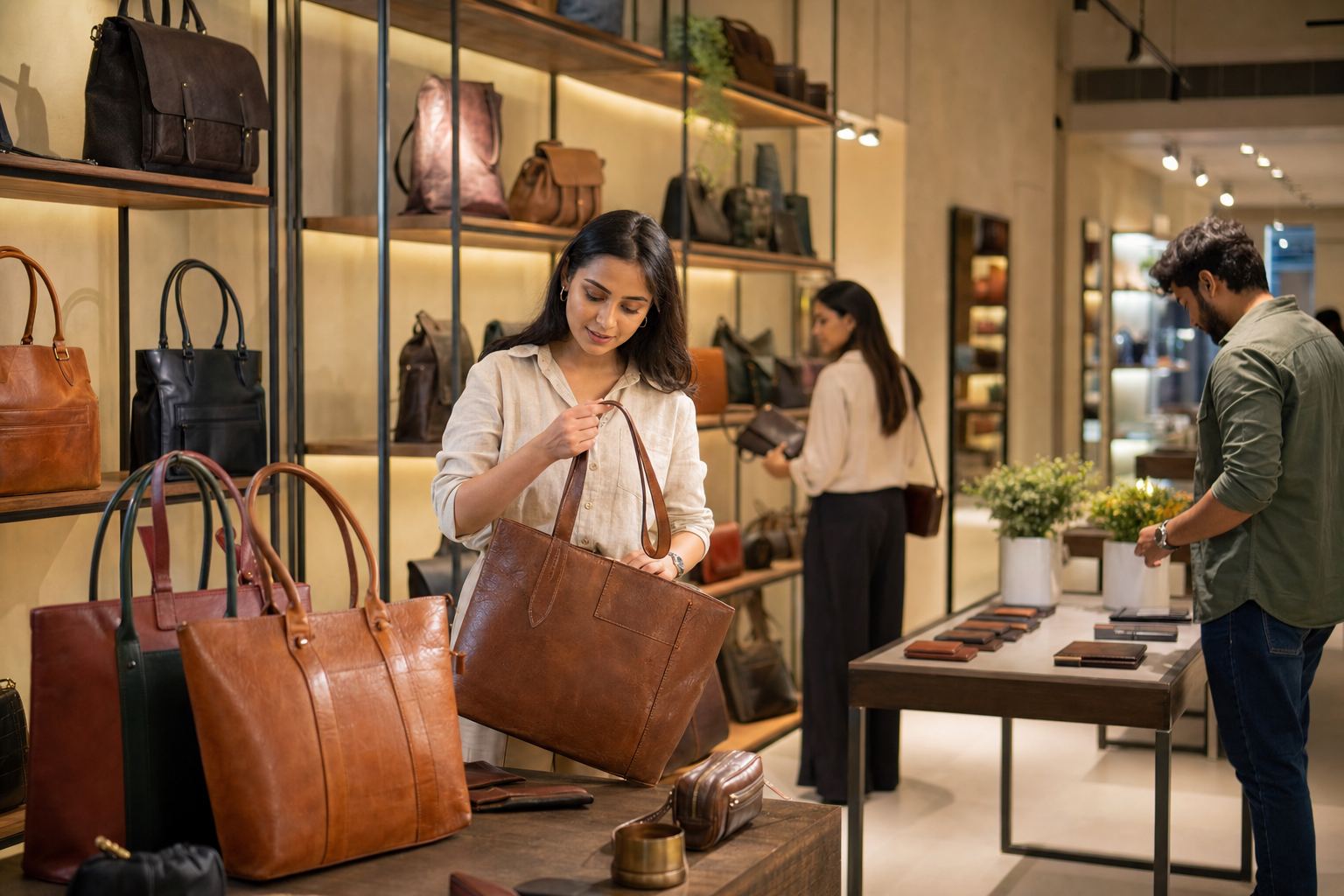
A UK department-store satchel can fail in Gulf retail that wanted compact crossbodies with gold-tone hardware. Style demand differs by country — even when the HS heading is the same.
Per-market style matrix (silhouette · leather · hardware · certs) for USA, UK, Germany, UAE, France, Netherlands, Australia, Japan. Not duty/ranking — use Best Countries for that.
Match cluster before sampling: Kanpur (briefcases/messengers) · Delhi-NCR (fashion) · Ambur–Chennai (REACH structured) · Jaipur (artisanal) · Hyderabad (corporate) · Kolkata/Agra (volume SLG).
Also: CLE Benefits · Source Directly · How to Export · Documentation Checklist.
Key Takeaways
Summary Box
Executive Summary
Summary Box
- Per destination: moving SKUs · leather/edge tier · hardware finish · certification bundle.
- Use to write RFQs factories can hit on the first sample cycle.
- Validate against your own HS 4202 import and sell-through data — matrix is a starting frame.
- Where to sell vs what to brief: Best Countries vs this guide.
Markets do not demand every silhouette equally. Generic “good quality leather bags” briefs cause post-trial mismatches on construction, hardware, or certs.
Market Size & Industry Overview
Key Statistics
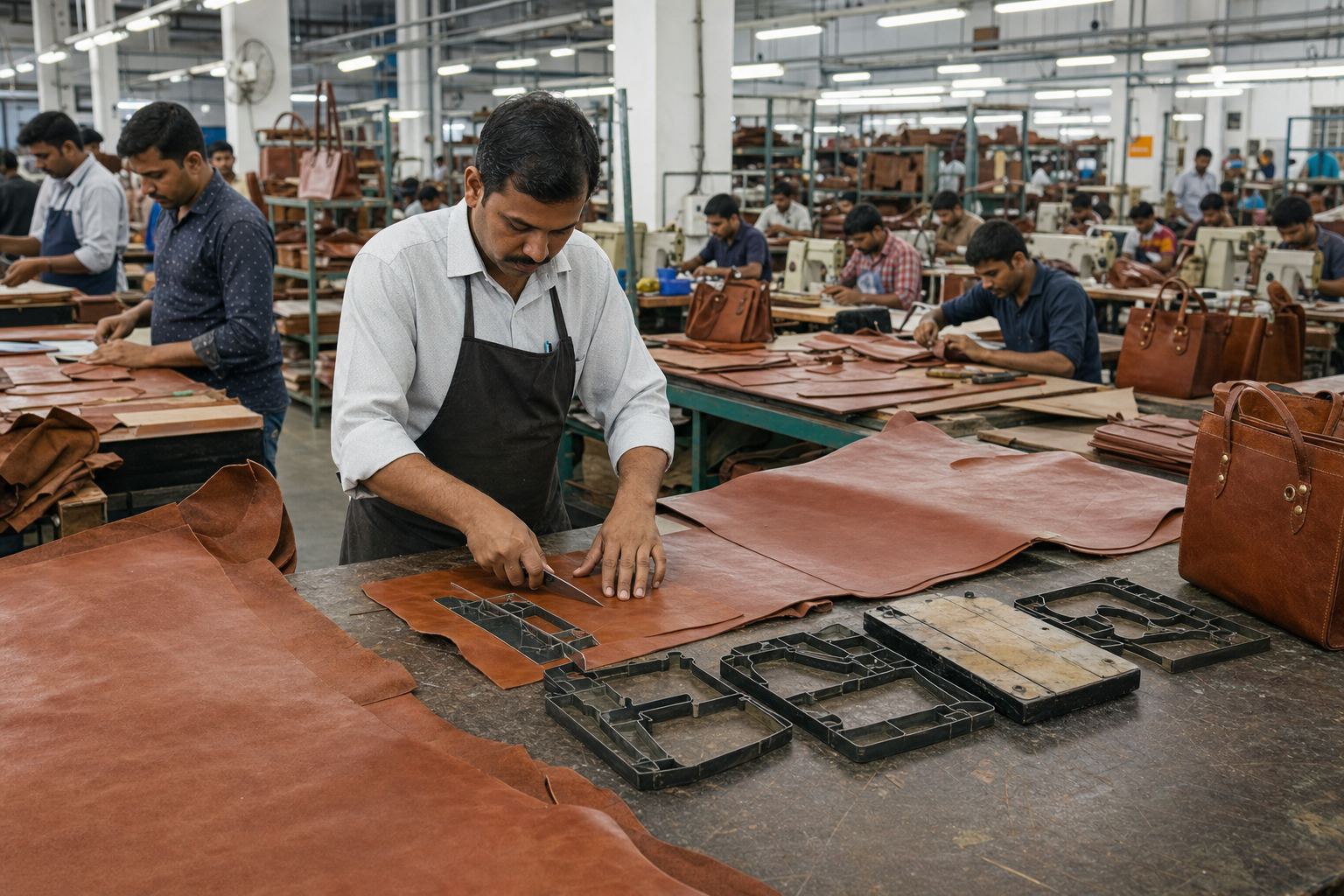
India's leather bag export base spans seven major clusters, each with style specializations that map to destination demand patterns. Kanpur anchors briefcases, messenger bags, and institutional lines. Delhi-NCR leads design-forward handbags and fashion totes for US and EU private label. Ambur–Chennai combines tanning relationships with structured handbag production for REACH-conscious programmes. Jaipur serves artisanal embossing and tooled fashion bags. Hyderabad covers corporate laptop bags and gifting sets.
Matching cluster to destination style before RFQ reduces prototype cycles by weeks. A Jaipur embossing unit is the wrong starting point for a German REACH briefcase programme; a Kanpur volume messenger factory may mismatch a Paris boutique's piped-edge compact satchel brief.
The style matrices below complement — but do not duplicate — the market-selection and duty framework in Best Countries for Indian Leather Bag Exports. Read that guide for where to sell; read this guide for what SKU to brief once the destination is chosen.
Cluster-to-Style Specialization Matrix (HS 4202 Leather Bags)
Swipe →
Data table — swipe horizontally on small screens
| Cluster | Dominant Silhouettes | Construction Strength | Best-Fit Style Destinations |
|---|---|---|---|
| Kanpur | Briefcases, messengers, institutional totes | Turned-edge and bound-edge business lines | USA corporate, UK messengers, Germany briefcases |
| Delhi-NCR | Fashion handbags, hobo totes, chain-strap bags | Bound-edge premium; fast fashion turned-edge | USA D2C, UK fashion retail, France mid-premium |
| Ambur–Chennai | Structured satchels, compliance handbags | Bound-edge with LWG tannery links | Germany, USA premium, EU REACH programmes |
| Kolkata | Volume handbags, SLG | Turned-edge value tiers | USA wholesale, UAE value retail |
| Agra | Wallets, volume SLG, value totes | Turned-edge high piece count | USA off-price, UAE gifting sets |
| Jaipur | Embossed/tooled handbags, clutches | Artisanal edge paint and tooling | USA boutique, UK premium, France boutique |
| Hyderabad | Laptop bags, corporate messengers | Institutional construction consistency | USA Q4 gifting, UAE corporate B2B |
Export Statistics
Key Statistics
India's HS 4202 exports concentrate in the USA, UK, and Germany by value, with UAE, France, Netherlands, Australia, and Japan forming a strong secondary tier. Export concentration means factories have deepest repeat experience in the silhouettes these markets demand — structured handbags and messengers for Anglo-EU channels, compact crossbodies for Gulf retail, corporate briefcases for US Q4 gifting.
Statistics explain capability, not your specific SKU choice. Rising Indian share in a destination's handbag sub-heading signals lane maturity; flat share in backpacks may mean your market still sources that silhouette from Vietnam or China — adjust style brief accordingly rather than assuming Indian factory experience exists.
Indicative Export Style Concentration by Destination (Directional)
Swipe →
Data table — swipe horizontally on small screens
| Destination | Top Silhouette SKUs from India | Typical Leather Grade | Hardware Trend |
|---|---|---|---|
| USA | Totes, crossbodies, satchels, briefcases | Corrected-grain (value); full-grain (premium) | Matte black, antique brass, branded zippers |
| UK | Satchels, flap messengers, top-handle bags | Full-grain and corrected-grain | Antique brass, brushed nickel |
| Germany | Satchels, briefcases, structured totes | Full-grain compliance segment | Brushed nickel, nickel-free certified |
| UAE | Crossbodies, fashion totes, men's messengers | Corrected-grain value | Gold-tone, rose-gold decorative |
| France | Compact top-handle, chain-strap, minimal totes | Full-grain and fine corrected-grain | Light gold, polished nickel |
| Netherlands | Mixed handbags, messengers, briefcases | Varies by onward EU destination | Mixed — label accuracy priority |
| Australia | Totes, crossbodies, weekender duffels | Corrected-grain practical | Matte hardware, durability focus |
| Japan | Structured handbags, compact crossbodies | Consistent corrected-to-full-grain | Understated silver, precise finish |
Import Statistics
Key Statistics
Destination import data validates style assumptions before you commit production capacity. If your market's HS 4202 import statistics show rising unit volumes in crossbody sub-categories while satchel imports flatten, your RFQ should lead with crossbody silhouettes — not the satchel your competitor sold last season in a different channel.
Unit value per imported bag is a sanity check against factory FOB quotes. A structured handbag quoted at $8 FOB for a market whose average Indian import unit value sits at $24 suggests wrong leather grade or construction tier — not a negotiating victory. Import statistics do not replace style matrix guidance, but they catch obvious SKU mismatches early.
Using Import Data to Validate Style Demand Before RFQ
Swipe →
Data table — swipe horizontally on small screens
| Import Signal | Style Implication | RFQ Action |
|---|---|---|
| Rising crossbody import share | Compact hands-free silhouettes gaining in your market | Brief factory for flap crossbody with specified strap drop |
| Flat satchel import volume | Structured top-handle may be saturated or wrong tier | Validate price tier before copying competitor satchel |
| High average unit value | Market rewards premium construction | Specify bound-edge and full-grain — not turned-edge value |
| Low average unit value | Value channel dominates | Turned-edge corrected-grain; simplify hardware |
| Seasonal Q4 spike in briefcases | Corporate gifting calendar drives SKU | Align Kanpur/Hyderabad briefcase MOQ to Q3 production |
Product Categories / Variants
Summary Box
Style demand maps to a shared taxonomy across Indian factories and international buyers. Align RFQ vocabulary to these HS 4202 bag categories before applying country-specific matrices in the Country-wise Opportunities section.
Core Bag Categories and Indicative FOB Bands from India
Swipe →
Data table — swipe horizontally on small screens
| Category | Indicative FOB Range | Primary Demand Markets |
|---|---|---|
| Women's handbags | $8–$35 | USA, UK, France, Germany |
| Totes | $10–$40 | USA value, UAE fashion, Australia |
| Messenger / crossbody | $12–$38 | UAE, USA, UK casual |
| Backpacks | $12–$45 | Australia, USA D2C, Japan travel |
| Briefcases | $15–$55 | USA corporate, Germany, UAE B2B |
| Laptop bags | $12–$42 | USA, Germany, Hyderabad cluster |
| Travel / duffels | $18–$70 | Australia, USA premium travel |
Structured Handbags and Totes
- Silhouettes: top-handle satchel, open tote, hobo, bucket bag, chain-strap shoulder bag
- Construction split: turned-edge (value US/UAE) vs bound-edge or piped (UK/DE premium)
- Leather: corrected-grain at value tier; full-grain at mid-premium and above
Crossbody and Messenger Bags
- Silhouettes: flap crossbody, camera bag, men's messenger, sling bag
- UAE and US value channels favor compact depth and long adjustable straps
- UK and US corporate: slim messenger with laptop sleeve and logo emboss zone
Briefcases, Laptop Bags, and Business Lines
- Silhouettes: hard-sided briefcase, soft brief, padded laptop messenger, portfolio
- Kanpur and Hyderabad cluster strength; Q4 US and UAE corporate gifting peaks
- Hardware: combination locks on institutional lines; YKK or specified zipper brands
Backpacks and Travel Bags
- Silhouettes: leather-trim backpack, weekender duffel, cabin tote
- Australia and US D2C growth; lower container density than wallets
- Lining: nylon or microfiber at value; cotton twill at premium
Wallets, Clutches, and SLG
- Silhouettes: bi-fold, zip-around, card holder, wristlet clutch, passport cover
- High piece-count programmes across all destinations; Agra/Kolkata volume
- Indicative FOB: $2–$8
Manufacturing Overview
Export Tip
- Pattern grade and strap drop — specify per destination size norms (Japan compact vs US roomier interior)
- Edge construction — turned, bound, or piped; mismatched edge type is the top FOB variance driver
- Hardware torque and pull tests — EU nickel-release and US retail drop-test expectations differ
- Color tolerance — document Delta E limits for Japan and premium EU; wider for UAE multi-colorway
- Lining attachment — fully bagged lining for premium UK/DE; half-lined acceptable for UAE value
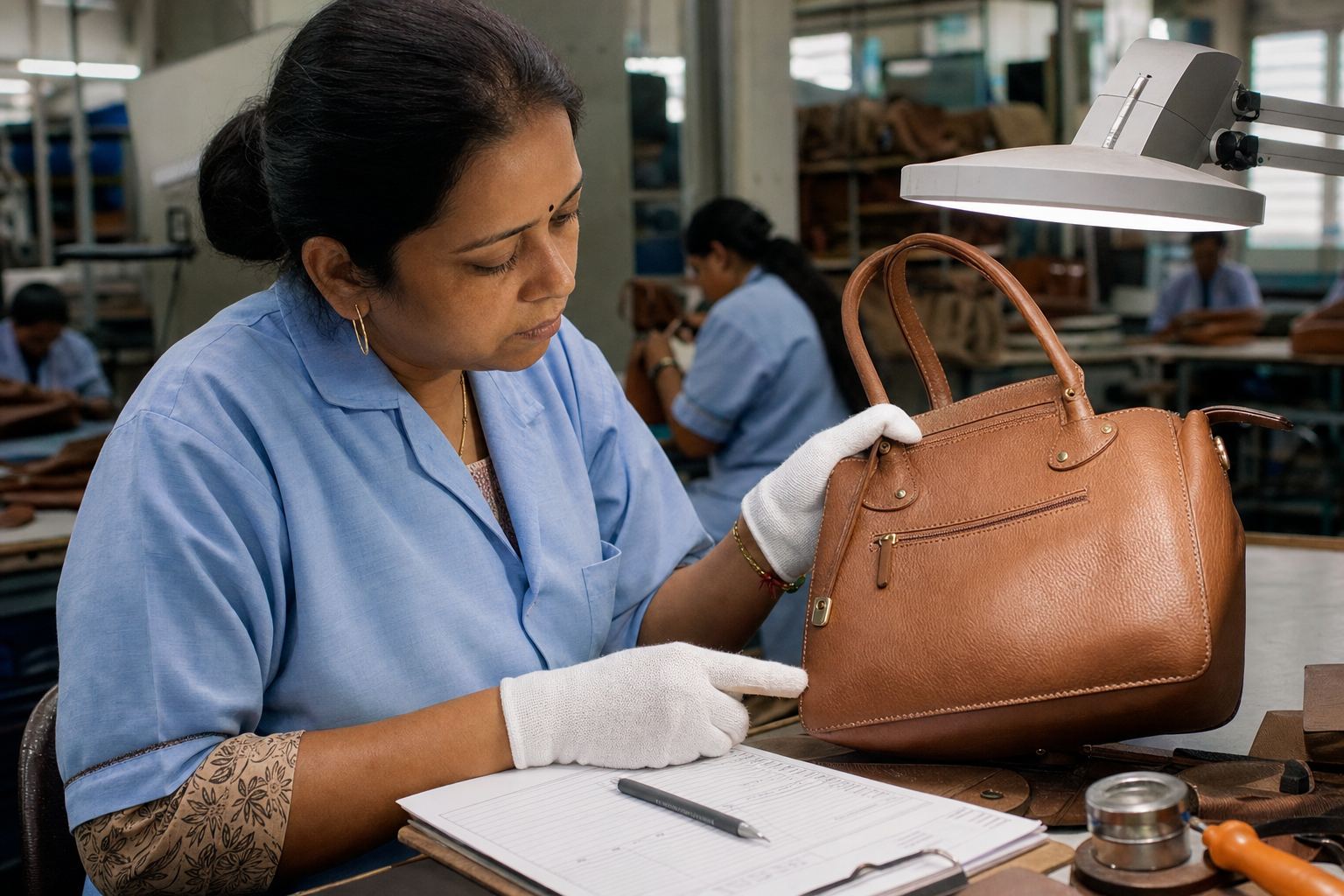
Country-specific style demand translates to specific construction stations on the factory floor. UK and German premium satchels require skilled bound-edge or piped-edge finishing and consistent skiving. UAE value crossbodies prioritize throughput on turned-edge lines with decorative hardware attachment. US corporate briefcases need repeatable logo embossing and combination-lock setting across color lots.
Sample approval must lock silhouette, edge construction, leather grade, hardware finish, lining material, and strap length — not just front-photo aesthetics. Bulk production that drifts from signed sample on any of these dimensions causes destination-specific rejections even when generic 'quality' appears acceptable.
Construction and Hardware Norms by Destination (Style Manufacturing Lens)
Swipe →
Data table — swipe horizontally on small screens
| Destination | Edge Construction Norm | Hardware Finish Norm | Lining Norm |
|---|---|---|---|
| USA value | Turned-edge | Matte black, antique brass | Nylon or polyester |
| USA premium | Bound-edge | Branded zipper, antique brass | Cotton twill |
| UK | Bound-edge or piped | Antique brass, brushed nickel | Cotton twill, fully bagged |
| Germany premium | Bound-edge | Nickel-free brushed | Cotton twill, REACH lot traceable |
| UAE | Turned-edge | Gold-tone, rose-gold | Polyester, half-lined acceptable |
| France boutique | Bound-edge, clean edge paint | Light gold, polished nickel | Cotton or microfiber |
| Japan | Bound-edge | Understated silver | Consistent color-matched lining |
Pricing Analysis
Buyer Tip
Style and construction drive FOB more than country name alone. A turned-edge corrected-grain crossbody for UAE value retail targets a fundamentally different cost stack than a bound-edge full-grain satchel for UK department stores — even when both are called 'handbags' in a generic RFQ.
Use destination import unit values as a benchmark: if your UK programme targets $35 retail equivalent, a $12 FOB turned-edge tote will fail construction expectations regardless of factory reputation.
Style-Construction Price Tier Matrix (Indicative FOB)
Swipe →
Data table — swipe horizontally on small screens
| Style + Construction | Value Tier FOB | Mid-Premium FOB | Typical Destinations |
|---|---|---|---|
| Crossbody — turned-edge corrected-grain | $10–$16 | $16–$24 | UAE, USA off-price |
| Satchel — bound-edge full-grain | $22–$32 | $32–$55+ | UK, Germany premium, France |
| Messenger — turned-edge with laptop sleeve | $14–$22 | $22–$35 | USA corporate, UAE B2B |
| Tote — turned-edge large open | $12–$20 | $20–$38 | USA value, Australia |
| Briefcase — bound-edge institutional | $18–$28 | $28–$45 | USA Q4 gifting, Germany |
| Wallet — turned-edge SLG | $2–$8 | $8–$15 | All markets high volume |
MOQ Analysis
Buyer Tip
MOQ varies by silhouette complexity and destination channel as much as by factory size. Wallet programmes run higher piece MOQ than structured handbags. UK department store satchels accept lower initial colorways but demand bound-edge setup cost amortized over 800+ units. UAE distributors often want six colorways at 300–500 units each rather than single-colorway 2,000-unit UK logic.
Indicative MOQ by Style and Destination Channel
Swipe →
Data table — swipe horizontally on small screens
| Silhouette | USA Retail Trial | UK Dept Store | UAE Retail / Re-export | Japan Qualification |
|---|---|---|---|---|
| Structured satchel | 200–400 / color | 200–400 / color | 300–600 / color | 200–300 / color |
| Crossbody | 300–600 / color | 300–500 / color | 300–800 / color | 200–400 / color |
| Briefcase / laptop | 200–400 / color | 200–350 / color | 300–500 / color | 150–300 / color |
| Wallet / SLG | 500–1,500 / color | 800–2,000 / color | 1,000–3,000 / color | 500–1,000 / color |
| Programme scale | 300–1,000 pieces | 800–1,500 / style | 1,000–2,500 / style | 500–1,000 / style |
Packaging Standards
Export Tip
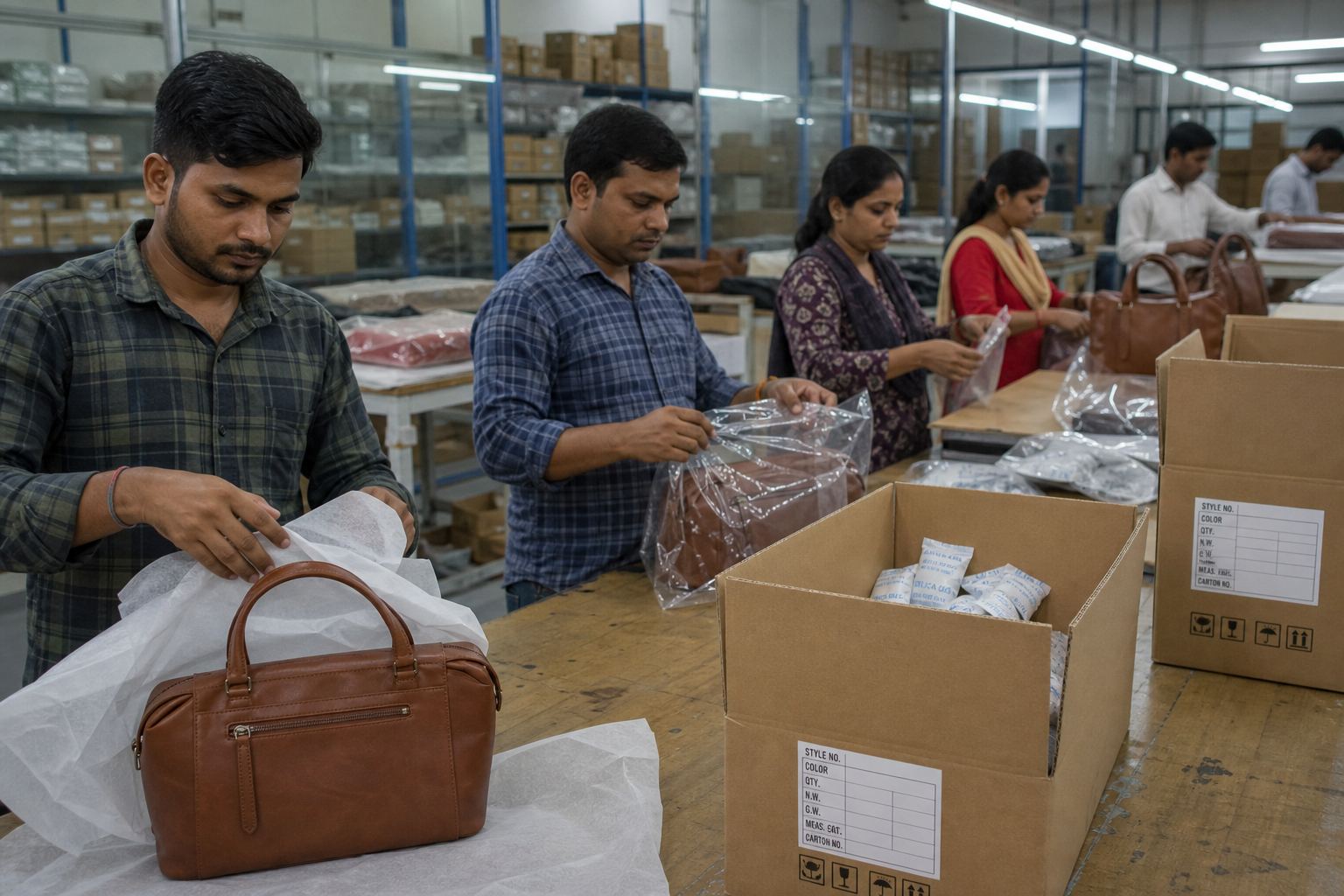
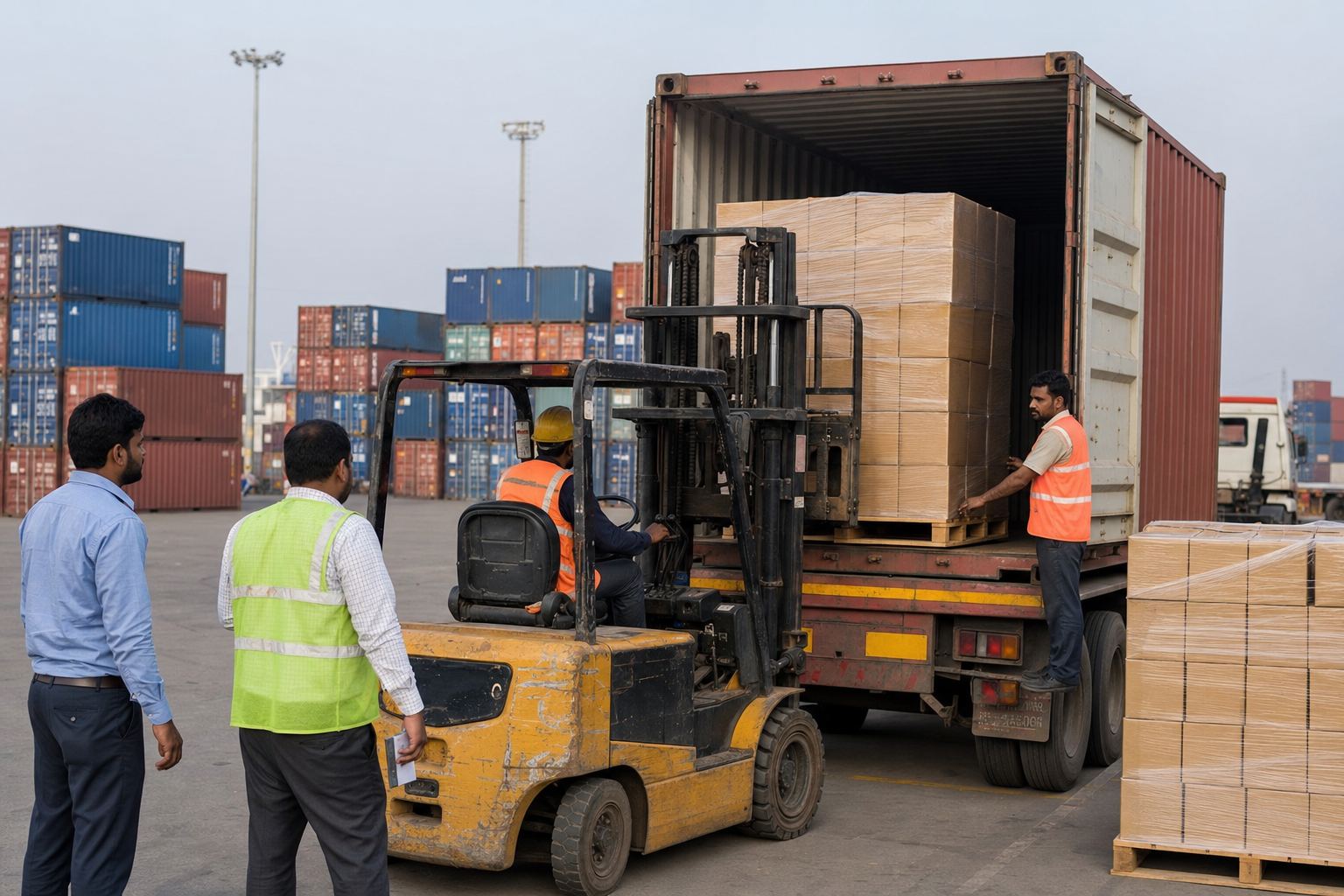
Style demand extends to packaging format. UK and France mid-premium satchels expect branded dust bags and rigid retail boxes. US chains require barcoded retail boxes with hang-tag placement specs. UAE re-export may accept bulk master-carton packing with colorway labels for onward distribution. Australia requires biosecurity-compliant declarations when wood pallets or dunnage are used.
Specify packaging in the same RFQ as silhouette and leather grade — receiving disputes often trace to packaging mismatch, not bag construction failure.
Container Loading Details
Export Tip
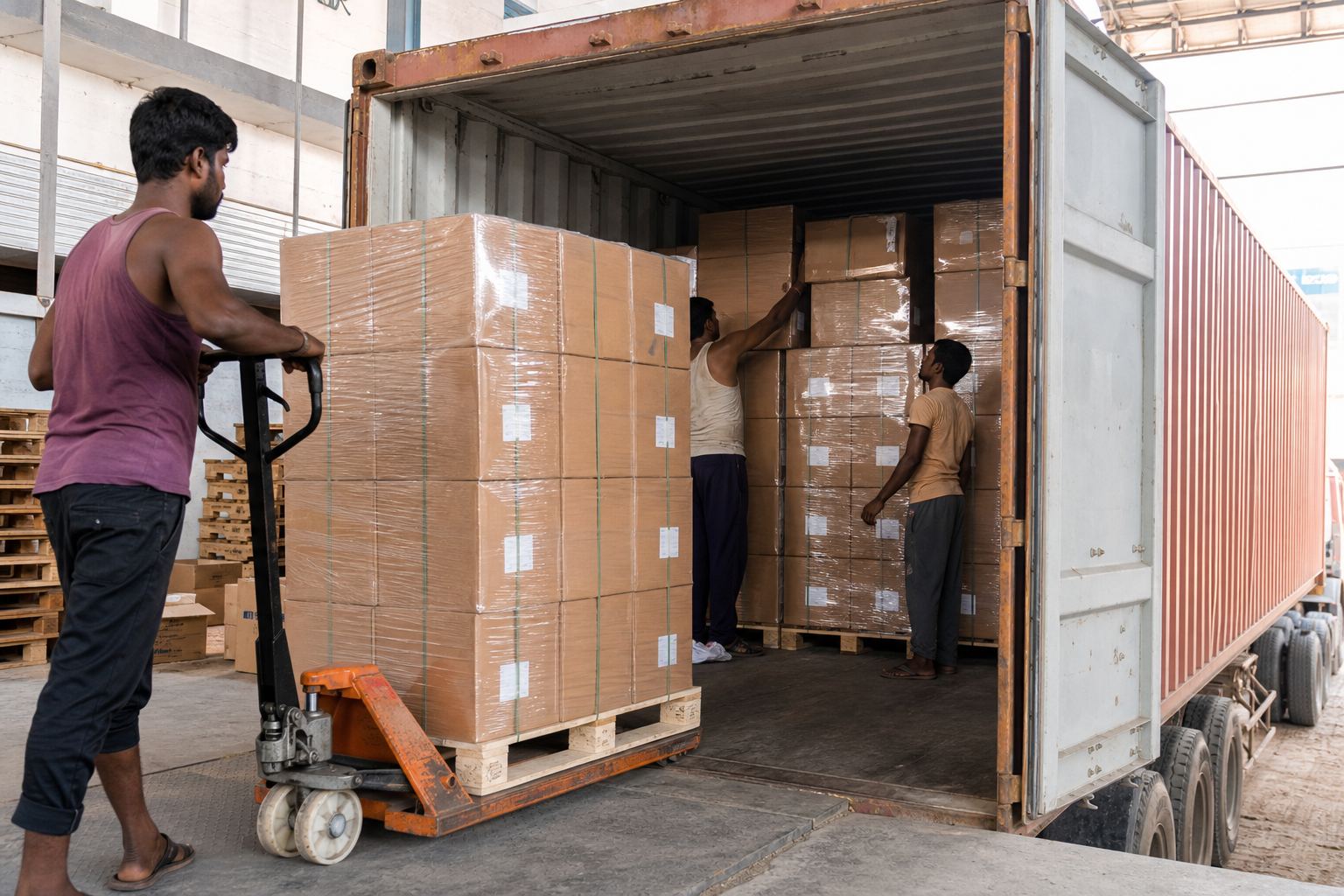
Silhouette choice affects container economics and therefore which styles fit which destination price tier. Wallets and card holders achieve the densest forty-foot high-cube payloads; structured handbags and duffels land mid-range; oversized totes and travel bags reduce units per container and raise freight per piece.
Container Yield by Silhouette (Planning Reference)
Swipe →
Data table — swipe horizontally on small screens
| Silhouette | Relative Density | Indicative 40ft HC Note | Landed Cost Sensitivity |
|---|---|---|---|
| Wallets / SLG | Highest | 3,000–8,000 pieces | Low freight per unit — UAE/US wholesale |
| Crossbody / compact | High | 3,000–8,000 pieces | Moderate — Gulf multi-colorway |
| Structured satchel | Medium | 3,000–8,000 pieces | Higher — UK/DE premium margin needed |
| Weekender / duffel | Lower | Varies by silhouette bulk, carton size, and nesting; confirm against actual carton specs. | Australia/US travel — plan FOB accordingly |
Shipping Methods
Export Tip
Style urgency shapes shipping mode more than country name. Japan and US D2C first orders often airfreight initial colorways while ocean FCL carries replenishment. UAE and Netherlands re-export programmes prioritize FCL mixed-SKU containers with strict carton-level style labeling for onward split.
Production lead times for new silhouettes typically require 7–21 days for sample approval and 25–45 days for trial bulk — align seasonal style launches (US Q4 briefcase, back-to-school laptop bag) backward from retail floor dates.
Certifications
Compliance Notes
Certification demand attaches to destination and silhouette, not generically to 'leather bags.' German structured satchels in chrome-tanned leather need REACH chromium VI batch reports. US children's backpack lines need CPSIA. EU hardware on chain-strap bags needs nickel-release documentation. UAE value crossbodies may need only standard commercial docs unless onward EU re-export is planned.
Certification Bundle by Destination + Style Combination
Swipe →
Data table — swipe horizontally on small screens
| Destination + Style | Primary Certificate | Secondary Requirement |
|---|---|---|
| USA — children's backpack/tote | CPSIA compliance | Lead/phthalate test on applicable components |
| UK — bound-edge satchel | UK REACH-equivalent chemical | Construction spec on invoice |
| Germany — structured satchel | REACH CrVI ≤3 mg/kg | LWG tannery ref; nickel-free hardware |
| UAE — crossbody value line | Standard commercial docs | REACH only if Rotterdam re-export |
| France — chain-strap handbag | REACH + finish audit | Traceability for sustainability claims |
| Australia — weekender duffel | ISPM-15 if wood packaging | Standard customs documentation |
| Japan — compact crossbody | Color tolerance record | Consistency docs across lots |
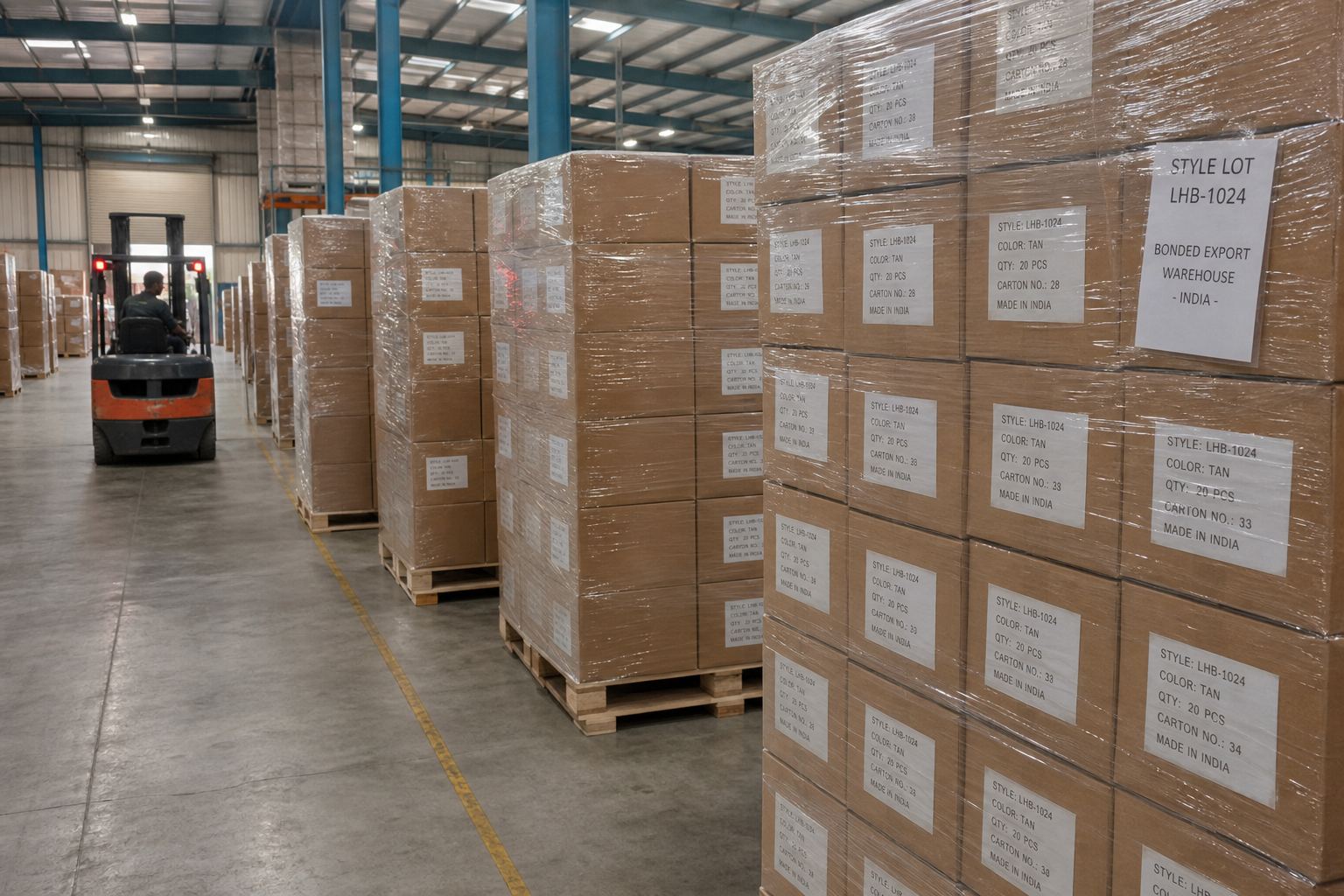
Buyer Requirements
Buyer Requirements
- Name the exact silhouette — not 'handbag' alone — with reference photos or pattern numbers
- State edge construction: turned, bound, or piped — and reject quotes that swap without disclosure
- Specify hardware finish by destination norm: gold-tone (UAE), matte black (US D2C), brushed nickel (DE)
- Include certification bundle before sample approval — REACH for DE satchel, CPSIA for US kids' backpack
- Request cluster-appropriate factory references — Ambur–Chennai for DE compliance satchel, Jaipur for FR boutique emboss
- Align colorway count and MOQ to channel: multi-color UAE vs restrained UK heritage palette
Destination-specific style briefs should specify silhouette name, dimensions, edge construction, leather grade and tannage, hardware material and finish, lining composition, strap length adjustability, and certification bundle — in one RFQ document. Generic quality adjectives produce generic samples that fail market-specific sell-through.
Country-wise Opportunities
Market Snapshot
The matrices below are the core of this guide — per-market SKU demand for Indian leather bags. Use them to brief factories before the first sample cycle. For market ranking and duty treatment, see Best Countries for Indian Leather Bag Exports — not duplicated here.
Per-Market Style Demand Matrix — Top Indian Export SKUs (HS 4202)
Swipe →
Data table — swipe horizontally on small screens
| Country | SKU / Silhouette | Construction | Leather | Hardware / Cert |
|---|---|---|---|---|
| USA | Large open tote | Turned-edge | Corrected-grain | Matte black / antique brass |
| USA | Flap crossbody | Turned-edge | Corrected-grain | Matte black — $10–$18 FOB |
| USA | Structured satchel | Bound-edge | Full-grain | Branded YKK — $28–$45 FOB |
| USA | Laptop messenger | Turned-edge + pad | Corrected-grain | Logo emboss, YKK |
| USA | Hard briefcase | Bound-edge | Full-grain | Combination lock — Q4 gifting |
| UK | Top-handle satchel | Bound-edge / piped | Full-grain | Antique brass — dust bag + rigid box |
| UK | Flap messenger | Bound-edge | Corrected-grain | Brushed nickel — UK REACH-equiv |
| Germany | Structured briefcase | Bound-edge | Full-grain | Brushed nickel — REACH CrVI + LWG |
| Germany | Compact crossbody (value) | Turned-edge | Corrected-grain | Nickel-free certified |
| France | Chain-strap shoulder | Bound-edge | Fine corrected-grain | Light gold — REACH finish audit |
| UAE | Mini crossbody | Turned-edge | Corrected-grain | Gold / rose-gold — 6–10 colorways |
| UAE | Men's messenger | Turned-edge | Corrected-grain | Antique brass — re-export retail |
| UAE | Logo briefcase set | Turned-edge institutional | Corrected-grain | Gold lock — Q4 B2B gifting |
| Australia | Practical tote | Turned-edge | Corrected-grain | Matte hardware — everyday retail |
| Australia | Weekender duffel | Turned-edge + trim | Corrected-grain | ISPM-15 if wood dunnage |
| Japan | Structured handbag | Bound-edge | Consistent grain | Understated silver — color tolerance docs |
| Netherlands | Mixed FCL assortment | Varies | Varies | Carton style codes for EU onward split |
United States — Style Demand Matrix
US demand splits into three style bands. Value retail and off-price: turned-edge corrected-grain totes, hobo bags, and flap crossbodies at $12–$22 FOB with matte black or antique brass hardware and nylon lining. Premium D2C and department store: bound-edge full-grain satchels and structured top-handle bags at $28–$55+ FOB with branded YKK zippers and cotton twill lining. Corporate gifting: Kanpur/Hyderabad briefcases and laptop messengers with logo emboss, combination locks, and predictable Q3–Q4 replenishment cycles.
United Kingdom — Style Demand Matrix
UK buyers favor classic bound-edge or piped satchels, flap messengers, and slim briefcases in full-grain or high corrected-grain leather. Color palette: tan, cognac, black, burgundy with less seasonal churn than US fashion programmes. Dust bag and rigid box standard for mid-premium. Delhi-NCR and Kanpur factories with UK export references fit best.
Germany — Style Demand Matrix
Germany combines value turned-edge totes with a compliance premium segment: bound-edge satchels and briefcases requiring REACH CrVI reports, LWG tannery references, and nickel-free brushed hardware. Ambur–Chennai cluster fit for premium segment. Corporate briefcases steady year-round; fashion satchels align to EU seasonal resets.
United Arab Emirates — Style Demand Matrix
UAE retail and Gulf re-export favor compact crossbodies, mini and midi fashion totes, and men's messengers at turned-edge value construction. Gold-tone and rose-gold hardware dominate. Six-to-ten colorways per style at 300–800 unit MOQ per color. Corporate gifting: logo-embossed briefcases and wallet sets from Kanpur/Hyderabad.
France, Netherlands, Australia, and Japan
France: compact top-handle and chain-strap bags with clean edge paint; Jaipur embossing for boutique. Netherlands: mixed-style FCL for Rotterdam split — label each carton by onward EU destination style code. Australia: practical totes, crossbodies, leather-trim weekender bags with ISPM-15 packaging compliance. Japan: structured handbags and compact crossbodies with documented color tolerance and understated hardware — longer qualification cycle, high supplier loyalty once approved.
Expert Insight: Brief the Destination, Not the Catalog
Expert Insight Box
We regularly see inventory sit because the wrong silhouette landed in the wrong channel — bound-edge handbags in a Gulf price-sensitive chain, or turned-edge crossbodies in a UK heritage programme expecting piped construction. Both failures are avoidable with a five-minute destination brief before the RFQ leaves your desk.
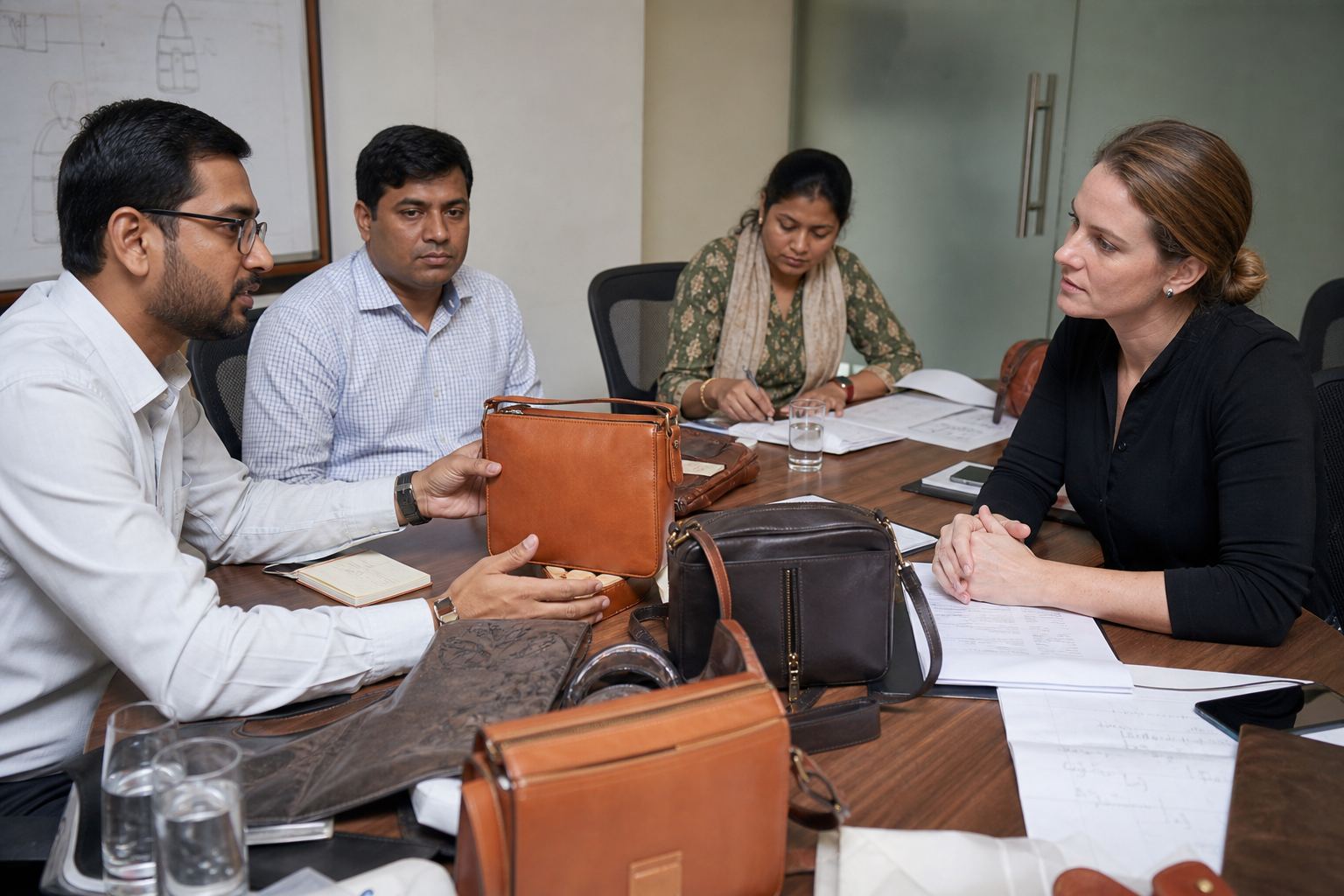
Our recommendation: copy the relevant row from the country matrices in this guide into your specification sheet, add your dimensions and color codes, then send — do not paraphrase into generic language that lets the factory substitute construction tier silently.
Sourcing Checklist
Checklist
- Select destination country and copy the relevant style matrix row into your RFQ.
- Match Indian cluster to silhouette: Ambur–Chennai for DE compliance satchel, Jaipur for FR boutique emboss.
- Specify edge construction, leather grade, hardware finish, and lining in the same document as silhouette.
- Attach certification bundle required for that destination-style combination before sample funding.
- Cross-check FOB against destination import unit value for the same HS 4202 sub-heading.
- Plan colorway count and MOQ to channel norms — UAE multi-color vs UK restrained palette.
- Align production calendar to seasonal SKU peaks — US Q4 briefcase, AU summer travel duffel.
- Request prior export references for the same silhouette in the same destination, not generic export history.
Buyer Checklist
Checklist
Exporter Checklist
Checklist
Compliance Checklist
Checklist
Compliance Notes
Common Buyer Mistakes
Common Mistakes Box
Expert Insight: Size the Trial to the Style Risk
Expert Insight Box
This differs from generic trial-before-scale advice. A buyer with five years of UK satchel experience should trial a Gulf crossbody programme more conservatively than their next UK reorder — even with the same supplier — because silhouette and hardware norms differ.
We build destination style briefs before factories see RFQs for new markets. Getting silhouette and construction right the first time saves more margin than any FOB negotiation — because the alternative is markdown, rework, or write-off after bulk production.
Future Market Trends
Key Statistics
Style demand is shifting in predictable directions: US and EU retail chains requesting traceability documentation alongside specific silhouettes — LWG-linked satchels and REACH-documented crossbodies as standard SKU bundles, not premium exceptions. UAE and Gulf growth favoring mini crossbody and gifting SLG sets with multi-colorway replenishment. Japan and premium EU channels tightening color-tolerance and edge-finish documentation on compact structured bags.
Exporters and buyers who update style matrices annually — rather than recycling the same silhouette brief — capture these shifts before competitors. Sustainability claims without LWG or traceability evidence increasingly fail buyer onboarding for structured handbag SKUs in Germany and France.
Conclusion
- Next: send target country + silhouette to Altus Exports for a demand-aligned factory shortlist.
- Market selection (separate): Best Countries for Indian Leather Bag Exports.
- Buyer verification: Source Leather Bags Directly from India.
- Confirm exporter credentials in CLE Registration Benefits for Leather Bag Exporters before briefing country-specific SKUs.
- Category depth: Top Leather Bag Products Exported from India.
- Export ops: How to Export Leather Bags from India and Leather Bag Export Documentation Checklist.
- Growth: Find International Buyers for Leather Bags and Trade Shows for Leather Bag Exporters.
- Premium: Sustainable & Premium Leather Bag Export Opportunities.
- Services: global sourcing partner and find manufacturers in India.
Indian leather bag demand is not uniform — it varies by silhouette, construction, leather grade, hardware finish, and certification bundle from country to country. Use the per-market style matrices in this guide to brief factories correctly before the first sample cycle, then refine against your own import data and sell-through.
Share your target country, silhouette, and volume with Altus Exports for a demand-aligned factory shortlist across Kanpur, Delhi-NCR, Ambur–Chennai, Jaipur, Hyderabad, Kolkata, and Agra. For registration credentials and export execution, continue with the leather bags cluster guides linked below.