How to Approve Samples When Sourcing from India
By Saurabh Mittal, Founder, Altus Exports
Approve a sealed golden sample in writing before bulk production. A showroom piece is not the standard for sourcing from India.
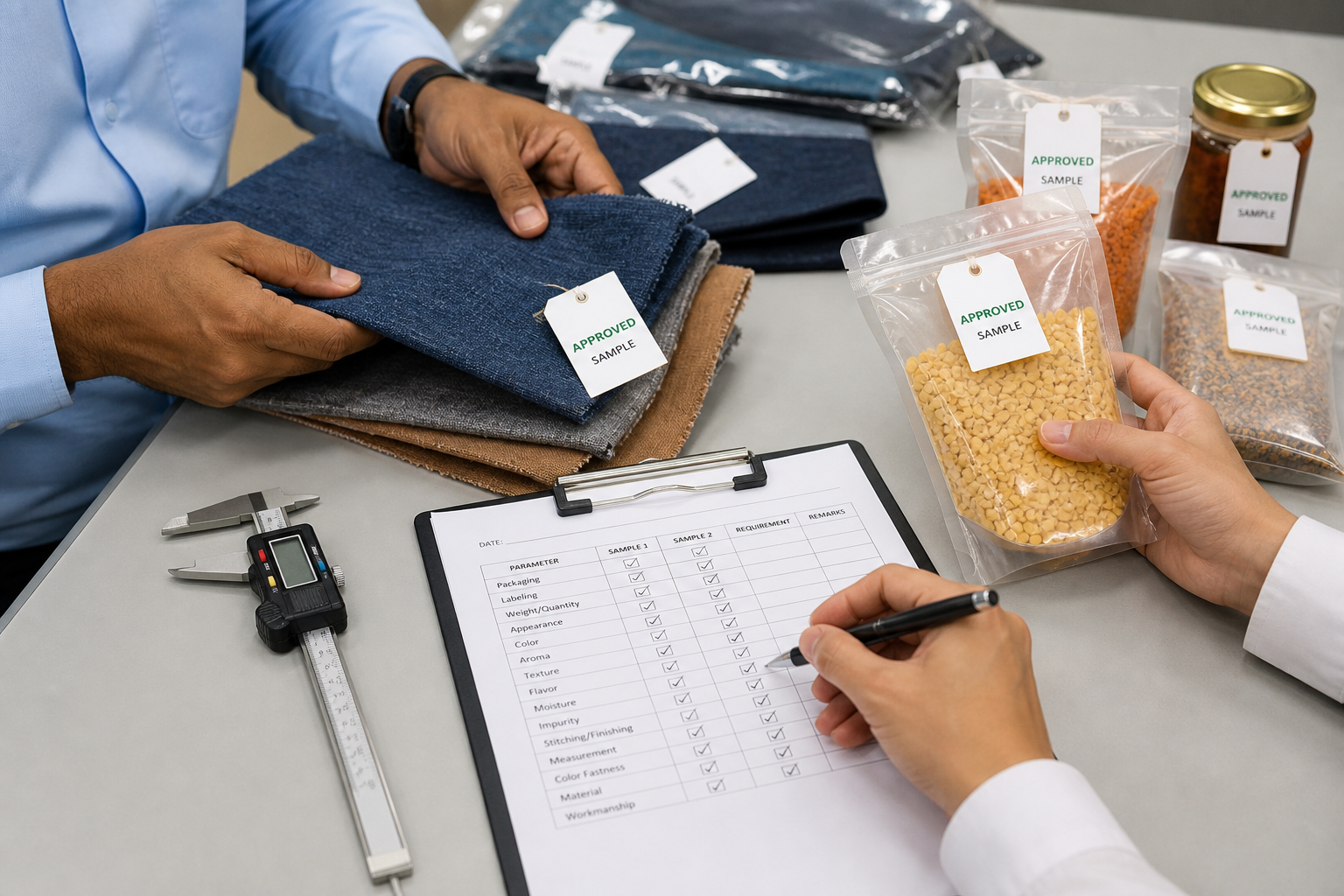
Samples are the quality contract when you procure products from India. The factory will build the bulk lot to whatever you approved, including the things you forgot to reject. A friendly “looks good” on a photo is how shade, count, and packing drift.
Run samples after quotations and before the purchase order releases production. Inspections later will use this sample as the reference.
Use three sample types, and do not mix their jobs
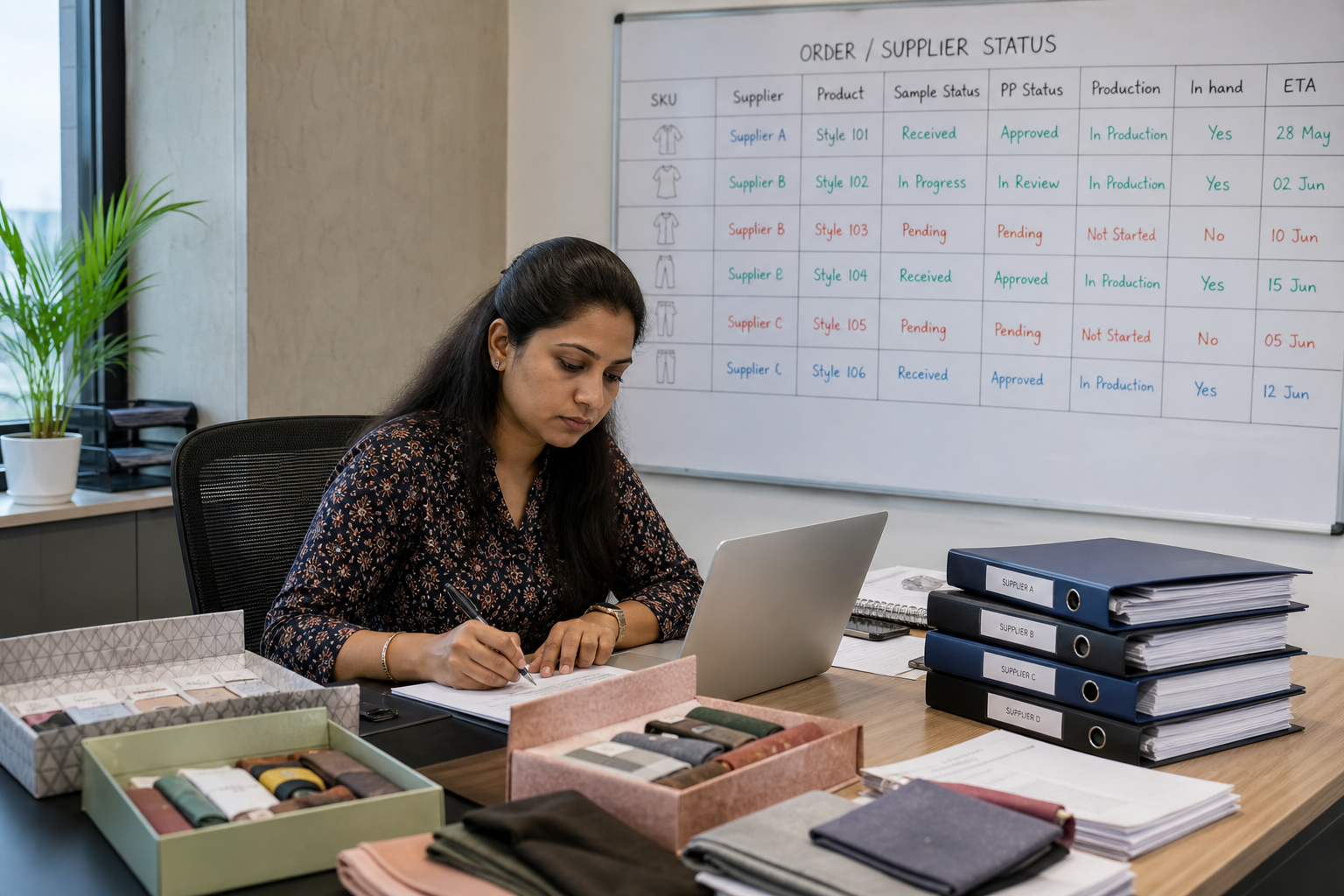
A development sample explores a material, shape, or cost idea. It is allowed to be imperfect. A pre-production sample is made with the process, materials, and packing you intend to buy. A golden sample is that pre-production piece, or a set of them, sealed and signed after you approve it.
Keep two golden samples when the product can be disputed: one with you or your inspection partner, one at the factory. Photos support the file. They do not replace the physical reference for colour, hand-feel, or fit.
Comparison table
Swipe →
Data table — swipe horizontally on small screens
| Sample | Purpose | Can it release bulk? |
|---|---|---|
| Development | Learn and change the brief | No |
| Pre-production | Prove the quoted process and packing | Only after written approval |
| Golden | The sealed standard for inspection and reorders | It is the standard |
| Top-of-production | Confirms the first bulk pieces match the golden sample | Confirms; it does not replace approval |
Define pass and fail before the sample ships
List the checks on the same page as the brief: measurements or grade, material, workmanship, function, labelling, and carton strength. Mark which failures are critical. A missing safety label is not the same as a slightly loose stitch you are willing to concede.
For food and agricultural products, decide moisture, mesh or count, and which lab tests the destination needs. For textiles, decide shade against a light standard you name, shrinkage, and measurements. For engineered parts, decide the drawing revision and the dimensions that are critical. If you do not name the method, the factory will use its own.
Approve in a record, including the deviations
- Sample identity: supplier, date, specification revision
- Result: approved, approved with listed deviations, or rejected
- Tests still outstanding, and who pays
- Packing approved or still open
- Statement that bulk cannot start until this note is issued
The approval note should say what was received, what passed, what was accepted as a deviation, and what must change before bulk. Deviations that are not written will be repeated and then described as “what you approved.” Date the note and name the person who can approve.
If the sample fails, say whether you want a new pre-production sample or a small correction. Do not start a full production run “while we fix the label.” Labels and packing are part of the product when you are buying products from India for a retail or compliance-sensitive customer.
Test what your market will test
A visual pass is not a chemical, mechanical, or microbiological pass. Commission the tests your destination or your customer requires on the sample lot, and file the report with the golden sample. Waiting until the container is at your port is the expensive version of the same test.
Agree who pays. Many quotations exclude third-party tests. That is acceptable if the RFQ said so. It is not acceptable as a surprise that delays approval while the factory asks for the production deposit.
Hand the golden sample to inspection and to the order
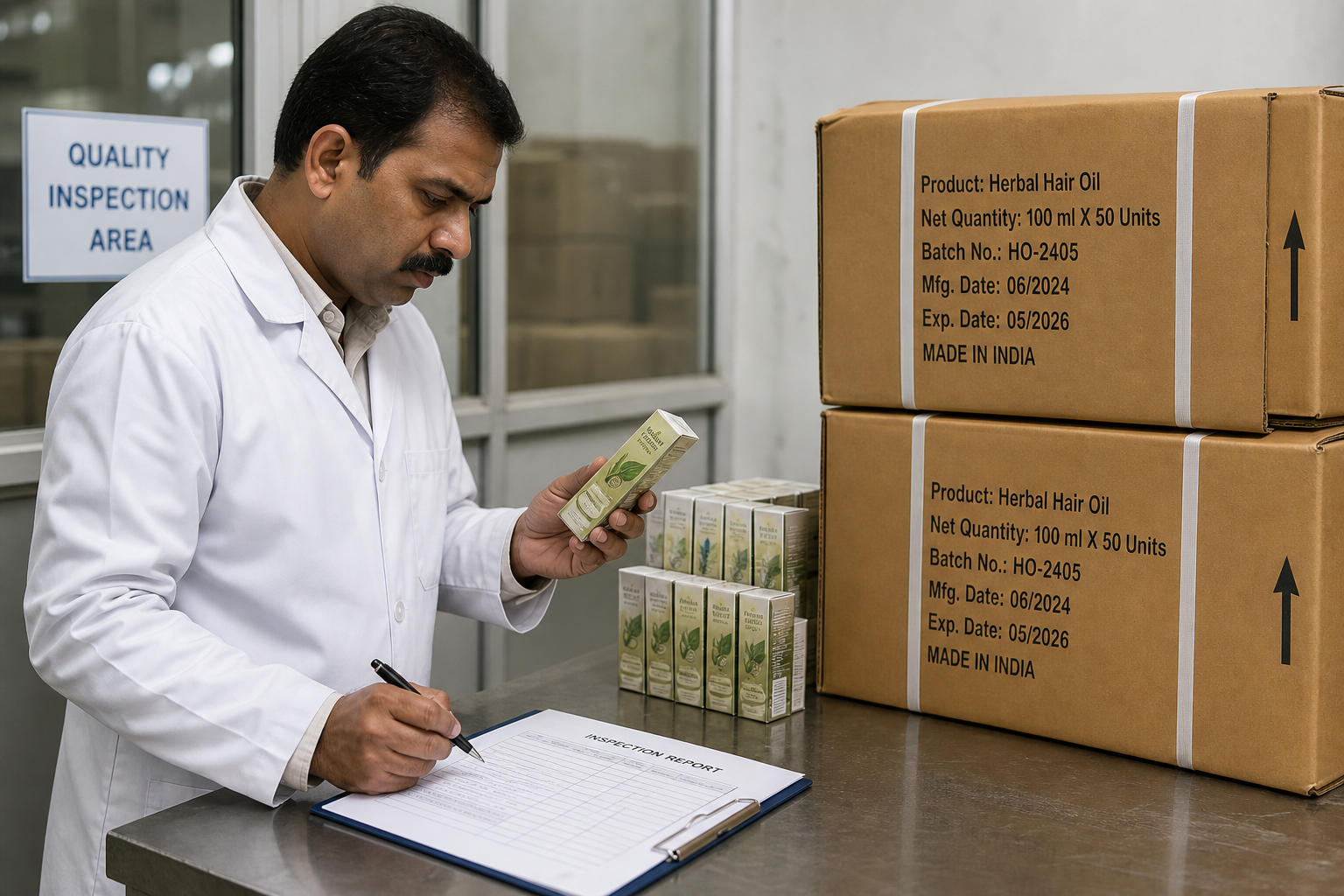
The purchase order should cite the sample reference. The inspector should have the golden sample or an agreed photo-and-measurement file when a physical sample cannot travel. Pre-shipment inspection without that reference becomes a matter of opinion.
Continue to quality inspections when procuring products from India. If the sample never reached written approval, you are not ready to pay a production balance or to book a vessel.