Shipping When Procuring Products from India
By Saurabh Mittal, Founder, Altus Exports
Ship products procured from India only after inspection and documents are ready. Book from a cargo-ready date, a named Incoterm, and a load port the factory can actually reach.

Shipping is the last gate in procuring products from India, and it is where optimistic production dates go to miss a vessel. The forwarder can book space. The forwarder cannot inspect quality, rewrite a packing list, or move a factory closer to the port.
Use this after quality inspections and export documentation. For a fuller freight treatment, see shipping from India: a complete guide for importers.
Write the Incoterm and the port into the order
FOB at a named Indian port means the seller delivers on board and you own the ocean freight. EXW means you are arranging far more of the origin move. CIF means the seller arranged freight and insurance to a destination port, which still leaves destination charges and duty to you. Pick one and name the place. “FOB India” is not a place.
Choose the load port the cargo can reach: Nhava Sheva (JNPT) and Mundra cover a large share of westbound containers, Chennai and others serve southern and eastern cargo. The best port is the one with a reliable inland connection from your factory, not the one with the most famous name. If the supplier’s quote assumed a different port, that is a price change, not a detail.
Choose FCL or LCL from the cargo you measured
A full container makes sense when your volume, or a consolidation you control, fills it economically and you want fewer handling points. Less-than-container load makes sense for a trial or a small reorder. LCL adds consolidation handling and a less precise calendar. Do not book LCL because the quotation forgot to state carton dimensions, then discover the cargo is half a container.
Ask for carton counts and outer dimensions at the quotation stage, and confirm them at packing. Weight matters for dense goods such as metal parts or glass. Volume matters for textiles and handicrafts. The mode follows those numbers.
Comparison table
Swipe →
Data table — swipe horizontally on small screens
| Choice | Use it when | Watch |
|---|---|---|
| FCL | Volume justifies a box and you want a direct handoff | Factory must hit the gate-in cut-off |
| LCL | Trial quantity or mixed small lots | Warehouse cut-off is earlier and handling adds risk |
| Air | High value, short shelf life, or a failed sea date you must rescue | Cost can erase the product margin |
| Consolidation of several suppliers | You control timing and inspection of each lot | One late factory misses the box for everyone |
Set a cargo-ready date you can evidence
Cargo-ready means produced, packed, inspected or released, and documents drafted. It does not mean “we start packing on Monday.” Give the forwarder that date, then book. Booking first and hoping production catches the cut-off is how roll-overs happen.
Build inland transit into the date. A factory several days from the port cannot treat the vessel cut-off as the packing day. Food and fumigated cargo need the certificate timeline inside the same date. If inspection fails, the ready date moves. Do not hide that from the forwarder.
Insure the leg your Incoterm leaves with you
Under typical FOB buying, risk transfers once the goods are on board at the origin port. Your cargo insurance should cover the voyage you now own. Under EXW, you are exposed much earlier. CIF includes insurance arranged by the seller, but check the coverage instead of assuming it matches your cargo value.
Tell the insurer about goods that are fragile, food-grade, or high-theft. A cheap policy that excludes the thing most likely to happen is not cover. This is procurement hygiene, not a freight brochure.
Hand over a shipment that matches what you approved
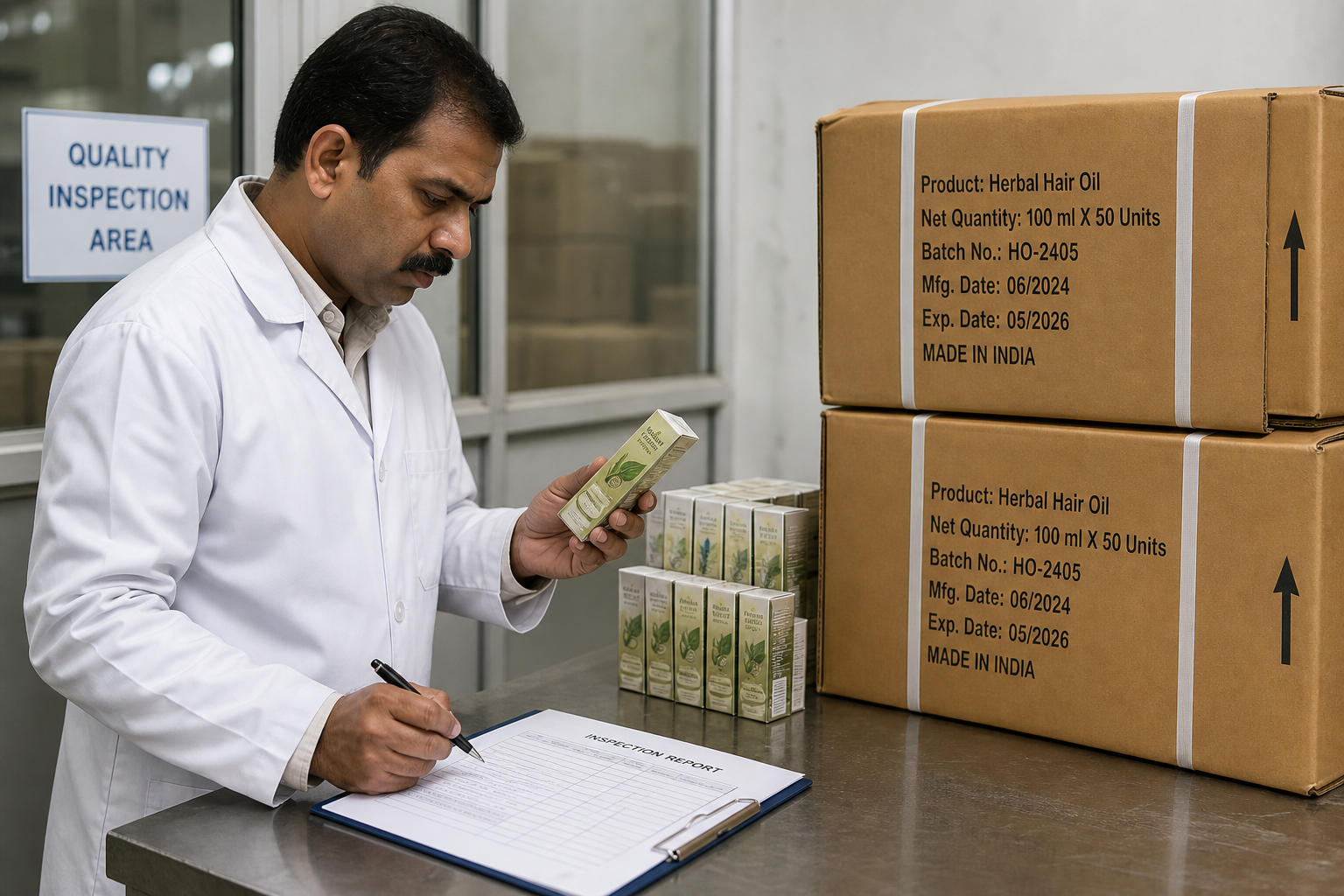
Before the truck leaves the factory, you should have a pass or a written concession from inspection, a packing list that matches the cartons, and drafts of the invoice and any certificate. The seal number and container or warehouse receipt should be filed with that pack. Photograph the loaded container when substitution is a realistic risk.
Then the forwarder’s job is execution. Your job returns when the documents arrive and when the goods land. Note what rolled, what was short, and what the port charged, and feed it into the next quotation. That is how sourcing from India becomes a repeatable buy instead of a one-off rescue.
If several factories must sail together, do not promise one ready date until each lot has its own inspection status. One procurement calendar beats three hopeful ones. The pillar sequence is how to procure products from India.