
Quality Inspections When Procuring Products from India
By Saurabh Mittal, Founder, Altus Exports
Inspect goods procured from India against the approved sample. A failed pre-shipment report should stop the balance payment and the booking until you decide in writing.
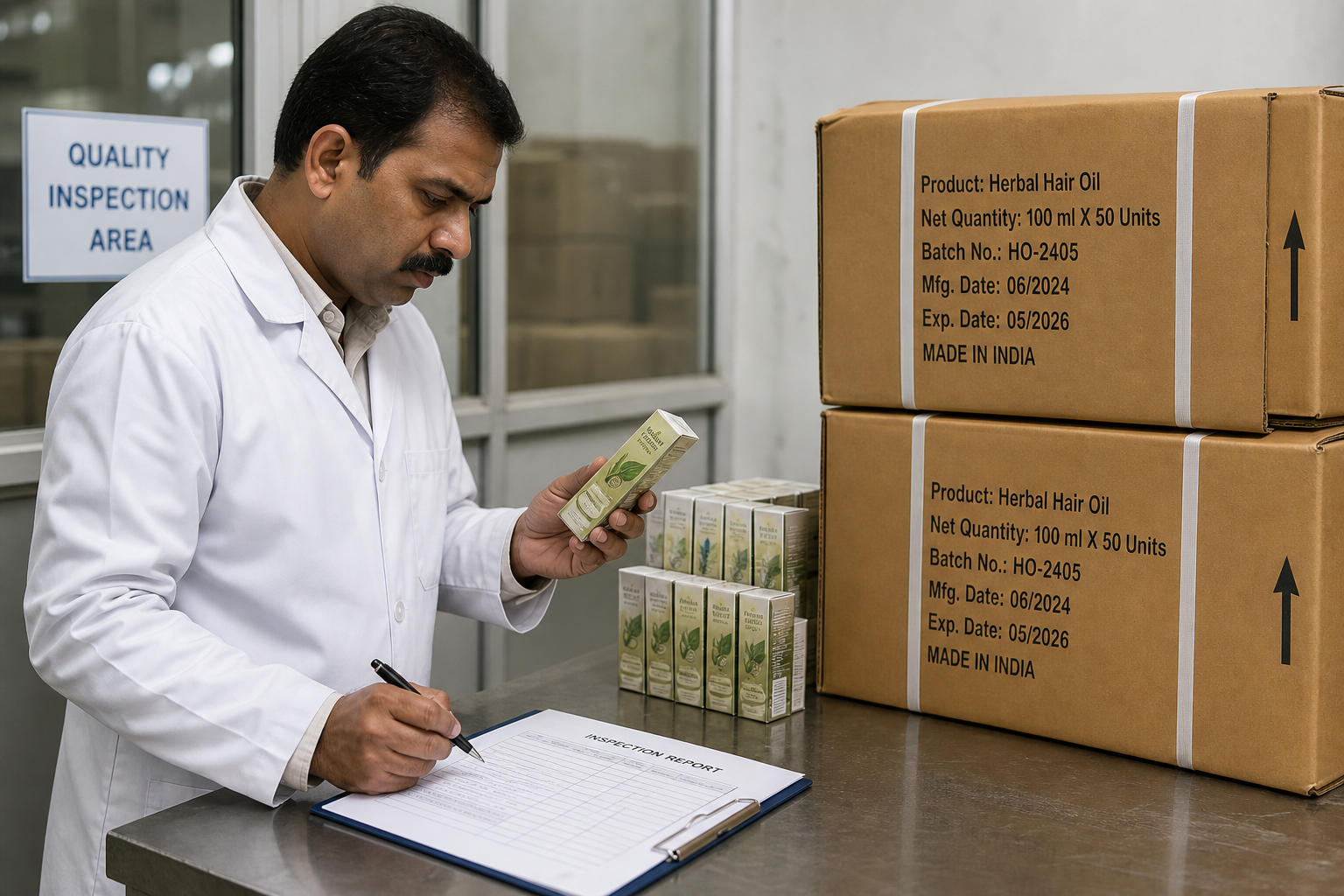
Inspection is how sourcing from India stays honest after the sample. Factories are busy, materials change, and a golden sample in a drawer does nothing if nobody compares the packed lot to it.
This gate sits between sample approval and payment. It is also the point where you either release shipping or you do not.
Choose gates that match the risk
A repeat order of a simple product from a supplier with a clean history can rely on a pre-shipment inspection. A new supplier, a new SKU, or a product with a safety or food rule needs an earlier look: incoming material where that matters, and an in-process check while there is still time to correct.
Do not buy a thick audit for its own sake. Buy the look that can still change the outcome. During production (often called DUPRO) is for correction. Pre-shipment inspection (PSI) is for release. A final inspection after the goods are already on a truck to the port is a report, not a control.
Comparison table
Swipe →
Data table — swipe horizontally on small screens
| Gate | When | Decision |
|---|---|---|
| Incoming or first-article | Critical material or first pieces off the line | Continue or stop the run |
| During production | About 20 to 50 percent complete on a new supplier | Correct before the lot is finished |
| Pre-shipment | 100 percent produced, at least 80 percent packed | Release, rework, or reject |
| Loading check | Only if substitution or short shipment is a known risk | Confirm identity and count at the container |
Inspect against the sample and a written AQL
Give the inspector the purchase order, the approved sample reference, the packing sheet, and the defect list. Critical defects are those that make the product unsafe, illegal, or unsellable. Major defects affect function or obvious appearance. Minor defects are small and limited. If you do not classify them, the report will use someone else’s judgment.
AQL is the acceptance limit you agree, commonly drawn from ISO 2859 sampling practice. The letters matter less than the sentence in the order: above this limit, the lot fails unless the buyer concedes it. Pick limits that match the product. A promotional item and a food-contact or children’s product should not share a casual standard.
The wider inspection system is in pre-shipment inspection in India and how to conduct quality control when sourcing from India. Use those when you are designing a full QC programme. This article is the procurement release rule.
Decide who inspects and who can hold the cargo
- Order number, quantity offered, and quantity packed
- Sample size and defect counts against the golden sample
- Carton marks, inner pack, and any labelling check
- Photos of defects and of conforming goods
- Clear result: pass, fail, or pending a listed rework
Your own staff, a sourcing partner, or a third-party inspection firm can do the work. Independence matters most when the same person who sold you the factory also wants the balance paid. If your partner inspects, the report still needs measurements, photos, quantities, and a pass or fail — not a chat message that says “all good.”
Name the person who can hold shipment. The factory should hear that a fail stops loading. Otherwise the inspection is theatre and the vessel booking becomes the real decision-maker.
Treat a fail as a procurement decision
Rework, sort, concede with a written deviation, or reject. Put the choice in writing the same day. A concession should say whether it applies to this lot only. Sorting should be re-inspected on the corrected goods, not assumed.
Tie the result to money and to the booking. The balance payment in payment terms when buying products from India should wait for a pass or an accepted concession. Shipping should wait for the same record. A container that sails on a failed report is a claim you will negotiate from the wrong side of the ocean.
Keep the report for the reorder
File the report with the purchase order and the golden-sample note. The next order should mention open corrective actions. Suppliers improve when defects have an owner and a date. They do not improve when each shipment starts from a blank page.
If defects repeat, that is a supplier-management issue, not a reason to skip inspection. Move the in-process gate earlier or change factory. Do not “trust this one” because the sailing date is tight.