Export Documentation When Procuring Products from India
By Saurabh Mittal, Founder, Altus Exports
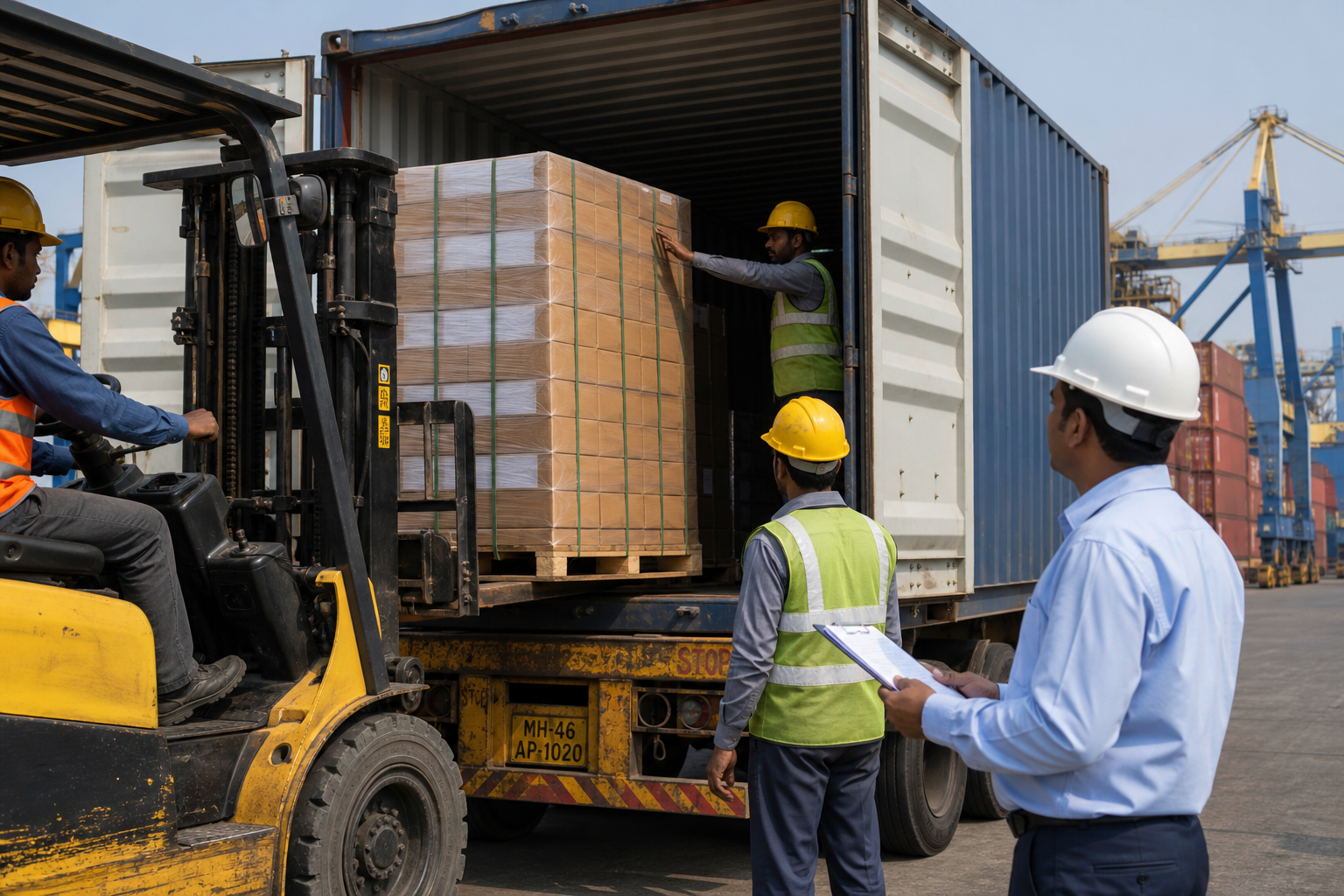
Export documents for products procured from India should match the purchase order on names, quantities, description, and Incoterm before the cargo is handed to the carrier.

A clean inspection does not clear customs. When you procure products from India, the document pack is part of the product. Mismatched quantities, a casual product description, or a certificate in a different company name will hold cargo that was otherwise ready.
This guide is the origin-side set. Your destination entry is covered in documents required to import products from India. Build the export pack so your broker is not guessing.
Name the exporter of record before production ends
The exporter of record is the party on the Indian shipping bill. It may be the manufacturer or a merchant exporter. That party needs a valid IEC from DGFT and a bank path for the export proceeds. Decide this when you place the order, because the commercial invoice, packing list, and any certificate of origin should use that name.
If Altus Exports is the seller under a merchant exporter arrangement, the documents follow that contract. If you buy from the factory directly, the factory’s legal name should be the one on the papers. Mixing a trading style name and a different legal entity is a common, avoidable hold.
Lock one description across the core set
Use the purchase-order description, quantity, weights, package count, HS description you and your broker agreed, Incoterm, and named place on every core document. The commercial invoice is the value document. The packing list is the physical document. The transport document — bill of lading or air waybill — is the movement document. They should not each tell a slightly different story.
Review drafts before the goods leave the factory. Correcting a bill of lading after sailing is slower and not always possible. Correcting a packing list after your broker has filed is how small typos become exams.
Comparison table
Swipe →
Data table — swipe horizontally on small screens
| Document | What must match the order | Typical owner |
|---|---|---|
| Commercial invoice | Seller, buyer, description, qty, value, Incoterm, currency | Exporter of record |
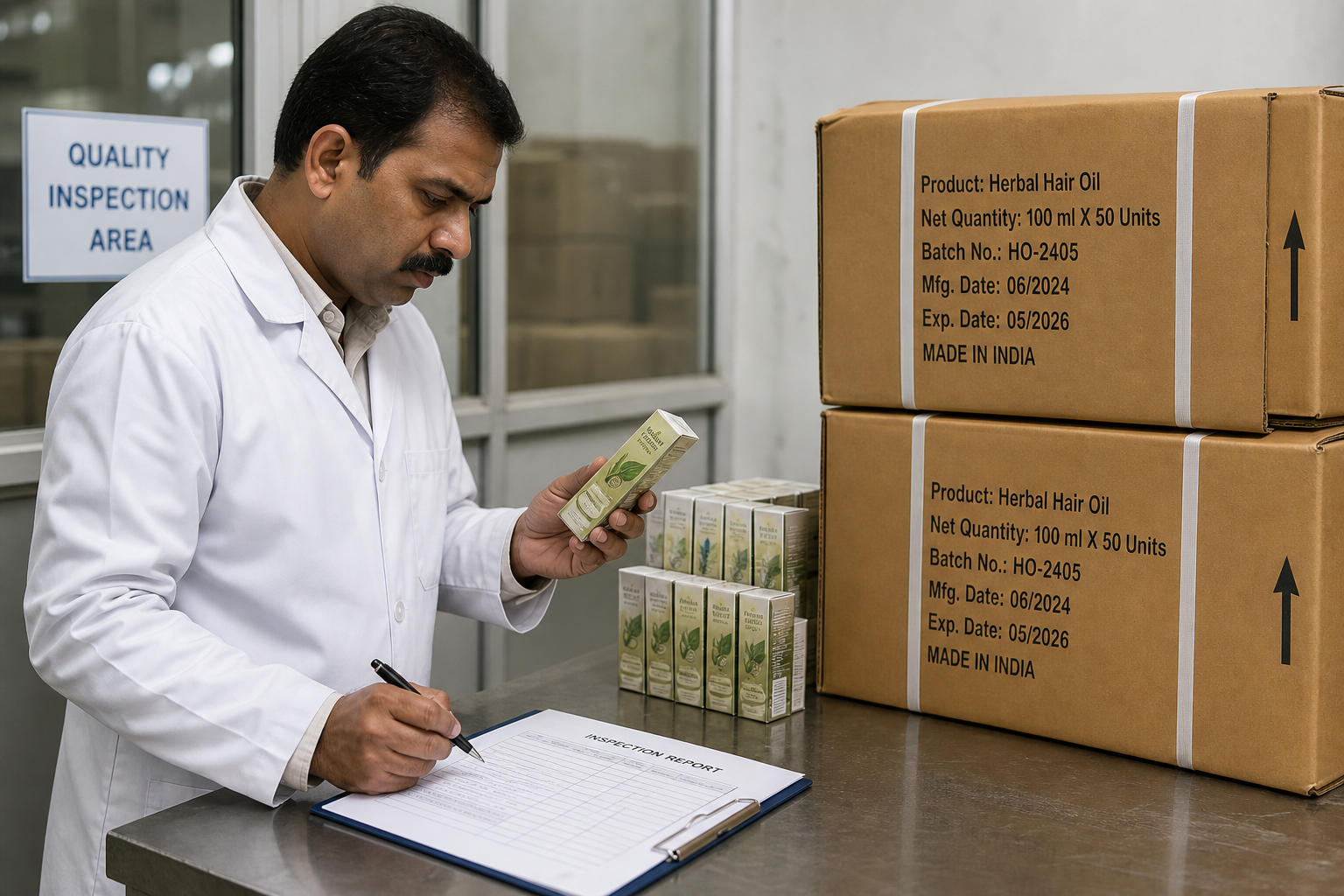
| Packing list | Packages, net and gross weight, marks, dimensions | Exporter, from the factory pack |
| Transport document | Shipper, consignee, packages, weight, port | Forwarder, on shipper instructions |
| Shipping bill | Indian customs export declaration on ICEGATE | Exporter of record |
| Certificate of origin | When your customer or FTA needs origin | Chamber or authorised agency |
| Category certificate | Health, phytosanitary, fumigation, test report, as required | The competent body or lab |
Order category certificates on the production calendar
Origin certificates are often predictable. Food, plant, wood, and some chemical or herbal products are not. Phytosanitary certificates, fumigation, health certificates, and lab reports follow the issuer’s timetable, not the vessel’s. Ask during product selection which papers your market requires, and put the lead time into the cargo-ready date.
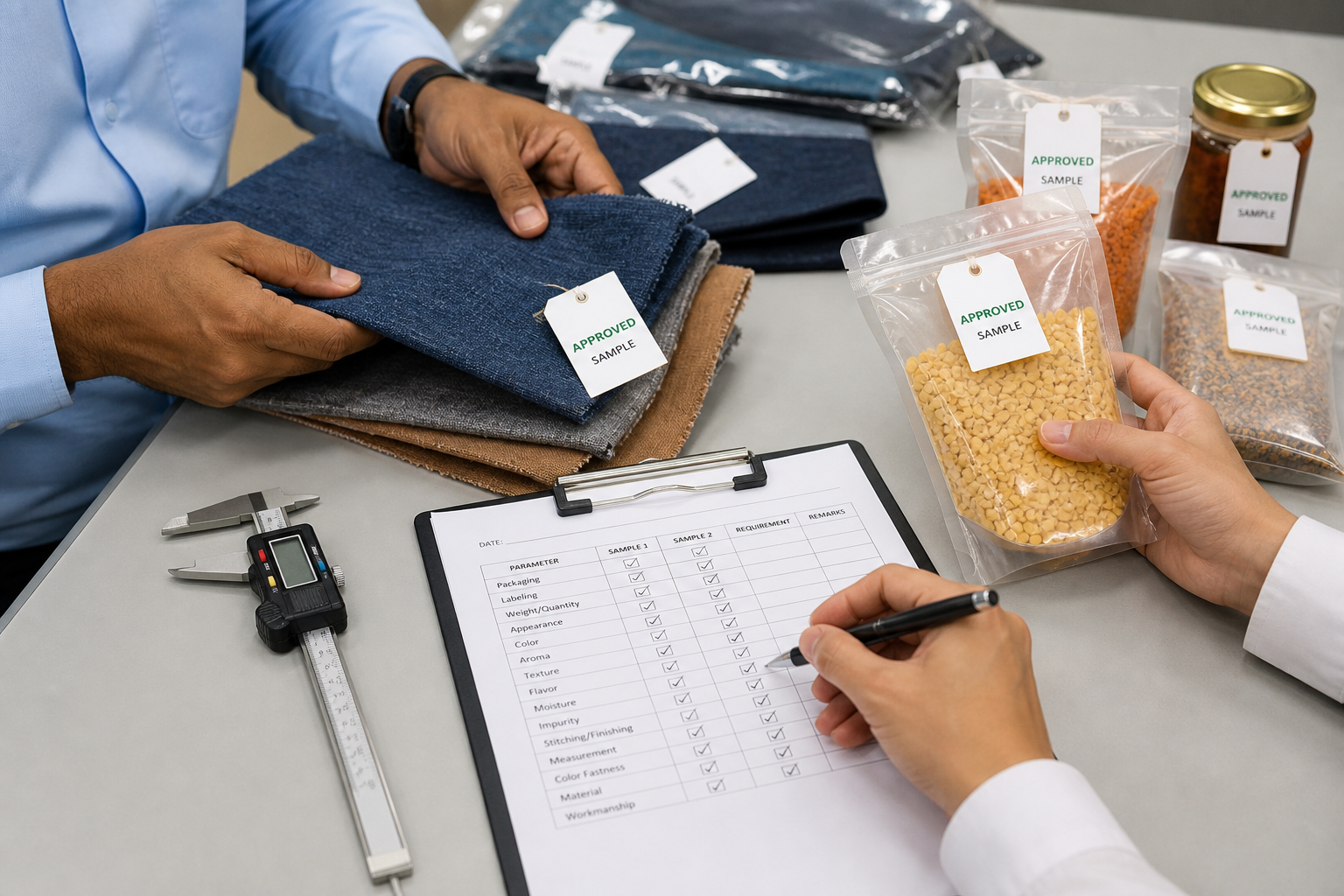
A certificate that names the wrong exporter, the wrong consignee, or a quantity that does not match the invoice is not a small reprint if the issuer must reissue it. Check the draft certificate the way you check the invoice.
Understand the shipping bill without trying to file it yourself
Indian customs export filings run through ICEGATE. The exporter of record, or their customs broker, files the shipping bill. You are not required to operate that system to procure products from India. You are required to make the commercial data accurate, because the shipping bill is drawn from it.
GST and export-incentive treatment sit with the Indian exporter. Do not build your purchase price on an incentive assumption you do not control. If a quote depends on a scheme, ask what happens to the price if that scheme does not apply to your shipment.
Release documents with the same rule as payment and shipping
- One legal name for the exporter on invoice, packing list, and certificates
- Quantities and weights that match the packed goods, not the proforma guess
- Incoterm and named port identical to the purchase order
- Certificates requested early enough to reissue if a detail is wrong
- A file your destination broker can use without a clarifying email chain
Draft invoice and packing list should be in hand before the balance payment. Originals or the agreed electronic set should be available on the schedule your Incoterm and your bank require. Holding originals until an unrelated dispute is cleared should be in the contract, not invented at the port.
Then book or confirm the vessel only for cargo whose documents are consistent. That handoff is shipping when procuring products from India.