Payment Terms When Buying Products from India
By Saurabh Mittal, Founder, Altus Exports
Pay Indian suppliers in milestones tied to verification, sample approval, and a passed inspection. A 100 percent advance to a new supplier is not a normal procurement term.

Payment is the leverage in an India order. Once the full amount has moved, inspection findings and document errors become requests. Before that, they are conditions. Buying products from India on “standard 30 percent” only works if you know what the 30 percent buys and what the balance requires.
Use this with the inspection gate and the document gate. A wider payment map is in how to pay Indian suppliers. Here the focus is tying each transfer to procurement evidence.
Split payment across the gates you already defined
A practical structure for a new or occasional supplier is a capped deposit after identity checks, a production release only if you truly need one after sample approval, and the balance after pre-shipment inspection and draft documents. Repeat suppliers with a clean record can earn a simpler split. They earn it. It is not the opening offer to a name you met last week.
Avoid 100 percent advance against a proforma. Also avoid a large deposit before the sample exists, unless you are paying for tooling you will own and that tooling is specified. Material deposits for a special buy can be real. They should be quantified, not used to pull the entire order forward.
Comparison table
Swipe →
Data table — swipe horizontally on small screens
| Transfer | Release it when | Do not release it when |
|---|---|---|
| Small deposit | Identity, IEC if they export, and a written quote match the order | Only a catalogue and a sense of urgency |
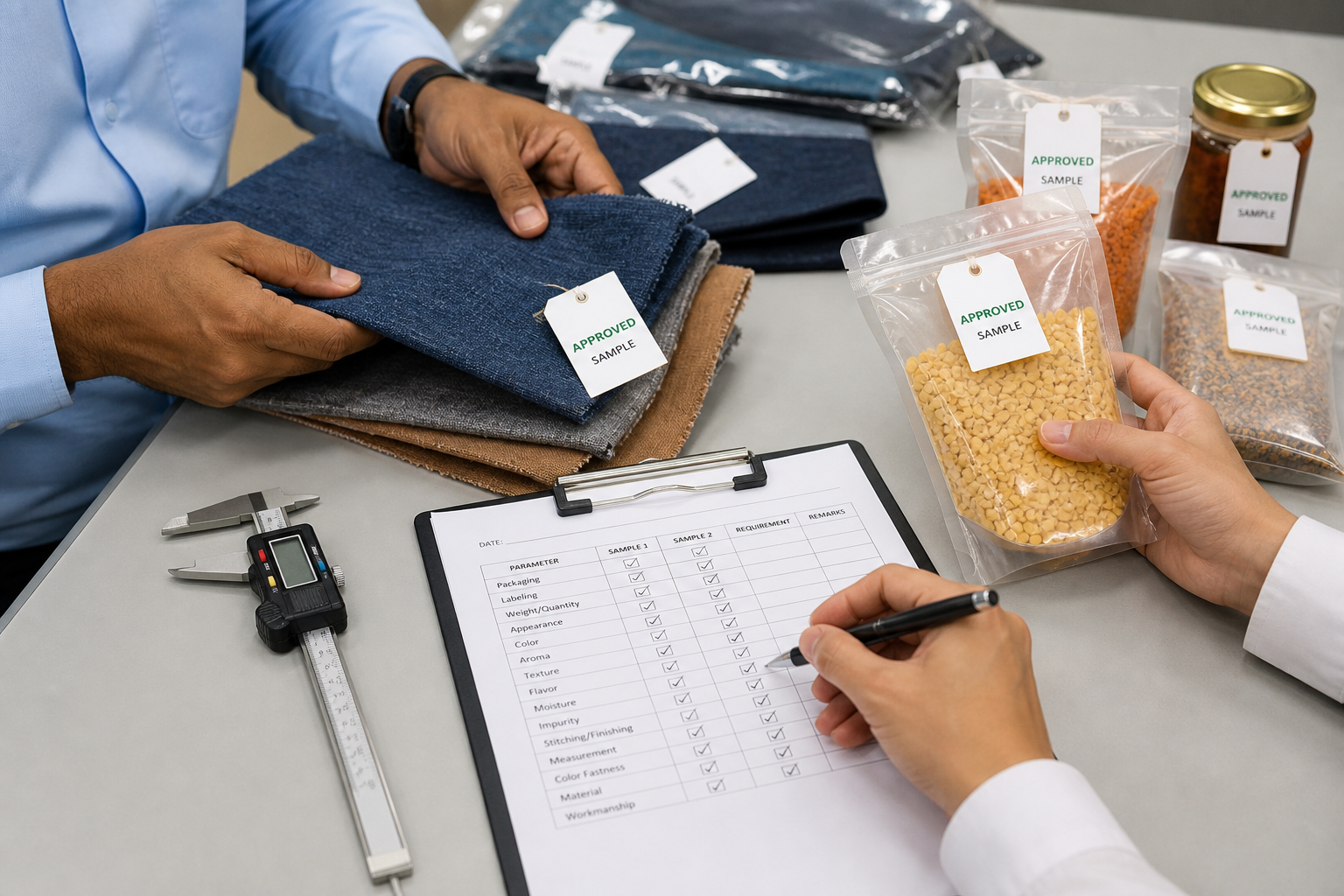
| Production or material release | Golden sample is approved and the amount is capped | The sample is “almost” approved |
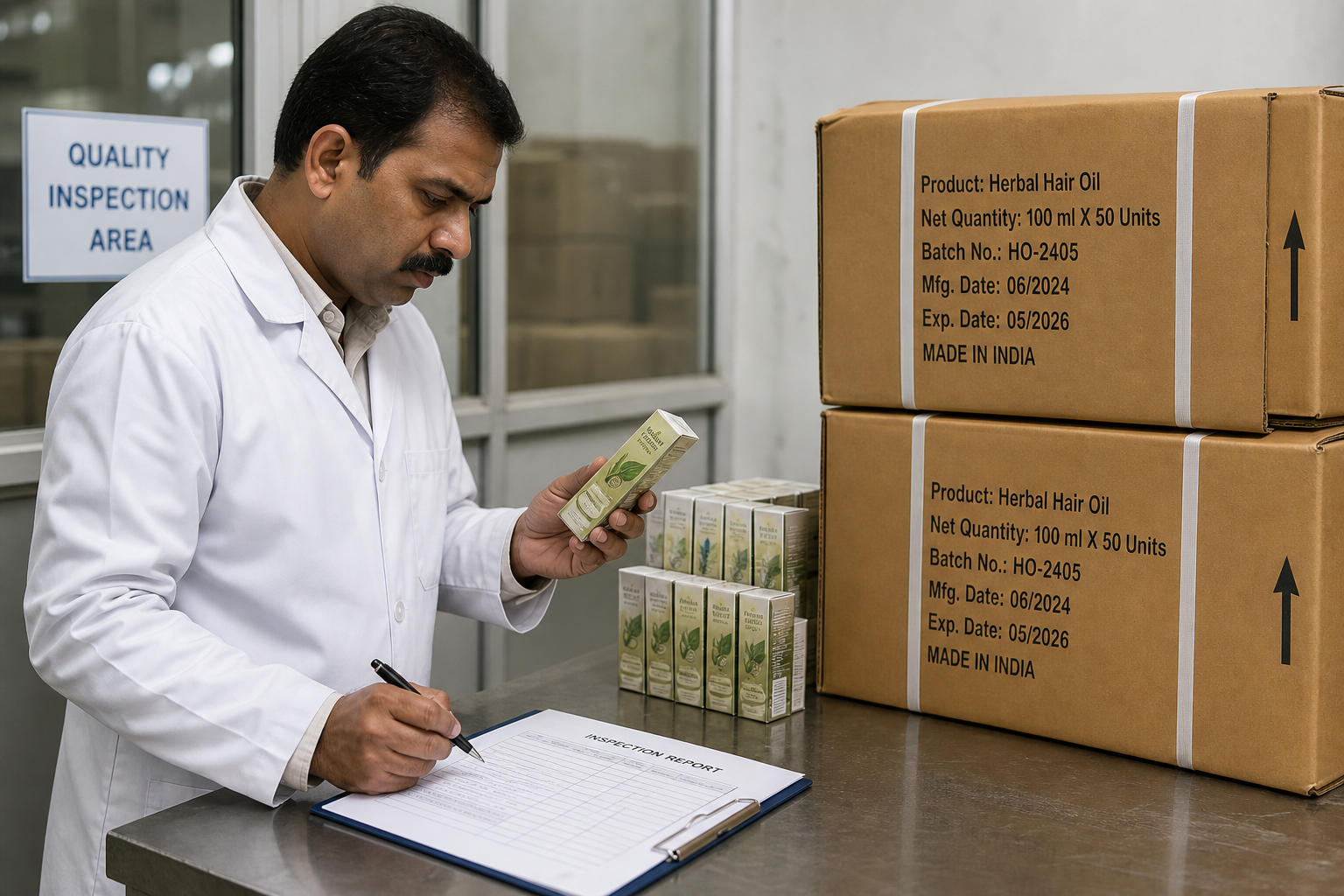
| Balance | PSI passed or concession is written, and draft invoice matches | The supplier says inspection can happen after dispatch |
| Extras | A written change order for tooling, tests, or rework | A new line appears on the final invoice |
Choose the instrument for the risk, not for habit
Telegraphic transfer is fast and common for buying products from India. It is also final. Use it with milestones and verified bank details. A letter of credit costs more and moves slower, and it pays against documents. Use it when you need the invoice, packing list, transport document, and certificates to be presented as a set, and when your bank and the supplier’s bank can actually handle the LC.
An LC does not check product quality unless the required documents include an inspection certificate you trust. Write that in. Documents that are “clean” and goods that are wrong is a known LC outcome. Cash against documents through a bank is a middle path some buyers use; agree the document list the same way.
Indian exporters receive foreign currency through their bank under India’s foreign-exchange rules. You do not need to become an expert in that process. You do need the beneficiary name to match the exporter of record, and you need to ignore last-minute account changes sent only by email.
Verify the beneficiary before the first dollar moves
Match the account name to the legal name on the proforma. Confirm new or changed details by a phone number or contact you already had, not by hitting reply on the change request. Invoice fraud on international orders usually looks like a normal payment instruction with one digit different.
Confirm who receives the money if a merchant exporter is the seller and the factory is only the producer. Paying the factory when your contract is with the exporter, or the reverse, creates a title and a claim problem. One order, one payee, written down.
Price the charges and the currency into the term
Say who pays bank charges. A “balance received in full” clause fails when each side deducts fees and the factory holds the bill of lading over fifty dollars. State the currency. If you pay INR against a USD quote, state the rate source and the date.
Do not hide quality costs in the payment argument. Re-inspection, sorting, and air freight caused by a late fail are change orders. They are not a reason to withhold an unrelated invoice without saying why. Write the debit. Suppliers dispute silence more than they dispute a clear short-payment notice.
Connect the balance to documents and to shipping
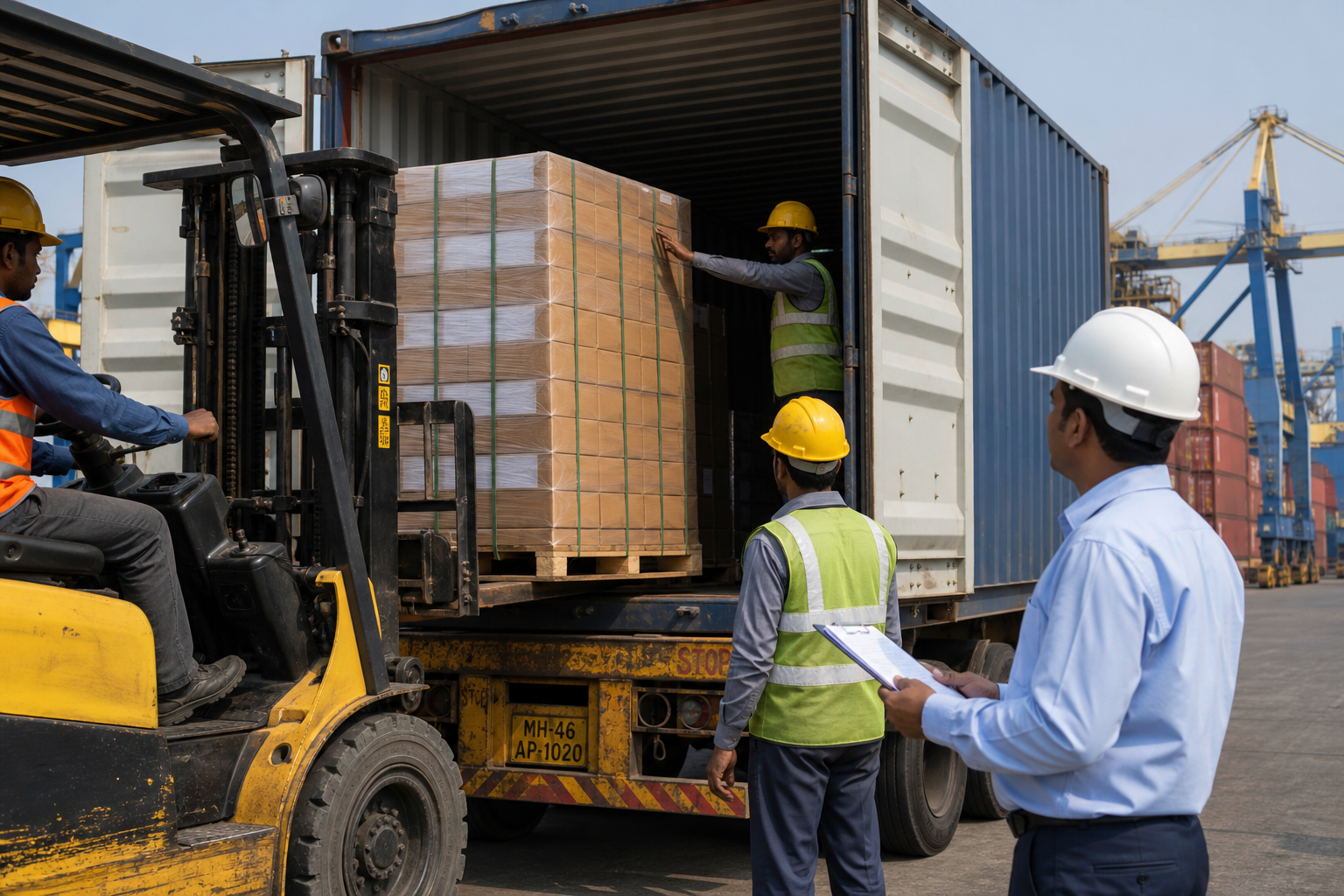
The balance and the bill of lading should not race each other. If your term is FOB, you often need the transport document after the goods are on board, while still having inspected before they left the factory. Sequence it: inspection at the factory, draft invoice and packing list, balance or LC document set, then release. Export documentation is the checklist for that draft set.
If a supplier will only start against a larger advance, reduce the order quantity or the custom content until the deposit is an amount you can lose and still operate. That is a sourcing decision. It is cheaper than calling a large advance a relationship-building gesture.