How to Select Products to Procure from India
By Saurabh Mittal, Founder, Altus Exports
Select products for sourcing from India only when you can write the specification, the destination rules, a realistic MOQ, and a landed-cost ceiling. Category fit comes before supplier names.

Buying products from India starts with the product, not the factory. A supplier can only quote what you have defined. If the brief is “good quality, best price,” every quotation will look attractive and none of them will be enforceable.
This guide is the product-selection gate inside how to procure products from India. Use it to decide what is worth sourcing from India before you spend time on supplier discovery.
Write a one-page product brief
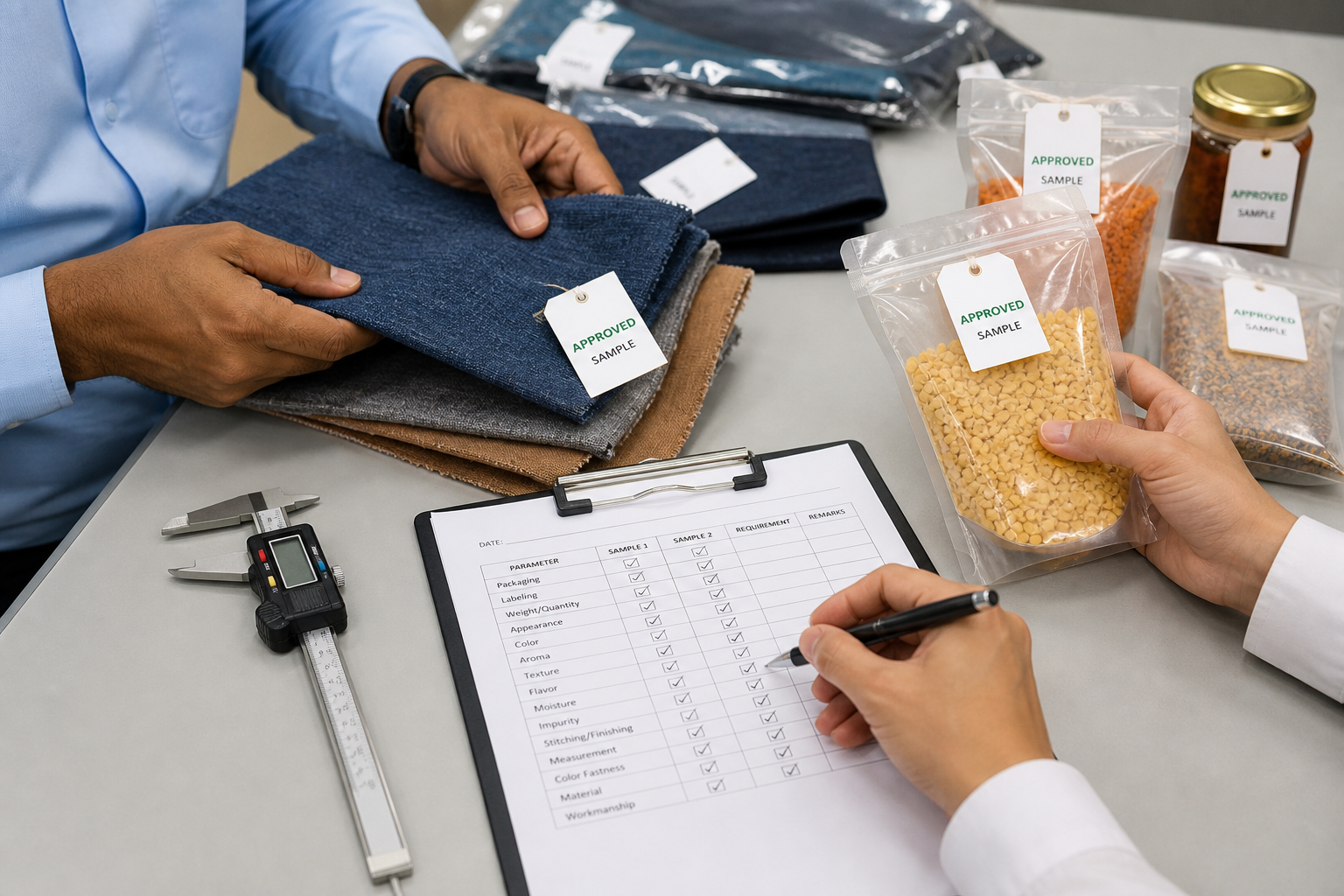
- Specification: grade, composition, dimensions, colour tolerance, and shelf life where relevant
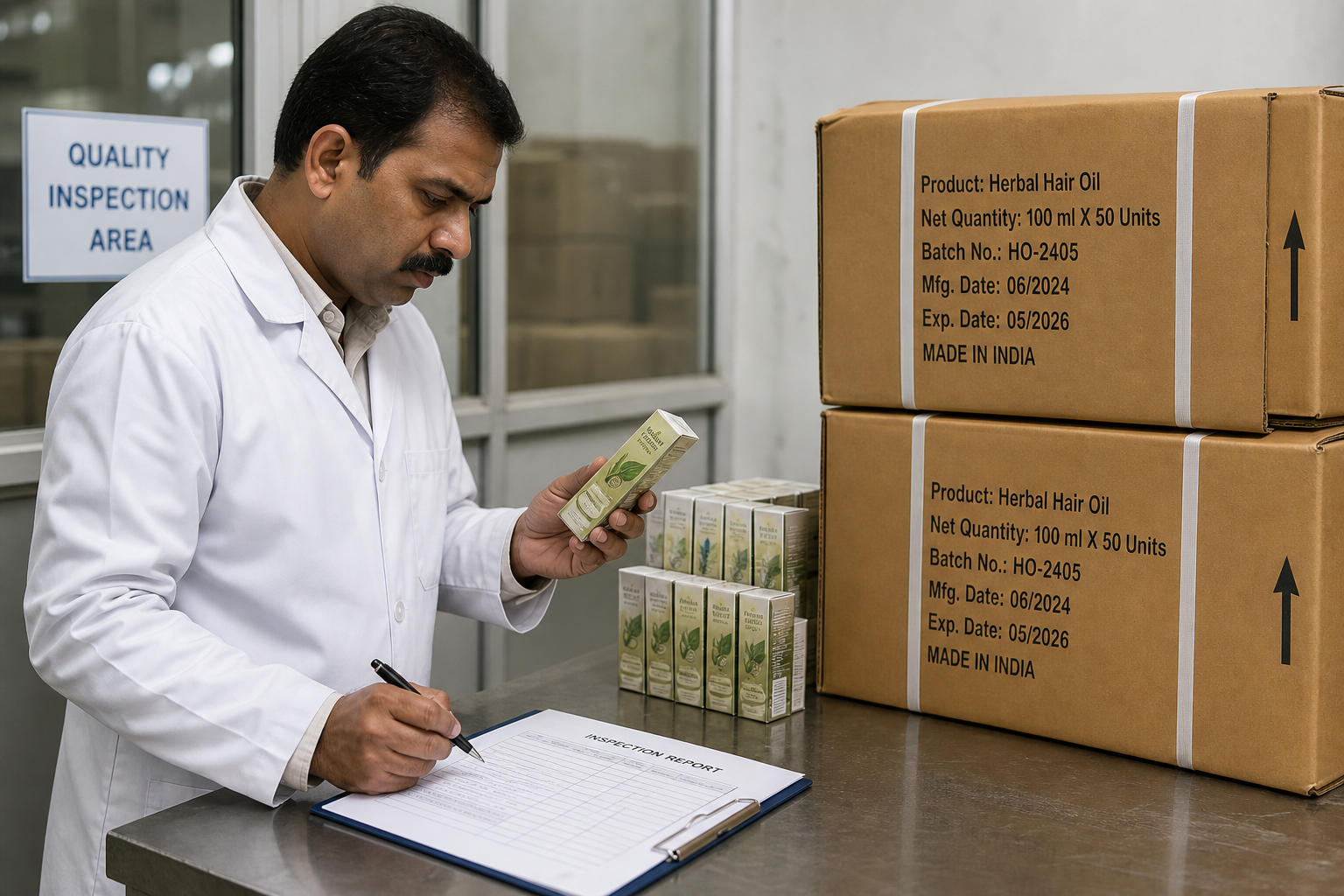
- Packing: inner pack, export carton, marks, and barcodes
- Compliance: the destination rule that can disqualify a factory
- Commercial: first-order quantity, annual volume, target Incoterm, and a cost ceiling
- Decision owner: who on your side can approve a deviation
The brief is the document you will attach to the RFQ and, later, to the purchase order. Include the commercial name, a physical description, material or grade, size or count, packing, labelling, the destination country, and the defects that fail the lot. Add target annual volume and the first order quantity separately. Factories price those two numbers differently.
Attach a photo or a previous sample if you have one, and say whether it is a target or an exact match. “Similar to this photo” produces a development sample. “Match this sealed reference” produces a pre-production sample. Those are different jobs.
Match the product to a real Indian cluster
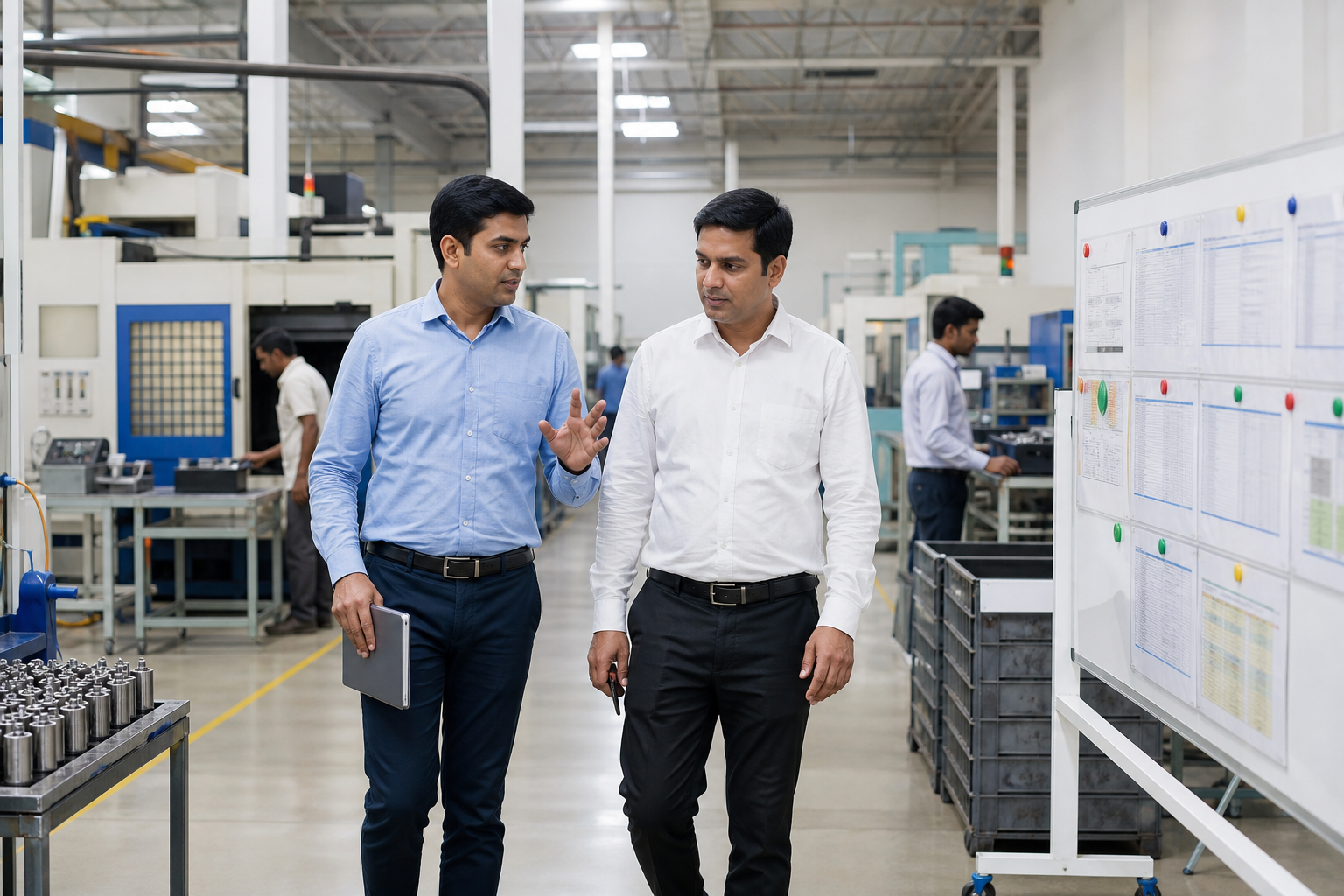
India is not one workshop. Spice processing, rice milling, apparel, home textiles, castings, fasteners, and craft clusters sit in different states, with different testing habits and different roads to a port. Sourcing from India is easier when the product is already made for export in that cluster. A factory learning your product on your deposit is a development project, and you should price it as one.
Ask whether the cluster routinely ships your destination. A unit that exports to the Gulf may still be new to EU residue files or US food prior notice. Cluster fit includes paperwork, not only machines.
Screen compliance before you fall in love with a price
Destination rules decide the factory. Food and agriculture may need FSSAI at the Indian processor plus residue or health papers your market requires. Textiles may need fibre content, colour fastness, and chemical limits. Engineering parts may need material certificates and a drawing revision. Herbal products may need a clear intended use, because a food supplement and a cosmetic are not the same file.
You do not need a lawyer on the first call. You do need a list of the certificates and tests that, if missing, make the product unsellable. Put that list in the brief so it shows up in the quotation instead of as a surprise after production.
Test MOQ, margin, and order size together
A product can be abundant in India and still be a poor first procurement. If the factory MOQ fills six months of your sales, you are financing inventory, not testing a supplier. If the target FOB price ignores export packing, testing, and freight, the landed cost will miss your shelf price.
Run a rough landed-cost screen before outreach: factory price, origin handling, freight, insurance, and a duty estimate from your broker. The exact duty calculation belongs in your import process. The screen only has to tell you whether the product can work. For the fuller cost stack, see how to calculate the total cost of buying products from India.
Comparison table
Swipe →
Data table — swipe horizontally on small screens
| Screen | Pass | Stop or redesign |
|---|---|---|
| Specification | One page a factory can quote | Only adjectives such as premium or export quality |
| Cluster | Export makers already in this product | No known makers without a development budget |
| Compliance | Tests and certificates listed | Unknown rules discovered after sampling |
| MOQ | First order is a trial you can sell or afford to learn from | MOQ exceeds a year of demand |
| Margin | Landed-cost screen fits the selling price | Target price ignores packing and freight |
Decide what not to procure on the first order
Leave custom tooling, new packaging print, and multi-component kits off the first order unless they are the business. Procuring products from India is faster when the first lot proves process and documents on a stable SKU. Add variants after that lot lands and the defect list is short.
When the brief is stable, move to how to find suppliers when procuring from India. Do not start discovery with five different product ideas in one email. Suppliers answer the easiest line and ignore the rest.