
Best Countries to Export Indian Handicrafts in 2026
By Saurabh Mittal, Founder, Altus Exports
Find the best countries to export Indian handicrafts in 2026 with a practical market-intelligence guide for manufacturers, MSMEs, and exporters. Compare USA, UK, Germany, France, Canada, Australia, UAE, Saudi Arabia, Netherlands, and Japan on demand, buyer preferences, channels, challenges, and entry strategy — plus scoring tables, product-market fit by country, emerging destinations like Korea and the Nordics, risk mitigation, and a Rajasthan manufacturer case study from Altus Exports.
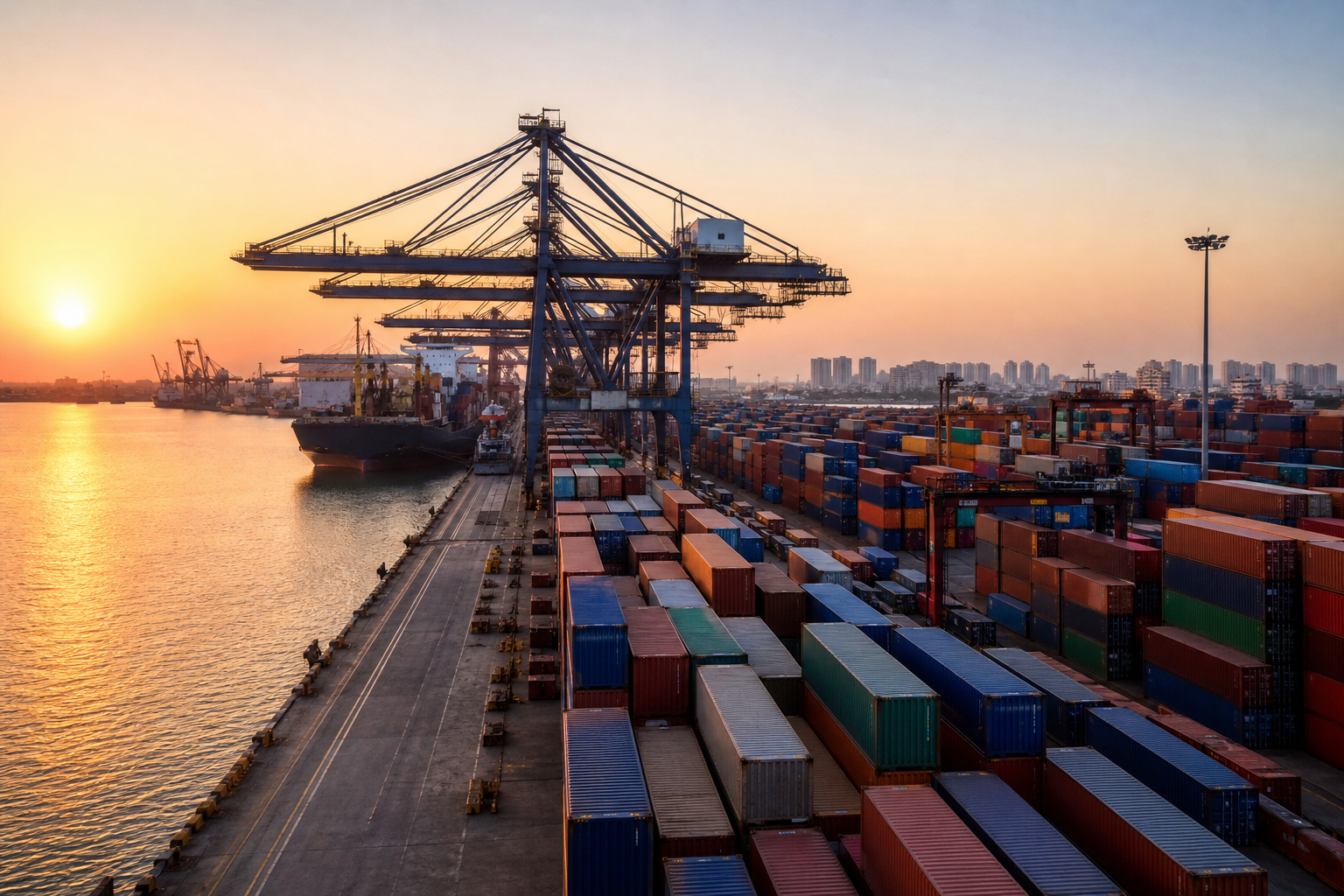
Global demand for handmade and sustainable lifestyle products continues to reshape retail and hospitality assortments in 2026. Buyers want craft character, but they also want consistent dimensions, retail-ready packaging, and suppliers who can replenish. That combination keeps India competitive — yet export success still depends on choosing the right destination first. Shipping the same wooden décor programme to the USA, Germany, and Japan without adapting specs, labelling, and channel strategy is how margins disappear.
This guide identifies the best countries to export Indian handicrafts in 2026 using practical market filters: import demand, buyer behaviour, logistics economics, competition, payment culture, and regulatory burden. It is written for Indian manufacturers, handicraft exporters, MSMEs, and trade consultants who need prioritisation — not a tourist brochure of every possible market.
India's handicraft export potential remains broad across wood, brass, metal artware, textiles, rugs, jute, bamboo, and gift assortments. Market selection multiplies or destroys that potential. Pair this country playbook with Top 15 Handicraft Products Exported from India and How to Export Handicrafts from India for category and process depth.
Key Takeaways
Summary Box
- The best countries to export Indian handicrafts in 2026 are not identical for every SKU — match product, capacity, and compliance readiness to destination.
- USA remains the largest volume opportunity; UAE/Saudi often offer faster first-order cycles; Germany/France reward sustainability and quality discipline.
- Beginners often succeed faster in UAE or Canada/UK design wholesale than in Japan or premium EU retail with heavy documentation expectations.
- Use a scoring framework (demand, tariffs, logistics, payment risk, competition) before committing fair budgets or inventory.
- Diversify after one repeatable programme — do not open five markets before your first container clears cleanly.
- Altus Exports helps exporters and buyers align handicrafts & lifestyle programmes to the right destination markets.
Overview of India's Handicraft Export Industry
India's handicraft industry is cluster-based: Saharanpur wood, Moradabad metalware, Jaipur textiles and décor, Bhadohi carpets, West Bengal jute, Assam bamboo, and Agra marble crafts. Organised exporters and merchant partners convert workshop output into export-grade assortments with QC, packing, and documentation. EPCH, DGFT, Ministry of Commerce, and FIEO frameworks support market access, while ITC Trade Map, World Bank logistics indicators, and WTO tariff schedules help exporters sanity-check destination economics before committing inventory.
Export growth trends favour design-differentiated and eco-positioned goods over undifferentiated souvenir volume. Key destinations remain the USA, UAE, UK, and major EU markets, with Canada, Australia, Saudi Arabia, Netherlands, and Japan important for specific channels. Future outlook through 2030 points to private label, hospitality programmes, and evidence-based sustainability — not only traditional gift wholesale. Exporters who treat market selection as a quarterly strategy review outperform those who chase every inquiry equally.
Comparison table
Swipe →
Data table — swipe horizontally on small screens
| Dimension | 2026 Snapshot | Exporter Implication |
|---|---|---|
| Industry structure | Artisan clusters + organised export finishing | Source/sell by cluster capability |
| Major categories | Wood, brass/metal, textiles, rugs, jute, bamboo, gifts | Build narrow hero assortments first |
| Core destinations | USA, UAE, UK, Germany, France, Netherlands | Prioritise 1 primary + 1 backup market |
| Growth drivers | Sustainability, private label, e-commerce décor | Invest in packaging and consistency |
| Institutional support | EPCH, DGFT, FIEO, Ministry of Commerce | Use fairs and RCMC pathways strategically |
| Risk focus | Quality variation, freight damage, doc mismatches | Sample lock + engineered cartons |
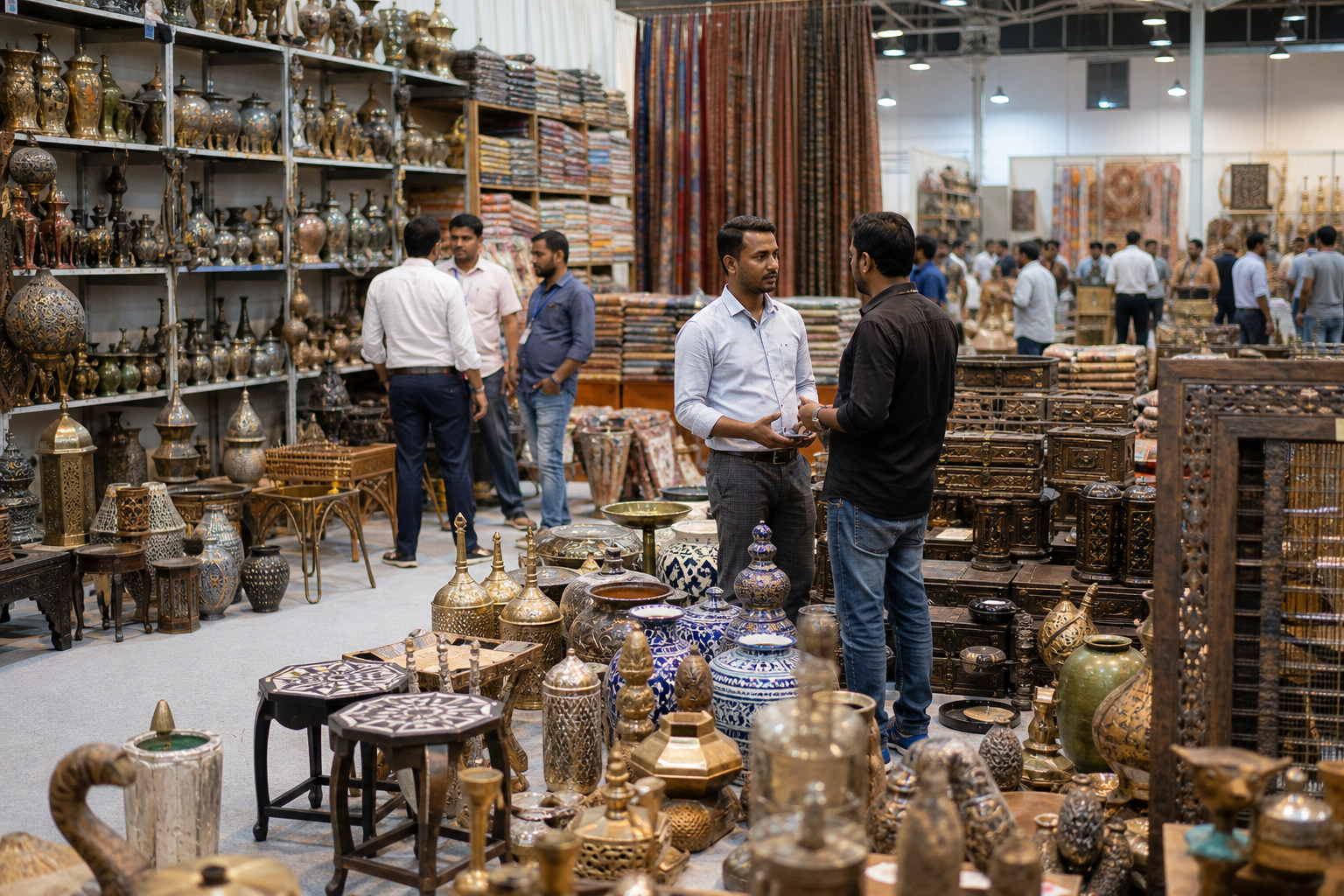
How to Evaluate Export Markets for Handicrafts
Before chasing every inquiry, score markets against the same criteria. A high-demand market with poor payment culture or impossible compliance for your current factory is not a good first target.
Comparison table
Swipe →
Data table — swipe horizontally on small screens
| Factor | What to Measure | Good Signal | Warning Signal |
|---|---|---|---|
| Market size | Import value/volume for your HS codes | Rising 24-month trend | Declining category imports |
| Import demand | Active importers and retail programmes | Repeat wholesale buyers | Only one-off souvenir demand |
| Ease of doing business | Broker clarity, English docs, predictable customs | Clear labelling rules | Opaque or frequently changing rules |
| Tariffs and duties | Duty rate + preferential COO options | Preferential access available | High duty with no mitigation |
| Consumer preferences | Handmade, eco, price, design language | Fit with your cluster aesthetic | Style mismatch requiring full redesign |
| Logistics costs | Freight, transit time, damage risk | Efficient sea lanes from your port | High damage + expensive air dependency |
| Competition | Other origins + Indian peers | Room for differentiation | Race-to-bottom on identical SKUs |
| Payment risks | Advance/LC norms, default history | Advance or LC for new buyers | Long open account on first order |
| Regulatory requirements | Labels, chemicals, wood packing, textile rules | Requirements you can meet in 90 days | Multi-year certification gap |
Best Countries to Export Indian Handicrafts: Top 10 Markets for 2026
Market Snapshot
The following ten destinations are the strongest practical targets for Indian handicraft exporters in 2026. Treat each profile as a decision brief — then validate with current trade data for your exact HS codes.
1. United States
- Why attractive
- Deep wholesale, retail, and online channels; appetite for handmade stories with commercial consistency
- Popular products
- Wooden décor, brass/metal artware, textiles, rugs, lanterns, gift sets
- Buyer preferences
- Retail-ready packaging, barcode discipline, low variation, replenishment reliability
- Channels
- Importers, big wholesale, Amazon/online brands, specialty retail
- Challenges
- Competition, chargebacks/returns risk, strict consistency
- Growth potential
- High
- Strategy
- Start with a narrow hero assortment, LCL trial, then FCL replenishment; price for landed value not only FOB.
Largest volume destination for many Indian handicraft lines across home décor, gifts, and e-commerce.
2. United Kingdom
- Why attractive
- Premium positioning possible for quality textiles and wood/metal accents
- Popular products
- Handmade textiles, cushions, wooden accents, ceramics/terracotta, gifts
- Buyer preferences
- Design coherence, labelling accuracy, ethical narratives
- Channels
- Indie retail, department stores, importers, online home brands
- Challenges
- Post-Brexit documentation awareness; smaller absolute volume than USA
- Growth potential
- Strong for private label
- Strategy
- Lead with design packs and OEKO-TEX-ready textile stories where relevant.
Design-led market with strong soft furnishings and curated décor demand.
3. Germany
- Why attractive
- Buyers pay for verified materials and durable finishes
- Popular products
- Jute, bamboo, natural textiles, responsible wood, refined metal décor
- Buyer preferences
- Evidence-based eco claims, precise specs, punctuality
- Channels
- Importers, DIY/home retail, design wholesale
- Challenges
- Higher compliance and expectation bar
- Growth potential
- High for eco lines
- Strategy
- Do not enter with vague \"eco handmade\" claims — document materials and processes.
Quality- and sustainability-focused EU anchor.
4. France
- Why attractive
- Strong appetite for aesthetic differentiation
- Popular products
- Textiles, décor accents, artisan gifts, selected metal/wood pieces
- Buyer preferences
- Style, finish quality, presentation
- Channels
- Design buyers, importers, specialty retail
- Challenges
- Taste alignment; French/EU labelling expectations
- Growth potential
- Solid for curated collections
- Strategy
- Present collection stories, not random SKU dumps.
Design-sensitive EU market with gift and décor depth.
5. Canada
- Why attractive
- Manageable entry for exporters ready for North America but not yet US retail complexity
- Popular products
- Wood, textiles, gifts, eco accessories
- Buyer preferences
- Practical quality, clean packaging, seasonal gifting
- Channels
- Importers, retail chains, online
- Challenges
- Smaller volumes; winter retail calendars
- Growth potential
- Good beginner-to-intermediate market
- Strategy
- Use Canada as a North America learning market or parallel to US wholesale.
US-similar tastes at smaller scale; reliable wholesale culture.
6. Australia
- Why attractive
- Higher willingness to pay for quality eco and craft goods
- Popular products
- Wood, textiles, bamboo/jute, lifestyle gifts
- Buyer preferences
- Natural materials, durable finishes, honest lead times
- Channels
- Importers, independent retail, online
- Challenges
- Freight cost and transit damage risk
- Growth potential
- Strong for premium eco
- Strategy
- Engineer packaging aggressively; avoid under-spec cartons to save freight.
Premium niche with longer transit times.
7. United Arab Emirates
- Why attractive
- Quicker decision cycles; mixed-container culture; regional re-export potential
- Popular products
- Metal décor, lanterns, statement gifts, furniture accents
- Buyer preferences
- Visual impact, speed, flexible assortments
- Channels
- Wholesalers, traders, hospitality procurement, retail groups
- Challenges
- Price negotiation intensity; quality variation intolerance on repeat orders
- Growth potential
- High for first export orders
- Strategy
- Excellent beginner market for metal/wood décor with strong samples and fast response.
Fast-moving Gulf hub for wholesale and hospitality.
8. Saudi Arabia
- Why attractive
- Growing project and retail spend; gift and décor programmes
- Popular products
- Metalware, lanterns, gifts, selected textiles/décor
- Buyer preferences
- Statement pieces, festive assortments, reliable delivery windows
- Channels
- Importers, project suppliers, retail
- Challenges
- Relationship-driven sales; documentation discipline still critical
- Growth potential
- Rising
- Strategy
- Combine with UAE outreach; prepare bilingual-ready catalogues where useful.
Expanding retail and hospitality demand in the Gulf.
9. Netherlands
- Why attractive
- Access to broader European wholesale networks
- Popular products
- Mixed décor, textiles, eco lines, design gifts
- Buyer preferences
- Clean design, sustainability, logistical reliability
- Channels
- Importers/distributors serving EU
- Challenges
- Competitive; buyers are sophisticated
- Growth potential
- High as an EU gateway
- Strategy
- Position for distributor partnerships rather than only end-retail one-offs.
EU design and distribution hub.
10. Japan
- Why attractive
- Premium pricing possible for exceptional finish and packing
- Popular products
- Refined wood/textile crafts, carefully finished décor, specialty gifts
- Buyer preferences
- Near-zero defect tolerance, meticulous packaging, precise communication
- Channels
- Specialty importers, department stores, curated wholesale
- Challenges
- Hard for beginners; long trust-building
- Growth potential
- High margin, lower volume
- Strategy
- Enter only after process maturity — Japan is a scale-up market, not a first experiment.
Selective, quality-obsessed market with refined craft appreciation.
Country Comparison Table
Use this directional scorecard to prioritise. Scores are relative guidance for typical Indian handicraft exporters in 2026 — validate against your SKU set.
Comparison table
Swipe →
Data table — swipe horizontally on small screens
| Country | Market Potential | Competition | Avg Order Size | Ease of Entry | Price Sensitivity | Growth | Beginner Fit | Opportunity Score |
|---|---|---|---|---|---|---|---|---|
| USA | Very High | High | Medium–High | Medium | Medium | High | Medium | 9/10 |
| UK | High | Medium–High | Medium | Medium | Medium | High | Medium | 8/10 |
| Germany | High | Medium | Medium | Medium–Low | Low–Medium | High | Low–Medium | 8/10 |
| France | Medium–High | Medium | Medium | Medium | Medium | Medium–High | Medium | 7.5/10 |
| Canada | Medium–High | Medium | Medium | Medium–High | Medium | Medium–High | High | 8/10 |
| Australia | Medium | Medium | Medium | Medium | Low–Medium | Medium–High | Medium | 7.5/10 |
| UAE | High | High | Medium | High | High | High | Very High | 9/10 |
| Saudi Arabia | Medium–High | Medium | Medium | Medium–High | Medium–High | High | High | 8/10 |
| Netherlands | High | Medium–High | Medium–High | Medium | Medium | High | Medium | 8/10 |
| Japan | Medium | Medium | Medium | Low | Low | Medium–High | Low | 7/10 |
Which Indian Handicraft Products Perform Best in Each Country?
Comparison table
Swipe →
Data table — swipe horizontally on small screens
| Country | Top Products | Buyer Profile | Demand Trend | Potential Margin |
|---|---|---|---|---|
| USA | Wood, brass/metal, textiles, rugs, gifts | Importers, e-comm, wholesale | Stable–rising | Medium–High |
| UK | Textiles, wood accents, curated décor | Design retail, private label | Rising for private label | Medium–High |
| Germany | Jute, bamboo, eco textiles, quality wood | Eco retail, importers | Rising eco | High if verified |
| France | Textiles, artisan gifts, décor accents | Design buyers | Stable–rising | Medium–High |
| Canada | Wood, textiles, gifts | Importers, retail | Stable | Medium |
| Australia | Eco wood/textile/jute/bamboo | Premium indie + importers | Rising eco | High |
| UAE | Metal décor, lanterns, statement gifts | Wholesale, hospitality | Strong | Medium |
| Saudi Arabia | Metalware, gifts, lanterns | Importers, projects | Rising | Medium |
| Netherlands | Mixed décor, eco lines, textiles | EU distributors | Rising gateway role | Medium–High |
| Japan | Refined craft wood/textile décor | Specialty importers | Selective premium | High |
Why the USA Remains the Largest Market for Indian Handicrafts
US consumer demand for home décor and gifting remains deep across big-box adjacent wholesale, specialty retail, and online marketplaces. Handmade stories convert when packaging and consistency meet retail operating standards. Sustainability trends support natural materials and artisan narratives, but buyers still penalise variation and late shipments. Category managers increasingly ask for replenishment calendars and carton-level barcoding on programmes that used to accept informal packing.
E-commerce opportunities are significant for compact wood, metal, and textile SKUs with strong imagery and low return rates. Wholesale opportunities remain the volume backbone for Indian exporters who can replenish. For many factories, the USA is the long-term prize — but not always the easiest first win. Exporters who enter US retail without packaging trials often learn expensive lessons on the first chargeback. See also category demand in our top handicraft products guide.
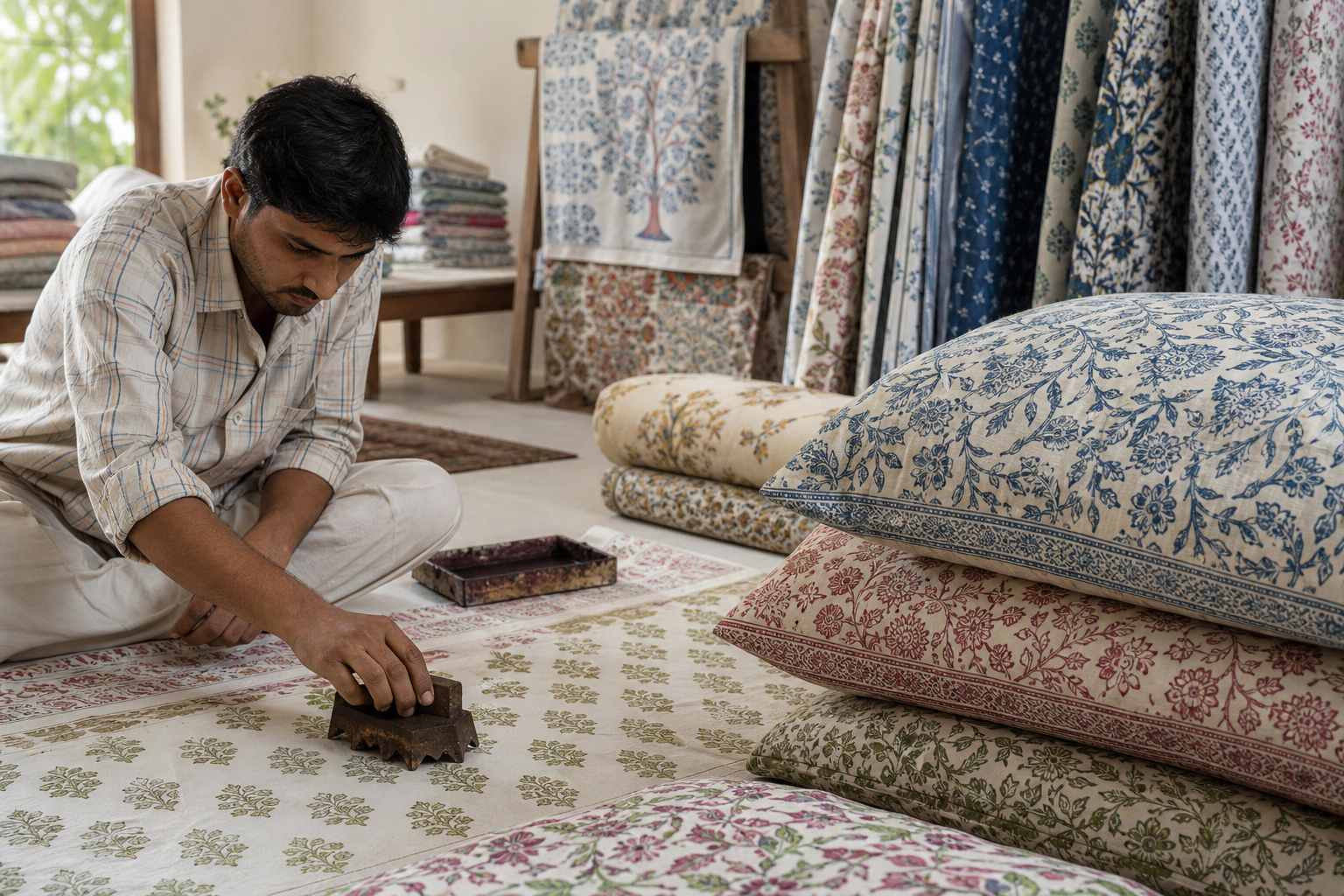
Emerging Export Markets Beyond Traditional Destinations
Beyond the top ten, several secondary markets deserve watchlists in 2026–2030. South Korea and Singapore offer design-aware Asian demand with strong retail standards. New Zealand mirrors Australia's premium eco niche at smaller scale. Qatar follows Gulf hospitality and gift patterns similar to UAE/Saudi. Ireland provides an accessible English-speaking EU-adjacent retail pocket for some programmes. Sweden, Denmark, and Norway reward authentic sustainability and minimalist design — excellent for jute, bamboo, and clean-lined wood/textile goods, but unforgiving on greenwashing.
Emerging markets are best as second-wave expansion after you have repeatable QC and packaging systems — not as a substitute for disciplined entry into one primary market.
Challenges Exporters Face in Different Markets
Compliance, packaging, certifications, freight, cultural taste, buyer expectations, and payment risk all vary by destination. Mitigation is process, not optimism.
Comparison table
Swipe →
Data table — swipe horizontally on small screens
| Challenge | Where it bites | Mitigation |
|---|---|---|
| Compliance/labelling | EU, UK, Japan, US retail | Destination compliance memo before quoting |
| Packaging standards | Australia, USA e-comm, Japan | Drop tests; material-specific carton engineering |
| Certifications | EU textiles/eco, wood packing rules | Map requirements in Week 1 of market selection |
| Freight costs/damage | Australia, Canada, long-haul USA | Insure; improve cube; avoid fragile overreach |
| Cultural preferences | France, Japan, Nordics | Localised assortment; do not copy US SKUs blindly |
| Buyer expectations | Germany, Japan, premium UK | Over-communicate lead times; never over-promise |
| Payment risks | New wholesale relationships globally | Advance/LC on first orders; credit checks |
How Indian Exporters Can Enter New Markets Successfully
Successful entry combines research and outreach. Use ITC Trade Map and shipment databases to identify active importers. Attend EPCH fairs selectively. Build LinkedIn outreach to category buyers with SKU-specific messages. Use B2B marketplaces for discovery, not as your only channel. Digital catalogues with specs beat PDF dumps. Strategic partnerships with merchant exporters or distributors shorten the path for MSMEs without overseas sales teams — see how MSMEs export without a sales team and finding buyers without trade shows.
Case Study: Rajasthan Manufacturer Choosing USA, Germany, or UAE
Objectives: A Jaipur-based metal and textile handicraft MSME wanted its first serious export programme within six months.
Market analysis: Scored USA (high demand, high competition), Germany (eco textile fit, stricter expectations), UAE (fast wholesale for metal lanterns and décor).
Decision process: Chose UAE as primary and USA wholesale as secondary; deferred Germany until OEKO-TEX-ready textile finishing and documented dye processes were ready.
Market entry: EPCH fair follow-ups + LinkedIn outreach; merchant-export support for documentation; LCL trial of lanterns and brass accents to Dubai.
Challenges: First packing run had scratch issues on nested metal pieces — corrected with barrier wraps before repeat order.
Results: UAE repeat order in 70 days; US importer trial scheduled after packaging upgrade; Germany kept as Year-2 target.
Lessons learned: The best first market was the one matching current capability, not the largest headline market. Process maturity unlocks harder markets later.
Future Outlook for Global Handicraft Demand Through 2030
Sustainability, ethical sourcing, and personalised/private-label products will define winning exporters. AI-powered sourcing platforms will route RFQs toward suppliers with clean digital credentials and shipment histories. D2C export models will grow for niche brands, but B2B wholesale and merchant-export consolidation will remain the volume engine for most MSMEs. Global retail will keep rewarding handmade character only when operational reliability matches industrial origins.
Exporters who invest now in destination-specific compliance, packaging engineering, and cluster-true assortments will be best placed as buyers diversify décor sourcing through 2030.
Conclusion
- Action: Share your product category, capacity, and target regions for a market-fit recommendation.
- Review top handicraft products exported from India and how to export handicrafts from India.
- See what Indian handicrafts buyers want by country before finalising assortments.
- For eco lines, read Sustainable and Eco-Friendly Handicrafts export opportunities.
- For buyer-side execution, read How International Buyers Can Source Handicrafts Directly from India.
- Build pipeline with find international buyers and trade shows for handicraft exporters.
- Prepare with EPCH registration and the documentation checklist.
- Explore export products from India and global sourcing partner models.
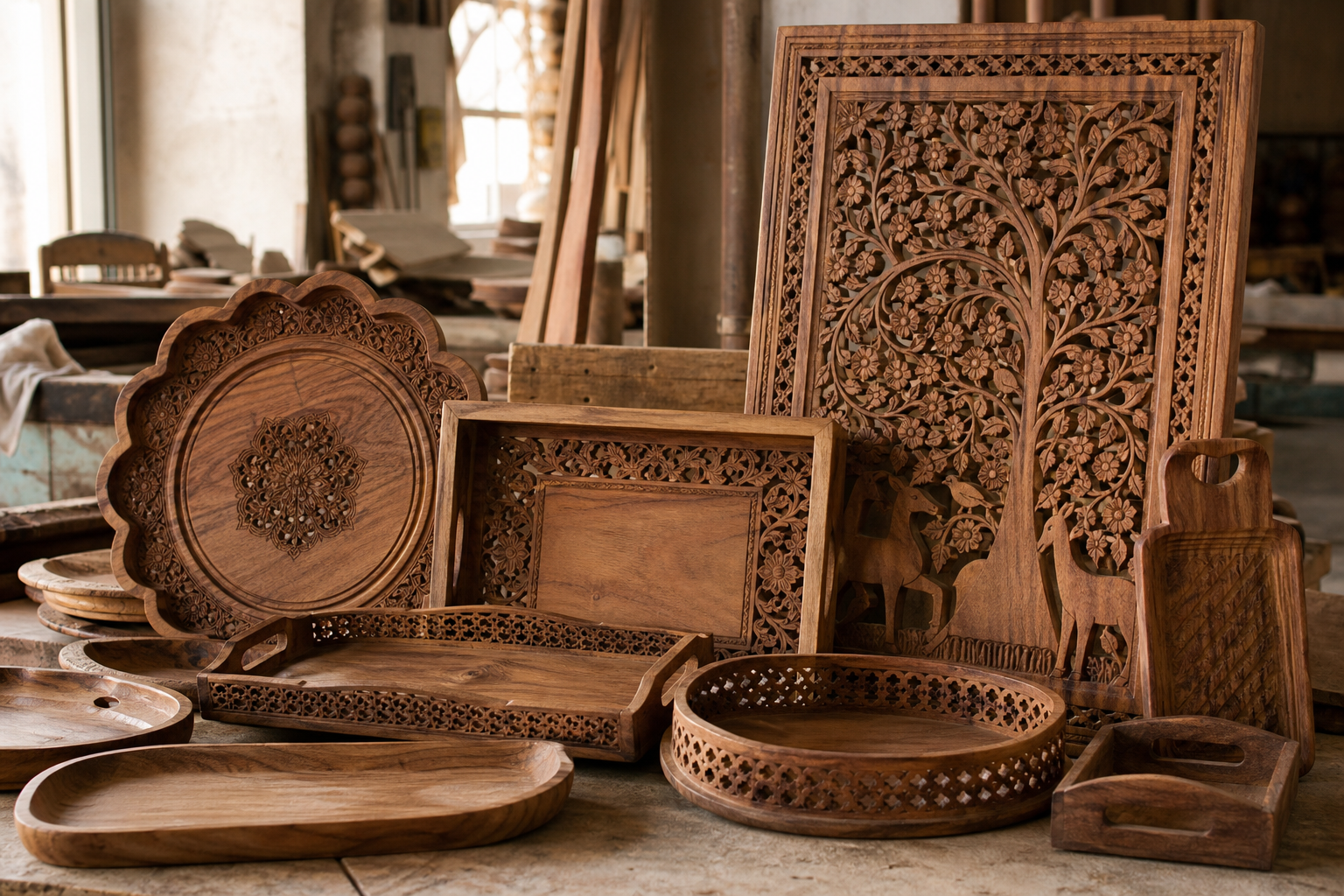
The best countries to export Indian handicrafts in 2026 depend on your product and readiness — but the practical shortlist is clear: USA for scale, UAE and Saudi Arabia for faster Gulf entry, UK/Canada for manageable English-speaking growth, Germany/France/Netherlands for design and eco-led EU demand, Australia for premium eco niches, and Japan for high-bar premium craft once processes are mature.
Best beginner opportunities often sit in UAE, Canada, or focused UK/US wholesale rather than Japan-first strategies. Diversify only after one repeatable programme. Next steps: score two markets with the framework above, prepare a hero assortment, and run structured buyer outreach. Altus Exports can help manufacturers and international buyers align handicraft programmes to the right destination with verified supply and export coordination.