
FOB vs CIF vs EXW: Which Incoterm Should You Use When Buying From India?
By Saurabh Mittal, Founder, Altus Exports
For most international buyers importing from India, FOB a named Indian port balances supplier export responsibility with buyer control of freight and insurance. CIF suits buyers who want a single invoice but requires unpacking freight and insurance quality. EXW is rarely…
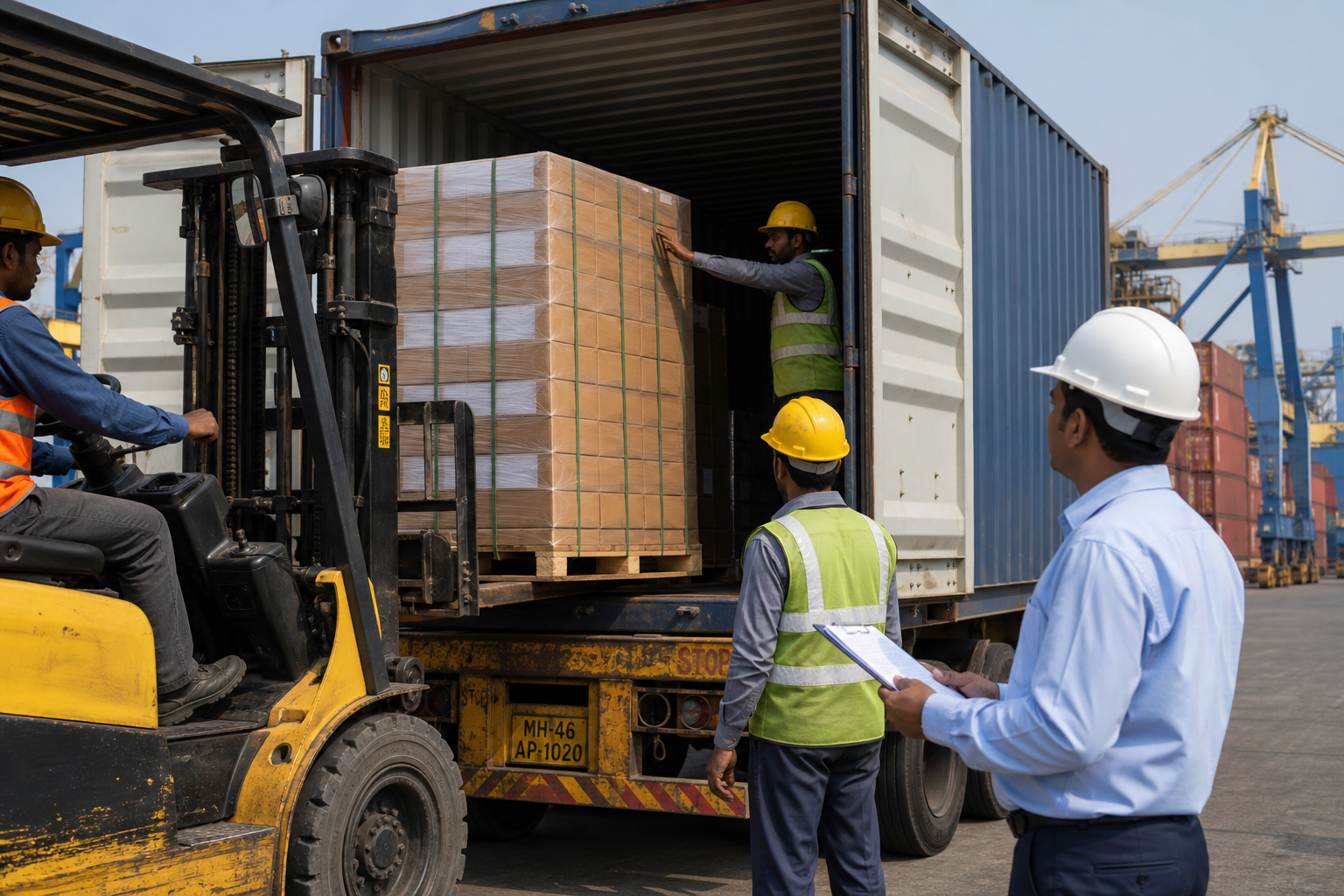
Incoterms are three-letter shorthand for who pays which costs, who arranges which transport, and where risk transfers from seller to buyer. When you buy from India, the Incoterm on your proforma invoice is not administrative detail—it determines whether your supplier's quote is comparable to another factory's quote, whether you can book freight competitively, and whether you discover hidden origin costs after production is underway.
EXW, FOB, and CIF appear on most India export quotations. They are not the only Incoterms in use—FCA and CFR show up in air freight and bulk commodity contexts—but they are the trio international buyers encounter most often when sourcing manufactured goods from Indian suppliers. Choosing among them is a decision about control, visibility, and operational capacity, not about finding a "winner" term that is always cheapest.
This article owns the Incoterm comparison and selection framework for India buys. It does not replace the payment guide or freight guide. For how Incoterms affect the numbers on your worksheet, see how to calculate landed cost of products imported from India. For payment timing and instruments, see how to pay Indian suppliers. For booking ocean and air freight, see shipping from India.
Altus Exports works with international buyers who need India-origin shipments structured with clear Incoterm boundaries, export documentation, and handoffs that match how the buyer actually imports. The framework below applies whether you contract directly with a factory or through a merchant exporter.
What Incoterms do—and do not—decide
- who arranges and pays for carriage and insurance at each leg;
- where risk transfers if goods are lost or damaged;
- who handles export and import clearance tasks at origin (import clearance at destination is always the buyer's responsibility except in DDP, which is outside the EXW/FOB/CIF trio discussed here);
- who provides which transport documents.
- define payment method or credit terms (that is your contract and payment structure);
- guarantee freight rates or carrier service levels;
- determine HS classification or import duty rates;
- replace a complete sales contract, quality specification, or force-majeure clause;
- automatically align with how Indian suppliers invoice GST or how your country values goods for customs.
Incoterms 2020, published by the International Chamber of Commerce, define obligations between seller and buyer for:
Incoterms do not:
Treat the Incoterm as one clause in a broader export transaction. The named place matters as much as the three letters. "FOB India" without a port name is incomplete. "EXW Moradabad" and "EXW Bengaluru" imply very different inland logistics.

EXW (Ex Works): maximum buyer responsibility at origin
Definition (summary): The seller makes goods available at their premises or another named place. The buyer bears all costs and risks from collection onward, including export clearance unless the parties agree otherwise—which is uncommon on standard factory terms.
Cost and task split under EXW
Comparison table
Swipe →
Data table — swipe horizontally on small screens
| Obligation | Seller (Indian supplier) | Buyer (importer) |
|---|---|---|
| Prepare goods for pickup | Yes | — |
| Load goods at seller premises (default EXW) | No (unless agreed) | Buyer arranges |
| Inland transport to port | No | Buyer |
| Export clearance and duties in India | No (default) | Buyer |
| Main carriage (ocean/air) | No | Buyer |
| Insurance | No | Buyer |
| Import clearance at destination | No | Buyer |
When EXW might appear on India quotes
Factories sometimes quote EXW because it produces the lowest headline unit price. Trading companies may use EXW when the pickup point is a warehouse or when the buyer claims to have a freight forwarder who will "handle everything." EXW also appears when the buyer's agent in India will consolidate cargo from multiple suppliers.
Why EXW is risky for most international buyers
- pickup from an industrial estate or supplier warehouse, often without export-ready loading equipment;
- compliance with Indian export regulations and documentation (IEC, shipping bill, GST/export procedures on the Indian side);
- coordination between supplier readiness, trucker, and forwarder cutoffs;
- liability for damage during pickup and inland transit before the buyer's forwarder has control.
Most overseas importers do not have an India-based logistics team. Under EXW, the buyer must orchestrate:
If export clearance is not executed correctly, goods may never legally leave India—or delays may blow production timelines. EXW can work when the buyer has a trusted India logistics partner, is consolidating multiple EXW pickups, or is experienced in that specific cluster. For first-time or arm's-length India imports, EXW is usually the wrong default.
India-specific EXW issues
- Factory pickup reality: Many Indian factories are not organized for export pickup by arbitrary buyer-appointed trucks. Loading bays, weighbridge access, and export packing completion may not align with truck arrival.
- Export documentation: The supplier still holds commercial invoice and packing list data, but under EXW the buyer's agent often must drive export filing. Misaligned responsibilities cause shipment holds.
- GST and export incentives: Indian suppliers may prefer terms where they control export realization. EXW can create friction if the supplier's tax and incentive structure assumes they are the exporter of record.
- Multi-supplier consolidation: EXW from Ludhiana, Rajkot, and Noida into one container requires a consolidator the buyer must appoint—cost and complexity sit entirely with the buyer.
FOB (Free On Board): the most common balance for India exports
Definition (summary): The seller delivers goods on board the vessel at the named port of shipment (or procures goods already delivered). Risk transfers when goods are on board. The buyer pays freight and insurance from that point.
FOB is the workhorse Incoterm for ocean exports from India. Typical named places include Nhava Sheva (JNPT), Mundra, Chennai, Kolkata, and Cochin. The supplier arranges inland delivery to port and export clearance; the buyer books ocean freight and typically insurance.
Cost and task split under FOB
Comparison table
Swipe →
Data table — swipe horizontally on small screens
| Obligation | Seller (Indian supplier) | Buyer (importer) |
|---|---|---|
| Deliver goods to port of loading | Yes | — |
| Export clearance in India | Yes | — |
| Load on vessel (FOB default) | Yes | — |
| Ocean/air freight to destination | No | Buyer |
| Insurance after loading | No (unless agreed) | Buyer |
| Import clearance | No | Buyer |
| Destination inland delivery | No | Buyer |
Why FOB works well for many India buyers
FOB gives the buyer transparent product cost on the invoice and control of international freight—which matters when you have forwarder relationships, negotiated contract rates, or specific carrier requirements. Landed cost modeling under FOB is straightforward: start with invoice value, add freight, insurance, duties, and destination charges in ILCW-12.
FOB also aligns with how many Indian manufacturers already operate. Export documentation, GST refund or LUT processes, and shipping bill execution stay on the supplier side where their accounts team has experience.
FOB caveats on India shipments
- Named port must be explicit. FOB "Mumbai" should specify JNPT/Nhava Sheva if that is the loading port. Port congestion and cutoff times vary.
- Verify packaging and container loading. FOB does not automatically mean the supplier knows your container stow plan. Misdeclared weight or improper lashing creates cost and safety issues.
- Air freight nuance. Strict ICC rules tie FOB to ship loading. For air, FCA (Free Carrier) at an airport or forwarder warehouse is often more precise. Many India quotes still say "FOB" colloquially for air—clarify the actual handoff point.

CIF (Cost, Insurance and Freight): seller arranges main carriage
Definition (summary): The seller pays cost, insurance, and freight to the named port of destination. Risk transfers when goods are on board at the port of shipment—same risk point as FOB—even though the seller pays freight beyond that point.
CIF looks attractive to buyers who want one invoice from the supplier and less freight booking work. The seller selects the carrier, insurance cover, and routing to your destination port.
Cost and task split under CIF
Comparison table
Swipe →
Data table — swipe horizontally on small screens
| Obligation | Seller (Indian supplier) | Buyer (importer) |
|---|---|---|
| Deliver to port of loading in India | Yes | — |
| Export clearance | Yes | — |
| Ocean freight to destination port | Yes | — |
| Minimum marine insurance | Yes (ICC C minimum typical) | — |
| Risk during ocean transit | Transfers to buyer on loading | Buyer bears risk |
| Import clearance, duties, taxes | No | Buyer |
| Destination drayage and delivery | No | Buyer |
When CIF can make sense
- the buyer lacks forwarder infrastructure and wants the supplier to manage ocean leg simplicity;
- order size is small and the supplier's freight allocation is acceptable;
- the buyer is comparing multiple CIF quotes on a like-for-like destination port basis;
- internal procurement policy favors supplier-arranged freight for certain categories.
CIF may fit when:
CIF risks buyers underestimate
- Freight quality is opaque. The supplier chooses carrier, transit time, and transshipment ports. Slow lanes or poor schedule reliability may not be visible in unit price.
- Insurance may be minimal. CIF requires minimum cover; it may not match your insurable interest or claims process.
- Customs value includes freight and insurance. In many destinations, duty is calculated on CIF value, which can increase duty compared to valuing goods separately—though total economics depend on the full landed cost worksheet.
- Disputes over delay or damage. Because risk transfers at loading, buyers may bear ocean loss risk while relying on insurance arranged by the seller—claims coordination can be awkward.
Always unpack CIF quotes into freight and insurance lines for comparison. Two CIF prices to Los Angeles are not comparable if one uses transshipment via Singapore and the other is direct.
Brief comparison: FCA and CFR on India routes
FCA (Free Carrier) — Seller delivers goods to a carrier or person nominated by the buyer at a named place (often a forwarder's CFS or airport). FCA is increasingly recommended for containerized shipments where goods are handed over at a terminal before vessel loading. For India exports consolidated at a CFS near JNPT or Mundra, FCA can describe the handoff more accurately than FOB.
CFR (Cost and Freight) — Like CIF without seller insurance. Seller pays freight to destination port; buyer arranges insurance. CFR appears in bulk commodities and some industrial materials. Manufactured-goods buyers more often see CIF or FOB.
If your supplier proposes FCA or CFR, apply the same decision questions: Who controls carrier selection? Where does risk transfer? Can you model all lines in ILCW-12?

Decision matrix: which Incoterm for your India buy
Use this matrix as a starting point. Your category, order size, and logistics capability may override the default.
No matrix replaces a written confirmation of the named place, included costs, and export documentation responsibilities on the purchase order.
Comparison table
Swipe →
Data table — swipe horizontally on small screens
| Buyer profile | Cargo type | Control need | Suggested starting term | Why |
|---|---|---|---|---|
| First-time India importer | FCL manufactured goods | Medium | FOB named Indian port | Supplier handles export; buyer learns freight booking once |
| Experienced importer with forwarder contracts | FCL / LCL | High | FOB or FCA | Maximizes freight control and rate transparency |
| Small buyer, minimal logistics staff | LCL or small FCL | Low | CIF (with unpacked comparison) | Simplicity if you audit freight/insurance split |
| Multi-supplier consolidation in India | LCL consolidation | High | EXW or FCA + consolidator | Only if you have a trusted India agent |
| High-value, time-sensitive air shipment | Air freight | High | FCA airport | Precise handoff; avoid misapplied "FOB air" |
| Buyer with India logistics subsidiary | Any | Maximum | EXW | Viable when you truly control origin chain |
| Distributor needing landed cost clarity | FCL repeat orders | Medium–high | FOB | Clean ILCW-12 separation of product vs freight |
| Retailer with strict carrier compliance | FCL | High | FOB | You nominate carrier and routing |
| Buyer optimizing payment on invoice value only | Any | Low | FOB over CIF | Smaller invoice before freight; aligns with milestone payments |
Risk and cost transfer: the point that matters
Buyers often assume cost transfer and risk transfer always coincide. Under CIF, they do not.
```text EXW (named factory)
|-- risk transfers here --> buyer responsible for loss/damage from pickup onward
| v Inland India --> Export port --> Ocean --> Destination port --> Your warehouse
FOB (named port, India)
|-- risk transfers when on board vessel --> seller pays to get goods loaded; buyer bears ocean risk
CIF (named port, destination)
|-- risk transfers when on board (same as FOB) --> seller pays freight + minimum insurance, but buyer bears transit risk ```
Practical implications
- Under CIF, if containers are damaged at sea, the buyer may need to claim against insurance the seller arranged—while already bearing risk under Incoterms rules.
- Under FOB, the buyer should place insurance effective from loading if the forwarder or broker recommends it; do not assume "someone else" is covered.
- Under EXW, damage during truck loading at the factory is a buyer problem—even if the buyer never physically touched the cartons.
Document the agreed transfer point in your PO, email confirmation, and inspection plan. For inspection timing relative to risk, coordinate PSI before inland dispatch on EXW moves and before container gate-in on FOB moves.

India-specific practical issues by Incoterm
Port congestion and cutoff discipline
Major Indian ports experience peak-season congestion, vessel rollovers, and documentation cutoff windows that differ by terminal and carrier. Under FOB, the supplier must gate in before cutoff; under EXW, the buyer's trucker must hit the same window without supplier export coordination unless contractually assigned.
Container availability and type
India exports compete for equipment, especially during commodity and festival-season peaks. FOB terms should specify whether the supplier or buyer nominates the shipping line and who bears detention if empty pickup is delayed.
Export documentation alignment
India export shipments require aligned commercial invoice, packing list, shipping bill data, and often certificate of origin or regulatory certificates depending on product. Under FOB, the supplier typically owns this pack—link to documents required to import from India for the buyer-side mirror. Under EXW, gaps between supplier data and buyer-filed export documents are a frequent delay source.
Insurance gaps on multimodal moves
Inland truck plus ocean under FOB or EXW creates coverage handoff questions. Confirm whether your policy covers warehouse-to-port in India if you arrange EXW pickup. Under CIF, verify the seller's policy extends to your insurable interest and claims jurisdiction.
Currency and invoice structure
Indian suppliers often quote USD FOB but incur INR costs inland. CIF quotes embed freight negotiated in volatile markets—suppliers may build buffer that FOB buyers avoid by booking freight separately. Neither is inherently cheaper; compare via landed cost.
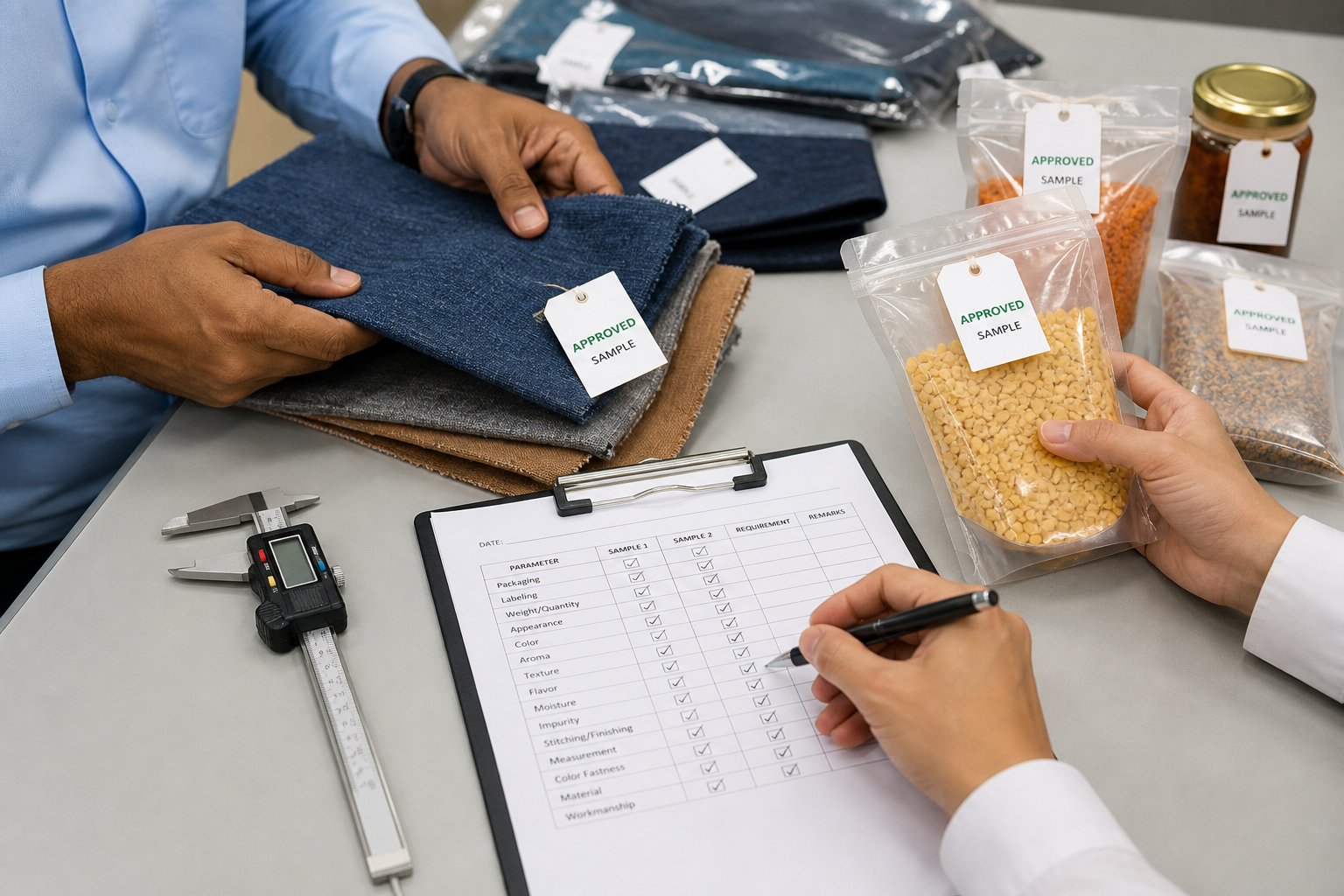
How Incoterms interact with landed cost—not payment alone
Incoterms shift which invoice you receive first and which costs sit in supplier versus forwarder versus broker bills. They do not eliminate lines from ILCW-12—they relocate them.
A CIF quote of $3.10/unit versus FOB $2.75/unit is meaningless until freight and insurance are unpacked and duty base is calculated. Negotiate Incoterms and landed cost together, not in separate meetings.
Comparison table
Swipe →
Data table — swipe horizontally on small screens
| ILCW-12 cost line | EXW | FOB | CIF |
|---|---|---|---|
| Product + packing | Seller invoice | Seller invoice | Seller invoice |
| Inland to port | Buyer / forwarder | Usually seller (verify) | Seller |
| Ocean freight | Buyer | Buyer | Seller invoice |
| Insurance | Buyer | Buyer (typical) | Seller (minimum) |
| Import duty/tax | Buyer | Buyer | Buyer |
| Brokerage & destination | Buyer | Buyer | Buyer |
When a merchant exporter or sourcing partner simplifies Incoterms
- Multi-supplier LCL where one export invoice replaces several EXW pickups you would otherwise consolidate;
- First-time importers who need export clearance handled correctly without building an India logistics desk;
- Categories with strict document packs where mismatches between factory and shipping bill data cause customs delays at destination;
- Quotes intended for direct comparison where product, packing, and export-ready assumptions are normalized before you choose FOB versus CIF.
Some international buyers do not want to manage EXW pickup, multi-factory consolidation, or export documentation alignment. A merchant exporter or integrated export partner can contract as seller of record, consolidate goods, and quote a term that matches how the buyer actually wants to receive goods—often FOB, CIF, or FCA with clearer handoffs.
Altus Exports operates in this layer for buyers who need India sourcing plus export execution: supplier coordination, export documentation discipline, and Incoterm structures that reduce origin-side fragmentation. That model can simplify:
A merchant exporter path does not remove your import clearance, duty payment, or destination delivery obligations. It clarifies who owns the India-origin chain up to the agreed handoff. For service context, see merchant exporter in India and import products from India.
Choosing a partner is not the same as choosing an Incoterm. You still decide whether you want freight control (lean FOB) or bundled ocean leg (CIF). The partner should make either structure executable without hidden EXW-style gaps.
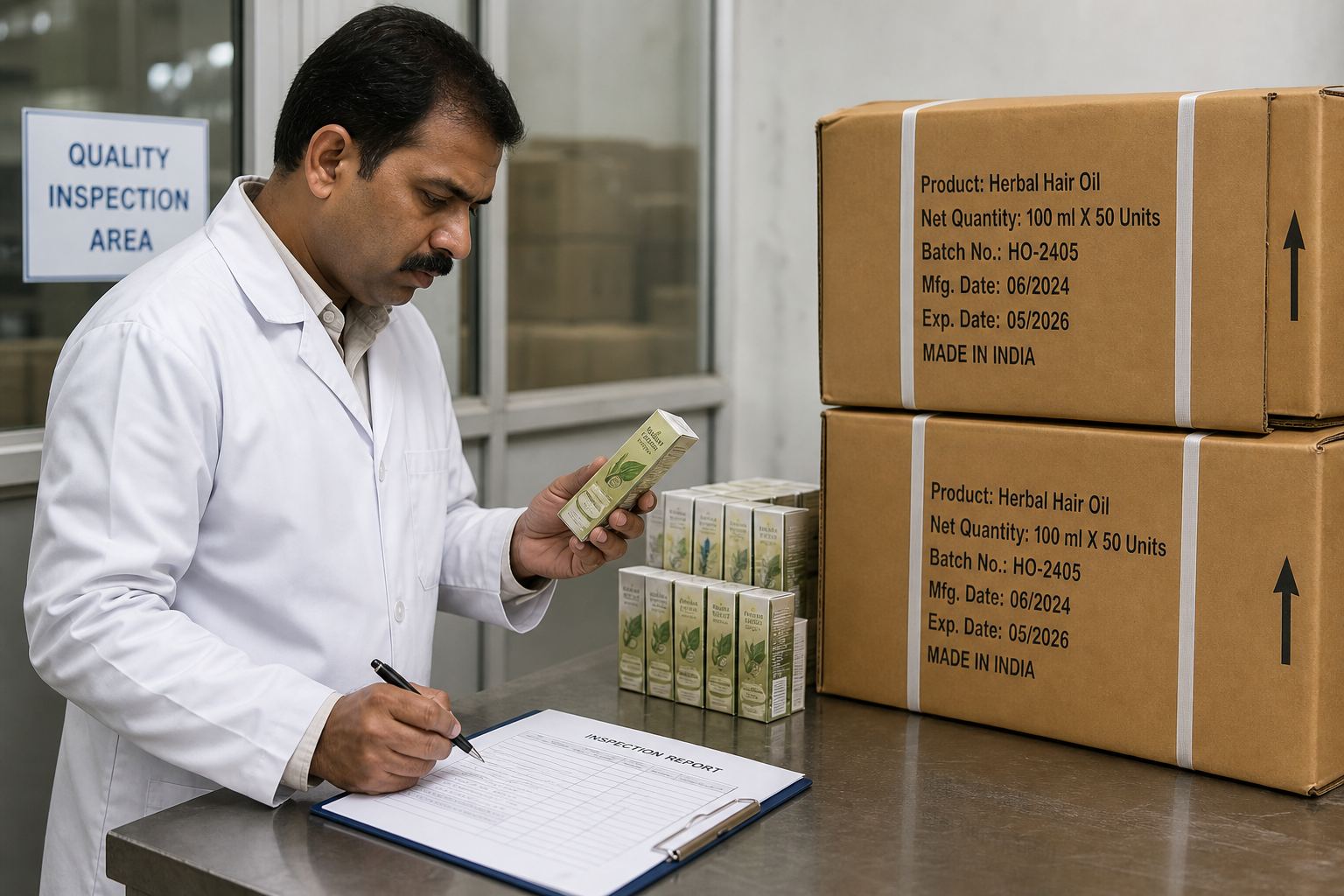
Negotiating Incoterms with Indian suppliers
- Propose a named place, not just three letters. FOB Nhava Sheva, EXW Supplier Factory Ludhiana, CIF Port of Long Beach.
- List included charges. Export packing, palletization, THC at origin, documentation fees, loading, weighing, fumigation if needed.
- Match Incoterm to payment milestones. Large prepayments on CIF require confidence in supplier freight execution; FOB may align invoice value with production completion—see payment terms guide without replicating it here.
- Reserve right to nominate forwarder on FOB. Prevent supplier-markup freight disguised as "FOB with our agent."
- Document change process. If production delay misses vessel, who pays rollover costs under FOB versus CIF?
- Align inspection point. PSI before port dispatch for FOB; before pickup for EXW.
Use a short negotiation checklist on every new supplier relationship:
If a supplier refuses all Incoterm clarity, treat that as a procurement risk signal comparable to vague product specifications.
Common Incoterm mistakes when buying from India
Mistake 1: Choosing EXW for the lowest unit price
EXW often wins spreadsheet comparisons and loses operationally when the buyer cannot execute export clearance and inland pickup. Total cost and delay frequently exceed FOB.
Mistake 2: Treating CIF as hands-off import
CIF still leaves import clearance, duties, and destination delivery with the buyer. "CIF so the supplier handles shipping" is incomplete.
Mistake 3: Ignoring the named place
FOB without a port, CIF without a destination port, and EXW without an address create disputes about cost and risk transfer.
Mistake 4: Comparing Incoterms across suppliers without ILCW-12
Convert every quote to the same landed-cost structure before selecting a term or supplier.
Mistake 5: Using FOB for air without clarifying handoff
Air shipments often need FCA at airport or forwarder warehouse. Mislabeled terms confuse insurance and risk timing.
Mistake 6: Letting the supplier choose CIF freight without audit rights
Request indicative carrier, transit time, and routing on CIF quotes above your threshold. Book FOB if the supplier cannot provide transparency.
Mistake 7: Separating Incoterm negotiation from document requirements
Incoterms and import document pack must align. EXW with supplier-generated commercial invoices still requires export data consistency.
Mistake 8: Assuming Incoterms override law or customs valuation
Customs authorities value goods under national rules. Incoterms inform—but do not solely determine—dutiable value. See import duties and taxes for mechanics.

Conclusion
FOB, CIF, and EXW are not interchangeable labels on an India proforma—they allocate cost, risk, and operational work differently. FOB at a named Indian port is the default that fits most international buyers balancing export competence on the supplier side with freight control on theirs. CIF trades transparency for convenience if you unpack freight and insurance. EXW belongs only where you genuinely control origin logistics. Use the decision matrix, confirm named places, map every option through ILCW-12 landed cost, and align Incoterms with payment and document responsibilities before you sign.
If you want India supplier quotes structured with clear Incoterm boundaries and export-ready execution, contact Altus Exports with your product, ports, and preferred term. The right Incoterm is the one your team can actually operate—not the one with the lowest letter count.