
India vs China for Sourcing: Which Country Is Better for International Buyers?
By Saurabh Mittal, Founder, Altus Exports
Neither India nor China is universally better for sourcing. China often wins on scale and component ecosystems for high-volume hard goods. India often wins for diversification, English coordination, textiles, leather, brass, and China+1 programmes. Choose by category fit, volume, QC complexity, and coordination capacity—not FOB alone.

If you import, distribute, wholesale, or build a private-label brand, the India vs China sourcing question is not academic. It shapes supplier networks, cash flow, quality risk, lead times, and how resilient your supply chain is when tariffs, freight, or geopolitics shift. Buyers who treat the decision as a one-line cost comparison usually discover—after samples, MOQ negotiations, or a delayed shipment—that origin choice is really a bundle of category fit, factory ecosystem, operating model, and diversification strategy.
China remains the world's dominant manufacturing export base for many categories. Its supplier density, component availability, and export logistics maturity are difficult to replicate at the same scale. India is a serious alternative for buyers who need category depth in textiles, leather, brass, handicrafts, and selected industrial and consumer goods; who want English-first coordination; or who are building a China+1 footprint without abandoning existing Chinese relationships. The fair answer is not "India is cheaper" or "China is always better." The fair answer is: which origin fits this SKU, this volume, this quality bar, and this way of working?
This pillar guide gives international buyers a practical decision framework—the India vs China Origin Decision Scorecard—organized around category fit, operating model, and when each country tends to win. It does not replace detailed manufacturing comparisons or landed-cost modeling; those live in dedicated cluster articles linked below. Altus Exports supports buyers as an on-ground India sourcing and merchant-export coordination partner. We do not operate a China office; our role is to help buyers execute well in India when India—or India as part of a dual-origin strategy—is the right call.
Why "India vs China sourcing" is the wrong yes-or-no question
Procurement teams often frame the decision as a binary: move to India or stay in China. That framing hides three realities buyers encounter in the field.
First, category fit dominates country fit. A buyer sourcing injection-molded plastic housings with tight tolerance stacks and local PCB assembly nearby will evaluate China differently from a buyer sourcing hand-block printed textiles, brass giftware, or leather goods with moderate MOQs. The best country to source from is the one where qualified factories, inputs, and export experience exist for your specific product—not the one that won a generic blog poll.
Second, operating model matters as much as origin. A large importer with resident sourcing staff, established QC protocols, and multi-year factory relationships can absorb more complexity in either country. An SME or first-time importer may need lower coordination overhead, clearer English communication, and a partner who can chase samples and documents on the ground. India vs China procurement comparison therefore includes how you buy, not only where factories sit on a map.
Third, dual-origin is increasingly normal. Many buyers are not choosing India instead of China; they are choosing India in addition to China for diversification, tariff exposure management, or category-specific advantages. The strategic question becomes allocation: which SKUs stay in China, which move or start in India, and how you avoid duplicating every process twice. See China–India sourcing strategy and India China plus one strategy for global buyers for allocation thinking beyond this pillar.
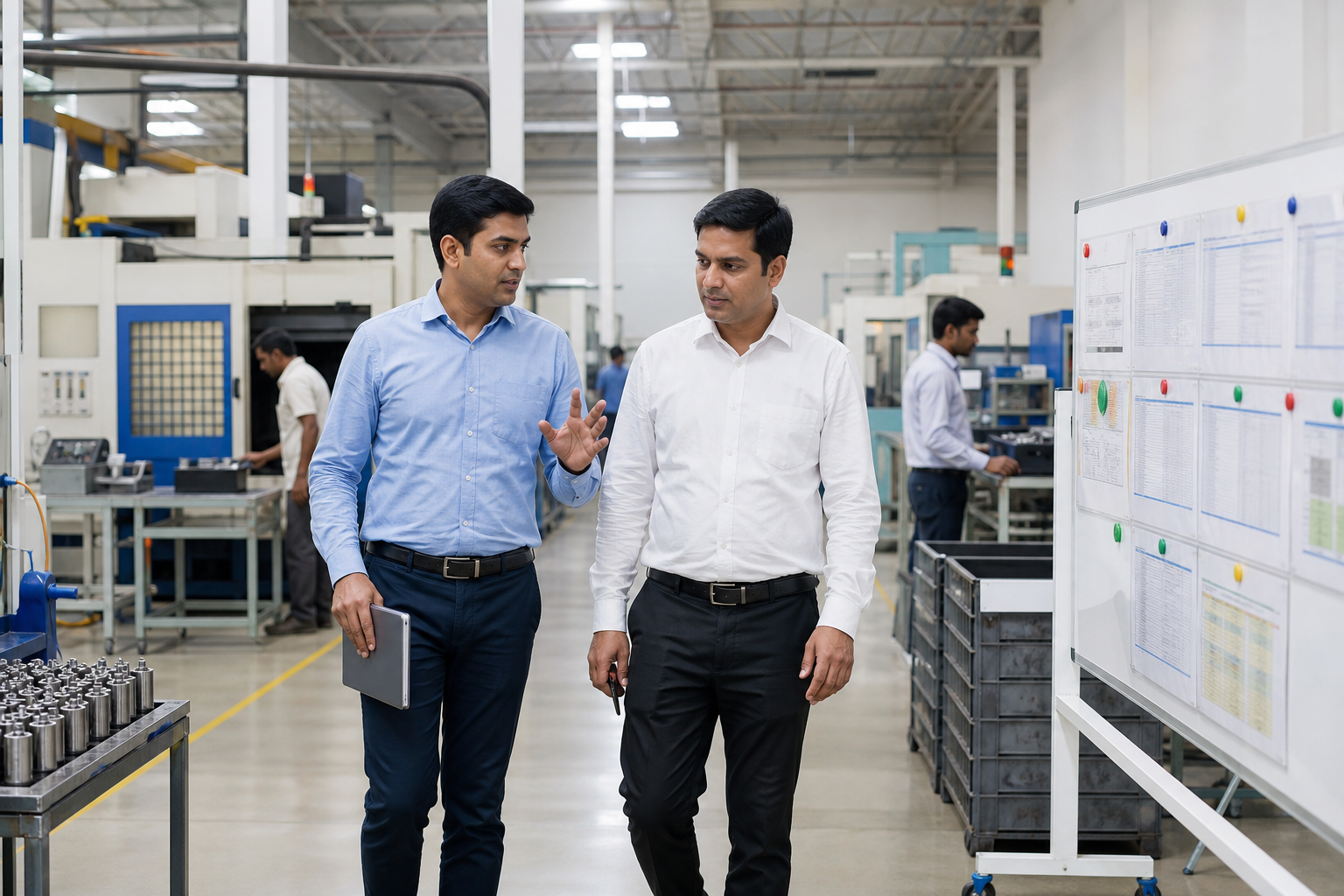
The India vs China Origin Decision Scorecard: three lenses
Use three lenses before you commit capital, tooling, or brand launch dates to either origin.
The scorecard is deliberately not a single weighted number that declares a winner. It is a structured conversation tool for procurement, product, finance, and leadership—so "we should look at India" becomes "we should pilot these three SKUs in India with this partner model while keeping these five SKUs in China."
Comparison table
Swipe →
Data table — swipe horizontally on small screens
| Lens | What it answers | Primary artifacts |
|---|---|---|
| Category fit | Can this product be made well here, with inputs and skills available locally? | Spec sheet, process map, reference samples, cluster research |
| Operating model | Can our team (or partner) run discovery, development, QC, and export follow-up here? | Org chart, travel budget, QC plan, Incoterm preference |
| When each wins | Under our volume, timeline, and risk profile, which origin is the better default? | Scorecard, pilot SKU list, diversification map |
Lens 1 — Category fit: where each origin is structurally strong
Comparison table
Swipe →
Data table — swipe horizontally on small screens
| Category cluster | China — typical fit | India — typical fit | Buyer implication |
|---|---|---|---|
| Consumer electronics / EMS | Strong ecosystem, fast iteration | Limited vs China for full stack | Default China unless narrow subassembly |
| Textiles / home textiles | Scale available | Deep heritage, customization | India competitive; compare MOQ and cert path |
| Leather / footwear | Large scale | Strong in many segments | Evaluate both; India for craft/custom lines |
| Handicrafts / brass / decor | Production pockets | Cluster depth | India often preferred for authenticity and variety |
| Mature hard goods (high volume) | Cost and speed at scale | Factory-dependent | China often wins on scale; India for dual source |
| Private label (moderate complexity) | Fast if white-label exists | Flexible OEM/pack paths | Compare development load and MOQ; see PL article |
| Industrial components | Tier depth | Niche engineering shops | Match factory to drawing, not country slogan |
Category fit asks whether the manufacturing ecosystem supports your product without heroic workarounds. Ecosystem means raw materials, components, tooling vendors, skilled labor, testing labs, packaging suppliers, and export-oriented factories that already ship to your destination markets.
China tends to lead where supplier density and vertical integration matter: electronics and electromechanical assemblies, many hard-goods categories at high volume, furniture and home goods at scale, toys and seasonal goods with aggressive cost targets, automotive and industrial components with established tier structures, and categories where adjacent component suppliers within a few hours' drive reduce lead time and engineering friction.
India tends to lead where traditional manufacturing depth, customization, or material heritage matters: textiles and apparel (including home textiles), leather goods and footwear in many segments, brass, copper, and metal handicrafts, selected engineering and castings, pharma APIs and formulations (with regulatory paths owned by the buyer), spices and agro-ingredients, and private-label friendly categories in home, personal care formats, and gift/stationery where buyers want branding flexibility. For private-label specifically, see India vs China for private label products.
Either origin can work—with different effort levels for mid-complexity consumer goods, promotional products, basic metal/plastic housewares, and packaging-heavy SKUs where the buyer owns most of the specification. Here the tie-breaker is often MOQ, lead time, QC load, and coordination cost—not mythical average country pricing.
#### Category fit quick reference
When category fit is unclear, run a Category Fit Pilot: one representative SKU, frozen spec, identical QC criteria, quotes from two to four qualified factories per origin, and a honest comparison of sample quality, communication friction, and realistic production lead time—not only FOB unit price.
Lens 2 — Operating model: how you will actually buy
Comparison table
Swipe →
Data table — swipe horizontally on small screens
| Factor | China | India |
|---|---|---|
| Agent / partner density | High; quality varies widely | Growing export partner ecosystem |
| Consolidation | Strong for multi-SKU FCL programs | Improving; plan consolidation early |
| Risk | Counterparty and margin opacity if agent-only | Same; verify who holds export relationship |
| Altus fit | Not our geography | On-ground coordination, multi-supplier programs |
Origin choice fails when buyers select a country their organization cannot operate in. Map your operating model before you map factories.
#### Direct factory relationship
You identify factories, negotiate, manage samples, place POs, arrange QC, and coordinate freight—possibly with a freight forwarder only. This works when you have category expertise, language capacity (Mandarin or English as needed), travel or trusted local staff, and tolerance for multi-supplier complexity.
#### Importer / distributor with lean procurement team
Your team selects suppliers and SKUs but lacks bandwidth for daily factory follow-up. You may use trading companies, sourcing agents, or a merchant export / sourcing partner who coordinates on the ground while you retain commercial decisions.
For India operating models without a local office, see how to choose an India sourcing partner and global sourcing partner in India.
#### Brand owner / private label program
You own formulation, branding, packaging, and compliance narrative. Origin choice must account for development cycles, IP sensitivity, packaging print ecosystems, and reorder stability—not only first-order FOB.
India can be attractive when buyers want OEM flexibility, English-first development calls, and moderate MOQs in categories where Indian clusters already export similar lines. China can be attractive when buyers need rapid scale, existing white-label catalogs, or adjacent component sourcing. Operating model article depth: India vs China for SME buyers.
#### Dual-origin / China+1 program
You maintain Chinese suppliers for core volume while qualifying Indian suppliers for selected SKUs, backup capacity, or market-specific labeling. This model succeeds when leadership treats it as a program with SKU allocation rules, separate scorecards, and shared QC standards—not as an emergency reaction after one bad quarter.
Dual-origin buyers should read India vs China supply chain diversification and align manufacturing detail with India vs China manufacturing: cost, quality, MOQ and lead times compared.
Lens 3 — When each country wins (without oversimplifying)
- High-volume repeat orders where tooling is amortized and line utilization drives unit economics.
- Products requiring dense component ecosystems (electronics, complex assemblies, rapid engineering iteration).
- Aggressive landed-cost targets on standardized hard goods where Chinese scale and logistics maturity remain advantaged—subject to your actual quote and landed cost comparison.
- Short development cycles leveraging existing supplier catalogs and adjacent factories.
- Established buyer processes already tuned to Chinese export documentation, payment patterns, and QC rhythms.
- China+1 and diversification mandates where leadership requires a non-China origin for part of the catalog.
- Textiles, leather, brass, handicrafts, and allied categories with export heritage and buyer-facing customization.
- English-first coordination for buyers without Mandarin capacity and limited travel.
- Moderate MOQ private-label programs where Indian OEM paths and packaging flexibility fit brand timelines.
- Regional export alignment when shipping lanes, market preferences, or buyer relationships favor Indian supply for specific destinations—see India vs China exporting to USA, Europe, and Middle East.
- Spec is unstable but PO pressure is high.
- MOQ is below sensible factory minimums in both countries.
- Compliance path is undefined but launch marketing is fixed.
- Buyer expects partner to own product liability decisions.
- Single-quote sourcing without verification or sample discipline.
Use scenario tables to stress-test instincts. These are tendencies, not laws. Individual factory quality always overrides country generalizations.
#### When China often wins
#### When India often wins
#### When neither origin is "winning"—buyer work is misaligned
Fix the operating model and specification before debating country flags.
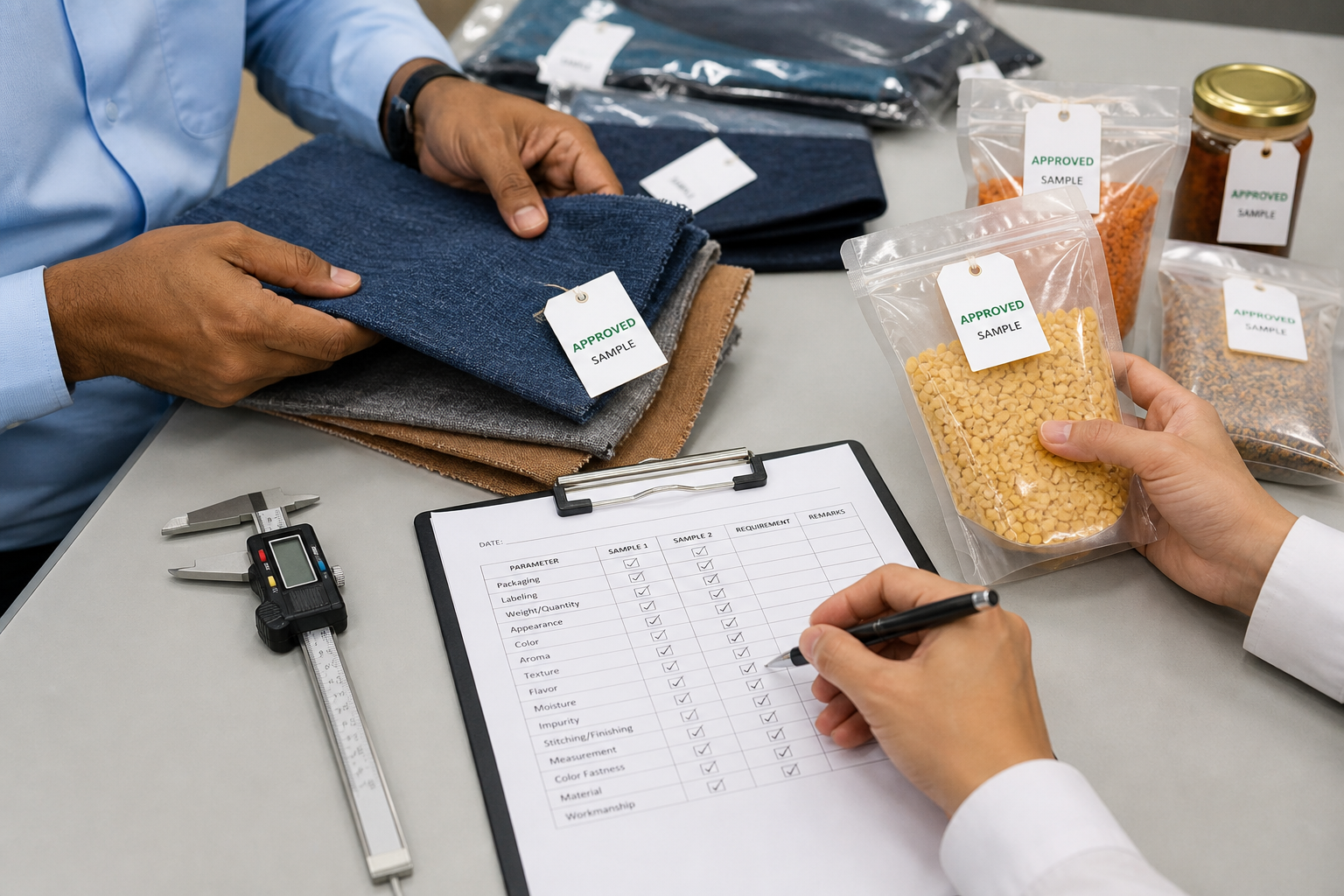
The 5-Step Buyer Decision Path
Run this sequence for new categories or major origin shifts.
Step 1 — Freeze a representative spec. Without a frozen brief, India and China quotes will not be comparable. Include materials, dimensions, packaging intent, target markets, and acceptance criteria.
Step 2 — Score category fit (0–2 per criterion). Rate ecosystem depth, skilled labor availability, packaging/print support, export experience to your markets, and regulatory/clarity path you must own. Sum does not need to be perfect; gaps should be visible.
Step 3 — Match operating model. Document who discovers suppliers, who approves samples, who runs QC, who owns documents, and who chases production delays. If the answer is "nobody with bandwidth," budget for a partner.
Step 4 — Request structured quotes from qualified suppliers in each viable origin. Compare MOQ, lead time, sample cost, payment terms, and QC access—not FOB alone. Manufacturing depth: India vs China manufacturing comparison.
Step 5 — Pilot before portfolio migration. One SKU, measured against agreed KPIs: sample approval cycles, defect rates, on-time readiness, document completeness, and reorder economics. Scale only after the pilot clears your gates.

Supplier networks and discovery: different maps, same discipline
Country choice does not remove supplier risk. It changes where you search and which red flags appear.
China's supplier networks are deep on B2B platforms, coastal clusters, and long-established trading hierarchies. India's networks are often cluster-based (city/region specialties), referral-heavy, and export-council oriented—with strong pockets that never appear on the first page of a generic platform search.
Regardless of origin, buyers should use the same discipline: entity verification, sample before scale, reference checks where possible, written specs, and inspection rights. Network comparison detail lives in India vs China supplier networks. Quality and audit depth: India vs China quality control, factory audits, and supplier risk.
Comparison table
Swipe →
Data table — swipe horizontally on small screens
| Discovery approach | China | India | Buyer implication |
|---|---|---|---|
| Platform search | High volume; filter heavily | Useful; not sufficient alone | Verify exporters; avoid quote-chasing |
| Cluster visits / fairs | Canton Fair, Yiwu, category fairs | ITME, IIGF, regional expos | Prepare spec packets; book follow-ups |
| Referrals | Strong if industry-connected | Often best path for India depth | Ask for comparable SKU references |
| Sourcing partner | Agents common; clarify role | Merchant exporters / sourcing cos | Define scope: search vs export vs QC |
Risk, diversification, and geopolitical context (practical, not predictive)
- Diversification reduces concentration risk but adds complexity. A second origin is not free resilience; it is managed resilience with duplicate QC, finance, and logistics learning curves.
- Tariff and policy changes affect landed cost calculations—model scenarios rather than assuming permanent spreads. Landed-cost methodology: India vs China sourcing costs and landed cost comparison.
- Geography is not a quality guarantee. Factory selection and process control dominate outcomes in both countries.
Buyers ask whether they should move sourcing because of tariffs, tensions, or supply shocks. Useful answers stay operational:
For strategic framing of dual sourcing, use India vs China supply chain diversification and the 2026 outlook piece India vs China global sourcing in 2026.
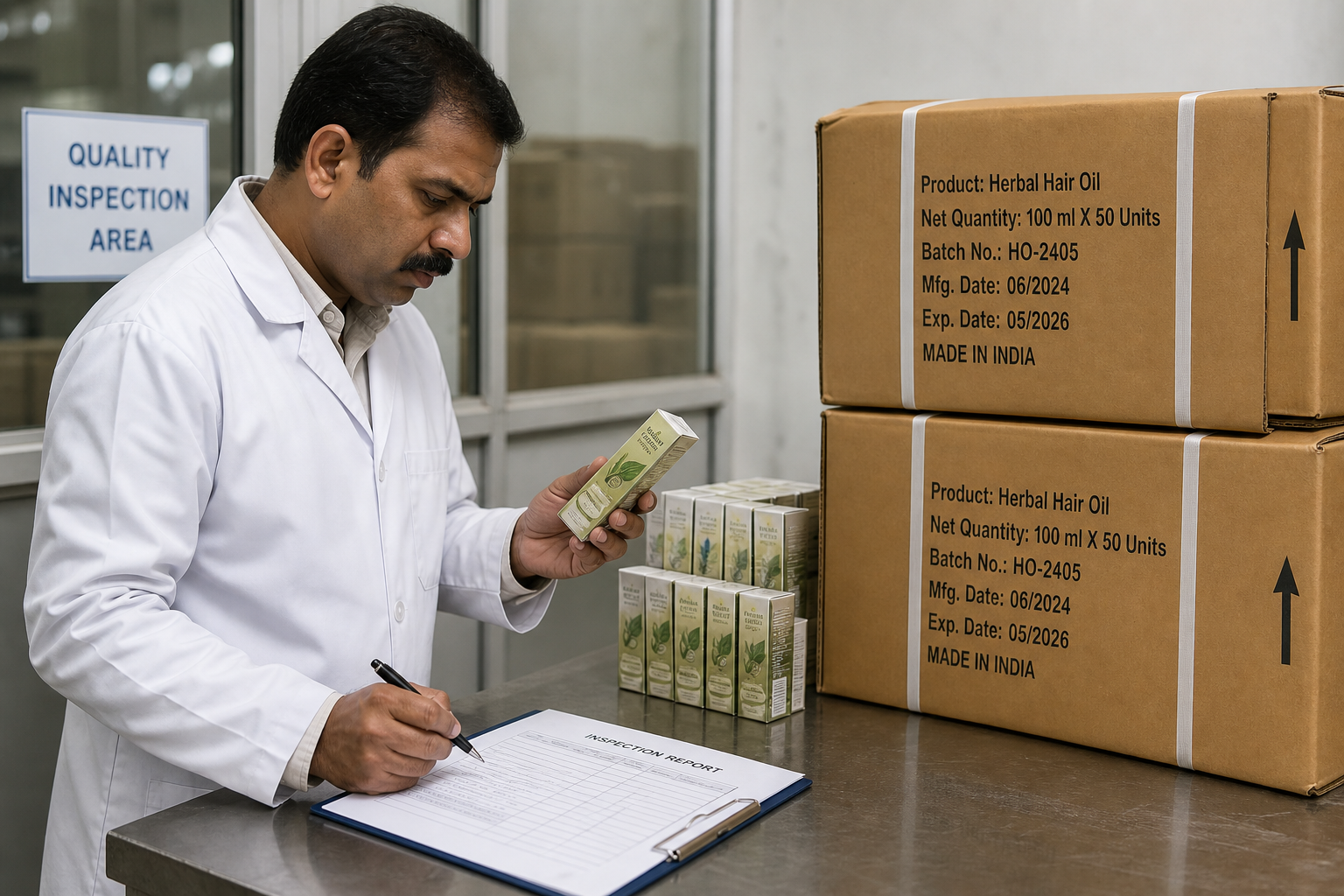
Scorecard worksheet: rate your program
Copy this table into internal working docs. Score Low / Medium / High need or Weak / Adequate / Strong fit.
No row should be scored in isolation. A strong China ecosystem score does not matter if your organization cannot operate there and India offers adequate fit with partner support.
Comparison table
Swipe →
Data table — swipe horizontally on small screens
| Criterion | Weight (your choice) | China assessment | India assessment | Notes |
|---|---|---|---|---|
| Ecosystem / inputs for your SKU | High | |||
| Target unit economics at your volume | High | |||
| Development and sampling speed | Medium | |||
| MOQ match | High | |||
| QC and audit access | High | |||
| English / communication load | Medium | |||
| Diversification value to your org | Medium | |||
| Export doc experience to your market | Medium | |||
| Partner / local support available | Medium | |||
| Strategic relationship continuity | Medium |

Scenario guides for common buyer profiles
Importer / wholesaler building a mixed container
You need predictable replenishment across several SKUs, consolidation matters, and document clarity affects warehouse receiving. Compare whether your mix is dominated by categories where China scale still drives economics versus categories where Indian suppliers reduce concentration or improve margin on differentiated lines. Pilot Indian suppliers on SKUs where customization or textile/leather/brass depth matters; keep standardized high-volume hard goods in China until Indian alternatives pass QC and lead-time gates.
Retail private label launching a new line
Speed-to-shelf and packaging readiness often beat theoretical FOB savings. India may fit when English development calls, moderate MOQs, and OEM packaging paths align with your launch calendar. China may fit when you are adapting an existing white-label catalog at volume. Cross-read India vs China for private label products and private label manufacturing in India.
SME first-time importer
Lower coordination overhead and verification support often matter more than origin prestige. India can be approachable for buyers who need English-first communication and category clusters that welcome export orders—provided you still run verification and inspection discipline. SME-specific framing: India vs China for SME buyers. If India is new to you, how to import products from India covers execution basics.
Procurement manager under dual-source mandate
Build an SKU allocation matrix: volume tier, margin sensitivity, diversification priority, and engineering complexity. Keep high-complexity electronics in China unless you have qualified Indian alternatives with proven BOM stability. Qualify Indian suppliers on textiles, components with simpler BOMs, and backup SKUs where second-source value exceeds duplication cost. Strategy hub: China–India sourcing strategy.
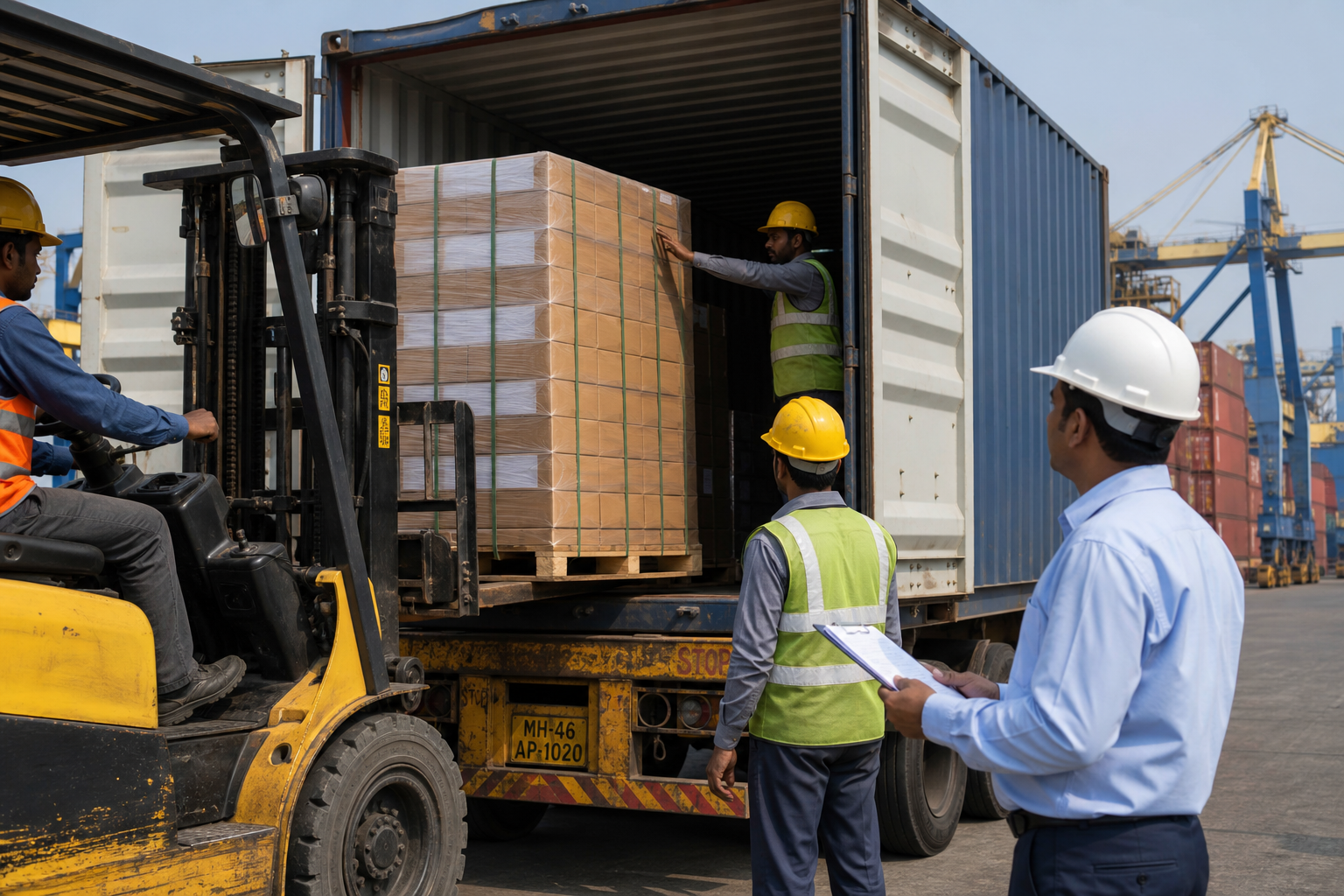
What to do next: from decision framework to execution
Once the scorecard points toward India, toward China, or toward dual-origin, execution separates slide-deck strategy from warehouse receipts.
If India is primary or co-primary: shortlist factories or a coordination partner, verify entities, run samples with frozen specs, align QC gates, and plan consolidation if multi-SKU. Altus Exports can support manufacturer search coordination, sampling follow-up, QC arrangements, and merchant-export handoffs for buyers who need on-ground India presence without opening a local office.
If China remains primary: this guide still helps you articulate which SKUs justify Indian pilots and how to avoid duplicating mistakes (unstable specs, weak verification) in the second origin.
If you are undecided: run a Category Fit Pilot on one SKU before reorganizing your entire supplier base.
Manufacturing comparisons (cost, quality, MOQ, lead time) live in India vs China manufacturing: cost, quality, MOQ and lead times compared. Landed cost and tariff-aware modeling live in India vs China sourcing costs and landed cost comparison. Supplier network tactics: India vs China supplier networks. Full strategy synthesis: China–India sourcing strategy.

Conclusion
India vs China sourcing is a portfolio decision, not a slogan. China continues to offer unmatched scale and ecosystem density for many high-volume and component-heavy categories. India offers credible category depth, English coordination advantages, and a practical second origin for buyers pursuing diversification, China+1 mandates, or programs where textiles, leather, brass, handicrafts, and flexible private-label paths matter. The best country to source from is the one that fits your SKU, your volume, your QC capability, and your operating model—validated through structured quotes, samples, and pilots rather than headline generalizations.
Use the India vs China Origin Decision Scorecard to align procurement, product, and leadership on category fit, operating model, and scenario-based wins. Pull manufacturing detail from the cluster matrix article, landed-cost modeling from the cost comparison article, and network plus QC depth from the supplier and audit articles linked below. If India belongs in your strategy—or you are qualifying an Indian pilot—Altus Exports can act as your on-ground coordination partner for manufacturer discovery support, sampling follow-up, QC arrangements, and merchant-export handoffs, while you retain commercial and compliance ownership.