
India vs China Supplier Networks: How Easy Is It to Find Reliable Manufacturers?
By Saurabh Mittal, Founder, Altus Exports
China usually offers denser platforms for mass manufacturing; India offers deep specialist clusters with more variable export readiness. Reliable factories exist in both countries. Score findability with the SNDS-8 scorecard and verify entities before treating platform listings as qualified suppliers.

Finding reliable manufacturers is the first operational gate in any India vs China sourcing decision. A buyer can model landed cost perfectly and still fail if the supplier on the quote is the wrong entity, the wrong tier of factory, or a trading layer that cannot control production. Supplier networks—the density of capable producers, the channels you use to reach them, and the verification burden before first order—shape how fast you can qualify an origin and how resilient your supply base becomes over time.
China built the world's largest manufacturing export ecosystem over decades: coastal clusters, component adjacency, deep B2B platform listings, and audit-heavy supplier tiers familiar to global buyers. India built category-specific depth—textiles, spices and agricultural processing, pharmaceuticals, engineering components, handicrafts, leather, and growing PLI-backed sectors—with a large MSME base where export readiness varies factory by factory. Neither country makes discovery trivial for a new international buyer. The question is which network fits your category, volume, verification capacity, and appetite for local coordination.
This article compares supplier discovery and network density between India and China. It does not rewrite the full supplier verification encyclopedia—that lives in how to verify an Indian supplier before order and how to find reliable suppliers in India. It does not deep-dive factory audit systems—that belongs in India vs China quality control, factory audits and supplier risk. For manufacturing economics once you find suppliers, see India vs China manufacturing: cost, quality, MOQ and lead times compared. For the pillar origin framework, see India vs China for sourcing: which country is better for international buyers?.
What "supplier network" means in a sourcing comparison
- Cluster density — geographic concentration of factories with shared materials, skills, and sub-suppliers.
- Discovery infrastructure — trade shows, B2B platforms, export councils, referrals, and on-ground search capacity.
- Export-ready tier — the subset of listed suppliers that can actually execute your order with acceptable documentation, communication, and quality discipline.
The named tools are the Supplier Network Density Scorecard (SNDS-8)—eight dimensions to compare how "findable" and usable supplier networks are for your SKU—and the Supplier Discovery Channel Matrix, which maps where buyers actually find candidates and what bias each channel introduces.
Altus Exports operates as an on-ground India partner helping international buyers discover, verify, and coordinate with export-oriented manufacturers—without replacing the buyer's commercial and compliance decisions.
A supplier network is not a country label. It is the accessible set of manufacturers that can meet your specification, MOQ, compliance path, and export documentation requirements—with enough transparency for you to verify entity and capability before payment.
Three layers matter:
China often leads on layer 1–2 for broad consumer and industrial categories at scale. India often competes on layer 1 for category-specific clusters and on layer 3 when buyers invest in verification—or use a local partner to filter MSME noise. Reliable factory India or China is not found by assuming national averages; it is found by running discovery and verification with category context.
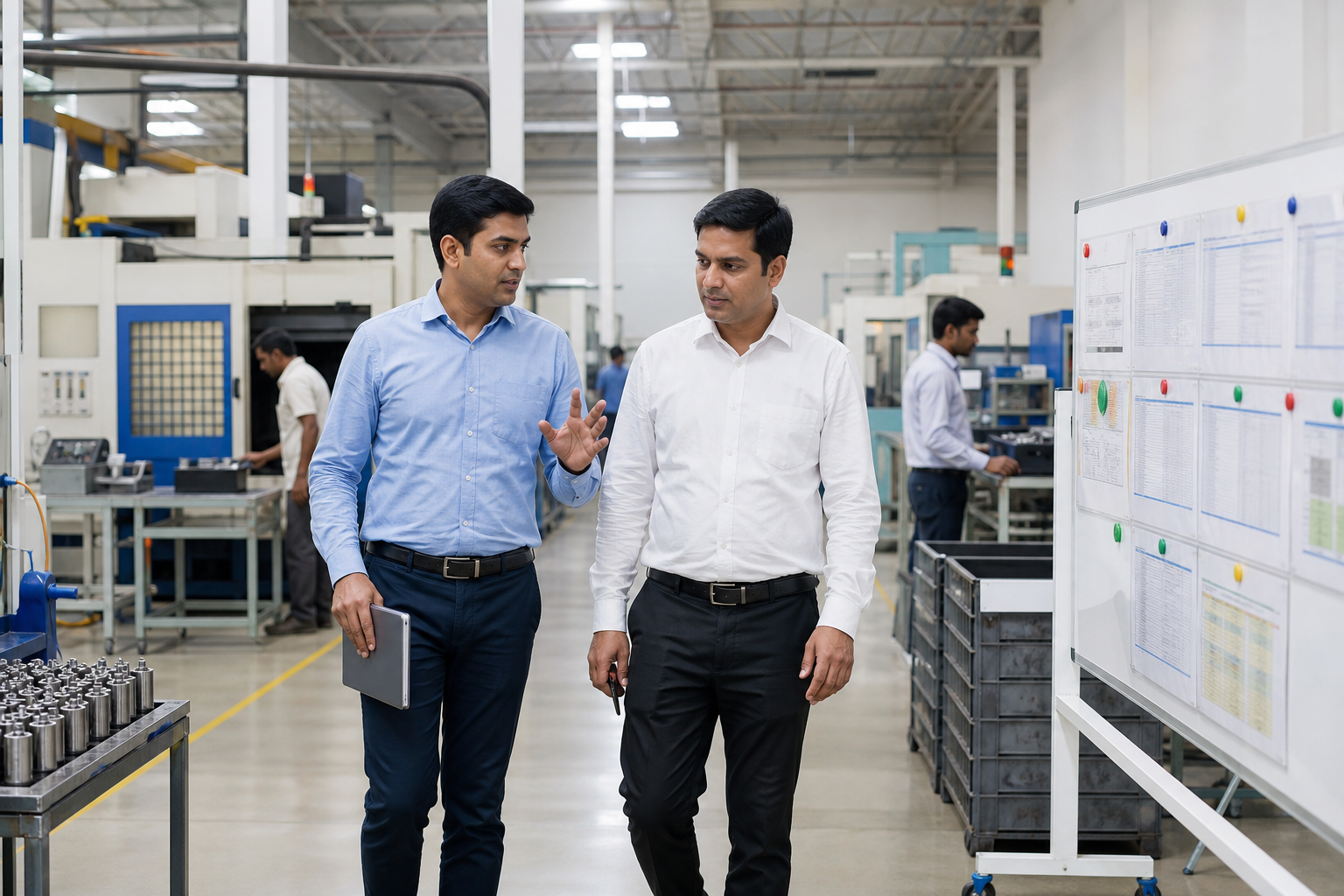
Supplier Network Density Scorecard (SNDS-8)
- Score both origins for your SKU only.
- Weight dimensions that matter most—electronics buyers weight dimension 2 heavily; spice buyers weight 1, 6, and 7.
- If India scores higher on 1 and 8 but lower on 3, plan more structured discovery and verification time—or use an India on-ground partner.
- If China scores higher on 2 and 3 but your program needs diversification, pair SNDS-8 with China + India sourcing strategy.
Use SNDS-8 to score India and China for your product category, not as abstract countries. Rate each dimension Low / Medium / High based on evidence from RFQs, platform searches, cluster visits, or partner feedback—not stereotypes.
How to use SNDS-8:
Document scores in your sourcing file; revisit after first RFQ wave.
Comparison table
Swipe →
Data table — swipe horizontally on small screens
| # | SNDS-8 dimension | What you are measuring | India typical pattern | China typical pattern |
|---|---|---|---|---|
| 1 | Category cluster depth | Factories with relevant process + materials in geographic clusters | High in textiles, spices, leather, castings, pharma API/finished dose, handicrafts | High across electronics, plastics, furniture, apparel basics, machinery, packaging |
| 2 | Sub-supplier / component adjacency | Nearby feeders for parts, trims, chemicals, electronics | Growing; strong in textiles; variable in complex assemblies | Very high in Pearl/Yangtze delta ecosystems |
| 3 | B2B platform listing volume | Searchable manufacturers on major platforms | Moderate and growing; quality of listing varies | Very high; mature platform economy |
| 4 | Trade show and fair density | Category-relevant expos with factory presence | Strong in textiles, food, engineering, handicrafts | Strong across most export categories |
| 5 | English / communication bandwidth | Day-to-day RFQ, spec, and issue resolution | Often strong at export-facing factories and merchant exporters | Variable; export desks common in coastal suppliers |
| 6 | Export documentation maturity | Invoice, packing list, certificates, customs alignment | Mature at top tiers; uneven among small MSMEs | Mature at established export tiers |
| 7 | Third-party audit and inspection access | Independent verification ecosystem | Growing inspection and audit coverage | Large audit ecosystem; many pre-audited factories |
| 8 | New-buyer accessibility | Ease of trial order, MOQ flexibility, responsiveness | Often better MOQ flexibility; discovery can be noisier | Scale MOQ; easier mass search, harder to stand out |
Supplier Discovery Channel Matrix
Buyers find manufacturers through overlapping channels. Each channel has bias: volume vs quality, trader vs factory, coastal vs interior.
Discovery rule: Build a longlist of eight to fifteen candidates per origin through at least two channel types before deep verification. Single-channel discovery (platform-only) is the most common source of unreliable factory selection in both countries.
For India-specific discovery depth, see how to find reliable suppliers in India. For partner-led discovery when you lack India presence, see find manufacturers in India and product sourcing company in India.
Comparison table
Swipe →
Data table — swipe horizontally on small screens
| Channel | Best for | India vs China nuance | Verification reminder |
|---|---|---|---|
| Referrals from comparable buyers | Both origins | Highest trust when category and volume match | Still confirm entity; referrals age |
| Category trade shows | Both | China: massive generic fairs + category shows; India: strong sector fairs (textiles, food, engineering) | Collect specs; verify factory vs trader on follow-up |
| B2B marketplaces | Both | China: enormous listing depth; India: growing but noisier | Assume listing ≠ export-ready; shortlist, don't award |
| Google / LinkedIn search | Both | India: English profiles common on export side | Confirm legal entity and factory address |
| Export promotion bodies / councils | India strong | APEDA, EEPC, CEPC, Texprocil, etc. | Introduction ≠ endorsement |
| Cluster visits with local partner | Both | India: essential for MSME-heavy categories | Partner filters; buyer still approves |
| Existing China agent introducing India | China+1 programs | Useful for diversification | India verification rules still apply |
| Sourcing / merchant export partner | Both | India: common for multi-SKU and first-time buyers | Evaluate partner process, not just supplier list |

India supplier networks: structure and findability
India's manufacturing base is large and fragmented. Export strength concentrates in clusters where skills, raw materials, and infrastructure align.
Major cluster patterns (illustrative, not exhaustive)
Comparison table
Swipe →
Data table — swipe horizontally on small screens
| Category family | Illustrative cluster regions | Network implication |
|---|---|---|
| Textiles, apparel, home furnishings | Tamil Nadu, Gujarat, Punjab, Maharashtra, Karnataka | High factory density; wide MSME to integrated mill range |
| Spices, pulses, agri processing | Rajasthan, Gujarat, Andhra Pradesh, Kerala | Raw material proximity; compliance paths matter |
| Engineering, auto components, castings | Punjab, Maharashtra, Tamil Nadu, Rajkot belt | Process-specific search; drawing-led RFQs |
| Leather and footwear | Tamil Nadu, Uttar Pradesh | Capability tiers vary; environmental compliance relevant |
| Handicrafts, brass, wood, marble | Rajasthan, Uttar Pradesh, Kashmir, Karnataka | Artisan and SME mix; specification discipline critical |
| Pharmaceuticals | Hyderabad, Ahmedabad, Goa, Baddi | Regulated; verify licenses via proper channels |
| Chemicals and dyes | Gujarat, Maharashtra | Category-specific; safety and documentation heavy |
- English-forward export desks are common at established manufacturers and merchant exporters—helpful for international RFQs.
- MOQ flexibility is often better than mega-factory China tiers for SMEs and private-label trials—see India vs China for SME buyers.
- MSME long tail means platform search returns many suppliers that cannot execute your export program without upgrade—verification separates tiers.
- Merchant exporters aggregate factory capacity and export documentation—useful when your network need is "reliable export path" not "single factory brand name."
Findability traits:
India rewards buyers who combine cluster-aware search with structured verification. Random pan-India platform messaging produces noise.
China supplier networks: structure and findability
China's supplier networks are defined by scale, integration, and platform discoverability.
Ecosystem traits
- Integrated clusters — especially in electronics, consumer goods, and machinery—where component suppliers sit near assemblers.
- High B2B platform volume — search returns many candidates quickly; filtering becomes the bottleneck.
- Established export tiers — factories accustomed to US/EU documentation, audits, and repeat programs.
- MOQ and scale — trial buyers may struggle to get attention; large programs get competitive pricing and service.
- Faster initial longlist for standard SKUs.
- More pre-audited or internationally referenced factories in mature categories.
- Trader and trading company layers common—must confirm who operates the production line.
- Geographic concentration — coastal access dominates; interior factories may add inland cost (links to landed-cost modeling in India vs China sourcing costs).
Findability traits:
China rewards buyers who can navigate platform volume and audit past the storefront. Assumed reliability without reference or inspection fails in China too.
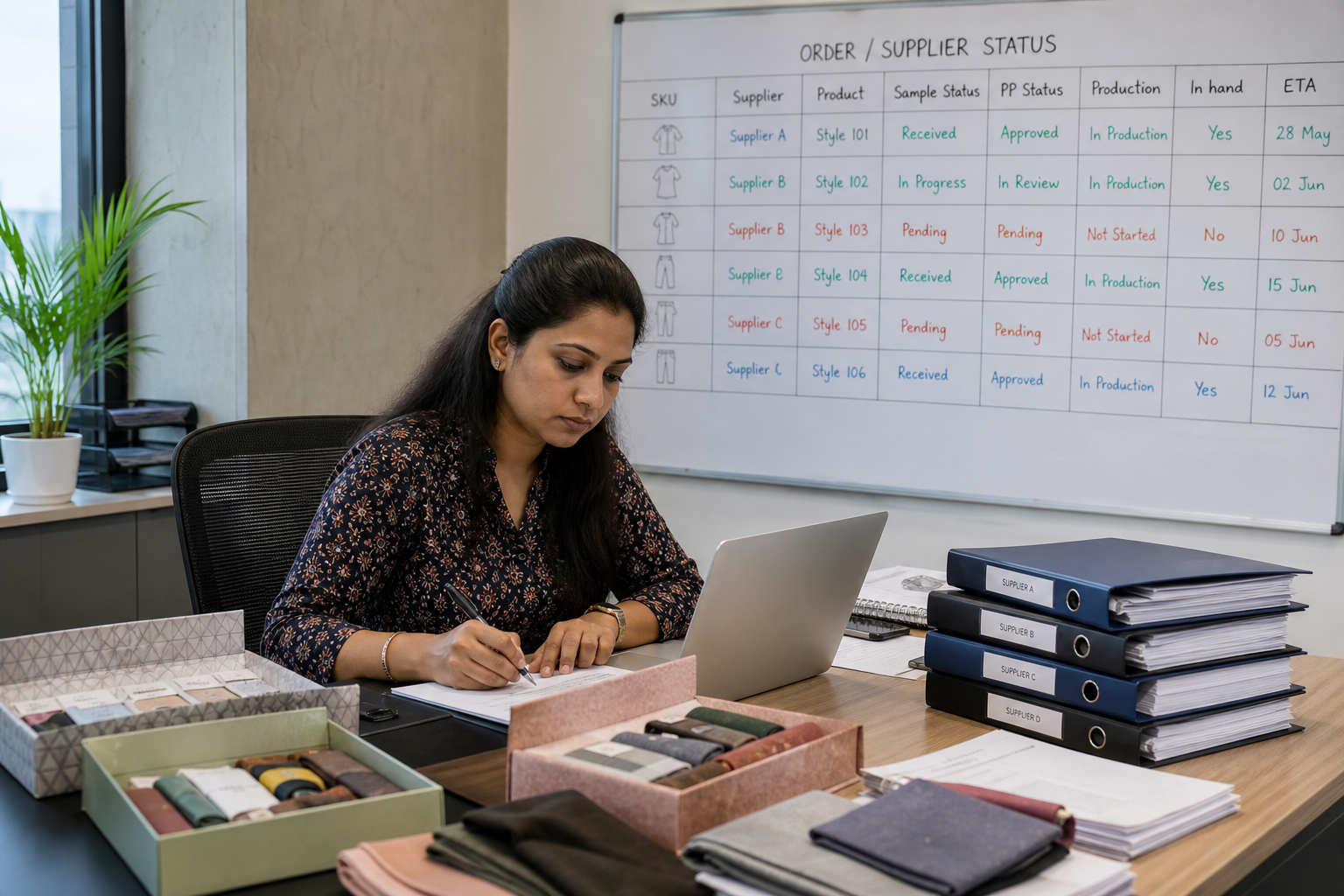
Side-by-side: how easy is it to find reliable manufacturers?
"Easy" depends on category, volume, and your verification resources.
Balanced summary: China is often faster to search for mass-manufacturing categories; India is often more accessible for flexible programs in its strong clusters but may require more filtering to reach export-ready tier. Reliable manufacturers exist in both; unverified suppliers fail in both.
Comparison table
Swipe →
Data table — swipe horizontally on small screens
| Buyer situation | India network experience | China network experience | Practical implication |
|---|---|---|---|
| First-time importer, low volume | Moderate MOQ fit; discovery noisy | High listing volume; MOQ may bite | India: partner or merchant path; China: trader/small-batch specialists |
| Retail private label | Strong in textiles, home, food formats, personal care bases | Strong in hardlines, plastics, electronics | See India vs China private label products |
| Spec-heavy engineering | Cluster search + drawing RFQs | Mature for standard components | Both need capability proof via samples |
| Regulated food / agri | Deep origin infrastructure for many lines | Strong processing; compliance varies by product | Verify certificates; don't assume |
| Multi-SKU diversification program | Multi-cluster coordination needed | Single-region sourcing may cover range | Dual-origin OS in China + India sourcing strategy |
| Buyer with audit team | Viable direct after shortlist | Viable direct at scale | Same verification discipline |
| Buyer with no Asia team | India on-ground partner high utility | China agent/sourcing office common | Compare total cost including coordination |
The Reliable Manufacturer Shortlist Method (five gates)
Whether you source from India or China, use the same five gates before sample investment:
Gate 1 — Category fit
Does the supplier routinely make this product type at your quality tier? Request product photos, specification sheets, and customer export references in comparable categories—not generic catalog breadth.
Gate 2 — Entity clarity
Confirm legal name, registration, factory address vs office address, and whether the counterparty is manufacturer, trader, or export house. For India verification depth, follow how to verify an Indian supplier before order—do not skip because China verification was different last year.
Gate 3 — Export evidence
Ask for redacted export documents, certificate examples, and destination markets served. Export-ready suppliers can show process evidence without breaching confidentiality.
Gate 4 — Communication trial
Issue a structured RFQ with ten to fifteen factual questions. Score response completeness and time. Slow or vague responses predict production pain.
Gate 5 — Sample path before volume
Agree sample cost, timeline, revision rounds, and pre-production sample criteria. Award production only after Gate 5 success—not after a good video call.
This method links to the verification cluster without duplicating KYC checklists, document registries, or scam-pattern encyclopedias.
India vs China: verification burden and time
Discovery finds names; verification finds reliability. Expect different time shapes:
Do not treat China as "verify lightly" or India as "always verify heavily." Treat both as verify proportionally to program risk—new supplier, new category, and new origin increase depth.
For QC and audit comparison between origins, see India vs China quality control, factory audits and supplier risk.
Comparison table
Swipe →
Data table — swipe horizontally on small screens
| Verification activity | India | China | Buyer action |
|---|---|---|---|
| Entity and address confirmation | Essential; MSME mix | Essential; trader layers | Same rigor both origins |
| Factory vs trading company | Common question | Common question | Site visit or trusted third party |
| Sample lead time | Category-dependent | Often fast on repeat SKUs | Compare like-for-like spec |
| Third-party inspection booking | Widely available | Widely available | Pre-book before production award |
| Certificate validation | Category-specific boards/licenses | Category-specific | Use qualified advisers |
| Reference checks | Powerful when category matches | Powerful at established tiers | Ask specific failure questions |
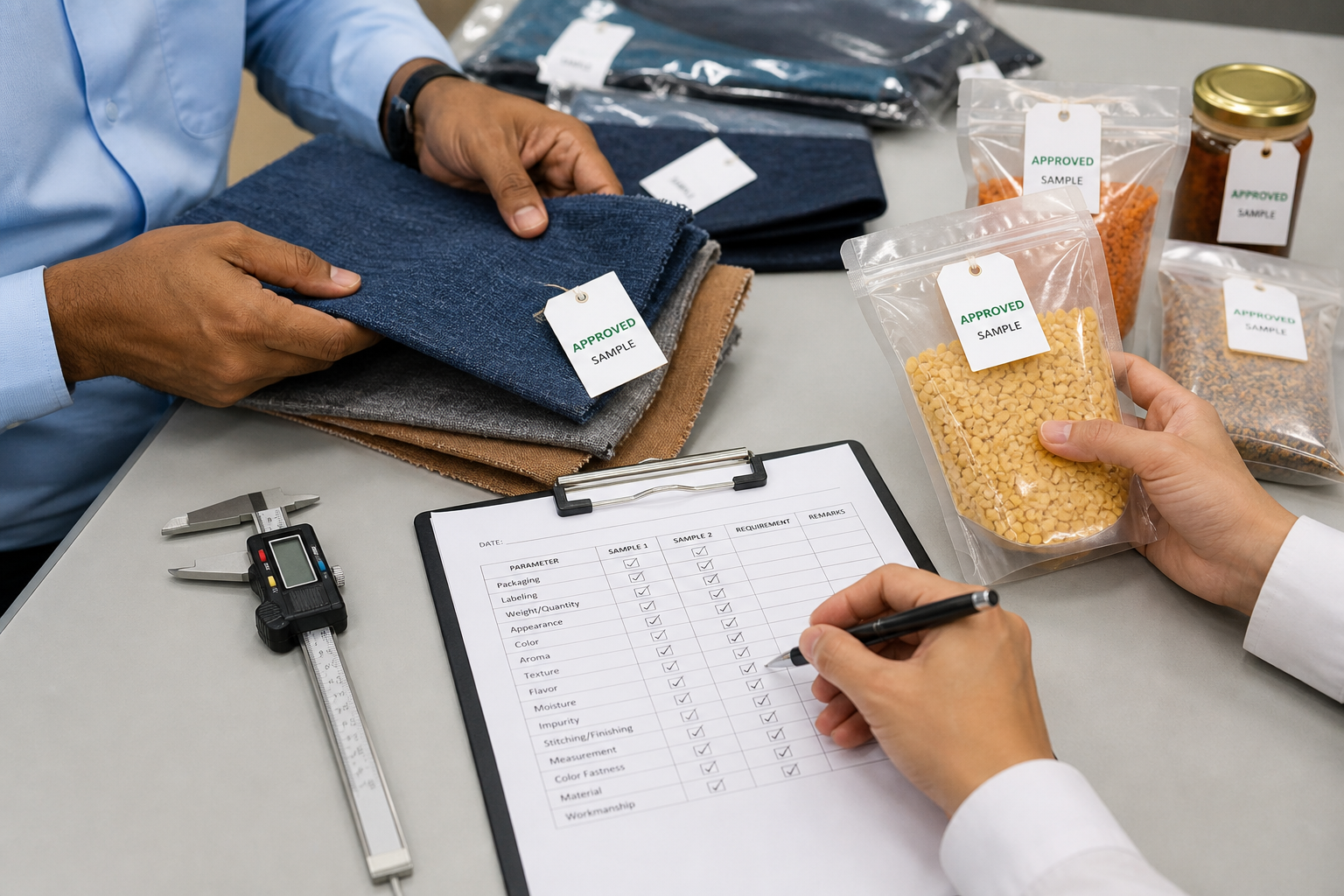
Trading companies, merchant exporters, and factories: network layers
Both countries blur the line between factory and intermediary.
Choosing a layer is a network strategy decision. A reliable merchant exporter may beat an unreliable direct factory on execution. Ask who controls production and who appears on export documents.
Altus Exports often coordinates between international buyers and Indian factories—verification support, RFQ comparison, sample follow-up, and export handoff—while the buyer retains product and commercial decisions. See global sourcing partner in India and merchant exporter in India.
Comparison table
Swipe →
Data table — swipe horizontally on small screens
| Layer | What they offer | India vs China | When it helps |
|---|---|---|---|
| Direct factory | Production control, clearest spec path | Both origins | Repeat programs, clear capability match |
| Trading company | Sourcing multiple SKUs, consolidation | Common in China; present in India | Multi-SKU, buyer lacks cluster access |
| Merchant exporter (India) | Export documentation, compliance coordination, factory aggregation | India export model staple | First India orders, agri/textile paths |
| Sourcing partner | Discovery, verification, QC, multi-factory coordination | Both; Altus model on India side | No local team, multi-supplier programs |
Digital discovery: platforms, AI search, and noise
- Reverse-image search promotional photos when suspicious.
- Cross-check factory address on maps and registries where available.
- Send identical RFQs to five to eight suppliers; compare response structure.
- Escalate finalists to Gate 2–5; never pay deposits on platform chat alone.
B2B platforms accelerate longlisting in China and increasingly in India. Treat platforms as search engines, not selection engines.
Platform hygiene:
AI and generic web search add volume, not trust. The SNDS-8 scores should improve after your first RFQ wave—not before.
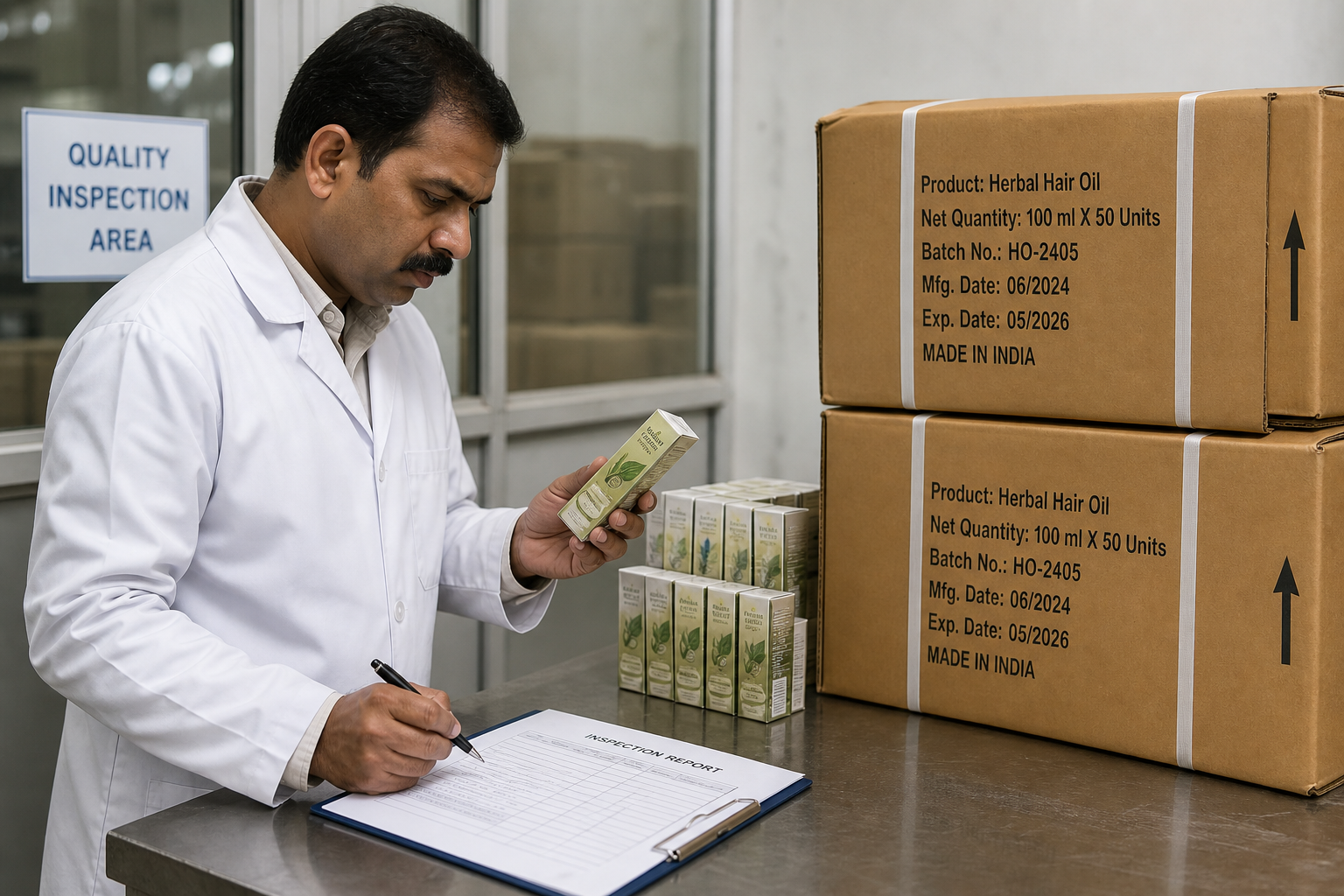
Category-specific discovery playbooks
SNDS-8 scores mean little without category execution. Three illustrative playbooks show how discovery channels differ in practice—adapt to your SKU; these are patterns, not guarantees.
Textiles and home furnishings
India: Start with cluster-focused search (Tam Nadu/Gujarat/Punjab depending on process), sector trade fairs, and export council member lists. Longlist spinning mills, weaving units, cut-and-sew factories, and home-textile converters separately—they are different network nodes. Merchant exporters often aggregate MSME loom and stitch capacity with export documentation.
China: Platform search returns high volume for standard towels, bedding, and apparel basics. Filter for factories that export your destination market and confirm whether the counterparty owns sewing capacity or subcontracts. Audit tiers are common; still verify which facility runs your SKU.
Buyer implication: India may offer more OEM/private-label flexibility at mid-MOQ; China may win on standardized high-volume basics. Discovery in India rewards cluster specificity; in China it rewards audit and reference filtering.
Spices, ingredients, and packed food formats
India: Network nodes include processors, steam-treatment facilities, and merchant exporters registered with relevant export boards where applicable. Discovery through APEDA-style directories, cluster visits, and buyer referrals often outperforms generic platform blast RFQs. Compliance path questions belong early in Gate 3.
China: Strong processing infrastructure for many ingredients; discovery is platform-accessible but compliance and origin labeling requirements depend on product and destination—not on assuming parity with an Indian Spices Board path.
Buyer implication: Compare export-ready tiers, not commodity listings. Verification links to certificate evidence; see how to verify an Indian supplier before order for India depth.
Engineering components and metal parts
India: Rajkot, Pune, Coimbatore, and Ludhiana belts illustrate process-specific networks. RFQs need drawings, tolerances, and material grades. Platform search without process keywords returns irrelevant traders.
China: Dense networks for standard fasteners, castings, CNC parts, and tooling at scale. Component adjacency helps assemblies; still confirm factory-of-record.
Buyer implication: Both origins need capability proof via sample and measurement. India discovery may take longer on longtail process niches; China discovery may flood you with off-spec respondents unless RFQs are drawing-led.
Building a dual-origin supplier network
- Separate shortlists by SKU, not by emotion—assign origin by SNDS-8 and landed cost, not politics.
- Use one verification standard for both origins at the same program risk tier.
- Document backup suppliers per SKU before disruption forces panic sourcing.
- Plan qualification time in program schedules—India first orders often need longer discovery-to-sample cycles for new buyers.
- Link to dual-origin operating model in China + India sourcing strategy without duplicating that article's governance detail.
Many buyers maintain parallel longlists—China for scale SKUs, India for diversification or category advantage. Network design tips:
For supply chain diversification rationale, see India vs China supply chain diversification.
Parallel qualification timeline (conceptual)
Comparison table
Swipe →
Data table — swipe horizontally on small screens
| Phase | Typical focus | India | China |
|---|---|---|---|
| Week 1–2 | Spec lock + channel search | Cluster RFQs + partner longlist | Platform + agent longlist |
| Week 3–4 | Gate 1–3 on eight to ten names | Entity + export evidence | Entity + audit/reference |
| Week 5–8 | Samples + communication trial | Sample loops; revision log | Sample loops; tooling if any |
| Week 9+ | Pre-production and award | Backup supplier named | Incumbent + backup |
When running China+1 discovery, avoid serial delay—India qualification can run while China supplies current demand.
Timelines stretch with complexity—private label, tooling, or regulated categories need more room. The point is network building is a program, not a one-week platform search.

Common supplier network mistakes in India vs China comparisons
Comparison table
Swipe →
Data table — swipe horizontally on small screens
| Mistake | Why it hurts | Fix |
|---|---|---|
| Platform award without verification | Scams and tier mismatch both origins | Five-gate shortlist |
| Assume China listings are factories | Trader layer surprise | Entity confirmation |
| Assume India low MOQ = export-ready | MSME documentation gaps | Export evidence gate |
| Single-channel search | Misses cluster specialists | Channel matrix mix |
| Ignore backup supplier | Concentration risk | Dual longlist per critical SKU |
| Confuse sourcing partner with manufacturer | Accountability blur | Define roles in contract |
| Skip reference checks | Repeatable failures hidden | Category-specific references |
| Choose origin before category fit | Wrong network entirely | SNDS-8 first |
When India supplier networks fit better—and when China networks do
India networks often fit better when your category has strong Indian clusters (textiles, spices, many engineering niches, handicrafts, leather), when you need MOQ flexibility or English-led coordination, when diversification or China+1 adds resilience, when raw material origin in India matters, or when an on-ground partner can compress discovery noise.
China networks often fit better when you need maximum supplier choice in electronics and integrated assemblies, high-volume consumer hardlines, rapid longlist generation for standard SKUs, mature component ecosystems, or established audit tiers at scale.
Hybrid networks are normal in 2026 procurement—China for some SKUs, India for others, one verification standard throughout.
Conclusion
India vs China supplier networks differ in density, discoverability, and the effort required to reach reliable manufacturers—not in whether good factories exist. China often provides faster search volume and integrated ecosystems for scale categories; India often provides cluster depth, MOQ flexibility, and English coordination in export-facing tiers—with more filtering needed across the MSME long tail. The SNDS-8 scorecard and Supplier Discovery Channel Matrix turn those generalizations into a category-specific plan.
Finding manufacturers is only the opening move. Verification, samples, commercial terms, and quality gates determine whether a network contact becomes a supplier. Use the same five-gate method in both origins, link India verification to the dedicated cluster guides, and treat platforms as longlist tools—not selection engines.
If you need structured manufacturer discovery and verification support on the India side—with RFQ comparison against your China baseline—contact Altus Exports with your category, specification summary, and target volume band.