
India vs China: Which Country Is Better for Small and Medium-Sized Buyers?
By Saurabh Mittal, Founder, Altus Exports
For SME buyers, neither India nor China wins every SKU. China often fits higher-volume catalog goods with dense supplier options. India often fits moderate branded runs with customization—if MOQ, cash exposure, and coordination capacity allow. Score origin fit before the first Asia purchase order.

Small and medium-sized international buyers face a different sourcing equation than large procurement teams. An SME may have one or two people managing product, sales, and supplier communication. Cash reserves are thinner. A first container or a failed trial order can represent a meaningful share of working capital. Minimum order quantities feel personal, not abstract. And every unanswered WhatsApp message about a label revision becomes a business risk.
When those buyers compare India vs China for SME buyers, the debate is rarely about which country is “better” in general. It is about which origin fits a specific product, volume band, cash profile, and coordination capacity. China’s supplier networks and manufacturing scale are well known. India’s customization depth, merchant-export structures, and category strengths in textiles, home goods, and selected consumer formats are equally real—but they show up differently at SME scale.
This article focuses on SME constraints: MOQ, cash flow, coordination load, and trial-order design. It does not attempt full private-label NPD playbooks or enterprise dual-country governance. For broader origin comparison, see India vs China for sourcing: guide for international buyers. For manufacturing cost, quality, MOQ, and lead-time mechanics, see India vs China manufacturing: cost, quality, MOQ, and lead times. For landed-cost modeling, use India vs China sourcing costs and landed cost comparison.
Altus Exports supports international buyers as an India-based sourcing and merchant-export coordination partner. For SME programs, that typically means helping buyers decompose MOQs, compare supplier options, coordinate samples and production follow-up, and organize export handoffs—while the buyer retains product, brand, compliance, and commercial decisions.
Why SME buyers need a different comparison framework
Large importers can absorb learning cycles. They spread risk across categories, regions, and supplier portfolios. They may have dedicated quality staff, freight desks, and travel budgets. An SME often runs its first Asia order as a side project until something goes wrong.
That changes how India and China should be evaluated.
What changes at SME scale
Comparison table
Swipe →
Data table — swipe horizontally on small screens
| Factor | Large buyer posture | SME reality |
|---|---|---|
| MOQ negotiation | Volume leverage, multi-SKU bundling | Each minimum hits cash and warehouse capacity directly |
| Supplier discovery | Structured RFQ, audits, category managers | Owner-led search; limited time to compare apples to apples |
| Coordination | Teams, SOPs, local agents | One person juggling approvals, samples, and freight |
| Trial orders | Pilot lines inside broader programs | Trial may be the whole program for a year |
| Quality recovery | Buffer stock, alternate suppliers | Rework or reject can delay launch or cash recovery |
| Cash timing | Longer payment cycles, hedging | Deposits and balance payments compress liquidity |
The useful question is not “Which country is cheaper?” It is “Which origin lets this buyer place a controlled first order, learn without excessive exposure, and repeat if the economics work?”
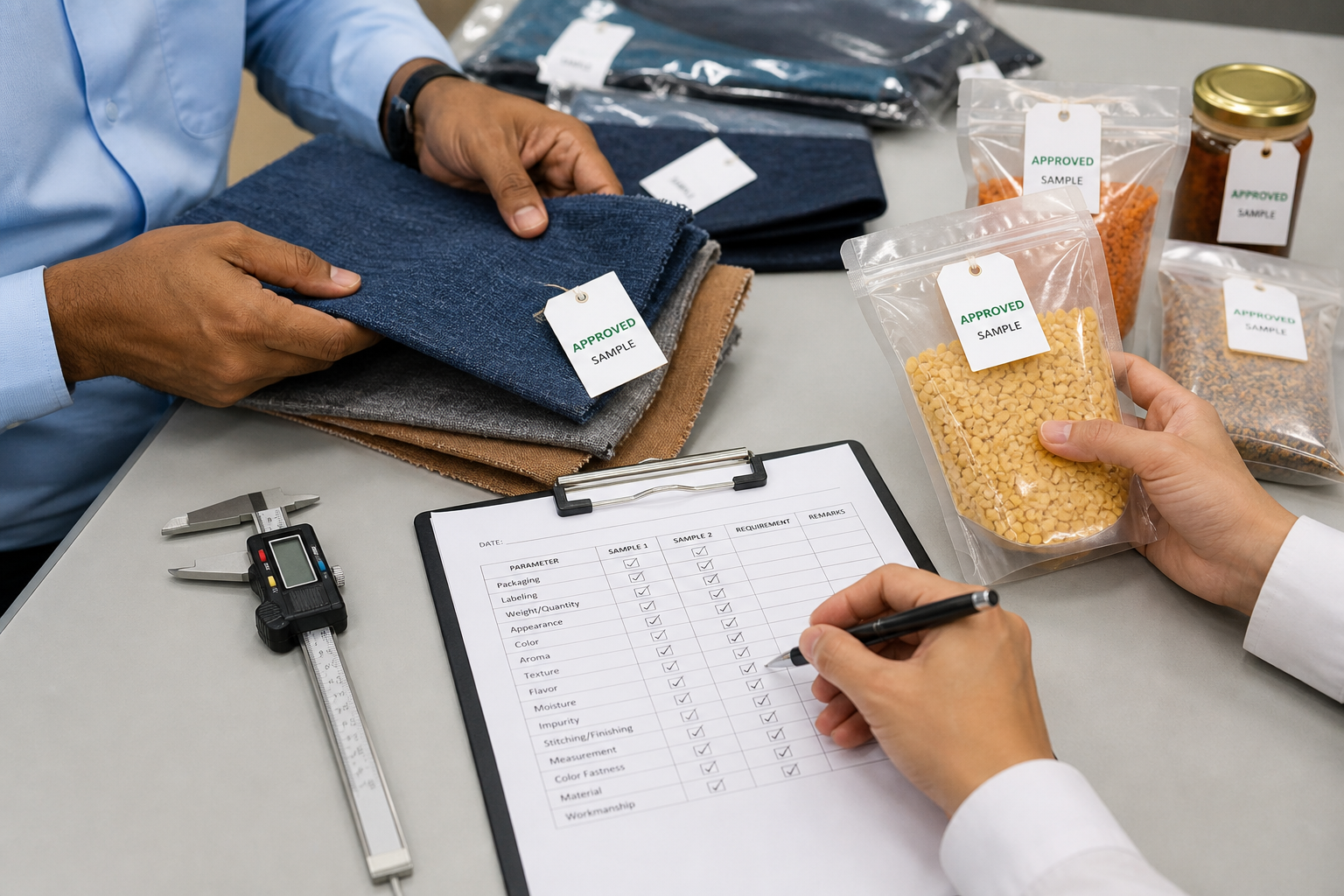
The SME Buyer Origin Scorecard
- Complete the product brief first—dimensions, materials, pack, target quantity, destination.
- Shortlist at least one credible supplier path in each origin where category fit exists.
- Request comparable quotes with MOQ decomposition, not headline unit prices.
- Add coordination and cash scores honestly based on your team capacity.
- Choose the origin with the highest weighted score for the first controlled order, not the best story on LinkedIn.
Use the SME Buyer Origin Scorecard when comparing India and China for a specific SKU or small product family—not as a national ranking.
Score each origin from 1 (poor fit) to 5 (strong fit) on the criteria that matter most to your program. Weight the total by what would hurt most if wrong: cash, MOQ, quality, lead time, or coordination.
How to use the scorecard
For supplier-network context by origin, see India vs China supplier networks. For diversification logic when an SME outgrows a single origin, see India vs China supply chain diversification.
Comparison table
Swipe →
Data table — swipe horizontally on small screens
| Criterion | What to assess for India | What to assess for China |
|---|---|---|
| Category depth | Process fit in textiles, home, gifts, selected FMCG, handicraft-adjacent goods | Fit in electronics, hardware, plastics, packaging-heavy consumer goods, mature OEM clusters |
| Realistic MOQ at your volume | Material lot, pack print, and setup drivers for your spec | Factory policy minimums and component MOQs for your BOM |
| Trial-order feasibility | Can you run a representative pilot without overstocking? | Same question—often harder when pack or component MOQs dominate |
| Unit economics at your qty | Quote normalized to your pack, material, and Incoterm | Same normalization required |
| Landed cost at your qty | Freight, duty, and consolidation path for your shipment size | Often stronger on high-density SKUs at scale; verify for your lane |
| Supplier discoverability | Can you find 2–3 credible options without weeks of noise? | Usually faster in mature categories; verify export role |
| Coordination load | Language, time zone, response patterns, document clarity | Same—do not assume “easier” without testing |
| Customization flexibility | Branding, materials, pack adaptation at moderate volume | Strong when tooling exists; weaker when everything is stock |
| Quality predictability | Sample-to-bulk consistency for your process | Same—depends on factory, not country slogan |
| Cash exposure | Deposit %, payment milestones, inventory tie-up | Same analysis required |
| Repeat-order path | Can you reorder without redeveloping everything? | Often smoother when SKU is standard and supplier relationship is mature |
MOQ: where SME buyers feel the difference first
Minimum order quantity is the most common reason an SME abandons an Asia sourcing plan. Both India and China have real MOQs driven by materials, tooling, packaging print, and line setup. The difference is often which driver dominates for your SKU—not whether MOQ exists.
Common MOQ drivers compared
Comparison table
Swipe →
Data table — swipe horizontally on small screens
| MOQ driver | Typical SME impact in India | Typical SME impact in China |
|---|---|---|
| Raw material lots | Dye lots, fragrance batches, metal gauges, ingredient drums | Component and resin MOQs from upstream suppliers |
| Packaging print | Custom cartons and labels often set the floor for branded SME runs | Same—print MOQs can exceed product MOQs |
| Tooling | Molds, dies, screens may be quoted into MOQ or as separate fees | Tooling often mature; amortization may favor repeat volume |
| Factory policy | Some factories filter small export orders | High supplier density can mean stricter policy floors in busy clusters |
| Consolidation need | Small orders may need merchant-export or LCL paths | LCL and marketplace-style fulfillment more familiar in some categories |
India vs China MOQ posture for SME buyers
- What quantity comes from material purchase?
- What quantity comes from packaging print?
- What quantity comes from tooling recovery?
- What quantity is factory policy?
China often shows lower effective MOQs for standard, catalog-like SKUs in categories where supplier competition is intense and components are stock items. That can help an SME test a near-standard product—if the item truly matches a stock construction and the buyer accepts limited customization.
India can be more workable for moderate-volume branded runs where customization, material adaptation, or merchant-export consolidation matters more than hitting the lowest piece count on a stock SKU. An SME launching a differentiated home product, textile line, or packaged consumer format may find factories willing to discuss staged volumes—if the buyer understands what drives the minimum.
Neither origin removes MOQ math. The SME buyer must ask both sides to decompose the quote:
For India-specific MOQ tactics at smaller volume, see India sourcing for SME international businesses and how to start sourcing from India with a small trial order. For cross-origin manufacturing MOQ context, return to India vs China manufacturing: cost, quality, MOQ, and lead times.

Coordination load: the SME bottleneck neither country removes
Both India and China require remote coordination: specifications, sample revisions, production updates, inspection results, invoices, and shipping instructions. The country does not eliminate that work. Your operating model determines whether it is manageable.
Coordination intensity by order type
Comparison table
Swipe →
Data table — swipe horizontally on small screens
| Order profile | Coordination load | India vs China note |
|---|---|---|
| Single standard SKU, one factory | Moderate | Either origin works if supplier is proven |
| Branded pack, multiple revisions | High | Country matters less than factory discipline |
| Multi-SKU first program | Very high | India merchant-export coordination may reduce buyer-side threads |
| Trial with unclear spec | High risk | Fix the brief before choosing origin |
| Reorder of frozen SKU | Lower | Prior relationship dominates |
SME buyers underestimate coordination because it is invisible in a quote. A factory that answers quickly in week one but drifts in week six creates the same problem in both countries.
When India-side coordination support helps SMEs
- lacks time to manage daily factory follow-up;
- needs supplier verification without travel;
- runs a first India program across samples, QC, and export documents;
- wants one accountable local thread instead of several informal chats.
An India-based coordination partner can make sense when the buyer:
That is not an argument that India is always better. It is an argument that coordination cost belongs in the origin decision. Altus Exports operates in that coordination role for India programs—manufacturer search support, verification coordination, sampling follow-up, QC arrangements, and export handoffs—without making the buyer’s product or compliance decisions.
For partner selection criteria, see how to choose an India sourcing partner. Service context: global sourcing partner in India and import products from India.
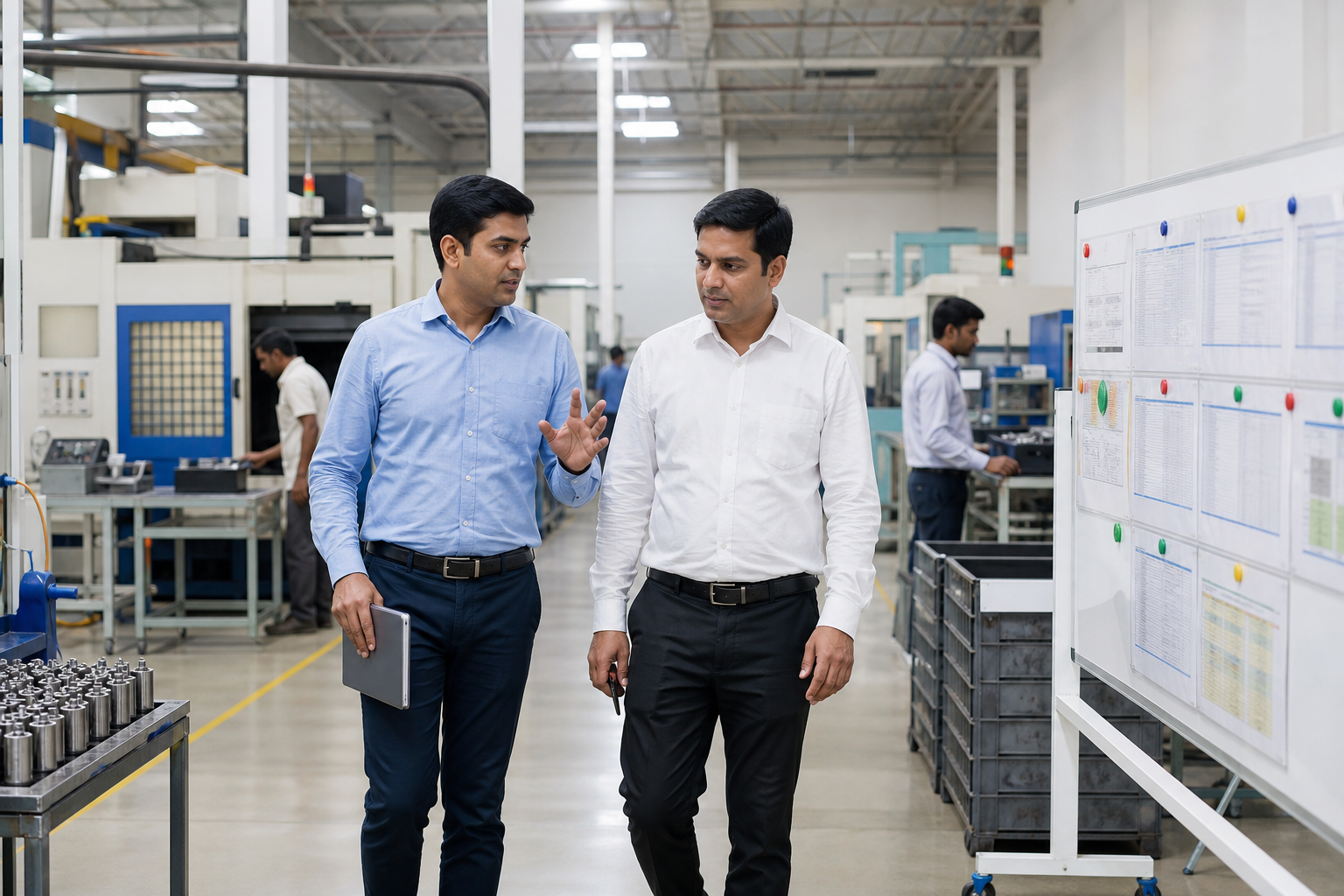
Trial orders: designing the first order in each origin
SME success usually depends on a well-designed trial—not the lowest MOQ on a spreadsheet.
The SME Trial Order Decision Framework
Use four gates before placing a trial in either country:
Gate 1 — Representative spec The trial must use intended materials, construction, and pack structure—or a documented interim pack with known limits. A trial that uses substitute materials teaches the wrong lesson.
Gate 2 — Measurable acceptance Define what “pass” means: dimensions, appearance, function, labeling accuracy, carton integrity. Vague “good quality” is not a trial standard.
Gate 3 — Cash ceiling Set maximum loss the business can tolerate if the trial fails or delays. If only one origin fits inside that ceiling at representative spec, that is meaningful data.
Gate 4 — Repeat path Confirm what changes on order two: price tiers, MOQ, tooling ownership, pack minimums. A cheap trial with impossible reorder terms is a dead end.
India trial patterns that suit SMEs
- staged volume with written reorder assumptions;
- standard material grades for first run, custom inputs later;
- interim labeling or simplified outer pack where market rules allow;
- merchant-export consolidation when multiple small SKUs ship together;
- local coordination for sample chase and pre-shipment inspection.
China trial patterns that suit SMEs
- stock or near-stock base product with limited branding for first proof;
- single-component focus before full BOM complexity;
- supplier already exporting to your region with documented process;
- clear component MOQ visibility before customizing pack.
For a practical India-first trial playbook, see how to start sourcing from India with a small trial order.
Category fit at SME volume: where each origin tends to win
No country wins every category. At SME scale, “wins” means credible suppliers, workable MOQ, and acceptable coordination—not national averages.
Illustrative category posture (not rankings)
Comparison table
Swipe →
Data table — swipe horizontally on small screens
| Category theme | China often fits SMEs when… | India often fits SMEs when… |
|---|---|---|
| Consumer electronics and accessories | BOM is standard, supplier density is high, pack is simple | Usually not first choice unless niche assembly exists |
| Hardware, plastics, OEM components | Tooling and component ecosystems are mature | Selected engineering-consumer niches only |
| Textiles, home textiles, apparel accessories | Standard constructions at volume | Custom materials, handwork, smaller differentiated runs |
| Home décor, gifts, stationery | Mass-standard SKUs | Design-led or material-led differentiation |
| Personal care and cosmetics formats | Packaging and component depth for some formats | Contract filling, herbal/natural positioning, moderate MOQ programs |
| Food ingredients and packed food concepts | Mature pack formats at scale | Specialty ingredients, spice, select packed formats—buyer owns market compliance |
| Handicraft-adjacent and artisan mixes | Reproducibility at scale is the challenge | Design authenticity and customization matter |
These are planning guides, not guarantees. Always validate against live quotes and factory capability checks.
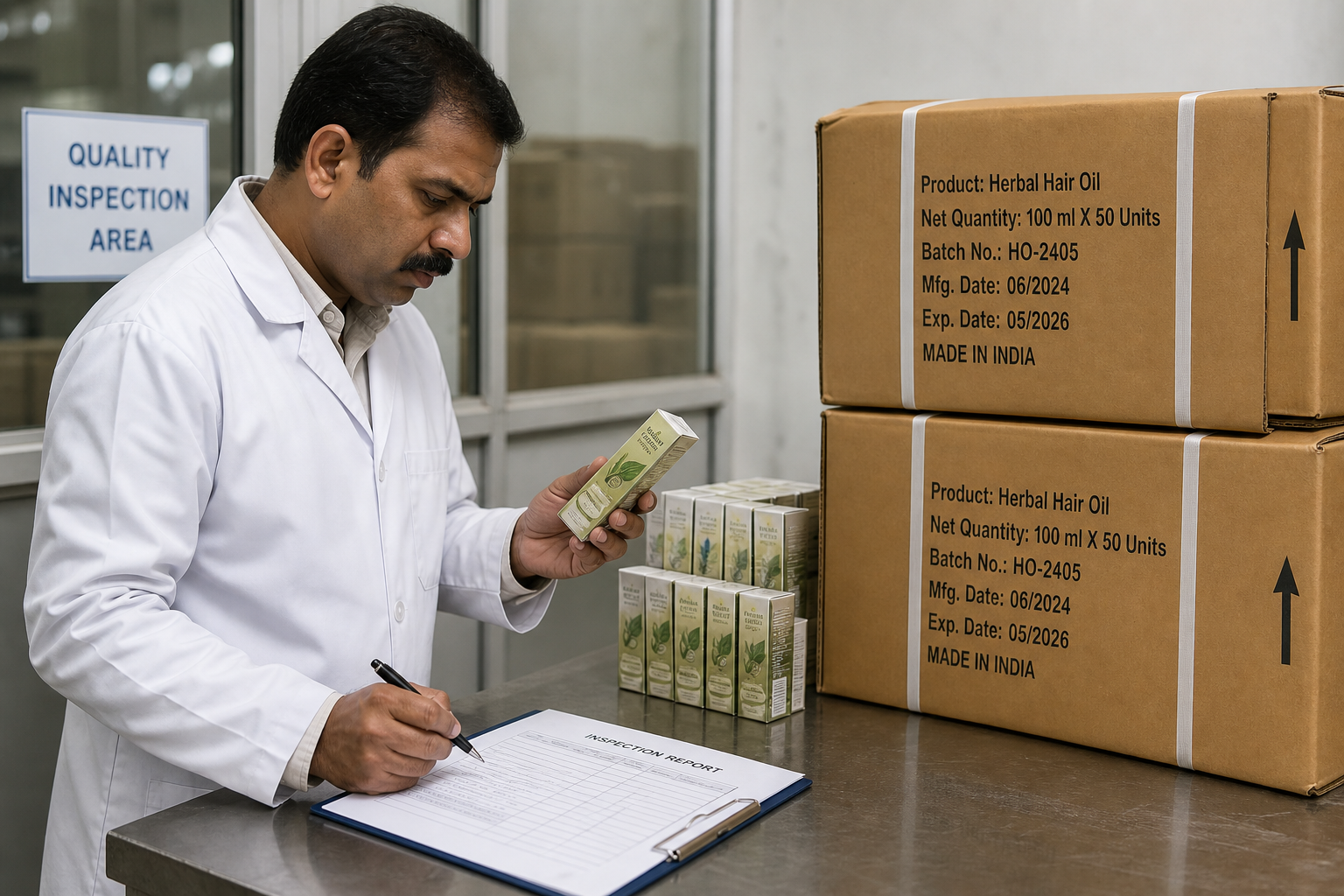
Quality and supplier risk at SME scale
Quality failures hurt SMEs disproportionately. There is less buffer inventory, less leverage for rework, and fewer alternate suppliers waiting in the wings.
Practical QC posture for SME buyers
Comparison table
Swipe →
Data table — swipe horizontally on small screens
| Control | Minimum for first order | Why |
|---|---|---|
| Sample approval trail | Written approval of final pre-production sample | Prevents “helpful” factory changes |
| Inspection criteria | Defined checks before shipment | Converts arguments into decisions |
| Document review | Invoice, packing list, marks aligned before booking | Avoids customs delays on small shipments |
| Supplier verification | Entity and role clarity (manufacturer vs trader) | Reduces wrong-factory risk |
Both origins require the same discipline. For cross-origin QC comparison, see India vs China quality control, factory audits, and supplier risk.
SME buyers should not skip verification because the order is small. Small orders attract less factory attention when specs are vague—that is a process problem, not a country problem.
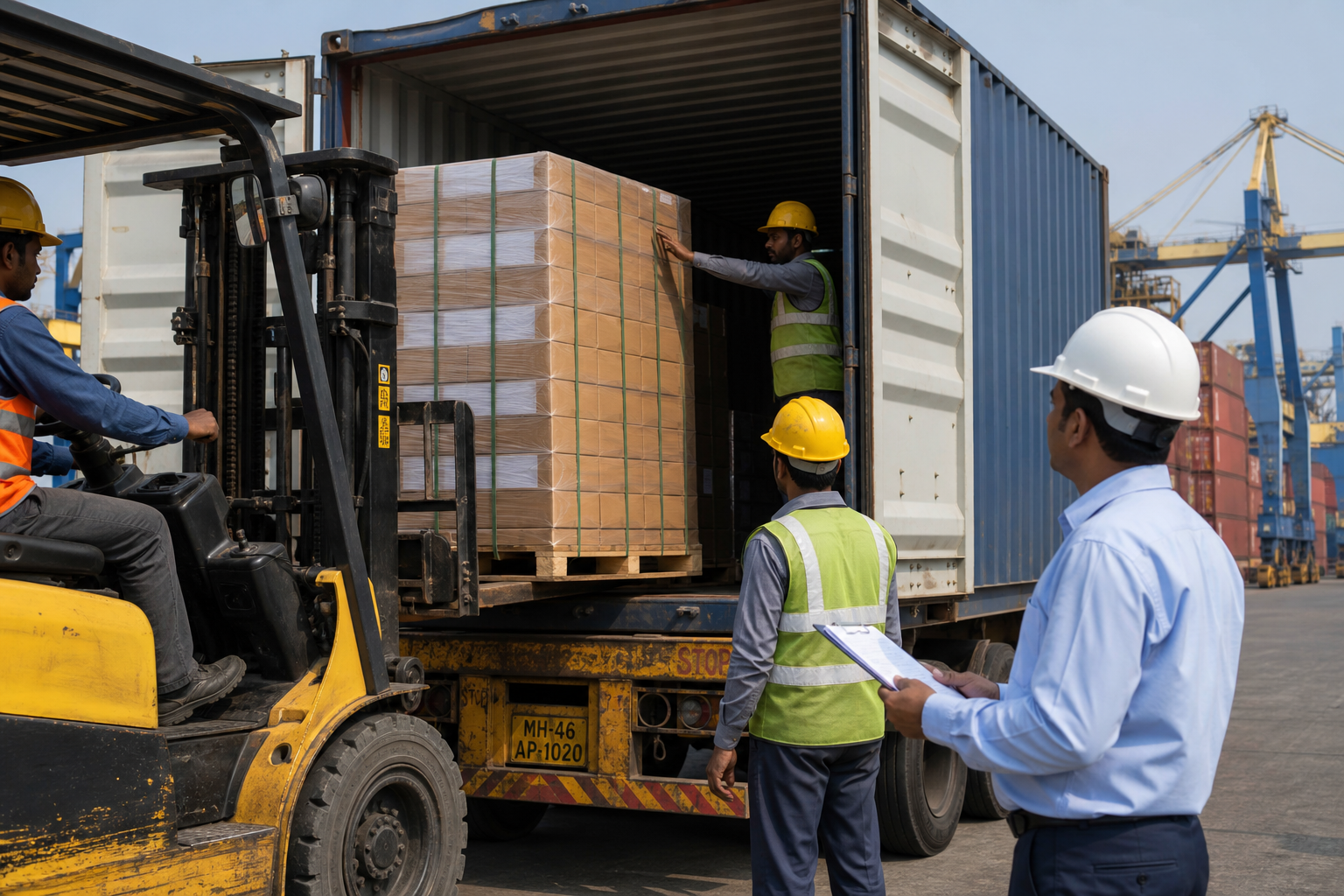
Logistics and destination markets for smaller shipments
SME orders often ship less than a full container. Freight choice affects landed cost and delay risk.
China lanes to North America, Europe, and the Middle East are mature. LCL, air, and express paths are familiar to many forwarders—especially for dense, standardized cartons.
India lanes are well served for many destinations, but shipment planning must match order size and consolidation model. Merchant-export consolidation can help SMEs combine SKUs or suppliers when that commercial structure fits.
For destination-specific export considerations, see India vs China exporting to USA, Europe, and Middle East. For import execution on the India side, merchant exporter in India and product sourcing company in India describe coordination models—not universal logistics answers.
Low-volume sourcing Asia: decision paths for common SME scenarios
Scenario A — First import, limited budget, one hero SKU
Likely path: Compare one credible China stock/near-stock option vs one India custom/branded option if category fits both. Prioritize trial representativeness and cash ceiling over lowest unit price. Use the SME Buyer Origin Scorecard with heavy weight on MOQ and cash.
Scenario B — Branded product, moderate differentiation, 500–5,000 unit band
Likely path: India may compete well on customization and merchant-export flexibility; China may win if packaging and components are standard and supplier competition is intense. Decompose MOQ before deciding.
Scenario C — Repeat reorder, frozen spec, proven supplier
Likely path: Stay with the origin and supplier that already passed Gate 4 of the trial framework—unless landeds, lead times, or risk force a re-bid. Dual-origin experiments belong in China–India sourcing strategy, not in every SME first order.
Scenario D — Buyer has no time for daily supplier management
Likely path: Choose the origin where you can run a controlled process—with India-side coordination if the program is India-based. Do not confuse “hands-off” with “no approvals.” The buyer still owns spec and commercial decisions.

Common SME mistakes when choosing India or China
Mistake 1: Choosing origin before defining the product
Factories in both countries quote different work from vague briefs. Origin comparison without spec clarity produces fake conclusions.
Mistake 2: Treating MOQ as a single negotiable number
Ask for decomposition. A lower MOQ with wrong pack or material is not a win.
Mistake 3: Ignoring coordination cost in the business case
Owner time has a cost. Ten hours a week for three months changes the economics.
Mistake 4: Running a non-representative trial
Substitute materials or interim packs are fine only when labeled as such and tied to reorder rules.
Mistake 5: Assuming China is always cheaper for SMEs
Unit price at an unreal MOQ or wrong Incoterm misleads. Landed cost and cash timing decide affordability.
Mistake 6: Assuming India is always more flexible
Flexibility exists where process and economics allow it—not as a national default.
Mistake 7: Skipping verification because the order is small
Wrong supplier role or unclear export responsibility creates disproportionate pain for SMEs.
How Altus Exports fits SME India programs
- a one-page product and pack brief;
- target quantity for trial and steady state;
- destination market and intended Incoterm;
- timeline and cash ceiling;
- which stages need local coordination.
Altus Exports can support SME international buyers who choose India and need on-ground coordination: supplier shortlisting support, verification coordination, sample and production follow-up, QC arrangements, and export documentation handoffs. Engagements vary by category and scope. The buyer retains product definition, brand decisions, market compliance ownership, pricing approval, and supplier award choices.
Useful starting points for a conversation:
Related services: global sourcing partner in India, import products from India, merchant exporter in India.
This article does not claim India is always better for SMEs, guaranteed savings, or exclusive supplier access. Reliability comes from structured comparison and evidence—not slogans.
Conclusion
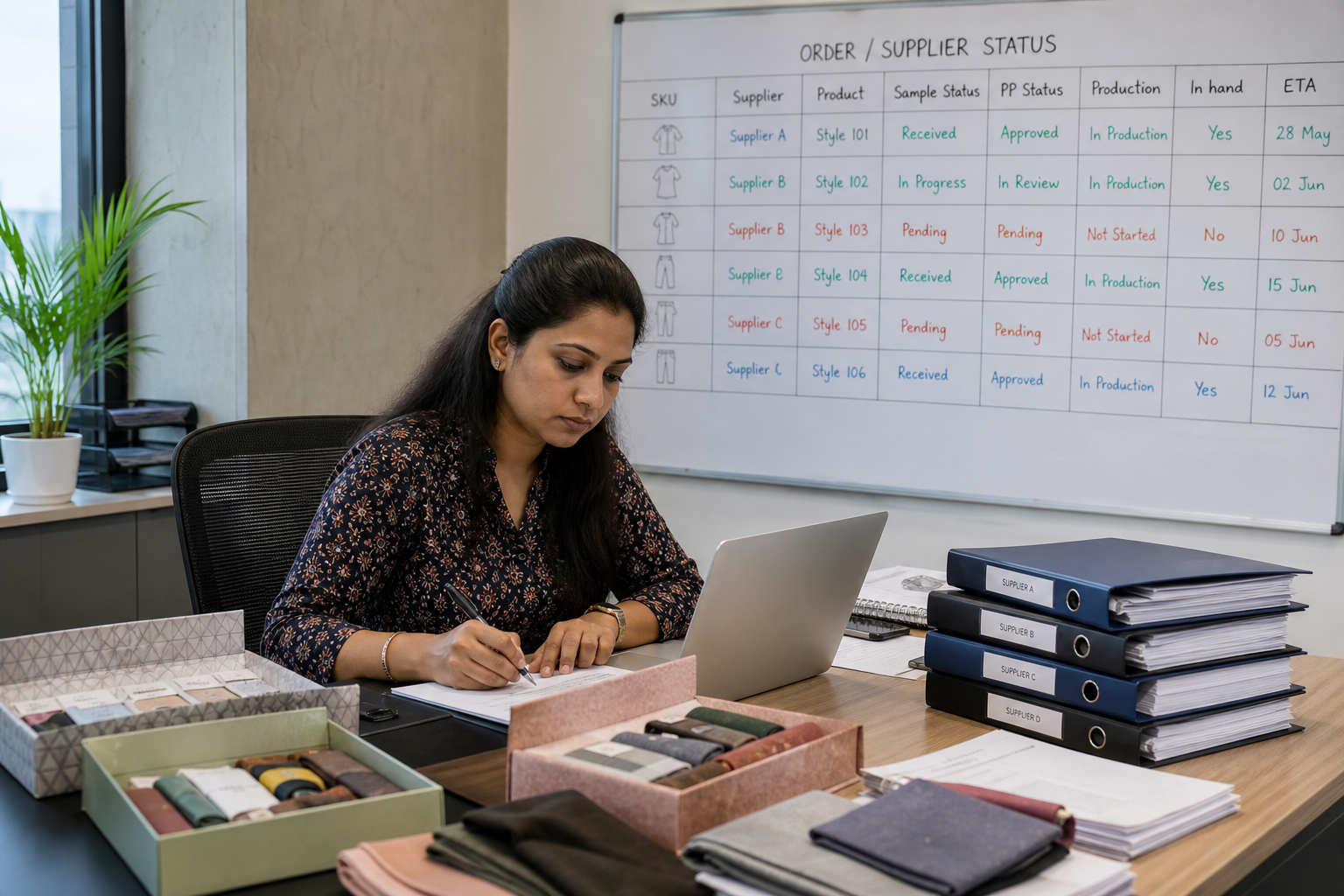
For SME buyers, India vs China is a program decision, not a patriotism contest. China often leads on standard SKUs, component depth, and scale-friendly repeat paths. India often competes on customization, category depth in selected consumer and textile lines, and flexible export coordination—when MOQ drivers and cash exposure are managed deliberately. Use the SME Buyer Origin Scorecard, decompose MOQ, map cash timing, design a representative trial, and weigh coordination load honestly.
If India fits your SKU and you need on-ground coordination for a controlled first program, Altus Exports can discuss scope against your brief, volumes, and timeline—without replacing your product or compliance decisions.