
How to Buy From India With Small Order Quantities
By Saurabh Mittal, Founder, Altus Exports
You can buy from India with small order quantities when you match factory economics—materials, process batches, and packaging print runs—rather than demanding an arbitrary low MOQ. Decompose the quoted minimum, use stock materials and flexible packs where brand allows, design…
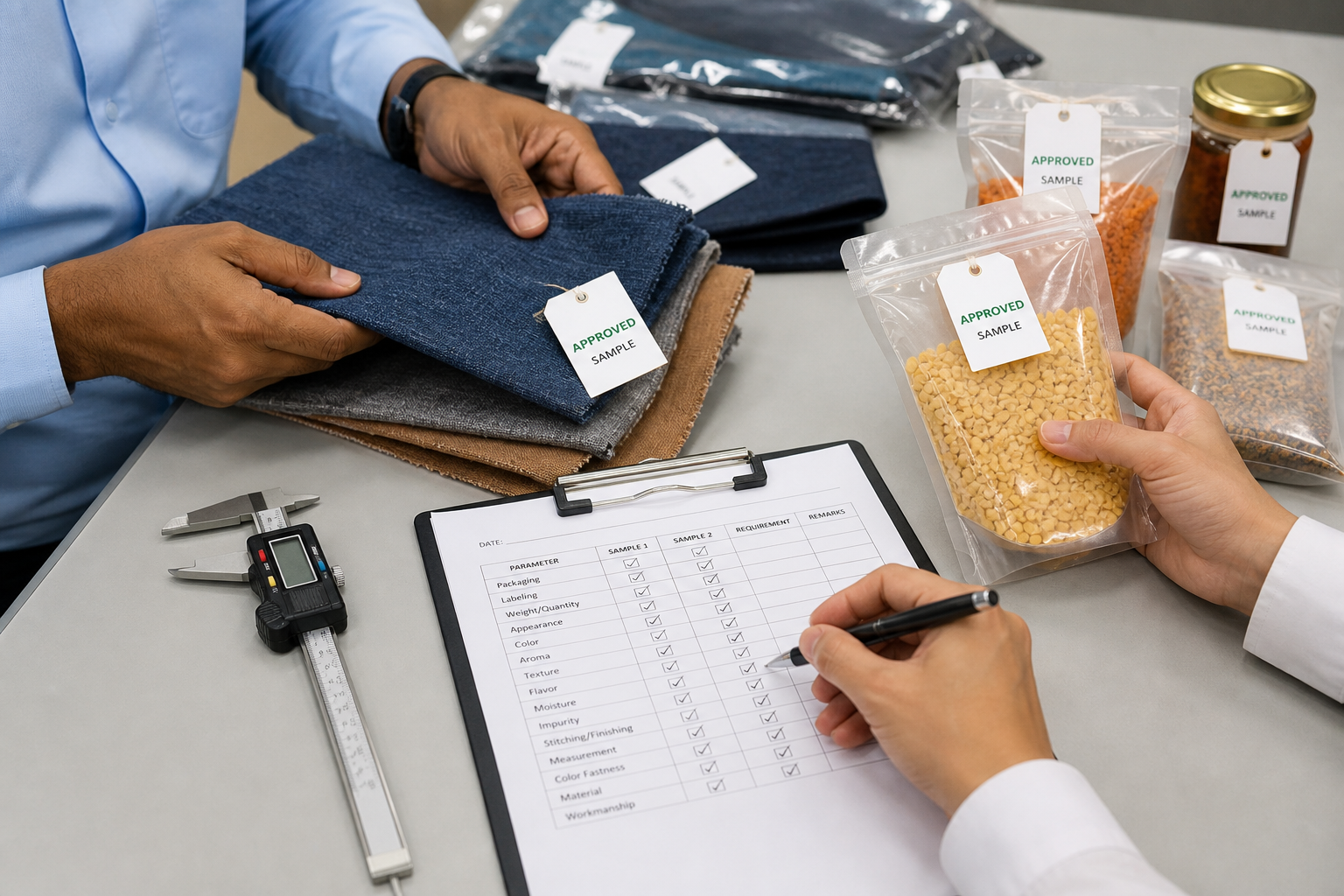
Small businesses often hit the same wall early in India sourcing: the product looks right, the sample looks promising, then the factory quotes a minimum that feels too large for cash, storage, or demand confidence. The instinct is to ask for a lower number. The more useful move is to understand what creates the floor—and whether that floor can move without destroying quality or margin for both sides.
This article owns small-order and MOQ commercial tactics for SME and small-business buyers: why factories set minimums, how to decompose a quoted MOQ into material, process, and pack drivers, practical tactics for low volume sourcing India, when small orders are unrealistic, and how to negotiate without breaking unit economics. It does not rebuild the full landed-cost stack—that lives in how much it costs a small business to source from India. It also does not replace the startup private-label MOQ path; that depth sits lightly adjacent in how startups can develop private label products in India. For the end-to-end small-business playbook, start with how small businesses can source products from India.
Altus Exports supports international buyers as an India-based sourcing and procurement coordination partner. On small orders, that usually means helping buyers obtain honest MOQ breakdowns, compare workable trial bands across factories, and structure a controlled first purchase—not promising a universal small MOQ India number that no factory can support.
Executive answer: match economics, do not invent a magic MOQ
Treat every minimum as the output of a cost structure. Ask what drives it: material purchase lots, process batch stability, packaging print runs, line changeovers, tooling recovery, and commercial policy. Then choose among accept, simplify, pay a setup fee, redesign pack, change manufacturer profile, or defer the programme. A “yes” on a tiny quantity that forces hand-built units, leftover custom material, or skipped controls is not a win for a small order import India plan.

Why Indian factories set MOQs (and why that is not hostility)
Factories set minimum order quantities to recover real costs and protect line efficiency. For a small business, the MOQ can feel personal—“they do not want my order.” In most cases it is structural.
Real economic drivers
- Material lots. Fabric dye lots, polymer compounds, spice blends, metal gauges, fragrance bases, and chemical drums often have supplier purchase minimums. If your shade or grade is not already in stock, the material lot can set the floor even when the sewing or filling line could run fewer pieces.
- Process batches. Dyeing, extrusion, mixing, casting, kiln loads, and some filling lines need a minimum wet or process batch to stay stable and representative of future production.
- Packaging print runs. Custom labels, cartons, sleeves, bottles, and inserts frequently dominate small-order economics. A product that could be made in a few hundred units may still need a larger print run to make artwork setup economical.
- Changeovers. Cleaning, color changes, allergen or fragrance clearance, tool changes, and documentation consume paid time. Factories recover that through run-length minimums or changeover fees.
- Tooling and setup. Molds, dies, screens, cutters, or embossing tools may be amortized into piece MOQ or quoted separately. Either way, someone pays for recovery.
- Commercial policy. Some minimums filter buyers, protect margin, or avoid export documentation effort on micro-orders. Policy can sometimes move; physics usually does not.
What MOQ is trying to protect
- material purchase without stranded custom inventory;
- process stability so bulk matches sample intent;
- packaging economics for branded programmes;
- scheduled line time against frequent micro-runs; and
- commercial attention for export paperwork and follow-up.
A workable MOQ protects:
When you understand those protections, negotiation becomes redesign of scope—not pressure for a free exception.
The MOQ Decomposition Table
Use the MOQ Decomposition Table whenever a factory states a single number. Request the breakdown in writing before you argue about the headline.
Comparison table
Swipe →
Data table — swipe horizontally on small screens
| Driver | What to ask | Typical small-order lever | Warning if ignored |
|---|---|---|---|
| Materials | Stock vs buyer-specific? Lot size? Leftover ownership? | Near-standard grade; shared stock color or compound | Stranded custom material billed to buyer |
| Process batch | Minimum stable batch for intended method? | Align trial size to real process, not token count | Unrepresentative “trial” that teaches nothing |
| Packaging print | Custom vs blank? Printer minimum per artwork? | Interim label; digital short run; fewer language variants | False low product MOQ with huge pack floor |
| Tooling / setup | Separate fee or buried in piece MOQ? Buyer-owned? | Pay setup explicitly to shrink first lot | Hidden amortization that reappears later |
| Changeovers | Fee below preferred run length? Multi-SKU campaign rules? | Consolidate SKUs/shades for first PO | Assortment that multiplies true minimum |
| Policy / export effort | Is number policy or process? What moves it? | Clear forecast band; partner coordination; setup fee | Verbal exception that vanishes at PO |
How to read a decomposition reply
- Hard floor: process or material physics that will not move without changing the SKU.
- Soft floor: print, changeover, or policy that can move with scope, fees, or planning.
- Cash floor: total minimum spend including deposit, tooling, print, and samples—not only unit × MOQ.
A useful reply separates:
If a supplier will not decompose, treat that as a signal. Either they do not understand their own cost structure, or they prefer opacity. Neither helps low volume sourcing India programmes.
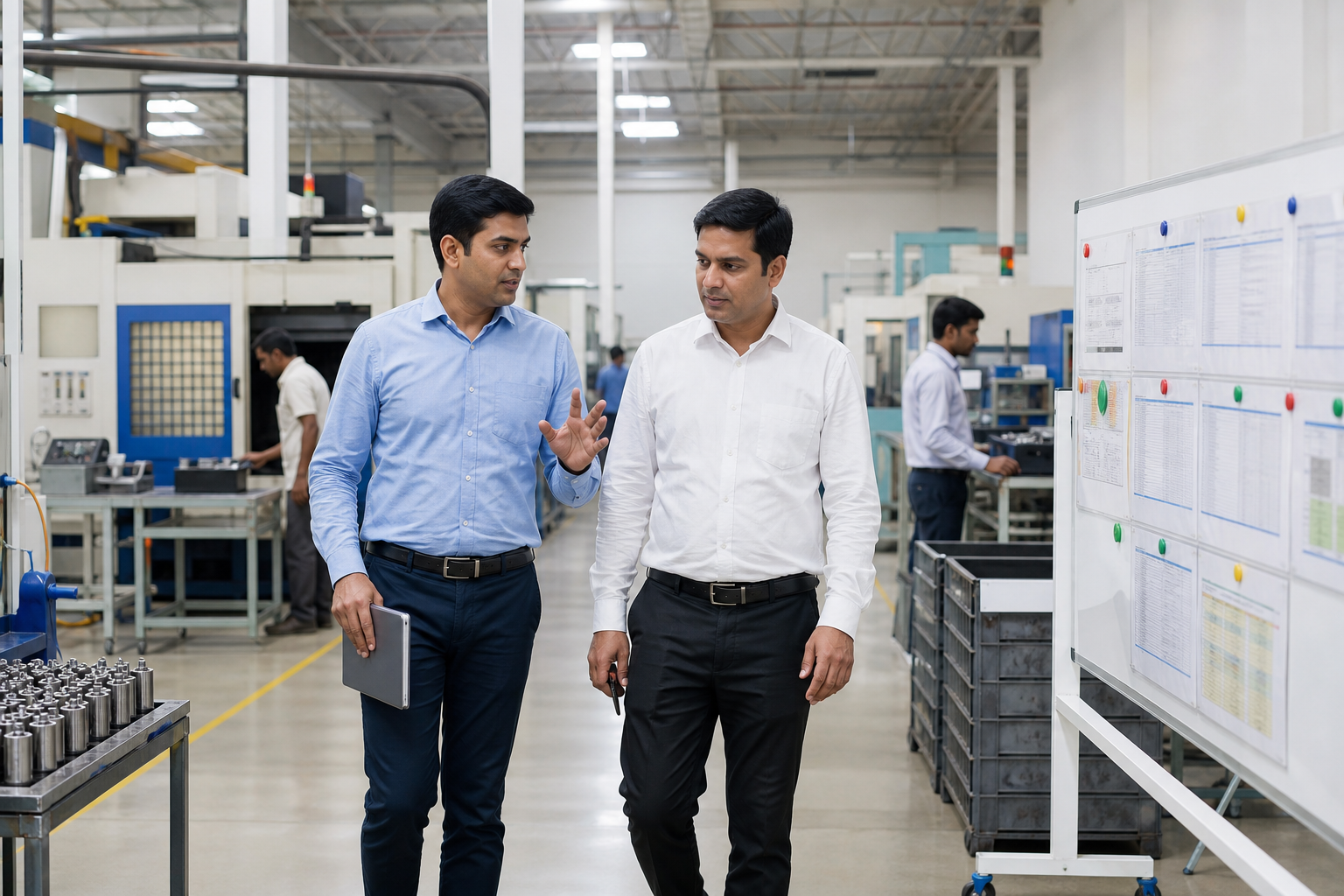
The Small-Order Viability Checklist
Checklist
Before you chase a lower MOQ, run the Small-Order Viability Checklist. Score each item as yes, partial, or no. Three or more hard “no” answers usually means redesign the product or pick a different factory profile—not more bargaining.
Small-Order Viability Checklist
- Specification is freezeable. Dimensions, materials, finish, tolerances, and packing rules are written enough that a small run will not become endless revisions.
- Differentiation does not require every custom input on day one. Brand can live on label, insert, or limited construction while cores stay nearer to stock.
- Packaging can be staged. Final retail pack can follow an interim pack if the trial charter says so explicitly.
- Cash ceiling is defined. You know the maximum deposit + balance + tooling + print + freight + inspection you will risk on a first lot.
- Demand hypothesis is honest. You are not calling a season’s inventory a “trial” to win a price break.
- Factory profile matches boutique or mid-run work. Export-scale plants optimized for containers may be wrong; specialists or flexible mid-size plants may fit better.
- Success criteria exist. Quality, lead time, communication, and document readiness will be scored before a repeat PO.
- Controls remain funded. Inspection, sample retention, and document checks are in the budget—not cut to “afford” a smaller MOQ.
Use the checklist as a go/no-go gate with your team. It is faster than discovering after deposit that the programme was never commercially viable at your volume.
Tactics that actually unlock smaller orders
These tactics work when they change factory economics. They fail when they only ask for charity on unit price.
Tactic 1: Prefer stock or near-standard materials
- Which inputs are already stocked for other export programmes?
- What is the premium and MOQ impact of a near-standard alternative?
- Who owns leftover custom material if we proceed with a unique grade?
Where brand allows, start with materials the factory already buys: common fabric constructions, standard polymer grades, stock bottle necks, house spice bases with custom blend limited to what the batch can support, or standard metal gauges. Custom dye lots and exclusive compounds raise floors quickly.
Questions to put in the RFQ:
Tactic 2: Share runs where process allows
- what is shared versus exclusive;
- how lot traceability is preserved; and
- whether your brand pack still receives dedicated packing and labeling.
Some factories can combine your order with an adjacent shade, size, or pack configuration if the process step truly matches. Shared dyeing, extrusion, or filling can reduce your allocated lot—but only when quality and traceability rules allow it. Do not force sharing across allergen, fragrance, or regulated boundaries.
Document:
Tactic 3: Use flexible packaging for the first order
- blank or standard cartons with custom labels;
- digital or short-run labels for fewer SKUs;
- one language version first;
- fewer inserts and stickers on the trial lot;
- master cartons shared across SKUs when dimensions match.
Packaging is the most common small-order blocker for branded goods. Options that often help:
Be explicit: an interim pack trial does not prove final retail pack application. Score pack separately if final artwork arrives later.
Tactic 4: Pay setup instead of inflating piece MOQ
Offer to pay tooling, screen, plate, or changeover fees as line items. Many factories prefer this to burying recovery in a large piece minimum. You gain a smaller production lot and a clearer asset register for tools and print materials.
Tactic 5: Design a trial → repeat path
- trial quantity band and what it must exercise (materials, process, pack);
- acceptance criteria and inspection plan;
- who approves go/no-go;
- indicative repeat band if criteria are met—not a binding annual commitment unless you intend one.
A trial order India small business path should answer: can this factory execute the approved product, packing, communication, and documents under real production conditions? It should not answer: what is the lowest possible unit price on day one?
Define in writing:
For charter design, payment gates, and scoring depth, use how to start sourcing from India with a small trial order. This article stays on quantity economics.
Tactic 6: Reduce SKU explosion
Five colors × three packs × two languages can turn a modest programme into five-figure print and changeover floors. Launch one hero SKU with final market artwork when cash is tight. Add variants after evidence.
Tactic 7: Choose the right manufacturer scale
Factory scale must match your first-order reality. A high-throughput exporter may quote well on full-container programs and still struggle to protect margins or attention on a small SME trial. A niche workshop may welcome your quantity but lack export packing discipline or capacity for a reorder spike. When MOQ Decomposition shows a structural scale mismatch, change the shortlist—do not bargain for a “special exception” that the plant cannot sustain. Use how SMEs can find reliable Indian manufacturers to rebuild the candidate set around process fit and order-size honesty.

When small orders are unrealistic
Honesty saves months. Small orders are often unrealistic when:
If every shortlisted factory’s workable band sits above your cash ceiling after decomposition, the problem is assortment design, pack complexity, or factory fit—not a lack of hard bargaining. Escalating pressure for a sub-economic MOQ usually produces either refusal or a quiet quality/pack shortcut.
Comparison table
Swipe →
Data table — swipe horizontally on small screens
| Situation | Why the floor stays high | Better move |
|---|---|---|
| Heavy custom tooling with short amortization window | Tool cost needs volume or explicit fee + patience | Pay tooling and accept a meaningful cavity/trial run, or redesign |
| Multi-ingredient custom formula with dedicated batch | Process chemistry needs a stable wet batch | Accept batch floor or use near-standard base |
| Full custom packaging across many artworks | Print setups dominate | Cut SKUs/languages; interim pack; digital short run |
| Regulated category with lot testing | Testing and batch release cost more than pieces | Budget testing into cash floor; do not under-order |
| Factory optimized for container programmes | Changeovers destroy their schedule | Change factory profile |
| Buyer wants sample-like hand build as “bulk” | Result will not represent production | Increase to representative process size or redesign |
Negotiation without breaking unit economics
Negotiation should change drivers, not demand free production.
What to negotiate first
- Clarity: written MOQ Decomposition Table reply.
- Scope: SKU count, colors, fragrances, languages.
- Inputs: stock versus custom materials and packs.
- Fee structure: tooling, plates, changeovers separated from piece price.
- Path: trial band with criteria, then repeat band.
- Profile: different factory if structural mismatch remains.
What not to do
- Do not demand below-cost production and expect stable quality.
- Do not hide customization needs to win a low MOQ, then expand scope after PO.
- Do not accept verbal MOQ exceptions without PO language.
- Do not cut inspection or sample retention to “afford” a smaller order.
- Do not optimize unit price while ignoring total cash at risk.
Commercial comparison when MOQs differ
Comparison table
Swipe →
Data table — swipe horizontally on small screens
| Lens | Question |
|---|---|
| Piece price | Price at quantity X with defined specs and Incoterm basis? |
| Minimum cash outlay | Deposit, tooling, print, samples, first freight estimate? |
| Effective trial cost | Trial qty × price + setups + inspection contingency |
| Flexibility cost | Fee or surcharge to run below preferred MOQ |
| Failure cost | Inventory, rework, airfreight, lost launch window if lot fails |
| Communication fit | Will they support a small buyer with written status? |
Factories rarely quote the same quantity. Normalize:
A factory with a higher unit price at a workable trial quantity can be cheaper in risk-adjusted terms than a factory whose low unit price appears only at an oversized commitment. Keep landed-cost line-item depth in the cost guide linked above; here the point is quantity exposure, not a full duty model.
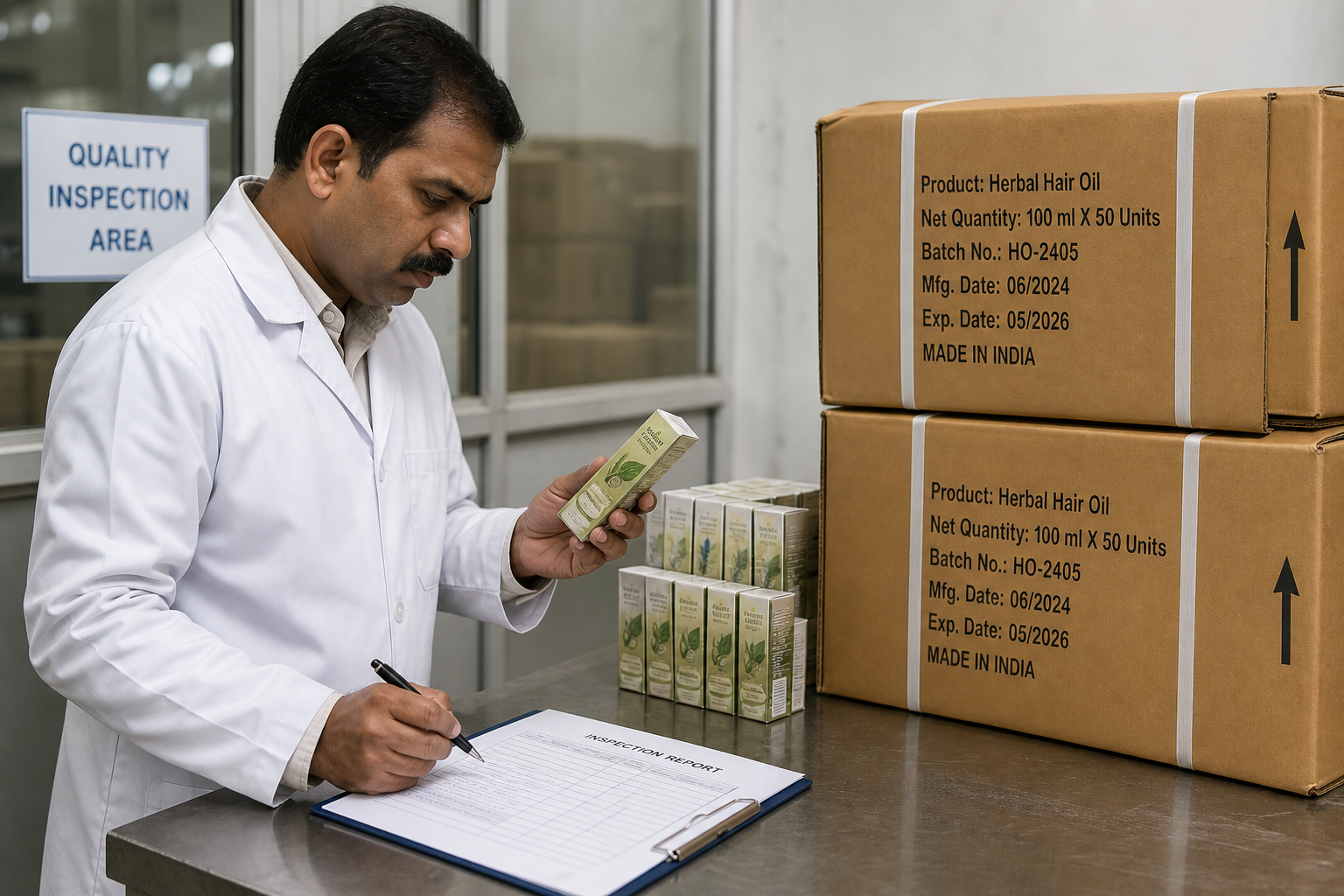
Practical scenarios small buyers encounter
Scenario A: Packaging print sets the floor
You can fill or sew a few hundred units, but the carton printer quotes thousands per artwork. Options: fewer SKUs, standard carton + custom label, digital short-run premium, or delay multi-language packs. Document which pack the trial proves.
Scenario B: Material lot dwarfs process MOQ
A custom shade or compound requires a drum or dye lot far above your sell-through plan. Options: near-standard shade, shared lot with factory stock programme if allowed, or accept that this SKU is not a first-order candidate.
Scenario C: Policy MOQ softens with planning
A factory quotes a round policy number. After you share a two-order planning band, pay a changeover fee, and introduce a coordination partner who reduces their email load, the workable trial band drops. Get the exception in the PO.
Scenario D: “Flexible MOQ” with no controls
A trader promises any quantity. Samples arrive from an unknown subcontract shop. This is not a small-order strategy; it is risk concentration. Pair quantity flexibility with verification and inspection. Risk staging belongs in how small importers can reduce risk when buying from India.

Building your small-order RFQ and PO language
Export Tip
RFQ fields that force useful answers
- target trial quantity band and expected repeat band (ranges, not fantasy forecasts);
- which materials may be near-standard versus must be custom;
- packaging stages (interim vs final);
- willingness to pay listed setup/tooling fees;
- inspection and sample retention expectations;
- Incoterm preference and destination;
- decision timeline for go/no-go after trial.
Include:
PO clauses that protect small buyers
- Exact quantity, unit price, and any below-preferred-MOQ surcharge.
- Spec and sample revision references.
- Packaging version used on this lot.
- Tooling ownership and payment status.
- Inspection rights and release criteria.
- Leftover custom material ownership.
- Lead time and document set for export.
Verbal WhatsApp exceptions do not survive production pressure. Write them down.
Payment and commitment staging for small first lots
- Sample stage: pay sample and courier costs against a written brief; do not treat sample payment as a production deposit.
- PO confirmation: place a written PO only after sample approval criteria are clear (or after documenting known interim differences).
- Deposit against defined scope: deposit tied to quantity, spec revision, pack version, and lead time—not to an open-ended “we will figure it out.”
- Production visibility: agree what photos, status updates, or mid-checks you need before balance discussions.
- Pre-shipment gate: independent or buyer-directed inspection where product risk warrants it, before final payment or document release as your Incoterm and contract require.
- Go/no-go for repeat: score the lot before enlarging quantity.
Small order import India programmes fail when payment structure ignores evidence stages. Quantity design and payment design belong together.
A practical staging pattern for many SME first lots:
Do not confuse a supplier’s preferred payment habit with a risk-appropriate plan for your first order. If a factory demands a large deposit before identity, sample, and MOQ drivers are clear, pause. Risk controls beyond payment staging are covered in the small-importer risk guide linked above.
Illustrative cash-planning view (not a quotation)
Comparison table
Swipe →
Data table — swipe horizontally on small screens
| Line | What to estimate for a trial lot | Planning note |
|---|---|---|
| Product value | Trial qty × agreed unit price | Use the workable band, not a fantasy MOQ |
| Setup / tooling / print | Separate fees if any | Often the quiet cash spike |
| Samples and courier | Pre-PO learning cost | Budget even if “free sample” talk appears |
| Inspection | One planned event if risk warrants | Do not cut this to shrink MOQ |
| Freight (mode for trial) | Air vs sea reality at trial size | Small lots often change mode economics |
| Contingency | Rework, extra labels, delay buffer | Keep proportionate to uncertainty |
This table is a planning scaffold only. Actual numbers depend on SKU, Incoterms, and destination. Full cost-category budgeting belongs in the cluster cost article.
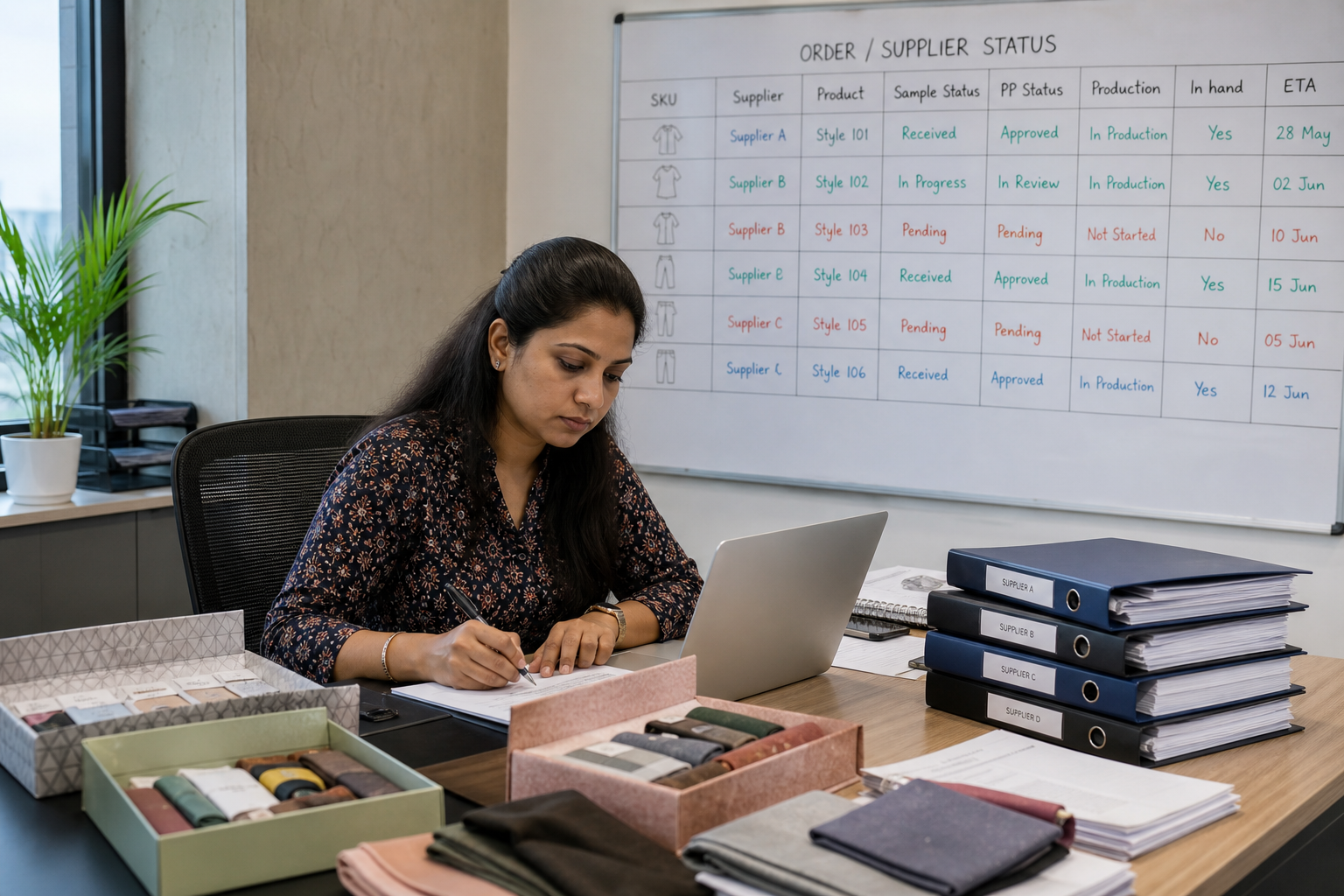
How a sourcing partner helps with small-order programmes
- obtain component-level MOQ breakdowns from factories and printers;
- compare two or three manufacturer profiles on workable trial bands;
- identify where interim packaging or stock inputs unlock a safer first order;
- keep exceptions documented in the purchase order; and
- connect quantity decisions to inspection and shipment readiness so a “small order” still has controls.
A local coordination partner can:
The partner’s value is translation and evidence, not magic reduction. Altus Exports can support this through global sourcing partner India, product sourcing company India, and find manufacturers in India workflows depending on whether you need discovery, commercial comparison, or ongoing procurement coordination. No partner can honestly guarantee a universal small MOQ across categories.
Common mistakes when chasing small MOQ India quotes
Common Mistakes Box
- Comparing factories only on the lowest headline MOQ. Ignore pack and tooling and you will mis-rank suppliers.
- Calling oversized inventory a trial. You raise cash risk while believing you bought “flexibility.”
- Forcing unrepresentative micro-lots. Hand-built units do not prove production.
- Expanding SKUs after a low-MOQ verbal quote. Scope creep recreates the floor you fought.
- Cutting QC to fund a smaller order. Defects on a “small” lot still damage customers and cash.
- Skipping manufacturer fit. The wrong plant scale will never love boutique runs.
- Leaving leftovers and setup ownership undefined. Surprise invoices arrive after shipment.

Conclusion
Buying from India with small order quantities is a commercial design problem, not a slogan. Factories set MOQs to recover materials, process batches, packaging print runs, changeovers, tooling, and attention—not to reject small businesses by default. Decompose every quoted minimum with the MOQ Decomposition Table. Gate programmes with the Small-Order Viability Checklist. Unlock smaller runs through stock materials, shared process where safe, flexible packs, explicit setup fees, SKU discipline, and a documented trial-to-repeat path. Walk away or redesign when physics will not move. Negotiate drivers without demanding uneconomic unit prices, and keep quality controls in the budget.
When quantity, manufacturer fit, and packaging strategy are designed together, small MOQ India programmes become controlled experiments—not hopeful exceptions.