
How Startups Can Develop Private Label Products in India
By Saurabh Mittal, Founder, Altus Exports
Startups can develop private label products in India by validating the idea and channel before heavy customization, choosing the lightest product model that meets the brand need (white label, adapted private label, or full OEM), running stage gates that freeze specs before…
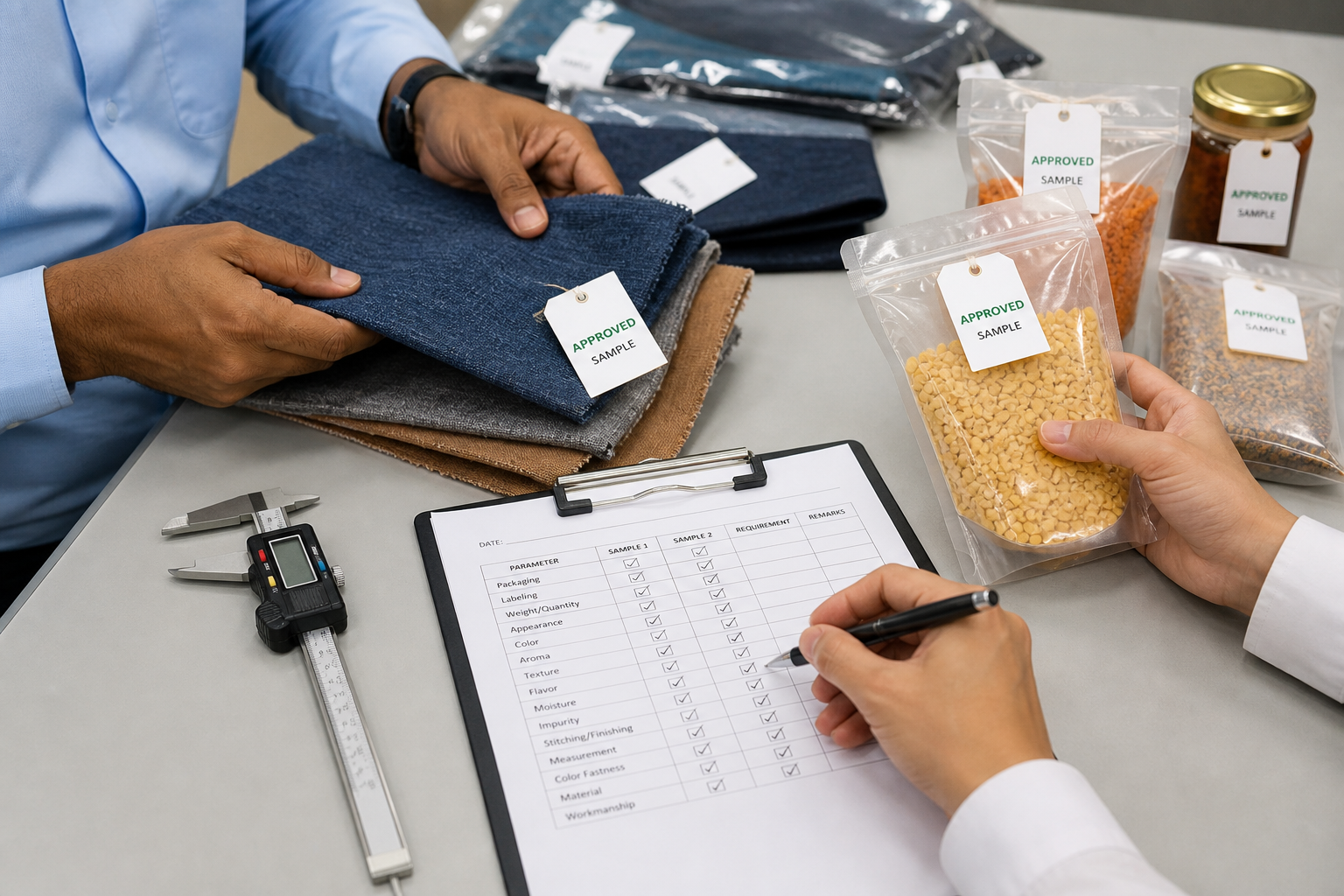
Startups private label products India programs fail less often from “bad factories” than from premature complexity. Founders chase full OEM too early, spend cash on unfrozen samples, order hero-sized MOQs for unproven demand, or treat a pretty prototype as a production standard. A better startup path is slower on ego and faster on learning: validate the idea, pick the right product model, gate development spend, freeze with discipline, and treat first production as a controlled risk—not a victory lap.
This article owns the startup-stage private-label path: idea validation, cash constraints, stage-gated development, when to use white label versus adapted private label versus full OEM, freeze discipline, and first-production risks for startups. It is not the full private-label packaging, IP, MOQ, or OEM encyclopedia. Those layers live in the private-label cluster:
Executive answer: the startup private-label rule
Private label product development in India
How to protect your brand when working with Indian private label manufacturers
Private label packaging and labeling in India
For small-business sourcing context outside private label, see how small businesses can source products from India. For small-order tactics, see how to buy from India with small order quantities. If you are an online brand optimizing listings and restock more than startup PL gates, use India sourcing for e-commerce businesses and online brands. For cost categories, see how much it costs a small business to source from India.
Altus Exports supports startups as an India-based private-label sourcing and manufacturing-coordination partner—brief structuring help, manufacturer shortlisting support, sampling follow-up, freeze-record discipline, and export handoffs—while founders retain product, brand, compliance, and commercial decisions.
Spend the least capital that still produces honest learning. Validate demand signals before funding custom formulation or tooling. Choose white label or adapted private label when speed and cash matter more than deep differentiation. Move to fuller OEM only when the brand promise requires it and the channel can support the cost. Freeze product and pack before bulk. Size first production to survive a miss. Write kill criteria in advance so optimism does not quietly become inventory.

Startup private label India is an economics problem first
Private label for startups India is not only a manufacturing project. It is a capital allocation project with product, brand, and supply attached. Cash is usually shared across product development, packaging, first inventory, freight, duties, ads, returns, and operating runway. Every extra sample round, tooling commitment, or oversized MOQ competes with the cash that finds customers.
Low budget private label India does not mean “cheapest quote.” It means deliberate scope control: fewer SKUs, clearer freezes, lighter customization until evidence appears.
Comparison table
Swipe →
Data table — swipe horizontally on small screens
| Startup reality | What it does to PL decisions | Practical response |
|---|---|---|
| Limited runway | Cannot fund endless revisions | Cap sample rounds and require written change impact |
| Unproven demand | Large MOQ is speculative inventory | Prefer staged buys and lighter product models early |
| Small team | Founders wear product, ops, and brand roles | Use simple stage gates and one freeze owner |
| Brand still forming | Over-customization can lock the wrong story | Validate concept before exclusive tooling |
| Channel learning needed | Perfect product with no distribution wastes cash | Align development gates to launch learning goals |
Differentiate this guide from the private-label cluster
If you need the full OEM and packaging machine, use the links above. Stay here when your constraint is startup economics and speed-to-learning.
Comparison table
Swipe →
Data table — swipe horizontally on small screens
| Topic | This startup article owns | Link out to PL cluster for |
|---|---|---|
| Path design | Cash/speed stage gates for startups | Full NPD mechanics and sample typology depth |
| Product model choice | When WL vs adapted PL vs OEM fits startup economics | Detailed OEM process and factory workflow maps |
| Freeze | Startup freeze discipline and capital stops | Golden-sample ceremony detail inside development guide |
| Packaging | Pack as a cash and launch risk (high level) | Full packaging and labeling encyclopedia |
| MOQ | Startup trial sizing mindset | MOQ economics breakdowns and negotiation depth |
| Brand protection | Minimum startup controls before sharing assets | Full IP / brand-protection operating system |
| End-to-end PL sourcing | Pointers only | Pillar playbook for international PL buyers |
Choose the lightest product model that still earns the brand
- Can a controlled base product win the first customers if branding and pack are strong?
- Which attributes must be unique on day one versus unique after traction?
- What cash remains for inventory and customer acquisition after development?
- Do you have technical ability to approve a custom formula or tool design?
- What happens to the business if first production is late or partially wrong?
Named distinction for founders: “develop private label India startup” can mean three very different spends.
Decision prompts:
A common founder error is funding full OEM because the category “feels premium,” while the channel still needs proof. Another error is staying on pure white label forever when competitors have already matched the pack story and you need real product differentiation. Sequence matters.
Comparison table
Swipe →
Data table — swipe horizontally on small screens
| Product model | What you are really buying | Startup fit | Watch-outs |
|---|---|---|---|
| White label / brand application | Near-ready base + your brand pack | Fastest learning; lowest development cash | Weaker differentiation; pack still needs freeze |
| Adapted private label | Base product with controlled changes (shade, fragrance, size, materials, pack) | Best default for many startups | Scope creep turns “adapted” into unpaid custom R&D |
| Full OEM / tooling-led | Unique design, molds, or deep custom formulation | Only when brand promise and margin support it | Highest cash, longest freeze path, highest first-run risk |
Named framework: Startup Private Label Stage Gate
Named framework: Startup Private Label Stage Gate — seven gates from idea to controlled first production. Each gate ends with proceed, revise, or stop.
Comparison table
Swipe →
Data table — swipe horizontally on small screens
| Gate | Name | Startup question | Capital released only if |
|---|---|---|---|
| S0 | Idea validation | Is there a real buyer problem and channel path? | Evidence beat enthusiasm |
| S1 | Model choice | White label, adapted PL, or OEM? | Model matches cash and differentiation need |
| S2 | One-page brief | Can a factory quote comparable work? | Brief is specific enough to RFQ |
| S3 | Shortlist & sample plan | Who can make this, and how will we sample? | 2–4 credible options + capped rounds |
| S4 | Controlled sampling | Are critical attributes closing? | Issue log shrinking; no silent scope growth |
| S5 | Freeze | Is this the production reference? | Written freeze + retention reference |
| S6 | First production risk plan | Can we afford the miss? | Trial quantity, QC gates, and kill/continue criteria set |
Gate S0 — Idea validation before India spend
- Customer interviews or waitlist signals
- Landing-page or preorder interest (where ethical and legal for your category)
- Competitive shelf or listing analysis that shows a gap you can occupy
- Price-band checks against landed-cost hypotheses
- Channel choice: D2C, marketplace, wholesale pilot, or retail intro
- Compliance difficulty screen (if the category is heavily regulated, budget time and advisors early)
Validate before you pay for development freight. You do not need perfect market research. You do need a reason to believe someone will buy.
Practical validation inputs:
Stop or reshape the idea if you cannot state: who buys, where they buy, what promise the product must keep, and what price band is plausible after India landed cost. Cost structure context: how much it costs a small business to source from India.
Gate S1 — Lock the product model (and write it down)
State the model in the brief so factories do not quote different jobs. If you choose adapted private label, list the allowed change set. If you choose OEM, list what makes OEM necessary. If you choose white label, resist “tiny custom requests” that recreate OEM cost without OEM planning.
Gate S2 — Write a startup-scale brief (one to two pages)
- Product category and use
- Target markets and channels
- Product model (WL / adapted / OEM)
- Must-have attributes vs nice-to-have
- Pack concept at sketch level
- Trial and reorder volume ranges (ranges are fine)
- Timeline gates and who approves
- Budget posture labeled as guidance, not a hard factory promise
- Confidential items and what not to share yet
Your brief should be short and specific:
For the fuller private-label brief and route map, use how to source private label products from India. Keep this startup brief ruthless about scope.
Gate S3 — Shortlist manufacturers with a sample plan attached
- Maximum revision rounds funded
- What each round must decide
- What “approved for direction” means versus “approved for production”
- Who pays sample and freight costs
- What evidence closes each open attribute
Do not collect twenty contacts. Aim for a small shortlist that can actually run your model. For each candidate, record entity role, process fit, sample policy, indicative MOQ posture, export experience, and open questions. Manufacturer search support: find manufacturers in India.
Attach a sample plan before the first courier:
Gate S4 — Controlled sampling under cash caps
- Code every sample with revision and date.
- Consolidate feedback into one written list per round.
- Ban casual mid-round “also change this” messages unless you accept cost/time impact.
- Separate directional samples from freeze candidates.
- Include pack components when pack is part of brand acceptance.
- Stop when critical attributes are closed—even if aesthetics can be endlessly debated.
Sampling is where startup private label India programs quietly burn runway. Photos and friendly chat threads feel cheap; cumulative courier, lab, and opportunity cost is not.
Sampling rules for founders:
Deep sampling and golden-sample mechanics: private label product development in India.
Gate S5 — Freeze discipline (the startup survival skill)
- Approved product reference (physical retention where practical)
- Specification or acceptance sheet version
- Artwork / label revision ID
- Pack structure notes
- Known limitations (what the product will not claim or do)
- Pending tests with owners and timing
- Change-control rule: no silent substitutions
Freeze is the line between learning spend and inventory risk. After freeze, changes should be expensive on purpose.
Minimum freeze pack for startups:
If approval is conditional, write the conditions. Conditional freezes that live only in chat become first-production disputes.
Gate S6 — First production as a risk plan, not a celebration
- Quantity sized to learning + short cover, not vanity volume
- QC criteria written before deposit when possible
- Inspection gate before shipment when risk warrants it
- Clear accept / rework / reject path
- Document and logistics ownership for the chosen Incoterm
- Continue / kill / revise criteria after sell-through data
First production is where startups meet real process variation, material lots, and packing reality. Design it to answer: Can the line hit the freeze repeatedly enough for customers?
First-production controls:
Small-order design help: how to buy from India with small order quantities. Full MOQ economics: private label MOQ in India.
Named framework: Startup PL Capital Checklist
Checklist
Named framework: Startup PL Capital Checklist — use before each major spend (tooling, bulk packaging, deposit, or first PO).
If multiple rows are red, do not “hope the factory sorts it out.” Fix the gate or stop.
Comparison table
Swipe →
Data table — swipe horizontally on small screens
| # | Capital question | Green light looks like | Red light looks like |
|---|---|---|---|
| 1 | Demand evidence | Channel or customer signal exists | “We will figure sales after stock arrives” |
| 2 | Model fit | WL/adapted/OEM matches need | OEM chosen for status, not necessity |
| 3 | Scope freeze | Allowed changes listed | Open-ended “make it premium” |
| 4 | Sample budget | Capped rounds with goals | Unlimited revisions |
| 5 | Freeze pack | Written approval + retention | “Looks good” in chat only |
| 6 | Trial quantity | Matches cash and learning | MOQ-max because the factory preferred it |
| 7 | Landed-cost hypothesis | Price band still viable after freight/duties/ops | Retail price fantasy vs cost reality |
| 8 | Runway after PO | Ads and ops still funded | Inventory consumes the company |
| 9 | QC plan | Presentation + function criteria exist | “Factory will handle quality” with no metrics |
| 10 | Brand-asset control | Artwork/formula sharing staged | Full brand kit sent to every contact |
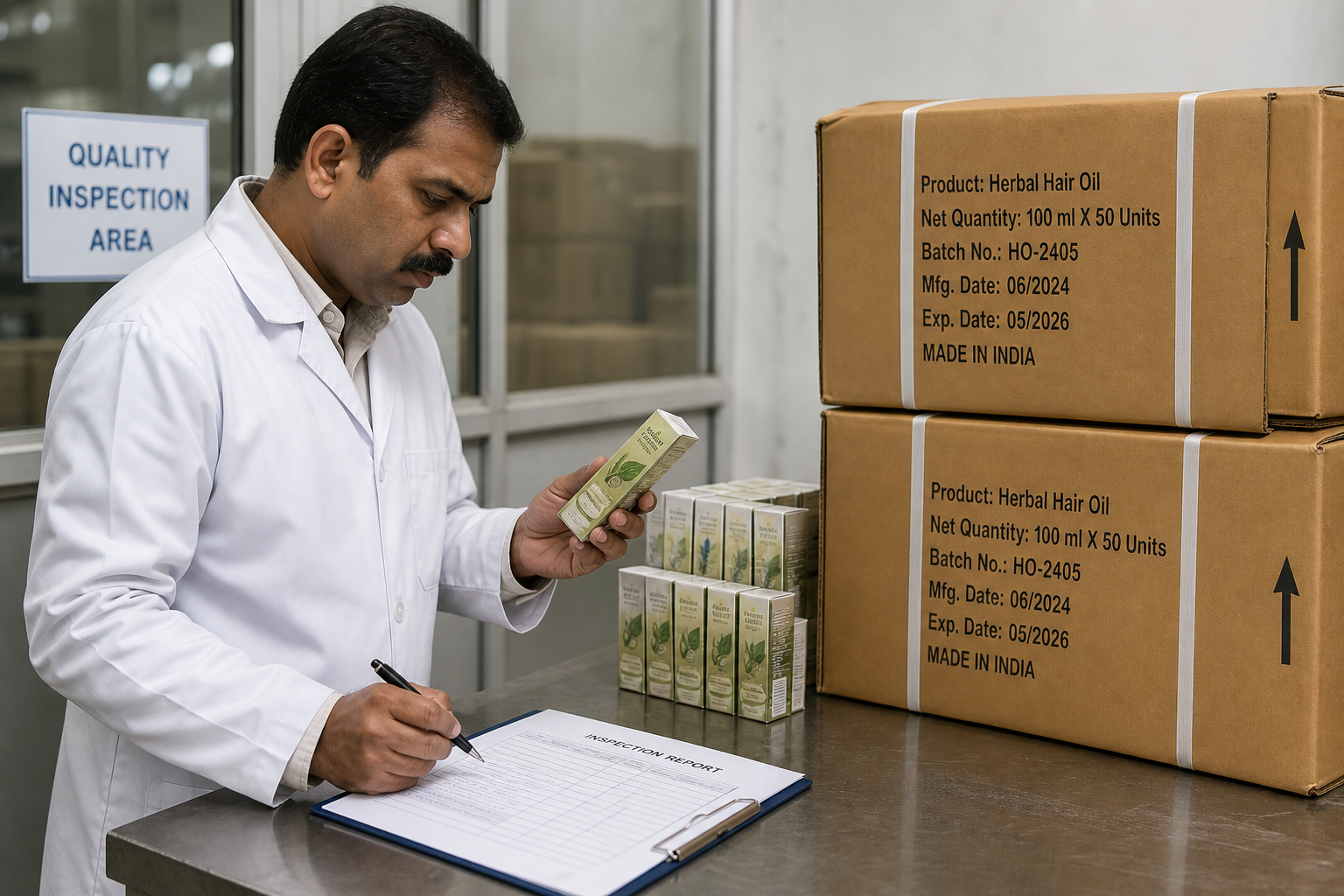
Cash map: where startup PL money actually goes
- Sample product cost and courier
- Lab or third-party tests if your category needs them
- Tooling, plates, molds, or dies (and who owns them after payment)
- Bulk packaging and print minimums
- Production deposit and balance
- Inspection
- Inland haulage, international freight, insurance
- Duties, taxes, and brokerage in destination markets
- 3PL / FBA prep / last-mile packaging
- Returns and reverse logistics reserve
- Relaunch cost if freeze was weak
Founders often quote unit price and ignore the rest of the stack. Without inventing guaranteed numbers, track these categories:
A low factory unit price with heavy packaging minimums and weak freeze discipline is not low-budget private label India—it is deferred pain. Use the cost guide for category structure and keep this article focused on capital sequencing.
White label vs adapted PL vs OEM: startup scenarios
Scenario A — Speed-to-learning brand
You need to test a category story quickly. Choose white label or light brand application. Freeze pack presentation. Buy a small trial. Measure conversion and returns. Only then fund adaptation.
Scenario B — Differentiation without tooling
You need a recognizable product difference—shade, scent, size, fabric weight, ingredient stance—but not a unique mold. Choose adapted private label with a written change set. Cap sample rounds. Freeze. Trial produce.
Scenario C — Hard differentiation / engineered uniqueness
Your brand promise requires a unique form factor, tool, or custom formulation that a base cannot deliver. Choose OEM only after S0 validation is strong and the Startup PL Capital Checklist is mostly green. Budget longer development and stricter freeze rules. Use the PL development and manufacturing guides for mechanics; do not improvise tooling governance in informal chat.

Freeze discipline and change control for small teams
- Freeze owner: one person who can say approved / not approved
- Commercial owner: confirms quantity and cash
- Compliance owner: even if part-time or advisor-supported, owns claim/label feasibility questions
- Share only what the stage requires
- Watermark or version artwork
- Avoid sending full customer lists or unreleased launch dates casually
- Clarify subcontracting expectations early
Startups rarely have a separate NPD department. That makes freeze ownership more important, not less.
Assign:
After freeze, require a short change request note for any material, fragrance, fabric, print, or pack change. Include impact on cost, MOQ, and timeline. Silent “equivalent” substitutions are a primary first-production failure mode for private label for startups India programs.
Brand-asset hygiene before wide manufacturer outreach:
For the fuller brand-protection system, use how to protect your brand when working with Indian private label manufacturers. This article only requires minimum startup controls before capital moves.
Packaging at startup stage: enough control without boiling the ocean
- Primary pack concept that survives your channel
- Label fields your markets require at a buyer-owned level
- Artwork revision control
- Print proof approval before bulk print
- Shipper marks and protection adequate for export
Packaging delays kill startup launches. You do not need every packaging encyclopedia detail on day one, but you do need:
Start pack work in parallel with product sampling—not after. Depth guide: private label packaging and labeling in India. Service coordination for branded manufacturing: private label manufacturing in India.

First production risks startups underestimate
If your main risk is channel listing continuity rather than PL stage gates, shift to the e-commerce article for restock and presentation cadence.
Comparison table
Swipe →
Data table — swipe horizontally on small screens
| Risk | Why startups get hit | Mitigation |
|---|---|---|
| Unfrozen “almost approved” bulk | Timeline pressure | No deposit for bulk without freeze pack |
| MOQ vanity | Want full colorway set | Launch fewer SKUs; expand after data |
| Pack print errors | Artwork rushed | Proof approval gate; retain proofs |
| Process drift at scale | Hand sample ≠ line sample | Pilot or controlled first bulk with QC |
| Cash lock | Overbuy | Trial quantity + reorder plan |
| Compliance surprise | Claims written by marketing only | Buyer-owned compliance review before listing |
| Supplier over-trust | Friendly samples | Entity clarity + written criteria + inspection |
| Scope creep mid-PO | Founders keep innovating | Change control after freeze |
Operating model: founder-direct vs India coordination partner
Founder-direct factory work can work when the product is simple, the manufacturer is proven, and the founder can manage revisions and documents. Many startups without India presence benefit from a coordination partner during shortlisting, sampling chase, freeze-record hygiene, QC arrangement, and export handoff.
Altus Exports can support startup private label India programs as a coordination layer—not as a substitute for founder decisions on product and spend. Related services: private label manufacturing in India, global sourcing partner in India, product sourcing company in India.
Comparison table
Swipe →
Data table — swipe horizontally on small screens
| Situation | Founder-direct may fit | Partner coordination often helps |
|---|---|---|
| Model | Simple white label | Adapted PL or first OEM |
| Team bandwidth | Dedicated ops capacity | Founders stretched across product and growth |
| Local follow-up | Can manage detail remotely with proven factory | Need on-ground chase and checkpointing |
| Risk | Low cosmetic/compliance sensitivity | Brand presentation or multi-step development |
| Documents | Factory export desk clear | First export or multi-party handoff |
90-day startup path (illustrative, not a guarantee)
Timelines vary by category, testing, packaging, and factory load. Use this as a planning shape, not a promise.
Complex formulation, tooling, or regulated categories often need longer. Simple brand-application programs can move faster when a suitable base exists. Always rebuild the calendar from factory stage estimates plus your approval latency.
Comparison table
Swipe →
Data table — swipe horizontally on small screens
| Window | Focus | Exit criteria |
|---|---|---|
| Days 1–14 | S0–S2 validation and brief | Written brief + model choice + kill criteria |
| Days 15–35 | S3 shortlist and first samples | Comparable quotes + first physical/directional samples |
| Days 36–60 | S4 controlled revisions | Critical attributes closing; pack path parallel |
| Days 61–75 | S5 freeze | Freeze pack signed; retention references held |
| Days 76–90 | S6 first production plan | Trial PO terms, QC gates, and reorder hypothesis ready |
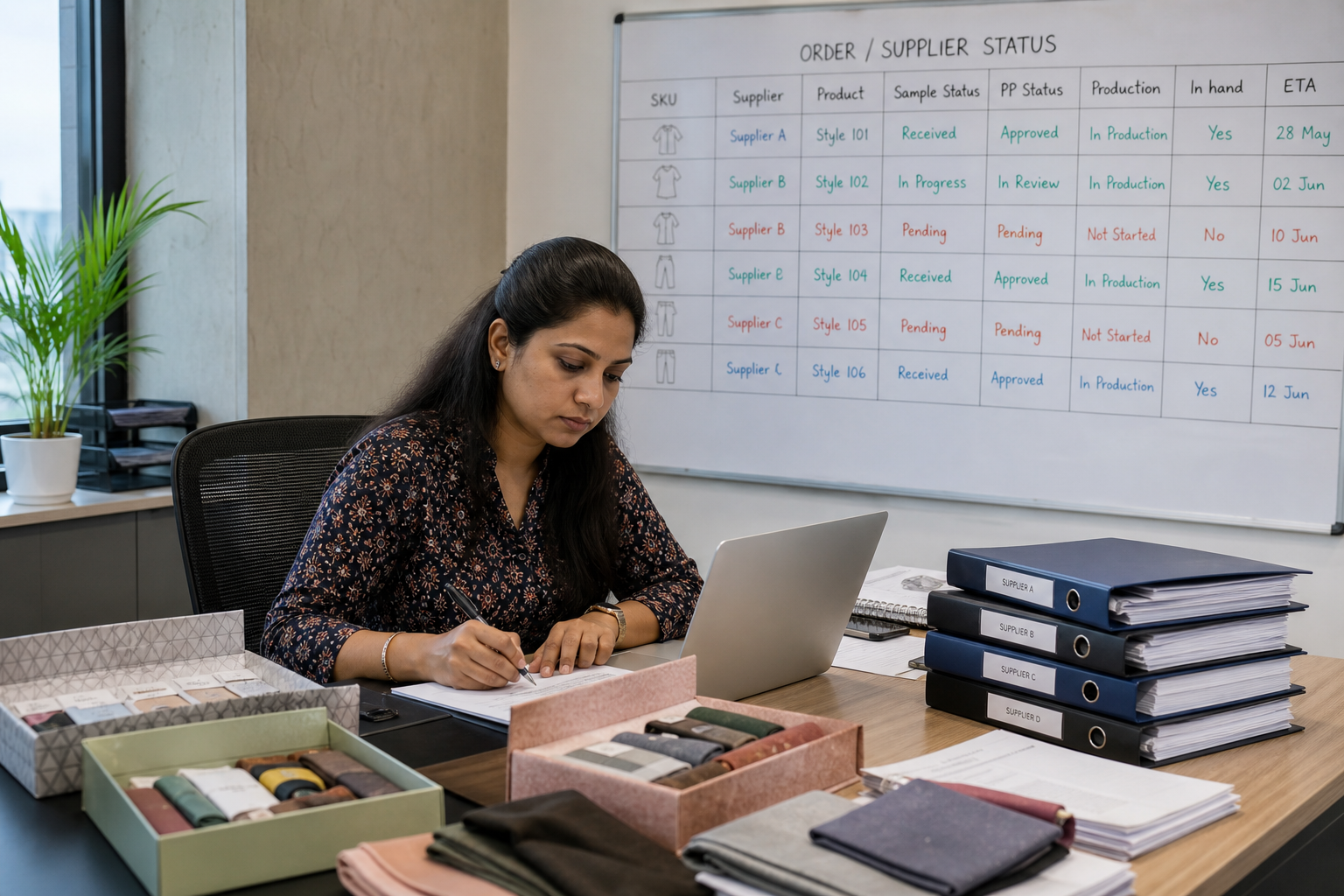
Common startup private-label mistakes
Mistake 1: Funding OEM before demand evidence
Unique tooling feels like progress. Unsold unique inventory feels like a post-mortem.
Mistake 2: Treating MOQ as a market forecast
Factory minimums are supply constraints. Demand is a separate question. Design trial quantities on purpose.
Mistake 3: Infinite sample poetry
Endless aesthetic tweaks without attribute closure burns cash and delays freeze.
Mistake 4: No freeze owner
If everyone can approve casually, no one is accountable when production drifts.
Mistake 5: Launching five variants on the first PO
Startups rarely have the ops or cash to restock five weak SKUs. Launch narrow.
Mistake 6: Ignoring pack until product is “done”
Pack is part of the SKU. Late artwork creates late ships and label errors.
Mistake 7: Confusing a sourcing partner with a manufacturer
Partners coordinate; manufacturers produce. Assess and contract them differently.
Mistake 8: Skipping brand-asset staging
Sending full formula and final artwork to every early contact increases unnecessary exposure. Use staged disclosure and the brand-protection guide for depth.
How Altus Exports fits a startup PL program
- Private label manufacturing in India
- Global sourcing partner in India
- Find manufacturers in India
- Product sourcing company in India
- Import products from India
- Contact Altus Exports
Altus Exports can help startups structure a Startup Private Label Stage Gate, shortlist compatible manufacturers, coordinate sampling and freeze hygiene, arrange QC against written criteria, and support export documentation handoffs. Engagements vary by category and scope. The useful starting point is your idea brief, product model preference, target markets, cash envelope for trial, and which gates you want locally supported.
Service entry points:
No exclusive factory claims, invented certifications, fabricated case studies, or guaranteed prices/MOQs appear here. Startup reliability comes from gates, freezes, and capital discipline.

Conclusion
How startups can develop private label products in India comes down to capital-aware sequencing: validate before customizing, choose the lightest viable product model, brief clearly, sample under caps, freeze with ownership, and treat first production as a risk plan. Startup private label India programs that win usually look boring on process and sharp on learning—not flashy on early OEM complexity.
Use this article for the startup path. Use the private-label cluster for OEM, packaging, MOQ, and IP depth. Use the small-business, small-order, e-commerce, and cost articles for adjacent operating questions. If you want on-ground coordination, bring Altus Exports a brief, a model choice, and a cash envelope for trial—not only a product dream.