How to Protect Your Brand When Working With Indian Private Label Manufacturers
By Saurabh Mittal, Founder, Altus Exports
Protect your brand with Indian private-label manufacturers by combining confidentiality agreements, trademark and artwork controls, locked specifications and formulas, sample and tooling discipline, production-quantity visibility, dual-sourcing where justified, and contract…
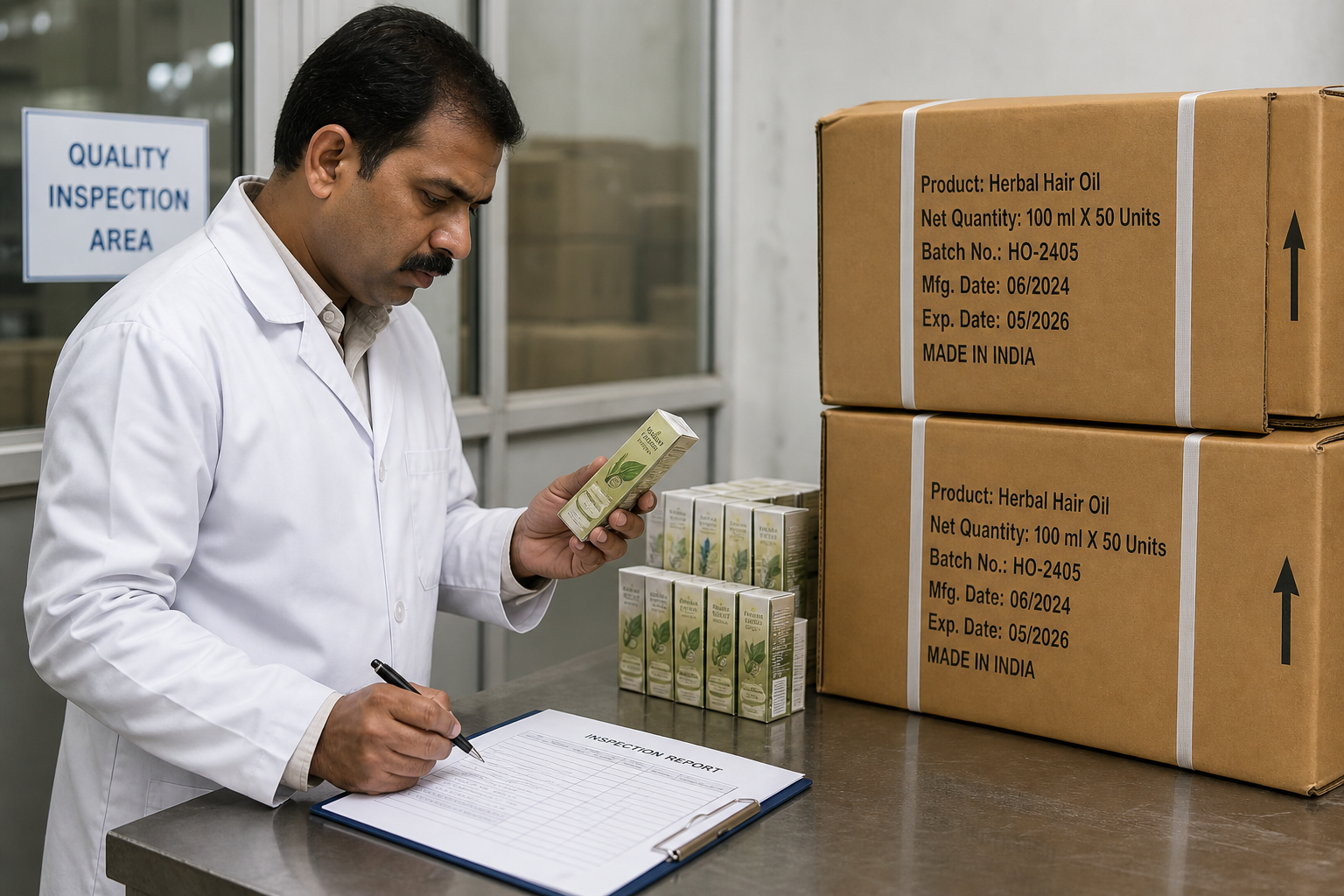
Private-label manufacturing places your brand closer to a factory than a generic OEM buy. The manufacturer may see your artwork, formulas, packaging architecture, target pricing, launch timing, and retailer requirements. That access is necessary for production—and it creates brand and confidentiality exposure if controls are informal.
This article is a practical operating guide for international buyers who want to protect brand private label India programs without turning every order into a legal seminar. It covers NDAs and information hygiene, trademark and labeling considerations, artwork and file control, exclusive formulas and tooling, dual sourcing, sample control, unauthorized production risk, and contract topics buyers should discuss with qualified counsel.
Important: This is not legal advice. Intellectual property, contract enforceability, and destination-market rules vary by jurisdiction and product category. Use this guide to structure commercial controls and questions for your lawyer; do not treat named clauses or frameworks as a substitute for counsel.
For manufacturer evaluation before you share sensitive files, use how to choose a private label manufacturer in India. For the broader private-label playbook, see how to source private label products from India. For the operational supplier–QC–packaging–export map, continue to India private label sourcing: supplier, quality control, packaging and export guide. For shared buyer–partner risk ownership, see how international buyers can reduce India sourcing risk.
Executive answer: brand protection is an operating system
Brand protection in private label is not a single NDA email. It is a controlled sequence: decide what is confidential; share only what the stage requires; lock approved artwork and specifications; record who holds samples, tooling, and formulas; watch production quantities; and keep dual-source or exit options where concentration would strand the brand.
The Brand Integrity Control Stack (BICS) below organizes those controls into six layers buyers can implement with manufacturers, sourcing partners, and counsel.

Brand Integrity Control Stack (BICS)
BICS is a commercial framework, not a legal opinion. Layers 2 and 3 especially require counsel for your home market, India contractual structure, and destination labeling rules.
Comparison table
Swipe →
Data table — swipe horizontally on small screens
| Layer | Control focus | Typical buyer action | Timing |
|---|---|---|---|
| 1. Information hygiene | What can be shared, with whom, and in which format | Classify files; use staged disclosure | Before first detailed RFQ |
| 2. Confidentiality instruments | NDA / confidentiality and related agreements | Execute appropriate agreements; track scope and parties | Before sharing proprietary packs |
| 3. Identity and mark control | Trademark, brand name, and labeling rights hygiene | Confirm registration strategy; control logo use | Before artwork freeze |
| 4. Asset control | Artwork, formulas, tooling, samples, BOM | Version control; access lists; return/destruction rules | Through development and production |
| 5. Production visibility | Quantity, subcontracting, overruns, leftovers | Approve plans; inspect; reconcile output | During production and pre-shipment |
| 6. Continuity and exit | Dual sourcing, knowledge retention, offboarding | Qualify alternatives; recover assets on exit | Before scale and at termination |
Why private label creates brand exposure
- you share final retail artwork early to “save time”;
- multiple factories receive the same complete pack for parallel quotes;
- samples leave the factory without a register;
- overruns, seconds, or rejected goods are not dispositioned in writing;
- a single supplier holds the only workable formula or tooling knowledge;
- subcontractors receive your brand files without your knowledge;
- messaging apps become the only record of “approved” artwork or formula changes.
In white-label or catalog OEM buying, the factory often owns a standard product and you apply limited branding. In true private label and custom OEM, more of the product identity is yours: name, claims language (where allowed), pack structure, formula or construction details, and sometimes exclusive finishes or components.
Exposure typically increases when:
None of these mean Indian manufacturers are uniquely unsafe. They mean private-label programs need the same discipline buyers already apply to quality and payment—applied to brand assets.

Layer 1: Information hygiene before you disclose
Classify what you are protecting
- Public or low sensitivity: general category description, indicative volumes, destination region without launch date.
- Commercial confidential: target price bands, retailer names, launch calendar, forecast.
- Brand assets: logos, brand guidelines, final claims copy, barcode ownership details.
- Technical proprietary: formulas, unique constructions, custom tooling drawings, process know-how you paid to develop.
- Regulated claims / compliance packs: test reports, certificates, and market-specific dossiers that must not be reused for other customers’ labels.
Separate information into practical buckets:
Share the minimum needed for each stage. A discovery RFQ rarely needs final retail dielines and full formula percentages. A production PO does.
Staged disclosure model
Comparison table
Swipe →
Data table — swipe horizontally on small screens
| Stage | What to share | What to withhold until later |
|---|---|---|
| Discovery / capability | Category, rough specs, indicative annual volume | Final brand name lock, full formula, retailer plan |
| Shortlist RFQ | Functional spec, packaging concept, trial quantity | Editable master artwork files; exclusive formula details |
| Sample development | Controlled tech pack, limited formula or construction data | Full brand guideline suite beyond what sample needs |
| Pre-production | Frozen artwork, frozen BOM/spec, packing standard | Unrelated future SKUs and unannounced line extensions |
| Production | Approved revision only; production qty; inspection plan | Draft concepts for next season still in design |
A sourcing partner can help enforce staged disclosure by maintaining a file register and confirming the factory received only the authorized revision. See global sourcing partner in India for how partner-led coordination typically works.
Layer 2: NDAs and confidentiality with Indian private-label manufacturers
Buyers searching for NDA private label manufacturer India often treat the NDA as the whole program. An NDA is useful; it is not sufficient alone.
What a practical confidentiality package usually covers
- definition of confidential information and exclusions (public knowledge, independently developed information, required disclosures);
- permitted use limited to quoting, sampling, or manufacturing your order;
- restrictions on sharing with subcontractors without written approval;
- handling of samples, leftover materials, and rejected goods that carry your brand;
- return or destruction of files and samples on request or at program end;
- term, survival after termination, and remedies framework;
- which entities are parties (factory legal entity vs trading company vs both).
Discuss with counsel whether your package should address:
Operating rules that make an NDA usable
- Execute with the correct legal entity before sending proprietary packs.
- Keep a register of who received which files and when.
- Prefer controlled file shares over unmarked email attachments when practical.
- Mark confidential documents clearly in filenames and headers where appropriate.
- Do not rely on a one-page NDA to protect rights you have not registered or contracted elsewhere (trademarks, design rights, formulas).
If you work through a merchant exporter or sourcing partner, clarify whether confidentiality obligations flow to the factory and any subcontractors. Ambiguity here is a common gap. For merchant-exporter models, see merchant exporter India.
Layer 3: Trademark and brand-identity hygiene
Trademark considerations buyers should raise with counsel
- Is the brand name and logo registered (or in process) in the markets where you will sell?
- Who is licensed to apply the mark on goods manufactured in India?
- How should the manufacturer’s name appear on packaging when destination rules require a manufacturer or importer statement?
- What happens if the factory proposes a “similar” house brand for leftovers?
- Are there prior third-party marks in India or destination markets that create conflict risk?
IP protection OEM India programs often need both home-market and destination-market trademark strategy. Typical commercial questions for counsel include:
A sourcing partner can help coordinate labeling facts and factory naming on packs; it should not give trademark legal opinions. Destination labeling detail belongs primarily in private label packaging and labeling in India.
Brand-use rules for factories
- use only approved logo files and color references;
- do not create “close enough” redraws of the logo;
- do not place the brand on samples for trade shows or websites without written approval;
- do not photograph branded goods for the factory’s marketing without permission;
- do not reuse your dieline for another customer’s product.
Document simple operating rules:
These rules are commercial controls. Enforceability and remedies are counsel topics.
Layer 4: Artwork, formula, tooling, and sample control
Artwork and file control
- [ ] Master files live in a buyer-controlled or jointly agreed repository.
- [ ] Each revision has a unique revision ID and approval date.
- [ ] Factory receives production-ready files only after freeze.
- [ ] Editable source files are shared only when necessary; flattened/print-ready packs may suffice for many runs.
- [ ] Color standards, fonts, and barcode ownership are documented.
- [ ] Obsolete revisions are marked superseded and removed from the production folder.
- [ ] Pre-shipment checks include artwork/version verification against the frozen pack.
Treat artwork as a controlled asset, not a chat attachment.
Artwork Control Checklist
Unauthorized or outdated artwork on cartons is both a brand risk and a quality failure. Link packaging execution to the QC gates in the supplier–QC–packaging–export guide.
Exclusive formulas and technical know-how
- record what is buyer-owned, jointly owned, or supplier-background IP in agreements reviewed by counsel;
- keep a controlled specification and, where appropriate, a sealed or restricted formula version;
- limit full formula disclosure to people who need it for manufacturing and quality;
- require written approval before the supplier offers the same formula to other customers if exclusivity is part of your deal;
- preserve enough documentation that a second source could be qualified later without relying on memory.
If you develop or co-develop a formula, blend, fragrance, construction, or process:
Exclusivity is a commercial bargain—often tied to volume, term, territory, or category. It should be explicit. Verbal “we won’t sell this to anyone else” is weak brand protection.
Tooling, molds, and custom components
- record ownership, custody, maintenance, and transfer rights in writing with counsel;
- identify storage location and asset IDs;
- restrict use to your program unless approved;
- plan recovery or destruction at exit;
- photograph and inventory critical tools after first production.
Where you fund molds, dies, custom packing tools, or branded components:
Sample control
Comparison table
Swipe →
Data table — swipe horizontally on small screens
| Sample type | Control question | Buyer action |
|---|---|---|
| Development sample | Who holds physical units? | Limit quantity; label “not for resale” |
| Golden / approved sample | Is the reference version locked? | Seal, photograph, store dual locations if needed |
| Sales / marketing samples | Can the factory keep branded units? | Approve quantity and use in writing |
| Failed / rejected samples | How are they destroyed or returned? | Require disposition evidence |
| Competitor or reference samples you sent | Can they be copied beyond your brief? | Scope the learning; retrieve when done |
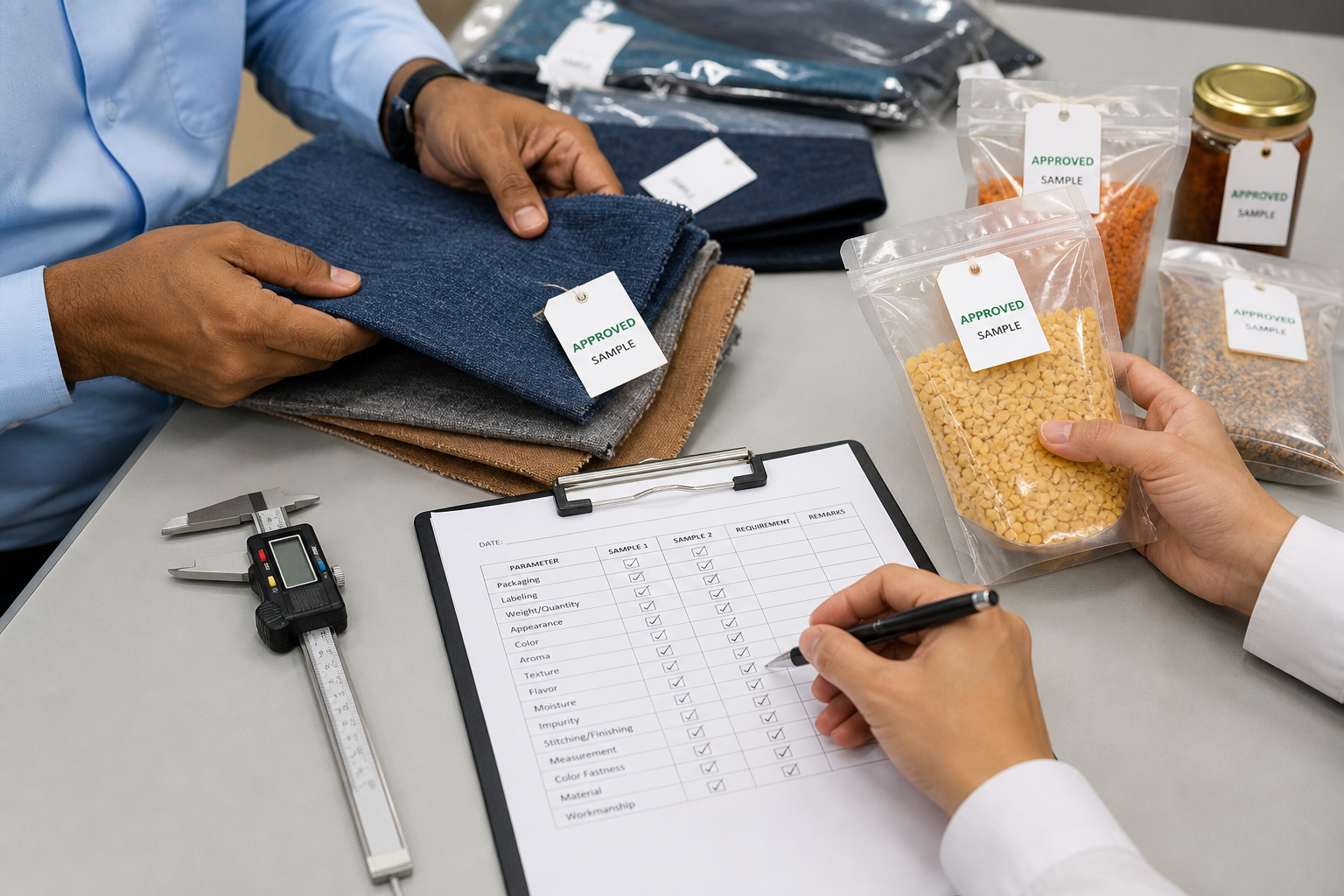
Samples carry brand and formula information. Maintain a sample register:
Untracked branded samples are a common source of leakage into local markets or unauthorized photography.

Layer 6: Dual sourcing, concentration, and exit
Brand protection includes continuity. If one factory holds your only workable process, exclusive component, or complete artwork history, a commercial dispute becomes a brand-continuity crisis.
When dual sourcing is justified
- volume or retailer dependency is material;
- formula or construction is buyer-critical;
- tooling can be duplicated at acceptable cost;
- lead-time risk from a single site is high;
- you need leverage on quality or confidentiality compliance.
Consider qualifying a second source when:
Dual sourcing is not always efficient for low-volume SKUs. The point is a conscious decision, not accidental single-source dependence. Retain controlled specifications so a second manufacturer can be briefed without reconstructing the product from a competitor’s shelf sample.
Exit and offboarding controls
- return or certified destruction of artwork, formulas, and confidential files;
- recovery or agreed destruction of tooling;
- disposition of remaining branded packaging and finished goods;
- revocation of logo use permissions;
- transition of quality and compliance records you need for market obligations.
Before scale—and again at termination—confirm with counsel and operations:
Contract clauses buyers should discuss with counsel
The following is a discussion list, not model language and not legal advice. Ask counsel how these topics should be handled for your structure (direct factory contract, via trading company, via sourcing partner / merchant exporter), governing law, and dispute forum.
Align purchase orders with the master agreement. A strong contract with weak PO attachments (no frozen artwork revision, no inspection right, no disposition clause) still leaves operating gaps.
Comparison table
Swipe →
Data table — swipe horizontally on small screens
| Topic | Why it matters in private label | Questions for counsel |
|---|---|---|
| Confidentiality and non-use | Limits reuse of your files and know-how | Scope, subcontractors, survival, remedies |
| IP ownership / license | Clarifies who owns developed formulas, artwork, tooling | Background IP vs newly created IP |
| Trademark / brand license | Controls who may apply your mark | Territory, quality control over mark use, termination |
| Exclusivity | Prevents parallel sale of your exclusive SKU/formula | Volume triggers, category, territory, term |
| Subcontracting consent | Stops silent brand-file spread | Approval rights, flow-down obligations |
| Audit / inspection rights | Supports quantity and process visibility | Frequency, scope, confidentiality of findings |
| Overrun and reject disposition | Reduces gray-market branded goods | Scrap, repurchase, de-branding duties |
| Tooling ownership and lien risk | Protects assets you funded | Title, possession, transfer on payment/exit |
| Non-solicitation of your customers (if appropriate) | Limits misuse of retailer introductions | Enforceability and scope by jurisdiction |
| Data and file return | Makes offboarding real | Formats, timelines, certification of deletion |

How manufacturer selection affects brand risk
- willingness to sign appropriate confidentiality terms before deep disclosure;
- clear subcontracting disclosure;
- sample and revision control habits;
- separate storage or process for customer-branded packing;
- export packing discipline and inspection cooperation;
- references for private-label (not only bulk commodity) work.
Brand controls work better with manufacturers who already run disciplined document and sample systems. When you choose a private label manufacturer in India, score confidentiality behavior alongside price and MOQ:
Finding factories is covered in how to find private label manufacturers in India. Selection quality is a brand-protection control, not only a purchasing control.
Role of an India sourcing partner in brand protection
- enforce staged file disclosure;
- maintain revision registers for artwork and specs;
- attend or coordinate inspections that include quantity and packing checks;
- confirm subcontracting disclosures;
- escalate suspected misuse of brand assets;
- help qualify a second source without losing specification control;
- coordinate export readiness so leftover branded goods are dispositioned before shipment close-out.
A sourcing partner cannot register your trademark for you or replace counsel. It can make brand controls operational:
Altus Exports supports international buyers through private label manufacturing in India and related sourcing services. The value in brand protection is disciplined local execution of the controls you and your counsel define—not a promise that IP risk can be eliminated.
Brand Integrity Gate Checklist
Checklist
Use this checklist before sharing a full private-label pack, before first bulk production, and before scaling volume.
Before deep disclosure
- [ ] Information classified; staged disclosure plan agreed.
- [ ] Correct legal entity identified for confidentiality instruments.
- [ ] Counsel reviewed NDA/confidentiality approach for this structure.
- [ ] File register opened (what was sent, to whom, which revision).
- [ ] Public marketing use of brand by factory prohibited without approval.
Before artwork and formula freeze
- [ ] Trademark/brand-use questions raised with counsel for destination markets.
- [ ] Artwork revision IDs and approval owners defined.
- [ ] Formula/construction ownership and exclusivity terms discussed with counsel where relevant.
- [ ] Tooling ownership and custody documented if buyer-funded.
- [ ] Golden sample control plan agreed.
Before bulk production
- [ ] Frozen pack and spec issued; obsolete files superseded.
- [ ] Production quantity plan approved.
- [ ] Subcontracting rules confirmed in writing.
- [ ] Overrun/seconds/reject disposition agreed.
- [ ] Inspection scope includes brand, artwork version, and quantity checks.
Before shipment and after receipt
- [ ] Finished goods and packing components reconciled against plan as agreed.
- [ ] Leftover branded materials disposition evidenced.
- [ ] Shipment photos/records confirm correct artwork revision.
- [ ] Marketplace and channel monitoring plan in place for unauthorized listings where relevant.
- [ ] Dual-source or exit documentation remains buyer-accessible.

Proportionate controls for SMEs and first programs
- a written confidentiality understanding before sharing proprietary files;
- controlled artwork revisions;
- clear sample quantities and “not for resale” labeling;
- written disposition of branded rejects;
- buyer access to the approved specification after the trial.
Not every first trial needs every control at maximum depth. Proportionate brand protection still includes:
As volume, retailer exposure, or formula uniqueness increases, deepen exclusivity language, tooling title, dual sourcing, and audit rights with counsel. Small programs fail brand protection when they skip the basics, not when they skip a perfect contract suite on day one.
Conclusion: protect the brand with controls you can operate
International buyers protect private-label brands in India by treating brand assets like controlled production inputs. Classify information, disclose in stages, put confidentiality instruments in place with the right entities, keep artwork and formulas under revision control, watch quantities and leftovers, and avoid accidental single-source dependence on unrecoverable know-how. Discuss contract and IP registration topics with counsel; run the day-to-day gates with your team or an India partner.
Altus Exports helps buyers operate private-label programs with clearer file control, manufacturer coordination, and inspection-linked release disciplines under private label manufacturing in India. For import execution context, see import products from India. Bring your category, disclosure stage, and whether formula or artwork exclusivity matters—we can help map proportionate brand-integrity controls beside quality and export gates.